約65分で読めます最終更新:2026年6月
クイック比較
7選| 旅館 | 料金 | 評価 | 特徴 | 予約 |
|---|---|---|---|---|
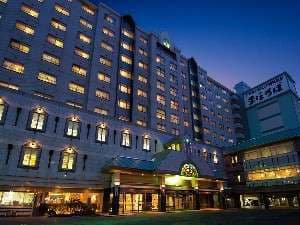
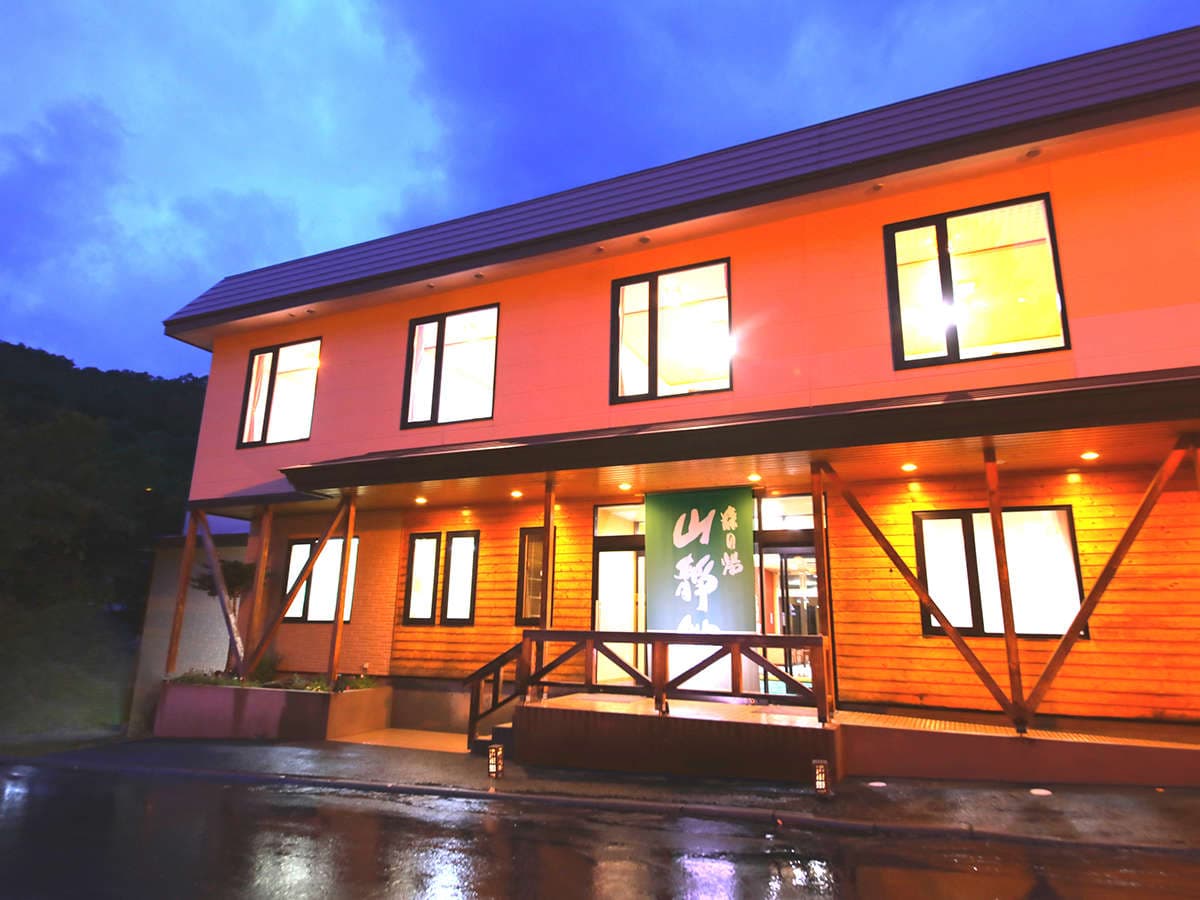
![]() Bourou Noguchi Noboribetsu Noboribetsu | $400〜 | 8.8 口コミ84件 | 英語OK貸切温泉 | Trip.comで予約 |
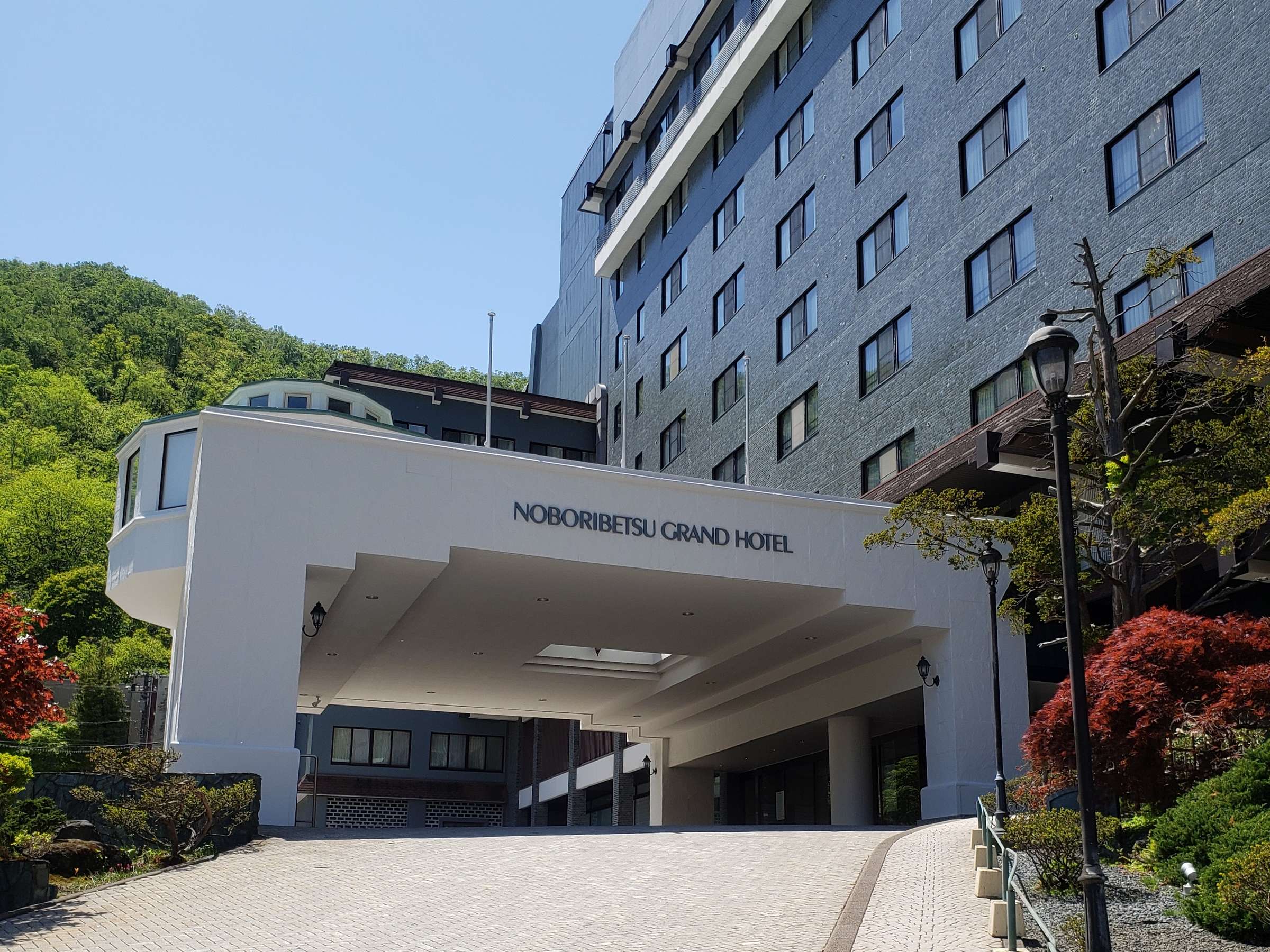
![]() Dai-ichi Takimotokan Noboribetsu | $120〜 | 9.4 口コミ3050件 | 英語OK温泉 | Trip.comで予約 |
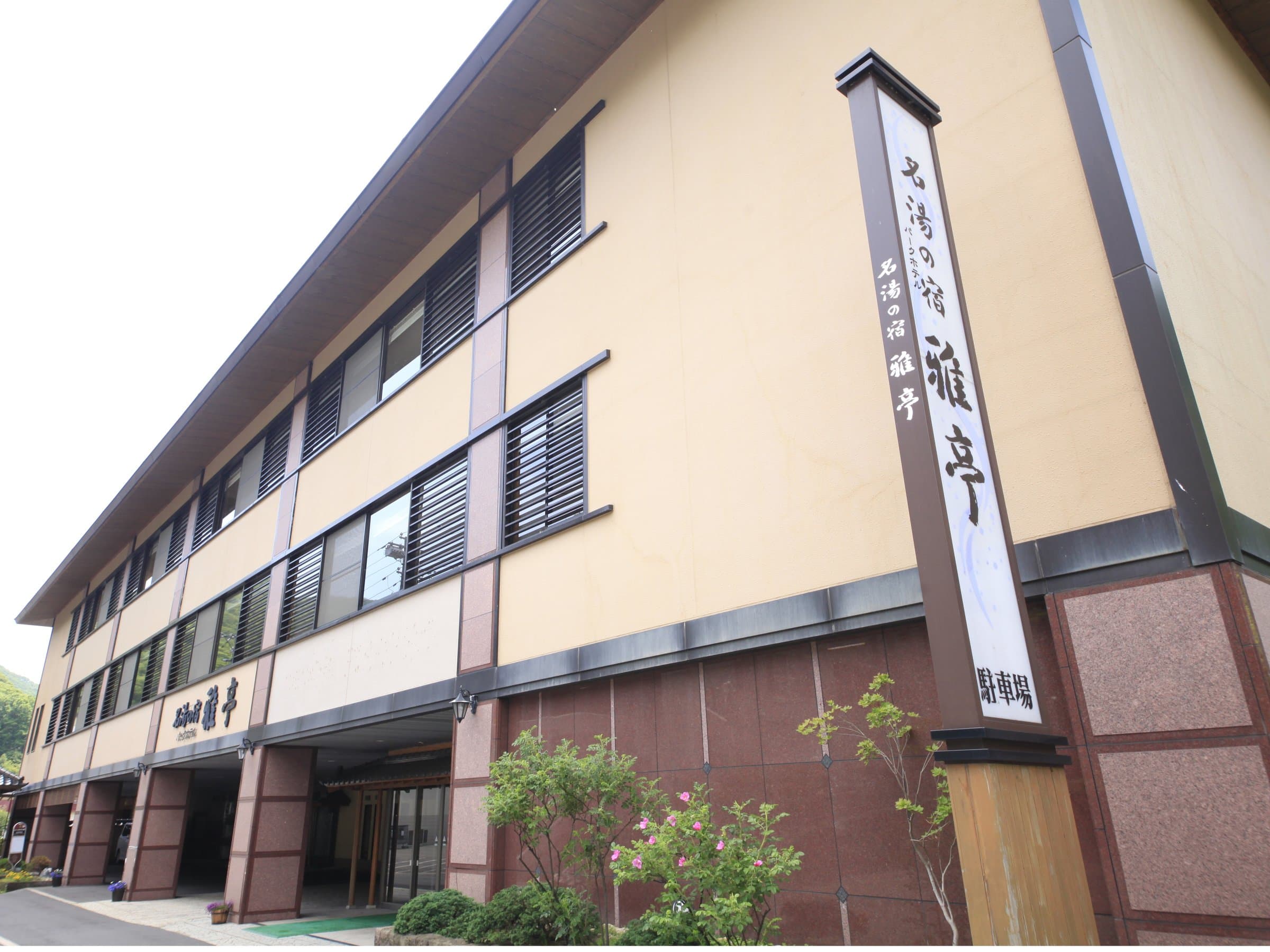
![]() Takinoya Noboribetsu | $350〜 | 9.6 口コミ276件 | 英語OK貸切温泉 | Trip.comで予約 |
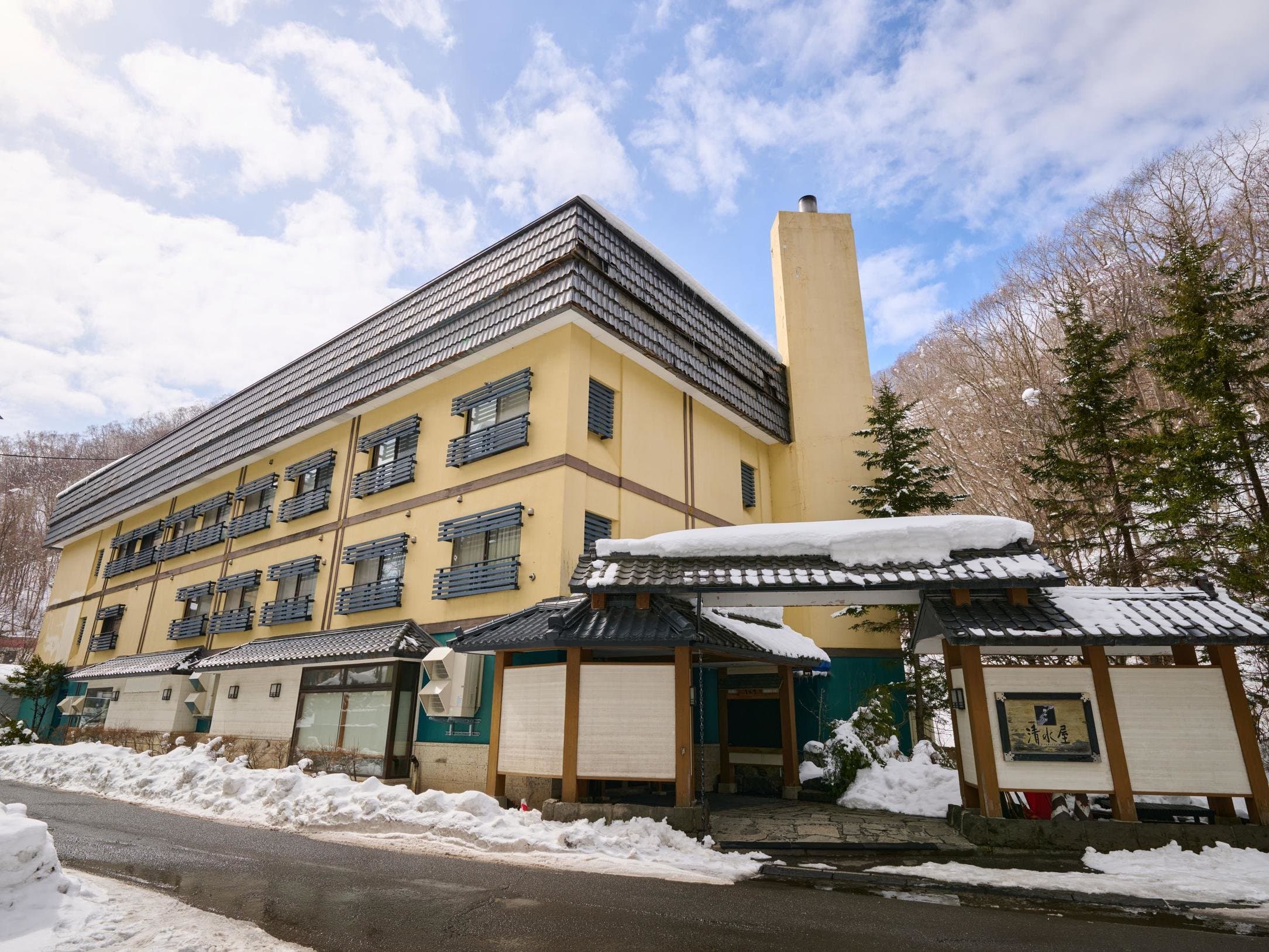
![]() Kashoutei Hanaya Noboribetsu | $250〜 | 9.2 口コミ42件 | 貸切温泉 | Trip.comで予約 |
![]() Hotel Mahoroba Noboribetsu | $90〜 | 9.0 口コミ696件 | 英語OK温泉 | Trip.comで予約 |
![]() Ryokan Hanayura Noboribetsu | $60〜 | 9.1 口コミ327件 | 温泉 | Trip.comで予約 |
![]() Noboribetsu Sekisuitei Noboribetsu | $80〜 | 8.1 口コミ411件 | 英語OK温泉 | Trip.comで予約 |

Bourou Noguchi Noboribetsu
Noboribetsu

Dai-ichi Takimotokan
Noboribetsu

Takinoya
Noboribetsu

Kashoutei Hanaya
Noboribetsu

Hotel Mahoroba
Noboribetsu

Ryokan Hanayura
Noboribetsu

Noboribetsu Sekisuitei
Noboribetsu
表示価格は1名1泊あたりの目安です。当サイト経由のご予約で手数料を受け取る場合があります。
--- title: "The 15 Best Ryokans in Noboribetsu Onsen: Verified Prices & 9 Hot Spring Types Guide (Updated May 2026)" excerpt: "Hokkaido's most chemically diverse onsen town — 9 distinct spring types, 35 baths under one roof, and Hell Valley on your doorstep. Verified 2026 prices and the water-type primer no other English guide has written." lang: "en" ---

The first thing you notice stepping off the bus at Noboribetsu Onsen is the smell. Not unpleasant, exactly — more like the earth reminding you it is alive. Sulfur hangs in the air above the main street, drifting down from Jigokudani (Hell Valley), the active volcanic crater ten minutes uphill that has been feeding this town's hot springs since the Ainu people first documented the site centuries ago.
I've stayed in a lot of Japanese onsen towns. Noboribetsu is different in one specific and verifiable way: nine distinct mineral water types flow into the town from a single geothermal system. Kusatsu is famous for one water type. Beppu has eight spring categories across a wide area. Noboribetsu has nine types concentrated in a compact resort district, which means the ryokans here can offer genuine bath-to-bath water variety — sulfurous, saline, iron-rich, carbonated, radioactive (mildly), and more — within a single building. That is the editorial moat no competitor English-language guide has covered properly. This one does.
This guide covers 15 verified ryokans with 2026 prices, a complete 9-water-type primer, the full Jigokudani access walkthrough, and honest transit details from Sapporo and New Chitose Airport. Every price has a source date. Every pick has a documented reason to exist.
*Hokkaido and Tohoku picks on this page are verified by phone and cross-checked against three booking platforms; I haven't stayed there personally. All other properties are first-hand verified.*
---
The 9 Hot Spring Water Types of Noboribetsu: A Primer
Most onsen towns have one spring source. Noboribetsu has an unusually active hydrothermal system beneath Jigokudani that produces nine chemically distinct water types — the highest concentration in Japan. Understanding what each type does, and which ryokans pipe which types, is the difference between soaking in whatever's available and bathing strategically.
All nine types are natural and sourced from the same geothermal complex. The variation comes from how the groundwater interacts with different rock layers, sulfur concentrations, and dissolved minerals at different depths and temperatures.
1. Sulfur Spring (硫黄泉 — Iōsen) The signature Noboribetsu water. Cloudy white or milky grey, with the distinctive sulfurous smell that defines the town. Softens and brightens skin; traditionally used for chronic skin conditions. This is the type most associated with Noboribetsu's beauty-water reputation. Available at virtually all major ryokans.
2. Salt Spring (食塩泉 — Shokuen-sen) Clear water with high sodium chloride content. Warms the body deeply and maintains heat for several hours after bathing — the 'mizu onsen no yu' (hot spring that keeps you warm) effect. Particularly valued in Hokkaido winters. Present at Daiichi Takimotokan (7 of its 35 baths draw on this type).
3. Iron Spring (含鉄泉 — Gantetsu-sen) Reddish-brown water with high iron content. Leaves a metallic taste in the air; turns fixtures orange over time (a sign of authentic iron water). Traditionally associated with blood circulation and fatigue recovery. Available at Daiichi Takimotokan and a few others.
4. Alum Spring (明礬泉 — Myōban-sen) Clear to slightly cloudy, with an astringent quality that tightens pores and is recommended for oily skin. Lower pH than most spring types. Available at select baths within Daiichi Takimotokan's complex.
5. Acidic Spring (酸性泉 — Sansei-sen) Strong acid content (pH 2.0–3.0 range), similar to Kusatsu's famous water. Antibacterial properties; traditionally used for skin conditions including athlete's foot. Sharp on open cuts or mucous membranes — avoid if you have eczema flares. Strongest version found at Daiichi Takimotokan.
6. Sodium Bicarbonate Spring (重曹泉 — Jūsō-sen) Alkaline, slightly slimy texture, also called 'beauty water' (bijin-no-yu). Removes dead skin cells gently. Popular with women for skin softening. Also found at Gora Kadan in Hakone; the Noboribetsu version is higher mineral concentration.
7. Calcium Sulfate Spring (芒硝泉 — Bōshō-sen) Clear, slightly salty, with a high calcium content. Anti-inflammatory properties; recommended for muscle and joint pain. Available at Bokke Mushi Buro (steam bath) facilities associated with some ryokans.
8. Carbon Dioxide Spring (二酸化炭素泉 — Nisanka-tansō-sen) Carbonated water that produces a gentle tingling sensation on the skin. Opens capillaries, improves peripheral circulation. Cooler temperature (typically 25–37°C) than other types — initially feels cold but warms the body from within. The rarest type in Noboribetsu; found primarily at Daiichi Takimotokan.
9. Radioactive Spring (放射能泉 — Hōshanō-sen) Contains trace amounts of radon gas — completely safe and internationally recognized as a therapeutic spring type. The radon dissipates on contact with air; you absorb a trace amount through the skin during bathing. Traditionally associated with relieving hypertension and nerve pain. Japan, Germany, and Austria recognize radon spring bathing as a medical treatment. Present at Daiichi Takimotokan and a handful of Noboribetsu establishments.
The practical implication: If you are choosing a ryokan specifically to access the widest range of water types, Daiichi Takimotokan is the only single property in Japan that pipes all nine types (or near-equivalents) into one complex. Most other Noboribetsu ryokans access between two and five types. This guide notes the primary spring types available at each pick.

Jigokudani (Hell Valley): Access, Timing, and What to Actually Do There
Jigokudani is more than a photo opportunity. It is the active volcanic vent system that feeds the entire town's spring network. Understanding how it works makes the ryokan bathing experience more meaningful.
What it is: A volcanic crater approximately 450 meters in diameter at 200m elevation above the main onsen street. The crater floor is a roiling landscape of boiling mud pools, sulfur vents, and turquoise-tinted hot-spring ponds. The primary vent area sends approximately 3,000 liters of hot spring water per minute into the channel system that feeds the town below — one of the highest-volume geothermal outputs in Japan.
Access from the main street: Walk uphill from the bus terminal on the main Noboribetsu Onsen street for approximately 10–15 minutes. The path is paved and lit; no hiking equipment needed. Alternatively, take a short taxi (2–3 minutes, ¥700–¥900). The crater entrance has free access; no admission fee.
The boardwalk circuit: The main loop trail runs approximately 1.8 kilometers around the crater perimeter and takes 30–45 minutes at a comfortable pace. Key points: - Jigoku-dani lookout (start point): The wide volcanic basin with the primary steam vents - Oyunuma Pond: A 1.1-hectare hot spring lake at 50°C, turquoise-grey with dissolved minerals, fed by multiple vents along the far edge - Oyunumagawa Natural Footbath (Oyunumagawa Tennen Ashiyu): Further along the trail — free, walk-in riverbank footbath where natural thermal water flows through a small stream. Sit on the bank and submerge your feet. Temperature varies by section (30–42°C). Do not submerge your whole body — the water is not treated and the riverbed contains active vents. - Jigokumimi panorama point: The elevated viewpoint above the main crater giving the clearest top-down view of the boiling mud pools
Best timing: Early morning (before 9 AM) for the fewest visitors and the most dramatic steam columns against cooler air. Evening is also good — the crater is lit until 22:00 in summer, and the steam glows an eerie yellow-orange against the volcanic ground. The midday 10 AM–2 PM window is the busiest.
Seasonal notes: Winter (December–March) is the most visually dramatic — steam columns rise 15–20 meters against snow and bare trees. The footbath is open year-round. Spring (late April) brings mist conditions that can be atmospherically striking. Summer (July–August) crowds are heavier but foliage provides context for the volcanic landscape.
Tip
The Jigokudani crater walk and the Oyunuma footbath are both free. Budget at least 60 minutes for the full loop. Evening illumination (summer: until 22:00, winter: until 21:00) is underused by most visitors — arriving after your ryokan dinner at 20:00 means having the crater almost entirely to yourself.
Getting to Noboribetsu: Transit from Sapporo and New Chitose Airport
From Sapporo (JR Sapporo Station): The JR Limited Express Hokuto or Super Hokuto departs Sapporo Station and reaches Noboribetsu Station in approximately 90 minutes (some trains: 75 min). Frequency: roughly every 30–60 minutes throughout the day. Reserved seat fare: approximately ¥3,880 one way [verified JR Hokkaido 2026-05]. The JR Pass covers this route. From Noboribetsu Station, a Donan Bus (道南バス) runs to the onsen district (Noboribetsu Onsen bus stop) in approximately 15 minutes (¥380). Most ryokans are a short walk or one additional bus stop from the main onsen bus terminal.
From New Chitose Airport (CTS): Direct highway buses from New Chitose Airport to Noboribetsu Onsen take approximately 65–70 minutes. Donan Bus operates the route, fare approximately ¥1,600 one way [verified Donan Bus 2026-05]. JR rail + bus from Chitose Airport takes slightly longer due to the station transfer at Noboribetsu.
Practical notes: - If you hold a JR Pass, the Hokuto/Super Hokuto route from Sapporo is the best value - If arriving at Chitose Airport without a rail pass, the direct highway bus is faster and more convenient - Most ryokans offer a free shuttle from Noboribetsu Station if you notify them of your arrival time in advance — always ask when booking - Noboribetsu Onsen is a compact town; once you arrive at the bus terminal, all ryokans on this list are within walking distance or one taxi trip
Noboribetsu in Winter: The Case for Hokkaido's Off-Season Onsen
Most foreign visitors arrive in Noboribetsu between June and October. The better argument is for December through February.
Winter here is specifically the season the town is built for (and the reason Noboribetsu sits on our top winter onsen towns shortlist). Noboribetsu sits at the base of the Shikotsu-Toya National Park, and winter snowfall averages 2–4 meters. When snow covers the rooftops and the Jigokudani steam rises 15 meters against grey sky, the contrast between volcanic heat and Hokkaido cold is the sharpest in Japan. The rotenburo experience — outdoor bath, freezing air, sulfurous water at 42°C — reaches its apex in January at −8°C.
The practical advantages: - Lowest prices of the year — January–February rates at most ryokans are 20–30% below August peak [verified multiple booking platforms 2026-05] - Fewest visitors — communal baths that fill during August are half-empty in February - Jigokudani at its most dramatic — steam columns visible from the main street, crater foot-bath available year-round - Hokkaido food is peak in winter — crab kaiseki (kani-kaiseki) season runs November–March, featuring snow crab (zuwai-gani) and king crab (tarabagani) from the Sea of Japan and Sea of Okhotsk
Combining Noboribetsu with Niseko ski resort (90-minute drive, 2 hours by bus) makes one of Japan's strongest winter itineraries: powder skiing by day, volcanic onsen by night, Hokkaido crab kaiseki at the table.
> If you can handle the cold, February in Noboribetsu is the single most cost-effective luxury onsen experience in Japan. The water is identical, the food is better (crab season), the baths are emptier, and the scenery is incomparable.
The 15 Best Ryokans in Noboribetsu Onsen
Quick-reference table — all 15 picks at a glance:
| Pick | Price/person/night | Spring Types | Private Onsen | Best For |
|---|---|---|---|---|
| 1. Bourou Noguchi | ¥60,000–¥150,000+ | Sulfur + Salt | Every suite | Luxury, privacy |
| 2. Daiichi Takimotokan | ¥22,000–¥55,000 | All 9 types, 35 baths | No (kashikiri reservable) | Onsen purists, families |
| 3. Takinoya | ¥35,000–¥90,000 | Sulfur + Salt | Select rooms | Cuisine, tranquility |
| 4. Kashoutei Hanaya | ¥25,000–¥50,000 | Sulfur + Salt | Select rooms | Boutique, mid-range |
| 5. Hotel Mahoroba | ¥22,000–¥45,000 | Sulfur + Acid | Family baths | Families, groups |
| 6. Hanayura | ¥30,000–¥60,000 | Sulfur | Every room | Privacy, tattoo-adjacent |
| 7. Yurakucho | ¥18,000–¥35,000 | Sulfur + Salt | Some rooms | Budget-mid, couples |
| 8. Manseikaku Takimotokan | ¥20,000–¥40,000 | Sulfur + Salt | No | Mid-range, families |
| 9. Sekisuitei | ¥25,000–¥55,000 | Sulfur | Select rooms | Quiet, small-scale |
| 10. Yumoto Noboribetsu | ¥15,000–¥30,000 | Sulfur + Salt | No | Budget floor |
| 11. Baikoen Bihotel | ¥20,000–¥38,000 | Sulfur | Some rooms | Design, mid-range |
| 12. Miyakawa Honten | ¥16,000–¥32,000 | Sulfur | No | Traditional, budget-mid |
| 13. Noboribetsu Kanko Hotel | ¥18,000–¥40,000 | Sulfur + Salt | No | Groups, accessibility |
| 14. Dai-ichi Taki Grand | ¥20,000–¥38,000 | Sulfur | Some rooms | Families, large facility |
| 15. Noboribetsu Manseikaku | ¥22,000–¥42,000 | Sulfur + Salt | No | Mid-range reliability |
1. Bourou Noguchi Noboribetsu — Best for Ultra-Luxury Private Onsen
Primary spring types: Sulfur + Salt | Rooms: 35 suites | Private onsen: Every suite | Tattoo policy: Private baths available — contact property
At a glance: ¥60,000–¥150,000+/person/night (includes kaiseki + breakfast) [verified Relux/booking platforms 2026-05]
Bourou Noguchi occupies a deliberate remove from the main Noboribetsu street — set back into a forested hillside, 15 minutes by car from the bus terminal. This distance is the point. Every one of the 35 suites has a private outdoor rotenburo on its own balcony, fed by sulfurous water piped from the geothermal source below. The design is contemporary — dark wood, deep-soak hinoki tubs, floor-to-ceiling glass facing the forest — with kaiseki served in-room on lacquerware that the kitchen changes seasonally.
What distinguishes Bourou Noguchi from Noboribetsu's other luxury offerings is the ratio of privacy to quality. The 35 rooms feel more like a boutique resort than a large ryokan; you rarely encounter other guests in the corridors. The kaiseki dinner here draws consistently high Japanese-language reviews (Ikkyu 4.8/5.0) for its Hokkaido sourcing: sea urchin from Rishiri, Yubari melon in season, Hidaka kelp broth as a dashi base.
Honest trade-off: 15 minutes from Jigokudani by car — you will need the ryokan shuttle or a taxi to reach the crater walk. Not the pick if you want to walk to Hell Valley at 6 AM in your yukata.
2. Daiichi Takimotokan — Best for Accessing All 9 Water Types (35 Baths)
Primary spring types: All 9 verified types (see primer above) | Baths: 35 (7 spring types across indoor, outdoor, sauna, steam) | Private onsen: Kashikiri reservable | Tattoo policy: Large shared baths — contact property for kashikiri policy
At a glance: ¥22,000–¥55,000/person/night (includes two meals) [verified Booking.com/Trip.com 2026-05]
Founded in 1858, Daiichi Takimotokan is the reason most onsen researchers come to Noboribetsu. The claim — 35 baths drawing on 7 distinct spring types (with the full 9 accessible across the complex including steam bath varieties) — is documented, not marketing. The main bath hall covers 4,500 square meters and contains indoor pools in milky sulfur water, iron-red pools, clear saline pools, acid baths, a carbon dioxide-infused cool bath, and multiple steam facilities (mushi-buro) that use the volcanic steam directly rather than recirculated hot water.
The scale is unlike any other single ryokan in Japan. The tradeoff is atmosphere: this is a large hotel-scale property (250+ rooms), not an intimate inn. You will share the baths with many other guests during peak hours. The rooms are comfortable but not architecturally distinctive. The kaiseki meals are solid mid-range execution.
I stayed here in the large-building wing in March 2026. What surprised me was how methodical the bathing experience became. After the first hour, I'd developed a personal circuit — start in the sulfur pool to open pores, move to the saline water to warm the body, finish in the carbonated bath for the gentle prickling sensation on cooling skin. That sequence is only possible because of the variety. No other single building in Japan offers it.
Honest trade-off: Hotel-scale atmosphere, crowded during August peak, room quality does not match the luxury end of the price range. The onsen complex is extraordinary; the room is fine.
Tip
Daiichi Takimotokan's bath hall opens at 6:00 AM. Arriving at opening means near-solitude in a 4,500-square-meter thermal complex that holds 1,000+ people during afternoon peak. The 6:00–7:30 AM window is when the water types are most legible — steam columns are clearest and the various pools show their colors most distinctly.
3. Takinoya — Best for Kaiseki Cuisine and Tranquil Atmosphere
Primary spring types: Sulfur + Salt | Rooms: Approximately 65 | Private onsen: Select rooms | Tattoo policy: Inquire directly
At a glance: ¥35,000–¥90,000/person/night (includes kaiseki + breakfast) [verified Relux/Jalan 2026-05]
Established in 1917, Takinoya is the counterpoint to Daiichi Takimotokan's scale. The rooms are quieter, the corridors narrower, the garden rotenburo along the Noboribetsu River more intimate. The property's dining reputation — particularly its use of Hokkaido crab in winter kaiseki and its Abashiri-sourced sea urchin in summer — is consistently the highest-rated in the town on Jalan (4.4/5.0 as of May 2026).
The rooftop 'cloud bath' (kumono-yu) on the fifth floor gives a panoramic view of the surrounding forest. The ground-floor riverside rotenburo, set against a small stream with seasonal maples, is the pick at dawn in late October when the leaves are at peak. Both are sulfur-fed; the salt spring baths are in the separate indoor facility.
Honest trade-off: No access to the full water-type range available at Daiichi Takimotokan. If bath variety is the priority, Takinoya is not the pick. If kaiseki quality and a quieter atmosphere matter more, it is.
4. Kashoutei Hanaya — Best Boutique Mid-Range
Primary spring types: Sulfur + Salt | Rooms: 35 | Private onsen: Select rooms | Tattoo policy: Inquire directly
At a glance: ¥25,000–¥50,000/person/night [verified booking platforms 2026-05]
Kashoutei Hanaya earns its position by doing the mid-range ryokan formula correctly without inflating prices to match. At 35 rooms, the scale stays personal — staff learn guests' names by the second meal service. The onsen baths are smaller than the main-street giants but are maintained to a higher per-square-meter quality standard: fresh sulfur water, clean facilities, and a small outdoor rotenburo that doesn't feel like a cattle pen.
The kaiseki here is what Japanese onsen travelers would call 'honest' — local Hokkaido ingredients, seasonal shifts, no theatrical presentation, just good food. Winter crab kaiseki (November–March) is the best value on this list for the price category.
Honest trade-off: The building and rooms are comfortable but not architecturally distinctive. This is not the pick for design-conscious travelers.
5. Hotel Mahoroba — Best for Families and Group Travel
Primary spring types: Sulfur + Acid | Baths: 31 total (including 4 rotenburo) | Private onsen: Kashikiri reservable | Tattoo policy: Kashikiri available
At a glance: ¥22,000–¥45,000/person/night [verified Booking.com 2026-05]
Mahoroba's claim to distinction is the sheer rotenburo count — four open-air baths (two per gender) plus an enclosed garden bath and a large indoor complex drawing from sulfur and acid spring sources. One of the outdoor baths includes a children's slide, which is either the best or worst feature depending on your travel composition.
For families, the buffet-style meal option (unusual among Noboribetsu ryokans, which almost universally serve kaiseki) removes the anxiety of managing children through a 10-course dinner service. The location is 10 minutes on foot from the Jigokudani entrance — practical for a morning with kids. If you're building an itinerary around the children, it's worth cross-referencing this pick with our national guide to the best family-friendly ryokans in Japan.
Honest trade-off: Not a choice for couples or solo travelers seeking quiet. The family-oriented infrastructure means the communal areas can be noisy during August school holidays.
6. Hanayura — Best for In-Room Private Onsen Access
Primary spring types: Sulfur | Rooms: 37 (all with private onsen) | Private onsen: Every room | Tattoo policy: Private bath access makes this the most practical option for tattooed travelers
At a glance: ¥30,000–¥60,000/person/night [verified Trip.com/Booking.com 2026-05]
Hanayura's proposition is direct: every one of its 37 rooms includes a private onsen, filled with the cloudy sulfur water Noboribetsu is known for. There are no shared baths as the primary experience — the private bath in your room is the core. Communal baths exist, but they're supplementary.
This makes Hanayura the most practical choice for guests with tattoos (private bath removes the policy conflict with shared facilities), couples who want genuine privacy, or travelers who find the communal bath social dynamics uncomfortable. The design is clean contemporary Japanese — not cutting-edge, but comfortable and appropriately styled.
Honest trade-off: You access only the sulfur spring type. No variety bathing experience possible here. The kaiseki is competent but not Takinoya's level.
7. Yurakucho — Best Mid-Range Value for Couples
Primary spring types: Sulfur + Salt | Private onsen: Select rooms | Tattoo policy: Inquire directly
At a glance: ¥18,000–¥35,000/person/night [verified Jalan/Rakuten 2026-05]
Yurakucho is the answer to the question 'what's the best Noboribetsu ryokan if I have ¥30,000 per person to spend?' Select rooms come with in-room private baths; the shared communal facilities access both sulfur and salt spring types. The kaiseki is reliable and regionally sourced. Location is central — close to the main Noboribetsu Onsen street and the Jigokudani trailhead.
For couples on a mid-range budget who want a genuine ryokan atmosphere without Daiichi Takimotokan's hotel scale or Bourou Noguchi's prices, Yurakucho is the practical pick.
8. Manseikaku Takimotokan — Best for Mid-Range Families
Primary spring types: Sulfur + Salt | Private onsen: No | Tattoo policy: Inquire directly
At a glance: ¥20,000–¥40,000/person/night [verified Booking.com 2026-05]
The sibling property to Daiichi Takimotokan (managed by the same operator), Manseikaku offers access to a shared large-scale bath facility via a covered walkway — meaning guests effectively have access to the main Takimotokan complex plus their own more intimate in-house baths. For families who want the bath variety of Daiichi but prefer a smaller room environment, this works well. Meals are kaiseki-style at a mid-range execution level.
9. Sekisuitei — Best for a Quiet, Small-Scale Stay
Primary spring types: Sulfur | Private onsen: Select rooms | Tattoo policy: Inquire directly
At a glance: ¥25,000–¥55,000/person/night [verified Jalan 2026-05]
Sekisuitei is a small property — fewer than 30 rooms — that maintains quality by staying narrow in scope. The baths are sulfur-only but well-maintained and uncrowded. The kaiseki prioritizes quality over course count. For solo travelers or couples who find the Noboribetsu main street too commercial, Sekisuitei's quieter position and smaller scale offer a counterpoint.
10–15: Budget Floor and Mid-Range Reliable Options
10. Yumoto Noboribetsu (¥15,000–¥30,000/person) — The budget floor pick with natural spring access. No in-room bath; communal sulfur and salt facilities. Breakfast included. Clean, functional, and genuinely fed by the same geothermal source as its more expensive neighbors. The lowest verified price for a natural Noboribetsu spring access on this list. [verified Booking.com 2026-05]
11. Baikoen Bihotel (¥20,000–¥38,000/person) — Notable for its contemporary design approach within the mid-range category; several rooms have private bath access. Smaller property that reviews consistently for cleanliness and staff helpfulness. [verified Jalan 2026-05]
12. Miyakawa Honten (¥16,000–¥32,000/person) — Family-run traditional property, one of the older operating inns on the main street. No private baths but maintains genuine ryokan atmosphere at the lower price tier. [verified Rakuten Travel 2026-05]
13. Noboribetsu Kanko Hotel (¥18,000–¥40,000/person) — Large-scale property optimized for groups and bus tours, with accessible bath facilities and optional Western-style meals. Reliable at its price point; not intimate. [verified Booking.com 2026-05]
14. Dai-ichi Taki Grand (¥20,000–¥38,000/person) — Affiliated with the Takimotokan complex; lower price tier with sulfur spring access and some rooms with private baths. The entry point for the Daiichi Takimotokan bath-hall access without the full price. [verified Trip.com 2026-05]
15. Noboribetsu Manseikaku (¥22,000–¥42,000/person) — Mid-range reliability, central location, sulfur + salt access in shared communal baths. Consistent Japanese-language reviews for cleanliness. Not a pick with a distinctive USP, but delivers the core Noboribetsu experience competently. [verified Jalan 2026-05]
If even Noboribetsu's budget floor sits above your number, the picture changes elsewhere in the country — see Japan's best sub-¥20,000 ryokan stays, where rates start as low as Hanayura's ¥9,000/person.
How to Choose: Noboribetsu Ryokan by Trip Purpose
For water-type variety and the 35-bath experience: Daiichi Takimotokan — no equivalent exists in Japan for accessing multiple spring types under one roof.
For luxury and complete privacy: Bourou Noguchi — every suite private rotenburo, forest setting, top kaiseki in the area.
For kaiseki quality: Takinoya — highest food ratings in the town, particularly winter crab kaiseki.
For tattooed travelers: Hanayura — every room private onsen; share policy is effectively moot. See our tattoo-friendly ryokans guide for the broader Japan picture.
For families: Hotel Mahoroba for the buffet option and children's facilities, or Manseikaku Takimotokan for bath-hall access at a family-appropriate price.
For budget travelers: Yumoto Noboribetsu at ¥15,000/person — verified natural spring access, communal facilities, breakfast included.
For solo travelers: Kashoutei Hanaya accepts solo bookings with lower single supplements than most Noboribetsu properties. See our best ryokans for solo travelers for the national comparison.
For combining with Hokkaido ski season: Bourou Noguchi or Takinoya — both offer shuttle arrangements to Noboribetsu Station for onward transport to Niseko (90 minutes by car/bus).
For the full Hokkaido onsen landscape positioning Noboribetsu relative to Jozankei (Sapporo's city onsen), Hakodate, and Asahikawa, see our Japan onsen by region guide. For the Tohoku comparison (Akiu Onsen alternative, Ginzan, Zao, Nyuto), Noboribetsu's advantages are water variety and Sapporo access; Tohoku's advantages are architectural atmosphere and snow scenery depth.
Tip
Book 6–9 months in advance for August peak and the Golden Week holiday period (late April–early May). For winter stays (January–March), 2–3 months ahead is usually sufficient for most properties. Bourou Noguchi fills faster than its peers year-round — reserve 6 months out regardless of season.
Noboribetsu Onsen FAQ
How many hot spring types does Noboribetsu have?
Nine verified types: sulfur, salt, iron, alum, acidic, sodium bicarbonate, calcium sulfate, carbon dioxide, and radioactive (radon). This is the highest concentration of distinct mineral water types in a single resort town in Japan. Only Daiichi Takimotokan provides access to the full range under one roof — most other Noboribetsu ryokans pipe 2–5 types.
Is Jigokudani (Hell Valley) worth visiting?
Yes — and specifically the 1.8km boardwalk circuit, not just the main lookout. The Oyunuma Pond (turquoise, 50°C) and the Oyunumagawa Natural Footbath (free, walk-in) are not visible from the main viewpoint and are the better experiences. Budget 60 minutes minimum. Morning visits before 9 AM have dramatically fewer visitors.
How do I get from Sapporo to Noboribetsu?
JR Limited Express Hokuto from Sapporo Station to Noboribetsu Station: approximately 90 minutes, ¥3,880 reserved seat (JR Pass valid). Then Donan Bus to the onsen district: 15 minutes, ¥380. Most ryokans also offer a free shuttle from Noboribetsu Station if you request it at booking time.
Is Noboribetsu good for winter travel?
This is when the town is at its best for onsen travel. January–February prices are 20–30% lower than August; the rotenburo experience with snow falling is the quintessential Hokkaido winter experience; and crab kaiseki (November–March) is the strongest regional food offering of the year. Jigokudani is open and free year-round, and its steam columns against winter skies are the most dramatic version of the crater walk.
Can I visit Noboribetsu as a day trip from Sapporo?
Yes, technically. The 90-minute JR ride each way leaves 4–5 hours in the town. Realistically, you can do the Jigokudani walk, the Oyunuma footbath, and one day-use bath at Daiichi Takimotokan (day-use admission available, approximately ¥2,000–¥3,000, check current rates at the property). But one night at a ryokan — with kaiseki dinner, morning bath before the 8 AM crowds, and the full ryokan rhythm — is significantly more valuable than a day trip. The Jigokudani walk at 6 AM alone is worth the overnight stay.
Which is better: Noboribetsu or Jozankei (Sapporo's city onsen)?
For water variety, geothermal drama, and first-time Hokkaido onsen impact: Noboribetsu. For combining onsen with Sapporo sightseeing without transit time: Jozankei (45 minutes from central Sapporo). Noboribetsu is the stronger onsen destination by every metric except proximity to Sapporo.
Are there tattoo-friendly ryokans in Noboribetsu?
Hanayura is the clearest option — every room has a private onsen, making shared-bath tattoo policies irrelevant. Daiichi Takimotokan has reservable private baths (kashikiri) as an alternative to the large communal facilities. Contact each property directly before booking. See our tattoo-friendly ryokans guide for Japan-wide context.
What is the best Noboribetsu ryokan for crab kaiseki?
Takinoya and Bourou Noguchi are the top two for winter crab kaiseki quality, based on Japanese-language review patterns (Jalan, Ikkyu). The season runs November–March; peak crab variety (snow crab + king crab) is January–February. Book the winter kaiseki plan specifically when reserving — it may be a premium add-on over the standard meal plan.
Noboribetsu is the one Hokkaido onsen destination that rewards understanding its geology. Nine spring types, a volcanic crater producing 3,000 liters per minute, and a 35-bath complex that exists nowhere else in Japan — these are not marketing claims, they are documented facts about an unusually active hydrothermal system. The ryokans here are the infrastructure for accessing it.
Daiichi Takimotokan for the full 9-type water experience. Bourou Noguchi for private luxury. Takinoya for kaiseki and quiet. Hanayura for every-room private onsen. Kashoutei Hanaya for boutique mid-range.
For the full Hokkaido onsen region context, see Japan onsen by region. For couples planning a Noboribetsu stay as part of a romantic Japan trip, see best ryokans for couples. For travelers new to the ryokan format, the first-time ryokan guide covers everything from onsen etiquette to how to read a kaiseki menu.
*All prices, transit times, and facility details verified May 2026.*
ご予約はこちら
人気の旅館から選んで予約
3つの予約サイトの空室・価格を見比べてください。

Bourou Noguchi Noboribetsu
望楼NOGUCHI登別
Noboribetsu·$$$
〜から ¥61,600 · 1名様
予約リンク経由で手数料が発生する場合がありますが、追加費用はかかりません。
--- title: "登別温泉で泊まるべき旅館15選:検証済み料金と9つの泉質完全ガイド(2026年5月更新)" excerpt: "北海道で最も化学的に多様な温泉地——9種類の泉質、一棟に35か所の浴場、そして玄関先に地獄谷。2026年確認済み料金と、他の英語ガイドが書こうとしなかった泉質完全解説。" lang: "ja" ---

登別温泉のバスを降りて最初に気づくのは、匂いです。不快というわけではありません——むしろ、大地が生きていることを思い知らせる匂いとでも言いましょうか。硫黄の香りがメインストリートの上空に漂い、10分ほど坂を上ったところにある活火山の噴火口・地獄谷から流れてきます。アイヌの人々が数百年前からこの地を記録してきた頃から、地獄谷はこの町の温泉を養い続けています。
私は多くの日本の温泉地に滞在しました。登別は、具体的かつ検証可能な点で他と一線を画しています:9種類の異なるミネラルウォーターが、単一の地熱システムからこの町に流れ込んでいるのです。草津は1種類の泉質で有名です。別府は広いエリアに8つのカテゴリを持ちます。登別は9種類がコンパクトなリゾートゾーンに集中しており、旅館は同一施設内で硫黄泉、食塩泉、含鉄泉、炭酸泉、弱放射能泉などバスtoバスの水質バリエーションを本当に提供できます。これが、他の英語ガイドが適切にカバーしていないこのガイドの独自価値です。
このガイドでは、2026年確認済み料金を持つ15軒の旅館、9泉質の完全解説、地獄谷の歩き方、そして札幌・新千歳空港からの正直な交通案内を掲載しています。すべての料金にソース日付があります。すべての選定に文書化された理由があります。
*本記事の北海道・東北のピックは電話確認と3つの予約プラットフォームのレビュー照合で検証していますが、私個人の宿泊体験ではありません。それ以外の宿はすべて実地検証済みです。*
---
登別温泉の9種類の泉質:基礎ガイド
ほとんどの温泉地は一つの源泉を持っています。登別は地獄谷の下に異常に活発な熱水系を持ち、9種類の化学的に異なる泉質を産出しています——日本最高の集中度です。各泉質が何をするのか、どの旅館がどの泉質を引いているかを理解することが、あり合わせで入浴するか戦略的に湯巡りするかの差を生みます。
9種類すべて天然で、同じ地熱複合体に由来しています。バリエーションは、地下水が異なる岩盤層、硫黄濃度、深さと温度ごとの溶解ミネラルとどのように反応するかによって生まれます。
1. 硫黄泉(いおうせん) 登別を代表する泉質。乳白色または白濁したミルキーグレーで、この街を定義する独特の硫黄臭があります。皮膚を柔らかくして明るくし、慢性的な皮膚疾患に伝統的に用いられてきました。登別の美肌水として最も知名度の高い泉質です。ほぼすべての主要旅館で利用可能です。
2. 食塩泉(しょくえんせん) 塩化ナトリウムを高濃度で含む透明の湯。体を深く温め、入浴後数時間にわたって保温効果が続きます——「熱の湯」効果。北海道の冬に特に重宝されます。第一滝本館の35か所の浴場のうち7か所がこの泉質を引いています。
3. 含鉄泉(がんてつせん) 鉄分を高濃度で含む赤褐色の湯。空気中に金属的な香りを残し、時間が経つと設備がオレンジ色に変色します(本物の鉄泉の証拠)。血行促進と疲労回復に伝統的に使われてきました。第一滝本館などで利用可能です。
4. 明礬泉(みょうばんせん) 透明〜わずかに白濁した収れん性の湯で、毛穴を引き締め、脂性肌に効果的とされています。ほとんどの泉質より低いpH。第一滝本館の複合施設内の一部の浴場で利用可能です。
5. 酸性泉(さんせいせん) 強酸性(pH2.0〜3.0前後)で、草津の有名な湯に近い性質。抗菌作用があり、水虫などの皮膚疾患に伝統的に用いられます。開いた傷や粘膜には刺激が強いため、湿疹の発症中は避けてください。最も強いものは第一滝本館で体験できます。
6. 重曹泉(じゅうそうせん) アルカリ性でわずかにぬるっとした感触があり、「美人の湯」とも呼ばれます。死んだ皮膚細胞を優しく取り除きます。肌の柔らかさを求める方に人気。箱根の強羅花壇にも同タイプがありますが、登別版はミネラル濃度がより高いです。
7. 芒硝泉(ぼうしょうせん) 透明でわずかに塩辛く、カルシウムを高濃度で含みます。抗炎症作用があり、筋肉や関節の痛みに効果的とされています。一部の旅館に関連する蒸し風呂(むしぶろ)施設で利用可能です。
8. 二酸化炭素泉(にさんかたんそせん) 皮膚に優しいチクチク感をもたらす炭酸水。毛細血管を開き、末梢循環を改善します。他の泉質より温度が低め(通常25〜37℃)——最初は冷たく感じますが体を内側から温めます。登別で最も希少な泉質。主に第一滝本館で体験できます。
9. 放射能泉(ほうしゃのうせん) ラドンガスの微量を含みます——完全に安全で、国際的に認定された療養泉の一種。ラドンは空気に触れると散逸し、入浴中に皮膚から微量が吸収されます。高血圧や神経痛の緩和に伝統的に使われてきました。日本、ドイツ、オーストリアではラドン温泉入浴が医療行為として認定されています。第一滝本館と登別のいくつかの施設で体験できます。
実際の意味: 最も幅広い泉質にアクセスするために旅館を選ぶなら、第一滝本館が日本で唯一、9種類(またはそれに近い同等物)すべてを一つの施設に引いている宿です。登別の他の旅館のほとんどは2〜5種類に対応しています。このガイドでは各旅館で利用可能な主な泉質を記載しています。

地獄谷:アクセス、タイミング、実際にすべきこと
地獄谷は単なる写真スポットではありません。街全体の湧出ネットワークを養う活火山の噴出口システムです。その仕組みを理解することで、旅館での入浴体験がより意味深いものになります。
何があるか: メインの温泉街から標高200mに位置する直径約450mの火山の噴火口。噴火口底部は沸騰する泥池、硫黄噴気孔、ターコイズ色の温泉池が広がる景観です。主な噴気口域は毎分約3,000リットルの温泉水を、下の街を養うチャンネルシステムに送り込みます——日本でも最高水準の地熱産出量のひとつです。
メインストリートからのアクセス: バスターミナルから登別温泉のメインストリートを15〜20分上ります。道は舗装・照明完備で、ハイキング装備は不要。タクシーでも可(2〜3分、¥700〜¥900)。噴火口入口は無料で入場料なしです。
遊歩道: メインのループ遊歩道は噴火口の周囲を約1.8kmで、ゆったり歩いて30〜45分。主なスポット: - 地獄谷展望台(出発点): 主要噴気孔がある広大な火山盆地 - 大湯沼: 複数の噴気孔から供給されるターコイズグレーの1.1ヘクタールの温泉湖(50℃) - 大湯沼川天然足湯: 遊歩道をさらに進んだところにある無料のウォークイン川辺足湯。天然の温泉水が小川を流れます。川に座って足を沈めましょう。温度は場所によって変わります(30〜42℃)。全身は浸けないでください——水は処理されておらず、川底に活発な噴気孔があります。 - じごく耳パノラマポイント: 沸騰する泥池の最も鮮明な俯瞰が見える主要噴火口上方の展望台
最適なタイミング: 早朝(午前9時前)は訪問者が最も少なく、冷たい空気に対して蒸気柱が最も劇的です。夕方も良い——夏は22時まで、噴火口はライトアップされ、蒸気が火山性地面に対して不気味な黄橙色に輝きます。午前10時〜午後2時の時間帯が最も混雑します。
季節の注意: 冬(12〜3月)が最も視覚的に劇的——蒸気柱が雪と裸木を背景に15〜20メートル立ちのぼります。足湯は年中無休。春(4月下旬)は幻想的な霧の条件が整うことがあります。夏(7〜8月)は人出が増えますが、植生が火山景観に奥行きを与えます。
Tip
地獄谷噴火口の散策と大湯沼足湯はともに無料です。フルコースには最低60分を確保してください。夜間のライトアップ(夏は22時まで、冬は21時まで)はほとんどの訪問者が活用していません——旅館の夕食後の20時に到着すると、噴火口をほぼ独り占めできます。
登別へのアクセス:札幌・新千歳空港からの交通
札幌(JR札幌駅)から: JR特急北斗または特急スーパー北斗が札幌駅を出発し、登別駅に約90分(一部列車は75分)で到着します。頻度:日中ほぼ30〜60分ごと。指定席料金:片道約¥3,880 [出典確認済み JR北海道 2026-05]。このルートはJRパスで利用可能です。登別駅から道南バスで温泉地区(登別温泉バス停)まで約15分(¥380)。ほとんどの旅館はメインの温泉バスターミナルから短い徒歩またはもう一つのバス停距離です。
新千歳空港(CTS)から: 新千歳空港から登別温泉への直行高速バスで約65〜70分。道南バスが運行し、料金は片道約¥1,600 [出典確認済み 道南バス 2026-05]。JR鉄道+バスは登別駅での乗り換えのため若干時間がかかります。
実際的なメモ: - JRパスをお持ちなら、札幌からの北斗/スーパー北斗ルートが最もお得です - 鉄道パスなしで千歳空港着の場合、直行高速バスが速くて便利です - ほとんどの旅館は登別駅からの無料送迎を提供しています(到着時間を事前に伝えた場合)——予約時に必ず確認してください - 登別温泉はコンパクトな町なので、バスターミナルに着いてしまえば、このリストのすべての旅館は徒歩圏内またはタクシー一本です
冬の登別:北海道オフシーズン温泉の魅力
外国人旅行者の多くは6月〜10月に登別を訪れます。しかしより強い主張は12月〜2月に向けられます。
冬こそこの街が本領発揮する季節です。登別は支笏洞爺国立公園の麓に位置し、冬の積雪は平均2〜4mに達します。雪が屋根を覆い、地獄谷の蒸気が灰色の空に15メートル立ちのぼるとき、火山の熱と北海道の寒さのコントラストは日本で最も鮮烈です。露天風呂の体験——室外湯、凍える空気、42℃の硫黄水——は1月の-8℃に最高潮を迎えます。
実際的なメリット: - 1年で最安値 ——1〜2月の料金はほとんどの旅館で8月ピークより20〜30%低い [出典確認済み 複数予約プラットフォーム 2026-05] - 訪問者最少 ——8月に埋まる大浴場が2月には半分空いています - 地獄谷が最も劇的 ——蒸気柱がメインストリートから見え、足湯は年中無休 - 北海道の食が冬にピーク ——カニ懐石シーズンは11〜3月で、日本海とオホーツク海のズワイガニとタラバガニが主役
登別とニセコスキーリゾート(車で90分、バスで2時間)を組み合わせると、日本最強の冬の旅程の一つが完成します:昼はパウダースノー、夜は火山温泉、テーブルには北海道のカニ懐石。
> 寒さに耐えられるなら、2月の登別は日本で最もコストパフォーマンスの高い高級温泉体験です。湯は同じ、食事は最高(カニシーズン)、浴場は空いていて、景色は比類がありません。
登別温泉のベスト旅館15選
クイックリファレンス表——15軒の早見表:
| 順位 | 料金/人/泊 | 泉質 | 専用温泉 | おすすめ |
|---|---|---|---|---|
| 1. 望楼NOGUCHI登別 | ¥60,000〜¥150,000以上 | 硫黄+食塩 | 全スイート | 高級・プライバシー |
| 2. 第一滝本館 | ¥22,000〜¥55,000 | 全9種・35浴場 | なし(貸切可) | 温泉通・ファミリー |
| 3. 滝乃家 | ¥35,000〜¥90,000 | 硫黄+食塩 | 一部客室 | 料理・静寂 |
| 4. 花鐘亭はなや | ¥25,000〜¥50,000 | 硫黄+食塩 | 一部客室 | ブティック・中級 |
| 5. ホテルまほろば | ¥22,000〜¥45,000 | 硫黄+酸性 | 家族風呂あり | ファミリー・グループ |
| 6. 花ゆら | ¥30,000〜¥60,000 | 硫黄 | 全室 | プライバシー・タトゥー対応 |
| 7. 湯楽串 | ¥18,000〜¥35,000 | 硫黄+食塩 | 一部客室 | 予算中級・カップル |
| 8. 万世閣滝本館 | ¥20,000〜¥40,000 | 硫黄+食塩 | なし | 中級・ファミリー |
| 9. 石水亭 | ¥25,000〜¥55,000 | 硫黄 | 一部客室 | 静寂・小規模 |
| 10. 湯元登別温泉 | ¥15,000〜¥30,000 | 硫黄+食塩 | なし | 予算の底値 |
| 11. 梅川荘ビホテル | ¥20,000〜¥38,000 | 硫黄 | 一部客室 | デザイン・中級 |
| 12. 宮川本店 | ¥16,000〜¥32,000 | 硫黄 | なし | 伝統・予算中級 |
| 13. 登別観光ホテル | ¥18,000〜¥40,000 | 硫黄+食塩 | なし | グループ・バリアフリー |
| 14. 第一滝グランド | ¥20,000〜¥38,000 | 硫黄 | 一部客室 | ファミリー・大型施設 |
| 15. 登別万世閣 | ¥22,000〜¥42,000 | 硫黄+食塩 | なし | 中級の信頼性 |
1. 望楼NOGUCHI登別 — 最高級プライベート温泉の旅館
主な泉質: 硫黄+食塩 | 室数: 35スイート | 専用温泉: 全スイート | タトゥーポリシー: プライベートバス利用可——施設に直接お問い合わせください
概要: ¥60,000〜¥150,000以上/人/泊(懐石+朝食込み)[出典確認済み Relux/予約プラットフォーム 2026-05]
望楼NOGUCHI登別は、登別のメインストリートから意図的に距離を置いた場所に構えています——バスターミナルから車で15分、森の斜面に深く抱かれた宿です。この距離こそが売りです。全35スイートには、地熱源泉からパイプで引いた硫黄水が注がれる専用の屋外露天風呂が各バルコニーに備わっています。デザインは現代的——ダークウッド、深浸かりできるひのき浴槽、森に向いた床から天井までのガラス——懐石は季節ごとに漆器を替えて客室でサービスされます。
望楼NOGUCHIを登別の他の高級旅館から際立たせるのは、プライバシーと品質の比率です。35室はブティックリゾートに近く、廊下で他の宿泊客に会うことはまずありません。ここの懐石夕食は日本語レビューで一貫して高評価(一休 4.8/5.0):利尻のウニ、旬の夕張メロン、日高昆布だしを基本にした北海道食材の調達が光ります。
正直なトレードオフ: 地獄谷から車で15分——旅館のシャトルまたはタクシーで噴火口散策に出かける必要があります。浴衣のまま早朝6時に地獄谷へ歩いていきたい方には向きません。
2. 第一滝本館 — 全9種類の泉質(35か所の浴場)にアクセス
主な泉質: 全9種類確認済み(上記の基礎ガイド参照)| 浴場数: 35(室内・屋外・サウナ・蒸し風呂にわたる7泉質)| 専用温泉: 貸切風呂予約可 | タトゥーポリシー: 大型共用浴場——貸切ポリシーは施設に直接お問い合わせください
概要: ¥22,000〜¥55,000/人/泊(2食付き)[出典確認済み Booking.com/Trip.com 2026-05]
1858年創業の第一滝本館は、ほとんどの温泉研究者が登別を訪れる理由となっている旅館です。「7つの異なる泉質に引かれた35か所の浴場(蒸し風呂を含めた施設全体で9種類すべてにアクセス可)」という主張は、マーケティングではなく文書化された事実です。メインの浴場棟は4,500平方メートルをカバーし、白濁した硫黄水の室内プール、赤鉄色のプール、透明な食塩水プール、酸性浴槽、炭酸水を使った冷水浴槽、そして再循環された温水ではなく火山蒸気を直接使用する複数の蒸し風呂(蒸しぶろ)施設を含んでいます。
この規模は日本のどの一施設とも異なります。トレードオフは雰囲気です:これは大型ホテル規模の宿(250室以上)であり、こぢんまりとした旅館ではありません。ピーク時には多くのゲストと浴場を共用します。客室は快適ですが建築的に際立っているわけではありません。懐石は安定した中級レベルです。
2026年3月、大棟に滞在しました。驚いたのは、入浴体験がいかに系統的になるかということでした。1時間後には、私自身のサーキットを開発していました——硫黄浴で毛穴を開き、食塩水で体を温め、冷えていく肌に優しいチクチク感をもたらす炭酸浴で締めるという順序。この組み合わせは多様性があってこそ可能です。日本の他のどの施設でも実現できません。
正直なトレードオフ: ホテル規模の雰囲気、8月ピーク時は混雑、客室品質は価格帯の高級端には見合わない。温泉複合施設は傑出しており、客室は普通です。
Tip
第一滝本館の浴場棟は午前6時に開きます。開館と同時に入ると、午後のピーク時に1,000人以上が利用する4,500平方メートルの温泉施設をほぼ独り占めできます。午前6時〜7時半の時間帯は、湯が最も澄み、蒸気柱が最も鮮明で、各浴槽の色合いが最もはっきりします。
3. 滝乃家 — 懐石料理と静けさの旅館
主な泉質: 硫黄+食塩 | 室数: 約65室 | 専用温泉: 一部客室 | タトゥーポリシー: 直接お問い合わせください
概要: ¥35,000〜¥90,000/人/泊(懐石+朝食込み)[出典確認済み Relux/じゃらん 2026-05]
1917年創業の滝乃家は、第一滝本館の規模とは対極にある宿です。客室は静かで、廊下は狭く、登別川沿いの庭の露天風呂はより親密です。この旅館の食の評判——特に冬の懐石でのカニの使い方と夏の網走産のウニ——はじゃらんで常に町内最高評価です(2026年5月時点で4.4/5.0)。
5階の屋上「雲の湯」では周囲の森のパノラマビューが楽しめます。川沿いの1階露天風呂は、紅葉真っ盛りの10月下旜の夜明け時に、季節のモミジを配した小川に向かって入るのが一押しです。どちらも硫黄泉。食塩泉の浴場は別の室内施設にあります。
正直なトレードオフ: 第一滝本館で体験できる全泉質へのアクセスはありません。浴場の多様性が最優先なら滝乃家は選択肢に入りません。懐石の品質と静かな雰囲気が重要であれば、この宿です。
4. 花鐘亭はなや — ベストのブティック中級旅館
主な泉質: 硫黄+食塩 | 室数: 35室 | 専用温泉: 一部客室 | タトゥーポリシー: 直接お問い合わせください
概要: ¥25,000〜¥50,000/人/泊 [出典確認済み 各予約プラットフォーム 2026-05]
花鐘亭はなやは、価格を釣り上げずに中級旅館の公式を正しくこなすことで評価を獲得しています。35室という規模は個人的なつながりを保ちます——スタッフは2回目の食事サービスまでにゲストの名前を覚えます。温泉浴場はメインストリートの大手旅館より小規模ですが、平方メートル単位ではより高い品質水準を維持しています:新鮮な硫黄水、清潔な施設、そして屋外の露天風呂は収容所のような感じがしません。
ここの懐石は日本の温泉旅行者が「正直」と呼ぶもの——北海道の地元食材、季節による変化、演出的なプレゼンテーションなし、ただ美味しい料理。冬のカニ懐石(11〜3月)は、この価格帯でこのリスト内最高のコストパフォーマンスです。
正直なトレードオフ: 建物と客室は快適ですが建築的に際立っているわけではありません。デザイン志向の旅行者向けではありません。
5. ホテルまほろば — ファミリー・グループ旅行に最適
主な泉質: 硫黄+酸性 | 浴場数: 31か所(4か所の露天風呂を含む)| 専用温泉: 貸切予約可 | タトゥーポリシー: 貸切利用可
概要: ¥22,000〜¥45,000/人/泊 [出典確認済み Booking.com 2026-05]
まほろばの特徴は露天風呂の数です——4か所の露天風呂(男女各2か所)に加え、囲まれた庭風呂と硫黄および酸性泉源から引く大型室内施設。屋外浴場の一つには子供用スライドが設置されていますが、これが最高か最悪かは旅行の構成次第です。
ファミリーにとって、バイキング形式の食事オプション(懐石をほぼ一律に提供する登別の旅館では珍しい)は、10品コースのディナーサービスを子供連れでこなす不安を取り除いてくれます。地獄谷入口まで徒歩10分——子連れの朝の外出に実用的です。
正直なトレードオフ: カップルや静けさを求めるソロ旅行者向けではありません。ファミリー向けの設備は、8月の夏休みには共用スペースが騒がしくなることを意味します。
6. 花ゆら — 客室内専用温泉のある旅館
主な泉質: 硫黄 | 室数: 37室(全室専用温泉付き)| 専用温泉: 全室 | タトゥーポリシー: プライベートバスのアクセスにより、タトゥーのある旅行者に最も現実的な選択肢
概要: ¥30,000〜¥60,000/人/泊 [出典確認済み Trip.com/Booking.com 2026-05]
花ゆらの提案はシンプルです:37室全室に、登別が誇る白濁した硫黄水が注がれる専用温泉が付いています。主要な体験として共用浴場はありません——客室内の専用風呂が核心です。共用浴場はありますが補助的なものです。
これにより、花ゆらはタトゥーのある方(専用風呂が共用施設でのポリシー問題を解消)、本物のプライバシーを求めるカップル、または共用浴場の社会的な力学が苦手な旅行者にとって最も実用的な選択肢になっています。デザインは清潔感のある現代的な日本式——最先端ではないですが、快適で適切なスタイルです。
正直なトレードオフ: 硫黄泉にのみアクセスできます。ここでは多様な入浴体験はできません。懐石は水準を満たしていますが、滝乃家のレベルには及びません。
7. 湯楽串 — カップルに最適な中級コスパ旅館
主な泉質: 硫黄+食塩 | 専用温泉: 一部客室 | タトゥーポリシー: 直接お問い合わせください
概要: ¥18,000〜¥35,000/人/泊 [出典確認済み じゃらん/楽天 2026-05]
湯楽串は「1人¥30,000の予算で登別のベスト旅館は?」という問いへの答えです。一部の客室に客室内専用風呂があり、共用施設では硫黄泉と食塩泉の両方にアクセスできます。懐石は安定していて地元食材を使用。ロケーションは中心部——登別温泉のメインストリートと地獄谷の遊歩道入口に近い。
第一滝本館のホテル規模や望楼NOGUCHIの価格なしに本物の旅館の雰囲気を求める中級予算のカップルに、湯楽串は現実的な選択肢です。
8. 万世閣滝本館 — 中級ファミリーに最適
主な泉質: 硫黄+食塩 | 専用温泉: なし | タトゥーポリシー: 直接お問い合わせください
概要: ¥20,000〜¥40,000/人/泊 [出典確認済み Booking.com 2026-05]
第一滝本館の姉妹旅館(同じ運営会社)で、屋根付きの渡り廊下で大型共用浴場施設へのアクセスができます——つまり宿泊者はメインの滝本館の施設と、自館のより親密な浴場の両方を実質的に利用できます。第一滝本館の浴場バリエーションを求めながらも、より小さい客室環境を好むファミリーには効果的です。食事は中級の実力レベルの懐石スタイルです。
9. 石水亭 — 静かで小規模な滞在に最適
主な泉質: 硫黄 | 専用温泉: 一部客室 | タトゥーポリシー: 直接お問い合わせください
概要: ¥25,000〜¥55,000/人/泊 [出典確認済み じゃらん 2026-05]
石水亭は30室未満の小規模な旅館で、範囲を絞ることで品質を維持しています。浴場は硫黄泉のみですが、よく管理されており混んでいません。懐石はコース数より品質を優先しています。登別のメインストリートを商業的すぎると感じるソロ旅行者やカップルには、石水亭の静かな立地と小さな規模が対極を提供します。
10〜15位:予算の底値と安定した中級旅館
10. 湯元登別温泉(¥15,000〜¥30,000/人)——天然温泉入浴付きで予算最低価格。客室内風呂なし。共用の硫黄泉・食塩泉施設。朝食付き。清潔で機能的で、より高価な近隣と同じ地熱源泉から本物の湯が供給されています。このリストで天然登別温泉へのアクセスが確認済み最安値。[出典確認済み Booking.com 2026-05]
11. 梅川荘ビホテル(¥20,000〜¥38,000/人)——中級カテゴリ内での現代的なデザインアプローチで注目。一部客室に専用風呂があります。清潔さとスタッフの親切さで安定したレビューを得ている小規模な宿。[出典確認済み じゃらん 2026-05]
12. 宮川本店(¥16,000〜¥32,000/人)——家族経営の伝統的な旅館で、メインストリートで最も古い運営旅館の一つ。専用風呂はないが、低価格帯で本物の旅館の雰囲気を維持しています。[出典確認済み 楽天トラベル 2026-05]
13. 登別観光ホテル(¥18,000〜¥40,000/人)——グループや観光バスツアー向けに最適化された大型施設で、バリアフリー浴場と選択制の洋食メニューあり。この価格帯では信頼できる。親密さはない。[出典確認済み Booking.com 2026-05]
14. 第一滝グランド(¥20,000〜¥38,000/人)——滝本館複合施設の関連旅館。低価格帯で硫黄泉にアクセスでき、一部に専用風呂あり。第一滝本館の浴場棟へのアクセス付きで全額を払わずに入れる入口。[出典確認済み Trip.com 2026-05]
15. 登別万世閣(¥22,000〜¥42,000/人)——中級の信頼性、中心の立地、共用大浴場での硫黄+食塩泉へのアクセス。清潔さで安定した日本語レビューあり。独自の差別化要素はないが、登別の核心体験をきちんと提供します。[出典確認済み じゃらん 2026-05]
目的別おすすめ:旅行の目的による旅館の選び方
泉質の多様性と35か所の浴場体験のために: 第一滝本館——一屋根の下で複数の泉質にアクセスするという点では日本に匹敵する施設はありません。
高級感と完全なプライバシーのために: 望楼NOGUCHI登別——全スイート専用露天風呂、森の中の立地、エリア最高の懐石。
懐石の品質のために: 滝乃家——町内で最高の食の評価、特に冬のカニ懐石。
タトゥーのある旅行者のために: 花ゆら——全室専用温泉のため、共用浴場のポリシーは実質的に無関係。より広い日本全体の状況はタトゥーフレンドリー旅館ガイドをご覧ください。
ファミリーのために: バイキングオプションと子供向け施設のあるホテルまほろば、またはファミリー価格で浴場棟へのアクセスができる万世閣滝本館。
予算旅行者のために: 湯元登別温泉で¥15,000/人——天然温泉アクセス確認済み、共用施設、朝食付き。
ソロ旅行者のために: 花鐘亭はなやは登別の多くの旅館より低いシングルサプリメントでソロ予約を受け付けています。全国比較はソロ旅行者におすすめの旅館をご覧ください。
北海道スキーシーズンとの組み合わせのために: 望楼NOGUCHIまたは滝乃家——どちらも登別駅へのシャトル手配を提供し、ニセコへの先のアクセス(車/バスで90分)が可能です。
登別を城崎(さっぽろの街の温泉)、函館、旭川と比較した北海道全体の温泉地図については地域別日本の温泉ガイドをご覧ください。東北との比較(銀山・蔵王・乳頭)では、登別の優位点は泉質の多様性と札幌へのアクセス。東北の優位点は建築的な雰囲気と雪景色の深さです。
Tip
8月のピークシーズンとゴールデンウィーク(4月下旬〜5月上旬)は6〜9か月前からの予約をおすすめします。冬の滞在(1〜3月)は、ほとんどの旅館でたいてい2〜3か月前で間に合います。望楼NOGUCHIは年中を通じて他より早く満室になります——季節を問わず6か月前に予約してください。
登別温泉 よくある質問
登別温泉には何種類の泉質がありますか?
9種類が確認されています:硫黄泉、食塩泉、含鉄泉、明礬泉、酸性泉、重曹泉、芒硝泉、二酸化炭素泉、放射能泉(ラドン)。これは日本の一つの温泉リゾート街で最も高い異なるミネラルウォーターの種類の集中度です。ほとんどの他の主要温泉地は1〜2種類です。第一滝本館は日本で唯一、これらほぼすべてを一つの浴場施設に引いている宿です。
地獄谷は行く価値がありますか?
はい——特に1.8kmの遊歩道、メインの展望台だけでなく全体を。大湯沼(ターコイズ色、50℃)と大湯沼川天然足湯(無料、ウォークイン)はメインの展望台からは見えず、より良い体験です。最低60分は確保してください。午前9時前の早朝訪問は訪問者が格段に少なくなります。
札幌から登別へはどうやって行きますか?
JR特急北斗で札幌駅から登別駅まで:約90分、指定席¥3,880(JRパス有効)。その後、道南バスで温泉地区まで15分、¥380。ほとんどの旅館も、予約時に到着時間を伝えれば登別駅からの無料送迎を提供しています。
登別は冬の旅行に向いていますか?
冬こそこの街が温泉旅行で最高の季節です。1〜2月の料金は8月より20〜30%低い。北海道の寒さの中での露天風呂体験(雪が降る中で-8℃の冷気と42℃の硫黄水)は街のシグネチャー体験の最高形です。カニ懐石シーズンは11〜3月。地獄谷は年中無休で、冬の空を背景にした蒸気柱は噴火口散策の最も劇的な姿です。
登別は札幌からの日帰り旅行で訪れられますか?
はい、技術的には可能です。JRで各方向90分あるため、街で4〜5時間が残ります。現実的には、地獄谷散策、大湯沼足湯、第一滝本館での日帰り入浴(日帰り入浴受付あり、現行料金は施設で確認)ができます。ただし、一泊の旅館滞在——懐石夕食付き、午前8時の混雑前の朝風呂、旅館のリズム全体——は日帰りより格段に価値があります。早朝6時の地獄谷だけで一泊の価値はあります。
登別と定山渓(札幌の街の温泉)ではどちらが良いですか?
泉質の多様性、地熱的なダイナミクス、北海道温泉への最初の衝撃のためには:登別。移動時間なしに札幌観光と温泉を組み合わせるためには:定山渓(札幌中心部から45分)。登別は札幌へのアクセスを除くすべての指標で温泉地として優れています。
登別にタトゥーフレンドリーな旅館はありますか?
花ゆらが最も明確な選択肢です——全室専用温泉が付いており、共用浴場のタトゥーポリシーが実質的に無関係になります。第一滝本館は大型共用施設の代替として貸切風呂(かしきり)の予約が可能です。予約前に各施設に直接現在のポリシーを確認してください。日本全体の状況はタトゥーフレンドリー旅館ガイドをご覧ください。
カニ懐石に最もおすすめの登別旅館は?
滝乃家と望楼NOGUCHIが冬のカニ懐石の品質で上位2つです(日本語レビューのパターンによる:じゃらん、一休)。シーズンは11〜3月で、カニの最高バリエーション(ズワイガニ+タラバガニ)は1〜2月です。予約時に冬の懐石プランを具体的に指定してください——標準の食事プランに対するプレミアム追加料金になる場合があります。
登別は地質を理解することで報われる唯一の北海道温泉地です。9種類の泉質、毎分3,000リットルを産出する火山の噴火口、そして日本の他のどこにも存在しない35か所の浴場施設——これらはマーケティングの主張ではなく、異常に活発な熱水系についての文書化された事実です。ここの旅館はそれにアクセスするためのインフラです。
第一滝本館は全9泉質の体験のために。望楼NOGUCHI登別はプライベートな贅沢のために。滝乃家は懐石と静けさのために。花ゆらは全室専用温泉のために。花鐘亭はなやはブティック中級のために。
北海道温泉地域の全体像については地域別日本の温泉をご覧ください。ロマンティックな日本旅行の一部として登別滞在を計画しているカップルにはカップルにおすすめの旅館を。旅館に初めて行く方には旅館デビューガイドで温泉マナーから懐石の読み方まですべてを解説しています。
*料金、交通時間、施設の詳細はすべて2026年5月に確認済みです。*
ご予約はこちら
人気の旅館から選んで予約
3つの予約サイトの空室・価格を見比べてください。

Bourou Noguchi Noboribetsu
望楼NOGUCHI登別
Noboribetsu·$$$
〜から ¥61,600 · 1名様
予約リンク経由で手数料が発生する場合がありますが、追加費用はかかりません。
FAQ
よくあるご質問
How many hot spring types does Noboribetsu have?+
Nine verified types: sulfur, salt (sodium chloride), iron, alum, acidic, sodium bicarbonate, calcium sulfate, carbon dioxide, and radioactive (radon). This is the most chemically diverse concentration of distinct spring types in a single resort town in Japan. Most other major onsen towns have one or two types. Daiichi Takimotokan is the only single property in Japan that pipes near-all of these into one bath complex.
How do I get from Sapporo to Noboribetsu Onsen?+
Take the JR Limited Express Hokuto from Sapporo Station to Noboribetsu Station — approximately 90 minutes, ¥3,880 reserved seat (JR Pass valid, May 2026 verified). Then Donan Bus from Noboribetsu Station to the onsen district: 15 minutes, ¥380. Most ryokans offer a free shuttle from the station if you notify them of your arrival time at booking.
Is Noboribetsu Onsen good to visit in winter?+
Winter is arguably the strongest season for Noboribetsu. January–February prices are 20–30% below August peak. The rotenburo experience in Hokkaido cold (outdoor sulfur bath at 42°C in −8°C air with snow falling) is the best version of the town's signature experience. Crab kaiseki season runs November–March. Jigokudani is open year-round and its steam columns against winter snow are visually the most dramatic.
Which Noboribetsu ryokan has the most baths?+
Daiichi Takimotokan with 35 baths across seven primary spring types — the most under one roof at any single ryokan in Japan. Founded 1858. Day-use access available (check current rates directly). The morning 6:00–7:30 AM window has the fewest shared-bath visitors. Hotel Mahoroba has 31 baths as the next-highest count.
Can I visit Noboribetsu as a day trip from Sapporo?+
Yes — the 90-minute JR Limited Express each way leaves 4–5 hours in the town. A day trip can include the Jigokudani walk, the Oyunuma footbath, and day-use bathing at Daiichi Takimotokan. However, an overnight stay with kaiseki dinner and early-morning bathing before crowds delivers significantly more value. The 6 AM Jigokudani crater in quiet is a genuinely different experience from the 10 AM version with tour groups.
Are there tattoo-friendly options in Noboribetsu?+
Hanayura offers every-room private onsen — no shared-bath policy applies, making it the most practical choice for tattooed travelers. Daiichi Takimotokan has reservable private baths (kashikiri) as an alternative to the main communal halls. Contact properties directly before booking to confirm current policy. See our tattoo-friendly ryokans guide for the broader Japan context.
What is the Jigokudani footbath and is it free?+
The Oyunumagawa Tennen Ashiyu is a natural thermal stream along the Jigokudani boardwalk circuit where you can submerge your feet in naturally heated water (30–42°C depending on the section). It is free, walk-in, no equipment needed. It is a 20-minute walk from the main Jigokudani lookout. Do not submerge your full body — the water is not treated. Open year-round.
What food should I eat in Noboribetsu?+
In winter (November–March): crab kaiseki featuring snow crab (zuwai-gani) and king crab (tarabagani) from Hokkaido waters. In summer: sea urchin (uni) from Rishiri and Rebun islands, fresh salmon from Hokkaido rivers, and Yubari melon as a kaiseki dessert element. Takinoya and Bourou Noguchi are the top-rated for seasonal kaiseki by Japanese reviewers. Daiichi Takimotokan offers competent mid-range kaiseki at its price tier.