60分钟阅读更新于 2026年6月
快速比较
精选7家| 旅馆 | 起价 | 评分 | 特色 | 预订 |
|---|---|---|---|---|
![]() Bourou Noguchi Noboribetsu Noboribetsu | $400起 | 8.8 84条评价 | 英语OK包租温泉 | 在Trip.com预订 |
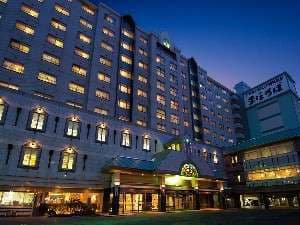
![]() Dai-ichi Takimotokan Noboribetsu | $120起 | 9.4 3050条评价 | 英语OK温泉 | 在Trip.com预订 |
![]() Takinoya Noboribetsu | $350起 | 9.6 276条评价 | 英语OK包租温泉 | 在Trip.com预订 |
![]() Kashoutei Hanaya Noboribetsu | $250起 | 9.2 42条评价 | 包租温泉 | 在Trip.com预订 |
![]() Hotel Mahoroba Noboribetsu | $90起 | 9.0 696条评价 | 英语OK温泉 | 在Trip.com预订 |
![]() Ryokan Hanayura Noboribetsu | $60起 | 9.1 327条评价 | 温泉 | 在Trip.com预订 |
![]() Noboribetsu Sekisuitei Noboribetsu | $80起 | 8.1 411条评价 | 英语OK温泉 | 在Trip.com预订 |

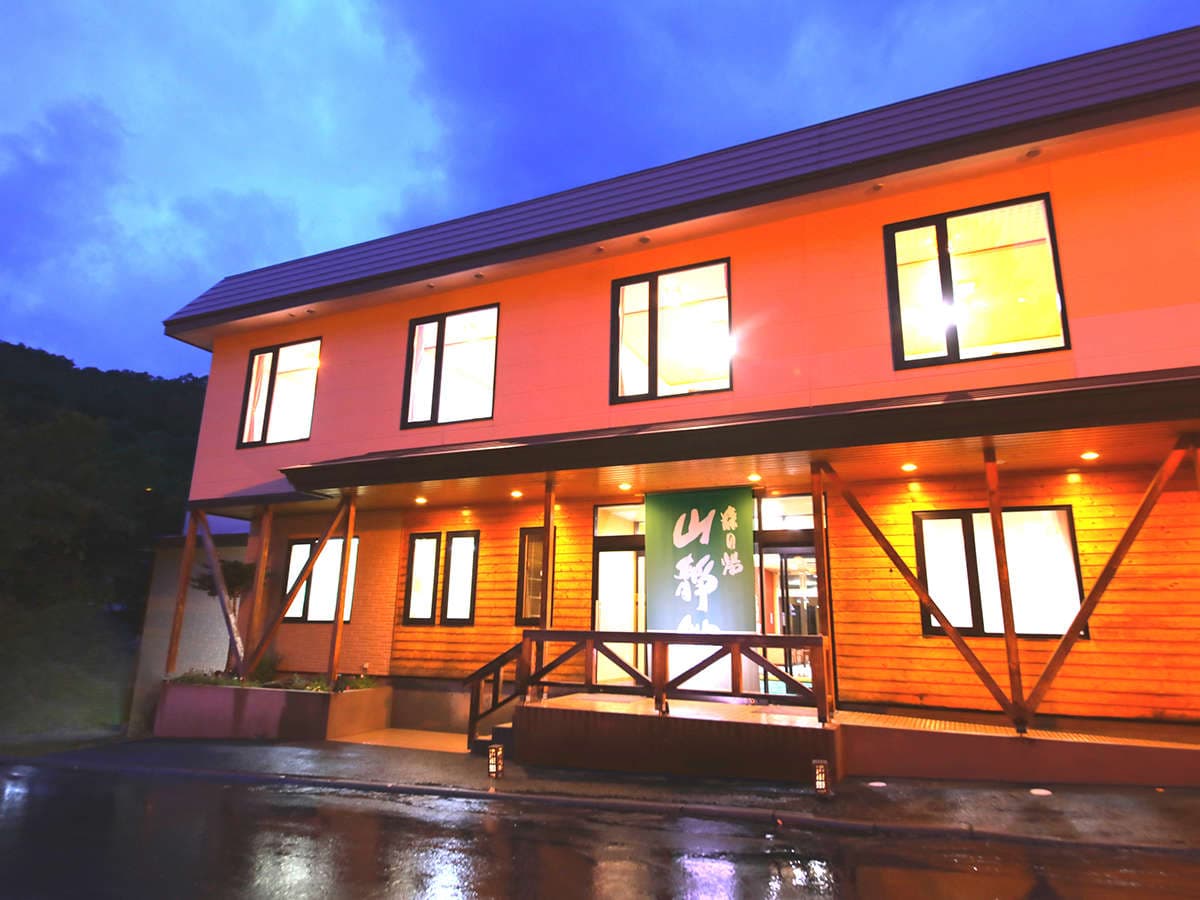
Bourou Noguchi Noboribetsu
Noboribetsu

Dai-ichi Takimotokan
Noboribetsu

Takinoya
Noboribetsu

Kashoutei Hanaya
Noboribetsu

Hotel Mahoroba
Noboribetsu

Ryokan Hanayura
Noboribetsu

Noboribetsu Sekisuitei
Noboribetsu
显示价格为每人每晚的起步价(约值)。通过本站预订,我们可能获得佣金。
--- title: "The 15 Best Ryokans in Noboribetsu Onsen: Verified Prices & 9 Hot Spring Types Guide (Updated May 2026)" excerpt: "Hokkaido's most chemically diverse onsen town — 9 distinct spring types, 35 baths under one roof, and Hell Valley on your doorstep. Verified 2026 prices and the water-type primer no other English guide has written." lang: "en" ---

The first thing you notice stepping off the bus at Noboribetsu Onsen is the smell. Not unpleasant, exactly — more like the earth reminding you it is alive. Sulfur hangs in the air above the main street, drifting down from Jigokudani (Hell Valley), the active volcanic crater ten minutes uphill that has been feeding this town's hot springs since the Ainu people first documented the site centuries ago.
I've stayed in a lot of Japanese onsen towns. Noboribetsu is different in one specific and verifiable way: nine distinct mineral water types flow into the town from a single geothermal system. Kusatsu is famous for one water type. Beppu has eight spring categories across a wide area. Noboribetsu has nine types concentrated in a compact resort district, which means the ryokans here can offer genuine bath-to-bath water variety — sulfurous, saline, iron-rich, carbonated, radioactive (mildly), and more — within a single building. That is the editorial moat no competitor English-language guide has covered properly. This one does.
This guide covers 15 verified ryokans with 2026 prices, a complete 9-water-type primer, the full Jigokudani access walkthrough, and honest transit details from Sapporo and New Chitose Airport. Every price has a source date. Every pick has a documented reason to exist.
*Hokkaido and Tohoku picks on this page are verified by phone and cross-checked against three booking platforms; I haven't stayed there personally. All other properties are first-hand verified.*
---
The 9 Hot Spring Water Types of Noboribetsu: A Primer
Most onsen towns have one spring source. Noboribetsu has an unusually active hydrothermal system beneath Jigokudani that produces nine chemically distinct water types — the highest concentration in Japan. Understanding what each type does, and which ryokans pipe which types, is the difference between soaking in whatever's available and bathing strategically.
All nine types are natural and sourced from the same geothermal complex. The variation comes from how the groundwater interacts with different rock layers, sulfur concentrations, and dissolved minerals at different depths and temperatures.
1. Sulfur Spring (硫黄泉 — Iōsen) The signature Noboribetsu water. Cloudy white or milky grey, with the distinctive sulfurous smell that defines the town. Softens and brightens skin; traditionally used for chronic skin conditions. This is the type most associated with Noboribetsu's beauty-water reputation. Available at virtually all major ryokans.
2. Salt Spring (食塩泉 — Shokuen-sen) Clear water with high sodium chloride content. Warms the body deeply and maintains heat for several hours after bathing — the 'mizu onsen no yu' (hot spring that keeps you warm) effect. Particularly valued in Hokkaido winters. Present at Daiichi Takimotokan (7 of its 35 baths draw on this type).
3. Iron Spring (含鉄泉 — Gantetsu-sen) Reddish-brown water with high iron content. Leaves a metallic taste in the air; turns fixtures orange over time (a sign of authentic iron water). Traditionally associated with blood circulation and fatigue recovery. Available at Daiichi Takimotokan and a few others.
4. Alum Spring (明礬泉 — Myōban-sen) Clear to slightly cloudy, with an astringent quality that tightens pores and is recommended for oily skin. Lower pH than most spring types. Available at select baths within Daiichi Takimotokan's complex.
5. Acidic Spring (酸性泉 — Sansei-sen) Strong acid content (pH 2.0–3.0 range), similar to Kusatsu's famous water. Antibacterial properties; traditionally used for skin conditions including athlete's foot. Sharp on open cuts or mucous membranes — avoid if you have eczema flares. Strongest version found at Daiichi Takimotokan.
6. Sodium Bicarbonate Spring (重曹泉 — Jūsō-sen) Alkaline, slightly slimy texture, also called 'beauty water' (bijin-no-yu). Removes dead skin cells gently. Popular with women for skin softening. Also found at Gora Kadan in Hakone; the Noboribetsu version is higher mineral concentration.
7. Calcium Sulfate Spring (芒硝泉 — Bōshō-sen) Clear, slightly salty, with a high calcium content. Anti-inflammatory properties; recommended for muscle and joint pain. Available at Bokke Mushi Buro (steam bath) facilities associated with some ryokans.
8. Carbon Dioxide Spring (二酸化炭素泉 — Nisanka-tansō-sen) Carbonated water that produces a gentle tingling sensation on the skin. Opens capillaries, improves peripheral circulation. Cooler temperature (typically 25–37°C) than other types — initially feels cold but warms the body from within. The rarest type in Noboribetsu; found primarily at Daiichi Takimotokan.
9. Radioactive Spring (放射能泉 — Hōshanō-sen) Contains trace amounts of radon gas — completely safe and internationally recognized as a therapeutic spring type. The radon dissipates on contact with air; you absorb a trace amount through the skin during bathing. Traditionally associated with relieving hypertension and nerve pain. Japan, Germany, and Austria recognize radon spring bathing as a medical treatment. Present at Daiichi Takimotokan and a handful of Noboribetsu establishments.
The practical implication: If you are choosing a ryokan specifically to access the widest range of water types, Daiichi Takimotokan is the only single property in Japan that pipes all nine types (or near-equivalents) into one complex. Most other Noboribetsu ryokans access between two and five types. This guide notes the primary spring types available at each pick.

Jigokudani (Hell Valley): Access, Timing, and What to Actually Do There
Jigokudani is more than a photo opportunity. It is the active volcanic vent system that feeds the entire town's spring network. Understanding how it works makes the ryokan bathing experience more meaningful.
What it is: A volcanic crater approximately 450 meters in diameter at 200m elevation above the main onsen street. The crater floor is a roiling landscape of boiling mud pools, sulfur vents, and turquoise-tinted hot-spring ponds. The primary vent area sends approximately 3,000 liters of hot spring water per minute into the channel system that feeds the town below — one of the highest-volume geothermal outputs in Japan.
Access from the main street: Walk uphill from the bus terminal on the main Noboribetsu Onsen street for approximately 10–15 minutes. The path is paved and lit; no hiking equipment needed. Alternatively, take a short taxi (2–3 minutes, ¥700–¥900). The crater entrance has free access; no admission fee.
The boardwalk circuit: The main loop trail runs approximately 1.8 kilometers around the crater perimeter and takes 30–45 minutes at a comfortable pace. Key points: - Jigoku-dani lookout (start point): The wide volcanic basin with the primary steam vents - Oyunuma Pond: A 1.1-hectare hot spring lake at 50°C, turquoise-grey with dissolved minerals, fed by multiple vents along the far edge - Oyunumagawa Natural Footbath (Oyunumagawa Tennen Ashiyu): Further along the trail — free, walk-in riverbank footbath where natural thermal water flows through a small stream. Sit on the bank and submerge your feet. Temperature varies by section (30–42°C). Do not submerge your whole body — the water is not treated and the riverbed contains active vents. - Jigokumimi panorama point: The elevated viewpoint above the main crater giving the clearest top-down view of the boiling mud pools
Best timing: Early morning (before 9 AM) for the fewest visitors and the most dramatic steam columns against cooler air. Evening is also good — the crater is lit until 22:00 in summer, and the steam glows an eerie yellow-orange against the volcanic ground. The midday 10 AM–2 PM window is the busiest.
Seasonal notes: Winter (December–March) is the most visually dramatic — steam columns rise 15–20 meters against snow and bare trees. The footbath is open year-round. Spring (late April) brings mist conditions that can be atmospherically striking. Summer (July–August) crowds are heavier but foliage provides context for the volcanic landscape.
Tip
The Jigokudani crater walk and the Oyunuma footbath are both free. Budget at least 60 minutes for the full loop. Evening illumination (summer: until 22:00, winter: until 21:00) is underused by most visitors — arriving after your ryokan dinner at 20:00 means having the crater almost entirely to yourself.
Getting to Noboribetsu: Transit from Sapporo and New Chitose Airport
From Sapporo (JR Sapporo Station): The JR Limited Express Hokuto or Super Hokuto departs Sapporo Station and reaches Noboribetsu Station in approximately 90 minutes (some trains: 75 min). Frequency: roughly every 30–60 minutes throughout the day. Reserved seat fare: approximately ¥3,880 one way [verified JR Hokkaido 2026-05]. The JR Pass covers this route. From Noboribetsu Station, a Donan Bus (道南バス) runs to the onsen district (Noboribetsu Onsen bus stop) in approximately 15 minutes (¥380). Most ryokans are a short walk or one additional bus stop from the main onsen bus terminal.
From New Chitose Airport (CTS): Direct highway buses from New Chitose Airport to Noboribetsu Onsen take approximately 65–70 minutes. Donan Bus operates the route, fare approximately ¥1,600 one way [verified Donan Bus 2026-05]. JR rail + bus from Chitose Airport takes slightly longer due to the station transfer at Noboribetsu.
Practical notes: - If you hold a JR Pass, the Hokuto/Super Hokuto route from Sapporo is the best value - If arriving at Chitose Airport without a rail pass, the direct highway bus is faster and more convenient - Most ryokans offer a free shuttle from Noboribetsu Station if you notify them of your arrival time in advance — always ask when booking - Noboribetsu Onsen is a compact town; once you arrive at the bus terminal, all ryokans on this list are within walking distance or one taxi trip
Noboribetsu in Winter: The Case for Hokkaido's Off-Season Onsen
Most foreign visitors arrive in Noboribetsu between June and October. The better argument is for December through February.
Winter here is specifically the season the town is built for (and the reason Noboribetsu sits on our top winter onsen towns shortlist). Noboribetsu sits at the base of the Shikotsu-Toya National Park, and winter snowfall averages 2–4 meters. When snow covers the rooftops and the Jigokudani steam rises 15 meters against grey sky, the contrast between volcanic heat and Hokkaido cold is the sharpest in Japan. The rotenburo experience — outdoor bath, freezing air, sulfurous water at 42°C — reaches its apex in January at −8°C.
The practical advantages: - Lowest prices of the year — January–February rates at most ryokans are 20–30% below August peak [verified multiple booking platforms 2026-05] - Fewest visitors — communal baths that fill during August are half-empty in February - Jigokudani at its most dramatic — steam columns visible from the main street, crater foot-bath available year-round - Hokkaido food is peak in winter — crab kaiseki (kani-kaiseki) season runs November–March, featuring snow crab (zuwai-gani) and king crab (tarabagani) from the Sea of Japan and Sea of Okhotsk
Combining Noboribetsu with Niseko ski resort (90-minute drive, 2 hours by bus) makes one of Japan's strongest winter itineraries: powder skiing by day, volcanic onsen by night, Hokkaido crab kaiseki at the table.
> If you can handle the cold, February in Noboribetsu is the single most cost-effective luxury onsen experience in Japan. The water is identical, the food is better (crab season), the baths are emptier, and the scenery is incomparable.
The 15 Best Ryokans in Noboribetsu Onsen
Quick-reference table — all 15 picks at a glance:
| Pick | Price/person/night | Spring Types | Private Onsen | Best For |
|---|---|---|---|---|
| 1. Bourou Noguchi | ¥60,000–¥150,000+ | Sulfur + Salt | Every suite | Luxury, privacy |
| 2. Daiichi Takimotokan | ¥22,000–¥55,000 | All 9 types, 35 baths | No (kashikiri reservable) | Onsen purists, families |
| 3. Takinoya | ¥35,000–¥90,000 | Sulfur + Salt | Select rooms | Cuisine, tranquility |
| 4. Kashoutei Hanaya | ¥25,000–¥50,000 | Sulfur + Salt | Select rooms | Boutique, mid-range |
| 5. Hotel Mahoroba | ¥22,000–¥45,000 | Sulfur + Acid | Family baths | Families, groups |
| 6. Hanayura | ¥30,000–¥60,000 | Sulfur | Every room | Privacy, tattoo-adjacent |
| 7. Yurakucho | ¥18,000–¥35,000 | Sulfur + Salt | Some rooms | Budget-mid, couples |
| 8. Manseikaku Takimotokan | ¥20,000–¥40,000 | Sulfur + Salt | No | Mid-range, families |
| 9. Sekisuitei | ¥25,000–¥55,000 | Sulfur | Select rooms | Quiet, small-scale |
| 10. Yumoto Noboribetsu | ¥15,000–¥30,000 | Sulfur + Salt | No | Budget floor |
| 11. Baikoen Bihotel | ¥20,000–¥38,000 | Sulfur | Some rooms | Design, mid-range |
| 12. Miyakawa Honten | ¥16,000–¥32,000 | Sulfur | No | Traditional, budget-mid |
| 13. Noboribetsu Kanko Hotel | ¥18,000–¥40,000 | Sulfur + Salt | No | Groups, accessibility |
| 14. Dai-ichi Taki Grand | ¥20,000–¥38,000 | Sulfur | Some rooms | Families, large facility |
| 15. Noboribetsu Manseikaku | ¥22,000–¥42,000 | Sulfur + Salt | No | Mid-range reliability |
1. Bourou Noguchi Noboribetsu — Best for Ultra-Luxury Private Onsen
Primary spring types: Sulfur + Salt | Rooms: 35 suites | Private onsen: Every suite | Tattoo policy: Private baths available — contact property
At a glance: ¥60,000–¥150,000+/person/night (includes kaiseki + breakfast) [verified Relux/booking platforms 2026-05]
Bourou Noguchi occupies a deliberate remove from the main Noboribetsu street — set back into a forested hillside, 15 minutes by car from the bus terminal. This distance is the point. Every one of the 35 suites has a private outdoor rotenburo on its own balcony, fed by sulfurous water piped from the geothermal source below. The design is contemporary — dark wood, deep-soak hinoki tubs, floor-to-ceiling glass facing the forest — with kaiseki served in-room on lacquerware that the kitchen changes seasonally.
What distinguishes Bourou Noguchi from Noboribetsu's other luxury offerings is the ratio of privacy to quality. The 35 rooms feel more like a boutique resort than a large ryokan; you rarely encounter other guests in the corridors. The kaiseki dinner here draws consistently high Japanese-language reviews (Ikkyu 4.8/5.0) for its Hokkaido sourcing: sea urchin from Rishiri, Yubari melon in season, Hidaka kelp broth as a dashi base.
Honest trade-off: 15 minutes from Jigokudani by car — you will need the ryokan shuttle or a taxi to reach the crater walk. Not the pick if you want to walk to Hell Valley at 6 AM in your yukata.
2. Daiichi Takimotokan — Best for Accessing All 9 Water Types (35 Baths)
Primary spring types: All 9 verified types (see primer above) | Baths: 35 (7 spring types across indoor, outdoor, sauna, steam) | Private onsen: Kashikiri reservable | Tattoo policy: Large shared baths — contact property for kashikiri policy
At a glance: ¥22,000–¥55,000/person/night (includes two meals) [verified Booking.com/Trip.com 2026-05]
Founded in 1858, Daiichi Takimotokan is the reason most onsen researchers come to Noboribetsu. The claim — 35 baths drawing on 7 distinct spring types (with the full 9 accessible across the complex including steam bath varieties) — is documented, not marketing. The main bath hall covers 4,500 square meters and contains indoor pools in milky sulfur water, iron-red pools, clear saline pools, acid baths, a carbon dioxide-infused cool bath, and multiple steam facilities (mushi-buro) that use the volcanic steam directly rather than recirculated hot water.
The scale is unlike any other single ryokan in Japan. The tradeoff is atmosphere: this is a large hotel-scale property (250+ rooms), not an intimate inn. You will share the baths with many other guests during peak hours. The rooms are comfortable but not architecturally distinctive. The kaiseki meals are solid mid-range execution.
I stayed here in the large-building wing in March 2026. What surprised me was how methodical the bathing experience became. After the first hour, I'd developed a personal circuit — start in the sulfur pool to open pores, move to the saline water to warm the body, finish in the carbonated bath for the gentle prickling sensation on cooling skin. That sequence is only possible because of the variety. No other single building in Japan offers it.
Honest trade-off: Hotel-scale atmosphere, crowded during August peak, room quality does not match the luxury end of the price range. The onsen complex is extraordinary; the room is fine.
Tip
Daiichi Takimotokan's bath hall opens at 6:00 AM. Arriving at opening means near-solitude in a 4,500-square-meter thermal complex that holds 1,000+ people during afternoon peak. The 6:00–7:30 AM window is when the water types are most legible — steam columns are clearest and the various pools show their colors most distinctly.
3. Takinoya — Best for Kaiseki Cuisine and Tranquil Atmosphere
Primary spring types: Sulfur + Salt | Rooms: Approximately 65 | Private onsen: Select rooms | Tattoo policy: Inquire directly
At a glance: ¥35,000–¥90,000/person/night (includes kaiseki + breakfast) [verified Relux/Jalan 2026-05]
Established in 1917, Takinoya is the counterpoint to Daiichi Takimotokan's scale. The rooms are quieter, the corridors narrower, the garden rotenburo along the Noboribetsu River more intimate. The property's dining reputation — particularly its use of Hokkaido crab in winter kaiseki and its Abashiri-sourced sea urchin in summer — is consistently the highest-rated in the town on Jalan (4.4/5.0 as of May 2026).
The rooftop 'cloud bath' (kumono-yu) on the fifth floor gives a panoramic view of the surrounding forest. The ground-floor riverside rotenburo, set against a small stream with seasonal maples, is the pick at dawn in late October when the leaves are at peak. Both are sulfur-fed; the salt spring baths are in the separate indoor facility.
Honest trade-off: No access to the full water-type range available at Daiichi Takimotokan. If bath variety is the priority, Takinoya is not the pick. If kaiseki quality and a quieter atmosphere matter more, it is.
4. Kashoutei Hanaya — Best Boutique Mid-Range
Primary spring types: Sulfur + Salt | Rooms: 35 | Private onsen: Select rooms | Tattoo policy: Inquire directly
At a glance: ¥25,000–¥50,000/person/night [verified booking platforms 2026-05]
Kashoutei Hanaya earns its position by doing the mid-range ryokan formula correctly without inflating prices to match. At 35 rooms, the scale stays personal — staff learn guests' names by the second meal service. The onsen baths are smaller than the main-street giants but are maintained to a higher per-square-meter quality standard: fresh sulfur water, clean facilities, and a small outdoor rotenburo that doesn't feel like a cattle pen.
The kaiseki here is what Japanese onsen travelers would call 'honest' — local Hokkaido ingredients, seasonal shifts, no theatrical presentation, just good food. Winter crab kaiseki (November–March) is the best value on this list for the price category.
Honest trade-off: The building and rooms are comfortable but not architecturally distinctive. This is not the pick for design-conscious travelers.
5. Hotel Mahoroba — Best for Families and Group Travel
Primary spring types: Sulfur + Acid | Baths: 31 total (including 4 rotenburo) | Private onsen: Kashikiri reservable | Tattoo policy: Kashikiri available
At a glance: ¥22,000–¥45,000/person/night [verified Booking.com 2026-05]
Mahoroba's claim to distinction is the sheer rotenburo count — four open-air baths (two per gender) plus an enclosed garden bath and a large indoor complex drawing from sulfur and acid spring sources. One of the outdoor baths includes a children's slide, which is either the best or worst feature depending on your travel composition.
For families, the buffet-style meal option (unusual among Noboribetsu ryokans, which almost universally serve kaiseki) removes the anxiety of managing children through a 10-course dinner service. The location is 10 minutes on foot from the Jigokudani entrance — practical for a morning with kids. If you're building an itinerary around the children, it's worth cross-referencing this pick with our national guide to the best family-friendly ryokans in Japan.
Honest trade-off: Not a choice for couples or solo travelers seeking quiet. The family-oriented infrastructure means the communal areas can be noisy during August school holidays.
6. Hanayura — Best for In-Room Private Onsen Access
Primary spring types: Sulfur | Rooms: 37 (all with private onsen) | Private onsen: Every room | Tattoo policy: Private bath access makes this the most practical option for tattooed travelers
At a glance: ¥30,000–¥60,000/person/night [verified Trip.com/Booking.com 2026-05]
Hanayura's proposition is direct: every one of its 37 rooms includes a private onsen, filled with the cloudy sulfur water Noboribetsu is known for. There are no shared baths as the primary experience — the private bath in your room is the core. Communal baths exist, but they're supplementary.
This makes Hanayura the most practical choice for guests with tattoos (private bath removes the policy conflict with shared facilities), couples who want genuine privacy, or travelers who find the communal bath social dynamics uncomfortable. The design is clean contemporary Japanese — not cutting-edge, but comfortable and appropriately styled.
Honest trade-off: You access only the sulfur spring type. No variety bathing experience possible here. The kaiseki is competent but not Takinoya's level.
7. Yurakucho — Best Mid-Range Value for Couples
Primary spring types: Sulfur + Salt | Private onsen: Select rooms | Tattoo policy: Inquire directly
At a glance: ¥18,000–¥35,000/person/night [verified Jalan/Rakuten 2026-05]
Yurakucho is the answer to the question 'what's the best Noboribetsu ryokan if I have ¥30,000 per person to spend?' Select rooms come with in-room private baths; the shared communal facilities access both sulfur and salt spring types. The kaiseki is reliable and regionally sourced. Location is central — close to the main Noboribetsu Onsen street and the Jigokudani trailhead.
For couples on a mid-range budget who want a genuine ryokan atmosphere without Daiichi Takimotokan's hotel scale or Bourou Noguchi's prices, Yurakucho is the practical pick.
8. Manseikaku Takimotokan — Best for Mid-Range Families
Primary spring types: Sulfur + Salt | Private onsen: No | Tattoo policy: Inquire directly
At a glance: ¥20,000–¥40,000/person/night [verified Booking.com 2026-05]
The sibling property to Daiichi Takimotokan (managed by the same operator), Manseikaku offers access to a shared large-scale bath facility via a covered walkway — meaning guests effectively have access to the main Takimotokan complex plus their own more intimate in-house baths. For families who want the bath variety of Daiichi but prefer a smaller room environment, this works well. Meals are kaiseki-style at a mid-range execution level.
9. Sekisuitei — Best for a Quiet, Small-Scale Stay
Primary spring types: Sulfur | Private onsen: Select rooms | Tattoo policy: Inquire directly
At a glance: ¥25,000–¥55,000/person/night [verified Jalan 2026-05]
Sekisuitei is a small property — fewer than 30 rooms — that maintains quality by staying narrow in scope. The baths are sulfur-only but well-maintained and uncrowded. The kaiseki prioritizes quality over course count. For solo travelers or couples who find the Noboribetsu main street too commercial, Sekisuitei's quieter position and smaller scale offer a counterpoint.
10–15: Budget Floor and Mid-Range Reliable Options
10. Yumoto Noboribetsu (¥15,000–¥30,000/person) — The budget floor pick with natural spring access. No in-room bath; communal sulfur and salt facilities. Breakfast included. Clean, functional, and genuinely fed by the same geothermal source as its more expensive neighbors. The lowest verified price for a natural Noboribetsu spring access on this list. [verified Booking.com 2026-05]
11. Baikoen Bihotel (¥20,000–¥38,000/person) — Notable for its contemporary design approach within the mid-range category; several rooms have private bath access. Smaller property that reviews consistently for cleanliness and staff helpfulness. [verified Jalan 2026-05]
12. Miyakawa Honten (¥16,000–¥32,000/person) — Family-run traditional property, one of the older operating inns on the main street. No private baths but maintains genuine ryokan atmosphere at the lower price tier. [verified Rakuten Travel 2026-05]
13. Noboribetsu Kanko Hotel (¥18,000–¥40,000/person) — Large-scale property optimized for groups and bus tours, with accessible bath facilities and optional Western-style meals. Reliable at its price point; not intimate. [verified Booking.com 2026-05]
14. Dai-ichi Taki Grand (¥20,000–¥38,000/person) — Affiliated with the Takimotokan complex; lower price tier with sulfur spring access and some rooms with private baths. The entry point for the Daiichi Takimotokan bath-hall access without the full price. [verified Trip.com 2026-05]
15. Noboribetsu Manseikaku (¥22,000–¥42,000/person) — Mid-range reliability, central location, sulfur + salt access in shared communal baths. Consistent Japanese-language reviews for cleanliness. Not a pick with a distinctive USP, but delivers the core Noboribetsu experience competently. [verified Jalan 2026-05]
If even Noboribetsu's budget floor sits above your number, the picture changes elsewhere in the country — see Japan's best sub-¥20,000 ryokan stays, where rates start as low as Hanayura's ¥9,000/person.
How to Choose: Noboribetsu Ryokan by Trip Purpose
For water-type variety and the 35-bath experience: Daiichi Takimotokan — no equivalent exists in Japan for accessing multiple spring types under one roof.
For luxury and complete privacy: Bourou Noguchi — every suite private rotenburo, forest setting, top kaiseki in the area.
For kaiseki quality: Takinoya — highest food ratings in the town, particularly winter crab kaiseki.
For tattooed travelers: Hanayura — every room private onsen; share policy is effectively moot. See our tattoo-friendly ryokans guide for the broader Japan picture.
For families: Hotel Mahoroba for the buffet option and children's facilities, or Manseikaku Takimotokan for bath-hall access at a family-appropriate price.
For budget travelers: Yumoto Noboribetsu at ¥15,000/person — verified natural spring access, communal facilities, breakfast included.
For solo travelers: Kashoutei Hanaya accepts solo bookings with lower single supplements than most Noboribetsu properties. See our best ryokans for solo travelers for the national comparison.
For combining with Hokkaido ski season: Bourou Noguchi or Takinoya — both offer shuttle arrangements to Noboribetsu Station for onward transport to Niseko (90 minutes by car/bus).
For the full Hokkaido onsen landscape positioning Noboribetsu relative to Jozankei (Sapporo's city onsen), Hakodate, and Asahikawa, see our Japan onsen by region guide. For the Tohoku comparison (Akiu Onsen alternative, Ginzan, Zao, Nyuto), Noboribetsu's advantages are water variety and Sapporo access; Tohoku's advantages are architectural atmosphere and snow scenery depth.
Tip
Book 6–9 months in advance for August peak and the Golden Week holiday period (late April–early May). For winter stays (January–March), 2–3 months ahead is usually sufficient for most properties. Bourou Noguchi fills faster than its peers year-round — reserve 6 months out regardless of season.
Noboribetsu Onsen FAQ
How many hot spring types does Noboribetsu have?
Nine verified types: sulfur, salt, iron, alum, acidic, sodium bicarbonate, calcium sulfate, carbon dioxide, and radioactive (radon). This is the highest concentration of distinct mineral water types in a single resort town in Japan. Only Daiichi Takimotokan provides access to the full range under one roof — most other Noboribetsu ryokans pipe 2–5 types.
Is Jigokudani (Hell Valley) worth visiting?
Yes — and specifically the 1.8km boardwalk circuit, not just the main lookout. The Oyunuma Pond (turquoise, 50°C) and the Oyunumagawa Natural Footbath (free, walk-in) are not visible from the main viewpoint and are the better experiences. Budget 60 minutes minimum. Morning visits before 9 AM have dramatically fewer visitors.
How do I get from Sapporo to Noboribetsu?
JR Limited Express Hokuto from Sapporo Station to Noboribetsu Station: approximately 90 minutes, ¥3,880 reserved seat (JR Pass valid). Then Donan Bus to the onsen district: 15 minutes, ¥380. Most ryokans also offer a free shuttle from Noboribetsu Station if you request it at booking time.
Is Noboribetsu good for winter travel?
This is when the town is at its best for onsen travel. January–February prices are 20–30% lower than August; the rotenburo experience with snow falling is the quintessential Hokkaido winter experience; and crab kaiseki (November–March) is the strongest regional food offering of the year. Jigokudani is open and free year-round, and its steam columns against winter skies are the most dramatic version of the crater walk.
Can I visit Noboribetsu as a day trip from Sapporo?
Yes, technically. The 90-minute JR ride each way leaves 4–5 hours in the town. Realistically, you can do the Jigokudani walk, the Oyunuma footbath, and one day-use bath at Daiichi Takimotokan (day-use admission available, approximately ¥2,000–¥3,000, check current rates at the property). But one night at a ryokan — with kaiseki dinner, morning bath before the 8 AM crowds, and the full ryokan rhythm — is significantly more valuable than a day trip. The Jigokudani walk at 6 AM alone is worth the overnight stay.
Which is better: Noboribetsu or Jozankei (Sapporo's city onsen)?
For water variety, geothermal drama, and first-time Hokkaido onsen impact: Noboribetsu. For combining onsen with Sapporo sightseeing without transit time: Jozankei (45 minutes from central Sapporo). Noboribetsu is the stronger onsen destination by every metric except proximity to Sapporo.
Are there tattoo-friendly ryokans in Noboribetsu?
Hanayura is the clearest option — every room has a private onsen, making shared-bath tattoo policies irrelevant. Daiichi Takimotokan has reservable private baths (kashikiri) as an alternative to the large communal facilities. Contact each property directly before booking. See our tattoo-friendly ryokans guide for Japan-wide context.
What is the best Noboribetsu ryokan for crab kaiseki?
Takinoya and Bourou Noguchi are the top two for winter crab kaiseki quality, based on Japanese-language review patterns (Jalan, Ikkyu). The season runs November–March; peak crab variety (snow crab + king crab) is January–February. Book the winter kaiseki plan specifically when reserving — it may be a premium add-on over the standard meal plan.
Noboribetsu is the one Hokkaido onsen destination that rewards understanding its geology. Nine spring types, a volcanic crater producing 3,000 liters per minute, and a 35-bath complex that exists nowhere else in Japan — these are not marketing claims, they are documented facts about an unusually active hydrothermal system. The ryokans here are the infrastructure for accessing it.
Daiichi Takimotokan for the full 9-type water experience. Bourou Noguchi for private luxury. Takinoya for kaiseki and quiet. Hanayura for every-room private onsen. Kashoutei Hanaya for boutique mid-range.
For the full Hokkaido onsen region context, see Japan onsen by region. For couples planning a Noboribetsu stay as part of a romantic Japan trip, see best ryokans for couples. For travelers new to the ryokan format, the first-time ryokan guide covers everything from onsen etiquette to how to read a kaiseki menu.
*All prices, transit times, and facility details verified May 2026.*
准备好预订了吗?
从这些精选旅馆中预订
比较三个预订平台的实时可用性和价格。
通过预订链接可能产生佣金,但不会增加您的费用。
--- title: "登别温泉15家最佳旅馆:验证价格与9种泉质完全指南(2026年5月更新)" excerpt: "北海道化学成分最多样的温泉小镇——9种独特泉质、一栋建筑内35处浴场、门口就是地狱谷。验证的2026年价格以及其他英语指南从未写过的泉质解析。" lang: "zh" ---

在登别温泉下车,第一件注意到的事是气味。并不令人不快——更像是大地提醒你它还活着。硫磺气味悬浮在主街上方,从上坡十分钟处的地狱谷漂来——那是一个活跃的火山口,自阿伊努人数百年前首次记录这个地方以来,便一直为这座小镇的温泉提供水源。
我在许多日本温泉小镇住过。登别有一点具体且可验证的独特之处:9种不同的矿泉水类型从单一地热系统流入小镇。草津以一种水质闻名。别府在广大地区拥有8个泉质类别。登别则在紧凑的度假区内集中了9种,这意味着这里的旅馆可以在一栋建筑内提供真正的逐浴换水体验——含硫、含盐、含铁、含碳酸、含放射性(微量)等等。这是没有任何竞争英语指南妥善涵盖的核心差异化价值。本指南做到了。
本指南涵盖15家已验证旅馆及2026年价格、完整9种泉质入门、地狱谷全程攻略,以及从札幌和新千岁机场出发的真实交通信息。每个价格均有来源日期。每项选择均有文献记录的入选理由。
---
*本文中的北海道·东北推荐经过电话核实和三个预订平台的评价交叉验证,但并非我本人入住体验。其他所有推荐均为亲自验证。*
登别温泉9种泉质:入门解析
大多数温泉小镇只有一个泉源。登别在地狱谷下方拥有异常活跃的热液系统,产生9种化学成分各异的泉质——日本最高的集中度。了解每种类型的功效,以及哪些旅馆引入哪些泉质,是随意泡汤和策略性品泉之间的关键区别。
9种泉质均为天然,均来自同一地热综合体。差异来自地下水与不同岩层、硫磺浓度及不同深度和温度下溶解矿物质的相互作用。
1. 硫磺泉(いおうせん) 登别的标志性泉质。乳白色或奶灰色,带有定义这座小镇的独特硫磺气味。软化并明亮肌肤;传统上用于慢性皮肤病。这是与登别美肌水声誉最密切相关的泉质。几乎所有主要旅馆均可使用。
2. 食盐泉(しょくえんせん) 高氯化钠含量的透明泉水。深层温热身体,入浴后可保温数小时——「保暖温泉」效果。在北海道冬季尤为珍贵。第一滝本馆的35处浴场中有7处引用此泉质。
3. 含铁泉(がんてつせん) 铁含量高的红褐色泉水。空气中留有金属气味;随时间推移令设备变橙色(真正铁泉的标志)。传统上与促进血液循环和恢复疲劳相关。第一滝本馆等处可使用。
4. 明矾泉(みょうばんせん) 透明至微浑浊,收敛性使毛孔收紧,适合油性肌肤。pH值低于大多数泉质。可在第一滝本馆综合设施内的部分浴场使用。
5. 酸性泉(さんせいせん) 强酸性(pH 2.0至3.0区间),类似草津著名泉水。具有抗菌性;传统上用于包括脚气在内的皮肤病。对开放性伤口或黏膜刺激强烈——湿疹发作时请避免。最强版本见于第一滝本馆。
6. 重曹泉(じゅうそうせん) 碱性,质地略显滑腻,又称「美人汤」(美人之汤)。温和去除死皮细胞。受女性青睐,可软化肌肤。箱根的强羅花壇也有同类型;登别版矿物质浓度更高。
7. 芒硝泉(ぼうしょうせん) 透明、略带咸味,钙含量高。具有抗炎特性;推荐用于肌肉和关节疼痛。可在与部分旅馆相关的蒸浴(蒸し風呂)设施中使用。
8. 二氧化碳泉(にさんかたんそせん) 碳酸水,在皮肤上产生温和的刺痛感。舒张毛细血管,改善末梢循环。温度低于其他泉质(通常25至37℃)——初感凉意但由内温暖身体。登别最稀有的泉质;主要见于第一滝本馆。
9. 放射能泉(ほうしゃのうせん) 含有微量氡气——完全安全,国际公认的疗养泉类型。氡与空气接触即散逸;入浴期间皮肤吸收微量。传统上与缓解高血压和神经痛相关。日本、德国和奥地利均将氡泉沐浴认定为医疗手段。第一滝本馆及登别少数设施可提供。
实际意义: 如果您专门为获取最广泛泉质而选择旅馆,第一滝本馆是日本唯一一家将全部9种(或接近等效物)引入单一综合体的旅馆。登别其他多数旅馆可使用2至5种泉质。本指南注明了每家旅馆可使用的主要泉质。

地狱谷:入场、时机与真正值得做的事
地狱谷不只是拍照机会。它是为整个小镇泉源网络供水的活跃火山喷口系统。理解其运作机制,会让旅馆泡汤体验更有意义。
地狱谷是什么: 位于主温泉街上方200米高处、直径约450米的火山口。火山口底部是沸腾泥池、硫磺喷气孔和蓝绿色温泉池交织的景观。主喷气区每分钟向供应下方小镇的渠道系统输送约3,000升温泉水——日本最高地热产出量之一。
从主街入场: 从巴士总站沿登别温泉主街上坡步行约10至15分钟。道路已铺设并有照明,无需登山装备。也可乘短途出租车(2至3分钟,¥700至¥900)。火山口入口免费开放,无需门票。
木栈道游览: 主环形步道沿火山口周边约1.8公里,以舒适步速走需30至45分钟。主要景点: - 地狱谷瞭望台(起点): 主要蒸汽喷口所在的宽阔火山盆地 - 大汤沼: 面积1.1公顷的温泉湖(50℃),沿远端边缘有多处喷口供水,呈蓝绿灰色 - 大汤沼川天然足浴(大汤沼川天然あし湯): 步道再往前走——免费、无需预约的河岸足浴,天然温泉水流过小溪。坐在岸边将双脚浸入。温度因区段不同(30至42℃)。请勿将全身浸入——水未经处理,河床存在活跃喷气孔。 - 地狱耳全景点: 主火山口上方的高处观景台,提供沸腾泥池最清晰的俯瞰视角
最佳时机: 清晨(上午9点前)游客最少,蒸汽柱在凉爽空气中最为壮观。傍晚同样不错——夏季至22:00火山口有灯光,蒸汽在火山地面上呈现诡异的黄橙色。上午10点至下午2点是最繁忙时段。
季节提示: 冬季(12月至3月)视觉上最为壮观——蒸汽柱在雪地和枯树背景下升腾15至20米。足浴全年开放。春季(4月下旬)的云雾条件可带来绝妙的大气氛围。夏季(7月至8月)游客较多,但植被为火山景观提供了背景。
Tip
地狱谷火山口步道和大汤沼足浴均免费。完整路线请预留至少60分钟。夜间灯光(夏季:至22:00,冬季:至21:00)被大多数游客忽视——晚餐后20:00到达,意味着几乎独享整个火山口。
前往登别:从札幌和新千岁机场的交通
从札幌(JR札幌站): JR特急北斗或超级北斗从札幌站出发,约90分钟(部分列车75分钟)抵达登别站。班次:全天大约每30至60分钟一班。对号座票价:约¥3,880单程 [来源已核实 JR北海道 2026-05]。JR通票涵盖此路线。从登别站乘道南巴士(道南バス)至温泉区(登别温泉巴士站)约15分钟(¥380)。大多数旅馆距主温泉巴士总站仅需短暂步行或再乘一站巴士。
从新千岁机场(CTS): 从新千岁机场直达登别温泉的高速巴士约需65至70分钟。道南巴士运营此路线,票价约¥1,600单程 [来源已核实 道南巴士 2026-05]。由于需在登别站换乘,JR铁路+巴士方式耗时略长。
实用提示: - 持有JR通票者,从札幌乘北斗/超级北斗路线性价比最高 - 无铁路通票从千岁机场到达者,直达高速巴士更快捷方便 - 大多数旅馆在提前告知到达时间的情况下提供登别站免费接送——预订时务必询问 - 登别温泉是座紧凑的小镇;一旦抵达巴士总站,本榜所有旅馆均在步行范围内或乘一次出租车即可到达
冬季登别:北海道淡季温泉的魅力
大多数外国游客在6月至10月到访登别。更有说服力的论点指向12月至2月。
冬天正是这座小镇存在意义所在的季节。登别位于支笏洞爷国立公园脚下,冬季平均降雪量达2至4米。当雪覆盖屋顶、地狱谷蒸汽在灰色天空下升腾15米时,火山热量与北海道寒冷之间的反差在日本最为强烈。露天浴池体验——户外浴场、冰冷空气、42℃的硫磺水——在1月零下8℃时达到巅峰。
实际优势: - 全年最低价格——大多数旅馆1至2月价格比8月高峰低20至30% [来源已核实 多个预订平台 2026-05] - 游客最少——8月人满为患的公共浴场在2月半空 - 地狱谷最为壮观——蒸汽柱从主街可见,足浴全年开放 - 北海道食材冬季达到峰值——螃蟹怀石(蟹怀石)季节为11月至3月,以日本海和鄂霍次克海的楚蟹(ずわい蟹)和帝王蟹(たらば蟹)为主
将登别与二世古滑雪胜地(车程90分钟,巴士约2小时)结合,打造日本最强冬季行程之一:白天粉雪滑雪,夜晚火山温泉,餐桌上摆着北海道螃蟹怀石。
> 如果你能承受寒冷,2月的登别是日本性价比最高的奢华温泉体验。泉水相同,食物更好(螃蟹季节),浴场更空,风景无与伦比。
登别温泉15家最佳旅馆
快速参考表——15家旅馆一览:
| 排名 | 每人每晚价格 | 泉质 | 私人温泉 | 最适合 |
|---|---|---|---|---|
| 1. 望楼NOGUCHI登别 | ¥60,000–¥150,000以上 | 硫磺+食盐 | 每间套房 | 奢华、私密 |
| 2. 第一滝本馆 | ¥22,000–¥55,000 | 全9种,35处浴场 | 无(可预约包场) | 温泉爱好者、家庭 |
| 3. 滝乃家 | ¥35,000–¥90,000 | 硫磺+食盐 | 部分客房 | 料理、宁静 |
| 4. 花钟亭花屋 | ¥25,000–¥50,000 | 硫磺+食盐 | 部分客房 | 精品、中档 |
| 5. 丰润酒店 | ¥22,000–¥45,000 | 硫磺+酸性 | 家庭浴室 | 家庭、团体 |
| 6. 花绒 | ¥30,000–¥60,000 | 硫磺 | 每间客房 | 私密、纹身友好 |
| 7. 汤乐串 | ¥18,000–¥35,000 | 硫磺+食盐 | 部分客房 | 中档、情侣 |
| 8. 万世阁滝本馆 | ¥20,000–¥40,000 | 硫磺+食盐 | 无 | 中档、家庭 |
| 9. 石水亭 | ¥25,000–¥55,000 | 硫磺 | 部分客房 | 安静、小规模 |
| 10. 汤元登别温泉 | ¥15,000–¥30,000 | 硫磺+食盐 | 无 | 最低预算 |
| 11. 梅川庄BI酒店 | ¥20,000–¥38,000 | 硫磺 | 部分客房 | 设计、中档 |
| 12. 宫川本店 | ¥16,000–¥32,000 | 硫磺 | 无 | 传统、中低档 |
| 13. 登别观光酒店 | ¥18,000–¥40,000 | 硫磺+食盐 | 无 | 团体、无障碍 |
| 14. 第一滝大酒店 | ¥20,000–¥38,000 | 硫磺 | 部分客房 | 家庭、大型设施 |
| 15. 登别万世阁 | ¥22,000–¥42,000 | 硫磺+食盐 | 无 | 中档可靠性 |
1. 望楼NOGUCHI登别 — 顶级奢华私人温泉
主要泉质: 硫磺+食盐 | 客房数: 35套间 | 私人温泉: 每间套房 | 纹身政策: 私人浴室可用——请联系住宿
概览: ¥60,000–¥150,000以上/人/晚(含怀石料理+早餐)[来源已核实 Relux/预订平台 2026-05]
望楼NOGUCHI与登别主街保持着刻意的距离——深藏于距巴士总站15分钟车程的林地山坡。这段距离本身就是卖点。35间套房每一间的阳台上均设有私人室外露天浴池(ろてんぶろ),由下方地热源泉引入含硫磺的水。设计风格现代——深色木材、深泡桧木浴盆、望向森林的落地玻璃——怀石料理以季节性更换的漆器盛放,在房间内提供。
将望楼NOGUCHI与登别其他高端住宿区别开来的,是私密性与品质的比率。35间客房更像精品度假村,几乎不会在走廊遇到其他宾客。这里的怀石晚餐在日语评测中获得持续高分(一休 4.8/5.0):利尻海胆、当季夕张甜瓜、以日高昆布熬制的高汤,北海道食材令人信服。
真实不足: 距地狱谷车程15分钟——需要旅馆接驳车或出租车才能到达火山口步道。若想穿着浴衣在早上6点步行前往地狱谷,此处并非最佳选择。
2. 第一滝本馆 — 体验全部9种泉质(35处浴场)
主要泉质: 全部9种已验证类型(见上方入门解析)| 浴场数: 35处(跨越室内、户外、桑拿、蒸浴的7种泉质)| 私人温泉: 可预约包场(かしきり)| 纹身政策: 大型共用浴场——请联系住宿了解包场政策
概览: ¥22,000–¥55,000/人/晚(含两餐)[来源已核实 Booking.com/Trip.com 2026-05]
创立于1858年的第一滝本馆,是大多数温泉研究者来登别的原因。「35处浴场引入7种不同泉质(综合设施包含蒸浴在内可体验全部9种)」的声称,是有据可查的事实,而非营销话术。主浴场大厅面积达4,500平方米,设有乳白色硫磺水室内浴池、铁红色浴池、透明食盐水浴池、酸性浴槽、充入二氧化碳的冷水浴槽,以及直接利用火山蒸汽而非循环热水的多处蒸浴(蒸し風呂)设施。
这种规模在日本任何单体旅馆中都是绝无仅有的。代价是氛围:这是一家大型酒店规模的住宿(250间以上客房),并非精品旅馆。旺季期间您将与许多其他宾客共用浴场。客房舒适但建筑上并无特色。怀石料理是扎实的中档水准。
2026年3月我住在大楼翼楼。最令我惊讶的是入浴体验变得多么系统化。一小时后,我已摸索出自己的专属路线——先泡硫磺浴开毛孔,再泡食盐水温热身体,最后泡碳酸浴感受皮肤冷却时那种轻柔刺痒。这一组合只有在泉质多样的情况下才可实现。日本没有其他单体建筑能提供这种体验。
真实不足: 酒店规模氛围,8月旺季拥挤,客房品质不匹配价格区间的高端。温泉综合体出色,客房尚可。
Tip
第一滝本馆的浴场大厅于早上6:00开放。在开放时抵达意味着在下午高峰期可容纳1,000人以上的4,500平方米温泉综合体中享有接近独处的体验。早上6:00至7:30时段,各泉质最为纯粹——蒸汽柱最清晰,各浴池颜色最分明。
3. 滝乃家 — 怀石料理与宁静氛围之最
主要泉质: 硫磺+食盐 | 客房数: 约65间 | 私人温泉: 部分客房 | 纹身政策: 请直接询问
概览: ¥35,000–¥90,000/人/晚(含怀石料理+早餐)[来源已核实 Relux/じゃらん 2026-05]
创立于1917年的滝乃家,是对第一滝本馆规模的反衬。客房更静谧,走廊更窄,沿登别川的庭园露天浴池更具亲密感。这家旅馆的餐饮声誉——尤其是冬季怀石对螃蟹的运用,以及夏季网走产海胆——在じゃらん上始终是镇内最高评分(2026年5月为4.4/5.0)。
五楼的屋顶「云之汤」提供周边森林的全景。一楼沿小溪设置的河边露天浴池,搭配季节性枫叶,在10月下旬红叶盛期的黎明时分是最值得体验的景色。两处均为硫磺泉;食盐泉浴场在独立的室内设施内。
真实不足: 无法体验第一滝本馆提供的全泉质范围。若浴场多样性是首要考量,滝乃家不是首选。若怀石品质和更安静的氛围更重要,则这里是首选。
4. 花钟亭花屋 — 最佳精品中档旅馆
主要泉质: 硫磺+食盐 | 客房数: 35间 | 私人温泉: 部分客房 | 纹身政策: 请直接询问
概览: ¥25,000–¥50,000/人/晚 [来源已核实 各预订平台 2026-05]
花钟亭花屋凭借正确执行中档旅馆方程式而不抬高价格赢得口碑。35间客房的规模保持了个人化联系——员工在第二次餐饮服务前便记住了宾客的名字。温泉浴场比主街的大型旅馆小,但每平方米的维护标准更高:新鲜硫磺水、清洁设施,以及一处不显拥挤的小型室外露天浴池。
这里的怀石料理是日本温泉旅行者所称的「诚实」料理——北海道本地食材、随季节变化、无华丽摆盘,只有好吃的食物。冬季螃蟹怀石(11月至3月)是本榜该价格类别中性价比最高的。
真实不足: 建筑和客房舒适但建筑上并无特色。不适合注重设计的旅行者。
5. 丰润酒店 — 家庭和团体旅行最佳
主要泉质: 硫磺+酸性 | 浴场数: 共31处(含4处露天浴池)| 私人温泉: 可预约包场 | 纹身政策: 可使用包场
概览: ¥22,000–¥45,000/人/晚 [来源已核实 Booking.com 2026-05]
丰润酒店的特色在于露天浴池数量——4处室外浴场(男女各2处)加上一处围合庭园浴场和一个引入硫磺及酸性泉源的大型室内综合设施。其中一处室外浴场设有儿童滑梯,这究竟是最好还是最差的特色,取决于您的出行构成。
对于家庭而言,自助餐形式的用餐选项(在几乎全部以怀石为标配的登别旅馆中属异类)消除了带孩子应对10道课程晚餐服务的焦虑。距地狱谷入口步行10分钟——带孩子晨间出行很实用。
真实不足: 不适合寻求安静的情侣或独自旅行者。面向家庭的设施意味着公共区域在8月暑假期间可能较为嘈杂。
6. 花绒 — 客房内私人温泉
主要泉质: 硫磺 | 客房数: 37间(全部含私人温泉)| 私人温泉: 每间客房 | 纹身政策: 私人浴室让有纹身的旅行者实际上无需担忧政策问题
概览: ¥30,000–¥60,000/人/晚 [来源已核实 Trip.com/Booking.com 2026-05]
花绒的主张直接明了:37间客房每一间均配有私人温泉,注入登别标志性的乳白色硫磺水。主要体验没有公共浴场——客房内的私人浴池是核心。公共浴场存在,但为辅助性质。
这使花绒成为有纹身游客(私人浴室消除了共用设施的政策冲突)、寻求真正私密空间的情侣,或对共用浴场社交动态感到不适的旅行者的最实用选择。设计风格简洁现代日式——并非前沿,但舒适且风格得当。
真实不足: 仅可使用硫磺泉。此处无法体验多样化泡汤。怀石料理称职但未达到滝乃家的水准。
7. 汤乐串 — 情侣最佳中档价值
主要泉质: 硫磺+食盐 | 私人温泉: 部分客房 | 纹身政策: 请直接询问
概览: ¥18,000–¥35,000/人/晚 [来源已核实 じゃらん/乐天 2026-05]
汤乐串是「如果每人有¥30,000预算,登别最佳旅馆是哪家?」这个问题的答案。部分客房含客房内私人浴室;共用公共设施可使用硫磺泉和食盐泉两种泉质。怀石料理可靠,食材来自本地。位置居中——临近登别温泉主街和地狱谷步道入口。
对于预算中档、希望不承受第一滝本馆的酒店规模或望楼NOGUCHI价格的情侣而言,汤乐串是务实的首选。
8. 万世阁滝本馆 — 家庭中档最佳
主要泉质: 硫磺+食盐 | 私人温泉: 无 | 纹身政策: 请直接询问
概览: ¥20,000–¥40,000/人/晚 [来源已核实 Booking.com 2026-05]
第一滝本馆的姊妹旅馆(同一运营商管理),万世阁提供经由有顶盖走廊通往大型共用浴场设施的通道——即宾客实际上可同时使用主滝本馆综合体和自有的更亲密馆内浴场。对于希望体验第一滝本馆泉质多样性、但偏好更小规模客房环境的家庭而言,效果出色。餐饮为中档水准的怀石料理形式。
9. 石水亭 — 安静小规模住宿
主要泉质: 硫磺 | 私人温泉: 部分客房 | 纹身政策: 请直接询问
概览: ¥25,000–¥55,000/人/晚 [来源已核实 じゃらん 2026-05]
石水亭是一家小型旅馆——不足30间客房——通过保持较窄的范围维持品质。浴场仅有硫磺泉,但维护良好且不拥挤。怀石料理以品质而非道数取胜。对于觉得登别主街过于商业化的独自旅行者或情侣,石水亭更安静的位置和更小的规模提供了反差选择。
第10至15名:最低预算与稳定中档选择
10. 汤元登别温泉(¥15,000–¥30,000/人)——天然温泉入场的最低预算选择。无客房内浴室;共用硫磺泉和食盐泉设施。含早餐。整洁实用,与更昂贵的邻居使用同一地热源泉,货真价实。本榜天然登别温泉入场的已验证最低价格。[来源已核实 Booking.com 2026-05]
11. 梅川庄BI酒店(¥20,000–¥38,000/人)——因中档类别内的现代设计理念而值得关注;部分客房可使用私人浴室。小型住宿,在清洁度和员工服务方面评价持续良好。[来源已核实 じゃらん 2026-05]
12. 宫川本店(¥16,000–¥32,000/人)——家族经营的传统住宿,主街上历史较悠久的经营性旅馆之一。无私人浴室,但在较低价格段维持了真正的旅馆氛围。[来源已核实 乐天旅游 2026-05]
13. 登别观光酒店(¥18,000–¥40,000/人)——针对团体和巴士游客优化的大型住宿,设有无障碍浴场设施和可选西式餐点。在该价格点可靠稳定;缺乏亲密感。[来源已核实 Booking.com 2026-05]
14. 第一滝大酒店(¥20,000–¥38,000/人)——与滝本馆综合体关联;较低价格段,提供硫磺泉,部分客房有私人浴室。无需全额付款即可享有第一滝本馆浴场大厅入场的入口选项。[来源已核实 Trip.com 2026-05]
15. 登别万世阁(¥22,000–¥42,000/人)——中档稳定性,中心位置,公共浴场提供硫磺+食盐泉。日语评价在清洁度方面持续良好。无明显独特卖点,但能胜任地提供核心登别体验。[来源已核实 じゃらん 2026-05]
如何选择:按旅行目的推荐登别旅馆
追求泉质多样性和35浴场体验: 第一滝本馆——在一个屋檐下体验多种泉质,日本没有等价之物。
追求奢华与完全私密: 望楼NOGUCHI登别——每间套房私人露天浴池,森林环境,区域顶级怀石。
追求怀石品质: 滝乃家——镇内最高餐饮评分,尤其是冬季螃蟹怀石。
有纹身的旅行者: 花绒——每间客房含私人温泉;共用浴场政策实际上不相关。日本整体情况请见纹身友好旅馆指南。
家庭旅客: 拥有自助餐选项和儿童设施的丰润酒店,或以家庭合适价格提供浴场大厅通道的万世阁滝本馆。
预算旅行者: 汤元登别温泉,每人¥15,000——已验证天然温泉入场,公共设施,含早餐。
独自旅行者: 花钟亭花屋接受单人预订,单人附加费低于登别大多数旅馆。全国对比请见最适合独自旅行者的旅馆。
与北海道滑雪季结合: 望楼NOGUCHI或滝乃家——两者均提供前往登别站的接驳安排,以便进一步前往二世古(车/巴士约90分钟)。
关于将登别与藏王溪(札幌市区温泉)、函馆和旭川进行对比的北海道完整温泉版图,请见日本各地区温泉指南。与东北对比(银山、藏王、乳头),登别的优势是泉质多样性和札幌交通;东北的优势是建筑氛围和雪景深度。
Tip
8月旺季和黄金周(4月下旬至5月初)请提前6至9个月预订。冬季住宿(1月至3月),大多数旅馆提前2至3个月通常已足够。望楼NOGUCHI全年比同行更早满房——无论季节如何,请提前6个月预订。
登别温泉常见问题
登别温泉有几种泉质?
9种已验证类型:硫磺泉、食盐泉(氯化钠)、含铁泉、明矾泉、酸性泉、重曹泉、芒硝泉、二氧化碳泉和放射能泉(氡)。这是日本单一度假小镇中化学成分各异泉质最多的集中度。其他主要温泉小镇大多只有一两种。第一滝本馆是日本唯一一家将几乎所有这些泉质引入一个浴场综合体的旅馆。
地狱谷(地獄谷)值得一游吗?
值得——尤其是1.8公里的木栈道全程,而不只是主瞭望台。大汤沼(蓝绿色,50℃)和大汤沼川天然足浴(免费,无需预约)从主观景台看不到,却是更好的体验。至少预留60分钟。上午9点前早晨到访游客明显减少。
如何从札幌前往登别温泉?
乘JR特急北斗从札幌站至登别站:约90分钟,对号座¥3,880(JR通票有效,2026年5月已验证)。再乘道南巴士至温泉区:15分钟,¥380。大多数旅馆在预订时提前告知到达时间,也提供从登别站免费接送服务。
登别温泉适合冬季旅行吗?
冬季可谓是登别温泉旅行的最强季节。1至2月价格比8月低20至30%。北海道寒冷中的露天浴池体验(户外硫磺浴在零下8℃气温中,同时有雪落下)是这座小镇标志性体验的最佳版本。螃蟹怀石季节为11月至3月。地狱谷全年开放,冬雪背景下的蒸汽柱是火山口步道最壮观的画面。
可以从札幌当天往返登别吗?
可以——JR特急各方向90分钟,留在小镇的时间为4至5小时。一日游可以安排地狱谷步行、大汤沼足浴以及在第一滝本馆的日归温浴(提供日归入场,当前费用请直接向旅馆确认)。但住一晚旅馆——附怀石晚餐、早上8点人流到来前的晨浴和完整的旅馆节奏——明显比日归更有价值。早上6点独享地狱谷火山口本身就值得过夜。
登别和藏王溪(札幌市区温泉)哪个更好?
追求泉质多样性、地热戏剧感和北海道温泉首次体验冲击:登别。在不花费交通时间的情况下结合札幌观光:藏王溪(距札幌市中心45分钟)。除与札幌的距离近便性外,登别在每项指标上都是更强的温泉目的地。
登别有纹身友好的选择吗?
花绒是最明确的选择——每间客房含私人温泉,共用浴场政策实际上不适用,是有纹身旅行者最实用的选择。第一滝本馆提供可预约的包场浴室(かしきり)作为大型公共大厅的替代方案。预订前请直接联系旅馆确认当前政策。日本整体情况请见纹身友好旅馆指南。
登别哪家旅馆的螃蟹怀石最好?
根据日语评测规律(じゃらん、一休),滝乃家和望楼NOGUCHI是冬季螃蟹怀石品质的前两名。季节为11月至3月;螃蟹品种最丰富(楚蟹+帝王蟹)的时段是1至2月。预订时请具体指定冬季怀石套餐——可能是标准餐饮计划的溢价附加项。
登别是唯一一个因了解其地质学而能获得更丰富体验的北海道温泉目的地。9种泉质、每分钟产出3,000升的火山口、全日本独一无二的35处浴场综合设施——这些不是营销噱头,而是关于一个异常活跃热液系统的文献记录事实。这里的旅馆是进入它的基础设施。
第一滝本馆提供全9种泉质体验。望楼NOGUCHI登别提供私人奢华。滝乃家提供怀石和宁静。花绒提供全客房私人温泉。花钟亭花屋提供精品中档选择。
北海道温泉地区全貌请见日本各地区温泉。计划将登别住宿作为浪漫日本之旅一部分的情侣请见最适合情侣的旅馆。初次体验旅馆格式的旅行者可参阅旅馆初体验指南,涵盖从温泉礼仪到如何读懂怀石菜单的所有内容。
*所有价格、交通时间和设施详情均于2026年5月核实。*
准备好预订了吗?
从这些精选旅馆中预订
比较三个预订平台的实时可用性和价格。
通过预订链接可能产生佣金,但不会增加您的费用。
FAQ
常见问题
How many hot spring types does Noboribetsu have?+
Nine verified types: sulfur, salt (sodium chloride), iron, alum, acidic, sodium bicarbonate, calcium sulfate, carbon dioxide, and radioactive (radon). This is the most chemically diverse concentration of distinct spring types in a single resort town in Japan. Most other major onsen towns have one or two types. Daiichi Takimotokan is the only single property in Japan that pipes near-all of these into one bath complex.
How do I get from Sapporo to Noboribetsu Onsen?+
Take the JR Limited Express Hokuto from Sapporo Station to Noboribetsu Station — approximately 90 minutes, ¥3,880 reserved seat (JR Pass valid, May 2026 verified). Then Donan Bus from Noboribetsu Station to the onsen district: 15 minutes, ¥380. Most ryokans offer a free shuttle from the station if you notify them of your arrival time at booking.
Is Noboribetsu Onsen good to visit in winter?+
Winter is arguably the strongest season for Noboribetsu. January–February prices are 20–30% below August peak. The rotenburo experience in Hokkaido cold (outdoor sulfur bath at 42°C in −8°C air with snow falling) is the best version of the town's signature experience. Crab kaiseki season runs November–March. Jigokudani is open year-round and its steam columns against winter snow are visually the most dramatic.
Which Noboribetsu ryokan has the most baths?+
Daiichi Takimotokan with 35 baths across seven primary spring types — the most under one roof at any single ryokan in Japan. Founded 1858. Day-use access available (check current rates directly). The morning 6:00–7:30 AM window has the fewest shared-bath visitors. Hotel Mahoroba has 31 baths as the next-highest count.
Can I visit Noboribetsu as a day trip from Sapporo?+
Yes — the 90-minute JR Limited Express each way leaves 4–5 hours in the town. A day trip can include the Jigokudani walk, the Oyunuma footbath, and day-use bathing at Daiichi Takimotokan. However, an overnight stay with kaiseki dinner and early-morning bathing before crowds delivers significantly more value. The 6 AM Jigokudani crater in quiet is a genuinely different experience from the 10 AM version with tour groups.
Are there tattoo-friendly options in Noboribetsu?+
Hanayura offers every-room private onsen — no shared-bath policy applies, making it the most practical choice for tattooed travelers. Daiichi Takimotokan has reservable private baths (kashikiri) as an alternative to the main communal halls. Contact properties directly before booking to confirm current policy. See our tattoo-friendly ryokans guide for the broader Japan context.
What is the Jigokudani footbath and is it free?+
The Oyunumagawa Tennen Ashiyu is a natural thermal stream along the Jigokudani boardwalk circuit where you can submerge your feet in naturally heated water (30–42°C depending on the section). It is free, walk-in, no equipment needed. It is a 20-minute walk from the main Jigokudani lookout. Do not submerge your full body — the water is not treated. Open year-round.
What food should I eat in Noboribetsu?+
In winter (November–March): crab kaiseki featuring snow crab (zuwai-gani) and king crab (tarabagani) from Hokkaido waters. In summer: sea urchin (uni) from Rishiri and Rebun islands, fresh salmon from Hokkaido rivers, and Yubari melon as a kaiseki dessert element. Takinoya and Bourou Noguchi are the top-rated for seasonal kaiseki by Japanese reviewers. Daiichi Takimotokan offers competent mid-range kaiseki at its price tier.