クイック比較
7選| 旅館 | 料金 | 評価 | 予約 |
|---|---|---|---|
 | ¥35,112〜1名1泊2名で約¥70,224 | 9.4 口コミ1240件 | Agodaで予約する |
 | ¥29,260〜1名1泊2名で約¥58,520 | 9.1 口コミ769件 | Booking.comで予約する |
 | ¥30,800〜1名1泊2名で約¥61,600 | 9.4 口コミ167件 | Trip.comで予約する |
| ¥14,784〜1名1泊2名で約¥29,568 | 9.2 口コミ144件 | Agodaで予約する | |
 | ¥23,100〜1名1泊2名で約¥46,200 | 8.8 口コミ67件 | Booking.comで予約する |
 | ¥22,638〜1名1泊2名で約¥45,276 | 9.4 口コミ62件 | Booking.comで予約する |
 | ¥5,390〜1名1泊2名で約¥10,780 | 9.6 口コミ45件 | Agodaで予約する |
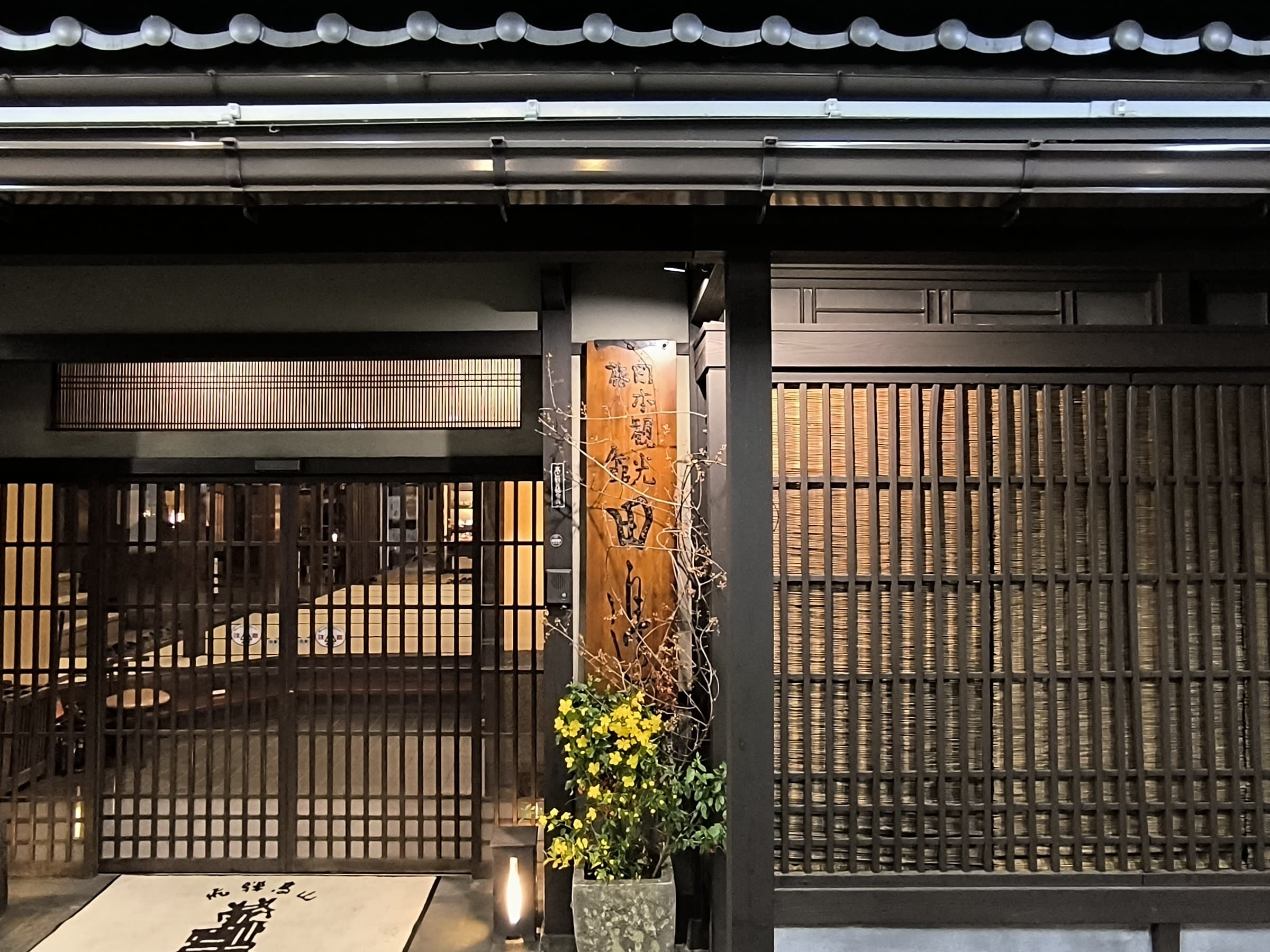
Ryokan Tanabe
Takayama
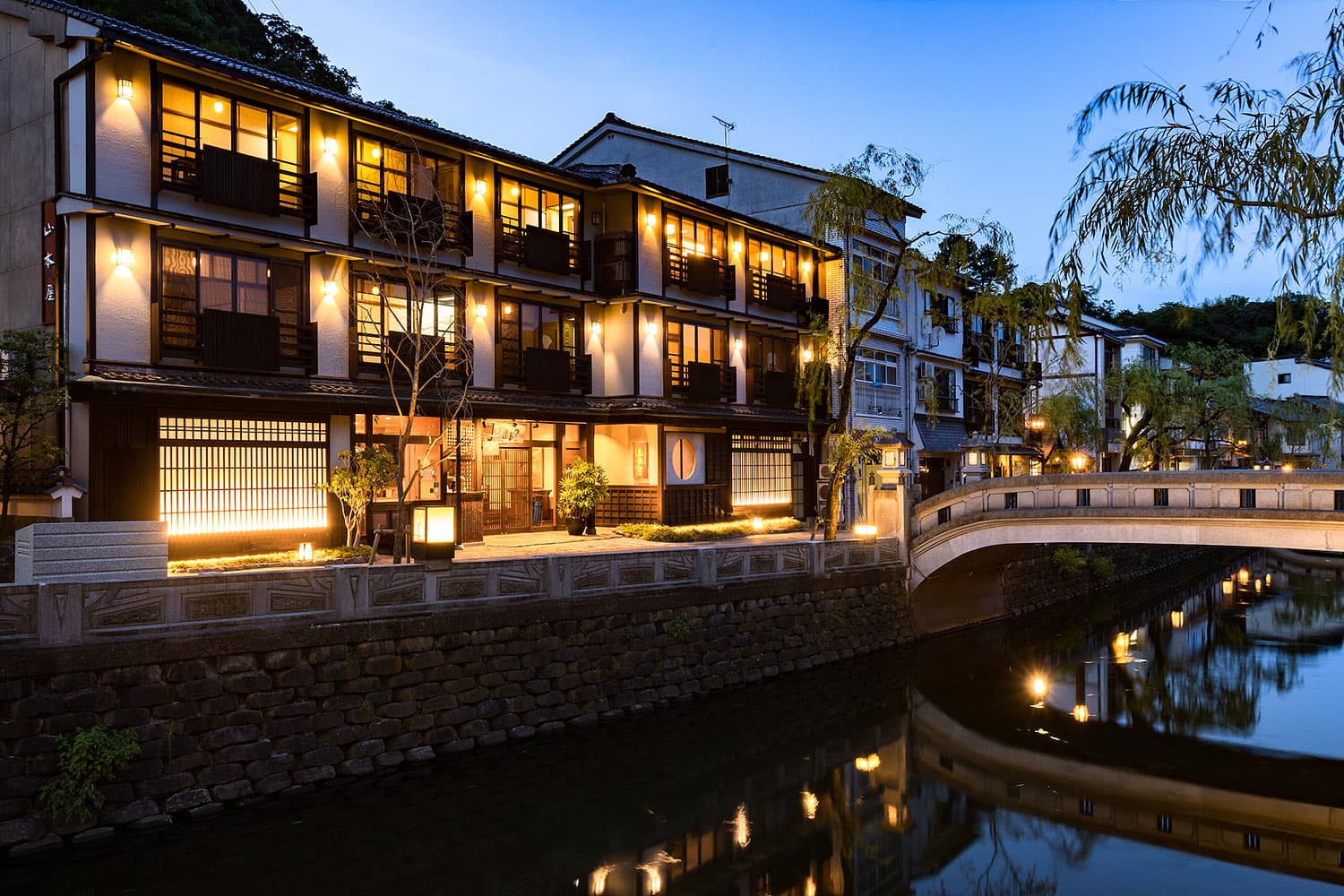
Yamamotoya
Kinosaki
Hotel Koryu
Fuji Kawaguchiko
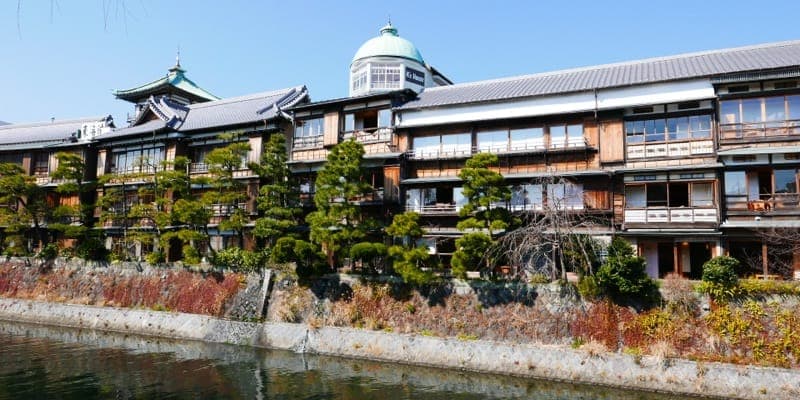
Fukuzumiro
Hakone
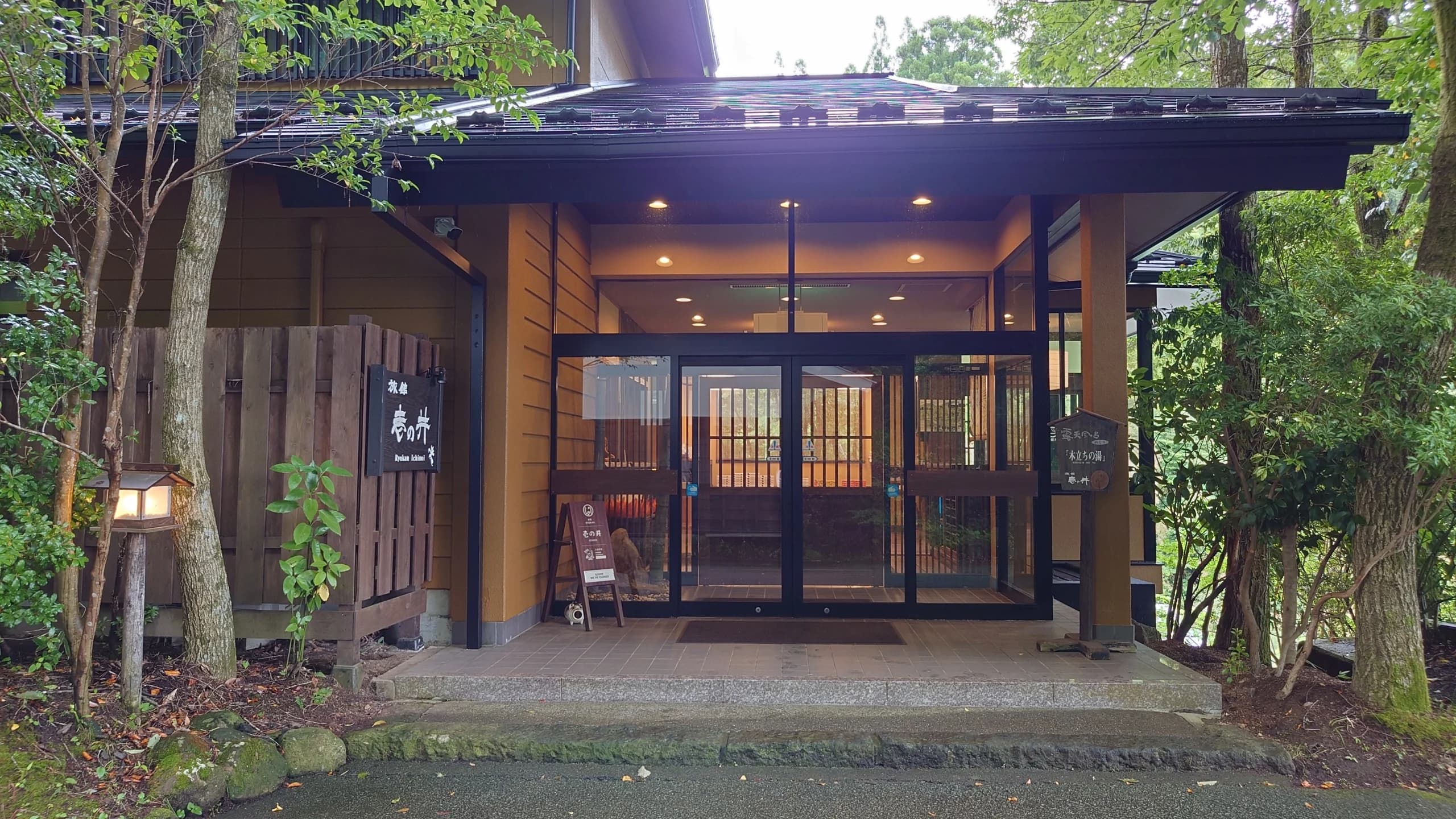
Ryokan Ichinoi
Kurokawa
表示価格は1名1泊あたりの目安です。当サイト経由のご予約で手数料を受け取る場合があります。
まず、不都合な真実から始めましょう。はい、日本では多くの温泉や旅館がタトゥーの見える方の入浴を断ります。これは都市伝説でも誇張でもなく、近いうちになくなる話でもありません。観光庁が2015年に温泉施設3,768か所を対象に行った調査では、56%がタトゥーのある客の入浴を断り、無条件で受け入れていたのは31%でした (Japan Tourism Agency 2015 survey via Kashiwaya)。その後の業界データでも、今なお約半数の施設が何らかの制限を設けているとされています。
しかし、パニック気味のSNS投稿が見落としているもうひとつの真実があります。状況は「全面禁止」よりもずっと複雑で、正しい情報さえあれば、タトゥーのある旅行者も旅館・温泉の体験を十分に楽しめます。以下、知っておくべきことをまとめてお伝えします。
なぜ日本でタトゥーはタブーなのか
日本のタトゥーに対する偏見には、何世紀にもわたる文化的な背景があります。江戸時代(1603-1868年)には、タトゥーは犯罪者への刑罰として使われていました。罪を犯した者の前腕や額に入れ墨を施し、一般の人々が識別できるようにしたのです (Wikipedia Irezumi)。その後、精緻な全身彫りはヤクザ(日本の組織犯罪)と深く結びつくようになり、忠誠、忍耐、所属の象徴として用いられました。
タトゥー文化が世界的に進化した今日でも、タトゥーと犯罪を結びつける意識は日本に根強く残っています。多くの日本人 — 特に年配の方々 — にとって、共同浴場でタトゥーを目にすることは本能的な不快感を引き起こします。外国人観光客を裁いているわけではなく、「肌に墨が入っている=組織犯罪」という深く刻まれた文化的反射なのです。
この背景を理解することは重要です。「タトゥーお断り」という旅館のオーナーは敵意を持っているわけではなく、他のゲスト — その多くがこうした連想の中で育った高齢の日本人旅行者 — の快適さを守ろうとしているのです。

タトゥーポリシーの3つのタイプ
すべての旅館がタトゥーに対して同じ対応をしているわけではありません。スペクトラムを理解すれば、不安がかなり軽減されます。
完全禁止(厳格な規制) — サイズを問わずタトゥーは一切不可。共同浴場でタトゥーが見つかれば退出を求められます。大型ホテル系温泉、リゾートチェーン、都市部の公衆浴場(銭湯)で最も多いポリシーです。入口にタトゥーにバツ印のアイコンが表示されているのが目印です。
カバーポリシー(シール・絆創膏で隠す) — 防水の絆創膏や専用の「タトゥー隠しシール」で完全に覆えればOKというルール。実用的な中間策で、小さなタトゥーなら絆創膏で対応可能。ただし、フルスリーブの場合は明らかに無理です。
完全歓迎(制限なし) — カバーなしでタトゥーが受け入れられます。外国人ゲストや現代のタトゥー文化を意識的に歓迎する決定をした施設です。このカテゴリーは毎年増えており、特に国際観光に依存するエリアで顕著です。
Tip
タトゥー隠しシール(日本では「タトゥー隠しシール」と呼ばれます)は、ドン・キホーテ、温泉街の一部のコンビニ、オンラインで購入できます。さまざまな肌色とサイズがあります。旅館に着く前に買っておきましょう — 旅館内で販売しているところはほとんどありません。
貸切風呂という最善の解決策
タトゥーのある旅行者への最も重要なアドバイスはこれです。貸切風呂(かしきりぶろ)または客室露天風呂付きの旅館を予約しましょう。ただし、タトゥーのある方も利用できると宿の公式サイトで案内している宿に限ります。
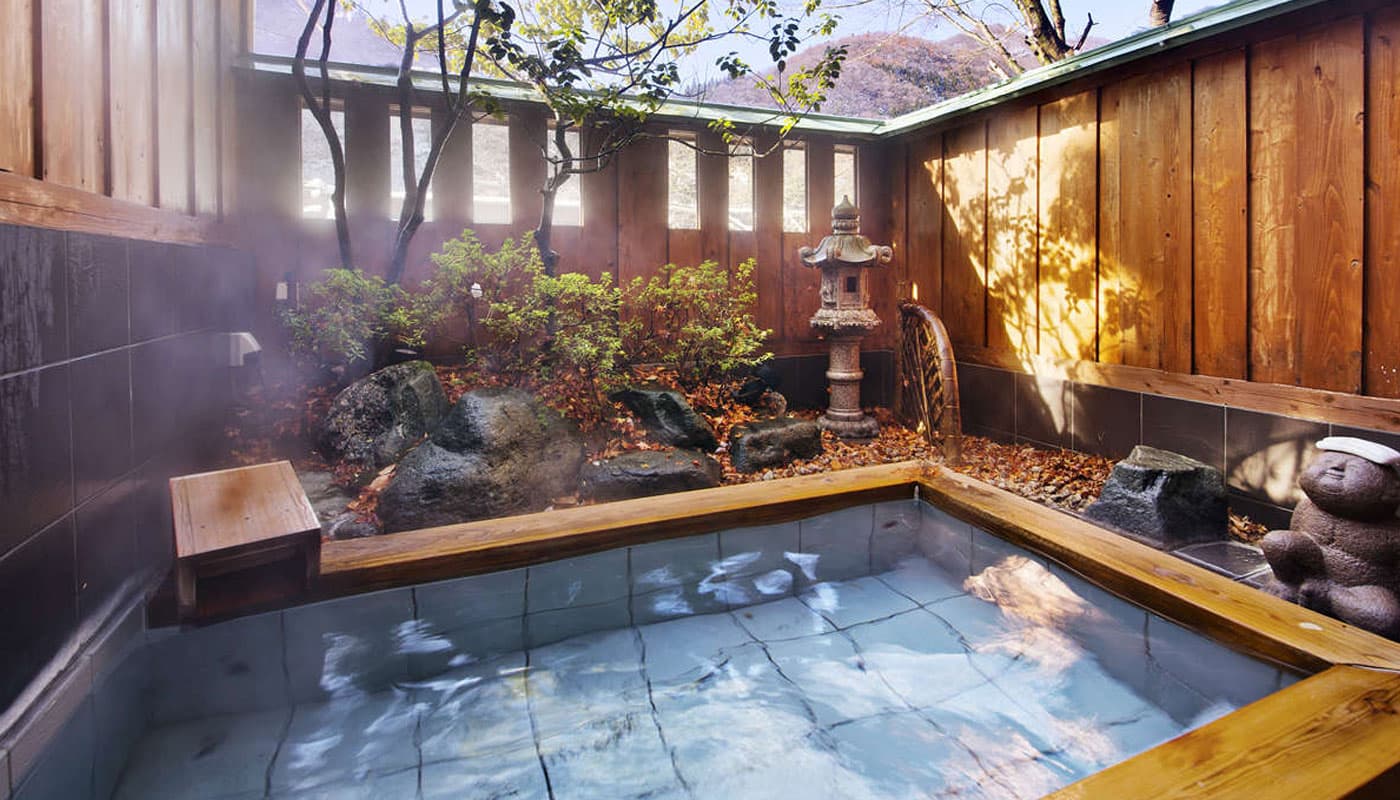
貸切風呂は、一組の専用利用として予約できる温泉 — 通常30〜60分の時間制です。さらに良いのは、客室に直接併設された温泉で、いつでも好きなときに使えるタイプ。宿がタトゥーのある方にこの方法を案内していれば、大浴場を使わずに、ひとりで、または同行者だけで入浴できます(客室タイプ・空き状況・料金・予約の条件によります)。
中価格帯以上の多くの旅館が客室露天風呂付きの部屋(露天風呂付き客室)を用意しています。料金はスタンダードルームより高めで、差額は宿によって異なりますが、滞在中は自分たちだけの風呂を使えます。
リーズナブルな旅館でも、どのゲストでも時間帯を予約できる貸切風呂を1〜2つ備えていることが多く、無料の宿もあれば、追加料金がかかる宿もあります。予約時に聞いてみましょう:「貸切風呂はありますか?」

タトゥーに寛容なエリア
一部の温泉地は、主に国際観光への依存度の高さから、他のエリアよりも積極的にポリシーを緩和しています。
城崎温泉(兵庫県) — 日本で最もタトゥーフレンドリーな温泉街と言えるかもしれません。城崎の名物は「外湯めぐり」— 浴衣を着て街を歩き、7つの外湯を巡ります (Japan Tourism Agency MLIT)。近年、国際的なゲストを歓迎する取り組みが進み、ほとんどの外湯がタトゥーを許可するか、プライベートな選択肢を提供しています。観光協会も公式に歓迎の姿勢を表明しています。
別府(大分県) — 日本一の湧出量を誇る温泉の都 (Wikipedia Beppu Onsen)。独立系の旅館や公衆浴場はタトゥーに寛容なところが多く、特に鉄輪(かんなわ)や浜脇エリアに多いです。海岸の砂蒸し風呂もタトゥーOKが一般的 — 砂に埋まるので見えませんからね。
高山と飛騨地方(岐阜県) — この地域の山間の旅館は小規模な家族経営が多く、大手チェーンよりもタトゥーに寛容な傾向があります。温かく柔軟なおもてなしの文化が根付いており、外国人ゲストへの対応も進んでいます。
ニセコと北海道 — スキーリゾートのニセコは国際的な人気が高まりすぎて、ほとんどの温泉施設がタトゥー制限を撤廃しています。北海道の他のエリア、特に登別や定山渓も次第に寛容になってきています。
タトゥーポリシーは地域や施設によって大きく異なります。地域別日本温泉ガイドでは寛容な傾向にあるエリアを地域ごとに整理しているので、特定の旅館を選ぶ前に地理的な選択肢を絞り込むのに役立ちます。
Tip
予約前に旅館へ直接メールでタトゥーポリシーを確認しましょう。「[場所]にタトゥーがあります。共同浴場にタトゥーは入れますか?貸切風呂はありますか?」といった内容で大丈夫です。ほとんどの旅館は正直に回答してくれます。返信がない場合は、通常、厳格なポリシーのサインです。
厳選7軒:公式サイトでタトゥーOKと確認できた宿
ここで紹介する7軒は、いずれも宿の公式サイトで、タトゥーのある方も隠さずに大浴場を利用できると案内している宿です。上で紹介した貸切風呂という回避策より厳しい条件で、当サイトの掲載宿のうち、これを満たすのはごく一部です。各宿の記載は2026年9月29日に公式サイトで確認し、原文の引用(英語ページは当サイトによる要約)とリンクを添えています。一人で入浴したい方は、貸切温泉付きのタトゥーOK旅館もご覧ください。
1. 柏屋旅館(四万温泉)
タトゥーの扱い: 大浴場の利用可(隠す必要なし) 宿の公式サイトで確認: 2026年9月29日
四万温泉 柏屋旅館は、英語版の公式サイトで自らをタトゥーフレンドリーな温泉旅館と紹介し、タトゥーのある方もすべての温泉に支障なく入浴できると案内しています(宿の案内ページ・英語)。同じサイトには、無料の貸切風呂が3つあるとも書かれています。
柏屋旅館を予約: 施設を見る
2. 旅館 田邊(高山)
タトゥーの扱い: 大浴場の利用可(隠す必要なし) 宿の公式サイトで確認: 2026年9月29日
旅館 田邊はよくある質問のページで、タトゥーについて「ご利用いただけます」と答え、「大きなサイズのタトゥーや刺青の場合にはご利用時間をずらすなど、ご配慮いただけますと幸いです」と添えています(宿のよくある質問)。後半はお願いで、利用の条件ではありません。
旅館 田邊を予約: 施設を見る
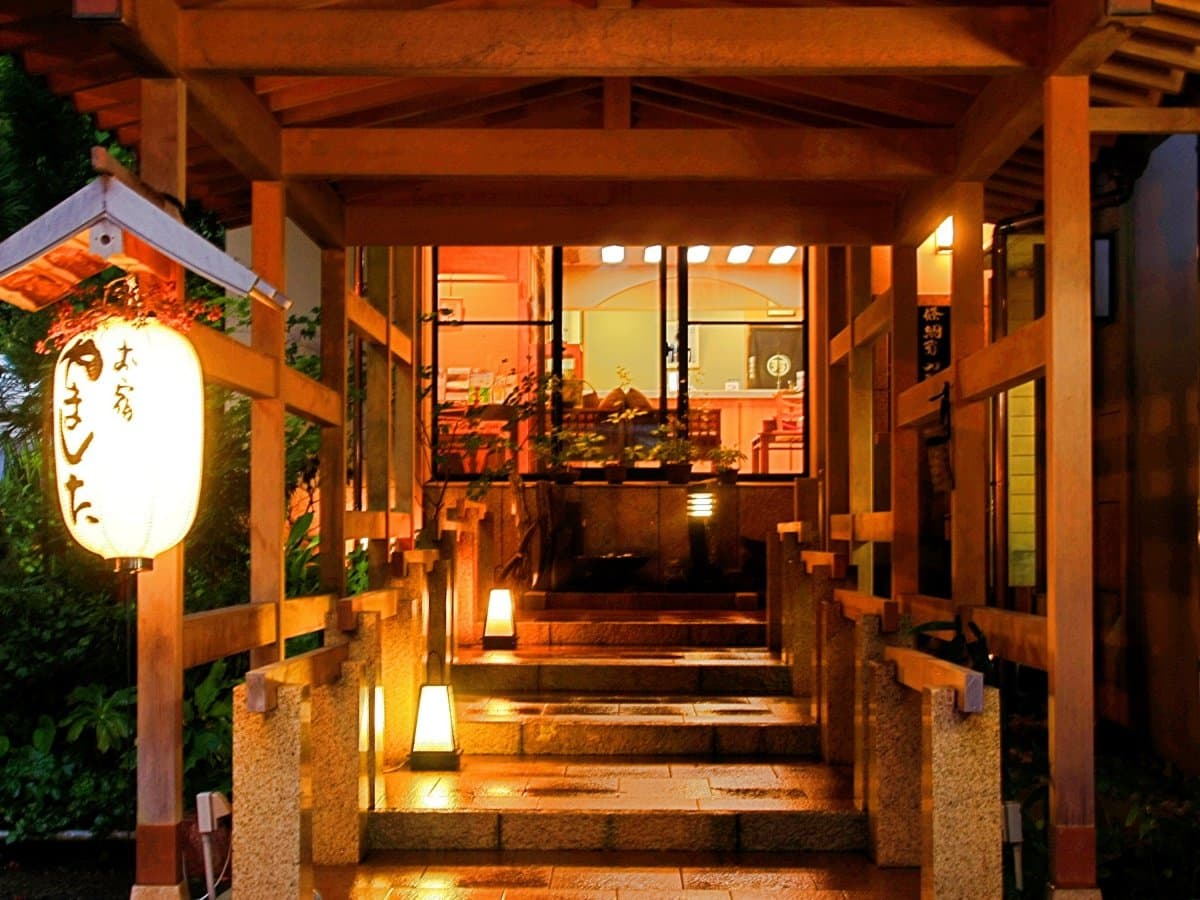
3. 山本屋(城崎温泉)
 Pinterestでピン
タトゥーの扱い: 大浴場の利用可(隠す必要なし) 宿の公式サイトで確認: 2026年9月29日
山本屋は英語版の温泉案内ページで、タトゥーのある方も館内の浴場を利用できると案内しています(宿の温泉案内・英語)。
山本屋を予約: 施設を見る
4. ホテル湖龍(河口湖)
タトゥーの扱い: 大浴場の利用可(隠す必要なし) 宿の公式サイトで確認: 2026年9月29日
ホテル湖龍は英語版サイトのよくある質問で、タトゥーがあっても大浴場を利用できるかという問いに、利用できると答えています(ホテルの英語版サイト)。
ホテル湖龍を予約: 施設を見る
5. 福住楼(箱根)
タトゥーの扱い: 大浴場の利用可(隠す必要なし) 宿の公式サイトで確認: 2026年9月29日
福住楼はよくある質問で「当館でタトゥーに対して特に規制はございません。」と案内しています(宿のよくある質問)。一人で入浴したい方については、「個室温泉をご希望のお客様は、時間制の家族風呂をご案内しています」とも書かれています。
福住楼を予約: 施設を見る
6. 旅館 壱の井(黒川温泉)
 Pinterestでピン
タトゥーの扱い: 大浴場の利用可(隠す必要なし) 宿の公式サイトで確認: 2026年9月29日
旅館 壱の井は公式サイトで「当館はタトゥーを制限しておりません。」と明記しています(宿の公式サイト)。これは壱の井の浴場についての記載で、黒川温泉のほかの宿の浴場は、それぞれの宿の規定によります。
旅館 壱の井を予約: 施設を見る
7. ケイズハウス伊東温泉(伊豆)
タトゥーの扱い: 大浴場の利用可(隠す必要なし) 宿の公式サイトで確認: 2026年9月29日
ケイズハウス伊東温泉は、フルサービスの旅館ではなく低価格のホステルです。よくある質問では、タトゥーについて「はい、ケイズハウス伊東温泉は特に規制は設けていません。」と答えています(よくある質問)。
ケイズハウス伊東温泉を予約: 施設を見る
検証方法
各宿のタトゥーの扱いは、宿の公式サイトの記載にもとづいています(2026年9月29日に確認)。上の各項目では、宿の文章を引用または要約し、そのページへのリンクを添えました。予約サイトの掲載情報、口コミ、第三者のまとめは使っていません。2026年10月9日に、以前の掲載宿を入れ替えました。公式サイトでタトゥーOKと確認できなかったためです。方針は変わることがあるため、予約前に宿へ直接ご確認ください。
タトゥーOKの旅館の見つけ方
上記のエリア以外にも、歓迎してくれる旅館を見つける実用的な方法があります。
予約サイトの検索フィルター。 Booking.comでは貸切風呂のある施設を絞り込めます。タトゥーポリシーを示すものではないので、タトゥーのある方も貸切風呂を使えるか宿に確認しましょう。じゃらんや楽天トラベルなどの日本の予約サイトでは「貸切風呂」や「刺青OK」で検索してみてください。
TattooFriendly.jp — タトゥーのあるゲストを歓迎する温泉や旅館のデータベースを提供する英語サイトです。コミュニティによる検証済みで、定期的に更新されています。
Googleマップのレビュー。 旅館名と「tattoo」でGoogleマップのレビューを検索してみましょう。タトゥーのある旅行者がポジティブまたはネガティブな体験をした場合、ほぼ必ず言及しています。
旅館に直接聞く。 これが最も確実な方法です。予約前の簡単なメール一本で、到着してからお風呂で気まずい思いをする事態を防げます。

現地で断られた場合の対処法
事前にリサーチしていても、断られることはあります。そんなとき、スマートに対処する方法をお伝えします。
反論しない。 スタッフは施設のポリシーに従っているだけです。怒っても規則は変わらず、全員が気まずい思いをするだけ。「わかりました」の一言が大きな意味を持ちます。
代替案を聞く。「貸切風呂はありますか?」と尋ねてみましょう。厳格なポリシーの施設でも、代わりに喜んで提供してくれるプライベートな選択肢を持っていることが多いです。
客室の風呂を確認する。 旅館の客室には小さめの風呂が備わっていることが多いです。フルスケールの温泉体験ではありませんが、プライバシーの中で温泉水に浸かることはできます。
空いている時間帯に行く。 これは公式なアドバイスではありませんが、実際的な話として、旅館の共同浴場は夜10時から朝6時の間はたいてい空いています。小さなタトゥーの旅行者がこの静かな時間帯に入浴して、何も問題がなかったケースもあります。規則を破ることを勧めているわけではありませんが、タイミングが重要だということは確かです。
時代の流れはあなたの味方
日本のタトゥーに対する意識は変わりつつあります。特に国際観光を積極的に誘致し始めてから、その変化は加速しています。観光庁は2015年にガイドラインを発出し、温泉施設にタトゥーのある外国人旅行者を一律に拒否するのではなく、受け入れの方法を見つけるよう促しました (JNTO japan.travel)。以来、タトゥーOKの温泉の割合は着実に増加しています。
日本の若い世代はタトゥーを犯罪ではなくファッションと見なすようになっています。ミレニアル世代やZ世代のファッションタトゥーは急増しており、温泉事業者にポリシーの近代化を求める国内からの圧力も生まれています。2019年のラグビーワールドカップや2021年のオリンピックといった国際イベントがこの流れを加速させました。
とはいえ、変化は緩やかです。地方の伝統的な旅館が突然フルスリーブのタトゥーを歓迎するようになるとは期待しないでください。しかし方向性は明確です。日本は徐々に寛容になり、タトゥーのある旅行者の選択肢は年々増えています。
Tip
旅館のウェブサイトに「外国人ゲスト歓迎」と書いてあったり、外国人ゲストの写真が掲載されていれば、タトゥーポリシーについても検討済みで寛容である可能性が高いです。国際的な旅行者に積極的にマーケティングしている施設が、厳格なタトゥー禁止を貫いているケースはほとんどありません。
まとめ
日本でタトゥーがあることは、旅行フォーラムが時として描くような致命的な問題ではありません。確かに、タトゥーのない旅行者よりもリサーチが必要です。貸切風呂付きの客室には追加料金がかかるかもしれません。予約前にポリシーを確認するべきです。
しかし、旅館体験 — 畳、懐石、鉱泉の湯、静寂 — はあなたにも確実に開かれています。星空の下のプライベートな露天風呂、火山の湯が肩まで満ちて、周りには誰もいない。これは妥協ではありません。むしろ、タトゥーの有無に関わらず、温泉体験の最も贅沢なかたちなのです。 河口湖・富士山エリアに惹かれているタトゥーをお持ちの方は、富士山エリアの旅館ガイドで各宿のプライベート温泉情報を確認できます。 本格的な宿泊前に「試し体験」をしたいタトゥーをお持ちの方には、タトゥーフレンドリーな旅館の多くが日本の日帰り旅館プランを提供しています——貸切風呂セッション+ランチで、宿泊なし、タトゥーポリシーは宿泊と同じです。
このほかに掲載しているタトゥーOKの旅館
2軒| 旅館 | 料金 | 評価 | 予約 |
|---|---|---|---|
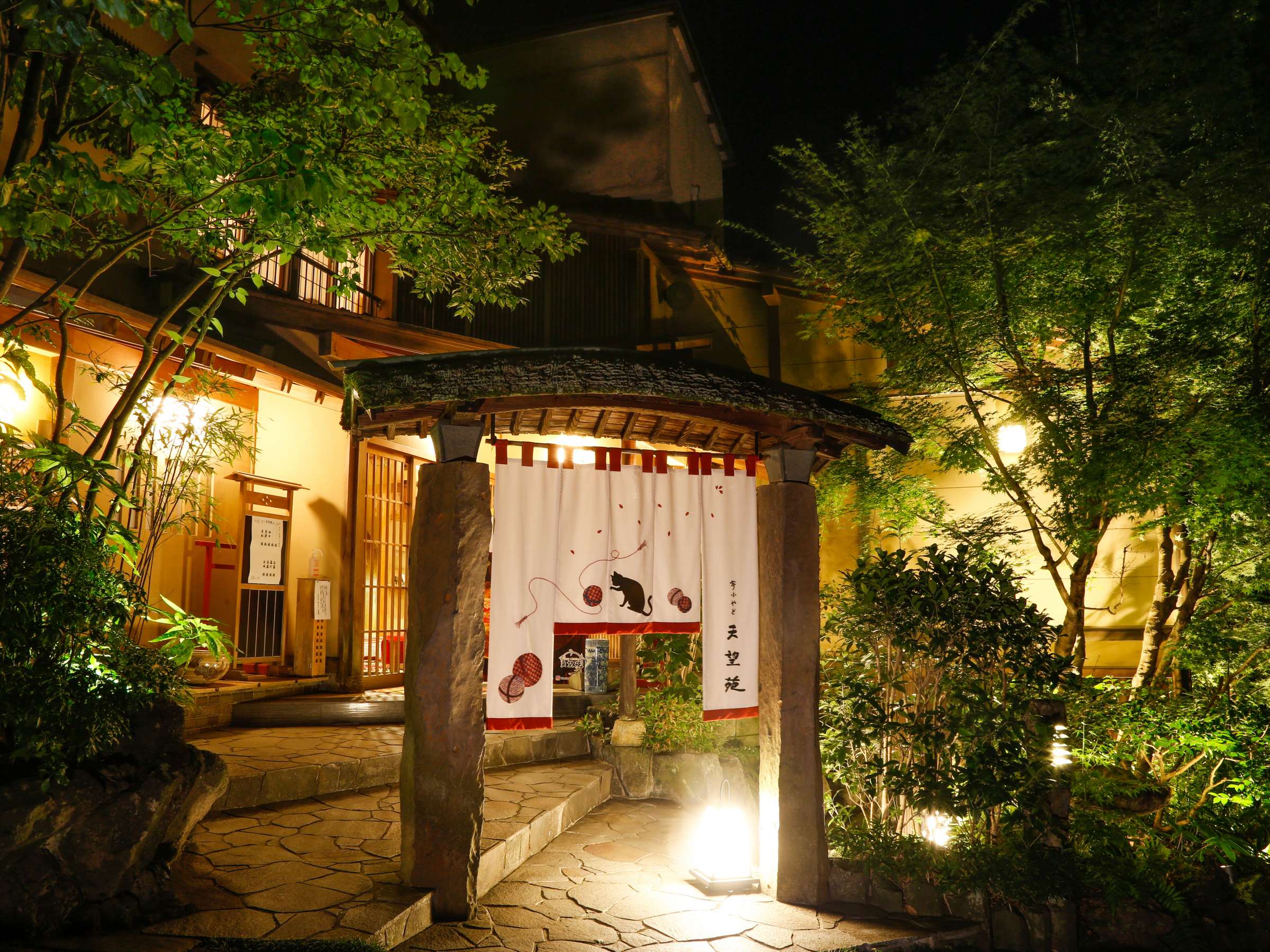 | ¥28,336〜1名1泊2名で約¥56,672 | 9.1 口コミ24件 | Trip.comで予約する |
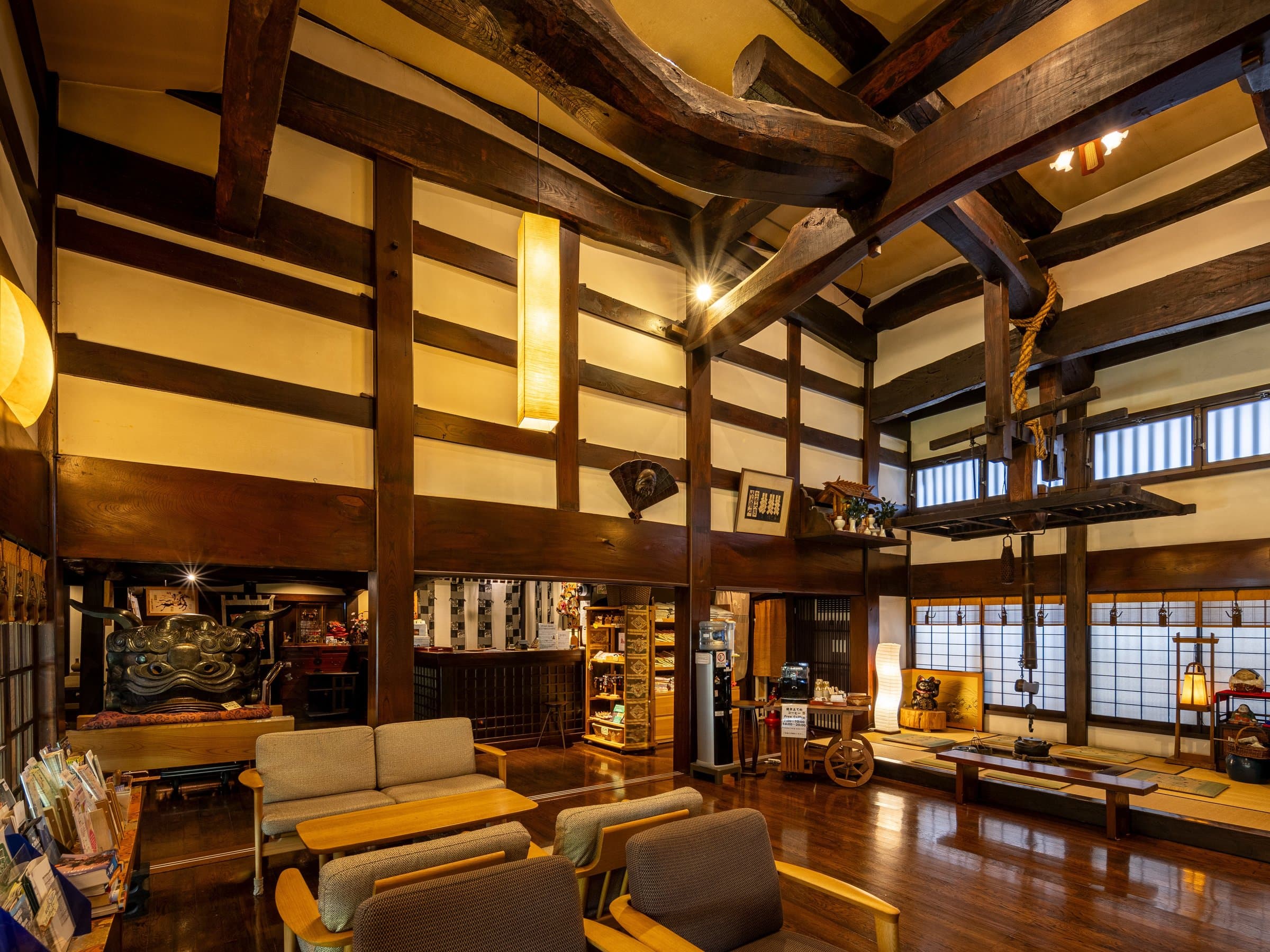 | ¥13,244〜1名1泊2名で約¥26,488 | 8.7 口コミ680件 | Trip.comで予約する |
表示価格は1名1泊あたりの目安です。当サイト経由のご予約で手数料を受け取る場合があります。
ご予約はこちら
人気の旅館から選んで予約
予約サイトごとの空室・料金を見比べてください。



予約リンク経由で手数料が発生する場合がありますが、追加費用はかかりません。
FAQ
よくあるご質問
なぜ日本の温泉や旅館ではタトゥーが禁止されていることが多いのですか?+
タトゥーが禁止されるのは、深い文化的背景があるからです。歴史的に、江戸時代には罪人の刑罰として使われ、その後、暴力団(ヤクザ)との強い関連性が生まれました。このため、多くの日本人、特に年配の方々が不快感を抱くことがあり、旅館側はすべてのお客様が快適に過ごせるよう配慮しています。
日本の旅館にはどのようなタトゥーに関する方針がありますか?+
旅館には主に3つのタトゥーポリシーがあります。厳禁(タトゥーがある場合は入浴不可)、カバーポリシー(防水バンドエイドやシールで完全に覆えば入浴可)、そして全面歓迎(制限なし)です。大手リゾートチェーンでは厳禁が多いですが、カバーポリシーは現実的な中間策です。全面歓迎の施設は、特に観光客が多い地域で増えています。
タトゥーがある旅行者が温泉を楽しむ一番良い方法は何ですか?+
最も確実なのは、タトゥーのある方も使える客室露天風呂や予約制の貸切風呂を公式サイトで案内している旅館を予約することです(客室タイプ・空き状況・料金・予約の条件によります)。客室料金や貸切風呂の料金は宿によって異なり、無料の貸切風呂もあれば、有料のところもあります。
日本のどの地域が、タトゥーに寛容な旅館が多いことで知られていますか?+
国際観光客の増加に伴い、タトゥーに寛容な地域が増えています。兵庫県の城崎温泉や、大分県の別府(特に鉄輪・浜脇エリア)はタトゥー歓迎で知られています。高山や飛騨地方の山間部の旅館、ニセコや北海道のほとんどの温泉施設も、より受け入れ態勢が整っています。
日本でタトゥー隠しシールはどこで買えますか?+
「タトゥー隠しシール」として知られるタトゥーカバーシールは、ディスカウントストアのドン・キホーテや、温泉街にある一部のコンビニエンスストア、オンラインストアで購入できます。ほとんどの旅館では現地販売していないため、到着前に購入しておくことをお勧めします。様々な肌の色やサイズがあります。
まだ決めていない方へ
日本全国の旅館を見るBooking.com