Quick Comparison
7 picks| Ryokan | From | Rating | Book |
|---|---|---|---|
 | from US$228/person/night≈ US$456 for 2 | 9.4 1,240 reviews | Book on Agoda |
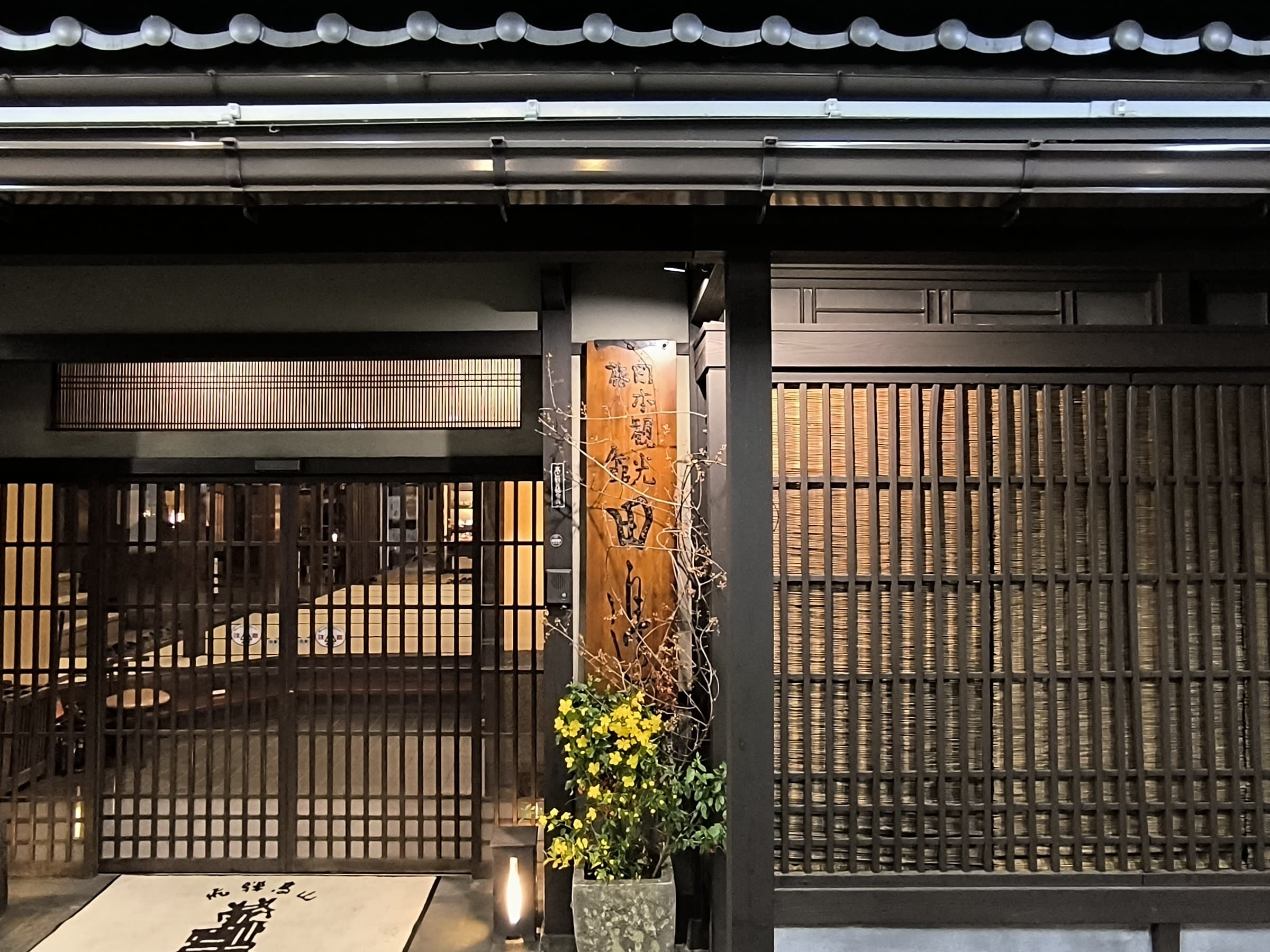 | from US$190/person/night≈ US$380 for 2 | 9.1 769 reviews | Book on Booking.com |
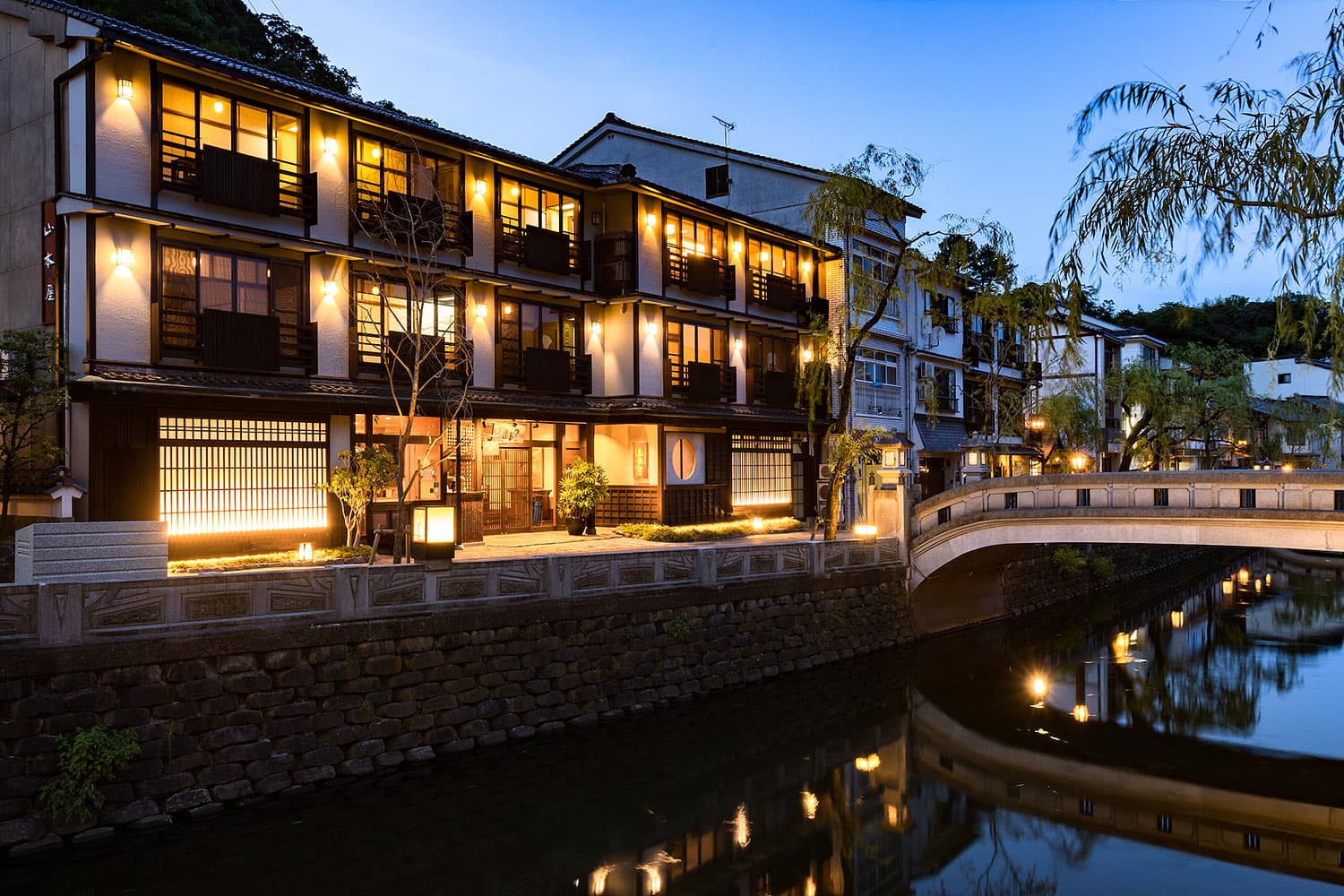 | from US$200/person/night≈ US$400 for 2 | 9.4 167 reviews | Book on Trip.com |
| from US$96/person/night≈ US$192 for 2 | 9.2 144 reviews | Book on Agoda | |
 | from US$150/person/night≈ US$300 for 2 | 8.8 67 reviews | Book on Booking.com |
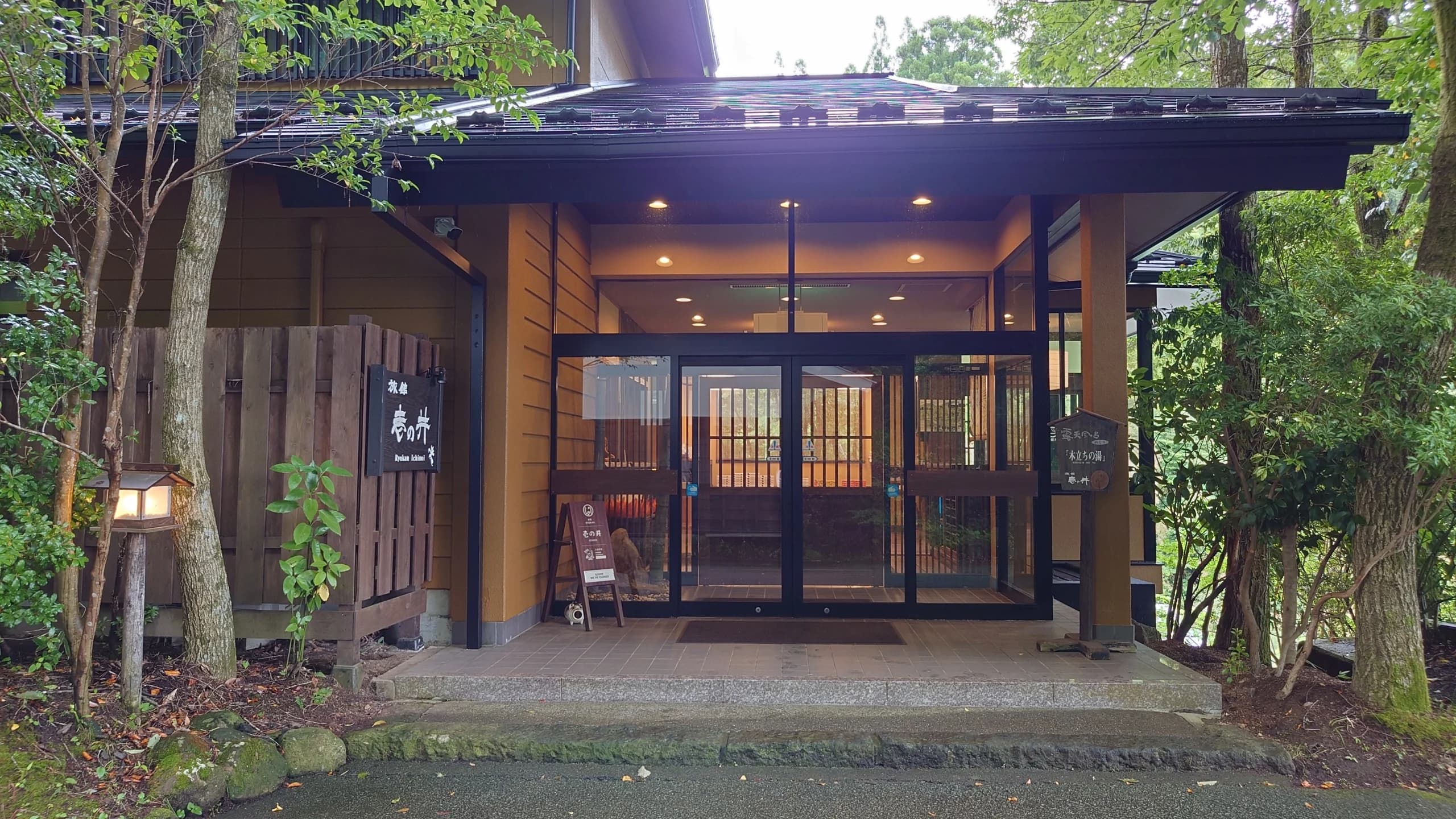 | from US$147/person/night≈ US$294 for 2 | 9.4 62 reviews | Book on Booking.com |
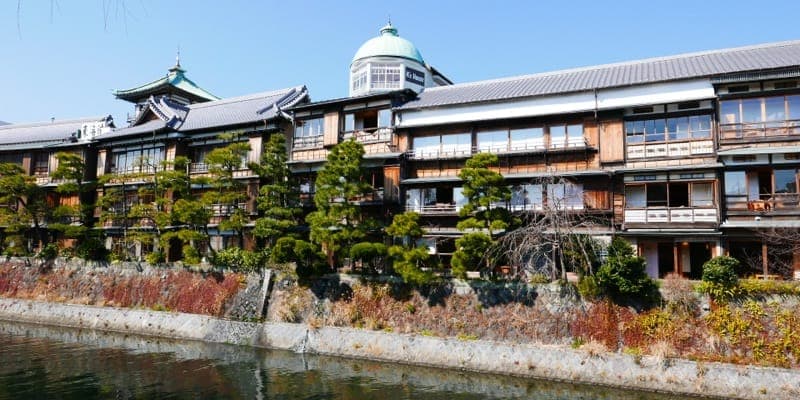 | from US$35/person/night≈ US$70 for 2 | 9.6 45 reviews | Book on Agoda |
Ryokan Tanabe
Takayama
Yamamotoya
Kinosaki
Hotel Koryu
Fuji Kawaguchiko
Fukuzumiro
Hakone
Ryokan Ichinoi
Kurokawa
Prices shown are approximate starting rates per person per night. We may earn a commission on bookings.
Let's get the uncomfortable truth out of the way first: yes, many onsen and ryokans in Japan will turn you away if you have visible tattoos. This isn't a myth, it isn't exaggerated, and it isn't going away anytime soon. A benchmark Japan Tourism Agency survey of 3,768 onsen facilities found that 56% refused tattooed guests outright, with only 31% allowing unconditional entry (Japan Tourism Agency 2015 survey via Kashiwaya), and follow-up industry data shows roughly half of facilities still enforce some form of restriction today.
But here's the other truth that panicked Reddit posts leave out: the situation is far more nuanced than a blanket ban, and with the right information, tattooed travelers can absolutely enjoy the full ryokan and onsen experience. This guide brings together what you need to know.
Why Tattoos Are Taboo in Japan
The tattoo stigma in Japan has deep cultural roots that go back centuries. In the Edo period (1603-1868), tattoos were used as criminal punishment — convicted criminals were marked with tattoos on their forearms or foreheads so the public could identify them, in a practice known as irezumi kei (Wikipedia Irezumi). Later, elaborate full-body tattoos became closely associated with the yakuza (Japanese organized crime), who used them as symbols of loyalty, endurance, and affiliation.
This association between tattoos and criminality persisted even as tattoo culture evolved globally. For many Japanese people — especially older generations — seeing tattoos in a communal bathing space triggers genuine discomfort. It's not about judging tourists; it's about a deeply ingrained cultural reflex that connects ink on skin with organized crime.
Understanding this context matters because it explains why the policy isn't personal. The ryokan owner who says "no tattoos" isn't being hostile — they're protecting the comfort of their other guests, many of whom are elderly Japanese travelers who grew up with these associations.

The Three Types of Tattoo Policies
Not all ryokans handle tattoos the same way. Understanding the spectrum will save you a lot of anxiety:
Strict Ban (Complete Prohibition) — No tattoos of any kind, no exceptions. Staff will ask you to leave the communal bath if they spot ink. This policy is most common at large hotel-style onsen, resort chains, and public bathhouses (sento) in urban areas. Signs at the entrance will typically show a crossed-out tattoo icon.
Cover Policy (Sticker/Bandage Required) — Tattoos are allowed if you can cover them completely with waterproof bandages or special "tattoo cover stickers" (sold at many convenience stores and onsen gift shops in Japan). This is a practical middle ground — if your tattoo is small enough to cover with a bandage, you're fine. If you have a full sleeve, this obviously won't work.
Fully Welcome (No Restrictions) — Tattoos are accepted without any covering required. These properties have made a conscious decision to welcome international guests and modern Japanese tattoo culture. This category is growing every year, especially in areas that depend on international tourism.
Tip
Tattoo cover stickers (called "tattoo kakushi seal" in Japan) are available at Don Quijote discount stores, some convenience stores in onsen towns, and online. They come in various skin tones and sizes. Buy them before you arrive at the ryokan — most ryokans don't sell them on-site.
The Private Onsen Solution
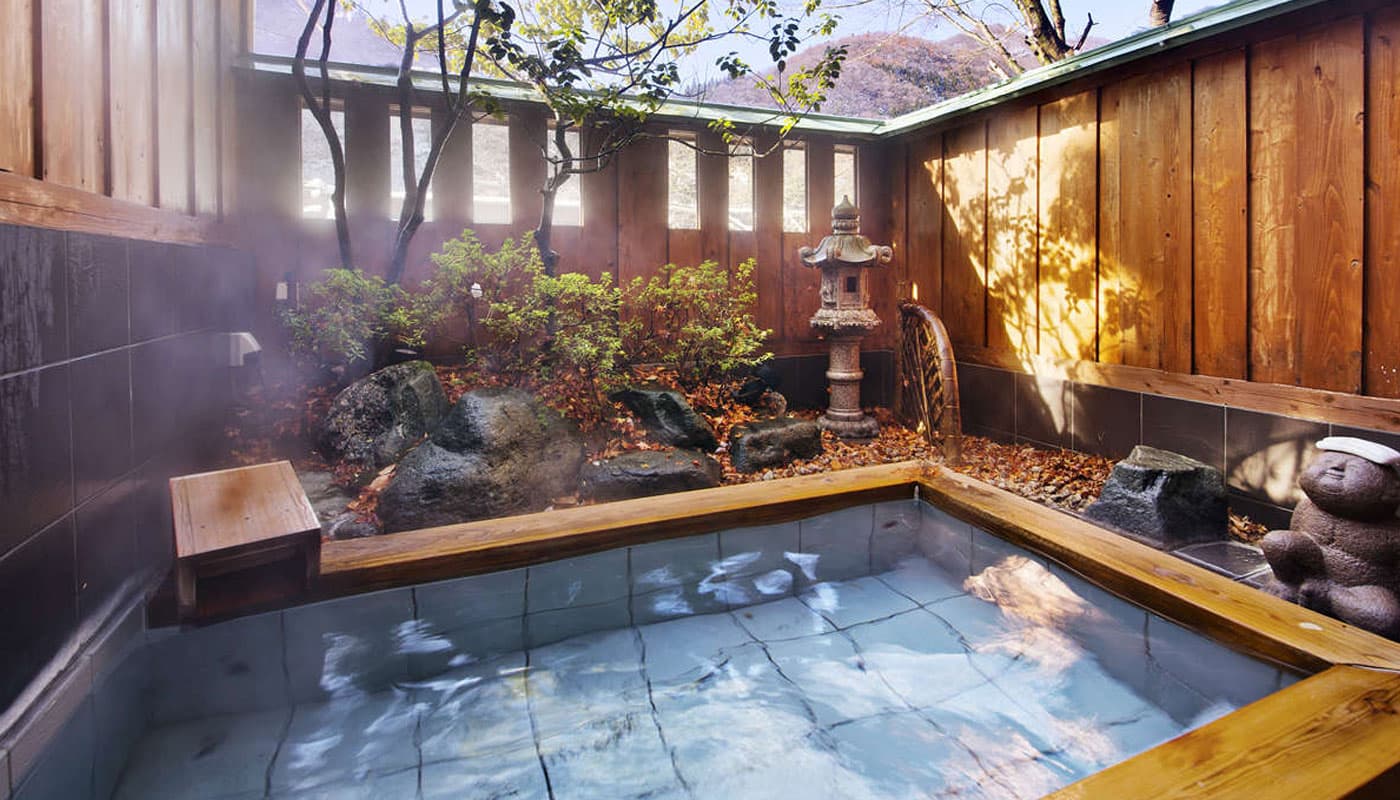
Here's the single best piece of advice for tattooed travelers: book a ryokan with a private onsen (kashikiri-buro or in-room rotenburo) whose own website says guests with tattoos may use it.
A private onsen is a bath you reserve for your exclusive use — typically for 30-60 minutes — or, even better, a bath attached directly to your room that you can use anytime. Where the inn documents this route for guests with tattoos, you bathe alone or with your own party, away from the shared baths, subject to room selection, availability, fees and reservation requirements.
Many mid-range and luxury ryokans offer rooms with private outdoor baths (rotenburo-tsuki kyakushitsu). These rooms cost more than a standard room, by an amount that varies by inn, but they give you a bath of your own for the length of your stay.
Even budget-friendly ryokans often have one or two reservable private baths (kashikiri-buro) that any guest can book for a time slot, free at some inns and for an extra fee at others. When booking, ask: "Kashikiri-buro wa arimasu ka?" (Do you have a private bath?)

Regions Known for Being Tattoo-Friendly
Some onsen areas have shifted their policies more aggressively than others, largely because of their dependence on international tourism:
Kinosaki Onsen (Hyogo Prefecture) — This is arguably the most tattoo-friendly onsen town in Japan. Kinosaki's signature experience is "onsen hopping" — wearing your yukata through the town and visiting seven soto-yu (public hot spring bathhouses), all within walking distance of one another (Japan Tourism Agency MLIT). In recent years, the town has made a deliberate effort to welcome international guests, and most of the public bathhouses now allow tattoos or offer private options. The town's tourism board has publicly stated its welcoming stance.
Beppu (Oita Prefecture) — Japan's hot spring capital discharges more than 130,000 tons of hot spring water from the ground every day across 2,909 hot spring vents — the largest volume in Japan and second only to Yellowstone globally (Wikipedia Beppu Onsen) — and offers an enormous variety of bathing options. Many of Beppu's independent ryokans and public baths are tattoo-friendly, especially those in the Kannawa and Hamawaki areas. The famous sand baths at Beppu Beach are also generally tattoo-friendly since you're buried in sand anyway.
Takayama and the Hida Region (Gifu Prefecture) — The rural mountain ryokans in this area tend to be smaller, family-run operations that are more relaxed about tattoos than corporate properties. The culture here is warm and accommodating, and many owners have adapted to international guests.
Niseko and Hokkaido — The ski resort area of Niseko has become so internationally popular that most onsen facilities in the area have dropped tattoo restrictions entirely. Other parts of Hokkaido, particularly Noboribetsu and Jozankei, are also increasingly welcoming.
Tattoo policy varies significantly by region and individual property. Our Japan onsen by region guide flags which areas trend more lenient, ordered by region, so you can pre-screen the geographic options before picking a specific ryokan.
Tip
Before booking, email the ryokan directly and ask about their tattoo policy. Write something like: "I have tattoos on [location]. Are tattoos permitted in your communal onsen? Do you have private baths available?" Most ryokans will reply honestly. If they don't reply, that's usually a sign they're strict.
7 Officially Verified Picks: Tattoo-Friendly Ryokans
Each inn below says on its own official website that guests with tattoos may use its shared baths, with no cover-up required. That is a stricter test than the private-bath workaround described above, and only a handful of the inns we list pass it. We checked every statement on the inn's site on 29 September 2026; each entry paraphrases the inn's wording and links to the page. If you would rather bathe privately, see our guide to tattoo-friendly ryokans with a private onsen.
1. Shima Onsen Kashiwaya Ryokan (Shima Onsen)
Tattoo policy: Allowed in the shared baths, no cover-up required Checked on the inn's website: 29 September 2026
Kashiwaya's English-language site calls it a tattoo-friendly onsen ryokan and says that guests with tattoos can bathe in all of its onsen baths without restriction (the inn's tattoo page). The same site lists three free private baths for guests who would rather bathe alone.
Book Kashiwaya: View Property
2. Ryokan Tanabe (Takayama)
Tattoo policy: Allowed in the shared baths, no cover-up required Checked on the inn's website: 29 September 2026
Asked on its FAQ page about tattoos, Ryokan Tanabe answers that guests with tattoos can use the bath (the inn's FAQ). For large tattoos it asks guests, as a courtesy, to consider bathing at a different time; it is a request, not a condition.
Book Ryokan Tanabe: View Property
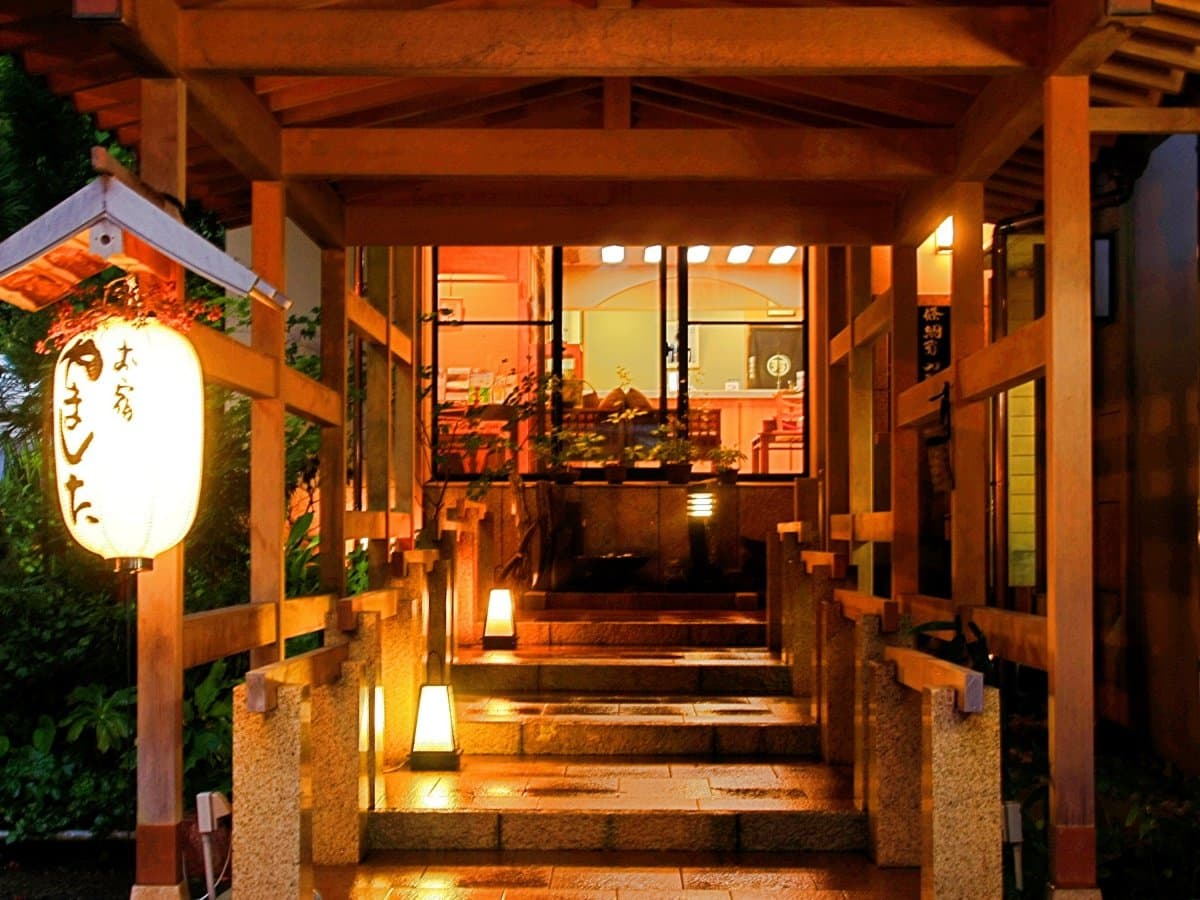
3. Yamamotoya (Kinosaki Onsen)
 Pin to Pinterest
Tattoo policy: Allowed in the shared baths, no cover-up required Checked on the inn's website: 29 September 2026
Yamamotoya's English onsen page states that guests with tattoos are allowed to use the baths at the inn (the inn's onsen page).
Book Yamamotoya: View Property
4. Hotel Koryu (Kawaguchiko)
Tattoo policy: Allowed in the shared baths, no cover-up required Checked on the inn's website: 29 September 2026
Hotel Koryu's English site answers the question directly: asked whether guests with tattoos can use the large bath, it says yes (the hotel's English site).
Book Hotel Koryu: View Property
5. Fukuzumiro (Hakone)
Tattoo policy: Allowed in the shared baths, no cover-up required Checked on the inn's website: 29 September 2026
Fukuzumiro's FAQ says the inn places no particular restrictions on tattoos (the inn's FAQ). Guests who want to bathe privately are offered a family bath by time slot.
Book Fukuzumiro: View Property
6. Ryokan Ichinoi (Kurokawa Onsen)
 Pin to Pinterest
Tattoo policy: Allowed in the shared baths, no cover-up required Checked on the inn's website: 29 September 2026
Ryokan Ichinoi states on its own website that it does not restrict tattoos (the inn's website). That statement covers Ichinoi's own baths; other Kurokawa inns set their own rules.
Book Ryokan Ichinoi: View Property
7. K's House Ito Onsen (Izu)
Tattoo policy: Allowed in the shared baths, no cover-up required Checked on the inn's website: 29 September 2026
K's House Ito Onsen is a budget hostel rather than a full-service ryokan. To the question of whether guests with tattoos can bathe, its FAQ answers yes and says it sets no particular restrictions (the hostel's FAQ).
Book K's House Ito Onsen: View Property
How We Verified
Each pick's tattoo policy comes from the inn's own official website, checked on 29 September 2026; the entries above paraphrase what each inn says and link to the page. Booking-site listings, reviews and third-party lists were not used. On 9 October 2026 we replaced the previous picks, because their official websites did not confirm a tattoo-friendly policy. Policies change, so confirm with the inn before booking.
How to Find Tattoo-Friendly Ryokans
Beyond the regions mentioned above, here are practical ways to identify welcoming properties:
Search filters on booking sites. Booking.com allows you to filter for properties with private baths. This doesn't indicate tattoo policy, so check that the inn lets guests with tattoos use its private bath. On Japanese booking sites like Jalan and Rakuten Travel, search for "貸切風呂" (kashikiri-buro, private bath) or "刺青OK" (tattoo OK).
TattooFriendly.jp — This English-language website maintains a searchable database of onsen and ryokans that welcome tattooed guests. It's community-verified and regularly updated.
Tattoo Onsen Japan — Our sister project keeps a register of 631 inns and their published tattoo rules, quoting each rule and its source (usually the inn's own site, sometimes its operator's group policy) and saying so when nothing is published.
Google Maps reviews. Search for the ryokan name plus "tattoo" in Google Maps reviews. Tattooed travelers who had positive or negative experiences almost always mention it.
Ask your ryokan directly. This is the most reliable method. A quick email before booking saves you the awkwardness of arriving and being turned away from the bath.

What If You're Already There and Get Turned Away?
It happens, even with research. Here's how to handle it gracefully:
Don't argue. The staff are following their property's policy. Getting upset won't change the rule and will create an uncomfortable situation for everyone. A simple "wakarimashita" (I understand) goes a long way.
Ask about alternatives. Say "kashikiri-buro wa arimasu ka?" (Do you have a private bath?). Even strict properties often have a private option they'll happily offer instead.
Check the in-room bath. Many ryokan rooms have their own smaller baths. While not a full onsen experience, you still get to soak in hot spring water in privacy.
Visit during off-hours. This isn't official advice you'll find anywhere, but practically speaking: communal baths at ryokans are usually empty between 10 PM and 6 AM. Some travelers with small tattoos simply visit during these quiet hours and encounter no issues. We're not recommending you break rules — just noting that timing matters.
The Trend Is Moving in Your Favor
Japan's relationship with tattoos is evolving, especially since the country began actively courting international tourism. The Japan Tourism Agency issued guidelines in 2015 urging onsen facilities to find ways to accommodate tattooed foreign visitors rather than blanket-banning them — recommending cover stickers, multilingual signage, and reservable private kashikiri baths as practical solutions (JNTO japan.travel). Since then, the percentage of tattoo-friendly onsen has steadily increased.
Younger Japanese people increasingly see tattoos as fashion rather than crime. One-piece tattoos (fashion tattoos) among Japanese millennials and Gen Z have surged, creating domestic pressure on onsen operators to modernize their policies. Major events like the 2019 Rugby World Cup and the 2021 Olympics accelerated this shift.
That said, change is slow. Don't expect rural traditional ryokans to suddenly welcome full-sleeve tattoos. But the direction is clear: Japan is gradually becoming more accepting, and the number of options for tattooed travelers grows every year.
2024–2025: Two Concrete Policy Shifts Worth Knowing
Two developments from the past 18 months have moved the picture for tattooed guests — named-property changes, not vague drift.
Hoshino Resorts (KAI brand), 2024. The group stated it does not restrict facility use based on tattoos, citing the cultural diversity of its international guests. In practice the blanket ban is gone, replaced by a cover-up model with a discretion clause for very large irezumi-style work . That matters because KAI runs onsen ryokan across Kusatsu, Hakone, Kinugawa and elsewhere — areas that were long mixed territory for inked guests.
Hakone Yuryo, April 1, 2025. One of the most popular day-trip onsen from Tokyo — and for years the textbook example of a strict-ban facility in English guides — formally lifted its tattoo restriction, stating it had 'lifted the restrictions on bathing due to tattoos from April 1, 2025' as part of an effort to welcome guests regardless of background . Even historically conservative facilities near major tourist corridors are moving toward acceptance. For the structural workaround that sidesteps any property's stated rule, see our tattoo-friendly ryokans with a private onsen.
Tip
If a ryokan's website mentions "international guests welcome" or shows photos of non-Japanese guests, that's usually a strong signal they've thought about tattoo policies and are likely accommodating. Properties that actively market to international travelers rarely enforce strict tattoo bans.
The Bottom Line
Having tattoos in Japan is not the dealbreaker that travel forums sometimes make it seem. Yes, you need to do more research than an un-inked traveler. Yes, you might pay a premium for a room with a private bath. And yes, you should always check policies before booking.
But the ryokan experience — the tatami, the kaiseki, the mineral water, the silence — is absolutely available to you. A private rotenburo under the stars, with volcanic water up to your shoulders and nobody else around? That's not a compromise. That's actually the best version of the onsen experience, tattoos or not. For tattooed travelers drawn to the Kawaguchiko and Mt. Fuji area, our Mt. Fuji area ryokan guide notes each property's private onsen availability — finding a welcoming stay with an lasting view. If a full overnight feels like too big a commitment for testing the waters (so to speak), many tattoo-friendly properties also run day-use ryokan in Japan plans — a private bath session plus lunch, no overnight required, and the tattoo policies are identical to the overnight experience.
Would you rather bathe privately? Some inns document a tattoo-compatible private or in-room bathing route, subject to room selection, availability, fees and reservation requirements. See our guide to tattoo-friendly ryokans with a private onsen.
More tattoo-friendly ryokans we list
2 listed| Ryokan | From | Rating | Book |
|---|---|---|---|
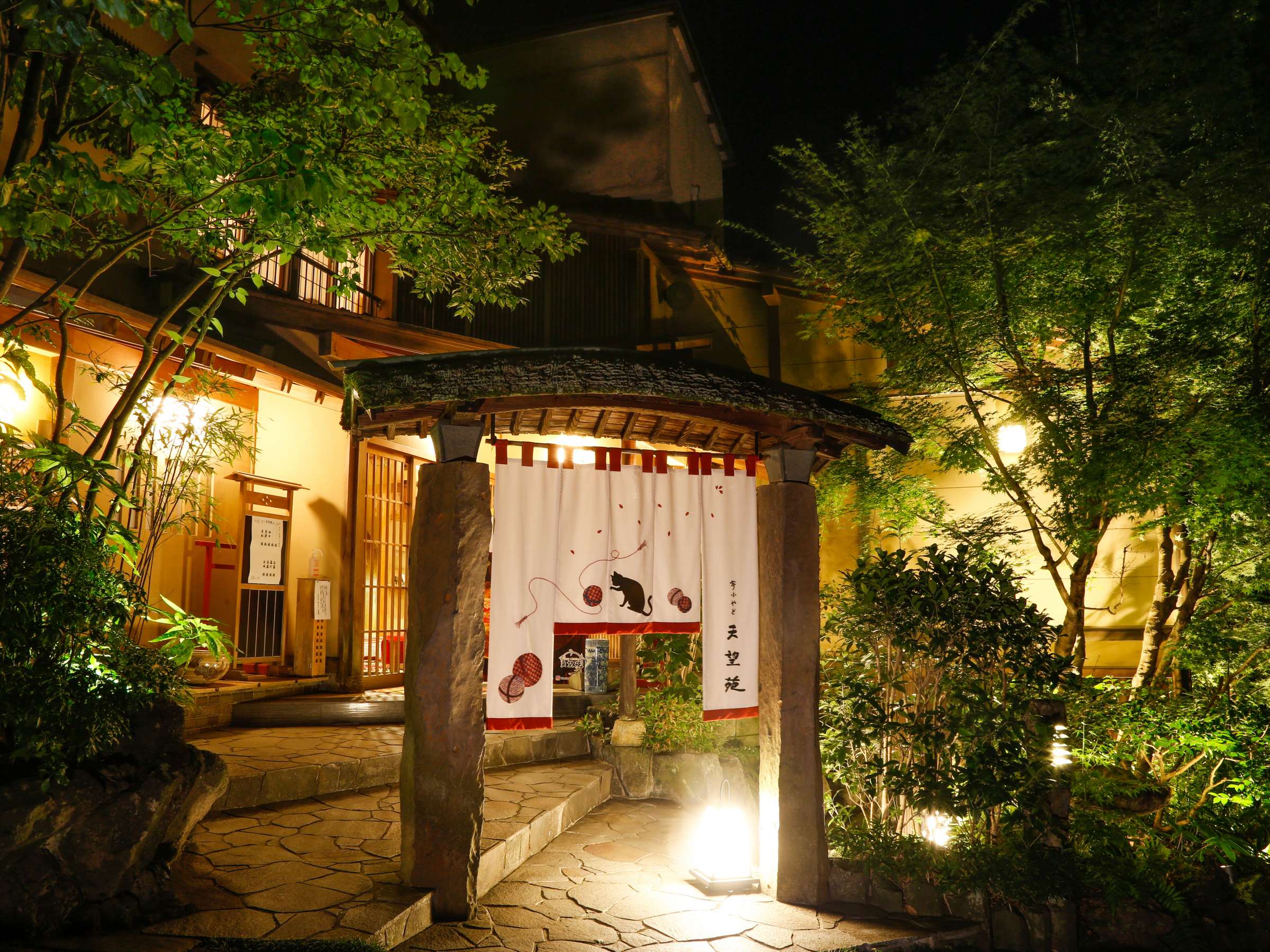 | from US$184/person/night≈ US$368 for 2 | 9.1 24 reviews | Book on Trip.com |
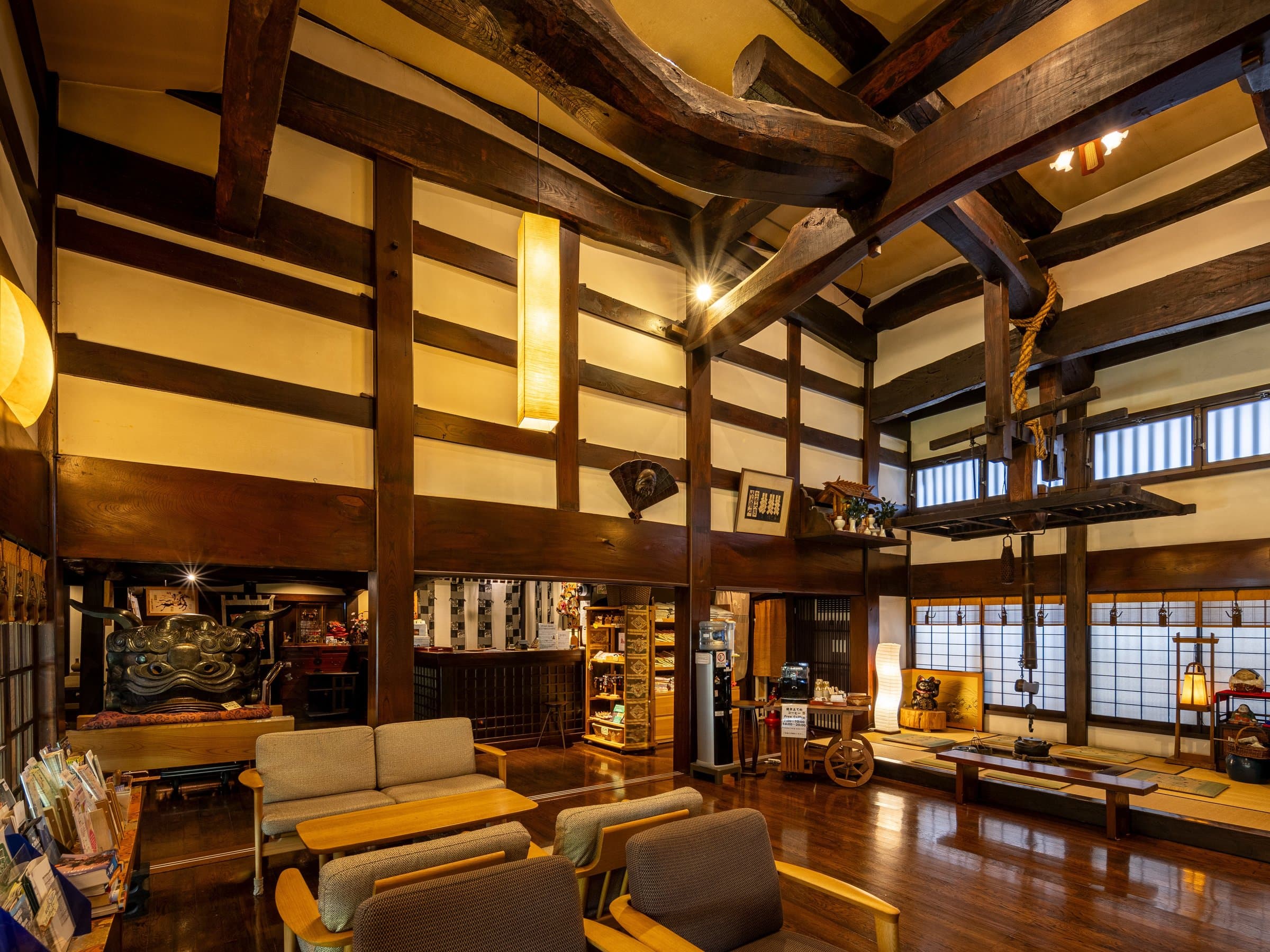 | from US$86/person/night≈ US$172 for 2 | 8.7 680 reviews | Book on Trip.com |
Prices shown are approximate starting rates per person per night. We may earn a commission on bookings.
Ready to book?
Book one of these top picks
Compare live availability and prices across booking sites.
Shima Onsen Kashiwaya Ryokan
四万温泉 柏屋旅館
Shima·Mid-Range
from US$228 · per person · per nightfrom ≈ US$456 total for 2 guests



Ryokan Tanabe
旅館 田邊
Takayama·Luxury
from US$190 · per person · per nightfrom ≈ US$380 total for 2 guests
Yamamotoya
山本屋
Kinosaki·Mid-Range
from US$200 · per person · per nightfrom ≈ US$400 total for 2 guests
Booking links may earn us a commission at no extra cost to you.
FAQ
Frequently asked questions
Why are tattoos often banned in Japanese onsen and ryokans?+
Tattoos are often banned due to deep cultural roots. Historically, they were used as criminal punishment during the Edo period and later became strongly associated with the yakuza (Japanese organized crime). This connection triggers discomfort for many Japanese people, especially older generations, leading ryokan owners to protect the comfort of all guests.
What are the different types of tattoo policies at Japanese ryokans?+
Ryokans typically have three policies: strict ban (no tattoos, no exceptions), cover policy (tattoos allowed if fully covered with waterproof bandages or stickers), or fully welcome (no restrictions). Strict bans are common at large resort chains, while "cover policy" is a practical middle ground. "Fully welcome" properties are growing, especially in tourist-heavy areas.
What is the best way for tattooed travelers to enjoy an onsen experience?+
The most dependable way is to book a ryokan whose own website documents a tattoo-compatible private or in-room bath — an in-room rotenburo or a reservable kashikiri-buro — subject to room selection, availability, fees and reservation requirements. Room rates and private-bath fees vary by inn: some private baths are free, others cost extra.
Which regions in Japan are known for being tattoo-friendly for ryokans?+
Several regions are increasingly tattoo-friendly, often due to international tourism. Kinosaki Onsen in Hyogo is known for welcoming tattoos, as is Beppu in Oita, particularly in the Kannawa and Hamawaki areas. Rural mountain ryokans in Takayama and the Hida Region, and most onsen facilities in Niseko and Hokkaido, also tend to be more accommodating.
Where can I buy tattoo cover stickers in Japan?+
Tattoo cover stickers, known as "tattoo kakushi seal," can be purchased at Don Quijote discount stores, some convenience stores located in onsen towns, and through online retailers. It's advisable to buy them before arriving at your ryokan, as most properties do not sell them on-site. They come in various skin tones and sizes.
Is it rude or illegal to hide a tattoo at a Japanese onsen?+
Hiding a tattoo is not illegal, but it depends on the property's rule. At a place that explicitly bans tattoos, covering up without disclosing is a breach of house rules — if discovered, you may be asked to leave. At a property that requires cover-up, applying an approved sticker and disclosing your tattoo at check-in is the expected, accepted approach. There is no Japanese law against having a tattoo or entering a bath with one covered; the real risk is causing discomfort to other guests, not a legal one. When in doubt, ask the ryokan directly before arrival.
Are small tattoos treated differently from large ones at Japanese ryokans?+
Yes, significantly. The cover-up tier — the middle option between a full ban and a full welcome — almost always applies only to tattoos small enough to be hidden under one or two waterproof patches (typically around 6.5 cm × 10.5 cm each). A single small wrist or ankle tattoo may qualify; a full sleeve, back piece, or large chest design usually will not. Strict-ban properties apply the rule regardless of size. Measure your tattoo's largest dimension and ask the ryokan whether it falls within their cover-up policy before booking.
Still deciding?
Browse ryokans across JapanBooking.com