2月の銀山では、雪が木造の軒先を埋め尽くします。1月の草津では、露天風呂の湯気が髪の上で凍るほどの寒さになります。41°Cの湯と冷たい外気のコントラストこそ、冬の温泉の醍醐味です。以下の7つの温泉地は、雪景色・泉質・道路閉鎖前のアクセス条件で編集部が冬向けにランク付けした温泉地です。
Tip
最新情報:2026–27年冬温泉シーズン
積雪ピーク(12月中旬〜3月上旬)を狙うなら今すぐ予約を: 冬の温泉予約は3〜5ヶ月前から動きます——看板格の温泉村(銀山・野沢・蔵王)の12月の雪見風呂の日程は夏の終わりから売り切れ始め、年末年始の枠(12月28日〜1月4日)が真っ先に埋まります。気象庁が2026–27年冬の最初の予報を発表するのは秋の初め。計画の目安としては、昨シーズン(2025–26年)はやや後ろ倒しで、新潟・山形・青森で平年を上回る降雪となり、北東北では雪見風呂の好条件が3月まで十分に続きました。
野沢のベンチマークシーズン(昨冬の実績): 野沢——今なお日本随一のスキー&温泉の組み合わせ——は2025–26年に累計11メートル超の降雪を記録し、江戸様式の木造湯屋に収まる13の無料共同浴場(外湯)は3月中旬まで開いていました 。日本屈指の冬の絶景行事である道祖神火祭りの2027年1月15日は要チェック——この週の村の宿は数ヶ月前に売り切れます。スキー場至近の旅館選びは完全ガイドをどうぞ:日本のスキー場近くの旅館ベスト。
ダイヤモンド富士の時期(12月〜1月)と富士山ビューの旅館: 富士山頂に日の出が重なるダイヤモンド富士(12月〜1月)は、山梨・静岡の特定の地点からしか見られません。冬の旅程に富士エリア滞在を含めるなら、こちらと組み合わせを:富士山ビューの旅館ベスト。
「あったまり小屋」文化が拡大中: 東北・北海道のいくつかの温泉町では、共同浴場の間に専用の暖房小屋——甘酒をすすりながら休憩し、次の湯めぐりの前に体を温め直せる小さなシェルター——を運営するようになりました。銀山、乳頭、湯西川の設備が最も充実しています。
なぜ冬が温泉の最高の季節なのか
日本の温泉文化は千年以上の歴史がありますが、冬に屋外で湯浴みする伝統は、国民の心の中で特別な位置を占めています。専用の言葉さえあります:雪見風呂(yukimi-buro)、文字通り「雪を見る風呂」です 。コンセプトはシンプル——露天風呂に浸かって雪が降るのを眺める——ですが、その実際の体験は言葉を超えたものです。
冬の温泉には実用的な利点もいくつかあります。冷たい外気と熱い湯の極端な温度差は、血行や筋肉のこりに対する温浴効果を高めます。多くの旅館は、年末年始の繁忙期を外れた1月・2月の閑散期に料金を下げます。そして山あいの温泉町を囲む風景は最もドラマチックになり、裸の枝が白く縁取られ、凍った滝が淡い日差しにきらめきます。
シーズンは緯度と標高によりますが、通常12月下旬から3月中旬まで。東北や北海道などの北国では早ければ11月から大雪が降り、日本アルプスの標高の高い場所では4月まで雪が残ることもあります。
 Pinterestでピン
冬温泉のベストエリア
以下の5地域は、日本で最も冬に強い温泉地です。冬以外のおすすめも含む全25温泉町の完全な内訳は、日本の8つの温泉地域の完全ガイドをご覧ください。
冬に行くべき温泉町はどこか?
すべての温泉地が冬にピークを迎えるわけではありません。一年中アクセスしやすく美しい町もあれば、雪の下で劇的に変貌し、冬以外の訪問がまったく別の体験になる町もあります。下の表では、真に冬が最高の町と、冬が数ある選択肢のひとつにすぎない町を区別しています。
| 温泉町 | 都道府県 | 冬の魅力 | ベスト時期 | トレードオフ |
|---|---|---|---|---|
| 銀山 | 山形 | 雪に埋もれた大正建築+ガス灯:夜景は象徴的 | 1月下旬〜2月 | 客室数が少ない:吹雪時は道路が渋滞 |
| 乳頭温泉郷 | 秋田 | 掲載町中で最大の積雪:谷の隔絶感こそが魅力 | 12月〜4月上旬 | 谷の道路が閉鎖されることがある |
| 野沢温泉 | 長野 | 13の無料外湯+スキー場:道祖神火祭り(1月15日) | 1月〜2月 | 新幹線駅なし:バス接続が必要 |
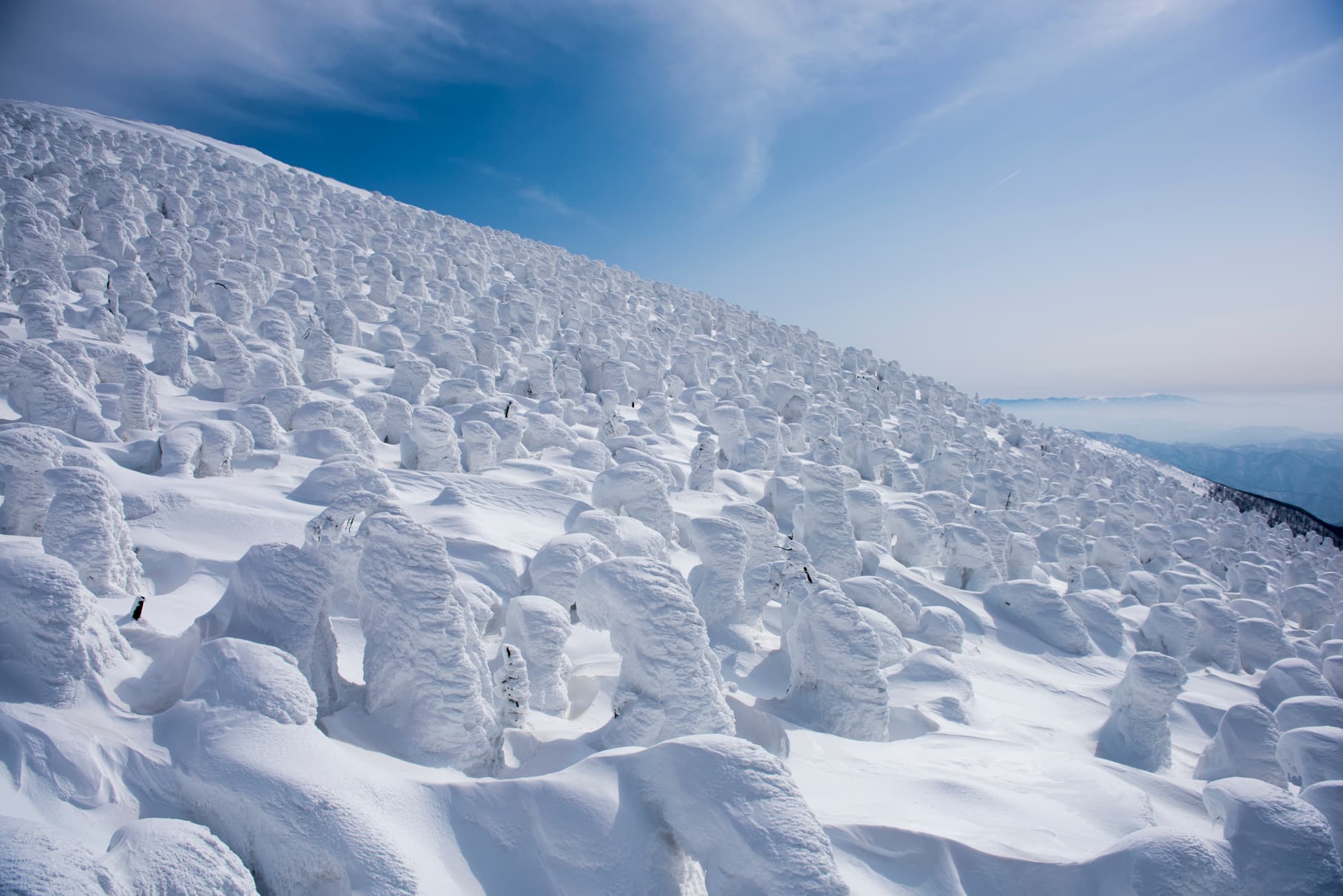
| 蔵王温泉 | 山形 | 樹氷(スノーモンスター、2月中旬〜3月中旬):スキーと温泉が一つの村に | 2月中旬〜3月中旬 | 大露天風呂は冬季閉鎖 |
| 草津 | 群馬 | 冷気で湯畑の湯気が最もドラマチックに:雪によるアクセス問題なし | 1月〜2月 | スキー場なし:東京からはバスのみ |
| 白骨 | 長野 | 乳白色の湯+静寂の雪の森:究極の秘境感 | 11月〜3月 | 山道が閉鎖されることがある |
| 登別 | 北海道 | 地獄谷の湯けむり+北海道の雪:一つの町に9種類の泉質 | 12月〜3月 | 最も寒い:大型リゾート感がある |
| 城崎 | 兵庫 | 7つの外湯+浴衣の似合う街並み:年によっては小雪 | 10月〜2月 | 雪見風呂には積雪が不安定 |
銀山温泉(山形県)
 Pinterestでピン
雪の中で輝くひとつの日本の温泉町の写真を見たことがあるなら、それはおそらく銀山温泉です。山形県の山あいにあるこの小さな集落は、浮世絵がそのまま現実になったような光景:三階建ての木造旅館が並ぶ細い川、新雪の川岸を温かく照らすガス灯、そして視界に近代建築は一切ありません。
銀山はかつて銀鉱山の町でした(「銀」の名の由来)——延沢銀鉱脈は1456年に発見され翌年から本格採掘が始まり、現存する大正時代(1912–1926)の木造旅館は1913年の洪水後に再建されたものです 。辺境の立地が、この町をほぼ完璧に保存してきました。町は端から端まで徒歩10分で歩けるほど小さいですが、何時間でも滞在したくなるはず。ベストな戦略は川沿いの旅館に一泊すること——能登屋旅館と藤屋が最も有名です——そして日帰り客が去った後、ガス灯に照らされた通りを夕方に散策することです。
積雪のピークは1月から2月。 最低3ヶ月前の予約を。銀山の限られた客室はすぐに売り切れます。
蔵王温泉(山形県)
同じ山形にある蔵王温泉での滞在は、まったく異なる冬の体験を提供します。麓に温泉村を擁する本格スキーリゾートで、「スノーモンスター」——地元では樹氷(文字通り「木の氷」)と呼ばれる、氷と雪で厚く覆われて奇妙な人型のシルエットになった木々——で有名です。シベリアからの寒気が木々に凍りついて形成され、2月中旬から3月中旬に最大サイズに達します 。ここの温泉は強酸性の硫黄泉で、乳白がかった青緑色は人工的に見えるほどですが、完全に天然のものです。
蔵王はスキーと温泉を組み合わせたい旅行者に理想的です。ゲレンデでの一日の後、いくつかある共同浴場や旅館の貸切風呂で湯に浸かれます。蔵王大露天風呂は冬季閉鎖ですが、多くの旅館は雪化粧した山々を望む自前の露天風呂を備えています。
登別(北海道)
北海道随一の温泉町は地獄谷の上に位置しています。幅450メートルの火山クレーターは一年中硫黄の蒸気を噴き上げ、麓の町に1日あたり約10,000トンの温泉水を供給しています 。冬には谷の遊歩道が雪に縁取られ、白い風景と赤錆色の湯気立つ大地のコントラストは圧巻です。
登別エリアの湯は9種類の泉質——硫黄泉、食塩泉、芒硝泉、酸性鉄泉、ラジウム泉など——を誇り、日本のほぼどの温泉町よりも多彩です 。おすすめの宿は登別のベスト旅館をご覧ください。ここの大型リゾートホテル——第一滝本館が最も有名——はひとつ屋根の下に何十もの湯船を備えています。より親密な体験を求めるなら、森の渓谷を見下ろす優雅な露天風呂を持つ滝乃家のような小規模旅館を探してみてください。
登別は、私たちが北で検証した6つの温泉エリアのひとつにすぎません——北海道のベスト旅館ガイドでは、冬の旅のためにすべてを比較しています。
草津温泉(群馬県)
国内人気調査で常に日本一の温泉と評される草津エリアは、群馬県の山中、標高1,200メートルに位置します。中心の湯畑からは毎分約32,300リットルの天然温泉が湧き出し、日本の温泉で最大の湧出量です 。2026年、草津はじゃらんリサーチセンターの全国温泉人気調査で3年連続1位を獲得。「もう一度行きたい温泉地」を問う12,500人超の回答者による調査で、他の333の温泉地を抑えました。町の象徴は湯畑——町の中心にある大きな木造構造物で、熱すぎる源泉を町の湯船に分配する前に冷ましています。夜には湯畑がライトアップされ、湯気が冷たい空気の中にドラマチックに立ち上ります。
草津の湯は極めて強い酸性(pH 2.1)で、触れたほぼすべての細菌を死滅させると言われています 。伝統の「湯もみ」——長さ1.8メートルの木の板で熱湯をかき混ぜ、成分を薄めずに冷ます技法——は江戸時代(1603–1868)に遡り、熱乃湯で1日6回実演されています 。
白骨温泉(長野県)
中部山岳国立公園内、北アルプスの奥深くに隠れた白骨の冬の旅館は、その特徴的な乳白色の湯にちなんで名付けられました——源泉から湧き出た時は無色透明で、硫化水素とカルシウム成分が空気に触れて反応してはじめて乳白色に変わります 。ここは日本で最も人里離れた温泉のひとつで、大雪で時折閉鎖される曲がりくねった山道でしかたどり着けません。その隔絶こそが魅力:旅館はほんの数軒しかなく、静寂は絶対的です。
最大の見どころは泡の湯旅館で、その露天風呂は雪に覆われた森のそばにあります。乳白色の湯、暗い木々、白い空が生み出すほぼモノクロームの風景は、写真家にはたまらないものです。
乳頭温泉郷(秋田県)
海外からの旅行者にとって日本の冬温泉を象徴する一枚があるとすれば、それはほぼ間違いなく鶴の湯でしょう:雪をまとったブナの森に囲まれた広い乳白色の露天風呂、フレームが真っ白になるほど濃く立ち上る湯気。その湯船があるのが乳頭温泉郷——秋田県の山奥深くに埋もれた7軒の伝統的な宿の集まりで、それぞれ異なる源泉を引き、それぞれが杉木立の向こうにかろうじて見える程度。この谷は東北地方でも有数の豪雪地帯で、12月から4月上旬まで雪に覆われ続けます——だからこそ日本で最も情緒あふれる雪国温泉地としての評判を得ているのです 。
鶴の湯(Tsuru no Yu)は村で最も古い宿で、早くも1638年に秋田藩主・佐竹義隆が湯治に訪れた記録が残っています 。今も残る茅葺きの宿舎は、もともと藩主の警護の侍たちを泊めるために建てられたもの——黒ずんだ木材と風にきしむ低い天井が、その歴史を物語っています。名物の湯船は大きな混浴露天風呂で、重曹・硫化水素・硫黄成分を含む乳白色の湯が完全に不透明になるまで白濁します——化粧品などで演出したものではない自然の現象です 。女性は屋根付きの専用通路から入り、外気に出る前に湯に浸かれるため、混浴形式でも実質的なプライバシーが保たれます。男女別の内湯も用意されています。
鶴の湯の日帰り入浴は10:00–15:00(月曜定休)、大人¥700です 。冬の週末にできる行列に並ぶ価値はありますが、宿泊が断然おすすめ:谷の道路は大雪で閉鎖されることがあり、日帰り客は満員時に断られ、そしてメインの露天風呂は他の客が引き上げた暗くなってからが最も幻想的だからです。
他の6軒——妙乃湯、蟹場、孫六、黒湯、大釜、休暇村——はそれぞれ異なる泉質を引いており、妙乃湯の透明な芒硝泉から、1674年から営業を続ける黒湯の温まる黒っぽい湯まで多彩です 。7軒いずれかの宿泊者は湯めぐり帖(大人¥2,500/子供¥1,000)を購入でき、シャトルバスと7施設各1回の入浴がカバーされます——谷全体の泉質を巡る最も効率的な方法です 。
アクセス: 東京からJR秋田新幹線(こまち)で田沢湖駅へ——所要約2時間40分。田沢湖駅から羽後交通乳頭線のバスがおよそ1時間に1本運行し、約50分で村に到着します。運賃は¥950 。鶴の湯は、どのバスに乗るか事前に電話で知らせるよう宿泊者にお願いしています。
Tip
湯めぐり帖(¥2,500)は宿泊者限定で発行され、7軒すべての宿での入浴1回分をカバー——宿泊先の宿のチェックイン時に購入してください。シャトルバス(湯めぐり号)は決まった時刻に谷を循環します。黒湯で長湯しすぎる前に、最終便の時刻を確認しておきましょう。
スノーモンキーの里:地獄谷と拠点にすべき町
長野県北部の地獄谷野猿公苑——野生のニホンザルが専用の温泉プールに浸かる場所——は、深い雪が谷を覆い、氷点下の空気に猿たちが身を寄せ合う11月下旬から3月に最高の見ごろを迎えます 。入場料は大人¥800、開苑は毎日09:00–16:00。猿は自由に移動するため必ず見られる保証はありませんが、1月・2月の寒い朝(−5°C以下)が最も確率が高くなります。
行き方: 湯田中駅経由(長野駅から長野電鉄で約40分)。湯田中から志賀高原行きBean Lineバスで上林温泉停留所へ(約10分)、そこから森の中を30分歩きます。道は未舗装で凍結しています——グリップの効く防水ブーツが必須です。
拠点にすべき町:
- 渋温泉:最も近い拠点(公苑ゲートまで約2km)。9軒の伝統的な宿と9つの無料外湯が並ぶ細い通り。夕方には浴衣姿の宿泊客が、灯籠に照らされた石畳の路地を湯めぐりして歩きます。2月は客室が売り切れます——早めの予約を。
- 湯田中温泉:渋に隣接し、宿泊の選択肢が多く、空室も見つけやすい。
- 2泊パターン:1泊目は渋温泉(翌朝に野猿公苑訪問)、2泊目はより深い山の静寂を求めて白骨温泉へ。両者間に直行バスはなく、車かタクシーの手配が必要です。
Tip
スノーモンキーのタイミング: 猿には自由意志と広大な森があります。渋温泉に2泊して、朝のチャンスを2回確保しましょう。1回の観覧を確約する前提で旅程全体を組んではいけません——野生動物の行動を約束できる公苑はありません。
野沢温泉(長野県)
長野県北部の野沢温泉村はスキー山の麓に位置し、300年以上にわたって温泉を守り続けてきました——この組み合わせは、日本の冬の目的地の中でもほぼ唯一無二のカテゴリーです。特筆すべきはひとつの有名な湯船ではなく、村の路地に点在する13の無料共同浴場(外湯)のネットワーク。それぞれが伝統の湯仲間制度のもと町内会によって維持され、地元住民が電気・水・掃除の当番を持ち回りで分担——江戸時代から湯屋を機能的で真に共同体的なものに保ってきた仕組みです 。
最も目立つのは大湯(Oyu)。村の中心でメインの歩行者通りを象徴する見事な木造湯屋で、その建築はこの地域の江戸時代の面影を残し、寒い夕方にはすぐに混み合います。河原湯(Kawaharayu)はかつて隣にあった川にちなんで名付けられ、伝統的に皮膚疾患に効くとされています。熊の手洗湯(Kumanoteara-yu、"熊が手を洗った湯")は、傷ついた熊が湯で傷を癒やしているのを発見されたという民話に由来します。13の外湯は村内の30以上の源泉から湯を引いており 、湯温は40°Cから55°C。例外は滝の湯で、源泉78°Cを冷ましてから使用しています。13湯すべて賽銭方式:定額料金はありませんが、箱に少額を入れるのが期待される作法です。
村の上手にある麻釜(おがま)は湯屋ではありません:100°C近くまで沸く天然の熱湯泉で、住民が日々野菜を茹で、卵を煮て、農産物を洗うのに使っています——何世紀も稼働し続ける生きた台所であり、どの温泉町でも指折りの視覚的に珍しい光景です。
冬の野沢温泉スキー場は43コース、標高差1,085メートルで営業します 。ここでの一日のリズムは格別に満たされたものになります:年間平均480インチの降雪が生むパウダーで朝の滑走、その後歩いて村に戻り、夕暮れとともに外湯をめぐる。全長10キロの山頂から麓へのロングランは日本最長級です。
毎年1月15日、村は道祖神祭り(Dosojin Matsuri)を開催します——地元の男衆が手作りの木造社殿に火を放ち、別の男衆が社殿の上からそれを守る大規模な火祭りです。重要無形民俗文化財に指定されています 。2024年以降、メイン会場内への入場は村の住民と祭り当夜に野沢温泉に宿泊するゲストに限定され、日帰り客はメイン会場に入れません 。火祭りが目当てなら、1月14日泊または1月15日泊の宿をできるだけ早く予約してください——長野で最も競争の激しい予約枠のひとつです。
アクセス: 野沢温泉は新幹線網に直結していません。東京からの最も一般的なルートは、JR北陸新幹線で飯山駅まで(約80分)、そこから村への連絡バス(約20〜25分)。バスは主要な新幹線の到着に合わせて運行されるので、予約時に最新の時刻表を確認してください。

この7地域のうち2つは長野に集中しています——長野の旅館ガイドでは、白骨、野沢、白馬、スノーモンキーの里の宿をランク付けしています。
雪見の文化:雪見風呂が本当に意味するもの
雪見(yuki-mi)——雪を眺めること——という言葉は、近代の温泉産業より何世紀も前から日本文化のあらゆる場面に登場します。清少納言の『枕草子』(西暦1000年頃)は、雪を特別な美的喜びをもたらすもののひとつに挙げています。露天風呂は江戸時代にこの感性を取り込み、「雪見風呂」は追い求めるべき特定の体験として一般に定着しました。
最高の雪見風呂体験には、価格帯を問わず共通の特徴があります:
1. 湯船が雪景色に面している——川の眺め(銀山、野沢)と森の眺め(乳頭、白骨)が典型。壁や駐車場ではいけません。 2. 露天風呂が適切なサイズである——雰囲気に浸れる親密さがあること。8〜10人を超えると情緒は薄れます。 3. 眺めるべき天気があること——降りしきる雪こそ、この伝統が生まれた理由。晴れた日も心地よいですが、別物です。 4. 静寂——頭上に音楽もテレビもないこと。音の風景は、降る雪、動く湯、自分の呼吸だけ。
旅館に直接問い合わせる際は:「露天風呂から雪が見えますか?」。この質問の意味を理解するスタッフは、どの部屋タイプとどの季節なら確実かを正直に答えてくれます。
冬のアクセスの実情:鉄道、道路、そして何が閉まるのか
日本の新幹線と主要鉄道は、よほどの悪天候でない限り運行を続けます。問題は最後の接続:山あいの温泉町の多くはバスやローカル線の終点にあり、大雪で運休することがあります。
町別アクセスまとめ:
- 銀山温泉:JR山形新幹線 → 大石田駅 → バス35分(1日約5本)。道路閉鎖はまれ。30分の余裕を見込んで。
- 蔵王温泉:JR山形新幹線 → 山形駅 → バス40分(本数多め。スキーリゾートへの道路は通年整備)。
- 草津:東京からバスのみ(新宿から直行高速バス約4時間、または新幹線で軽井沢+路線バスで合計約2時間30分)。町への鉄道はなし。吹雪でもバスは遅れつつ運行。道路閉鎖はまれ。
- 野沢温泉:JR北陸新幹線 → 飯山駅 → バス20〜25分(新幹線到着に接続、信頼性高)。
- 白骨温泉:JR特急 → 松本 → アルピコバスで国道158号経由(約70分)。乗鞍高原を抜ける国道158号は1月〜3月の大雪で閉鎖されることがあります。出発前にアルピコバス(0263-32-0910)に電話するか、長野県道路規制マップを確認してください。
- 乳頭温泉郷:JR秋田新幹線(こまち)→ 田沢湖駅(約2時間40分)→ 羽後交通バス約50分(¥950、約1時間に1本)。極端な悪天候時は谷の道路が閉鎖されることがあります。鶴の湯はバス乗車時の電話連絡をお願いしています。
- 登別:JR北海道の特急 → 登別駅 → 町内バス10分。信頼性高。北海道の鉄道にとって大雪は日常です。
実際に閉まるもの:
- 白骨の国道158号(1月〜3月に時折)
- 一部旅館の露天風呂は大雪の後、除雪のため一時閉鎖——必ず事前にメールで確認を
- 蔵王の大露天風呂(スキーシーズン中は閉鎖。旅館の露天風呂は営業)
レンタカー: 冬道運転の経験がない限り、1月〜2月の東北・北海道では避けてください。レンタカー会社はスタッドレスタイヤを標準装備していますが、ブラックアイスバーンのある山道には地元の経験が必要です。鉄道+バス+余裕を持たせた日程が安全策です。
| 温泉町 | 新幹線接続 | 最終区間 | 道路リスク |
|---|---|---|---|
| 銀山 | 山形新幹線 → 大石田 | バス35分(1日5本) | 低 |
| 蔵王 | 山形新幹線 → 山形駅 | バス40分(本数多め) | きわめて低い |
| 草津 | なし(東京からバスのみ) | 直行バス4時間 | 低〜中 |
| 野沢温泉 | 北陸新幹線 → 飯山 | バス20〜25分 | 低 |
| 白骨 | → 松本(新幹線なし) | 国道158号経由バス70分 | 1月〜3月は高 |
| 乳頭 | 秋田新幹線(こまち)→ 田沢湖 | バス50分 | 中 |
| 登別 | → 登別駅(特急) | 町内バス10分 | 低 |
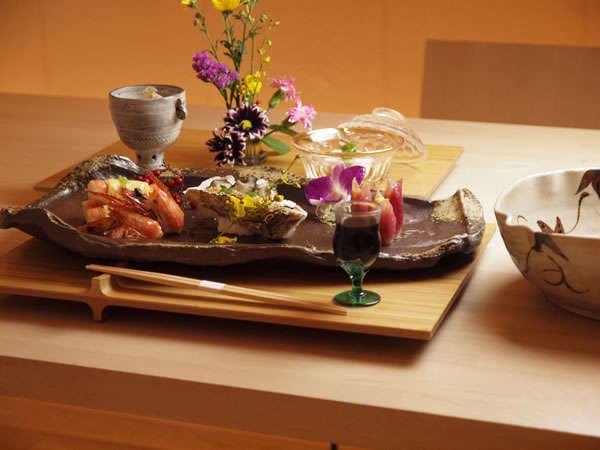
冬の懐石とカニのシーズン
冬は日本の旅館で食事をするのに最高の季節です。懐石の夕食は、重なり合う2つの時期にピークを迎えます:漁期が定められたカニのシーズン(11月〜3月)と、根菜・山の獣肉が旬を迎える時期(12月〜2月)です。
カニシーズンの基本:
- ズワイガニ(zuwaigani):解禁はおよそ11月6日(漁期規制あり)で3月まで。日本海に面した県——福井、京都・丹後、兵庫(城崎)、鳥取——に集中しています。これらは本ページの温泉町とは別のエリアです。カニ+温泉を一度の滞在で楽しむなら、城崎温泉(兵庫)が定番の組み合わせ。
- 毛ガニ(kegani)と登別:北海道の毛ガニは札幌近郊が産地。登別の一部旅館は冬の献立に載せますが、毛ガニ本来の旬は実は初夏です。
- カニ懐石の構成:カニ刺し、カニすき鍋、焼きガニ、締めのカニ雑炊を軸とした7〜10品のコース。予算は1人あたり¥25,000〜¥50,000(宿泊込み)を見込んでください。
本ページの温泉町ごとの冬の名物:
- 銀山/蔵王:米沢牛懐石(1870年代から地元で育てられてきた和牛)+季節の山菜
- 乳頭温泉郷:きりたんぽ鍋(秋田のご飯を潰した串鍋料理)とハタハタ(旬:11月〜12月のみ)
- 白骨/野沢:保存された山菜、地鶏、根菜の出汁
懐石のコース内容、提供の順序、食事制限の伝え方の詳細は懐石ガイドをご覧ください。
冬の温泉旅行の持ち物
 Pinterestでピン
冬の温泉旅行の荷造りは、屋外での防寒と、到着すれば必要なものの大半は旅館が用意してくれるという知識のバランスが鍵です。持っていくべきものは:
防寒の必需品: 暖かくコンパクトに畳めるダウンジャケットは絶対条件。重ね着が基本です——保温性のあるベースレイヤー、フリースの中間着、防水アウターシェルでほとんどの状況に対応できます。温泉町の道は凍結しがちなので、グリップの良い防水ブーツを。暖かい帽子、保温性のある手袋、マフラーで基本装備は完成です。
温泉用に: ほとんどの旅館は小さなタオルを用意していますが、複数の共同浴場を巡るなら自分の速乾トラベルタオルを持参するのが賢明です。濡れたものを入れる防水バッグも便利。タトゥーがある場合は肌色のタトゥーカバーシールを——ポリシーは徐々に緩和されつつあるとはいえ、多くの温泉ではまだ見えるタトゥーが禁止されています。
持ちすぎ注意のもの: 旅館は浴衣(木綿の部屋着)、スリッパ、アメニティ、そして冬にはしばしば暖かい丹前(綿入れの上着)を用意しています。パジャマ、バスローブ、フルサイズのシャンプーや石鹸は不要です。
Tip
雪国の多くの旅館は、冬季に最寄り駅から無料または割引のシャトルバスを運行しています。タクシーやレンタカーを予約する前に宿泊先に確認を——大雪の山道は危険を伴います。
予約のタイミング:いつ予約し、いつ待つべきか
同じ旅館でも、冬は最安値の日と最高値の日の差が60%を超えることがあります。パターンは:
最も競争が激しい(最も早く予約すべき):
- 12月28日〜1月3日(年末年始):銀山、乳頭、草津の上位施設は6ヶ月前に予約を。料金は1月平均の40〜70%増。
- バレンタイン週末(2月13日〜14日):2番目に競争が激しい時期。カップル旅行でロマンチックな宿の稼働率はほぼ100%に。
- 1月15日(道祖神祭り、野沢):この特定の夜は前年の春に予約を。
- 2月の第2・第3週末:積雪のピークと需要のピークが重なります。3〜4ヶ月前の予約を。
最もお得(同じ雪で料金は安い):
- 1月4日〜13日:年末年始の混雑が去り、料金は正常化し、空室が出ます。これが単独では最良の2週間です。
- 1月の平日:週末とまったく同じ雪の状態で、10〜25%安い。
- 東北の3月上旬:乳頭と銀山では積雪が続くのに、旅行者が「冬は終わった」と思い込むため需要は先細りします。
| 時期 | 需要 | 予約の目安 | 平均比の料金 |
|---|---|---|---|
| 12月28日〜1月3日(年末年始) | 極めて高い | 6ヶ月以上前 | +40–70% |
| バレンタイン週末(2月13日〜14日) | 非常に高い | 3〜4ヶ月前 | +25–40% |
| 冬の週末(1月〜2月) | 高い | 2〜3ヶ月前 | +15–25% |
| 1月4日〜13日(最もお得な時期) | 中程度 | 4〜8週間前 | 平均並み |
| 1月〜2月の平日 | 低〜中 | 2〜6週間前 | −10〜25% |
| 3月上旬(東北のみ) | 低い | 2〜3週間前 | −15〜30% |
冬のピークシーズンの予約のコツ
冬は日本の有名温泉町のハイシーズンで、最も人気のある旅館は数ヶ月前に埋まります。予約を確保する方法は:
重要な日程は早めに予約する。 年末年始(12月28日〜1月3日)は日本のカレンダー全体で最も競争の激しい予約時期です。この期間に一流旅館を狙うなら、6ヶ月前に予約を。年末年始直後の数週間(1月中旬〜2月)は、同じ雪景色をはるかに確保しやすい空室状況で楽しめます。
平日は劇的に取りやすい。 1月の金曜・土曜がすべて満室の旅館でも、火曜・水曜なら空室があることは珍しくありません。平日泊はしばしば10〜20%安いというおまけ付きです。
日本の予約サイトを使う。 Jalan.netやIkyu.comなどのサイトには、海外向けプラットフォームに出ない空室や料金がしばしば掲載されています。Google翻訳でこれらのサイトは十分に使え、多くは海外発行のクレジットカードにも対応しています。
知名度の低い代替地を検討する。 銀山エリアガイドの宿が売り切れなら、秋田の乳頭温泉を——情緒は同等で、海外での知名度はまだ低め。草津が満室なら、近隣みなかみの宝川温泉を——雪の中で壮観な、川沿いに広がる大露天風呂です。
Tip
選んだ旅館の露天風呂が通年営業か確認してください。安全のため、降雪が最も激しい時期に露天施設を閉鎖する宿もあります。電話またはメールで事前確認を——雪見温泉に着いたのに露天風呂が使えない、というのは何としても避けたい事態です。

真冬の在庫は瞬く間に消えるため、プラットフォーム選びが重要です——旅館予約サイトの徹底比較では、1月・2月の日程でまずどのサイトを確認すべきかを示しています。
冬の入浴マナー
冬の温泉マナーは他の季節と同じですが、寒い時期ならではの注意点がいくつか加わります。湯船に入る前に、洗い場で必ず体をしっかり洗いましょう。長い髪は湯に触れないよう結んでください。小さなタオルは頭の上に載せるのは構いません(温泉の定番ポーズ)が、決して湯に浸けてはいけません。
冬に特有の注意として:体への負担を避けるため、内湯と露天の移動は段階的に。まず内湯で体を温めてから外に出ましょう。めまいやふらつきを感じたら、すぐに屋内へ——極端な温冷の組み合わせは血圧に影響することがあります。
入浴後は、肌に刺激を感じない限り温泉の成分を洗い流さないでください。ミネラルは湯船を出た後も働き続けます。優しく押さえるように拭き、浴衣と丹前に身を包み、ここ数ヶ月で確実に最高となる眠りに備えましょう。
冬の温泉旅行は単なる入浴ではなく、五感の完全なリセットです。雪の静寂、鉱泉の温もり、伝統旅館のもてなし、そして日本の冬景色の美しさが、他のどんな旅行体験にも代えがたいものへと結晶します。日本を一度しか訪れないなら、冬にしてください。心と体が感謝するはずです。
Tip
冬の温泉町のタトゥーポリシーは町によって大きく異なります。 草津の泉水はタトゥー可。登別の第一滝本館はほとんどの湯船でカバー着用のタトゥーを許可しています。銀山の宿では通常、貸切風呂の利用か、共同浴場でのカバーシール着用が求められます——能登屋と永澤平八はどちらも貸切風呂の選択肢を用意しています。町ごとの詳細はタトゥーフレンドリーな旅館ガイドをご覧ください。
スキー&温泉派の方へ: 日本のトップスキーリゾート近くの旅館ガイドでは、リフト乗り場が湯船から徒歩5分の野沢、白馬、ニセコなどを紹介しています。蔵王温泉の旅館は山形県特化のおすすめ——有名な「スノーモンスター」の樹氷とスキー&温泉がひとつの町に。より幅広い蔵王温泉の宿泊施設ディレクトリ(旅館だけでなくホテルも掲載)は、スキーのピーク週末に旅館の在庫が売り切れた時に役立ちます。冬ならではの富士山体験には、富士山ビューの旅館ガイドで、露天風呂から雪化粧した富士山が湖面に映る河口湖畔の宿を紹介しています。
Tip
1日でスキー&温泉: 蔵王温泉、野沢温泉、草津はいずれも温泉街から歩ける範囲にスキー場が営業しています——野沢温泉スキー場に至っては、近年のシーズンでリフト券と温泉(野沢温泉スパリーナ入浴込み)のセット券を販売してきました。2026–27年のパス商品は例年秋の初めに発表されるため、予約前にスキー場の公式サイトを再確認してください 。うまくいくパターンは:朝8時の始発ゴンドラで上がり、脚がまだ動く昼過ぎまでに滑り終え、夕食前に村の外湯を2、3ヶ所めぐること。滑走後の筋肉は、滑る前の入浴とは明らかに違う反応を示します——熱がより深くまで染み込むのです。
ご予約はこちら
人気の旅館から選んで予約
予約サイトごとの空室・料金を見比べてください。




予約リンク経由で手数料が発生する場合がありますが、追加費用はかかりません。
よくある質問
雪見風呂とは何ですか?なぜ冬に特別なのですか?
雪見風呂は文字通り「雪を見る風呂」——雪が舞い落ちるなか露天風呂に浸かることです。約41°Cの湯と氷点近い外気の温度差、雪に覆われた風景の視覚的な美しさ、そして江戸時代に遡る伝統の重みが一体となった体験です。最良の条件は:壁ではなく森や川に面した湯船で、風のない夕暮れに降りしきる雪に出会うことです。
冬の温泉体験に日本を訪れるベストな時期はいつですか?
1月中旬から2月中旬がピーク:積雪は最も深く、年末年始の混雑は去り、平日は料金が正常化します。東北と北海道(乳頭、登別)は3月下旬まで楽しめます。単独で最もお得なのは1月第3週の平日です。
冬の温泉旅行では旅館をどれくらい前に予約すべきですか?
12月28日〜1月3日(年末年始)は6ヶ月前。バレンタイン週末は3〜4ヶ月前。通常の冬の週末は2〜3ヶ月前。年末年始以外の平日泊なら通常4〜6週間前で十分です。Jalan.netやIkyu.comには、海外向けプラットフォームに表示されない空室がしばしば掲載されています。
「スノーモンスター」で有名でスキーも楽しめる温泉町はどこですか?
山形県の蔵王温泉です。樹氷(木々の着氷群)は2月中旬から3月中旬に最大サイズに達します。蔵王スキー場が同じ山で営業しており、複数の旅館がリフトまで徒歩圏内。大規模な共同の大露天風呂は冬季閉鎖ですが、旅館の露天風呂は営業しています。
温泉町の宿からスノーモンキーは見られますか?
いいえ——ニホンザルが浸かるのは長野県北部の地獄谷野猿公苑の専用プールで、上林温泉バス停から徒歩30分の場所にあります。最寄りの温泉拠点は渋温泉(公苑から約2km)。寒い朝に入浴行動を目撃するチャンスを最大化するには、2泊の予約をおすすめします。
乳頭温泉郷の「湯めぐり帖」とは何ですか?
乳頭の7軒いずれかの宿泊者が購入できる¥2,500(大人)の入浴パスで、各施設1回ずつの入浴と谷を巡るシャトルバス(湯めぐり号)がカバーされます。チェックイン時に購入を。一度の滞在で7つの泉質すべてを巡る最も効率的な方法です。
カニのシーズンと冬の温泉は同じ場所で楽しめますか?
厳密には重なりません。最高の雪見の町(銀山、乳頭、草津、蔵王、白骨、登別)は内陸か北海道です。日本のズワイガニの旬は11月〜3月で、福井や城崎など日本海に面したエリアが本場。カニ+温泉を一度の滞在で楽しむなら城崎温泉(兵庫)が最も近い重なりです。登別では北海道の毛ガニが冬の献立に載ることがあります。
銀山温泉で最も評価の高い旅館はどこですか?
古勢起屋別館が9.9/10でトップ——銀山荘の近代的な浴場も利用できる古民家風の別館で、$250/泊から。永澤平八(9.8)は1925年築の大正時代の旅館で、川に面した2つの貸切露天風呂があります。能登屋旅館(9.6)は銀山で最も象徴的なファサードを持ち——登録有形文化財で、町で最も撮影される建物です。
露天風呂が使えるかを日本語でどう尋ねればいいですか?
冬も露天風呂が営業しているか確認するには:「露天風呂は冬も利用できますか?」(Roten-buro wa fuyu mo riyō dekimasu ka?)。雪見について具体的に尋ねるには:「露天風呂から雪が見えますか?」(Roten-buro kara yuki ga miemasu ka?)。ほとんどの旅館は、海外からのゲストの日本語メールにも返信してくれます。
FAQ
よくあるご質問
雪見風呂とは何ですか?なぜ冬に特別なのですか?+
雪見風呂は文字通り「雪を見る風呂」——雪が舞い落ちるなか露天風呂に浸かることです。約41°Cの湯と氷点近い外気の温度差、雪に覆われた風景の視覚的な美しさ、そして江戸時代に遡る伝統の重みが一体となった体験です。最良の条件は、森や川に面した湯船で、風のない夕暮れに降りしきる雪に出会うことです。
冬の温泉体験に日本を訪れるベストな時期はいつですか?+
1月中旬から2月中旬がピーク:積雪は最も深く、年末年始の混雑は去り、平日は料金が正常化します。東北と北海道(乳頭、登別)は3月下旬まで楽しめます。単独で最もお得なのは1月4日〜13日の平日です。
冬の日本の温泉旅行には何を持っていくべきですか?+
グリップの効く防水ブーツが最重要アイテムです——温泉町の道は日常的に凍結しています。コンパクトなダウンジャケット、保温性のあるベースレイヤー、防水アウターシェルで残りはカバーできます。旅館は浴衣、丹前(綿入れの冬用上着)、スリッパ、アメニティを用意しています。複数の共同浴場を巡る予定なら速乾トラベルタオルを、必要ならタトゥーカバーシールを持参しましょう。
冬の温泉旅行では旅館をどれくらい前に予約すべきですか?+
12月28日〜1月3日(年末年始)は6ヶ月前。バレンタイン週末(2月13日〜14日)は3〜4ヶ月前。通常の冬の週末は2〜3ヶ月前。年末年始以外の平日泊なら通常4〜6週間前で十分です。Jalan.netやIkyu.comには、海外向けプラットフォームに表示されない空室がしばしば掲載されています。
「スノーモンスター」で有名でスキーも楽しめる温泉町はどこですか?+
山形県の蔵王温泉です。樹氷(木々の着氷群)は2月中旬から3月中旬に最大サイズに達します。蔵王スキー場が同じ山で営業しており、複数の旅館がリフトまで徒歩圏内。大規模な共同の大露天風呂は冬季閉鎖ですが、旅館の露天風呂は営業しています。
温泉町の宿からスノーモンキーは見られますか?+
いいえ——ニホンザルが浸かるのは長野県北部の地獄谷野猿公苑の専用プールで、上林温泉バス停から徒歩30分の場所にあります。最寄りの温泉拠点は渋温泉(公苑から約2km)。寒い朝のチャンスを最大化するには、渋温泉に2泊の予約をおすすめします。
乳頭温泉郷の「湯めぐり帖」とは何ですか?+
乳頭の7軒いずれかの宿泊者が購入できる¥2,500(大人)の入浴パスで、各施設1回ずつの入浴と谷を巡るシャトルバスがカバーされます。チェックイン時に購入を。一度の滞在で7つの泉質すべてを巡る最も効率的な方法です。
カニのシーズンと冬の温泉は同じ場所で楽しめますか?+
厳密には重なりません。最高の雪見の町(銀山、乳頭、草津、蔵王、白骨、登別)は内陸か北海道です。日本のズワイガニの旬は11月〜3月で、福井や城崎など日本海に面したエリアが本場。カニ+温泉を一度の滞在で楽しむなら城崎温泉(兵庫)が最も近い組み合わせです。登別の旅館では北海道の毛ガニが冬の献立に載ることがあります。
銀山温泉で最も評価の高い旅館はどこですか?+
古勢起屋別館が9.9/10でトップ——銀山荘の近代的な浴場も利用できる古民家風の別館で、$250/泊から。永澤平八(9.8)には川を見下ろす2つの貸切露天風呂があります。能登屋旅館(9.6)は銀山で最も象徴的なファサードを持つ登録有形文化財です。
露天風呂が使えるかを日本語でどう尋ねればいいですか?+
冬も露天風呂が営業しているか確認するには:「露天風呂は冬も利用できますか?」(Roten-buro wa fuyu mo riyō dekimasu ka?)。雪見について尋ねるには:「露天風呂から雪が見えますか?」(Roten-buro kara yuki ga miemasu ka?)。ほとんどの旅館は、海外からのゲストの日本語メールにも返信してくれます。
まだ決めていない方へ
日本全国の旅館を見るBooking.com