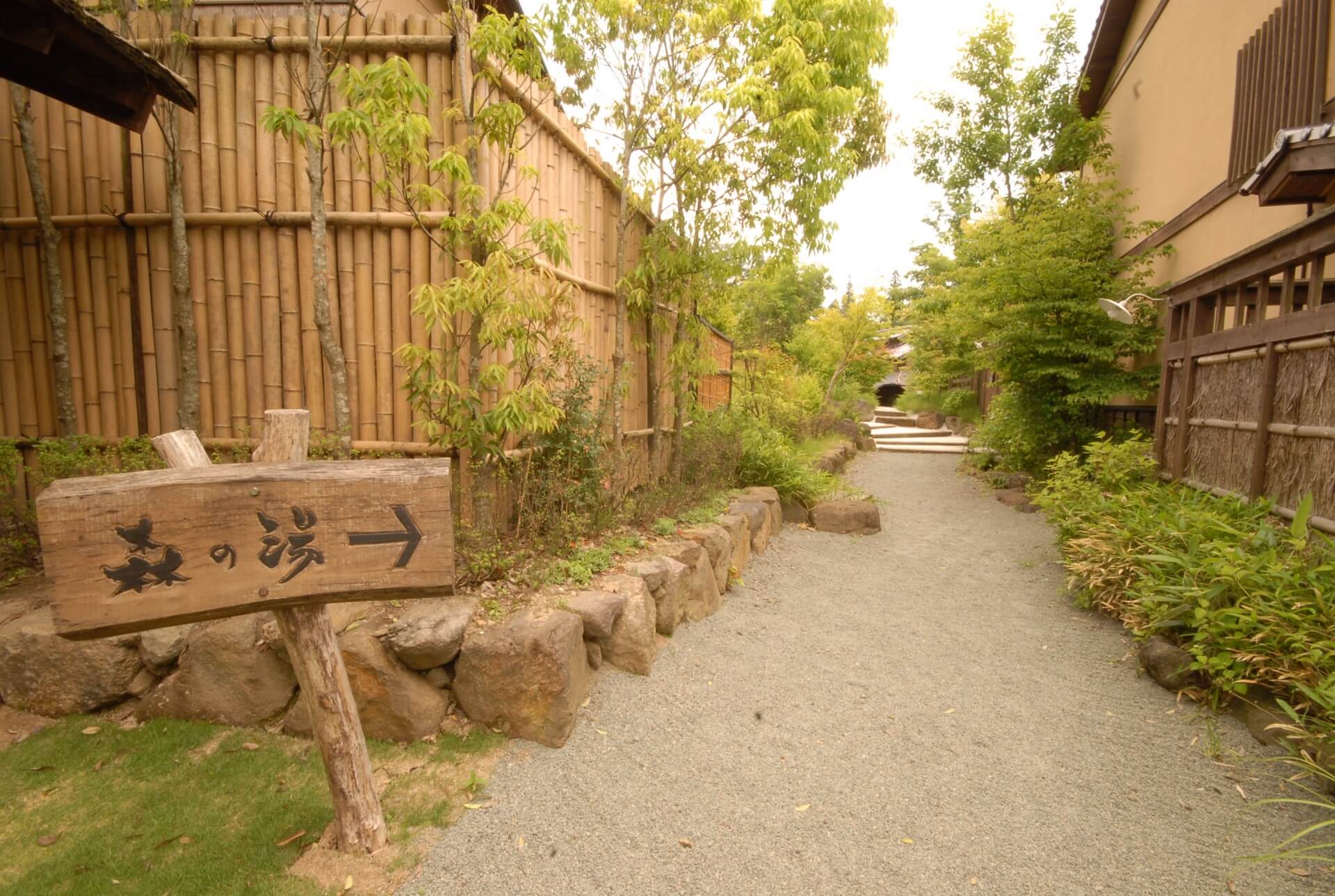
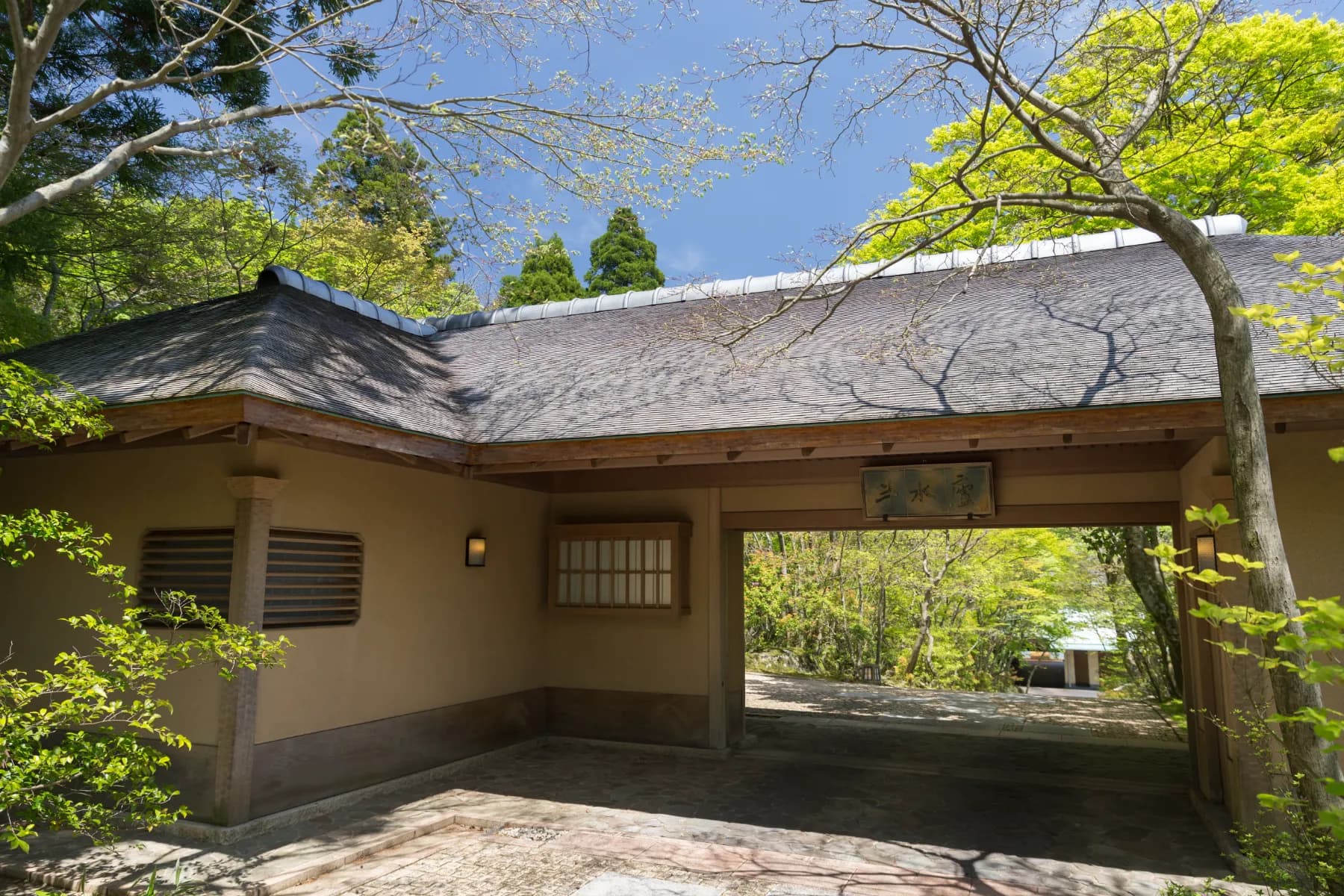
Picture Ginzan in February at midnight while the snow buries the wooden eaves, or Kusatsu in January when the steam from the rotenburo freezes on your hair. Winter is a standout onsen season — the contrast of 41°C water against the cold air is what bathers remember longest, and cold-air bathing widens the thermoregulation response, which is the part that makes you sleep like a stone. The 7 onsen towns below are the ones we rank for winter, by snow scene, water chemistry, and the access window before the road closes.
Tip
What's New: 2026–27 Winter Onsen Season
Book now for peak snow (mid-December through early March): Winter onsen reservations run three to five months ahead — December yukimi-buro dates at the marquee villages (Ginzan, Nozawa, Zao) start selling out from late summer, and the New Year window (Dec 28–Jan 4) goes first. The Japan Meteorological Agency publishes its first 2026–27 winter outlook in early autumn; as a planning baseline, last season (2025–26) ran slightly late, with above-average snowfall across Niigata, Yamagata, and Aomori extending prime yukimi-buro conditions well into March in northern Tohoku.
Nozawa's benchmark season (last winter's reference): Nozawa — still the best ski-and-soak combination in Japan — recorded over 11 meters of cumulative snowfall in 2025–26, and its 13 free public baths (soto-yu) housed in Edo-style wooden bathhouses stayed open through mid-March . Mark January 15, 2027 for the Dosojin Fire Festival, one of Japan's great winter spectacles — village rooms for that week sell out months ahead. For ski-adjacent ryokan picks, see our full guide: Best Ryokans Near Ski Resorts Japan.
Diamond Fuji window (Dec–Jan) and Mt. Fuji view ryokans: The December–January alignment of sunrise over Mt. Fuji's peak (Diamond Fuji) is only visible from specific vantage points in Yamanashi and Shizuoka. If your winter trip includes a Fuji-area stay, pair it with: Best Ryokans with Mt. Fuji View.
Warming hut culture is growing: Several Tohoku and Hokkaido onsen towns now operate dedicated warming huts between public baths — small heated shelters where you can rest, sip amazake (warm sweet sake), and rewarm before the next soak. Ginzan, Nyuto, and Yunishigawa have the best setups.
Why Winter Is the Ultimate Onsen Season
Japan's hot spring culture stretches back over a thousand years, but the tradition of bathing outdoors in winter holds a special place in the national imagination. There is even a word for it: yukimi-buro (雪見風呂), literally "snow-viewing bath" . The concept is simple — you sit in a rotenburo (outdoor bath) and watch the snow fall — but the reality is transcendent.
Winter onsen offer several practical advantages too. The extreme temperature difference between the cold air and hot water intensifies the therapeutic effect on circulation and muscle tension. Many ryokans drop their rates during the quieter weeks of January and February, outside of the New Year holiday rush. And the landscapes surrounding mountain onsen towns are at their most dramatic, with bare branches etched in white and frozen waterfalls glittering in pale sunlight.
The season typically runs from late December through mid-March, depending on latitude and elevation. Northern regions like Tohoku and Hokkaido see heavy snowfall as early as November, while higher-altitude spots in the Japan Alps can hold snow into April.
 Pin to Pinterest
Top Regions for Winter Onsen
The five regions below represent Japan's strongest winter onsen destinations. For a full breakdown covering all 25 onsen towns including non-winter picks, see our complete guide to Japan's eight onsen regions.
Which Onsen Towns Are Better in Winter?
Not every onsen destination peaks in winter. Some towns are accessible and beautiful year-round; others transform so dramatically under snow that a non-winter visit is a different experience altogether. The table below separates the genuinely winter-best towns from those where the season is simply one option among several.
| Town | Province | Winter Advantage | Peak Window | Trade-off |
|---|---|---|---|---|
| Ginzan | Yamagata | Snow-buried Taisho facades + gas lanterns; iconic at night | Late Jan – Feb | Limited rooms; road slow in blizzards |
| Nyuto Onsenkyo | Akita | Heaviest snow of any featured town; valley isolation is the point | Dec – early Apr | Valley road can close |
| Nozawa Onsen | Nagano | 13 free soto-yu bathhouses + ski mountain; Dosojin fire festival (Jan 15) | Jan – Feb | No Shinkansen; bus connection required |
| Zao Onsen | Yamagata | Juhyō snow monsters (mid-Feb – mid-Mar); ski-onsen in one village | Mid-Feb – mid-Mar | Outdoor dai-rotenburo closed in winter |
| Kusatsu | Gunma | Yubatake steam most dramatic in cold air; no snow-access issues | Jan – Feb | No ski mountain; bus-only from Tokyo |
| Shirahone | Nagano | Milky water + silent snow forest; extreme seclusion | Nov – Mar | Mountain road sometimes closes |
| Noboribetsu | Hokkaido | Jigokudani steam + Hokkaido snow; 9 water types in one town | Dec – Mar | Coldest temps; large resort feel |
| Kinosaki | Hyogo | 7 soto-yu + yukata street; light snow some years | Oct – Feb | Snow depth unreliable for yukimi-buro |
Ginzan Onsen, Yamagata Prefecture
 Pin to Pinterest
If you have seen photographs of a singular Japanese onsen town glowing in the snow, chances are you were looking at Ginzan Onsen. This tiny hamlet in the mountains of Yamagata Prefecture looks like a woodblock print come to life: a narrow river lined with three-story wooden ryokans, gas lamps casting warm light on banks of fresh powder, and not a modern building in sight.
Ginzan was once a silver mining town ("gin" means silver) — the Nobezawa silver vein was discovered in 1456 and full-scale mining began the following year, with the present Taisho-era (1912–1926) wooden ryokans reconstructed after a 1913 flood . Its remote location has preserved it almost perfectly. The town is small enough to walk end to end in ten minutes, but you will want to linger for hours. The best strategy is to book a night at one of the riverside ryokans — Notoya Ryokan and Fujiya are the most famous — and spend the evening wandering the lantern-lit streets after the day-trippers leave.
Peak snow season runs from January through February. Book at least three months in advance; Ginzan's limited rooms sell out fast.
Zao Onsen, Yamagata Prefecture
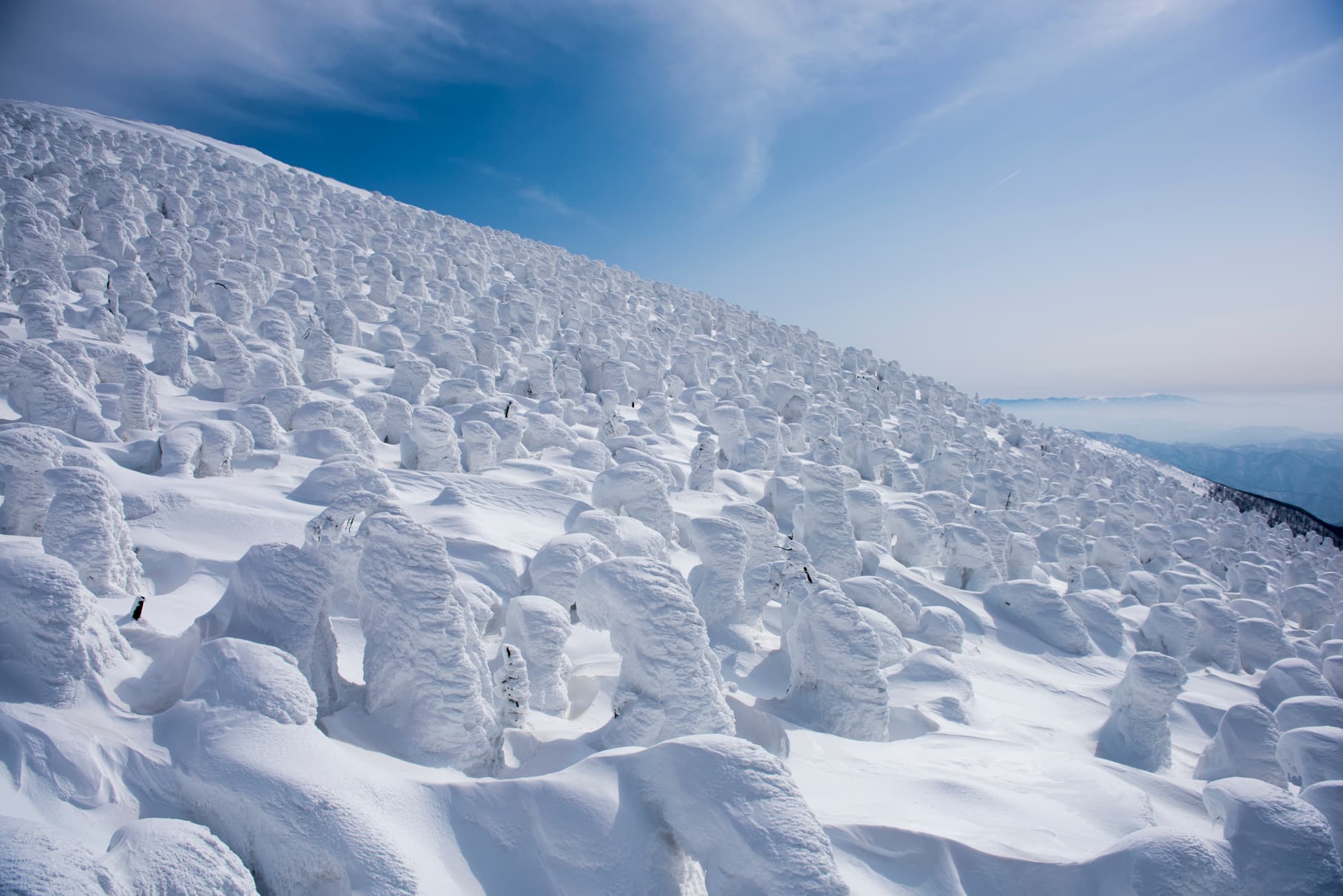
Also in Yamagata, stay in Zao Onsen offers a completely different winter experience. This is a full ski resort with an onsen village at its base, famous for its "snow monsters" — known locally as juhyō (literally "tree ice") — trees so heavily encrusted with ice and snow that they take on bizarre, humanoid shapes; they form when cold Siberian air freezes onto the trees and reach peak size between mid-February and mid-March . The onsen waters here are strongly acidic and sulfurous, with a milky blue-green color that looks almost artificial but is entirely natural.
Zao is ideal for travelers who want to combine skiing with onsen bathing. After a day on the slopes, you can soak in one of several public baths or in your ryokan's private tub. The Zao Dai-Rotenburo (large outdoor bath) is closed in winter, but many ryokans have their own outdoor baths with views of the snow-covered mountains.
Noboribetsu, Hokkaido
Hokkaido's premier onsen town sits above Jigokudani (Hell Valley), a 450-metre-wide volcanic crater that belches sulfurous steam year-round and supplies roughly 10,000 tonnes of hot spring water per day to the town below . In winter, the valley's boardwalks are lined with snow, and the contrast between the white landscape and the rust-red, steaming earth is spectacular.
Noboribetsu area waters come in nine distinct mineral compositions — including sulfur, sodium chloride, mirabilite, acidic iron, and radium springs — more variety than almost any other onsen town in Japan . See our best ryokans in Noboribetsu for the picks. The large resort hotels here — Dai-ichi Takimotokan is the most famous — offer dozens of different baths under one roof. For a more intimate experience, look for smaller ryokans like Takinoya, which has elegant outdoor baths overlooking a forested gorge.
Noboribetsu is just one of six onsen areas we've verified up north — our best ryokans in Hokkaido guide compares them all for a winter trip.
Kusatsu Onsen, Gunma Prefecture
Consistently rated Japan's number-one onsen in domestic popularity surveys, the Kusatsu area sits at 1,200 meters elevation in the mountains of Gunma Prefecture, with its central yubatake pumping out roughly 32,300 liters of natural onsen water every minute — the highest volume of any hot spring in Japan . In 2026, Kusatsu topped the Jalan Research Center's nationwide hot spring popularity survey for the third consecutive year, beating 333 other destinations in a poll of over 12,500 respondents who were asked which onsen towns they most want to revisit. Its signature feature is the yubatake — a large wooden structure in the town center where scalding hot spring water is cooled before distribution to the town's baths. At night, the yubatake is illuminated, and steam rises dramatically into the cold air.
Kusatsu's waters are extremely acidic (pH 2.1) and are said to kill virtually all bacteria on contact . The traditional "yumomi" practice — stirring the scalding water with 1.8-meter-long wooden paddles to cool it without diluting its mineral content — dates back to the Edo period (1603–1868) and is performed six times daily at the Netsu-no-Yu hall .
Shirahone Onsen, Nagano Prefecture
Hidden deep in the Northern Alps inside Chubusangaku National Park, Shirahone winter ryokans ("white bone") is named for its distinctive milky-white waters — the water emerges colorless from the source and only turns milky white once hydrogen sulfide and calcium components react with the air . This is one of Japan's most secluded onsen, accessible by a winding mountain road that is sometimes closed by heavy snow. The isolation is the point: there are only a handful of ryokans here, and the silence is absolute.
The star attraction is Awanoyu Ryokan, whose outdoor bath sits beside a snow-covered forest. The milky water, the dark trees, and the white sky create an almost monochromatic scene that photographers find irresistible.
Nyuto Onsenkyo, Akita Prefecture
If one image defines winter onsen in Japan for the international traveler, it is almost certainly Tsuru no Yu: a wide milky-white outdoor bath ringed by snow-laden beech forest, steam rising so thickly it nearly whites out the frame. That bath sits inside Nyuto Onsenkyo — a cluster of seven traditional inns buried deep in the mountains of Akita Prefecture, each fed by a different spring and each barely visible through the cedars. The valley receives some of the heaviest snowfall in the Tohoku region and stays blanketed from December through early April, which is precisely why it earns its reputation as Japan's most atmospheric snow-country onsen destination .
Tsuru no Yu (鶴の湯) is the oldest inn in the village, with records of the Akita domain lord Yoshitaka Satake visiting for a therapeutic soak as early as 1638 . The thatched-roof guesthouse that still stands was originally built to house the lord's samurai guards — and the building looks it, with darkened timbers and low ceilings that creak in the wind. Its signature bath is a large konyoku (mixed-gender) rotenburo fed by milky-white waters containing sodium bicarbonate, hydrogen sulfide, and sulphur compounds that cloud the water completely opaque — a naturally occurring effect that is not cosmetically enhanced . Women enter through a separate covered corridor, lowering into the water before reaching open air, which provides practical privacy despite the mixed format. Separate gender-segregated indoor baths are also available for those who prefer them.
Day-use bathing at Tsuru no Yu is open 10:00–15:00 (closed Mondays), priced at ¥700 for adults . The experience is worth the queue that forms on winter weekends — but staying overnight is strongly preferred: the valley road can close in heavy snowfall, day-trippers are turned away when at capacity, and the main outdoor bath is at its most surreal after dark when the other guests have gone in.
The other six inns — Tae no Yu, Ganiba, Magoroku, Kuroyu, Okama, and Kyukamura — each source different spring compositions, ranging from clear sodium-sulphate waters at Tae no Yu to the dark, warming waters at Kuroyu, which has operated since 1674 . Overnight guests at any of the seven inns can purchase the Yumeguri-cho pass (¥2,500 adults / ¥1,000 children), which covers a shuttle bus and one bath session at each of the seven properties — the most efficient way to sample the full range of spring types across the valley .
Access: From Tokyo, take the JR Akita Shinkansen (Komachi) to Tazawako Station — the journey takes approximately 2 hours 40 minutes. From Tazawako Station, the Ugo Kotsu Nyuto Line bus runs roughly once per hour and reaches the village in approximately 50 minutes; fare is ¥950 . Tsuru no Yu requests that guests call ahead to notify staff of which bus they are boarding.
Tip
The Yumeguri-cho pass (¥2,500) is issued to overnight guests only and covers a bath session at all seven inns — buy it at check-in at whichever inn you are staying at. The shuttle bus (Yumeguri-go) runs on a loop through the valley at set times; confirm the last departure before soaking too long at Kuroyu.
Snow Monkey Country: Jigokudani and Which Town to Base In
The Jigokudani Monkey Park in northern Nagano — where wild Japanese macaques soak in a purpose-built thermal pool — reaches its peak spectacle between late November and March, when heavy snow blankets the valley and the monkeys cluster tightly against sub-zero air . Entry costs ¥800 per adult; the park is open daily 09:00–16:00. The monkeys cannot be guaranteed since they move freely, but cold mornings (below −5°C) in January and February give the highest probability.
Getting there: Via Yudanaka Station (Nagano Electric Railway from Nagano Station, ~40 min). From Yudanaka, take the Shiga Kogen Bean Line bus to Kanbayashi Onsen stop (~10 min) and walk 30 minutes through the forest. The path is unpaved and icy — waterproof boots with grip are essential.
Which town to base in:
- Shibu Onsen: Closest base (~2 km from the park gate), narrow lane of 9 traditional inns and 9 free public soto-yu bathhouses. Guests in yukata walk lantern-lit stone alleys between baths in the evenings. Rooms sell out in February — book early.
- Yudanaka Onsen: Adjacent to Shibu, more accommodation options, easier availability.
- Two-night pattern: Night 1 in Shibu Onsen (monkey park morning visit), night 2 at Shirahone Onsen for deeper mountain solitude. Requires a car or private taxi between them — no direct bus link.
Tip
Snow monkey timing: The monkeys have free will and a large forest. Book two nights at Shibu Onsen to give yourself two morning attempts. Do not plan your entire trip around a single guaranteed viewing — no park can promise wild animal behavior.
Nozawa Onsen, Nagano Prefecture
The village of Nozawa Onsen in northern Nagano sits at the base of a ski mountain and has been running hot springs for over 300 years — a combination that puts it in a category almost entirely its own among Japan's winter destinations. What makes it exceptional is not a single famous bath but a network of 13 free public soto-yu bathhouses scattered through the village lanes, each maintained by a neighborhood association under the traditional Yunakama system in which local residents share electricity, water, and cleaning duties on a rotating basis — a structure that has kept the baths functional and genuinely communal since the Edo period .
The most prominent is Oyu (大湯), a striking wooden bathhouse at the village center that anchors the main pedestrian street; its architecture preserves the Edo-period character of the area and it fills up fast on cold evenings. Kawaharayu (河原湯) is named for the river it once sat beside and is traditionally considered effective for skin conditions. Kumanoteara-yu (熊の手洗湯 — "Bear's Paw Washing Bath") takes its name from a folk tale about an injured bear discovered healing in the water. The 13 baths draw from over 30 springs across the village ; water temperatures range from 40°C to 55°C, with one outlier — Taki-no-yu — sourced at 78°C and cooled before bathing. Entry to all 13 is by donation; there is no set fee, but leaving a small contribution in the box is the expected norm.
At the upper edge of the village, Ogama is not a bathhouse at all: it is a boiling outdoor spring reaching close to 100°C that residents use daily to cook vegetables, boil eggs, and wash produce — a functioning kitchen that has operated for centuries and is one of the most visually unusual sights in any onsen town.
In winter, Nozawa Onsen's ski area operates across 43 slopes with 1,085 meters of vertical drop , making the rhythm of a day here unusually satisfying: morning ski runs in powder averaging 480 inches of annual snowfall, then back into the village on foot to rotate through soto-yu bathhouses as evening settles. The 10-kilometer top-to-base run is one of the longest in Japan.
Every January 15, the village stages the Dosojin Matsuri (道祖神祭り) — a large fire festival in which a handbuilt wooden shrine is set ablaze by local men while others defend it from atop the structure. The event has been designated an Important Intangible Folk Cultural Property . As of 2024, attendance inside the main venue is limited to village residents and guests staying overnight in Nozawa Onsen on the night of the festival; day-trippers cannot access the main grounds . If the fire festival is a target, book accommodation for January 14 night or January 15 night as early as possible — this is one of the most competitive booking windows in Nagano.
Access: Nozawa Onsen is not on the Shinkansen network directly. The most common route from Tokyo is the JR Hokuriku Shinkansen to Iiyama Station (approximately 80 minutes), followed by a connecting bus to the village (approximately 20–25 minutes); buses are timed to the main Shinkansen arrivals, so confirm the current timetable when you book.

Two of these seven regions sit in Nagano alone — our Nagano ryokan guide ranks stays across Shirahone, Nozawa, Hakuba, and the snow-monkey villages.
Yuki-mi Culture: What the Snow-Viewing Bath Actually Means
The term yuki-mi (雪見) — snow viewing — appears throughout Japanese culture predating the modern onsen industry by centuries. The Pillow Book of Sei Shōnagon (~1000 CE) lists snow as one of the things that produces particular aesthetic pleasure; the rotenburo absorbed this sensibility during the Edo period, and "yukimi-buro" entered common use as a specific experience to seek out.
The best yukimi-buro experiences share common characteristics regardless of price tier:
1. The bath faces a snowy landscape — river views (Ginzan, Nozawa) and forest views (Nyuto, Shirahone) are the archetypes; not a wall or a parking lot. 2. The outdoor bath is an appropriate size — intimate enough to absorb the atmosphere; beyond 8–10 people the mood dissipates. 3. There is weather to observe — a snowfall in progress is what the tradition was built for. A clear day is pleasant but different. 4. Silence — no music or TV overhead. The sound palette is snow falling, water moving, your own breathing.
When contacting a ryokan directly: 「露天風呂から雪が見えますか?」 (Roten-buro kara yuki ga miemasu ka? — "Can I see snow from the outdoor bath?"). Staff who understand the question give honest answers about which room type and season guarantee it.
Winter Access Realities: Trains, Roads, and What Closes
Japan's Shinkansen and major rail lines operate through all but the most severe weather events. The problem is the final connection: most mountain onsen towns are at the end of a bus or local rail line where service can suspend in heavy snowfall.
Town-by-town access summary:
- Ginzan Onsen: JR Yamagata Shinkansen → Oishida Station → bus 35 min (~5x daily). Road rarely closes; allow 30-minute buffer.
- Zao Onsen: JR Yamagata Shinkansen → Yamagata Station → bus 40 min (frequent, ski resort road maintained year-round).
- Kusatsu: Bus-only from Tokyo (direct express ~4 hours from Shinjuku, or Shinkansen to Karuizawa + local bus, ~2h30m total). No train to the town. Bus runs late in snowstorms; road rarely closes.
- Nozawa Onsen: JR Hokuriku Shinkansen → Iiyama Station → bus 20–25 min (timed to Shinkansen arrivals, reliable).
- Shirahone Onsen: JR Limited Express → Matsumoto → Alpico Bus via Route 158 (~70 min). Route 158 through the Norikura highland can close in heavy snowfall January–March. Call Alpico Bus (0263-32-0910) or check Nagano Prefecture road closure map before travel.
- Nyuto Onsenkyo: JR Akita Shinkansen (Komachi) → Tazawako Station (~2h40m) → Ugo Kotsu bus ~50 min (¥950, ~1x/hr). Valley road can close in extreme conditions; Tsuru no Yu requests guests call when boarding the bus.
- Noboribetsu: JR Hokkaido Limited Express → Noboribetsu Station → town bus 10 min. Reliable; Hokkaido rail handles heavy snow as routine.
What actually closes:
- Shirahone's Route 158 (occasionally, Jan–Mar)
- Some ryokan outdoor baths temporarily after heavy snowfall for clearing — always email ahead to confirm
- Zao's Dai-Rotenburo (closed through ski season; private ryokan baths remain open)
Rental cars: Avoid in Tohoku and Hokkaido in January–February unless experienced with winter driving. Agencies stock studded tires as standard, but mountain roads with black ice require local experience. Train + bus plus built-in flex time is the safer plan.
| Town | Shinkansen Connection | Final Leg | Road Risk |
|---|---|---|---|
| Ginzan | Yamagata → Oishida | Bus 35 min (5x daily) | Low |
| Zao | Yamagata → Yamagata Stn | Bus 40 min (frequent) | Very low |
| Kusatsu | None (bus-only from Tokyo) | Direct bus 4h | Low–medium |
| Nozawa Onsen | Hokuriku → Iiyama | Bus 20–25 min | Low |
| Shirahone | → Matsumoto (no Shinkansen) | Bus 70 min via Rte 158 | High Jan–Mar |
| Nyuto | Akita (Komachi) → Tazawako | Bus 50 min | Medium |
| Noboribetsu | → Noboribetsu Stn (Ltd Exp) | Town bus 10 min | Low |
Winter Kaiseki and Crab Season
Winter is the best season to eat at a Japanese ryokan. The kaiseki dinner peaks across two overlapping windows: the regulated crab season (November through March) and the height of root vegetable and mountain game season (December through February).
Crab season basics:
- Snow crab (zuwaigani): Season opens approximately November 6 (regulated) and runs through March. Concentrated in Japan Sea-facing prefectures — Fukui, Kyoto Tango, Hyogo (Kinosaki), Tottori. These are separate from the onsen towns on this page; for crab + onsen in one stay, Kinosaki Onsen (Hyogo) is the classic pairing.
- Hairy crab (kegani) at Noboribetsu: Hokkaido's kegani sources near Sapporo; some Noboribetsu ryokans feature it on winter menus, though the peak season for kegani is actually early summer.
- Crab kaiseki format: A 7–10 course dinner anchored by crab sashimi, crab hot pot (kani-suki), grilled crab, and a crab-rice closer. Budget ¥25,000–¥50,000 per person (accommodation included).
Regional winter specialties at the towns on this page:
- Ginzan / Zao: Yonezawa beef kaiseki (wagyu raised locally since the 1870s) + seasonal mountain vegetables
- Nyuto Onsenkyo: Kiritanpo nabe (Akita's pounded rice skewer hot pot) and hata-hata sandfish (season: November–December only)
- Shirahone / Nozawa: Preserved mountain vegetables (sansai), local free-range chicken (jidori), root vegetable broth
For a full breakdown of what kaiseki courses include, the serving sequence, and how to communicate dietary restrictions, see the kaiseki guide.
What to Pack for a Winter Onsen Trip
 Pin to Pinterest
Packing for a winter onsen trip requires balancing warmth for the outdoors with the knowledge that your ryokan will provide most of what you need once you arrive. Here is what to bring:
Cold-weather essentials: A warm, packable down jacket is non-negotiable. Layering is key — thermal base layers, a fleece mid-layer, and a waterproof outer shell will cover most situations. Bring waterproof boots with good traction, as onsen town streets can be icy. A warm hat, insulated gloves, and a scarf round out the basics.
For the onsen itself: Most ryokans provide small towels, but bringing your own quick-dry travel towel is wise if you plan to visit multiple public baths. A waterproof bag for wet items is useful. If you have tattoos, bring skin-colored tattoo cover patches — many onsen still prohibit visible tattoos, though policies are gradually relaxing.
What NOT to over-pack: Your ryokan will provide yukata (cotton robe), slippers, toiletries, and often a warm tanzen (padded over-robe) for winter. You do not need pajamas, a bathrobe, or full-size shampoo and soap.
Tip
Many ryokans in snow country offer free or discounted shuttle buses from the nearest train station during winter. Check with your accommodation before booking taxis or rental cars — the mountain roads can be treacherous in heavy snow.
Booking Windows: When to Reserve and When to Wait
The spread between best-value and worst-value dates at the same ryokan can exceed 60% in winter. The pattern:
Most competitive (book furthest ahead):
- December 28 – January 3 (New Year): Book six months ahead for Ginzan, Nyuto, and top Kusatsu properties. Prices run 40–70% above January average.
- Valentine's weekend (Feb 13–14): Second most competitive. Couples' travel drives occupancy to near-100% at romantic properties.
- January 15 (Dosojin Festival, Nozawa): Book the previous spring for this specific night.
- Second and third weekends of February: Peak snow depth coincides with peak demand. Book 3–4 months ahead.
Best value (same snow, lower prices):
- January 4–13: New Year crowds have cleared, prices normalize, availability opens. This is the single best two-week window.
- Weekdays in January: Exactly the same snow conditions as a weekend, 10–25% cheaper.
- Early March in Tohoku: Snow depth persists at Nyuto and Ginzan; demand tapers as travelers assume winter has ended.
| Window | Demand | Book Ahead | Price vs Avg |
|---|---|---|---|
| Dec 28 – Jan 3 (New Year) | Extreme | 6 months+ | +40–70% |
| Valentine's weekend (Feb 13–14) | Very high | 3–4 months | +25–40% |
| Winter weekends (Jan–Feb) | High | 2–3 months | +15–25% |
| Jan 4–13 (best value window) | Moderate | 4–8 weeks | At average |
| Weekdays Jan–Feb | Low–moderate | 2–6 weeks | −10–25% |
| Early Mar (Tohoku only) | Low | 2–3 weeks | −15–30% |
Booking Tips for Peak Winter Season
Winter is high season for Japan's most famous onsen towns, and the most desirable ryokans book up months in advance. Here is how to secure your spot:
Book early for key dates. The New Year period (December 28 – January 3) is the most competitive booking window in the entire Japanese calendar. If you want a top ryokan during this period, reserve six months ahead. The weeks immediately after New Year (mid-January through February) offer the same snow with significantly easier availability.
Weekdays are dramatically easier. A ryokan that is fully booked every Friday and Saturday in January may have open rooms on Tuesday and Wednesday. Midweek stays are often 10-20% cheaper as well.
Use Japanese booking platforms. Sites like Jalan.net and Ikyu.com often have availability and rates that do not appear on international platforms. Google Translate handles these sites reasonably well, and many accept international credit cards.
Consider lesser-known alternatives. If the Ginzan area guide is sold out, try Nyuto Onsen in Akita — equally atmospheric and less famous internationally. If Kusatsu is packed, look at Takaragawa Onsen in nearby Minakami — a sprawling riverside rotenburo that is magnificent in snow.
Tip
Check whether your chosen ryokan's outdoor bath (rotenburo) is open year-round. Some close their outdoor facilities during the heaviest snowfall periods for safety. Call ahead or email to confirm — the last thing you want is to arrive at a snow onsen with no outdoor bath available.

Peak-winter inventory vanishes fast, so platform choice matters — our head-to-head ryokan booking-site comparison shows which site to check first for January and February dates.
The Etiquette of Winter Bathing
Winter onsen etiquette is the same as any other season, with a few cold-weather additions. Always wash thoroughly at the shower stations before entering the bath. Tie long hair up so it does not touch the water. Your small towel can rest on your head (a classic onsen pose) but should never enter the water.
In winter specifically: move between indoor and outdoor baths gradually to avoid shocking your system. Start with the indoor bath to warm up, then venture outside. If you feel dizzy or lightheaded, return inside immediately — the combination of extreme heat and cold can affect blood pressure.
After bathing, do not rinse off the mineral water unless it irritates your skin. The minerals continue to work after you leave the bath. Pat dry gently, wrap yourself in your yukata and tanzen, and settle in for what will almost certainly be the best night of sleep you have had in months.
A winter onsen trip is a complete sensory reset, not just a bath — it is a complete sensory reset. The silence of snow, the warmth of mineral water, the care of a traditional ryokan, and the beauty of Japan's winter landscapes combine into something that no other travel experience can match. If you visit Japan only once, make it winter. Your body and soul will thank you.
Tip
Tattoo policies in winter onsen towns vary significantly. Kusatsu Sensui is tattoo-allowed. Noboribetsu's Dai-ichi Takimotokan permits covered tattoos in most baths. Ginzan properties typically require private baths (kashikiri) or cover-up patches for shared baths — Notoya and Nagasawa Heihachi both offer private bath options. For a full town-by-town breakdown, see the tattoo-friendly ryokans guide.
For ski-and-soak travelers specifically: our ryokans near Japan's top ski resorts guide covers Nozawa, Hakuba, Niseko and others where the lift line is a 5-minute walk from the bath. Ryokans in Zao Onsen is the dedicated Yamagata-prefecture pick — the famous "snow monster" frosted trees and ski-onsen combo in one town. The broader Zao Onsen accommodations directory (hotels included, not just ryokans) is helpful when ryokan-only inventory sells out during peak ski weekends. For a dedicated winter Fuji experience, our Fuji view ryokan guide covers the Kawaguchiko shore properties where snow-capped Mt. Fuji reflects in the lake from your outdoor bath.
Tip
Ski-and-soak in one day: Zao Onsen, Nozawa Onsen, and Kusatsu all have operating ski areas within walking distance of their onsen villages — Nozawa Onsen Snow Resort has sold a combined lift-pass-and-onsen ticket (Nozawa Onsen Spalina bath included) in recent seasons, and 2026–27 pass products are typically announced in early autumn, so re-check the resort's site before you book . The pattern that works: first gondola up at 8 AM, finish by early afternoon while your legs still function, then rotate two or three village bathhouses before dinner. Snow-soaked muscles respond to the mineral water noticeably differently than a pre-ski soak — the heat goes deeper.
Ready to book?
Book one of these top picks
Compare live availability and prices across booking sites.

Tsutsujitei
つつじ亭
Kusatsu·Luxury
from US$400 · per person · per nightfrom ≈ US$800 total for 2 guests




Takinoya
滝乃家
Noboribetsu·Luxury
from US$350 · per person · per nightfrom ≈ US$700 total for 2 guests
Fujiya Inn
藤屋
Ginzan·Luxury
from US$266 · per person · per nightfrom ≈ US$532 total for 2 guests
Booking links may earn us a commission at no extra cost to you.
Frequently Asked Questions
What is yukimi-buro and why is it special in winter?
Yukimi-buro literally means 'snow-viewing bath' — soaking in an outdoor rotenburo while snow falls around you. The experience combines the thermal contrast between ~41°C water and near-freezing air, the visual beauty of a snow-covered landscape, and the cultural weight of a tradition dating to the Edo period. The best conditions: a live snowfall on a still evening, in a bath that faces forest or a river rather than a wall.
When is the best time to visit Japan for a winter onsen experience?
Mid-January through mid-February is the peak window: snow depth at its heaviest, New Year crowds cleared, prices normalized on weekdays. Tohoku and Hokkaido (Nyuto, Noboribetsu) extend through late March. The best single value window is the third week of January on weekdays.
How far in advance should I book a ryokan for a winter onsen trip?
Six months ahead for December 28 – January 3 (New Year). Three to four months for Valentine's weekend. Two to three months for regular winter weekends. Midweek stays outside New Year: four to six weeks is usually sufficient. Jalan.net and Ikyu.com often show availability not visible on international platforms.
Which onsen town is famous for its 'snow monsters' and combines skiing?
Zao Onsen in Yamagata Prefecture. The juhyō (tree ice formations) reach peak size mid-February through mid-March. Zao Ski Resort operates on the same mountain, and multiple ryokans are within walking distance of the lifts. The large communal Dai-Rotenburo closes in winter, but private ryokan baths remain open.
Can you see snow monkeys from onsen town accommodations?
No — the macaques bathe in a purpose-built pool at Jigokudani Monkey Park in northern Nagano, a 30-minute walk from Kanbayashi Onsen bus stop. The closest onsen base is Shibu Onsen (~2 km from the park). Book two nights to maximize your chance of witnessing the bathing behavior on a cold morning.
What is the Yumeguri-cho pass at Nyuto Onsenkyo?
A ¥2,500 (adults) bath pass available to overnight guests at any of Nyuto's seven inns, covering one bath session at each property plus a valley shuttle bus (Yumeguri-go). Buy it at check-in; it is the most efficient way to sample all seven spring compositions across the valley in one stay.
Is crab season and winter onsen in the same places?
Not quite. The best snow-view towns (Ginzan, Nyuto, Kusatsu, Zao, Shirahone, Noboribetsu) are inland or Hokkaido-based. Japan's top zuwaigani (snow crab) season runs November–March in Japan Sea-facing areas like Fukui and Kinosaki. For crab + onsen in one stay, Kinosaki Onsen (Hyogo) is the closest overlap. At Noboribetsu, Hokkaido kegani (hairy crab) sometimes features on winter menus.
Which Ginzan Onsen ryokan has the best rating?
Kosekiya Bekkan leads at 9.9/10 — a folk-house annex with shared access to Ginzanso's modern baths, from $250/night. Nagasawa Heihachi (9.8) is a 1925 Taisho-era ryokan with two private open-air baths facing the river. Notoya Ryokan (9.6) is the most iconic facade in Ginzan — a registered tangible cultural property and the most photographed building in the town.
How do I ask about outdoor bath availability in Japanese?
To confirm the rotenburo is open in winter: 「露天風呂は冬も利用できますか?」(Roten-buro wa fuyu mo riyō dekimasu ka?). To ask about snow views specifically: 「露天風呂から雪が見えますか?」(Roten-buro kara yuki ga miemasu ka?). Most ryokans respond to Japanese-language emails even from international guests.
For the ski end of the same season, our sister site maps the rated stays of Niseko, Hokkaido and Tohoku — where the snow and the credentials overlap.
FAQ
Frequently asked questions
What is yukimi-buro and why is it special in winter?+
Yukimi-buro literally means 'snow-viewing bath' — soaking in an outdoor rotenburo while snow falls around you. The experience combines the thermal contrast between ~41°C water and near-freezing air, the visual beauty of a snow-covered landscape, and the cultural weight of a tradition dating to the Edo period. The best conditions are a live snowfall on a still evening, in a bath facing forest or a river.
When is the best time to visit Japan for a winter onsen experience?+
Mid-January through mid-February is the peak window: snow depth at its heaviest, New Year crowds cleared, prices normalized on weekdays. Tohoku and Hokkaido (Nyuto, Noboribetsu) extend through late March. The best single value window is January 4–13 on weekdays.
What should I pack for a winter onsen trip to Japan?+
Waterproof boots with grip are the single most important item — onsen town streets are routinely icy. A packable down jacket, thermal base layers, and a waterproof outer shell cover the rest. Your ryokan provides yukata, tanzen (padded winter robe), slippers, and toiletries. Bring a quick-dry travel towel if you plan multiple public baths, and tattoo cover patches if relevant.
How far in advance should I book a ryokan for a winter onsen trip?+
Six months ahead for December 28 – January 3 (New Year). Three to four months for Valentine's weekend (Feb 13–14). Two to three months for regular winter weekends. For midweek stays outside New Year, four to six weeks is usually sufficient. Jalan.net and Ikyu.com often show availability not visible on international platforms.
Which onsen town is famous for its 'snow monsters' and combines skiing?+
Zao Onsen in Yamagata Prefecture. The juhyō (tree ice formations) reach peak size mid-February through mid-March. Zao Ski Resort operates on the same mountain, and multiple ryokans are within walking distance of the lifts. The large communal Dai-Rotenburo closes in winter, but private ryokan baths remain open.
Can you see snow monkeys from onsen town accommodations?+
No — the macaques bathe in a purpose-built pool at Jigokudani Monkey Park in northern Nagano, a 30-minute walk from Kanbayashi Onsen bus stop. The closest onsen base is Shibu Onsen (~2 km from the park). Book two nights in Shibu Onsen to maximize your chances on cold mornings.
What is the Yumeguri-cho pass at Nyuto Onsenkyo?+
A ¥2,500 (adults) bath pass available to overnight guests at any of Nyuto's seven inns, covering one bath session at each property plus a valley shuttle bus. Buy it at check-in. It is the most efficient way to sample all seven spring compositions in one stay.
Is crab season and winter onsen in the same places?+
Not quite. The best snow-view towns (Ginzan, Nyuto, Kusatsu, Zao, Shirahone, Noboribetsu) are inland or Hokkaido-based. Japan's top zuwaigani (snow crab) season runs November–March in Japan Sea-facing areas like Fukui and Kinosaki. For crab + onsen in one stay, Kinosaki Onsen (Hyogo) is the closest pairing. Noboribetsu ryokans sometimes feature Hokkaido kegani (hairy crab) on winter menus.
Which Ginzan Onsen ryokan has the best rating?+
Kosekiya Bekkan leads at 9.9/10 — a folk-house annex with shared access to Ginzanso's modern baths, from $250/night. Nagasawa Heihachi (9.8) has two private open-air baths overlooking the river. Notoya Ryokan (9.6) is the most iconic facade in Ginzan and a registered tangible cultural property.
How do I ask about outdoor bath availability in Japanese?+
To confirm the rotenburo is open in winter: 「露天風呂は冬も利用できますか?」(Roten-buro wa fuyu mo riyō dekimasu ka?). To ask about snow views: 「露天風呂から雪が見えますか?」(Roten-buro kara yuki ga miemasu ka?). Most ryokans respond to Japanese-language emails even from international guests.
Still deciding?
Browse ryokans across JapanBooking.comTravelling this season?
See Booking.com's current deals on staysBooking.com