Quick Comparison
10 picks| Ryokan | From | Rating | Book |
|---|---|---|---|
 | from US$163/person/night≈ US$326 for 2 | 9.2 562 reviews | Book on Agoda |
 | from US$128/person/night≈ US$256 for 2 | 9.1 63 reviews | Book on Booking.com |
 | from US$238/person/night≈ US$476 for 2 | 9.0 64 reviews | Book on Trip.com |
 | from US$118/person/night≈ US$236 for 2 | 9.1 101 reviews | Book on Agoda |
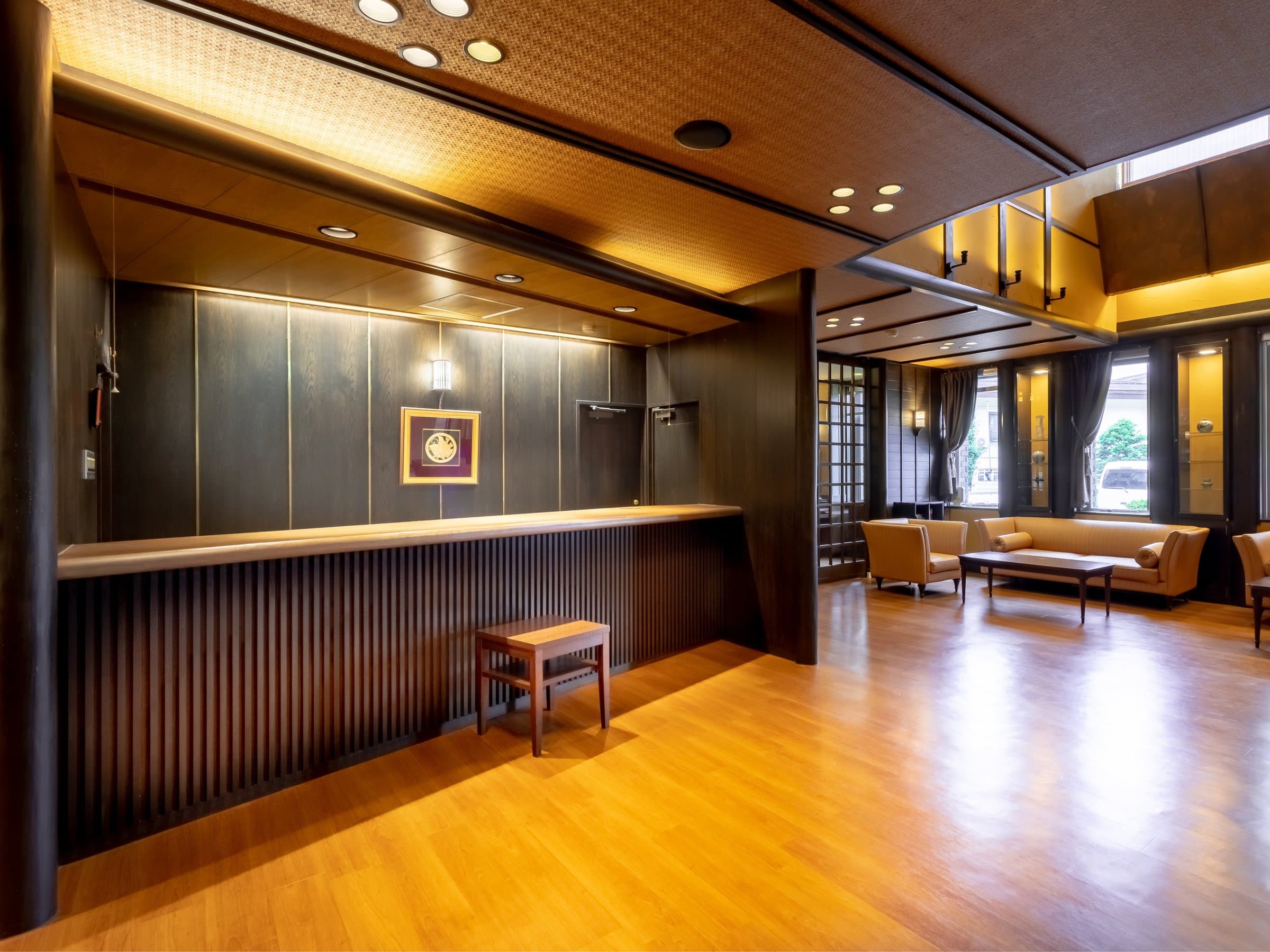 | from US$64/person/night≈ US$128 for 2 | 9.2 148 reviews | Book on Trip.com |
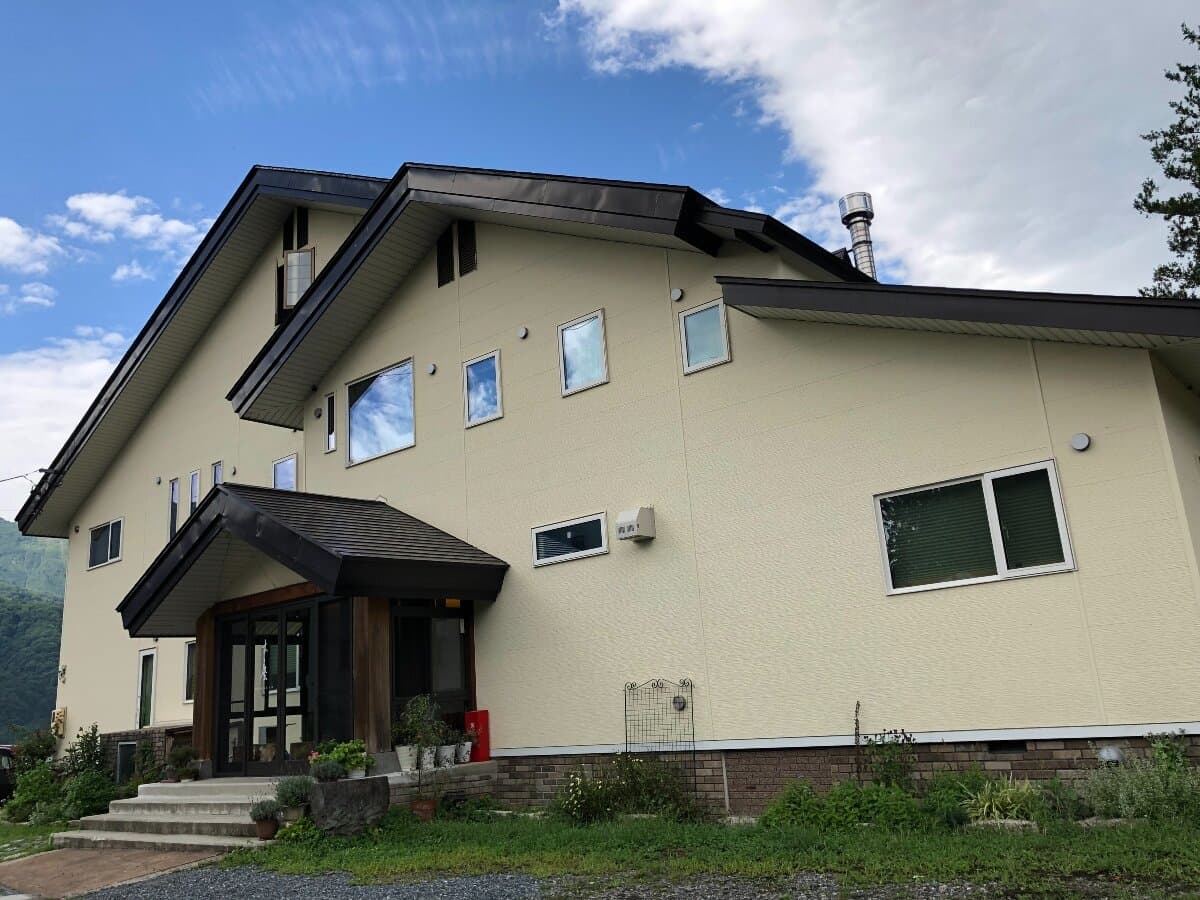 | from US$100/person/night≈ US$200 for 2 | 9.0 61 reviews | Book on Agoda |
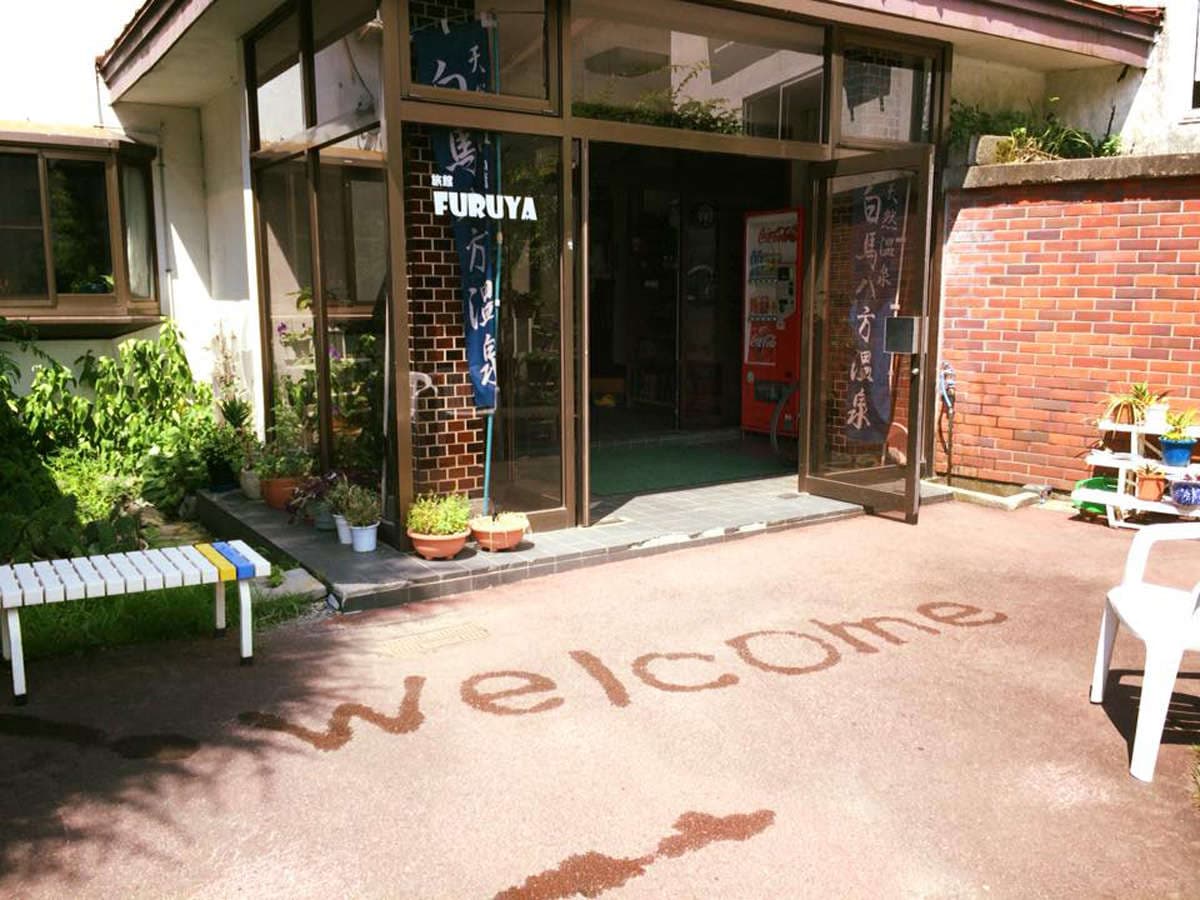 | from US$140/person/night≈ US$280 for 2 | 8.7 58 reviews | Book on Agoda |
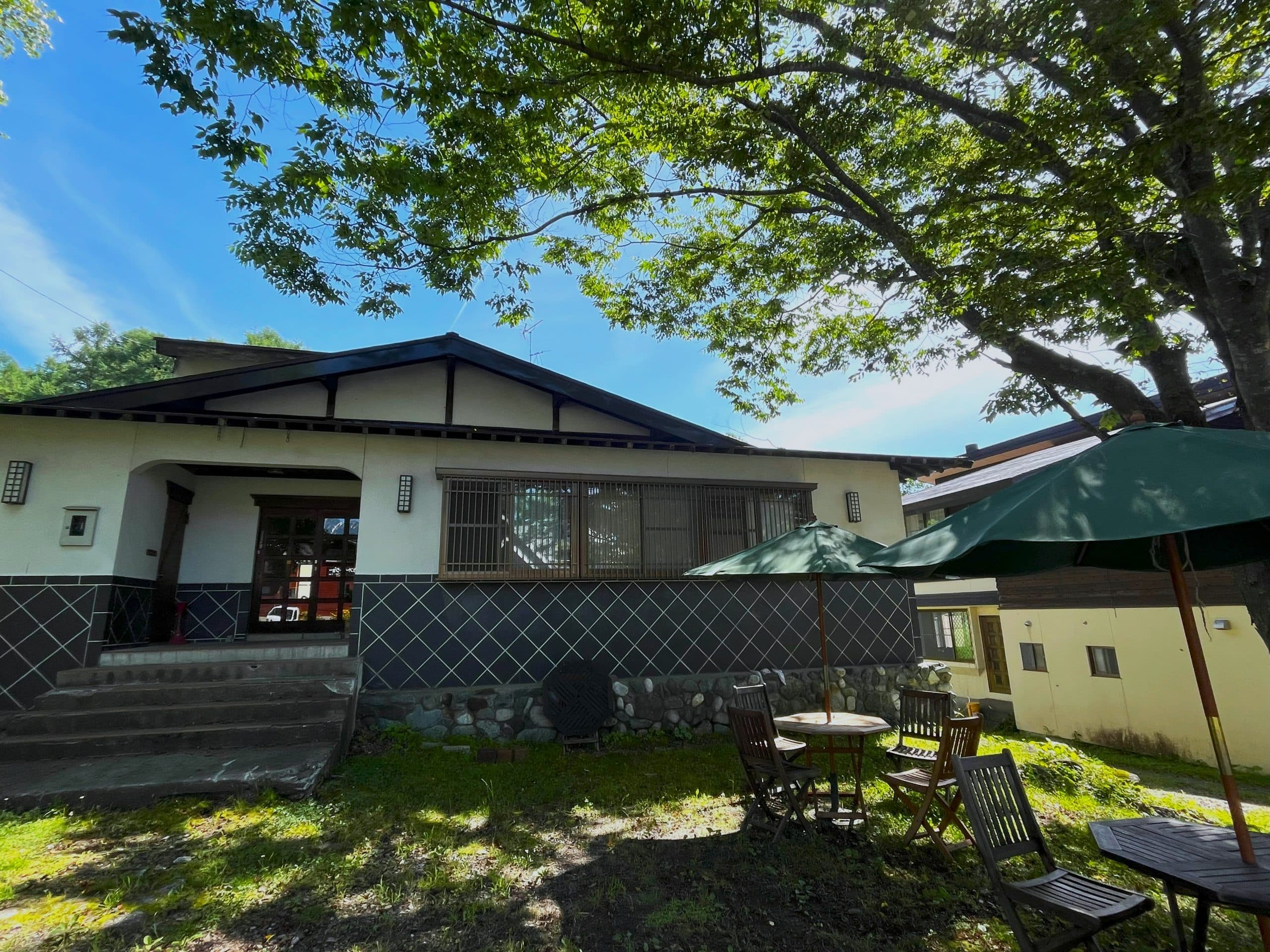 | from US$84/person/night≈ US$168 for 2 | 8.8 106 reviews | Book on Trip.com |
 | from US$130/person/night≈ US$260 for 2 | 8.6 59 reviews | Book on Agoda |
 | from US$93/person/night≈ US$186 for 2 | 8.6 188 reviews | Book on Agoda |
Ryokan Mokuzin
Hakuba
Ryokan Furuya
Hakuba
Matsunoki-tei
Hakuba
Hotel Cerulean Alpen
Hakuba
Oomukou Ryokan
Hakuba
Prices shown are approximate starting rates per person per night. We may earn a commission on bookings.
Nagano pulls travelers in four very different directions. Some come for the snow monkeys at Jigokudani — macaques sitting chest-deep in a steaming pool while snow falls around them, one of the most photographed wildlife scenes in Japan. Others come for Hakuba's powder ski runs, Kamikochi's alpine trails (open April 17 – November 15, 2026), or the 1,300-year onsen towns that feel like they haven't materially changed in centuries. What connects all of them is the ryokan — the traditional inn where a tatami room, yukata robe, and multi-course kaiseki dinner are included in the price, and where the onsen is the point, not an afterthought.
Finding the best ryokans in Nagano is not a single decision. It is six decisions, one per micro-destination, each with its own character, price logic, and access reality. This guide covers all six: Hakuba, Shirahone, Shibu Onsen, Yudanaka, Nozawa Onsen, and Bessho Onsen. We hold verified inventory for two areas — Hakuba (10 properties) and Shirahone (8 properties) — and give each a full ranked treatment with real prices, honest tattoo policy data from our database, and booking links. For Shibu, Yudanaka, Nozawa, and Bessho we provide the editorial context you need to decide, with Trip.com search links to browse current availability. Few English-language guides combine all six Nagano onsen areas with property-level price, tattoo policy, and transport data in a single piece.
How to choose a Nagano ryokan: onsen type, price tiers & key trade-offs
The single most consequential decision isn't which ryokan — it's which type of onsen access you want. Every other variable follows from that.
Communal rotenburo is the classic experience: a shared outdoor hot-spring pool, often with mountain views, open at timed intervals to guests. This is the cheapest onsen access and the most photogenic. The trade-off is that communal baths enforce near-universal tattoo bans across all six Nagano areas — if you have visible tattoos, a communal rotenburo requires a specific strategy (see the tattoo section below).
Kashikiri (貸切 — exclusive hire) is the middle path: a communal bath reserved for private use for 45–60 minutes, typically in the range of ¥1,500–3,000 per session (confirm with each property — this is a widely cited indicative range, not a verified per-property figure). Most mid-range and luxury Nagano ryokan offer it as a bookable add-on. For tattooed travelers, it bypasses the communal ban entirely.
In-room rotenburo means a private open-air hot-spring bath on your room's terrace or balcony — a premium room category, exclusively used by the room's occupants. Tattoo bans are irrelevant here. No one else is in your bath.
Price reality across Nagano:
Budget: ¥8,000–15,000/pp/night — authentic, home-style cooking, limited English
Mid-range: ¥20,000–38,000/pp/night — full kaiseki dinner + breakfast + communal onsen (sweet spot for most Western travelers)
Luxury: ¥50,000–100,000+/pp/night — in-room rotenburo, top-grade kaiseki, elevated service
Ryokan prices are almost always per-person based on double occupancy, and nearly always include kaiseki dinner and Japanese breakfast. No tipping at any point — service is wrapped into the room rate. A standard stay includes: a 6–15 course kaiseki dinner (sakizuke, hassun, suimono, sashimi, yakimono, simmered dish, rice, pickles, dessert), Japanese breakfast, yukata cotton robe, and onsen access. For first-time guests, our first-time ryokan guide walks through what to expect from arrival through checkout.
On English-friendliness: Hakuba properties skew most English-friendly due to three decades of Western ski tourism infrastructure. Historic onsen towns like Shibu and Bessho expect minimal English — booking via Trip.com or Booking.com provides an English-language confirmation trail that matters if you need to resolve anything at check-in.
Seasonal snapshot (full matrix in a later section): January–February is peak for snow monkeys and ski. October–November delivers foliage with quieter crowds and better rates. June–August is Kamikochi's hiking window, with cool mountain air at Shirahone and Nozawa as a bonus.
Getting from Tokyo to Nagano: transport times & costs by area
| Destination | Route | Journey Time | Approx Cost | Notes |
|---|---|---|---|---|
| Nagano City | Hokuriku Shinkansen Kagayaki (fastest — all seats reserved) | ~80 min | ¥8,340 | Japan Rail Pass valid |
| Nagano City | Hokuriku Shinkansen Hakutaka (non-reserved available) | ~90–100 min | ¥8,340 reserved / ¥7,810 non-reserved | More flexibility; JR Pass valid |
| Yudanaka (snow monkey gateway) | + Nagano Dentetsu Limited Express from Nagano | +~45 min | +¥1,390 (¥1,290 base + ¥100 express surcharge) | Local trains: 70–80 min for ¥1,190 with transfer |
| Hakuba | + Alpico express bus (Nagano Snow Shuttle — winter) from Nagano | +~1 hour | +¥3,750 winter / ¥2,900 summer | Reserved winter buses bookable online; direct Shinjuku highway bus ~5h, approximately ¥4,000–6,000 |
| Shirahone Onsen | Shinkansen to Matsumoto + Alpico bus (year-round, no reservation needed) | ~80–90 min total from Matsumoto | ~¥2,100 approx — verify current fare at Alpico official site before travel | No train to Shirahone — bus or car only; confirm ryokan shuttle from bus stop |
| Bessho Onsen | Shinkansen to Ueda + Ueda Dentetsu Bessho Line | +~30 min | +¥590 | Approximately hourly; Ueda Dentetsu |
| Nozawa Onsen | Hokuriku Shinkansen to Iiyama + Nozawa Onsen Liner bus | ~1h 40 min + ~20–25 min | ¥8,890 reserved (adult) + bus fare | Bus departs ~10 min after each shinkansen arrival; ~2h total from Tokyo |
Tip
Planning tip: If you're combining Hakuba and Shirahone on a single trip, Matsumoto works as a hub — connected to Hakuba by the JR Oito Line (~1 hour) and to Shirahone by Alpico bus (~80–90 min). A regional rail pass covering the Nagano-Matsumoto corridor may reduce costs across multiple legs — verify current pass options and pricing at the JR East official site before purchasing.
 Pin to Pinterest
Best ryokans in Hakuba (ski valley onsen)
Hakuba hosted three venues at the 1998 Winter Olympics — Happo-one Resort for Alpine skiing, the Hakuba Ski Jumping Stadium (capacity 45,000), and Snow Harp Kamishiro for cross-country and Nordic combined. The ski infrastructure built around those events has served international visitors ever since. Today, 10 interconnected resorts cover Hakuba Valley, with a season usually running from around December, snow permitting, to early May (Happo-one has not announced a fixed 2026-27 opening day). It is the most internationally oriented ryokan cluster in Nagano, with English concierge services, ski rental, and OTA booking in English as standard.
The onsen is Happo Onsen — pH 11.2 at source, classified as Japan's only natural hydrogen hot spring and one of the strongest alkaline springs in the country. Temperature at source: 49.7°C. Known locally as bijin-no-yu (beauty water) for its skin-softening properties. Hakuba Happo Onsen official
Hakuba suits skiers first and onsen seekers second, plus couples or families who want Western dining options nearby. Our full Hakuba Valley ryokan guide covers all 10 verified properties with live pricing.
Honest caveat on tattoos: Most Hakuba ryokan have communal baths with standard tattoo bans. Tattooed travelers need to be intentional about which property they book — the options are mapped in detail in the tattoo section below.
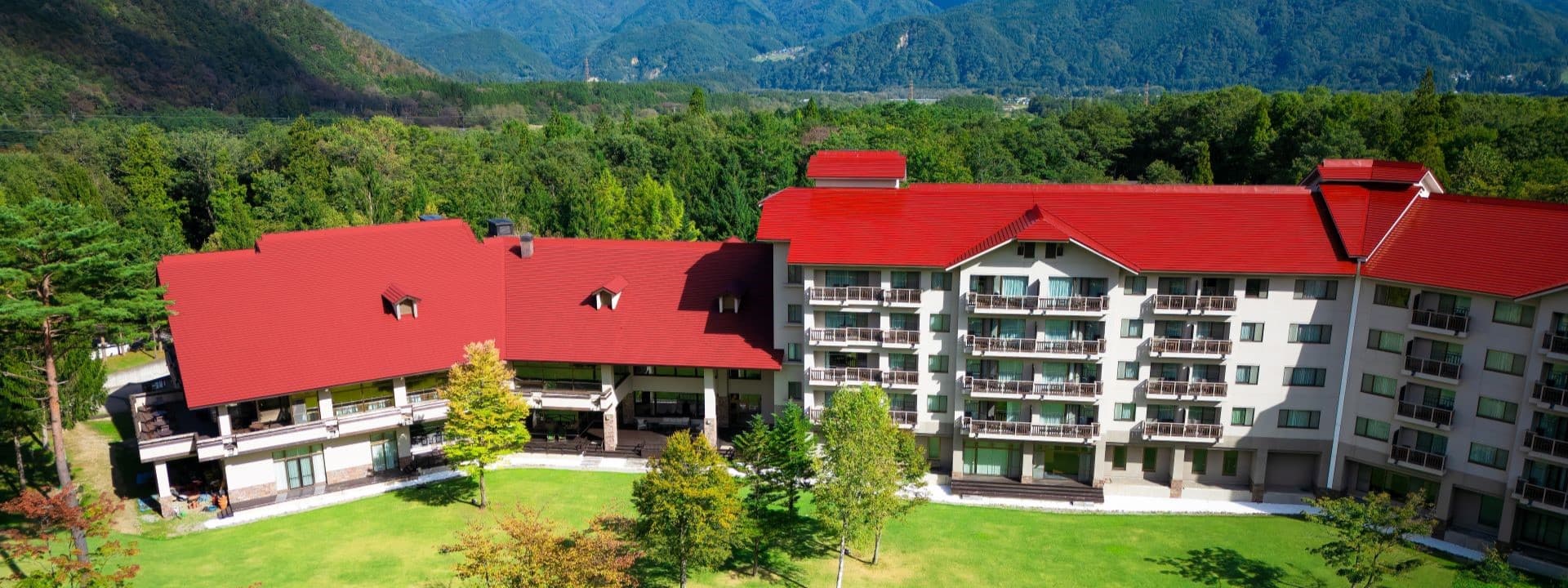
Hakuba Tokyu Hotel — best overall value (Rating: 9.2 | 562 reviews)
At a 9.2 rating across 562 reviews, Hakuba Tokyu Hotel carries the most statistically validated score in our Hakuba inventory. A high rating on 20 opinions is one thing; 562 reviews at 9.2 is a consistency signal. The hotel sits near Happo-one with indoor and outdoor natural hot-spring baths fed by Happo Onsen's alkaline water, plus kashikiri private bath hire for guests who want exclusive sessions.
Pricing from ~$163/pp/night puts it in the mid tier — exceptional value for the review depth, ski proximity, and English-language services including a ski concierge. Tattoo policy: private_only. The communal bath is restricted for tattooed guests, but kashikiri resolves this directly — book a session slot at the same time you reserve the room. Available on Trip.com, Booking.com, and Expedia.
The safest, most proven pick in Hakuba across budget, onsen quality, and ski access. For the majority of travelers landing on this page, the search ends here.
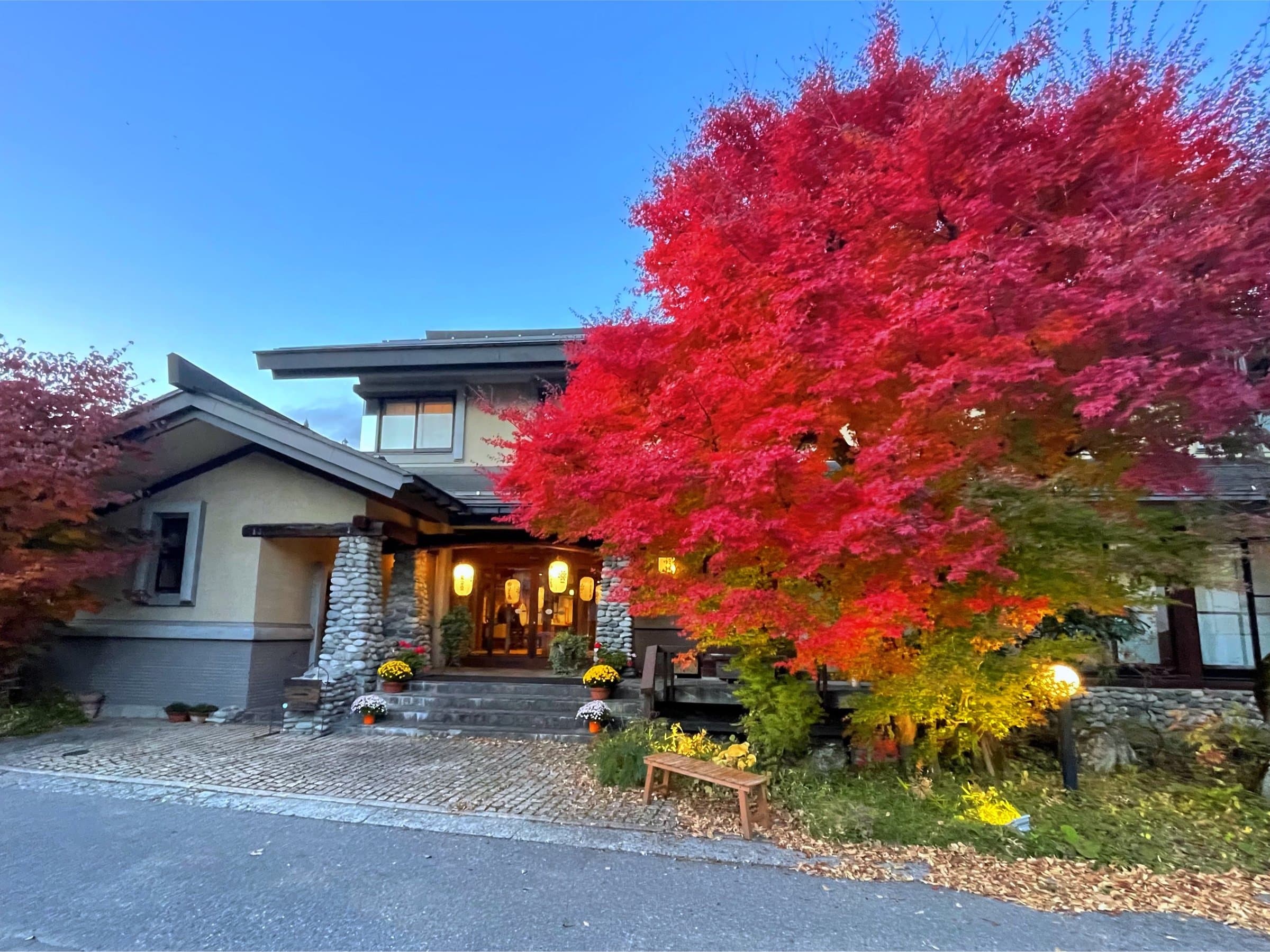
Hakuba Onsen Ryokan Shirouma-so — best for tattooed travelers (Rating: 9.1 | 63 reviews)
Shirouma-so is a family-run modern ryokan at the Happo-one ski base, with source-fed Happo Onsen baths and a reservable private bath. The English-speaking owners have built a genuine English-first booking experience — rare in the traditional ryokan sector outside of Kyoto.
At ~$128/pp/night it is the best-value mid-range entry in Hakuba. The standout data point in our inventory: tattoo policy: allowed. Shirouma-so is the only property in our verified Hakuba database with a blanket allowance for tattoos in all baths — communal and private. For tattooed travelers, this single fact changes the calculation entirely. That said, policies can shift seasonally, so confirm via Trip.com messaging before booking. See our guide to tattoo-friendly ryokans in Japan for the broader picture.
Best for tattooed travelers who want onsen access without workarounds or extra fees — but also worth considering as a solo-traveler or budget-skier pick, given the English-speaking owners and the Happo-one ski base location.
Yamanosato Hotel Hakuba Hifumi — best in-room rotenburo (Rating: 9.0 | 64 reviews)
Six of Hifumi's ten rooms have private open-air rotenburo on the terrace. The onsen source feeds that pH 11.2 Happo Onsen alkaline water directly to your room. No communal schedules, no shared space, no ban applies.
At ~$238/pp/night it is Hakuba's luxury entry point, and the in-room rotenburo justifies the premium for the right traveler. Tattoo policy: unknown in our database — but guests in the six rotenburo rooms are unaffected by any communal policy, making this practically accessible for tattooed travelers seeking a luxury footing without navigating kashikiri availability. English-friendly. Available on Trip.com and Expedia.
If Hakuba Tokyu is the pragmatic choice and Shirouma-so is the tattooed traveler's choice, Hifumi is the honeymoon choice — in-room water at pH 11.2, no schedules, no shared anything.
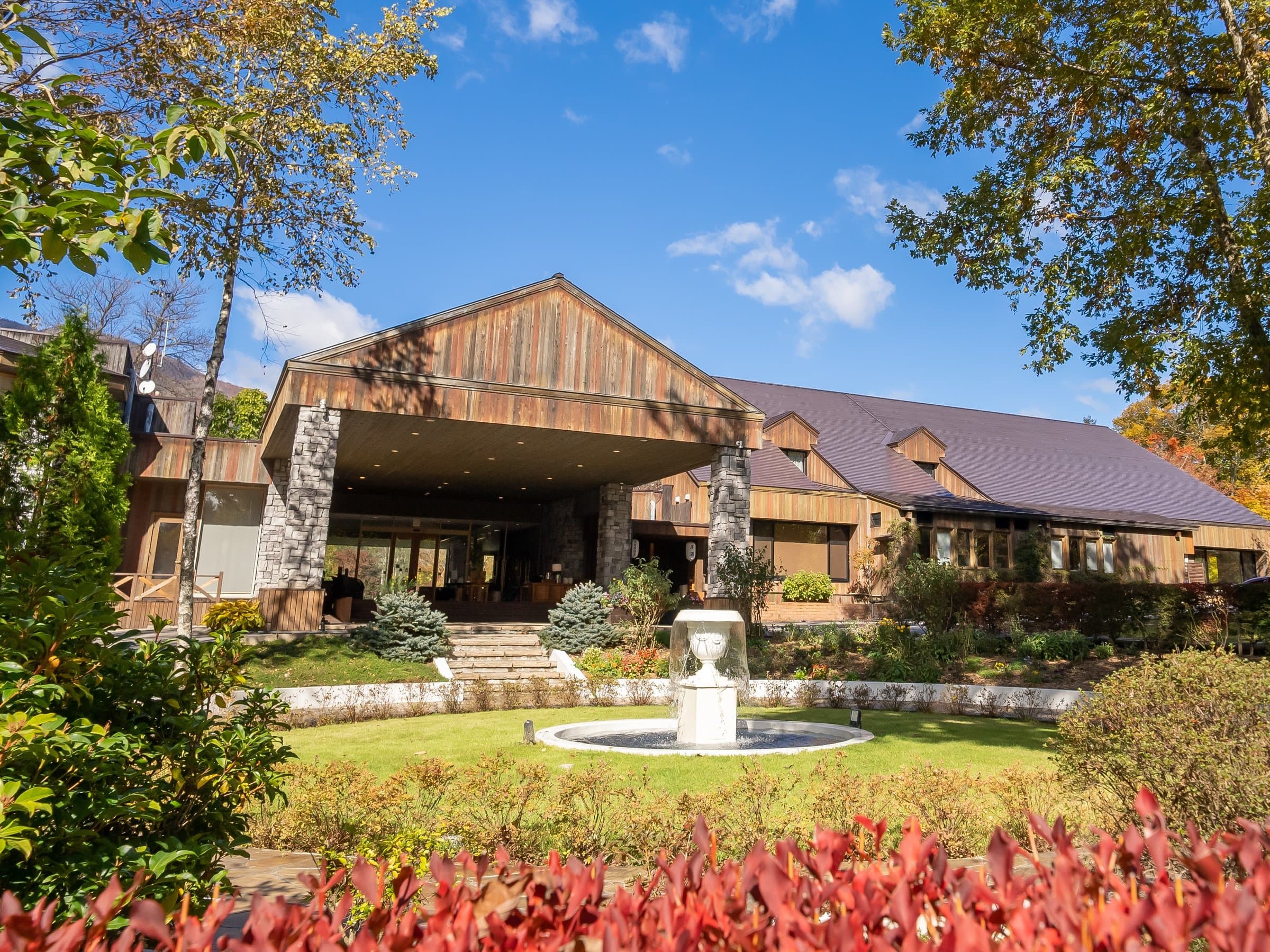
Hotel Sierra Resort Hakuba — best luxury forest retreat (Rating: 9.1 | 101 reviews)
Sierra Resort draws from Mizubasho Onsen — a distinct source from the Happo Onsen that feeds most Hakuba ryokan — and supplements it with three private rental baths and an all-inclusive lounge. The French dining option is the differentiator: if you want traditional kaiseki one night and a French-accented meal the next, this is the property in Hakuba.
Pricing from ~$181/pp/night sits at the luxury tier. Tattoo policy: unknown — three private rental baths function as the practical workaround; confirm the communal policy directly before booking. English-friendly. Available on Trip.com, Booking.com, and Expedia.
Non-skiers after resort comfort with onsen and the option to eat something other than kaiseki for one dinner will find Sierra Resort the most rounded package in the valley.
Hakuba Marukin Ryokan — most authentic traditional feel (Rating: 9.2 | 148 reviews)
Marukin is a 30-room long-established Happo Onsen ryokan — the one that feels most like what Japanese domestic travelers seek in Hakuba. Natural alkaline hot-spring baths. Seven minutes on foot to the Happo gondola base. The 9.2 rating on 148 reviews is well-earned and validates the traditional-ryokan feel at a mid-range price.
At ~$175/pp/night it competes on price with Hakuba Tokyu but offers a more domestic Japanese operational character — less English infrastructure, more traditional service rhythm. Tattoo policy: unknown. Communal bath only, no private bath available — tattooed travelers should contact the property in advance or choose Shirouma-so. Book via Trip.com for an English-language confirmation trail.
Where Hakuba Tokyu is polished and international, Marukin is comfortable and Japanese — worth the slight English friction for travelers who want the domestic ryokan atmosphere without the luxury markup.
Also in Hakuba — five more verified properties:
Ryokan Mokuzin (9.0, 10 rooms) — small family operation near Goryu with local-ingredient game cuisine; communal onsen; from ~$100/pp. On Trip.com, Booking.com, and Expedia.
Ryokan Furuya (8.7, 16 rooms) — 5-minute walk to Happo slopes; natural Happo Onsen baths; English-friendly; from ~$140/pp. On Trip.com and Booking.com.
Matsunoki-tei (8.8) — ski-to-door at Tsugaike Kogen; English-friendly; from ~$84/pp. Important caveat: no natural onsen — public bath only. Worth knowing before booking if onsen is a priority.
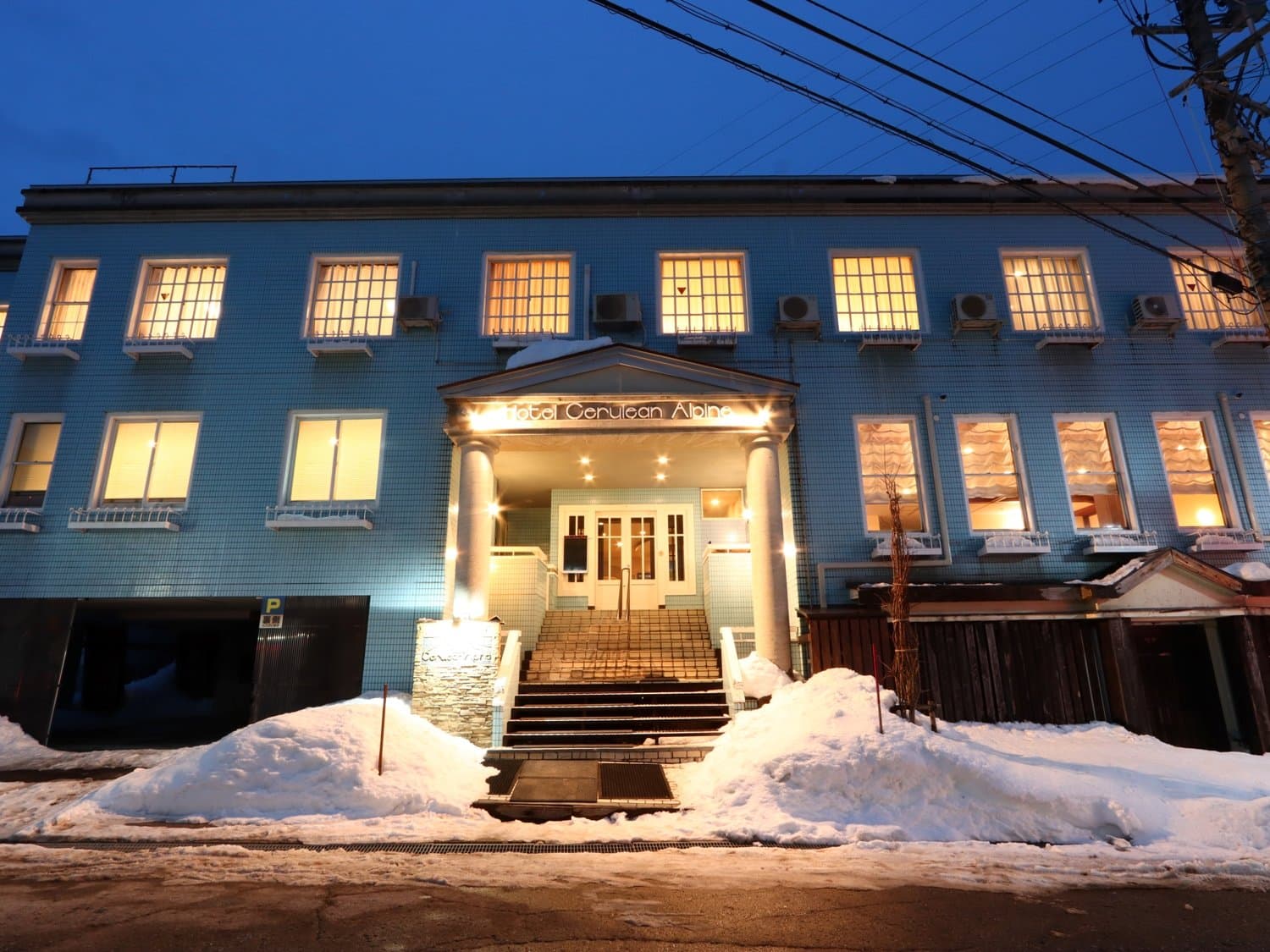
Hotel Cerulean Alpen (8.6) — Tsugaike budget option with Hakuba Himekawa Onsen; communal only; from ~$130/pp.
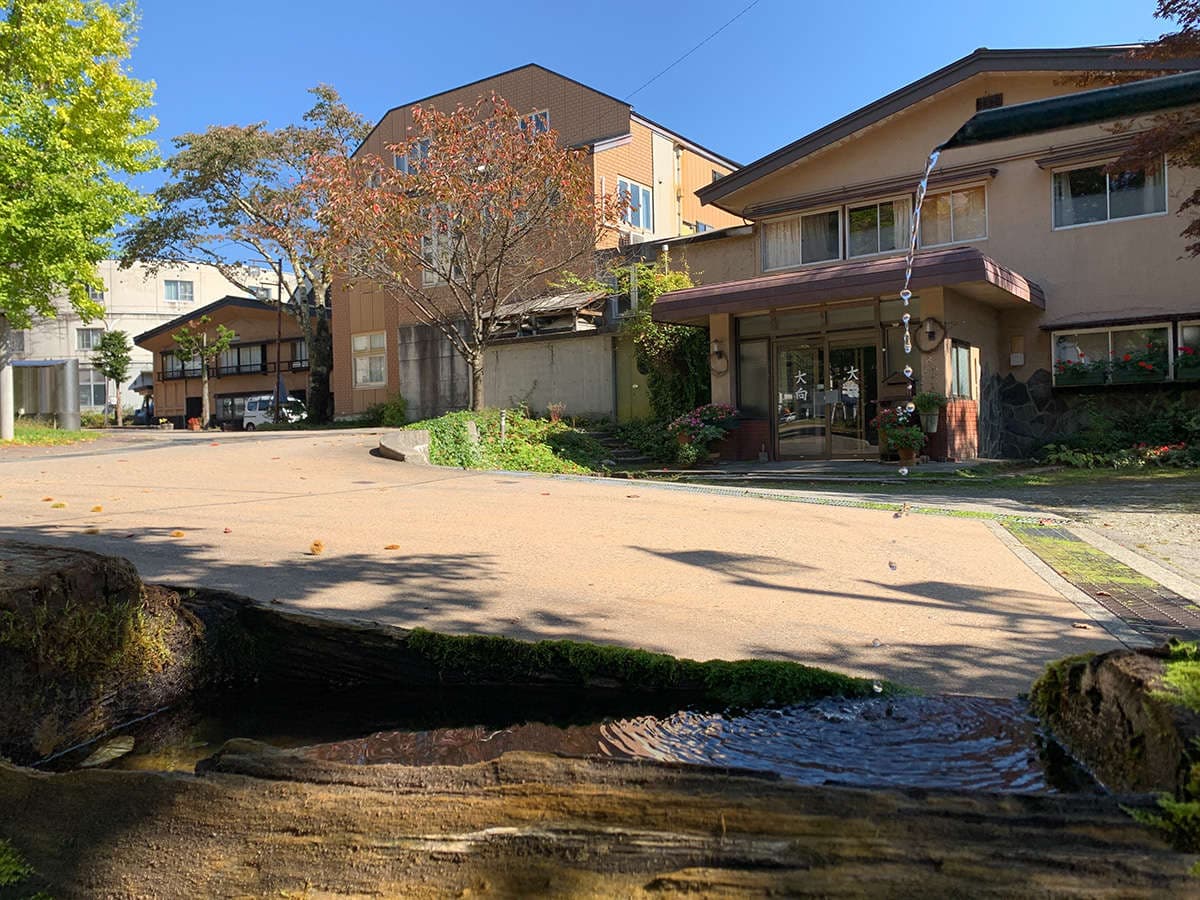
Oomukou Ryokan (8.6, 10 rooms) — bilingual hosts; 5-minute walk to Happo; budget from ~$93/pp; communal Happo Onsen.
See the complete Hakuba ryokan lineup for all 10 properties with live pricing.
Ready to book?
Book one of these top picks
Compare live availability and prices across booking sites.
Ryokan Mokuzin
旅館もくじん
Hakuba·Mid-Range
from US$100 · per person · per nightfrom ≈ US$200 total for 2 guests



Ryokan Furuya
旅館FURUYA
Hakuba·Mid-Range
from US$140 · per person · per nightfrom ≈ US$280 total for 2 guests
Matsunoki-tei
松ノ木亭
Hakuba·Budget
from US$84 · per person · per nightfrom ≈ US$168 total for 2 guests
Hotel Cerulean Alpen
ホテルセルリアンアルペン
Hakuba·Budget
from US$130 · per person · per nightfrom ≈ US$260 total for 2 guests
Oomukou Ryokan
八方温泉 大向旅館
Hakuba·Budget
from US$93 · per person · per nightfrom ≈ US$186 total for 2 guests
Booking links may earn us a commission at no extra cost to you.
 Pin to Pinterest
Best ryokans in Shirahone Onsen, Nagano (milky-white sulfur waters)
Shirahone is where onsen purists end up. The water is genuinely white — not slightly off-clear but opaque, the color of whole milk. Calcium and magnesium bicarbonate compounds decompose on contact with air and precipitate sulfur particles; the water is transparent at the source and turns white as it fills the bath. Despite the dramatic appearance, the mineral composition is mild enough for children and elderly guests. Japan Alps Guide The area sits within Chubusangaku National Park.
The local saying, printed on village signage: "Bathe for three days and you will not catch a cold for three years." Whether you take the folklore literally, Shirahone's remoteness is itself part of the draw — it is not a convenience destination.
Our full Shirahone Onsen area guide covers all eight properties. For deeper context, our dedicated Shirahone deep-dive goes property by property. Key access note: there is no train to Shirahone — the Alpico bus from Matsumoto takes approximately 80–90 minutes (no seat reservation required), or drive. Confirm whether your ryokan offers a shuttle from the bus stop before arriving.
Our highest-rated property across the entire Nagano inventory — 9.4 — is in Shirahone.
Katsura no Yu Maruei Ryokan — highest-rated in all of Nagano (Rating: 9.4 | 562 reviews)
A 9.4 rating on 562 reviews is not a fluke. Maruei is a family-run budget ryokan with an indoor communal onsen — unpretentious, home-style mountain cooking, the kind of place Japanese domestic travelers research carefully and return to. The 562-review volume at 9.4 removes any doubt about statistical noise.
Pricing $100–200/pp/night makes it the strongest value proposition in our entire Nagano inventory: the highest-rated property at a budget-to-mid price point. Tattoo policy: unknown. The onsen is communal with no private bath option — tattooed travelers must contact the property directly before booking. English-friendliness is limited; book via Trip.com for an English-language confirmation. Available on Trip.com.
The gap between Maruei (9.4, 562 reviews) and the next entry — Yumoto Saito (9.2, 9 reviews) — tells you something useful. The confidence behind Maruei's score is overwhelming. Budget-conscious onsen purists comfortable in a minimally English-speaking, home-style mountain environment will find nothing better in Shirahone.
Yumoto Saito Ryokan — oldest in Shirahone, established 1738 (Rating: 9.2 | 9 reviews)
The property states it was established in 1738 and that its hot spring source has flowed since the Kamakura period — nearly 300 years of continuous operation, according to the property's own stated history. One data point to disclose: the review count is 9. The 9.2 rating here carries less statistical weight than Maruei's 562-review figure — worth factoring into your decision alongside the heritage premium.
What is not in question is the historical significance: Yumoto Saito is the most heritage-weighted option in our Shirahone lineup. Pricing $250–600/pp/night (luxury tier) reflects the heritage, private spring ownership, and prestige. Tattoo policy: private_only — the communal bath is restricted for tattooed guests, but a private onsen session is available. Book the private bath simultaneously with the room reservation. English-friendliness is limited. Available on Trip.com and Expedia.
The honest framing: you're paying a heritage premium on 9 reviews. If bathing in a spring reportedly flowing since the 13th century means something to you, the premium is coherent. If it doesn't, Maruei delivers stronger validated comfort at a fraction of the price.
Sansuikan Yugawaso — most dramatic setting (Rating: 9.2 | 478 reviews)
You reach Yugawaso by crossing a private suspension bridge over a mountain river. That arrival detail is load-bearing for some travelers and irrelevant to others — but for the ones it lands on, no other property arrival in Nagano competes. This riverside property has four private open-air baths fed by Shirahone's milky-white sulfur water, all included at no extra charge. There is no communal bath.
Entry pricing from ~$95/pp/night is genuinely accessible for a property with this setting, a 9.2 rating, and 478 reviews — the third-largest review base in our Shirahone inventory. Tattoo policy: unknown — but since all four baths are private, a communal ban is moot in practice. Effectively tattoo-accessible; confirm with the property directly. English-friendliness is limited. Available on Trip.com.
You either find that suspension bridge crossing essential or you don't — that instinct tells you whether this property fits.
Shirafuneso Shintaku Ryokan — best for families (Rating: 9.2 | 1,099 reviews)
With 1,099 reviews, Shintaku is the most-reviewed high-rated property in our entire Shirahone lineup — by a significant margin. The 39 rooms, the largest confirmed count in our Shirahone inventory, mean availability is more realistic during shoulder season than the smaller properties. The operational differentiator for families: free kashikiri family baths included in the room rate, not charged as an add-on. Milky-white sulfur baths run free-flowing; a forest open-air bath is also available.
Pricing from ~$130/pp/night (mid tier) with private baths included makes this the most family-practical pick in Shirahone. Tattoo policy: unknown — the included private family baths function as the natural workaround. English-friendliness is limited. Available on Trip.com.
The review volume and free private bath inclusion make Shintaku the clearest recommendation for families or groups — no extra fees, no scheduling pressure, and 1,099 past guests to validate the consistency.
Also in Shirahone — four more verified properties:
Awanoyu Ryokan (8.7) — famous for a vast mixed-gender outdoor bath where milky water carries natural carbonic bubbles that cling to skin; private bath available alongside. Tattoo policy: private_only — communal bath restricted; book the private bath session. Luxury $250–500/pp. On Trip.com, Booking.com, and Expedia.
Shirafune Grand Hotel (8.6) — one of the more Western-friendly, larger-scale options in Shirahone; contemporary resort character; panoramic open-air baths; sauna; drinking spring. Mid-tier, ~$200–550/pp. Tattoo policy: cover_up — the only Shirahone property in our inventory where covered tattoos are accepted in communal baths, and the only English-friendly property in the area. For tattooed travelers who want communal access, this is the sole viable option in Shirahone. On Trip.com, Booking.com, and Expedia.
Konashi no Yu Sasaya (8.4, 10 rooms) — birch forest hideaway; refined kaiseki from Shinshu seasonal ingredients; private open-air baths. Tattoo policy: private_only — private bath available. Luxury $250–650/pp. On Trip.com, Booking.com, and Expedia.
Oyado Tsuruya (7.9) — riverside; softest mineral water in Shirahone per property description; communal onsen only; mid-price $150–350/pp. On Trip.com, Booking.com, and Expedia.
See the full Shirahone ryokan listings for live pricing across all eight properties.
Ready to book?
Book one of these top picks
Compare live availability and prices across booking sites.

Awanoyu Ryokan
泡の湯旅館
Shirahone·Luxury
from US$250 · per person · per nightfrom ≈ US$500 total for 2 guests

Shirafune Grand Hotel
白船グランドホテル
Shirahone·Mid-Range
from US$200 · per person · per nightfrom ≈ US$400 total for 2 guests
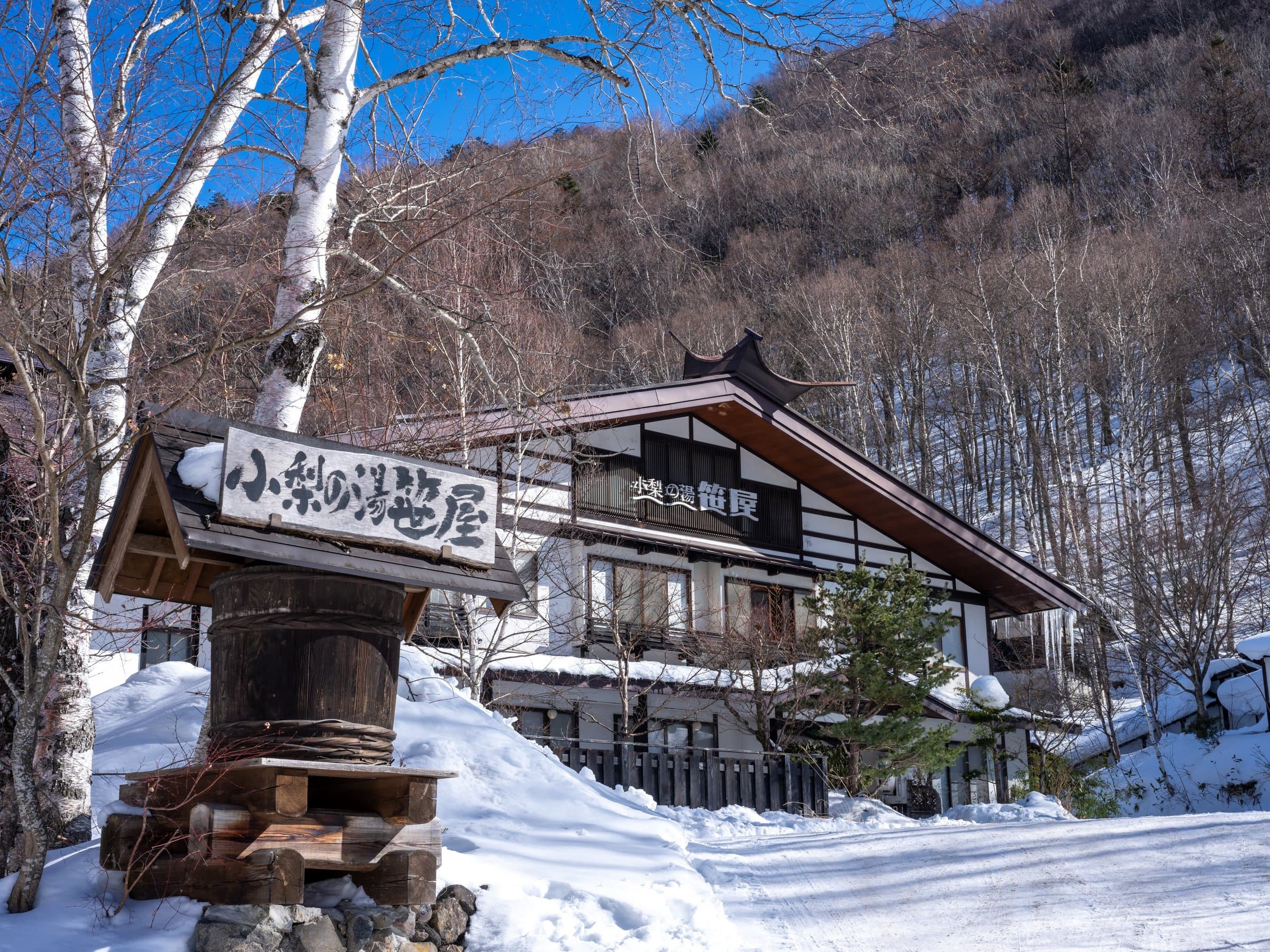
Konashi no Yu Sasaya
小梨の湯 笹屋
Shirahone·Luxury
from US$250 · per person · per nightfrom ≈ US$500 total for 2 guests
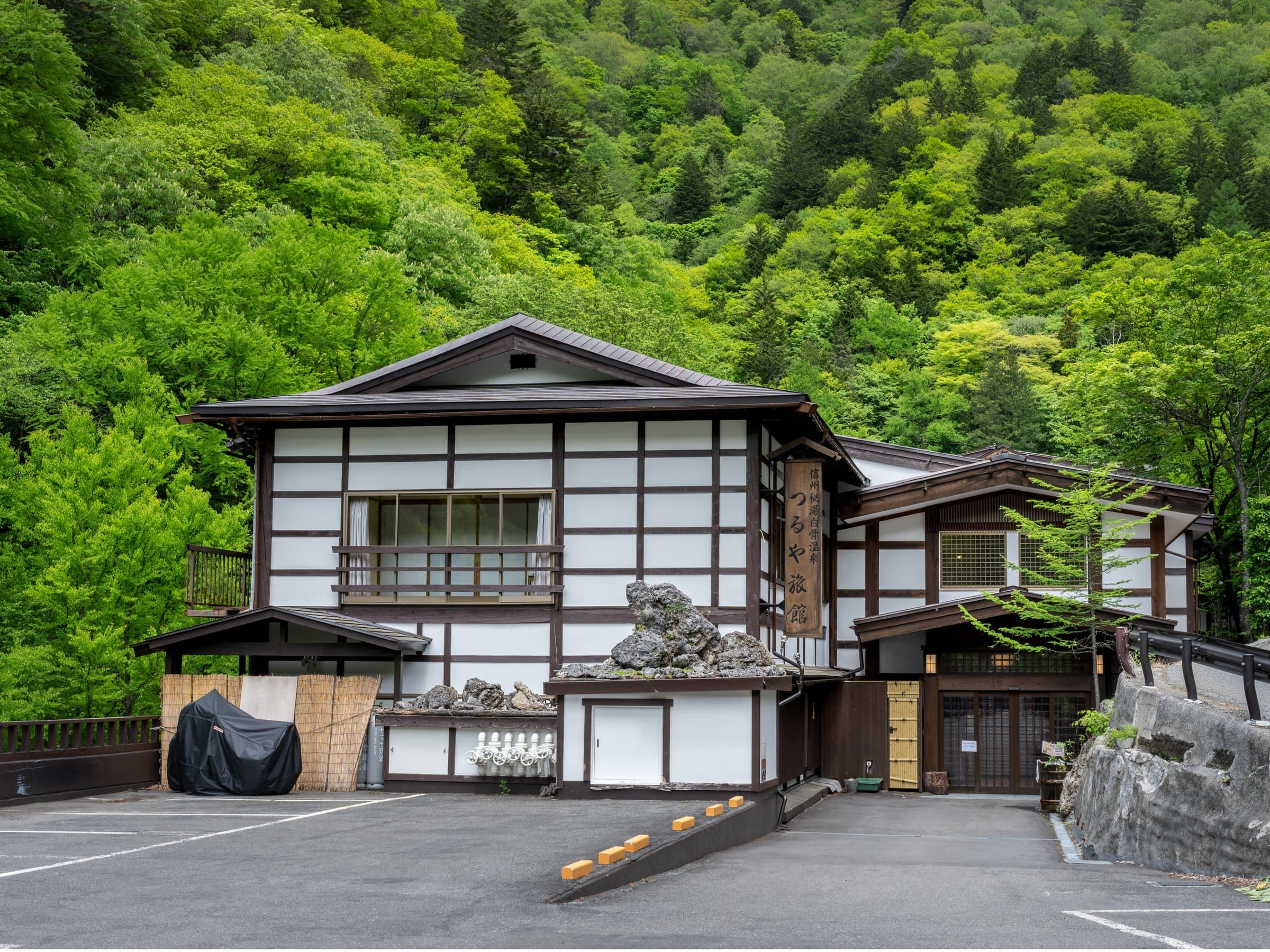
Oyado Tsuruya
お宿つるや
Shirahone·Mid-Range
from US$150 · per person · per nightfrom ≈ US$300 total for 2 guests
Booking links may earn us a commission at no extra cost to you.
 Pin to Pinterest
Snow monkey country: Shibu Onsen & Yudanaka
Stay in Shibu if the nine-bath circuit with key-in-hand matters. Stay in Yudanaka if logistics matter more.
Yudanaka is the practical base. It is the terminus of the Nagano Dentetsu line — the station you arrive at after roughly 45 minutes on the Limited Express from Nagano City. More accommodation options, easier to reach, slightly lower prices than Shibu. Most travelers who are here primarily for the snow monkeys and secondarily for atmosphere will be most comfortable in Yudanaka.
Shibu Onsen is the atmospheric one. A ten-minute walk uphill from Yudanaka Station, it has stone-paved lanes, wooden machiya shopfronts, and a system of nine communal soto-yu bathhouses accessible only to registered inn guests via a key issued at check-in. The town's history reaches approximately 1,300 years, attributed to the Buddhist priest Goki of the Nara period — historically a rest stop for pilgrims walking to Zenkoji Temple. Where and Wander's guide covers the soto-yu system in detail. The largest bath, O-yu, is available to day visitors at ¥500 — but the full nine-bath circuit belongs to inn guests only.
Snow monkey logistics: The Jigokudani Monkey Park sits at the end of a 1.6 km forest trail from the Kanbayashi Onsen trailhead. In summer the walk from the bus stop takes roughly 30–40 minutes; in winter — peak season, when monkeys are reliably in the pool — expect 35–50 minutes total, including the icy trail and the walk through Kanbayashi village to the trail entrance. Entry is ¥800 for adults, ¥400 for children 6–17, free under 5 — purchased at the park gate, no advance reservation. Winter hours: 9:00 am – 4:00 pm.
The monkeys enter the thermal pool reliably in January–February, when cold temperatures drive them in consistently. December and March are also viable. Outside this window, macaques are visible in the park year-round but typically remain in the surrounding forest, not in the onsen pool. Autumn pool-bathing sightings are particularly sporadic per park records. If the monkey-in-the-pool image is the primary goal, January or February is the only reliable window — not an obvious seasonal truth, but an important one.
Arrive at the park by 9:00 am before tour buses. Monkeys naturally appear in the early morning hours.
On tattoos: Shibu's communal soto-yu apply universal tattoo bans. If you have visible tattoos, choose a Yudanaka property with kashikiri or in-room bath options.
Price context: Yudanaka budget-tier from approximately ¥8,000/pp; Shibu mid-tier from approximately ¥15,000–25,000/pp.
We do not hold verified property inventory for these areas. Use the Trip.com search link below to browse current availability.
Two more Nagano onsen areas worth knowing
Nozawa Onsen
Nozawa Onsen is the only destination on this list where the ski resort sits directly above the onsen village — they are genuinely integrated, not merely adjacent. That integration is the reason to come here rather than Hakuba: in Hakuba you shuttle to the slopes; in Nozawa you click into your skis from the village lanes. In the evening you trade those ski boots for wooden geta sandals and walk to whichever of the 13 free soto-yu bathhouses you haven't visited yet, maintained by yu-nakama community organizations since the Edo period. Over 1,200 years of hot spring history.
The cedar roofs of those bathhouses collect snow from November through March into something that looks deliberately scenic — low-slung, smoke-grey timbers, steam drifting off the eaves — but it's just what the town looks like in winter. That combination of functional ski terrain above and living onsen culture below is what separates Nozawa from every other mountain resort in Nagano.
One factual correction from other travel guides: Ogama is not a bathing pool. It is a 90°C cooking and boiling spring — a national monument used by villagers to cook Nozawana pickled vegetables and boil eggs. The water temperature makes bathing physically impossible. A separate small bathhouse nearby is open to visitors, but Ogama itself is a cooking spring. Tan-Ken.com's guide
Best timing: January–February for ski plus onsen in combination. The wooden machiya streetscape and free public bath access make this the most coherent ski-village onsen experience in Nagano for travelers who don't require Hakuba's international infrastructure.
Access: Hokuriku Shinkansen to Iiyama (~1h 40 min, ¥8,890 reserved adult) then the Nozawa Onsen Liner bus, approximately 20–25 minutes — the bus departs roughly 10 minutes after each shinkansen arrival. Total from Tokyo: approximately 2 hours. Nozawa Onsen Portal
Price range: mid-tier ¥15,000–30,000/pp. We provide editorial context only — no verified property inventory for Nozawa.
Bessho Onsen
Bessho Onsen is Nagano's oldest onsen town and the quietest of the six areas in this guide. There are no ski slopes, no Instagram lines, no tour buses from Nagano City. That quiet is the point. The sodium chloride springs here are soft and colorless — the kind of water that soaks into tired muscles without drama, in communal baths that feel more neighborhood bathhouse than destination resort. Prices reflect the lack of crowds: budget to mid ¥8,000–20,000/pp puts it in reach of travelers who found Shibu too expensive or Nozawa too ski-focused.
The specific reason to plan a night here rather than just a day trip is Anrakuji Temple, which holds Japan's only surviving wooden octagonal three-tiered pagoda (hakkaku sanjunoto). Built in Chinese Song-dynasty Zen architectural style during the Kamakura period (circa 1290s, confirmed by tree-ring dating), 18.75 meters tall, designated a National Treasure in 1952. It is the sole example of this structural type in Japan, and it makes Anrakuji the oldest Zen temple in the Shinshu region. You can walk from the main onsen street to the temple grounds in about 10 minutes — the combination of a quiet communal soak in the evening and the pagoda in the morning light makes for an itinerary no other Nagano area replicates. Wikipedia — Anraku-ji (Ueda))
Access is the most straightforward of any minor Nagano onsen area: Hokuriku Shinkansen to Ueda, then the Ueda Dentetsu Bessho Line approximately 30 minutes for ¥590, with approximately hourly service. Ueda Dentetsu A practical add-on for travelers combining with Ueda Castle or a Matsumoto day trip.
We provide editorial context only — no verified property inventory for Bessho.
When to visit Nagano: seasonal decision matrix
| Season | Best Area | Highlight | Crowds | Booking Lead Time |
|---|---|---|---|---|
| Dec–Feb (Winter) | Hakuba (ski) / Yudanaka–Shibu (snow monkeys) | Powder ski Jan–Feb; monkeys reliably in pool Jan–Feb | High — Hakuba weekends sell out | 3–4 months ahead |
| Mar (Late Winter) | Hakuba late season / Shirahone snowpack | Quieter ski, rotenburo in remaining snow | Moderate | Shoulder rates possible |
| Apr–May (Spring) | Shirahone / Bessho | Cherry blossom; Kamikochi opens April 17; best-value window | Low | 2–3 weeks sufficient |
| Jun–Aug (Summer) | Shirahone / Nozawa / Shibu | Cool mountain air; Kamikochi hiking open through November 15 | Moderate | 4–6 weeks ahead |
| Sep–Nov (Autumn) | Shirahone / Nozawa / Hakuba | Foliage peaks early–mid October at alpine elevations (~1,500 m+); mid-October at lower elevations | Low–Moderate | Best shoulder window overall |
Tip
Snow monkey window: January–February is the only period when Jigokudani macaques reliably enter the thermal pool. Outside December–March, monkeys are visible in the park but typically remain in the surrounding forest. Autumn pool-bathing sightings are particularly sporadic per park records. Jigokudani Yaen-Koen
Tattoos & Nagano onsen: what to know before you book
Tattoo bans in communal onsen are the default across all six Nagano areas — universally enforced in historic towns like Shibu, Bessho, and Nozawa. This is structural, not arbitrary: the communal bath is a shared space governed by rules that predate contemporary tattoo culture in Japan. What has changed is the practical landscape of workarounds.
Three workarounds, in order of cost:
1. Kashikiri private hire — available at most mid and luxury properties; approximately ¥1,500–3,000 per session, 45–60 minutes exclusive use. Book at the time you reserve the room, not on arrival.
2. In-room rotenburo — premium room category with private outdoor bath on your terrace. No communal policy applies. No session bookings needed.
3. Book a tattoo-permitted property outright — rare, but confirmed in our Hakuba inventory.
Named properties from our verified database:
| Policy | Property | Notes |
|---|---|---|
| Allowed (blanket) | Hakuba Onsen Ryokan Shirouma-so | Only confirmed full allowance in our Hakuba inventory — confirm policy hasn't shifted seasonally |
| private_only | Hakuba Tokyu Hotel | Kashikiri available — book in advance |
| private_only | Yumoto Saito Ryokan (Shirahone) | Private onsen session available — book with reservation |
| private_only | Awanoyu Ryokan (Shirahone) | Private bath available; iconic mixed-gender communal restricted |
| private_only | Konashi no Yu Sasaya (Shirahone) | Private open-air baths available |
| cover_up | Shirafune Grand Hotel (Shirahone) | Only Shirahone property accepting covered tattoos in communal baths; also the only English-friendly Shirahone property |
| All baths private (communal ban moot) | Sansuikan Yugawaso (Shirahone) | All 4 baths are private — no communal exposure |
| In-room rotenburo available | Yamanosato Hotel Hakuba Hifumi | 6 of 10 rooms have private outdoor bath — communal ban irrelevant for those rooms |
Many properties in our inventory list unknown tattoo policy — including Hakuba Marukin, Ryokan Mokuzin, Matsunoki-tei, and several Shirahone properties. "Unknown" means the policy was not confirmed in our verification process, not that tattoos are welcome. Always message the property directly via Trip.com before booking if tattoos apply.
For a full cross-prefecture breakdown, our tattoo-friendly ryokans Japan guide covers verified properties and workarounds across all major onsen regions.
Traveling with tattoos?
Communal onsen bans are the norm in Nagano, but there are reliable workarounds. Our full guide maps tattoo-friendly ryokans and private-bath options across Japan.
How to decide: matching your Nagano priorities to the right area
The decision simplifies quickly once you name your primary pull factor. Ski first: Hakuba, specifically within walking distance of Happo-one. Snow monkeys first: Yudanaka for logistics or Shibu for atmosphere — January or February only if the pool scene is the goal. Onsen purity first: Shirahone. No other Nagano water looks like it, and no other area is as deliberately secluded. Historic atmosphere: Bessho or Nozawa — Nozawa if you want ski and 13 free public baths in combination, Bessho if you want genuine quiet and Japan's only octagonal three-tiered pagoda without the crowds. Two areas in one trip: Hakuba and Shirahone work well as a two-stop itinerary with Matsumoto as a hub.
On booking: Trip.com offers the widest English-language coverage for Nagano ryokan. For January–February — peak ski season and peak snow monkey season simultaneously — book 3–4 months ahead. Hakuba weekends in powder months sell out. April through September, 2–3 weeks of lead time is generally sufficient.
Among the best ryokans in Nagano, the right pick comes down to honest matching: the correct area for your pull factor, the right onsen access for your tattoo situation, and enough lead time to secure the property that actually fits. All 18 verified properties in the Hakuba and Shirahone sections above are bookable with English-language confirmation through Trip.com.
Find your Nagano ryokan
Browse every verified ryokan in Hakuba, Shirahone and beyond, and filter by onsen type, price, and English-friendly service.
FAQ
Frequently asked questions
Which Nagano ryokan is closest to Jigokudani Monkey Park?+
Ryokan in Yudanaka and Shibu Onsen are the closest bases. Jigokudani is reached via the Kanbayashi Onsen trailhead — a 30–40 minute walk from the bus stop in summer, 35–50 minutes in winter conditions including the icy trail. Staying in either town lets you reach the park gate by 9:00 am before tour buses arrive. We do not hold verified property inventory for these areas — use our Trip.com search link in the Shibu/Yudanaka section above.
How much does a ryokan in Nagano cost per night?+
Budget properties start around ¥8,000–15,000/pp/night including two full meals. Mid-range (full kaiseki dinner and Japanese breakfast — the sweet spot for most Western travelers) runs ¥20,000–38,000/pp. Luxury in-room rotenburo properties in Hakuba and Shirahone run ¥50,000–100,000+/pp. Prices are per-person based on double occupancy and almost always include both meals.
Do Nagano ryokans allow tattoos in the onsen?+
Most communal onsen ban tattoos. Three practical workarounds: (1) book kashikiri private bath hire — approximately ¥1,500–3,000/session, 45–60 minutes; (2) choose a room with an in-room rotenburo; (3) book Hakuba Onsen Ryokan Shirouma-so — the only property in our verified Hakuba inventory with a blanket tattoo allowance across all baths. Shirafune Grand Hotel in Shirahone accepts covered tattoos in communal baths. The tattoo section above contains the full property-level table.
What is the difference between Shibu Onsen and Yudanaka?+
Yudanaka is the Nagano Dentetsu railway terminus — more accommodation options, easier to reach, slightly lower prices. Shibu Onsen is 10 minutes uphill — stone-paved lanes, registered inn guests receive a key to nine communal soto-yu bathhouses not accessible to day visitors, stronger traditional atmosphere, limited English. Most snow monkey visitors base in Yudanaka for logistics and walk or shuttle up to Shibu for the atmosphere.
Are there ski-in ski-out ryokans in Hakuba?+
True ski-in/ski-out is rare in Hakuba's traditional ryokan stock. Several properties are within a short walk of the Happo-one gondola base: Hakuba Marukin (7 minutes to gondola), Hakuba Onsen Ryokan Shirouma-so (at the ski base), and Ryokan Furuya (5 minutes to slopes). Matsunoki-tei at Tsugaike Kogen offers ski-to-door access at a different resort within Hakuba Valley — though it has no natural onsen, only a public bath.
What is Shirahone Onsen known for?+
Milky-white water. Calcium and magnesium bicarbonate compounds decompose on contact with air and precipitate sulfur particles — water that is transparent at the source turns opaque white in the bath. Local folklore on village signage: "Bathe for three days and you will not catch a cold for three years." Despite the dramatic appearance, the mineral composition is mild. The area sits within Chubusangaku National Park and requires bus or car from Matsumoto — the remoteness is intentional for the travelers who seek it out.
What is included in a ryokan stay in Nagano?+
Standard inclusions: kaiseki multi-course dinner (typically 6–15 courses), Japanese breakfast, yukata for wearing throughout the property, and access to communal onsen. No tipping — service is included in the room rate. Private bath hire (kashikiri) is usually a separate charge. In-room rotenburo rooms include the private bath at no extra onsen cost. Most Nagano properties serve dinner and breakfast in your room or a private dining area.
Still deciding?
Browse ryokans across JapanBooking.com