Quick Comparison
6 picks| Ryokan | From | Rating | Book |
|---|---|---|---|
 | from US$250/person/night≈ US$500 for 2 | 8.7 47 reviews | Book on Agoda |
 | from US$200/person/night≈ US$400 for 2 | 8.6 28 reviews | Book on Booking.com |
 | from US$250/person/night≈ US$500 for 2 | 9.2 9 reviews | Book on Agoda |
 | from US$100/person/night≈ US$200 for 2 | 9.4 562 reviews | Book on Trip.com |
 | from US$150/person/night≈ US$300 for 2 | 7.9 18 reviews | Book on Booking.com |
 | from US$250/person/night≈ US$500 for 2 | 8.4 14 reviews | Book on Agoda |
Shirafune Grand Hotel
Shirahone
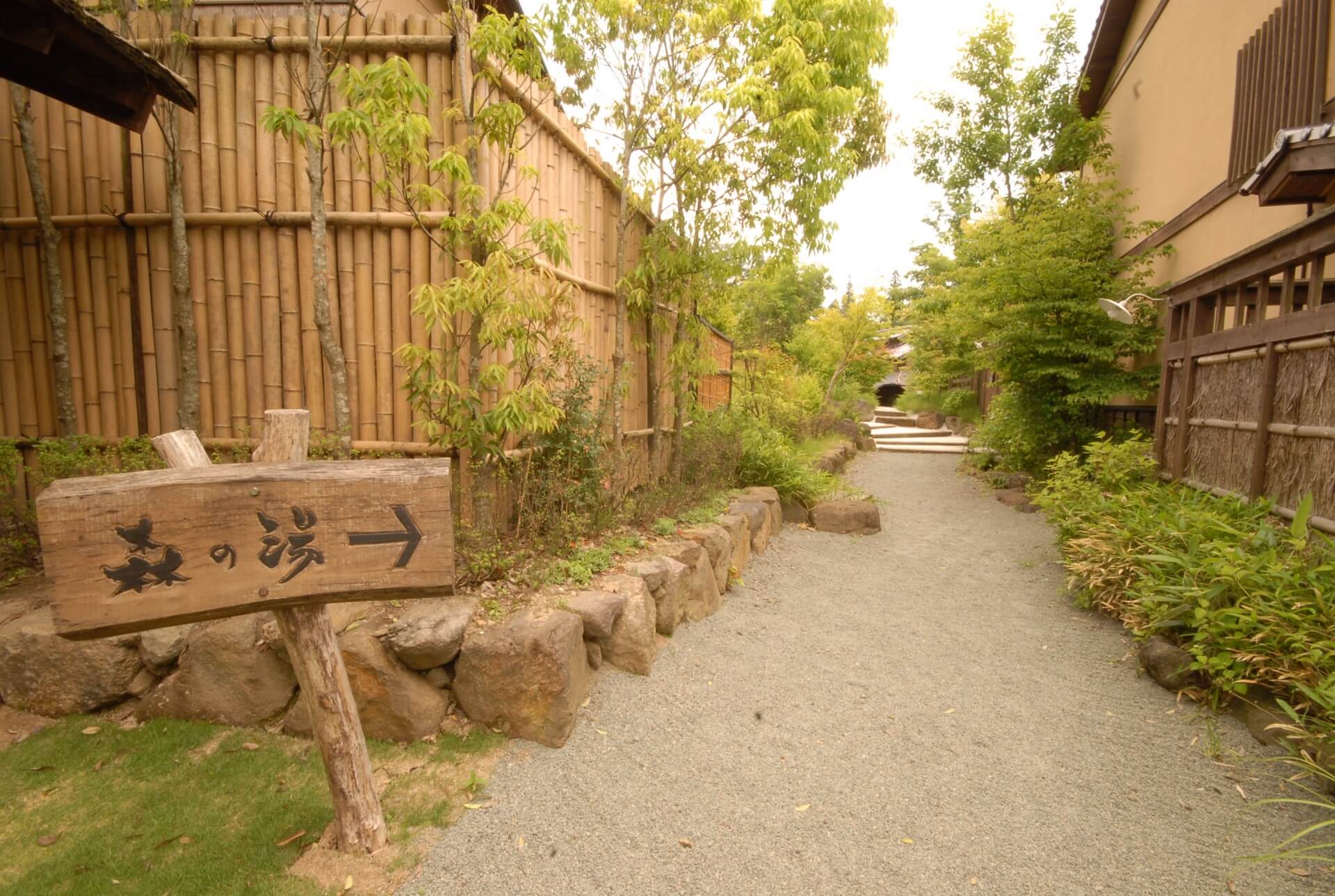
Yumoto Saito Ryokan
Shirahone
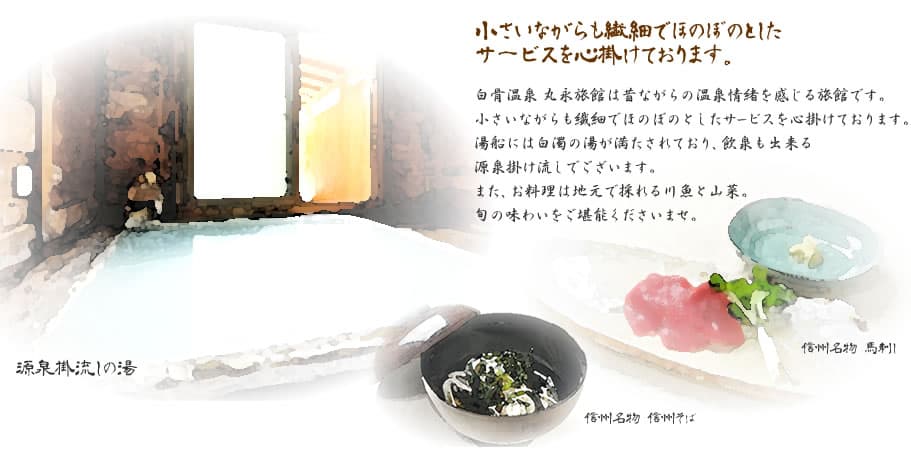
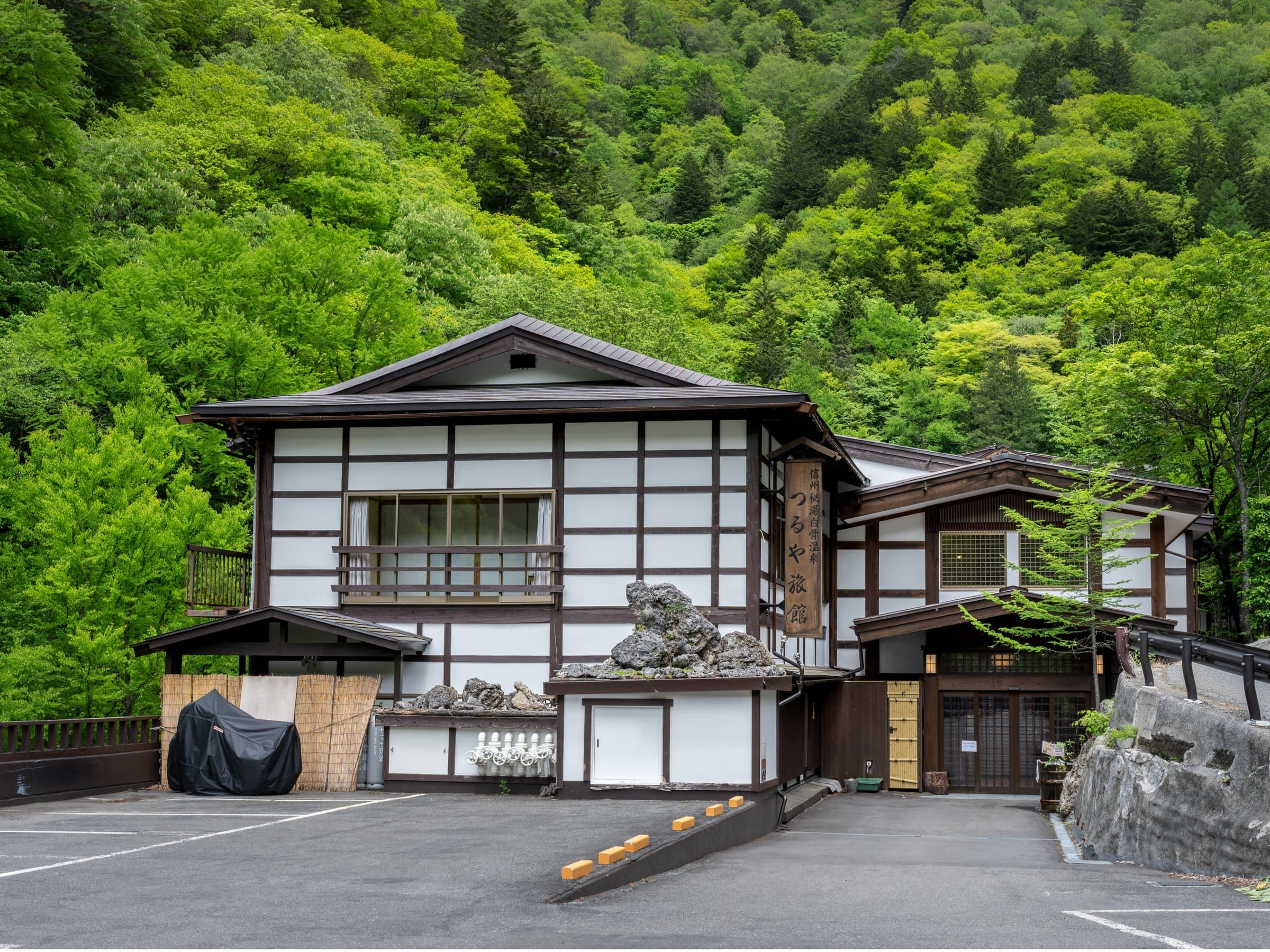
Oyado Tsuruya
Shirahone
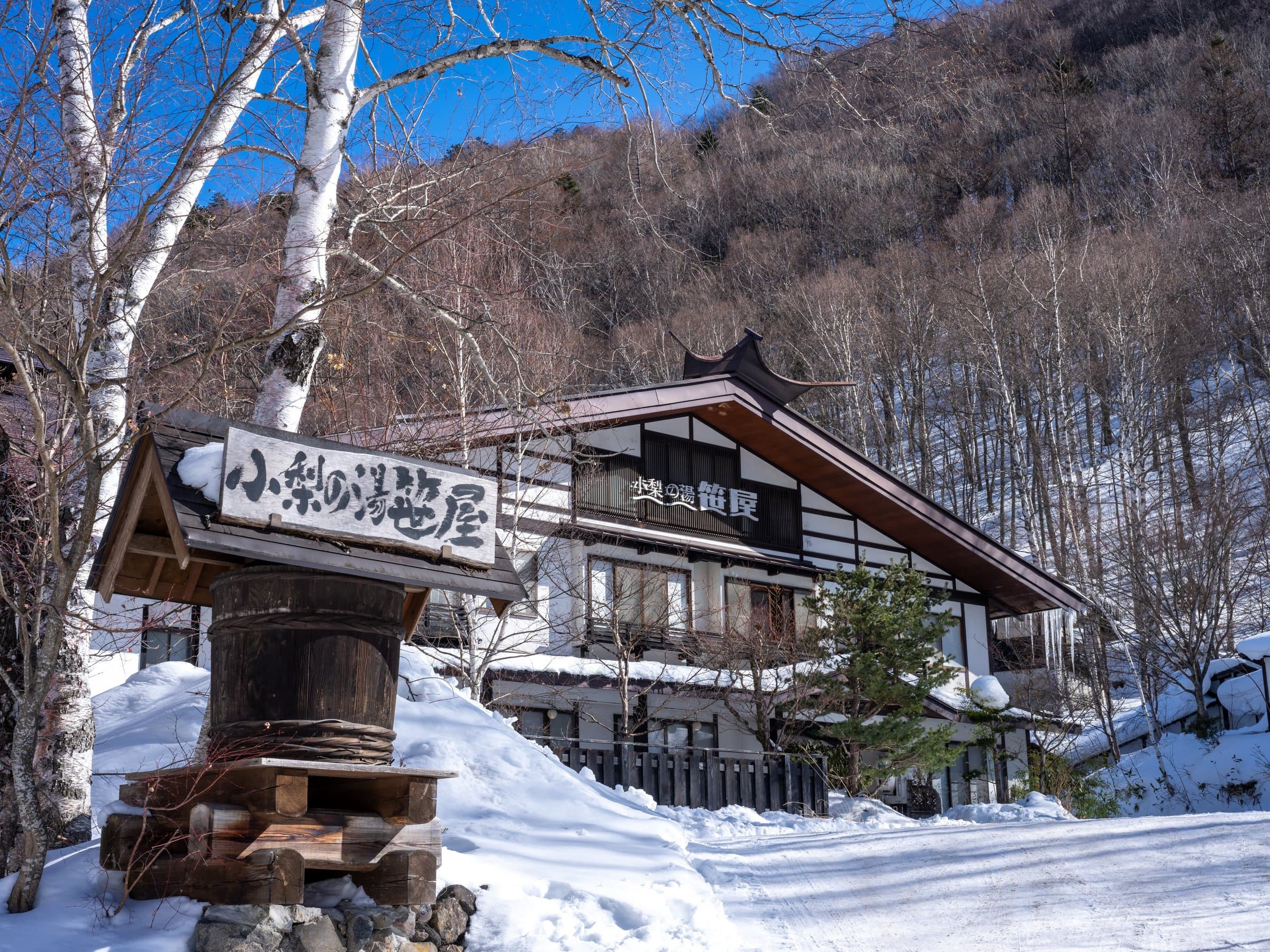
Konashi no Yu Sasaya
Shirahone
Prices shown are approximate starting rates per person per night. We may earn a commission on bookings.
High in the Northern Japan Alps of Nagano Prefecture, Shirahone Onsen is a remote village defined by its most famous asset: its water. The name itself, meaning “white bone,” comes from an Edo-period saying that the calcium-rich springs will strengthen your bones from within — local lore also notes that the calcified deposits forming on the bath rims and downstream rocks resemble bleached bone, giving the village its kanji name (Japan Alps Tourism). What makes this place truly distinct is the water's dramatic transformation. It emerges from the earth perfectly clear but, upon contact with air, turns an opaque, milky blue-white as dissolved minerals precipitate — a process the official Shirahone Onsen tourist association describes as water that "emerges transparent but turns white over time" across more than a dozen natural spring sources (Shirahone Onsen Tourist Association). You can literally watch this geological process happen at the edge of your bath. This isn't just a soak; it's an immersion in a natural phenomenon. For travelers seeking an authentic, high-altitude onsen escape far from the beaten path, a ryokan stay in Shirahone is an essential Japanese experience, just 3.5 hours from Tokyo.
 Pin to Pinterest
Why Shirahone Onsen, Nagano Prefecture for ryokans
Shirahone’s allure is rooted in its unique hydrogeology and its role as an alpine sanctuary. The village sits at roughly 1,400 metres elevation within Chubu-Sangaku National Park in the Azumi district of Matsumoto (Japan Alps Tourism). The milky-white sulfur waters of Shirahone owe their color to high concentrations of calcium and magnesium carbonate plus hydrogen sulfide, which remain dissolved underground but rapidly oxidize and precipitate into fine particles when exposed to the atmosphere — the spring effectively painting itself white as sulphur particles precipitate (Japan Alps Tourism). This process not only creates a visually memorable bath but also imparts a smooth, skin-softening quality to the water. Locals have long held the water in high esteem, believing it has therapeutic properties; a common tradition is to drink a small amount of the spring water and eat onsen-gayu, a rice porridge cooked in the spring water itself, whose minerals turn the rice slightly pink-grey (Japan Alps Tourism).
Beyond the onsen, Shirahone serves as the primary ryokan base for accessing Kamikochi, one of Japan's most spectacular national parks. Open annually from April 17 through November 15 per the official Kamikochi Tourism Association schedule (Kamikochi Tourism Association), Kamikochi is a pristine alpine valley just a 30-minute shuttle bus ride away, making Shirahone an ideal two-part destination for both relaxation and mountain exploration.
1. Awanoyu
If you can only stay at one ryokan in Shirahone, Awanoyu should be it. This historic inn — founded in 1912 at the close of the Meiji era and now boasting more than a century of operation in the valley (Unique Nagano (Nagano Prefecture Tourism)) — is synonymous with the village itself, primarily due to its magnificent and expansive mixed-gender outdoor bath (konyoku rotenburo), the largest and most signature in the area, fed by a documented 1,730-litre-per-minute supply of mineral water (Unique Nagano (Nagano Prefecture Tourism)). This is the bath you’ve seen in photographs, a vast, milky-blue pool set against a backdrop of forested mountains. While it is mixed-gender, the water's opacity provides natural privacy, and there are separate, women-only entrances and sections. The experience of soaking in this grand bath, feeling the soft mineral sediment underfoot, is the signature Shirahone experience. The ryokan balances its famous onsen with traditional tatami rooms and excellent kaiseki meals that highlight local river fish and mountain vegetables. For the quintessential experience of the milky-white sulfur waters of Shirahone, Awanoyu is our first pick.
Price tier: Mid-to-Luxury (¥40,000–¥70,000/person)
 Pin to Pinterest
2. Shirafune Grand Hotel
As the largest property in Shirahone, the Shirafune Grand Hotel offers a broader range of amenities and a more resort-like feel. It's an excellent choice for travelers who appreciate the comfort of a hotel but still want an authentic onsen experience. The hotel has an impressive array of baths, including spacious indoor and outdoor rotenburo (gender-segregated) filled with the same high-quality milky water, as well as bookable private onsen for a more intimate soak. Because of its size, it can often accommodate guests when smaller inns are full and provides a reliable, comfortable standard of service. If you're traveling with family or are a first-time ryokan visitor who might prefer more familiar comforts alongside the traditional elements, the Shirafune Grand Hotel is a solid and welcoming choice.
Price tier: Mid-range (¥28,000–¥45,000/person)
3. Yumoto Saito Bekkan
For a truly refined and historical stay, Yumoto Saito Bekkan is unparalleled. Founded in 1772, this ryokan is one of the oldest in the region and offers an intimate, boutique experience steeped in tradition. With fewer rooms than its larger neighbors, the focus here is on impeccable, personal service and culinary excellence. The kaiseki meals are a highlight, meticulously prepared and showcasing the peak of seasonal, local ingredients. The onsen baths, while smaller and more private than Awanoyu's, are beautifully maintained and provide a tranquil setting to enjoy the milky-white sulfur waters of Shirahone. This ryokan is for the discerning traveler who values heritage, quiet sophistication, and gastronomy as much as the onsen itself. It’s a splurge that delivers a deeply memorable, classic ryokan experience.
Price tier: Luxury (¥55,000–¥90,000/person)
4. Maruei Ryokan
Maruei Ryokan offers the perfect middle ground: a small, family-run inn with a warm atmosphere and the coveted option of rooms with private outdoor baths. For couples, tattoo-wearers, or anyone seeking guaranteed privacy, this is a fantastic choice. The inn's character is personal and unpretentious, making you feel like a guest in a family home. While the communal baths are excellent, the main draw is booking a plan that includes your own rotenburo, allowing you to enjoy the famous milky water at your leisure, day or night. The hospitality is heartfelt, and the food is delicious, homestyle cooking that feels both nourishing and authentic. Maruei Ryokan proves that you don't need a grand scale to deliver a perfect Shirahone experience.
Price tier: Mid-range (¥30,000–¥50,000/person)
Tip
Ryokans with private onsen like Maruei are in high demand. Book your stay, especially if targeting a room with a private bath, at least 3-6 months in advance for peak seasons like autumn.
5. Tsuruya Ryokan
Tsuruya Ryokan is a classic, mid-range choice that delivers the quintessential Shirahone experience with no fuss. It embodies the traditional ryokan spirit with its tatami-mat rooms, attentive service, and, most importantly, wonderful onsen baths filled with the signature opaque water. The inn features both indoor and a pleasant outdoor bath where you can relax amidst the alpine air. Tsuruya is a strong, reliable option for travelers who want to focus on the core elements of a ryokan stay—the bath, the room, and the food—at a more accessible price point than the luxury inns. It’s an honest, traditional, and comfortable base for exploring the area and soaking in its famous springs.
Price tier: Mid-range (¥25,000–¥40,000/person)
6. Sasaya Ryokan
Proving that a trip to Shirahone doesn't have to break the bank, Sasaya Ryokan is the village's premier budget-friendly choice. This small, cozy inn offers a more compact and simplified experience but makes no compromises on the quality of its onsen. The baths are filled with the same therapeutic, milky water that makes the area famous. Rooms are simple, clean, and traditional, and the service is warm and welcoming. For solo travelers, backpackers, or anyone looking to maximize their time in the onsen without the expense of an elaborate kaiseki dinner or luxurious amenities, Sasaya provides outstanding value and an authentic entry point to this unique onsen town.
Price tier: Budget (¥18,000–¥28,000/person)
Practical Info
Access: From Tokyo's Shinjuku Station, take the JR Limited Express Azusa train to Matsumoto (approx. 2.5 hours) on the JR-East Chuo Line service (JR East). From Matsumoto Bus Terminal, take the Alpico bus bound for Shirahone Onsen (approx. 90 minutes), operated year-round by Alpico Kotsu (Alpico Group (Nagano)).
Best Season: Shirahone is a year-round destination. Autumn (late September to October) is striking with fall colors. Summer (July-August) offers a cool escape from the city heat and is the best time for hiking in nearby Kamikochi (park officially open April 17 to November 15 each year (Kamikochi Tourism Association)). Winter brings deep snow, creating a serene, isolated landscape perfect for onsen-soaking.
Budget: Expect to pay ¥18,000–¥28,000 per person for budget inns, ¥28,000–¥50,000 for mid-range, and ¥50,000+ for luxury stays, including two meals.
Tip
The bus from Matsumoto to Shirahone runs infrequently, typically only a few times per day. Check the Alpico bus schedule online and plan your train arrival in Matsumoto accordingly to avoid a long wait.
When to Visit Shirahone
Shirahone sits at 1,400 m altitude in the Japan Alps and the season window is narrow. Mid-October to mid-November for autumn foliage — the larch trees turn gold and the milky-blue bath against red maple is the photograph. Late December to early March for snow — the village gets 4-6 m of total snowfall and the rotenburo against fresh powder is the winter classic. Avoid May (Golden Week) and August Obon — small village, narrow road, the visitor surge is uncomfortable. The access road closes briefly during major storms so leave a buffer day on either side in deep winter. Book 8-12 weeks ahead for the October-November foliage peak and 6-8 weeks ahead for the December-February snow window.
What Shirahone Does Best (And What It Does Not)
Shirahone does one chemistry signature that almost no other onsen in Japan matches — calcium-magnesium-hydrogen-carbonate spring that emerges clear at the source and turns naturally cloudy white on contact with air over 5-10 minutes. It is genuinely beautiful and it is not a marketing photograph; you can watch it happen in the bath. What Shirahone does not do is variety — the village has 7 ryokans total, no shopping, no restaurants outside the inns, no nightlife. The kaiseki leans Nagano-regional: Shinshu soba, river fish (iwana), mountain vegetables. If you want a quiet 1-night soak in the Japan Alps with strong water chemistry, this is the right answer.
Tip
Drink the water if you can. Shirahone's spring is one of the few in Japan classified as drinkable at the source, and a small cup on arrival is a local tradition (the taste is mineral-chalky, not pleasant the first sip, but the chemistry is genuinely effective for digestion).
Pairing Shirahone With Kamikochi and the Norikura Highlands
Shirahone's mountain-top altitude (around 1,400 m) places it inside the Chubu-Sangaku National Park, which means the right way to plan a Shirahone trip is as an onsen anchor for a two-or-three-night Northern Alps hiking itinerary, not as a standalone destination. The standard pairing: Day 1 — arrive Shirahone, soak the milky-white sulfate water that gives the town its name (shirahone literally means 'white bone' — the calcium carbonate precipitates out of the spring water and coats every surface in a thin chalky film), and rest. Day 2 — take the early bus to Kamikochi (45 minutes from Shirahone), one of the most photographed alpine valleys in Japan, hike the easy Kappa-bashi-to-Myojin-ike loop (2.5 hours, gentle gradient, suitable for non-hikers). Day 3 — return to Shirahone for a second night or continue to Norikura Skyline for a higher-altitude excursion.
Why this works specifically with Shirahone rather than Hirayu or Shin-Hotaka: Shirahone sits at the only road junction where the buses to Kamikochi, Norikura, and Matsumoto all converge. Hirayu is one bus stop too far west; Shin-Hotaka is one valley north. Shirahone's location plus its lower-density ryokan count (15 total properties vs. 50+ in Hirayu) means you get the alpine access without the tourist-bus traffic.
Important seasonal note: Shirahone is a winter-restricted destination. The bus from Matsumoto to Shirahone runs October–November and April–June at near-capacity for foliage and fresh-green seasons; July–September is hiking high season; December–March most ryokans close because the mountain pass is snowbound and Kamikochi itself shuts to all motor vehicles from mid-November to mid-April. Book 6–8 weeks ahead for October and June weekends. Off-season July weekdays are the secret sweet spot if you can flex your schedule.
Tip
Shirahone's sulfate water is unusually high in calcium, which means the spring water genuinely turns a milky white-blue color (this is not lighting — it is mineral precipitation). The water also coats the inside of the wooden bath tubs in a thin chalky film that the ryokan staff scrape off annually, so the bath buildings rotate maintenance schedules. Confirm at booking that the main rotenburo will be open the day you arrive — three of the six ryokans on this list rotate maintenance days mid-week.
Our Honest Take
The milky-blue water is the reason to come. Our take: Shirahone is a 1-night stop, not a destination. Pair it with Kamikochi (45 minutes by bus, also at altitude) for a 2-day Japan Alps loop and you have one of the best off-the-foreign-tourist-track itineraries in central Japan.
Shirahone's milky-blue water is a chemistry signature you cannot fake — calcium-magnesium-hydrogen-carbonate spring, naturally turning cloudy on contact with air. The four picks above are the village's actual ryokans (there are only seven in total). Book at least 3 months ahead for October-November foliage — the JR Azusa to Matsumoto seat plus the Alpico bus to the village is the limiting reservation, not the room. Next: ski-and-soak ryokans across the wider Japan Alps for the Japan Alps wider region.
Ready to book?
Book one of these top picks
Compare live availability and prices across booking sites.
Awanoyu Ryokan
泡の湯旅館
Shirahone·Luxury
from US$250 · per person · per nightfrom ≈ US$500 total for 2 guests



Shirafune Grand Hotel
白船グランドホテル
Shirahone·Mid-Range
from US$200 · per person · per nightfrom ≈ US$400 total for 2 guests
Yumoto Saito Ryokan
湯元齋藤旅館
Shirahone·Luxury
from US$250 · per person · per nightfrom ≈ US$500 total for 2 guests
Booking links may earn us a commission at no extra cost to you.
Shirahone is one of several Nagano onsen areas we rank — see the best ryokans in Nagano prefecture for Hakuba, Nozawa, and Yudanaka alternatives.
FAQ
Frequently asked questions
Why is the water at Shirahone Onsen milky white?+
Shirahone's spring emerges perfectly clear but turns an opaque, milky blue-white on contact with air. This happens because the water is rich in dissolved calcium and magnesium carbonate plus hydrogen sulfide, which oxidize and precipitate into fine particles once exposed to the atmosphere. You can literally watch the change happen at the edge of the bath over about 5 to 10 minutes — it is mineral precipitation, not lighting. The minerals also give the water a smooth, skin-softening quality.
How do I get to Shirahone Onsen from Tokyo?+
From Shinjuku Station, take the JR Limited Express Azusa to Matsumoto (about 2.5 hours), then the Alpico bus bound for Shirahone Onsen from Matsumoto Bus Terminal (about 90 minutes). The bus runs only a few times per day, so check the Alpico schedule and plan your train arrival in Matsumoto to avoid a long wait. Total travel time from Tokyo is roughly 3.5 hours, and the Azusa seat plus the Alpico bus is the limiting reservation, not the room.
Which Shirahone ryokan has the famous mixed-gender outdoor bath?+
Awanoyu is the landmark property and home to Shirahone's largest mixed-gender outdoor rotenburo (konyoku) — a vast, milky-blue pool set against a forested mountain backdrop, fed by a documented 1,730 litres per minute of mineral water. Founded in 1912, it is the bath you have seen in photographs. Although it is mixed-gender, the water's natural opacity provides privacy, and there are separate women-only entrances and sections. At ¥40,000–¥70,000 per person, it is our first pick in Shirahone.
Which Shirahone ryokan is best for a private outdoor bath?+
Maruei Ryokan is the pick for guaranteed privacy — a small, family-run inn offering rooms with private outdoor baths, ideal for couples or tattoo-wearers, at ¥30,000–¥50,000 per person. The Shirafune Grand Hotel, the largest property in the village, also offers bookable private onsen alongside its indoor and outdoor rotenburo. Private-bath rooms like Maruei's are in high demand, so book 3 to 6 months ahead for peak seasons like autumn.
When is the best time to visit Shirahone Onsen?+
Shirahone sits at 1,400 metres in the Japan Alps, so the season window is narrow. Mid-October to mid-November is best for autumn foliage, when the larch trees turn gold against the milky-blue bath — book 8 to 12 weeks ahead for this peak. Late December to early March brings deep snow (the village sees 4 to 6 metres total) for the classic winter soak — book 6 to 8 weeks ahead. Avoid Golden Week in May and Obon in August, when the small village and narrow road make the crowds uncomfortable.
Is Shirahone Onsen a good base for visiting Kamikochi?+
Yes — Shirahone is the primary ryokan base for Kamikochi, one of Japan's most spectacular alpine valleys, reachable by a short shuttle bus (the post cites roughly 30 to 45 minutes). Kamikochi is open annually from April 17 to November 15, so summer is ideal for hiking, such as the gentle Kappa-bashi-to-Myojin-ike loop. The recommended plan is to treat Shirahone as a one-night onsen anchor for a two-to-three-night Northern Alps itinerary rather than a standalone destination.
Still deciding?
Browse ryokans across JapanBooking.com