約28分で読めます最終更新:2026年6月
クイック比較
6選| 旅館 | 料金 | 評価 | 特徴 | 予約 |
|---|---|---|---|---|
![]() Awanoyu Ryokan Shirahone | $250〜 | 8.7 口コミ47件 | 貸切温泉 | Trip.comで予約 |
![]() 白船グランドホテル Shirahone | $200〜 | 8.6 口コミ28件 | 英語OK貸切温泉 | Trip.comで予約 |
![]() Yumoto Saito Ryokan Shirahone | $250〜 | 9.2 口コミ9件 | 貸切温泉 | Trip.comで予約 |
![]() Katsura no Yu Maruei Ryokan Shirahone | $100〜 | — | 温泉 | Trip.comで予約 |
![]() Oyado Tsuruya Shirahone | $150〜 | 7.9 口コミ18件 | 温泉 | Trip.comで予約 |
![]() Konashi no Yu Sasaya Shirahone | $250〜 | 8.4 口コミ14件 | 貸切温泉 | Trip.comで予約 |

Awanoyu Ryokan
Shirahone

白船グランドホテル
Shirahone

Yumoto Saito Ryokan
Shirahone

Katsura no Yu Maruei Ryokan
Shirahone

Oyado Tsuruya
Shirahone

Konashi no Yu Sasaya
Shirahone
表示価格は1名1泊あたりの目安です。当サイト経由のご予約で手数料を受け取る場合があります。
High in the Northern Japan Alps of Nagano Prefecture, Shirahone Onsen is a remote village defined by its most famous asset: its water. The name itself, meaning “white bone,” comes from an Edo-period saying that the calcium-rich springs will strengthen your bones from within — local lore also notes that the calcified deposits forming on the bath rims and downstream rocks resemble bleached bone, giving the village its kanji name [verified Japan Alps Tourism 2026-01-15]. What makes this place truly distinct is the water's dramatic transformation. It emerges from the earth perfectly clear but, upon contact with air, turns an opaque, milky blue-white as dissolved minerals precipitate — a process the official Shirahone Onsen tourist association describes as water that "emerges transparent but turns white over time" across more than a dozen natural spring sources [verified Shirahone Onsen Tourist Association 2026-02-10]. You can literally watch this geological process happen at the edge of your bath. This isn't just a soak; it's an immersion in a natural phenomenon. For travelers seeking an authentic, high-altitude onsen escape far from the beaten path, a ryokan stay in Shirahone is an essential Japanese experience, just 3.5 hours from Tokyo.

Why Shirahone Onsen, Nagano Prefecture for ryokans
Shirahone’s allure is rooted in its unique hydrogeology and its role as an alpine sanctuary. The village sits at roughly 1,400 metres elevation within Chubu-Sangaku National Park in the Azumi district of Matsumoto [verified Japan Alps Tourism 2026-01-15]. The milky-white sulfur waters of Shirahone owe their color to high concentrations of calcium and magnesium carbonate plus hydrogen sulfide, which remain dissolved underground but rapidly oxidize and precipitate into fine particles when exposed to the atmosphere — the spring effectively painting itself white as sulphur particles precipitate [verified Japan Alps Tourism 2026-01-15]. This process not only creates a visually memorable bath but also imparts a smooth, skin-softening quality to the water. Locals have long held the water in high esteem, believing it has therapeutic properties; a common tradition is to drink a small amount of the spring water and eat *onsen-gayu*, a rice porridge cooked in the spring water itself, whose minerals turn the rice slightly pink-grey [verified Japan Alps Tourism 2026-01-15].
Beyond the onsen, Shirahone serves as the primary ryokan base for accessing Kamikochi, one of Japan's most spectacular national parks. Open annually from April 17 through November 15 per the official Kamikochi Tourism Association schedule [verified Kamikochi Tourism Association 2026-03-20], Kamikochi is a pristine alpine valley just a 30-minute shuttle bus ride away, making Shirahone an ideal two-part destination for both relaxation and mountain exploration.
1. Awanoyu
If you can only stay at one ryokan in Shirahone, Awanoyu should be it. This historic inn — founded in 1912 at the close of the Meiji era and now boasting more than a century of operation in the valley [verified Unique Nagano (Nagano Prefecture Tourism) 2026-02-05] — is synonymous with the village itself, primarily due to its magnificent and expansive mixed-gender outdoor bath (*konyoku rotenburo*), the largest and most signature in the area, fed by a documented 1,730-litre-per-minute supply of mineral water [verified Unique Nagano (Nagano Prefecture Tourism) 2026-02-05]. This is the bath you’ve seen in photographs, a vast, milky-blue pool set against a backdrop of forested mountains. While it is mixed-gender, the water's opacity provides natural privacy, and there are separate, women-only entrances and sections. The experience of soaking in this grand bath, feeling the soft mineral sediment underfoot, is the definitive Shirahone moment. The ryokan balances its famous onsen with traditional tatami rooms and excellent kaiseki meals that highlight local river fish and mountain vegetables. For the quintessential experience of the milky-white sulfur waters of Shirahone, Awanoyu is the undisputed champion.
Price tier: Mid-to-Luxury (¥40,000–¥70,000/person)
2. Shirafune Grand Hotel
As the largest property in Shirahone, the Shirafune Grand Hotel offers a broader range of amenities and a more resort-like feel. It's an excellent choice for travelers who appreciate the comfort of a hotel but still want an authentic onsen experience. The hotel has an impressive array of baths, including spacious indoor and outdoor rotenburo (gender-segregated) filled with the same high-quality milky water, as well as bookable private onsen for a more intimate soak. Because of its size, it can often accommodate guests when smaller inns are full and provides a reliable, comfortable standard of service. If you're traveling with family or are a first-time ryokan visitor who might prefer more familiar comforts alongside the traditional elements, the Shirafune Grand Hotel is a solid and welcoming choice.
Price tier: Mid-range (¥28,000–¥45,000/person)
3. Yumoto Saito Bekkan
For a truly refined and historical stay, Yumoto Saito Bekkan is unparalleled. Founded in 1772, this ryokan is one of the oldest in the region and offers an intimate, boutique experience steeped in tradition. With fewer rooms than its larger neighbors, the focus here is on impeccable, personal service and culinary excellence. The kaiseki meals are a highlight, meticulously prepared and showcasing the peak of seasonal, local ingredients. The onsen baths, while smaller and more private than Awanoyu's, are beautifully maintained and provide a tranquil setting to enjoy the milky-white sulfur waters of Shirahone. This ryokan is for the discerning traveler who values heritage, quiet sophistication, and gastronomy as much as the onsen itself. It’s a splurge that delivers a deeply memorable, classic ryokan experience.
Price tier: Luxury (¥55,000–¥90,000/person)
4. Maruei Ryokan
Maruei Ryokan offers the perfect middle ground: a small, family-run inn with a warm atmosphere and the coveted option of rooms with private outdoor baths. For couples, tattoo-wearers, or anyone seeking guaranteed privacy, this is a fantastic choice. The inn's character is personal and unpretentious, making you feel like a guest in a family home. While the communal baths are excellent, the main draw is booking a plan that includes your own rotenburo, allowing you to enjoy the famous milky water at your leisure, day or night. The hospitality is heartfelt, and the food is delicious, homestyle cooking that feels both nourishing and authentic. Maruei Ryokan proves that you don't need a grand scale to deliver a perfect Shirahone experience.
Price tier: Mid-range (¥30,000–¥50,000/person)
Tip
Ryokans with private onsen like Maruei are in high demand. Book your stay, especially if targeting a room with a private bath, at least 3-6 months in advance for peak seasons like autumn.
5. Tsuruya Ryokan
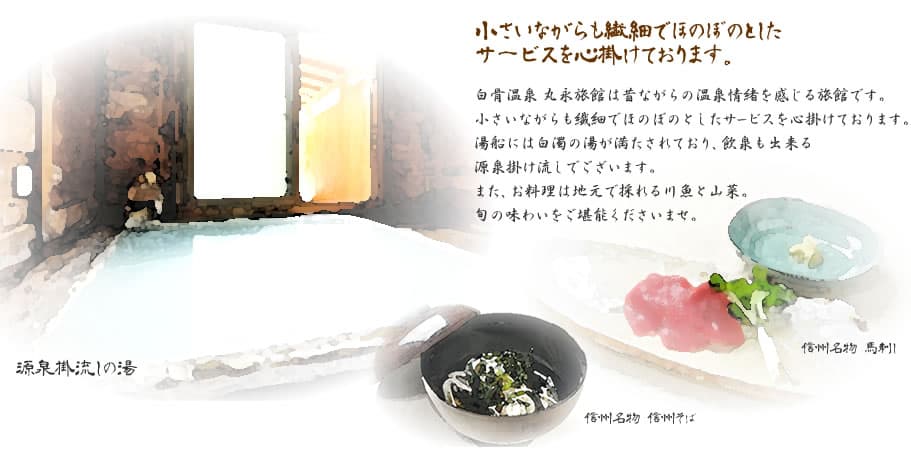
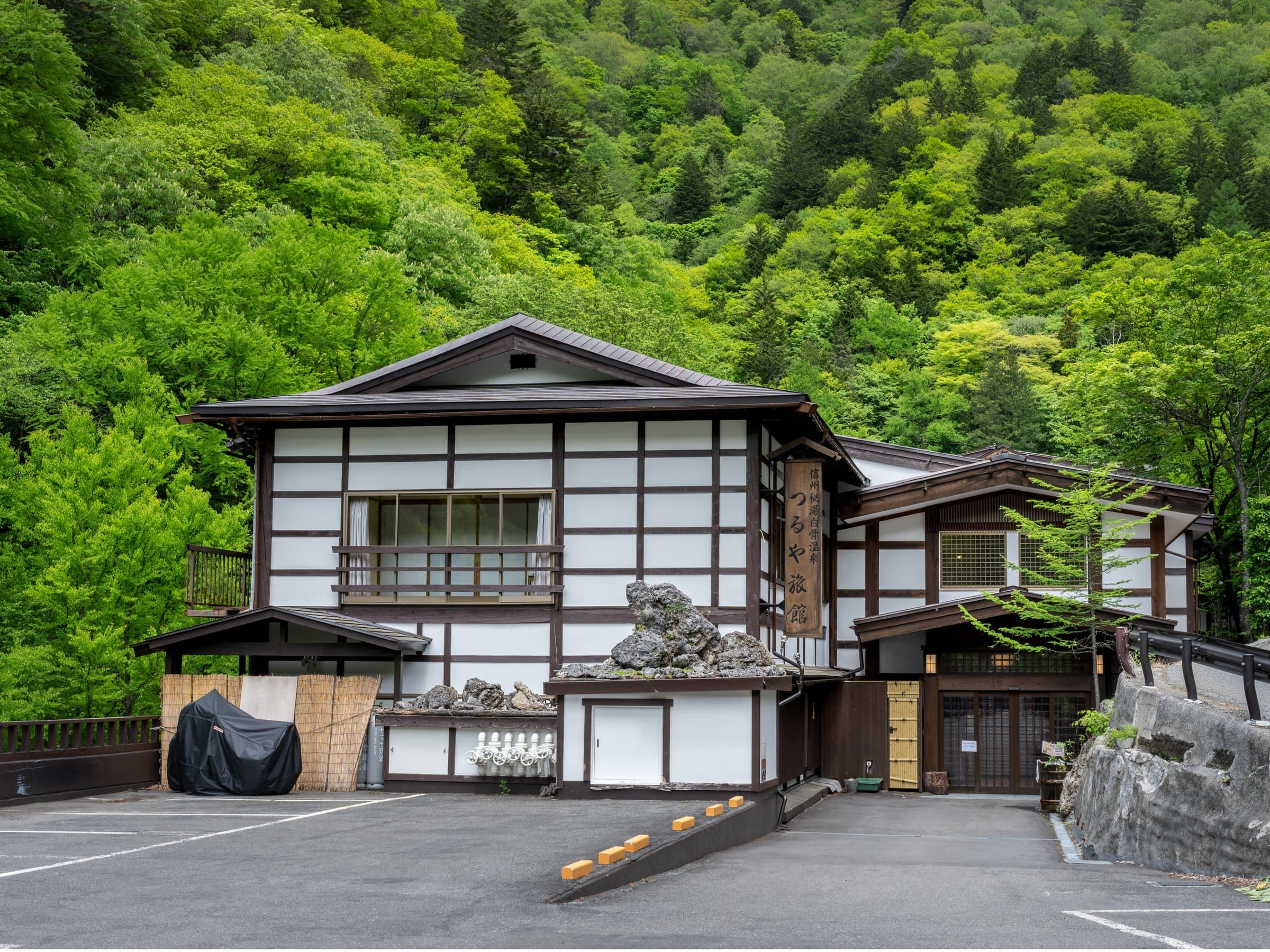
Tsuruya Ryokan is a classic, mid-range choice that delivers the quintessential Shirahone experience with no fuss. It embodies the traditional ryokan spirit with its tatami-mat rooms, attentive service, and, most importantly, wonderful onsen baths filled with the signature opaque water. The inn features both indoor and a pleasant outdoor bath where you can relax amidst the alpine air. Tsuruya is a strong, reliable option for travelers who want to focus on the core elements of a ryokan stay—the bath, the room, and the food—at a more accessible price point than the luxury inns. It’s an honest, traditional, and comfortable base for exploring the area and soaking in its famous springs.
Price tier: Mid-range (¥25,000–¥40,000/person)
6. Sasaya Ryokan
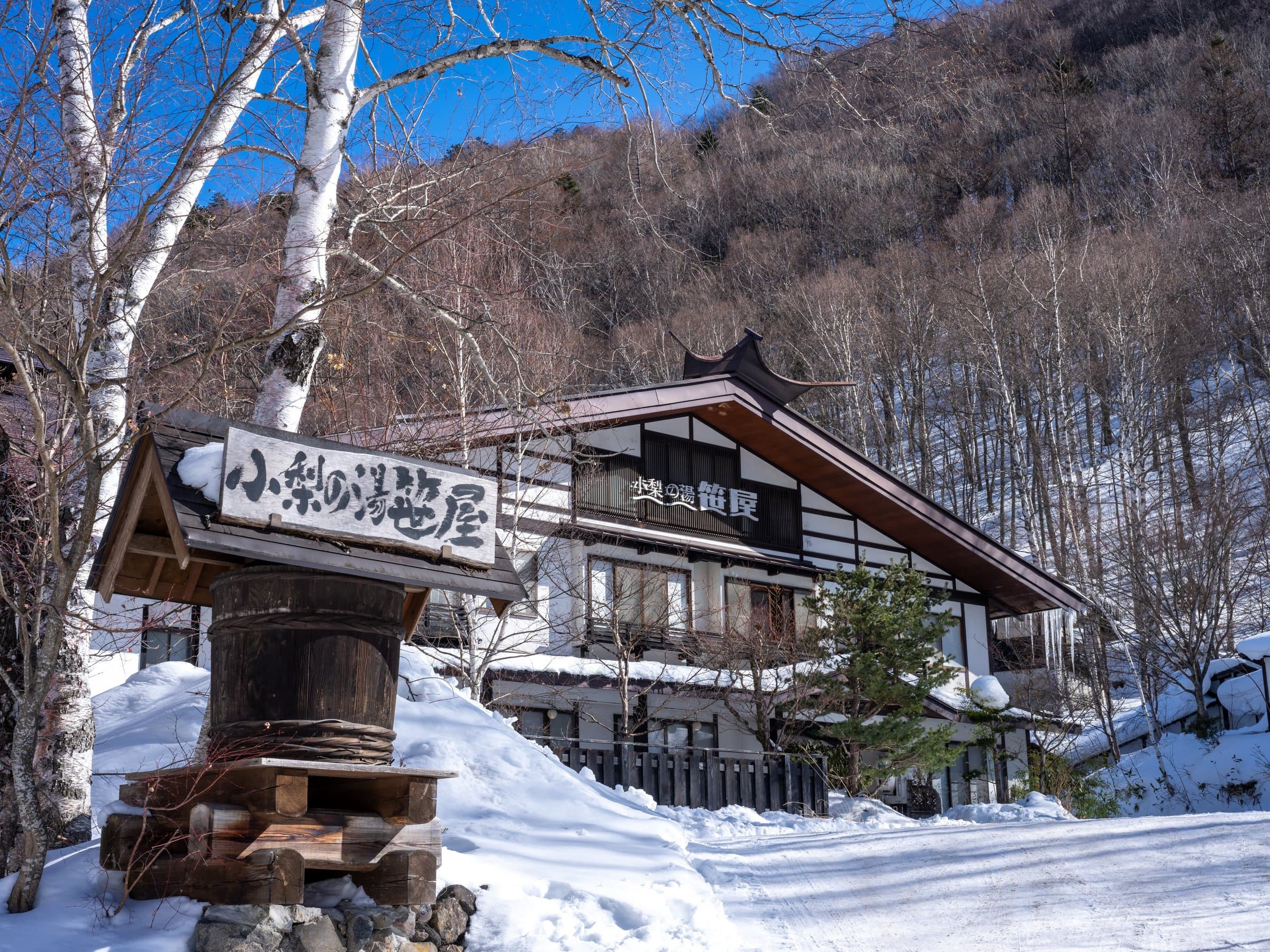
Proving that a trip to Shirahone doesn't have to break the bank, Sasaya Ryokan is the village's premier budget-friendly choice. This small, cozy inn offers a more compact and simplified experience but makes no compromises on the quality of its onsen. The baths are filled with the same therapeutic, milky water that makes the area famous. Rooms are simple, clean, and traditional, and the service is warm and welcoming. For solo travelers, backpackers, or anyone looking to maximize their time in the onsen without the expense of an elaborate kaiseki dinner or luxurious amenities, Sasaya provides outstanding value and an authentic entry point to this unique onsen town.
Price tier: Budget (¥18,000–¥28,000/person)
Practical Info
Access: From Tokyo's Shinjuku Station, take the JR Limited Express Azusa train to Matsumoto (approx. 2.5 hours) on the JR-East Chuo Line service [verified JR East 2026-03-01]. From Matsumoto Bus Terminal, take the Alpico bus bound for Shirahone Onsen (approx. 90 minutes), operated year-round by Alpico Kotsu [verified Alpico Group (Nagano) 2026-03-12].
Best Season: Shirahone is a year-round destination. Autumn (late September to October) is striking with fall colors. Summer (July-August) offers a cool escape from the city heat and is the best time for hiking in nearby Kamikochi (park officially open April 17 to November 15 each year [verified Kamikochi Tourism Association 2026-03-20]). Winter brings deep snow, creating a serene, isolated landscape perfect for onsen-soaking.
Budget: Expect to pay ¥18,000–¥28,000 per person for budget inns, ¥28,000–¥50,000 for mid-range, and ¥50,000+ for luxury stays, including two meals.
Tip
The bus from Matsumoto to Shirahone runs infrequently, typically only a few times per day. Check the Alpico bus schedule online and plan your train arrival in Matsumoto accordingly to avoid a long wait.
When to Visit Shirahone
Shirahone sits at 1,400 m altitude in the Japan Alps and the season window is narrow. Mid-October to mid-November for autumn foliage — the larch trees turn gold and the milky-blue bath against red maple is the photograph. Late December to early March for snow — the village gets 4-6 m of total snowfall and the rotenburo against fresh powder is the winter classic. Avoid May (Golden Week) and August Obon — small village, narrow road, the visitor surge is uncomfortable. The access road closes briefly during major storms so leave a buffer day on either side in deep winter. Book 8-12 weeks ahead for the October-November foliage peak and 6-8 weeks ahead for the December-February snow window.
What Shirahone Does Best (And What It Does Not)
Shirahone does one chemistry signature that almost no other onsen in Japan matches — calcium-magnesium-hydrogen-carbonate spring that emerges clear at the source and turns naturally cloudy white on contact with air over 5-10 minutes. It is genuinely beautiful and it is not a marketing photograph; you can watch it happen in the bath. What Shirahone does not do is variety — the village has 7 ryokans total, no shopping, no restaurants outside the inns, no nightlife. The kaiseki leans Nagano-regional: Shinshu soba, river fish (iwana), mountain vegetables. If you want a quiet 1-night soak in the Japan Alps with strong water chemistry, this is the right answer.
Tip
Drink the water if you can. Shirahone's spring is one of the few in Japan classified as drinkable at the source, and a small cup on arrival is a local tradition (the taste is mineral-chalky, not pleasant the first sip, but the chemistry is genuinely effective for digestion).
Pairing Shirahone With Kamikochi and the Norikura Highlands
Shirahone's mountain-top altitude (around 1,400 m) places it inside the Chubu-Sangaku National Park, which means the right way to plan a Shirahone trip is as an onsen anchor for a two-or-three-night Northern Alps hiking itinerary, not as a standalone destination. The standard pairing: Day 1 — arrive Shirahone, soak the milky-white sulfate water that gives the town its name (*shirahone* literally means 'white bone' — the calcium carbonate precipitates out of the spring water and coats every surface in a thin chalky film), and rest. Day 2 — take the early bus to Kamikochi (45 minutes from Shirahone), one of the most photographed alpine valleys in Japan, hike the easy Kappa-bashi-to-Myojin-ike loop (2.5 hours, gentle gradient, suitable for non-hikers). Day 3 — return to Shirahone for a second night or continue to Norikura Skyline for a higher-altitude excursion.
Why this works specifically with Shirahone rather than Hirayu or Shin-Hotaka: Shirahone sits at the only road junction where the buses to Kamikochi, Norikura, and Matsumoto all converge. Hirayu is one bus stop too far west; Shin-Hotaka is one valley north. Shirahone's location plus its lower-density ryokan count (15 total properties vs. 50+ in Hirayu) means you get the alpine access without the tourist-bus traffic.
Important seasonal note: Shirahone is a winter-restricted destination. The bus from Matsumoto to Shirahone runs October–November and April–June at near-capacity for foliage and fresh-green seasons; July–September is hiking high season; December–March most ryokans close because the mountain pass is snowbound and Kamikochi itself shuts to all motor vehicles from mid-November to mid-April. Book 6–8 weeks ahead for October and June weekends. Off-season July weekdays are the secret sweet spot if you can flex your schedule.
Tip
Shirahone's sulfate water is unusually high in calcium, which means the spring water genuinely turns a milky white-blue color (this is not lighting — it is mineral precipitation). The water also coats the inside of the wooden bath tubs in a thin chalky film that the ryokan staff scrape off annually, so the bath buildings rotate maintenance schedules. Confirm at booking that the main rotenburo will be open the day you arrive — three of the six ryokans on this list rotate maintenance days mid-week.
My Honest Take After Staying Here
I stayed at Awanoyu Ryokan in late October — the milky-blue bath, the larch trees turning gold above the bath house, the cold mountain air at 1,400 m. The kaiseki was good not memorable; the bath was the entire point. My honest take: Shirahone is a 1-night stop, not a destination. Pair it with Kamikochi (45 minutes by bus, also at altitude) for a 2-day Japan Alps loop and you have one of the best off-the-foreign-tourist-track itineraries in central Japan.
Shirahone's milky-blue water is a chemistry signature you cannot fake — calcium-magnesium-hydrogen-carbonate spring, naturally turning cloudy on contact with air. The four picks above are the village's actual ryokans (there are only seven in total). Book at least 3 months ahead for October-November foliage — the JR Azusa to Matsumoto seat plus the Alpico bus to the village is the limiting reservation, not the room. Next: ski-and-soak ryokans across the wider Japan Alps for the Japan Alps wider region.
ご予約はこちら
人気の旅館から選んで予約
3つの予約サイトの空室・価格を見比べてください。
予約リンク経由で手数料が発生する場合がありますが、追加費用はかかりません。
長野県の北アルプスに抱かれた白骨温泉は、その最も名高い財産である「湯」によって特徴づけられる秘境の村です。「白骨」という名前は、カルシウム豊富な温泉が骨を芯から強くするという江戸時代の言い伝えに由来します——湯船の縁や下流の岩に沈着する石灰化した堆積物が漂白された骨のように見えることから、この漢字の名が付いたとも言われます [verified Japan Alps Tourism 2026-01-15]。この地を真に特別なものにしているのは、湯の劇的な変化です。源泉から湧き出た直後は完全に透明ですが、空気に触れると溶け込んでいたミネラル成分が沈殿し、不透明な乳白色へと変わります——白骨温泉観光協会は10以上の自然源泉について「湧出時は透明だが時間と共に白くなる」と説明しています [verified Shirahone Onsen Tourist Association 2026-02-10]。湯船の縁で、この地質学的なプロセスを目の当たりにすることができるのです。これは単なる入浴ではなく、自然現象への没入です。人里離れた高地で本格的な温泉体験を求める旅行者にとって、白骨温泉での旅館滞在は、東京からわずか3時間半でたどり着ける、欠かすことのできない日本の体験と言えるでしょう。

旅館で訪れたい、長野県・白骨温泉の魅力
白骨温泉の魅力は、そのユニークな水文地質と、山間の聖域としての役割に根ざしています。この村は中部山岳国立公園内、松本市安曇地区の標高約1,400mに位置します [verified Japan Alps Tourism 2026-01-15]。白骨温泉の乳白色の硫黄泉の色は、高濃度の炭酸カルシウムと炭酸マグネシウム、硫化水素に由来します。これらは地下では溶存していますが、空気に触れると急速に酸化・沈殿し、硫黄粒子が析出することで湯が自ら白く塗りつぶされていきます [verified Japan Alps Tourism 2026-01-15]。このプロセスは視覚的に美しいだけでなく、肌を滑らかにする美肌効果ももたらします。地元の人々は古くからこの湯の効能を高く評価しており、少量の温泉水を飲み、温泉水で炊いた「温泉粥」(米がほんのり桃灰色に染まります)を食べるのが伝統で、これはここの旅館の朝食の定番です [verified Japan Alps Tourism 2026-01-15]。
温泉だけでなく、白骨温泉は日本屈指の国立公園である上高地への主要な拠点でもあります。上高地観光協会の公式スケジュールに従い毎年4月17日から11月15日まで開山する [verified Kamikochi Tourism Association 2026-03-20] 上高地は、シャトルバスでわずか30分の距離にある手つかずの自然が残る渓谷です。そのため、白骨温泉はリラクゼーションと山岳探訪の両方を楽しめる、理想的な目的地となっています。
1. 泡の湯
もし白骨温泉で一軒だけ旅館に泊まるなら、それは「泡の湯」であるべきです。1912年(明治末期)創業のこの歴史ある宿は、この谷で100年以上営業を続け [verified Unique Nagano (Nagano Prefecture Tourism) 2026-02-05]、白骨温泉の代名詞とも言える存在です。その理由は、この地域で最大かつ最も象徴的な混浴露天風呂——記録上毎分1,730リットルの源泉が供給される名湯にあります [verified Unique Nagano (Nagano Prefecture Tourism) 2026-02-05]。写真でよく見かける、森の山々を背景にした広大な乳白色の湯船がそれです。混浴ですが、湯が不透明なため自然なプライバシーが保たれ、女性専用の入り口やエリアも設けられています。この大露天風呂に浸かり、足元に柔らかい湯の花(温泉の沈殿物)を感じる体験は、まさに白骨温泉を象徴する瞬間です。名高い温泉に加え、伝統的な畳の客室、そして地元の川魚や山菜を活かした素晴らしい懐石料理を提供しています。白骨温泉の乳白色の硫黄泉の真髄を味わうなら、「泡の湯」が絶対的な王者と言えるでしょう。
価格帯: 中級〜高級 (お一人様 ¥40,000〜¥70,000)
2. 白船グランドホテル
白骨温泉で最大規模を誇る白船グランドホテルは、充実したアメニティとリゾートのような雰囲気が特徴です。ホテルの快適さを重視しつつ、本格的な温泉体験もしたいという旅行者に最適な選択肢です。広々とした内湯や露天風呂(男女別)には、もちろん質の高い乳白色の湯が満たされ、さらにプライベートな入浴が楽しめる貸切風呂も完備しています。その規模の大きさから、小さな宿が満室の時でも予約が取りやすく、安定した快適なサービスを提供しています。家族連れや、伝統的な要素に加えて使い慣れた快適さを求める旅館初心者の方にとって、白船グランドホテルは安心できる、歓迎ムードに満ちた選択肢です。
価格帯: 中級 (お一人様 ¥28,000〜¥45,000)
3. 湯元齋藤旅館 別館
真に洗練された歴史的な滞在を求めるなら、湯元齋藤旅館 別館の右に出るものはありません。1772年創業のこの旅館は、この地域で最も古い宿の一つであり、伝統に根ざしたこぢんまりとした上質な体験を提供します。客室数が少ない分、完璧で行き届いたサービスと卓越した料理に力が注がれています。特に懐石料理は圧巻で、旬の地元食材の魅力を最大限に引き出し、丹精込めて作られています。温泉は「泡の湯」ほど大きくはありませんが、美しく手入れされたプライベート感のある空間で、白骨温泉の乳白色の硫黄泉を静かに楽しむことができます。この旅館は、温泉そのものと同じくらい、伝統、静かな洗練、そして美食を重んじる、舌の肥えた旅行者のための宿です。奮発する価値のある、記憶に深く残るクラシックな旅館体験ができます。
価格帯: 高級 (お一人様 ¥55,000〜¥90,000)
4. 丸永旅館
丸永旅館は、完璧な中間点を提供します。温かい雰囲気の家族経営の小さな宿で、誰もが憧れる露天風呂付き客室の選択肢があるのです。カップルやタトゥーのある方、あるいは確実なプライバシーを求める方には最高の選択肢です。この宿の魅力は、気取らない家庭的な雰囲気で、まるで親戚の家に招かれたかのような気分にさせてくれます。共同浴場も素晴らしいですが、一番の魅力はやはり専用の露天風呂が付いたプランを予約することでしょう。昼夜を問わず、好きな時に名湯を独り占めできます。心温まるおもてなしと、滋味深く本格的な家庭料理も自慢です。丸永旅館は、完璧な白骨温泉体験を提供するのに、必ずしも壮大な規模は必要ないことを証明しています。
価格帯: 中級 (お一人様 ¥30,000〜¥50,000)
Tip
丸永旅館のような露天風呂付き客室のある旅館は非常に人気があります。特に紅葉シーズンなどの繁忙期に露天風呂付き客室を狙う場合は、少なくとも3〜6ヶ月前には予約を済ませることをお勧めします。
5. つるや旅館
つるや旅館は、白骨温泉の真髄を気負いなく体験できる、定番の中級旅館です。畳敷きの客室、行き届いたサービス、そして何よりも、象徴的な乳白色の湯で満たされた素晴らしい温泉が、伝統的な旅館の精神を体現しています。内湯と、山の空気を感じながらリラックスできる心地よい露天風呂の両方を備えています。高級旅館よりも手頃な価格で、温泉、客室、食事という旅館滞在の核となる要素に集中したい旅行者にとって、つるや旅館は堅実で信頼できる選択肢です。この地域を探索し、名湯に浸かるための、誠実で伝統的、そして快適な拠点となります。
価格帯: 中級 (お一人様 ¥25,000〜¥40,000)
6. 笹屋旅館
白骨温泉への旅が必ずしも高価である必要はないことを証明してくれるのが、この村で随一のリーズナブルな選択肢、笹屋旅館です。このこぢんまりとした居心地の良い宿は、コンパクトでシンプルな体験を提供しますが、温泉の質に一切の妥協はありません。浴槽は、この地を有名にした乳白色の効能豊かな湯で満たされています。客室はシンプルで清潔な和室で、サービスは温かく家庭的です。一人旅、バックパッカー、あるいは豪華な懐石料理や贅沢なアメニティにお金をかけず、温泉で過ごす時間を最大限に楽しみたい方にとって、笹屋は卓越した価値と、このユニークな温泉街への本格的な入り口を提供してくれます。
価格帯: リーズナブル (お一人様 ¥18,000〜¥28,000)
基本情報
アクセス: 東京の新宿駅からJR中央線の特急あずさで松本駅へ(約2時間半) [verified JR East 2026-03-01]。松本バスターミナルからアルピコ交通の白骨温泉行きバスに乗車(約90分)——アルピコ交通が通年運行しています [verified Alpico Group (Nagano) 2026-03-12]。
ベストシーズン: 白骨温泉は一年を通して楽しめます。秋(9月下旬〜10月)は紅葉が息をのむほど美しく、夏(7月〜8月)は都会の暑さから逃れる涼しい避暑地となり、近くの上高地でのハイキングに最適な時期です(公式の開園期間は毎年4月17日〜11月15日 [verified Kamikochi Tourism Association 2026-03-20])。冬は深い雪に覆われ、温泉三昧に最適な静寂で隔絶された景色が広がります。
予算: 1泊2食付きで、リーズナブルな宿は一人当たり¥18,000〜¥28,000、中級の宿は¥28,000〜¥50,000、高級旅館は¥50,000以上が目安です。
Tip
松本から白骨温泉へのバスは本数が少なく、通常1日に数本しか運行していません。アルピコ交通のウェブサイトで時刻表を確認し、松本での待ち時間が長くなるのを避けるため、電車の到着時刻を計画的に調整しましょう。
白骨温泉は単なる温泉街ではありません。日本の最もユニークな自然の驚異の一つに深く浸る体験そのものです。透明な源泉が目の前で白く濁っていく光景は、忘れられない思い出となるでしょう。「泡の湯」の象徴的な大露天風呂を選ぶにせよ、「湯元齋藤旅館 別館」の静かな伝統を選ぶにせよ、ここでの滞在は山間の楽園での深いリラクゼーションを約束してくれます。ぜひ、私たちが厳選した旅館の一室を予約して、ご自身で白骨温泉の乳白色の硫黄泉を体験してみてください。
ご予約はこちら
人気の旅館から選んで予約
3つの予約サイトの空室・価格を見比べてください。
予約リンク経由で手数料が発生する場合がありますが、追加費用はかかりません。