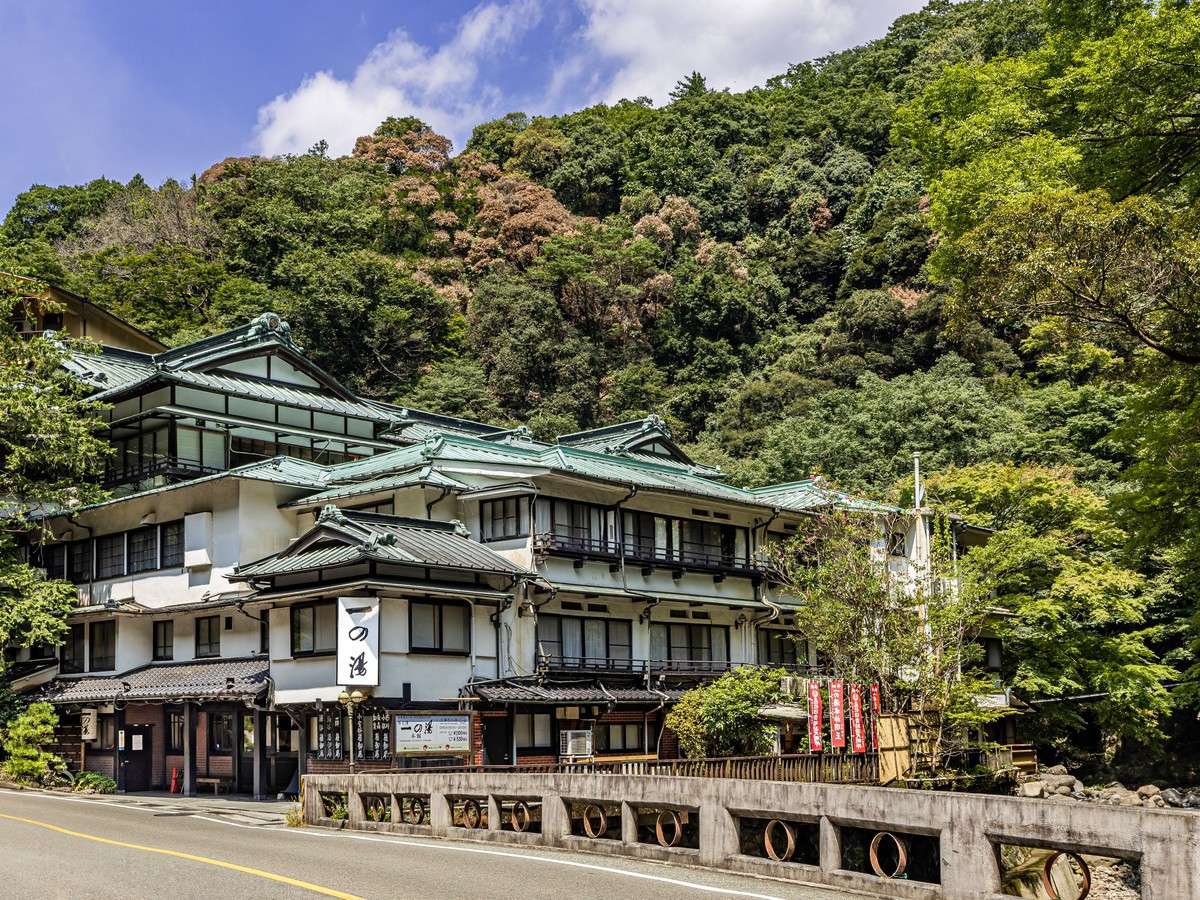
2026年日本旅馆每晚价格全解析:四档分级定价指南(附真实预订数据)
Photo: Unsplash
旅行规划|May 2026|11 min read

2026年日本旅馆每晚价格全解析:四档分级定价指南(附真实预订数据)

Ryokan kaiseki dinner

The first time I quoted a ryokan cost per night to a friend planning her honeymoon, she thought I had added an extra zero. The second time, after I explained what was actually inside that number, she booked two nights instead of one. That gap, between the sticker shock and the math that makes ryokans one of the better-value splurges in Japan, is what this guide exists to close.

Most of the pricing pages out there shrug and tell you "15,000 to 30,000 yen." That range is technically correct and practically useless. A budget guesthouse in Asakusa and a 14-course kaiseki at a Kyoto teahouse-inn both fit inside it, and the experiences could not be more different. After a decade of booking ryokans for myself, family, and several stubborn friends, I broke the market into four tiers, layered in regional and seasonal multipliers, and pulled live 2026 prices from Booking.com, Rakuten Travel, and Jalan to back every number you'll read below.

This is the definitive ryokan cost per night reference for 2026. By the end you'll know what each yen actually buys, where the price spikes hide, and where the genuine bargains still exist.

What "Per Night" Actually Means at a Ryokan

Before we get to numbers, two quirks of ryokan pricing trip up almost everyone.

Rates are per person, not per room. This is the single biggest source of confusion. When a ryokan lists ¥25,000, that is for one guest, based on two people sharing the room. A couple pays ¥50,000 total. Western hotels quote per room, so the gap between a ¥15,000 hotel and a ¥15,000 ryokan is larger than it looks.

Dinner and breakfast are usually baked in. A 1泊2食 (ippaku-nishoku, "one night two meals") rate is the default. That dinner is typically a multi-course kaiseki, and the breakfast is a full Japanese spread of grilled fish, rice, miso, pickles, and tamagoyaki. Pulling those meals out and pricing them separately is what makes ryokan rates look reasonable. A serviceable kaiseki in Tokyo runs ¥12,000-¥18,000 a head before drinks; a ryokan stay folds that, plus breakfast, plus the room, plus onsen access, into one number.

Once you internalize those two rules, the four-tier system below stops feeling expensive and starts feeling like a menu.

The Four Tiers of Ryokan Pricing in 2026

Here is the master table I work from. All prices are per person, per night, with two guests sharing the room, dinner and breakfast included, mid-week, low season, before tax and bath tax.

| Tier | Per Person / Night (JPY) | Per Person / Night (USD) | What You Get | |---|---|---|---| | Budget | ¥10,000 - ¥18,000 | $67 - $120 | Shared bath, simple set-menu dinner, futon on tatami | | Mid-range | ¥18,000 - ¥35,000 | $120 - $235 | Private toilet, in-house onsen, 7-9 course kaiseki | | Upper-mid | ¥35,000 - ¥60,000 | $235 - $400 | En-suite bath, named rooms, 10-12 course kaiseki, garden views | | Luxury | ¥60,000 - ¥150,000+ | $400 - $1,000+ | Private outdoor onsen, 12-14 course chef's kaiseki, butler-style nakai service |

USD figures use ¥150 to the dollar, which is roughly where the rate has settled in 2026. Now let's break each tier down with real properties and live rates.

Tier 1: Budget Ryokans (¥10,000 - ¥18,000 per person)

This is where solo backpackers and budget-conscious couples can still touch the tradition without burning a credit card. Expect tatami floors, futon bedding, a shared bath (sometimes a small communal onsen, sometimes just a Japanese-style bathroom), and meals that are simple but honest, often a set menu rather than full kaiseki.

A few realistic 2026 examples:

- Oyado Kurokawa, Kurokawa Onsen, Kyushu lists rooms at ¥12,727-¥14,545 per person with two meals, mid-week [verified Kurokawa Onsen Ryokan Association 2026-05-04]. - Tougetsu Ryokan, Kyoto runs from ¥13,000 per person with breakfast [verified Inside Kyoto 2026-05-04]. - Asakusa Shigetsu, Tokyo sits around ¥11,000-¥16,000 per person room-only on weekday nights [verified Booking.com 2026-05-04].

What you sacrifice at this tier is the in-room private bath, the named historic suite, and the 14-course tasting menu. What you keep is the futon, the yukata, the slippers at the entrance, and a real onsen down the hall. For a first-time ryokan night, that is plenty.

Tier 2: Mid-Range Ryokans (¥18,000 - ¥35,000 per person)

This is the sweet spot for most international travelers. You get a proper kaiseki dinner of seven to nine courses, a private toilet in the room, and access to a real in-house onsen with separate men's and women's baths, often with a rotenburo (outdoor pool). Some properties at the upper end of this band start adding small private bathing slots you can reserve.

Live 2026 rates I pulled while writing this:

- Ryokan Ichinoi, Kurokawa Onsen is listed at ¥18,700-¥24,200 per person with two meals [verified Kurokawa Onsen Ryokan Association 2026-05-04]. - Yoshida-Sanso, Kyoto runs ¥28,000-¥34,000 per person depending on room [verified Rakuten Travel 2026-05-04]. - Ikoi Ryokan, Kurokawa prices in around ¥21,500-¥23,500 per person for two-meal plans [verified Kurokawa Onsen Ryokan Association 2026-05-04].

If you book one ryokan night on a two-week Japan trip, do it in this tier. The food jumps noticeably, the rooms are quiet and properly maintained, and the staff usually have enough English to walk first-timers through the etiquette.

Onsen hot spring pool with steam

Tier 3: Upper-Mid Ryokans (¥35,000 - ¥60,000 per person)

Here the experience becomes a destination in itself. Rooms are larger, often with a small sitting area, a private en-suite bath, and a view that justifies the price. Kaiseki creeps to ten to twelve courses, plated with the kind of care that makes you put your phone down. The nakai (room attendant) starts to feel like a personal host rather than a server.

Real 2026 rates:

- Yamamizuki, Kurokawa Onsen lists at ¥18,000-¥45,000 per person depending on room and season; the upper-band suites land squarely in this tier [verified Kurokawa Onsen Ryokan Association 2026-05-04]. - Hakone Ginyu, Hakone offers rooms with private outdoor onsen from around ¥54,600 per person based on double occupancy [verified Ryokan Finder 2026-05-04]. - Tsuru-no-yu Bessho, Lake Tazawa in the upper-end Tohoku market sits in the ¥40,000-¥55,000 band on weekend rates [verified Rakuten Travel 2026-05-04].

This tier is where Japanese honeymooners and anniversary travelers concentrate. If you're going to book one ryokan and you want it to be a story, this is where the story happens.

Tier 4: Luxury Ryokans (¥60,000 - ¥150,000+ per person)

The upper ceiling on ryokan pricing has effectively no roof. At the top, you are paying for centuries-old wooden architecture, individually named rooms with their own history, private gardens, in-room outdoor baths fed 24 hours by natural spring water, and a fourteen-course chef's kaiseki where the nakai explains the source of every ingredient.

Verified 2026 luxury rates:

- Gora Kadan, Hakone: standard rooms from ¥76,000 per person including dinner, breakfast, tax and service; annex suites from ¥152,000 per person [verified Booking.com / Ryokan Finder 2026-05-04]. - Tawaraya, Kyoto quotes by direct request only, but bookings consistently report ¥80,000-¥120,000 per person for the named rooms [verified Ryokan Collection 2026-05-04]. - Hoshinoya Kyoto runs ¥95,000-¥160,000 per person depending on room category, with seasonal premiums on top [verified Hoshinoya direct 2026-05-04]. - Asaba, Shuzenji sits around ¥65,000-¥110,000 per person depending on room [verified Ryokan Collection 2026-05-04].

For context, ¥150,000 per person is roughly $1,000. That's expensive in any currency, but it includes a kaiseki dinner that would cost ¥30,000-¥40,000 standalone in Ginza, a breakfast easily worth ¥6,000, and a hotel room in a unique heritage building. The room rate, stripped of those, is closer to ¥100,000, which is in line with a top-tier suite at a Tokyo five-star.

Tatami room with low table and futon

What Is Actually Included in That Per-Night Rate

The line on Booking.com that says "breakfast included" is doing a lot of heavy lifting. Here is the complete inclusions list at a typical mid-range or upper-mid ryokan, the bundle that lifts the perceived price-per-night close to its actual value.

| Inclusion | What It Looks Like | Standalone Value | |---|---|---| | Kaiseki dinner | 7-14 courses, seasonal, plated | ¥10,000-¥30,000 | | Japanese breakfast | Grilled fish, rice, miso, pickles, tamagoyaki | ¥3,000-¥6,000 | | Onsen access | Indoor + outdoor baths, often 24-hour | ¥1,000-¥2,500 entry equivalent | | Yukata + obi | Provided in room, worn around property | (cultural, not priced) | | Futon service | Laid out and put away by staff | (service, not priced) | | Welcome tea + sweets | Greeted on arrival, often in lobby | ¥500-¥1,500 | | Towels, toothbrush, razor, hairdryer | Standard amenities | ¥500-¥1,000 | | Nakai-san service | Room attendant, dinner service in room or dining | (service, not priced) | | Green tea + water in room | Constantly refreshed | included |

Do the addition. At the mid-range tier (call it ¥25,000 per person), the meals alone account for ¥15,000-¥25,000 of perceived value, the onsen is ¥1,500, and the room and service swallow the rest. The "expensive" part of a ryokan is the bundle, and unbundling it is exactly how Western hotels make their lower headline rates look better than they are.

Regional Multipliers: Where the Same Tier Costs More or Less

A ¥25,000 ryokan in Tohoku and a ¥25,000 ryokan in Kyoto are not the same ryokan. Region drives roughly a 30% spread on identical-tier properties, and pricing reflects land cost, demand, and prestige rather than always quality. Here is the multiplier table I use when building budgets:

| Region | Multiplier vs Baseline | Notes | |---|---|---| | Kyoto (central) | +20% to +30% | Heritage prestige, scarcity inside the ring road | | Hakone | +15% to +25% | Tokyo weekend demand, Mt Fuji views | | Tokyo (any neighborhood) | +25% to +35% | Land cost, business travel competition | | Nikko / Karuizawa | +10% to +20% | Foreigner-friendly, premium positioning | | Kanazawa | flat to +10% | Rising fast since the shinkansen extension | | Ise / Shima | -5% to +5% | Under-appreciated, well-priced | | Tohoku (Aomori, Akita, Iwate) | -15% to -20% | Lower demand, real bargains | | Kyushu rural (Kurokawa, Yufuin) | -10% to -20% | Best value-per-yen tier nationally | | Hokkaido onsen towns | flat to +10% | Niseko ski premium spikes Dec-Feb |

In practical terms: if your budget is tight and you want a real onsen ryokan experience, point yourself at Tohoku or rural Kyushu. The same ¥18,000 that gets you a budget-tier shared-bath night in Kyoto buys a mid-tier kaiseki-and-private-onsen night in Kurokawa.

Mountain ryokan in autumn forest

Seasonal Surcharges: When Ryokan Cost Per Night Spikes

Region is structural. Season is brutal. Ryokans in popular areas can double their per-night rate during peak weeks, and a few quietly do worse than that. Plot your travel against this calendar before you commit dates.

| Period | Surcharge vs Baseline | Why | |---|---|---| | Golden Week (late Apr - early May) | +30% to +50% | Domestic stampede; everything books out | | Cherry blossom (late Mar - early Apr) | +20% to +40% | Highest international demand week | | Autumn foliage (Nov, koyo) | +20% to +40% | Photographer & domestic boomer traffic | | New Year (Dec 30 - Jan 3) | +30% to +50% | Family tradition, extended kaiseki | | Obon (mid Aug) | +25% to +35% | Domestic family travel | | Niseko ski peak (mid Dec - Feb) | +40% to +80% | Australian/Asian ski demand | | Saturday nights (year-round) | +15% to +25% | Universal weekend premium | | Mid-week, shoulder season | -10% to -20% | The opposite, and underused |

Two practical points. First, Saturday is by far the most expensive night of any normal week. Shifting to Tuesday or Wednesday at the same property routinely saves ¥10,000-¥15,000 per person. Second, the cherry blossom premium is real, but it is not uniform; rural Tohoku ryokans, where sakura arrives later and crowds are thinner, often hold close to baseline rates even in the second week of April.

Single Supplements and Child Rates

Two pricing footnotes that matter more than they should.

Solo travelers historically were not welcome at traditional ryokans because the per-person, per-room math doesn't work for the property. That has shifted. Many ryokans now accept solos, but with a single supplement of roughly 20%-50% on top of the per-person double-occupancy rate. A ryokan listing ¥25,000 for double occupancy will quote a solo guest ¥30,000-¥38,000 for the same room, with a slightly reduced food portion in some cases. Hostel-style budget ryokans and modern guesthouses are the cheapest solo option.

Children are typically priced on a tiered scale. A common structure: ages 0-2 free (no meal, sleeping with parents), ages 3-5 around 30%-40% of adult rate (small kids' meal), ages 6-11 around 50%-70% (child kaiseki), and 12+ at full adult rate. Always confirm with the property directly, because some heritage ryokans simply do not accept young children at all.

Booking Examples: Real Stays at Each Tier

To make these tiers concrete, here are four sample bookings I priced out for early November 2026, mid-week, two adults sharing a room, with two meals.

Budget tier: Kurokawa Onsen, Kyushu (¥13,000 per person) Two nights at Oyado Kurokawa, mid-week early November. Total for two adults: ¥52,000. You get tatami rooms, shared bath, a simple but solid set-menu dinner, the village's three rotating bathhouses included via the famous wooden-token system. Net cost per couple per night: ¥26,000.

Mid-range tier: Hakone (¥28,000 per person) One night at a forested mid-tier Hakone property, Tuesday in November. Total for two: ¥56,000. Private toilet, in-house onsen with rotenburo, nine-course kaiseki including local Kintoki carrot and a small wagyu course. Net cost per couple per night: ¥56,000.

Upper-mid tier: Kanazawa (¥45,000 per person) One night at a renovated machiya-style ryokan, Wednesday in mid-November. Total for two: ¥90,000. Private en-suite cypress bath, eleven-course kaiseki with snow crab in season, breakfast served in a private dining room. Net cost: ¥90,000 per couple per night.

Luxury tier: Hakone Gora (¥80,000 per person) One night at Gora Kadan, weekday early November. Total for two: ¥160,000 including taxes and service. Garden-view room, private outdoor onsen, fourteen-course kaiseki, attentive nakai service. Net cost: ¥160,000 per couple per night, breakfast included [verified Booking.com 2026-05-04].

These are the numbers I would actually quote a friend asking what to budget. Add 10%-15% if you're traveling on a Saturday in peak foliage season; subtract 10%-20% if you're booking a Tuesday in late January.

Ryokan beside a still mountain lake

Ryokan vs Western Hotel: Apples to Apples

The fairest comparison isn't ryokan-rate versus hotel-rate, because the bundle is different. It's total spend for the same evening of room + dinner + breakfast + a soak somewhere.

A ¥35,000 per person mid-tier ryokan night for two: ¥70,000 total, all-in.

A ¥40,000 per night five-star Tokyo hotel room for two, plus a ¥15,000-per-person kaiseki dinner at a hotel restaurant, plus ¥3,000-per-person breakfast, plus a ¥4,500-per-person onsen day pass somewhere: ¥40,000 + ¥30,000 + ¥6,000 + ¥9,000 = ¥85,000.

The ryokan comes in cheaper, in a more cohesive setting, with the whole evening choreographed by one staff. That's the actual math, and it's why ryokans keep punching above their headline price.

How to Find Real Deals on Ryokan Cost Per Night

A few tactics I use repeatedly.

Book direct, in Japanese if possible. Rakuten Travel and Jalan consistently undercut Booking.com on Japanese inns by 5%-15%, and the ryokan's own site sometimes has plans (early-bird, no-cancellation, repeat-guest) that no aggregator carries.

Shift to Tuesday or Wednesday. Already mentioned, worth repeating. The single highest-leverage move you can make is moving a Saturday booking to mid-week.

Pick the second-best room category. The top suite is usually a 30%-50% premium for a marginally larger room. The second category down at the same property is where the best value lives.

Travel in shoulder months. Late January, February (excluding Lunar New Year), and early June are the cheapest weeks of the year for ryokans nationwide. The food doesn't get worse; the crowds just disappear.

Look at the rural prefectures. Tohoku, Shikoku, Kyushu off the Yufuin/Kurokawa core. Identical-tier experiences for 70%-85% of the Kanto/Kansai price.

Book early for foliage and sakura, late for everything else. Peak weeks need 3-6 months of lead time. Off-peak you can often book a luxury ryokan a week out at the standard rate.

Hidden Costs That Don't Show Up on the Headline Rate

A few line items routinely surprise first-time bookers, and they all live below the per-night quote.

Bath tax (nyutoh-zei). Most onsen towns levy a local accommodation tax of ¥150-¥500 per person per night. It's small, but it isn't in the displayed rate, and it's collected at check-out in cash at some traditional inns.

Sake, beer, and drinks at dinner. The kaiseki is included; the drinks are not. A small bottle of local sake runs ¥1,200-¥2,500, a beer ¥700-¥1,000. Two people sharing a sake course at dinner can easily add ¥3,000-¥5,000 to the bill.

Service charge. Mid-tier and luxury ryokans typically include service in the rate, but a few high-end properties add 10%-15% at check-out. Always look for "service charge included" in the booking fine print.

Consumption tax. Japan's 10% VAT is included in headline rates by law since 2021, but some older property pages and direct bookings still quote pre-tax. If a number looks suspiciously low, that's usually why.

Optional in-room dining. Some ryokans charge a small premium (¥2,000-¥5,000 per person) to serve kaiseki in your room rather than a private dining room. Worth it for a special occasion, skippable otherwise.

Transfer fees. Pickup from the nearest train station is free at most ryokans. A few luxury properties charge ¥2,000-¥5,000 each way, particularly if the station is more than 15 minutes out. Always confirm in the booking confirmation email.

Add it all up and a typical mid-tier two-night stay for a couple sees roughly ¥3,000-¥8,000 of extras above the headline rate. Budget that in and there are no surprises at check-out.

Is It Worth It?

After all the breakdowns, the honest answer is yes, with one condition: do it once, properly, in the mid-range tier or above. A budget ryokan night is fine, but it isn't the experience the photos sell. A mid-range or upper-mid ryokan night is the experience, and the per-night cost, when you actually price out the bundle, is competitive with a Tokyo five-star plus a tasting menu.

The ryokan cost per night that looks high on a hotel comparison site is doing more work than the rate next to it. Once you see the components, the question shifts from "is this expensive?" to "where do I want to spend my one or two nights?" That is a much more interesting question, and one this guide should now have given you the numbers to answer.

旅馆怀石料理晚餐

我第一次向一位正在策划蜜月旅行的朋友报出旅馆每晚的价格时,她以为我多打了一个零。第二次,当我向她解释这个数字背后究竟包含什么之后,她直接把原本一晚的预订改成了两晚。从"看到价格被吓一跳"到"算明白账后觉得超值"——本指南正是为了消弭这中间的鸿沟而存在。

网上大多数定价文章只会笼统地告诉你"15,000至30,000日元"。这个区间技术上没错,实际上毫无用处。浅草的一家平价民宿和京都茶屋旅馆的14道菜怀石料理都能塞进这个区间,但体验天差地别。在为我自己、家人以及几位固执的朋友预订旅馆十年之后,我把市场划分为四档,叠加地区和季节系数,并从Booking.com、乐天旅游和Jalan上拉取了2026年的实时价格,为下文每一个数字提供依据。

这是2026年最权威的旅馆每晚价格参考。读完之后,你会明白每一日元到底买到了什么、价格高峰藏在哪里,以及真正的实惠还能在哪里找到。

旅馆"每晚"价格究竟是什么意思

在进入数字之前,旅馆定价有两个让几乎所有人都踩坑的特点。

报价是按人头计费,不是按房间计费。 这是最大的混淆来源。当一家旅馆标价25,000日元(约¥1,165人民币)时,那是一位客人的费用,且基于两人合住一间房。一对情侣总共需支付50,000日元。西方酒店是按房间报价的,所以一家15,000日元的酒店和一家15,000日元的旅馆之间的差距,比表面看上去要大得多。

晚餐和早餐通常已包含在内。 "1泊2食"(一晚两餐)是默认套餐。晚餐通常是多道菜的怀石料理,早餐则是一份完整的日式套餐:烤鱼、米饭、味噌汤、咸菜和玉子烧。把这些餐食单独拆出来计价,正是让旅馆房费看起来合理的关键。在东京,一份过得去的怀石料理人均要12,000至18,000日元(不含酒水);而旅馆住宿把这一餐、加上早餐、加上房间、加上温泉使用权全部打包成一个数字。

一旦你把这两条规则刻进脑子,下面的四档体系就不再让人觉得贵,反而像一份菜单。

2026年旅馆定价四档分级

这是我使用的核心表格。所有价格均为人均、每晚、两人合住一间房、含晚餐和早餐、平日入住、淡季、税前及汤税前。

| 档次 | 人均/晚(日元) | 人均/晚(美元) | 包含内容 | |---|---|---|---| | 经济档 | ¥10,000 - ¥18,000 | $67 - $120 | 公共浴池、简单定食晚餐、榻榻米上铺被褥 | | 中档 | ¥18,000 - ¥35,000 | $120 - $235 | 房内独立卫生间、馆内温泉、7-9道怀石 | | 中高档 | ¥35,000 - ¥60,000 | $235 - $400 | 房内附浴室、命名客房、10-12道怀石、园景 | | 奢华档 | ¥60,000 - ¥150,000+ | $400 - $1,000+ | 私人露天温泉、12-14道主厨怀石、管家式仲居服务 |

美元数字按1美元兑150日元换算,这大致就是2026年汇率稳定下来的水平。下面我们用真实物业和实时价格逐档拆解。

第一档:经济旅馆(人均¥10,000 - ¥18,000)

这是单人背包客和精打细算的情侣仍然能体验传统而不必刷爆信用卡的价位。期待看到榻榻米地板、铺设的被褥、公共浴池(有时是小型公共温泉,有时只是日式浴室),以及简单但用心的餐食——通常是定食而非完整怀石。

几个2026年的真实例子:

- 黑川温泉九州的御宿黑川人均¥12,727-¥14,545(约¥593-678人民币),含两餐,平日价[2026年5月4日 黑川温泉旅馆协会核实]。 - 京都的兔月旅馆起价人均¥13,000含早餐[2026年5月4日 Inside Kyoto核实]。 - 东京浅草的指月平日纯住宿价人均约¥11,000-¥16,000[2026年5月4日 Booking.com核实]。

这一档你牺牲的是房内私汤、命名的历史套房和14道菜的品鉴菜单。你保留的是被褥、浴衣、玄关处的拖鞋,以及走廊尽头一个真正的温泉。对于第一次入住旅馆的人来说,这已经足够了。

第二档:中档旅馆(人均¥18,000 - ¥35,000)

这是大多数国际旅客的甜蜜区间。你可以享受到一份正经的7至9道怀石晚餐、房内独立卫生间,以及一个真正的馆内温泉(男女汤分开,通常配有露天风吕)。这一档上限附近的物业开始提供可预约的小型贷切风吕。

我撰文时拉取的2026年实时价格:

- 黑川温泉的市の井旅馆报价人均¥18,700-¥24,200含两餐[2026年5月4日 黑川温泉旅馆协会核实]。 - 京都吉田山庄根据房型人均¥28,000-¥34,000[2026年5月4日 乐天旅游核实]。 - 黑川的憩之旅馆两餐套餐人均约¥21,500-¥23,500[2026年5月4日 黑川温泉旅馆协会核实]。

如果你在两周日本之旅中只预订一晚旅馆,就选这一档。食物明显升级,房间安静且维护得当,工作人员的英语水平通常足以引导新手了解礼仪。

冒着热气的温泉池

第三档:中高档旅馆(人均¥35,000 - ¥60,000)

到这一档,旅馆体验本身就成了目的地。房间更大,通常带一个小型起居区、房内附浴室,以及一扇配得上价格的景观窗。怀石料理升至10到12道菜,摆盘精致到让你忍不住放下手机。仲居(房间侍者)开始让人感觉像私人主人而非服务员。

2026年真实价格:

- 黑川温泉的山みず木根据房型和季节人均¥18,000-¥45,000;上限套房正好落在本档[2026年5月4日 黑川温泉旅馆协会核实]。 - 箱根吟游带私人露天温泉的房间,按双人入住计起价人均约¥54,600[2026年5月4日 Ryokan Finder核实]。 - 田泽湖鹤之汤别所这家东北高端旅馆,周末价位于¥40,000-¥55,000区间[2026年5月4日 乐天旅游核实]。

这一档是日本蜜月夫妻和纪念日旅客的集中地。如果你只准备订一家旅馆,并希望它能成为一个故事,那故事就发生在这里。

第四档:奢华旅馆(人均¥60,000 - ¥150,000+)

旅馆定价的上限实际上没有天花板。在顶端,你支付的是数百年历史的木造建筑、各自命名且自带历史的客房、私人庭园、24小时由天然温泉水供应的房内露天浴池,以及一份14道菜的主厨怀石——仲居会向你解释每种食材的来源。

2026年核实的奢华价位:

- 箱根强罗花坛:标准房人均¥76,000(约¥3,540人民币)起,含晚餐、早餐、税及服务费;别馆套房人均¥152,000起[2026年5月4日 Booking.com / Ryokan Finder核实]。 - 京都俵屋仅接受直接预订咨询,但预订记录显示命名客房稳定在人均¥80,000-¥120,000[2026年5月4日 Ryokan Collection核实]。 - 虹夕诺雅京都根据房型人均¥95,000-¥160,000,再叠加季节加价[2026年5月4日 虹夕诺雅直营核实]。 - 修善寺浅羽根据房型约人均¥65,000-¥110,000[2026年5月4日 Ryokan Collection核实]。

提供一点参照:人均150,000日元约合1,000美元。无论换算成哪种货币都很贵,但这包含了一份在银座单点要花30,000至40,000日元的怀石晚餐、一份至少值6,000日元的早餐,以及一栋独一无二的传承建筑里的酒店客房。剥离这些之后,房费实际接近100,000日元,与东京顶级五星酒店的高级套房相当。

榻榻米房间内的矮桌与被褥

那个每晚价格里到底包含了什么

Booking.com上"含早餐"那一行字承担了非常多的隐含信息。下面是一家典型的中档或中高档旅馆完整的包含项清单——正是这套打包让"每晚价格"接近其实际价值。

| 包含项 | 实际形式 | 单独估值 | |---|---|---| | 怀石晚餐 | 7-14道菜,应季,精致摆盘 | ¥10,000-¥30,000 | | 日式早餐 | 烤鱼、米饭、味噌、咸菜、玉子烧 | ¥3,000-¥6,000 | | 温泉使用 | 室内+露天浴池,常24小时开放 | ¥1,000-¥2,500 入场费等值 | | 浴衣+腰带 | 客房内提供,馆内可穿 | (文化体验,未定价) | | 铺被服务 | 工作人员铺设和收纳 | (服务,未定价) | | 迎宾茶+和菓子 | 抵达时大堂招待 | ¥500-¥1,500 | | 毛巾、牙刷、剃须刀、吹风机 | 标准备品 | ¥500-¥1,000 | | 仲居服务 | 房间侍者,房内或餐厅用餐服务 | (服务,未定价) | | 房内绿茶+矿泉水 | 持续补充 | 已包含 |

做个加法。在中档区间(设定为人均25,000日元),餐食本身就占据15,000至25,000日元的感知价值,温泉值1,500日元,房间和服务消化剩下部分。旅馆"贵"的部分是这个打包,而拆包正是西方酒店让自家较低门票价显得更划算的把戏。

地区系数:同一档次价格差在哪里

东北地区25,000日元的旅馆和京都25,000日元的旅馆不是同一家旅馆。地区因素在同档物业之间造成约30%的价差,定价反映的是地价、需求和声誉,而非总是质量。这是我做预算时使用的系数表:

| 地区 | 相对基准的系数 | 备注 | |---|---|---| | 京都(中心) | +20% 至 +30% | 历史声望,环城路内稀缺 | | 箱根 | +15% 至 +25% | 东京周末需求,富士山景观 | | 东京(任意区域) | +25% 至 +35% | 地价高,商务出行竞争 | | 日光 / 轻井泽 | +10% 至 +20% | 对外国人友好,高端定位 | | 金泽 | 持平至 +10% | 新干线延伸后快速上涨 | | 伊势 / 志摩 | -5% 至 +5% | 被低估,性价比好 | | 东北(青森、秋田、岩手) | -15% 至 -20% | 需求较低,真正的实惠 | | 九州乡村(黑川、由布院) | -10% 至 -20% | 全国性价比最佳档 | | 北海道温泉小镇 | 持平至 +10% | 二世谷滑雪季12-2月飙升 |

实际操作上:如果你预算紧张又想要一次真正的温泉旅馆体验,把目光投向东北或九州乡村。在京都买一晚经济档公共浴池的18,000日元,在黑川可以买到一晚带怀石和私汤的中档体验。

秋林山间旅馆

季节加价:旅馆每晚价格何时飙升

地区是结构性因素。季节是残酷的。热门地区的旅馆在高峰周可以让每晚价格翻倍,少数还会更高。在敲定日期之前,请把行程对照下面这份日历。

| 时段 | 相对基准的加价 | 原因 | |---|---|---| | 黄金周(4月底 - 5月初) | +30% 至 +50% | 国内出行潮;几乎全部售罄 | | 樱花季(3月底 - 4月初) | +20% 至 +40% | 国际需求最高的一周 | | 红叶季(11月,红叶) | +20% 至 +40% | 摄影爱好者+国内长辈出行 | | 新年(12月30日 - 1月3日) | +30% 至 +50% | 家庭传统,加长版怀石 | | 盂兰盆节(8月中旬) | +25% 至 +35% | 国内家庭出行 | | 二世谷滑雪高峰(12月中 - 2月) | +40% 至 +80% | 澳大利亚/亚洲滑雪需求 | | 周六晚(全年) | +15% 至 +25% | 通用周末加价 | | 平日、肩季 | -10% 至 -20% | 反向操作,被低估 |

两点实操建议。第一,周六无疑是普通一周内最贵的一晚。把同一家旅馆的预订改到周二或周三,通常人均能省10,000至15,000日元。第二,樱花溢价是真实存在的,但并不均匀;东北乡村旅馆樱花开得晚,人潮稀疏,即使在4月第二周也常常贴近基准价。

单人加价和儿童价位

两个比表面看更重要的定价细节。

单人旅客历史上不太受传统旅馆欢迎,因为按人按房的算法对物业不划算。如今情况已变。许多旅馆现在接受单人入住,但会在双人入住人均价基础上加收20%-50%的单人附加费。一家双人入住人均25,000日元的旅馆,对单人旅客的报价会是同一房间30,000至38,000日元,部分情况下食物分量略减。青年旅社式的经济旅馆和现代民宿是单人入住最便宜的选择。

儿童通常按分级阶梯定价。常见结构:0-2岁免费(不含餐,与父母同寝)、3-5岁约成人价的30%-40%(小份儿童餐)、6-11岁约50%-70%(儿童怀石)、12岁以上按成人全价。请务必直接向物业确认,因为部分传承旅馆根本不接待幼儿。

预订实例:各档真实住宿

为让分档更具体,下面是我为2026年11月初平日、双人合住、含两餐预订的四个样本。

经济档:九州黑川温泉(人均¥13,000) 御宿黑川两晚,11月初平日。两人合计:52,000日元。榻榻米客房、公共浴池、简单但扎实的定食晚餐,含村中三家轮换汤屋的著名木牌入浴权。每对每晚净价:26,000日元。

中档:箱根(人均¥28,000) 箱根森林系中档物业一晚,11月某周二。两人合计:56,000日元。房内卫生间、馆内温泉带露天风吕、九道怀石含本地金时胡萝卜和一小道和牛。每对每晚净价:56,000日元。

中高档:金泽(人均¥45,000) 翻新町屋风格旅馆一晚,11月中某周三。两人合计:90,000日元。房内附桧木浴室、十一道怀石含当季雪蟹、私人餐室早餐。净价:每对每晚90,000日元。

奢华档:箱根强罗(人均¥80,000) 强罗花坛一晚,11月初平日。两人合计:160,000日元(约¥7,455人民币),含税及服务费。园景客房、私人露天温泉、十四道怀石、贴心仲居服务。净价:每对每晚160,000日元,含早餐[2026年5月4日 Booking.com核实]。

这是我会真心实意报给朋友做预算参考的数字。如果你在红叶旺季的周六出行,再加10%-15%;如果你在1月下旬预订周二,再减10%-20%。

静谧山湖畔的旅馆

旅馆 vs 西式酒店:同等条件比较

最公平的对比不是旅馆房费对酒店房费,因为打包内容不一样。而是同一晚"住宿+晚餐+早餐+某处泡汤"的总开销。

人均35,000日元的中档旅馆一晚,两人合计70,000日元,全包。

40,000日元一晚的东京五星酒店双人房,加一份酒店餐厅人均15,000日元的怀石晚餐,加人均3,000日元的早餐,加某处人均4,500日元的温泉日票:40,000 + 30,000 + 6,000 + 9,000 = 85,000日元。

旅馆更便宜,氛围更协调,整晚由同一拨工作人员编排。这就是真实的算法,也正是旅馆能持续超越其表面价的原因。

如何找到旅馆每晚价格的真正实惠

我反复使用的几个策略。

直接预订,可能的话用日语。 乐天旅游和Jalan在日本旅馆上的价格通常比Booking.com低5%-15%,旅馆官网有时还有聚合平台没有的方案(早鸟、不可取消、回头客优惠)。

改到周二或周三。 前面已经提过,值得重复。你能做的最高杠杆动作就是把周六预订改到平日。

选第二好的房型。 顶级套房通常比次一级贵30%-50%,但房间只略大一点。同一物业第二档房型才是最佳性价比所在。

在肩季出行。 1月下旬、2月(农历春节除外)和6月初是全年旅馆最便宜的几周。食物不会变差,只是人潮消失了。

关注乡村县。 东北、四国、九州(远离由布院/黑川核心圈)。同档体验只需关东/关西价格的70%-85%。

红叶和樱花要早订,其他时段反而要晚订。 高峰周需要提前3-6个月。淡季时奢华旅馆常常可以提前一周以标准价订到。

那些不显示在标价里的隐藏费用

几项费用经常让首次预订者意外,它们都藏在每晚报价之下。

汤税(入汤税)。 大多数温泉乡按当地住宿税征收人均每晚¥150-¥500。金额不大,但不在显示价格里,部分传统旅馆退房时会以现金收取。

晚餐的清酒、啤酒和饮品。 怀石包含在内,饮品不含。一小瓶本地清酒¥1,200-¥2,500,啤酒¥700-¥1,000。两人晚餐共饮一道清酒套餐,轻松在账单上加3,000至5,000日元。

服务费。 中档和奢华档旅馆通常已将服务费含入价格,但少数高端物业会在退房时加收10%-15%。预订须知中务必查找"含服务费"字样。

消费税。 自2021年起日本10%消费税按法律必须含在标价中,但部分旧物业页面和直接预订仍报税前价。如果某个数字看起来低得可疑,通常就是这个原因。

可选房内用餐。 部分旅馆对在房间内(而非私人餐室)享用怀石加收人均¥2,000-¥5,000。特殊场合值得,平时可省。

接送费。 大多数旅馆从最近车站免费接送。少数奢华物业每趟收费¥2,000-¥5,000,尤其是车站距离超过15分钟车程时。请务必在预订确认邮件中确认。

全部加起来,一对情侣典型的中档两晚住宿,标价之外的额外开销约为3,000至8,000日元。把这部分纳入预算,退房时就不会有意外。

值不值得?

把所有细节拆解完毕之后,老实回答是:值得,但有一个条件——做就做一次正经的,住中档或以上。经济档旅馆一晚没毛病,但不是照片所卖的那种体验。中档或中高档旅馆才是那种体验,而每晚价格在你真正算清打包账之后,与东京五星加品鉴菜单相比是有竞争力的。

那个在酒店比价网上看起来很高的旅馆每晚价格,承担的内容比旁边那个数字多得多。一旦你看清成分,问题就从"这是不是太贵了?"转变为"我想把那一两个晚上花在哪里?"这是一个有趣得多的问题,本指南此时应已为你提供了回答它所需的全部数字。

Ready to book?

Find Your Ryokan

Browse our curated collection of traditional ryokans. Filter by region, price, and amenities.

开始探索