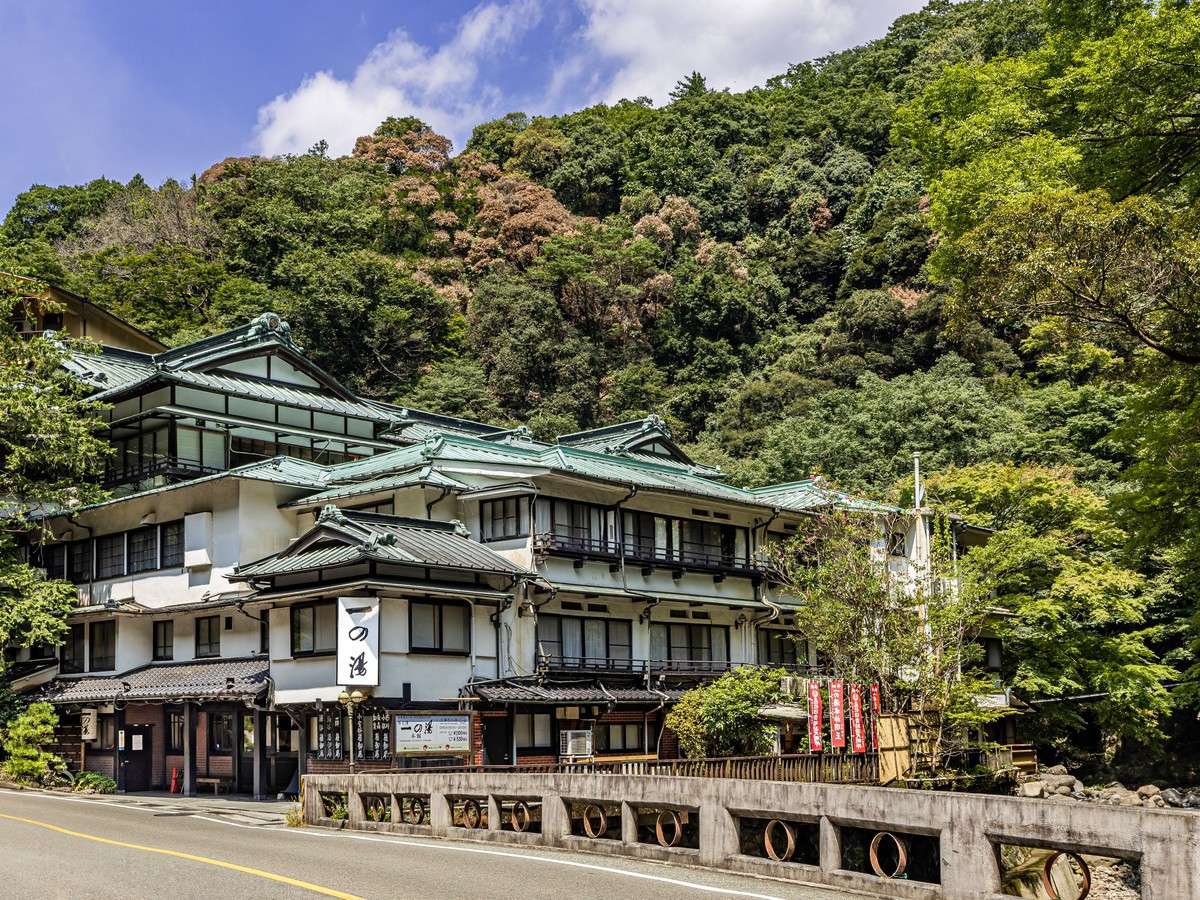
The first time I quoted a ryokan cost per night to a friend planning her honeymoon, she thought I had added an extra zero. The second time, after I explained what was actually inside that number, she booked two nights instead of one. That gap, between the sticker shock and the math that makes ryokans one of the better-value splurges in Japan, is what this guide exists to close.
Most of the pricing pages out there shrug and tell you "15,000 to 30,000 yen." That range is technically correct and practically useless. A budget guesthouse in Asakusa and a 14-course kaiseki at a Kyoto teahouse-inn both fit inside it, and the experiences could not be more different. After a decade of booking ryokans for myself, family, and several stubborn friends, I broke the market into four tiers, layered in regional and seasonal multipliers, and pulled live 2026 prices from Booking.com, Rakuten Travel, and Jalan to back every number you'll read below.
This is the definitive ryokan cost per night reference for 2026. By the end you'll know what each yen actually buys, where the price spikes hide, and where the genuine bargains still exist.
What "Per Night" Actually Means at a Ryokan
Before we get to numbers, two quirks of ryokan pricing trip up almost everyone.
Rates are per person, not per room. This is the single biggest source of confusion. When a ryokan lists ¥25,000, that is for one guest, based on two people sharing the room. A couple pays ¥50,000 total. Western hotels quote per room, so the gap between a ¥15,000 hotel and a ¥15,000 ryokan is larger than it looks.
Dinner and breakfast are usually baked in. A 1泊2食 (ippaku-nishoku, "one night two meals") rate is the default. That dinner is typically a multi-course kaiseki, and the breakfast is a full Japanese spread of grilled fish, rice, miso, pickles, and tamagoyaki. Pulling those meals out and pricing them separately is what makes ryokan rates look reasonable. A serviceable kaiseki in Tokyo runs ¥12,000-¥18,000 a head before drinks; a ryokan stay folds that, plus breakfast, plus the room, plus onsen access, into one number.
Once you internalize those two rules, the four-tier system below stops feeling expensive and starts feeling like a menu.
The Four Tiers of Ryokan Pricing in 2026
Here is the master table I work from. All prices are per person, per night, with two guests sharing the room, dinner and breakfast included, mid-week, low season, before tax and bath tax.
| Tier | Per Person / Night (JPY) | Per Person / Night (USD) | What You Get | |---|---|---|---| | Budget | ¥10,000 - ¥18,000 | $67 - $120 | Shared bath, simple set-menu dinner, futon on tatami | | Mid-range | ¥18,000 - ¥35,000 | $120 - $235 | Private toilet, in-house onsen, 7-9 course kaiseki | | Upper-mid | ¥35,000 - ¥60,000 | $235 - $400 | En-suite bath, named rooms, 10-12 course kaiseki, garden views | | Luxury | ¥60,000 - ¥150,000+ | $400 - $1,000+ | Private outdoor onsen, 12-14 course chef's kaiseki, butler-style nakai service |
USD figures use ¥150 to the dollar, which is roughly where the rate has settled in 2026. Now let's break each tier down with real properties and live rates.
Tier 1: Budget Ryokans (¥10,000 - ¥18,000 per person)
This is where solo backpackers and budget-conscious couples can still touch the tradition without burning a credit card. Expect tatami floors, futon bedding, a shared bath (sometimes a small communal onsen, sometimes just a Japanese-style bathroom), and meals that are simple but honest, often a set menu rather than full kaiseki.
A few realistic 2026 examples:
- Oyado Kurokawa, Kurokawa Onsen, Kyushu lists rooms at ¥12,727-¥14,545 per person with two meals, mid-week [verified Kurokawa Onsen Ryokan Association 2026-05-04]. - Tougetsu Ryokan, Kyoto runs from ¥13,000 per person with breakfast [verified Inside Kyoto 2026-05-04]. - Asakusa Shigetsu, Tokyo sits around ¥11,000-¥16,000 per person room-only on weekday nights [verified Booking.com 2026-05-04].
What you sacrifice at this tier is the in-room private bath, the named historic suite, and the 14-course tasting menu. What you keep is the futon, the yukata, the slippers at the entrance, and a real onsen down the hall. For a first-time ryokan night, that is plenty.
Tier 2: Mid-Range Ryokans (¥18,000 - ¥35,000 per person)
This is the sweet spot for most international travelers. You get a proper kaiseki dinner of seven to nine courses, a private toilet in the room, and access to a real in-house onsen with separate men's and women's baths, often with a rotenburo (outdoor pool). Some properties at the upper end of this band start adding small private bathing slots you can reserve.
Live 2026 rates I pulled while writing this:
- Ryokan Ichinoi, Kurokawa Onsen is listed at ¥18,700-¥24,200 per person with two meals [verified Kurokawa Onsen Ryokan Association 2026-05-04]. - Yoshida-Sanso, Kyoto runs ¥28,000-¥34,000 per person depending on room [verified Rakuten Travel 2026-05-04]. - Ikoi Ryokan, Kurokawa prices in around ¥21,500-¥23,500 per person for two-meal plans [verified Kurokawa Onsen Ryokan Association 2026-05-04].
If you book one ryokan night on a two-week Japan trip, do it in this tier. The food jumps noticeably, the rooms are quiet and properly maintained, and the staff usually have enough English to walk first-timers through the etiquette.
Tier 3: Upper-Mid Ryokans (¥35,000 - ¥60,000 per person)
Here the experience becomes a destination in itself. Rooms are larger, often with a small sitting area, a private en-suite bath, and a view that justifies the price. Kaiseki creeps to ten to twelve courses, plated with the kind of care that makes you put your phone down. The nakai (room attendant) starts to feel like a personal host rather than a server.
Real 2026 rates:
- Yamamizuki, Kurokawa Onsen lists at ¥18,000-¥45,000 per person depending on room and season; the upper-band suites land squarely in this tier [verified Kurokawa Onsen Ryokan Association 2026-05-04]. - Hakone Ginyu, Hakone offers rooms with private outdoor onsen from around ¥54,600 per person based on double occupancy [verified Ryokan Finder 2026-05-04]. - Tsuru-no-yu Bessho, Lake Tazawa in the upper-end Tohoku market sits in the ¥40,000-¥55,000 band on weekend rates [verified Rakuten Travel 2026-05-04].
This tier is where Japanese honeymooners and anniversary travelers concentrate. If you're going to book one ryokan and you want it to be a story, this is where the story happens.
Tier 4: Luxury Ryokans (¥60,000 - ¥150,000+ per person)
The upper ceiling on ryokan pricing has effectively no roof. At the top, you are paying for centuries-old wooden architecture, individually named rooms with their own history, private gardens, in-room outdoor baths fed 24 hours by natural spring water, and a fourteen-course chef's kaiseki where the nakai explains the source of every ingredient.
Verified 2026 luxury rates:
- Gora Kadan, Hakone: standard rooms from ¥76,000 per person including dinner, breakfast, tax and service; annex suites from ¥152,000 per person [verified Booking.com / Ryokan Finder 2026-05-04]. - Tawaraya, Kyoto quotes by direct request only, but bookings consistently report ¥80,000-¥120,000 per person for the named rooms [verified Ryokan Collection 2026-05-04]. - Hoshinoya Kyoto runs ¥95,000-¥160,000 per person depending on room category, with seasonal premiums on top [verified Hoshinoya direct 2026-05-04]. - Asaba, Shuzenji sits around ¥65,000-¥110,000 per person depending on room [verified Ryokan Collection 2026-05-04].
For context, ¥150,000 per person is roughly $1,000. That's expensive in any currency, but it includes a kaiseki dinner that would cost ¥30,000-¥40,000 standalone in Ginza, a breakfast easily worth ¥6,000, and a hotel room in a unique heritage building. The room rate, stripped of those, is closer to ¥100,000, which is in line with a top-tier suite at a Tokyo five-star.
What Is Actually Included in That Per-Night Rate
The line on Booking.com that says "breakfast included" is doing a lot of heavy lifting. Here is the complete inclusions list at a typical mid-range or upper-mid ryokan, the bundle that lifts the perceived price-per-night close to its actual value.
| Inclusion | What It Looks Like | Standalone Value | |---|---|---| | Kaiseki dinner | 7-14 courses, seasonal, plated | ¥10,000-¥30,000 | | Japanese breakfast | Grilled fish, rice, miso, pickles, tamagoyaki | ¥3,000-¥6,000 | | Onsen access | Indoor + outdoor baths, often 24-hour | ¥1,000-¥2,500 entry equivalent | | Yukata + obi | Provided in room, worn around property | (cultural, not priced) | | Futon service | Laid out and put away by staff | (service, not priced) | | Welcome tea + sweets | Greeted on arrival, often in lobby | ¥500-¥1,500 | | Towels, toothbrush, razor, hairdryer | Standard amenities | ¥500-¥1,000 | | Nakai-san service | Room attendant, dinner service in room or dining | (service, not priced) | | Green tea + water in room | Constantly refreshed | included |
Do the addition. At the mid-range tier (call it ¥25,000 per person), the meals alone account for ¥15,000-¥25,000 of perceived value, the onsen is ¥1,500, and the room and service swallow the rest. The "expensive" part of a ryokan is the bundle, and unbundling it is exactly how Western hotels make their lower headline rates look better than they are.
Regional Multipliers: Where the Same Tier Costs More or Less
A ¥25,000 ryokan in Tohoku and a ¥25,000 ryokan in Kyoto are not the same ryokan. Region drives roughly a 30% spread on identical-tier properties, and pricing reflects land cost, demand, and prestige rather than always quality. Here is the multiplier table I use when building budgets:
| Region | Multiplier vs Baseline | Notes | |---|---|---| | Kyoto (central) | +20% to +30% | Heritage prestige, scarcity inside the ring road | | Hakone | +15% to +25% | Tokyo weekend demand, Mt Fuji views | | Tokyo (any neighborhood) | +25% to +35% | Land cost, business travel competition | | Nikko / Karuizawa | +10% to +20% | Foreigner-friendly, premium positioning | | Kanazawa | flat to +10% | Rising fast since the shinkansen extension | | Ise / Shima | -5% to +5% | Under-appreciated, well-priced | | Tohoku (Aomori, Akita, Iwate) | -15% to -20% | Lower demand, real bargains | | Kyushu rural (Kurokawa, Yufuin) | -10% to -20% | Best value-per-yen tier nationally | | Hokkaido onsen towns | flat to +10% | Niseko ski premium spikes Dec-Feb |
In practical terms: if your budget is tight and you want a real onsen ryokan experience, point yourself at Tohoku or rural Kyushu. The same ¥18,000 that gets you a budget-tier shared-bath night in Kyoto buys a mid-tier kaiseki-and-private-onsen night in Kurokawa.
Seasonal Surcharges: When Ryokan Cost Per Night Spikes
Region is structural. Season is brutal. Ryokans in popular areas can double their per-night rate during peak weeks, and a few quietly do worse than that. Plot your travel against this calendar before you commit dates.
| Period | Surcharge vs Baseline | Why | |---|---|---| | Golden Week (late Apr - early May) | +30% to +50% | Domestic stampede; everything books out | | Cherry blossom (late Mar - early Apr) | +20% to +40% | Highest international demand week | | Autumn foliage (Nov, koyo) | +20% to +40% | Photographer & domestic boomer traffic | | New Year (Dec 30 - Jan 3) | +30% to +50% | Family tradition, extended kaiseki | | Obon (mid Aug) | +25% to +35% | Domestic family travel | | Niseko ski peak (mid Dec - Feb) | +40% to +80% | Australian/Asian ski demand | | Saturday nights (year-round) | +15% to +25% | Universal weekend premium | | Mid-week, shoulder season | -10% to -20% | The opposite, and underused |
Two practical points. First, Saturday is by far the most expensive night of any normal week. Shifting to Tuesday or Wednesday at the same property routinely saves ¥10,000-¥15,000 per person. Second, the cherry blossom premium is real, but it is not uniform; rural Tohoku ryokans, where sakura arrives later and crowds are thinner, often hold close to baseline rates even in the second week of April.
Single Supplements and Child Rates
Two pricing footnotes that matter more than they should.
Solo travelers historically were not welcome at traditional ryokans because the per-person, per-room math doesn't work for the property. That has shifted. Many ryokans now accept solos, but with a single supplement of roughly 20%-50% on top of the per-person double-occupancy rate. A ryokan listing ¥25,000 for double occupancy will quote a solo guest ¥30,000-¥38,000 for the same room, with a slightly reduced food portion in some cases. Hostel-style budget ryokans and modern guesthouses are the cheapest solo option.
Children are typically priced on a tiered scale. A common structure: ages 0-2 free (no meal, sleeping with parents), ages 3-5 around 30%-40% of adult rate (small kids' meal), ages 6-11 around 50%-70% (child kaiseki), and 12+ at full adult rate. Always confirm with the property directly, because some heritage ryokans simply do not accept young children at all.
Booking Examples: Real Stays at Each Tier
To make these tiers concrete, here are four sample bookings I priced out for early November 2026, mid-week, two adults sharing a room, with two meals.
Budget tier: Kurokawa Onsen, Kyushu (¥13,000 per person) Two nights at Oyado Kurokawa, mid-week early November. Total for two adults: ¥52,000. You get tatami rooms, shared bath, a simple but solid set-menu dinner, the village's three rotating bathhouses included via the famous wooden-token system. Net cost per couple per night: ¥26,000.
Mid-range tier: Hakone (¥28,000 per person) One night at a forested mid-tier Hakone property, Tuesday in November. Total for two: ¥56,000. Private toilet, in-house onsen with rotenburo, nine-course kaiseki including local Kintoki carrot and a small wagyu course. Net cost per couple per night: ¥56,000.
Upper-mid tier: Kanazawa (¥45,000 per person) One night at a renovated machiya-style ryokan, Wednesday in mid-November. Total for two: ¥90,000. Private en-suite cypress bath, eleven-course kaiseki with snow crab in season, breakfast served in a private dining room. Net cost: ¥90,000 per couple per night.
Luxury tier: Hakone Gora (¥80,000 per person) One night at Gora Kadan, weekday early November. Total for two: ¥160,000 including taxes and service. Garden-view room, private outdoor onsen, fourteen-course kaiseki, attentive nakai service. Net cost: ¥160,000 per couple per night, breakfast included [verified Booking.com 2026-05-04].
These are the numbers I would actually quote a friend asking what to budget. Add 10%-15% if you're traveling on a Saturday in peak foliage season; subtract 10%-20% if you're booking a Tuesday in late January.
Ryokan vs Western Hotel: Apples to Apples
The fairest comparison isn't ryokan-rate versus hotel-rate, because the bundle is different. It's total spend for the same evening of room + dinner + breakfast + a soak somewhere.
A ¥35,000 per person mid-tier ryokan night for two: ¥70,000 total, all-in.
A ¥40,000 per night five-star Tokyo hotel room for two, plus a ¥15,000-per-person kaiseki dinner at a hotel restaurant, plus ¥3,000-per-person breakfast, plus a ¥4,500-per-person onsen day pass somewhere: ¥40,000 + ¥30,000 + ¥6,000 + ¥9,000 = ¥85,000.
The ryokan comes in cheaper, in a more cohesive setting, with the whole evening choreographed by one staff. That's the actual math, and it's why ryokans keep punching above their headline price.
How to Find Real Deals on Ryokan Cost Per Night
A few tactics I use repeatedly.
Book direct, in Japanese if possible. Rakuten Travel and Jalan consistently undercut Booking.com on Japanese inns by 5%-15%, and the ryokan's own site sometimes has plans (early-bird, no-cancellation, repeat-guest) that no aggregator carries.
Shift to Tuesday or Wednesday. Already mentioned, worth repeating. The single highest-leverage move you can make is moving a Saturday booking to mid-week.
Pick the second-best room category. The top suite is usually a 30%-50% premium for a marginally larger room. The second category down at the same property is where the best value lives.
Travel in shoulder months. Late January, February (excluding Lunar New Year), and early June are the cheapest weeks of the year for ryokans nationwide. The food doesn't get worse; the crowds just disappear.
Look at the rural prefectures. Tohoku, Shikoku, Kyushu off the Yufuin/Kurokawa core. Identical-tier experiences for 70%-85% of the Kanto/Kansai price.
Book early for foliage and sakura, late for everything else. Peak weeks need 3-6 months of lead time. Off-peak you can often book a luxury ryokan a week out at the standard rate.
Hidden Costs That Don't Show Up on the Headline Rate
A few line items routinely surprise first-time bookers, and they all live below the per-night quote.
Bath tax (nyutoh-zei). Most onsen towns levy a local accommodation tax of ¥150-¥500 per person per night. It's small, but it isn't in the displayed rate, and it's collected at check-out in cash at some traditional inns.
Sake, beer, and drinks at dinner. The kaiseki is included; the drinks are not. A small bottle of local sake runs ¥1,200-¥2,500, a beer ¥700-¥1,000. Two people sharing a sake course at dinner can easily add ¥3,000-¥5,000 to the bill.
Service charge. Mid-tier and luxury ryokans typically include service in the rate, but a few high-end properties add 10%-15% at check-out. Always look for "service charge included" in the booking fine print.
Consumption tax. Japan's 10% VAT is included in headline rates by law since 2021, but some older property pages and direct bookings still quote pre-tax. If a number looks suspiciously low, that's usually why.
Optional in-room dining. Some ryokans charge a small premium (¥2,000-¥5,000 per person) to serve kaiseki in your room rather than a private dining room. Worth it for a special occasion, skippable otherwise.
Transfer fees. Pickup from the nearest train station is free at most ryokans. A few luxury properties charge ¥2,000-¥5,000 each way, particularly if the station is more than 15 minutes out. Always confirm in the booking confirmation email.
Add it all up and a typical mid-tier two-night stay for a couple sees roughly ¥3,000-¥8,000 of extras above the headline rate. Budget that in and there are no surprises at check-out.
Is It Worth It?
After all the breakdowns, the honest answer is yes, with one condition: do it once, properly, in the mid-range tier or above. A budget ryokan night is fine, but it isn't the experience the photos sell. A mid-range or upper-mid ryokan night is the experience, and the per-night cost, when you actually price out the bundle, is competitive with a Tokyo five-star plus a tasting menu.
The ryokan cost per night that looks high on a hotel comparison site is doing more work than the rate next to it. Once you see the components, the question shifts from "is this expensive?" to "where do I want to spend my one or two nights?" That is a much more interesting question, and one this guide should now have given you the numbers to answer.
新婚旅行を計画していた友人に、初めて旅館の1泊料金を伝えたとき、彼女はゼロを一桁多く付けたのだと思ったそうです。2回目に、その金額に何が含まれているのかを説明したところ、彼女は1泊ではなく2泊予約しました。価格を見たときの衝撃と、旅館が日本で最もコストパフォーマンスの高い贅沢のひとつであるという計算の間にあるそのギャップを埋めるために、このガイドは存在しています。
世の中の価格ページのほとんどは「15,000円から30,000円」と肩をすくめるように示すだけです。技術的には正しいのですが、実用上はほとんど役に立ちません。浅草の格安ゲストハウスも、京都の茶屋風旅館での14品の懐石も、その範囲内に収まってしまいますが、体験はまったく別物です。10年にわたり自分自身、家族、そして頑固な友人たちのために旅館を予約してきた経験をもとに、市場を4つのティアに分け、地域別・季節別の係数を重ね、Booking.com・楽天トラベル・じゃらんから2026年のリアルタイム価格を引き出して、以下に示すすべての数字を裏付けています。
これは2026年版、旅館1泊料金の決定版リファレンスです。読み終える頃には、1円ごとに何が買えるのか、どこに価格高騰が潜んでいるのか、そして本物のお買い得がどこに残っているのかがわかるはずです。
旅館における「1泊」とは実際何を意味するのか
数字に入る前に、旅館の料金体系には誰もがつまずく2つの特殊な点があります。
料金は1部屋ではなく1人あたり表記です。 これが最大の混乱の元です。旅館が25,000円と表示している場合、それは2名1室利用を前提とした1名あたりの料金です。カップルなら合計50,000円となります。欧米のホテルは1部屋あたりの料金表示なので、15,000円のホテルと15,000円の旅館の差は見た目以上に大きくなります。
夕食と朝食はたいてい料金に含まれています。 「1泊2食」付きが標準です。夕食は通常、複数品からなる懐石料理で、朝食は焼き魚、ご飯、味噌汁、漬物、卵焼きといった本格的な和朝食です。これらの食事を切り離して個別に値付けしてみると、旅館の料金が妥当に見えてきます。東京でまずまずの懐石料理を食べると、飲み物抜きで1人12,000円〜18,000円かかります。旅館に泊まれば、それに加えて朝食、客室、温泉アクセスまでがひとつの金額にまとめられているのです。
この2つのルールを理解すれば、以下の4ティア体系は高額に感じられなくなり、メニューのように見えてきます。
2026年版 旅館料金の4つのティア
これが私が基準としている料金表です。すべて1人1泊あたりの価格で、2名1室利用、夕食・朝食付き、平日、オフシーズン、税および入湯税抜きの条件です。
| Tier | Per Person / Night (JPY) | Per Person / Night (USD) | What You Get | |---|---|---|---| | Budget | ¥10,000 - ¥18,000 | $67 - $120 | Shared bath, simple set-menu dinner, futon on tatami | | Mid-range | ¥18,000 - ¥35,000 | $120 - $235 | Private toilet, in-house onsen, 7-9 course kaiseki | | Upper-mid | ¥35,000 - ¥60,000 | $235 - $400 | En-suite bath, named rooms, 10-12 course kaiseki, garden views | | Luxury | ¥60,000 - ¥150,000+ | $400 - $1,000+ | Private outdoor onsen, 12-14 course chef's kaiseki, butler-style nakai service |
USD換算は1ドル150円で計算しており、これが2026年のおおむねの相場となっています。それでは、各ティアを実際の旅館とリアルタイム価格とともに見ていきましょう。
ティア1:格安旅館(1人あたり10,000円〜18,000円)
ソロのバックパッカーや予算を抑えたいカップルが、クレジットカードを使い込まずに伝統に触れられるのがこの層です。畳の床、布団、共同浴場(小さな共同温泉のこともあれば、和風の浴室だけのこともあります)、そして本格的な懐石ではないものの、シンプルで誠実な料理(多くの場合、定食形式)が期待できます。
2026年の現実的な例をいくつかご紹介します。
- 黒川温泉 御宿黒川(九州):1泊2食付き、平日で1人12,727円〜14,545円 [verified Kurokawa Onsen Ryokan Association 2026-05-04]。 - 京都 渡月旅館:朝食付きで1人13,000円から [verified Inside Kyoto 2026-05-04]。 - 東京 浅草 指月:平日素泊まりで1人11,000円〜16,000円程度 [verified Booking.com 2026-05-04]。
このティアで犠牲にするのは、客室付きの専用風呂、名前付きの歴史的スイート、14品のテイスティングメニューです。一方で、布団、浴衣、玄関のスリッパ、そして廊下の先にある本物の温泉は変わらず楽しめます。初めての旅館宿泊なら、これで十分です。
ティア2:中級旅館(1人あたり18,000円〜35,000円)
海外からの旅行者にとって、もっともバランスの良いゾーンです。7〜9品の本格的な懐石ディナー、客室内の専用トイレ、男女別の本格的な内湯付き温泉(多くは露天風呂もあり)が利用できます。この帯の上位の旅館では、予約制の小さな貸切風呂が用意されているところも出てきます。
執筆中に取得した2026年のリアルタイム価格は次のとおりです。
- 黒川温泉 旅館 壱の井:1泊2食付きで1人18,700円〜24,200円 [verified Kurokawa Onsen Ryokan Association 2026-05-04]。 - 京都 吉田山荘:客室により1人28,000円〜34,000円 [verified Rakuten Travel 2026-05-04]。 - 黒川温泉 旅館 いこい:2食付きプランで1人21,500円〜23,500円前後 [verified Kurokawa Onsen Ryokan Association 2026-05-04]。
2週間の日本旅行で旅館に1泊だけ泊まるなら、このティアを選んでください。料理のレベルがはっきりと上がり、客室は静かでよく整備されており、スタッフも初心者にマナーを案内できる程度の英語を話せることが多いです。
ティア3:上位中級旅館(1人あたり35,000円〜60,000円)
ここからは、宿泊そのものが目的地となるレベルです。客室は広く、小さな応接スペース、客室内の専用バス、価格を正当化する眺望が備わっています。懐石は10〜12品にまで増え、思わずスマートフォンを置きたくなるほど丁寧に盛り付けられます。仲居さんは給仕係というより、専属のホストのような存在に感じられます。
2026年の実勢価格をご紹介します。
- 黒川温泉 山みず木:客室と季節により1人18,000円〜45,000円で、上位帯のスイートはまさにこのティアに該当します [verified Kurokawa Onsen Ryokan Association 2026-05-04]。 - 箱根 強羅 銀遊:客室付き露天風呂のある部屋が、2名利用で1人54,600円から [verified Ryokan Finder 2026-05-04]。 - 田沢湖 鶴の湯別所:東北の上位帯市場で、週末料金は40,000円〜55,000円帯 [verified Rakuten Travel 2026-05-04]。
このティアは、日本人の新婚旅行客や記念日旅行客が集まる層です。旅館に1泊だけ泊まり、それを思い出に残るストーリーにしたいのであれば、ここがその舞台となります。
ティア4:高級旅館(1人あたり60,000円〜150,000円以上)
旅館料金の上限には、事実上天井がありません。最上層では、何世紀も続く木造建築、固有の歴史を持つ名前付きの客室、専用庭園、24時間天然温泉が注がれる客室露天風呂、そして仲居さんが食材の産地まで説明してくれる14品の総料理長による懐石にお金を払うことになります。
検証済みの2026年高級旅館料金は次のとおりです。
- 箱根 強羅花壇:標準客室は1人76,000円から(夕食・朝食・税・サービス料込)、別館スイートは1人152,000円から [verified Booking.com / Ryokan Finder 2026-05-04]。 - 京都 俵屋:直接問い合わせのみの料金体系ですが、予約者の報告では一貫して名前付き客室で1人80,000円〜120,000円 [verified Ryokan Collection 2026-05-04]。 - 星のや京都:客室カテゴリーにより1人95,000円〜160,000円で、季節料金がさらに上乗せされます [verified Hoshinoya direct 2026-05-04]。 - 修善寺 あさば:客室により1人65,000円〜110,000円前後 [verified Ryokan Collection 2026-05-04]。
参考までに、1人150,000円はおおよそ1,000ドルです。どの通貨でも高額ですが、銀座で単品なら30,000円〜40,000円する懐石ディナー、6,000円相当の朝食、そしてユニークな歴史的建築のホテル客室が含まれています。これらを差し引いた純粋な客室料金は100,000円ほどとなり、東京の五つ星ホテルの最上位スイートと同水準です。
1泊料金に実際何が含まれているのか
Booking.comに表示される「朝食付き」という1行は、想像以上に多くを意味しています。以下は典型的な中級〜上位中級旅館の完全な含まれているもの一覧で、このバンドルこそが、見た目の1泊料金を実際の価値に近づけているのです。
| Inclusion | What It Looks Like | Standalone Value | |---|---|---| | Kaiseki dinner | 7-14 courses, seasonal, plated | ¥10,000-¥30,000 | | Japanese breakfast | Grilled fish, rice, miso, pickles, tamagoyaki | ¥3,000-¥6,000 | | Onsen access | Indoor + outdoor baths, often 24-hour | ¥1,000-¥2,500 entry equivalent | | Yukata + obi | Provided in room, worn around property | (cultural, not priced) | | Futon service | Laid out and put away by staff | (service, not priced) | | Welcome tea + sweets | Greeted on arrival, often in lobby | ¥500-¥1,500 | | Towels, toothbrush, razor, hairdryer | Standard amenities | ¥500-¥1,000 | | Nakai-san service | Room attendant, dinner service in room or dining | (service, not priced) | | Green tea + water in room | Constantly refreshed | included |
足し算してみてください。中級ティア(1人25,000円とします)では、食事だけで15,000円〜25,000円分の価値があり、温泉は1,500円相当、残りは客室代とサービス料に充当されます。旅館の「高い」と感じる部分はこのバンドルそのものであり、それを切り離すことこそが、欧米のホテルが見出し料金を実態より良く見せている手法なのです。
地域別係数:同じティアでも料金が変わる地域
東北の25,000円の旅館と京都の25,000円の旅館は、同じ旅館ではありません。地域要因によって同ティア物件でおよそ30%の価格差が生じ、これは品質よりも土地代、需要、そして格式を反映しています。私が予算を組むときに使っている係数表は次のとおりです。
| Region | Multiplier vs Baseline | Notes | |---|---|---| | Kyoto (central) | +20% to +30% | Heritage prestige, scarcity inside the ring road | | Hakone | +15% to +25% | Tokyo weekend demand, Mt Fuji views | | Tokyo (any neighborhood) | +25% to +35% | Land cost, business travel competition | | Nikko / Karuizawa | +10% to +20% | Foreigner-friendly, premium positioning | | Kanazawa | flat to +10% | Rising fast since the shinkansen extension | | Ise / Shima | -5% to +5% | Under-appreciated, well-priced | | Tohoku (Aomori, Akita, Iwate) | -15% to -20% | Lower demand, real bargains | | Kyushu rural (Kurokawa, Yufuin) | -10% to -20% | Best value-per-yen tier nationally | | Hokkaido onsen towns | flat to +10% | Niseko ski premium spikes Dec-Feb |
実用的に言えば、予算が限られていて本格的な温泉旅館体験を求めるなら、東北か九州の地方部に目を向けてください。京都で格安ティアの共同浴場の宿に泊まる18,000円が、黒川温泉なら中級ティアの懐石付き・専用温泉の1泊を購入できます。
季節別追加料金:旅館の1泊料金が高騰するタイミング
地域は構造的な要素ですが、季節は容赦ありません。人気エリアの旅館はピーク週には1泊料金が倍になることもあり、それ以上に上がる宿も静かに存在します。日程を確定する前に、旅程をこのカレンダーと照らし合わせてください。
| Period | Surcharge vs Baseline | Why | |---|---|---| | Golden Week (late Apr - early May) | +30% to +50% | Domestic stampede; everything books out | | Cherry blossom (late Mar - early Apr) | +20% to +40% | Highest international demand week | | Autumn foliage (Nov, koyo) | +20% to +40% | Photographer & domestic boomer traffic | | New Year (Dec 30 - Jan 3) | +30% to +50% | Family tradition, extended kaiseki | | Obon (mid Aug) | +25% to +35% | Domestic family travel | | Niseko ski peak (mid Dec - Feb) | +40% to +80% | Australian/Asian ski demand | | Saturday nights (year-round) | +15% to +25% | Universal weekend premium | | Mid-week, shoulder season | -10% to -20% | The opposite, and underused |
実用的なポイントが2つあります。まず、土曜日は通常週で群を抜いて高い夜です。同じ宿でも火曜日や水曜日にずらせば、1人あたり10,000円〜15,000円が普通に節約できます。次に、桜のプレミアムは確かに存在しますが、一様ではありません。桜の開花が遅く混雑も少ない東北の地方旅館では、4月の第2週でもベースラインに近い料金を維持していることが多いです。
ひとり利用追加料金と子ども料金
実態以上に重要な、料金に関する2つの注意点です。
ソロ旅行者は、1人あたり×1部屋単位の計算が宿側にとって成立しないため、伝統的な旅館では従来歓迎されてきませんでした。しかし状況は変わりつつあります。多くの旅館が現在ではソロ宿泊を受け入れていますが、2名利用時の1人料金に対しておよそ20%〜50%のシングル追加料金が加算されます。25,000円の2名1室料金の旅館なら、ソロ宿泊客には30,000円〜38,000円が提示され、料理の量は若干減らされる場合もあります。ホステル形式の格安旅館や最新のゲストハウスが、ソロ旅行で最も安く済む選択肢です。
お子様料金は通常、段階的なスケールで設定されます。一般的な構造は、0〜2歳は無料(食事なし、保護者と添い寝)、3〜5歳は大人料金の30%〜40%程度(小さなお子様向けの食事)、6〜11歳は50%〜70%程度(お子様懐石)、12歳以上は大人料金、というものです。歴史ある旅館の中には幼児の宿泊を一切受け入れない宿もあるので、必ず宿に直接確認してください。
予約事例:各ティアの実際の宿泊例
これらのティアを具体化するために、2026年11月初旬・平日・大人2名1室・2食付きの条件で価格を試算した4つのサンプル予約をご紹介します。
格安ティア:九州・黒川温泉(1人13,000円) 御宿黒川に11月初旬の平日2泊。大人2名の合計:52,000円。畳の客室、共同浴場、シンプルながらしっかりした定食ディナー、そして有名な木札制度で利用できる村内3か所の入湯手形付きです。1組1泊あたりの正味コスト:26,000円。
中級ティア:箱根(1人28,000円) 11月の火曜日、森に囲まれた中級ティアの箱根の宿に1泊。2名合計:56,000円。専用トイレ、露天風呂付き内湯温泉、地元金時人参と少量の和牛を使った9品の懐石。1組1泊あたりの正味コスト:56,000円。
上位中級ティア:金沢(1人45,000円) 11月中旬の水曜日、町家風にリノベーションされた旅館に1泊。2名合計:90,000円。客室付きの檜風呂、旬のズワイガニを使った11品の懐石、専用ダイニングでの朝食。正味コスト:1組1泊あたり90,000円。
高級ティア:箱根 強羅(1人80,000円) 11月初旬の平日、強羅花壇に1泊。2名合計:税・サービス料込で160,000円。庭園ビューの客室、客室付き露天風呂、14品の懐石、行き届いた仲居さんのサービス。正味コスト:1組1泊あたり朝食込みで160,000円 [verified Booking.com 2026-05-04]。
これらが、私が友人に「いくら予算を組めばよいか」と聞かれたときに実際に伝える数字です。紅葉ピーク時の土曜日に旅行するなら10%〜15%上乗せ、1月下旬の火曜日に予約するなら10%〜20%差し引いてください。
旅館 vs 欧米式ホテル:同条件での比較
公平な比較は旅館料金 対 ホテル料金ではありません。バンドルが異なるからです。客室+夕食+朝食+どこかでの入浴、という同一の夜あたり総支出で比較すべきです。
中級ティアの旅館で1人35,000円、2名で1泊:合計70,000円ですべて込み。
東京の五つ星ホテルで1泊40,000円の客室+ホテル内レストランで1人15,000円の懐石ディナー+1人3,000円の朝食+どこかでの1人4,500円の温泉日帰り入浴:40,000円+30,000円+6,000円+9,000円=85,000円。
旅館の方が安く、より統一感のあるセッティングで、夜の流れ全体が同じスタッフによって演出されます。これが実際の計算であり、旅館が見出し料金以上の価値を発揮し続ける理由です。
旅館の1泊料金で本当のお買い得を見つける方法
私が繰り返し使っているテクニックをいくつかご紹介します。
直接予約、可能なら日本語で。 楽天トラベルとじゃらんは、Booking.comより日本旅館を5%〜15%安く出していることが一貫しており、旅館自身のサイトには早割、キャンセル不可、リピーター向けなど、どの代理店にも載っていないプランがあることがあります。
火曜日か水曜日にずらす。 すでに触れましたが、繰り返す価値があります。最大のレバレッジを生む手段は、土曜日の予約を平日に動かすことです。
2番目に良い客室カテゴリーを選ぶ。 最上スイートはたいてい、わずかに広いだけの部屋に対して30%〜50%のプレミアムが乗っています。同じ宿の1ランク下のカテゴリーこそが、最高のコストパフォーマンスを発揮します。
ショルダーシーズンに旅行する。 1月下旬、2月(旧正月を除く)、6月初旬は、全国の旅館にとって1年で最も安い週です。料理の質は落ちません。混雑だけが消えるのです。
地方の県に目を向ける。 東北、四国、由布院・黒川コア以外の九州。同ティアの体験が、関東・関西の70%〜85%の価格で手に入ります。
紅葉と桜は早めに、それ以外は直前で。 ピーク週は3〜6か月のリードタイムが必要です。オフピークなら、高級旅館でも1週間前に標準料金で予約できることがよくあります。
見出し料金には現れない隠れたコスト
初めて予約する人が必ずと言っていいほど驚かれる項目がいくつかあり、それらはすべて1泊料金の表示の下に潜んでいます。
入湯税。 ほとんどの温泉地では、地方宿泊税として1人1泊あたり150円〜500円を徴収します。少額ですが表示料金には含まれておらず、伝統的な宿の中にはチェックアウト時に現金で徴収するところもあります。
夕食時の日本酒、ビール、その他の飲み物。 懐石は料金に含まれていますが、飲み物は含まれていません。地元の日本酒の小瓶は1,200円〜2,500円、ビールは700円〜1,000円です。2人で日本酒コースを共有するだけで、夕食の伝票に簡単に3,000円〜5,000円が加算されます。
サービス料。 中級・高級旅館はサービス料を料金に含めるのが一般的ですが、一部の高級宿はチェックアウト時に10%〜15%を加算します。予約時の細則で「サービス料込み」と明記されているか必ず確認してください。
消費税。 日本の10%の付加価値税は、2021年以降は法律により表示料金に含まれていますが、古い物件ページや直接予約では税抜き価格を表示しているところもあります。料金が怪しいほど安く見える場合、たいていこれが理由です。
客室内での食事のオプション料金。 一部の旅館では、専用ダイニングではなく客室内で懐石を提供することに対し、1人2,000円〜5,000円の小さなプレミアムを設定しています。特別な機会には払う価値がありますが、それ以外なら省略できます。
送迎料金。 最寄り駅からの送迎は、ほとんどの旅館で無料です。一部の高級宿では、特に駅から15分以上離れている場合、片道2,000円〜5,000円を請求します。予約確認メールで必ずご確認ください。
これらをすべて足すと、典型的な中級ティアのカップル2泊滞在では、見出し料金を超える追加費用がおよそ3,000円〜8,000円発生します。これを予算に織り込んでおけば、チェックアウト時に驚くことはありません。
それだけの価値はあるのか
すべての内訳を見たうえでの率直な答えは、「はい、ただし1つ条件付きで」です。1度きりでよいので、中級ティア以上できちんと泊まってください。格安旅館の1泊もそれなりに良いものですが、写真が売り出している体験ではありません。中級〜上位中級の旅館の1泊こそがその体験そのものであり、バンドルを実際に分解して計算してみると、その1泊料金は東京の五つ星+テイスティングメニューと比較して十分に競争力があります。
ホテル比較サイトで高く見える旅館の1泊料金は、その隣に並ぶ料金よりも多くの仕事をしています。構成要素が見えてくると、問いは「これは高すぎないか?」から「自分は1泊または2泊をどこで過ごしたいのか?」へと変わります。これははるかに興味深い問いであり、本ガイドが今、その答えを出すための数字を提供できているはずです。
Ready to book?
Find Your Ryokan
Browse our curated collection of traditional ryokans. Filter by region, price, and amenities.
旅館を探す