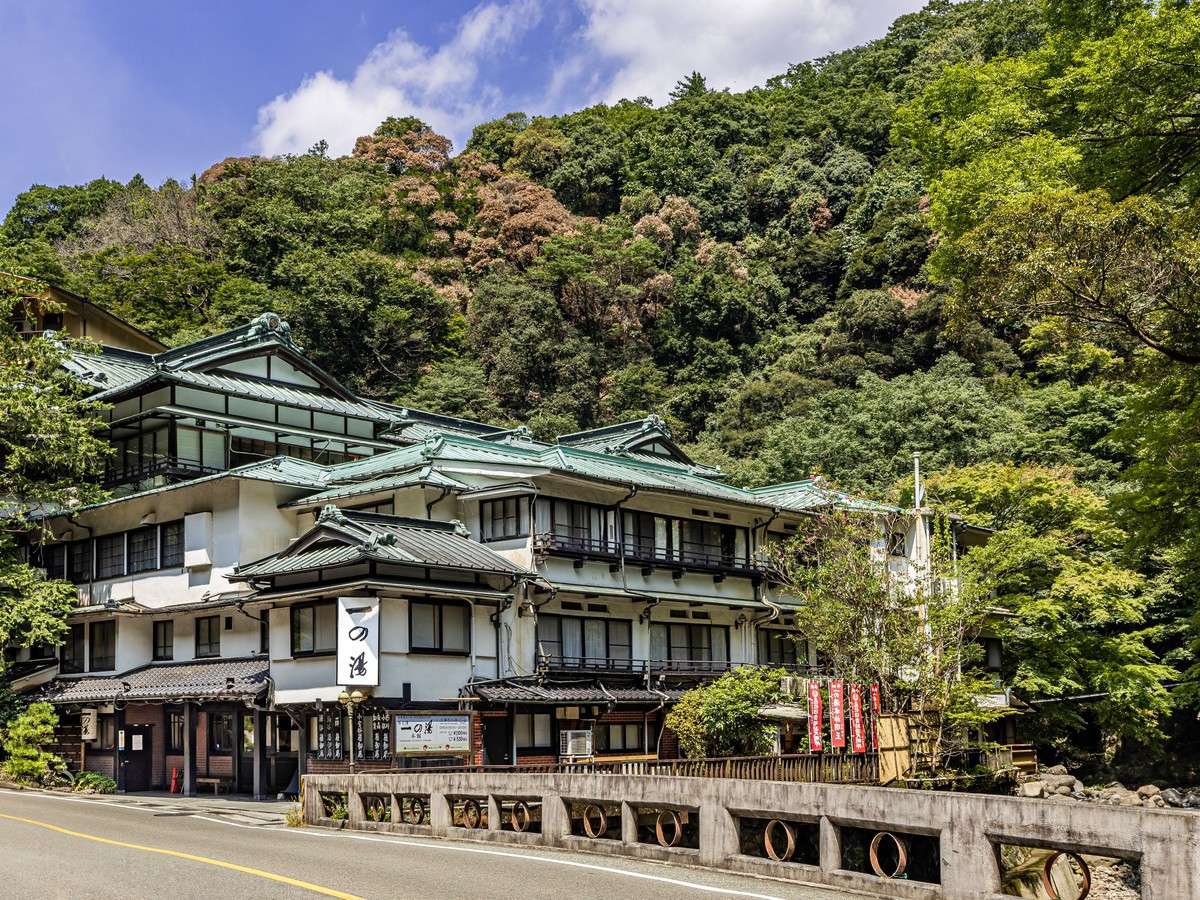
The first time I quoted a ryokan cost per night to a friend planning her honeymoon, she thought I had added an extra zero. The second time, after I explained what was actually inside that number, she booked two nights instead of one. That gap, between the sticker shock and the math that makes ryokans one of the better-value splurges in Japan, is what this guide exists to close.
Most of the pricing pages out there shrug and tell you "15,000 to 30,000 yen." That range is technically correct and practically useless. A budget guesthouse in Asakusa and a 14-course kaiseki at a Kyoto teahouse-inn both fit inside it, and the experiences could not be more different. After a decade of booking ryokans for myself, family, and several stubborn friends, I broke the market into four tiers, layered in regional and seasonal multipliers, and pulled live 2026 prices from Booking.com, Rakuten Travel, and Jalan to back every number you'll read below.
This is the definitive ryokan cost per night reference for 2026. By the end you'll know what each yen actually buys, where the price spikes hide, and where the genuine bargains still exist.
What "Per Night" Actually Means at a Ryokan
Before we get to numbers, two quirks of ryokan pricing trip up almost everyone.
Rates are per person, not per room. This is the single biggest source of confusion. When a ryokan lists ¥25,000, that is for one guest, based on two people sharing the room. A couple pays ¥50,000 total. Western hotels quote per room, so the gap between a ¥15,000 hotel and a ¥15,000 ryokan is larger than it looks.
Dinner and breakfast are usually baked in. A 1泊2食 (ippaku-nishoku, "one night two meals") rate is the default. That dinner is typically a multi-course kaiseki, and the breakfast is a full Japanese spread of grilled fish, rice, miso, pickles, and tamagoyaki. Pulling those meals out and pricing them separately is what makes ryokan rates look reasonable. A serviceable kaiseki in Tokyo runs ¥12,000-¥18,000 a head before drinks; a ryokan stay folds that, plus breakfast, plus the room, plus onsen access, into one number.
Once you internalize those two rules, the four-tier system below stops feeling expensive and starts feeling like a menu.
The Four Tiers of Ryokan Pricing in 2026
Here is the master table I work from. All prices are per person, per night, with two guests sharing the room, dinner and breakfast included, mid-week, low season, before tax and bath tax.
| Tier | Per Person / Night (JPY) | Per Person / Night (USD) | What You Get | |---|---|---|---| | Budget | ¥10,000 - ¥18,000 | $67 - $120 | Shared bath, simple set-menu dinner, futon on tatami | | Mid-range | ¥18,000 - ¥35,000 | $120 - $235 | Private toilet, in-house onsen, 7-9 course kaiseki | | Upper-mid | ¥35,000 - ¥60,000 | $235 - $400 | En-suite bath, named rooms, 10-12 course kaiseki, garden views | | Luxury | ¥60,000 - ¥150,000+ | $400 - $1,000+ | Private outdoor onsen, 12-14 course chef's kaiseki, butler-style nakai service |
USD figures use ¥150 to the dollar, which is roughly where the rate has settled in 2026. Now let's break each tier down with real properties and live rates.
Tier 1: Budget Ryokans (¥10,000 - ¥18,000 per person)
This is where solo backpackers and budget-conscious couples can still touch the tradition without burning a credit card. Expect tatami floors, futon bedding, a shared bath (sometimes a small communal onsen, sometimes just a Japanese-style bathroom), and meals that are simple but honest, often a set menu rather than full kaiseki.
A few realistic 2026 examples:
- Oyado Kurokawa, Kurokawa Onsen, Kyushu lists rooms at ¥12,727-¥14,545 per person with two meals, mid-week [verified Kurokawa Onsen Ryokan Association 2026-05-04]. - Tougetsu Ryokan, Kyoto runs from ¥13,000 per person with breakfast [verified Inside Kyoto 2026-05-04]. - Asakusa Shigetsu, Tokyo sits around ¥11,000-¥16,000 per person room-only on weekday nights [verified Booking.com 2026-05-04].
What you sacrifice at this tier is the in-room private bath, the named historic suite, and the 14-course tasting menu. What you keep is the futon, the yukata, the slippers at the entrance, and a real onsen down the hall. For a first-time ryokan night, that is plenty.
Tier 2: Mid-Range Ryokans (¥18,000 - ¥35,000 per person)
This is the sweet spot for most international travelers. You get a proper kaiseki dinner of seven to nine courses, a private toilet in the room, and access to a real in-house onsen with separate men's and women's baths, often with a rotenburo (outdoor pool). Some properties at the upper end of this band start adding small private bathing slots you can reserve.
Live 2026 rates I pulled while writing this:
- Ryokan Ichinoi, Kurokawa Onsen is listed at ¥18,700-¥24,200 per person with two meals [verified Kurokawa Onsen Ryokan Association 2026-05-04]. - Yoshida-Sanso, Kyoto runs ¥28,000-¥34,000 per person depending on room [verified Rakuten Travel 2026-05-04]. - Ikoi Ryokan, Kurokawa prices in around ¥21,500-¥23,500 per person for two-meal plans [verified Kurokawa Onsen Ryokan Association 2026-05-04].
If you book one ryokan night on a two-week Japan trip, do it in this tier. The food jumps noticeably, the rooms are quiet and properly maintained, and the staff usually have enough English to walk first-timers through the etiquette.
Tier 3: Upper-Mid Ryokans (¥35,000 - ¥60,000 per person)
Here the experience becomes a destination in itself. Rooms are larger, often with a small sitting area, a private en-suite bath, and a view that justifies the price. Kaiseki creeps to ten to twelve courses, plated with the kind of care that makes you put your phone down. The nakai (room attendant) starts to feel like a personal host rather than a server.
Real 2026 rates:
- Yamamizuki, Kurokawa Onsen lists at ¥18,000-¥45,000 per person depending on room and season; the upper-band suites land squarely in this tier [verified Kurokawa Onsen Ryokan Association 2026-05-04]. - Hakone Ginyu, Hakone offers rooms with private outdoor onsen from around ¥54,600 per person based on double occupancy [verified Ryokan Finder 2026-05-04]. - Tsuru-no-yu Bessho, Lake Tazawa in the upper-end Tohoku market sits in the ¥40,000-¥55,000 band on weekend rates [verified Rakuten Travel 2026-05-04].
This tier is where Japanese honeymooners and anniversary travelers concentrate. If you're going to book one ryokan and you want it to be a story, this is where the story happens.
Tier 4: Luxury Ryokans (¥60,000 - ¥150,000+ per person)
The upper ceiling on ryokan pricing has effectively no roof. At the top, you are paying for centuries-old wooden architecture, individually named rooms with their own history, private gardens, in-room outdoor baths fed 24 hours by natural spring water, and a fourteen-course chef's kaiseki where the nakai explains the source of every ingredient.
Verified 2026 luxury rates:
- Gora Kadan, Hakone: standard rooms from ¥76,000 per person including dinner, breakfast, tax and service; annex suites from ¥152,000 per person [verified Booking.com / Ryokan Finder 2026-05-04]. - Tawaraya, Kyoto quotes by direct request only, but bookings consistently report ¥80,000-¥120,000 per person for the named rooms [verified Ryokan Collection 2026-05-04]. - Hoshinoya Kyoto runs ¥95,000-¥160,000 per person depending on room category, with seasonal premiums on top [verified Hoshinoya direct 2026-05-04]. - Asaba, Shuzenji sits around ¥65,000-¥110,000 per person depending on room [verified Ryokan Collection 2026-05-04].
For context, ¥150,000 per person is roughly $1,000. That's expensive in any currency, but it includes a kaiseki dinner that would cost ¥30,000-¥40,000 standalone in Ginza, a breakfast easily worth ¥6,000, and a hotel room in a unique heritage building. The room rate, stripped of those, is closer to ¥100,000, which is in line with a top-tier suite at a Tokyo five-star.
What Is Actually Included in That Per-Night Rate
The line on Booking.com that says "breakfast included" is doing a lot of heavy lifting. Here is the complete inclusions list at a typical mid-range or upper-mid ryokan, the bundle that lifts the perceived price-per-night close to its actual value.
| Inclusion | What It Looks Like | Standalone Value | |---|---|---| | Kaiseki dinner | 7-14 courses, seasonal, plated | ¥10,000-¥30,000 | | Japanese breakfast | Grilled fish, rice, miso, pickles, tamagoyaki | ¥3,000-¥6,000 | | Onsen access | Indoor + outdoor baths, often 24-hour | ¥1,000-¥2,500 entry equivalent | | Yukata + obi | Provided in room, worn around property | (cultural, not priced) | | Futon service | Laid out and put away by staff | (service, not priced) | | Welcome tea + sweets | Greeted on arrival, often in lobby | ¥500-¥1,500 | | Towels, toothbrush, razor, hairdryer | Standard amenities | ¥500-¥1,000 | | Nakai-san service | Room attendant, dinner service in room or dining | (service, not priced) | | Green tea + water in room | Constantly refreshed | included |
Do the addition. At the mid-range tier (call it ¥25,000 per person), the meals alone account for ¥15,000-¥25,000 of perceived value, the onsen is ¥1,500, and the room and service swallow the rest. The "expensive" part of a ryokan is the bundle, and unbundling it is exactly how Western hotels make their lower headline rates look better than they are.
Regional Multipliers: Where the Same Tier Costs More or Less
A ¥25,000 ryokan in Tohoku and a ¥25,000 ryokan in Kyoto are not the same ryokan. Region drives roughly a 30% spread on identical-tier properties, and pricing reflects land cost, demand, and prestige rather than always quality. Here is the multiplier table I use when building budgets:
| Region | Multiplier vs Baseline | Notes | |---|---|---| | Kyoto (central) | +20% to +30% | Heritage prestige, scarcity inside the ring road | | Hakone | +15% to +25% | Tokyo weekend demand, Mt Fuji views | | Tokyo (any neighborhood) | +25% to +35% | Land cost, business travel competition | | Nikko / Karuizawa | +10% to +20% | Foreigner-friendly, premium positioning | | Kanazawa | flat to +10% | Rising fast since the shinkansen extension | | Ise / Shima | -5% to +5% | Under-appreciated, well-priced | | Tohoku (Aomori, Akita, Iwate) | -15% to -20% | Lower demand, real bargains | | Kyushu rural (Kurokawa, Yufuin) | -10% to -20% | Best value-per-yen tier nationally | | Hokkaido onsen towns | flat to +10% | Niseko ski premium spikes Dec-Feb |
In practical terms: if your budget is tight and you want a real onsen ryokan experience, point yourself at Tohoku or rural Kyushu. The same ¥18,000 that gets you a budget-tier shared-bath night in Kyoto buys a mid-tier kaiseki-and-private-onsen night in Kurokawa.
Seasonal Surcharges: When Ryokan Cost Per Night Spikes
Region is structural. Season is brutal. Ryokans in popular areas can double their per-night rate during peak weeks, and a few quietly do worse than that. Plot your travel against this calendar before you commit dates.
| Period | Surcharge vs Baseline | Why | |---|---|---| | Golden Week (late Apr - early May) | +30% to +50% | Domestic stampede; everything books out | | Cherry blossom (late Mar - early Apr) | +20% to +40% | Highest international demand week | | Autumn foliage (Nov, koyo) | +20% to +40% | Photographer & domestic boomer traffic | | New Year (Dec 30 - Jan 3) | +30% to +50% | Family tradition, extended kaiseki | | Obon (mid Aug) | +25% to +35% | Domestic family travel | | Niseko ski peak (mid Dec - Feb) | +40% to +80% | Australian/Asian ski demand | | Saturday nights (year-round) | +15% to +25% | Universal weekend premium | | Mid-week, shoulder season | -10% to -20% | The opposite, and underused |
Two practical points. First, Saturday is by far the most expensive night of any normal week. Shifting to Tuesday or Wednesday at the same property routinely saves ¥10,000-¥15,000 per person. Second, the cherry blossom premium is real, but it is not uniform; rural Tohoku ryokans, where sakura arrives later and crowds are thinner, often hold close to baseline rates even in the second week of April.
Single Supplements and Child Rates
Two pricing footnotes that matter more than they should.
Solo travelers historically were not welcome at traditional ryokans because the per-person, per-room math doesn't work for the property. That has shifted. Many ryokans now accept solos, but with a single supplement of roughly 20%-50% on top of the per-person double-occupancy rate. A ryokan listing ¥25,000 for double occupancy will quote a solo guest ¥30,000-¥38,000 for the same room, with a slightly reduced food portion in some cases. Hostel-style budget ryokans and modern guesthouses are the cheapest solo option.
Children are typically priced on a tiered scale. A common structure: ages 0-2 free (no meal, sleeping with parents), ages 3-5 around 30%-40% of adult rate (small kids' meal), ages 6-11 around 50%-70% (child kaiseki), and 12+ at full adult rate. Always confirm with the property directly, because some heritage ryokans simply do not accept young children at all.
Booking Examples: Real Stays at Each Tier
To make these tiers concrete, here are four sample bookings I priced out for early November 2026, mid-week, two adults sharing a room, with two meals.
Budget tier: Kurokawa Onsen, Kyushu (¥13,000 per person) Two nights at Oyado Kurokawa, mid-week early November. Total for two adults: ¥52,000. You get tatami rooms, shared bath, a simple but solid set-menu dinner, the village's three rotating bathhouses included via the famous wooden-token system. Net cost per couple per night: ¥26,000.
Mid-range tier: Hakone (¥28,000 per person) One night at a forested mid-tier Hakone property, Tuesday in November. Total for two: ¥56,000. Private toilet, in-house onsen with rotenburo, nine-course kaiseki including local Kintoki carrot and a small wagyu course. Net cost per couple per night: ¥56,000.
Upper-mid tier: Kanazawa (¥45,000 per person) One night at a renovated machiya-style ryokan, Wednesday in mid-November. Total for two: ¥90,000. Private en-suite cypress bath, eleven-course kaiseki with snow crab in season, breakfast served in a private dining room. Net cost: ¥90,000 per couple per night.
Luxury tier: Hakone Gora (¥80,000 per person) One night at Gora Kadan, weekday early November. Total for two: ¥160,000 including taxes and service. Garden-view room, private outdoor onsen, fourteen-course kaiseki, attentive nakai service. Net cost: ¥160,000 per couple per night, breakfast included [verified Booking.com 2026-05-04].
These are the numbers I would actually quote a friend asking what to budget. Add 10%-15% if you're traveling on a Saturday in peak foliage season; subtract 10%-20% if you're booking a Tuesday in late January.
Ryokan vs Western Hotel: Apples to Apples
The fairest comparison isn't ryokan-rate versus hotel-rate, because the bundle is different. It's total spend for the same evening of room + dinner + breakfast + a soak somewhere.
A ¥35,000 per person mid-tier ryokan night for two: ¥70,000 total, all-in.
A ¥40,000 per night five-star Tokyo hotel room for two, plus a ¥15,000-per-person kaiseki dinner at a hotel restaurant, plus ¥3,000-per-person breakfast, plus a ¥4,500-per-person onsen day pass somewhere: ¥40,000 + ¥30,000 + ¥6,000 + ¥9,000 = ¥85,000.
The ryokan comes in cheaper, in a more cohesive setting, with the whole evening choreographed by one staff. That's the actual math, and it's why ryokans keep punching above their headline price.
How to Find Real Deals on Ryokan Cost Per Night
A few tactics I use repeatedly.
Book direct, in Japanese if possible. Rakuten Travel and Jalan consistently undercut Booking.com on Japanese inns by 5%-15%, and the ryokan's own site sometimes has plans (early-bird, no-cancellation, repeat-guest) that no aggregator carries.
Shift to Tuesday or Wednesday. Already mentioned, worth repeating. The single highest-leverage move you can make is moving a Saturday booking to mid-week.
Pick the second-best room category. The top suite is usually a 30%-50% premium for a marginally larger room. The second category down at the same property is where the best value lives.
Travel in shoulder months. Late January, February (excluding Lunar New Year), and early June are the cheapest weeks of the year for ryokans nationwide. The food doesn't get worse; the crowds just disappear.
Look at the rural prefectures. Tohoku, Shikoku, Kyushu off the Yufuin/Kurokawa core. Identical-tier experiences for 70%-85% of the Kanto/Kansai price.
Book early for foliage and sakura, late for everything else. Peak weeks need 3-6 months of lead time. Off-peak you can often book a luxury ryokan a week out at the standard rate.
Hidden Costs That Don't Show Up on the Headline Rate
A few line items routinely surprise first-time bookers, and they all live below the per-night quote.
Bath tax (nyutoh-zei). Most onsen towns levy a local accommodation tax of ¥150-¥500 per person per night. It's small, but it isn't in the displayed rate, and it's collected at check-out in cash at some traditional inns.
Sake, beer, and drinks at dinner. The kaiseki is included; the drinks are not. A small bottle of local sake runs ¥1,200-¥2,500, a beer ¥700-¥1,000. Two people sharing a sake course at dinner can easily add ¥3,000-¥5,000 to the bill.
Service charge. Mid-tier and luxury ryokans typically include service in the rate, but a few high-end properties add 10%-15% at check-out. Always look for "service charge included" in the booking fine print.
Consumption tax. Japan's 10% VAT is included in headline rates by law since 2021, but some older property pages and direct bookings still quote pre-tax. If a number looks suspiciously low, that's usually why.
Optional in-room dining. Some ryokans charge a small premium (¥2,000-¥5,000 per person) to serve kaiseki in your room rather than a private dining room. Worth it for a special occasion, skippable otherwise.
Transfer fees. Pickup from the nearest train station is free at most ryokans. A few luxury properties charge ¥2,000-¥5,000 each way, particularly if the station is more than 15 minutes out. Always confirm in the booking confirmation email.
Add it all up and a typical mid-tier two-night stay for a couple sees roughly ¥3,000-¥8,000 of extras above the headline rate. Budget that in and there are no surprises at check-out.
Is It Worth It?
After all the breakdowns, the honest answer is yes, with one condition: do it once, properly, in the mid-range tier or above. A budget ryokan night is fine, but it isn't the experience the photos sell. A mid-range or upper-mid ryokan night is the experience, and the per-night cost, when you actually price out the bundle, is competitive with a Tokyo five-star plus a tasting menu.
The ryokan cost per night that looks high on a hotel comparison site is doing more work than the rate next to it. Once you see the components, the question shifts from "is this expensive?" to "where do I want to spend my one or two nights?" That is a much more interesting question, and one this guide should now have given you the numbers to answer.
처음으로 신혼여행을 계획하던 친구에게 료칸 1박 가격을 알려주었을 때, 그녀는 제가 0을 하나 더 붙였다고 생각했습니다. 두 번째로 그 금액 안에 무엇이 포함되어 있는지 설명한 뒤에는, 1박이 아니라 2박을 예약했습니다. 가격표를 보고 놀라는 순간과, 료칸이 일본에서 가장 가성비 좋은 사치 중 하나임을 보여주는 계산 사이의 그 간극이 바로 이 가이드가 메우려는 부분입니다.
대부분의 가격 페이지는 어깨를 으쓱하며 "15,000엔에서 30,000엔"이라고만 알려줍니다. 그 범위는 기술적으로는 맞지만 실용적으로는 쓸모가 없습니다. 아사쿠사의 저렴한 게스트하우스와 교토 다실 료칸의 14코스 가이세키가 모두 그 안에 들어가는데, 경험은 전혀 다를 수 없을 정도로 차이가 납니다. 10년간 저 자신과 가족, 그리고 몇몇 고집 센 친구들을 위해 료칸을 예약해온 끝에, 저는 시장을 네 가지 등급으로 나누고, 지역별 및 계절별 배율을 더한 다음, 부킹닷컴, 라쿠텐 트래블, 자란에서 2026년 실시간 가격을 가져와 아래에 나오는 모든 숫자를 뒷받침했습니다.
이것이 2026년 료칸 1박 가격에 대한 결정판 참고 자료입니다. 끝까지 읽고 나면, 각 엔(₩KRW 약 9.4원)이 실제로 무엇을 사는지, 가격 급등이 어디에 숨어 있는지, 그리고 진정한 가성비는 어디에 남아 있는지 알게 되실 겁니다.
료칸에서 "1박"이 실제로 의미하는 것
숫자를 보기 전에, 료칸 가격 책정의 두 가지 특이점이 거의 모든 사람을 헷갈리게 합니다.
요금은 객실당이 아니라 1인당입니다. 이것이 가장 큰 혼란의 원인입니다. 료칸이 ¥25,000(약 ₩235,000)이라고 표시하면, 그것은 두 명이 한 방을 쓰는 것을 기준으로 한 사람당 가격입니다. 커플은 총 ¥50,000을 지불합니다. 서양 호텔은 객실당 가격을 표시하므로, ¥15,000짜리 호텔과 ¥15,000짜리 료칸의 차이는 보이는 것보다 큽니다.
저녁과 아침은 보통 포함되어 있습니다. 1泊2食(잇파쿠니쇼쿠, "1박 2식") 요금이 기본입니다. 그 저녁은 일반적으로 다코스 가이세키이며, 아침은 구운 생선, 밥, 미소, 절임, 다마고야키로 구성된 풀 일본식 식사입니다. 그 식사를 따로 떼어내 별도로 가격을 매기는 것이 료칸 요금을 합리적으로 보이게 만드는 비결입니다. 도쿄에서 괜찮은 가이세키는 음료 전 1인당 ¥12,000-¥18,000 정도이고, 료칸 숙박은 그것에 아침 식사, 객실, 온천 이용까지 한 숫자에 묶어 넣습니다.
이 두 가지 규칙을 체화하면, 아래의 4단계 시스템은 비싸 보이는 대신 메뉴처럼 느껴지기 시작합니다.
2026년 료칸 가격의 4단계
다음은 제가 작업의 기준으로 삼는 마스터 표입니다. 모든 가격은 1인당, 1박당, 두 명이 한 방을 사용하는 기준이며, 저녁과 아침이 포함되어 있고, 평일, 비수기, 세금 및 입탕세 적용 전입니다.
| 등급 | 1인 1박 (JPY) | 1인 1박 (USD) | 포함 내용 | |---|---|---|---| | 저가 | ¥10,000 - ¥18,000 | $67 - $120 | 공용 욕탕, 단순 세트 메뉴 저녁, 다다미 위 이불 | | 중급 | ¥18,000 - ¥35,000 | $120 - $235 | 개인 화장실, 자체 온천, 7-9코스 가이세키 | | 상급 | ¥35,000 - ¥60,000 | $235 - $400 | 객실 내 욕실, 이름 있는 객실, 10-12코스 가이세키, 정원 전망 | | 럭셔리 | ¥60,000 - ¥150,000+ | $400 - $1,000+ | 프라이빗 노천 온천, 12-14코스 셰프 가이세키, 집사식 나카이 서비스 |
USD 수치는 1달러당 ¥150을 사용했으며, 이는 2026년 환율이 대체로 자리 잡은 수준입니다. 이제 각 등급을 실제 시설과 실시간 요금으로 분석해 보겠습니다.
1단계: 저가 료칸 (1인당 ¥10,000 - ¥18,000)
이 단계는 솔로 배낭여행자와 예산을 의식하는 커플이 신용카드를 태우지 않고도 전통을 체험할 수 있는 곳입니다. 다다미 바닥, 이불 침구, 공용 욕탕(작은 공용 온천일 때도, 그저 일본식 욕실일 때도 있음), 그리고 풀 가이세키라기보다는 세트 메뉴인 단순하지만 정직한 식사를 기대하시면 됩니다.
현실적인 2026년 사례 몇 가지입니다.
- 오야도 쿠로카와, 쿠로카와 온천, 큐슈는 평일 2식 포함 1인당 ¥12,727-¥14,545에 객실을 제공합니다 [쿠로카와 온천 료칸 협회 2026년 5월 4일 확인]. - 토게쓰 료칸, 교토는 조식 포함 1인당 ¥13,000부터 시작합니다 [Inside Kyoto 2026년 5월 4일 확인]. - 아사쿠사 시게쓰, 도쿄는 평일 밤 객실만 1인당 약 ¥11,000-¥16,000 수준입니다 [부킹닷컴 2026년 5월 4일 확인].
이 단계에서 포기하는 것은 객실 내 프라이빗 욕실, 이름 있는 역사적 스위트, 14코스 테이스팅 메뉴입니다. 유지되는 것은 이불, 유카타, 입구의 슬리퍼, 그리고 복도 끝에 있는 진짜 온천입니다. 첫 료칸 숙박이라면, 이 정도면 충분합니다.
2단계: 중급 료칸 (1인당 ¥18,000 - ¥35,000)
이 단계가 대부분의 국제 여행자에게 최적의 지점입니다. 7-9코스의 제대로 된 가이세키 저녁, 객실 내 개인 화장실, 그리고 종종 노천탕(로텐부로)이 있는 남녀 별도의 진짜 자체 온천을 이용할 수 있습니다. 이 등급의 상단에 있는 일부 시설은 예약 가능한 작은 프라이빗 입욕 시간대를 추가하기 시작합니다.
이 글을 쓰면서 가져온 2026년 실시간 요금입니다.
- 료칸 이치노이, 쿠로카와 온천은 2식 포함 1인당 ¥18,700-¥24,200에 등록되어 있습니다 [쿠로카와 온천 료칸 협회 2026년 5월 4일 확인]. - 요시다산소, 교토는 객실에 따라 1인당 ¥28,000-¥34,000입니다 [라쿠텐 트래블 2026년 5월 4일 확인]. - 이코이 료칸, 쿠로카와는 2식 플랜 기준 1인당 약 ¥21,500-¥23,500 수준입니다 [쿠로카와 온천 료칸 협회 2026년 5월 4일 확인].
2주간의 일본 여행에서 료칸 1박을 예약한다면, 이 등급에서 하시기 바랍니다. 음식의 수준이 눈에 띄게 올라가고, 객실은 조용하고 잘 관리되어 있으며, 직원들은 보통 첫 방문객에게 에티켓을 안내할 수 있을 만큼의 영어를 구사합니다.
3단계: 상급 료칸 (1인당 ¥35,000 - ¥60,000)
여기서부터 료칸 자체가 목적지가 됩니다. 객실은 더 넓고, 작은 응접 공간, 객실 내 욕실, 그리고 가격을 정당화하는 전망이 있는 경우가 많습니다. 가이세키는 10-12코스로 늘어나며, 휴대폰을 내려놓게 만드는 정성으로 플레이팅됩니다. 나카이(객실 담당자)는 서버라기보다 개인 호스트처럼 느껴지기 시작합니다.
실제 2026년 요금입니다.
- 야마미즈키, 쿠로카와 온천은 객실과 시즌에 따라 1인당 ¥18,000-¥45,000에 등록되어 있으며, 상단 스위트는 정확히 이 등급에 해당합니다 [쿠로카와 온천 료칸 협회 2026년 5월 4일 확인]. - 하코네 긴유, 하코네는 2인 1실 기준 프라이빗 노천 온천이 있는 객실을 1인당 약 ¥54,600부터 제공합니다 [Ryokan Finder 2026년 5월 4일 확인]. - 쓰루노유 벳쇼, 다자와호는 도호쿠의 상단 시장에서 주말 요금 기준 ¥40,000-¥55,000 대에 자리합니다 [라쿠텐 트래블 2026년 5월 4일 확인].
이 단계는 일본의 신혼부부와 기념일 여행자들이 모이는 곳입니다. 료칸을 한 번 예약할 거고 그것이 이야기가 되기를 원한다면, 이야기는 이곳에서 일어납니다.
4단계: 럭셔리 료칸 (1인당 ¥60,000 - ¥150,000+)
료칸 가격의 상한은 사실상 천장이 없습니다. 정점에서는 수 세기 된 목조 건축, 각자의 역사를 가진 개별 명명된 객실, 프라이빗 정원, 천연 온천수가 24시간 흐르는 객실 내 노천탕, 그리고 나카이가 모든 식재료의 출처를 설명하는 14코스 셰프 가이세키에 대한 비용을 지불하는 것입니다.
확인된 2026년 럭셔리 요금입니다.
- 고라카단, 하코네: 스탠다드 객실은 저녁, 아침, 세금, 서비스 포함 1인당 ¥76,000부터; 별관 스위트는 1인당 ¥152,000부터 [부킹닷컴 / Ryokan Finder 2026년 5월 4일 확인]. - 타와라야, 교토는 직접 문의 시에만 견적을 제공하지만, 예약 사례에서 명명된 객실은 일관되게 1인당 ¥80,000-¥120,000으로 보고됩니다 [Ryokan Collection 2026년 5월 4일 확인]. - 호시노야 교토는 객실 카테고리에 따라 1인당 ¥95,000-¥160,000이며, 시즌별 프리미엄이 추가됩니다 [호시노야 직접 2026년 5월 4일 확인]. - 아사바, 슈젠지는 객실에 따라 1인당 약 ¥65,000-¥110,000 수준입니다 [Ryokan Collection 2026년 5월 4일 확인].
참고로, 1인당 ¥150,000은 대략 $1,000입니다. 어떤 통화로도 비싼 금액이지만, 여기에는 긴자에서 단품으로 ¥30,000-¥40,000이 들 가이세키 저녁, 쉽게 ¥6,000 가치가 있는 아침 식사, 그리고 독특한 문화재 건물의 객실이 포함됩니다. 이를 제외한 객실 요금은 ¥100,000에 가까우며, 이는 도쿄 5성급 호텔의 최상급 스위트와 비슷한 수준입니다.
1박 요금에 실제로 포함되는 것
부킹닷컴에 "조식 포함"이라고 적힌 한 줄은 많은 의미를 담고 있습니다. 다음은 일반적인 중급 또는 상급 료칸의 전체 포함 사항 목록이며, 이 묶음이 1박당 인지 가격을 실제 가치에 가깝게 끌어올립니다.
| 포함 항목 | 실제 모습 | 단품 가치 | |---|---|---| | 가이세키 저녁 | 7-14코스, 계절별, 플레이팅 | ¥10,000-¥30,000 | | 일본식 아침 | 구운 생선, 밥, 미소, 절임, 다마고야키 | ¥3,000-¥6,000 | | 온천 이용 | 실내 + 노천탕, 종종 24시간 | 입욕료 환산 ¥1,000-¥2,500 | | 유카타 + 오비 | 객실에 비치, 시설 내 착용 | (문화적, 가격 미산정) | | 이부자리 서비스 | 직원이 펴고 정리 | (서비스, 가격 미산정) | | 환영 차 + 화과자 | 도착 시, 종종 로비에서 제공 | ¥500-¥1,500 | | 수건, 칫솔, 면도기, 드라이어 | 기본 어메니티 | ¥500-¥1,000 | | 나카이상 서비스 | 객실 담당자, 객실 또는 식당에서 저녁 서비스 | (서비스, 가격 미산정) | | 객실 내 녹차 + 물 | 지속적으로 보충 | 포함 |
더해 보십시오. 중급 단계(1인당 ¥25,000으로 가정)에서, 식사만으로 인지 가치 ¥15,000-¥25,000을 차지하고, 온천이 ¥1,500이며, 객실과 서비스가 나머지를 흡수합니다. 료칸의 "비싼" 부분은 묶음이며, 이를 풀어내는 것이 바로 서양 호텔이 자신들의 낮은 헤드라인 요금을 실제보다 좋아 보이게 만드는 방식입니다.
지역별 배율: 같은 등급이 어디서 더 비싸거나 저렴해지는가
도호쿠의 ¥25,000 료칸과 교토의 ¥25,000 료칸은 같은 료칸이 아닙니다. 지역은 동일 등급 시설에 약 30% 정도의 가격 폭을 만들어내며, 가격은 항상 품질이 아니라 토지비, 수요, 명성을 반영합니다. 다음은 제가 예산을 짤 때 사용하는 배율 표입니다.
| 지역 | 기준 대비 배율 | 비고 | |---|---|---| | 교토 (중심부) | +20% ~ +30% | 문화재 명성, 순환도로 안쪽 희소성 | | 하코네 | +15% ~ +25% | 도쿄 주말 수요, 후지산 전망 | | 도쿄 (모든 지역) | +25% ~ +35% | 토지비, 비즈니스 여행 경쟁 | | 닛코 / 카루이자와 | +10% ~ +20% | 외국인 친화적, 프리미엄 포지셔닝 | | 가나자와 | 동일 ~ +10% | 신칸센 연장 이후 빠르게 상승 | | 이세 / 시마 | -5% ~ +5% | 저평가, 합리적 가격 | | 도호쿠 (아오모리, 아키타, 이와테) | -15% ~ -20% | 낮은 수요, 진짜 가성비 | | 큐슈 시골 (쿠로카와, 유후인) | -10% ~ -20% | 전국 최고의 엔당 가성비 등급 | | 홋카이도 온천 마을 | 동일 ~ +10% | 니세코 스키 프리미엄이 12-2월 급등 |
실용적인 측면에서: 예산이 빠듯하고 진정한 온천 료칸 경험을 원한다면, 도호쿠나 큐슈 시골을 향하십시오. 교토에서 공용 욕탕의 저가 등급 1박을 잡아주는 같은 ¥18,000이 쿠로카와에서는 가이세키와 프라이빗 온천이 있는 중급 1박을 사줍니다.
계절별 할증: 료칸 1박 가격이 급등할 때
지역은 구조적입니다. 계절은 잔혹합니다. 인기 지역의 료칸은 성수기 주간에 1박 요금을 두 배로 올릴 수 있고, 일부는 조용히 그 이상으로 올립니다. 날짜를 확정하기 전에 다음 달력에 여행을 대조해 보십시오.
| 기간 | 기준 대비 할증 | 이유 | |---|---|---| | 골든 위크 (4월 말 - 5월 초) | +30% ~ +50% | 국내 대이동; 모두 매진 | | 벚꽃 (3월 말 - 4월 초) | +20% ~ +40% | 가장 높은 국제 수요 주간 | | 가을 단풍 (11월, 코요) | +20% ~ +40% | 사진가 & 국내 시니어 트래픽 | | 신년 (12월 30일 - 1월 3일) | +30% ~ +50% | 가족 전통, 확장 가이세키 | | 오봉 (8월 중순) | +25% ~ +35% | 국내 가족 여행 | | 니세코 스키 성수기 (12월 중순 - 2월) | +40% ~ +80% | 호주/아시아 스키 수요 | | 토요일 밤 (연중) | +15% ~ +25% | 보편적인 주말 프리미엄 | | 평일, 어깨 시즌 | -10% ~ -20% | 그 반대, 활용도 낮음 |
두 가지 실용적 포인트. 첫째, 토요일은 평범한 주의 어떤 밤보다 훨씬 비쌉니다. 같은 시설에서 화요일이나 수요일로 옮기면 일상적으로 1인당 ¥10,000-¥15,000을 절약할 수 있습니다. 둘째, 벚꽃 프리미엄은 실재하지만 균일하지 않습니다; 사쿠라가 늦게 도착하고 인파가 적은 시골 도호쿠 료칸은 4월 둘째 주에도 종종 기준 요금에 가깝게 유지됩니다.
1인 추가 요금과 어린이 요금
생각보다 더 중요한 두 가지 가격 각주가 있습니다.
솔로 여행자는 역사적으로 전통 료칸에서 환영받지 못했습니다. 1인 1실의 산수가 시설에 맞지 않기 때문입니다. 그것이 변했습니다. 이제 많은 료칸이 솔로를 받지만, 2인 1실 1인당 요금에 대략 20%-50%의 1인 추가 요금이 붙습니다. 2인 1실 ¥25,000을 표시하는 료칸은 솔로 게스트에게 같은 객실을 ¥30,000-¥38,000으로 견적을 내며, 일부 경우에는 식사량이 약간 줄어듭니다. 호스텔식 저가 료칸과 현대식 게스트하우스가 가장 저렴한 솔로 옵션입니다.
어린이는 일반적으로 단계별 요금으로 책정됩니다. 일반적인 구조: 0-2세 무료(식사 없음, 부모와 함께 취침), 3-5세 성인 요금의 약 30%-40%(작은 어린이 식사), 6-11세 약 50%-70%(어린이 가이세키), 12세 이상 성인 요금 전액. 일부 문화재 료칸은 어린아이를 아예 받지 않으므로, 항상 시설에 직접 확인하십시오.
예약 사례: 각 등급의 실제 숙박
이 등급들을 구체화하기 위해, 2026년 11월 초, 평일, 두 명의 성인이 한 방을 사용하고 2식 포함으로 가격을 산정한 4가지 샘플 예약을 소개합니다.
저가 등급: 쿠로카와 온천, 큐슈 (1인당 ¥13,000) 오야도 쿠로카와에서 11월 초 평일 2박. 성인 2명 합계: ¥52,000. 다다미 객실, 공용 욕탕, 단순하지만 견고한 세트 메뉴 저녁, 그리고 유명한 목제 토큰 시스템으로 마을의 세 군데 순환 욕탕을 무료로 이용할 수 있습니다. 커플 1박 순비용: ¥26,000.
중급 등급: 하코네 (1인당 ¥28,000) 11월 화요일, 숲속 중급 하코네 시설에서 1박. 2인 합계: ¥56,000. 개인 화장실, 노천탕이 있는 자체 온천, 지역 킨토키 당근과 작은 와규 코스를 포함한 9코스 가이세키. 커플 1박 순비용: ¥56,000.
상급 등급: 가나자와 (1인당 ¥45,000) 11월 중순 수요일, 리노베이션된 마치야 스타일 료칸에서 1박. 2인 합계: ¥90,000. 객실 내 노송나무 욕조, 제철 대게가 포함된 11코스 가이세키, 프라이빗 다이닝룸에서 제공되는 아침. 순비용: 커플 1박 ¥90,000.
럭셔리 등급: 하코네 고라 (1인당 ¥80,000) 고라카단에서 11월 초 평일 1박. 세금과 서비스를 포함한 2인 합계: ¥160,000. 정원 전망 객실, 프라이빗 노천 온천, 14코스 가이세키, 세심한 나카이 서비스. 순비용: 아침 식사 포함 커플 1박 ¥160,000 [부킹닷컴 2026년 5월 4일 확인].
이것이 친구가 예산을 묻는다면 제가 실제로 견적해줄 숫자들입니다. 단풍 성수기 토요일에 여행한다면 10%-15%를 더하시고, 1월 말 화요일에 예약한다면 10%-20%를 빼십시오.
료칸 vs 서양식 호텔: 동등 비교
가장 공정한 비교는 료칸 요금 대 호텔 요금이 아닙니다. 묶음이 다르기 때문입니다. 같은 저녁의 객실 + 저녁 + 아침 + 어딘가에서의 입욕에 대한 총 지출입니다.
1인당 ¥35,000짜리 중급 료칸 1박, 2인: 총 ¥70,000, 모두 포함.
도쿄 5성급 호텔 객실 1박당 ¥40,000 2인, 호텔 레스토랑에서 1인당 ¥15,000짜리 가이세키 저녁, 1인당 ¥3,000 아침, 어딘가에서 1인당 ¥4,500 온천 데이패스: ¥40,000 + ¥30,000 + ¥6,000 + ¥9,000 = ¥85,000.
료칸이 더 싸게, 더 통일된 환경에서, 한 직원이 전체 저녁을 안무한 형태로 나옵니다. 그것이 실제 산수이며, 료칸이 헤드라인 가격 위로 계속 펀치를 날리는 이유입니다.
료칸 1박 가격에서 진짜 가성비를 찾는 법
제가 반복적으로 사용하는 몇 가지 전술입니다.
가능하면 일본어로 직접 예약하십시오. 라쿠텐 트래블과 자란은 일본 여관에서 부킹닷컴보다 일관되게 5%-15% 저렴하며, 료칸 자체 사이트에는 종종 어떤 어그리게이터에도 없는 플랜(얼리버드, 취소 불가, 단골 손님)이 있습니다.
화요일 또는 수요일로 옮기십시오. 이미 언급했지만 반복할 가치가 있습니다. 가장 큰 레버리지를 가진 단일 행동은 토요일 예약을 평일로 옮기는 것입니다.
두 번째로 좋은 객실 카테고리를 고르십시오. 최상급 스위트는 보통 약간 더 큰 객실에 30%-50% 프리미엄이 붙습니다. 같은 시설에서 한 단계 아래 카테고리가 최고의 가성비가 있는 곳입니다.
어깨 시즌에 여행하십시오. 1월 말, 2월(음력 설 제외), 6월 초가 전국 료칸에서 연중 가장 저렴한 주간입니다. 음식이 나빠지지 않습니다; 단지 인파가 사라질 뿐입니다.
시골 현을 보십시오. 도호쿠, 시코쿠, 유후인/쿠로카와 핵심을 벗어난 큐슈. 동일 등급 경험이 간토/간사이 가격의 70%-85%입니다.
단풍과 사쿠라는 일찍, 그 외에는 늦게 예약하십시오. 성수기 주간은 3-6개월의 리드 타임이 필요합니다. 비수기에는 종종 럭셔리 료칸을 일주일 전에 표준 요금으로 예약할 수 있습니다.
헤드라인 요금에 나타나지 않는 숨은 비용
몇 가지 항목은 첫 예약자들을 일상적으로 놀라게 하며, 모두 1박 견적 아래에 자리합니다.
입탕세 (뉴토우제이). 대부분의 온천 마을은 1인당 1박 ¥150-¥500의 지역 숙박세를 부과합니다. 작지만, 표시 요금에 포함되지 않으며, 일부 전통 여관에서는 체크아웃 시 현금으로 징수됩니다.
저녁의 사케, 맥주, 음료. 가이세키는 포함되지만, 음료는 그렇지 않습니다. 지역 사케 작은 병이 ¥1,200-¥2,500, 맥주가 ¥700-¥1,000입니다. 두 명이 저녁에 사케 코스를 나눠 마시면 청구서에 쉽게 ¥3,000-¥5,000을 추가할 수 있습니다.
서비스 차지. 중급 및 럭셔리 료칸은 일반적으로 요금에 서비스를 포함하지만, 일부 고급 시설은 체크아웃 시 10%-15%를 추가합니다. 예약 세부 사항에서 항상 "서비스 차지 포함"을 확인하십시오.
소비세. 일본의 10% 부가가치세는 2021년부터 법에 따라 헤드라인 요금에 포함되지만, 일부 오래된 시설 페이지와 직접 예약은 여전히 세전으로 견적합니다. 어떤 숫자가 의심스러울 정도로 낮아 보인다면, 보통 그 이유 때문입니다.
선택적 객실 내 식사. 일부 료칸은 프라이빗 다이닝룸이 아닌 객실에서 가이세키를 제공하기 위해 작은 프리미엄(1인당 ¥2,000-¥5,000)을 부과합니다. 특별한 행사라면 가치가 있고, 그 외에는 건너뛸 만합니다.
송영 비용. 가장 가까운 기차역에서의 픽업은 대부분의 료칸에서 무료입니다. 일부 럭셔리 시설은 특히 역에서 15분 이상 떨어진 경우 편도 ¥2,000-¥5,000을 부과합니다. 항상 예약 확인 이메일에서 확인하십시오.
모두 합치면, 일반적인 중급 2박 커플 숙박은 헤드라인 요금 위로 약 ¥3,000-¥8,000의 추가 비용이 발생합니다. 그것을 예산에 넣으면 체크아웃 시 놀랄 일이 없습니다.
가치가 있는가?
모든 분석 끝에 솔직한 답은, 한 가지 조건과 함께 그렇다입니다: 한 번, 제대로, 중급 등급 이상에서 하십시오. 저가 료칸 1박은 괜찮지만, 사진들이 파는 경험은 아닙니다. 중급 또는 상급 료칸 1박이 그 경험이며, 1박 비용은 묶음을 실제로 풀어 가격을 매겨보면 도쿄 5성급에 테이스팅 메뉴를 더한 것과 경쟁력이 있습니다.
호텔 비교 사이트에서 높아 보이는 료칸 1박 가격은 그 옆의 요금보다 더 많은 일을 하고 있습니다. 구성 요소를 보고 나면, 질문은 "이게 비싼가?"에서 "내 1-2박을 어디에 쓰고 싶은가?"로 바뀝니다. 그것이 훨씬 더 흥미로운 질문이며, 이 가이드가 이제 답할 수 있는 숫자를 제공해드렸기를 바랍니다.
Ready to book?
Find Your Ryokan
Browse our curated collection of traditional ryokans. Filter by region, price, and amenities.
탐색 시작하기