
12 min readUpdated June 2026
The median ryokan in Japan costs ¥44,660 per person per night, with dinner and breakfast included. In my experience the figure shocks people only until they learn the rule beneath it: ryokan rates are quoted per person, not per room, so a ¥25,000 listing means ¥50,000 for a couple sharing one room.
 Pin to Pinterest
The first time I quoted a ryokan cost per night to a friend planning her honeymoon-tier ryokan stay, she thought I had added an extra zero. The second time, after I explained what was actually inside that number, she booked two nights instead of one. That gap, between the sticker shock and the math that makes ryokans one of the better-value splurges in Japan, is what this guide exists to close.
How much does a ryokan cost per night?
The median ryokan in Japan costs ¥44,660 per person per night (≈$290 at ¥154/USD), from our Q2 2026 re-verification of 293 published properties (n=287 with rates). The middle 50% runs ¥29,260–¥65,450; budget inns start near ¥9,240, and ultra-luxury suites exceed ¥200,000. Full dataset: download the Q2 2026 price index (CSV, 293 properties).
| Nightly rate (per person) | Properties | % of dataset |
|---|---|---|
| Under ¥25,000 | 47 | 16% |
| ¥25,000–¥45,000 | 98 | 34% |
| ¥45,000–¥80,000 | 100 | 35% |
| ¥80,000+ | 42 | 15% |
Most of the pricing pages out there shrug and tell you "15,000 to 30,000 yen." That range is technically correct and practically useless. A budget guesthouse in Asakusa and a 14-course kaiseki at a Kyoto teahouse-inn both fit inside it, and the experiences could not be more different. After a decade of booking ryokans for myself, family, and several stubborn friends, I broke the market into four tiers, layered in regional and seasonal multipliers, and pulled live 2026 prices from Booking.com, Rakuten Travel, and Jalan to back every number you'll read below.
This is the definitive ryokan cost per night reference for 2026. By the end you'll know what each yen actually buys, where the price spikes hide, and where the genuine bargains still exist.
What "Per Night" Actually Means at a Ryokan
Before we get to numbers, two quirks of ryokan pricing trip up almost everyone.
Rates are per person, not per room. This is the single biggest source of confusion. When a ryokan lists ¥25,000, that is for one guest, based on two people sharing the room. A couple pays ¥50,000 total. Western hotels quote per room, so the gap between a ¥15,000 hotel and a ¥15,000 ryokan is larger than it looks.
Dinner and breakfast are usually baked in. A 1泊2食 (ippaku-nishoku, "one night two meals") rate is the default. That dinner is typically a multi-course kaiseki, and the breakfast is a full Japanese spread of grilled fish, rice, miso, pickles, and tamagoyaki. Pulling those meals out and pricing them separately is what makes ryokan rates look reasonable. A serviceable kaiseki in Tokyo runs ¥12,000-¥18,000 a head before drinks; a ryokan stay folds that, plus breakfast, plus the room, plus onsen access, into one number.
Once you internalize those two rules, the four-tier system below stops feeling expensive and starts feeling like a menu.
The Four Tiers of Ryokan Pricing in 2026
Here is the master table I work from. All prices are per person, per night, with two guests sharing the room, dinner and breakfast included, mid-week, low season, before tax and bath tax. For reference, the ¥44,660 median from our 293-property dataset lands in the Upper-mid tier, and the middle-50% span (¥29,260–¥65,450) runs from Mid-range into Luxury. The full ryokan price distribution by area shows how far that median bends between regions before you lock in a destination.
| Tier | Per Person / Night (JPY) | Per Person / Night (USD) | What You Get |
|---|---|---|---|
| Budget | ¥10,000 - ¥18,000 | $67 - $120 | Shared bath, simple set-menu dinner, futon on tatami |
| Mid-range | ¥18,000 - ¥35,000 | $120 - $235 | Private toilet, in-house onsen, 7-9 course kaiseki |
| Upper-mid | ¥35,000 - ¥60,000 | $235 - $400 | En-suite bath, named rooms, 10-12 course kaiseki, garden views |
| Luxury | ¥60,000 - ¥150,000+ | $400 - $1,000+ | Private outdoor onsen, 12-14 course chef's kaiseki, butler-style nakai service |
USD figures use ¥150 to the dollar, which is roughly where the rate has settled in 2026. Now let's break each tier down with real properties and live rates.
Tier 1: Budget Ryokans (¥10,000 - ¥18,000 per person)
This is where solo backpackers and budget-conscious couples can still touch the tradition without burning a credit card. Expect tatami floors, futon bedding, a shared bath (sometimes a small communal onsen, sometimes just a Japanese-style bathroom), and meals that are simple but honest, often a set menu rather than full kaiseki.
A few realistic 2026 examples:
- Oyado Kurokawa, Kurokawa Onsen, Kyushu lists rooms at ¥12,727-¥14,545 per person with two meals, mid-week . - Tougetsu Ryokan, Kyoto runs from ¥13,000 per person with breakfast . - Asakusa Shigetsu, Tokyo sits around ¥11,000-¥16,000 per person room-only on weekday nights .
What you sacrifice at this tier is the in-room private bath, the named historic suite, and the 14-course tasting menu. What you keep is the futon, the yukata, the slippers at the entrance, and a real onsen down the hall. For a first-time ryokan night, that is plenty. If you want a ready-made shortlist in this band, see our hand-checked picks under ¥20,000 — 13 properties spanning ¥5,300 to ¥19,500 a night.
Tier 2: Mid-Range Ryokans (¥18,000 - ¥35,000 per person)
This is the sweet spot for most international travelers. You get a proper kaiseki dinner of seven to nine courses, a private toilet in the room, and access to a real in-house onsen with separate men's and women's baths, often with a rotenburo (outdoor pool). Some properties at the upper end of this band start adding small private bathing slots you can reserve.
Live 2026 rates I pulled while writing this:
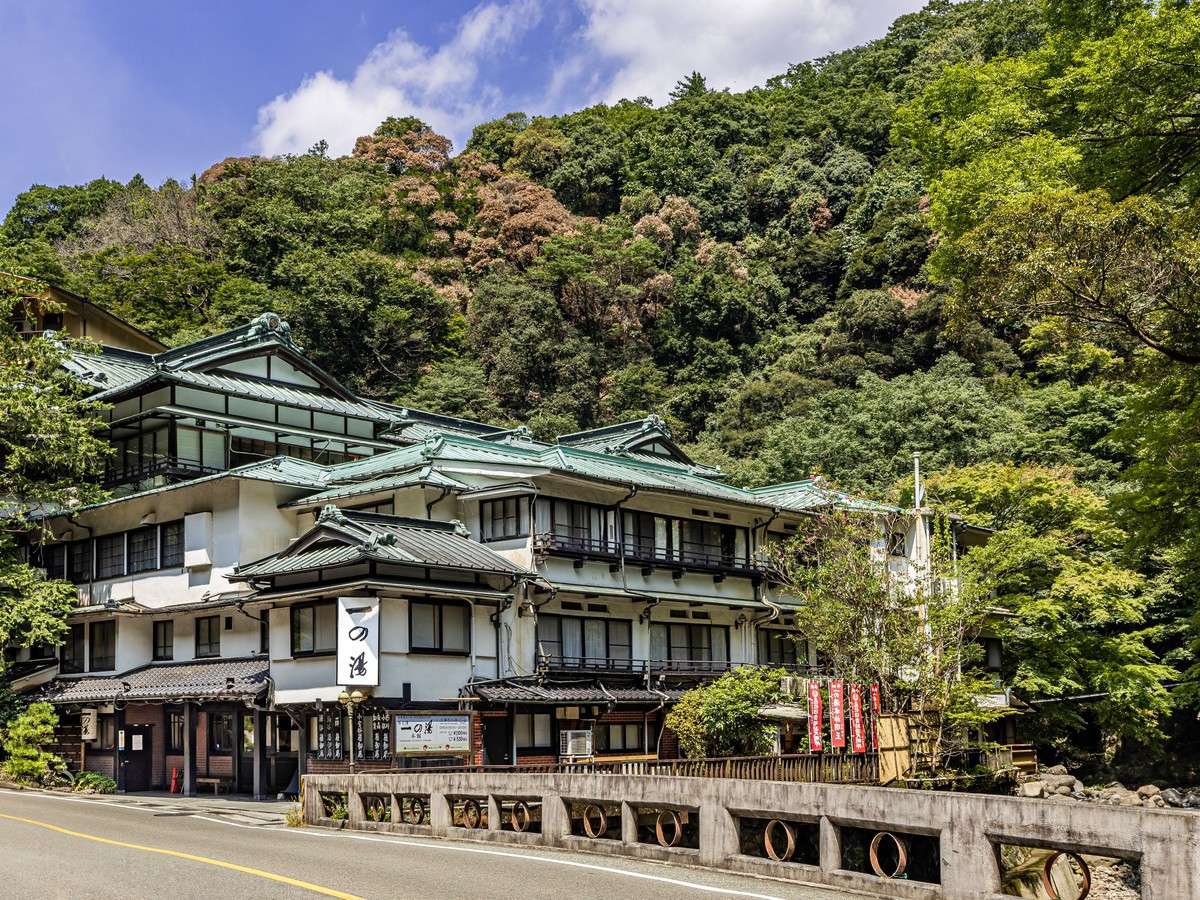
- Ryokan Ichinoi, Kurokawa Onsen is listed at ¥18,700-¥24,200 per person with two meals . - Yoshida-Sanso, Kyoto runs ¥28,000-¥34,000 per person depending on room . - Ikoi Ryokan, Kurokawa prices in around ¥21,500-¥23,500 per person for two-meal plans .
If you book one ryokan night on a two-week Japan trip, do it in this tier. The food jumps noticeably, the rooms are quiet and properly maintained, and the staff usually have enough English to walk first-timers through the etiquette.

Tier 3: Upper-Mid Ryokans (¥35,000 - ¥60,000 per person)
Here the experience becomes a destination in itself. Rooms are larger, often with a small sitting area, a private en-suite bath, and a view that justifies the price. Kaiseki creeps to ten to twelve courses, plated with the kind of care that makes you put your phone down. The nakai (room attendant) starts to feel like a personal host rather than a server.
Real 2026 rates:
- Yamamizuki, Kurokawa Onsen lists at ¥18,000-¥45,000 per person depending on room and season; the upper-band suites land squarely in this tier . - Hakone Ginyu, Hakone offers rooms with private outdoor onsen from around ¥54,600 per person based on double occupancy . - Tsuru-no-yu Bessho, Lake Tazawa in the upper-end Tohoku market sits in the ¥40,000-¥55,000 band on weekend rates .
This tier is where Japanese honeymooners and anniversary travelers concentrate. If you're going to book one ryokan and you want it to be a story, this is where the story happens.
Tier 4: Luxury Ryokans (¥60,000 - ¥150,000+ per person)
The upper ceiling on ryokan pricing has effectively no roof. At the top, you are paying for centuries-old wooden architecture, individually named rooms with their own history, private gardens, in-room outdoor baths fed 24 hours by natural spring water, and a fourteen-course chef's kaiseki where the nakai explains the source of every ingredient.
Verified 2026 luxury rates:
- Gora Kadan, Hakone: standard rooms from ¥76,000 per person including dinner, breakfast, tax and service; annex suites from ¥152,000 per person . - Tawaraya, Kyoto quotes by direct request only, but bookings consistently report ¥80,000-¥120,000 per person for the named rooms . - Hoshinoya Kyoto runs ¥95,000-¥160,000 per person depending on room category, with seasonal premiums on top . - Asaba, Shuzenji sits around ¥65,000-¥110,000 per person depending on room .
For context, ¥150,000 per person is roughly $1,000. That's expensive in any currency, but it includes a kaiseki dinner that would cost ¥30,000-¥40,000 standalone in Ginza, a breakfast easily worth ¥6,000, and a hotel room in a unique heritage building. The room rate, stripped of those, is closer to ¥100,000, which is in line with a top-tier suite at a Tokyo five-star.

What Is Actually Included in That Per-Night Rate
The line on Booking.com that says "breakfast included" is doing a lot of heavy lifting. Here is the complete inclusions list at a typical mid-range or upper-mid ryokan, the bundle that lifts the perceived price-per-night close to its actual value.
| Inclusion | What It Looks Like | Standalone Value |
|---|---|---|
| Kaiseki dinner | 7-14 courses, seasonal, plated | ¥10,000-¥30,000 |
| Japanese breakfast | Grilled fish, rice, miso, pickles, tamagoyaki | ¥3,000-¥6,000 |
| Onsen access | Indoor + outdoor baths, often 24-hour | ¥1,000-¥2,500 entry equivalent |
| Yukata + obi | Provided in room, worn around property | (cultural, not priced) |
| Futon service | Laid out and put away by staff | (service, not priced) |
| Welcome tea + sweets | Greeted on arrival, often in lobby | ¥500-¥1,500 |
| Towels, toothbrush, razor, hairdryer | Standard amenities | ¥500-¥1,000 |
| Nakai-san service | Room attendant, dinner service in room or dining | (service, not priced) |
| Green tea + water in room | Constantly refreshed | included |
Do the addition. At the mid-range tier (call it ¥25,000 per person), the meals alone account for ¥15,000-¥25,000 of perceived value, the onsen is ¥1,500, and the room and service swallow the rest. The "expensive" part of a ryokan is the bundle, and unbundling it is exactly how Western hotels make their lower headline rates look better than they are.
Regional Multipliers: Where the Same Tier Costs More or Less
A ¥25,000 ryokan in Tohoku and a ¥25,000 ryokan in Kyoto are not the same ryokan. Region drives roughly a 30% spread on identical-tier properties, and pricing reflects land cost, demand, and prestige rather than always quality. Here is the multiplier table I use when building budgets:
| Region | Multiplier vs Baseline | Notes |
|---|---|---|
| Kyoto (central) | +20% to +30% | Heritage prestige, scarcity inside the ring road |
| Hakone | +15% to +25% | Tokyo weekend demand, Mt Fuji views |
| Tokyo (any neighborhood) | +25% to +35% | Land cost, business travel competition |
| Nikko / Karuizawa | +10% to +20% | Foreigner-friendly, premium positioning |
| Kanazawa | flat to +10% | Rising fast since the shinkansen extension |
| Ise / Shima | -5% to +5% | Under-appreciated, well-priced |
| Tohoku (Aomori, Akita, Iwate) | -15% to -20% | Lower demand, real bargains |
| Kyushu rural (Kurokawa, Yufuin) | -10% to -20% | Best value-per-yen tier nationally |
| Hokkaido onsen towns | flat to +10% | Niseko ski premium spikes Dec-Feb |
In practical terms: if your budget is tight and you want a real onsen ryokan experience, point yourself at Tohoku or rural Kyushu. The same ¥18,000 that gets you a budget-tier shared-bath night in Kyoto buys a mid-tier kaiseki-and-private-onsen night in Kurokawa.

Seasonal Surcharges: When Ryokan Cost Per Night Spikes
Region is structural. Season is brutal. Ryokans in popular areas can double their per-night rate during peak weeks, and a few quietly do worse than that. Plot your travel against this calendar before you commit dates.
| Period | Surcharge vs Baseline | Why |
|---|---|---|
| Golden Week (late Apr - early May) | +30% to +50% | Domestic stampede; everything books out |
| Cherry blossom (late Mar - early Apr) | +20% to +40% | Highest international demand week |
| Autumn foliage (Nov, koyo) | +20% to +40% | Photographer & domestic boomer traffic |
| New Year (Dec 30 - Jan 3) | +30% to +50% | Family tradition, extended kaiseki |
| Obon (mid Aug) | +25% to +35% | Domestic family travel |
| Niseko ski peak (mid Dec - Feb) | +40% to +80% | Australian/Asian ski demand |
| Saturday nights (year-round) | +15% to +25% | Universal weekend premium |
| Mid-week, shoulder season | -10% to -20% | The opposite, and underused |
Two practical points. First, Saturday is by far the most expensive night of any normal week. Shifting to Tuesday or Wednesday at the same property routinely saves ¥10,000-¥15,000 per person. Second, the cherry blossom premium is real, but it is not uniform; rural Tohoku ryokans, where sakura arrives later and crowds are thinner, often hold close to baseline rates even in the second week of April.
Single Supplements and Child Rates
Two pricing footnotes that matter more than they should.
Solo travelers historically were not welcome at traditional ryokans because the per-person, per-room math doesn't work for the property. That has shifted. Many ryokans now accept solos, but with a single supplement of roughly 20%-50% on top of the per-person double-occupancy rate. A ryokan listing ¥25,000 for double occupancy will quote a solo guest ¥30,000-¥38,000 for the same room, with a slightly reduced food portion in some cases. Hostel-style budget ryokans and modern guesthouses are the cheapest solo option.
Children are typically priced on a tiered scale. A common structure: ages 0-2 free (no meal, sleeping with parents), ages 3-5 around 30%-40% of adult rate (small kids' meal), ages 6-11 around 50%-70% (child kaiseki), and 12+ at full adult rate. Always confirm with the property directly, because some heritage ryokans simply do not accept young children at all.
Booking Examples: Real Stays at Each Tier
To make these tiers concrete, here are four sample bookings I priced out for early November 2026, mid-week, two adults sharing a room, with two meals.
Budget tier: Kurokawa Onsen, Kyushu (¥13,000 per person) Two nights at Oyado Kurokawa, mid-week early November. Total for two adults: ¥52,000. You get tatami rooms, shared bath, a simple but solid set-menu dinner, the village's three rotating bathhouses included via the famous wooden-token system. Net cost per couple per night: ¥26,000.
Mid-range tier: Hakone (¥28,000 per person) One night at a forested mid-tier Hakone property, Tuesday in November. Total for two: ¥56,000. Private toilet, in-house onsen with rotenburo, nine-course kaiseki including local Kintoki carrot and a small wagyu course. Net cost per couple per night: ¥56,000.
Upper-mid tier: Kanazawa (¥45,000 per person) One night at a renovated machiya-style ryokan, Wednesday in mid-November. Total for two: ¥90,000. Private en-suite cypress bath, eleven-course kaiseki with snow crab in season, breakfast served in a private dining room. Net cost: ¥90,000 per couple per night.
Luxury tier: Hakone Gora (¥80,000 per person) One night at Gora Kadan, weekday early November. Total for two: ¥160,000 including taxes and service. Garden-view room, private outdoor onsen, fourteen-course kaiseki, attentive nakai service. Net cost: ¥160,000 per couple per night, breakfast included .
These are the numbers I would actually quote a friend asking what to budget. Add 10%-15% if you're traveling on a Saturday in peak foliage season; subtract 10%-20% if you're booking a Tuesday in late January.

Ryokan vs Western Hotel: Apples to Apples
The fairest comparison isn't ryokan-rate versus hotel-rate, because the bundle is different. It's total spend for the same evening of room + dinner + breakfast + a soak somewhere.
A ¥35,000 per person mid-tier ryokan night for two: ¥70,000 total, all-in.
A ¥40,000 per night five-star Tokyo hotel room for two, plus a ¥15,000-per-person kaiseki dinner at a hotel restaurant, plus ¥3,000-per-person breakfast, plus a ¥4,500-per-person onsen day pass somewhere: ¥40,000 + ¥30,000 + ¥6,000 + ¥9,000 = ¥85,000.
The ryokan comes in cheaper, in a more cohesive setting, with the whole evening choreographed by one staff. That's the actual math, and it's why ryokans keep punching above their headline price.
How to Find Real Deals on Ryokan Cost Per Night
A few tactics I use repeatedly.
Book direct, in Japanese if possible. Rakuten Travel and Jalan consistently undercut Booking.com on Japanese inns by 5%-15%, and the ryokan's own site sometimes has plans (early-bird, no-cancellation, repeat-guest) that no aggregator carries.
Shift to Tuesday or Wednesday. Already mentioned, worth repeating. The single highest-leverage move you can make is moving a Saturday booking to mid-week.
Pick the second-best room category. The top suite is usually a 30%-50% premium for a marginally larger room. The second category down at the same property is where the best value lives.
Travel in shoulder months. Late January, February (excluding Lunar New Year), and early June are the cheapest weeks of the year for ryokans nationwide. The food doesn't get worse; the crowds just disappear.
Look at the rural prefectures. Tohoku, Shikoku, Kyushu off the Yufuin/Kurokawa core. Identical-tier experiences for 70%-85% of the Kanto/Kansai price.
Book early for foliage and sakura, late for everything else. Peak weeks need 3-6 months of lead time. Off-peak you can often book a luxury ryokan a week out at the standard rate.
Pick the platform with the price edge. Our test of which booking site actually has the lowest ryokan prices found gaps of 9-10% on identical rooms.
Hidden Costs That Don't Show Up on the Headline Rate
A few line items routinely surprise first-time bookers, and they all live below the per-night quote.
Bath tax (nyutoh-zei). Most onsen towns levy a local accommodation tax of ¥150-¥500 per person per night. It's small, but it isn't in the displayed rate, and it's collected at check-out in cash at some traditional inns.
Sake, beer, and drinks at dinner. The kaiseki is included; the drinks are not. A small bottle of local sake runs ¥1,200-¥2,500, a beer ¥700-¥1,000. Two people sharing a sake course at dinner can easily add ¥3,000-¥5,000 to the bill.
Service charge. Mid-tier and luxury ryokans typically include service in the rate, but a few high-end properties add 10%-15% at check-out. Always look for "service charge included" in the booking fine print.
Consumption tax. Japan's 10% VAT is included in headline rates by law since 2021, but some older property pages and direct bookings still quote pre-tax. If a number looks suspiciously low, that's usually why.
Optional in-room dining. Some ryokans charge a small premium (¥2,000-¥5,000 per person) to serve kaiseki in your room rather than a private dining room. Worth it for a special occasion, skippable otherwise.
Transfer fees. Pickup from the nearest train station is free at most ryokans. A few luxury properties charge ¥2,000-¥5,000 each way, particularly if the station is more than 15 minutes out. Always confirm in the booking confirmation email.
Add it all up and a typical mid-tier two-night stay for a couple sees roughly ¥3,000-¥8,000 of extras above the headline rate. Budget that in and there are no surprises at check-out.
Is It Worth It?
After all the breakdowns, the honest answer is yes, with one condition: do it once, properly, in the mid-range tier or above. A budget ryokan night is fine, but it isn't the experience the photos sell. A mid-range or upper-mid ryokan night is the experience, and the per-night cost, when you actually price out the bundle, is competitive with a Tokyo five-star plus a tasting menu.
The ryokan cost per night that looks high on a hotel comparison site is doing more work than the rate next to it. Once you see the components, the question shifts from "is this expensive?" to "where do I want to spend my one or two nights?" That is a much more interesting question, and one this guide should now have given you the numbers to answer.
Ready to book?
Book one of these top picks
Compare live availability and prices across all three platforms.


Booking links may earn us a commission at no extra cost to you.
FAQ
Frequently asked questions
How much does a ryokan cost per night?+
The median ryokan in Japan costs ¥44,660 per person per night (about $290), based on our Q2 2026 re-verification of published properties. The middle 50% runs ¥29,260 to ¥65,450, with budget inns starting near ¥9,240 and ultra-luxury suites exceeding ¥200,000. Remember that rates are per person, not per room, and usually include both dinner and breakfast.
How is ryokan pricing different from Western hotels?+
Ryokan rates are typically per person, not per room, and usually include dinner and breakfast (ippaku-nishoku). For example, a ¥25,000 listing means ¥25,000 per guest, so a couple pays ¥50,000 total. This contrasts with Western hotels which quote per room, making the perceived gap larger.
What is the typical cost for a mid-range ryokan stay in Japan?+
A mid-range ryokan typically costs ¥18,000 to ¥35,000 per person per night. This tier often includes a private toilet, access to an in-house onsen with outdoor baths, and a 7-9 course kaiseki dinner. It's considered the sweet spot for most international travelers, offering a noticeable jump in food quality and well-maintained rooms.
What hidden costs should I budget for when staying at a ryokan?+
Beyond the headline rate, budget for a local bath tax (¥150-¥500 per person per night), drinks with dinner (e.g., sake ¥1,200-¥2,500), and potentially a 10%-15% service charge at some high-end properties. While Japan's 10% consumption tax is usually included, confirm for older property pages.
How can I save money on a ryokan booking?+
To save money, book direct, especially in Japanese, as aggregators can be 5-15% higher. Shift your stay to mid-week (Tuesday or Wednesday) to avoid Saturday premiums, which can save ¥10,000-¥15,000 per person. Traveling in shoulder months like late January or early June, and choosing rural prefectures such as Tohoku or Kyushu, also offers better value.
Which regions offer the best value for ryokan stays?+
For the best value-per-yen, point yourself towards Tohoku or rural Kyushu (e.g., Kurokawa, Yufuin), where prices can be 10% to 20% lower than baseline for identical-tier properties. In contrast, central Kyoto, Hakone, and Tokyo typically have higher costs, with Tokyo being 25% to 35% more expensive due to land cost and demand.
What does a luxury ryokan experience include?+
A luxury ryokan, costing ¥60,000 to ¥150,000+ per person, offers centuries-old architecture, individually named rooms with their own history, private gardens, and in-room outdoor onsen fed by natural springs. It typically includes a 12-14 course chef's kaiseki dinner where the nakai explains ingredients, and butler-style service.


