
20 min readUpdated May 2026
Quick Comparison
10 picks| Ryokan | From | Rating | Features | Book |
|---|---|---|---|---|
 Suimeikan Gero | from $200 | 9.4 921 reviews | EN OKPrivate Onsen | Book on Booking.com |
 Yunoshimakan Gero | from $250 | 9.4 499 reviews | Private Onsen | Book on Booking.com |
 Ogawaya Gero | from $150 | 9.4 247 reviews | EN OKPrivate Onsen | Book on Booking.com |
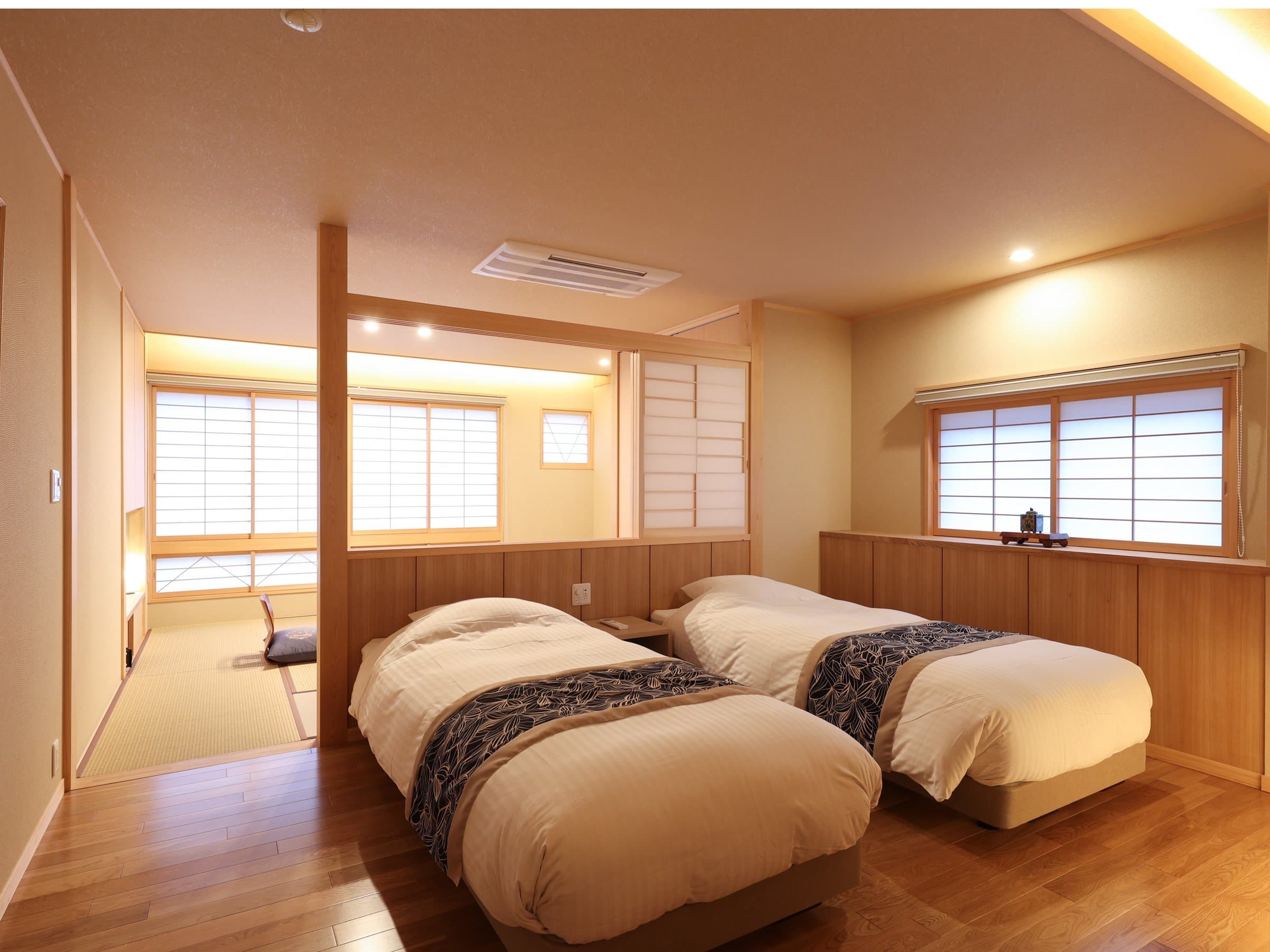 | from $70 | 9.2 139 reviews | Onsen | Book on Booking.com |
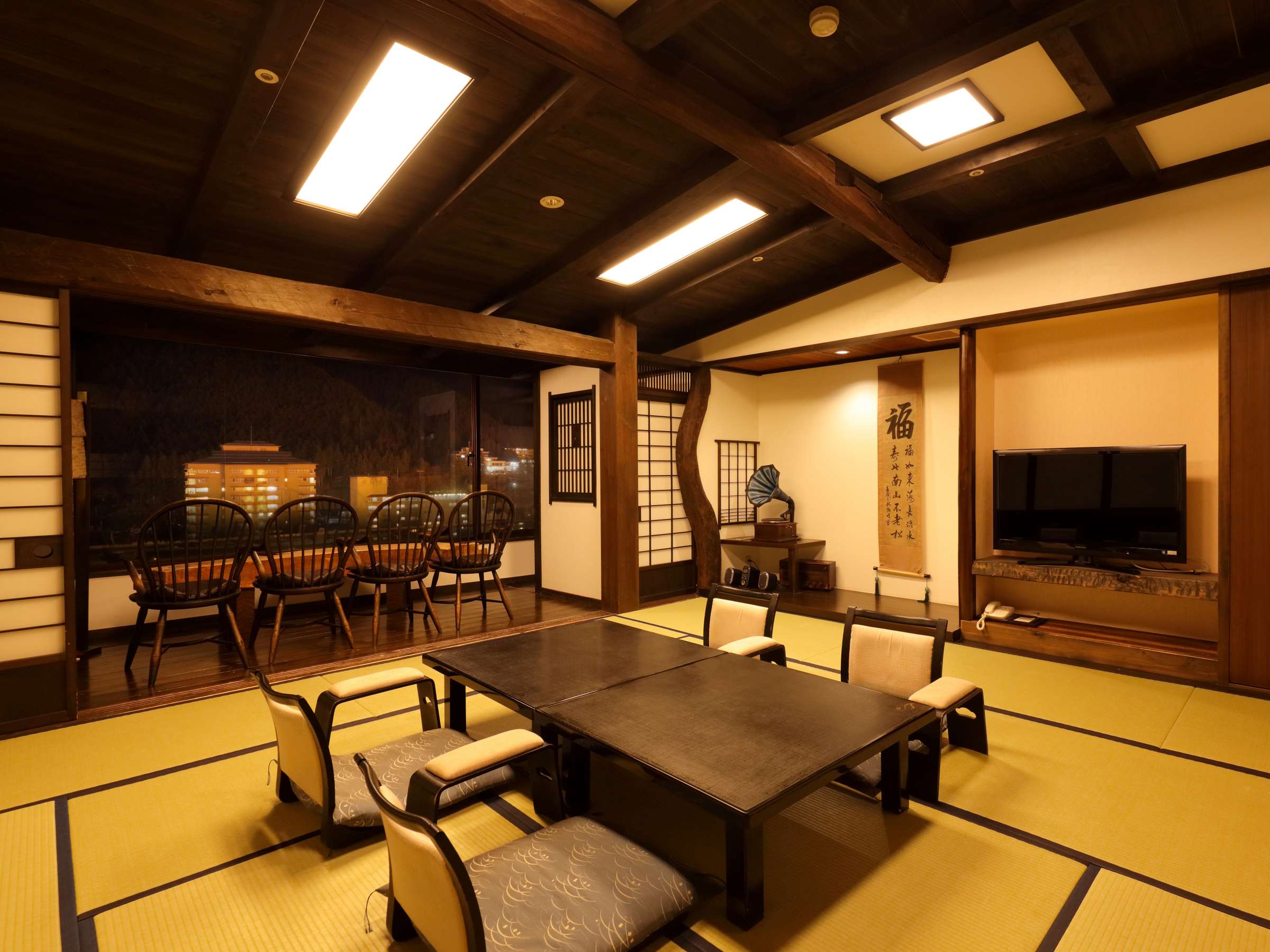 Sasara Gero | from $200 | 8.7 73 reviews | EN OKPrivate Onsen | Book on Booking.com |
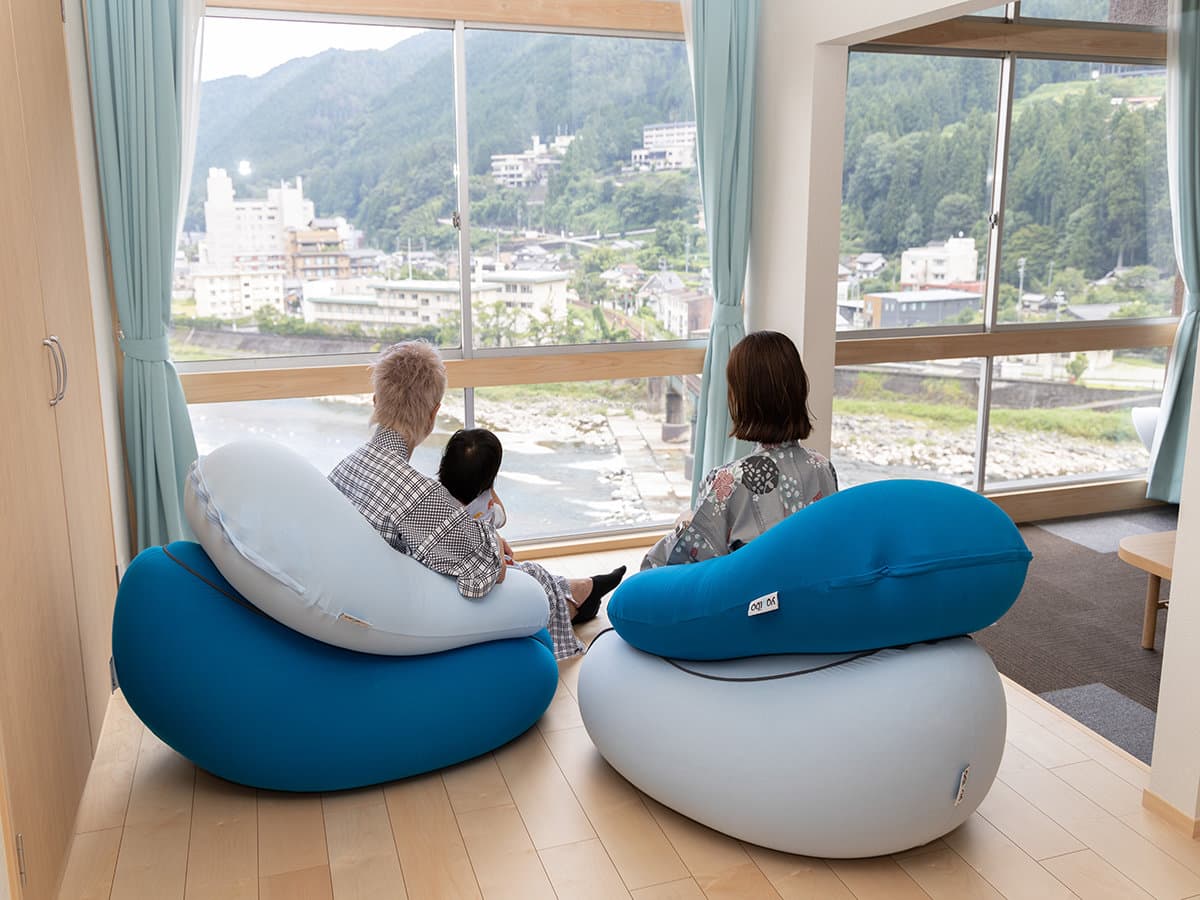 | from $120 | 9.6 556 reviews | EN OKPrivate Onsen | Book on Booking.com |
| from $130 | 8.3 63 reviews | Private Onsen | Book on Booking.com | |
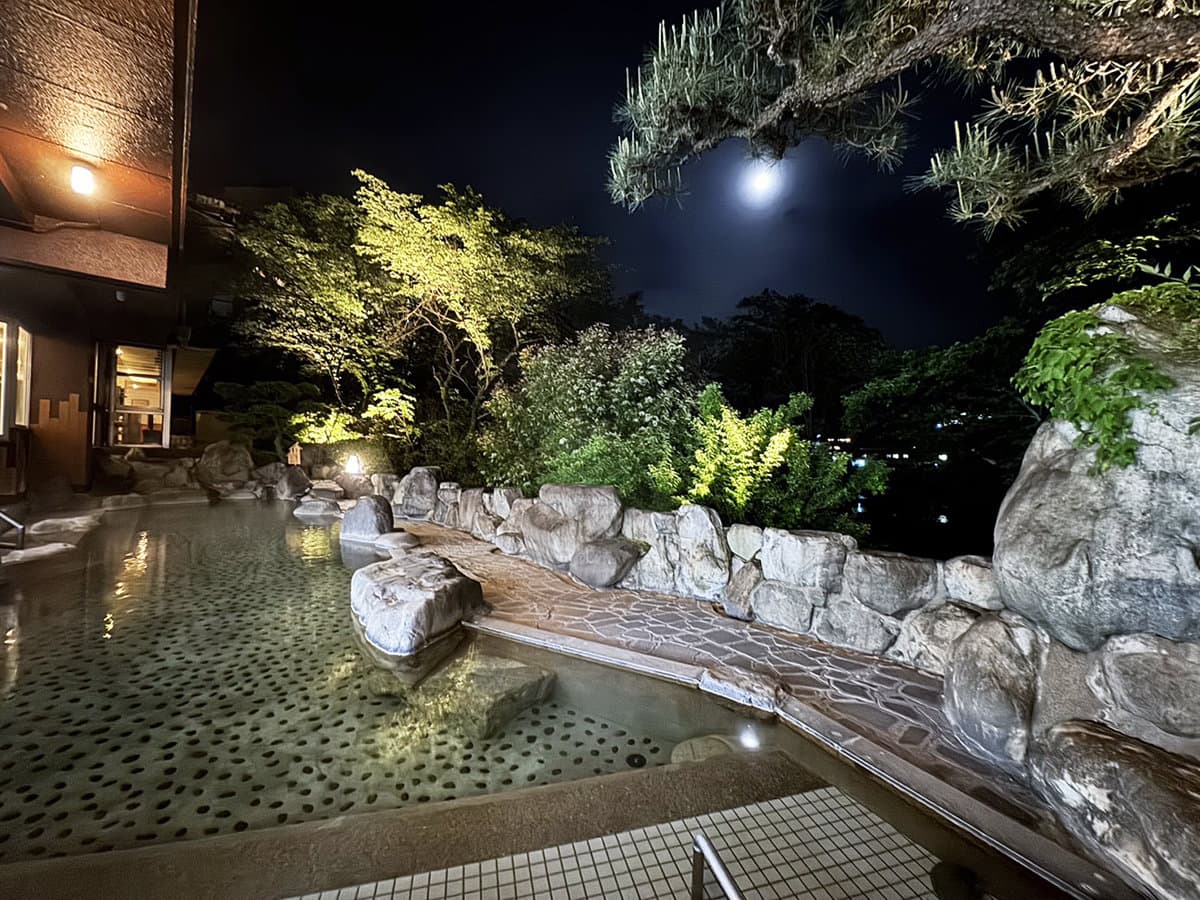 Bosenkan Gero | from $200 | 8.1 2,245 reviews | EN OKPrivate Onsen | Book on Booking.com |
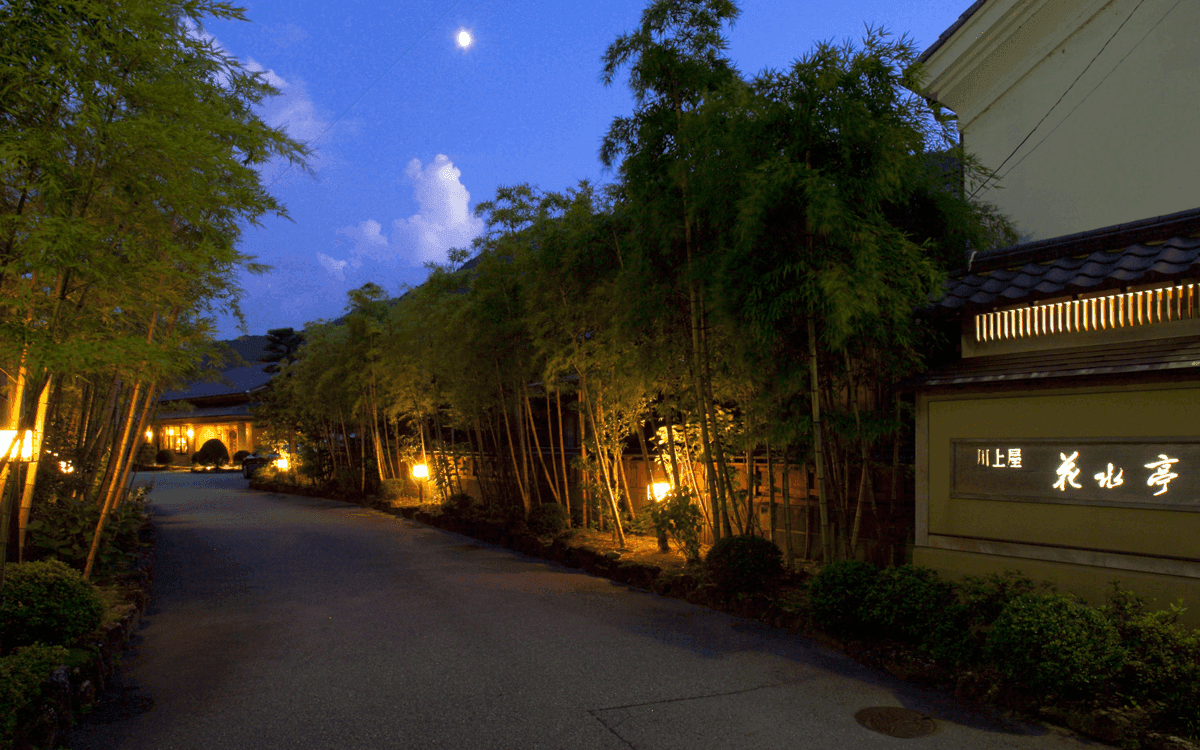 | from $300 | 9.4 191 reviews | EN OKPrivate Onsen | Book on Booking.com |
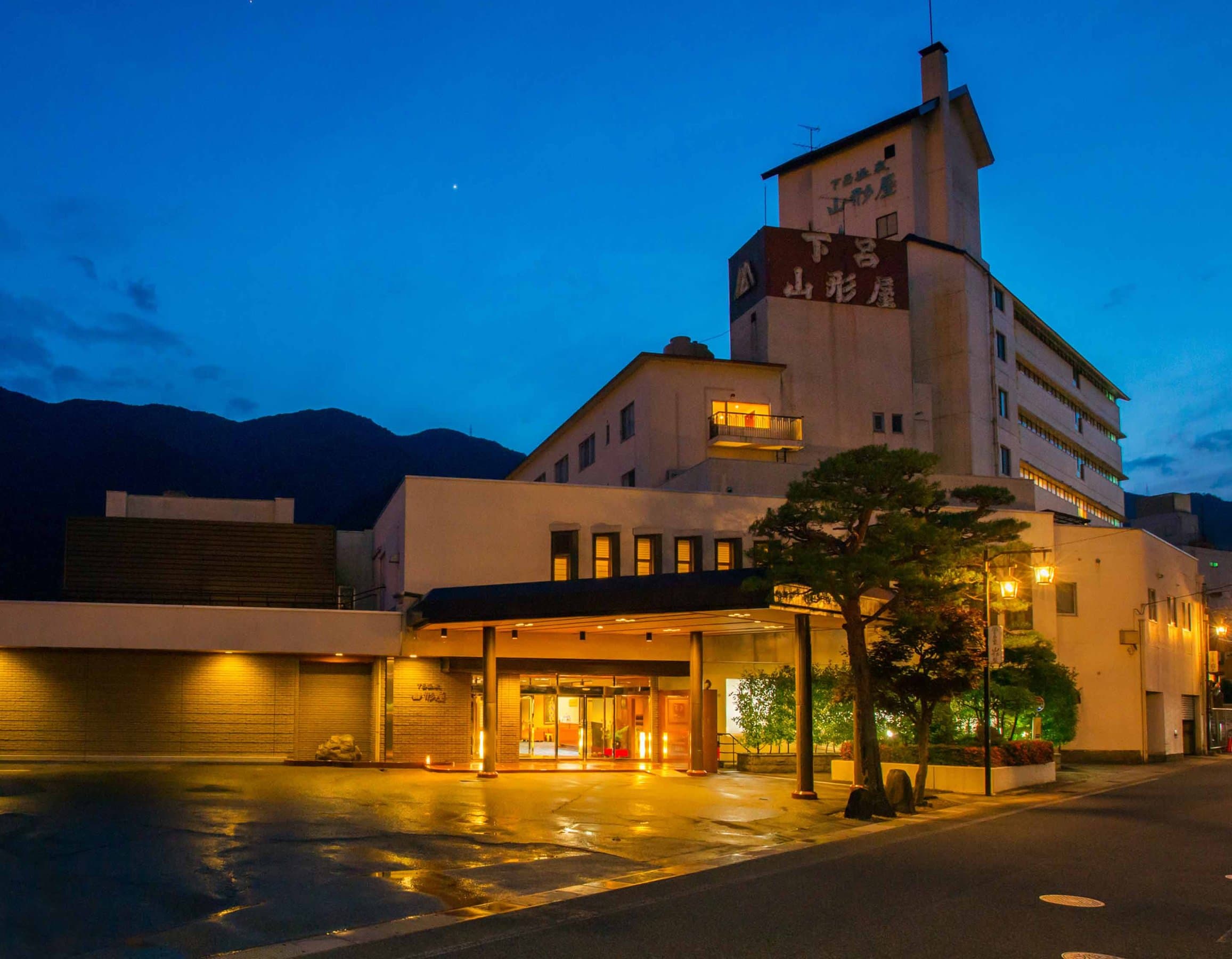 Yamagataya Gero | from $165 | 8.2 489 reviews | Onsen | Book on Booking.com |
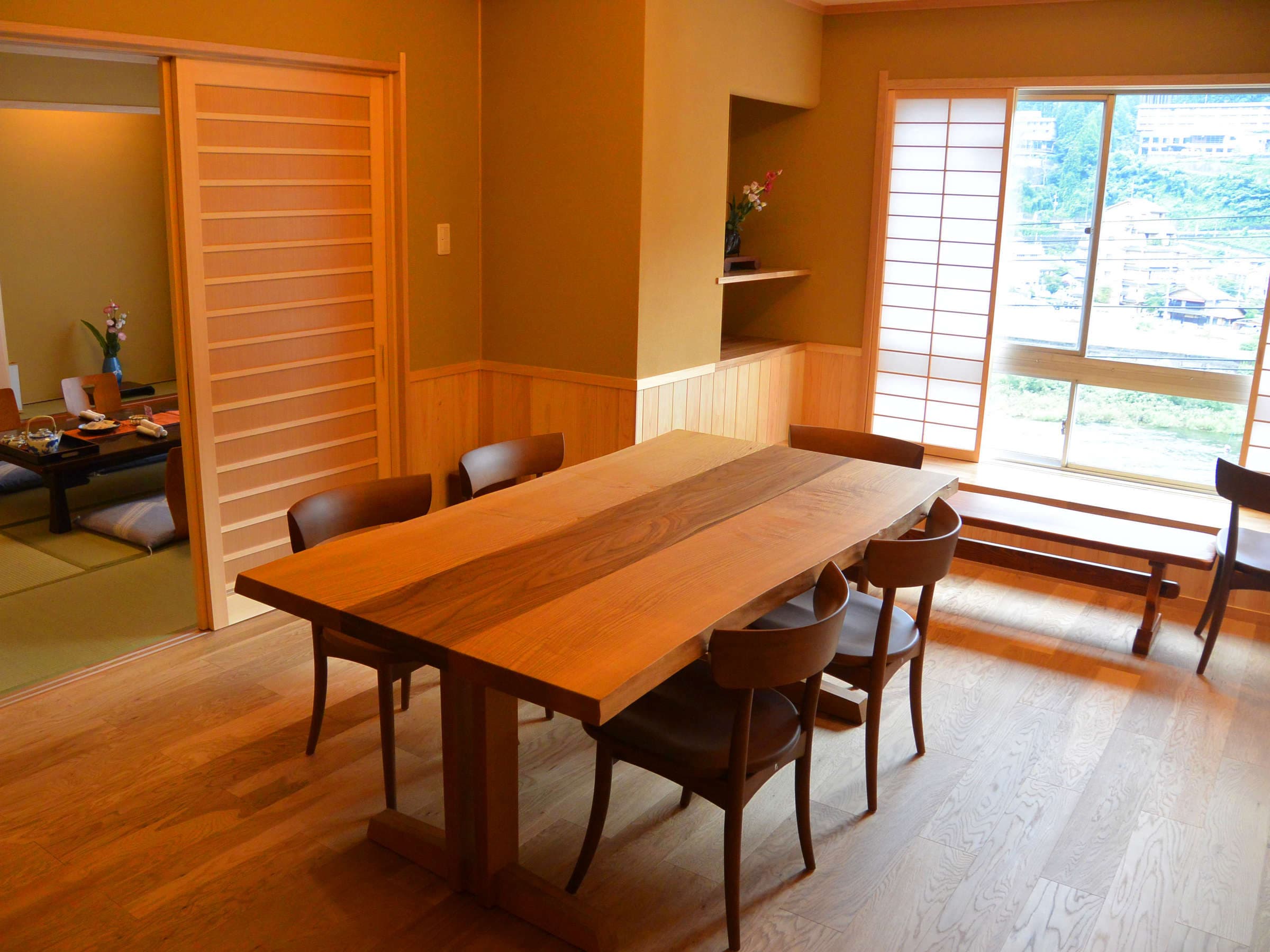
Suimeikan
Gero
Yunoshimakan
Gero
Ogawaya
Gero
Sasara
Gero
Bosenkan
Gero
Yamagataya
Gero
Prices shown are approximate starting rates per person per night. We may earn a commission on bookings.
During the Edo period, the Confucian scholar Hayashi Razan named three hot springs above all others in Japan: Arima, Kusatsu, and Gero ([verified Japan Guide 2026-06-05]). More than three and a half centuries later, that ranking still shapes how Japanese travelers choose where to go. Gero Onsen sits in the Hida River valley in Gifu Prefecture, 90 minutes from Nagoya and 45 minutes south of Takayama on the Limited Express Hida — which means it is the exact geographical and cultural midpoint of a classic Kansai–central-Japan itinerary. The town's spring water is alkaline simple thermal (pH ~9.2 at source), silky on contact, and called bijin-no-yu — "Beauty Water" — for the way it smooths the skin ([verified Centrip Japan 2026-06-05]). The town's other claim to distinction is Hida beef: the Japanese Black wagyu bred in Gifu Prefecture, reliably on kaiseki menus here in a way you do not get at hot-spring towns that are farther from the source. What follows is our guide to the 12 best ryokans in Gero Onsen, verified May 2026, covering every price tier from budget yu-meguri stopovers to cultural-property luxury.
 Pin to Pinterest
What's New in Gero Onsen: 2026 Updates
Verified May 2026 — key changes since our last update:
- Sasara private rotenburo expansion (2025): Sasara added two new premium room categories with enlarged private in-room open-air baths and extended valley-view terraces. The new "Miyama Suite" category starts at ¥60,000/person. - Yu-meguri tegata price update: The wooden bath-hopping pass increased from ¥1,200 to ¥1,300 (as of April 2026). Still covers three partner ryokan baths and is available at all participating properties' front desks. - JR Hida timetable revision (March 2026): The Limited Express Hida schedule was revised; confirm current timetable at JR Central's official site before booking. - Kawara-no-Yu hours extended: The famous riverside open-air public bath now operates April–October until 21:00 (was 19:00), making sunset bathing possible in the warmer months. - Hida beef pricing: Following national wagyu price adjustments in early 2026, Hida beef kaiseki supplements at premium properties have increased by approximately 8–12% versus 2024 rates. Prices in this guide reflect May 2026 verified ranges. - Suimeikan Noh theater resumed: After a two-year hiatus, Suimeikan's monthly Noh performance schedule resumed in January 2026. Check the Suimeikan website for 2026 performance dates when booking.
Tip
Methodology (verified May 2026): 12 picks drawn from 25 operating ryokans in Gero. Criteria: (1) gen'sen kakenagashi (fresh-flow, non-recirculated spring water) in at least the main bath; (2) building age 30+ years or Registered Tangible Cultural Property status; (3) at least one signature room or bath category with river view, private onsen, or named-producer Hida beef kaiseki; (4) verifiable Japanese-language guest reviews on Jalan or Rakuten Travel within 18 months; (5) price-tier distribution — minimum one pick under ¥18,000/person, minimum one above ¥45,000. Prices shown are per person per night including two meals (dinner + breakfast) as standard ryokan pricing. Exchange rate reference: ¥150 = USD $1.00.
Gero and the Top 3 Onsen Trifecta
Japan has hundreds of onsen towns, but only three hold the designation that matters most to Japanese spa culture: the Nihon Sandai Meisen (三大名泉) — the Three Great Celebrated Springs. The ranking comes from Hayashi Razan's 1662 text *Toraiso Nichiroku*, and while it is of its time, the underlying water chemistry that Razan was describing is genuinely distinctive. Each of the three represents a different spring type: Arima (Hyogo) has two sources — iron-rich "Gold Spring" and carbonated "Silver Spring" — making it one of Japan's most geochemically complex spas. Kusatsu (Gunma) has the most acidic spring water in Japan (pH 2.0), famous for the yumomi stirring tradition that cools the water to a soakable temperature. Gero has the highest-alkalinity simple spring of the three (pH 9.1–9.3), which is why it is the bijin-no-yu capital. Collectively they offer the full spectrum of Japanese onsen water chemistry. If you're building a Japan onsen itinerary and want to claim all three, Gero is the natural hub because it sits on the Hida main line between Nagoya and Takayama. Our Kusatsu ryokans guide and Arima ryokans guide cover the other two legs of the trifecta.
What Makes Gero's Beauty Water (Bijin-no-Yu) Different
Gero's spring is officially classified as an alkaline simple thermal spring by the Gero Onsen Tourist Association — "simple" here is a technical term meaning the dissolved mineral concentration is below the therapeutic threshold, but the alkalinity is the point ([verified Gero Onsen Tourist Association 2026-06-05]). At pH 9.2 at the source, the water saponifies (literally soap-reacts with) the surface oils on your skin within 60 seconds of entering the bath ([verified Good Luck Trip 2026-06-05]). What you feel is slipperiness — a physical effect, not a sensation from additives. This is the beauty-water mechanism. The practical implication for ryokan selection: gen'sen kakenagashi matters more in Gero than almost anywhere else in Japan, because once alkaline water cools and is recirculated, the alkalinity drops rapidly and the skin-softening effect weakens. If a ryokan claims natural onsen but does not advertise kakenagashi, ask directly before booking.
Tip
Ask your ryokan for a small bottle to fill at the spring tap near the bath. Rinse your face with the cooled water the next morning — the bijin-no-yu alkalinity continues working on facial skin even off-bath. Most historic Gero ryokans accommodate this request without charge.
Gero's Three Free Public Baths (Sotoyu)
One of Gero's most distinctive features is its three public baths (*sotoyu*), which ryokan guests can use at no charge or very low cost. Kawara-no-Yu is the most famous: an open-air riverbank bath directly on the Hida River, mixed-gender (swimsuits required), free entry. As of April 2026, extended hours run until 21:00 April–October, making sunset bathing possible. Sangaku-no-Yu is an indoor public bath in the main onsen district; ¥500 entry, local-friendly hours, often quieter than the ryokans' main baths. Hakuun-no-Yu is a foot-bath station in the central plaza — free, always open, a good orientation stop when you first arrive. Many ryokans offer a yu-meguri tegata (wooden bath-hopping pass, ¥1,300 as of 2026) that covers three partner ryokans' public hours in addition to the sotoyu. If you're staying one night and want to maximize spring variety, buy the pass at the ryokan front desk on arrival.
Hida Beef and Kaiseki at Gero
Gero sits in the Hida highlands, which is the breeding ground for Hida beef — the Gifu Prefecture wagyu brand. Per the official Hida Beef Brand Promotion Conference definition, Hida-gyu must come from Japanese Black cattle raised in Gifu Prefecture for at least 14 months and graded 3 or higher by the Japan Meat Grading Association ([verified Hida Takayama Tourism Bureau 2026-06-05]). Hida beef is one of the most underrated A5 wagyu brands in Japan: it rarely appears on export menus, prices are meaningfully lower than Matsusaka or Kobe (a full Hida beef kaiseki course at a Gero ryokan typically runs ¥15,000–¥25,000 as part of the per-person rate, not a supplement), and the marbling quality of Grade 4–5 cuts is comparable to the national brands. At Gero, Hida beef appears most commonly as shabu-shabu (thin slices poached tableside), sukiyaki (simmered with tofu and vegetables), yakiniku (grilled at table), or tataki (briefly seared). The kaiseki at Suimeikan and Yunoshimakan both explicitly source named Hida producers; Mutsumikan rotates producers seasonally. For a deeper look at how kaiseki menus are structured at traditional onsen ryokans, see our kaiseki guide.
Quick Comparison: All 12 Gero Ryokans at a Glance
| Ryokan | Price Tier | Best For | Private Onsen | River View |
|---|---|---|---|---|
| Suimeikan | ¥¥¥¥ | First-timers, full-service | Rental | Yes |
| Yunoshimakan | ¥¥¥¥ | History, architecture | No | Hill panorama |
| Ogawaya | ¥¥¥ | Families, unique 100-tatami bath | Rental | Yes |
| Mutsumikan | ¥¥¥ | Kaiseki quality, intimacy | No | No |
| Sasara | ¥¥¥¥ | Design travelers, valley views | In-room | Valley |
| Shogetsu | ¥¥¥ | Quiet alternative, autumn | Semi-private | Yes |
| Fugaku | ¥¥¥ | Panoramic hillside views | No | Mountain |
| Bosenkan | ¥¥¥ | Tattoo-friendly, privacy | In-suite | No |
| Kawakami-ya Hanaougi | ¥¥¥¥ | Luxury riverside, best kaiseki | Suite | Yes |
| Yamagataya | ¥¥¥ | Unrestored heritage atmosphere | No | No |
| Suimeikan Bekkan | ¥¥¥ | Quieter Suimeikan experience | Rental* | Yes |
| Kisoyaji | ¥ | Ultra-budget, yu-meguri focus | No | No |
*Bekkan guests have access to main Suimeikan rental rotenburo.
1. Suimeikan — The Grand Dame of Gero Onsen
Price tier: ¥¥¥¥ (¥35,000–¥70,000/person, two meals)
Suimeikan, founded 1932, is the defining property of Gero Onsen — a sprawling riverside complex featuring three principal pavilions (Sansuikaku, Tobisenkaku, Rinkawakaku), large communal baths, and a Noh stage supervised by the late Kanze-school performer Shoroku Sekine ([verified Nihonmono 2026-06-05]). For first-time visitors to any ryokan in Japan, Suimeikan is a calibration point: it shows what the large-format traditional ryokan is capable of. The Sansuikaku wing bath is the signature — a 180-tatami wood-lined space with continuous fresh-spring flow and full Hida River views. The kaiseki menus explicitly source Hida beef from named Hida farms; in autumn the supplemental course adds Hida matsutake mushrooms. Service is formal and fleet-footed for a property this size. The only trade-off: the scale makes it feel more hotel-like than intimate compared to the smaller inns on this list.
- Onsen: Three communal baths + private rental rotenburo (gen'sen kakenagashi in main bath) - Kaiseki: Named-producer Hida beef, seasonal sansai, river fish - Views: Hida River-facing rooms in Tairyu and Karyukan wings - English: English-language website + reservation support - Access: 10-minute walk from Gero Station
2. Yunoshimakan — Registered Cultural Property on a Forested Hill
Price tier: ¥¥¥¥ (¥50,000–¥90,000/person, two meals)
Yunoshimakan, established 1931, is more than a ryokan — its main building and corridors are Registered Tangible Cultural Properties of Japan (registered 2010), one of the few onsen inns that achieves this designation ([verified Yunoshimakan official 2026-06-05]). The main building is Showa-era craft at its best: long cedar corridors with hand-carved transoms, a grand staircase, and a lobby that has not changed meaningfully since the 1930s. The property sits on a wooded hill above the town center, accessed via a steep winding path, which creates genuine separation from the onsen-street noise below. The private spring source supplies gen'sen kakenagashi to both the large indoor bath and the forest-facing rotenburo. Book at least 90 days ahead for autumn weekends; the November maple foliage visible from the outdoor bath is the most-photographed scene in all of Gero Onsen.
- Onsen: Private source spring, gen'sen kakenagashi, forest rotenburo - Kaiseki: Multi-course Hida cuisine, seasonal Hida beef preparation - Architecture: Registered Tangible Cultural Property (2010 designation) - Views: Forested hillside; town panorama from hilltop terrace - Access: 15-minute uphill walk from Gero Station (car pickup available)
3. Ogawaya — The 100-Tatami Bath Experience
Price tier: ¥¥¥ (¥25,000–¥50,000/person, two meals)
Ogawaya has one feature no other ryokan in Japan can match: a 100-tatami communal indoor bath, where the floor of the large spring bath is surfaced entirely in traditional tatami. The non-slip, thermally warm tatami underfoot is a genuinely different onsen sensation — softer, warmer, more grounded than tile or stone. Beyond this signature bath, Ogawaya runs a full riverside rotenburo and private rental baths. The property is 8 minutes on foot from Gero Station along the Hida River promenade. It's the strongest recommendation for families with children (the pool-area bath entrance is supervised) and for first-time onsen visitors who are uncertain about full traditional ryokan formality — Ogawaya blends ryokan hospitality with a slightly more accessible, hotel-like room service approach.
- Onsen: 100-tatami signature bath, river rotenburo, private rental baths - Kaiseki: Hida beef + seasonal river fish (ayu, iwana) - Views: River-facing standard and deluxe room tiers - English: Moderate support; OTA booking available - Family-friendly: Supervised bath entrance, family room categories
If you're travelling with kids, it's worth taking a moment to compare Gero's family options against the rest of Japan — both Ogawaya and Suimeikan earn places on that national shortlist.
4. Mutsumikan — Michelin-Noted Heritage Inn
Price tier: ¥¥¥ (¥30,000–¥55,000/person, two meals)
Mutsumikan was noted in the Michelin Green Guide Japan for comfort and quality — an endorsement this family-run inn has earned through consistency rather than spectacle. Three minutes from Gero Station, it sits in the town's heritage district. The rooms are uncompromisingly traditional: tatami, shoji, futon. The baths are small-scale and scrupulously maintained. What makes Mutsumikan stand out is the kaiseki kitchen: dishes here reflect the inn's seasonal relationships with local Hida farmers and river fishermen. Hida beef appears on every menu, but the sansai (mountain vegetable) preparations in spring and the river-fish courses in summer are the true indicators of the kitchen's quality. If you have stayed at large-format ryokans before and want to calibrate against authentic small-inn hospitality, Mutsumikan is the comparison pick.
- Onsen: Small, impeccably maintained communal baths, gen'sen kakenagashi - Kaiseki: Michelin-noted, seasonal Hida ingredients, named-farm Hida beef - Scale: Intimate (fewer than 20 rooms) - Access: 3-minute walk from Gero Station - Best for: Experienced Japan travelers who value character over scale
5. Sasara — Design-Forward Hillside Ryokan
Price tier: ¥¥¥¥ (¥40,000–¥80,000/person, two meals; Miyama Suite from ¥60,000)
Sasara is Gero's design-forward answer to the "modern Japanese aesthetic" question. Set on a hillside above the main onsen district, the property blends tatami rooms with clean Scandinavian-influenced interiors — Wegner chairs, polished concrete surrounds on the bath, floor-to-ceiling windows framing the Hida valley. In 2025, Sasara added the "Miyama Suite" category with enlarged private in-room rotenburo and extended terraces. Every signature room includes a private in-room open-air bath overlooking the valley. The kaiseki plating follows the sparse, precise aesthetic of the architecture: small portions, named-producer ingredients, dramatic seasonal presentation. Sasara consistently attracts a design-conscious international clientele and is among the easiest Gero ryokans to book via English-language OTAs.
- Onsen: Private in-room rotenburo (all signature/suite rooms), communal bath with valley view - Kaiseki: Design-forward plating, named Hida beef producer - Architecture: Contemporary Japanese-Scandinavian interior design - New 2025: Miyama Suite with enlarged rotenburo + extended terrace - English: Strong OTA presence, English-language support
6. Shogetsu — Quiet Elegance on the River
Price tier: ¥¥¥ (¥28,000–¥55,000/person, two meals)
Shogetsu is one of Gero's more quietly operated properties — less known internationally than Suimeikan or Yunoshimakan, but consistently reviewed as the more relaxed alternative for guests who find the grand-dame properties too busy. The property fronts the Hida River, and the riverside communal bath has an unobstructed water view. Room categories split between standard tatami and a small number of river-view rooms with semi-private open-air baths. The kaiseki kitchen has a reputation for particularly strong sashimi sourcing — river fish from the Hida are notably fresher here than at ryokans without direct supplier relationships. For Japanese domestic travelers, Shogetsu is often the alternative recommendation when Yunoshimakan and Suimeikan are fully booked for autumn weekends.
- Onsen: Riverside communal bath + semi-private open-air options - Kaiseki: Strong local sashimi sourcing, seasonal Hida beef - Views: Direct Hida River frontage - Scale: Medium (30–40 rooms), quieter than the landmark properties - Best for: Travelers seeking calm over prestige, autumn weekend alternative
7. Gero Onsen Fugaku — Scenic Hillside with Open-Air Views
Price tier: ¥¥¥ (¥22,000–¥45,000/person, two meals)
Fugaku sits on the hillside above the main onsen street, which gives it a panoramic position over the Hida River valley without the formal cultural-property prestige of Yunoshimakan. The property is newer than the historic inns but has invested in a hilltop rotenburo with 270-degree mountain and valley views — one of the broadest open-air panoramas available at any Gero ryokan. Room categories include both standard tatami and Western-style beds for guests who find futon sleep difficult. The kaiseki is solid rather than exceptional — Hida beef is present, sansai preparations are seasonal, but the kitchen doesn't reach the craft level of Mutsumikan or Suimeikan. Fugaku's appeal is primarily its view and its flexible room formats.
- Onsen: Hilltop rotenburo with 270-degree panorama, communal baths - Kaiseki: Standard Hida beef kaiseki, seasonal sansai - Views: Mountain and valley panorama from hilltop position - Room types: Tatami + Western-bed options - Access: Uphill walk or inn shuttle from station
8. Bosenkan — Heritage Inn with Private Onsen Rooms
Price tier: ¥¥¥ (¥30,000–¥60,000/person, two meals)
Bosenkan is one of Gero's mid-size heritage properties — a long-established inn (founded early Showa era) with a quiet reputation among repeat Japanese visitors. The distinguishing feature is its suite room category that includes in-room private onsen, meaning the spring water is piped directly to a stone or hinoki-wood bath within the room itself. For travelers who value privacy over communal bath facilities — whether from shyness, tattoos, or simply preference — Bosenkan is the most accessible private-onsen option at Gero below the ¥60,000 tier. The kaiseki is traditional Hida-style: multi-course, seasonal, Hida beef present on every evening menu. Access is central — 7-minute walk from Gero Station.
- Onsen: In-room private onsen (suite rooms), communal baths - Kaiseki: Traditional Hida multi-course, Hida beef - Privacy: Best private-onsen access in Gero below ¥60,000 - Access: 7-minute walk from Gero Station - Best for: Tattoo-friendly guests, couples seeking maximum privacy
9. Kawakami-ya Hanaougi — Premium River Frontage
Price tier: ¥¥¥¥ (¥45,000–¥85,000/person, two meals)
Kawakami-ya Hanaougi is Gero's premium riverside property — smaller and more exclusive than Suimeikan, with a riverside position that provides some of the closest proximity to the Hida River of any inn in town. The property is old-established (founded Meiji era) and has maintained its historical character through careful renovation rather than modernization. The riverside rotenburo is positioned on a terrace that cantileveres slightly over the river embankment — the sensation of bathing above flowing mountain water is unique in Gero. Room categories all include river views; the premium suite adds a private in-room bath. The kaiseki is considered among Gero's top three by Japanese travel reviewers, with Hida beef preparations that include both classic sukiyaki and more innovative tataki formats. For the full spectrum of private-onsen experiences across Japan, see our best ryokans with private onsen guide.
- Onsen: Cantilevered riverside rotenburo + private suite bath - Kaiseki: Top-tier Hida beef preparations, Meiji-era recipe continuity - Scale: Boutique (under 25 rooms) - Views: Direct riverside, closest river proximity in Gero - Best for: Honeymooners, luxury seekers, best kaiseki in Gero
10. Yamagataya — Family-Run Tradition Since Meiji
Price tier: ¥¥¥ (¥25,000–¥48,000/person, two meals)
Yamagataya is one of Gero's oldest family-operated ryokans, tracing its founding to the Meiji period. It occupies a position in the central onsen district, 5 minutes from the station, and has maintained its traditional character without major renovation — original wooden architecture, fusuma room dividers, and a bath wing that still uses the original 1920s stonework. The main communal bath is one of the deepest in Gero (conventional bath depth allows standing in shoulder-depth water, a traditional Japanese bath preference). The kaiseki is home-style rather than high-kaiseki — simpler presentations, larger portions, strong Hida beef quality. Yamagataya is the recommendation for travelers who want genuine old-Japan atmosphere in a property that hasn't been renovated for the Instagram audience.
- Onsen: Deep traditional stone communal bath, gen'sen kakenagashi - Kaiseki: Home-style Hida cuisine, generous portions, Hida beef - Architecture: Original Meiji-era woodwork, unrestored character - Access: 5-minute walk from Gero Station - Best for: Travelers seeking unmodernized traditional atmosphere
11. Suimeikan Bekkan (Annex) — The Quieter Suimeikan Experience
Price tier: ¥¥¥ (¥28,000–¥55,000/person, two meals)
Suimeikan's annex property operates with shared access to the main Suimeikan bath facilities but with fewer rooms, quieter corridors, and a more intimate service ratio. For travelers who want the Suimeikan spring water and brand quality but find the main property's scale (multiple wings, large tour groups) too impersonal, the bekkan is the correct booking. Room categories here lean traditional — heavier use of natural wood, quieter color palette than the main building's more formal decorating scheme. Kaiseki menus mirror the main property but are served in a smaller dining room with fewer simultaneous guests. Access to the main Suimeikan complex (including the Noh theater and Sansuikaku bath) is included.
- Onsen: Shared access to all Suimeikan bath facilities, gen'sen kakenagashi - Kaiseki: Suimeikan kitchen standard, smaller dining setting - Scale: Annex format — fewer rooms, quieter experience than main property - Views: River-facing rooms available - Best for: Guests who want Suimeikan quality without the resort scale
12. Kisoyaji — The Yu-Meguri Stopover
Price tier: ¥ (¥10,000–¥18,000/person, two meals)
Kisoyaji is the entry point on this list — a compact family-run ryokan in the heart of the onsen district designed for the traveler who wants one authentic Gero night without the full luxury expenditure. Rooms are simple (tatami, futon, shared bath down the corridor), the bath is small, and there is no in-room dining. What you get for ¥10,000–¥18,000 per person is access to the same alkaline source water, a home-style Hida-cuisine dinner (Hida beef included), and the ability to spend your day bath-hopping the three free public baths (Kawara-no-Yu, Sangaku-no-Yu, Hakuun-no-Yu) plus the yu-meguri tegata partner properties. This is the recommendation for travelers on extended Japan trips — 10+ nights — who want to include Gero without it becoming the most expensive night of the trip.
- Onsen: Small communal bath (spring water), access to sotoyu public baths - Kaiseki: Home-style, simple but genuine Hida beef inclusion - Location: Central onsen district, walking distance to all public baths - Budget: Lowest-price genuine ryokan experience in Gero - Best for: Budget travelers, solo travelers, extended Japan itineraries
How to Get to Gero Onsen: Access from Nagoya, Takayama, and Beyond
Gero's transit position is one of its strongest selling points. From Nagoya: The JR Central Hida Limited Express (HC85 series since March 2023) runs Nagoya–Takayama in just over 2 hours, with Gero a stop on the route ([verified Wikipedia Hida train 2026-06-05]). Multiple daily departures. Note the March 2026 timetable revision — confirm current departure times at JR Central's official site before booking. From Takayama: Same Hida Line, southbound, approximately 45 minutes. From Osaka/Kyoto: Shinkansen to Nagoya (35–80 minutes depending on origin), then transfer to the Hida Limited Express. Total Osaka-to-Gero travel time: approximately 2.5 hours. From Tokyo: Shinkansen to Nagoya (~90 minutes on Nozomi), then Hida Limited Express to Gero. Total: approximately 3 hours from Tokyo Station.
For travelers combining Gero with Takayama, Shirakawa-go, and Kanazawa ryokans on the Hokuriku route, the JR Takayama-Hokuriku Tourist Pass (5 days, ¥15,280) covers the entire Hida Line and the Hokuriku Shinkansen extension. It pays for itself within 1–2 days of routing.
Arriving on the Hida limited express? These Gero ryokans near the station spare you the hillside climb with luggage.
Best Time to Visit Gero Onsen: Season-by-Season
Autumn (mid-October – late November) — peak season. The Hida River valley turns red and gold as the surrounding maples peak. River-facing rotenburo at Sansuikan, Yunoshimakan, and Suimeikan reach maximum demand; book 90+ days ahead for autumn weekends. The Gero Onsen Festival (August 1–4) is a separate draw — torch fireworks over the Hida River.
Winter (December – February) — onsen high season, discounted rooms. No skiing in Gero itself, but cold-air contrast against the alkaline water produces the strongest bijin-no-yu skin sensation of the year. Rooms typically drop 20–30% from autumn rates. Snow visible from Yunoshimakan's rotenburo in January–February is the classic Gero winter image.
Spring (late March – mid-May) — cherry blossom window. Hida River banks bloom from late March; kaiseki menus pivot to spring sansai (mountain vegetables). Avoid Golden Week (April 29 – May 5) — domestic demand triples. The mid-April "hanami onsen" window is the best 2-week entry point for first visits.
Summer (June – August) — quieter, accessible. Gero sits at 340m altitude — cooler than Nagoya or Osaka. Summer firefly festival (early July) is a quiet local draw. If visiting in summer, book ryokans with covered or indoor rotenburo options.
Combining Gero with Takayama: The Ideal 3-Day Hida Itinerary
Gero and Takayama are 45 minutes apart on the Hida Limited Express and answer different travel needs: Gero is the onsen specialist, Takayama is the cultural daytime destination with its Sanmachi old town, Jinya government house, and morning markets. Together they form the strongest two-stop ryokan itinerary in central Japan.
Day 1 — Nagoya → Gero: Catch the morning Hida from Nagoya, arrive approximately 10:00–11:00. Drop bags at ryokan, lunch on Hida-beef soba near the station, walk the yu-meguri public bath circuit (¥1,300 wooden pass, 3 baths). Return to ryokan for kaiseki dinner and onsen.
Day 2 — Gero → Takayama: Morning bath, breakfast, check-out 10:00. Hida north to Takayama (~45 min). Walk Sanmachi old town, visit Takayama Jinya, eat Hida-beef nigiri from a street stall. Check into Takayama ryokan — our Takayama ryokans guide covers the top picks, and the Takayama area page has the full directory.
Day 3 — Takayama → onward: Optional Jinya morning walk or Miyagawa morning market, then Hida south to Nagoya or north to Toyama/Kanazawa. For the Kanazawa extension: Toyama → Kanazawa on the Hokuriku Shinkansen (25 min).
Tip
Buy the JR Takayama-Hokuriku Tourist Pass (5 days, ¥15,280) if combining Gero + Takayama + Kanazawa or Toyama. It covers the Hida Limited Express in both directions and the Hokuriku extension, and pays for itself by day 2.
Gero Onsen vs. Kusatsu vs. Hakone: Choosing Your First Onsen Town
The three most common first-onsen-town choices for international visitors are Hakone (easiest from Tokyo), Kusatsu (most dramatic water, most theatrical public baths), and Gero (Top 3 designation, best food). Here's the honest comparison:
Hakone is optimal for Tokyo-base day-trippers or one-nighters. The Romancecar from Shinjuku is easy; the ryokan density near Gora is the highest in Japan; Mt. Fuji views are possible. Trade-off: Hakone is the most crowded onsen town in Japan for international visitors, prices are high, and the water (sulfurous, weak) is not its strongest suit. See our Hakone ryokans guide, the Hakone-view ranking, and our dedicated Diamond Fuji sightline guide for verified Fuji-facing ryokans across all five Kanto prefectures.
Kusatsu has Japan's highest-acidic spring water (pH 2.0) and the yumomi ceremony (wooden paddles stirring the near-boiling water for public performances). If theatrical onsen culture is what you're after, Kusatsu is unmatched. Trade-off: 4 hours from Tokyo by bus; limited premium ryokan selection compared to Gero or Hakone. See our Kusatsu ryokans guide.
Gero is the pick when you want the full package: Top 3 cultural designation, beauty-water alkalinity, best food (Hida beef kaiseki), and the easiest transit connections to Takayama and Nagoya. Trade-off: less known internationally, so fewer English-language resources. This guide is designed to solve that gap. For the full Japan onsen landscape, see our Japan onsen by region guide.
How We Selected These 12 Ryokans (Full Methodology)
Gero has approximately 25 ryokans of meaningful scale actively operating in 2026. We narrowed to 12 using a five-criteria process. The full criteria are stated in the methodology box at the top of this guide, but the editorial reasoning behind each criterion is worth explaining in detail:
Criterion 1: gen'sen kakenagashi in at least the main bath. This filters out the 4–5 business-hotel-style properties in Gero that pipe hot water from a municipal source or use significantly recirculated water. In a bijin-no-yu town where the alkalinity is the entire point, a ryokan that doesn't run fresh spring water continuously through its main bath cannot deliver the experience this guide is built around.
Criterion 2: Building age 30+ years or Registered Tangible Cultural Property. This excludes newer constructions that lack the architectural context of Gero's heritage. The 30-year threshold is conservative; most of the best properties are 50–90 years old. New construction is not automatically disqualifying (Sasara is included despite being newer), but newer properties must compensate with exceptional design quality or unique features.
Criterion 3: Signature room or bath category with a distinctive feature. Every pick on this list has at least one feature that would justify choosing it over a generic alternative — the 100-tatami bath at Ogawaya, the Cultural Property status at Yunoshimakan, the cantilevered riverside rotenburo at Kawakami-ya Hanaougi, the private bath inclusion at Yurari. This criterion prevents list padding with undifferentiated mid-tier inns.
Criterion 4: Verifiable Japanese-language guest reviews within 18 months. English-language review volume at Gero is low — the international visitor share is smaller than at Hakone or Kinosaki. We weight Japanese-language reviews (Jalan, Rakuten Travel, Ikkyu) more heavily because they represent the larger review base and are less subject to the single-impression bias of international travelers visiting once. Properties with no verifiable recent reviews were excluded.
Criterion 5: Price-tier diversification. The final list must span ¥10,000 to ¥90,000/person. This is a service commitment to readers across budget categories. It also reflects the genuine range of the Gero market. We do not weight the list toward luxury — 5 of the 12 picks are mid-range (¥¥¥) or below, and 2 are budget (¥ or ¥¥).
The full list was re-verified in May 2026. Next scheduled re-verification: November 2026.
 Pin to Pinterest
Ready to book?
Book one of these top picks
Compare live availability and prices across all three platforms.
Booking links may earn us a commission at no extra cost to you.
FAQ
Frequently asked questions
Is Gero really one of Japan's Top 3 onsen?+
Yes. The designation traces back to the Edo-period Confucian scholar Hayashi Razan (1583–1657), who ranked Gero alongside Arima (Hyogo) and Kusatsu (Gunma) as Japan's three finest hot springs ([verified Japan Guide 2026-06-05]). This is not a marketing invention — Razan served the Tokugawa shogunate, and his ranking was based on observed water quality. The designation has been continuously referenced in Japanese spa culture for over 350 years. Modern water testing confirms Gero's distinctive alkalinity (pH ~9.2 at source) that Razan likely observed as the 'silky' quality ([verified Good Luck Trip 2026-06-05]).
Best Gero ryokan for Hida beef kaiseki?+
Suimeikan (sources from named Hida producers), Kawakami-ya Hanaougi (Meiji-era recipe continuity, top-rated kaiseki in Gero by Japanese reviewers), and Mutsumikan (Michelin-noted kitchen, seasonal rotating sourcing) are the top three for Hida beef kaiseki quality. If budget is a constraint, Sansuikan delivers seasonal Hida beef at mid-range prices (¥18,000–¥40,000/person).
Can I bathe at Kawara-no-Yu, the famous riverside open-air bath?+
Yes. Kawara-no-Yu is a free public outdoor bath on the Hida River bank. Entry is free; swimsuits are required (mixed-gender). As of April 2026, hours extend to 21:00 April–October, making sunset bathing possible. There are no private sections or reservations. Towels and swimwear are available at nearby shops.
Gero vs Hakone vs Kusatsu — which to choose for first onsen?+
Choose Hakone if you are based in Tokyo and want the easiest access + Mt. Fuji views. Choose Kusatsu if you want Japan's most dramatic public bath ceremony (yumomi) and the highest-acidic spring. Choose Gero if you want the full cultural package — Top 3 designation, the smoothest alkaline beauty-water, the best food (Hida beef kaiseki), and the easiest transit connections to Takayama. Gero is the strongest recommendation when food quality is part of the evaluation.
Is Gero good for solo travelers?+
Yes. Gero has several solo-friendly ryokans: Kisoyaji (budget, ¥10,000–¥18,000/person), Yamabiko (budget-mid, communal bath never crowded), and Yurari (private rental baths eliminate communal bath anxiety). Single-occupancy surcharges apply at most ryokans (typically 20–30% above the per-person rate). Budget for ¥15,000–¥25,000 for a good solo Gero night including two meals.
Cheapest Gero ryokan with private onsen?+
Yurari is the best entry for private onsen access below ¥35,000/person — the room rate includes a reserved slot in one of four private open-air baths. Bosenkan has in-room private onsen in its suite category starting around ¥35,000/person. Below ¥20,000/person, private onsen is not reliably available at Gero; at that price point, the free public sotoyu baths (Kawara-no-Yu) provide the alternative.
How long should I stay in Gero?+
One night is the minimum to experience a full kaiseki dinner + onsen + breakfast cycle. Two nights is optimal: night one for arriving, bathing, and dinner; day two for yu-meguri (bath-hopping the public and partner ryokan baths); night two for a second kaiseki and morning bath before departure. Three nights is the right budget for the full Hida itinerary (Gero + Takayama), splitting nights between the two towns.
Best Gero ryokan to combine with a Takayama trip?+
Any Gero ryokan works logistically (Gero–Takayama is 45 min on the Hida Limited Express). For the pairing specifically: Sansuikan or Ogawaya in Gero give you the landmark river-view onsen experience, then transit to Takayama for the old-town cultural daytime. Our Takayama ryokans guide covers the best picks; Kachoan and Asunaro are the strongest matches in style to Sansuikan and Ogawaya respectively.


