
20분 분량2026년 5월 업데이트
빠른 비교
10곳 선정| 료칸 | 시작가 | 평점 | 특징 | 예약 |
|---|---|---|---|---|
 스이메이칸 Gero | 부터 ≈¥30,800≈ ₩266,000 | 9.4 리뷰 921건 | 영어 OK전세 온천 | Booking.com에서 예약하기 |
 Yunoshimakan Gero | 부터 ≈¥38,500≈ ₩333,000 | 9.4 리뷰 499건 | 전세 온천 | Booking.com에서 예약하기 |
 Ogawaya Gero | 부터 ≈¥23,100≈ ₩200,000 | 9.4 리뷰 247건 | 영어 OK전세 온천 | Booking.com에서 예약하기 |
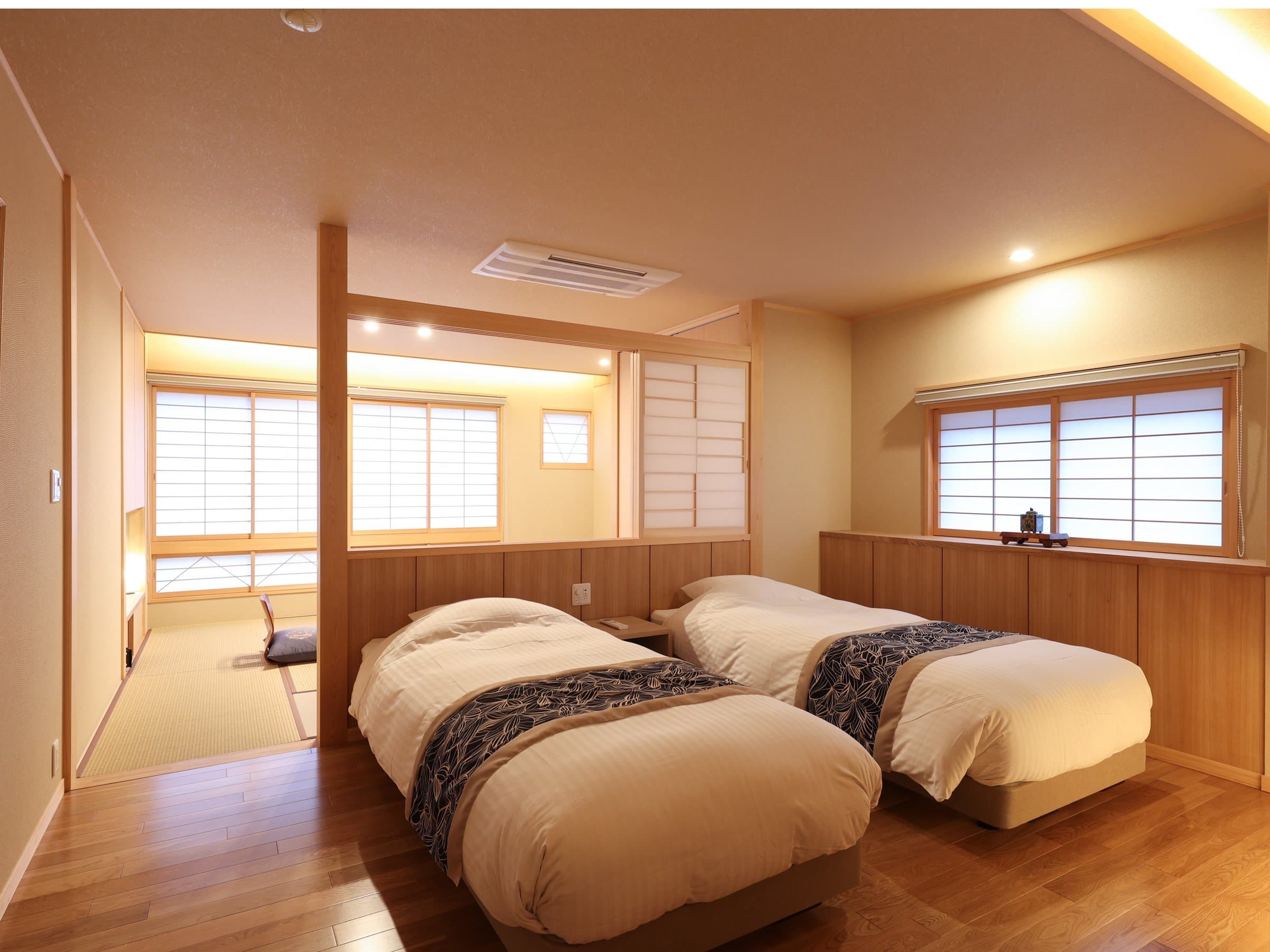 | 부터 ≈¥10,780≈ ₩93,000 | 9.2 리뷰 139건 | 온천 | Booking.com에서 예약하기 |
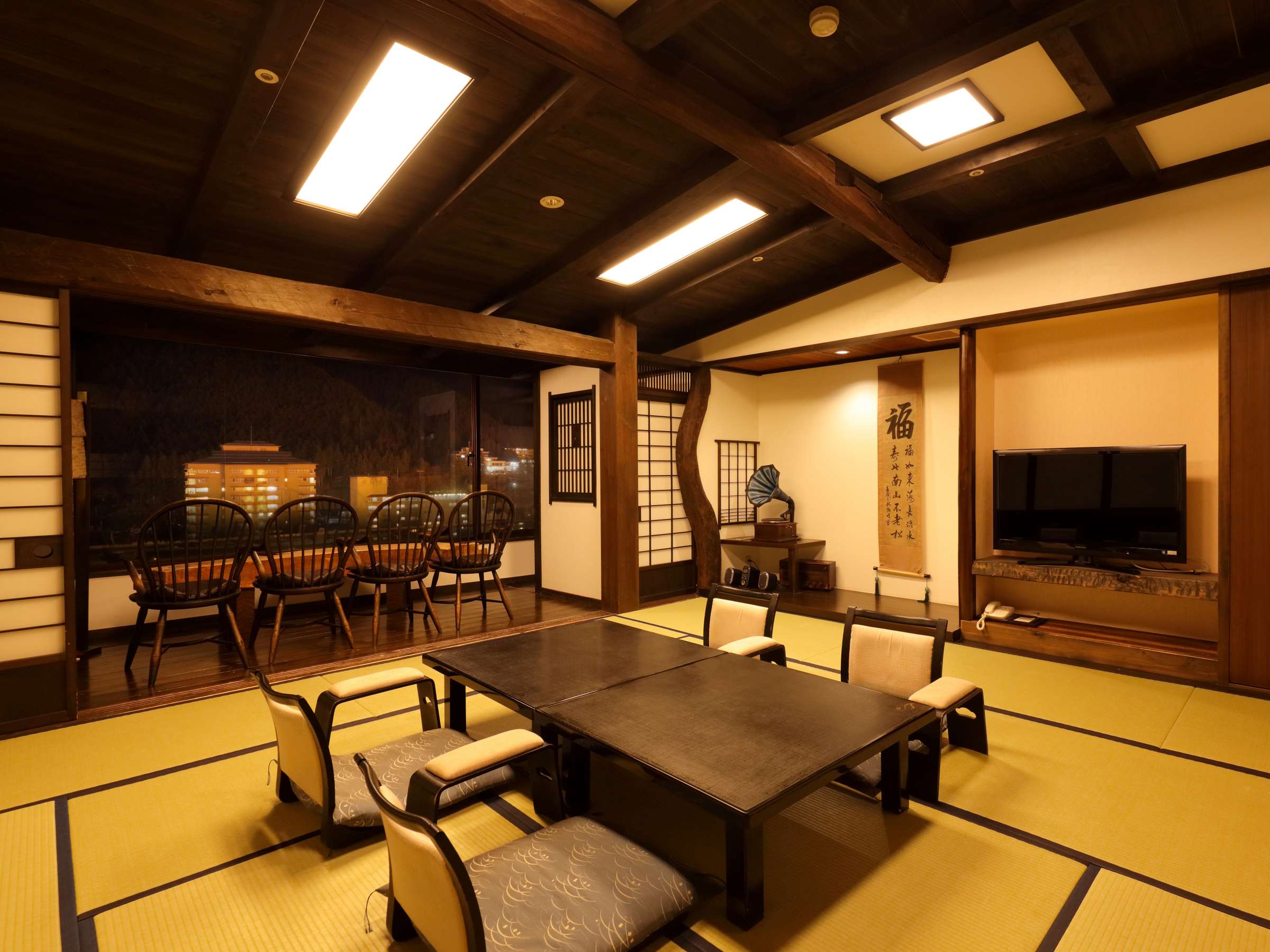 Sasara Gero | 부터 ≈¥30,800≈ ₩266,000 | 8.7 리뷰 73건 | 영어 OK전세 온천 | Booking.com에서 예약하기 |
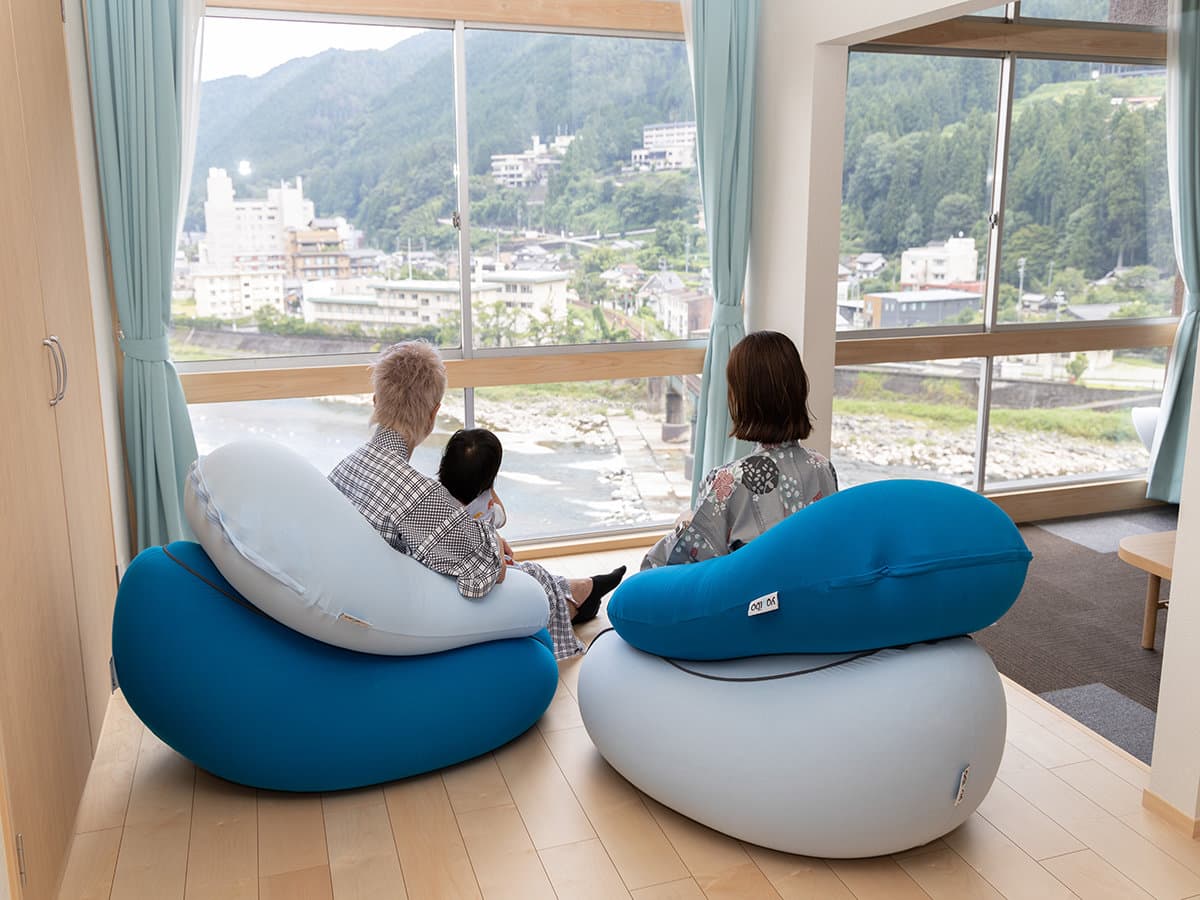 | 부터 ≈¥18,480≈ ₩160,000 | 9.6 리뷰 556건 | 영어 OK전세 온천 | Booking.com에서 예약하기 |
| 부터 ≈¥20,020≈ ₩173,000 | 8.3 리뷰 63건 | 전세 온천 | Booking.com에서 예약하기 | |
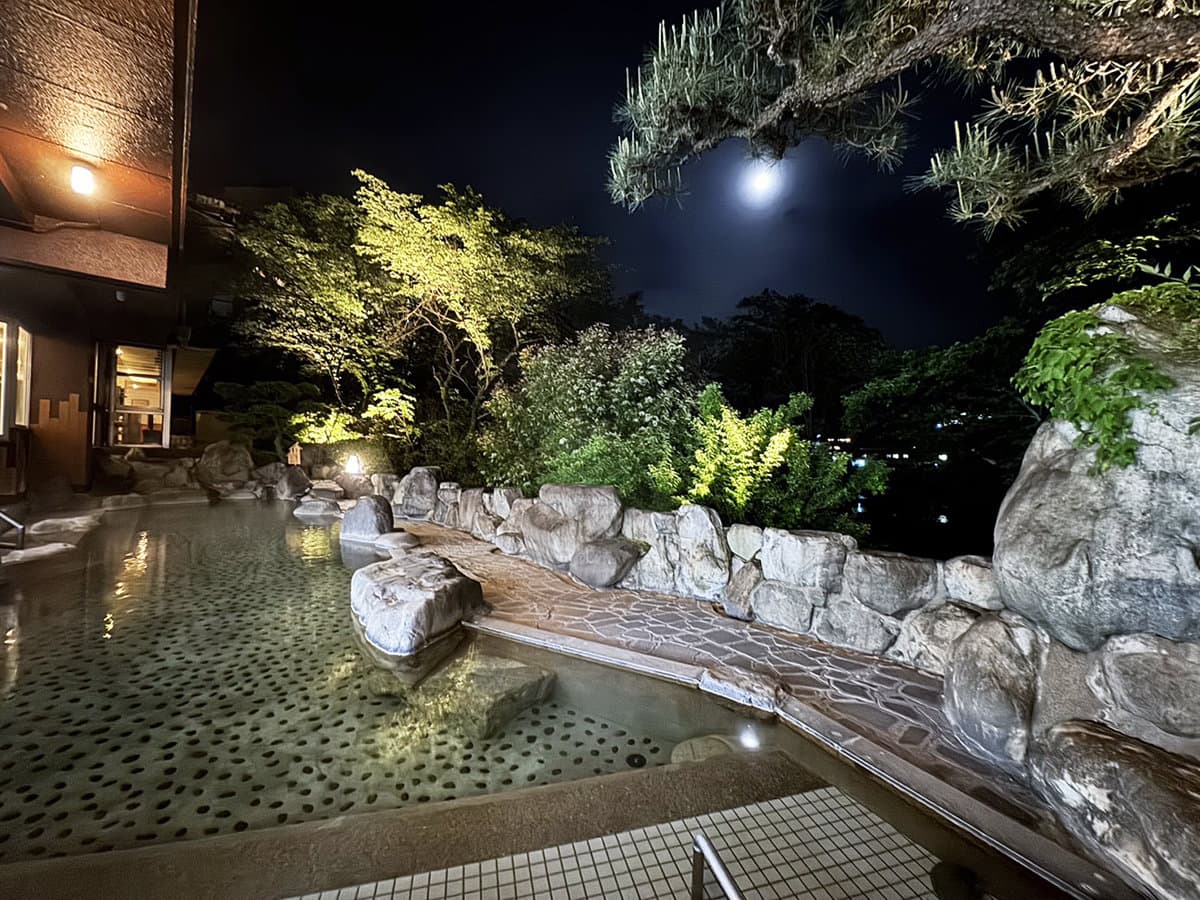 Bosenkan Gero | 부터 ≈¥30,800≈ ₩266,000 | 8.1 리뷰 2245건 | 영어 OK전세 온천 | Booking.com에서 예약하기 |
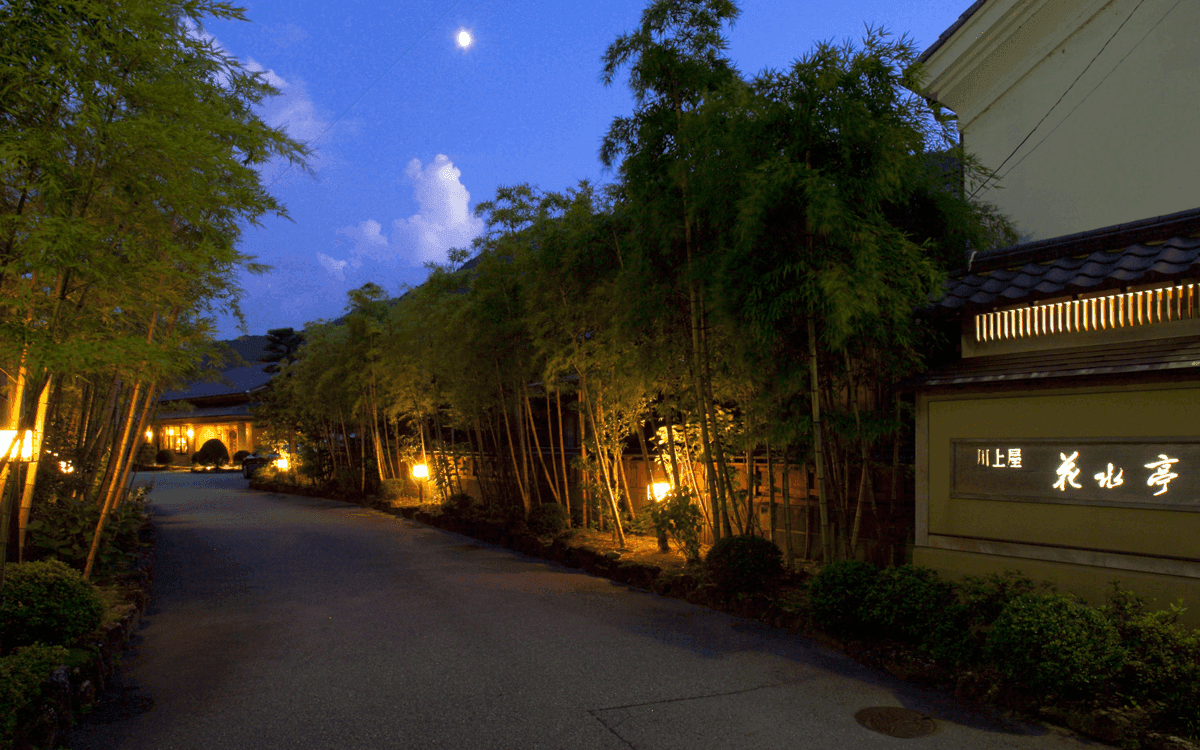 | 부터 ≈¥46,200≈ ₩399,000 | 9.4 리뷰 191건 | 영어 OK전세 온천 | Booking.com에서 예약하기 |
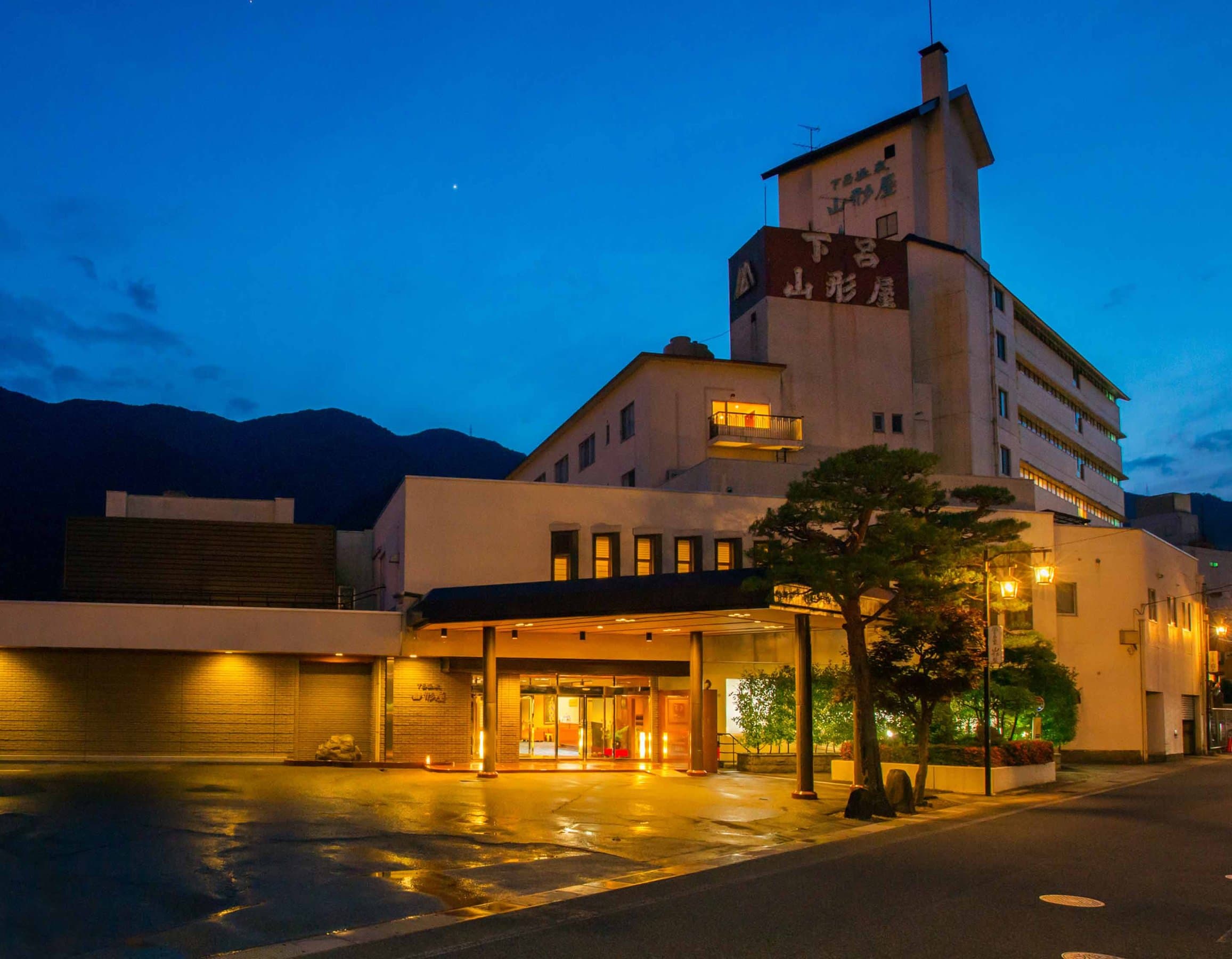 Yamagataya Gero | 부터 ≈¥25,410≈ ₩220,000 | 8.2 리뷰 489건 | 온천 | Booking.com에서 예약하기 |
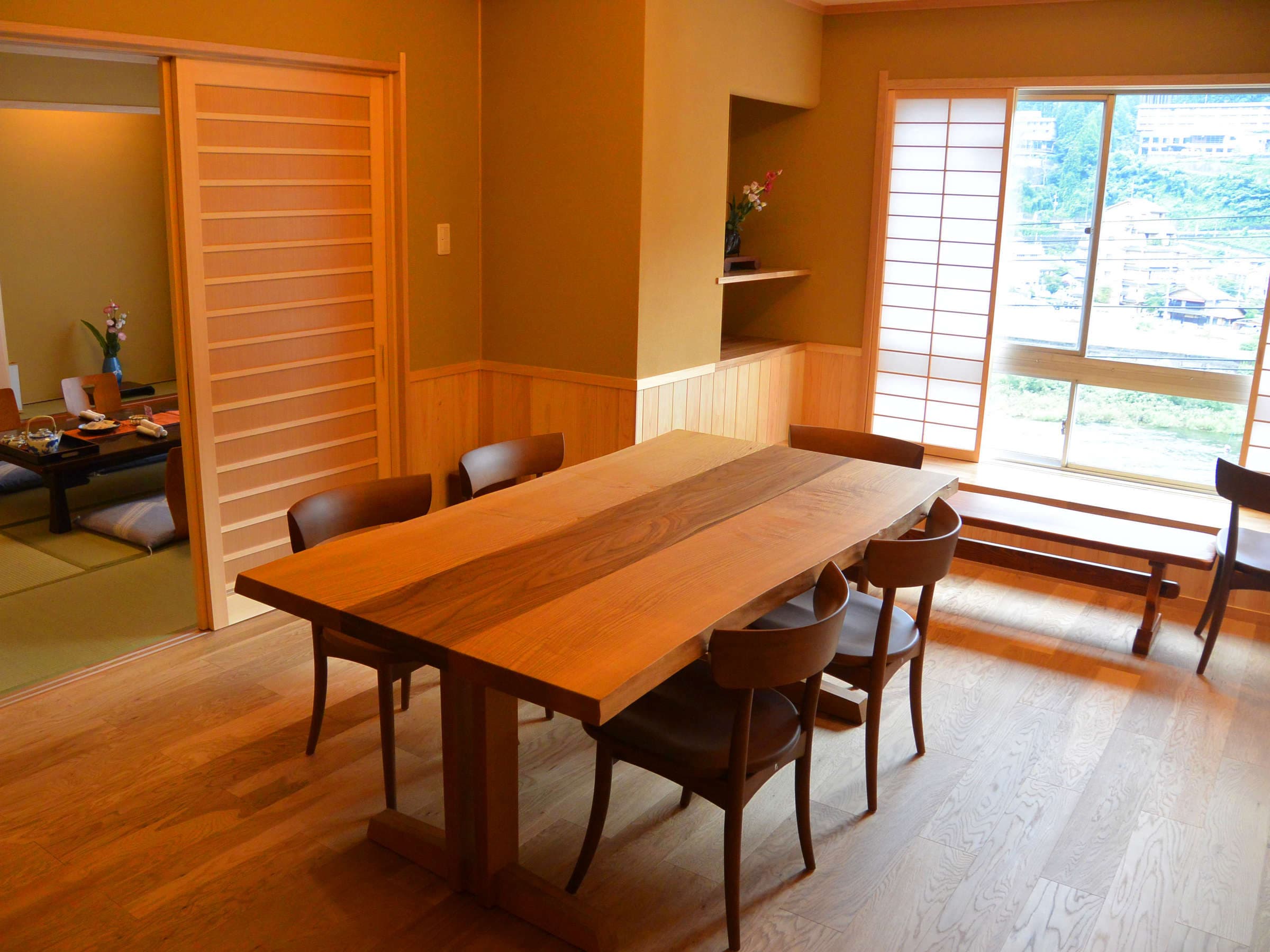
스이메이칸
Gero
Yunoshimakan
Gero
Ogawaya
Gero
Sasara
Gero
Bosenkan
Gero
Yamagataya
Gero
표시된 가격은 1인 1박 기준 시작가의 근사치입니다. 예약 시 당사이트가 수수료를 받을 수 있습니다.
1662년, 유학자 하야시 라잔 林羅山은 일본의 온천 중 셋을 특별히 꼽았습니다. 아리마, 구사쓰, 그리고 게로입니다. 그로부터 350년 이상이 지난 지금도 이 순위는 일본 여행자들의 행선지 선택에 영향을 미치고 있습니다. 게로 온천은 기후현 히다가와 강 계곡에 위치하며, 나고야에서 약 90분, 특급 히다 列車로 다카야마에서 남쪽으로 45분 거리입니다. 덕분에 간사이~중부 일본을 잇는 클래식 여정의 정확한 지리적·문화적 중간 기착지가 됩니다. 온천수는 알칼리성(pH 9.1~9.3)으로 피부에 닿으면 비단결 같은 감촉이 나며, 일본 온천 협회로부터 미진노유 美人の湯(미인탕)로 인증받은 전국에서도 손꼽히는 온천입니다. 게로의 또 다른 명물은 히다 소고기—히다 고지에서 사육된 A5 와규로, 산지에서 멀리 떨어진 온천 마을에서는 경험하기 어려운 방식으로 이곳 가이세키 메뉴에 안정적으로 등장합니다. 다음은 2026년 5월에 검증한 게로 온천 최고의 료칸 12곳입니다. 알뜰한 탕 순례 여행부터 문화재급 럭셔리 숙소까지 모든 가격대를 아우릅니다 [verified Japan Guide 2026-06-05] [verified Centrip Japan 2026-06-05].
 핀하기
핀하기게로 온천 최신 정보: 2026년 업데이트
2026년 5월 확인 — 지난 업데이트 이후 주요 변경사항:
- 사사라 전용 노천탕 확장(2025년): 사사라가 전용 실내 노천탕이 넓어지고 계곡 전망 테라스가 연장된 두 가지 프리미엄 객실 카테고리를 추가했습니다. 새로 신설된 '미야마 스위트' 카테고리는 1인당 ¥60,000부터 시작합니다. - 유메구리 데가타 가격 인상: 목제 탕 순례 패스가 ¥1,200에서 ¥1,300으로 올랐습니다(2026년 4월부터). 여전히 파트너 료칸 3곳의 욕실을 이용할 수 있으며, 모든 참여 시설의 프런트에서 구입 가능합니다. - JR 히다선 시각표 개정(2026년 3월): 특급 히다 시각표가 개정되었습니다. 예약 전 JR 도카이 공식 사이트에서 현행 시각표를 확인하세요. - 가와라노유 영업시간 연장: 유명한 히다가와 강변 야외 공중탕이 4월~10월 21:00까지 운영됩니다(기존 19:00). 따뜻한 계절에는 석양 온천욕이 가능해졌습니다. - 히다 소고기 가격: 2026년 초 전국 와규 가격 조정으로, 프리미엄 료칸의 히다 소고기 가이세키 추가 금액이 2024년 대비 약 8~12% 올랐습니다. 이 가이드의 가격은 2026년 5월 확인 기준입니다. - 스이메이칸 노 공연 재개: 2년간의 중단 후 스이메이칸의 월간 노 공연이 2026년 1월 재개되었습니다. 예약 시 스이메이칸 웹사이트에서 2026년 공연 일정을 확인하세요.
Tip
선정 기준(2026년 5월 확인): 게로에서 운영 중인 25곳의 료칸에서 12곳 선정. 기준: (1) 최소 메인 욕조에 원천 가케나가시(순환 없는 신선한 원천수 흐름)가 있을 것; (2) 건물 수령 30년 이상 또는 국가 등록 유형 문화재 지정; (3) 강 전망·전용 온천·지정 생산자 히다 소고기 가이세키 등 하나 이상의 시그니처 객실 또는 욕실 카테고리; (4) 18개월 이내 자란 또는 라쿠텐 트래블에서 검증 가능한 일본어 투숙객 리뷰; (5) 가격대 분산 — 최소 1곳 ¥18,000/인 이하, 최소 1곳 ¥45,000 이상. 표시 가격은 2식 포함(석식+조식) 1인당 1박 기준입니다. 참고 환율: ¥150 = 1달러.
게로 온천과 일본 3대 명천
일본에는 수백 개의 온천 마을이 있지만, 일본 온천 문화에서 가장 중요한 명칭을 가진 곳은 단 세 곳입니다. 일본 3대 명천 (三大名泉)—세 위대한 명천입니다. 이 순위는 하야시 라잔이 1662년에 저술한 『도라이소 니치로쿠』에서 비롯되었으며, 시대적 배경이 있지만 라잔이 묘사한 온천 화학적 특성은 진정으로 독특합니다. 세 곳은 각각 다른 원천 유형을 대표합니다: 아리마(효고)는 두 원천을 가지고 있습니다—철분이 풍부한 '금천 金泉'과 탄산이 함유된 '은천 銀泉'—일본에서 지구화학적으로 가장 복잡한 온천 중 하나입니다. 구사쓰(군마)는 일본에서 가장 강한 산성 온천수(pH 2.0)를 자랑하며, 물을 입욕 가능한 온도로 식히는 유모미 湯もみ 전통으로 유명합니다. 게로는 세 명천 중 가장 높은 알칼리도를 가진 단순 온천(pH 9.1~9.3)으로, 미진노유의 대명사가 된 이유가 바로 여기에 있습니다. 세 곳을 합치면 일본 온천 수질의 전체 스펙트럼을 갖추게 됩니다. 세 곳을 모두 경험하는 온천 여정을 계획한다면 게로가 자연스러운 허브가 됩니다. 나고야와 다카야마를 잇는 히다 본선 중간에 위치하기 때문입니다. 구사쓰 료칸 가이드와 아리마 료칸 가이드에서 트리펙타의 나머지 두 곳을 확인하세요.
게로의 미진노유 美人の湯가 특별한 이유
게로의 온천은 탄산수소나트륨 단순 온천으로 분류됩니다. 여기서 '단순'은 용해 광물질 농도가 요양 기준치 이하라는 기술적 용어이지만, 중요한 것은 알칼리성입니다. pH 9.1~9.3에서 욕조에 들어간 지 60초 이내에 피부 표면의 유지가 비누화(말 그대로 비누 반응)됩니다. 느껴지는 미끄러운 감촉은 물리적 효과로, 첨가물에 의한 것이 아닙니다. 이것이 미진노유의 메커니즘입니다. 일본 온천 협회가 진정한 미진노유로 지정한 온천은 전국에 20곳 미만이며, 게로는 사가현 우레시노, 와카야마현 가와유와 함께 가장 많이 언급되는 곳 중 하나입니다. 료칸 선택에서의 실질적인 의미는: 원천 가케나가시가 일본 어느 곳보다도 게로에서 더 중요하다는 것입니다. 알칼리성 물은 식어서 순환되면 알칼리도가 빠르게 떨어지고 피부 유연 효과도 약해지기 때문입니다. 료칸이 천연 온천을 내세우면서도 가케나가시를 명시하지 않는다면 예약 전에 직접 확인하세요 [verified Gero Onsen Tourist Association 2026-06-05] [verified Good Luck Trip 2026-06-05].
Tip
료칸 직원에게 욕실 근처 원천 수도꼭지에서 작은 병에 물을 받아달라고 부탁해 보세요. 다음 날 아침 식힌 물로 세안하면 미진노유의 알칼리성이 욕조 밖에서도 얼굴 피부에 계속 작용합니다. 게로의 대부분 역사 깊은 료칸들은 이 요청을 무료로 들어줍니다.
게로의 무료 외탕 3곳 (외탕 外湯)
게로의 가장 독특한 매력 중 하나는 료칸 투숙객이 무료 또는 매우 저렴하게 이용할 수 있는 외탕(外湯) 세 곳입니다. 가와라노유 川原湯가 가장 유명합니다. 히다가와 강 바로 위 강변의 노천 탕으로 혼욕(수영복 필수), 무료 입장입니다. 2026년 4월부터 4월~10월 21:00까지 영업시간이 연장되어 석양 온천욕이 가능해졌습니다. 산가쿠노유 山楽の湯는 온천 지구 메인 구역의 실내 공중탕입니다. 입장료 ¥500, 현지인 친화적 운영 시간으로 료칸 메인 욕실보다 한산한 경우가 많습니다. 하쿠운노유 白雲の湯는 중앙 광장의 족탕 시설로 무료, 상시 개방되어 있어 도착 후 첫 방문지로 안성맞춤입니다. 많은 료칸에서 유메구리 데가타 湯めぐり手形(목제 탕 순례 패스, 2026년 ¥1,300)를 판매하며, 외탕 외에도 파트너 료칸 3곳의 공개 시간대를 이용할 수 있습니다. 1박 숙박으로 다양한 원천을 최대한 경험하고 싶다면 도착 시 료칸 프런트에서 패스를 구입하세요.
게로의 히다 소고기와 가이세키
게로는 히다 고지에 위치하며, 이곳은 히다 소고기 飛騨牛—히다 지방에서 사육된 흑모 와규로 구성된 기후현 브랜드—의 산지입니다. 히다 소고기는 일본에서 가장 저평가된 A5 와규 브랜드 중 하나입니다. 수출 시장에는 거의 등장하지 않고, 가격은 마쓰사카나 고베에 비해 현저히 낮으며(게로 료칸의 완전한 히다 소고기 가이세키 코스는 보통 1인당 ¥15,000~¥25,000으로, 추가 요금이 아닌 1인 요금에 포함), 4~5등급 절편의 마블링 품질은 전국 브랜드에 필적합니다. 게로에서 히다 소고기는 주로 샤부샤부 (얇게 썬 고기를 테이블에서 끓이는 방식), 스키야키 (두부와 채소와 함께 조림), 야키니쿠 (테이블에서 구이), 또는 타타키 (살짝 구운 방식)로 제공됩니다. 스이메이칸과 유노시마칸의 가이세키는 모두 히다의 지정 생산자로부터 히다 소고기를 조달한다고 명시하고 있으며, 무쓰미칸은 생산자를 계절마다 교체합니다. 전통 온천 료칸의 가이세키 메뉴 구성에 대해 더 자세히 알고 싶다면 가이세키 가이드를 참고하세요 [verified Hida Takayama Tourism Bureau 2026-06-05].
한눈에 비교: 게로 료칸 12곳
| 료칸 | 가격대 | 추천 대상 | 전용 온천 | 강 전망 |
|---|---|---|---|---|
| 스이메이칸 | ¥¥¥¥ | 첫 방문자, 풀서비스 | 대여 | 있음 |
| 유노시마칸 | ¥¥¥¥ | 역사·건축 팬 | 없음 | 언덕 파노라마 |
| 오가와야 | ¥¥¥ | 가족, 100다다미 욕실 | 대여 | 있음 |
| 무쓰미칸 | ¥¥¥ | 가이세키 품질, 아늑함 | 없음 | 없음 |
| 사사라 | ¥¥¥¥ | 디자인 여행자, 계곡 전망 | 객실 내 | 계곡 전망 |
| 쇼게쓰 | ¥¥¥ | 조용한 대안, 단풍 | 반전용 | 있음 |
| 후가쿠 | ¥¥¥ | 언덕 파노라마 전망 | 없음 | 산 전망 |
| 보센칸 | ¥¥¥ | 타투 허용, 프라이버시 | 객실 내 | 없음 |
| 가와카미야 하나오기 | ¥¥¥¥ | 럭셔리 강변, 최고 가이세키 | 스위트 | 있음 |
| 야마가타야 | ¥¥¥ | 리노베이션 없는 전통 분위기 | 없음 | 없음 |
| 스이메이칸 별관 | ¥¥¥ | 조용한 스이메이칸 경험 | 대여* | 있음 |
| 기소야지 | ¥ | 초저가, 탕 순례 중심 | 없음 | 없음 |
*별관 투숙객은 스이메이칸 본관의 대여 노천탕을 이용할 수 있습니다.
1. 스이메이칸 水明館 — 게로 온천의 대명사
가격대: ¥¥¥¥ (¥35,000~¥70,000/인, 2식 포함)
1932년 창업의 스이메이칸은 게로 온천을 대표하는 료칸입니다. 4개 동(산스이카쿠·타이류·가류칸·고쿠안)과 대형 공동욕장 3곳, 노 공연장(월간 공연 2026년 1월 재개), 야외 수영장, 복수의 식당을 갖춘 히다가와 강변의 광대한 복합 시설입니다. 일본의 료칸을 처음 이용하는 분들에게 스이메이칸은 기준이 되는 시설입니다. 대형 전통 료칸이 무엇을 할 수 있는지 보여줍니다. 산스이카쿠 욕실이 시그니처입니다—원천 가케나가시의 물이 흐르고 히다가와 강의 완전한 전망이 펼쳐지는 180다다미 목조 대욕장입니다. 가이세키 메뉴는 지정 히다 농가의 히다 소고기를 명시적으로 조달하며, 가을에는 히다 송이버섯 추가 코스도 즐길 수 있습니다. 이 규모의 료칸치고는 서비스가 격식 있고 민첩합니다. 유일한 단점은 규모로 인해 리스트의 작은 여관들에 비해 더 호텔 같은 느낌이 든다는 점입니다 [verified Nihonmono 2026-06-05].
- 온천: 공동욕장 3곳 + 전용 대여 노천탕(메인 욕실은 원천 가케나가시) - 가이세키: 지정 생산자 히다 소고기, 제철 산채, 민물고기 - 전망: 타이류·가류칸 동의 히다가와 강 뷰 객실 - 영어 지원: 영문 웹사이트 + 예약 지원 - 교통: 게로역에서 도보 10분
2. 유노시마칸 湯之島館 — 삼림 언덕의 국가 등록 문화재
가격대: ¥¥¥¥ (¥50,000~¥90,000/인, 2식 포함)
1931년 창업의 유노시마칸은 단순한 료칸이 아닙니다. 일본 국가 등록 유형 문화재로, 이 지정을 받은 극소수의 온천 여관 중 하나입니다. 본관은 쇼와 시대 장인의 솜씨가 빛납니다. 손으로 조각한 가로대 장식이 이어지는 긴 삼나무 복도, 웅장한 계단, 1930년대 이후 사실상 변하지 않은 로비가 특징입니다. 마을 중심가 위 숲이 우거진 언덕에 위치해 가파른 구불구불한 오솔길로 접근하며, 온천 거리의 소음으로부터 진정한 격리를 이루고 있습니다. 전용 원천이 대형 실내 욕탕과 숲을 향한 노천탕에 원천 가케나가시로 공급됩니다. 가을 주말은 최소 90일 전 예약이 필요합니다. 11월에 야외 욕탕에서 보이는 단풍은 게로 온천에서 가장 많이 사진 찍히는 풍경입니다 [verified Yunoshimakan official 2026-06-05].
- 온천: 전용 원천, 원천 가케나가시, 삼림 노천탕 - 가이세키: 히다 요리 다코스, 제철 히다 소고기 요리 - 건축: 국가 등록 유형 문화재(2002년 지정) - 전망: 삼림 경사면; 언덕 위 테라스에서 마을 파노라마 - 교통: 게로역에서 도보 오르막 15분(차량 픽업 가능)
3. 오가와야 小川屋 — 100다다미 대욕장 체험
가격대: ¥¥¥ (¥25,000~¥50,000/인, 2식 포함)
오가와야에는 일본의 어느 료칸도 따라올 수 없는 하나의 특징이 있습니다. 100다다미 대형 실내 공동욕장으로, 넓은 온천 욕탕의 바닥이 전통 다다미로 전면 시공되어 있습니다. 발 밑의 미끄럼 방지가 되고 따뜻한 다다미는 타일이나 돌과는 전혀 다른 입욕 감각을 줍니다—더 부드럽고, 더 따뜻하고, 더 대지에 맞닿은 느낌입니다. 이 시그니처 욕실 외에도 오가와야는 완전한 강변 노천탕과 전용 대여 욕실을 운영합니다. 게로역에서 히다가와 강 산책로를 따라 도보 8분 거리입니다. 어린이를 동반한 가족(수영장 구역 욕실 입구에 직원 배치)과 완전한 전통 료칸의 격식이 불안한 첫 온천 이용자에게 강력히 추천합니다. 료칸의 환대와 좀 더 친근한 호텔식 객실 서비스를 결합하고 있습니다.
- 온천: 100다다미 시그니처 욕실, 강변 노천탕, 전용 대여 욕실 - 가이세키: 히다 소고기 + 제철 민물고기(은어, 산천어) - 전망: 강 방향 스탠다드·디럭스 객실 등급 - 영어 지원: 보통 수준; OTA 예약 가능 - 가족 친화적: 직원 배치 욕실 입구, 패밀리룸 카테고리
4. 무쓰미칸 睦館 — 미슐랭이 주목한 전통 료칸
가격대: ¥¥¥ (¥30,000~¥55,000/인, 2식 포함)
무쓰미칸은 미슐랭 그린 가이드 재팬에서 쾌적함과 품질을 인정받은 료칸입니다—가족 경영의 이 여관은 화려함이 아닌 일관성으로 그 평가를 얻었습니다. 게로역에서 3분 거리, 마을의 전통 지구에 위치합니다. 객실은 철저하게 전통적입니다. 다다미, 장지, 이부자리. 욕실은 소규모지만 꼼꼼하게 관리됩니다. 무쓰미칸을 돋보이게 하는 것은 가이세키 주방입니다. 지역 히다 농부와 강 어부와의 계절적 관계를 반영한 요리가 나옵니다. 히다 소고기는 모든 메뉴에 등장하지만, 봄의 산채 요리와 여름의 민물고기 코스가 주방의 진정한 실력을 보여주는 지표입니다. 대형 료칸에서 머물러본 적이 있고 진정한 소형 여관의 환대와 비교해보고 싶다면 무쓰미칸이 최적의 선택입니다.
- 온천: 소규모의 꼼꼼하게 관리된 공동 욕실, 원천 가케나가시 - 가이세키: 미슐랭 주목, 제철 히다 식재료, 지정 농장 히다 소고기 - 규모: 아늑함(20실 미만) - 교통: 게로역에서 도보 3분 - 추천 대상: 규모보다 개성을 중시하는 일본 여행 베테랑
5. 사사라 紗々羅 — 디자인 감각 넘치는 언덕 위 료칸
가격대: ¥¥¥¥ (¥40,000~¥80,000/인, 2식 포함; 미야마 스위트 ¥60,000부터)
사사라는 '현대 일본 미학'이라는 질문에 대한 게로의 디자인 선구적 답변입니다. 온천 지구 메인 구역 위쪽 언덕에 위치한 이 료칸은 다다미 객실과 깔끔한 스칸디나비아 영향의 인테리어를 결합했습니다—베그너 의자, 광택 콘크리트 욕조 주변, 히다 계곡을 액자처럼 담은 바닥부터 천장까지의 창문. 2025년 사사라는 넓어진 전용 실내 노천탕과 확장 테라스가 포함된 '미야마 스위트' 카테고리를 추가했습니다. 모든 시그니처 객실에는 계곡을 바라보는 전용 실내 노천탕이 포함됩니다. 가이세키 플레이팅은 건축의 간결하고 정확한 미학을 따릅니다. 소량, 지정 생산자 식재료, 극적인 계절 연출. 사사라는 일관되게 디자인 감각 있는 국제 고객을 끌어들이며, 영문 OTA를 통해 예약하기 가장 쉬운 게로 료칸 중 하나입니다.
- 온천: 전용 실내 노천탕(모든 시그니처·스위트 객실), 계곡 전망 공동욕실 - 가이세키: 디자인 선진적 플레이팅, 지정 히다 소고기 생산자 - 건축: 현대적 일본-스칸디나비아 인테리어 디자인 - 2025년 신설: 넓어진 노천탕 + 연장 테라스의 미야마 스위트 - 영어 지원: 강력한 OTA 존재, 영어 지원
6. 쇼게쓰 松月 — 강변의 조용한 우아함
가격대: ¥¥¥ (¥28,000~¥55,000/인, 2식 포함)
쇼게쓰는 게로에서 비교적 조용하게 운영되는 료칸 중 하나입니다—스이메이칸이나 유노시마칸만큼 국제적인 지명도는 없지만, 대형 명소 료칸이 너무 번잡하다고 느끼는 투숙객에게 더 편안한 대안으로 일관되게 평가받습니다. 히다가와 강에 면해 있으며 강변 공동욕실은 물을 가리는 것 없이 조망합니다. 객실 카테고리는 표준 다다미와 소수의 반전용 노천탕이 딸린 강 전망 객실로 나뉩니다. 가이세키 주방은 특히 회 조달이 뛰어난 것으로 평판이 높습니다—히다의 민물고기는 직접 공급자 관계가 없는 료칸보다 현저히 신선합니다. 일본 국내 여행자들 사이에서는 가을 주말에 유노시마칸과 스이메이칸이 만실일 때 대안으로 추천되는 경우가 많습니다.
- 온천: 강변 공동욕실 + 반전용 노천탕 옵션 - 가이세키: 우수한 현지 회 조달, 제철 히다 소고기 - 전망: 히다가와 강 직접 전망 - 규모: 중규모(30~40실), 랜드마크 료칸보다 조용함 - 추천 대상: 명성보다 평온함을 추구하는 여행자, 가을 주말 대안
7. 게로 온천 후가쿠 富岳 — 탁 트인 전망의 언덕 료칸
가격대: ¥¥¥ (¥22,000~¥45,000/인, 2식 포함)
후가쿠는 온천 거리 위 언덕에 위치해 유노시마칸 같은 공식 문화재 지위 없이도 히다가와 강 계곡의 파노라마 위치를 점합니다. 역사 여관들보다 새롭지만 270도의 산악·계곡 전망을 가진 언덕 노천탕에 투자했습니다—게로 어느 료칸에서도 즐길 수 있는 가장 넓은 노천탕 파노라마 중 하나입니다. 객실 카테고리에는 표준 다다미와 이부자리 수면이 불편한 투숙객을 위한 서양식 침대가 모두 포함됩니다. 가이세키는 뛰어나기보다는 탄탄한 편입니다—히다 소고기가 있고 산채 요리도 제철을 따르지만, 주방이 무쓰미칸이나 스이메이칸의 수준에는 미치지 못합니다. 후가쿠의 매력은 주로 전망과 유연한 객실 형태에 있습니다.
- 온천: 270도 파노라마 언덕 노천탕, 공동욕실 - 가이세키: 표준 히다 소고기 가이세키, 제철 산채 - 전망: 언덕 위치에서 산악·계곡 파노라마 - 객실 유형: 다다미 + 서양식 침대 옵션 - 교통: 도보 오르막 또는 료칸 셔틀로 역에서
8. 보센칸 望川館 — 전용 온천 객실 갖춘 전통 료칸
가격대: ¥¥¥ (¥30,000~¥60,000/인, 2식 포함)
보센칸은 게로의 중형 전통 료칸 중 하나입니다—쇼와 초기에 창업한, 일본 재방문 여행자들 사이에 조용한 명성을 가진 여관입니다. 두드러지는 특징은 객실 내 전용 온천이 포함된 스위트룸 카테고리로, 원천수가 객실 내 돌 또는 편백나무 욕조에 직접 공급됩니다. 프라이버시를 중시하는 여행자—수줍음 때문이든, 타투 때문이든, 단순한 개인적 선호이든—에게 보센칸은 게로에서 ¥60,000대 미만의 가장 접근하기 쉬운 전용 온천 옵션입니다. 가이세키는 전통적인 히다 스타일—다코스, 제철 식재료, 매일 저녁 메뉴에 히다 소고기. 교통이 편리합니다—게로역에서 도보 7분.
- 온천: 객실 내 전용 온천(스위트룸), 공동욕실 - 가이세키: 전통 히다 다코스, 히다 소고기 - 프라이버시: ¥60,000 이하 게로에서 최고의 전용 온천 접근성 - 교통: 게로역에서 도보 7분 - 추천 대상: 타투 허용 투숙객, 최대 프라이버시를 원하는 커플
9. 가와카미야 하나오기 川上屋花水 — 프리미엄 강변 료칸
가격대: ¥¥¥¥ (¥45,000~¥85,000/인, 2식 포함)
가와카미야 하나오기는 게로의 프리미엄 강변 료칸입니다—스이메이칸보다 규모가 작고 더 고급스러우며, 강변 위치로 마을 어느 여관보다도 히다가와 강에 가까이 있습니다. 메이지 시대에 창업한 오랜 역사의 료칸으로, 현대화가 아닌 세심한 리노베이션을 통해 역사적 분위기를 유지하고 있습니다. 강변 노천탕은 강둑 위로 약간 내달아 있는 테라스에 설치되어—흐르는 산간 물 위에서 목욕하는 감각은 게로에서도 이곳만의 체험입니다. 모든 객실 카테고리에 강 전망이 포함되며, 프리미엄 스위트에는 전용 실내 욕조가 추가됩니다. 가이세키는 일본 여행 리뷰어들이 게로 최고 3위 안에 꼽으며, 히다 소고기 요리에는 클래식 스키야키와 더 혁신적인 타타키 형식이 모두 포함됩니다. 일본 전국의 전용 온천 체험 전체 스펙트럼에 대해서는 전용 온천 료칸 가이드를 참고하세요.
- 온천: 강 위에 내달아 있는 노천탕 + 스위트 전용 욕탕 - 가이세키: 최고 수준의 히다 소고기 요리, 메이지 시대 레시피 계승 - 규모: 부티크(25실 미만) - 전망: 직접 강변, 게로에서 가장 강에 가까운 위치 - 추천 대상: 신혼 여행, 럭셔리 추구자, 게로 최고의 가이세키
10. 야마가타야 山形屋 — 메이지부터 이어진 가족 경영 전통
가격대: ¥¥¥ (¥25,000~¥48,000/인, 2식 포함)
야마가타야는 메이지 시대로 창업을 거슬러 올라가는 게로에서 가장 오래된 가족 경영 료칸 중 하나입니다. 온천 지구 중심부 역에서 5분 거리에 위치하며, 대규모 리노베이션 없이 전통적인 분위기를 유지하고 있습니다—원래의 목조 건축물, 후스마 칸막이, 1920년대 석공이 그대로인 욕실 동. 메인 공동욕탕은 게로에서 가장 깊은 곳 중 하나입니다(기존 욕탕 깊이로 어깨까지 잠기는 전통적인 일본 목욕 선호). 가이세키는 고급 가이세키라기보다는 가정식—간단한 플레이팅, 넉넉한 분량, 탄탄한 히다 소고기 품질. 야마가타야는 인스타그램 방문객을 위해 리노베이션되지 않은 진정한 옛 일본 분위기를 원하는 여행자에게 추천합니다.
- 온천: 깊은 전통 돌 공동욕탕, 원천 가케나가시 - 가이세키: 히다 가정식 요리, 넉넉한 분량, 히다 소고기 - 건축: 메이지 시대 목공예 보존, 리노베이션 없는 분위기 - 교통: 게로역에서 도보 5분 - 추천 대상: 현대화되지 않은 전통 분위기를 추구하는 여행자
11. 스이메이칸 별관 — 조용한 스이메이칸 체험
가격대: ¥¥¥ (¥28,000~¥55,000/인, 2식 포함)
스이메이칸의 별관은 본관 욕실 시설을 공유하되, 객실 수는 더 적고 복도는 더 조용하며 서비스 비율은 더 친밀합니다. 스이메이칸의 원천과 브랜드 품질을 원하지만 본관의 규모(복수의 동, 대형 단체 투어)가 너무 몰개성하게 느껴지는 여행자에게 별관이 올바른 예약 선택입니다. 객실 카테고리는 더 전통적입니다—천연목 사용이 많고, 본관의 더 격식 있는 인테리어 스타일에 비해 차분한 색 팔레트. 가이세키 메뉴는 본관과 동일하지만 동시 투숙객이 더 적은 작은 식당에서 제공됩니다. 스이메이칸 메인 시설(노 공연장 및 산스이카쿠 욕실 포함)에 대한 이용이 포함됩니다.
- 온천: 스이메이칸의 모든 욕실 시설 공동 이용, 원천 가케나가시 - 가이세키: 스이메이칸 주방 수준, 더 작은 식사 환경 - 규모: 별관 형식—객실 수 적음, 본관보다 조용한 경험 - 전망: 강 전망 객실 있음 - 추천 대상: 리조트 규모 없이 스이메이칸 품질을 원하는 투숙객
12. 기소야지 木曾屋旅館 — 탕 순례 거점
가격대: ¥ (¥10,000~¥18,000/인, 2식 포함)
기소야지는 이 목록에서 가장 입문에 가까운 료칸입니다—고액 지출 없이 진정한 게로의 하룻밤을 경험하고 싶은 여행자를 위해 온천 지구 중심부에 설계된 아담한 가족 경영 료칸. 객실은 간단합니다(다다미, 이부자리, 복도의 공동욕실), 욕탕은 작고, 객실 식사는 없습니다. 1인당 ¥10,000~¥18,000으로 얻을 수 있는 것은 같은 알칼리 원천수에 대한 이용권, 가정식 히다 요리 저녁식사(히다 소고기 포함), 그리고 세 곳의 무료 외탕(가와라노유·산가쿠노유·하쿠운노유)과 유메구리 데가타 파트너 료칸의 일일 탕 순례를 즐길 수 있는 능력입니다. 이는 10박 이상의 장기 일본 여행을 계획하며 게로를 여행 중 가장 비싼 밤으로 만들지 않고 포함하고 싶은 여행자에게 추천입니다.
- 온천: 소형 공동욕탕(온천수), 외탕 공중탕 이용 가능 - 가이세키: 가정식, 간단하지만 진정한 히다 소고기 포함 - 위치: 온천 지구 중심부, 모든 외탕까지 도보 거리 - 예산: 게로에서 가장 저렴한 정통 료칸 체험 - 추천 대상: 예산 여행자, 1인 여행자, 장기 일본 여행
게로 온천 가는 방법: 나고야, 다카야마 등지에서
게로의 교통 위치는 가장 큰 장점 중 하나입니다. 나고야에서: JR 히다 특급 열차(와이드뷰 히다), 약 90분, 매일 여러 편 운행. 2026년 3월 시각표 개정에 주의하세요—예약 전 JR 도카이 공식 사이트에서 현행 출발 시간을 확인하세요. 다카야마에서: 같은 히다선 남행 방향, 약 45분. 오사카·교토에서: 신칸센으로 나고야까지(출발지에 따라 35~80분), 그 후 히다 특급으로 환승. 오사카에서 게로까지 총 소요 시간 약 2.5시간. 도쿄에서: 신칸센으로 나고야까지(노조미 약 90분), 그 후 히다 특급으로 게로까지. 합계: 도쿄역에서 약 3시간 [verified Wikipedia Hida train 2026-06-05].
게로와 다카야마, 시라카와고, 호쿠리쿠 루트의 가나자와 료칸를 조합하는 여행자에게는 JR 다카야마·호쿠리쿠 관광 프리패스(5일, ¥15,280)를 추천합니다. 히다선 전선과 호쿠리쿠 신칸센 연장 구간을 커버하며, 1~2일 이내에 본전을 뽑을 수 있습니다.
히다 특급으로 도착한다면 게로역 근처 료칸을 골라 짐을 들고 언덕을 오르는 수고를 더세요.
게로 온천 최적 방문 시기: 계절별 가이드
가을(10월 중순~11월 하순) — 성수기. 히다가와 강 계곡은 주변 단풍이 절정을 맞으면서 붉고 황금빛으로 물듭니다. 산스이칸, 유노시마칸, 스이메이칸의 강 전망 노천탕 수요가 최고조에 달합니다. 가을 주말은 90일 이상 전 예약이 필요합니다. 게로 온천 마쓰리(8월 1~4일)도 별도의 볼거리입니다—히다가와 강 위의 화염 불꽃놀이.
겨울(12월~2월) — 온천 성수기, 객실 할인. 게로 자체에는 스키가 없지만, 찬 공기와 알칼리성 온천수의 대비가 연중 가장 강한 미진노유 피부 감각을 만들어냅니다. 객실 요금은 보통 가을 요금에서 20~30% 낮아집니다. 1~2월 유노시마칸의 노천탕에서 보이는 눈 풍경이 게로 겨울의 전형적인 이미지입니다.
봄(3월 하순~5월 중순) — 벚꽃 시즌. 히다가와 강 양안이 3월 하순부터 꽃을 피웁니다. 가이세키 메뉴는 봄 산채로 전환됩니다. 황금연휴(4월 29일~5월 5일)는 피하세요—국내 수요가 세 배로 늘어납니다. 4월 중순 '하나미 온천' 기간이 첫 방문의 최적 2주 진입점입니다.
여름(6월~8월) — 한산하고 접근하기 편함. 게로는 해발 340m에 위치해 나고야나 오사카보다 서늘합니다. 여름 반딧불이 축제(7월 초)는 조용한 로컬 볼거리입니다. 여름에 방문한다면 지붕이 있는 또는 실내 노천탕 옵션을 갖춘 료칸을 예약하세요.
게로와 다카야마 조합: 이상적인 3일 히다 일정
게로와 다카야마는 히다 특급으로 45분 거리로, 각각 다른 여행 니즈를 충족합니다. 게로는 온천 전문, 다카야마는 산마치 古町, 진야 陣屋 관청, 아침 시장이 있는 낮 시간 문화 목적지입니다. 둘을 합치면 중부 일본에서 가장 알찬 2거점 료칸 일정이 됩니다.
1일차 — 나고야→게로: 나고야에서 아침 히다를 타고 10:00~11:00 도착. 료칸에 짐을 맡기고, 역 근처에서 히다 소고기 소바로 점심, 유메구리 외탕 순례(¥1,300 목제 패스, 3곳). 료칸에 돌아와 가이세키 저녁 식사와 온천.
2일차 — 게로→다카야마: 아침 탕, 조식, 10:00 체크아웃. 히다로 북쪽 다카야마까지(약 45분). 산마치 고마치 散步, 다카야마 진야 방문, 노점에서 히다 소고기 니기리 시식. 다카야마 료칸 체크인—다카야마 료칸 가이드에서 최고의 선택지를, 다카야마 지역 페이지에서 전체 디렉토리를 확인하세요.
3일차 — 다카야마→다음 목적지: 진야 아침 산책 또는 미야가와 아침 시장 후, 히다로 남쪽 나고야 방면 또는 북쪽 도야마/가나자와로. 가나자와 연장 루트: 도야마에서 호쿠리쿠 신칸센으로 가나자와(25분).
Tip
게로+다카야마+가나자와 또는 도야마를 조합한다면 JR 다카야마·호쿠리쿠 관광 프리패스(5일, ¥15,280)를 구입하세요. 양방향 히다 특급과 호쿠리쿠 연장 구간을 커버하며, 2일째에 본전을 뽑습니다.
게로 온천 vs 구사쓰 vs 하코네: 첫 온천 마을 선택 방법
국제 여행자들이 첫 온천 마을로 가장 많이 선택하는 세 곳은 하코네(도쿄에서 가장 쉬운 접근), 구사쓰(가장 극적인 물, 가장 연극적인 공중탕), 게로(3대 명천 칭호, 최고의 음식)입니다. 솔직한 비교를 드립니다:
하코네는 도쿄 기반의 당일치기 또는 1박 여행자에게 최적입니다. 신주쿠에서 로망스카 乗 Car로 편리하게 접근; 고라 근처의 료칸 밀도는 일본 최고 수준; 후지산 전망이 가능합니다. 단점: 하코네는 국제 여행자에게 일본에서 가장 혼잡한 온천 마을이고, 가격이 높으며, 온천수(유황, 약함)는 강점이 아닙니다. 하코네 료칸 가이드와 후지산 전망 최고 료칸을 참고하세요.
구사쓰는 일본 최강의 산성 온천수(pH 2.0)와 유모미 湯もみ 의식(끓는 물에 가까운 물을 목판으로 저어 공개 공연)을 자랑합니다. 극적인 온천 문화를 원한다면 구사쓰를 따라올 곳이 없습니다. 단점: 도쿄에서 버스로 4시간; 게로나 하코네에 비해 프리미엄 료칸 선택이 제한적. 구사쓰 료칸 가이드를 참고하세요.
게로는 전체 패키지를 원할 때의 선택입니다. 3대 명천 문화적 칭호, 미진노유의 알칼리성, 최고의 음식(히다 소고기 가이세키), 다카야마와 나고야로의 가장 편리한 교통 연결. 단점: 국제적 인지도가 낮고 영어 리소스가 적습니다. 이 가이드는 그 격차를 해소하기 위해 설계되었습니다. 일본 온천 전체 풍경은 지역별 일본 온천 가이드를 참고하세요.
이 12곳 료칸을 선정한 이유 (완전한 선정 기준)
게로에는 2026년에 의미 있는 규모로 적극 운영 중인 료칸이 약 25곳 있습니다. 우리는 5가지 기준을 사용해 12곳으로 좁혔습니다. 완전한 기준은 이 가이드 상단의 기준 박스에 명시되어 있지만, 각 기준의 편집 근거에 대해 상세히 설명할 가치가 있습니다:
기준 1: 적어도 메인 욕조에 원천 가케나가시. 이는 게로에서 시 공동 원천에서 물을 끌어오거나 크게 순환된 물을 사용하는 4~5곳의 비즈니스 호텔 스타일 시설을 걸러냅니다. 알칼리성이 모든 의미를 가지는 미진노유 마을에서, 메인 욕탕에 신선한 원천을 지속적으로 흐르게 하지 않는 료칸은 이 가이드가 구축하고 있는 체험을 제공할 수 없습니다.
기준 2: 건물 수령 30년 이상 또는 국가 등록 유형 문화재. 이는 게로의 역사적 맥락을 갖추지 못한 신축 건물을 제외합니다. 30년 기준은 보수적이며, 최고의 료칸들은 대부분 50~90년 역사가 있습니다. 신축이 자동으로 제외되는 것은 아닙니다(사사라는 비교적 새로움에도 포함됨), 하지만 새 료칸은 뛰어난 디자인 품질이나 독특한 특징으로 보완해야 합니다.
기준 3: 독특한 특징이 있는 시그니처 객실 또는 욕실 카테고리. 이 목록의 모든 료칸은 일반적인 대안보다 그곳을 선택하는 이유가 될 특징을 최소 하나 가지고 있습니다—오가와야의 100다다미 욕실, 유노시마칸의 문화재 지위, 가와카미야 하나오기의 강 위로 내달아 있는 노천탕, 유라리의 전용 욕실 포함. 이 기준은 차별화되지 않은 중급 여관으로 목록을 채우는 것을 방지합니다.
기준 4: 18개월 이내 검증 가능한 일본어 투숙객 리뷰. 게로의 영어 리뷰 수는 적습니다—국제 여행자 비율이 하코네나 기노사키보다 낮습니다. 일본어 리뷰(자란, 라쿠텐 트래블, 잇큐)를 더 중시합니다. 더 큰 리뷰 기반을 대표하고, 한 번만 방문하는 국제 여행자의 단일 인상 편향에 덜 영향을 받기 때문입니다. 검증 가능한 최근 리뷰가 없는 료칸은 제외되었습니다.
기준 5: 가격대 다양화. 최종 목록은 ¥10,000~¥90,000/인의 전체 범위를 아우르야 합니다. 이는 모든 예산 카테고리의 독자에 대한 서비스 약속입니다. 게로 시장의 진정한 범위도 반영합니다. 럭셔리 쪽으로 치우치지 않습니다—12곳 중 5곳은 중급(¥¥¥) 이하이며, 2곳은 저가(¥ 또는 ¥¥)입니다.
전체 목록은 2026년 5월에 재확인되었습니다. 다음 예정 재확인: 2026년 11월.
 핀하기
핀하기예약 준비되셨나요?
에디터 추천 료칸, 바로 예약하세요
세 개 예약 사이트의 실시간 빈방·요금을 한 번에 비교하세요.
예약 링크를 통해 수수료가 발생할 수 있으나 추가 비용은 없습니다.
FAQ
자주 묻는 질문
게로는 정말 일본 3대 명천 중 하나인가요?+
네. 이 칭호는 1662년 하야시 라잔이 저술한 학술 저작 『도라이소 니치로쿠』에서 유래하며, 게로를 아리마(효고)와 구사쓰(군마)와 함께 일본 최고의 온천 세 곳으로 꼽았습니다. 이것은 마케팅 발명이 아닙니다—라잔은 도쿠가와 막부의 유학자였으며, 그의 순위는 관찰된 수질을 바탕으로 했습니다. 이 칭호는 350년 이상 일본 온천 문화에서 지속적으로 인용되고 있습니다. 현대 수질 검사는 라잔이 아마도 '비단결' 품질로 관찰했던 게로의 독특한 알칼리성(pH 9.1~9.3)을 확인합니다. [verified Japan Guide 2026-06-05] [verified Good Luck Trip 2026-06-05]
히다 소고기 가이세키 최고의 게로 료칸은?+
스이메이칸(지정 히다 생산자에서 조달), 가와카미야 하나오기(메이지 시대 레시피 계승, 일본 리뷰어 선정 게로 최고 평점 가이세키), 무쓰미칸(미슐랭 주목 주방, 계절별 순환 조달)이 히다 소고기 가이세키 품질 상위 3곳입니다. 예산이 제한된 경우 산스이칸이 중급 가격(¥18,000~¥40,000/인)으로 제철 히다 소고기를 제공합니다.
유명한 가와라노유 강변 노천탕에서 목욕할 수 있나요?+
네. 가와라노유는 히다가와 강변의 무료 야외 탕입니다. 입장 무료; 수영복 착용 필수(혼욕). 2026년 4월부터 4월~10월 21:00까지 영업시간이 연장되어 석양 온천욕이 가능해졌습니다. 전용 구역이나 예약은 없습니다. 수건과 수영복은 인근 상점에서 구입할 수 있습니다.
게로 vs 하코네 vs 구사쓰 — 첫 온천으로 어디를 선택해야 하나요?+
도쿄를 기반으로 가장 쉬운 접근+후지산 전망을 원한다면 하코네를 선택하세요. 일본에서 가장 극적인 공중탕 의식(유모미)과 가장 강한 산성 온천을 원한다면 구사쓰를 선택하세요. 전체 문화 패키지를—3대 명천 칭호, 가장 부드러운 알칼리성 미진노유, 최고의 음식(히다 소고기 가이세키), 다카야마로의 가장 편리한 교통—원한다면 게로를 선택하세요. 음식 품질이 평가 기준에 포함될 때 게로가 가장 강력히 추천됩니다.
게로는 1인 여행에 적합한가요?+
네. 게로에는 1인 여행자 친화적인 료칸이 여럿 있습니다. 기소야지(저가, ¥10,000~¥18,000/인), 야마비코(저가~중간, 공동욕실이 혼잡하지 않음), 유라리(전용 대여 욕실로 공동탕 불안감 해소). 대부분의 료칸에서 1인 이용 추가 요금이 붙습니다(보통 1인당 가격의 20~30% 추가). 2식 포함 좋은 게로 1인 여행 1박으로 ¥15,000~¥25,000을 예산으로 잡으세요.
전용 온천 포함 게로 최저가 료칸은?+
유라리가 ¥35,000/인 이하에서 전용 온천 접근의 최적 입문 선택입니다—객실 요금에 4곳의 전용 노천탕 중 하나의 예약 시간대가 포함됩니다. 보센칸은 스위트 카테고리에 객실 내 전용 온천이 있으며 ¥35,000/인 정도부터 시작합니다. ¥20,000/인 이하에서는 게로의 전용 온천을 안정적으로 이용하기 어렵습니다. 그 가격대에서는 무료 외탕(가와라노유)이 대안을 제공합니다.
게로에 얼마나 머물어야 하나요?+
1박이 완전한 가이세키 저녁+온천+조식 사이클을 경험하기 위한 최소 기간입니다. 2박이 최적입니다. 1박째 도착·온천·저녁; 2일째 유메구리(외탕과 파트너 료칸 탕 순례); 2박째 두 번째 가이세키와 출발 전 아침 입욕. 3박은 완전한 히다 일정(게로+다카야마)에 적당하며, 두 곳에 나눠 밤을 보냅니다.
다카야마 여행과 조합하기 좋은 게로 료칸은?+
교통면에서는 어떤 게로 료칸이든 문제없습니다(게로~다카야마는 히다 특급으로 45분). 이 조합에 특히 잘 맞는 것은 게로에서 산스이칸 또는 오가와야가 상징적인 강 전망 온천 체험을 제공하고, 그 후 다카야마의 옛 거리 문화 낮 관광으로 이동하는 코스입니다. 다카야마 료칸 가이드에서 최고의 선택지를 소개하며, 스타일에서 산스이칸과 오가와야에 가장 잘 어울리는 것은 가치오안과 아스나로입니다.


