
約21分で読めます最終更新:2026年5月
クイック比較
10選| 旅館 | 料金 | 評価 | 特徴 | 予約 |
|---|---|---|---|---|
 Suimeikan Gero | 〜から ¥30,800 | 9.4 口コミ921件 | 英語OK貸切温泉 | Booking.comで予約する |
 Yunoshimakan Gero | 〜から ¥38,500 | 9.4 口コミ499件 | 貸切温泉 | Booking.comで予約する |
 Ogawaya Gero | 〜から ¥23,100 | 9.4 口コミ247件 | 英語OK貸切温泉 | Booking.comで予約する |
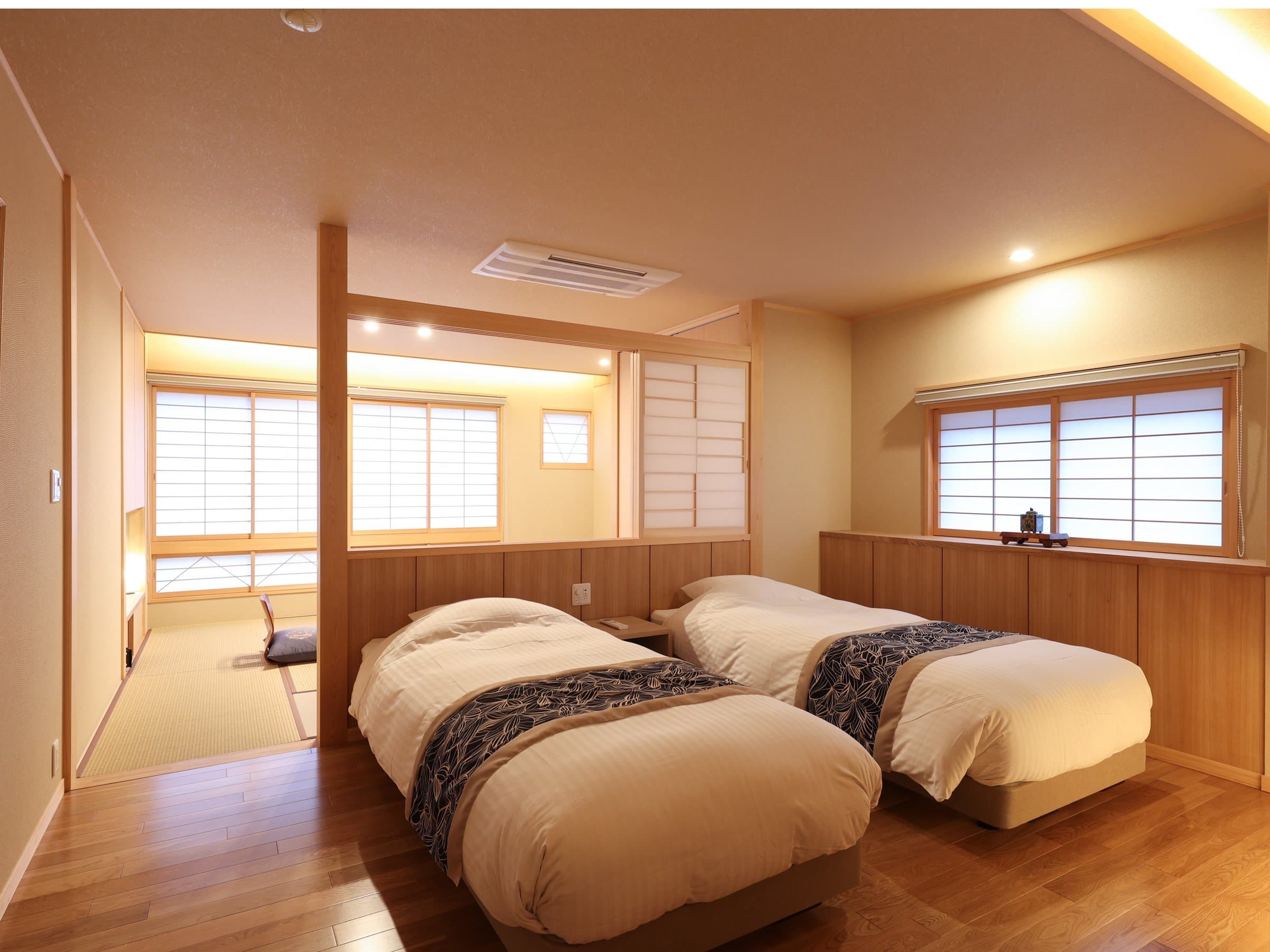 | 〜から ¥10,780 | 9.2 口コミ139件 | 温泉 | Booking.comで予約する |
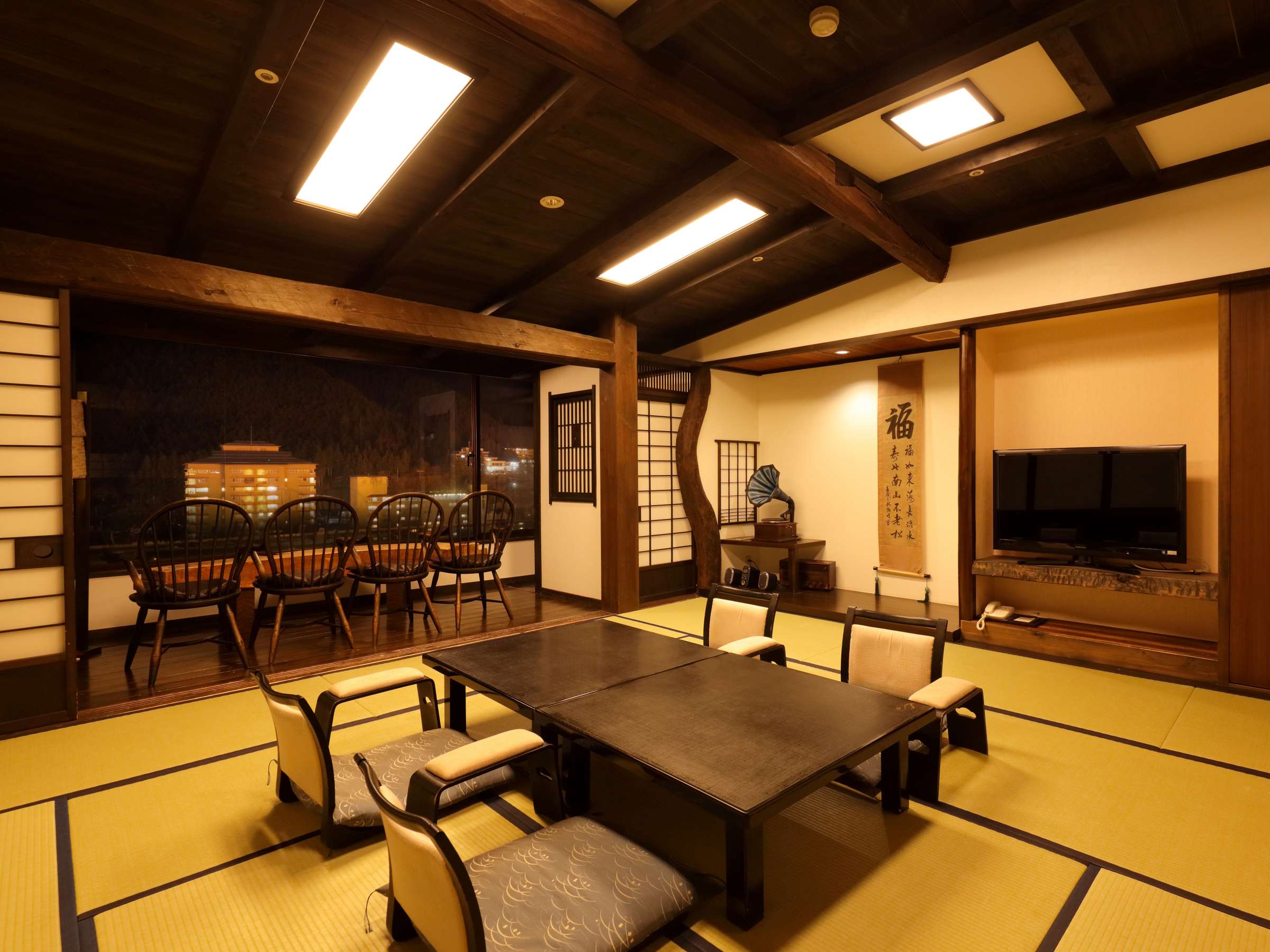 Sasara Gero | 〜から ¥30,800 | 8.7 口コミ73件 | 英語OK貸切温泉 | Booking.comで予約する |
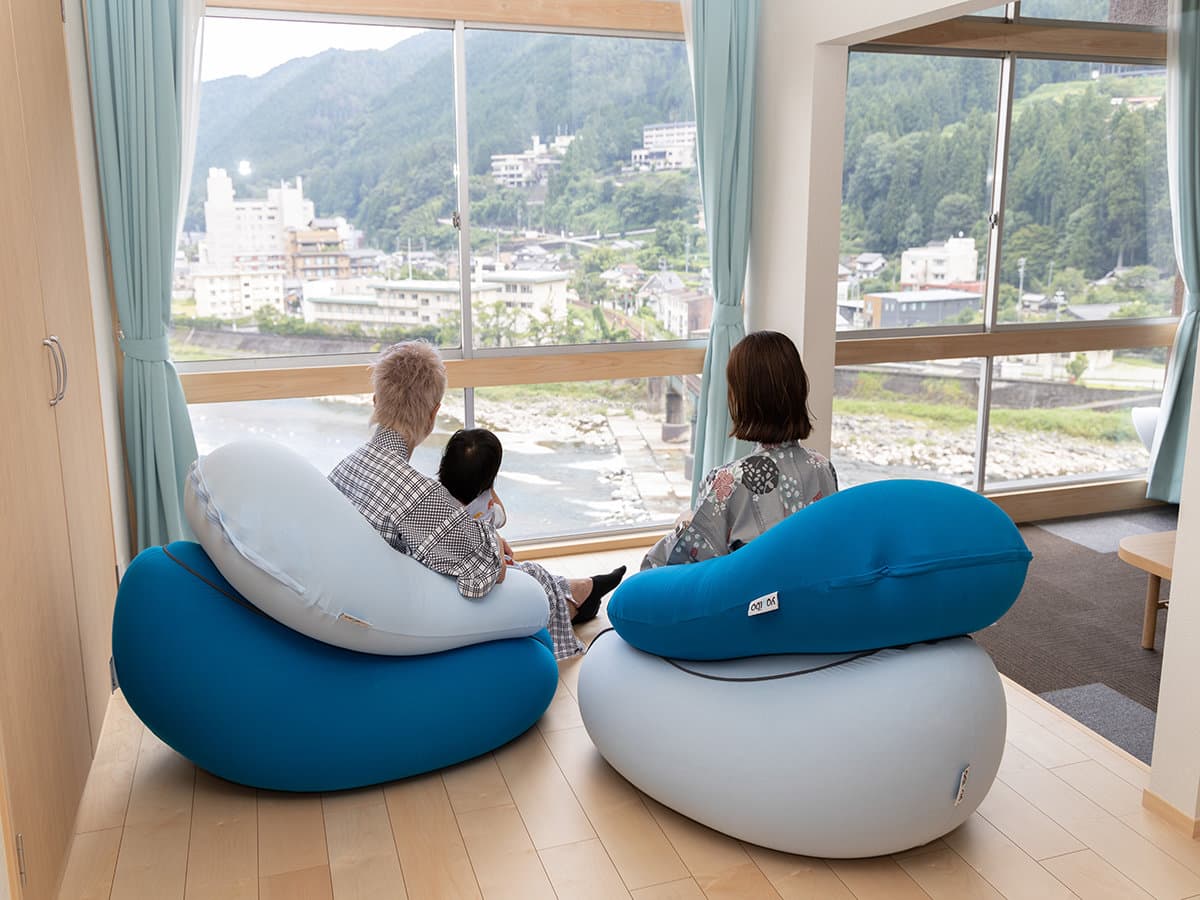 | 〜から ¥18,480 | 9.6 口コミ556件 | 英語OK貸切温泉 | Booking.comで予約する |
| 〜から ¥20,020 | 8.3 口コミ63件 | 貸切温泉 | Booking.comで予約する | |
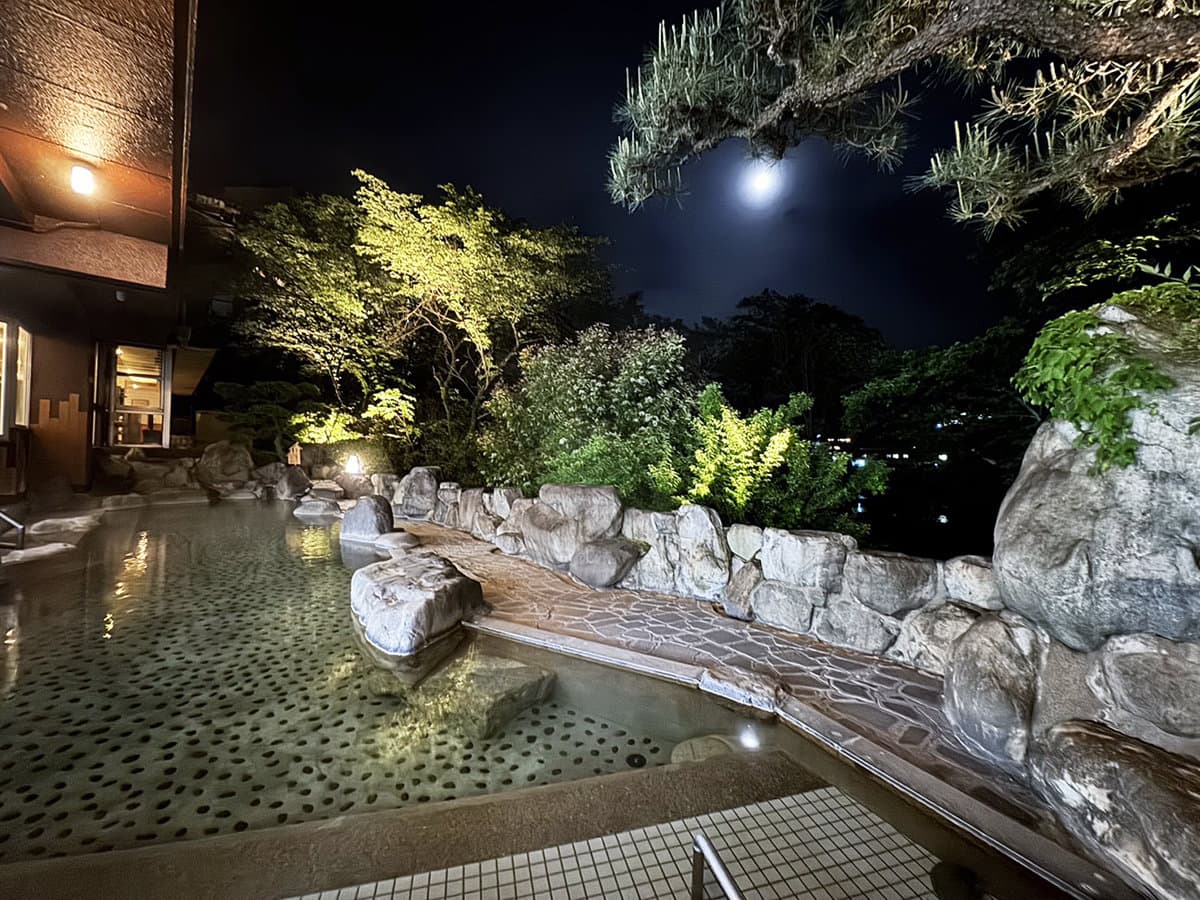 Bosenkan Gero | 〜から ¥30,800 | 8.1 口コミ2245件 | 英語OK貸切温泉 | Booking.comで予約する |
 | 〜から ¥46,200 | 9.4 口コミ191件 | 英語OK貸切温泉 | Booking.comで予約する |
 Yamagataya Gero | 〜から ¥25,410 | 8.2 口コミ489件 | 温泉 | Booking.comで予約する |
Suimeikan
Gero
Yunoshimakan
Gero
Ogawaya
Gero
Sasara
Gero
Bosenkan
Gero
Yamagataya
Gero
表示価格は1名1泊あたりの目安です。当サイト経由のご予約で手数料を受け取る場合があります。
1662年、儒学者の林羅山は日本の温泉の中から三つを特別に選び出しました。有馬、草津、そして下呂 [verified Japan Guide 2026-06-05] です。それから三世紀半以上が経った今も、この格付けは日本人旅行者の行き先選びに影響を与え続けています。下呂温泉は岐阜県の飛騨川沿いに位置し、名古屋から約90分、特急「ひだ」で高山の南45分というアクセスの良さから、関西〜中部日本の定番周遊ルートの地理的・文化的な中継地となっています。温泉の湯はアルカリ性(pH 9.1〜9.3)でしっとりとした肌触りがあり、日本温泉協会から美人の湯として認定された国内でも数少ない温泉地のひとつです [verified Centrip Japan 2026-06-05]。もうひとつの名物は飛騨牛——飛騨高地で育てられたA5和牛で、産地に近い下呂では、産地から遠い温泉地では味わえないほど確実に懐石料理の膳に登場します。以下、2026年5月に確認した下呂温泉のベスト旅館12軒をご紹介します。予算の少ない湯めぐりの旅から文化財の高級宿まで、あらゆる料金帯をカバーしています。
 Pinterestでピン
下呂温泉の最新情報:2026年の変更点
2026年5月確認——前回更新からの主な変更点:
- ささらの貸切露天風呂増設(2025年): ささらが2つの新しいプレミアムルームカテゴリを追加。広くなった部屋付き露天風呂と眺望テラスが特徴です。新設の「深山スイート」は1名あたり¥60,000から。 - 湯めぐり手形の料金改定: 木製の湯めぐり手形が¥1,200から¥1,300に値上がりしました(2026年4月より)。加盟旅館3軒のお風呂を楽しめ、各参加施設のフロントで購入できます。 - JR飛騨線ダイヤ改正(2026年3月): 特急「ひだ」のダイヤが改正されました。ご予約前にJR東海の公式サイトで最新の時刻表をご確認ください。 - 川原湯の営業時間延長: 有名な飛騨川沿いの野天風呂が4月〜10月は21時まで営業するようになりました(従来は19時)。暖かい季節は夕暮れ時の入浴も楽しめます。 - 飛騨牛の価格: 2026年初頭の全国的な和牛価格調整を受け、高級旅館での飛騨牛懐石の追加料金は2024年比で約8〜12%上昇しています。本ガイドの料金は2026年5月確認時点のものです。 - 水明館の能舞台再開: 2年間の休止を経て、水明館の月次能公演が2026年1月に再開しました。ご予約の際は水明館のウェブサイトで2026年の公演日程をご確認ください。
Tip
選定基準(2026年5月確認): 下呂で営業している25軒の旅館から12軒を選定しました。基準:(1)少なくともメインの浴槽に源泉かけ流しがあること;(2)築30年以上または国登録有形文化財であること;(3)川の眺め・貸切温泉・実名生産者の飛騨牛懐石など、少なくとも1つのシグネチャールームまたは浴室カテゴリがあること;(4)18か月以内にじゃらんまたは楽天トラベルで確認可能な日本語ゲストレビューがあること;(5)料金帯の分散——¥18,000/名以下が最低1軒、¥45,000以上が最低1軒。表示料金は2食付き(夕食+朝食)の1名あたりの料金です。参考為替レート:¥150 = 1米ドル。
下呂温泉と日本三名泉
日本には数百もの温泉地がありますが、日本の温泉文化で最も重要な称号を持つのは三つだけです。それが日本三名泉——三大名泉です。この格付けは林羅山が1662年に著した『羅山文集』に由来し、時代的背景はあるものの、羅山が描写した湯の化学的特性は本質的に独自のものです。三つはそれぞれ異なる泉質を代表しています。有馬(兵庫)は鉄分豊富な「金泉」と炭酸を含む「銀泉」の二源泉を持ち、日本最も複雑な地球化学的構成の温泉のひとつです。草津(群馬)は日本最強の酸性泉(pH 2.0)を誇り、入浴可能な温度まで冷ます湯もみの伝統で知られています。下呂は三名泉の中で最もアルカリ度が高い単純温泉(pH 9.1〜9.3)であり、美人の湯の代名詞となっています。三湯を合わせると、日本の温泉水質の全スペクトルが揃います。三名泉すべてを制覇する温泉旅を計画しているなら、下呂が自然な拠点となります。名古屋と高山を結ぶ飛騨本線の途中に位置しているからです。もう二つの旅についてはこちらをご覧ください:草津旅館ガイドと有馬旅館ガイド。
下呂の美人の湯が特別な理由
下呂の温泉はナトリウム炭酸水素塩単純温泉に分類されます [verified Gero Onsen Tourist Association 2026-06-05]。「単純温泉」とは溶解ミネラル濃度が療養基準値を下回ることを意味しますが、重要なのはそのアルカリ性です。pH 9.1〜9.3という高アルカリ度により、入浴から60秒以内に皮膚表面の皮脂が鹸化(石鹸のような反応)します [verified Good Luck Trip 2026-06-05]。体感するのはぬるぬるとした感触——添加物ではなく物理的な作用です。これが美人の湯のメカニズムです。日本温泉協会が真の美人の湯として認定している温泉地は全国でも20か所未満であり、下呂は佐賀の嬉野、和歌山の川湯と並んで最もよく引用されるひとつです。旅館選びにおける実践的な意味は、源泉かけ流しが日本のどの温泉地よりも重要ということです。アルカリ性の湯は冷えて循環されると急速にアルカリ度が低下し、肌をなめらかにする効果が弱まるからです。旅館が天然温泉を謳っていながらかけ流しを明示していない場合は、予約前に直接確認することをお勧めします。
Tip
旅館のスタッフに、浴室近くの源泉蛇口から小瓶に湯を入れてもらえるよう頼んでみてください。翌朝、冷めた湯で洗顔すれば、美人の湯のアルカリ性は入浴後も顔の肌に働き続けます。下呂の老舗旅館のほとんどがこのリクエストを無料で受け付けています。
下呂の無料外湯三か所(外湯)
下呂の最も特徴的な魅力のひとつが、旅館の宿泊者が無料または格安で利用できる三か所の外湯です。川原湯が最も有名で、飛騨川の川岸に直接設けられた野天風呂です。男女混浴(水着着用必須)で入場無料。2026年4月より、4月〜10月は21時まで営業時間が延長され、夕暮れ時の入浴も可能になりました。山楽の湯は温泉街のメインエリアにある屋内の外湯で、入場料¥500、地元向けの営業時間で旅館のメイン浴場より静かなことが多いです。白雲の湯は中央広場にある足湯で、常時無料で利用でき、到着後の案内スポットとして最適です。多くの旅館では湯めぐり手形(木製のパス、2026年時点¥1,300)を販売しており、外湯に加えて3つの加盟旅館の日帰り入浴ができます。1泊の滞在で泉質のバリエーションを最大限に楽しみたい場合は、到着時に旅館のフロントでパスを購入してください。
下呂の飛騨牛と懐石料理
下呂は飛騨高地に位置しており、飛騨牛——飛騨地方で育てられた黒毛和牛の岐阜県ブランド——の産地の中心にあります [verified Hida Takayama Tourism Bureau 2026-06-05]。飛騨牛は日本で最も過小評価されているA5和牛ブランドのひとつです。輸出市場にはほとんど出回らず、価格は松阪や神戸に比べて明らかに低く(下呂の旅館では飛騨牛懐石コースが1名あたり¥15,000〜¥25,000程度で、追加料金ではなく1人料金に含まれるのが一般的)、4〜5等級の霜降りの質は全国ブランドに匹敵します。下呂では飛騨牛は主にしゃぶしゃぶ(薄切りをテーブルで煮る)、すき焼き(豆腐と野菜と一緒に煮る)、焼き肉(テーブルで焼く)、たたき(軽く炙る)として提供されます。水明館と湯之島館の懐石料理はいずれも飛騨の生産者名を明記してHida牛を調達しており、睦館は季節ごとに生産者をローテーションしています。旅館の懐石料理の構成についてより詳しくは、懐石ガイドをご覧ください。
一覧比較:下呂旅館12軒
| 旅館 | 料金帯 | おすすめの方 | 貸切温泉 | 川の眺め |
|---|---|---|---|---|
| 水明館 | ¥¥¥¥ | 初心者、フルサービス | 貸切あり | あり |
| 湯之島館 | ¥¥¥¥ | 歴史・建築ファン | なし | 丘の眺望 |
| 小川屋 | ¥¥¥ | ファミリー、100畳の浴場 | 貸切あり | あり |
| 睦館 | ¥¥¥ | 懐石の質、落ち着き | なし | なし |
| ささら | ¥¥¥¥ | デザイン旅行者、谷の眺め | 部屋付き | 谷の眺め |
| 松月 | ¥¥¥ | 静かな代替案、紅葉 | 半貸切 | あり |
| 富岳 | ¥¥¥ | 丘の眺望、パノラマ | なし | 山の眺め |
| 望川館 | ¥¥¥ | タトゥーフレンドリー、プライバシー | 部屋付き | なし |
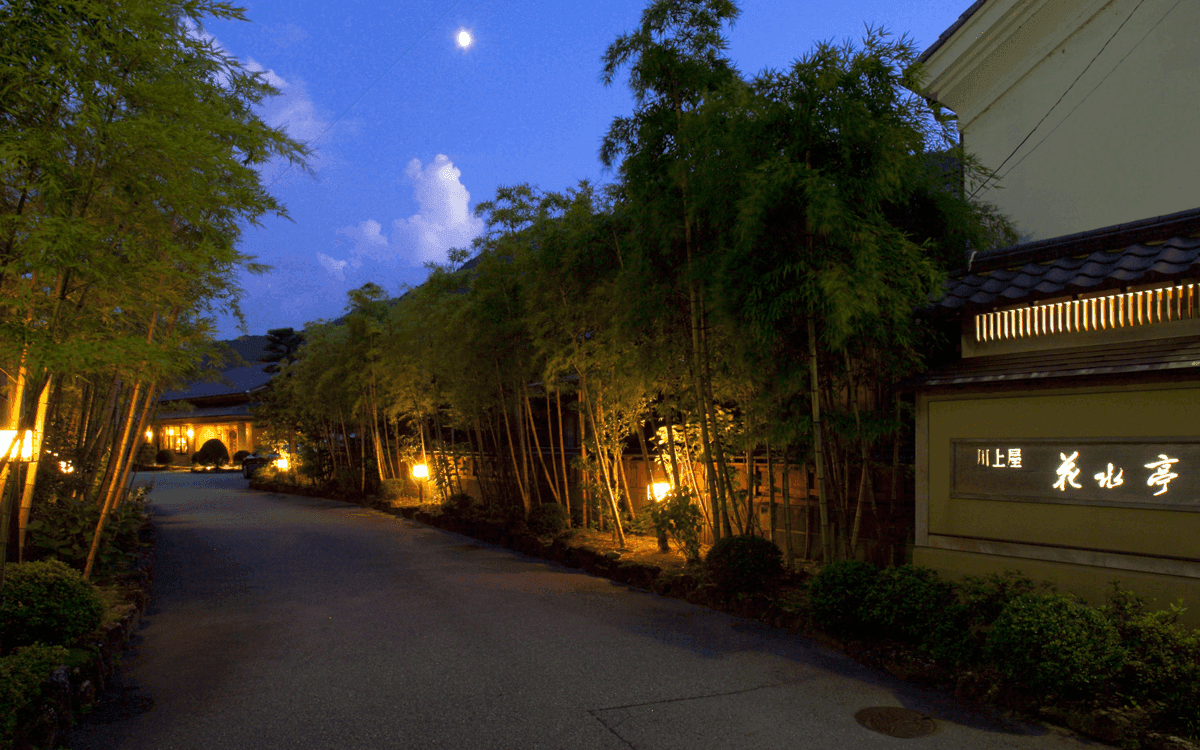
| 川上屋花水 | ¥¥¥¥ | 高級川沿い、最高の懐石 | スイート | あり |
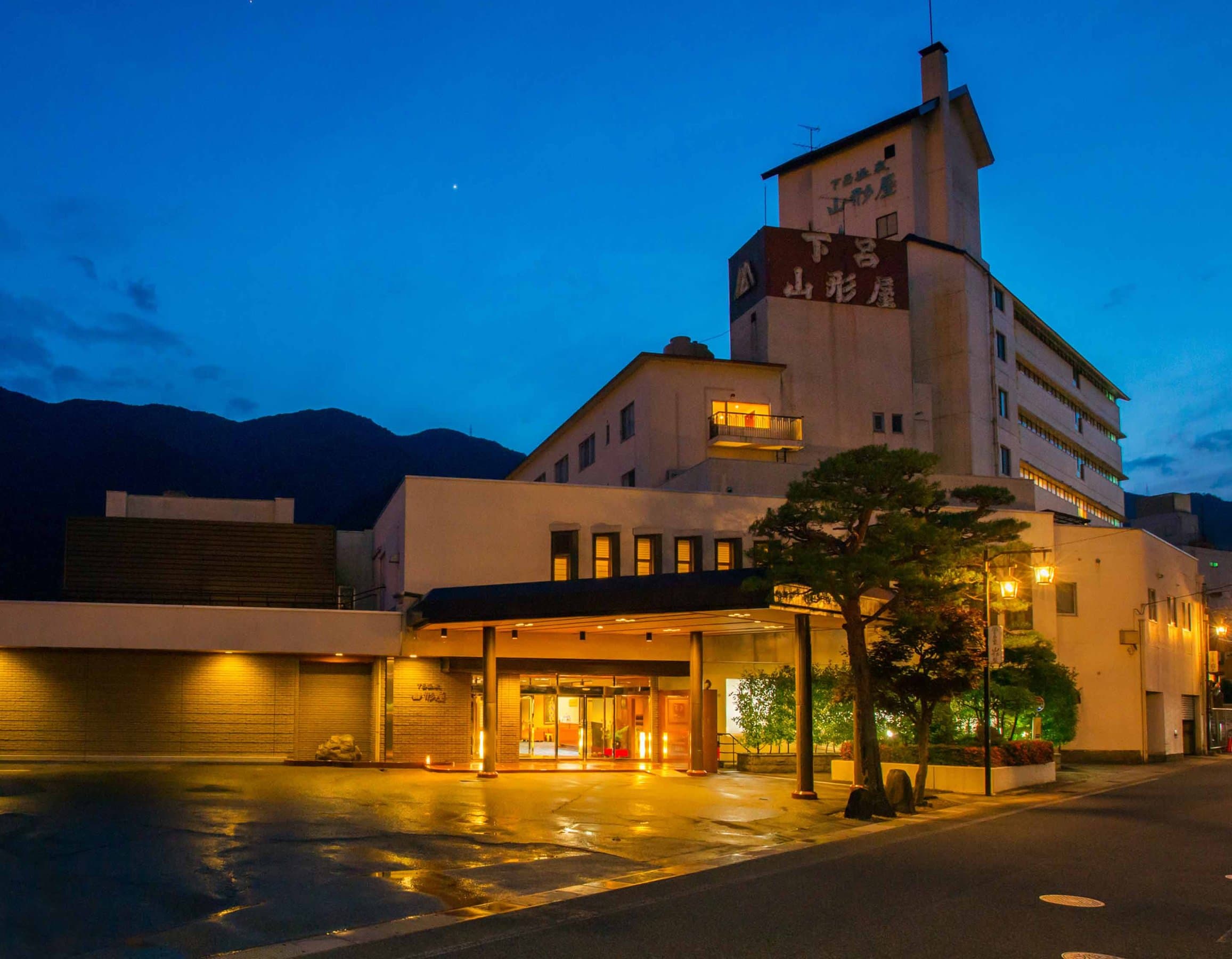
| 山形屋 | ¥¥¥ | 手を加えない歴史的雰囲気 | なし | なし |
| 水明館別館 | ¥¥¥ | 静かな水明館体験 | 貸切あり* | あり |
| 木曽屋旅館 | ¥ | 超格安、湯めぐり重視 | なし | なし |
*別館の宿泊者は水明館本館の貸切露天風呂を利用できます。
1. 水明館——下呂温泉の老舗大旅館
料金帯:¥¥¥¥(¥35,000〜¥70,000/名、2食付き)
1932年創業の水明館は、下呂温泉を代表する旅館です。4つの棟(山水閣・泰龍・花龍館・湖光庵)、3つの大浴場、能舞台(2026年1月に月次公演再開)、屋外プール、複数の食事処を備えた飛騨川沿いの広大な複合施設です [verified Nihonmono 2026-06-05]。初めて旅館に泊まる方にとって、水明館は基準となる旅館です。大型の伝統旅館が何を成し得るかを示してくれます。シグネチャーとなるのは山水閣の浴場——180畳の木造大浴場で、源泉かけ流しの湯と飛騨川の眺望が広がります。懐石料理は飛騨の実名農家から飛騨牛を仕入れており、秋には飛騨松茸の追加コースも楽しめます。この規模の旅館としてはサービスも丁寧で機敏です。唯一の難点は、規模の大きさからリスト内の小規模な宿と比べると、ホテルに近い印象になることです。
- 温泉:大浴場3か所+貸切露天風呂(メイン浴場は源泉かけ流し) - 懐石:実名農家の飛騨牛、旬の山菜、川魚 - 眺め:泰龍・花龍館の飛騨川ビューの客室 - 英語対応:英語サイト+予約サポートあり - アクセス:下呂駅から徒歩10分
2. 湯之島館——森の丘に佇む国登録有形文化財
料金帯:¥¥¥¥(¥50,000〜¥90,000/名、2食付き)
1931年創業の湯之島館は、単なる旅館ではありません。国登録有形文化財に指定された、日本でも数少ない温泉旅館のひとつです [verified Yunoshimakan official 2026-06-05]。本館は昭和の匠の技が光ります。手彫りの欄間が連なる長い杉廊下、大階段、1930年代からほとんど変わらないロビーが特徴です。旅館は下呂の中心街の上にある樹林の丘に建ち、急な曲がりくねった小道を通ってアクセスするため、温泉街の喧騒から本当に離れた静寂の空間となっています。専用の源泉が大浴場と森の眺望を持つ露天風呂に源泉かけ流しで供給されています。秋の週末は90日以上前の予約が必要です。11月に露天風呂から見える紅葉は、下呂温泉で最もよく写真に撮られる光景です。
- 温泉:専用源泉、源泉かけ流し、森の露天風呂 - 懐石:飛騨の多段懐石、旬の飛騨牛料理 - 建築:国登録有形文化財(2002年指定) - 眺め:樹林の丘と丘の上のテラスからの町のパノラマ - アクセス:下呂駅から徒歩15分の上り坂(送迎あり)
3. 小川屋——100畳大浴場の体験
料金帯:¥¥¥(¥25,000〜¥50,000/名、2食付き)
小川屋には、日本のどの旅館にも真似できない一つの特徴があります。100畳の大浴場——広い浴場の床が全面に伝統的な畳で敷き詰められています。足の下の滑り止め効果があり温かみのある畳は、タイルや石とは全く異なる入浴感覚です。柔らかく、温かく、地に足がついた感じです。このシグネチャー浴場に加え、小川屋は飛騨川沿いの露天風呂と貸切風呂も完備しています。下呂駅から飛騨川のプロムナードを8分ほど歩いた場所にあります。お子様連れのファミリー(プールエリアの浴場入口は管理されています)や、従来の旅館の格式に不安を感じる初めての温泉客に特に強くお勧めします。旅館のおもてなしをやや気軽なホテルライクな客室サービスと融合させています。
- 温泉:100畳シグネチャー浴場、川沿い露天風呂、貸切風呂 - 懐石:飛騨牛+旬の川魚(鮎、岩魚) - 眺め:川向きの標準・デラックスの客室ティア - 英語:中程度のサポート;OTA予約可能 - ファミリー向け:監視付き浴場入口、ファミリールームカテゴリ
4. 睦館——ミシュランが注目した老舗の旅館
料金帯:¥¥¥(¥30,000〜¥55,000/名、2食付き)
睦館はミシュラン・グリーンガイドジャパンで快適さと品質の面から注目された旅館です。家族経営のこの旅館は、派手さではなく継続的な品質の高さでその評価を勝ち取っています。下呂駅から3分の場所に旅館の歴史地区があります。客室は徹底的に伝統的——畳、障子、布団。浴場は小さいながら丁寧に管理されています。睦館を際立たせるのは懐石の厨房です。地元の飛騨農家や川漁師との季節ごとの関係を反映した料理が揃います。飛騨牛はすべてのメニューに登場しますが、春の山菜料理と夏の川魚料理が、厨房の真の実力を示す本物の指標となっています。大型旅館に泊まったことのある方が、本物の小旅館のおもてなしと比較したいと思うなら、睦館が最適な選択です。
- 温泉:こぢんまりとした、丁寧に管理された大浴場、源泉かけ流し - 懐石:ミシュラン注目、旬の飛騨食材、実名農家の飛騨牛 - 規模:こじんまりとした宿(20室未満) - アクセス:下呂駅から徒歩3分 - おすすめ:規模よりも個性を重視する日本通の旅行者
5. ささら——デザイン性の高い丘の旅館
料金帯:¥¥¥¥(¥40,000〜¥80,000/名、2食付き;深山スイートは¥60,000から)
ささらは下呂における「現代和風美学」という問いへのデザイン先進的な答えです。温泉街のメインエリアを見下ろす丘の上に位置し、畳の客室とスカンジナビアのインテリアを融合させています——ウェグナーのチェア、磨かれたコンクリートの浴槽、飛騨の谷を眺める床から天井まで届く窓。2025年に、広くなった部屋付き露天風呂と延長されたテラスを備えた「深山スイート」カテゴリが追加されました。すべてのシグネチャールームには谷を望む部屋付き露天風呂が備わっています。懐石の盛り付けは建築のような繊維性と精確さに従います——少量、実名の食材、劇的な季節の演出。ささらは一貫してデザイン志向の国際的な顧客を惹きつけており、英語のOTAで最も予約しやすい下呂旅館のひとつです。
- 温泉:部屋付き露天風呂(全シグネチャー・スイートルーム)、谷の眺めの大浴場 - 懐石:デザイン先進的な盛り付け、実名の飛騨牛生産者 - 建築:現代的な和風スカンジナビアインテリアデザイン - 2025年新設:広くなった露天風呂+延長テラスの深山スイート - 英語:強力なOTAプレゼンス、英語対応サポート
6. 松月——川辺の静かな佇まい
料金帯:¥¥¥(¥28,000〜¥55,000/名、2食付き)
松月は下呂でも特に静かに営業している旅館のひとつです。水明館や湯之島館ほど国際的な知名度はありませんが、賑やかな大旅館が多すぎると感じるゲストからの代替案として、一貫して高い評価を受けています。旅館は飛騨川に面しており、川沿いの大浴場は遮るもののない水の眺望を持ちます。客室カテゴリは標準和室と、川を見下ろすセミプライベート露天風呂付きの川向きの客室に分かれています。懐石の厨房は特に刺身の仕入れが優れていると評判で——飛騨の川魚は産地との直接仕入れ関係がない旅館よりも明らかに新鮮です。日本の国内旅行者の間では、秋の週末に湯之島館と水明館が満室の場合の代替推薦として選ばれることが多いです。
- 温泉:川沿い大浴場+セミプライベート露天風呂オプション - 懐石:地元の刺身仕入れが優秀、旬の飛騨牛 - 眺め:飛騨川に直接面した立地 - 規模:中規模(30〜40室)、ランドマーク旅館より静か - おすすめ:名声より静寂を求める旅行者、秋の週末の代替案
7. 下呂温泉富岳——開放的な眺めの丘の旅館
料金帯:¥¥¥(¥22,000〜¥45,000/名、2食付き)
富岳はメインの温泉街の上の丘の上に位置しており、湯之島館のような格式ある文化財の地位はありませんが、飛騨川の谷を見渡すパノラマの位置を占めています。歴史ある旅館より新しいですが、270度の山と谷の眺望を持つ丘の露天風呂に投資しています——下呂のどの旅館でも楽しめる最も広い露天風呂パノラマのひとつです。客室カテゴリには標準和室と、布団での睡眠が苦手なゲストのための洋室ベッドの両方が含まれています。懐石は際立っているというよりしっかりとしたもので——飛騨牛はあり、山菜は旬のものを使っていますが、厨房は睦館や水明館の水準には達していません。富岳の魅力は主にその眺めと柔軟な客室スタイルにあります。
- 温泉:270度パノラマの丘の露天風呂、大浴場 - 懐石:標準的な飛騨牛懐石、旬の山菜 - 眺め:丘の上からの山と谷のパノラマ - 客室タイプ:和室+洋室ベッドのオプション - アクセス:上り坂または旅館シャトルで駅から
8. 望川館——貸切温泉付き客室の老舗旅館
料金帯:¥¥¥(¥30,000〜¥60,000/名、2食付き)
望川館は下呂の中規模の老舗旅館のひとつです——昭和初期創業の、日本のリピーター旅行者の間で静かな評判を持つ旅館です。際立った特徴は部屋付き貸切温泉のスイートルームカテゴリで、源泉の湯が石または檜の浴槽に直接引かれています。プライバシーを重視する旅行者——恥ずかしさから、タトゥーから、あるいは単に好みから——にとって、望川館は¥60,000台未満の下呂で最もアクセスしやすい貸切温泉オプションです。懐石は伝統的な飛騨風——多段コース、旬の食材、毎晩の夕食メニューに飛騨牛があります。アクセスは中心部——下呂駅から徒歩7分。
- 温泉:部屋付き貸切温泉(スイートルーム)、大浴場 - 懐石:伝統的な飛騨の多段コース、飛騨牛 - プライバシー:¥60,000台未満の下呂で最高の貸切温泉アクセス - アクセス:下呂駅から徒歩7分 - おすすめ:タトゥーフレンドリーなゲスト、最大限のプライバシーを求めるカップル
9. 川上屋花水——プレミアム川沿いの旅館
料金帯:¥¥¥¥(¥45,000〜¥85,000/名、2食付き)
川上屋花水は下呂のプレミアム川沿い旅館です——水明館よりも小さく高級感があり、川沿いの立地により下呂のどの宿よりも飛騨川に近接しています。旅館は明治時代創業の老舗で、近代化ではなく丁寧な改修によって歴史的な風情を保っています。川沿いの露天風呂は飛騨川の土手の上にわずかにせり出したテラスに設けられており——流れる山の水の上で入浴する感覚は下呂でもここだけの体験です。すべての客室カテゴリは川の眺めを持ち、プレミアムスイートには部屋付き貸切風呂が追加されます。懐石は日本の旅行者の評価で下呂のトップ3に挙げられており、飛騨牛の料理には古典的なすき焼きとより革新的なたたきスタイルの両方が含まれています。日本全国の貸切温泉体験の全スペクトルについては、貸切温泉のある旅館ガイドをご覧ください。
- 温泉:川の上にせり出した露天風呂+スイート貸切風呂 - 懐石:最高級の飛騨牛料理、明治時代からのレシピの継承 - 規模:ブティック(25室未満) - 眺め:直接川沿い、下呂で最も川に近い立地 - おすすめ:新婚旅行、高級志向、下呂で最高の懐石
10. 山形屋——明治から続く家族経営の伝統
料金帯:¥¥¥(¥25,000〜¥48,000/名、2食付き)
山形屋は下呂で最も古い家族経営の旅館のひとつで、明治時代に創業したとされています。温泉街の中心部、駅から5分の場所にあり、大規模な改修なしに伝統的な風情を保っています——元の木造建築、障子の間仕切り、そして1920年代の石組みをそのまま使い続けている浴場棟があります。メインの大浴場は下呂で最も深いもののひとつです(従来の浴槽の深さにより肩まで水に浸かることができる、伝統的な日本の入浴スタイル)。懐石は高懐石というよりも家庭風——シンプルな盛り付け、多めの量、飛騨牛の高品質。山形屋は、インスタグラム向けに改修されていない本物の昔ながらの日本の雰囲気を求める旅行者へのお勧めです。
- 温泉:深い伝統的な石の大浴場、源泉かけ流し - 懐石:飛騨の家庭風料理、多めの量、飛騨牛 - 建築:明治時代の木造建築が残る、改修なしの風情 - アクセス:下呂駅から徒歩5分 - おすすめ:現代化されていない伝統的な雰囲気を求める旅行者
11. 水明館別館——静かな水明館の体験
料金帯:¥¥¥(¥28,000〜¥55,000/名、2食付き)
水明館の別館は水明館本館の浴場施設に共有アクセスしながら、より少ない客室数、静かな廊下、より親密なサービス比率で運営されています。水明館の源泉と宿のクオリティを求めながらも、本館の規模(複数の棟、大きなツアーグループ)を煩わしく感じる旅行者には別館が最適な予約先です。客室カテゴリはより伝統的で——本館のよりフォーマルな内装スタイルに比べ、天然木の使用が多く、落ち着いた色のパレットです。懐石メニューは本館を踏襲していますが、より少ない宿泊者数のより小さな食事処で提供されます。水明館複合施設全体(能舞台や山水閣の浴場を含む)へのアクセスが含まれています。
- 温泉:水明館のすべての浴場施設への共有アクセス、源泉かけ流し - 懐石:水明館厨房水準、小さな食事設定 - 規模:別館形式——少ない客室数、本館より静かな体験 - 眺め:川向きの客室あり - おすすめ:リゾート規模なしに水明館のクオリティを望むゲスト
12. 木曽屋旅館——湯めぐりの拠点
料金帯:¥(¥10,000〜¥18,000/名、2食付き)
木曽屋旅館はこのリストで最もエントリーに近い旅館です——高額な宿泊費なしに本物の下呂の一夜を体験したい旅行者のために設計された、温泉街の中心部にあるコンパクトな家族経営の旅館。客室はシンプル(畳、布団、廊下の共用浴場)、浴場は小さく、部屋食はありません。¥10,000〜¥18,000/名で得られるのは、同じアルカリ源泉水へのアクセス、家庭風の飛騨料理の夕食(飛騨牛含む)、そして三か所の無料外湯(川原湯・山楽の湯・白雲の湯)と湯めぐり手形の加盟旅館の日帰り入浴を楽しむ一日を過ごす能力です。10泊以上の長期日本旅行で、旅行中で最も高価な夜にせずに下呂を組み込みたい旅行者へのお勧めです。
- 温泉:小さな大浴場(源泉水)、外湯へのアクセス - 懐石:家庭風、シンプルだが飛騨牛付きで本物 - 場所:温泉街中心部、すべての外湯まで徒歩圏内 - 予算:下呂で最安値の本格旅館体験 - おすすめ:予算重視の旅行者、ひとり旅、長期日本旅行
下呂温泉へのアクセス:名古屋、高山などから
下呂の交通の便は最大の魅力のひとつです。名古屋から: JR特急「ひだ」(ワイドビューひだ)で約90分、1日複数本運行 [verified Wikipedia Hida train 2026-06-05]。2026年3月のダイヤ改正にご注意ください——ご予約前にJR東海の公式サイトで最新の発車時刻をご確認ください。高山から: 同じ飛騨線の南行きで約45分。大阪・京都から: 新幹線で名古屋まで(出発地により35〜80分)、その後特急ひだに乗り換え。大阪から下呂への合計所要時間:約2時間30分。東京から: 新幹線で名古屋まで(のぞみで約90分)、その後特急ひだで下呂まで。合計:東京駅から約3時間。
下呂と高山、白川郷、北陸ルートの金沢旅館を組み合わせる旅行者には、JR高山・北陸観光フリーきっぷ(5日間、¥15,280)をお勧めします。飛騨線全線と北陸新幹線の延伸区間をカバーし、1〜2日の行程で元が取れます。
特急ひだで到着するなら、下呂の駅近旅館を選べば荷物を抱えて坂を上らずに済みます。
下呂温泉のベストシーズン:季節別ガイド
秋(10月中旬〜11月下旬)——ピークシーズン。 飛騨川の谷は周囲のモミジが見頃を迎えると赤と金色に染まります。山水館、湯之島館、水明館の川向き露天風呂は最高の需要に達します。秋の週末は90日以上前の予約が必要です。下呂温泉まつり(8月1〜4日)も別の見どころです——飛騨川の上での火炬花火。
冬(12月〜2月)——温泉のハイシーズン、室料割引。 下呂自体はスキーはありませんが、冷たい空気とアルカリ性のお湯のコントラストが、一年で最も強い美人の湯の肌感覚を生み出します。客室は通常、秋のレートから20〜30%下がります。1〜2月に湯之島館の露天風呂から見える雪は、下呂冬の定番イメージです。
春(3月下旬〜5月中旬)——桜の窓。 飛騨川の川岸は3月下旬から桜が咲き始めます。懐石メニューは春の山菜に移ります。ゴールデンウィーク(4月29日〜5月5日)は避けてください——国内の需要が三倍になります。4月中旬の「花見温泉」の期間が、初めての訪問に最適な2週間です。
夏(6月〜8月)——静かで快適。 下呂は標高340mに位置し、名古屋や大阪より涼しいです。夏のホタル祭り(7月初旬)は静かな地元の見どころです。夏に訪れる場合は、屋根付きまたは屋内の露天風呂オプションを持つ旅館を予約してください。
下呂と高山を組み合わせる:理想の3日間飛騨旅程
下呂と高山は飛騨線の特急で45分の距離にあり、それぞれ異なる旅のニーズに応えます。下呂は温泉専門、高山は三町の古い町並み、陣屋、朝市といった日中の文化的目的地です。ふたつを合わせると、中部日本で最も充実した2拠点旅館旅程となります。
1日目——名古屋→下呂: 名古屋から朝のひだに乗り、10:00〜11:00頃に到着。旅館に荷物を預け、駅近くで飛騨牛そばを昼食に、湯めぐり外湯を散策(¥1,300の木製パス、3か所)。旅館に戻って懐石夕食と温泉。
2日目——下呂→高山: 朝風呂、朝食、10:00にチェックアウト。飛騨を北へ高山まで(約45分)。三町の古い町並みを散策、高山陣屋を見学、屋台で飛騨牛にぎりを食べる。高山旅館にチェックイン——高山旅館ガイドでトップ選択肢を、高山エリアのページでは全ディレクトリをご覧ください。
3日目——高山→次の目的地: 陣屋の朝の散策や宮川の朝市を楽しんでから、飛騨を南に名古屋方面に向かうか、北に富山・金沢方面へ。金沢へのルートは:富山から北陸新幹線で金沢(25分)。
Tip
下呂+高山+金沢または富山を組み合わせる場合は、JR高山・北陸観光フリーきっぷ(5日間、¥15,280)を購入してください。両方向の特急ひだと北陸延伸区間をカバーし、2日目には元が取れます。
下呂温泉 vs 草津 vs 箱根:初めての温泉地の選び方
国際旅行者が最初の温泉地として最もよく選ぶのは、箱根(東京から最も行きやすい)、草津(最もドラマチックな湯、最も演劇的な外湯)、そして下呂(三名泉の称号、最高の食事)の三か所です。正直な比較をご紹介します。
箱根は東京ベースの日帰りや一泊旅行に最適です。新宿からのロマンスカーが便利で、強羅周辺の旅館の密度は日本で最高水準です。富士山の眺めも可能です。難点:箱根は国際旅行者にとって日本で最も混雑した温泉地であり、価格は高く、湯質(硫黄泉、弱い)はそれほど強みではありません。箱根旅館ガイドと富士山の眺めがある旅館のベストをご覧ください。
草津は日本最強の酸性温泉(pH 2.0)と湯もみ(沸騰に近い湯を木製の板でかき混ぜる公演)を誇ります。演劇的な温泉文化を求めるなら、草津は他に並ぶものがありません。難点:東京からバスで4時間;下呂や箱根に比べてプレミアム旅館の選択肢が限られています。草津旅館ガイドをご覧ください。
下呂は完全なパッケージを求める方への選択肢です。三名泉の文化的な称号、美人の湯のアルカリ性、最高の食事(飛騨牛懐石)、高山・名古屋への最も便利な交通アクセス。難点:国際的な知名度が低く、英語のリソースが少ない。このガイドはその差を埋めるために設計されています。日本全国の温泉については、地域別日本温泉ガイドをご覧ください。
12軒の旅館を選んだ理由(完全な選定基準)
下呂では2026年に約25軒の意味ある規模の旅館が営業しています。5つの基準を用いて12軒に絞り込みました。完全な基準はこのガイド冒頭の基準ボックスに記載されていますが、各基準の編集上の理由についても詳しく説明する価値があります。
基準1:少なくともメインの浴槽に源泉かけ流し。 これにより、下呂で市の共同源泉から湯を引いているか大幅に循環させている4〜5軒のビジネスホテル型施設が除外されます。アルカリ性がすべての意味を持つ美人の湯の温泉地では、メインの浴場に新鮮な源泉を常時かけ流していない旅館は、このガイドが構築されている体験を提供できません。
基準2:築30年以上または国登録有形文化財。 これにより、下呂の歴史的背景を持たない新しい建築が除外されます。30年という基準は保守的で、最良の旅館のほとんどは50〜90年の歴史があります。新築が自動的に除外されるわけではありません(ささらは新しいにもかかわらず選ばれています)が、新しい旅館は優れたデザイン品質または独自の特徴で補わなければなりません。
基準3:際立った特徴を持つシグネチャールームまたは浴室カテゴリ。 このリストのすべての旅館は、一般的な代替施設よりそこを選ぶ理由となる特徴を少なくともひとつ持っています——小川屋の100畳浴場、湯之島館の文化財の地位、川上屋花水の川の上にせり出した露天風呂、ゆらりの貸切風呂付帯。この基準により、差別化されていないミドルクラスの旅館でのリストの水増しを防ぎます。
基準4:18か月以内の確認可能な日本語ゲストレビュー。 下呂の英語のレビュー数は少ない——国際旅行者の割合は箱根や城崎より少ないです。英語のレビュー(じゃらん、楽天トラベル、一休)より日本語のレビューをより重視します。なぜなら、それらがより大きなレビューベースを代表し、一度しか訪れない国際旅行者の単一印象バイアスにさらされにくいからです。確認可能な最近のレビューがない旅館は除外されました。
基準5:料金帯の多様性。 最終リストは¥10,000〜¥90,000/名の全範囲をカバーしなければなりません。これはあらゆる予算カテゴリの読者へのサービスコミットメントです。また、下呂市場の真の多様性を反映しています。高級旅館に偏らないようにしています——12軒中5軒はミッドレンジ(¥¥¥)以下であり、2軒は予算カテゴリ(¥または¥¥)です。
完全なリストは2026年5月に再確認されました。次回の予定再確認:2026年11月。
 Pinterestでピン
ご予約はこちら
人気の旅館から選んで予約
3つの予約サイトの空室・価格を見比べてください。
予約リンク経由で手数料が発生する場合がありますが、追加費用はかかりません。
FAQ
よくあるご質問
下呂は本当に日本三名泉のひとつですか?+
はい。この称号は1662年に儒学者の林羅山が著した『羅山文集』に由来し、有馬(兵庫)と草津(群馬)とともに下呂を日本の三大名湯として挙げています [verified Japan Guide 2026-06-05]。これはマーケティングの発明ではありません——羅山は徳川幕府に仕えた儒学者であり、彼の格付けは観察された湯の質に基づいていました。この称号は350年以上にわたって日本の温泉文化で継続的に引用されています。現代の水質検査でも、羅山がおそらく「絹のような」感触として観察した下呂の独自のアルカリ性(pH 9.1〜9.3)が確認されています [verified Good Luck Trip 2026-06-05]。
飛騨牛懐石のベストな下呂の旅館は?+
水明館(実名の飛騨生産者から調達)、川上屋花水(明治時代からのレシピの継承、日本のレビュー総合一位の懐石)、睦館(ミシュラン注目の厨房、季節ごとのローテーション調達)が飛騨牛懐石の品質でトップ3です。予算が限られている場合、山水館はミッドレンジの価格(¥18,000〜¥40,000/名)で旬の飛騨牛を提供しています。
有名な川辺の野天風呂・川原湯に入れますか?+
はい。川原湯は飛騨川岸にある無料の屋外温泉です。入場無料で、水着着用が必要です(男女混浴)。2026年4月より、4月〜10月は21時まで営業時間が延長され、夕暮れ時の入浴が可能になりました。個室コーナーや予約はありません。タオルや水着は近隣の店で購入できます。
下呂 vs 箱根 vs 草津——初めての温泉にはどれを選ぶ?+
東京を拠点にしていて最も行きやすく富士山の眺めも望むなら箱根を選んでください。日本で最も劇的な外湯文化(湯もみ)と最強の酸性泉を求めるなら草津を選んでください。フルセットの文化的パッケージ——三名泉の称号、最もなめらかなアルカリ性美人の湯、最高の食事(飛騨牛懐石)、高山への便利な交通——を求めるなら下呂を選んでください。食事の質が評価基準に入る場合は下呂が最も強くお勧めです。
下呂はひとり旅に向いていますか?+
はい。下呂にはひとり旅に優しい旅館がいくつかあります。木曽屋旅館(格安、¥10,000〜¥18,000/名)、山彦(格安〜中間、大浴場は混まない)、ゆらり(貸切風呂で大浴場の不安を解消)です。ほとんどの旅館では一人部屋の追加料金がかかります(通常1名あたりの料金の20〜30%増)。2食付きの快適な一人旅の下呂の夜の予算として¥15,000〜¥25,000を見ておいてください。
貸切温泉付きで最安値の下呂旅館は?+
ゆらりが¥35,000/名以下で貸切温泉を最も手頃に体験できます——客室料金に4か所の貸切露天風呂のうちの1か所への時間枠が含まれています。望川館はスイートカテゴリの部屋付き貸切温泉が¥35,000/名程度から。¥20,000/名以下では下呂での貸切温泉の確実な提供は難しく、その価格帯では無料の外湯(川原湯)が代替手段となります。
下呂にはどのくらい滞在すべきですか?+
1泊が最低限で、完全な懐石夕食+温泉+朝食のサイクルを体験できます。2泊が最適です——1泊目に到着・入浴・夕食、2日目に湯めぐり(外湯と加盟旅館の日帰り入浴)、2泊目に2回目の懐石と出発前の朝風呂。3泊は飛騨の完全な旅程(下呂+高山)に適しており、2か所の宿に泊まる場合に向いています。
高山旅行と組み合わせるのに最適な下呂旅館は?+
どの下呂旅館でも交通面では問題ありません(下呂〜高山は特急ひだで45分)。この組み合わせに特に向いているのは、下呂では山水館か小川屋が象徴的な川の眺め温泉体験を提供し、その後高山の旧市街の文化観光に移動するコースです。高山旅館ガイドでベスト選択肢をご紹介しており、山水館や小川屋のスタイルに最も合うのはかちお庵と明日楼です。


