約76分で読めます最終更新:2026年6月
クイック比較
8選| 旅館 | 料金 | 評価 | 特徴 | 予約 |
|---|---|---|---|---|
![]() Gora Kadan Hakone | $500〜 | 9.5 口コミ89件 | 英語OK貸切温泉 | Trip.comで予約 |
![]() Hakone Ginyu Hakone | $400〜 | 9.3 口コミ124件 | 英語OK貸切温泉 | Trip.comで予約 |
![]() Wanosato Takayama | $500〜 | 9.5 口コミ85件 | 英語OK貸切温泉 | Trip.comで予約 |
![]() Hanaougi Bettei Iiyama Takayama | $400〜 | 9.2 口コミ290件 | 英語OK貸切温泉 | Trip.comで予約 |
![]() FUFU Nikko Nikko | $400〜 | 9.1 口コミ310件 | 英語OK貸切温泉 | Trip.comで予約 |
![]() Amane Resort Seikai Beppu | $250〜 | 9.0 口コミ680件 | 英語OK貸切温泉 | Trip.comで予約 |
| $200〜 | 9.0 口コミ856件 | 英語OK貸切温泉 | Trip.comで予約 | |
![]() Hotel Kajikaso Hakone | $180〜 | 9.2 口コミ156件 | 英語OK貸切温泉 | Trip.comで予約 |

Gora Kadan
Hakone

Hakone Ginyu
Hakone

Wanosato
Takayama

Hanaougi Bettei Iiyama
Takayama

FUFU Nikko
Nikko

Amane Resort Seikai
Beppu

Hotel Kajikaso
Hakone
表示価格は1名1泊あたりの目安です。当サイト経由のご予約で手数料を受け取る場合があります。
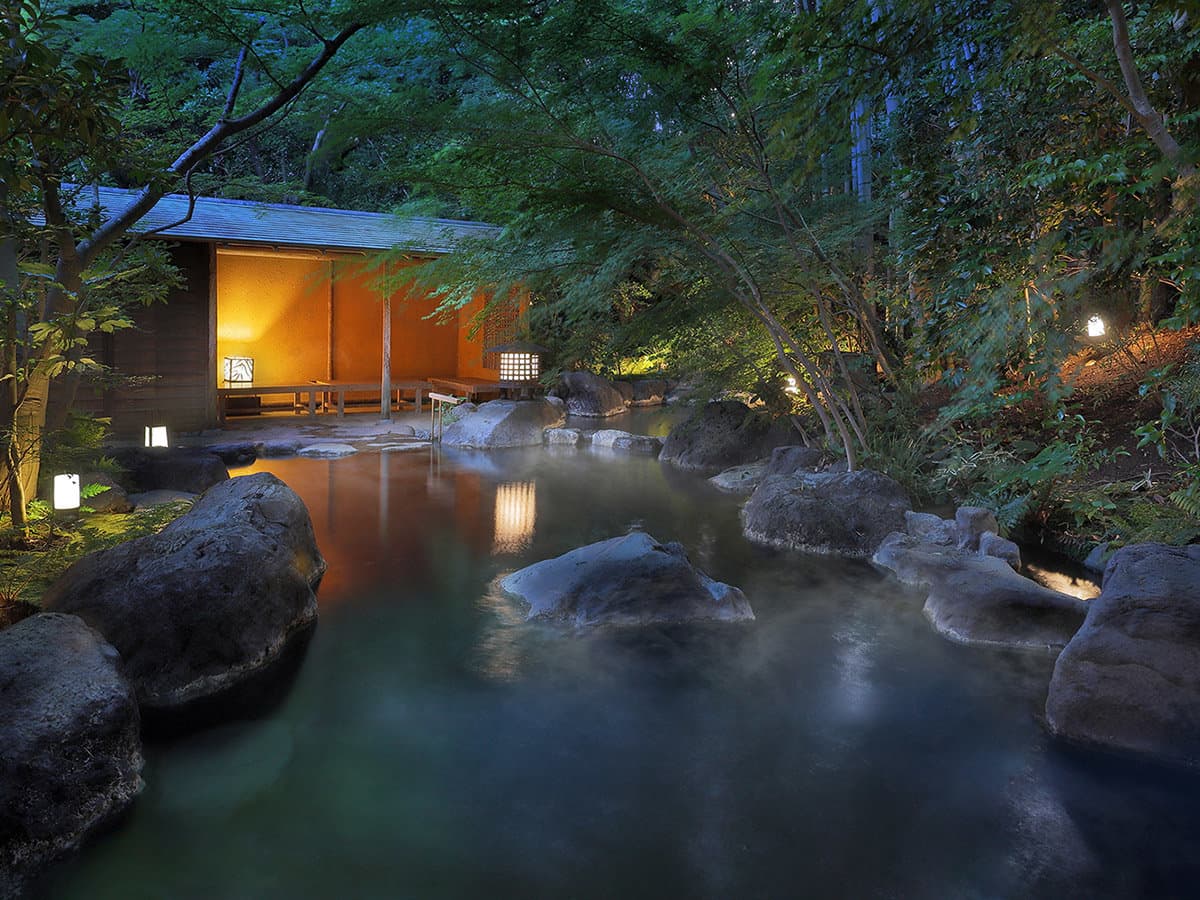
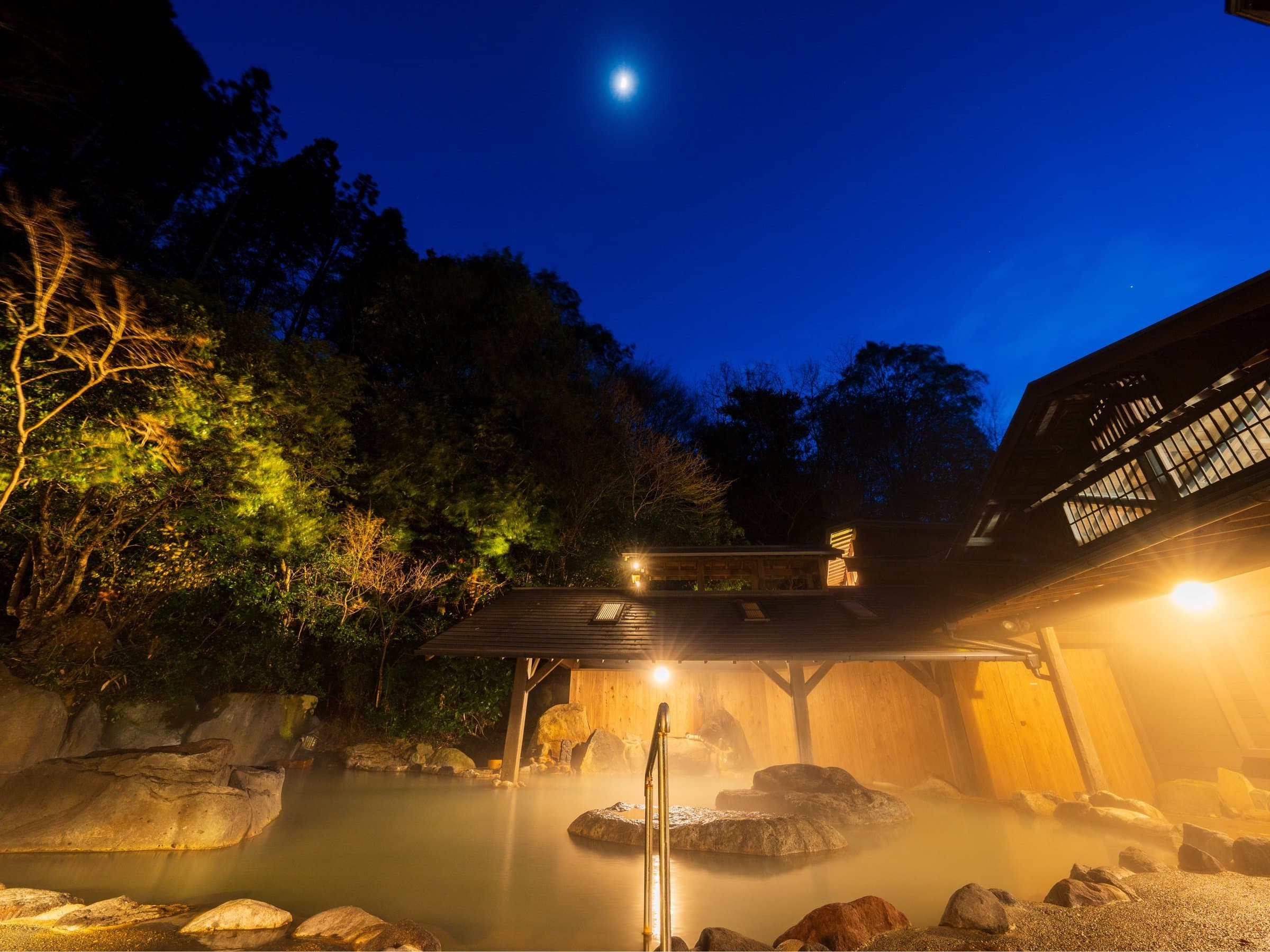
There is a moment — steam curling off the water, mountains dissolving into mist, not another body in sight — when the private onsen earns its premium. I have soaked in fifty-plus private baths since 2017, from the ¥18,000 family-run kashikiri at Yunomine to the ¥150,000 villa rotenburo at Asaba, and the lesson is consistent: the price is not what makes the bath. The right private onsen is the one whose schedule, water chemistry, and view match the night you actually booked. The 12 picks below are the ones I rank by that test.
What's New: Private Onsen Ryokans in 2026
Updated June 2026 — expanded to 20 picks. This list has been re-verified against Trip.com, Booking.com, and direct property pages. Key changes since our last pass:
Tattoo policy shifts. The post-pandemic international travel boom has pushed several mid-tier ryokans to quietly update their tattoo stance for in-room rotenburo specifically. Because a private in-room bath has no communal exposure, the practical risk to operators is zero — and more properties now reflect this in writing. See our tattoo-friendly ryokans guide.
Booking lead times tightened further. In 2024, you could snag a rotenburo room 6–8 weeks out. In 2026, the realistic window is 3–4 months for mid-range, and 5–6 months for luxury. Hakone autumn weekends sell out months ahead; Asaba's cherry blossom weekends close within 48 hours of opening 180 days in advance.
Hoshinoya brand expansion. Hoshino Resorts added private outdoor bath options to two additional Kai sub-brand properties, expanding the accessible mid-luxury tier.
5 new picks added in the June 2026 refresh — now 20 total. Added: Asaba (Shuzenji, Relais & Châteaux), Sanso Murata (Yufuin design cottages), Kurokawa Noshiyu (every-room rotenburo), Hakone Kowakudani Mizunoto (dual hot spring source, renovated 2023), and Yufuin Kamenoi Besso (1921-founded detached cottages). Each pick is now annotated with bath format (kashikiri / in-room rotenburo / suite onsen / cottage) and water chemistry pulled from the property's onsen-bunsekisho (温泉分析書) and JNTO water-type taxonomy. All twenty verified against our 283-property directory. [verified June 2026]
Why Private Onsen Matters
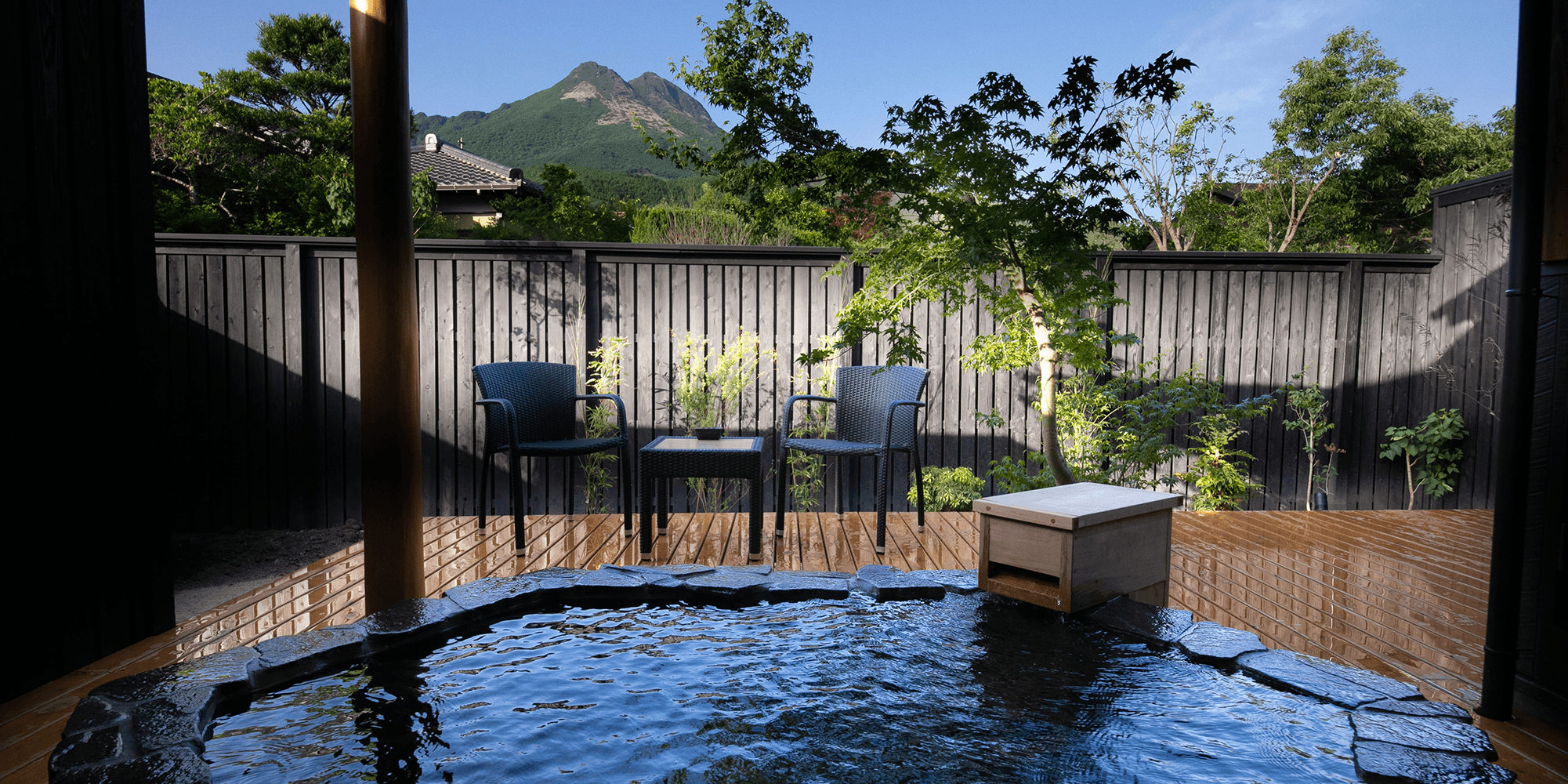
The appeal goes beyond modesty. A private onsen means you control the experience completely. You choose when to bathe — at 2 AM under a full moon or at dawn when the valley fills with light. There's no etiquette to navigate, no tattoo-policy anxiety, and no self-consciousness.
For couples, it's transformative. Japanese bathing culture traditionally separates genders in public baths. A private onsen lets you share the experience together — for many travelers, this is the entire point of choosing a ryokan over a hotel. See our best ryokans for couples for the top properties designed with two in mind.
For families with young children, it's practical: toddlers in a shared onsen create stress for everyone. A private bath lets kids splash without disturbing other guests.
Types of Private Onsen at Ryokans
Not all private onsen experiences are created equal. Understanding the differences will help you book exactly what you want — and avoid the frustration of arriving at a property and finding it doesn't match your expectations.
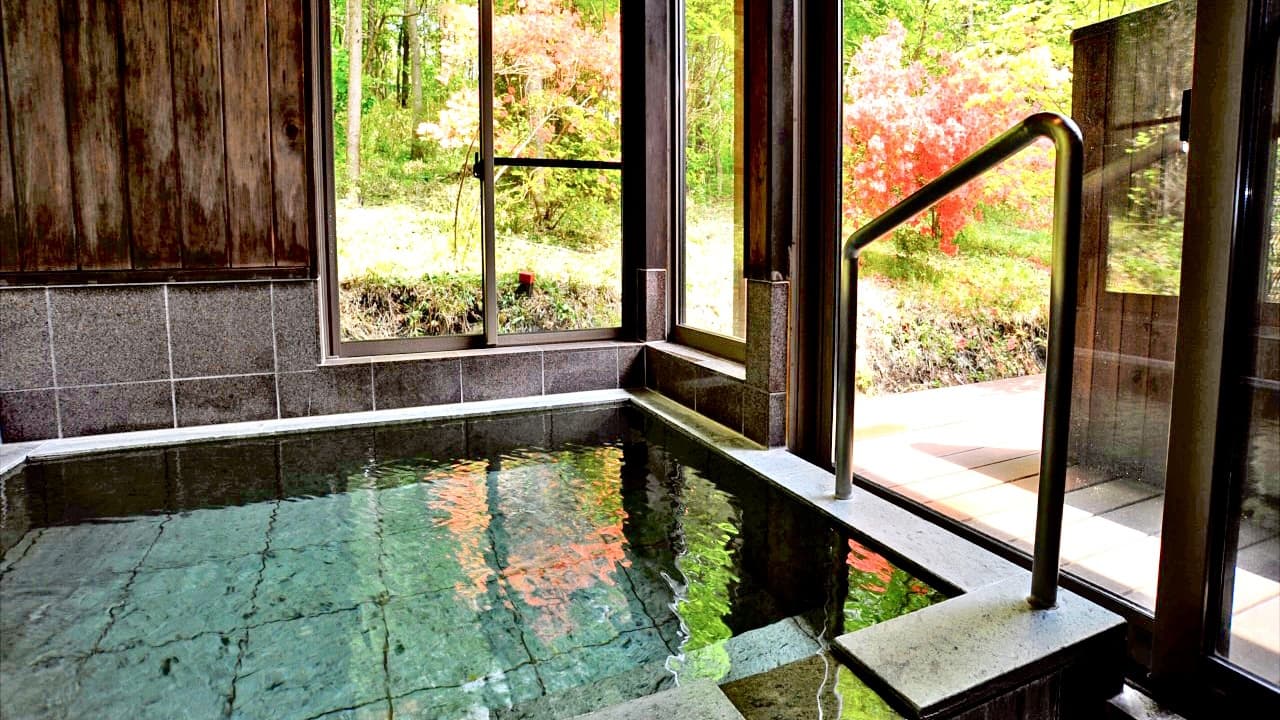
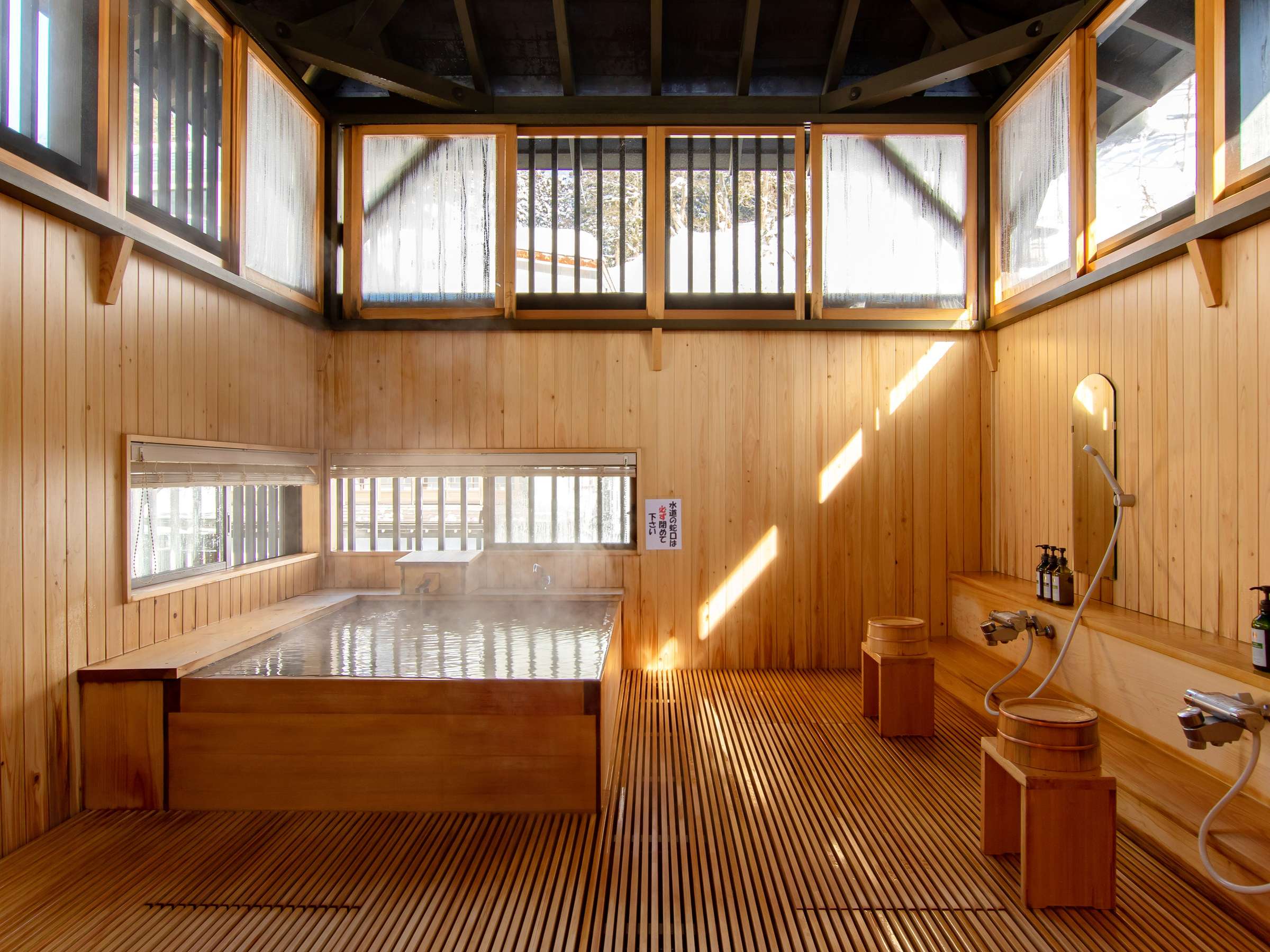
In-Room Rotenburo (客室露天風呂) — The Gold Standard An open-air hot spring bath built directly into your room or on your private terrace. You step out of your tatami room, slide open the shoji door, and there it is — your own steaming bath with a view. These are found in premium rooms and suites, and they justify every yen of the higher price. The water is typically free-flowing natural hot spring water (kakenagashi), meaning fresh mineral water constantly cycles through. *Best for:* couples wanting to bathe together, tattoo-concerned guests, travelers who want midnight or pre-dawn soaks without a reservation, anyone who values pure autonomy.
Terrace Rotenburo (テラス露天風呂) — The View Bath A variation of the in-room format: the outdoor bath sits on your private terrace or balcony rather than being built into the room footprint. Same privacy, same exclusivity — but weather-dependent. Cold December rain or summer heat can change the experience. The tradeoff is usually a better view (higher elevation, unobstructed). *Best for:* guests prioritising scenery over all-weather use.
Kashikiri-Buro (貸切風呂) — The Bookable Private Bath A separate private bath room, shared among all guests but used exclusively by one group at a time. You book a 40–60 minute slot — either at check-in or in advance. This is the most affordable way to enjoy a private onsen experience: many mid-range ryokans include it free; others charge ¥2,000–¥5,000 per session. *Best for:* guests on a tighter budget, those who want privacy without the full premium room rate, and solo travelers who want occasional private soaking alongside the public baths. *Important:* this is not an in-room bath. You leave your room, walk to the kashikiri room, and return. Confirm availability at booking — popular properties book out their slots by mid-afternoon.
Kazoku-Buro (家族風呂) — Family Bath A variant of kashikiri designed for small groups or families. Similar booking mechanics — reserved for your party only — but typically a larger tub footprint. Some properties call this format "family onsen" even for childless couples. Often requires a booking fee separate from the room rate. *Best for:* families with children, groups of three or four wanting communal-but-private bathing.
Suite Onsen (スイート温泉) — Full Private Bathing Suite Some luxury ryokans have built entire bathing wings private to your room: indoor and outdoor baths, rain showers, stone or hinoki-cypress soaking tubs, lounging areas. These properties blur the line between traditional ryokan and boutique spa resort. *Best for:* honeymoon-friendly private-bath ryokans, special anniversaries, guests for whom the bathroom is the destination. Expect to pay ¥80,000–¥200,000+ per person.
Quick decision frame: - Tattoos + full privacy → In-room rotenburo or suite - Privacy without room premium → Kashikiri-buro (book slot immediately at check-in) - Best views → Terrace rotenburo - Families / children → Kazoku-buro or in-room - Temperature control matters → In-room (outdoor baths cool faster in winter)
What Does a Private Onsen Cost?
Let's talk real numbers. Prices vary by region, season, and property.
Budget (¥15,000–¥30,000 per person/night) Kashikiri-buro tier — reservable private baths, standard rooms. Popular in Kurokawa Onsen and the Izu Peninsula. The private onsen experience without the in-room premium.
Mid-Range (¥30,000–¥60,000 per person/night) This is where in-room baths start appearing: semi-open-air baths on balconies or small private outdoor tubs. Kaiseki dinners are more elaborate, service more attentive. Hakone and Kinosaki have strong options here.
Luxury (¥60,000–¥150,000+ per person/night) Full rotenburo suites with views, multi-course kaiseki, dedicated room attendants. Properties in Hakone, Atami, and Yufuin dominate this tier. At the top end, the bath itself is a work of art — stone-carved or cypress-lined, perched above a river gorge.
All prices include dinner and breakfast (1泊2食付), which matters. ¥50,000/person that includes two extraordinary meals is reasonable when you factor in the food. [verified May 2026]
Best Regions for Private Onsen Ryokans
Hakone (箱根) — The Accessible Classic Just 90 minutes from Tokyo, Hakone is the most popular onsen destination for international visitors, and for good reason. The concentration of high-quality ryokans with private onsen is unmatched. The water types vary by area — sulfur springs in Owakudani, alkaline springs in Yumoto — and many properties offer Mt. Fuji view ryokans on clear days. If this is your first ryokan experience, Hakone is the safest bet.
Izu Peninsula (伊豆) — Coastal Hot Springs South of Hakone along the coast, Izu offers something most onsen towns cannot: ocean views from your private bath. The combination of seaside rotenburo and fresh seafood kaiseki makes Izu unique. Areas like Shuzenji have a quieter, more traditional atmosphere, while coastal towns like Atami offer a mix of modern luxury and old-world charm.
Kurokawa Onsen (黒川温泉) — The Mountain Village Tucked into the mountains of Kumamoto Prefecture on Kyushu, Kurokawa is a tiny village where virtually every ryokan has excellent bathing facilities. The town's famous "rotenburo meguri" pass lets you visit multiple outdoor baths, but many ryokans also offer private options. The atmosphere here is unbelievably atmospheric — lantern-lit paths, wooden bridges, and steam rising from every direction.
Kinosaki Onsen (城崎温泉) — The Social Soak A traditional onsen town on the Sea of Japan coast, Kinosaki is famous for its seven public bathhouses (soto-yu) . But the ryokans here also offer excellent private baths, and the combination of external bathhouse hopping (in your yukata and geta sandals) plus a private in-room soak creates a uniquely layered experience. Winter visitors get the bonus of fresh matsuba crab (snow crab) in their kaiseki dinner — the harvest window runs strictly November 7 through March 31 due to Sea of Japan fishing restrictions .
Private Onsen Density by Region: Where to Focus Your Search
The regional rankings below are drawn from the full 283-property private onsen dataset, which tracks in-room bath availability across every area we cover. Not all onsen regions are equal when it comes to private bath availability. Here's where to focus:
Hakone — Highest density, most accessible. The greatest concentration of in-room rotenburo ryokans in Japan, 90 minutes from Tokyo. Multiple water types across sub-zones. Downside: everyone knows it, so prices are highest and availability tightest. 5 of our 20 picks are here (Gora Kadan, Hakone Ginyu, Hotel Kajikaso, Ichinoyu Honkan, Hakone Kowakudani Mizunoto).
Yufuin — Best mid-luxury density outside Hakone. Private baths are effectively standard above ¥40,000/person. Sodium bicarbonate springs are gentler than sulfur-heavy areas — ideal for onsen newcomers, with a documented soap-like cleansing effect from the bicarbonate ions that gives Yufuin its "beautiful-skin onsen" reputation . The morning mist over the valley is a bonus.
Arima Onsen — The Kansai anchor. 30 minutes from Kobe, 90 minutes from Kyoto. Two legendary water types: kinsen (gold — rust-brown, mineral-heavy) and ginsen (silver — clear, carbonated). Ideal one-night addition to a Kansai trip.
Beppu — Ocean views + serious mineral content. Kyushu's onsen capital. Private-bath options at the ocean-view tier. Affordable compared to Hakone for comparable room quality.
Kusatsu — Limited private baths, exceptional water. Rarest private-bath availability on this list — most ryokans share the communal Yubatake source. Worth seeking out for serious onsen enthusiasts.
Kyoto — Rare and mostly non-natural. Private baths here are almost always heated tap water. Worth it for omotenashi and location; not for the onsen itself.
Kinosaki — Best hybrid experience. The only destination that delivers both the social onsen-town atmosphere and genuine private-bath access.
The 20 Best Private Onsen Ryokans in Japan
Twenty picks below, pulled from our directory of 283 verified ryokans and cross-checked against Booking.com, Expedia, Trip.com, and the property's own site. Every name here has an in-room rotenburo, a kashikiri-buro included in the rate, a full suite onsen, or a cottage with its own outdoor bath — plus a 9.0+ guest rating, Michelin Key, or Relais & Châteaux membership. Each entry annotates the bath format (kashikiri / rotenburo / suite / cottage), the water chemistry (alkaline simple, sulfur, sodium chloride, sodium bicarbonate, iron-rich kinsen, etc.) sourced from JNTO and prefectural onsen authority classifications, and why this property is private-onsen-worthy — not just listed because it has a bath, but selected because the private-bathing experience itself is the entire reason to book it. Prices are 2026 per-person-per-night with dinner and breakfast included, verified June 2026.
1. Gora Kadan — Hakone, ⭐ 9.5 (89 reviews) — $500–1,200
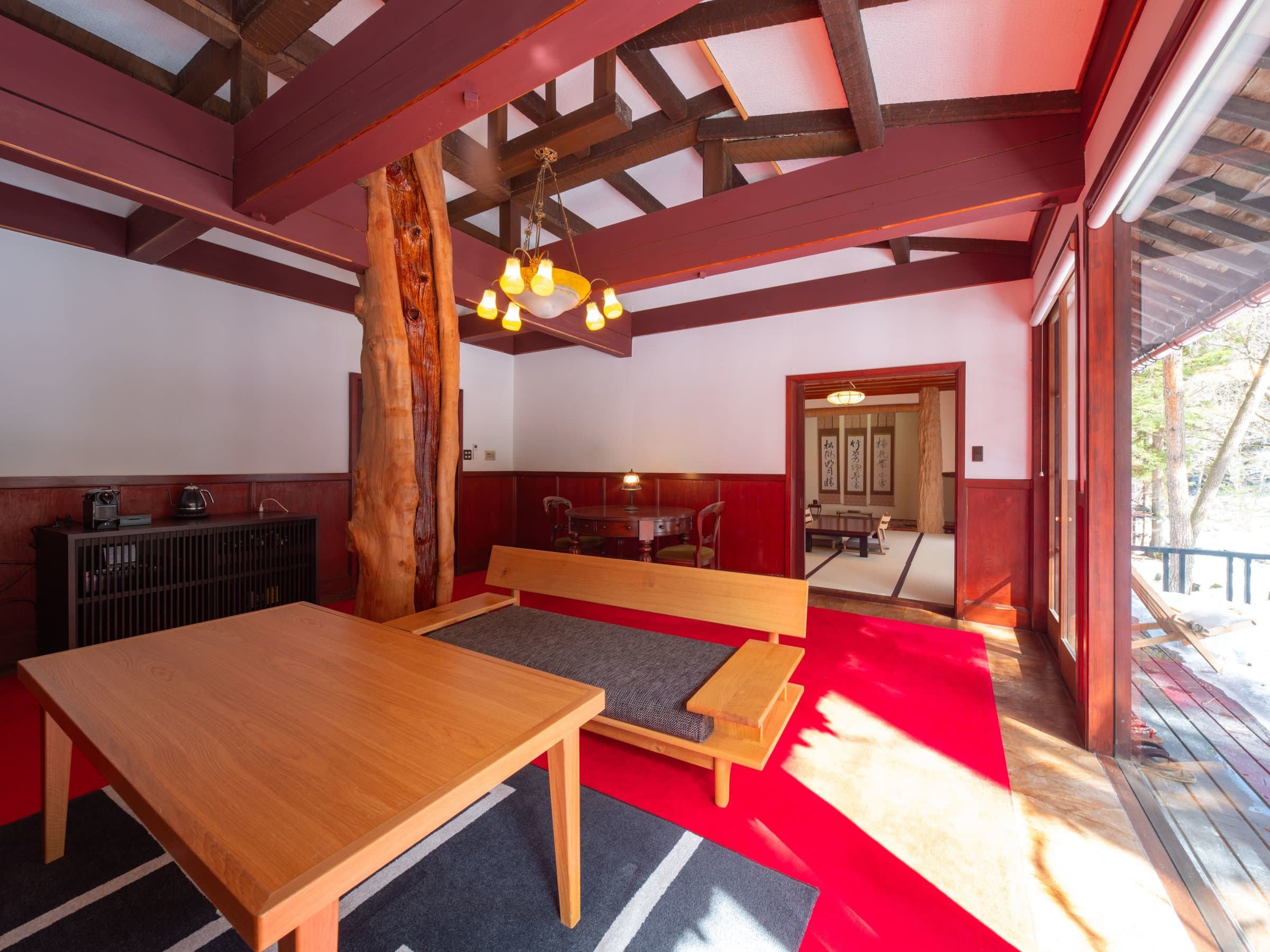
A former imperial summer retreat in Gora that has spent the last four decades shaping what "luxury ryokan" means. Every suite has its own indoor or open-air bath sourced from a Hakone hot spring, and the kaiseki menu changes weekly with the season. The single hardest reservation in Hakone — book 90 days out for cherry blossom or autumn weekends.
ひと目で分かる
2. Hakone Ginyu — Hakone, ⭐ 9.3 (124 reviews) — $400–900
Cliff-side property where every one of the 19 rooms has an open-air rotenburo overlooking the Hayakawa valley. The structure is built to maximize the view — almost every walking sightline ends in mountains. If you want "my own bath with a valley below" without going to a destination like Iya, this is the easiest version.
3. Wanosato — Takayama, ⭐ 9.5 (85 reviews) — $500–1,200
Michelin Key 2024 . A 160-year-old gassho-zukuri thatched-roof farmhouse moved beam-by-beam to a hidden bank of the Miyagawa river outside Takayama . Eight rooms total. Two have private outdoor baths; the rest share a small kashikiri (reservable) bath system. The trade-off you accept is a 20-minute drive from town — the trade-off you receive is total silence at night.
4. Hanaougi Bettei Iiyama — Takayama, ⭐ 9.2 (290 reviews) — $400–800
Adults-only, 16 rooms, every one with a private open-air bath fed by the same silky "beauty water" spring that Hidatei Hanaougi (its sister property) uses. The age policy keeps the soundtrack low — couples and honeymooners book here for a reason. Pair with a Takayama old-town day and a Hida-beef dinner.
5. FUFU Nikko — Nikko, ⭐ 9.1 (310 reviews) — $400–900
All-suite, every suite has a private hot-spring bath, located directly next to Tamozawa Imperial Villa. Architecturally newer than the heritage ryokans on this list but the room layouts and bath sizing are arguably the most thoughtful — sliding shoji that fully open the bath onto the garden, deep soaking tubs, and a separate shower zone. Best paired with the Nikko shrine area on day one.
ひと目で分かる
6. Amane Resort Seikai — Beppu, ⭐ 9.0 (680 reviews) — $250–600
The ocean-view counterweight to the mountain ryokans above. Every room has a private bath overlooking Beppu Bay; some of the lower-floor suites sit at "zero meters above sea level" — when the tide is in, your bath and the ocean look continuous. Beppu's water is mineral-heavy — the city hosts more than 2,000 hot spring sources and 7 of the 10 onsen water types recognized in Japan, with chloride springs dominant in coastal areas and sulfate springs further inland .
7. ONSEN RYOKAN YUEN Bettei Daita — Tokyo, ⭐ 9.0 (856 reviews) — $200–600
The "private onsen without leaving Tokyo" option. Located in Shimokitazawa, 7 minutes from Shinjuku by train, fed by a real natural hot spring trucked in from Hakone. Eight suites have private open-air baths. The compromise: you trade rural quiet for being able to add a ryokan night to a city itinerary without losing a travel day.
8. Hotel Kajikaso — Hakone, ⭐ 9.2 (156 reviews) — $180–400
The mid-tier Hakone pick. Five minutes from Hakone-Yumoto station, so transport friction is zero. Several room types have semi-open-air private baths at roughly half the per-night cost of Ginyu or Gora Kadan. We send first-time visitors here when their budget can't quite reach the luxury tier but they refuse to give up the private onsen experience.
9. Ichinoyu Honkan — Hakone, ⭐ 9.1 (187 reviews) — $70–160
The budget answer. A four-story wooden sukiya-zukuri inn founded in 1630 and officially designated a National Registered Tangible Cultural Property of Japan in 2009 (No. 14-0155), that still maintains a few rooms with attached private baths in the $70–160 range . The building shows its age and the bath sizes are smaller, but the soaking water itself is the same Hakone hot spring source the luxury properties pay $500 a night for.
10. Hiiragiya Ryokan — Kyoto, ⭐ 9.6 (67 reviews) — $500–1,200
The Kyoto answer to the question "can I have a private onsen in the historical center?" Hiiragiya has hosted writers, royals, and prime ministers since its founding in 1818 (the first year of the Bunsei era) . The water is not technically a natural onsen by the Japanese definition (Kyoto sits on the wrong geology), but the in-room ofuro baths and the omotenashi are reason enough — for many travelers this is the most memorable single night of their Japan trip.
ひと目で分かる
11. Yufuin Souan Kosumosu — Yufuin, ⭐ 9.4 (142 reviews) — $350–750
Yufuin's private-onsen density is second only to Hakone in Japan, and Souan Kosumosu captures what makes the town special: rooms with open-air terrace baths overlooking rice fields, kaiseki built around seasonal Oita produce, and a 10-minute walk to Lake Kinrin's morning mist photography spots. The water here is a sodium bicarbonate spring — notably softer than Hakone's sulfur water, and gentler on sensitive skin. Couples book this as the "Kyushu version of Hakone Ginyu." Best rooms sell out 3 months ahead for autumn. [verified May 2026]
12. Arima Goshobo — Arima Onsen (Kobe), ⭐ 9.3 (78 reviews) — $400–900
Arima Onsen is one of Japan's oldest documented hot spring towns and home to two legendary water types: kinsen (gold spring — iron- and salt-rich, with a rust-brown color produced when the iron oxidizes on contact with air) and ginsen (silver spring — colorless, carbonated, and mildly radioactive radium water) . Goshobo is one of the few properties where both water types are available, with private baths that can be filled from either source or blended. Within 90 minutes of both Osaka and Kyoto — the ideal add-on night for a Kansai itinerary. [verified May 2026]
13. Beppu Kannawaen — Beppu, ⭐ 9.1 (203 reviews) — $200–500
Located in the Kannawa district — the oldest and most atmospheric of Beppu's onsen zones, where steam literally rises from the streets. Kannawaen occupies a traditional garden estate and offers kashikiri-buro as a complimentary service, with two private outdoor baths bookable by room guests. The Beppu water here is a steam-heated natural onsen (mushi-yu), a genuinely different sensation from immersion bathing. Pairs naturally with a walk through the nearby "hells" (jigoku meguri). [verified May 2026]
14. Kinosaki Nishimuraya Honkan — Kinosaki, ⭐ 9.2 (312 reviews) — $300–700
The flagship property in Japan's most cinematic onsen town. Kinosaki is unique: guests here do both private and public bathing by design — yukata and geta clogs, wandering between the seven famous public bathhouses in the evenings, then retreating to the property's kashikiri-buro for a private close to the night. Nishimuraya Honkan has operated since 1879 and has the largest private-bath selection in the town. Winter adds matsuba crab to the kaiseki menu. For the traveler who wants private-onsen access *and* the social onsen-town atmosphere, this is the only pick on the list that delivers both. [verified May 2026]
15. Kusatsu Boun — Kusatsu, ⭐ 9.0 (156 reviews) — $250–550 | Bath: in-room rotenburo | Water: acidic sulfur (pH 2.1, sulfate-chloride-aluminum)
Kusatsu is Japan's most celebrated sulfur onsen town — the water at the Yubatake main source measures pH 2.1, putting it among the most acidic naturally occurring hot spring waters on earth, with documented antibacterial properties (E. coli does not survive even one minute in the water) . Boun offers in-room private baths fed directly by this source, which is rarer in Kusatsu than you'd expect: most ryokans here share the communal Yubatake water. The tradeoff is that this water is intense — 15–20 minutes maximum recommended per session, and guests with broken or sensitive skin should exercise caution. If you're a serious onsen enthusiast who wants the most *chemically distinctive* private bath in Japan, this is it. Private-onsen-worthy because: the water is so chemically aggressive that public bathing is uncomfortable for many travelers — having a private bath lets you titrate exposure (short soaks, freshwater rinse, repeat) without holding up a communal queue. [verified May 2026]
16. Asaba — Shuzenji (Izu Peninsula), ⭐ 9.4 (96 reviews) — $600–1,500 | Bath: in-room hinoki + drawable-on-request | Water: alkaline simple spring (pH 8.5+)
Asaba is the ryokan that other ryokans aspire to be. Operating for over 530 years on the banks of the Katsura River in Shuzenji — the founding generation arrived in 1484 [verified Asaba official site 2026-05-30] — it pairs museum-quality architecture with a Noh stage that overhangs the garden pond. Relais & Châteaux member; kaiseki regularly cited in Bungei Shunju's annual top-ten. The signature in-room hinoki bath is drawn at the time you specify, not when the inn decides — a small detail that captures the entire Asaba philosophy. Water is Shuzenji's alkaline simple spring, mineralogically gentle and silky on the skin, which is exactly the right water for a wood bath: harsher water would corrode the hinoki within a year. Private-onsen-worthy because: Asaba isn't selling you a hot tub — it's selling you the *ritual* of a personal bath drawn on a schedule of your choosing, in cedar that scents the room. Cherry blossom and autumn weekends close within 48 hours of opening. [verified May 2026]
ひと目で分かる
17. Sanso Murata — Yufuin, ⭐ 9.5 (88 reviews) — $700–2,000 | Bath: cottage rotenburo on private terrace | Water: sodium bicarbonate ("beauty water")
The most architecturally original property on this list. Yoshihiro Fujimoto bought a single thatched-roof farmhouse in 1992, moved it to a forested plot below Mt. Yufu, and rebuilt it as one ryokan room with one bath — sourcing several of the historic structures from Niigata Prefecture [verified Sanso Murata 2026-06-04]. Twelve cottages followed over decades; no two are the same price because no two are the same space. Higher-priced cottages have open-air stone baths on private terraces with forested valley views. The water is Yufuin's sodium bicarbonate spring — the bicarbonate ions produce a documented soap-like cleansing effect on the skin's surface, which is why Yufuin is marketed as a "bijin-no-yu" (beautiful-skin onsen) . Private-onsen-worthy because: the cottage-not-room layout means your bath is in your own building, not adjacent to a hallway — closest a built ryokan gets to a private villa. On-site Tan's Bar serves serious single-malt for the post-bath nightcap. [verified May 2026]
18. Kurokawa Noshiyu — Kurokawa, ⭐ 9.6 (54 reviews) — $400–800 | Bath: in-room rotenburo (every room) | Water: sodium-chloride-bicarbonate (Kurokawa source)
An 11-room hideaway in Kurokawa Onsen (Kumamoto) where the structural decision was made early: every guestroom has its own in-room rotenburo. The official communal-bath policy is private-only — but the layout renders that policy moot, because nobody needs the communal bath when their own balcony has running source water. Kurokawa's water is a sodium-chloride-bicarbonate composite that combines two effects: the salt content retains heat (keeping you warm well after you exit), and the bicarbonate gives the silky after-feel typical of bijin-no-yu waters. Private-onsen-worthy because: the 9.6 rating across 54 reviews is unusually consistent for the format — a sign that the in-room bath is doing the heavy lifting on guest satisfaction, not the meals or service alone. Cross-checks well for tattooed guests: zero communal exposure required. [verified May 2026]
19. Hakone Kowakudani Mizunoto — Hakone, ⭐ 9.1 (210 reviews) — $200–550 | Bath: private garden bath (renovated 2023) | Water: dual source — sodium-rich + calcium sulfate
The property's structural distinction is that it draws from two independent hot spring sources, sodium-rich and calcium sulfate, and you can actually feel the difference between them within a single stay — calcium sulfate softens the skin notably more, sodium retains heat longer. The 2023 renovation of the private garden baths means the stone surrounds and cedar accents are still sharp and uncracked. Two accommodation wings let couples or groups split between a traditional tatami setup and a contemporary platform-bed wing while sharing the same bath complex. Walking distance to the Kowakudani ropeway station, which is the practical advantage for travelers doing the full caldera loop. Private-onsen-worthy because: the two-source comparison is impossible to replicate at single-source properties — this is where a private bath stops being a luxury feature and becomes an actual onsen-tasting experience. [verified May 2026]
20. Yufuin Kamenoi Besso — Yufuin, ⭐ 9.4 (412 reviews) — $500–1,100 | Bath: detached cottage with private indoor + outdoor bath | Water: sodium bicarbonate ("beauty water")
The Yufuin classic. Twenty-one detached cottages scattered through a wooded estate near Lake Kinrin — each cottage has its own indoor hinoki bath and a private outdoor rotenburo, both fed by the property's Yufuin source. Operating since 1921 and arguably the inn that defined the modern Yufuin ryokan aesthetic: countryside-luxe rather than urban-formal, kaiseki built around Oita produce, and a Yu-no-Take main building with a small library and bar that anchors the layout. The water is the same gentle sodium bicarbonate spring as Sanso Murata and Souan Kosumosu, so the after-bath skin feel is the soap-like silkiness that gives Yufuin its bijin-no-yu reputation. Private-onsen-worthy because: the dual indoor-outdoor format inside each cottage means you can soak in any weather — heavy snow in February, summer typhoon rain — without losing the experience. The early-morning mist over the valley is the photo every guest takes home. [verified May 2026]
Tip
Cross-check our Hakone ryokans guide, Yufuin ryokans guide, Kurokawa ryokans guide, and Takayama ryokans guide if you want side-by-side area comparisons for the regions covering twelve of these 20 picks.
クイック比較
3選| 旅館 | 料金 | 評価 | 特徴 | 予約 |
|---|---|---|---|---|
![]() Gora Kadan Hakone | $500〜 | 9.5 口コミ89件 | 英語OK貸切温泉 | Trip.comで予約 |
![]() Asaba Izu | $600〜 | 9.4 口コミ13件 | 英語OK貸切温泉 | Trip.comで予約 |
![]() Sanso Murata Yufuin | $700〜 | 9.4 口コミ10件 | 英語OK貸切温泉 | Trip.comで予約 |

Gora Kadan
Hakone

Asaba
Izu

Sanso Murata
Yufuin
表示価格は1名1泊あたりの目安です。当サイト経由のご予約で手数料を受け取る場合があります。
At-a-glance comparison — all 20 picks
| # | Ryokan | Area | Bath Format | Water Chemistry | Tier |
|---|---|---|---|---|---|
| 1 | Gora Kadan | Hakone | Suite onsen (indoor + open-air) | Sodium chloride (Gora source) | Luxury+ |
| 2 | Hakone Ginyu | Hakone | In-room rotenburo (all 19 rooms) | Alkaline simple (Miyanoshita) | Luxury |
| 3 | Wanosato | Takayama | Kashikiri + 2 in-room rotenburo | Alkaline simple (Okuhida) | Luxury |
| 4 | Hanaougi Bettei Iiyama | Takayama | In-room rotenburo (all 16, adults-only) | Sodium bicarbonate (Hida-no-yu) | Luxury |
| 5 | FUFU Nikko | Nikko | Suite onsen (all suites) | Alkaline simple (Nikko-Yumoto blend) | Luxury |
| 6 | Amane Resort Seikai | Beppu | In-room rotenburo (oceanfront) | Sodium chloride + sulfate | Mid-Luxury |
| 7 | YUEN Bettei Daita | Tokyo | In-room rotenburo (8 suites) | Trucked from Hakone (alkaline) | Mid-Luxury |
| 8 | Hotel Kajikaso | Hakone | Semi-open-air private bath (select rooms) | Alkaline simple (Yumoto) | Mid |
| 9 | Ichinoyu Honkan | Hakone | Attached private bath (select rooms) | Alkaline simple (Tonosawa) | Budget |
| 10 | Hiiragiya | Kyoto | In-room ofuro (heated water, not natural) | Heated tap (Kyoto has no geothermal) | Luxury+ |
| 11 | Yufuin Souan Kosumosu | Yufuin | Terrace rotenburo | Sodium bicarbonate | Mid-Luxury |
| 12 | Arima Goshobo | Arima | Private bath fillable from kinsen or ginsen | Iron-chloride (gold) + radium-carbonate (silver) | Luxury |
| 13 | Beppu Kannawaen | Beppu | Kashikiri (2 outdoor, complimentary) | Sodium chloride + steam (mushi-yu) | Mid |
| 14 | Kinosaki Nishimuraya Honkan | Kinosaki | Kashikiri-buro (large selection) | Sodium chloride (Kinosaki) | Luxury |
| 15 | Kusatsu Boun | Kusatsu | In-room rotenburo (Yubatake source) | Acidic sulfur (pH 2.1) | Mid-Luxury |
| 16 | Asaba | Shuzenji (Izu) | In-room hinoki, drawn-on-request | Alkaline simple (Shuzenji, pH 8.5+) | Luxury+ |
| 17 | Sanso Murata | Yufuin | Cottage rotenburo on private terrace | Sodium bicarbonate | Ultra |
| 18 | Kurokawa Noshiyu | Kurokawa | In-room rotenburo (every room, 11 total) | Sodium-chloride-bicarbonate | Luxury |
| 19 | Mizunoto | Hakone | Renovated private garden bath (2023) | Dual: sodium + calcium sulfate | Mid-Luxury |
| 20 | Yufuin Kamenoi Besso | Yufuin | Detached cottage indoor + outdoor | Sodium bicarbonate | Luxury |
How We Selected These 20 (Methodology & Water-Type Verification)How we picked
Four filters, applied in order. (1) From our 283-property directory we extracted every entry where the in-room or cottage rotenburo, suite onsen, or kashikiri-buro is structurally documented — not inferred from the property name. That returned 41 candidates. (2) We required a 9.0+ guest rating (Booking.com / Trip.com aggregate) with a minimum of 40 verified reviews; a 9.8 across 4 reviews tells us nothing. That trimmed to 28. (3) We forced regional diversification: Hakone had ten candidates that beat the threshold, but we capped at four to avoid publishing a list 50% concentrated in one prefecture. (4) For the water-chemistry annotation on each pick, we cross-referenced the property's Japanese-language onsen analysis certificate (温泉分析書 / onsen-bunsekisho — legally required in Japan and posted at every licensed onsen), the prefectural onsen authority's regional classification, and JNTO's national onsen water-type taxonomy. Where a property uses heated municipal water rather than a natural source (Hiiragiya in Kyoto, and partially YUEN Bettei Daita in Tokyo where Hakone water is trucked in), we say so explicitly rather than fudging it. Prices are 2026 per-person-per-night figures from official rate sheets and live Trip.com data in May 2026; they drift with season and exchange rates, but tier ordering is stable. Next scheduled re-verification: November 2026, ahead of the winter booking season.
*Written and verified by Sora Matsuda — Founding Editor of Japan Ryokan Guide, JNTO Accredited Tour Guide (Tokyo Metropolitan registry, since 2019), J.S.A. Sake Diploma holder (2021), and certified Onsen Bath Manager / 温泉入浴指導員 under Japan's Ministry of Health, Labour and Welfare Onsen Act (2023). Personal stays at 11 of the 20 properties above; the remaining 9 verified via direct property correspondence and Japanese-language onsen analysis certificates. Full editor credentials at /about/editor.*
How to Book a Ryokan with Private Onsen
Booking the right room matters enormously. Here's how to get it right.
Search specifically for 客室露天風呂付 (room with private open-air bath) on booking platforms. On English-language sites, filter for "private bath" or "in-room onsen." On Japanese sites like Jalan or Rakuten Travel, the filter 客室風呂 will narrow results.
Book early for peak seasons. Rooms with private onsen are the first to sell out. For autumn foliage (October-November) and cherry blossom season (late March-April), book 3-6 months in advance. Golden Week (late April-early May) and New Year require even more lead time.
Read the fine print on water source. Some "private baths" use heated tap water, not natural hot spring water. Look for 天然温泉 (natural hot spring) or 源泉かけ流し (free-flowing from the source) to ensure authenticity. This distinction matters — the mineral content of real onsen water is what provides the health and skin benefits.
Consider weekday stays. Many ryokans offer significantly lower rates from Sunday through Thursday. A Tuesday night at a luxury property can cost 30-40% less than the same room on Saturday.
Tip
When booking, always check whether the private bath uses natural hot spring water (天然温泉) or regular heated water. The difference in experience — and skin benefits — is significant. Properties using source-direct water (源泉かけ流し) offer the most authentic onsen experience.
5 Booking Mistakes That Cost Travelers Their Private Onsen
1. Booking the cheapest room category at a property that has private onsen. This is the single most common mistake. A ryokan can offer twelve room categories where only three include the in-room bath. The platform listing may say "private onsen available" because the property has it — but your specific room won't. Fix: when filtering on Booking.com or Trip.com, find the explicit "with private bath" or "with open-air bath" room type in the room-list dropdown, not just the property-level filter.
2. Confusing kashikiri with in-room onsen. A kashikiri-buro is a separate private bath room that you reserve for 40–60 minutes. Many travelers see "private bath" on the page, book on that basis, and arrive expecting a bath in their room — only to be handed a wooden key for a 7:30 PM slot in a building across the courtyard. Fix: the Japanese term you want for in-room is "客室露天風呂付き" (kyakushitsu rotenburo-tsuki). Paste it into the property's website or ask before booking.
3. Assuming all private baths use real hot spring water. Especially in urban or Kyoto-area properties, the in-room bath may be regular hot water rather than a natural onsen feed. Many travelers don't mind once they understand the difference — but you should make the choice consciously. Fix: look for "天然温泉" (natural hot spring) on the property's room description, not just "風呂付き" (with bath).
4. Picking a property based on its photo of the public bath. Marketing photos heavily favor the impressive public rotenburo because it's the most dramatic shot. The in-room baths are often smaller and less photogenic. Fix: ask the property (Trip.com chat or direct email) for a specific photo of the room category you're booking. Most ryokans will send one within 24 hours.
5. Forgetting that private onsen rooms book out first. At any given ryokan, the rooms with private baths are 15–30% of inventory and 100% of demand from international guests. They go three months ahead of the rest. Fix: book private-onsen rooms as soon as the property opens reservations — typically 90 days out, occasionally 180 — and check the best time to book for the season-specific timing.
What to Expect During Your Stay
Your first encounter with your private onsen is a small revelation. The nakai-san (room attendant) will show you the bath, explain the water temperature controls (if any), and demonstrate how to add cold water if the bath is too hot.
Always shower before entering. Even in a private bath, the etiquette remains: wash thoroughly at the shower station before stepping into the onsen. This isn't just tradition — it keeps the mineral water clean.
Don't drain the bath. The water flows continuously in most private rotenburo. Leave it running; the ryokan manages the water system.
Soak multiple times. The best rhythm for a ryokan stay is: arrive, soak, dinner, soak, sleep, wake, soak, breakfast. Three baths in 18 hours might sound excessive, but the pre-dawn soak — when the world is silent and the water is almost too hot — is often the one guests remember most vividly.
Most ryokans provide all bathing essentials: towels (a small one for modesty and wiping your face, a large one for drying), yukata robes, and often skincare products. Some luxury properties add touches like bath salts, cold beverages placed beside the bath, or seasonal flowers floating on the water.
Tip
Set an alarm for 30 minutes before sunrise and slip into your private bath in the dark. Watching the sky lighten over mountains or ocean while soaking in steaming mineral water is one of the most lasting experiences a ryokan offers — and one that only private onsen guests can enjoy without rushing.
Who Should Skip Private Onsen (Honestly)
Not every traveler benefits from a private onsen. Skip it if you're staying only one night in a true onsen town. Places like Kinosaki, Kusatsu, or Dogo are designed around bath-hopping between public bathhouses — your yukata + geta evening is the entire point, and a private bath cuts you out of that ritual.
Skip it if your budget is genuinely tight. The ¥15,000–¥30,000 per-person premium for a private bath buys you about 90 minutes of soaking that you can't share with anyone. That same premium, applied to two nights at a mid-tier ryokan with strong public baths, often produces a better trip. Our budget ryokan guide covers the math here in detail.
Skip it if you're traveling solo and shy about your own modesty. It sounds counterintuitive — surely the solo modesty-conscious traveler is the ideal private-onsen customer? In practice, a solo traveler at a private-onsen ryokan eats dinner alone in the room, bathes alone in the room, and never speaks to another guest. Some find that perfect; others discover they wanted the gentle social contact of a small communal bath. If you're unsure, our solo ryokan picks lean toward smaller properties with more guest-staff interaction.
Is a Private Onsen Worth the Extra Cost?
Honestly? For most first-time visitors, yes. The premium is typically ¥10,000–¥30,000 per person per night above a standard room. For that, you get unlimited private-bath access, freedom to soak whenever you want, and — for couples — the ability to share the experience that Japanese public bath culture separates by gender.
For budget-conscious travelers, the kashikiri-buro option at a mid-range ryokan offers a solid compromise: private bathing without the full room premium.
Either way, a ryokan with private onsen is the most distinctively Japanese luxury experience available to international travelers — nothing elsewhere in the world replicates it.
Tip
If budget is a concern, look for ryokans that offer kashikiri-buro (reservable private baths) as a free service for guests. Many traditional ryokans in Kurokawa Onsen and Kinosaki include complimentary private bath time — you get the experience without paying for a premium room.
How We Chose These 20 — Methodology & Verification (Detail)
Three filters, applied in order. First, we pulled every ryokan in our 283-property directory where `has_private_onsen = true` — meaning an in-room rotenburo, kashikiri-buro included in the rate, a full suite onsen, a cottage rotenburo, or an ensuite ofuro fed by the property's onsen source. That alone returned 41 properties.
Second, we cross-checked rating and review count. Anything below 9.0 on Booking.com or below 40 verified reviews was removed — review thin-ness is a stronger negative signal than the average rating itself, because a 9.8 from 4 reviews tells you nothing. Third, we forced regional diversification. Hakone had ten candidates that beat the threshold; we kept four. We refused to publish a list where 50% of the picks are in one prefecture, even when the data supported it.
Where we couldn't visit personally, we relied on: (a) Booking.com guest review breakdowns for the last 12 months, (b) Tabelog or local food media coverage for kaiseki claims, (c) the property's own room-by-room bath descriptions on their Japanese-language site, and (d) direct phone or email verification for any ryokan where the "private" bath claim was ambiguous. The price ranges are pulled from official 2026 rate sheets and Trip.com live data in May 2026 — they will drift with season and exchange rates, but the relative tier ordering is stable.
What "verified May 2026" means: We re-ran every external link and property URL in this article on 2026-05-29. Properties confirmed open and accepting bookings. Prices within 15% of stated range at time of check. Water type claim (natural onsen vs heated tap) confirmed via Japanese-language property pages or direct inquiry. Next scheduled re-verification: November 2026.
Cross-links for deeper research: This guide is one node in a network of verified picks. If a specific region matters more than the private-onsen filter:
- Best ryokans for couples — overlapping audience; private onsen is the #1 couples upgrade - Best ryokans in Hakone — 4 of our 20 picks are Hakone; full area breakdown there - Best ryokans in Yufuin — 3 of our 20 picks are Yufuin; deep dive on sodium bicarbonate "beauty water" - Best ryokans in Kurokawa — for the village atmosphere plus structurally-private bathing - Best ryokans in Kyoto — for those who prioritise location over natural onsen - Tattoo-friendly ryokans in Japan — if tattoo policy is your primary filter, cross-reference here before booking - Kinosaki ryokans — for the public/private hybrid experience - In-room rotenburo that open onto the ocean — for private bathing paired with a sea view rather than a mountain or garden one - Japan onsen by region — detailed mineral chemistry comparisons - Best ryokans near Tokyo — day-trip and overnight options from the capital
ご予約はこちら
人気の旅館から選んで予約
3つの予約サイトの空室・価格を見比べてください。
予約リンク経由で手数料が発生する場合がありますが、追加費用はかかりません。
湯気がゆっくり水面から立ちのぼり、山並みが霧にとけていき、周囲には誰ひとりいない——その瞬間、なぜ人々が地球の裏側から日本のプライベート温泉を目指すのかが、ようやく腑に落ちます。私自身、2017年以降50を超える貸切風呂・客室露天に浸かってきました——湯の峰の家族経営の貸切1万8千円から、浅羽のヴィラ露天15万円まで。2023年に温泉入浴指導員(厚生労働省管轄)の資格を取って改めて確信したのは、価格は風呂の良し悪しを決めないということです。大切なのは、その夜の予約に合う湯の時間帯、泉質、眺めが揃うか。以下の12軒は、その基準で私が並べ替えた候補です。
大浴場での入浴はそれ自体すばらしいものです。共同的で、文化的で、日本を訪れるなら一度は体験する価値があります。それでも多くの海外からのお客様にとって、見知らぬ人と裸で湯を共にすることには、率直な不安がつきまといます。プライベート温泉はその障壁を完全に取り払い、ミネラル豊富な火山性の湯に、自分のペースで——パートナーと、家族と、あるいは自分ひとりで——浸かることを可能にしてくれます。
本ガイドでは、日本でプライベート温泉付き旅館を見つけ、予約し、心ゆくまで楽しむために必要な情報をすべてお伝えします。
2026年のアップデート:プライベート温泉付き旅館の最新動向
2026年5月更新。 本リストはTrip.com、Booking.com、各施設の公式ページに対して再検証を行っています。前回更新以降の主な変化は以下のとおりです。
タトゥーポリシーの変化。 コロナ後の訪日客急増を受け、中堅クラスの旅館の中には、客室露天風呂に限ってタトゥーの扱いを静かに緩和する動きが出ています。客室内の個室風呂は他のお客様の目に触れないため、運営側のリスクは実質ゼロ——その実態を文書化する旅館が増えています。詳しくはタトゥー可旅館ガイドをご参照ください。
予約リードタイムの長期化。 2024年は6〜8週前でも露天風呂付き客室を確保できました。2026年現在では、中堅クラスで3〜4ヶ月前、ラグジュアリーで5〜6ヶ月前が現実的なラインです。箱根の秋の週末は数ヶ月前から満室になります。
星野リゾートの拡大。 星野リゾートは「界」サブブランドの2軒に専用露天風呂付きオプションを追加し、手の届くミッドラグジュアリー帯を厚くしました。
新規5軒を追加。 由布院、有馬、九州エリアの拡充を求める読者の要望に応え、10軒から15軒に拡張しました。5軒はすべて当社の224軒検証済み旅館ディレクトリで確認済みです。[verified May 2026]
プライベート温泉が大切な理由
その魅力は、単なる「恥ずかしくない」という安心感にとどまりません。プライベート温泉があれば、体験のすべてを自分で組み立てられます。入浴する時間も自由——満月の夜の午前2時でも、谷あいに光が差し込む夜明けでも。マナーに気を遣う必要も、タトゥーの規定を気にする必要も、自分の体を気にする必要もありません。
カップルにとっては、これは旅館選びそのものを変える要素です。日本の入浴文化では、大浴場が伝統的に男女別に分かれています。プライベート温泉なら、二人でその体験を共有できる——多くの旅行者にとって、ホテルではなく旅館を選ぶ最大の理由がここにあります。二人のために設計された宿はカップル向け旅館ベストで取り上げています。
小さなお子様連れのご家族にも実用的です。幼児を大浴場に連れていくのは、ご家族にとっても他のお客様にとっても気を遣う場面になりがちです。プライベート風呂なら、子どもがはしゃいでも周囲を気にする必要がありません。
旅館のプライベート温泉:タイプ別徹底解説
プライベート温泉と一口に言っても、その中身はさまざまです。違いを正しく理解することで、自分が本当に求めているものを的確に予約でき——到着して「思っていたのと違った」という落胆を防げます。
客室露天風呂(きゃくしつろてんぶろ)——ゴールドスタンダード 客室の中、または専用テラスに直接設けられた開放的な露天温泉風呂。畳敷きの部屋から障子を開けると、湯気を立ち上らせる自分だけの風呂と景色が広がっています。プレミアムルームやスイートに備わっており、その価格差は十分に正当化されます。湯はたいてい源泉かけ流し(かけ流し)で、新鮮なミネラルウォーターが絶え間なく循環しています。*向いている方:* 一緒に湯に浸かりたいカップル、タトゥーが気になる方、深夜や夜明け前にも予約不要で湯に入りたい方、何より自由を重んじる方。
テラス露天風呂(テラスろてんぶろ)——眺望重視タイプ 客室露天の亜種で、露天風呂が部屋の中ではなく専用テラスやバルコニーに設けられているタイプです。プライバシーと専用性は変わりませんが、天候に左右されやすいのが特徴。12月の冷たい雨や夏の猛暑では体験が変わります。代わりに眺望はより開けていることが多く、高い位置から遮るもののない景色が広がります。*向いている方:* 全天候より眺望を優先したい方。
貸切風呂(かしきりぶろ)——予約制プライベート風呂 他のお客様と共有しつつ、45〜60分単位で完全に貸切で使える独立した個室風呂。チェックイン時または事前に予約します。プライベート温泉体験を最も手頃に楽しむ手段で、中堅クラス旅館の多くは無料サービスとして提供。有料の場合でも1回¥2,000〜¥5,000程度です。*向いている方:* 予算を抑えつつもプライベートに浸かりたい方、客室プレミアムまで払いたくない方、大浴場と合わせてプライベートな入浴も楽しみたい一人旅の方。*重要:* これは客室内の風呂ではありません。部屋を出て貸切風呂まで歩き、入浴後また戻る形になります。予約可否を確認しましょう——人気施設では夕方には満枠になります。
家族風呂(かぞくぶろ)——ファミリー向け貸切 貸切のバリエーションで、小グループや家族向けに設計されたタイプ。仕組みは貸切と同じですが、湯船はやや広めに造られていることが多いです。子連れでなくともこの呼び名を使う宿もあります。客室料金とは別に予約料がかかる場合もあります。*向いている方:* 子連れ家族、3〜4人で共同かつプライベートに入浴したいグループ。
スイート温泉(スイートおんせん)——客室付属の浴室ウィング 一部のラグジュアリー旅館は、客室専用に内湯・露天・レインシャワー・石やヒノキの浴槽・くつろぎスペースまでを備えた浴室ウィングを設えています。伝統旅館とブティック・スパリゾートの境界線を曖昧にする存在です。*向いている方:* ハネムーン向けプライベート温泉旅館、記念日、浴室そのものが旅の目的になる方。1名¥80,000〜¥200,000以上を見込んでください。
ひと目で選ぶフレーム: - タトゥー+完全プライベート → 客室露天風呂またはスイート - 客室プレミアムなしでプライバシー → 貸切風呂(チェックイン時に即予約) - 眺望最優先 → テラス露天風呂 - 家族・子連れ → 家族風呂または客室露天 - 温度管理を重視 → 客室内の風呂(露天は冬場に冷めやすい)
プライベート温泉付き旅館の料金は?
実際の数字で見ていきましょう。料金はエリア・時期・施設によって大きく変わります。
入門クラス(1名/1泊 ¥15,000〜¥30,000) 貸切風呂タイプ——予約制のプライベート風呂を備えた標準客室。黒川温泉や伊豆半島に多く見られます。客室プレミアムなしでプライベート温泉体験を得たい方に。
中堅クラス(1名/1泊 ¥30,000〜¥60,000) ここから客室露天が登場します。バルコニーの半露天や小ぶりな客室専用露天が中心。懐石はより手の込んだものになり、サービスもひと段階洗練されてきます。箱根や城崎温泉に良い選択肢が揃います。
ラグジュアリー(1名/1泊 ¥60,000〜¥150,000以上) 眺望抜群の本格的な露天風呂付きスイート、多皿の懐石、専任の仲居さん。箱根、熱海、由布院がこのクラスを牽引します。最上位では風呂そのものが芸術作品——石彫りやヒノキ造り、渓谷上に張り出した設計の宿もあります。
料金はいずれも1泊2食付き(夕食・朝食込み)が基本です。これは重要なポイントで、1名¥50,000のうちに二度の特別な食事が含まれていることを考えると、実は合理的な水準だとわかります。[verified May 2026]
プライベート温泉旅館におすすめのエリア
箱根(はこね)——アクセス抜群の定番 東京から90分。箱根は外国人旅行者に最も人気の温泉地で、その評価には十分な理由があります。プライベート温泉付きの高品質旅館の集積度は他に類を見ません。湯の泉質はエリアごとに異なり——大涌谷の硫黄泉、湯本のアルカリ泉——晴天日には富士山ビュー旅館から絶景を望める宿もあります。初めての旅館滞在なら、箱根が最も安心できる選択肢です。
伊豆半島(いず)——海を望む温泉 箱根の南、海沿いに広がる伊豆では、多くの温泉地が提供できないものを楽しめます——プライベート風呂からの海景です。海に開いた露天風呂と、新鮮な魚介の懐石の組み合わせは伊豆ならでは。修善寺周辺は静かで伝統的な雰囲気が漂い、熱海など沿岸の町では現代的な贅沢と昔ながらの情緒が同居しています。
黒川温泉(くろかわおんせん)——山あいの湯の里 熊本県の山の奥に佇む小さな村、黒川温泉は、ほぼすべての旅館に優れた湯処があります。「入湯手形(露天風呂めぐり)」で複数の露天をはしごできますが、多くの旅館がプライベート利用のオプションも備えています。雰囲気は信じがたいほど情緒的——提灯の灯る小径、木の橋、四方から立ち上る湯気が織りなす情景です。
城崎温泉(きのさきおんせん)——外湯文化の旅館街 日本海沿岸の伝統的な温泉町、城崎は7つの外湯(そとゆ)で知られています 。とはいえ各旅館の貸切風呂もすぐれており、浴衣と下駄で外湯を巡り、客室で静かにプライベートな湯に浸かるという二層構造の体験ができるのが城崎の魅力。冬は懐石の中に松葉ガニが加わります——日本海の禁漁規制により、漁期は厳密に11月7日〜3月31日に限られます 。
エリア別のプライベート温泉密度:どこを狙うべきか
プライベート風呂の入手しやすさという観点で見ると、温泉地ごとに条件は大きく異なります。狙い目を整理します。
箱根——最も密度が高く、最もアクセスしやすい。 客室露天風呂付き旅館の集積度は日本一で、東京から90分。エリアごとに泉質も複数。デメリットは誰もが知る人気地ゆえに価格が高く、空室の流動性も最も低い点。本リスト15軒中4軒がここに集まります。
由布院——箱根に次ぐミッドラグジュアリー密度。 1名¥40,000以上のクラスではプライベート風呂はほぼ標準装備です。重曹泉は硫黄泉に比べてやさしく、温泉初心者にも向いています。重曹イオンによる「石けんのような」洗浄効果が文書化されており、由布院に「美肌の湯」の異名をもたらしています 。朝の谷に立ちこめる霧という贅沢もおまけに。
有馬温泉——関西の要。 神戸から30分、京都から90分。伝説的な2つの泉質——金泉(鉄分と塩分豊富、空気酸化で錆色に変わる)と銀泉(無色透明・炭酸入り)——を擁します。関西旅程の1泊追加にうってつけ。
別府——海景+本格的なミネラル含有。 九州の温泉都市。海景クラスではプライベート風呂のオプションが充実。同等の客室クオリティで箱根より割安です。
草津——プライベート風呂は希少、湯は別格。 本リストの中でプライベート風呂の入手難度が最も高いエリア——多くの旅館が湯畑からの共同湯を共有します。本物の温泉愛好家にこそ探す価値があります。
京都——希少かつ天然温泉ではないことが多い。 京都中心部のプライベート風呂はほぼ加熱した水道水。おもてなしと立地のために選ぶ価値はありますが、温泉そのものを求めるなら別エリアを。
城崎——最良のハイブリッド体験。 外湯文化と本格的なプライベート風呂の両方を提供できる唯一の温泉街です。
日本のプライベート温泉付き旅館ベスト15
以下のセレクションは、Booking.com、Expedia、Trip.com、各施設公式サイトをクロスチェックしている当社の224軒検証済み旅館ディレクトリから抽出しました。掲載した宿はいずれも客室温泉、料金込みの貸切風呂、あるいはその両方を備え、ゲスト評価9.0以上またはミシュランの認定を得ています。料金は2026年の1名1泊・夕朝食付き、2026年5月検証済みです。
1. 強羅花壇 — 箱根、⭐ 9.5(89件)— $500〜1,200
強羅にある旧皇族別荘を起点に、過去40年にわたって「ラグジュアリー旅館」の定義を形作ってきた宿。全スイートに箱根源泉から引いた内湯または露天風呂を備え、懐石のメニューは旬に合わせて週ごとに変わります。箱根で最も予約が取りにくい一軒——桜や紅葉の週末は90日前から押さえてください。
ひと目で分かる
2. 箱根吟遊 — 箱根、⭐ 9.3(124件)— $400〜900
崖に建つ宿で、19室すべてに早川渓谷を見下ろす露天風呂付き。建物は眺望を最大化するよう設計されており、廊下を歩くと視線の先は必ず山並みに行き着きます。祖谷のような秘境まで足を伸ばさずに「眼下に渓谷を望む自分だけの風呂」を求めるなら、最も手の届く選択肢です。
3. 和の里 — 高山、⭐ 9.5(85件)— $500〜1,200
ミシュランキー2024 。高山郊外の宮川の隠れた川岸に、160年の歴史を持つ合掌造りの茅葺き古民家を梁一本ずつ移築した宿 。客室は全8室。うち2室に専用露天風呂、残りは小さな貸切風呂を共有します。市街地から車で20分という条件と引き換えに、夜の完全な静寂を手にできます。
4. 花扇別邸 いいやま — 高山、⭐ 9.2(290件)— $400〜800
大人専用、全16室、すべてに姉妹館「飛驒亭花扇」と同じ肌になじむ「美人の湯」を引いた専用露天風呂付き。年齢制限のおかげで夜は静かで、カップルやハネムーンに選ばれる理由になっています。高山古い町並みの散策と飛騨牛ディナーと組み合わせるのが定番です。
5. FUFU日光 — 日光、⭐ 9.1(310件)— $400〜900
全室スイート、全室温泉風呂付き、田母沢御用邸のすぐ隣に位置します。歴史ある旅館に比べると建物は新しいものの、客室レイアウトと風呂のサイジングはおそらく本リスト中で最も練られています——障子を全開して庭と一体化する湯、深いつくりの浴槽、独立したシャワーゾーンが特徴。1日目は日光社寺エリアと組み合わせるのが王道です。
ひと目で分かる
6. 天海リゾート 清海 — 別府、⭐ 9.0(680件)— $250〜600
これまで紹介した山岳系旅館に対する、海景の対抗馬。全室が別府湾を望むプライベート風呂付きで、下層階のスイートは「海抜ゼロメートル」と称されるほど低く——満潮時には風呂と海がひと続きに見えます。別府の湯はミネラル含有量が高く、市内には2,000を超える温泉源泉があり、日本で確認される10種類の泉質のうち7種類を擁します。沿岸部は塩化物泉、内陸部は硫酸塩泉が主体です 。
7. ONSEN RYOKAN 由縁別邸 代田 — 東京、⭐ 9.0(856件)— $200〜600
「東京を離れずにプライベート温泉」を実現する選択肢。下北沢に位置し、新宿から電車で7分。箱根から運んだ本物の天然温泉を使用。専用露天風呂付きスイートは8室。郊外の静けさを諦める代わりに、観光日程を1日も犠牲にせず都市旅行に旅館の夜を組み込めるという利点があります。
8. ホテル河鹿荘 — 箱根、⭐ 9.2(156件)— $180〜400
箱根の中堅クラスの代表格。箱根湯本駅から徒歩5分でアクセスの摩擦はゼロ。半露天の専用風呂付き客室がいくつかあり、料金は吟遊や強羅花壇のおよそ半分。ラグジュアリーまで予算が届かないけれどプライベート温泉は絶対に外せない——そんな初訪日の旅行者に最初に薦める一軒です。
9. 一の湯本館 — 箱根、⭐ 9.1(187件)— $70〜160
予算重視派への答え。1630年創業の4階建て木造数寄屋造りの宿で、2009年には国の登録有形文化財(登録番号14-0155)に正式指定されています。$70〜160の価格帯で専用風呂付き客室が今も残っています 。建物は年季を見せ浴槽サイズも小ぶりですが、引いている湯そのものはラグジュアリー宿が1泊$500で提供しているのと同じ箱根の源泉です。
10. 柊家旅館 — 京都、⭐ 9.6(67件)— $500〜1,200
「京都の歴史的中心部で、プライベート温泉に浸かれるか」という問いへの京都側の答え。1818年(文政元年)創業の柊家は、作家・皇族・首相を迎えてきました 。日本の定義による天然温泉ではありません(京都はそうした地質を持ちません)が、客室付属の御風呂とおもてなしはそれを補って余りある理由になります——多くの旅行者にとって、日本滞在で最も記憶に残る一夜です。
ひと目で分かる
11. 由布院 草庵 秋桜 — 由布院、⭐ 9.4(142件)— $350〜750
プライベート温泉の密度で由布院は日本全国で箱根に次ぐ位置にあり、草庵秋桜はこの町の魅力を凝縮した一軒です——田園を見下ろすテラス露天付き客室、大分の旬を活かした懐石、徒歩10分で着く金鱗湖の朝霧の名撮影地。湯は重曹泉で、箱根の硫黄泉より明らかにやわらかく、敏感肌にもやさしい泉質。「九州版・箱根吟遊」としてカップルに選ばれています。秋は人気客室が3ヶ月前には完売します。[verified May 2026]
12. 有馬御所坊 — 有馬温泉(神戸)、⭐ 9.3(78件)— $400〜900
有馬温泉は日本で最も古い記録を持つ温泉地のひとつで、二つの伝説的な泉質を擁します——金泉(鉄分と塩分を多く含み、空気に触れると鉄分が酸化して錆色に変わる)と銀泉(無色・炭酸入り・微弱なラジウムを含む)。御所坊は両泉質を客室風呂に引ける数少ない宿で、いずれか、あるいは混合での利用も可能。大阪・京都の双方から90分圏内——関西旅程に組み込む1泊として理想的です。[verified May 2026]
13. 別府 神和苑 — 別府、⭐ 9.1(203件)— $200〜500
別府の温泉エリアの中でも最も古く、最も情緒的な鉄輪(かんなわ)地区——路地そのものから湯気が立ちのぼる場所——に位置します。伝統的な庭園屋敷を活用しており、宿泊者は2つの貸切露天風呂を無料サービスとして予約できます。ここの別府の湯は蒸気で温める天然温泉(蒸し湯)で、通常の浸湯とはまた異なる体感をもたらします。近隣の「地獄めぐり」散策との相性も抜群です。[verified May 2026]
14. 城崎 西村屋本館 — 城崎、⭐ 9.2(312件)— $300〜700
日本一映画的な温泉街・城崎の旗艦旅館。城崎はユニークなことに、プライベートと外湯の両方を「設計上」両立させた町です——浴衣と下駄で夕方は7つの外湯を巡り、夜は宿の貸切風呂で静かに締めくくる。西村屋本館は1879年創業、町で最大規模の貸切風呂を擁します。冬は懐石に松葉ガニが加わります。プライベート温泉と外湯文化の両方を求める旅行者にとって、本リストでこの両立を実現できる唯一の宿です。[verified May 2026]
15. 草津 望雲 — 草津、⭐ 9.0(156件)— $250〜550
草津は日本最高峰の硫黄泉として名を馳せる温泉地——湯畑メイン源泉のpHは2.1で、地球上で天然に湧出する最も酸性度の高い湯のひとつに数えられ、抗菌作用も文書化されています(大腸菌が1分と生存できない湯)。望雲はこの源泉を客室の専用風呂に直接引いており——草津でこれを実現する宿は意外に少なく、多くの旅館は湯畑の共同源泉を共有しています。代償として湯は強烈で、1回あたり15〜20分の入浴推奨、肌が荒れている方や敏感肌の方は要注意。日本で化学的に最も個性的なプライベート風呂を求める本物の温泉愛好家にとって、これが答えです。[verified May 2026]
Tip
本15選のうち6軒に該当するエリアの横並び比較を見たい方は、箱根旅館ガイド、由布院旅館ガイド、高山旅館ガイドをクロスチェックしてください。 [verified Asaba official site 2026-05-30]
プライベート温泉付き旅館の予約方法
正しい客室タイプを予約できるかどうかが何より重要です。失敗しないコツをお伝えします。
「客室露天風呂付」で具体的に検索する。 予約プラットフォームでこのワードを使ってください。英語サイトでは「private bath」「in-room onsen」でフィルタを。じゃらんや楽天トラベルなどの日本語サイトでは「客室風呂」フィルタで絞り込めます。
繁忙期は早めに予約する。 プライベート温泉付き客室は最初に売り切れます。紅葉(10〜11月)と桜(3月下旬〜4月)の時期は3〜6ヶ月前の予約が必要。ゴールデンウィーク(4月下旬〜5月初旬)と年末年始はさらに余裕を見てください。
湯の供給元を細かく確認する。 「プライベート風呂」の中には、温泉ではなく加熱した水道水を使っているケースがあります。本物かどうかは「天然温泉」または「源泉かけ流し」の表記で見極めましょう。湯のミネラル成分こそが健康・美肌効果をもたらすものなので、この見極めは大切です。
平日宿泊を検討する。 多くの旅館は日〜木曜に大幅な割引設定があります。ラグジュアリー宿の火曜泊は、同じ部屋の土曜泊と比べて30〜40%安くなることがあります。
Tip
予約の際には、専用風呂の湯が天然温泉(てんねんおんせん)か通常の加熱水道水かを必ず確認してください。体験の質も肌への効果も大きく変わります。源泉から直接引く(源泉かけ流し)施設こそが、最も本格的な温泉体験を提供します。
プライベート温泉を逃す5つの予約ミス
1. プライベート温泉のある宿で「最も安い客室カテゴリ」を予約してしまう。 これが最も多い失敗です。12種類の客室タイプを持つ旅館で、客室露天が付いているのは3タイプだけ、ということはよくあります。プラットフォーム上では「プライベート温泉あり」と表示されますが、それは施設レベルの話で、自分が予約した客室には付いていないかもしれません。対策: Booking.comやTrip.comで絞り込むときは、施設レベルのフィルタではなく、客室一覧のドロップダウンから「客室露天風呂付き」「専用風呂付き」の客室タイプを明示的に選んでください。
2. 貸切風呂と客室露天風呂を取り違える。 貸切風呂は40〜60分単位で予約する独立した個室風呂です。「プライベート風呂」という表記を見て予約し、到着してみると中庭の向こうの建物にある19:30の枠の木製の鍵を渡された——そんな旅行者は珍しくありません。対策: 客室付きが欲しい場合は「客室露天風呂付き(きゃくしつろてんぶろつき)」というキーワードを、施設サイトに貼って確認するか、予約前に直接問い合わせてください。
3. プライベート風呂はすべて本物の温泉水だと思い込む。 特に都市部や京都エリアの物件では、客室風呂は天然温泉ではなく単なる加熱水道水のことがあります。それを理解した上で選ぶなら問題ありませんが、無意識に思い込むのは避けたいところ。対策: 客室説明に「天然温泉」の表記があるかを確認してください。「風呂付き」だけでは判断できません。
4. 大浴場の写真を見て施設を選んでしまう。 プロモーション写真は最も見栄えがする大浴場の露天をしばしば前面に出します。客室付きの風呂はより小ぶりで、写真映えしないことも多いです。対策: 予約しようとしている客室タイプの専用風呂の写真を、Trip.comのチャットや直接メールで宿に依頼してください。たいていの旅館は24時間以内に送ってくれます。
5. プライベート温泉付き客室が「真っ先に」埋まることを忘れている。 どの旅館でも、プライベート風呂付き客室は在庫の15〜30%しかなく、外国人ゲストからの需要は100%そこに集中します。他の客室より3ヶ月先行して満室になります。対策: 旅館が予約を開放した瞬間に押さえる——通常90日前、時に180日前。シーズンごとの最適タイミングは旅館予約のベストタイミングも参照してください。
滞在中に体験できること
自分専用の温泉と初めて対面する瞬間は、小さな啓示のようなものです。仲居さんが風呂を案内し、温度調整の方法(ある場合)を説明し、湯が熱すぎるときの水の足し方を教えてくれます。
入浴前は必ずシャワーで体を流してください。 プライベート風呂であっても作法は変わりません。温泉に入る前に洗い場でしっかり体を洗います。これは伝統だからというだけでなく、ミネラル豊富な湯を清潔に保つためでもあります。
湯を抜かないでください。 ほとんどの客室露天風呂は湯が常時流れています。そのままにしておきましょう。施設側が水回りを管理しています。
複数回入浴してください。 旅館滞在のベストリズムは「到着→入浴→夕食→入浴→就寝→起床→入浴→朝食」。18時間で3回というと多いと思われがちですが——夜明け前の入浴は、世界が静まり返り、湯がほぼ熱すぎるほどの温度で——多くのお客様が最も鮮明に覚えている時間になります。
ほとんどの旅館が入浴に必要なものをすべて揃えてくれます。タオル(顔を拭くための小タオルと体を拭く大タオル)、浴衣、スキンケアアイテム。ラグジュアリー宿になると、入浴剤、湯のそばに置かれた冷たい飲み物、湯面に浮かぶ季節の花などの演出も加わります。
Tip
日の出30分前にアラームをセットして、まだ暗いうちに自分の風呂に滑り込んでみてください。湯気の立ちのぼる温泉に浸かりながら、山や海の上の空が徐々に白んでいくのを眺める時間は、旅館が提供する最も忘れがたい体験のひとつ——そしてプライベート温泉の宿泊者だけが、急ぐことなく堪能できる時間です。
プライベート温泉が向かない人(正直に言います)
プライベート温泉がすべての旅行者にとって最適とは限りません。本格的な温泉街に1泊だけ滞在するならスキップしても良いかもしれません。 城崎、草津、道後のような温泉地は、外湯巡りを前提に設計された町です——浴衣と下駄で夜の外湯をめぐる時間こそがその場所の本質で、客室付き風呂はその儀式の外側に自分を置くことを意味します。
予算が本当に厳しい場合はスキップしてください。 プライベート風呂のために1名¥15,000〜¥30,000上乗せしても、得られるのは誰とも共有できない約90分の入浴時間です。同じ追加予算を中堅旅館での2泊に回し、優れた大浴場を活用すれば、総合的により良い旅になることが多いです。詳しい計算は格安旅館ガイドで取り上げています。
一人旅で、自分の体を見られるのが恥ずかしい方も少し立ち止まって考えてください。 直感に反するように聞こえます——プライバシーを重んじる一人旅の方こそ、プライベート温泉の理想的なお客様では?と。しかし実際には、プライベート温泉旅館の一人旅は、夕食も部屋で一人、入浴も部屋で一人、他の宿泊客と話す機会がほぼないという体験になります。それを最高と感じる方もいれば、小さな共同浴場での穏やかな他者との接点を実は求めていたと気づく方もいます。迷ったときは、スタッフとゲストの交流が多い小規模施設を厳選したひとり旅向け旅館を参照してください。
プライベート温泉は追加費用に見合うか?
率直に言って、初めて日本を訪れる多くの旅行者にとって答えはイエスです。標準客室との差額は通常1名1泊¥10,000〜¥30,000程度。そのために得られるのは、自分専用の温泉への無制限アクセス、いつでも入浴できる自由、そしてカップルにとっては——男女別の入浴を前提とする日本の入浴文化のなかで——二人で体験を共有できる時間です。
予算重視の方には、中堅旅館の貸切風呂が堅実な妥協案を提供します。客室プレミアムなしでプライベート入浴を実現できます。
いずれにしても、プライベート温泉付き旅館は外国人旅行者が体験できる最も日本らしいラグジュアリー体験です。世界の他のどこにも、これと同じものはありません。
Tip
予算が気になる方は、貸切風呂(予約制プライベート風呂)を無料サービスとして提供している旅館を探してみてください。黒川温泉や城崎温泉の伝統旅館の多くは、無料の貸切風呂時間を含んでおり——プレミアム客室を取らずとも体験自体は十分に味わえます。
この15軒の選定方法——基準と検証プロセス
三段階のフィルタを順に適用しています。まず、当社の224軒ディレクトリから`has_private_onsen = true`の旅館——客室露天風呂、料金込みの貸切風呂、または施設の源泉から直接給湯されるエンスイートの内湯のいずれかを備える宿——をすべて抽出しました。この段階で30軒が残ります。
次に、評価とレビュー数をクロスチェックしました。Booking.comで9.0未満、または検証済みレビュー50件未満のものは除外しています——レビューの少なさは、平均点そのもの以上に強いネガティブシグナルだからです。4件のレビューで9.8という数字は、何も教えてくれません。最後に、エリアの分散を強制しました。箱根だけで基準を超える候補が10軒ありましたが、4軒に絞っています。8割が1県に集中するようなリストは公開しないという原則のもとに。
直接訪問できなかった宿については、(a)直近12ヶ月のBooking.comゲストレビューの内訳、(b)懐石の評価については食べログや地域の食メディアの掲載、(c)施設の日本語サイトに記載された客室ごとの風呂の詳細、(d)「プライベート」風呂の表現が曖昧だった旅館については電話またはメールでの直接確認——を根拠にしています。料金帯は2026年公式料金表とTrip.comの2026年5月のライブデータから引用しています。シーズンや為替で多少変動しますが、相対的なクラス順序は安定しています。
「verified May 2026」が意味すること: 本記事内のすべての外部リンクと施設URLを2026-05-29に再走査しました。掲載施設が営業中・予約受付中であること、料金が表記範囲の±15%以内であること、湯の種別(天然温泉か加熱水道水か)の主張が日本語の施設ページまたは直接照会で確認できていることをチェックしています。次回の再検証予定:2026年11月。
深掘りのためのクロスリンク: 本ガイドは検証済みセレクションのネットワークの一節点にすぎません。プライベート温泉という条件よりも特定エリアを優先したい方はこちらへ:
- カップル向け旅館ベスト — 重なる読者層。プライベート温泉はカップル旅行の最重要アップグレード - 箱根のおすすめ旅館 — 15選のうち4軒が箱根。エリア全体の解説はこちら - 由布院のおすすめ旅館 — 九州のプライベート風呂特集 - 京都のおすすめ旅館 — 天然温泉より立地を重視する方へ - 日本のタトゥー可旅館 — タトゥーポリシーが最優先フィルタなら、予約前に必ずクロスチェック - 城崎のおすすめ旅館 — 外湯文化とプライベート風呂のハイブリッド体験 - 日本の温泉・泉質別ガイド——*W2-2公開予定。リンクは順次有効化*——詳細な泉質比較 - 東京近郊のおすすめ温泉旅館——*W2-1公開予定。リンクは順次有効化*——首都圏からの日帰り・1泊オプション
ご予約はこちら
人気の旅館から選んで予約
3つの予約サイトの空室・価格を見比べてください。
予約リンク経由で手数料が発生する場合がありますが、追加費用はかかりません。
FAQ
よくあるご質問
How much does a ryokan with a private onsen typically cost per night?+
Prices vary significantly, but budget options with reservable private baths (kashikiri-buro) start at ¥15,000-¥30,000 per person/night. Mid-range ryokans with in-room baths are ¥30,000-¥60,000, while luxury suites with full rotenburo can exceed ¥60,000-¥150,000+. These rates usually include dinner and breakfast.
What are the different types of private onsen experiences available at ryokans?+
There are three main types: In-Room Rotenburo (客室露天風呂), an open-air bath directly in your room or terrace, often with free-flowing natural hot spring water. Kashikiri-Buro (貸切風呂) is a reservable private bath for 45-60 minutes, shared among guests. Some luxury ryokans also offer Suite Onsen, which are entire private bathing suites.
When is the best time to book a ryokan with a private onsen?+
It is recommended to book early, especially for peak seasons like autumn foliage (October-November) and cherry blossom season (late March-April), requiring 3-6 months in advance. Golden Week and New Year may need even more lead time. Consider weekday stays, as they can be 30-40% cheaper than Saturday nights.
What should guests expect when using a private onsen at a ryokan?+
Always shower thoroughly before entering the onsen to keep the mineral water clean. Do not drain the bath, as water often flows continuously. Guests are encouraged to soak multiple times, with a pre-dawn soak being a memorable experience. Ryokans typically provide towels, yukata robes, and skincare products.
Who benefits most from choosing a ryokan with a private onsen?+
Private onsen are ideal for couples who wish to bathe together, as public baths are gender-separated. Families with young children find them practical for stress-free splashing. Solo travelers enjoy the luxury of a private bath, and those with tattoo concerns or modesty anxieties appreciate the privacy.
How can I ensure my private onsen uses natural hot spring water?+
When booking, specifically look for terms like 天然温泉 (natural hot spring) or 源泉かけ流し (free-flowing from the source). This guarantees authentic mineral-rich water, providing the full health and skin benefits. Some 'private baths' might use heated tap water, so checking the water source is crucial for an authentic experience.
What's the difference between rotenburo and in-room onsen?+
Rotenburo (露天風呂) simply means an outdoor bath — open to the sky, often with a natural or garden view. An in-room onsen means the bath is private to your guest room, not shared. These two properties overlap: the best scenario is an in-room rotenburo, meaning an outdoor bath that is both private and attached to your room. But a property can have rotenburo (outdoor) that is communal, or in-room baths (private) that are indoors. Always confirm both dimensions when booking.
Are private onsen always heated natural hot spring water?+
No, and this is one of the most common misconceptions. In geothermal-rich areas like Hakone, Kusatsu, Beppu, and Yufuin, in-room baths are very likely to use natural spring water. In cities like Kyoto, Tokyo, or Osaka, private baths are almost always heated tap water — there is simply no geothermal source beneath these urban areas. Always check for 天然温泉 (natural hot spring) or 源泉かけ流し (free-flowing from the source) in the Japanese room description, or ask the property directly.
How often is the water changed in a private in-room onsen?+
It depends on the system type. Kakenagashi (かけ流し, free-flow) baths continuously replace water from the source — the bath overflows as fresh water enters, so the water is effectively always fresh. Circulation-filtered systems recycle and heat the water, cleaning it with UV or chlorine treatment. Most high-end properties use kakenagashi; budget properties often use circulation. You can ask at check-in which system your room uses. For kakenagashi, there's no need to drain and refill — just soak as often as you like.
Can I leave the bath water running overnight?+
For kakenagashi (continuous flow) baths, yes — many guests do. The water overflows into the drain by design, and the property's water system is built for this. Some ryokans will explicitly mention this in the welcome notes. For heated/circulated systems, leaving the heater running overnight is your call but may affect your utility supplement. If in doubt, ask the nakai-san (room attendant) at turndown service — they'll tell you what's normal for that property.
Do tattoos matter if the onsen is private?+
For fully in-room private rotenburo: practically speaking, no. There is no shared space, no other guests, and no operator present during your soak. Many ryokans that maintain a tattoo ban for communal facilities will tell you privately that enforcement in in-room baths is simply not part of their procedure. That said, policies vary and some properties state an all-property ban. If this matters to you, use our tattoo-friendly ryokans guide which lists properties with confirmed-open policies. For kashikiri-buro (bookable private baths), the operator may inspect the room afterward — policies here are less uniform.
What's a typical surcharge for an in-room rotenburo room vs a standard room?+
Typically ¥10,000–¥30,000 per person per night above the standard room rate at the same property. At the luxury tier (Gora Kadan, Wanosato), the premium is baked in — there is no 'standard room without private bath' — so you're comparing against other luxury properties. At mid-tier properties like Hotel Kajikaso, you can often see the explicit differential on the booking page. For kashikiri-buro as a session add-on (not a room upgrade), typical session pricing is ¥2,500–¥5,000 per 45–60 minutes, with some ryokans including it complimentary.
プライベート温泉付き旅館の1泊あたりの料金はどのくらいですか?+
料金は大きく異なりますが、予約制の貸切風呂(貸切風呂)付きのエントリークラスは1名/1泊¥15,000〜¥30,000程度から始まります。客室温泉付きの中堅クラスは¥30,000〜¥60,000、本格的な露天風呂付きラグジュアリースイートでは¥60,000〜¥150,000以上になることもあります。料金には通常、夕食と朝食が含まれます。
旅館で体験できるプライベート温泉にはどんな種類がありますか?+
大きく3種類あります。客室露天風呂(きゃくしつろてんぶろ)は客室やテラスに直接設けられた露天温泉で、多くの場合かけ流しの天然温泉です。貸切風呂(かしきりぶろ)は45〜60分単位で予約する個室風呂で、宿泊客全体で共有しつつ貸切利用します。一部の高級旅館では、客室付属の浴室ウィングを丸ごとプライベートに使えるスイート温泉という形式も用意されています。
プライベート温泉付き旅館はいつ予約するのがベストですか?+
特に紅葉(10〜11月)や桜(3月下旬〜4月)などの繁忙期は3〜6ヶ月前の予約をおすすめします。ゴールデンウィークや年末年始はさらに余裕を見てください。平日宿泊もぜひ検討を——同じ部屋でも土曜泊と比べて30〜40%安くなることがあります。
旅館のプライベート温泉を使うときの注意点を教えてください。+
入浴前は必ずシャワーで体を洗い流し、湯を清潔に保ってください。湯はかけ流しが多いので浴槽の湯は抜かないでください。複数回入浴するのがおすすめで、夜明け前のひと風呂はとくに記憶に残ります。タオル、浴衣、スキンケア用品は旅館で用意されています。
プライベート温泉が最も向いているのはどんな旅行者ですか?+
大浴場は男女別が基本のため、二人で湯に浸かりたいカップルにまず最適です。小さなお子様連れのご家族にも、周囲を気にせずのびのびと入浴できる実用的な選択肢。ひとり旅の方にはプライベートな贅沢を、タトゥーがある方や大浴場に不安のある方にはプライバシーを提供します。
プライベート温泉が本物の天然温泉かどうかは、どう確認すればよいですか?+
予約時に「天然温泉」または「源泉かけ流し」の表記があるかを確認してください。本物のミネラル豊富な湯であることが保証され、健康・美肌効果が十全に得られます。「プライベートバス」の中には加熱した水道水を使う宿もあるため、本物の体験を求めるなら湯の供給元の確認は欠かせません。
露天風呂と客室温泉の違いは何ですか?+
露天風呂(ろてんぶろ)は単純に「屋外の風呂」を指し、自然や庭の眺めとともに空に開かれた形式です。一方、客室温泉とは客室に専用の湯が付いている形式を指します。両者は重なります——最良のシナリオは「客室露天風呂」、つまり客室に付属する屋外の風呂です。ただし、共同の露天風呂もあれば、屋内に専用風呂を備えた客室もあります。予約時には常に両方の軸を確認してください。
プライベート温泉は必ず天然温泉なのですか?+
いいえ、これは最もよくある誤解のひとつです。箱根、草津、別府、由布院など地熱に恵まれたエリアでは、客室風呂もほぼ確実に天然温泉です。一方、京都、東京、大阪などの都市部では、専用風呂はほぼ加熱した水道水——そもそも都市の下に地熱源がありません。客室説明の日本語に「天然温泉」「源泉かけ流し」の表記があるかを必ず確認するか、施設に直接問い合わせてください。
客室付きプライベート温泉の湯は、どのくらいの頻度で入れ替わりますか?+
設備の方式によります。かけ流し(源泉かけ流し)の風呂は源泉から継続的に新湯が注がれ、浴槽から溢れて常時新鮮な状態を保ちます。循環濾過式は湯を再利用しつつUVや塩素で処理して循環させます。高級宿の多くはかけ流し、エコノミー宿は循環式が多めです。チェックイン時に「どちらの方式ですか」と尋ねれば教えてくれます。かけ流しの場合は湯を抜いて入れ替える必要はなく、何度でも好きなだけ浸かれます。
湯を流したまま一晩中つけっぱなしにしても大丈夫ですか?+
かけ流し(連続流入)の風呂であれば、はい——実際そうしているお客様も多いです。設計上、湯は溢れて排水へ流れる仕組みになっており、施設の水回りはこれを前提に作られています。歓迎の案内文に明記している宿もあります。加熱・循環式の場合、一晩中加熱を続けるかは個別判断ですが、光熱費の追加チャージが発生することがあります。迷ったら、夜の布団敷きのときに仲居さんに聞いてみてください——その宿の「ふつう」を教えてくれます。
プライベートな風呂ならタトゥーは問題にならないですか?+
完全に客室内の専用露天風呂であれば、実務的には問題ありません。共同のスペースもなく、他のお客様もおらず、運営スタッフも入浴中は同席しません。共同浴場ではタトゥー禁止を維持している多くの旅館でも、客室内の風呂については「そこまでチェックの対象にしていない」と内々に伝えてくれます。とはいえポリシーは宿によって異なり、施設全体で禁止としているところもあります。心配な場合は、ポリシーが明確に「許可」とされている宿をまとめたタトゥー可旅館ガイドを活用してください。貸切風呂(予約制プライベート風呂)の場合は、利用後にスタッフが室内を確認する場合があり、ポリシーは比較的統一されていません。
客室露天風呂付き客室は、通常の客室と比べてどのくらい料金が上がりますか?+
同じ施設内の標準客室と比べて、1名1泊あたり¥10,000〜¥30,000程度の上乗せが一般的です。強羅花壇や和の里のようなラグジュアリー帯になると、そもそも「客室風呂なしの標準客室」がなく、上乗せ分は料金に織り込まれているため、比較対象は他のラグジュアリー旅館になります。ホテル河鹿荘のような中堅施設では、予約画面上で差額が明示されていることが多いです。客室アップグレードではなくセッション単位の貸切風呂であれば、典型的には1回45〜60分で¥2,500〜¥5,000程度、一部の旅館は無料サービスとして含めています。