クイック比較
10選| 旅館 | 料金 | 評価 | 予約 |
|---|---|---|---|
 | ¥77,000〜1名1泊2名で約¥154,000 | 9.5 口コミ89件 | Booking.comで予約する |
 | ¥61,600〜1名1泊2名で約¥123,200 | 9.3 口コミ124件 | Booking.comで予約する |
 | ¥30,800〜1名1泊2名で約¥61,600 | 8.8 口コミ1712件 | Booking.comで予約する |
 | ¥23,100〜1名1泊2名で約¥46,200 | 8.8 口コミ67件 | Booking.comで予約する |
 | ¥27,720〜1名1泊2名で約¥55,440 | 9.2 口コミ156件 | Trip.comで予約する |
 | ¥10,780〜1名1泊2名で約¥21,560 | 9.1 口コミ187件 | Booking.comで予約する |
 | ¥38,500〜1名1泊2名で約¥77,000 | 8.4 口コミ15件 | Agodaで予約する |
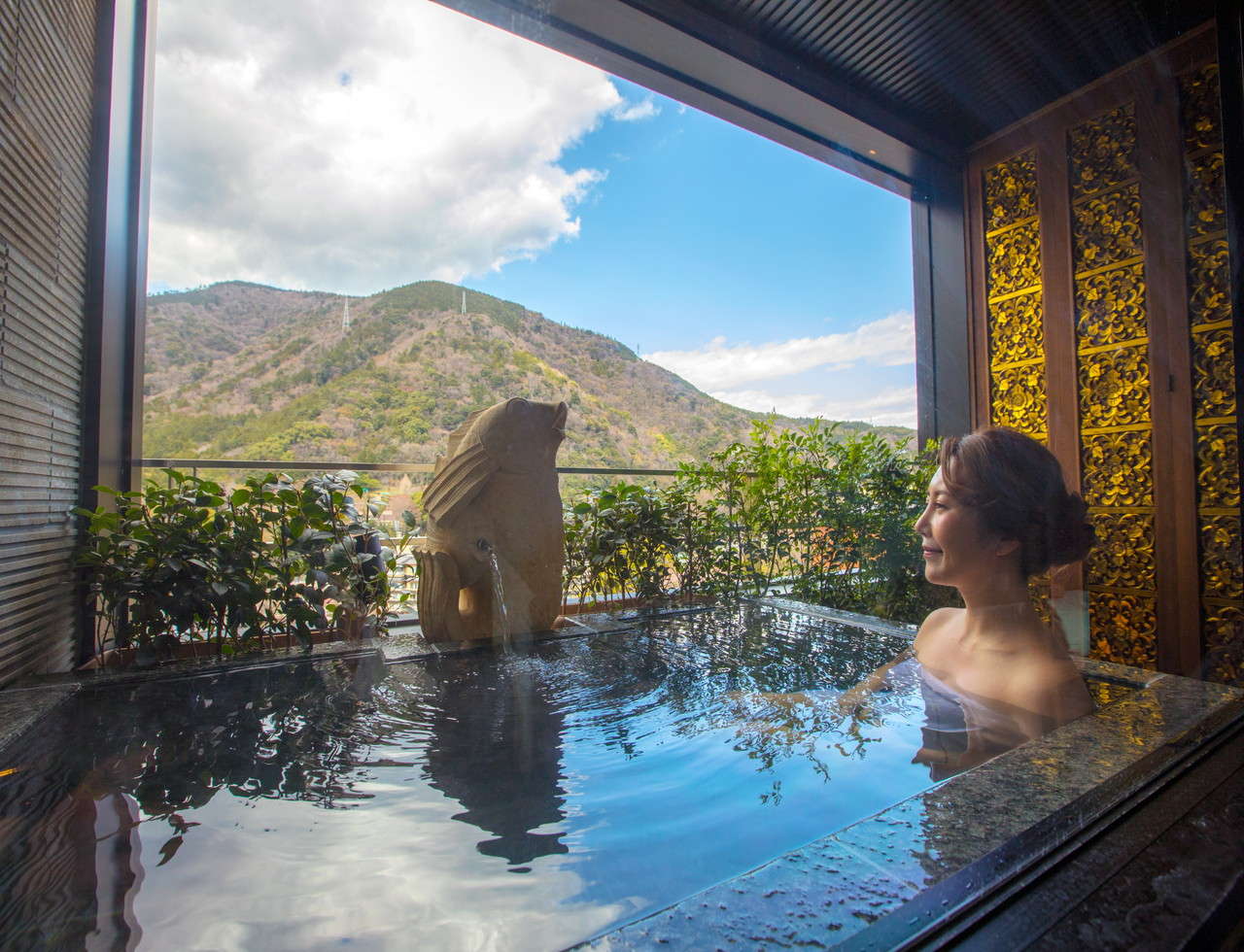 | ¥46,200〜1名1泊2名で約¥92,400 | 8.6 口コミ178件 | Trip.comで予約する |
 | ¥23,100〜1名1泊2名で約¥46,200 | 8.9 口コミ672件 | Agodaで予約する |
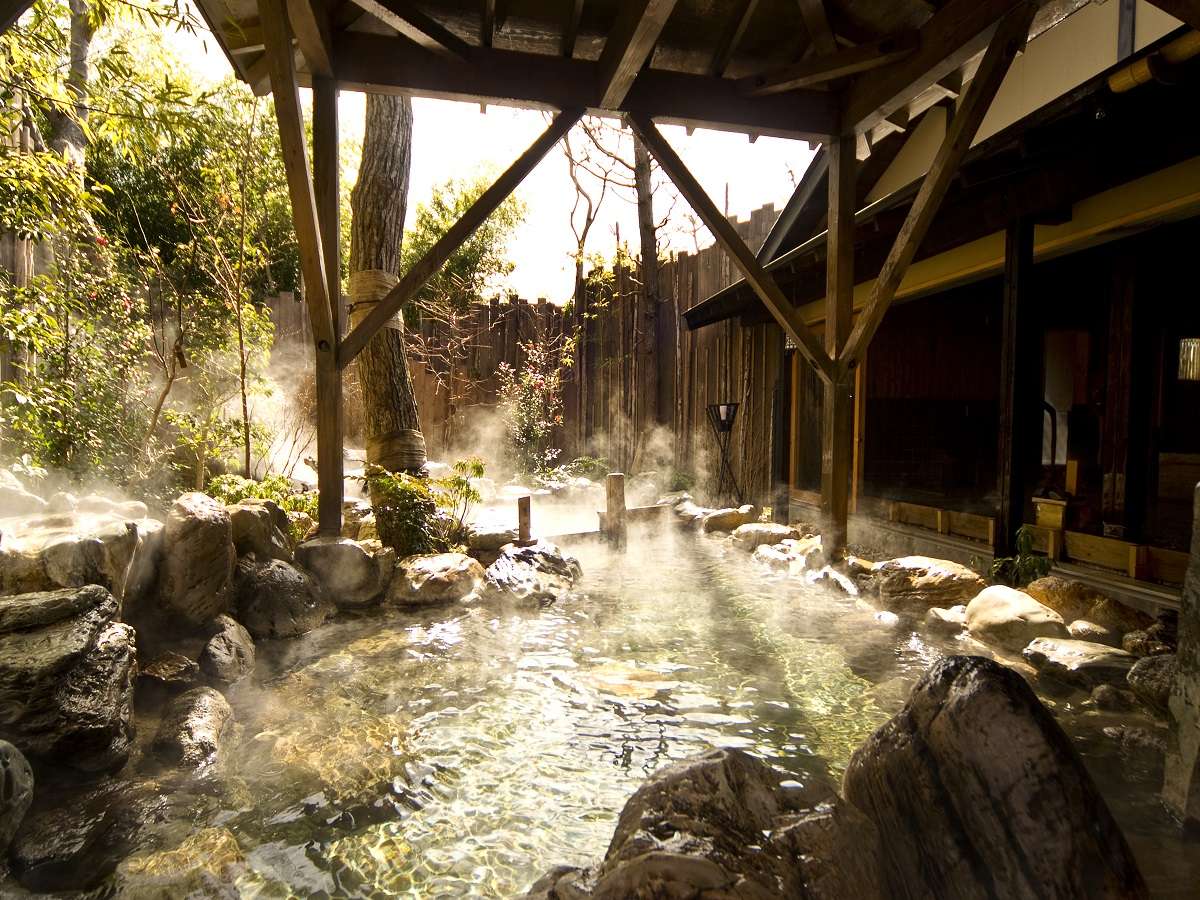 | ¥26,180〜1名1泊2名で約¥52,360 | 8.3 口コミ322件 | Booking.comで予約する |
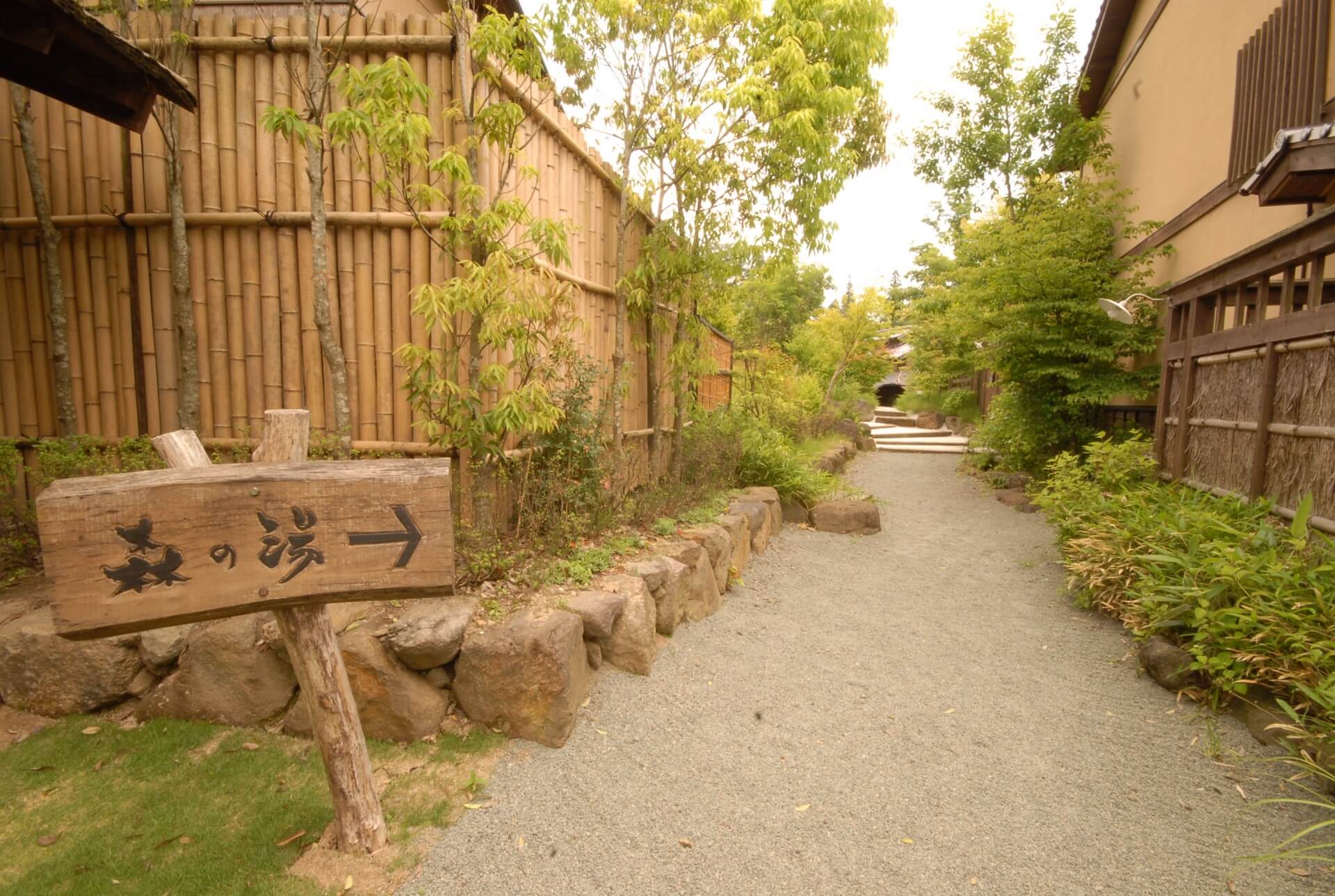
Hakone Ginyu
Hakone
Yoshiike Ryokan
Hakone
Hotel Kajikaso
Hakone
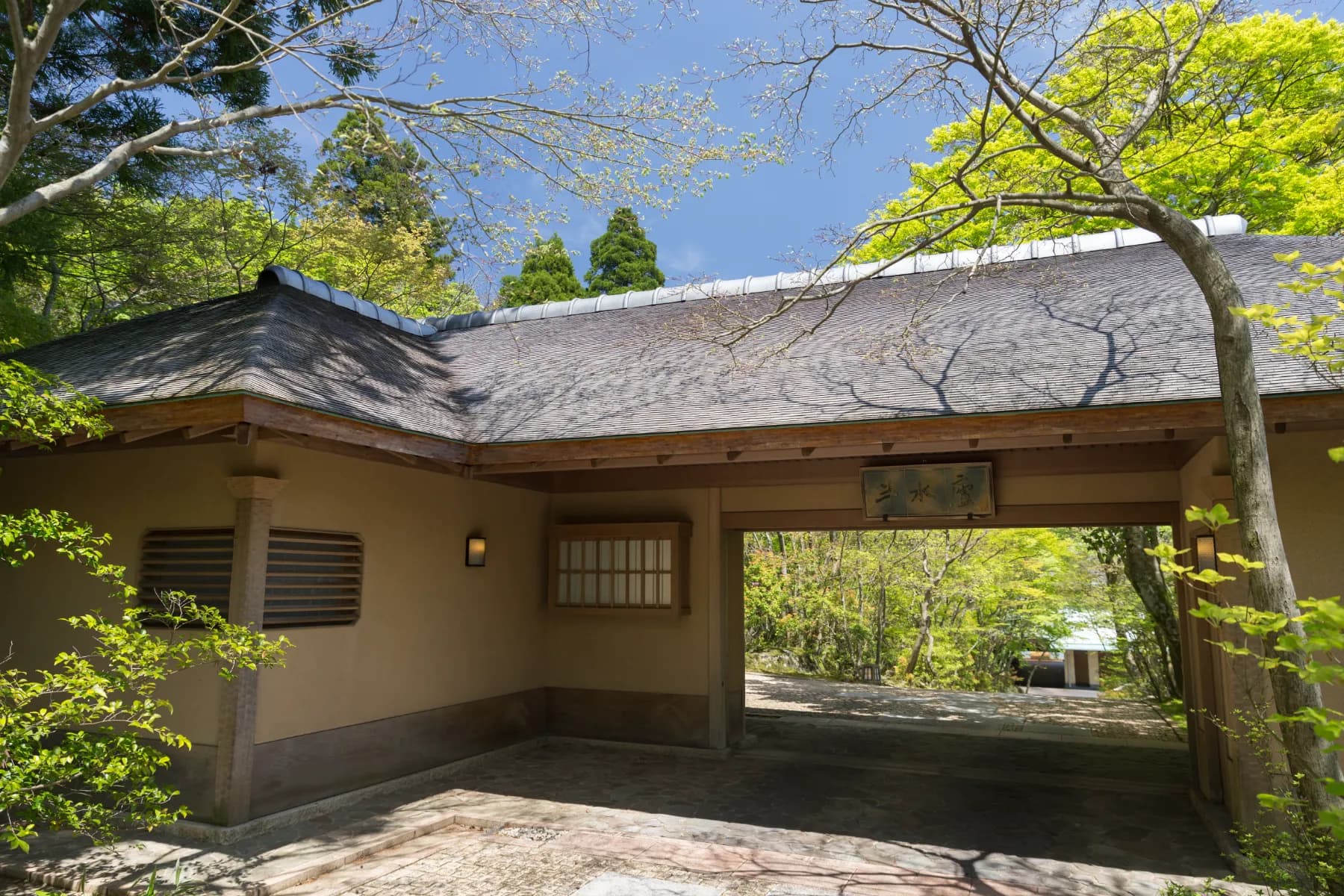
元湯 環翠楼
Hakone
Hakone Airu
Hakone
Hakone Gora Setsugetsuka
Hakone
表示価格は1名1泊あたりの目安です。当サイト経由のご予約で手数料を受け取る場合があります。
東京拠点の旅程で「旅館に一泊」を入れるなら、当サイトが真っ先におすすめするのは箱根です。新宿からロマンスカーでわずか85分という距離にありながら、火山の谷に入ったとたんに都会の喧騒を忘れさせてくれます——平日水曜の夜から逃げ込める近さ、でも本当に「街から離れた」と感じる遠さ。「東京から最初の一泊」として一番安心して薦められるのは、今でも箱根です。
箱根は1,300年以上にわたって日本随一の山岳温泉リゾートとして知られてきました——最初の箱根湯本温泉が開かれたのは奈良時代の738年と伝えられています 。ミネラル豊富な地熱湧水、杉の原生林が連なる渓谷、そして芦ノ湖越しに望む富士山の眺め——この組み合わせはロマンスカー圏内でほかに見当たりません。
初めての方が見落としがちなのは、箱根が谷底から外輪山の縁まで段階的に連なる4つの異なる温泉エリアで構成されているという点です。泉質も景観も雰囲気もエリアごとに大きく異なります。最適な旅館はどのエリアに泊まるかによって変わるため、本ガイドでは20軒すべてをエリアごとに整理しています。同時にエリアと旅館を選べる構成です。
20軒すべての料金を比較し、貸切温泉の有無を確認しています——13軒は2026年5月、新規追加の7軒は同年8月の確認です。価格帯はすべて2名利用・一人一泊・夕朝食込みで、予約サイトの掲載情報をもとに記録した料金です。リアルタイムの見積もりではないため、ご希望の日程の最新料金は予約サイトでご確認ください。主な予約サイトの比較については、旅館予約サイト比較ガイドもご参照ください。
客室露天・貸切風呂付きの旅館をお探しですか? 箱根は日本でも有数の客室露天密集エリア。全国15軒の徹底比較は客室露天・貸切風呂付き旅館15選をご覧ください。
20軒の選定基準(2026年8月検証済み)How we picked
データベースに掲載していた箱根の旅館すべてを起点に、一軒ずつ各宿の公式サイトと照合しました。この監査で5軒を掲載から外し——掲載していた名前どおりの施設が存在しなかった1軒、温泉も食事もなかった1軒、別の温泉地の宿として載せていた2軒、そして旅館ではなくリゾートホテルだった1軒——検証済みの7軒を新たに加えました。そのなかには、本ガイドで初めて掲載する正真正銘の仙石原の宿も含まれます。選定条件:(1) 本格的な温泉への入浴が可能であること(浴室のみは不可)、(2) ゲスト評価8.0以上、(3) 2026年5月時点で料金が確認可能であること。円建て料金はすべて2名利用・一人一泊・夕朝食込みです。ドル換算は¥150/$1(2026年5月レート)。
目的別クイックピック
最高の高級旅館: 強羅花壇 ——旧皇族の御用邸、圧倒的なスタッフ対ゲスト比、箱根随一の懐石料理。 カップルに最適(貸切温泉確約): 箱根吟遊 ——全室に露天の貸切風呂、渓谷を見渡す森の眺め。 本物の温泉で予算を抑えるなら: 一の湯本館 ——1630年創業、早川渓谷を望む昔ながらの内湯、一人¥25,000以下。 初めての旅館旅行に: 吉池旅館 ——英語スタッフ、駅シャトル、6つの自家源泉、入りやすい懐石。 富士山の眺望が最優先なら: 芦ノ湖畔の宿——全24室が湖に面する龍宮殿と、箱根神社の上に建つ和心亭 豊月。
箱根4大温泉エリア:どこに泊まるか
エリア1:箱根湯本・塔ノ沢(谷底、標高96m) 最大のエリアで、ロマンスカーの終点です。アクセスが最も便利で料金も比較的抑えめ。泉質:アルカリ性単純泉・塩化物泉。初心者や予算重視の方に最適です。
エリア2:強羅・宮ノ下(中山腹、標高360〜541m) 箱根登山鉄道で湯本から20〜30分。高級旅館の集積度が最も高いエリアで、強羅花壇・強羅環翠楼・雪月花が揃います。宮ノ下の炭酸水素塩泉は「美人の湯」とも呼ばれます。箱根彫刻の森美術館・ポーラ美術館訪問を組み合わせる方にも最適です。
エリア3:仙石原(北部高原、標高700m) 強羅または湯本からバスでアクセスする最も静かな主要エリア。広大な火山性高原には、秋に有名なススキ野原が広がります。泉質:硫酸塩泉・単純アルカリ性泉。リピーター、紅葉シーズン、静けさを重視する方に最適です。
エリア4:大涌谷・芦ノ湖(外輪山地帯、標高1,000m以上) 火山の核心部:大涌谷の噴煙と富士山が映る芦ノ湖。このエリアの宿泊施設は大型リゾート形態が中心です。泉質:硫酸酸性泉(大涌谷地区)。富士山撮影や外輪山一周を楽しみたい方に最適です。
これらのエリアが東京圏の広域温泉地とどうつながるかは、東京近郊旅館ガイドおよび富士山ビュー旅館ガイドもあわせてご覧ください。
箱根おすすめ旅館20選
箱根湯本・塔ノ沢(7軒)
 Pinterestでピン
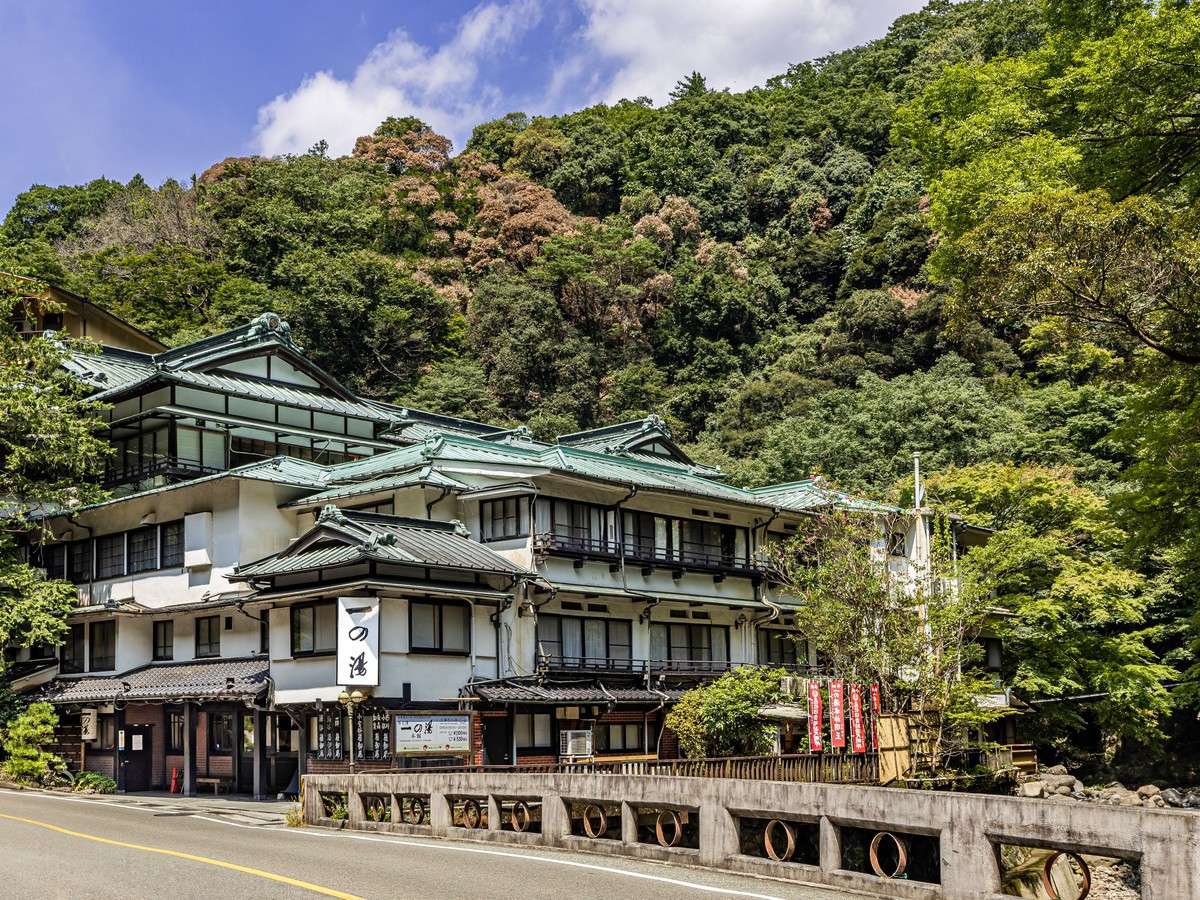
1. 元湯 環翠楼 ——400年の歴史を持つ登録文化財、川面に突き出した露天風呂
料金帯:¥¥¥ | 2026年5月時点の掲載料金:¥38,000〜¥75,000(一人・夕朝食込み) エリア:塔ノ沢 | 貸切温泉:一部客室 | 英語対応:あり | タトゥーポリシー:貸切露天風呂は利用可、共用浴場は記載なし
- 登録有形文化財;大正時代(1920年代)の木造建築
- 早川の川面に張り出した本格的な露天風呂
- 敷地内に自家源泉(塩化物泉);肌への保水効果が高い
- 夏はホタル、冬は雪に覆われた杉が楽しめる
- 相模湾の当日朝獲れ海産物と足柄山の野菜を使った懐石料理
- 箱根湯本駅から無料シャトル(所要10分)
塔ノ沢で最も情趣豊かな旅館のひとつです。大正期の木造廊下、何世紀にもわたって蒸気を吸い込んだ柱、そして季節によって表情を変える露天風呂——積み重ねられた時間が空間に滲み出ています。英語の堪能なスタッフが、促さずとも泉質や建物の歴史を丁寧に説明してくれるのは、歴史的な旅館の中でも珍しい心配りです。仕入れの確かさが伝わる、充実した懐石料理も印象的です。全国の老舗旅館については初めての旅館ガイドもご参照ください。
ひと目で分かる
2. 吉池旅館 ——6つの自家源泉、大庭園と鯉の池
料金帯:¥¥¥ | 2026年5月時点の掲載料金:¥30,000〜¥68,000(一人・夕朝食込み) エリア:箱根湯本 | 貸切温泉:あり | 英語対応:あり | タトゥーポリシー:カバーシール使用で入浴可
- 6つの独立した自家源泉——箱根でも珍しい規模
- 夜間ライトアップされる大型日本庭園と大鯉の池
- 全室グレード対応の貸切露天風呂(時間貸し)
- 月替わりの旬メニューによる室内懐石
- 箱根湯本駅から無料シャトル(所要7分)
- 英語対応コンシェルジュによるフリーパス・ロープウェイの案内
吉池旅館は、初めての訪問者を驚かせる規模を誇っています。鯉の池は都市の一区画を感じさせる広さがあり、6つの独立した源泉が内湯・貸切風呂の複合施設に湯を引いています。英語対応のコンシェルジュは、海外からのゲストが箱根外輪山ルートを案内する際にも押しつけがましくなく丁寧です。本物の温泉・懐石・英語サポートすべてを兼ね備えた湯本エリアの定番として、最も安定した評価を集めています。
ひと目で分かる
3. ホテル河鹿荘 ——駅から徒歩5分、渓谷を望む露天風呂
料金帯:¥¥¥ | 2026年5月時点の掲載料金:¥27,000〜¥60,000(一人・夕朝食込み) エリア:箱根湯本 | 貸切温泉:一部客室 | 英語対応:あり | タトゥーポリシー:公式サイトに記載なし——宿に要確認
- 湯本エリアで最もアクセスが良い:箱根湯本駅から徒歩5分
- 苔むした杉の渓谷に面した露天風呂——雨上がりが格別
- OTA総合ゲスト評価9.2;ゲスト満足度で安定した高評価
- エコノミー和室からスイート(露天風呂付き)まで明確な客室グレード
- 塩化物泉;肌をやわらかくする効果が高い
- フロントにて箱根フリーパスの案内
ホテル河鹿荘の9.2という評価は、5分の駅徒歩にもかかわらず奥まった印象を与える渓谷ビューの露天風呂にあります。渓谷が音の壁になるため、夜間の入浴は非常に静かです。貸切露天風呂付き客室への格上げには一人当たり¥15,000〜¥20,000の追加が必要で、共用風呂を見てから判断されるゲストも多いようです。荷物シャトルなしでプラットフォームから直接歩いてこられる点も魅力です。
ひと目で分かる
4. 福住楼 ——1890年創業、早川の川面を望む露天風呂
料金帯:¥¥ | 2026年5月時点の掲載料金:¥23,000〜¥53,000(一人・夕朝食込み) エリア:塔ノ沢 | 貸切温泉:一部客室 | 英語対応:限定 | タトゥーポリシー:制限なし(公式FAQ)
- 1890年(明治23年)創業;三層の数寄屋造りと随所にあしらった竹細工の意匠が評価され、2003年に登録有形文化財(建造物)に登録 [文化庁 登録有形文化財データベースで確認 2026-06-11]
- 川辺の建物へ続く竹林の覆屋根の通路
- 早川に張り出した露天風呂;水音が聞こえる
- 山の懐石:鮎の塩焼き、煮野菜、自家製豆腐
- 弱アルカリ性単純泉——敏感肌にもやさしい
- 箱根の中でも雰囲気と価格のバランスが突出している
福住楼は写真に収めきれない宿です——1890年から客を迎えてきた木造の建物は、それ自体が登録有形文化財です。露天風呂が定番:早川の上に張り出した石積みの湯船は、夏は緑のトンネルを作る杉の枝に包まれ、秋はオレンジ色に染まります。懐石料理は「上品さより豊かさ」を優先した仕立てで、地元の食材を活かした山の滋味が伝わります。英語対応は限られますが、翻訳アプリで十分対応でき、旅館でのやりとりの多くは言葉に頼らないものです。
ひと目で分かる
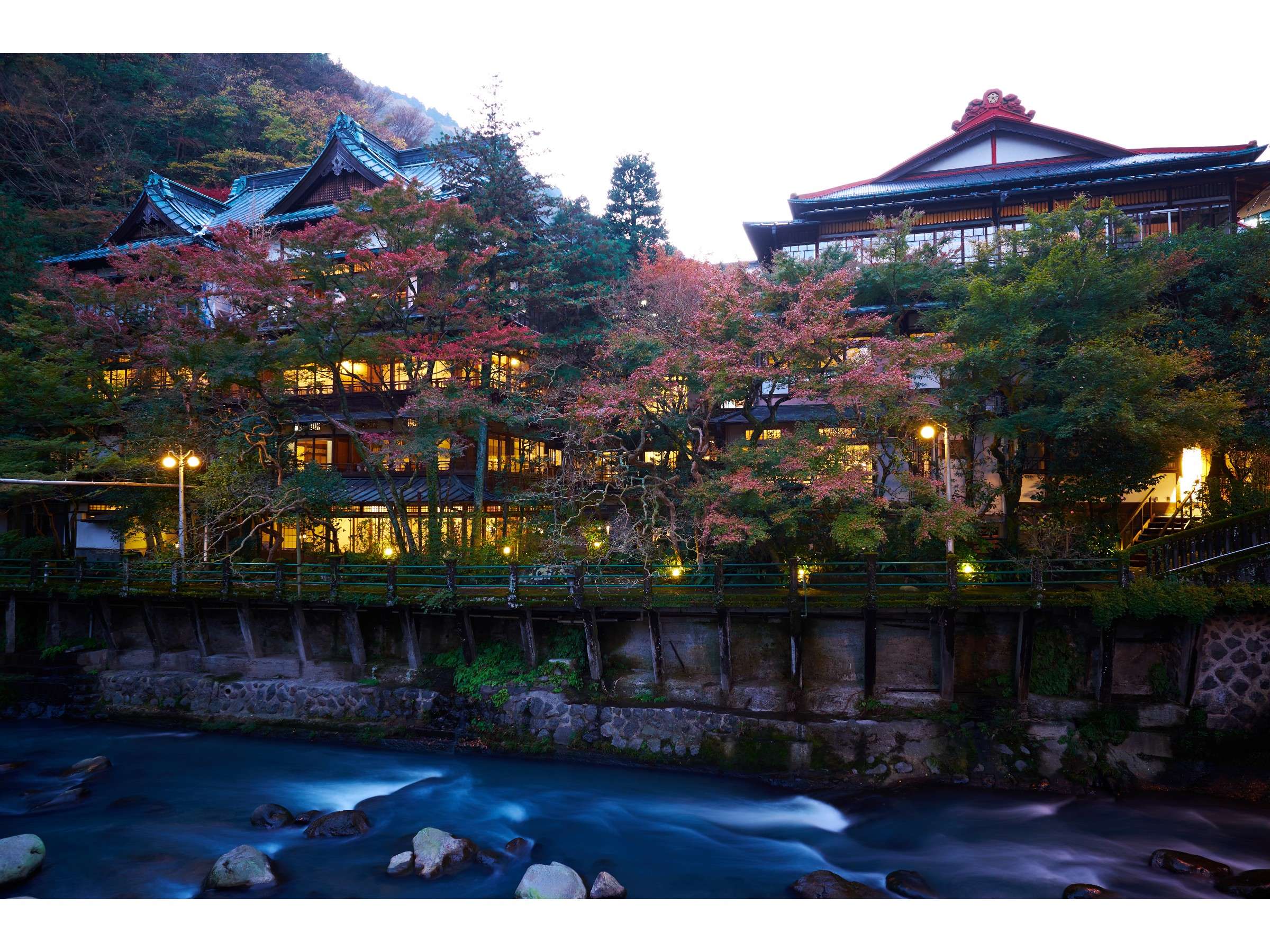
5. 一の湯本館 ——1630年創業、¥25,000以下の本格旅館
料金帯:¥¥ | 2026年5月時点の掲載料金:¥11,000〜¥24,000(一人・朝食込み) エリア:塔ノ沢(箱根湯本駅からバス5分の上塔ノ沢下車、徒歩1分) | 貸切温泉:あり(無料の貸切家族風呂〈内湯〉1つ+温泉風呂付きの客室あり) | 英語対応:あり | タトゥーポリシー:大浴場ではタトゥーを隠して入浴(一の湯グループの方針。カバーシールはフロントで販売)。ただし同じページの入浴マナー第十七条は、シールの有無にかかわらず入れ墨の方の入場を断るとしているため要確認
- 1630年から続く小川家16代の旅館;2009年に国の登録有形文化財に指定
- 本物の江戸時代の雰囲気:軋む杉の廊下、低い鴨居
- 共用の露天風呂はなし;早川渓谷を望む男女入替制の内湯2つ(金泉の湯・恵の湯)と、大理石造りの無料の貸切家族風呂(内湯);泉質はアルカリ性単純温泉(pH 8.5)
- 夕食・朝食とも館内4階のレストランで提供
- 箱根湯本駅からバスで5分、上塔ノ沢バス停から徒歩1分
- 地域一番のコスパを誇る本格旅館
一の湯本館は、箱根でも¥12,000/泊という宿泊費でも、薄い壁やプラスチック畳なしに過ごせることを証明しています。建物は本物の江戸時代のもの:軋む杉の廊下、少し頭を下げて通る敷居、何世紀も染み込んだ古木の香り。早川渓谷を眺めながら入る昔ながらの内湯が体験の核心で、アルカリ性単純温泉の湯はオフピーク(午前6〜7時か午後の早い時間)が狙い目です。夕食と朝食は、館内4階のレストランでいただきます。各地の格安旅館戦略については格安旅館ヒントガイドもご参照ください。
ひと目で分かる
 Pinterestでピン
6. 八栄館 ——山並みを望む露天風呂、ロマンスカーから徒歩2分
料金帯:¥¥ | 2026年5月時点の掲載料金:¥23,000〜¥53,000(一人・夕朝食込み) エリア:箱根湯本 | 貸切温泉:あり | 英語対応:あり | タトゥーポリシー:公式サイトに記載なし——宿に要確認
- 晴れた朝には富士箱根の稜線が見える山並みビューの露天風呂
- 箱根湯本駅から150m、歩きたくなければ無料シャトルも
- 全室グレード対応の貸切露天風呂あり
- 旬のメニューによる室内懐石(春は筍、秋はきのこ)
- メイン観光地から離れた静かな立地
- 高いコスパ:貸切温泉+山の眺め、¥¥の価格帯
八栄館はロマンスカーの改札から150m、湯本のメインストリートとは川を挟んだ静かな側にあります。山並みを望む露天風呂と、ホームから歩いて着ける近さが最大の魅力。懐石料理は季節の変化を正直に反映しており、春の筍メニューと秋のきのこメニューは周辺の森を感じさせます。¥¥の価格帯で、しかも全室グレードに貸切風呂が付く——湯本で最もコスパの高い一軒です。
ひと目で分かる
7. 箱根アイル ——バリ×和の温泉デザイン、ロマンスカーから徒歩4分
料金帯:¥¥¥ | 2026年5月時点の掲載料金:¥45,000〜¥90,000(一人・夕朝食込み) エリア:箱根湯本 | 貸切温泉:全室 | 英語対応:あり | タトゥーポリシー:公式サイトに記載なし——宿に要確認
- 個性的なバリ×和のデザイン:チーク材と竹と畳が共存
- 全室に貸切露天風呂;森を見渡すパビリオンバス
- 疲労回復に優れた塩化物泉
- 箱根湯本駅から280m、メインストリートから一歩奥まった立地
- バス不要——ロマンスカーの終点から徒歩4分
- 遊び心ある設計がかえってくつろぎを生む
箱根アイルは湯本で最も驚きの声が多い宿です。バリ×和のコンセプトは、実際に入ってみるまでは疑問符がつくかもしれません。しかし、チーク材のパビリオンに設えた貸切露天風呂から杉の原生林を見渡すと、その設計に一貫したビジョンがあることがわかります。塩化物泉は特に長距離フライト後のゲストに効果的で、アルカリ性の軽い泉質より早く疲れが溶けていく感覚があります。仙石原のすすき草原へはバスで30分——午前中を充てる価値はありますが、歩いて行ける距離ではありません。
ひと目で分かる
強羅・宮ノ下・小涌谷(7軒)
 Pinterestでピン
8. 強羅花壇 ——旧皇族御用邸、箱根随一の懐石料理
料金帯:¥¥¥¥ | 2026年5月時点の掲載料金:¥75,000〜¥180,000(一人・夕朝食込み) エリア:強羅 | 貸切温泉:一部客室 | 英語対応:あり | タトゥーポリシー:A4サイズ程度までは大浴場可、それ以上は貸切露天風呂(公式FAQ)
- 旧閑院宮家の夏の別邸;1952年に旅館として開業、1991年にルレ・エ・シャトーに加盟、2024年7月にミシュランThree Keyを獲得
- 16,000m²に16室;スタッフ対ゲスト比は日本屈指
- 懐石:ソムリエが選んだ日本酒を合わせ、同日朝獲れの相模湾の魚
- 大浴場:杉の森を見渡す檜と石造りの浴室
- 敷地内の自然散策路;箱根神社への特別参拝手配も可能
- 強羅駅から徒歩3分
強羅花壇は箱根の高級旅館を代表する宿であり、東京から90分以内で最高の旅館という評価が多くの方に共有されています。16,000m²の皇族ゆかりの敷地にわずか16室——空間とゲストの比率は非常識なほど贅沢です。懐石料理は箱根で随一:ソムリエによる日本酒のマリアージュ、相模湾の魚・近隣30km以内の農場の山菜・山の清流で育てたわさびと、仕入れへのこだわりが際立ちます。仲居さんは前夜のお茶の好みを覚えており、コンシェルジュは混雑前の箱根神社への特別参拝を手配します。秋、大浴場の高窓から望む紅葉は日本が誇る名場面のひとつです。全国比較は高級旅館ガイドをご覧ください。
ひと目で分かる
9. 箱根吟遊 ——全室に貸切露天温泉
料金帯:¥¥¥¥ | 2026年5月時点の掲載料金:¥60,000〜¥135,000(一人・夕朝食込み) エリア:宮ノ下 | 貸切温泉:全室 | 英語対応:あり | タトゥーポリシー:公式サイトに記載なし——宿に要確認
- 全20室すべてに自家源泉の貸切露天風呂——スイートに限らず全グレードで保証
- 早川渓谷の崖に埋め込まれた設計;床から天井まで森の眺め
- 現代的な懐石料理:フランスの技法と日本の食材の融合
- 渓谷を眼下に見下ろすガラス張りの朝食ルーム;毎朝自家製豆腐
- 近隣の文化施設:彫刻の森美術館・ポーラ美術館・岡田美術館
- 本ガイド一押しのカップル向け旅館
箱根吟遊は一つの約束を完璧に守っています:予約グレードにかかわらず、全室に自家源泉の貸切露天風呂が付いているという点です。夜になると聞こえるのは遠く谷底の早川の音と、時折の鳥の声だけ——東京から2時間以内でこれほど完全な孤立感を得られる宿はほとんどありません。フレンチの技法と和の食材を合わせた現代的懐石料理は、好みが分かれるかもしれませんが、仕上がりは精緻です。ガラス張りの朝食ルームは箱根で有数の食事体験と言えます。全国の貸切温泉比較はカップル向け旅館ガイドをご参照ください。
ひと目で分かる
10. 強羅環翠楼 ——旧三菱財閥の別荘、5,000坪の日本庭園
料金帯:¥¥¥ | 2026年5月時点の掲載料金:¥38,000〜¥83,000(一人・夕朝食込み) エリア:強羅 | 貸切温泉:一部客室 | 英語対応:あり | タトゥーポリシー:公式サイトに記載なし——宿に要確認
- 旧三菱財閥の保養地;大正時代の木造建築
- 5,000坪(約16,500m²)の日本庭園;秋の夜間ライトアップ
- 敷地内自家源泉(カルシウム硫酸塩泉);血行を促進
- 11月のライトアップイベントは数週間前から完売
- 神奈川県産食材を使用した本格懐石
- 強羅駅から徒歩5分
強羅環翠楼は旧三菱財閥の別荘地を引き継いでいるため、圧倒的な庭園の広さと建設費を惜しまなかった構造物の重厚感はそこに由来します。5,000坪の敷地には中央池に面した露天風呂があり、秋の紅葉と灯籠が照らす庭園の夜間ライトアップは10月には予約が埋まるほどの名物です。強羅花壇と比べると格式は抑えめで価格帯も広め——皇族級のサービスではなく、強羅の立地と広大な邸宅庭園を求める方に向いています。
ひと目で分かる
11. 箱根強羅 雪月花 ——158室すべてに貸切檜風呂
料金帯:¥¥¥ | 2026年5月時点の掲載料金:¥26,000〜¥60,000(一人・夕朝食込み) エリア:強羅 | 貸切温泉:あり | 英語対応:あり | タトゥーポリシー:客室風呂・貸切風呂のみ——大浴場は利用不可
- 強羅駅から徒歩1分——強羅エリアで最もアクセスが良い
- 全158室に貸切檜露天風呂——ただし宿の公式客室ページにあるとおり、温泉ではなく沸かし湯
- 大浴場も利用可能(内湯+露天)
- 大型リゾート規模;複数の飲食施設
- 158室なので、比較的直前予約も取りやすい
- 本ガイドの強羅の宿で、客室の専用風呂が確約される最安の一軒
箱根強羅 雪月花はスケールで「貸切風呂難民」問題を解決しています:全158室に貸切檜露天風呂があるため、早期予約や客室のグレードアップをしなくても確実に利用できます。檜の湯船は十分な広さがありますが、湯は温泉ではなく沸かし湯です。温泉は大浴場と3つの貸切露天風呂で楽しめます。強羅駅から徒歩1分という立地は、彫刻の森美術館やロープウェイへの日帰り観光も容易です。全国の貸切温泉比較は貸切温泉旅館ガイドをご参照ください。
ひと目で分かる
12. 箱根小涌園 三河屋 ——1884年創業の明治期庭園旅館
料金帯:¥¥¥ | 2026年5月時点の掲載料金:¥38,000〜¥83,000(一人・夕朝食込み) エリア:小涌谷 | 貸切温泉:あり | 英語対応:あり | タトゥーポリシー:貸切風呂のみ
- 1884年、小涌谷で初の天然温泉浴場を築いた榎本恭三により創業;本館は国の登録有形文化財に指定
- 小涌谷の谷を下る段々の日本庭園
- 谷を望む共用露天風呂;一部客室に貸切露天風呂あり
- 小涌谷駅から徒歩5分;強羅や湯本より静か
- 地元食材を重視した本格懐石
- 小涌谷エリアで最も歴史と品格に優れる
箱根小涌園 三河屋は1884年から小涌谷の谷で営業を続けており、段々に配された日本庭園——何世代もの庭師の手が入ったことは一目でわかる——が長い歴史を物語っています。谷の眺望が開く共用露天風呂は、木立が斜め下に落ちていく角度が印象的です。小涌谷という立地は宮ノ下と強羅の間に位置し——静かで谷を望む眺めも良く、駅からも近い。歴史と本格庭園を観光客の少ないエリアで体験したい方には、本ガイドの中で最も過小評価されている一軒です。
ひと目で分かる
 Pinterestでピン
13. 箱根・強羅 佳ら久 ——70室すべてに温泉露天風呂
料金帯:¥¥¥¥ | 2026年8月時点の掲載料金:¥60,000〜¥107,000(一人・夕朝食込み) エリア:強羅 | 貸切温泉:全室 | 英語対応:あり | タトゥーポリシー:大浴場は利用不可、貸切風呂は記載なし——宿に要確認
- 全70室のバルコニーに温泉露天風呂;和タイプと洋タイプ、56〜58m²
- 強羅のナトリウム塩化物泉——湯冷めしにくいことから地元で「熱の湯」と呼ばれる
- 眺望自慢の大浴場が2つ、「蒼海」と「明星」;男女入れ替え制
- 予約制の貸切風呂が3つ——「檜の湯」「岩の湯」「シルクの湯」(1時間¥5,000)
- 強羅駅から坂を上って徒歩3分
- 2020年10月2日開業
箱根・強羅 佳ら久は強羅の大型旅館のなかで最も新しく、そして「駅からの坂」を解決した一軒です。駅の上、徒歩3分。70室すべてに自分の温泉露天風呂があり、バルコニーに湯があってもなお使いたくなる眺望の大浴場が2つあります。予約制の貸切風呂については一点だけ補足を。3つのうち「シルクの湯」は温泉ではなく、マイクロバブルの水を使っています。温泉なのは残る2つです。
ひと目で分かる
14. 箱根小涌園 天悠 ——150室、そのすべてに温泉露天風呂
料金帯:¥¥¥¥ | 2026年8月時点の掲載料金:¥42,000〜¥89,000(一人・夕朝食込み) エリア:小涌谷 | 貸切温泉:全室 | 英語対応:あり | タトゥーポリシー:大浴場は利用不可、貸切風呂は記載なし——宿に要確認
- 全150室に温泉露天風呂;浴槽は信楽焼
- 室数は概数ではなく内訳まで公表——渓谷側66室+外輪山側54室+最上階24室+特別室6室
- 6階「浮雲の湯」——カルデラへ流れ落ちるように見えるインフィニティ露天とドライサウナ
- 5階「車沢の湯」——滝を望む露天風呂とドライサウナ
- 小涌谷の源泉;2017年4月開業
- 特別室は夕食も朝食も部屋でいただける
箱根小涌園 天悠は箱根で最大の「全室風呂付き」旅館であり、その数字は照合しても崩れません——公式の客室ページは150室すべてを内訳で示し、じゃらんの施設情報も同じ数を掲げています。ただしこの規模になると、親密な宿というよりリゾートの運営です。そこが取引で、カルデラの縁へ流れ落ちるようなインフィニティ露天と本格的なサウナが手に入る代わりに、それを数百人と分け合うことになります。会席も予約できますが(登録有形文化財「貴賓館」でいただく豪華特撰会席「悠然」)、標準プランはビュッフェなので、プランは意識して選んでください。
ひと目で分かる
仙石原(3軒)
15. 界 仙石原 ——16室、16のテラス、16の露天風呂
料金帯:¥¥¥¥ | 2026年8月時点の掲載料金:¥54,000〜(一人・夕朝食込み) エリア:仙石原 | 貸切温泉:全室 | 英語対応:あり | タトゥーポリシー:制限なし(星野リゾートのグループ方針)——大浴場は個別の判断で断られる場合あり
- 全16室の和洋室、それぞれのテラスに温泉露天風呂
- 湯は大涌谷の源泉を引く——白濁した酸性の硫酸塩・塩化物泉
- 大浴場の露天風呂は「あつ湯」と「ぬる湯」に分かれる
- 自らを「アトリエ温泉旅館」と称し、画材の揃ったアトリエを宿泊者に開放
- 星野リゾートのサービス水準を、16室という規模で
- 2026年4月1日よりチェックインは14時30分——多くの予約サイトは今も15時と掲載
界 仙石原は高原の本格派のなかで最も小さく、そして「全室に風呂を」という前提に最も忠実な一軒です。16室、16のテラス、16の風呂。いずれも、仙石原の評判をつくった大涌谷の同じ湯を引いています。アトリエは飾りではありません——画材が並び、実際に手を動かせる部屋で、宿の夜はここを軸に組み立てられています。リゾートの規模を伴わずに高原を味わいたいなら、これが最短の道です。
ひと目で分かる
16. 仙郷楼 ——1870年創業、高原で最も古い宿
料金帯:¥¥¥ | 2026年8月時点の掲載料金:¥20,000〜¥54,000(一人・夕朝食込み) エリア:仙石原 | 貸切温泉:39室中13室 | 英語対応:あり | タトゥーポリシー:貸切風呂・客室風呂のみ——大浴場・露天風呂は利用不可(公式FAQ)
- 1870年、石村家が大涌谷から竹樋で湯を引き「石村旅館」として開業
- 全39室:和室30室、和洋室9室;うち13室に温泉風呂が付く
- 離れの別邸「奥の樹々」——客室はすべて温泉風呂付き
- 大涌谷の白濁湯を庭園露天風呂に
- 高原で最も価格の幅が広い——入門クラスの客室から、離れの別邸「奥の樹々」のスイートまで
仙郷楼はこの高原の長老であり、そもそも仙石原に湯がある理由でもあります——1870年、石村家が大涌谷から竹樋を引き、以来この源泉とともに商いを続けてきました。同時に、高原で最も懐の広い入口でもあります。39室のうち温泉風呂が付くのは13室なので、予約のときは思い込みで進めず、部屋を名指しで指定してください。離れの「奥の樹々」なら、どの客室にも付いています。
ひと目で分かる
17. 金乃竹 仙石原 ——9室、竹取物語ひとすじ
料金帯:¥¥¥¥ | 2026年8月時点の掲載料金:¥66,000〜¥164,000(一人・夕朝食込み) エリア:仙石原 | 貸切温泉:全室 | 英語対応:あり | タトゥーポリシー:全室に客室露天風呂(金乃竹の利用規則は貸切露天風呂のタトゥー利用も許可)
- 全9室、それぞれ一文字の名を持つ——帝、姫、空、光、煌、響、風、雫、宵
- どの客室にも温泉露天風呂が備わる
- 屋上には「空」と名づけられた露天風呂
- 廊下・建具・ベッドまわりに丸竹がそのまま並び、背後から灯りが当たる
- 主題は竹取物語;そのコンセプトを文字どおり形にしている
金乃竹 仙石原は本ガイドで最も小さく、ひとつの発想に最も深く踏み込んだ宿です。9室、9つの風呂、そして表面に貼りつけたのではなく建築そのものに通した竹の世界。屋上の「空」は、日が落ちてから一時間押さえておきたい風呂です。高原の価格帯の頂点にあたり、宿もそれを取り繕ってはいません。
ひと目で分かる
大涌谷・芦ノ湖——外輪山地帯(3軒)
 Pinterestでピン
18. 箱根小涌谷 水の音 ——2つの自家源泉、2023年リノベーション
料金帯:¥¥¥ | 2026年5月時点の掲載料金:¥23,000〜¥57,000(一人・夕朝食込み) エリア:小涌谷 | 貸切温泉:あり | 英語対応:あり | タトゥーポリシー:客室風呂・貸切風呂のみ——大浴場は利用不可
- 2種の源泉:ナトリウム塩化物泉とカルシウム硫酸塩泉を比較体験できる
- 2023年リノベーションの貸切庭園風呂;石積みと杉の縁取り
- 和室棟と現代的なプラットフォームベッド棟の2スタイル
- 小涌谷のロープウェイ駅まで徒歩圏内
- 箱根湯本駅から無料シャトル
- 大涌谷火山地帯に最も近い改装済みコスパ宿
箱根小涌谷 水の音が珍しいのは、2つの独立した源泉が敷地内にあり、ナトリウム塩化物泉とカルシウム硫酸塩泉の実際の違いをゲストが体感できる点です。2023年のリノベーションで整備された貸切庭園風呂は、石と杉の縁が今なおシャープです。和室棟と現代的なミニマルデザイン棟の2つの宿泊棟で、同じ温泉コンプレックスを共有しながらグループ内での好みに対応できます。小涌谷のロープウェイ駅が近く、外輪山一周をする旅行者には実用的な利点があります。
ひと目で分かる
19. 龍宮殿 ——プリンスの湖畔旅館、全室が芦ノ湖に面する
料金帯:¥¥¥ | 2026年8月時点の掲載料金:¥30,000〜¥85,000(一人・夕朝食込み) エリア:芦ノ湖 | 貸切温泉:24室中3室(内湯) | 英語対応:あり | タトゥーポリシー:宿泊棟・本館の両浴場で制限される場合あり——事前に要確認
- 全24室は和室で、いずれも芦ノ湖に面している
- 別館の「湖畔特別和室」3室にのみ温泉内風呂が付く——露天ではありません
- 隣接する「龍宮殿本館」を無料で利用可;1938年築、平等院鳳凰堂を模した浴場
- 蛸川温泉;宿泊棟にある風呂は内湯のみ
- 運営はプリンスホテルズ;夕食は懐石
- タトゥー・入れ墨は両方の浴場で制限される場合があります——プリンスの公式ページは、宿泊棟の浴場と本館の浴場のどちらにも、タトゥーのある方の利用を一部制限する場合があると記載しているため、予約前にご確認ください
龍宮殿は、箱根で「プリンスのアネックス」を探している人が、本当に行き着きたかった湖畔の旅館です。1938年築の本館は2017年に日帰り専用となったため、宿泊客が眠るのは確かに別館であり、プリンス自身の英語表記も「Ryuguden Annex」となっています。全室が水面を向いています。ただし温泉の風呂が付くのは3室だけ、しかも内湯です。自分だけの露天風呂が目的なら、この宿ではありません——けれども、宿泊者なら無料で使える隣の本館の浴場は、この湖で最も美しい入浴の場です。
ひと目で分かる
20. 和心亭 豊月 ——箱根神社の上、15室の宿
料金帯:¥¥¥ | 2026年8月時点の掲載料金:¥38,000〜¥44,000(一人・夕朝食込み) エリア:芦ノ湖(元箱根) | 貸切温泉:なし——下記参照 | 英語対応:あり | タトゥーポリシー:要問合せ
- 箱根神社のすぐ東の斜面に建つ15室、いずれも芦ノ湖を望む
- 客室にはすべて月の名——山影月、居待月、紅染月;月見棟には専用の月見テラス
- 共用の温泉大浴場は元箱根の硫黄泉;2024年7月の改装で一新
- 月替わりの現代的な懐石を個室の食事処で
- 大人向け;2棟に15室
和心亭 豊月については、宿自身が公式サイトに書いていて、たいていの掲載情報が落としてしまう一点を正確に伝えておきます。半露天風呂の付く客室が5室あり、貸切風呂「磐境の湯『月』『星』」も2つあって、いずれも見事です——けれども、そのどれも温泉ではありません。宿は自家の井戸水「磐境の水」を、あえて使っています。妊娠中の方をはじめ、温泉の湯に浸かるのが難しい方でも湯浴みができるように、という選択です。温泉なのは共用の大浴場だけ。湖と、月の名を持つ客室と、懐石のために予約してください。貸切の温泉を期待して予約する宿ではありません——宿自身、そうは謳っていないのですから。
ひと目で分かる
予算で比較する
予算重視
¥30,800未満 · 1名・1泊あたり
近日公開予定
ミドルレンジ
¥30,800 - ¥77,000 · 1名・1泊あたり
Hakone Ginyu
〜から ¥61,600 · 1名・1泊あたり2名で計 約¥123,200〜
9.3/10 · 124 件の口コミ貸切風呂・客室風呂(種類未確認)英語対応予約Yoshiike Ryokan
〜から ¥30,800 · 1名・1泊あたり2名で計 約¥61,600〜
8.8/10 · 1712 件の口コミ貸切風呂・客室風呂(種類未確認)英語対応予約- 近日公開予定
ラグジュアリー
¥77,000以上 · 1名・1泊あたり
Gora Kadan
〜から ¥77,000 · 1名・1泊あたり2名で計 約¥154,000〜
9.5/10 · 89 件の口コミ貸切風呂・客室風呂(種類未確認)英語対応予約- 近日公開予定
20軒比較一覧
| 旅館 | エリア | 料金帯 | 貸切温泉 | 英語対応 | タトゥー |
|---|---|---|---|---|---|
| 元湯 環翠楼 | 塔ノ沢 | ¥¥¥ | 一部客室 | あり | 貸切は可・共用は要確認 |
| 吉池旅館 | 湯本 | ¥¥¥ | あり | あり | カバー可 |
| ホテル河鹿荘 | 湯本 | ¥¥¥ | 一部客室 | あり | 要確認 |
| 福住楼 | 塔ノ沢 | ¥¥ | 一部客室 | 限定 | 制限なし |
| 一の湯本館 | 塔ノ沢 | ¥¥ | あり(家族風呂+一部客室) | あり | カバー可・要確認 |
| 八栄館 | 湯本 | ¥¥ | あり | あり | 要確認 |
| 箱根アイル | 湯本 | ¥¥¥ | 全室 | あり | 要確認 |
| 強羅花壇 | 強羅 | ¥¥¥¥ | 一部客室 | あり | A4まで可・超は貸切 |
| 箱根吟遊 | 宮ノ下 | ¥¥¥¥ | 全室 | あり | 要確認 |
| 強羅環翠楼 | 強羅 | ¥¥¥ | 一部客室 | あり | 要確認 |
| 箱根強羅 雪月花 | 強羅 | ¥¥¥ | あり | あり | 客室・貸切のみ |
| 箱根小涌園 三河屋 | 小涌谷 | ¥¥¥ | あり | あり | 貸切のみ |
| 界 仙石原 | 仙石原 | ¥¥¥¥ | 全室 | あり | 制限なし(大浴場は個別判断) |
| 仙郷楼 | 仙石原 | ¥¥¥ | 一部客室 | あり | 客室・貸切のみ |
| 金乃竹 仙石原 | 仙石原 | ¥¥¥¥ | 全室 | あり | 貸切は可 |
| 箱根・強羅 佳ら久 | 強羅 | ¥¥¥¥ | 全室 | あり | 大浴場は不可 |
| 箱根小涌園 天悠 | 小涌谷 | ¥¥¥¥ | 全室 | あり | 大浴場は不可 |
| 箱根小涌谷 水の音 | 小涌谷 | ¥¥¥ | あり | あり | 客室・貸切のみ |
| 龍宮殿 | 芦ノ湖 | ¥¥¥ | 一部客室(内湯) | あり | 制限の場合あり |
| 和心亭 豊月 | 芦ノ湖 | ¥¥¥ | なし | あり | 要確認 |
選び方:旅のスタイルとエリアを合わせる
東京からの初めての温泉一泊: 箱根湯本を選びましょう。駅はロマンスカーの終点——荷物を持ったまま乗り換えもケーブルカーも不要です。吉池旅館・河鹿荘・一の湯本館はいずれも、複雑なアクセスなしに本格的な温泉が楽しめます(一の湯本館へは箱根湯本駅からバスで5分)。強羅や仙石原は次回の旅に。
上質な体験、温泉は一度経験済み: 強羅を予約しましょう。強羅花壇と強羅環翠楼がこのエリアの高級帯を担います;湯本から登山電車のスイッチバックで上がる乗車体験自体も価値があります。2泊するなら箱根彫刻の森美術館もぜひ。
富士山の眺めが最優先: 芦ノ湖に泊まりましょう。龍宮殿または和心亭 豊月が、湖越しに富士山を望む最も信頼性の高い眺望です。11〜2月が最も視界が開けます(50〜60%の日に晴れ)。午前5時半のアラームをセットして、風が出る前の静水面のリフレクションを狙いましょう。川口湖(富士山がより近い)との比較は富士山ビュー旅館ガイドで。
ハネムーン・記念日: 箱根吟遊(宮ノ下)——全室に貸切露天風呂、崖に埋め込まれた完全な孤立感。湖と静けさを求めるカップルには和心亭 豊月(元箱根)を。15室、そのすべてが芦ノ湖に面しています。九州を含むカップル向け全国比較はカップル向け旅館ガイドをご参照ください。
家族での旅行: 仙石原はスペースとハイキングコースの面で有利です。リゾート規模の施設なら箱根小涌園 天悠——150室、2つの大浴場、そして室内懐石より子どもに向いたビュッフェのプランがあります。子連れ旅館ガイドもご参照ください。
箱根と近隣の比較: 熱海・伊豆(同じ東海道線)は同等の温泉環境を15〜25%安く提供することもあり、富士山プレミアムが不要な方にはコスパが良いです。東京近郊旅館ガイド・伊豆旅館ガイドをあわせてご覧ください。
旅のスタイル別・箱根の旅館選び
箱根の20軒は、東京から2時間圏内のどの温泉地よりも幅広い選択肢を擁しています。最適な一軒は、予算だけでなく、旅館での一夜に何を求めるかで決まります。ここを手がかりにお選びください。
旅館に初めて泊まる方
まずは箱根湯本から。新宿発のロマンスカーなら、バスの乗り換えも道に迷う不安もなく、温泉街へ直接アクセスできます。最もわかりやすい入り口が吉池旅館です。英語対応のスタッフ、駅からの送迎、そして全室で時間貸し利用できる貸切露天風呂が揃い、ご自身のペースで温泉文化に親しめます。共同浴場でも構わないという方には一の湯本館が手頃な選択肢。築390年を超えるこの宿は、山あいの遠方の宿ならではの戸惑いを感じることなく、正真正銘の歴史的な滞在を味わわせてくれます。
カップル・ハネムーン
宮ノ下の箱根吟遊が最も明快な答えです。スイートに限らず全室に専用の露天風呂を備え、宿は谷を見下ろす森の断崖に佇みます。森の静寂よりも湖を背にした眺めを求めるなら、龍宮殿は全24室を水辺に向け、隣の1938年築「龍宮殿本館」の浴場を宿泊者に開放しています——ただしこちらの温泉の風呂は内湯で、しかも3室のみ。露天風呂と眺めのどちらを取るか、という交換になります。風呂の設えよりも懐石の質を重視するカップルには、迎賓館を思わせる佇まいと一品一品が味わい深い懐石が魅力の強羅花壇が、強羅で最も格式高くロマンティックな一軒です。
お子様連れのご家族
適しているのは仙石原エリアです。北部の高原はゆとりある空間と、仙石原のすすき草原へ続く歩きやすい入り口があり、谷あいの宿よりも密度が低くゆったり過ごせます。仙郷楼は1870年から大涌谷の湯とともにあり、この高原で最も価格の幅が広い宿でもあります。全39室のうち13室に温泉風呂が付きます。界 仙石原と金乃竹 仙石原は、それぞれ16室と9室の全室に温泉露天風呂を備えます——高原で最も小さく、そして最も高い2軒です。
贅沢を極める
基準となるのは強羅花壇です。旧皇族の別邸を改装した、箱根で最も名高い旅館で、客と接するスタッフの手厚さは一つひとつの応対に表れ、懐石は京都に肩を並べます。同等の特別感を求めつつ、歴史の重みよりも現代的な美意識を好むなら、箱根吟遊と箱根・強羅 佳ら久がいずれも近い価格帯で全室に貸切温泉を備えています。箱根強羅 雪月花は本格的な規模で運営され、全158室すべてに専用のヒノキ露天風呂を完備。小規模なブティック旅館の趣はなくとも旅館らしい雰囲気を求める方に向いています。
予算を重視する旅行者
最も明快なコストパフォーマンスを誇るのが一の湯本館です。1630年創業、早川を見下ろす立地に、昔ながらの内湯と館内4階のレストランでの夕食・朝食を備えながら、2食付きで一人あたり¥25,000以下。湖畔では龍宮殿が、懐石の夕食と湖に面した客室を備えた本格的な旅館として最も手の届く一軒で、一人あたり¥30,000前後から——仙石原や強羅の高級宿を大きく下回ります。
箱根の貸切温泉:ひと目でわかるガイド
箱根は、貸切温泉——客室露天風呂か、予約制の貸切風呂——を備えた旅館の密度が際立って高い土地です。これは実用面で大きな意味を持ちます。初めて訪れる多くの方は共同浴場を使うものと思い込みがちですが、箱根では宿選びさえ間違えなければ、中価格帯の客室でもほぼ確実に専用の露天浴を確保できるのです。
全室に貸切温泉(保証付き・アップグレード不要)
本ガイドで紹介する7軒は、スイートに限らずすべての客室グレードに専用の露天風呂を保証しています。箱根吟遊(宮ノ下)と箱根アイル(湯本)は、それぞれスタンダードルームから断崖の眺めと森の眺めの露天風呂を提供します。箱根小涌園 天悠は数の面で最も踏み込んでおり、全150室に露天風呂——公式の客室ページに渓谷側66室、外輪山側54室、最上階24室、特別室6室と内訳まで示されています。箱根強羅 雪月花はより大きな規模で運営され、全158室に専用のヒノキ露天風呂(温泉ではなく沸かし湯)を完備。ブティック価格を払わずに確実なプライバシーを求めるなら、最も安く入れる一軒です。箱根・強羅 佳ら久も同じことを70室で実現しており、強羅駅から坂を上って徒歩3分。残る2軒は仙石原高原で最も小さな宿です。界 仙石原は16のテラスそれぞれに風呂を置き、金乃竹 仙石原は9室すべてに風呂を備えたうえ、屋上には「空」と名づけられた露天風呂があります。
この7軒の1泊あたりの最低料金や部屋ごとの風呂の詳細は、箱根の貸切温泉付き旅館ガイドで一軒ずつ紹介しています。
一部の客室の貸切温泉、または時間貸し予約
いくつかの宿は、貸切温泉を標準設備ではなくアップグレードや時間貸し予約として提供しています。吉池旅館(湯本)では、客室タイプを問わず全宿泊客が貸切露天風呂を時間貸しで予約できます。客室料金を上乗せせずに貸切温泉を試したい方に便利です。いずれも塔之沢にある元湯 環翠楼と福住楼は、一部の客室に早川の上に張り出した専用露天風呂を備えており、予約時に名指しでリクエストする価値があります。強羅では、強羅花壇と強羅環翠楼がともに上位カテゴリーの客室に専用風呂を備えます。湯本の八栄館は全客室グレードで貸切露天風呂を利用でき、より手頃な価格で「全室」クラスに近い立ち位置にあります。
箱根の貸切温泉 厳選8軒のガイドでは、客室露天風呂と時間貸切風呂の使い分けを、各宿の1人あたりの最低料金とともに解説している。
共同浴場のほうが優れた選択となるとき
箱根のすべての旅館が、その価値を示すために貸切風呂を必要とするわけではありません。一の湯本館の、早川渓谷を眺めながら入る昔ながらの内湯(共用の露天風呂はありません)は、湯本で最も情緒あふれる温泉体験の一つで、共同利用というかたちこそがその趣の一部です。仙石原の仙郷楼の庭園露天風呂には、この一帯を知られた存在にした大涌谷の白濁湯が注がれており、専用風呂のない26室のいずれかを予約する理由になります。湖畔では、龍宮殿の宿泊者が隣の1938年築「龍宮殿本館」の浴場を使えます——平等院鳳凰堂を模した建物のなかで富士山に向かって開く露天風呂で、芦ノ湖でいちばん美しい入浴の場です。
箱根フリーパス&交通ガイド
アクセス: 新宿から小田急ロマンスカーで箱根湯本まで——約80〜85分、基本運賃¥1,220+特急座席指定料金¥1,200 。指定席・軽食販売あり・パノラマ展望先頭車(別途要予約、週末は早期完売)。節約版:小田急急行で小田原(90分・¥900)+箱根登山鉄道(15分・¥320)=¥1,220、乗り換えと自由席が伴います。
箱根フリーパス(新宿発¥6,100 / 小田原発¥4,600)で以下乗り放題:
- 箱根登山鉄道(小田原⇔強羅)
- 箱根登山ケーブルカー(強羅⇔早雲山)
- 箱根ロープウェイ(早雲山⇔桃源台、大涌谷越え)
- 芦ノ湖遊覧船(海賊船)
- 箱根登山バス(主要路線)
- 小田急急行往復(新宿〜小田原)(ロマンスカー=¥1,110の追加料金・含まず)
パスなしの外輪山一周合計:約¥5,200。2泊以上で外輪山をフル周遊する場合はパスが得。湯本一泊でおとなしく過ごすなら——ロマンスカー往復+旅館への送迎タクシーのほうがシンプルかつ同等コスト。
交通の要点: 仙石原はロープウェイではなく強羅または湯本からのバス(フリーパス対応)。芦ノ湖は湯本からのバスまたは桃源台からの遊覧船(いずれもフリーパス対応)。登山鉄道は仙石原・芦ノ湖には直接乗り入れません。交通と旅館のアクセス詳細は東京駅から旅館へのアクセスガイドをご参照ください。
Tip
大涌谷と桃源台の間を結ぶ箱根ロープウェイは、約3,000年前の箱根山最後の噴火で形成された火山の噴気口の真上を通過します 。黒たまご(くろたまご)は硫黄を含む温泉で茹でられたもの——水中の鉄分が硫化水素と反応して殻を黒く染めます。外輪山一周をするなら、大涌谷の停留所は外せません。
箱根からの富士山眺望:正直なデータ
富士山は年間を通じて30〜40%の日、箱根から見ることができます 。「必ず見える」と期待して訪れ、失望するゲストも少なくありません。正直な視界データをご紹介します。
- 11〜2月:50〜60%の日が晴れ;冬(11〜2月)の澄んだ乾いた空気は沿岸部と湖畔で70%以上の確率で富士山がクリアに見えます 。富士の雪冠と冬の澄んだ空気を合わせた絶好の眺望シーズン。
- 3〜4月:桜シーズンですが湿度が高まります;30〜40%。桜越しの富士は運次第。
- 5〜6月:梅雨が迫り20〜30%。6月は特に難しい。
- 7〜8月:夏の雲と靄;15〜25%。
- 9〜10月:秋の澄んだ空気が戻り35〜45%。仙石原のススキシーズンと重なります。
箱根の富士山眺望スポット: 1. 芦ノ湖畔・元箱根 ——夜明け前、風が出る前の湖面リフレクションの定番地 2. 箱根ロープウェイ(大涌谷〜桃源台) ——外輪山の縁を越えた高台の眺め;始発9:00 3. 仙石原の北端 ——晴れた朝、靄が出る前の地平線に近い眺め 4. 芦ノ湖南岸 ——元箱根とは異なる角度;観光船が出る前の早朝が最適
戦略: 芦ノ湖畔の宿を予約し、午前5時半のアラームをセット、日の出前に箱根神社の鳥居まで歩く。冬の晴れた早朝なら、鳥居と富士山は静かに独り占めできます。夜明けに雲が出ていても午前8時に再確認してみてください——朝の雲はサイクルすることが多いです。
川口湖・山中湖など富士山に近いエリアも含めた眺望ランキングは富士山ビュー旅館ガイドで。冬の温泉地の比較は冬の温泉ベストガイドをご参照ください。夏しか旅行できない場合——富士山の視認率が落ちる時期でも沿岸部や山岳地のベスト旅館を探したい方には、日本の夏の旅館ガイドで地域別の季節トレードオフを解説しています。
旅館での過ごし方:懐石・浴衣・温泉マナー
チェックイン(15〜16時): 仲居さんが客室に案内し、抹茶を運び、夕食の時間(通常18時または19時)を確認します。浴衣と足袋ソックスが準備されています。夕食と共用浴場には浴衣でどうぞ。
温泉マナー: 湯船に入る前に洗い場でしっかり体を洗います。温泉の湯の中に石鹸は禁物。髪は束ねるかピンで留めて湯に触れないようにします。タオルは湯船の縁か頭の上に——湯の中には入れません。貸切の客室風呂には、国際旅行者に配慮した旅館のほとんどで英語の案内が備わっています。詳しくは外国人向け温泉マナーガイドをご参照ください。
懐石夕食(90分、8〜12品): 一品ずつ提供されます;せかさないことが礼儀です。仲居さんが各料理を説明してくれます——本ガイドの多くの旅館では英語カードあり。食事制限は当日ではなく予約時に申告してください。詳しくは懐石ガイドをご覧ください。
朝食(7時30分〜8時30分): 焼き魚・ご飯・味噌汁・漬物・卵焼き・豆腐。洋食も選べる旅館が増えていますが、和朝食が本来の体験です。
チェックアウト(10〜11時): 布団は朝食前に片付けられます。ほとんどの旅館でクレジットカード払い可。予約と支払いの詳細は旅館予約のコツガイドをご参照ください。
タトゥーポリシーまとめ: ポリシーは宿ごとに異なり、20軒のうち6軒は公表していません。福住楼は制限なしと明記しており、界 仙石原は星野リゾートのグループ方針に従ってタトゥーを制限していません(大浴場については宿の判断で利用を断る場合があります)。吉池旅館は、10×14cmのカバーシール2枚までで隠せるタトゥーなら入浴でき、一の湯本館を運営する一の湯グループは、大浴場ではタトゥーを隠すよう求めています(ただし同じ公式ページの入浴マナーには、シールの有無にかかわらず入れ墨の方は入場を断るとの記載もあるため、事前にご確認ください)。強羅花壇は、A4サイズ程度までの小さなタトゥーなら大浴場を利用でき、それより大きい場合は貸切露天風呂の利用を案内しています。雪月花・水の音・仙郷楼は大浴場でのタトゥーを断る一方で貸切の風呂を案内しており、三河屋、元湯 環翠楼、金乃竹 仙石原もタトゥーのある方に貸切の風呂を案内しています。佳ら久と天悠は大浴場でのタトゥーをお断りしており、龍宮殿は両方の浴場で制限する場合があるとしています。宿ごとのポリシーは上の比較表をご確認ください。タトゥーフレンドリー旅館ガイドでは、公式サイトでタトゥーポリシーを確認したほかの旅館も紹介しています。
肉なしの旅なら、箱根には要望に応じて会席を調整する宿があります。詳細は箱根のベジタリアン対応旅館のリストで。
関連ガイド
エリア別ガイド:
- 東京近郊のおすすめ旅館 ——箱根・熱海・伊豆・日光、いずれも3時間以内
- 富士山ビューのおすすめ旅館 ——箱根・川口湖・山中湖・御殿場からの眺望データ
- カップルにおすすめの旅館 ——箱根から九州まで貸切温泉比較
- 貸切温泉のある旅館 ——箱根の選択肢を全国と比較
- 伊豆のおすすめ旅館 ——同じ路線、より静か、料金も抑えめ
- 箱根山ビューのおすすめ旅館 ——露天風呂からの外輪山眺望
テーマ別ガイド:
- 外国人向け温泉マナー ——共用浴場のルールをステップバイステップで
- 初めての旅館ガイド ——持ち物、チェックイン、当日の流れ
- 懐石ガイド ——12品の夕食を一品ずつ解説
- 箱根の日帰り旅館 ——日帰り入浴・昼食プラン
- タトゥーフレンドリー旅館 ——公式サイトでタトゥーポリシーを確認した全国の旅館
- 旅館の料金はいくら? ——2026年検証済み価格データ
- 地域別 日本の温泉ガイド ——主要温泉地の総合ガイド
- 東京駅から旅館へのアクセス ——箱根ほか東京圏の交通と旅館アクセス
- 格安旅館のヒント ——¥¥以下の予算戦略
- 旅館の予約時期 ——各温泉地の予約リードタイムデータ
最終確認:2026年5月。 料金は予約サイトの掲載情報から取得した最低料金で、リアルタイムの見積もりではありません。ご希望の日程の最新料金は予約サイトでご確認ください。当サイトで掲載している箱根の旅館はすべて/ja/area/hakoneでご覧いただけます。
ご予約はこちら
人気の旅館から選んで予約
予約サイトごとの空室・料金を見比べてください。
¥77,000〜 · 1名・1泊あたり2名で計 約¥154,000〜



¥61,600〜 · 1名・1泊あたり2名で計 約¥123,200〜
予約リンク経由で手数料が発生する場合がありますが、追加費用はかかりません。
FAQ
よくあるご質問
箱根で初めての旅館旅行におすすめの旅館はどこですか?+
箱根湯本の吉池旅館が最も安定したおすすめです:英語対応スタッフ、無料駅シャトル、6つの独立した自家源泉、親しみやすい懐石料理。ホテル河鹿荘も好評です(評価9.2、駅徒歩5分、渓谷を望む露天風呂)。予算重視の初心者には一の湯本館(¥11,000/人〜)で400年の歴史ある本格旅館と共用温泉が体験できます。
貸切温泉付きで箱根で最も安い旅館は?+
箱根強羅 雪月花(¥26,000/人〜)は全158室すべてに貸切の檜造り露天風呂が付いています——客室グレードを問わず。ただし客室の風呂は温泉ではなく沸かし湯で、温泉は大浴場と3つの貸切露天風呂で楽しめます。湯本の八栄館も¥23,000/人前後で貸切温泉を提供しています。
箱根・熱海・伊豆:東京からの温泉一泊ならどこがいい?+
箱根がオールラウンドで最初の選択肢:旅館の選択肢が最も広く、新宿からロマンスカーで85分、富士山ビューの可能性もあります。熱海(新幹線55分)は同等の品質で15〜25%安い海沿い温泉。伊豆(修善寺、90〜110分)はより静かで観光客も少なく、2回目・3回目の旅館旅行に向いています。検証済み価格比較は東京近郊旅館ガイドと伊豆旅館ガイドをご参照ください。
箱根は日帰りと一泊どちらが良いですか?+
温泉よりロープウェイ・芦ノ湖の外輪山ルートを楽しみたいなら日帰りで十分です。旅館文化を体験したいなら一泊を強くおすすめします——懐石夕食と早朝の露天風呂は日帰りでは再現できません。夜明けの温泉が箱根の定義的な体験です。日帰り温泉(入浴と昼食のみ)については日帰り旅館ガイドでご確認ください。
箱根で富士山が最もよく見える旅館は?+
芦ノ湖畔の施設が最も見やすく、龍宮殿は全24室を湖に向け、和心亭 豊月は箱根神社の東の斜面から湖を見下ろします。晴れた朝には、いずれからも対岸の上に富士山が浮かびます。視界が最も開けるのは11〜2月(50〜60%の日)。川口湖など富士山に近いエリアを含めた眺望ランキングは富士山ビュー旅館ガイドをご参照ください。
箱根の旅館はタトゥーに寛容ですか?+
宿によって異なり、方針を公表していない宿もあります。2026年9月29日に各宿の公式サイトで確認し、2026年10月17日に再確認した内容は次のとおりです。福住楼はタトゥーに関する制限なし。界 仙石原は星野リゾートのグループ方針に従ってタトゥーを制限していませんが、大浴場の利用は個別の判断で断られる場合があります。吉池旅館は、10×14cmのカバーシール2枚までで隠せるタトゥーなら入浴でき、一の湯本館を運営する一の湯グループは、大浴場ではタトゥーを隠すよう求めています(カバーシールはフロントで販売)が、同じ公式ページの入浴マナーには、シールの有無にかかわらず入れ墨の方は入場を断るとの記載もあるため、事前に宿へご確認ください。箱根強羅 雪月花、箱根小涌谷 水の音、仙郷楼は、タトゥーのある方の大浴場の利用を断り、貸切の風呂を案内しています。三河屋、元湯 環翠楼、金乃竹 仙石原も、タトゥーのある方に貸切の風呂を案内しています。箱根・強羅 佳ら久と箱根小涌園 天悠は大浴場でのタトゥーをお断りしており、龍宮殿は両方の浴場で制限する場合があるとしています。強羅花壇は公式FAQ(2026年10月更新)で、A4サイズ程度までの小さなタトゥーなら大浴場を利用でき、それより大きい場合は貸切露天風呂を利用するよう案内しています。残る6軒はタトゥーポリシーを公表していないため、予約前に宿へご確認ください。タトゥーフレンドリー旅館ガイドでは、公式サイトでタトゥーポリシーを確認したほかの旅館も紹介しています。
箱根で敏感肌に最適な泉質は?+
宮ノ下エリアの炭酸水素塩泉が最もマイルドで——地元では「美人の湯」と呼ばれます。箱根吟遊がこの泉質を使用しています。湯本・塔ノ沢のアルカリ性単純泉・塩化物泉も穏やかです。大涌谷の硫酸酸性泉は敏感肌の方には注意が必要です——酸性のPHが刺激になることがあります。
箱根の旅館はどれくらい前から予約すべきですか?+
強羅花壇:ピーク時(桜・GW・紅葉・年末年始)は90〜120日前。他の高級施設:ピーク時60〜90日前、オフピーク30〜45日前。中価格帯(吉池・河鹿荘):ピーク時30〜60日前、オフピーク14〜30日前。雪月花(158室)は他の強羅施設より直前でも取れやすいです。格安宿:GWと桜シーズンを除けば14〜21日前で十分。詳細リードタイムは旅館予約時期ガイドをご参照ください。
まだ決めていない方へ
日本全国の旅館を見るBooking.com