快速比较
精选10家| 旅馆 | 起价 | 评分 | 预订 |
|---|---|---|---|
 | 77,000日元起每人每晚2人约154,000日元 | 9.5 89条评价 | 上Booking.com订房 |
 | 61,600日元起每人每晚2人约123,200日元 | 9.3 124条评价 | 上Booking.com订房 |
 | 30,800日元起每人每晚2人约61,600日元 | 8.8 1712条评价 | 上Booking.com订房 |
 | 23,100日元起每人每晚2人约46,200日元 | 8.8 67条评价 | 上Booking.com订房 |
 | 27,720日元起每人每晚2人约55,440日元 | 9.2 156条评价 | 上Trip.com订房 |
 | 10,780日元起每人每晚2人约21,560日元 | 9.1 187条评价 | 上Booking.com订房 |
 | 38,500日元起每人每晚2人约77,000日元 | 8.4 15条评价 | 上Agoda订房 |
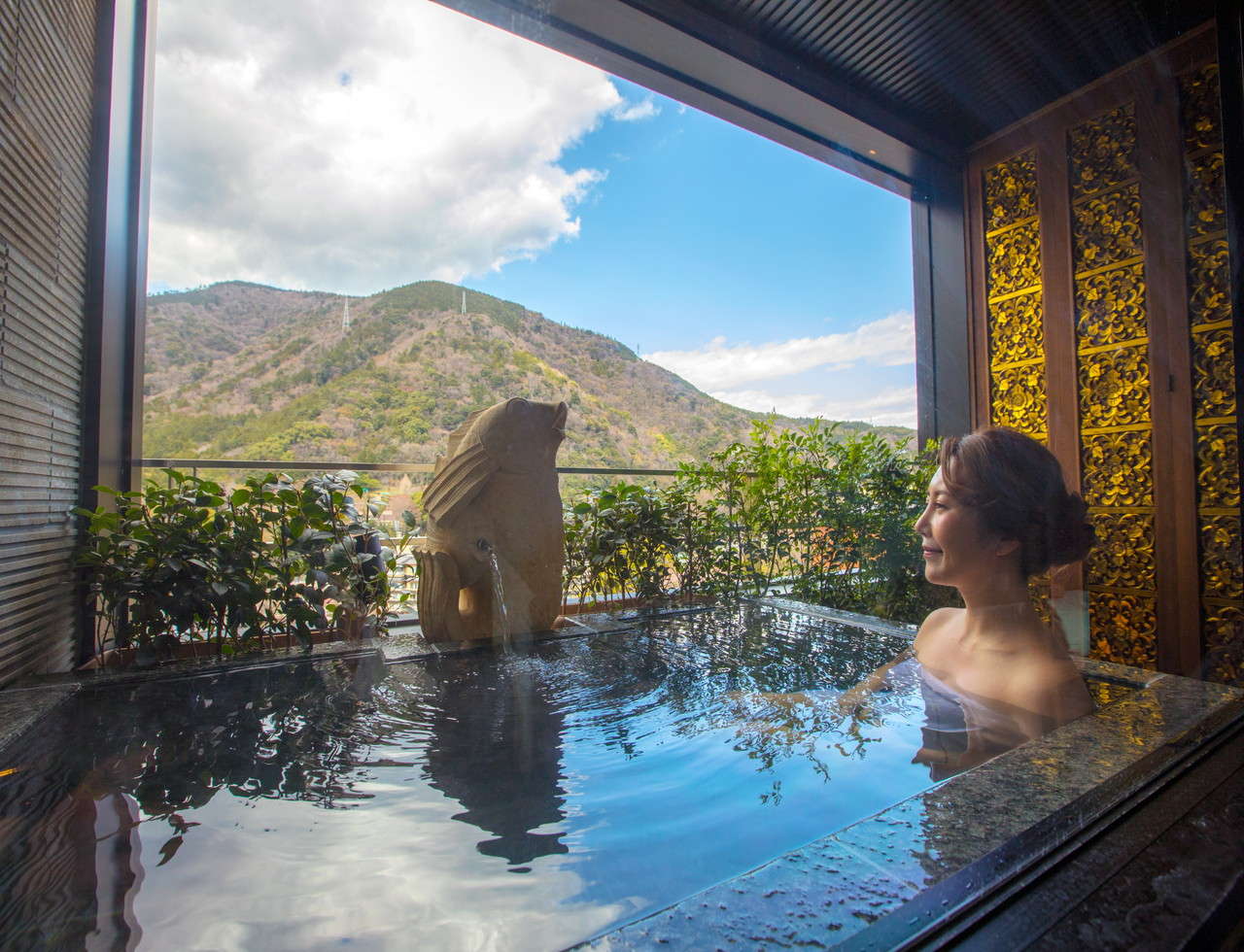 | 46,200日元起每人每晚2人约92,400日元 | 8.6 178条评价 | 上Trip.com订房 |
 | 23,100日元起每人每晚2人约46,200日元 | 8.9 672条评价 | 上Agoda订房 |
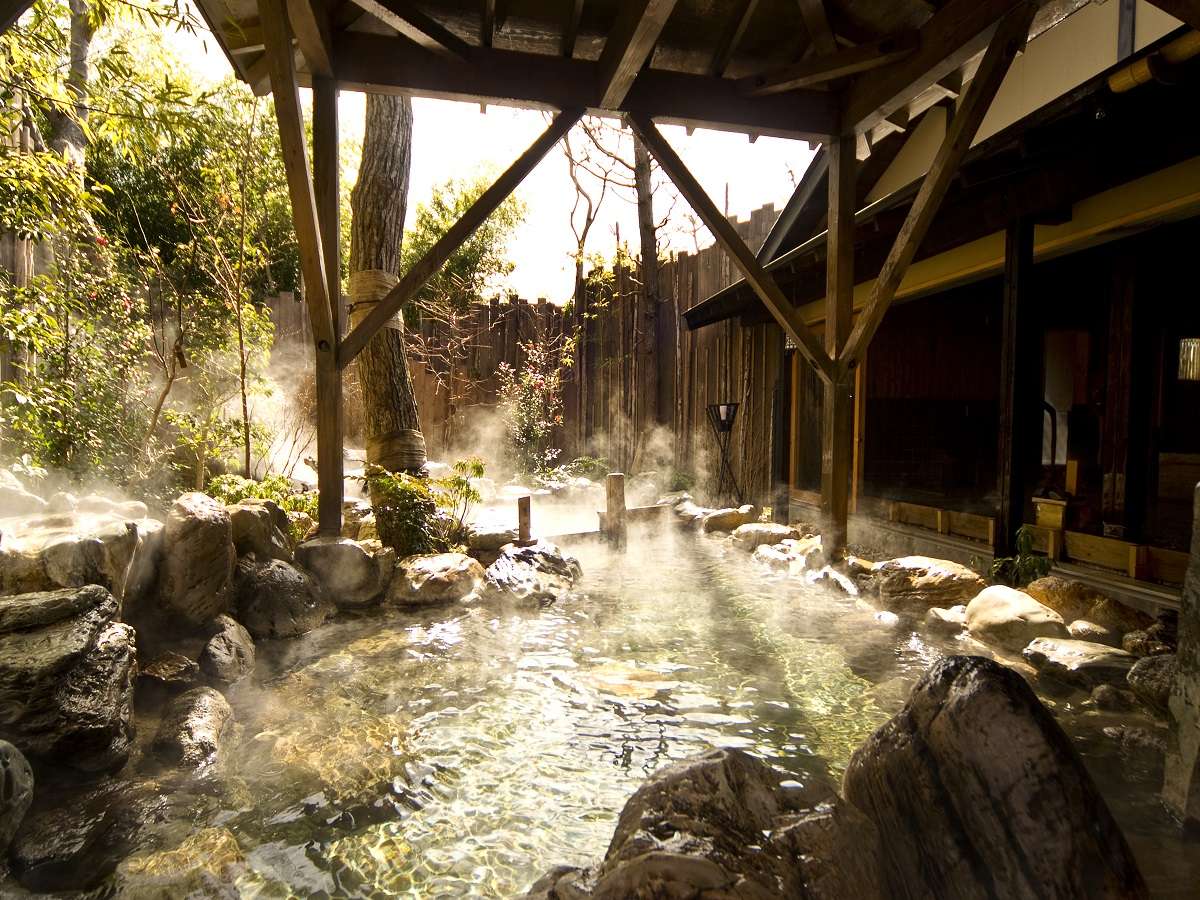 | 26,180日元起每人每晚2人约52,360日元 | 8.3 322条评价 | 上Booking.com订房 |
Hakone Ginyu
Hakone
Yoshiike Ryokan
Hakone
Hotel Kajikaso
Hakone
元汤 环翠楼
Hakone
Hakone Airu
Hakone
Hakone Gora Setsugetsuka
Hakone
显示价格为每人每晚的起步价(约值)。通过本站预订,我们可能获得佣金。
如果在以东京为中心的行程里只有一晚能塞进「住一晚旅馆」,我们首推箱根。这座火山谷地距新宿浪漫特快仅85分钟——近到可以利用周三晚逃离城市,却又足够偏远,让人真正感到已脱离都市。「东京出发第一夜」这道题,箱根至今仍是我们的首选。
箱根作为日本顶级山岳温泉度假胜地已逾1,300年——据传箱根汤本温泉于奈良时代的738年开汤 。富含矿物质的地热泉水、杉木掩映的峡谷、时而倒映于芦之湖面的富士山——这种组合在浪漫特快可达范围内无可替代。
初来乍到的旅行者常常忽略的是:箱根是由谷底延伸至外轮山边缘的四个截然不同的温泉分区组成的,每个分区的水质、景色和氛围大相径庭。最适合的旅馆取决于哪个分区契合你的行程——本指南将所有20家推荐旅馆按分区分类,让你同时选定住所与区域。
我们比较了全部20家的价格并核查了私人温泉情况:其中13家沿用2026年5月的结果,另外7家是8月新增的条目。每个价格区间均为本站存档的人均每晚费用(两位客人同住、含晚餐和早餐),取自预订平台的房源信息,并非实时报价——请在预订网站上查看你所选日期的当前价格。若想了解各主要预订网站的比较,请参阅我们的旅馆预订网站对比指南。
正在考虑预订带私汤的旅馆? 箱根是日本私人温泉最强的地区——全国15家精选比较请见日本私汤旅馆全国指南。
20家旅馆的筛选标准(2026年8月核实)How we picked
我们从数据库中所有已发布的箱根旅馆出发,逐条对照旅馆自家官网核实。这次审核剔除了五家——一家并不以我们印出的名字存在,一家既无温泉也不供餐,两家被归到了错误的温泉町,还有一家其实是度假酒店而非旅馆——并补入七家经核实的替代,其中包括本指南首次收录的真正的仙石原旅馆。入选条件:(1) 具备正规温泉(而非仅供洗浴的浴室);(2) 客户评分不低于8.0分;(3) 截至2026年5月有可验证的价格数据。所有日元价格范围均为两位客人入住、人均每晚、含晚餐和早餐。美元换算按150日元/$1(2026年5月汇率)。
按需求快速选择
最佳综合豪华: 强罗花坛 ——前皇家离宫,超高员工与客人比,箱根最佳怀石料理。 最适合情侣(私人温泉有保证): 箱根吟游 ——每间客房均配私人露天浴池,悬崖森林美景。 预算内真实温泉首选: 一之汤本馆 ——创立于1630年,可眺望早川溪谷的室内大浴场,人均25,000日元以下。 初次体验旅馆首选: 吉池旅馆 ——英语员工、车站接送、6处温泉源、易于接受的怀石料理。 最佳富士山视野: 芦之湖畔住宿——龙宫殿,全部24间客房均面向湖面;以及箱根神社之上的和心亭 丰月。
箱根4大温泉分区:选择住宿地
分区1:箱根汤本・塔之泽(谷底,海拔96米) 面积最大的分区,也是浪漫特快的终点站。交通最便利,价格相对实惠。水质:碱性单纯泉与氯化钠泉。最适合初次体验者和预算有限的旅行者。
分区2:强罗・宫之下(中山腰,海拔360〜541米) 乘箱根登山铁路从汤本出发约需20〜30分钟。豪华旅馆密度最高——强罗花坛、强罗环翠楼和雪月花皆位于此。宫之下的碳酸氢钠温泉被称为」美人汤」。最适合豪华住宿以及前往露天博物馆或宝丽美术馆的旅行者。
分区3:仙石原(北部高原,海拔700米) 从强罗或汤本乘巴士可达,是最宁静的主要分区。宽阔的火山高原在秋天以著名的芒草(薄,susuki)草原闻名。水质:硫酸盐泉和碱性单纯泉。最适合回头客、秋季赏枫,以及将安静置于便利之上的旅行者。
分区4:大涌谷・芦之湖(外轮山地带,海拔1,000米以上) 火山核心地带:大涌谷的蒸汽喷口和映照富士山的芦之湖。此处住宿以大型度假村为主。水质:硫酸酸性泉(大涌谷地区)。最适合富士山摄影和体验完整外轮山线路的旅行者。
箱根最佳旅馆20选
箱根汤本・塔之泽(7家)
 保存到Pinterest
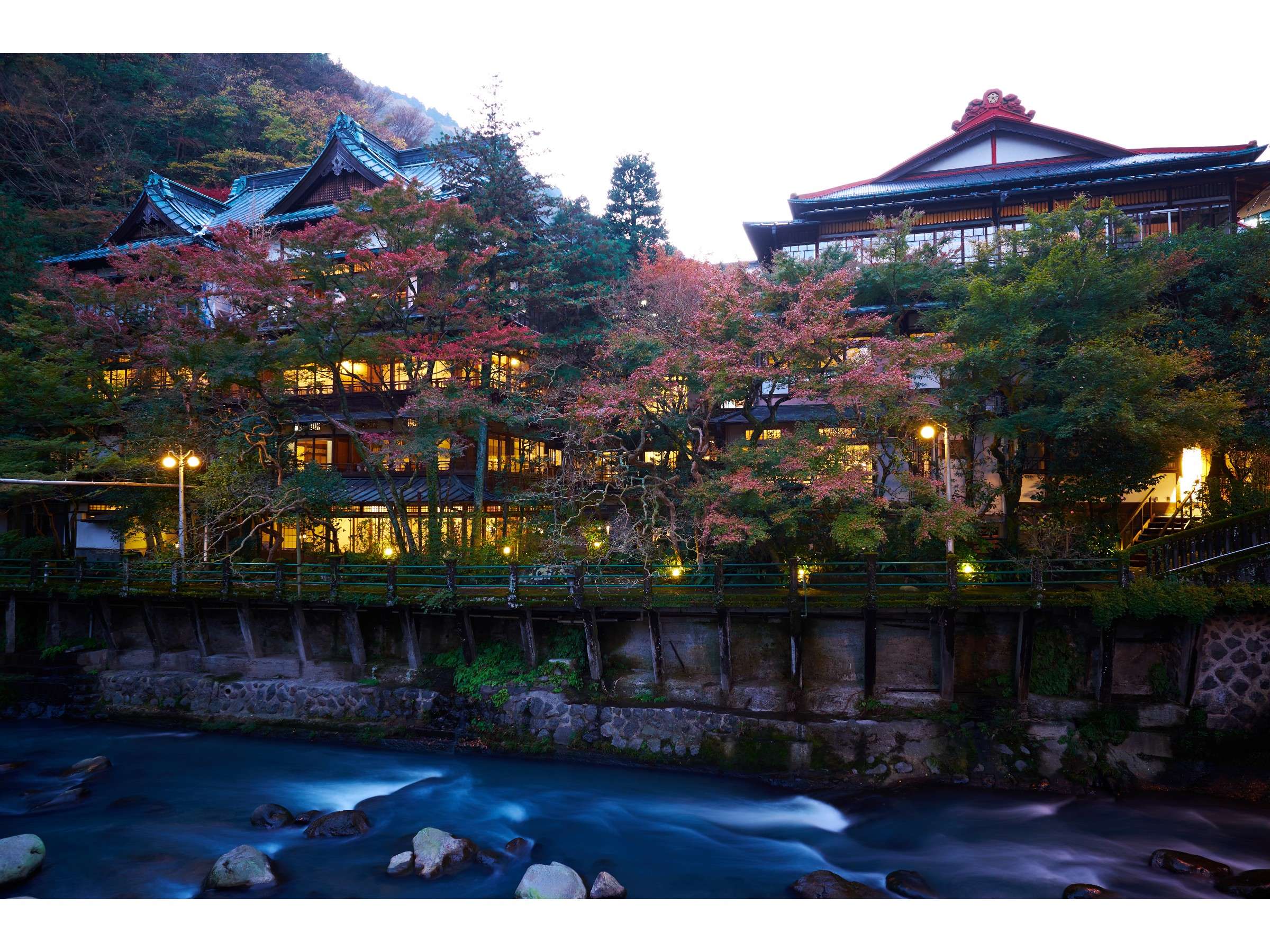
1. 本汤 环翠楼 ——有400年历史的登录文化财产,河畔露天浴池
价格档次:¥¥¥ | 2026年5月标价:38,000〜75,000日元/人(含餐) 分区:塔之泽 | 私人温泉:部分客房 | 英语服务:有 | 纹身政策:私人露天浴池可用;公共浴池未作说明
- 登录有形文化财产;大正时代木造建筑(20世纪20年代)
- 露天浴池(露天风呂,rotenburo)悬挂于早川河面之上
- 场内自有氯化钠温泉源,对肌肤保湿效果出众
- 夏有萤火虫、冬有雪挂杉枝
- 怀石料理采用当日捕获的相模湾海鲜及足柄山野蔬
- 自箱根汤本站免费班车(约10分钟)
塔之泽气氛最浓郁的旅馆之一:大正时代的木走廊、几百年来吸饱蒸汽的柱梁、以及随季节变换的河畔露天浴池。员工英语流利,无需催促便会主动介绍泉质与建筑历史——在历史老店中实属难得。怀石料理食材来源令人信服。各地历史名旅馆详情请参阅初次住旅馆指南。
一目了然
2. 吉池旅馆 ——六处温泉源,大型锦鲤庭园
价格档次:¥¥¥ | 2026年5月标价:30,000〜68,000日元/人(含餐) 分区:箱根汤本 | 私人温泉:有 | 英语服务:有 | 纹身政策:遮盖后可入浴
- 6处独立天然温泉源——即便在箱根也属罕见
- 大型日本庭园,锦鲤池夜间亮灯
- 可按小时预约的私人露天浴池(所有房型均适用)
- 室内怀石料理每月更新时令菜单
- 箱根汤本站免费接送(约7分钟)
- 英语礼宾服务提供箱根全景通票和缆车攻略
吉池旅馆的规模令初访者惊叹:锦鲤庭园之大几乎占满一个街区,六处独立泉源供应公共浴池和私人包租浴的复合设施。英语礼宾帮助国际客人规划完整的箱根外轮山线路,毫无推销痕迹。对于希望获得真实温泉、怀石料理和英语支持的初次来访者,这里是汤本最稳定的首选。
一目了然
3. 河鹿庄酒店 ——距车站步行5分钟,峡谷景露天浴池
价格档次:¥¥¥ | 2026年5月标价:27,000〜60,000日元/人(含餐) 分区:箱根汤本 | 私人温泉:部分客房 | 英语服务:有 | 纹身政策:官网未注明——请向旅馆咨询
- 汤本最易步行抵达:距箱根汤本站步行仅5分钟
- 露天浴池面向长满苔藓的杉木峡谷——雨后格外迷人
- OTA综合客户评分9.2,满意度持续高居榜首
- 客房分级清晰:经济和室至带露天浴池的套房
- 氯化钠泉,肌肤柔滑效果显著
- 前台提供箱根全景通票交通信息
河鹿庄酒店凭借仅需5分钟步行却宛如深山的峡谷景露天浴池获得9.2的高分。峡谷本身充当隔音屏障,夜间浴池极为宁静。升级至带私人露天温泉的客房需额外加收15,000〜20,000日元/人,许多客人在看过公共浴池后会决定这笔费用值得。无需行李班车、可直接从站台步行而至的旅行者首选。
一目了然
4. 福住楼 ——创立于1890年,早川河上的露天浴池
价格档次:¥¥ | 2026年5月标价:23,000〜53,000日元/人(含餐) 分区:塔之泽 | 私人温泉:部分客房 | 英语服务:有限 | 纹身政策:无限制(官网常见问题)
- 创立于1890年,2003年登录为日本国家登录有形文化财;以三层数寄屋木造建筑与精致竹工细节著称
- 竹林覆盖的走廊通向河畔建筑
- 露天浴池紧贴早川河面而建;可听到河流声
- 山岳怀石:烤河鲇、蔬菜煮物、自制豆腐
- 碱性单纯泉——对敏感肌肤温和无刺激
- 在箱根中,以极优的性价比提供氛围体验
福住楼是那种无法靠照片传递的宿所——它自1890年起便在此迎客,木造建筑本身即为登录有形文化财。河畔露天浴池是其标志性特色:早川之上的石砌水池,夏有杉枝形成绿色穹顶,秋天则染成橙色。怀石料理朴实大气:分量足、食材本地、山野气息浓郁。英语服务有限,但翻译App完全够用,而旅馆中的大多数互动本就无需语言。
一目了然
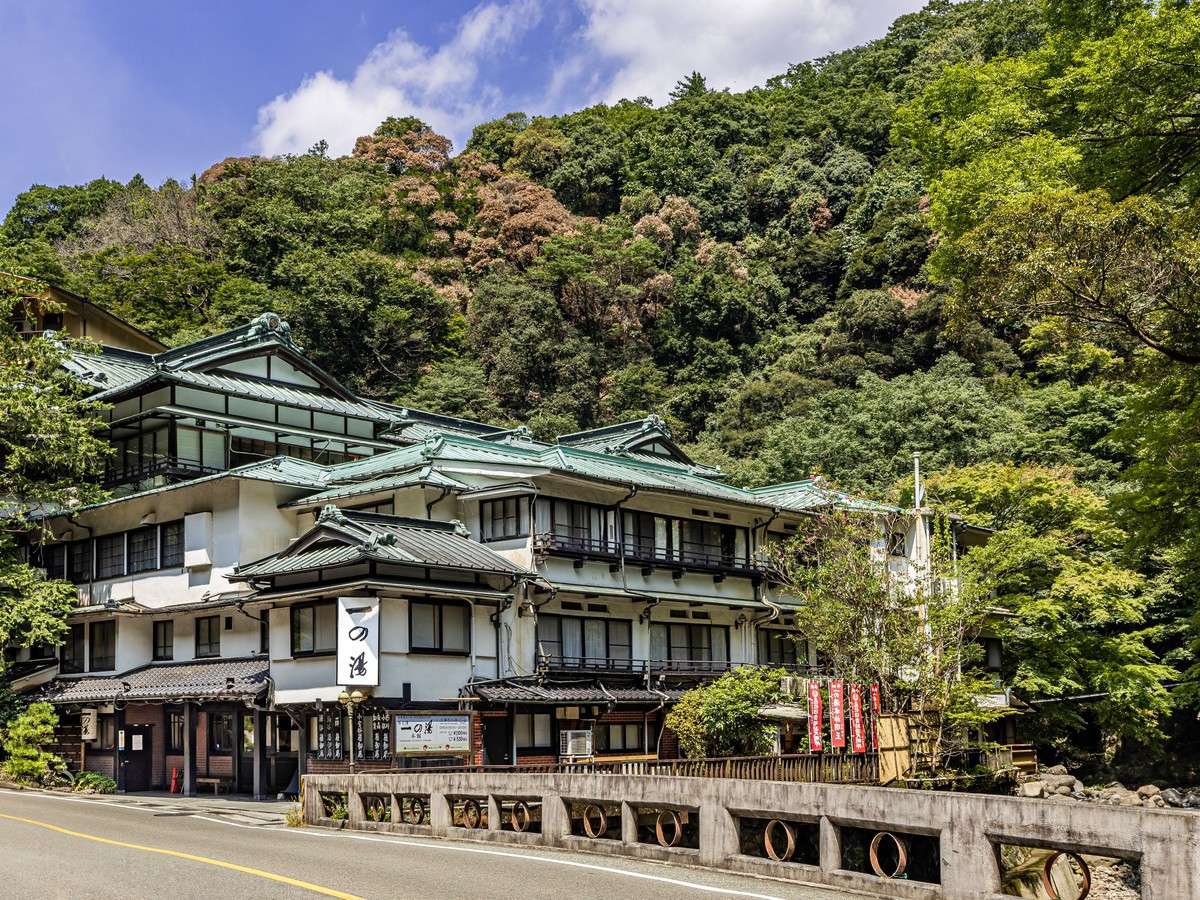
5. 一之汤本馆 ——创立于1630年,人均25,000日元以下的正宗旅馆
价格档次:¥¥ | 2026年5月标价:11,000〜24,000日元/人(含早餐) 分区:塔之泽(箱根汤本站乘巴士5分钟至上塔之泽,下车步行1分钟) | 私人温泉:有(1处免费室内家庭浴池;部分客房自带温泉浴池) | 英语服务:有 | 纹身政策:大浴场须遮盖后入浴(一之汤集团政策;遮盖贴在前台有售)。但同一页面的入浴礼仪第十七条写明,无论是否贴有遮盖贴,有纹身者均谢绝入场,请事先向旅馆确认
- 自1630年起由小川家族经营(现已传至第16代);2009年被登记为国家有形文化财产
- 真实的江户时代氛围:吱呀作响的柏木地板,低矮门框
- 大浴场男女各一处,均为室内浴池,没有露天浴池,可眺望早川溪谷;另有1处免费的大理石室内家庭浴池;碱性单纯泉(pH 8.5)
- 晚餐与早餐均在馆内4楼餐厅享用
- 从箱根汤本站乘巴士5分钟至「上塔之泽」站,下车步行1分钟
- 该地区性价比最高的正宗预算旅馆
一之汤本馆证明了箱根12,000日元/晚的价格依然可以避开塑料榻榻米和薄薄的隔墙。建筑是货真价实的江户时代遗存:吱呀作响的柏木地板,需稍微低头才能通过的门框,几个世纪浸染其中的老木气息。可眺望早川溪谷的室内大浴场是体验的核心(大浴场没有露天浴池)——pH 8.5的碱性单纯泉在非高峰时段(早6〜7时或午后)最为舒适。晚餐与早餐均在馆内4楼的餐厅享用。全国平价旅馆策略请参阅经济住宿攻略。
一目了然
 保存到Pinterest
6. 八荣馆 ——山景浴池,距浪漫特快2分钟
价格档次:¥¥ | 2026年5月标价:23,000〜53,000日元/人(含餐) 分区:箱根汤本 | 私人温泉:有 | 英语服务:有 | 纹身政策:官网未注明——请向旅馆咨询
- 晴朗清晨可见富士-箱根山脊线的山景露天浴池
- 距箱根汤本站150米,不想走路的话也备有免费班车
- 所有房型均可使用私人露天浴池
- 室内怀石料理时令菜单(春有春笋,秋有蘑菇)
- 远离主要旅游热点,位置宁静
- 高性价比:私人温泉+山景,¥¥价位
八荣馆距浪漫特快检票口150米,位于与汤本主街隔河相望的安静一侧。山景浴池,以及从站台走过来就到的这段距离,是它的决定性优势。怀石料理随季节真实变化;春笋与秋菌菜单真实反映周围的森林。在¥¥价位,且所有房型均可使用私人浴池,八荣馆是汤本性价比最强的选择。
一目了然
7. 箱根蓝瑠 ——巴厘岛×日本风温泉设计,距浪漫特快4分钟
价格档次:¥¥¥ | 2026年5月标价:45,000〜90,000日元/人(含餐) 分区:箱根汤本 | 私人温泉:全部客房 | 英语服务:有 | 纹身政策:官网未注明——请向旅馆咨询
- 独特的巴厘岛×日本融合设计:柚木与竹搭配榻榻米
- 每间客房配私人露天温泉;凉亭浴池俯瞰森林
- 氯化钠泉,尤其适合消除疲劳
- 距箱根汤本站280米,自主街后退,闹中取静
- 无需搭巴士:从浪漫特快终点站步行4分钟即达
- 设计大胆却令人放松——构思合理而非噱头
箱根蓝瑠是汤本最令人意外的旅馆。巴厘岛×日本的概念听起来像个坏主意,直到你置身其中:柚木凉亭式私人露天浴池在周围的杉木林映衬下,显得经过深思熟虑而非杂乱无章。氯化钠泉对长途飞行后抵达的客人尤为有效——肌肉疲劳消散的速度快过轻质碱性泉。仙石原的芒草原野需乘巴士约半小时——值得花一个上午前往,但绝非步行可达。
一目了然
强罗・宫之下・小涌谷(7家)
 保存到Pinterest
8. 强罗花坛 ——前皇家离宫,箱根最佳怀石料理
价格档次:¥¥¥¥ | 2026年5月标价:75,000〜180,000日元/人(含餐) 分区:强罗 | 私人温泉:部分客房 | 英语服务:有 | 纹身政策:约A4大小以内可进入大浴场,更大的请使用包租露天浴池(官网常见问题)
- 旧闲院宫家族夏季别墅;1952年作为旅馆开业,1991年加入Relais & Châteaux,并于2024年7月获得米其林三钥匙评级
- 16,000平方米内仅16间客房;员工与客人比堪称日本之最
- 怀石料理:品酒师精选日本酒搭配,当日新鲜的相模湾海鲜
- 主浴池:杉木森林背景下气势恢宏的桧木与石材浴室
- 庄园内私人自然步道;可安排箱根神社私人参拜
- 距强罗站步行3分钟
强罗花坛是箱根豪华旅馆的标杆,众多旅行者认为它是东京90分钟内最顶级的旅馆(日式旅館)。16,000平方米的皇家旧址上仅设16间客房,空间与住客的比例奢侈得令人咋舌。怀石料理是箱根之最:品酒师主导的日本酒配餐,食材超级本地化(相模湾海鱼、周边30公里内农场的山蔬、山涧种植的山葵)。仲居(nakai)记得前一晚你偏爱的茶,礼宾员在游客抵达前安排私人参拜箱根神社。秋天,浴室高窗外的景色成为日本最壮观的自然舞台之一。全国豪华旅馆比较请参阅日本豪华旅馆指南。
一目了然
9. 箱根吟游 ——每间客房均有私人露天温泉
价格档次:¥¥¥¥ | 2026年5月标价:60,000〜135,000日元/人(含餐) 分区:宫之下 | 私人温泉:全部客房 | 英语服务:有 | 纹身政策:官网未注明——请向旅馆咨询
- 全部20间客房均配私人露天温泉——所有房型,而非仅限套房
- 建于早川峡谷的悬崖之上;落地窗直面森林
- 现代怀石料理:法式技法,日本食材,精准执行
- 悬挑峡谷的落地玻璃早餐室;每日自制豆腐
- 附近文化景点:露天博物馆、宝丽美术馆、冈田美术馆
- 本指南最推荐的情侣旅馆
箱根吟游做出了一个承诺并完美兑现:无论预订何种房型,每间客房均拥有以天然泉水注满的私人露天温泉。入夜后,唯一的声音是远处谷底的早川流水与偶尔的鸟鸣——在距东京不到2小时的地方,这是你能找到的最接近彻底隔绝的宿所。融合法式技法与日本食材的现代怀石料理(懐石料理)褒贬不一,但执行精准。落地玻璃早餐室堪称箱根最美的用餐场所之一。全国私人温泉比较请参阅情侣旅馆指南。
一目了然
10. 强罗环翠楼 ——旧三菱别墅,5,000坪日本庭园
价格档次:¥¥¥ | 2026年5月标价:38,000〜83,000日元/人(含餐) 分区:强罗 | 私人温泉:部分客房 | 英语服务:有 | 纹身政策:官网未注明——请向旅馆咨询
- 旧三菱财阀休养地;大正时代木造建筑
- 5,000坪(约16,500平方米)日本庭园,秋夜灯光装饰
- 庄园自有温泉源;钙硫酸盐泉,促进血液循环
- 11月夜间灯光活动提前数周售罄
- 采用神奈川县食材的古典怀石料理
- 距强罗站步行5分钟
强罗环翠楼因原为三菱财阀别墅而拥有绝佳的庭园和从不计成本的建造结构。5,000坪的园地内有面向中央水池的露天浴池(露天风呂);秋天,点灯的枫树与灯笼夜游闻名遐迩,10月便可能预约满员。与强罗花坛相比,环翠楼礼仪氛围更为轻松,价格区间也更宽——适合在不追求皇室级服务的前提下享受强罗选址与庄园规模庭园的旅行者。
一目了然
11. 箱根强罗 雪月花 ——158间客房全部配备私人桧木露天浴池
价格档次:¥¥¥ | 2026年5月标价:26,000〜60,000日元/人(含餐) 分区:强罗 | 私人温泉:有 | 英语服务:有 | 纹身政策:仅限私人浴室——大浴场不可入浴
- 距强罗站步行1分钟——强罗区域交通最便利
- 158间客房全部配有私人桧木露天浴池——旅馆官网客房页注明为加热的普通水,并非温泉
- 另有公共大浴场(室内+露天)可用
- 大型度假村规模;多处餐饮设施
- 158间客房意味着相对更多的临时预订机会
- 本指南强罗推荐中,保证客房内私人浴池的最低价之选
箱根强罗 雪月花以规模解决了私人浴池难订的问题:158间客房全部含私人桧木露天浴池,无需升级或提前抢订。桧木浴池尺寸宽裕——并非象征性的小浴缸——但注入的是加热的普通水而非温泉;温泉在大浴场和三处包租露天浴池中。距强罗站1分钟步行距离,前往露天博物馆和缆车的一日游极为方便。全国私人温泉比较请参阅私人温泉旅馆指南。
一目了然
12. 箱根小涌园 三河屋 ——明治时代庭园旅馆,创立于1884年
价格档次:¥¥¥ | 2026年5月标价:38,000〜83,000日元/人(含餐) 分区:小涌谷 | 私人温泉:有 | 英语服务:有 | 纹身政策:仅限私人浴室
- 1884年由榎本恭三创立,他兴建了小涌谷首座天然温泉浴场;主楼被指定为日本登录有形文化财产
- 沿小涌谷山谷下行的梯级式日本庭园
- 俯瞰山谷的公共露天浴池;部分客房配私人露天浴池
- 距小涌谷站步行5分钟;比强罗或汤本更为宁静
- 以本地食材为重的古典怀石料理
- 小涌谷区域历史底蕴与性价比最均衡之选
箱根小涌园 三河屋自1884年起在小涌谷扎根,梯级日本庭园——世代庭师精心营造之作历历在目——见证着这份传承。公共露天浴池在树冠向下倾落处俯瞰山谷。小涌谷位于宫之下与强罗之间——安静,山谷景色优美,步行即达车站。希望在游客较少的地方体验历史底蕴与正宗庭园品质的旅行者,这是本指南中最被低估的一家。
一目了然
 保存到Pinterest
13. 箱根强罗 KARAKU ——70间客房,70处私人温泉
价格档次:¥¥¥¥ | 2026年8月标价:60,000〜107,000日元/人(含餐) 分区:强罗 | 私人温泉:全部客房 | 英语服务:有 | 纹身政策:公共浴场谢绝入浴;私人浴池未提及——请咨询
- 全部70间客房均在露台设有温泉露天浴池;分和式与洋式两种房型,56〜58平方米
- 强罗的氯化钠泉,因保温持久而得名「熱の湯」
- 两处观景大浴场「苍海」与「明星」,每日男女轮换
- 三处可预约的包租浴池——檜の湯、岩の湯、シルクの湯(每小时5,000日元)
- 沿坡而上,距强罗站步行3分钟
- 2020年10月2日开业
箱根强罗 KARAKU是强罗几家大型旅馆中最新的一家,也是解决了「上坡路」问题的那一家。距车站步行3分钟,70间客房全部自带温泉浴池,另有两处即便你的露台已有一池、也仍值得一泡的观景大浴场。包租浴池有一点须说明:シルクの湯用的是微气泡水,并非温泉;另外两处才是温泉。
一目了然
14. 箱根小涌园 天悠 ——150间客房,间间自带私人温泉
价格档次:¥¥¥¥ | 2026年8月标价:42,000〜89,000日元/人(含餐) 分区:小涌谷 | 私人温泉:全部客房 | 英语服务:有 | 纹身政策:公共浴场谢绝入浴;私人浴池未提及——请咨询
- 全部150间客房均设私人温泉露天浴池,浴槽为信乐烧陶制
- 这个数字是逐间列明而非取整:谷侧66间+外轮山侧54间+顶层24间+特别房6间
- 6楼「浮雲の湯」——无边际露天浴池与干式桑拿
- 5楼「車沢の湯」——可望瀑布的露天浴池与干式桑拿
- 小涌谷温泉源;2017年4月开业
- 特别房的晚餐与早餐均在客房内享用
箱根小涌园 天悠是箱根规模最大的「全房带浴池」旅馆,而这个数字经得起核对——官网客房页把150间逐一列出,Jalan的设施资料也一致。到了这个体量,它运作起来更像度假村而非私密小馆,这便是取舍:你能得到一处横跨外轮山口的无边际浴池和完整的干式桑拿,但要与几百人共享。怀石料理可另行预订(豪华特撰会席「悠然」,在登录有形文化财产「贵宾馆」内供应),但默认套餐是自助餐,所以务必有意识地挑选餐饮方案。
一目了然
仙石原(3家)
15. 界 仙石原 ——16间客房,16处私人浴池
价格档次:¥¥¥¥ | 2026年8月标价:54,000日元/人起(含餐) 分区:仙石原 | 私人温泉:全部客房 | 英语服务:有 | 纹身政策:不限制(星野集团政策)——大浴场可能视情况谢绝
- 全部16间和洋式客房均在专属露台设有私人露天浴池
- 泉水自大涌谷源泉引下——乳白色、酸性、硫酸盐氯化物泉
- 公共浴场把露天池分成あつ湯与ぬる湯两池,一热一温
- 自称「アトリエ温泉旅館」(工作室温泉旅馆):馆内设有可实际动手的工作室,材料为住客备齐
- 星野集团的服务水准,配16间客房的体量
- 入住时间自2026年4月1日起提前至14:30——部分预订平台仍标示15:00
界 仙石原是这片高原上认真做旅馆的几家中最小的一家,也是把「私人浴池」这个前提贯彻得最彻底的一家:16间客房、16处露台、16个浴池,全部引自同一处成就了仙石原名声的大涌谷泉水。那间工作室不是噱头——它是一间真的可以在里面动手的房间,材料摊开备齐,旅馆的夜晚也围绕它展开。若你想要高原,却不想要度假村的体量,这是最短的一条路。
一目了然
16. 仙乡楼 ——高原上最老的一家,创立于1870年
价格档次:¥¥¥ | 2026年8月标价:20,000〜54,000日元/人(含餐) 分区:仙石原 | 私人温泉:39间中13间 | 英语服务:有 | 纹身政策:仅限私人浴室——大浴场和露天浴池不可入浴(官网常见问题)
- 1870年以「石村旅馆」之名开业,此前石村家以竹制导管将大涌谷的泉水引至此地
- 39间客房:和室30间、和洋室9间;其中13间自带温泉浴池
- 别邸「奥の樹々」——每一间套房均配浴池
- 乳白色的大涌谷泉水注入庭园浴池
- 高原上价格跨度最大的一家——从入门房型一路到别邸「奥の樹々」的套房
仙乡楼是这一带的元老,也是仙石原之所以有热水可用的原因——石村家在1870年从大涌谷架下竹制导管,此后旅馆便一直靠这处水源经营。它同时也是高原上门槛最宽容的入口。39间客房中有13间带私人浴池,所以预订时值得指名一间,而不要默认间间都有;别邸「奥の樹々」的套房则是全部都有。
一目了然
17. 金乃竹 仙石原 ——9间客房,一个竹的故事
价格档次:¥¥¥¥ | 2026年8月标价:66,000〜164,000日元/人(含餐) 分区:仙石原 | 私人温泉:全部客房 | 英语服务:有 | 纹身政策:每间客房均有专属露天浴池;集团规定也允许纹身客人使用私人露天浴池(金乃竹馆内规定)
- 9间客房,各以一字为名:帝、姬、空、光、煌、响、风、雫、宵
- 每间客房均有专属温泉露天浴池
- 屋顶露天浴池名为「空」
- 整根竹竿排列于走廊、隔断与床龛之间,自背后打光
- 以《竹取物语》(辉夜姬的故事)为骨架构筑,且贯彻得相当字面
金乃竹 仙石原是本指南中最小的一家旅馆,也是对单一构想最投入的一家。9间客房、9处浴池,竹的意象是从建筑里长出来的,而不是贴上去的。屋顶浴池「空」值得在天黑之后预约一小时。这是高原价格带的顶端,它也不掩饰这一点。
一目了然
大涌谷・芦之湖——外轮山地带(3家)
 保存到Pinterest
18. 箱根小涌谷 水音 ——双源泉,2023年翻新
价格档次:¥¥¥ | 2026年5月标价:23,000〜57,000日元/人(含餐) 分区:小涌谷 | 私人温泉:有 | 英语服务:有 | 纹身政策:仅限私人浴室——大浴场不可入浴
- 两处独立温泉源:富钠型与钙硫酸盐型,可亲身对比
- 2023年翻新私人庭园浴池;石砌搭配杉木
- 两种住宿风格:传统和室与现代平台床客房
- 步行可达小涌谷缆车站
- 箱根汤本站免费班车
- 大涌谷火山地带附近性价比最高的翻新住宿
箱根小涌谷 水音提供了一个难得的体验:同一住所内两处独立温泉源,让客人切实感受到富钠型泉水与钙硫酸盐型泉水的差异。2023年翻新的私人庭园浴池石材和杉木边缘依然清晰新鲜。两种住宿风格让情侣或团体在共享相同浴场的同时,满足不同的住宿偏好。靠近小涌谷缆车站对进行完整外轮山游览的旅行者极为便利。
一目了然
19. 龙宫殿 ——王子饭店旗下的湖畔旅馆,全部客房面湖
价格档次:¥¥¥ | 2026年8月标价:30,000〜85,000日元/人(含餐) 分区:芦之湖 | 私人温泉:24间中3间(室内) | 英语服务:有 | 纹身政策:两处浴场均可能有所限制——请先咨询
- 全部24间客房均为和室,且全部面向芦之湖
- 别馆中的3间「湖畔特别和室」另配私人温泉浴池,为室内浴池,并非露天
- 可免费使用邻接的「龙宫殿本馆」——1938年仿平等院而建的浴场
- 蛸川温泉源泉;住宿楼自身的浴场仅有室内浴池
- 由王子饭店集团经营;晚餐为怀石料理
- 两处浴场均可能对纹身有所限制——王子饭店为住宿楼自身浴场和本馆浴场所设的页面上都写明,纹身客人的使用可能受到部分限制,因此请在预订前确认
龙宫殿正是人们在箱根搜寻「王子别馆」时真正想找的那家湖畔旅馆:它1938年的本馆自2017年起改为纯日归使用,所以住宿的客人确实睡在别馆,王子饭店自己的英文页面也称其为「Ryuguden Annex」。每一间客房都望着湖。带私人浴池的只有3间,而且是室内浴池——如果「自己的露天风吕」才是重点,这家就不是你要的;但隔壁那座住客免费使用的本馆浴场,是芦之湖畔最好的一间泡汤之所。
一目了然
20. 和心亭 丰月 ——箱根神社之上的15间客房
价格档次:¥¥¥ | 2026年8月标价:38,000〜44,000日元/人(含餐) 分区:元箱根 | 私人温泉:无——详见下文 | 英语服务:有 | 纹身政策:请咨询
- 15间客房位于箱根神社正东侧的斜坡上,全部面向芦之湖
- 每间客房都以一种月相为名——山影月、居待月、红染月——月见栋更设有专属露台
- 公共「温泉大浴场」引元箱根的硫磺泉,在2024年7月的翻新中重建
- 现代怀石料理,在个室内供应
- 面向成人;15间客房分布于两栋建筑
和心亭 丰月有一点值得说清楚——它自己的官网写明了,而大多数订房网站都省略了。5间客房设有半露天浴池,两处包租浴池「磐境の湯」(「月」与「星」)也确实好——但它们都不是温泉。这家旅馆刻意使用自家的井水「磐境の水」,好让不宜浸泡温泉的客人(包括孕期客人)也能泡。温泉只在公共大浴场里。为了湖、为了月之客房、为了怀石料理去订它;但不要抱着「有私人温泉」的期待去订,因为它从来没有这样宣称过。
一目了然
按预算比较
经济型
低于30,800日元 · 每人每晚
更多即将推出
中端
30,800 - 77,000日元 · 每人每晚
Hakone Ginyu
起价 61,600日元 · 每人每晚2人合计约123,200日元起
9.3/10 · 124 条评价私人浴池(类型未确认)支持英语预订Yoshiike Ryokan
起价 30,800日元 · 每人每晚2人合计约61,600日元起
8.8/10 · 1712 条评价私人浴池(类型未确认)支持英语预订- 更多即将推出
豪华
77,000日元以上 · 每人每晚
Gora Kadan
起价 77,000日元 · 每人每晚2人合计约154,000日元起
9.5/10 · 89 条评价私人浴池(类型未确认)支持英语预订- 更多即将推出
20家箱根旅馆一览对比
| 旅馆 | 分区 | 价格档次 | 私人温泉 | 英语 | 纹身 |
|---|---|---|---|---|---|
| 本汤 环翠楼 | 塔之泽 | ¥¥¥ | 部分客房 | 有 | 私人浴池可;公共请咨询 |
| 吉池旅馆 | 汤本 | ¥¥¥ | 有 | 有 | 遮盖可 |
| 河鹿庄酒店 | 汤本 | ¥¥¥ | 部分客房 | 有 | 请咨询 |
| 福住楼 | 塔之泽 | ¥¥ | 部分客房 | 有限 | 允许 |
| 一之汤本馆 | 塔之泽 | ¥¥ | 有(家庭浴池+部分客房) | 有 | 遮盖可,需先确认 |
| 八荣馆 | 汤本 | ¥¥ | 有 | 有 | 请咨询 |
| 箱根蓝瑠 | 汤本 | ¥¥¥ | 全部客房 | 有 | 请咨询 |
| 强罗花坛 | 强罗 | ¥¥¥¥ | 部分客房 | 有 | A4以内可;更大:私人 |
| 箱根吟游 | 宫之下 | ¥¥¥¥ | 全部客房 | 有 | 请咨询 |
| 强罗环翠楼 | 强罗 | ¥¥¥ | 部分客房 | 有 | 请咨询 |
| 雪月花 | 强罗 | ¥¥¥ | 有 | 有 | 仅私人 |
| 三河屋 | 小涌谷 | ¥¥¥ | 有 | 有 | 仅私人 |
| 界 仙石原 | 仙石原 | ¥¥¥¥ | 全部客房 | 有 | 允许(大浴场视情况) |
| 仙乡楼 | 仙石原 | ¥¥¥ | 39间中13间 | 有 | 仅私人 |
| 金乃竹 仙石原 | 仙石原 | ¥¥¥¥ | 全部客房 | 有 | 私人浴池可 |
| 箱根强罗 KARAKU | 强罗 | ¥¥¥¥ | 全部客房 | 有 | 公共浴场:不可 |
| 箱根小涌园 天悠 | 小涌谷 | ¥¥¥¥ | 全部客房 | 有 | 公共浴场:不可 |
| 水音 | 小涌谷 | ¥¥¥ | 有 | 有 | 仅私人 |
| 龙宫殿 | 芦之湖 | ¥¥¥ | 24间中3间(室内) | 有 | 可能有限制 |
| 和心亭 丰月 | 芦之湖 | ¥¥¥ | 无(井水) | 有 | 请咨询 |
如何选择:将行程与分区匹配
从东京出发的首次温泉夜: 选择箱根汤本。车站是浪漫特快终点站——无需拖着行李换乘巴士或缆车。吉池、河鹿庄和一之汤本馆均提供无复杂交通的正宗温泉体验(一之汤本馆从车站乘巴士5分钟)。强罗和仙石原留待下次。
追求高品质体验、已有过基础温泉经历: 预订强罗。强罗花坛与强罗环翠楼是豪华梯队的支柱;从汤本乘登山铁路的折返式上坡本身就值得一体验。若住两晚,可加入箱根露天博物馆参观。
富士山视野是主要目标: 住芦之湖。龙宫殿或和心亭 丰月是最可靠的湖面富士山视野选择。11〜2月可见率最高(50〜60%的天数)。设好5:30的闹钟,在风起之前守候静水倒影。与河口湖(富士山更近、更清晰)的比较参阅富士山景旅馆指南。
蜜月或纪念日: 箱根吟游(宫之下)——每间客房均有私人温泉,悬崖孤绝之感。想要湖景与一家更安静的宿所,可选和心亭 丰月(元箱根)——15间客房,全部面向湖面。含九州选项的全国情侣比较参阅情侣旅馆指南。
家庭出游: 仙石原空间充裕且登山道便捷;或选箱根小涌园 天悠,享受度假村级的设施——150间客房、两处公共大浴场,以及比室内怀石更适合孩子的自助餐方案。参阅亲子旅馆指南。
箱根与周边的比较: 热海和伊豆(同一JR东海道线)提供类似温泉体验,有时便宜15〜25%,且无富士山溢价。参阅东京近郊旅馆指南和伊豆旅馆指南。
哪一家箱根温泉旅馆适合哪一类旅客
在东京两小时车程内的所有温泉度假地中,箱根的20家旅馆所覆盖的类型最为广泛。选对一家,靠的并非单纯的预算,而是你究竟想从一晚旅馆体验中得到什么。把这份指南当作你的捷径。
初次入住旅馆的客人
从箱根汤本起步。从新宿出发的浪漫特快会把你直接送到这座温泉小镇——无需换乘巴士,也不必担心找路。吉池旅馆是最清晰的入门之选:会说英语的工作人员、车站接驳,以及所有房型均可按小时预约的私人露天浴池,让你按自己的节奏慢慢融入温泉文化。如果你不介意公共浴池,一之汤本馆则是预算之选;这家旅馆已有逾390年历史,无需面对偏远山间旅馆的种种门槛,便能带来一段货真价实的历史体验。
情侣与蜜月
宫之下的箱根吟游是最有力的单一答案:每间客房——而不仅仅是套房——都拥有专属的私人露天温泉,旅馆坐落于俯瞰山谷的林间悬崖之上。若你想要的是临湖背景而非林间的与世隔绝,龙宫殿把全部24间客房都放在了湖边,住客还可自由使用隔壁那座1938年的本馆浴场——只是那里的私人浴池是室内的,且仅限3间客房,所以这笔交易是以露天风吕换湖景。对于更看重怀石料理水准、而非浴池配置的情侣而言,强罗花坛皇家别墅般的格调与品鉴级怀石料理,使其成为强罗最具正式浪漫氛围的选择。
携带孩子的家庭
仙石原是合适的子区域:北部高原为你提供了开阔的空间、通往仙石原芒草原的便捷步道入口,以及比山谷旅馆更低的密度。仙乡楼自1870年起便一直靠大涌谷的泉水经营,也是高原上价格跨度最大的一家,39间客房中有13间配有浴池。界 仙石原与金乃竹则做到间间客房都有私人露天浴池,规模分别为16间与9间——是这里最小的两家,也是最贵的两家。
奢华之选
强罗花坛是标杆所在:这座曾属皇室的离宫别墅被改建为箱根最负盛名的旅馆,其工作人员与客人的高配比体现在每一次接待之中,而怀石料理的水准足以与京都比肩。如果你想要同等级别的私密尊享,却更偏爱当代美学而非历史厚重感,箱根吟游与箱根强罗 KARAKU的价位相近,且全部客房均配私人温泉。箱根强罗雪月花则以可观的规模运营——全部158间客房均配私人桧木露天浴池——适合那些既想要旅馆氛围、又不愿身处精品小馆之感的客人。
注重预算的旅客
一之汤本馆是最清晰的高性价比之选:创立于1630年,坐落在早川之上,配有可眺望早川溪谷的室内大浴场,晚餐与早餐均在馆内4楼餐厅享用——含这两餐,每人仍不到25,000日元。湖畔一侧,龙宫殿是住进一家正统旅馆(含怀石晚餐与面湖客房)最便宜的路径,人均约30,000日元起——远低于仙石原与强罗的豪华梯队。
箱根私人温泉:一目了然指南
箱根拥有异常密集的、提供私人温泉的旅馆——无论是客房内的露天浴池,还是可预约的包租浴池。这一点在实际操作中很重要:许多初次到访的客人以为自己必须共用公共浴池,但在箱根,只要选对旅馆,即便是中档客房,你几乎总能确保享有一处私人户外泡汤之地。
每间客房均配私人温泉(保证提供,无需升级)
本指南中有七家旅馆,保证每一种房型——而不仅仅是套房——都配有私人露天浴池。箱根吟游(宫之下)与箱根蓝瑠(汤本)从标准客房起,便分别提供临崖与林景的露天浴池。箱根小涌园 天悠在数量上走得最远:150间客房间间都有,官网客房页把它们逐项列为谷侧66间、外轮山侧54间、顶层24间与特别房6间。箱根强罗雪月花则以更大的规模运营——全部158间客房均配私人桧木露天浴池(注入的是加热的普通水而非温泉)——若你想在不付精品价的前提下确保私密性,它是最便宜的入场路径。箱根强罗 KARAKU在强罗站上方步行3分钟处,以70间客房做到了同样的事。剩下的两家是仙石原高原上最小的两家:界 仙石原在它16个露台上各放了一处浴池,金乃竹则让9间客房间间都有,另加一处名为「空」的屋顶浴池。
全部七家的每晚起价和逐间客房的浴池细节,请看我们的箱根私汤旅馆专题指南。
部分客房配私人温泉,或可按小时预约
多家旅馆将私人温泉作为升级项目或按小时预约提供,而非标准配置。吉池旅馆(汤本)允许所有客人按小时预约私人露天浴池,不限房型——如果你想体验私人温泉却不愿支付客房溢价,这一点很实用。位于塔之泽的元汤环翠楼与福住楼,均在部分客房中设有悬挑于早川之上的私人露天浴池;这些客房值得在预订时特别指定。在强罗,强罗花坛与强罗环翠楼都在较高等级的客房中提供私人浴池。汤本的八荣馆则在所有房型中均可使用私人露天浴池,这使它在更低价位上,处于与「每间客房」级别相近的位置。
我们的箱根私汤精选8家指南拆解了客房露天风吕与按小时包场浴池的取舍,并附每家旅馆的人均起价。
何时公共浴池才是更佳之选
并非每家箱根旅馆都需要私人浴池来证明自身的价值。一之汤本馆可眺望早川溪谷的室内大浴场,是汤本最有氛围感的温泉体验之一——共用的形式正是其韵味的一部分。仙乡楼位于仙石原高原的庭园浴池,流的正是这一带闻名的乳白色大涌谷泉水,也正是那26间没有私人浴池的客房值得一订的理由。湖畔一侧,龙宫殿的住客可使用隔壁1938年的本馆浴场——一座仿平等院而建的建筑,里面是面向富士山的露天浴池,也是芦之湖畔最好的一间泡汤之所。
箱根全景通票与交通指南
前往方式: 小田急浪漫特快(Odakyu Romancecar)从新宿至箱根汤本——约80〜85分钟,基本车资1,220日元加特急席附加费1,200日元 。对号入座,设有餐车,全景观光前端车厢(需另行预订;周末易售罄)。省钱方案:小田急急行至小田原(90分钟,900日元)+ 箱根登山铁路(15分钟,320日元)= 1,220日元,需换乘,为自由席。
箱根全景通票(新宿出发6,100日元 / 小田原出发4,600日元) 含以下路线无限次乘坐:
- 箱根登山铁路(小田原⇔强罗)
- 箱根登山缆车(强罗⇔早云山)
- 箱根缆车(早云山⇔桃源台,途经大涌谷)
- 芦之湖观光游轮(海盗船)
- 箱根登山巴士(大部分路线)
- 小田急急行新宿〜小田原来回(浪漫特快=单程额外加1,110日元,不含)
不用通票完成外轮山一圈费用:约5,200日元。若住两晚以上并游览全程,通票划算。 若只是湯本一夜无需观光——浪漫特快来回 + 出租车到旅馆,费用相当且更简便。
关键交通提示: 仙石原需从强罗或汤本乘巴士(通票涵盖)。芦之湖需从汤本乘巴士或从桃源台乘游轮(均通票涵盖)。登山铁路不直达仙石原或芦之湖。旅馆交通详情参阅从东京站到旅馆的交通指南。
Tip
大涌谷至桃源台的箱根缆车直接飞越外轮山的火山蒸汽喷口上方,这些喷口由箱根山约3,000年前的最后一次喷发形成 。在温泉中煮熟的黑鸡蛋(黑玉子,kuro-tamago)是传说级美食——水中富含的铁与硫化氢反应使蛋壳变黑。如果要走完外轮山全程,大涌谷站绝对不能跳过。
从箱根看富士山:真实数据
富士山在箱根全年约30〜40%的天数可见 。许多游客期待看到明信片级别的景象却失望而归。以下是诚实的能见度数据:
- 11〜2月:50〜60%的天数晴朗;冬季(11〜2月)干燥清冽的空气使沿海与湖面看到清晰富士山的概率超过70% 。整体最佳富士山观赏季,山顶覆雪。
- 3〜4月:樱花季,但湿度上升;30〜40%可见率。富士山与樱花同框需要运气。
- 5〜6月:梅雨季节临近;20〜30%。6月尤为困难。
- 7〜8月:夏日云层和雾霾;15〜25%。
- 9〜10月:秋日明朗度回升,35〜45%。与仙石原芒草季节契合。
箱根最佳富士山观景点: 1. 芦之湖畔/元箱根 ——黎明前、风起前的经典倒影画面 2. 箱根缆车(大涌谷至桃源台) ——外轮山边缘的高空视角;首班9:00 3. 仙石原北端 ——晴朗清晨、薄雾升起前的地平线视野 4. 芦之湖南岸 ——与元箱根视角略有不同;游览船出发前的清晨最佳
策略: 预订芦之湖畔住宿,设好5:30闹钟,日出前步行至箱根神社鸟居。晴朗的冬日清晨,鸟居和富士山将独属于你。若黎明时分有云,早8点再查看——清晨的云彩形态往往会循环变化。
包括川口湖和山中湖的富士山景旅馆排名参阅富士山景旅馆指南。最佳冬季温泉地比较参阅冬季温泉最佳指南。如果夏季是您唯一可以出行的时间——富士山能见度低,但沿海与山地替代景点同样精彩——日本夏季旅馆指南会逐地区分解季节性权衡。
入住体验:怀石料理、浴衣与温泉礼仪
初次住旅馆?在深入箱根的细节之前,先看初次入住旅馆的完整体验拆解——办理入住的流程、温泉的规矩、怀石的形式,这些在本清单的每一家旅馆都通用。
办理入住(下午3〜4点): 仲居(nakai)引导您至客房,奉上抹茶,确认晚餐时间(通常为下午6或7点)。浴衣(yukata)与足袋袜已备好。前往晚餐及公共浴室均可穿浴衣。
温泉礼仪: 入池前务必在淋浴站彻底清洗身体。温泉水中禁用香皂。头发须扎起或用发夹别好,避免接触水面。毛巾放在池边或头顶——不可放入水中。多数对外国客人友好的旅馆在客房私人浴室备有英文说明卡。完整礼仪说明参阅外国人温泉礼仪指南。
怀石晚餐(90分钟,8〜12道菜): 逐道上菜;请勿催促。仲居会介绍每道菜——本指南多数旅馆备有英文菜单卡。饮食限制需在预订时而非当天告知。详细课程说明参阅怀石料理指南。
早餐(7:30〜8:30): 烤鱼、米饭、味噌汤、腌菜、玉子烧、豆腐。部分旅馆提供西式选项——但和式早餐才是正宗体验。
退房(10〜11点): 被褥在早餐前整理完毕。现在多数旅馆接受信用卡。预订和付款详情参阅旅馆预订技巧指南。
纹身政策汇总: 各家政策不一,20家中有6家未公布任何政策。福住楼明确表示无限制;界 仙石原遵循星野集团不限制纹身的集团政策(但对大浴场保留酌情判断的余地)。吉池旅馆允许以最多两张10×14厘米的遮盖贴遮住纹身后入浴;一之汤本馆所属的集团则要求客人在大浴场遮盖纹身(但其入浴规则也写明纹身客人可能被谢绝入场——请先询问)。强罗花坛允许约A4大小以内的小型纹身进入大浴场,更大的纹身则请客人使用包租露天浴池。雪月花、水音和仙乡楼不允许纹身客人进入大浴场,但提供私人浴池;三河屋、本汤 环翠楼和金乃竹 仙石原同样为纹身客人提供私人浴池;箱根强罗 KARAKU与箱根小涌园 天悠的公共浴场谢绝纹身;龙宫殿则表示两处浴场均可能有所限制。各家的具体政策请查阅上方对比表。纹身友好旅馆指南列出了更多我们对照旅馆官网核查过纹身政策的旅馆。
素食出行?箱根有些旅馆可按要求调整会席料理,详见箱根素食友好旅馆清单。
相关指南
区域与聚集地指南:
- 东京近郊最佳旅馆 ——箱根 vs 热海 vs 伊豆 vs 日光,均在3小时内
- 富士山景最佳旅馆 ——箱根、川口湖、山中湖、御殿场的视野数据
- 情侣最佳旅馆 ——从箱根到九州的私人温泉比较
- 私人温泉旅馆 ——箱根选择在全国的定位
- 伊豆最佳旅馆 ——同一铁路线,更安静,通常更便宜
- 箱根山景最佳旅馆 ——从露天浴池看外轮山
主题指南:
如果想以米其林钥匙或 Relais & Châteaux 等评级为标准来挑选,也可以参考我们的姐妹网站:关东星级榜单住宿指南:东京、箱根与日光。
最后核实:2026年5月。 价格为本站存档的起价,取自预订平台的房源信息,并非实时报价,请在预订网站上确认你所选日期的当前价格。我们收录的所有箱根旅馆见/zh/area/hakone。
准备好预订了吗?
从这些精选旅馆中预订
一次比较各订房平台的实时空房与房价。
77,000日元起 · 每人每晚2人合计约154,000日元起



61,600日元起 · 每人每晚2人合计约123,200日元起
通过预订链接可能产生佣金,但不会增加您的费用。
FAQ
常见问题
箱根哪家旅馆最适合初次入住的旅行者?+
箱根汤本的吉池旅馆是最稳定的推荐:英语员工、免费车站接送、6处独立温泉源、易于接受的怀石料理。河鹿庄酒店紧随其后(9.2评分,步行5分钟至车站,峡谷景露天浴池)。预算有限的初次旅行者可考虑一之汤本馆(11,000日元/人起),提供真实的400年历史旅馆和公共温泉体验。
箱根含私人温泉最便宜的旅馆是哪家?+
箱根强罗 雪月花(26,000日元/人起)在其158间客房中的每一间均配备私人桧木露天浴池——无论房型;不过客房浴池注入的是加热的普通水而非温泉,其温泉在大浴场和三处包租露天浴池中。汤本的八荣馆也提供约23,000日元/人起的私人温泉。
箱根、热海还是伊豆:从东京出发一晚温泉之旅选哪个?+
箱根是最佳综合首选:旅馆选择最多,从新宿乘浪漫特快85分钟可达,有富士山视野的可能性。热海(新干线55分钟)以相当的品质提供便宜15〜25%的海边温泉。伊豆(修善寺,90〜110分钟)更为宁静、旅游化程度低——适合第二或第三次旅馆之旅。验证价格比较参阅东京近郊旅馆指南和伊豆旅馆指南。
箱根一日游还是住一晚,哪个更划算?+
如果主要目的是缆车+芦之湖外轮山线路且不特别在意温泉,一日游足够。如果目标是体验旅馆文化,则强烈建议住一晚——怀石晚餐和清晨露天浴池是一日游无法复制的。清晨浸泡温泉是箱根最具代表性的体验。日归温泉选项(仅泡汤和午餐)参阅日归旅馆指南中的箱根具体设施。
箱根哪家旅馆的富士山景最好?+
芦之湖畔的住宿视野最佳:龙宫殿把全部24间客房都放在了湖边,和心亭 丰月则自箱根神社东侧的斜坡俯瞰湖面;晴朗的清晨,两处都能看到富士山浮于对岸之上。11〜2月可见率最高(50〜60%的天数)。按富士山视野品质排名、并包含河口湖(富士山更近)在内的旅馆比较,参阅富士山景旅馆指南。
箱根的旅馆对纹身友好吗?+
因旅馆而异,而且部分旅馆并未说明。根据我们在2026年9月29日对照各旅馆官网的核查(并于2026年10月17日复核):福住楼对纹身没有任何限制;界 仙石原遵循星野集团不限制纹身的集团政策,但集团可能视情况拒绝纹身客人使用大浴场;吉池旅馆允许以最多两张10×14厘米的遮盖贴遮住纹身后入浴;经营一之汤本馆的一之汤集团则要求客人在大浴场遮盖纹身(遮盖贴在前台有售;但其入浴规则也写明纹身客人可能被谢绝入场——请先询问)。箱根强罗 雪月花、箱根小涌谷 水音和仙乡楼不允许纹身客人进入大浴场,并引导其使用私人浴池;三河屋、本汤 环翠楼和金乃竹 仙石原也向纹身客人开放私人浴池。箱根强罗 KARAKU与箱根小涌园 天悠的公共浴场谢绝纹身客人,龙宫殿则表示两处浴场均可能有所限制。强罗花坛允许约A4大小以内的小型纹身进入大浴场,更大的纹身则请客人使用包租露天浴池(其官网常见问题于2026年10月更新)。其余6家旅馆未公布纹身政策,请在预订前询问。纹身友好旅馆指南列出了更多我们对照旅馆官网核查过纹身政策的旅馆。
箱根哪种泉质对敏感肌肤最好?+
宫之下地区以碳酸氢钠泉为水源的旅馆最为温和——当地称之为「美人汤」(bijin no yu)。箱根吟游使用这种水质。汤本和塔之泽的碱性单纯泉和氯化钠泉同样温和。大涌谷的硫酸酸性泉若皮肤高度敏感需谨慎——酸性pH可能对敏感肤质造成刺激。
箱根旅馆应提前多久预订?+
强罗花坛:旺季(樱花、黄金周、紅叶、新年)提前90〜120天。其他豪华旅馆:旺季60〜90天,淡季30〜45天。中档(吉池、河鹿庄):旺季30〜60天,淡季14〜30天。雪月花(158间客房)比大多数强罗旅馆有更多临时可用性。经济旅馆:除黄金周和樱花季外,提前14〜21天通常足够。完整提前预订数据参阅旅馆预订时机指南。
还在犹豫?
浏览日本旅馆Booking.com