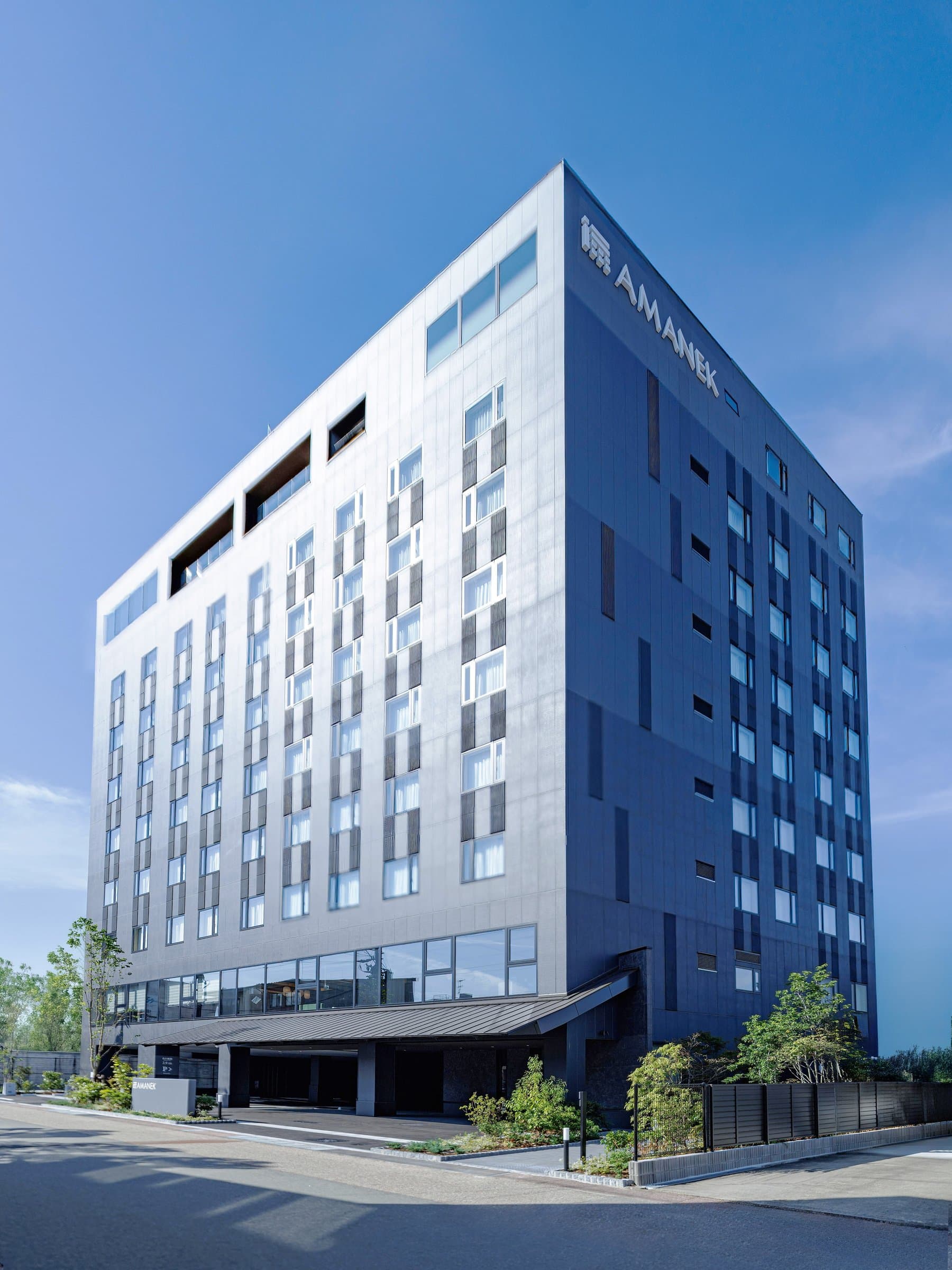
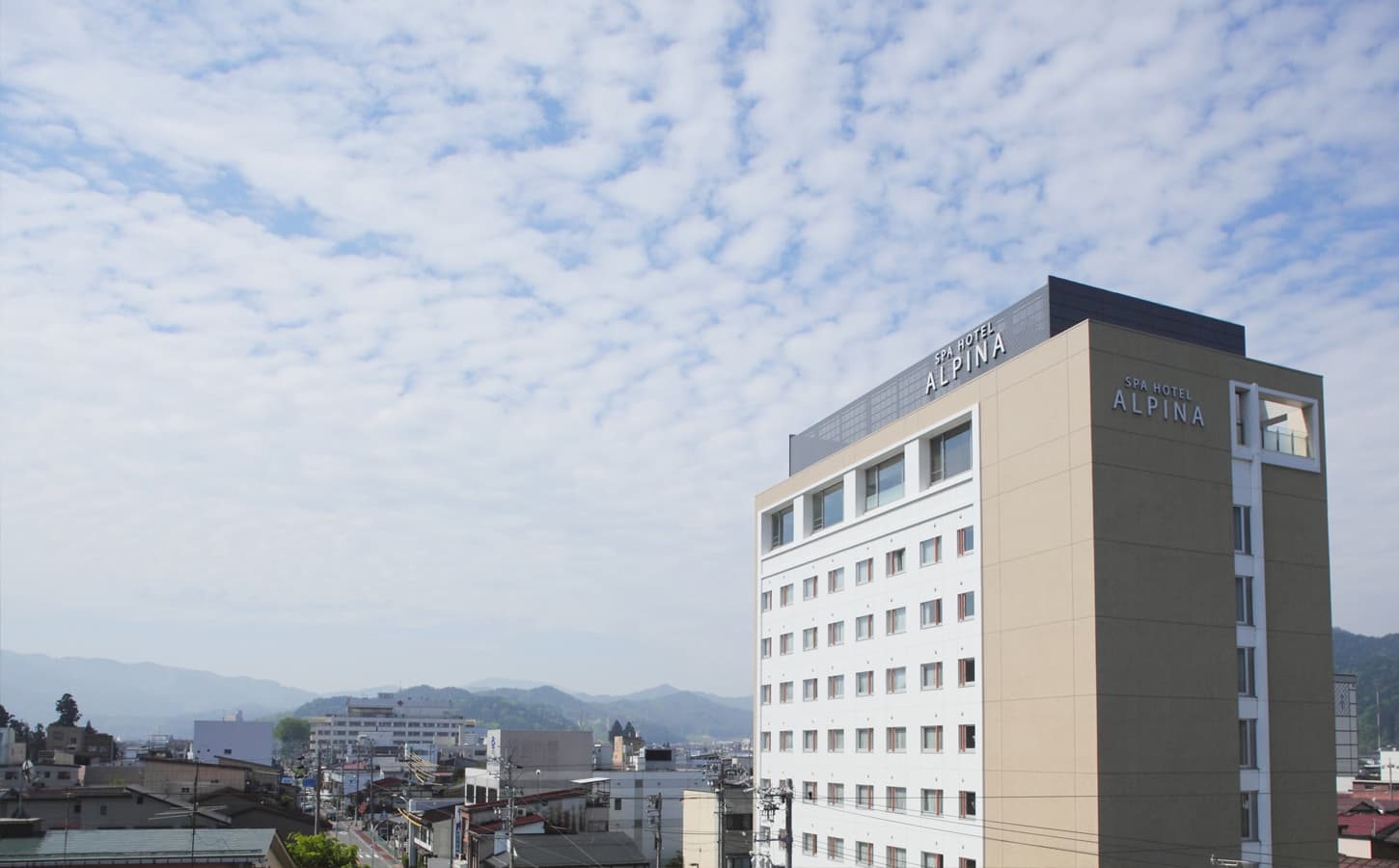
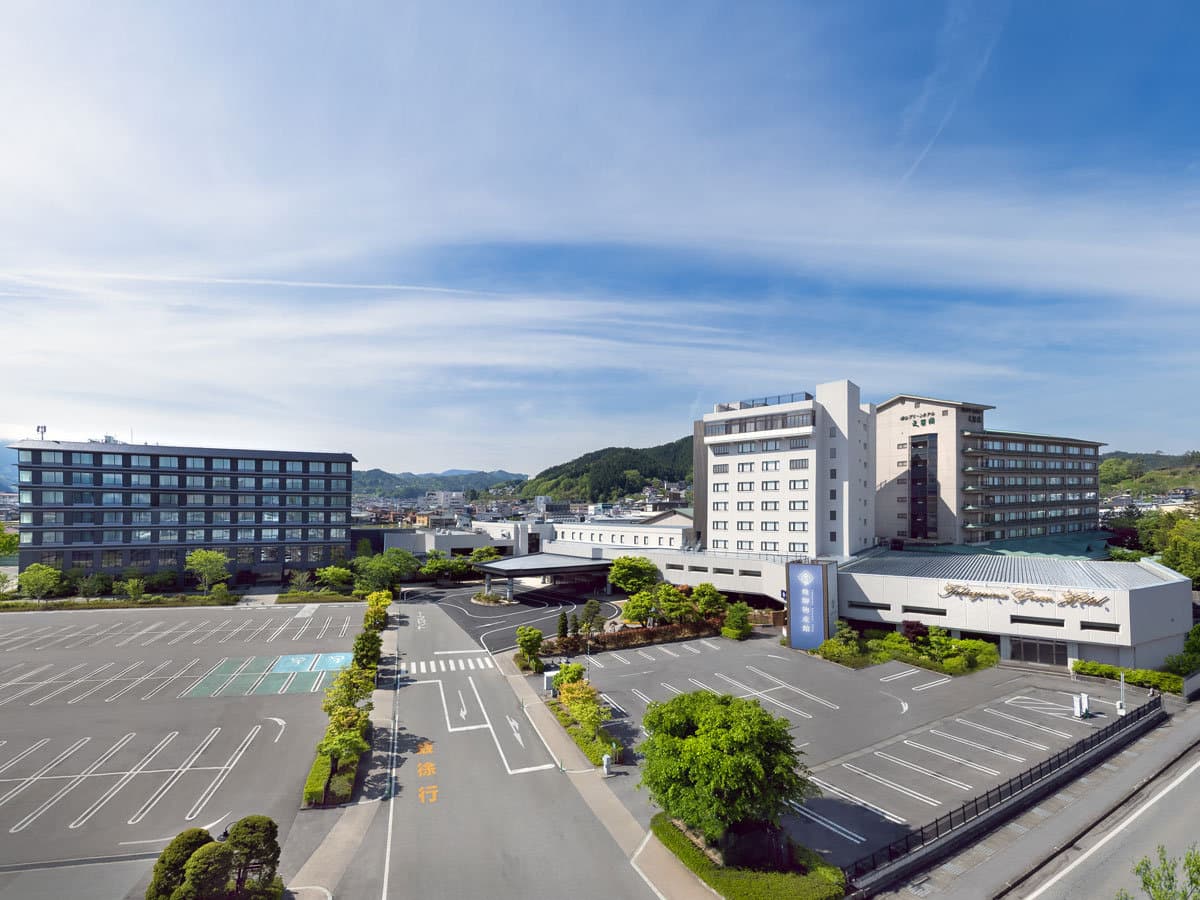
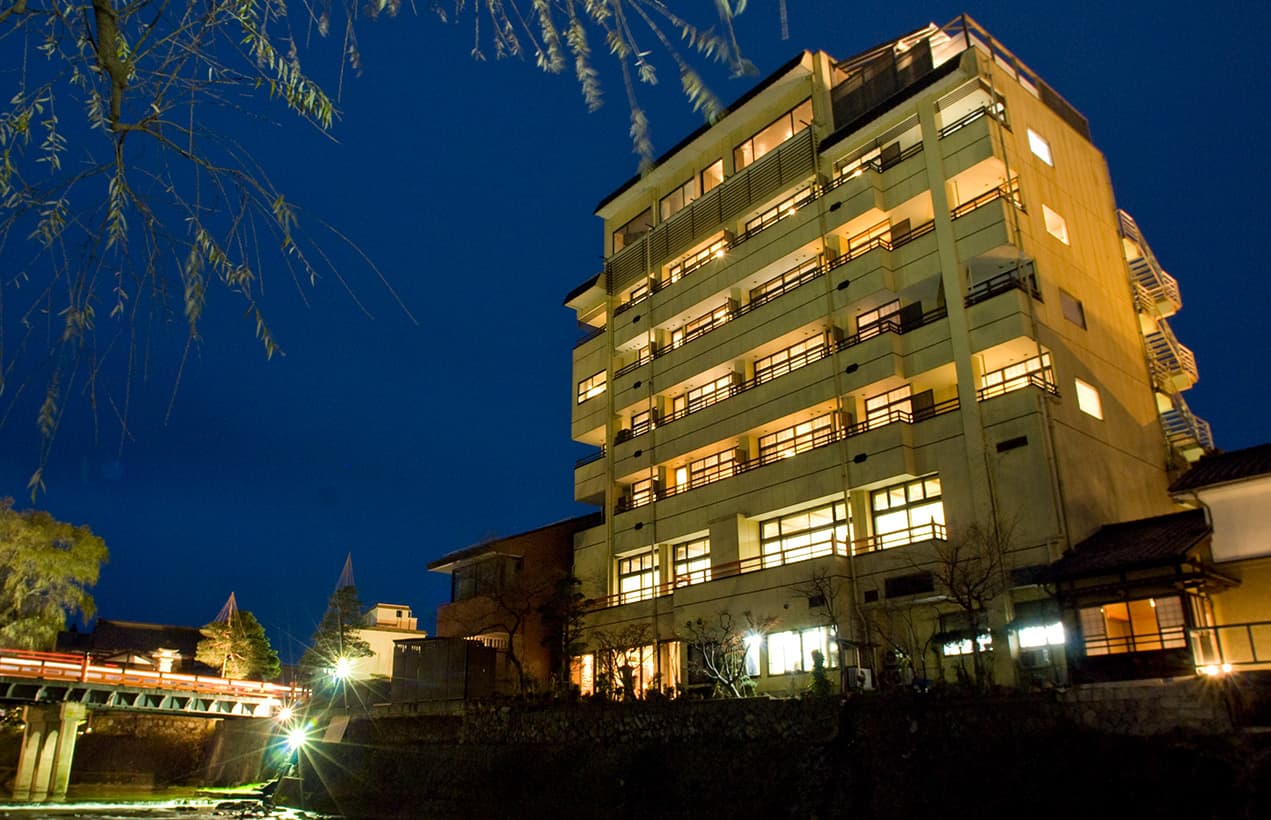
Picking the best ryokan in Takayama is harder than it looks. The first time I stayed here, I made a mistake almost every first-timer makes: I booked a place because the photos looked pretty, then realized at 8pm that I was a 25-minute walk from the lantern-lit Sanmachi old town in pouring rain. The dinner was fine, the room was fine, but I never actually *experienced* Takayama at night. The streets there empty out around 5pm when the day-trippers leave for Kanazawa, and that hour from 5 to 7 — when the wooden sake breweries glow under their cedar-ball signs and you can hear the Miyagawa river — is the entire reason to sleep here instead of bussing back to Nagoya.
So when people ask me for the best ryokan in Takayama, I don't just rank by stars. I rank by three things: how fast you can walk to Sanmachi Suji in geta sandals, how good the Hida-wagyu kaiseki actually is, and whether the host speaks enough English to explain what's on your tray. After three trips and a lot of cross-checking against Booking.com, Tripadvisor and the official ryokan sites in May 2026, here are six picks that I'd actually send my parents to — with honest pros and cons, current prices, and a Shirakawa-go day-trip plan you can tack on without backtracking.
How I chose these ryokans in Takayama
I started with a list of about 25 properties pulled from Tripadvisor's Takayama ryokan category and Booking.com's filtered "ryokan" results, then narrowed using four hard filters:
- Walkability: under 15 minutes on foot to Nakabashi Bridge (the red bridge marking the entry to Sanmachi). If a property was further out, it had to run a free shuttle that actually times with check-in/check-out. - Kaiseki with verified Hida wagyu: the menu had to specifically name Hida beef (飛騨牛), not just "wagyu" or "local beef." Hida beef is graded A4/A5 and certified by the Hida Beef Promotion Council; cheaper ryokans sometimes substitute with regional Gifu wagyu. - English-capable front desk: at minimum, written English at check-in plus one staff member who can field questions. Booking.com guest reviews in English under "staff" gave a reasonable proxy. - Onsen quality: real Hida Takayama Onsen water (the spring source matters — many central ryokans pipe in heated tap water and call it onsen). I noted which properties have private/family baths since these matter for tattooed travelers and couples.
A note on prices: every yen figure below was checked against the official site and at least one OTA (Booking.com or Tripadvisor) on May 4, 2026, for a standard double-occupancy room with two meals. Japan's accommodation tax (¥200 per person per night for stays under ¥20,000, scaling up to ¥1,000 for premium tiers) is usually added at check-in.
The 6 best ryokans in Takayama at a glance
| Ryokan | Walk to Sanmachi | Price (2 pax, dinner+breakfast) | Hida beef kaiseki | Private onsen | English | |---|---|---|---|---|---| | Honjin Hiranoya Kachoan | 4 min | from ¥48,780 | Yes (A5 options) | Some rooms | Strong | | Ryokan Tanabe | 1 min | from ¥38,000 | Yes (course or sukiyaki) | Family bath | Good | | Ryokan Asunaro | 8 min | from ¥22,000 | Yes (sukiyaki signature) | Tattoo-friendly | Strong | | Hidatei Hanaougi | Shuttle, 12 min by car | from ¥39,727 | Yes (premium) | 25 rooms with open-air | Good | | Iroriyado Hidaya | Shuttle, 18 min walk | from ¥26,600 | Yes (irori-cooked) | Two private baths | Moderate | | Oyado Koto No Yume | 10 min | from ¥35,703 | Yes (optional add-on) | Semi-open-air private | Good |
All prices verified against official reservation pages and Booking.com on 2026-05-04 for a weeknight stay in late May. Weekend and Takayama Festival dates (April 14-15 and October 9-10) run 30-60% higher and sell out a year in advance.
Tip
**Booking tip**: For festival weekends, set a Booking.com alert *and* call the ryokan directly via the official site's listed phone number. Several Takayama ryokans hold back rooms from OTAs for repeat guests and will release them by phone if you ask in basic Japanese or via a translation app.
1. Honjin Hiranoya Kachoan — best overall ryokan in Takayama
If I had one night in Takayama and a generous budget, I'd book Honjin Hiranoya Kachoan every time. It sits directly next to Nakabashi Bridge — you literally walk out the front door, cross the red bridge, and you're in Sanmachi Suji in 90 seconds. That location alone is worth the price tag, but the kaiseki is what makes this place top my list.
The room: 14 rooms across two buildings, all with tatami, futon-style bedding, and a low dining table where dinner is served. The pricier rooms in the Kachoan annex have private cypress (hinoki) tubs filled with onsen water, which I'd splurge on if you have tattoos or want to avoid the public bath schedule. The standard rooms still get full access to the rooftop open-air bath that looks across the Miyagawa river.
The food: dinner is a 9-10 course Hida-style kaiseki with A5 Hida beef as the main protein, usually served three ways — a slice of *shabu-shabu*, a *hoba-miso* grill (cooked on a magnolia leaf over a small charcoal burner at your table), and a sashimi-style raw cut. The hoba-miso is the regional dish you came here for. Breakfast includes Hida-region pickles, grilled river fish, and a hot pot.
Pricing: from ¥48,780 per night for two with dinner and breakfast in the standard wing [verified Tripadvisor and official site h-rez.com 2026-05-04]; rooms with private onsen baths run ¥75,000-95,000.
Pros: unbeatable location, the most polished kaiseki I've had in Takayama, a free station shuttle even though you barely need it (10-minute walk).
Cons: rooms are small by Western standards (about 8 tatami mats / 13 m² for the entry-level type), and the main building's wooden floors creak — fine if you sleep heavily, less fine if you don't. Booking lead time for cherry-blossom and autumn weeks is 4+ months.
Tip
**Tip**: Request a Miyagawa river-view room when you book; the price difference is small but the morning view of the open-air market on the riverbank is the moment you'll remember.
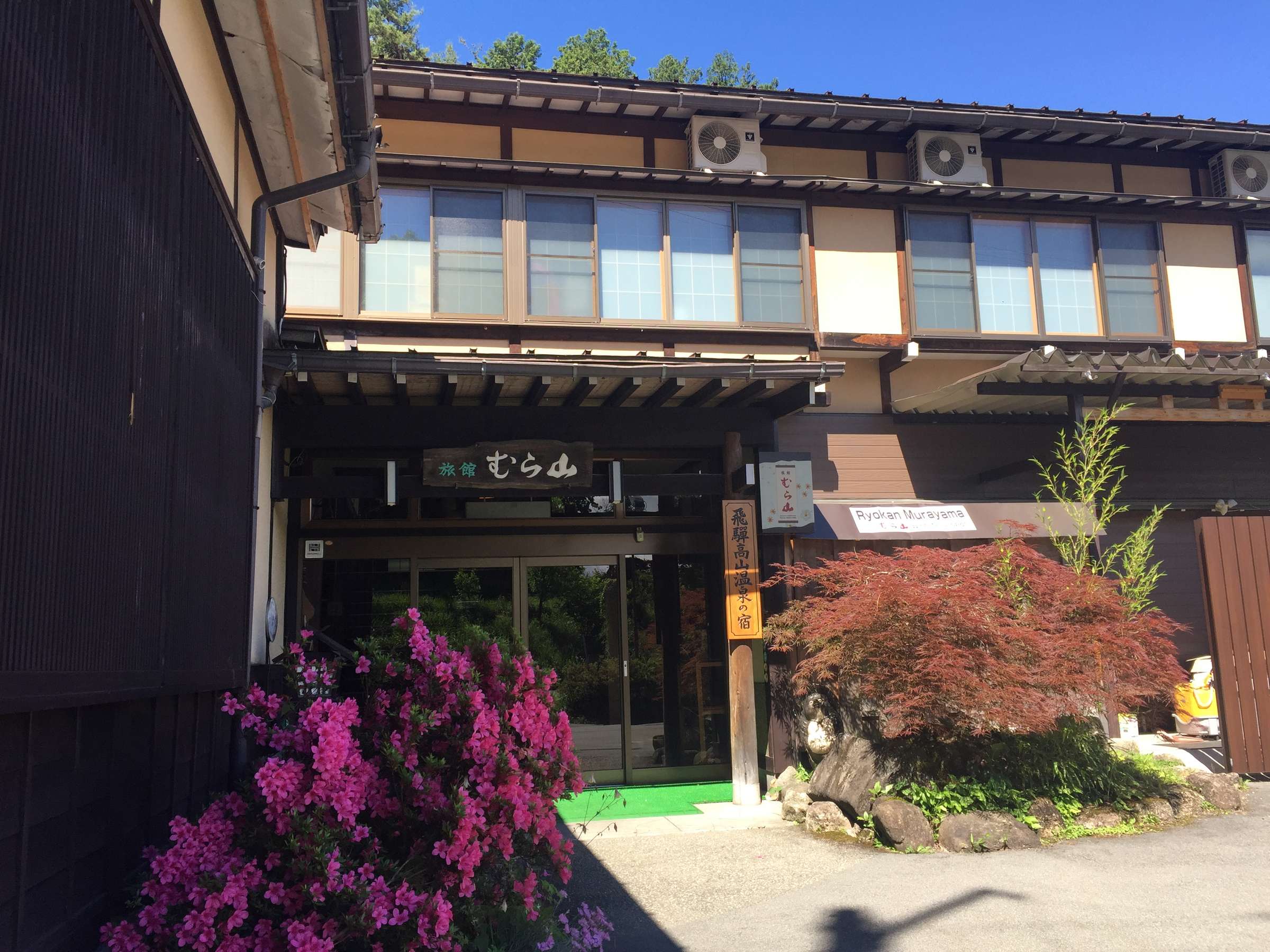
2. Ryokan Tanabe — best central pick under ¥40,000
Ryokan Tanabe is the answer when somebody asks "what's the most authentic ryokan walking distance to Sanmachi without going full luxury?" The front door is a one-minute walk to the historic district — closer than Hiranoya, in fact — and the price comes in roughly 20% lower for similar room quality.
The room: traditional 10-mat tatami rooms with shoji screens. Most rooms don't have private baths; you'll use the shared indoor stone bath and the smaller cypress family bath, which can be reserved for 40-minute private slots at no extra charge. The futons are laid out by staff while you're at dinner — a small detail that makes you feel like you're staying in someone's grandmother's beautifully maintained house, which is essentially what Tanabe is. The Tanabe family has run the ryokan for four generations.
The food: dinner is served in a private dining room rather than your guest room (the trade-off for the lower price). The Hida beef course is the highlight — you can choose a kaiseki set or upgrade to the Hida-beef *sukiyaki* dinner, which is served with raw egg dipping and the rich soy-mirin broth boiled at your table. Honestly, I prefer the sukiyaki upgrade; it's more theater and you taste the beef cleaner.
Pricing: from ¥38,000 for two with dinner and breakfast [verified Tripadvisor and Booking.com 2026-05-04]; the sukiyaki upgrade adds ¥3,500 per person.
Pros: best location-to-price ratio in this list, English-language printed menus and explanations, small enough that the okami (proprietress) personally greets you.
Cons: no in-room baths, no elevator (steep wooden stairs to the upper floors), and the walls are thin — bring earplugs if you're a light sleeper. The front street can have early-morning truck traffic delivering to nearby shops.
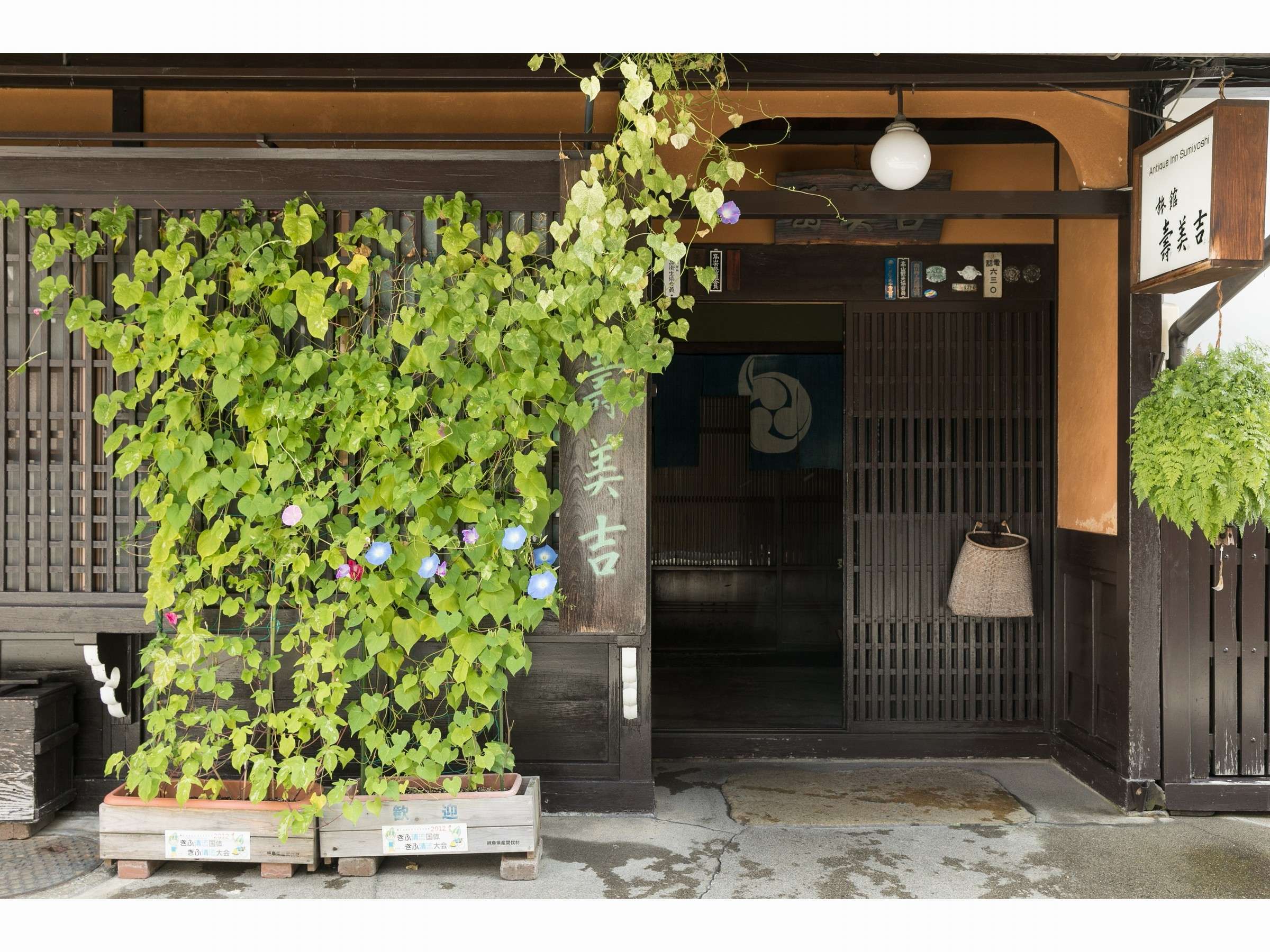
3. Ryokan Asunaro — best mid-range and tattoo-friendly option
Asunaro is the rare Takayama ryokan that openly welcomes tattooed guests in its onsen baths — a detail that matters more than guidebooks let on. About 70% of mid-range Japanese ryokans still have a no-tattoo policy at the public bath, so this one fills a real gap. It's also a 6-minute walk from JR Takayama Station and 8 minutes to Sanmachi, making it the most convenient if you're arriving by train with luggage.
The room: tatami rooms in a 1973 building that was renovated in 2018. The aesthetic is more "1970s Japanese country inn" than rustic-traditional, which I actually like — there's a warmth to the wood paneling and the staff truly seem to enjoy their jobs. The onsen baths are sourced from Hida Takayama Onsen and the hot rocks are real, not artificial.
The food: the kitchen is known for its Hida-beef sukiyaki, made with Hida-raised A4-grade beef simmered in a cast-iron pot at your table. The rest of the kaiseki includes river-fish sashimi (Hida is landlocked, so the "sashimi" is sweet *iwana* trout), local mountain vegetables, and a Hida-rice rice course. It's not as refined as Hiranoya's plating, but the flavors are deeper and more home-cooked.
Pricing: from ¥22,000 per night for two with dinner and breakfast [verified Booking.com and yado-asunaro.com 2026-05-04]. This is the cheapest full-kaiseki, full-onsen ryokan I'd recommend in central Takayama.
Pros: tattoo-friendly (large pieces are fine in the public bath), strong English support — multiple staff members are bilingual, free shuttle from the station, sukiyaki is genuinely excellent.
Cons: the building shows its age in places (older bathroom fixtures in standard rooms), no in-room private bath in the entry-level rooms, and the location, while close to Sanmachi, is on a slightly less atmospheric street.
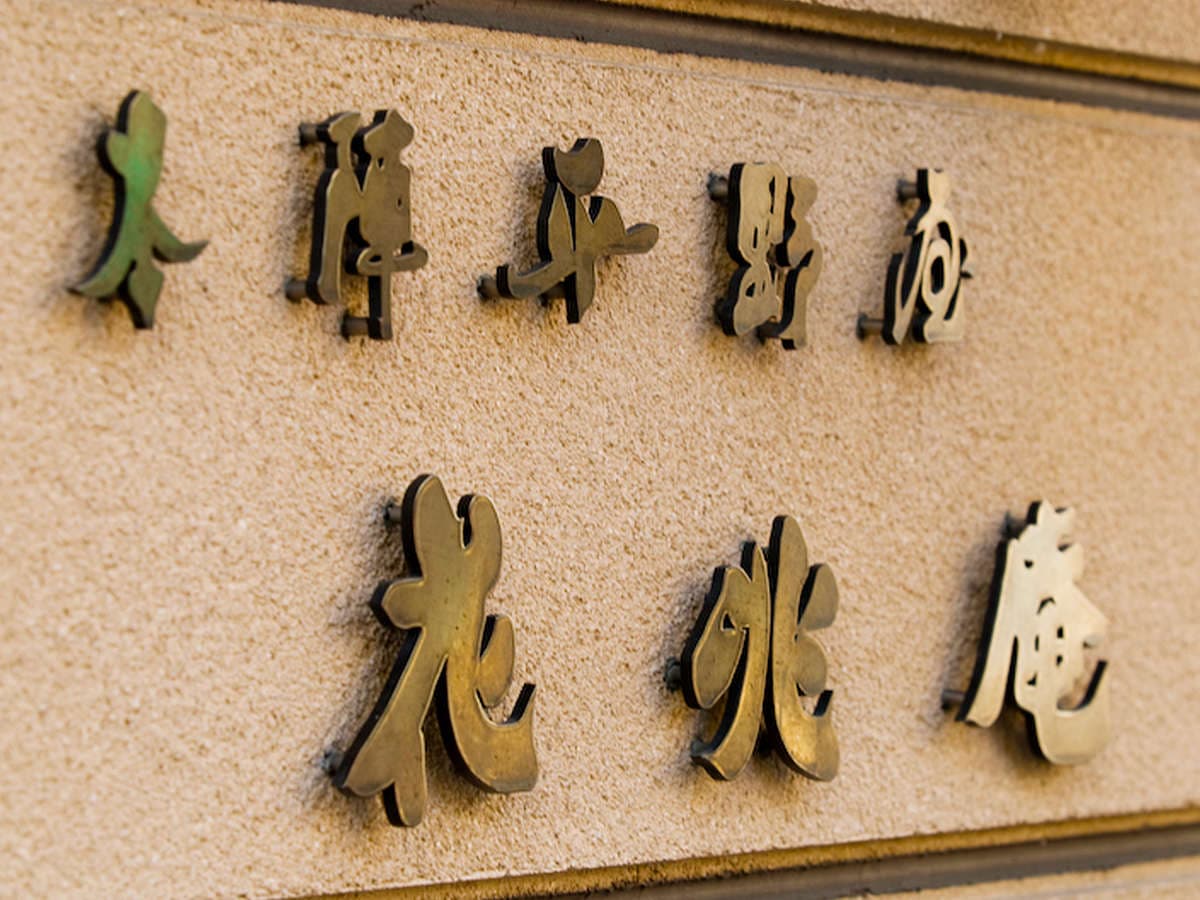
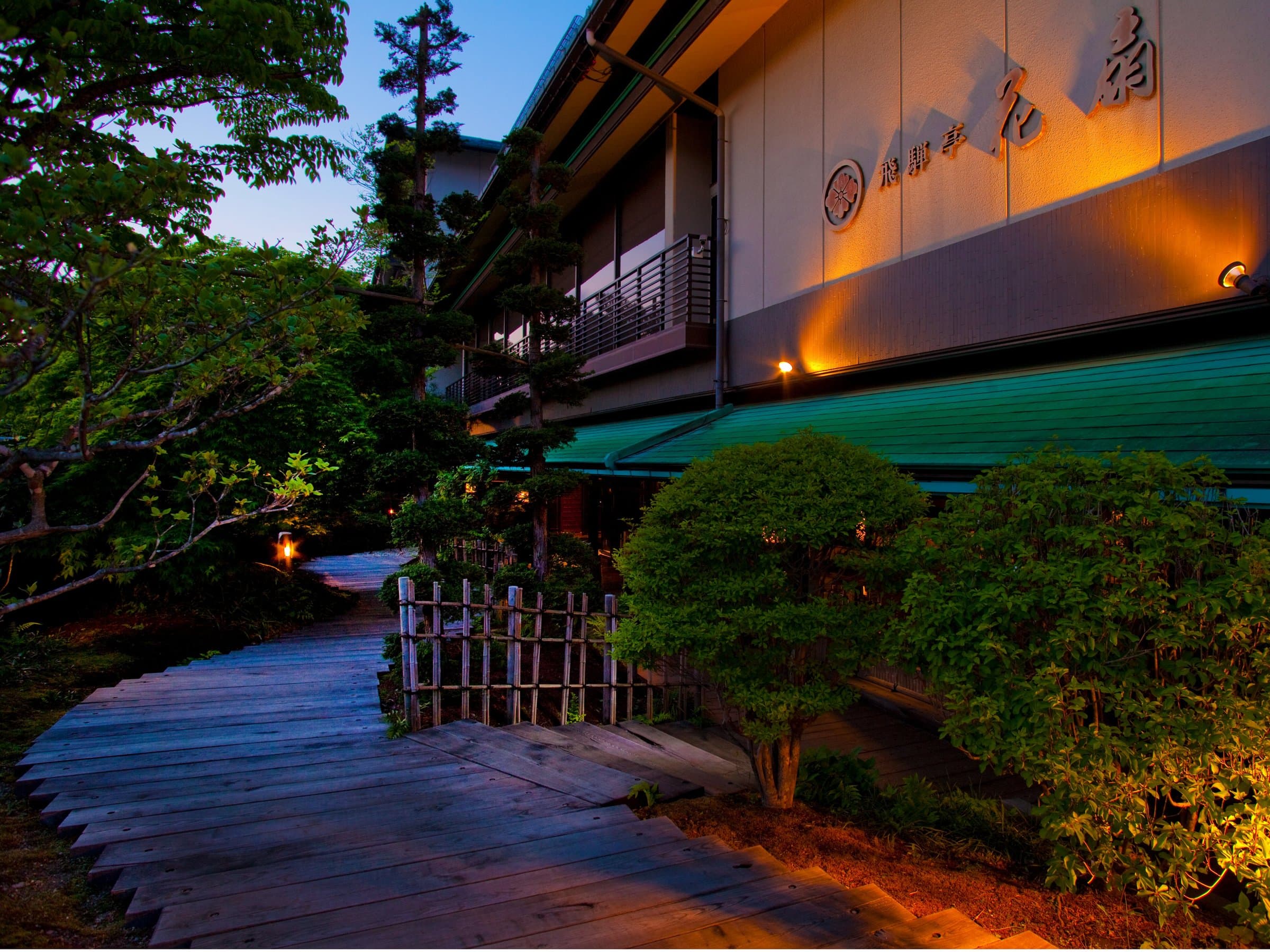
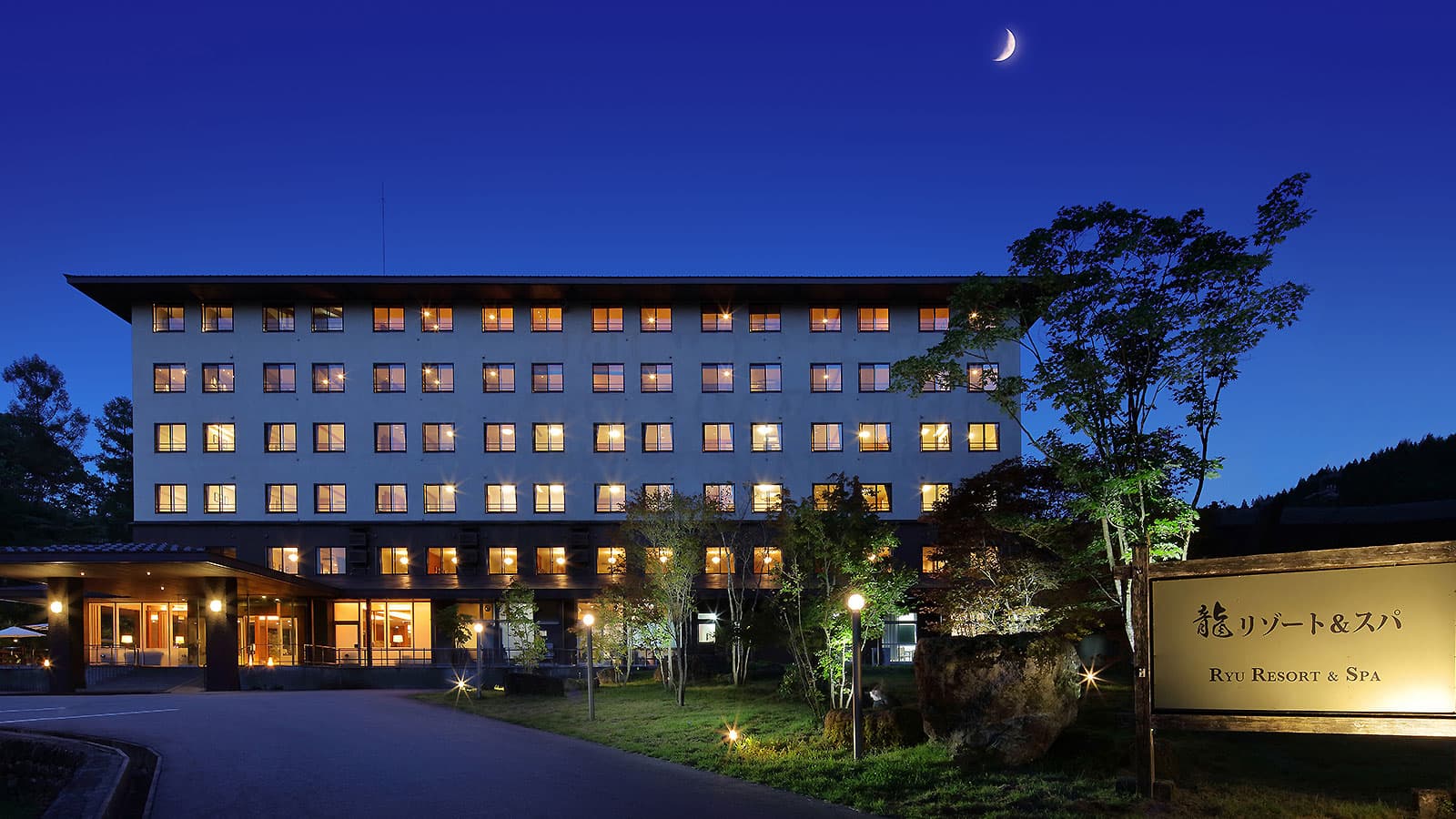
4. Hidatei Hanaougi — best for in-room private onsen
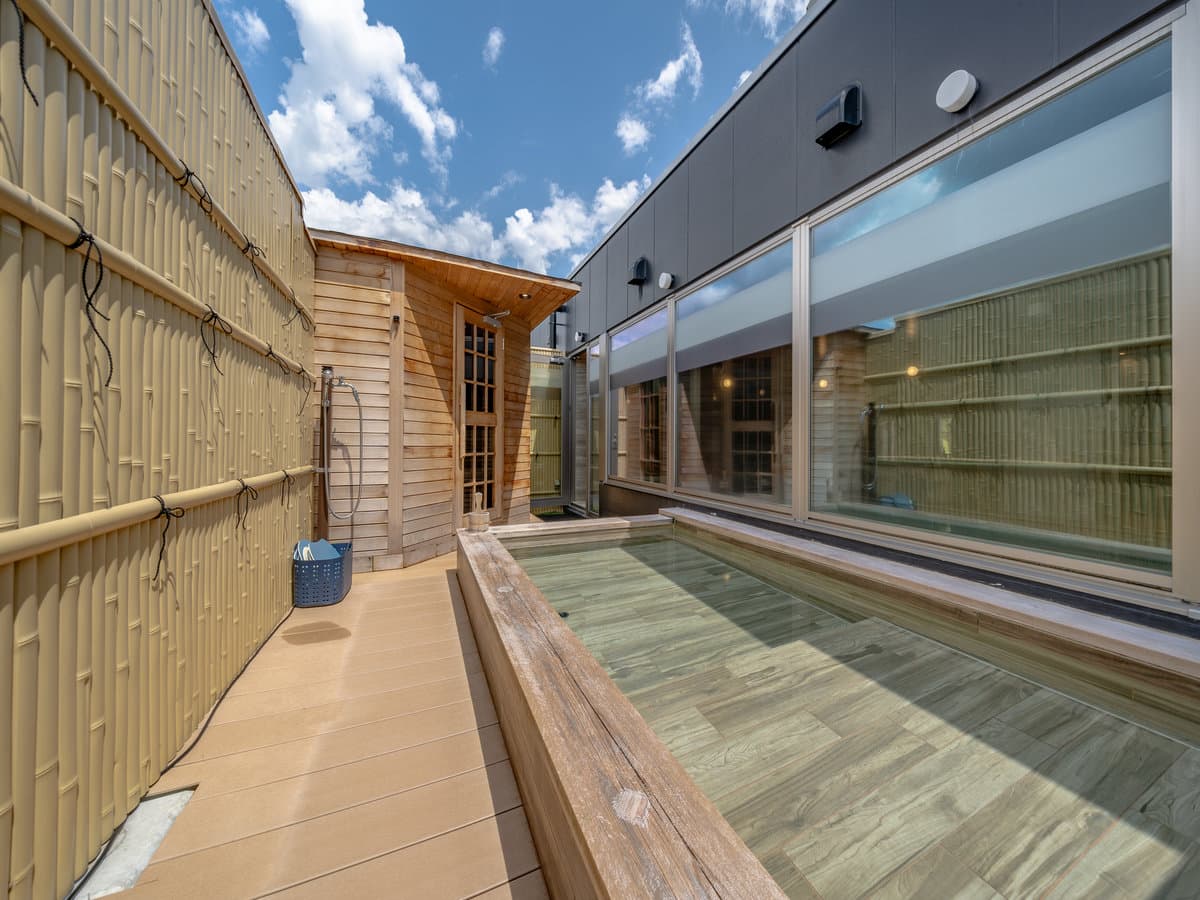
Hidatei Hanaougi sits in the Hida Takayama Onsen district, about 12 minutes by car from Sanmachi, and it's the right pick if your priority is "I want my own outdoor bath, with onsen water, on my own private terrace." Twenty-five of the rooms have open-air onsen tubs you can use any hour of the day or night — something I cannot overstate the appeal of when it's snowing in February.
The room: dedicated rooms ranging from 50 to 90 m² (huge by ryokan standards). The Hanaougi-no-Ma rooms have a wooden deck with a hinoki-wood tub continuously refilled with Hida Takayama Onsen water. The bedding is a hybrid — futon on the tatami section plus a Western-style bed in the connected room — which works well if you're not used to sleeping on the floor.
The food: served in private dining rooms, not in-room. The kaiseki uses Hida beef as the centerpiece and rotates seasonal Hida vegetables (in spring, *fuki-no-to* mountain butterbur shoots; in autumn, *matsutake* mushrooms when they're available, surcharged). I had the autumn menu and the *hoba-miso* with Hida beef and matsutake was probably the single best ryokan dish of the entire trip.
Pricing: from ¥39,727 per night for two with dinner and breakfast in a base room [verified Tripadvisor 2026-05-04]; rooms with private outdoor onsen run ¥55,000-80,000. The premium tier is closer to ¥120,000 with full kaiseki and matsutake season pricing.
Pros: the in-room onsen experience is the real thing, free shuttle to/from Takayama Station that hits Sanmachi on request, very English-friendly with bilingual concierge staff.
Cons: you're not walking to Sanmachi from here. If you want to wander the old town after dark, you'll need to time the shuttle (last run is usually 9pm) or take a ¥1,500 taxi back. The property is also large enough that it loses a bit of the small-inn intimacy you get at Tanabe or Asunaro.
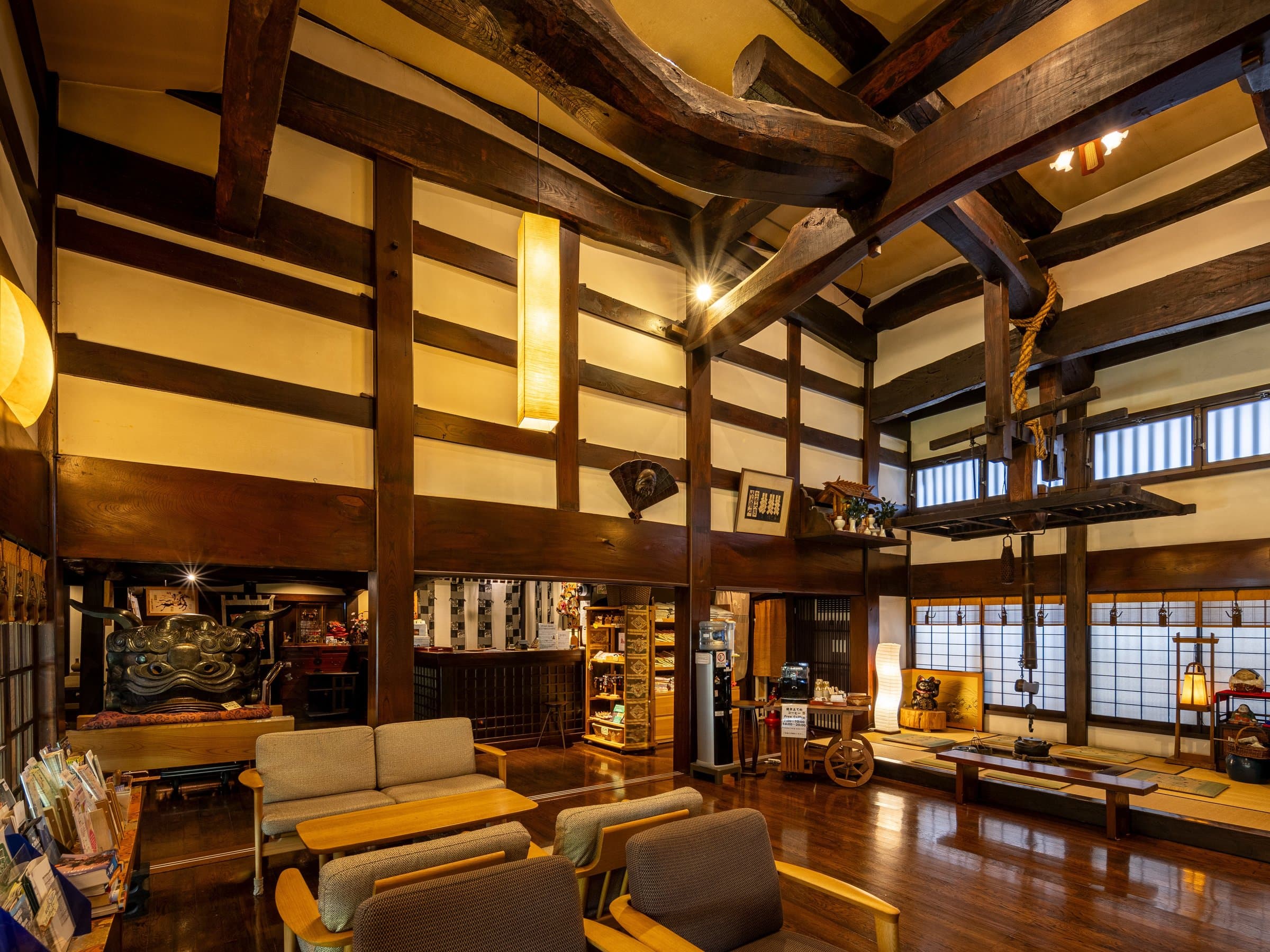
5. Iroriyado Hidaya — best 100-year-old farmhouse ryokan
This one is a curveball: Iroriyado Hidaya is a relocated and restored *gassho-style* (steep thatched-roof) farmhouse from the Hida region, over 100 years old. The name "Hyakunen Kominka" literally means "100-year old folk house." There are only six rooms, and each one has an *irori* — a sunken charcoal hearth in the floor — that the staff actually lights for you in winter.
The room: rough-hewn wooden beams, paper screens, and the irori as the centerpiece. Smaller than the chain ryokans (around 12-15 m²) but the texture of the place compensates. Two of the six rooms have private semi-open-air baths.
The food: this is where it gets memorable. Dinner is cooked partly *on your irori* — Hida beef on a skewer that you grill yourself over the charcoal, hoba-miso over the same fire, river fish on long bamboo skewers stuck into the ash. It's the most active, hands-on kaiseki experience in Takayama. The okami brings each course personally and explains it (in Japanese; staff have a tablet for English translation).
Pricing: from ¥26,600 per night for two with dinner and breakfast [verified Booking.com 2026-05-04]; the rooms with private baths run ¥36,000-42,000.
Pros: the most genuinely old-Japan atmosphere of anywhere on this list, the cooking-at-your-irori experience is unforgettable, six rooms means it's quiet.
Cons: it's an 18-minute walk to Sanmachi (or use the free shuttle, which runs three times a day), and the English support is only moderate — bring Google Translate. The historic building means thin walls and a bit of smoke smell from the irori (some guests find this charming, others tiring). Bathrooms in the standard rooms are shared down the hall.
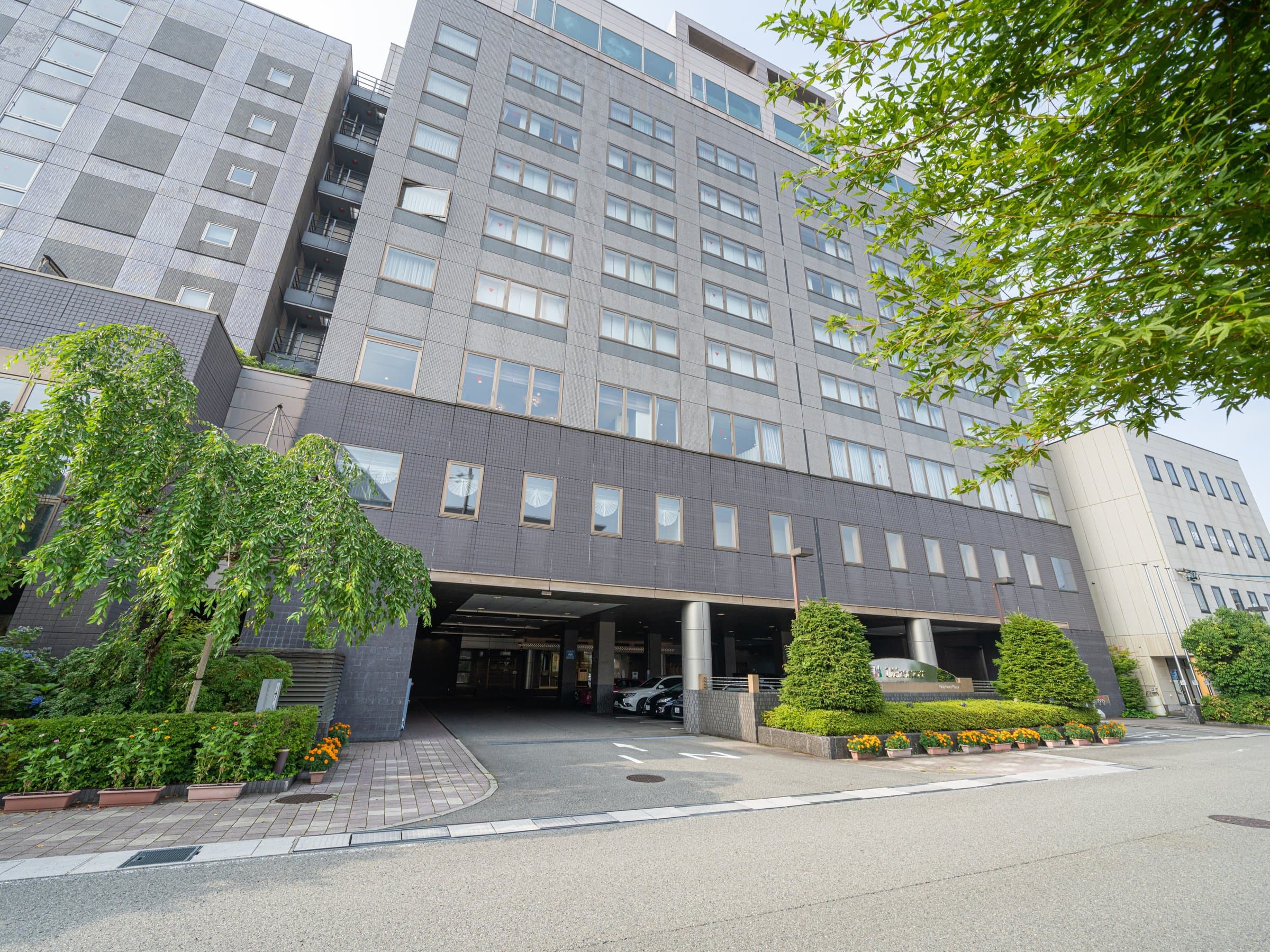
6. Oyado Koto No Yume — best for first-time ryokan visitors
Oyado Koto No Yume is the easiest ryokan in Takayama to book, navigate, and enjoy if you've never stayed at one before. It's a two-minute walk from Takayama Station — useful when you arrive at 6pm tired from the JR train from Nagoya — and a ten-minute flat walk to Sanmachi. The whole place is built to ease Western guests into the ryokan format.
The room: 24 rooms, mostly tatami, but there's a "Japanese-Western" hybrid option with twin beds on a raised tatami platform, which I recommend for older travelers or anyone who simply doesn't want to sleep on the floor. Some rooms have a semi-open-air private hot tub on the balcony — not full onsen water in those (it's heated tap), so for a real hot-spring soak, head to the public indoor and open-air baths on the top floor, which use Hida Takayama Onsen.
The food: dinner at the on-site KAGURA restaurant offers a flexible "choose your style" approach — kaiseki, Hida-beef shabu-shabu, or Hida-beef *teppan* (iron-griddle). The teppan is a fun option if you want to see your beef cooked rather than have it served. A traditional kaiseki adds about ¥4,000-6,000 per person. Breakfast offers both Western and Japanese options, useful for kids or picky eaters.
Pricing: from ¥35,703 per night for two with dinner and breakfast [verified official site oyado-koto-no-yume.hotel-rn.com and Booking.com 2026-05-04].
Pros: closest to Takayama Station of any ryokan on this list, very flexible food options, English check-in is smooth, semi-private balcony tubs in some rooms.
Cons: the in-room "tubs" are not real onsen (the real onsen is in the shared baths), the décor leans modern-hotel rather than traditional-ryokan, and at peak season the hallways feel busy because there are more rooms than at the smaller inns above.
What to expect at any ryokan in Takayama: the practical bits
If this is your first ryokan stay anywhere in Japan, here's the pattern that all six properties above follow.
Check-in is usually 3pm–6pm, and you're expected to arrive in this window so the host can greet you with green tea and explain the bath/dinner schedule. Earlier than 3pm, most ryokans will store your luggage but the room won't be ready.
Dinner is at a fixed time — typically 6pm or 6:30pm — and you should communicate dietary restrictions (vegetarian, no shellfish, halal needs) at the time of booking, not on arrival. The kaiseki is planned days in advance and last-minute changes are stressful for the kitchen.
Yukata robes are provided for wearing inside the ryokan and to and from the bath. You can wear them to dinner. Wear them out to walk around Sanmachi at night if you want — locals expect it during festival season.
The bath etiquette: wash thoroughly at the seated showers *before* entering the bath. Bring no soap, towels, or swimwear into the soaking tub. Tie up long hair. Most ryokans have separate men's and women's baths that swap at midnight (so you experience both views).
Tipping is not done. A genuine "arigato gozaimasu" with a bow is the right thank-you.
Tip
**Tattoos**: only Asunaro on this list is openly tattoo-friendly. At the others, small concealable tattoos can be covered with the bandage patches some ryokans sell at the front desk (¥300 each), or you can use the family/private bath. Always ask at check-in.
Add-on: Shirakawa-go day trip from Takayama
Almost everyone staying at a ryokan in Takayama also wants to see Shirakawa-go, the UNESCO-listed thatched-roof village an hour to the west. Here's how to do it without backtracking and without rushing your ryokan check-out.
The bus: Nohi Bus runs the Takayama–Shirakawago line about 16 round-trips daily. One-way is ¥2,800, round-trip ¥5,000, and the journey is 50 minutes [verified Nohi Bus official site nouhibus.co.jp 2026-05-04]. Reservations are recommended in autumn and during cherry-blossom weeks; you can book through Japan Bus Online up to a month in advance.
The optimal day plan:
1. Eat ryokan breakfast at 8am (most ryokans serve until 9am). 2. Check out by 10am, leave luggage at the front desk. 3. Walk five minutes to the bus terminal next to Takayama Station. 4. Catch the 10:50am bus, arrive Shirakawa-go around 11:40am. 5. Walk to the Shiroyama Viewpoint (15 minutes uphill) for the postcard shot. 6. Lunch at one of the village restaurants — try *hoba-miso* or *Hida-gyu nigiri* (single piece of beef sushi, around ¥800). 7. Visit one of the open-house gassho-style farmhouses (Wada-ke is the largest, ¥400 entry). 8. Catch the 3:30pm or 4:30pm bus back to Takayama, retrieve luggage, and continue to Kanazawa (¥4,000, 1h15) or Tokyo via Nagoya.
If you have a second night: do Shirakawa-go on the day you arrive (drop luggage at Takayama Station coin lockers, do the village, then check into your ryokan that afternoon). This way you actually have a full evening to explore Sanmachi after dinner — the part most day-trippers miss.
Tip
**Tip**: Avoid Shirakawa-go on Saturdays from May to October. The village has narrow paths and the crowds genuinely diminish the experience. Tuesday or Wednesday is ideal.
Frequently asked questions about staying at a ryokan in Takayama
How far in advance should I book a ryokan in Takayama? For the spring (April-May) and autumn (October-November) seasons, book 3-4 months ahead. For the Takayama Festival (April 14-15 and October 9-10), book 9-12 months ahead. For winter and summer weekdays, 2-4 weeks is usually enough.
What's the best ryokan in Takayama for couples? Hidatei Hanaougi for a private-onsen splurge, or Honjin Hiranoya Kachoan if you want luxury plus the central location. Tanabe is the best mid-range romantic pick.
Are Takayama ryokans family-friendly? Some are, some aren't. Oyado Koto No Yume is the most child-friendly with Western breakfast options and Japanese-Western hybrid rooms. Iroriyado Hidaya and Hidatei Hanaougi have a more adults-focused atmosphere.
Can I stay only one night? Yes, all six properties accept single-night bookings. I'd actually argue one night is enough for Takayama itself; pair it with a night in Kanazawa or Kyoto to make the route worthwhile.
Is the Hida-beef kaiseki really worth the price? If you've never had A4 or A5 wagyu, yes — the experience of having it cooked five or six different ways in one meal is genuinely special. If you've eaten high-end wagyu before, the lower-priced ryokans (Asunaro, Tanabe) deliver 80% of the experience for half the price.
Final ranking and who each ryokan is for
The honest summary: the best ryokan in Takayama depends on what you actually want.
- Best overall: Honjin Hiranoya Kachoan — luxury, location, kaiseki, all maxed out. - Best value: Ryokan Asunaro — strong food, central location, tattoo-friendly, under ¥25,000. - Best location: Ryokan Tanabe — one-minute walk to Sanmachi. - Best private onsen: Hidatei Hanaougi — in-room outdoor baths with real spring water. - Best atmosphere: Iroriyado Hidaya — 100-year-old farmhouse with irori dining. - Best for first-timers: Oyado Koto No Yume — easy logistics, flexible food.
Whatever you book, give yourself one full evening in Sanmachi after dinner. Walk back through the lantern-lit streets in your yukata, get a small cup of sake from one of the breweries that's still open, and stand on Nakabashi Bridge for ten minutes. That's the best ryokan in Takayama — the one whose front door is closest to that moment.
挑选高山最好的旅馆比想象中难得多。我第一次来这里住宿时,就犯了几乎所有新手都会犯的错误:因为照片好看就订了一家旅馆,结果晚上8点才发现自己离灯笼点亮的三町古街还有25分钟的步行路程,而且当时正下着倾盆大雨。晚餐尚可,房间也还行,但我从未真正*体验过*高山的夜晚。下午5点左右,当一日游的游客都坐车前往金泽时,街道便会清空——而从下午5点到7点这段时间,正是杉木球招牌下木造酒造发出柔和光晕、能听到宫川河水声的时刻,这才是你不愿坐巴士回名古屋、而要在此过夜的全部理由。
所以当有人问我高山最好的旅馆是哪家时,我不会只按星级排名。我会从三个方面来评估:穿着木屐能多快走到三町筋、飞驒和牛怀石料理是否真的好吃、老板的英语是否足以解释端上来的料理。在2026年5月经过三次实地走访,并反复对照Booking.com、Tripadvisor及各旅馆官网信息后,以下这6家是我会真心推荐给父母去住的——附上诚实的优缺点、当前价格,以及一份可无缝衔接、无需折返的白川乡一日游攻略。
我如何挑选这些高山旅馆
我从Tripadvisor"高山旅馆"分类及Booking.com筛选过的"旅馆"结果中整理出约25家候选,然后通过四项硬性筛选条件缩小范围:
- 步行便利性:步行至中桥(标志着进入三町的红色桥)需在15分钟以内。如果地点更远,必须提供与入住/退房时间真正匹配的免费接驳车。 - 认证飞驒和牛的怀石料理:菜单上必须明确标注飞驒牛(飛騨牛),而不仅仅是"和牛"或"本地牛肉"。飞驒牛被评为A4/A5等级,并由飞驒牛振兴协议会认证;价格较低的旅馆有时会用岐阜地区其他和牛代替。 - 前台具备英语接待能力:至少需有书面英文办理入住的能力,以及一名能解答问询的员工。Booking.com上"工作人员"项下的英文住客评论可作为合理参考。 - 温泉品质:需为正宗的飞驒高山温泉源水(泉源很重要——许多市中心的旅馆其实是把加热的自来水当作"温泉"使用)。我也标注了哪些旅馆设有私人/家族浴池,这对有纹身的旅客和情侣来说很重要。
关于价格说明:以下每个日元价格都已于2026年5月4日通过官网及至少一家OTA(Booking.com或Tripadvisor)核实,对应的是双人入住、一泊二食(含晚餐和早餐)的标准房型。日本住宿税(每人每晚住宿费低于2万日元收取200日元,高端房型最高可达1,000日元)通常会在入住时另行收取。
高山6家最佳旅馆一览
| 旅馆 | 步行至三町 | 价格(2人,含晚餐和早餐) | 飞驒牛怀石 | 私人温泉 | 英语 | |---|---|---|---|---|---| | 本陣平野屋花兆庵 | 4分钟 | ¥48,780起(约¥2,439人民币起) | 有(A5级可选) | 部分客房 | 优秀 | | 旅馆田边 | 1分钟 | ¥38,000起(约¥1,900人民币起) | 有(怀石或寿喜烧) | 家族浴池 | 良好 | | 旅馆翌桧 | 8分钟 | ¥22,000起(约¥1,100人民币起) | 有(招牌寿喜烧) | 接受纹身 | 优秀 | | 飞驒亭花扇 | 接驳车,车程12分钟 | ¥39,727起(约¥1,986人民币起) | 有(高端) | 25间客房带露天浴池 | 良好 | | 围炉宿飞驒屋 | 接驳车,步行18分钟 | ¥26,600起(约¥1,330人民币起) | 有(围炉烹制) | 两个私人浴池 | 一般 | | 御宿琴之梦 | 10分钟 | ¥35,703起(约¥1,785人民币起) | 有(可加点) | 半露天私人浴池 | 良好 |
所有价格均已于2026年5月4日通过官方预订页面及Booking.com核实,对应5月下旬平日入住。周末及高山祭日期(4月14-15日及10月9-10日)价格会上浮30-60%,且需提前一年预订。
Tip
**预订小贴士**:节庆周末的房间可设置Booking.com提醒,*同时*通过官网列出的电话号码直接致电旅馆。多家高山旅馆会从OTA渠道保留部分房间给老客户,如果你能用基础日语或翻译软件询问,他们会通过电话释放房源。
1. 本陣平野屋花兆庵 — 高山综合最佳旅馆
如果在高山只能住一晚且预算充裕,我每次都会订本陣平野屋花兆庵。它就坐落在中桥旁边——你字面意义上从前门走出来,跨过红桥,90秒内就能进入三町筋。仅这一个地理位置就值这个价,但真正让它登顶我推荐榜的,是这里的怀石料理。
客房:分布在两栋建筑中的14间客房,全部为榻榻米地面、铺被褥的传统寝具,并配有用于上菜的矮餐桌。花兆庵附属楼里价格更高的客房配备私人桧木浴缸,注满温泉水——如果你有纹身或想避开公共浴池的时间安排,建议加钱预订这种房型。即便是标准房型,仍可享受能眺望宫川河的屋顶露天浴池。
餐食:晚餐是9-10道飞驒风味的怀石料理,主菜为A5级飞驒牛,通常以三种方式呈现——一片*涮涮锅*、一份*朴叶味噌*烤(在你桌前的小炭炉上用朴叶烹烤),以及生切刺身风格。朴叶味噌正是你来这里就该尝的地方菜。早餐包含飞驒地区的腌菜、烤河鱼以及一锅热汤。
价格:标准翼楼标准房型双人一泊二食¥48,780起(约¥2,439人民币起)[已于2026年5月4日通过Tripadvisor及官网h-rez.com核实];带私人温泉浴池的房型为¥75,000-95,000(约¥3,750-4,750人民币)。
优点:无与伦比的位置、我在高山吃过最精致的怀石料理、虽然几乎用不上但仍提供免费车站接驳(步行也只要10分钟)。
缺点:以西方标准衡量房间偏小(入门级房型约8张榻榻米/13平米),主楼木地板会发出吱呀声——睡得沉的人没问题,浅眠者就比较介意了。樱花季和红叶季的预订需提前4个月以上。
Tip
**小贴士**:预订时记得指定宫川河景房;价差不大,但清晨从河岸露天市集望去的景色,会成为你一辈子记得的瞬间。
2. 旅馆田边 — ¥40,000以下最佳市中心选择
如果有人问"步行可达三町的最正宗旅馆里,价格不到顶级奢华的有哪家?",旅馆田边就是答案。它的前门距离历史街区只需步行一分钟——实际上比平野屋还近——而房型品质相近的情况下价格大约低20%。
客房:传统10叠榻榻米房间,配有障子(拉门纸窗)。大多数房间没有私人浴池;你需要使用共用的室内石浴池及较小的桧木家族浴池,后者可免费预约40分钟的私享时段。被褥会在你用晚餐期间由工作人员铺好——这种小细节会让你感觉自己是住在某位奶奶精心打理的家中,而田边旅馆某种意义上就是这样的存在。田边家族已经经营这家旅馆四代。
餐食:晚餐在专属用餐间而非客房内享用(这是价格较低的代价之一)。飞驒牛料理是亮点——你可以选择怀石套餐,或升级为飞驒牛*寿喜烧*晚餐,搭配生鸡蛋蘸料和浓郁的酱油-味淋汤底,在桌前的锅中翻煮。说实话,我更喜欢升级版的寿喜烧;更具仪式感,也更能尝出牛肉本身的味道。
价格:双人一泊二食¥38,000起(约¥1,900人民币起)[已于2026年5月4日通过Tripadvisor及Booking.com核实];寿喜烧升级每人加¥3,500(约¥175人民币)。
优点:本榜单中性价比最高的位置、提供英文印刷菜单及讲解、规模小到能让女将(女主人)亲自迎接你。
缺点:客房无私人浴池、无电梯(上楼需走陡峭的木楼梯)、墙壁较薄——浅眠者请自备耳塞。前街可能在清晨有给附近商铺送货的卡车噪音。
3. 旅馆翌桧 — 最佳中档及对纹身友好的选择
翌桧是高山少见的、明确欢迎有纹身客人进入温泉浴池的旅馆——这一细节比旅游指南上写的要重要得多。约有70%的中档日式旅馆在公共浴池仍执行禁止纹身政策,所以这家填补了真实的空白。它距离JR高山站步行6分钟,到三町8分钟,是带行李坐火车抵达时最方便的选项。
客房:1973年的建筑于2018年翻修,提供榻榻米客房。整体美学更偏向"1970年代日本乡村旅馆"而非质朴传统风——我个人很喜欢;木质墙板有种温暖感,而员工也确实享受自己的工作。温泉用水来自飞驒高山温泉源,热岩是真材实料,并非人造。
餐食:厨房以飞驒牛寿喜烧著称,使用飞驒饲养的A4级牛肉在桌前的铸铁锅中慢炖。怀石料理的其他部分包括河鱼刺身(飞驒不靠海,所以"刺身"用的是甘甜的*岩鱼*鳟鱼)、本地山菜以及飞驒米饭。摆盘不如平野屋精致,但味道更醇厚、更有家常感。
价格:双人一泊二食¥22,000起(约¥1,100人民币起)[已于2026年5月4日通过Booking.com及yado-asunaro.com核实]。这是高山市中心我会推荐的最便宜的、提供完整怀石+完整温泉的旅馆。
优点:对纹身友好(公共浴池中大面积纹身也没问题)、强大的英语支持——多名员工能流利使用双语、车站免费接驳、寿喜烧确实出色。
缺点:建筑某些部分显出岁月痕迹(标准房型卫浴设施较老旧)、入门级房型无客房私人浴池、虽然靠近三町但所在街道氛围略逊一筹。
4. 飞驒亭花扇 — 最佳客房私人温泉
飞驒亭花扇位于飞驒高山温泉区,距三町约12分钟车程,如果你的首要诉求是"我要一个属于自己的露天浴池,注满温泉水,开在自己的私人露台上",那这家就是不二之选。其中25间客房配备可全天候任意使用的露天温泉浴缸——在2月飘雪时,那种吸引力我怎么形容都不过分。
客房:50到90平米的特色客房(按旅馆标准已属巨大)。花扇之间客房带有木质露台,配桧木浴缸,持续注入飞驒高山温泉水。寝具采用混合形式——榻榻米区域铺被褥,连接的房间有西式床——对不习惯睡地板的人来说很友好。
餐食:在专属用餐间内享用,并非客房内供应。怀石料理以飞驒牛为核心,并搭配应季的飞驒蔬菜(春天是*蕗薹*山款冬芽;秋天有*松茸*,需视情况加价)。我点了秋季菜单,飞驒牛+松茸的*朴叶味噌*可能是整次旅行中最棒的一道旅馆料理。
价格:基础房型双人一泊二食¥39,727起(约¥1,986人民币起)[已于2026年5月4日通过Tripadvisor核实];带私人露天温泉的房型为¥55,000-80,000(约¥2,750-4,000人民币)。高端房型接近¥120,000(约¥6,000人民币),含完整怀石料理及松茸季节定价。
优点:客房内温泉是真材实料、提供往返高山站的免费接驳,可应要求停靠三町、对英语客人非常友好,配双语礼宾员工。
缺点:从这里走不到三町。如果想在天黑后游逛古镇,得卡好接驳车时间(末班通常为晚上9点)或打¥1,500(约¥75人民币)的出租车回来。物业规模较大,少了田边或翌桧那种小客栈式的亲密感。
5. 围炉宿飞驒屋 — 最佳百年农舍旅馆
这家是个意外之选:围炉宿飞驒屋是从飞驒地区移建并修复的*合掌造*(陡峭茅葺屋顶)农舍,已超过100年历史。"百年古民家"的名字字面意思就是"100年的老民居"。仅有6间客房,每间都有一个*围炉里*——地板上凹陷的炭火炉膛——冬天工作人员会真的为你点燃火源。
客房:粗凿木梁、纸障子,围炉里是中心。比连锁旅馆的房间更小(约12-15平米),但场所的质感能弥补这一点。6间房中有2间配备私人半露天浴池。
餐食:精彩之处就在这里。晚餐部分*在你的围炉里*完成烹饪——飞驒牛串你自己在炭火上烤、朴叶味噌也在同一炉火上烹制、河鱼穿在长竹签上插入灰中。这是高山所有怀石体验中互动最强、最亲手参与的一种。女将会亲自端上每道菜并讲解(用日语;员工有平板电脑可提供英文翻译)。
价格:双人一泊二食¥26,600起(约¥1,330人民币起)[已于2026年5月4日通过Booking.com核实];带私人浴池的房型为¥36,000-42,000(约¥1,800-2,100人民币)。
优点:本榜单中最具古日本氛围的一家、围炉自烹体验难以忘怀、6间客房意味着安静。
缺点:步行至三町需18分钟(或乘坐每日三班的免费接驳车),英语支持只能算一般——记得带上谷歌翻译。历史建筑意味着墙壁较薄,并伴有围炉的烟味(有些客人觉得很有情调,有些则觉得疲惫)。标准房型的卫浴设施在走廊共享。
6. 御宿琴之梦 — 旅馆初体验最佳之选
如果你从未住过旅馆,御宿琴之梦是高山最容易预订、最容易上手、也最容易享受的一家。它距高山站步行2分钟——当你下午6点从名古屋坐JR火车精疲力尽地抵达时这一点很有用——到三町则是10分钟的平坦步行路。整家旅馆从设计到运营,都是为了让西方客人轻松接受旅馆这种住宿形式。
客房:24间客房,多为榻榻米,但也提供"和洋"混合房型,在抬高的榻榻米平台上配双人床——我会推荐给年长旅客或单纯不愿睡地板的人。部分客房在阳台上设有半露天的私人热水浴池——这些不是真正的温泉水(其实是加热自来水),所以想要正宗的温泉浸泡体验,请前往顶层使用飞驒高山温泉源水的室内及露天公共浴池。
餐食:晚餐在场内的KAGURA餐厅供应,提供灵活的"自选风格"——怀石、飞驒牛涮涮锅或飞驒牛*铁板烧*。如果你想看着牛肉被烹饪而不是直接端上桌,铁板烧是有趣的选择。传统怀石每人加价约¥4,000-6,000(约¥200-300人民币)。早餐提供西式和日式选项,对带孩子或挑食的客人很有用。
价格:双人一泊二食¥35,703起(约¥1,785人民币起)[已于2026年5月4日通过官网oyado-koto-no-yume.hotel-rn.com及Booking.com核实]。
优点:本榜单中距高山站最近的旅馆、餐食选项非常灵活、英文办理入住流程顺畅、部分客房带半私人阳台浴池。
缺点:客房内的"浴池"并非真正的温泉(真正的温泉在公共浴池)、装潢偏向现代酒店而非传统旅馆,旺季走廊会显得拥挤,因为客房比上述小型客栈更多。
在高山旅馆住宿的实用须知
如果这是你在日本第一次住旅馆,以下流程是上述六家旅馆通用的模式。
入住时间通常为下午3点至6点,建议你在此时段抵达,以便主人能用绿茶迎接你,并讲解浴池/晚餐时间安排。下午3点之前,多数旅馆会代为保管行李,但房间尚未准备好。
晚餐时间固定——通常是下午6点或6点30分——任何饮食限制(素食、不吃贝类、清真需求)应在预订时告知,而非到店当天。怀石料理在数日前就已规划完成,临时调整对厨房而言压力很大。
会提供浴衣,可在旅馆内、洗浴往返时穿着,也可穿着用餐。如果想穿浴衣晚上去三町散步也完全可以——节庆季当地人也乐见游客这样穿。
浴池礼仪:在*进入*浴池*之前*,先在坐浴淋浴处彻底洗净身体。不要把肥皂、毛巾或泳衣带入浸泡池中。长发请扎起。多数旅馆设有男女分开的浴池,并在午夜时段对调(这样你可以体验两侧的不同风景)。
不需要小费。 真诚的"arigato gozaimasu"(谢谢)配以鞠躬就是最得体的致谢方式。
Tip
**关于纹身**:本榜单中只有翌桧明确对纹身友好。在其他旅馆,可遮盖的小型纹身可以用部分旅馆前台出售的遮盖贴(每张¥300,约¥15人民币)覆盖,或使用家族/私人浴池。务必在办理入住时询问。
加码:从高山出发的白川乡一日游
几乎所有在高山住旅馆的人都还想去看白川乡——这座位于西边一小时车程的UNESCO世界遗产茅葺屋顶村落。以下是不走回头路、也不打乱你旅馆退房节奏的玩法。
巴士:浓飞巴士运营高山-白川乡线路,每日约16个往返班次。单程¥2,800(约¥140人民币),往返¥5,000(约¥250人民币),车程50分钟[已于2026年5月4日通过浓飞巴士官网nouhibus.co.jp核实]。秋季和樱花季建议预订;可通过Japan Bus Online提前一个月预约。
最佳一日行程:
1. 上午8点享用旅馆早餐(多数旅馆供应至9点)。 2. 上午10点前办理退房,将行李寄存在前台。 3. 步行5分钟前往高山站旁的巴士总站。 4. 搭乘上午10:50的巴士,约11:40抵达白川乡。 5. 步行(上坡15分钟)至城山展望台,拍下明信片般的全景。 6. 在村中餐厅午餐——尝尝*朴叶味噌*或*飞驒牛握寿司*(一片牛肉寿司,约¥800/¥40人民币)。 7. 参观一栋开放参观的合掌造农舍(和田家最大,门票¥400/¥20人民币)。 8. 搭乘下午3:30或4:30的巴士返回高山,取回行李,继续前往金泽(¥4,000/¥200人民币,1小时15分)或经名古屋前往东京。
如果你有第二晚住宿:可以在抵达当天就去白川乡(先在高山站投币储物柜寄存行李,玩完村子再下午办理入住旅馆)。这样你才能真正拥有一个完整的傍晚去探索三町——这正是大多数一日游游客错过的部分。
Tip
**小贴士**:避开5月至10月的周六去白川乡。村中道路狭窄,人潮会真的损害体验。周二或周三最理想。
关于在高山住旅馆的常见问答
应该提前多久预订高山的旅馆? 对于春季(4-5月)和秋季(10-11月)旺季,请提前3-4个月预订。高山祭期间(4月14-15日及10月9-10日),需提前9-12个月预订。冬季和夏季的工作日,提前2-4周通常足够。
情侣最适合住高山的哪家旅馆? 追求私人温泉奢华体验选飞驒亭花扇;如果想要奢华+市中心地段,选本陣平野屋花兆庵。田边是最佳中档浪漫之选。
高山的旅馆适合家庭入住吗? 有的适合,有的不适合。御宿琴之梦最适合带孩子,提供西式早餐选项及和洋混合房型。围炉宿飞驒屋和飞驒亭花扇氛围更偏向成人。
只住一晚可以吗? 可以,6家旅馆都接受单晚预订。其实我个人认为高山本身一晚足矣;可搭配金泽或京都各住一晚,让整条路线更值得。
飞驒牛怀石真的值这个价吗? 如果你从未吃过A4或A5级和牛,那是值得的——一顿饭中能用五六种不同方式品尝同一块牛肉的体验确实独特。如果你之前吃过高端和牛,那么价格较低的旅馆(翌桧、田边)能以一半价格提供80%的体验。
最终排名及各家旅馆的适合人群
诚实总结:高山最好的旅馆,取决于你真正想要什么。
- 综合最佳:本陣平野屋花兆庵 — 奢华、地段、怀石全部拉满。 - 最具性价比:旅馆翌桧 — 美食扎实、市中心地段、对纹身友好、¥25,000以下(约¥1,250人民币)。 - 最佳地段:旅馆田边 — 步行1分钟到三町。 - 最佳私人温泉:飞驒亭花扇 — 客房内露天浴池+真温泉源水。 - 最佳氛围:围炉宿飞驒屋 — 100年老农舍配围炉用餐。 - 最适合初次体验者:御宿琴之梦 — 出行轻松、餐食灵活。
无论你最终订哪家,请务必给自己留出一个完整的傍晚,在晚餐后流连三町。穿着浴衣走过灯笼点亮的街道,从仍在营业的酒造里买一小杯清酒,站在中桥上停留十分钟。那才是高山最好的旅馆——它的前门离那一刻最近。
Ready to book?
Find Your Ryokan
Browse our curated collection of traditional ryokans. Filter by region, price, and amenities.
开始探索