
15 min readUpdated June 2026
Quick Comparison
3 picks| Ryokan | From | Rating | Features | Book |
|---|---|---|---|---|
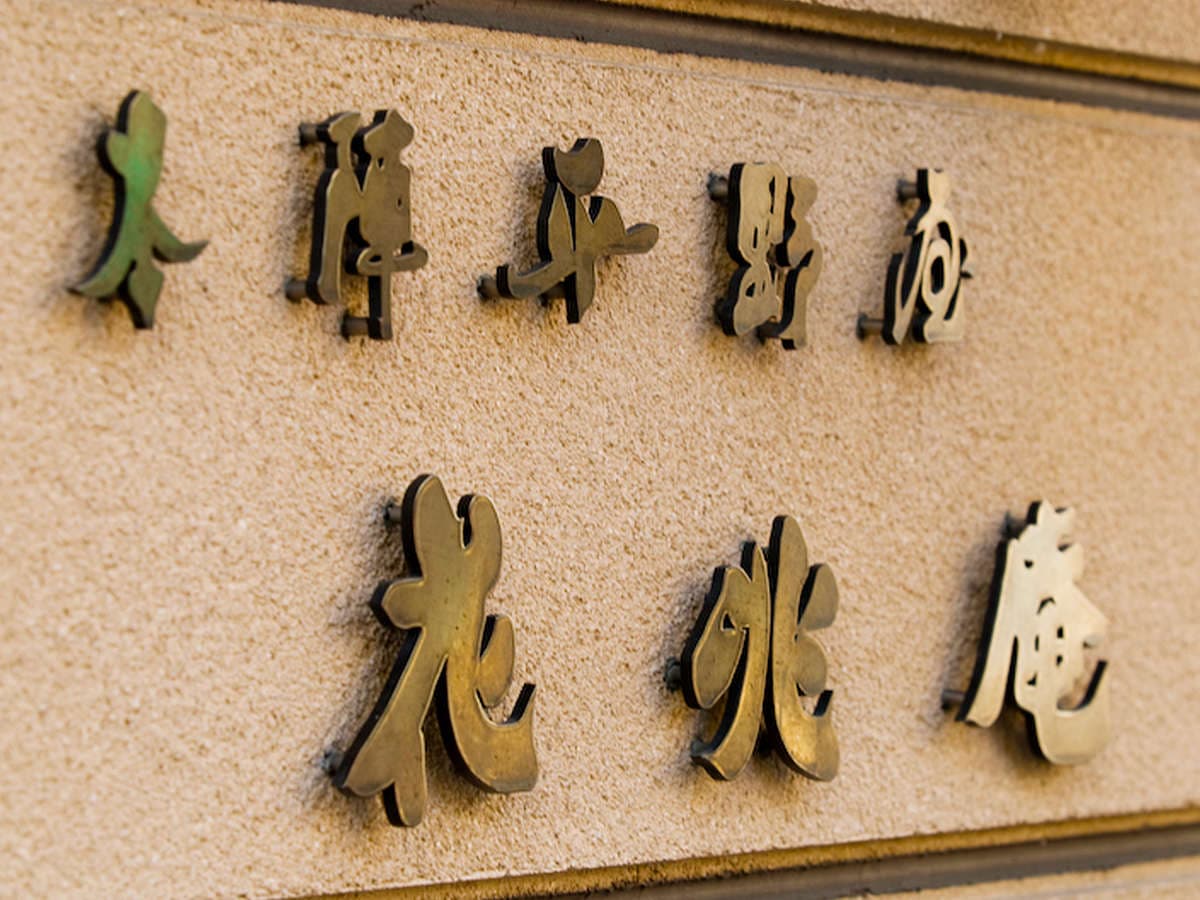 | from $300 | 9.1 380 reviews | EN OKPrivate Onsen | Book on Booking.com |
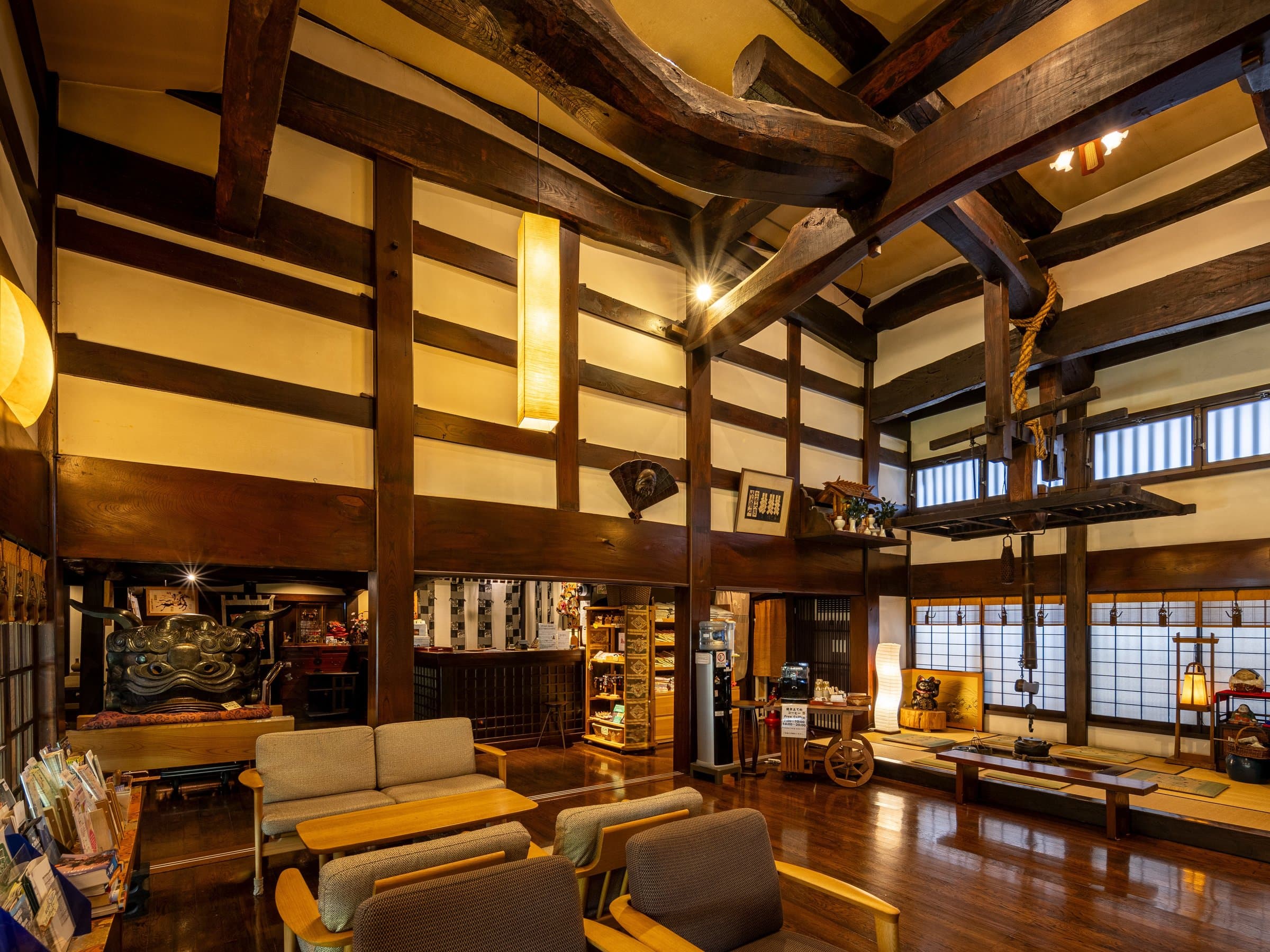 | from $130 | 8.7 680 reviews | EN OKOnsen | Book on Booking.com |
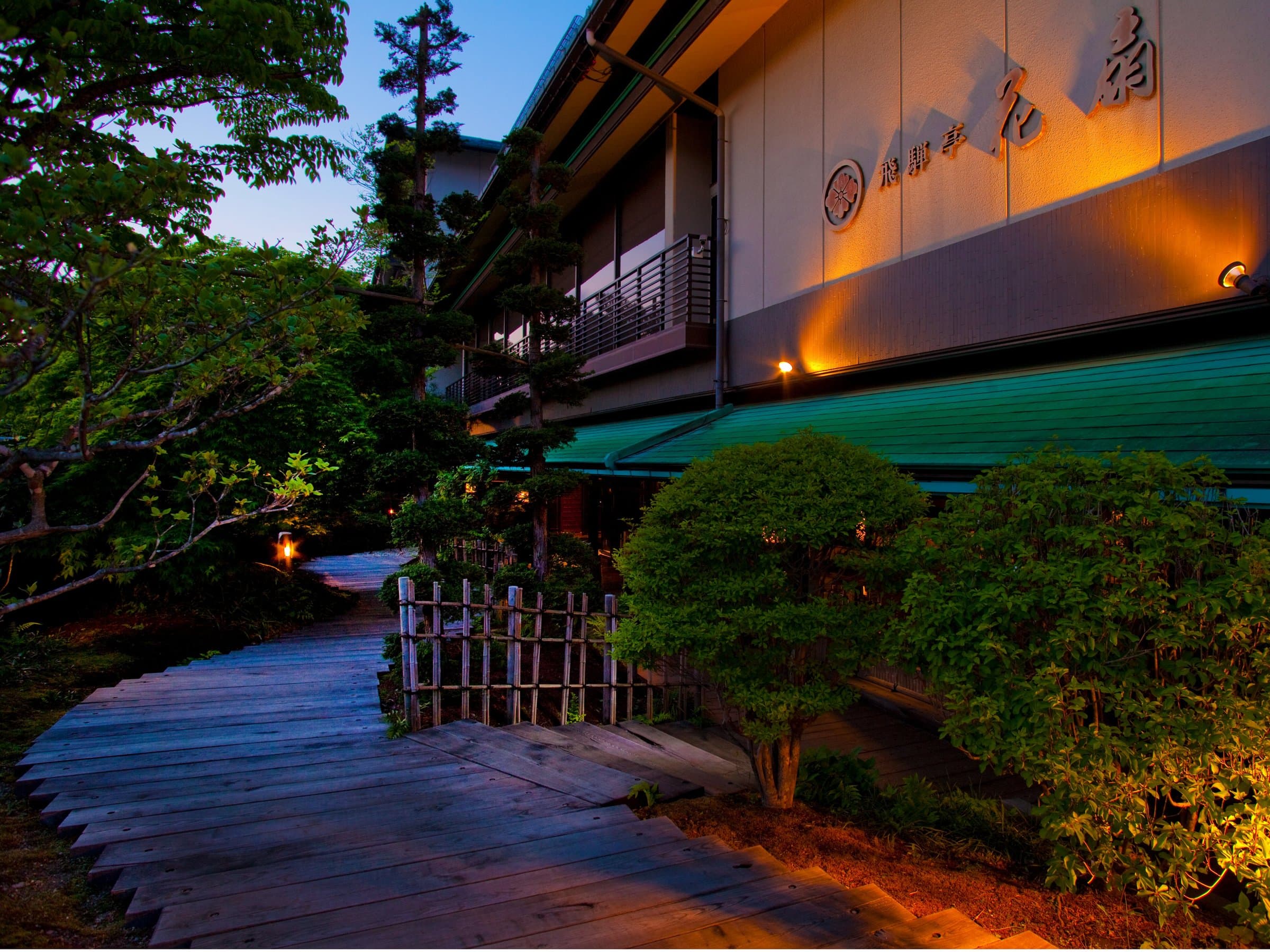 | from $350 | 9.0 520 reviews | EN OKPrivate Onsen | Book on Booking.com |
Prices shown are approximate starting rates per person per night. We may earn a commission on bookings.

Picking the best ryokan in Takayama is harder than it looks. The first time I stayed here, I made a mistake almost every first-timer makes: I booked a place because the photos looked pretty, then realized at 8pm that I was a 25-minute walk from the lantern-lit Sanmachi old town in pouring rain. The dinner was fine, the room was fine, but I never actually *experienced* Takayama at night. The streets there empty out around 5pm when the day-trippers leave for Kanazawa, and that hour from 5 to 7 — when the wooden sake breweries glow under their cedar-ball signs and you can hear the Miyagawa river — is the entire reason to sleep here instead of bussing back to Nagoya.
So when people ask me for the best ryokan in Takayama, I don't just rank by stars. I rank by three things: how fast you can walk to Sanmachi Suji in geta sandals, how good the Hida-wagyu kaiseki actually is, and whether the host speaks enough English to explain what's on your tray. After three trips and a lot of cross-checking against Booking.com, Tripadvisor and the official ryokan sites in May 2026, here are six picks that I'd actually send my parents to — with honest pros and cons, current prices, and a Shirakawa-go day-trip plan you can tack on without backtracking.
How I chose these ryokans in Takayama
I started with a list of about 25 properties pulled from Tripadvisor's Takayama ryokan category and Booking.com's filtered "ryokan" results, then narrowed using four hard filters:
- Walkability: under 15 minutes on foot to Nakabashi Bridge (the red bridge marking the entry to Sanmachi). If a property was further out, it had to run a free shuttle that actually times with check-in/check-out. - Kaiseki with verified Hida wagyu: the menu had to specifically name Hida beef (飛騨牛), not just "wagyu" or "local beef." Hida beef is graded A4/A5 and certified by the Hida Beef Promotion Council; cheaper ryokans sometimes substitute with regional Gifu wagyu. - English-capable front desk: at minimum, written English at check-in plus one staff member who can field questions. Booking.com guest reviews in English under "staff" gave a reasonable proxy. - Onsen quality: real Hida Takayama Onsen water (the spring source matters — many central ryokans pipe in heated tap water and call it onsen). I noted which properties have private/family baths since these matter for tattooed travelers and couples.
A note on prices: every yen figure below was checked against the official site and at least one OTA (Booking.com or Tripadvisor) on May 4, 2026, for a standard double-occupancy room with two meals. Japan's accommodation tax (¥200 per person per night for stays under ¥20,000, scaling up to ¥1,000 for premium tiers) is usually added at check-in.
The 6 best ryokans in Takayama at a glance
| Ryokan | Walk to Sanmachi | Price (2 pax, dinner+breakfast) | Hida beef kaiseki | Private onsen | English |
|---|---|---|---|---|---|
| Honjin Hiranoya Kachoan | 4 min | from ¥48,780 | Yes (A5 options) | Some rooms | Strong |
| Ryokan Tanabe | 1 min | from ¥38,000 | Yes (course or sukiyaki) | Family bath | Good |
| Ryokan Asunaro | 8 min | from ¥22,000 | Yes (sukiyaki signature) | Tattoo-friendly | Strong |
| Hidatei Hanaougi | Shuttle, 12 min by car | from ¥39,727 | Yes (premium) | 25 rooms with open-air | Good |
| Iroriyado Hidaya | Shuttle, 18 min walk | from ¥26,600 | Yes (irori-cooked) | Two private baths | Moderate |
| Oyado Koto No Yume | 10 min | from ¥35,703 | Yes (optional add-on) | Semi-open-air private | Good |
All prices verified against official reservation pages and Booking.com on 2026-05-04 for a weeknight stay in late May. Weekend and Takayama Festival dates (April 14-15 and October 9-10) run 30-60% higher and sell out a year in advance.
Tip
Booking tip: For festival weekends, set a Booking.com alert *and* call the ryokan directly via the official site's listed phone number. Several Takayama ryokans hold back rooms from OTAs for repeat guests and will release them by phone if you ask in basic Japanese or via a translation app.
1. Honjin Hiranoya Kachoan — best overall ryokan in Takayama
At a glance

If I had one night in Takayama and a generous budget, I'd book Honjin Hiranoya Kachoan every time. It sits directly next to Nakabashi Bridge — you literally walk out the front door, cross the red bridge, and you're in Sanmachi Suji in 90 seconds. That location alone is worth the price tag, but the kaiseki is what makes this place top my list.
The room: 14 rooms across two buildings, all with tatami, futon-style bedding, and a low dining table where dinner is served. The pricier rooms in the Kachoan annex have private cypress (hinoki) tubs filled with onsen water, which I'd splurge on if you have tattoos or want to avoid the public bath schedule. The standard rooms still get full access to the rooftop open-air bath that looks across the Miyagawa river.
The food: dinner is a 9-10 course Hida-style kaiseki with A5 Hida beef as the main protein, usually served three ways — a slice of *shabu-shabu*, a *hoba-miso* grill (cooked on a magnolia leaf over a small charcoal burner at your table), and a sashimi-style raw cut. The hoba-miso is the regional dish you came here for. Ask for a local Hida brew to drink alongside it — at a kaiseki this serious, the sake pour matters as much as the plate. Breakfast includes Hida-region pickles, grilled river fish, and a hot pot.
Pricing: from ¥48,780 per night for two with dinner and breakfast in the standard wing ; rooms with private onsen baths run ¥75,000-95,000.
Pros: unbeatable location, the most polished kaiseki I've had in Takayama, a free station shuttle even though you barely need it (10-minute walk).
Cons: rooms are small by Western standards (about 8 tatami mats / 13 m² for the entry-level type), and the main building's wooden floors creak — fine if you sleep heavily, less fine if you don't. Booking lead time for cherry-blossom and autumn weeks is 4+ months.
Tip
Tip: Request a Miyagawa river-view room when you book; the price difference is small but the morning view of the open-air market on the riverbank is the moment you'll remember.
2. Ryokan Tanabe — best central pick under ¥40,000
Ryokan Tanabe is the answer when somebody asks "what's the most authentic ryokan walking distance to Sanmachi without going full luxury?" The front door is a one-minute walk to the historic district — closer than Hiranoya, in fact — and the price comes in roughly 20% lower for similar room quality.
The room: traditional 10-mat tatami rooms with shoji screens. Most rooms don't have private baths; you'll use the shared indoor stone bath and the smaller cypress family bath, which can be reserved for 40-minute private slots at no extra charge. The futons are laid out by staff while you're at dinner — a small detail that makes you feel like you're staying in someone's grandmother's beautifully maintained house, which is essentially what Tanabe is. The Tanabe family has run the ryokan for four generations.
The food: dinner is served in a private dining room rather than your guest room (the trade-off for the lower price). The Hida beef course is the highlight — you can choose a kaiseki set or upgrade to the Hida-beef *sukiyaki* dinner, which is served with raw egg dipping and the rich soy-mirin broth boiled at your table. Honestly, I prefer the sukiyaki upgrade; it's more theater and you taste the beef cleaner.
Pricing: from ¥38,000 for two with dinner and breakfast ; the sukiyaki upgrade adds ¥3,500 per person.
Pros: best location-to-price ratio in this list, English-language printed menus and explanations, small enough that the okami (proprietress) personally greets you.
Cons: no in-room baths, no elevator (steep wooden stairs to the upper floors), and the walls are thin — bring earplugs if you're a light sleeper. The front street can have early-morning truck traffic delivering to nearby shops.
3. Ryokan Asunaro — best mid-range and tattoo-friendly option
At a glance
 Pin to Pinterest
Asunaro is the rare Takayama ryokan that openly welcomes tattooed guests in its onsen baths — a detail that matters more than guidebooks let on. About 70% of mid-range Japanese ryokans still have a no-tattoo policy at the public bath, so this one fills a real gap. It's also a 6-minute walk from JR Takayama Station and 8 minutes to Sanmachi, making it the most convenient if you're arriving by train with luggage.
The room: tatami rooms in a 1973 building that was renovated in 2018. The aesthetic is more "1970s Japanese country inn" than rustic-traditional, which I actually like — there's a warmth to the wood paneling and the staff truly seem to enjoy their jobs. The onsen baths are sourced from Hida Takayama Onsen and the hot rocks are real, not artificial.
The food: the kitchen is known for its Hida-beef sukiyaki, made with Hida-raised A4-grade beef simmered in a cast-iron pot at your table. The rest of the kaiseki includes river-fish sashimi (Hida is landlocked, so the "sashimi" is sweet *iwana* trout), local mountain vegetables, and a Hida-rice rice course. It's not as refined as Hiranoya's plating, but the flavors are deeper and more home-cooked.
Pricing: from ¥22,000 per night for two with dinner and breakfast . This is the cheapest full-kaiseki, full-onsen ryokan I'd recommend in central Takayama.
Pros: tattoo-friendly (large pieces are fine in the public bath), strong English support — multiple staff members are bilingual, free shuttle from the station, sukiyaki is genuinely excellent.
Cons: the building shows its age in places (older bathroom fixtures in standard rooms), no in-room private bath in the entry-level rooms, and the location, while close to Sanmachi, is on a slightly less atmospheric street.
4. Hidatei Hanaougi — best for in-room private onsen
At a glance

Hidatei Hanaougi sits in the Hida Takayama Onsen district, about 12 minutes by car from Sanmachi, and it's the right pick if your priority is "I want my own outdoor bath, with onsen water, on my own private terrace." Twenty-five of the rooms have open-air onsen tubs you can use any hour of the day or night — something I cannot overstate the appeal of when it's snowing in February.
The room: dedicated rooms ranging from 50 to 90 m² (huge by ryokan standards). The Hanaougi-no-Ma rooms have a wooden deck with a hinoki-wood tub continuously refilled with Hida Takayama Onsen water. The bedding is a hybrid — futon on the tatami section plus a Western-style bed in the connected room — which works well if you're not used to sleeping on the floor.
The food: served in private dining rooms, not in-room. The kaiseki uses Hida beef as the centerpiece and rotates seasonal Hida vegetables (in spring, *fuki-no-to* mountain butterbur shoots; in autumn, *matsutake* mushrooms when they're available, surcharged). I had the autumn menu and the *hoba-miso* with Hida beef and matsutake was probably the single best ryokan dish of the entire trip.
Pricing: from ¥39,727 per night for two with dinner and breakfast in a base room ; rooms with private outdoor onsen run ¥55,000-80,000. The premium tier is closer to ¥120,000 with full kaiseki and matsutake season pricing.
Pros: the in-room onsen experience is the real thing, free shuttle to/from Takayama Station that hits Sanmachi on request, very English-friendly with bilingual concierge staff.
Cons: you're not walking to Sanmachi from here. If you want to wander the old town after dark, you'll need to time the shuttle (last run is usually 9pm) or take a ¥1,500 taxi back. The property is also large enough that it loses a bit of the small-inn intimacy you get at Tanabe or Asunaro.
5. Iroriyado Hidaya — best 100-year-old farmhouse ryokan
This one is a curveball: Iroriyado Hidaya is a relocated and restored *gassho-style* (steep thatched-roof) farmhouse from the Hida region, over 100 years old. The name "Hyakunen Kominka" literally means "100-year old folk house." There are only six rooms, and each one has an *irori* — a sunken charcoal hearth in the floor — that the staff actually lights for you in winter.
The room: rough-hewn wooden beams, paper screens, and the irori as the centerpiece. Smaller than the chain ryokans (around 12-15 m²) but the texture of the place compensates. Two of the six rooms have private semi-open-air baths.
The food: this is where it gets memorable. Dinner is cooked partly *on your irori* — Hida beef on a skewer that you grill yourself over the charcoal, hoba-miso over the same fire, river fish on long bamboo skewers stuck into the ash. It's the most active, hands-on kaiseki experience in Takayama. The okami brings each course personally and explains it (in Japanese; staff have a tablet for English translation).
Pricing: from ¥26,600 per night for two with dinner and breakfast ; the rooms with private baths run ¥36,000-42,000.
Pros: the most genuinely old-Japan atmosphere of anywhere on this list, the cooking-at-your-irori experience is lasting, six rooms means it's quiet.
Cons: it's an 18-minute walk to Sanmachi (or use the free shuttle, which runs three times a day), and the English support is only moderate — bring Google Translate. The historic building means thin walls and a bit of smoke smell from the irori (some guests find this charming, others tiring). Bathrooms in the standard rooms are shared down the hall.
6. Oyado Koto No Yume — best for first-time ryokan visitors
Oyado Koto No Yume is the easiest ryokan in Takayama to book, navigate, and enjoy if you've never stayed at one before. It's a two-minute walk from Takayama Station — useful when you arrive at 6pm tired from the JR train from Nagoya — and a ten-minute flat walk to Sanmachi. The whole place is built to ease Western guests into the ryokan format.
The room: 24 rooms, mostly tatami, but there's a "Japanese-Western" hybrid option with twin beds on a raised tatami platform, which I recommend for older travelers or anyone who simply doesn't want to sleep on the floor. Some rooms have a semi-open-air private hot tub on the balcony — not full onsen water in those (it's heated tap), so for a real hot-spring soak, head to the public indoor and open-air baths on the top floor, which use Hida Takayama Onsen.
The food: dinner at the on-site KAGURA restaurant offers a flexible "choose your style" approach — kaiseki, Hida-beef shabu-shabu, or Hida-beef *teppan* (iron-griddle). The teppan is a fun option if you want to see your beef cooked rather than have it served. A traditional kaiseki adds about ¥4,000-6,000 per person. Breakfast offers both Western and Japanese options, useful for kids or picky eaters.
Pricing: from ¥35,703 per night for two with dinner and breakfast .
Pros: closest to Takayama Station of any ryokan on this list, very flexible food options, English check-in is smooth, semi-private balcony tubs in some rooms.
Cons: the in-room "tubs" are not real onsen (the real onsen is in the shared baths), the décor leans modern-hotel rather than traditional-ryokan, and at peak season the hallways feel busy because there are more rooms than at the smaller inns above.
Compare by your budget
Budget
Under $200
Ryokan Asunaro
from $130 · per person
8.7/10 · 680 reviewsEnglish FriendlyBook- More coming soon
Mid-range
$200 – $500
Honjin Hiranoya Kachoan
from $300 · per person
9.1/10 · 380 reviewsPrivate OnsenEnglish FriendlyBookHidatei Hanaougi
from $350 · per person
9.0/10 · 520 reviewsPrivate OnsenEnglish FriendlyBook- More coming soon
Luxury
$500+
More coming soon
Traveling Hida on a tight budget? See every cheap ryokan stay in Takayama we currently track.
What to expect at any ryokan in Takayama: the practical bits
If this is your first ryokan stay anywhere in Japan, here's the pattern that all six properties above follow.
Check-in is usually 3pm–6pm, and you're expected to arrive in this window so the host can greet you with green tea and explain the bath/dinner schedule. Earlier than 3pm, most ryokans will store your luggage but the room won't be ready.
Dinner is at a fixed time — typically 6pm or 6:30pm — and you should communicate dietary restrictions (vegetarian, no shellfish, halal needs) at the time of booking, not on arrival. The kaiseki is planned days in advance and last-minute changes are stressful for the kitchen.
Yukata robes are provided for wearing inside the ryokan and to and from the bath. You can wear them to dinner. Wear them out to walk around Sanmachi at night if you want — locals expect it during festival season.
The bath etiquette: wash thoroughly at the seated showers *before* entering the bath. Bring no soap, towels, or swimwear into the soaking tub. Tie up long hair. Most ryokans have separate men's and women's baths that swap at midnight (so you experience both views).
Tipping is not done. A genuine "arigato gozaimasu" with a bow is the right thank-you.
Tip
Tattoos: only Asunaro on this list is openly tattoo-friendly. At the others, small concealable tattoos can be covered with the bandage patches some ryokans sell at the front desk (¥300 each), or you can use the family/private bath. Always ask at check-in.
Add-on: Shirakawa-go day trip from Takayama

Almost everyone staying at a ryokan in Takayama also wants to see Shirakawa-go, the UNESCO-listed thatched-roof village an hour to the west. Here's how to do it without backtracking and without rushing your ryokan check-out.
The bus: Nohi Bus runs the Takayama–Shirakawago line about 16 round-trips daily. One-way is ¥2,800, round-trip ¥5,000, and the journey is 50 minutes . Reservations are recommended in autumn and during cherry-blossom weeks; you can book through Japan Bus Online up to a month in advance.
The optimal day plan:
1. Eat ryokan breakfast at 8am (most ryokans serve until 9am). 2. Check out by 10am, leave luggage at the front desk. 3. Walk five minutes to the bus terminal next to Takayama Station. 4. Catch the 10:50am bus, arrive Shirakawa-go around 11:40am. 5. Walk to the Shiroyama Viewpoint (15 minutes uphill) for the postcard shot. 6. Lunch at one of the village restaurants — try *hoba-miso* or *Hida-gyu nigiri* (single piece of beef sushi, around ¥800). 7. Visit one of the open-house gassho-style farmhouses (Wada-ke is the largest, ¥400 entry). 8. Catch the 3:30pm or 4:30pm bus back to Takayama, retrieve luggage, and continue to Kanazawa (¥4,000, 1h15) or Tokyo via Nagoya.
If you have a second night: do Shirakawa-go on the day you arrive (drop luggage at Takayama Station coin lockers, do the village, then check into your ryokan that afternoon). This way you actually have a full evening to explore Sanmachi after dinner — the part most day-trippers miss.
Tip
Tip: Avoid Shirakawa-go on Saturdays from May to October. The village has narrow paths and the crowds genuinely diminish the experience. Tuesday or Wednesday is ideal.
If you're day-tripping to Shirakawa-go, the Takayama ryokans near the station make the early Nohi bus much easier to catch.
Frequently asked questions about staying at a ryokan in Takayama
How far in advance should I book a ryokan in Takayama? For the spring (April-May) and autumn (October-November) seasons, book 3-4 months ahead. For the Takayama Festival (April 14-15 and October 9-10), book 9-12 months ahead. For winter and summer weekdays, 2-4 weeks is usually enough.
What's the best ryokan in Takayama for couples? Hidatei Hanaougi for a private-onsen splurge, or Honjin Hiranoya Kachoan if you want luxury plus the central location. Tanabe is the best mid-range romantic pick.
Are Takayama ryokans family-friendly? Some are, some aren't. Oyado Koto No Yume is the most child-friendly with Western breakfast options and Japanese-Western hybrid rooms. Iroriyado Hidaya and Hidatei Hanaougi have a more adults-focused atmosphere. If you're planning the trip around the kids, note that Takayama Ouan tops the family-ryokan picks we rank across Japan, so it's worth comparing against the local options here.
Can I stay only one night? Yes, all six properties accept single-night bookings. I'd actually argue one night is enough for Takayama itself; pair it with a night in Kanazawa or Kyoto to make the route worthwhile.
Is the Hida-beef kaiseki really worth the price? If you've never had A4 or A5 wagyu, yes — the experience of having it cooked five or six different ways in one meal is genuinely special. If you've eaten high-end wagyu before, the lower-priced ryokans (Asunaro, Tanabe) deliver 80% of the experience for half the price.
Final ranking and who each ryokan is for
The honest summary: the best ryokan in Takayama depends on what you actually want.
- Best overall: Honjin Hiranoya Kachoan — luxury, location, kaiseki, all maxed out. - Best value: Ryokan Asunaro — strong food, central location, tattoo-friendly, under ¥25,000. - Best location: Ryokan Tanabe — one-minute walk to Sanmachi. - Best private onsen: Hidatei Hanaougi — in-room outdoor baths with real spring water. - Best atmosphere: Iroriyado Hidaya — 100-year-old farmhouse with irori dining. - Best for first-timers: Oyado Koto No Yume — easy logistics, flexible food.
Whatever you book, give yourself one full evening in Sanmachi after dinner. Walk back through the lantern-lit streets in your yukata, get a small cup of sake from one of the breweries that's still open, and stand on Nakabashi Bridge for ten minutes. That's the best ryokan in Takayama — the one whose front door is closest to that moment.
Other Chubu mountain destinations worth a look: for hot-spring travelers continuing through Gifu, our ryokans in Gero Onsen guide covers what's often ranked Japan's top-three onsen towns. For something more remote, ryokans in Shirahone Onsen (Nagano alps, milky-white sulfur water) is the deep-mountain alternative.
Takayama sits in a region the catalogue treats as three destinations at once. Our sister site sets it beside Izu, Karuizawa and Kanazawa in its guide to the rated stays of Chubu.
Every other ryokan we list here
11 listed| Ryokan | From | Rating | Features | Book |
|---|---|---|---|---|
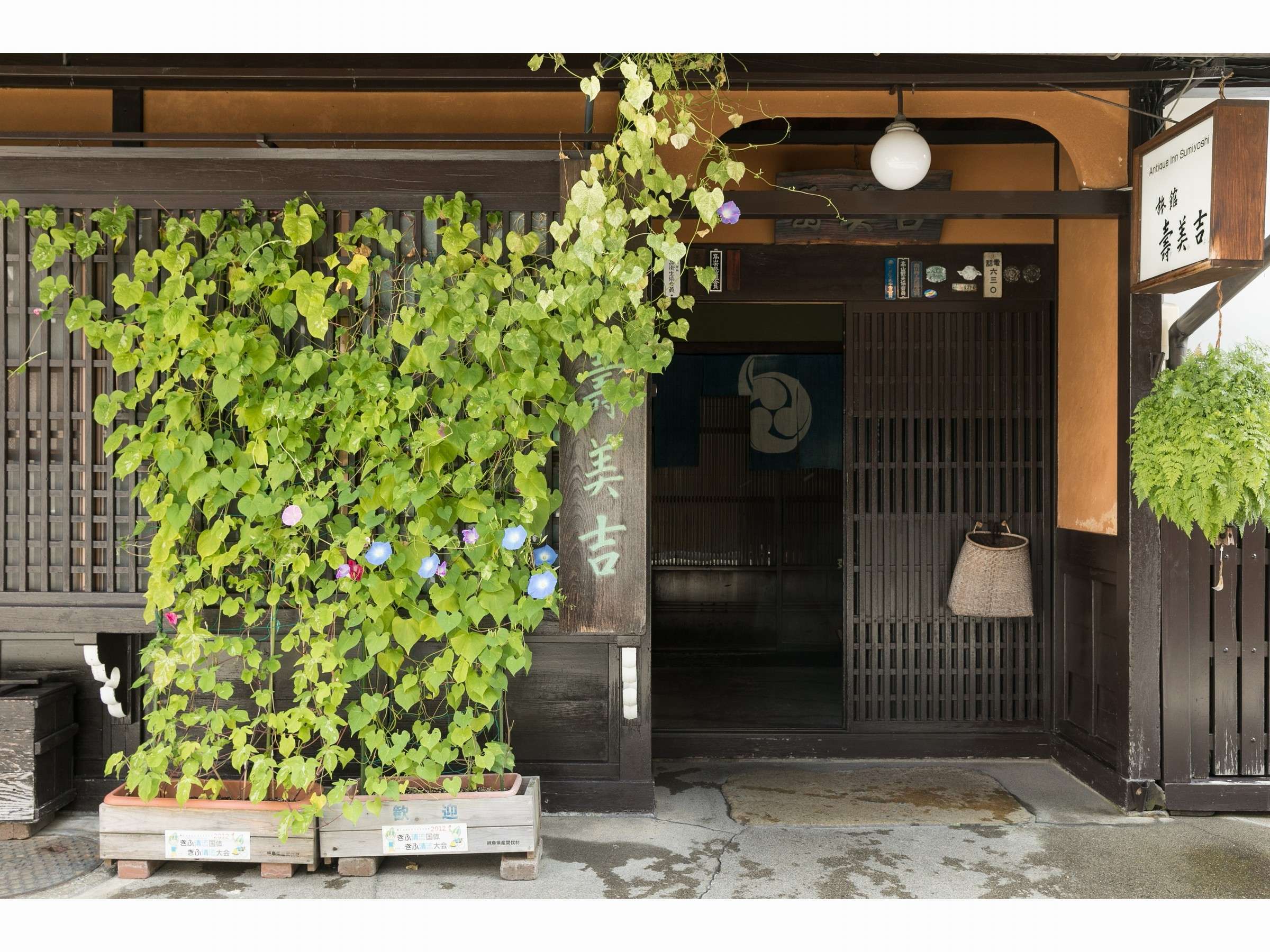 | from $120 | 9.5 421 reviews | EN OK | Book on Booking.com |
| from $55 | 9.4 1,171 reviews | EN OKOnsen | Book on Booking.com | |
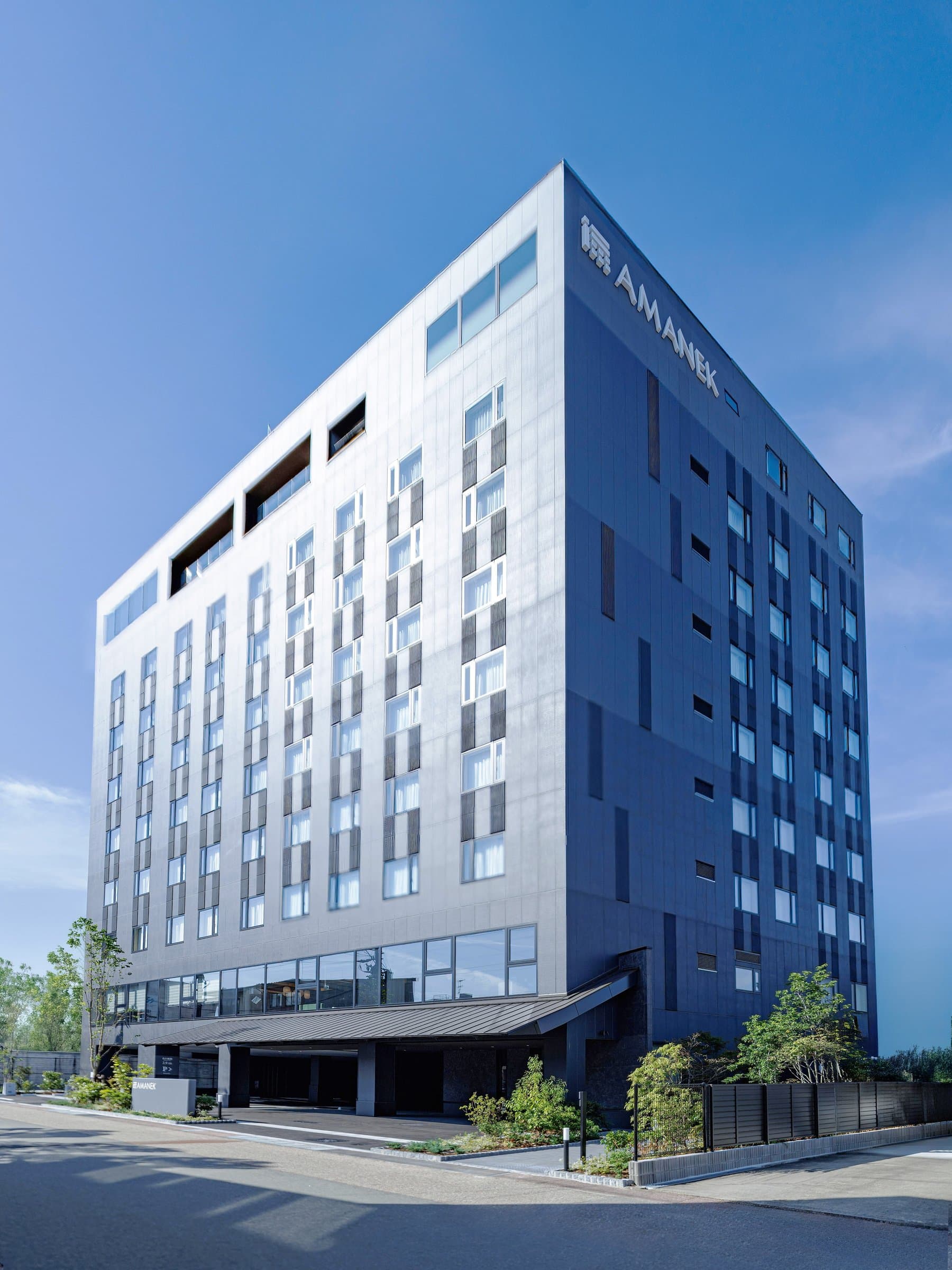 HOTEL AMANEK Hida Takayama Takayama | from $75 | 9.2 586 reviews | EN OKOnsen | Book on Booking.com |
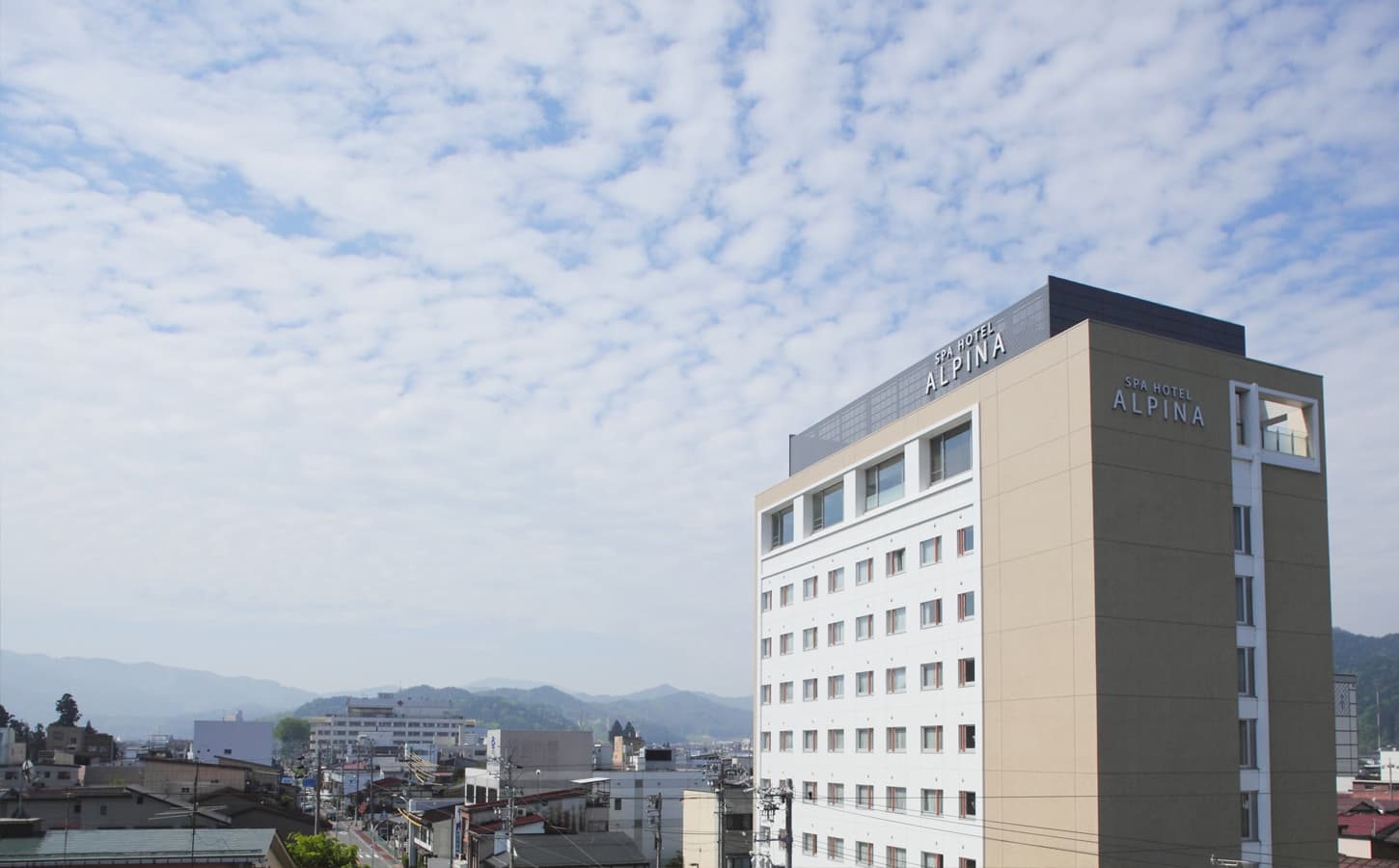 | from $35 | 9.2 84 reviews | EN OKOnsen | Book on Booking.com |
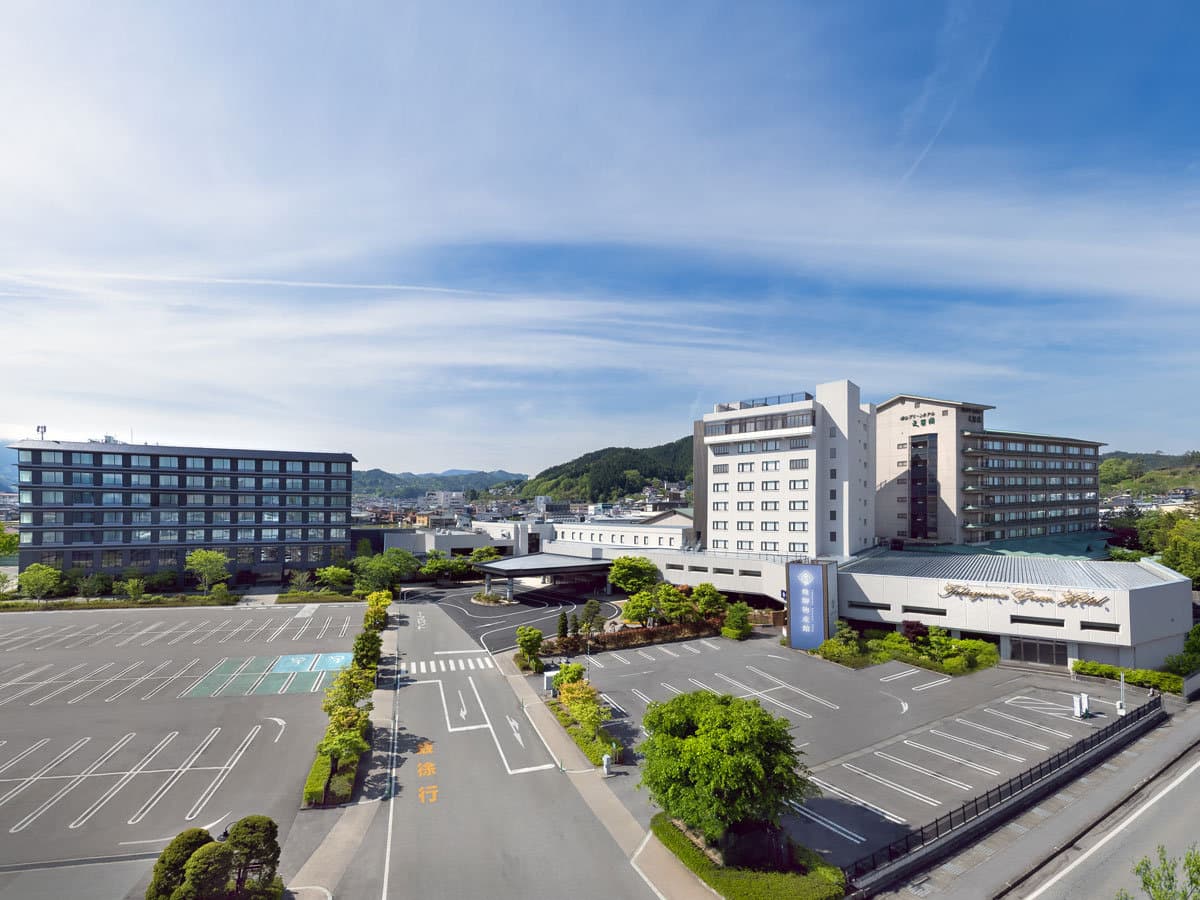 Takayama Green Hotel Takayama | from $104 | 8.9 2,260 reviews | EN OKPrivate Onsen | Book on Booking.com |
| from $65 | 8.9 654 reviews | Book on Booking.com | ||
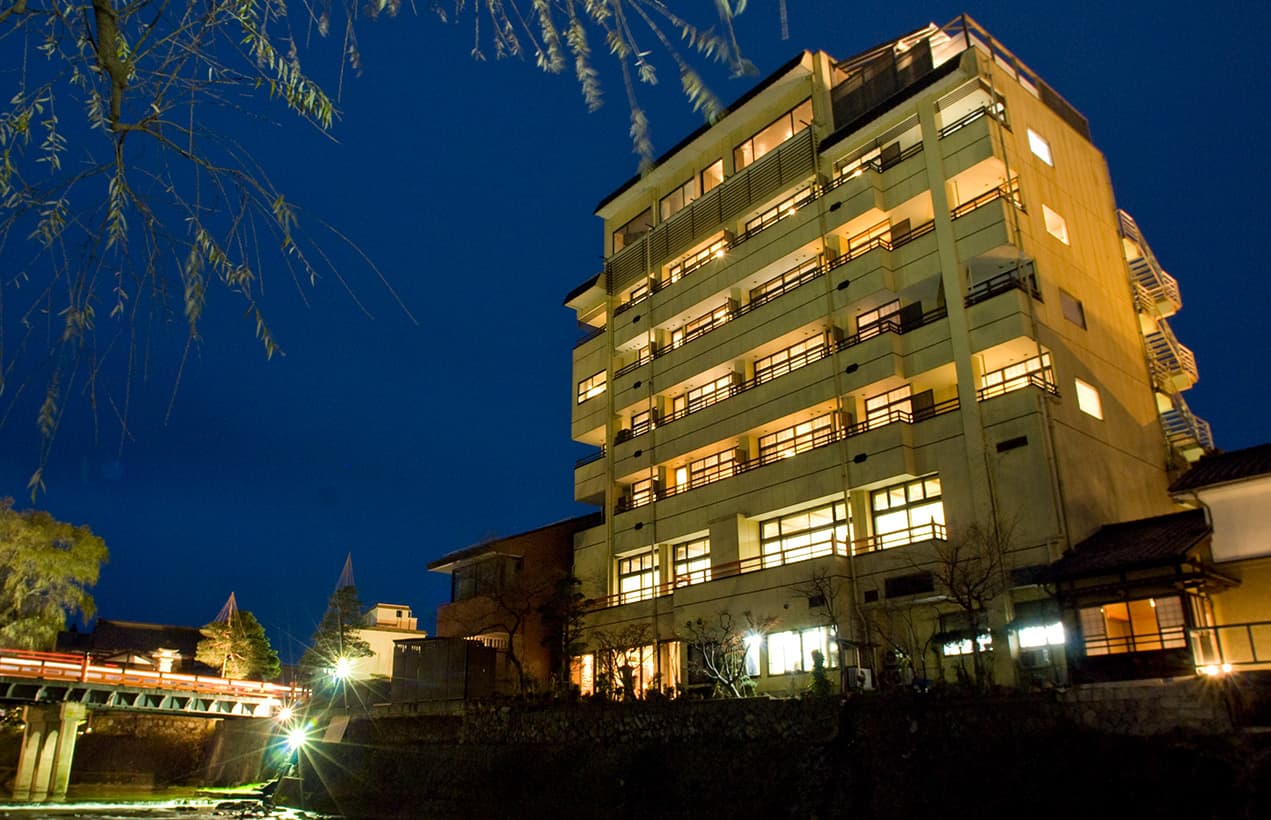 Honjin Hiranoya Kofukan Takayama | from $191 | 8.9 482 reviews | EN OKOnsen | Book on Booking.com |
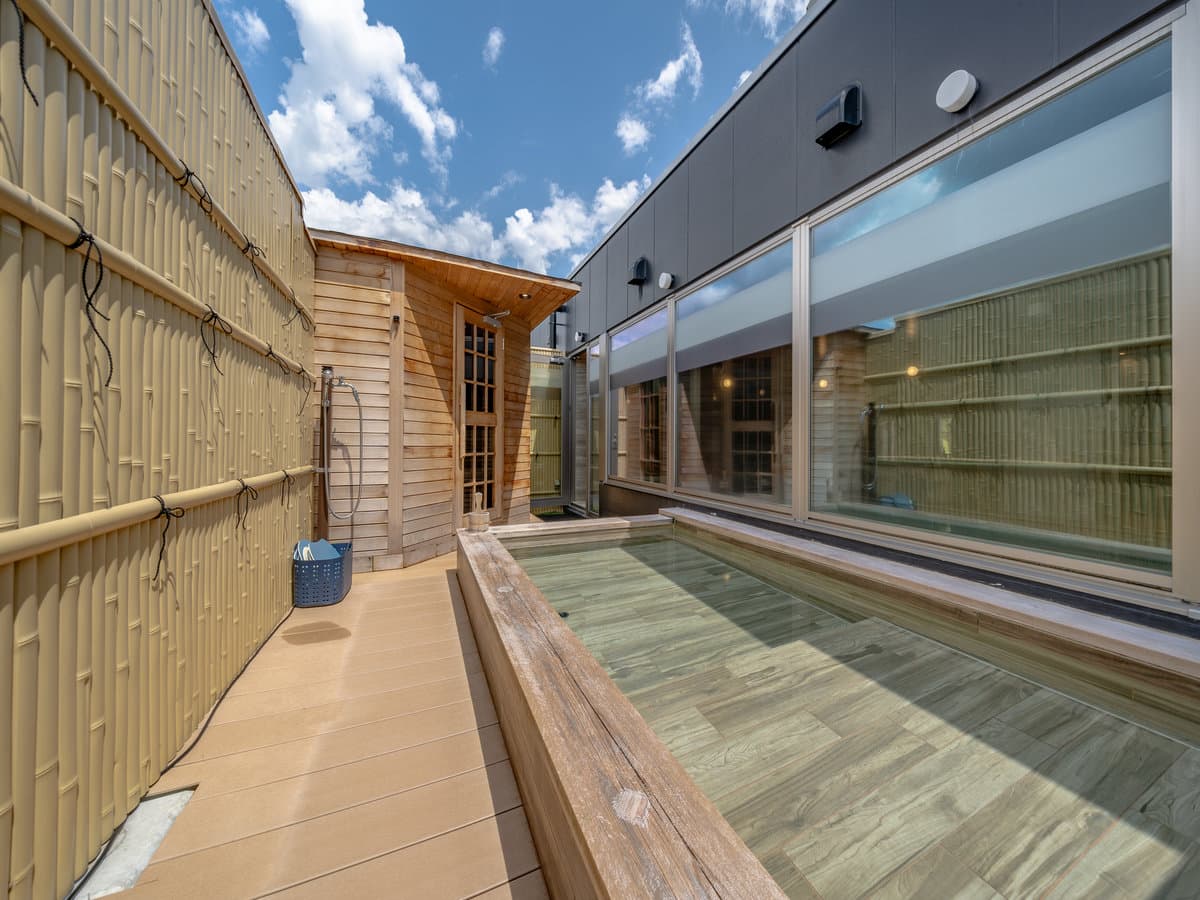 Wat Hotel & Spa Hida Takayama Takayama | from $53 | 8.8 4,895 reviews | EN OKPrivate Onsen | Book on Booking.com |
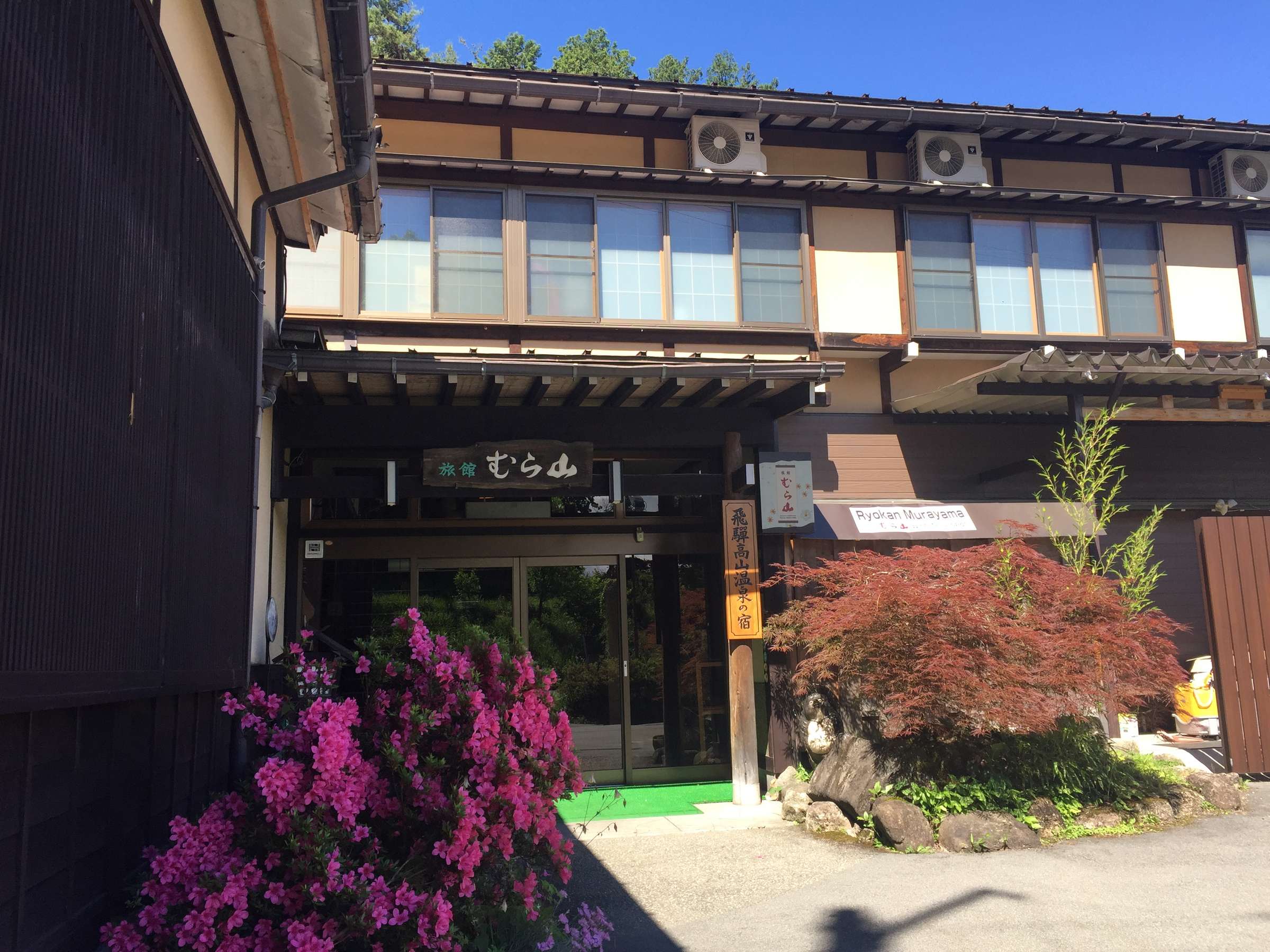 Ryokan Murayama Takayama | from $58 | 8.7 167 reviews | EN OKPrivate Onsen | Book on Booking.com |
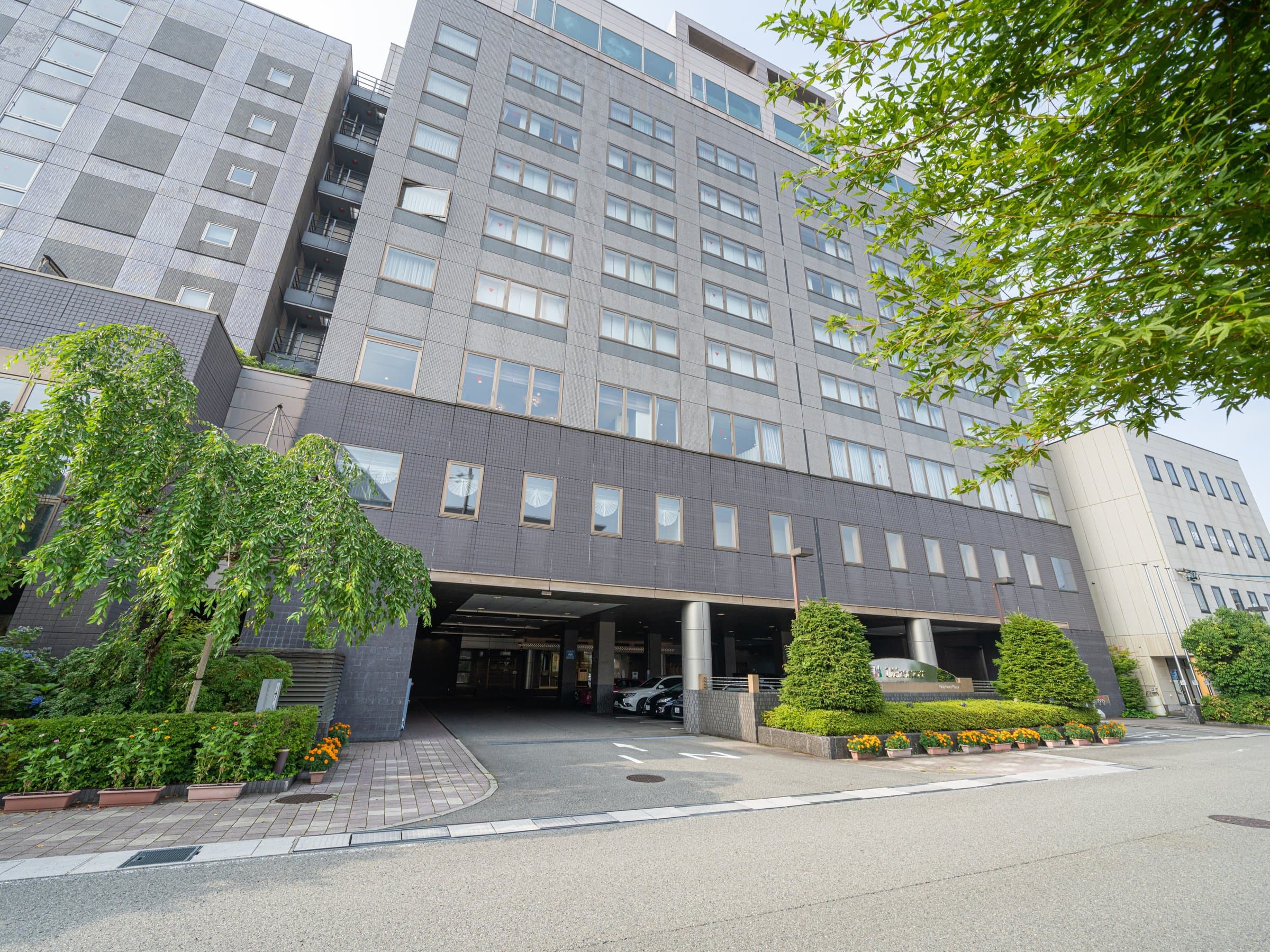 Hida Hotel Plaza Takayama | from $98 | 8.4 202 reviews | EN OKPrivate Onsen | Book on Booking.com |
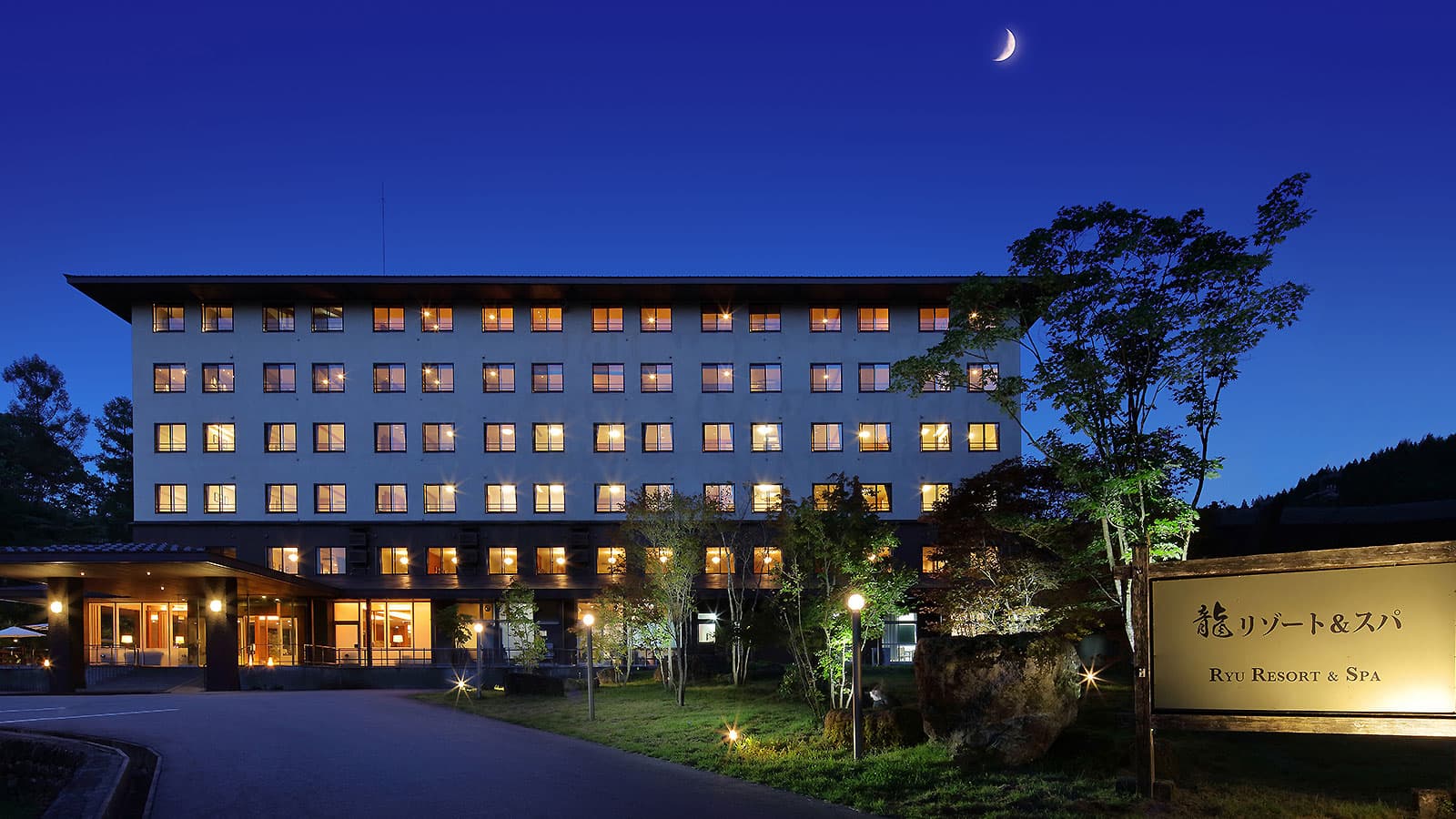 Hotel Ryu Resort and Spa Takayama | from $132 | 8.2 124 reviews | EN OKOnsen | Book on Booking.com |
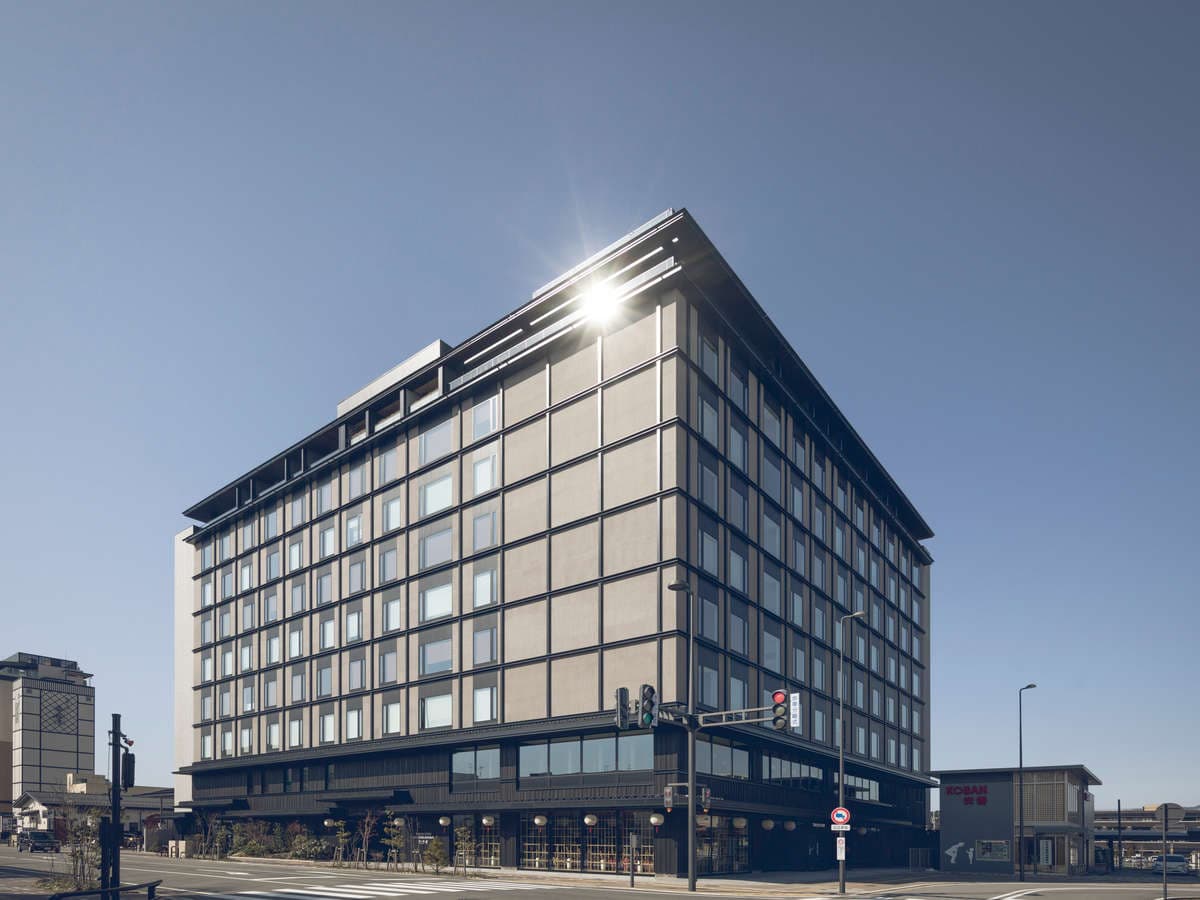
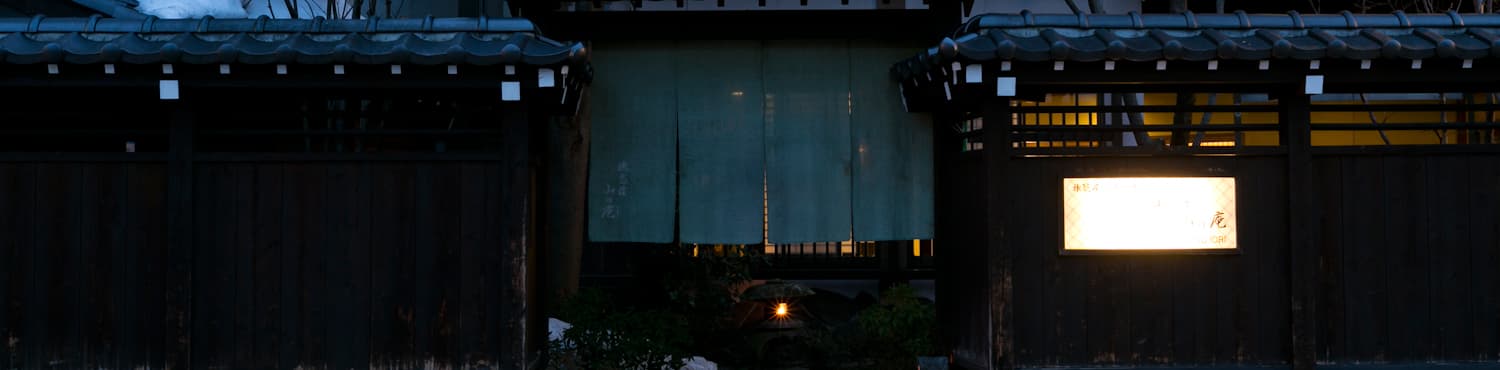
HOTEL AMANEK Hida Takayama
Takayama
Takayama Green Hotel
Takayama
Honjin Hiranoya Kofukan
Takayama
Wat Hotel & Spa Hida Takayama
Takayama
Ryokan Murayama
Takayama
Hida Hotel Plaza
Takayama
Hotel Ryu Resort and Spa
Takayama
Prices shown are approximate starting rates per person per night. We may earn a commission on bookings.
Ready to book?
Book one of these top picks
Compare live availability and prices across all three platforms.
Booking links may earn us a commission at no extra cost to you.
FAQ
Frequently asked questions
How far in advance should I book a ryokan in Takayama?+
For spring (April-May) and autumn (October-November) seasons, book 3-4 months ahead. For the Takayama Festival (April 14-15 and October 9-10), book 9-12 months ahead. For winter and summer weekdays, 2-4 weeks is usually enough to secure a room.
Which ryokan in Takayama is tattoo-friendly?+
Ryokan Asunaro is openly tattoo-friendly, welcoming guests with large pieces in its public onsen baths. At other ryokans on this list, small concealable tattoos can be covered with bandage patches, or you can use a family/private bath. Always ask at check-in for specific policies.
Which Takayama ryokan is best for first-time visitors?+
Oyado Koto No Yume is recommended for first-timers due to its easy logistics and flexible food options. It is a two-minute walk from Takayama Station and offers Japanese-Western hybrid rooms with twin beds, which can be comfortable for those not used to sleeping on the floor.
Is the Hida-beef kaiseki meal at a Takayama ryokan worth the price?+
If you've never had A4 or A5 wagyu, the experience of having it cooked five or six different ways in one meal is genuinely special and worth it. If you've eaten high-end wagyu before, lower-priced ryokans like Asunaro and Tanabe deliver 80% of the experience for half the price.
How can I best plan a Shirakawa-go day trip from Takayama?+
Eat ryokan breakfast, check out by 10 am, and leave luggage at the front desk. Catch the Nohi Bus from Takayama Station, which takes 50 minutes and costs ¥2,800 one-way. Visit the Shiroyama Viewpoint and a gassho-style farmhouse. Return by 3:30 pm or 4:30 pm bus.
What is the best overall ryokan in Takayama?+
Honjin Hiranoya Kachoan is considered the best overall for its luxury, unbeatable location directly next to Nakabashi Bridge, and polished Hida-style kaiseki with A5 Hida beef. It offers rooms with private cypress tubs and a rooftop open-air bath overlooking the Miyagawa river.


