

約17分で読めます最終更新:2026年6月
クイック比較
10選| 旅館 | 料金 | 評価 | 特徴 | 予約 |
|---|---|---|---|---|
 Sanso Murata Yufuin | $700〜 | 9.4 口コミ10件 | 英語OK貸切温泉 | Agodaで予約する |
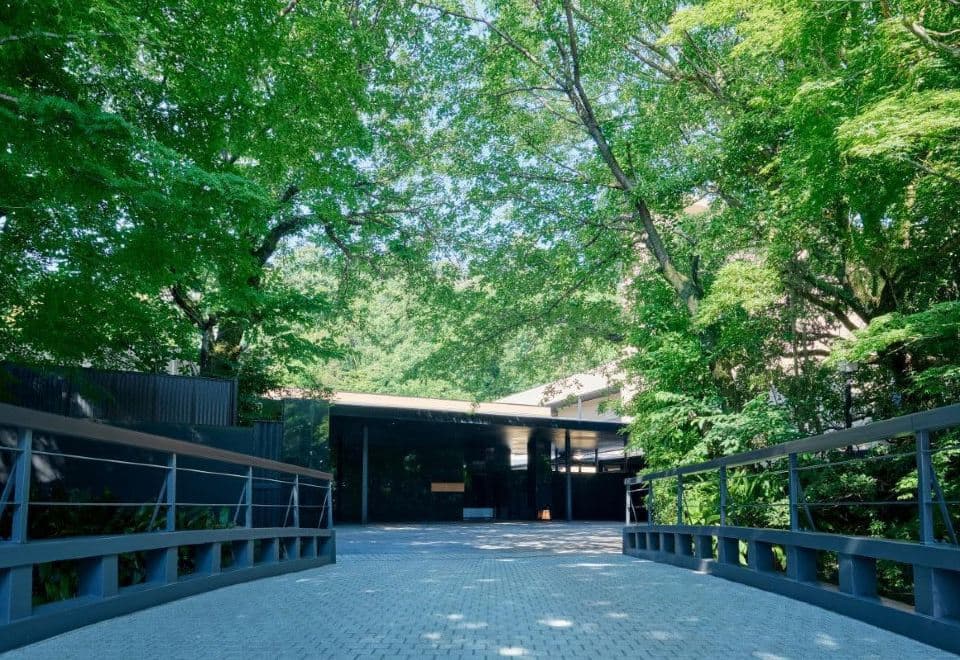 | $739〜 | 8.6 口コミ8件 | 英語OK貸切温泉 | Booking.comで予約する |
 HOSHINOYA Tokyo Tokyo | $600〜 | 9.2 口コミ312件 | 英語OK温泉 | Booking.comで予約する |
 Gora Kadan Hakone | $500〜 | 9.5 口コミ89件 | 英語OK貸切温泉 | Booking.comで予約する |
 | $500〜 | 9.6 口コミ67件 | 英語OK貸切温泉 | Booking.comで予約する |
 Yufuin Tamanoyu Yufuin | $500〜 | 9.3 口コミ41件 | 英語OK貸切温泉 | Agodaで予約する |
 Kamenoi Besso Yufuin | $500〜 | 9.2 口コミ5件 | 英語OK貸切温泉 | Agodaで予約する |
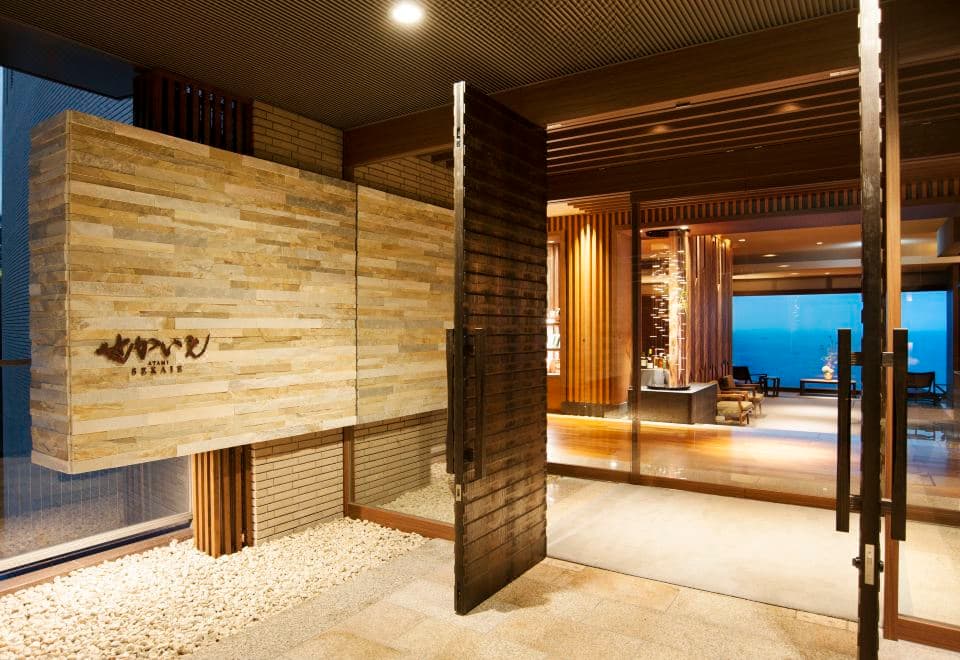 ATAMI 季咲亭 Atami | $545〜 | 9.4 口コミ130件 | 英語OK貸切温泉 | Booking.comで予約する |
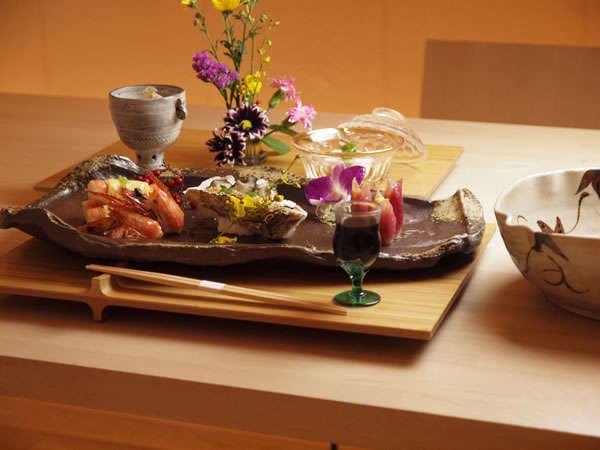 Fujiya Inn Ginzan | $500〜 | 8.4 口コミ306件 | 貸切温泉 | Agodaで予約する |
 | $400〜 | 9.1 口コミ310件 | 英語OK貸切温泉 | Booking.comで予約する |
Sanso Murata
Yufuin
HOSHINOYA Tokyo
Tokyo
Gora Kadan
Hakone
Yufuin Tamanoyu
Yufuin
Kamenoi Besso
Yufuin
ATAMI 季咲亭
Atami
Fujiya Inn
Ginzan
表示価格は1名1泊あたりの目安です。当サイト経由のご予約で手数料を受け取る場合があります。
19都府県・89泊の取材で、最も「贅沢の定義」を考え直させられたのが、この高級旅館のカテゴリーでした。2019年に取得したJNTO通訳案内士の仕事で、海外からのお客様を年間20泊以上、$500/泊以上の宿にご案内する中で気づいたのは、本当の高級は派手さの足し算ではなく、丁寧な引き算で立ち上がるということです。
高級ホテルについて知っていることをすべて忘れてください。高級旅館にはルーフトップバーも、インフィニティプールも、コンシェルジュデスクも、ミニバーもありません。代わりにあるのは、800年の建築、敷地背後の山から夕食の食材を採ってくる料理人、プライベートテラスの石風呂に直接引かれた温泉水、そしてお茶が空になる前に注ぎ直されるほどの行き届いたサービスです。
日本の最高の旅館は、まったく異なる「贅沢」の定義のもとに成り立っています——足し算ではなく、引き算によって構築された贅沢です。客室がシンプルなのは、空白そのものが美しいからです。食事に三時間かかるのは、一品一品がその瞬間に値するからです。静寂はバグではなく、それ自体が目的です。
本ガイドでは、私が実際に泊まり、お客様をお連れして「もう一度予約したい」と言われた15軒を厳選しました。1泊$500〜$2,000以上で実際に得られるもの、そして高額投資の価値があるかどうかを、率直にお伝えします。北海道を旅する方は、火山性温泉の名湯での高級滞在として登別の高級旅館ガイドもご参照ください。
検証済みの第三者認証
15軒の選定宿のうち、2026年6月時点で第三者による検証済みの認証を保有しているのは8軒です。すなわち、ミシュランキー(2024年に創設されたミシュランガイドのホテル評価)、ならびに/またはルレ・エ・シャトーへの加盟です。以下に掲載されていない宿が劣るというわけでは決してありません。それらは、私たちが独立して確認できる正式な賞ではなく、編集上の評価としての名声を備えています。本表では、授与団体自身の情報源で検証できた認証のみを掲載しています。推測は一切交えていません。これらの選定宿の中にフォーブスの星評価を受けた伝統的な旅館は存在しません(日本におけるフォーブスの評価は国際的なチェーンホテルに偏る傾向があります)。
| 物件 | ミシュランキー | ルレ・エ・シャトー |
|---|---|---|
| Asaba | 3キー(2025) | 加盟 |
| Gora Kadan | 3キー(2024–25) | 加盟 |
| Nishimuraya Honkan | 2キー(2024–25) | 加盟 |
| Kamenoi Besso | 2キー(2024) | — |
| FUFU Nikko | 2キー(2024–25) | — |
| Hiiragiya | 1キー(2024) | — |
| Wanosato | 1キー(2024) | — |
| Yufuin Tamanoyu | 1キー(2025) | — |
旅館の「高級」とは何か?
西洋のホテルで言う高級とは、スレッド数、床面積、ブランド名を指します。旅館の世界で「高級」は三つのことで測られます。
食。 一流旅館の料理人は、半径50キロメートル以内で食材を調達しています。その朝に山で採った山菜、数時間前に水揚げされた近隣港の魚、特定の農場の和牛。高級旅館の懐石は単なる食事ではなく——今この瞬間この場所の、食べられる表現です。京都の最も格式ある料亭で数十年の修業を積んだ料理人を擁する宿もあります。
建築と素材。 高級旅館はヒノキ、手仕上げの和紙、古陶器、年月を経て美しくなる天然素材を使います。建物そのものが芸術作品——歪みのある梁を持つ300年の木造建築、苔むした石畳の小道、匠の庭師が設計した庭園。重要文化財に指定されている建物も多くあります。
サービス(おもてなし)。 これは最も説明が難しい要素です。設計上、見えないからです。優れた旅館では、何かを頼まなくても必要なものが先に用意されています。仲居さんはいつ現れいつ消えるかを知っている。夕食の間に布団が敷かれています。起きる前に朝風呂が準備されている。そう感じさせるために、スタッフが何年もかけて訓練を積んできた結果です。

ラグジュアリー旅館をリッツ・カールトンやアマンと比較検討しているなら、それは優劣を選ぶ作業ではありません。根本的に異なる二つのホスピタリティの哲学のあいだで選択をしているのです。この違いを理解しておけば、どちらを選んだ場合でも、高くついた失望から身を守ることができます。
夕食という問い
5つ星の西洋型ホテルでは、夕食は任意であり、アラカルトで、深夜まで利用できます。一方、伝統的なラグジュアリー旅館では、夕食は懐石です。10品から14品にわたる季節の流れを、客室や個室の食事処で供し、料金に含まれ、決まった時間(通常は午後6時または7時)に提供されます。AsabaやGora Kadanといった宿の懐石は、文字どおり世界水準です。Gora Kadanが3つのミシュランキーを保持しているのは、その食卓の質の高さによるところも大きいのです。とはいえ、自分のペースで食事をしたい、コースを飛ばしたい、午後10時にハンバーガーを注文したいというなら、西洋型ホテルのほうがご要望に応えてくれるでしょう。
貸切の温泉とスパ
西洋型の5つ星スパは、トリートメント、プール、フィットネススイートを備え、いずれも予約可能で、おおむねオンデマンドで利用できます。ラグジュアリー旅館の温泉は、その性格が異なります。温泉そのもの(多くは建物の地下にある地熱泉から直接引かれています)こそがアメニティなのです。最上級の宿の多くは、全室に源泉かけ流しの専用露天風呂を備えています。HOSHINOYA Tokyoは地下1,500メートルから湯を汲み上げ、Fufu Nikkoは全客室に源泉の湯を引き込んでいます。自分のペースで、静寂の中、好きなだけ湯に浸かることができます。これに相当するものはリッツにはありません。
サービスのかたち
西洋型ラグジュアリーのコンシェルジュ文化は、応答型です。こちらが頼めば、向こうが手配します。旅館のホスピタリティは、先回り型であり、専任型です。担当の仲居さん(専属の係)が、客室を整え、食事を供し、頼まずとも好みを覚えていきます。そのやりとりは、より静かで、より構造化され、深く個人的です。この上ない体験だと感じる宿泊客もいれば、人との接触が少なく自分主導の滞在を好む人は、その気配りをやや過剰に感じることもあるかもしれません。
価格の対等性
本リストの最上級の旅館は、一流の西洋型ラグジュアリーホテルと同等の価格帯にあります。すなわち、1名1泊あたり80,000円から150,000円超で、夕食と朝食が含まれます。この水準では、旅館を選んだからといってお金を節約しているわけではありません。本質的に異なるカテゴリーの体験を選んでいるのです。旅館の料金には、より多くのもの(2回の本格的な食事、浴衣、専任のサービス、温泉の利用)が含まれているため、実質的な価値の比較では旅館に分があります。ただしそれは、含まれているものを実際に活用する場合に限ります。
名旅館:日本でもっとも称えられる旅館
浅羽(あさば) — 修善寺、伊豆 料金:1名/1泊 ¥80,000〜¥150,000以上
浅羽は、他の旅館が目標とする旅館です。伊豆・修善寺の桂川沿いに530年以上にわたって続き [verified Asaba 2026-06-04]、美術館級の建築と先鋭的なデザインを融合しています——現オーナーは当代の美術インスタレーションを江戸期の客室と並べて置くことで知られています。庭を見渡す能舞台では夜の演目が開催され、懐石は日本最高峰の一つとされています。予約には忍耐が必要:数か月前から予約しなければならないことも多く、リピーターが優先されます。
強羅花壇(ごうらかだん) — 箱根、神奈川 料金:1名/1泊 ¥60,000〜¥120,000以上
箱根・強羅の旧皇族別邸跡地に建つ強羅花壇は、伝統的な旅館のおもてなしとリゾート的な快適さを兼ね備えています。全客室に箱根の火山性温泉から引いた露天風呂付き。客室はわずか44室の小ぢんまりとした宿で、懐石はフランスの技法と日本の食材を融合しています。東京から90分という立地が、時間に余裕のない旅行者にとって最もアクセスしやすい高級旅館にしています。
山荘無量塔(さんそうむらた) — 由布院、大分 料金:1名/1泊 ¥50,000〜¥100,000以上
由布院の山中に隠れた山荘無量塔は、森の斜面に点在する12棟の離れで構成されています。各離れは個性的で——茅葺きのものもあれば、モダンなガラス張りのものもあり——すべてに専用の露天風呂付き。ジャズバー、チョコレートショップ、日本でもっとも脱力した贅沢な雰囲気と称されるものを持つ施設です。旅館というより、奇跡のようにキュレーションされたプライベートエステートに近い感覚です。

玉の湯(たまのゆ) — 由布院、大分 料金:1名/1泊 ¥40,000〜¥80,000以上
由布院における山荘無量塔の隣人かつ良きライバル、玉の湯は異なるアプローチを取ります——ドラマよりも温かさを。宿全体が、裕福な日本の家族の別荘を訪ねたような雰囲気を持っています。客室は優雅ながら派手さを排し、庭は手入れが行き届いているというより自然体であり、料理は複雑さよりも心地よさを優先します。名物は、近隣の農場から仕入れた地鶏の炭火焼きで、これを目当てに全国から客が飛んでくるほどです。
亀の井別荘(かめのいべっそう) — 由布院、大分 料金:1名/1泊 ¥45,000〜¥90,000以上
1921年創業の由布院の大御所、亀の井別荘は [verified Kamenoi Besso 2026-06-04]、由布院を無名の農村から日本屈指の温泉地へと変えた立役者とされます。池や散歩道、古木が点在する庭園に囲まれた広大な施設です。ここの懐石は伝統的な九州料理の真髄——力強い味わい、地元の和牛、自家菜園の旬野菜——を体現しています。
柊家(ひいらぎや) — 京都 料金:1名/1泊 ¥60,000〜¥130,000以上
京都の中心に位置する柊家は、1818年の創業以来、天皇・ノーベル賞受賞者・チャーリー・チャップリンを迎えてきました。ここに滞在することは、生きた博物館の中で眠るような感覚です——あらゆる面、あらゆる物、あらゆる影が意図を持って配置されています。懐石は純然たる京の料理——精緻で、控えめで、息をのむほど美しい。柊家は旧来の礼儀作法で運営されています。仲居さんはすべての料理を跪いて給仕し、ペースは決して急がれません。これは気楽な雰囲気を求める旅行者のための宿ではありません——日本のおもてなしを最高の形で体験したい方のための宿です。
トップ7の残り5軒
山荘無量塔(さんそうむらた) — 由布院、大分 料金:1名/1泊 ¥70,000〜¥150,000以上
ひとつのジャンルを定義した旅館。藤本吉朗氏が1992年に茅葺きの農家を一棟購入し、由布山麓の森の一画に移築 [verified Sanso Murata 2026-06-04]。一室一風呂の宿として再生させました。その後、異なる木材・屋根形状・美術品を持つ離れが12棟に増えました。敷地内のTan's Barではシングルモルトが供され、テオムラタのチョコレートショップは業界全体に静かにコピーされてきた種類の細部です。浅羽が東京の知識人に選ばれるとすれば、山荘無量塔は建築家に選ばれる宿です。富士山ビューの旅館をお探しなら富士山ビュー旅館ランキングもご覧ください。
柊家(ひいらぎや) — 京都 料金:1名/1泊 ¥80,000〜¥200,000以上
1818年創業、京都中心部の二大旅館のひとつ(もう一軒は向かいのライバル、俵屋) [verified Hiiragiya 2026-06-04]。チャーリー・チャップリンが宿泊し、川端康成が原稿を書きました。28室は、傷と艶を重ねたヒノキ・古い箪笥・屏風絵を持つ木造の本館と、モダンなバスルームを備えた1995年新館に分かれています。懐石は、この格の宿に相応しい仕上がり——京風の繊細さ、多品目のコース、一椀ごとに記憶が刻まれる食事です。
ひと目で分かる
強羅花壇(ごうらかだん) — 箱根 料金:1名/1泊 ¥80,000〜¥160,000以上
強羅の旧皇族別荘を1989年に旅館転用し [verified Gora Kadan 2026-06-04]、一貫した水準で運営され続けています。35室の多くに露天風呂、残りに内湯。強羅花壇は、このリストのどの宿よりも、欧米の高級旅行ライターが参照点として持ち出す旅館です——SLHメンバー、看板を除けばアマンの水準、「日本最高の旅館」を手間をかけずに体験したい旅行者へのもっとも簡明な答え。箱根旅館ガイドとあわせて周辺エリアも。
ひと目で分かる
和の里(わのさと) — 高山、飛騨 料金:1名/1泊 ¥60,000〜¥120,000以上
ミシュランキー2024。160年の歴史を持つ合掌造りの農家を梁単位で移築し、高山郊外の宮川沿いの隠れた川岸に再生した宿。全8室。この宿の隠れた美徳は静寂です。聴こえる距離に他の施設はなく、近くを走る幹線道路もなく、川の音が夜の最大音量です。飛騨牛の懐石がここを訪れる理由の一つ、建物そのものがもう一つの理由。高山の古い町並みと飛騨エリアと組み合わせた飛騨3日間の旅程がお勧めです。
星のや東京 — 東京、大手町 料金:1名/1泊 ¥70,000〜¥180,000以上
現代の解釈。星野リゾートの旗艦施設は、大手町のオフィス街に建つ17階建ての旅館タワーです。玄関で靴を脱ぎ、エレベーターで畳廊下とヒノキ客室の世界へ。最上階の露天風呂には地下1,500メートルから汲み上げた東京の天然温泉が引かれています [verified HOSHINOYA Tokyo 2026-06-04]。旅行日程を東京に留めながら旅館体験を妥協したくない方に予約してほしい宿です。建築言語は現代的、おもてなしは古典的。
Tip
予約メモ:上記7軒は1名当たり¥40,000〜¥200,000以上という価格帯に及びます。「高級旅館」の中にも5倍の価格差があり、¥100,000以上では投資対効果が頭打ちになっていきます。多くの旅行者にとって、¥60,000〜¥90,000の帯——玉の湯、和の里、FUFU日光——で高級旅館の体験の90%が得られます。 [verified HOSHINOYA Tokyo 2026-06-04]
Tip
最高峰の旅館は客室数が少なく(20室未満が多い)、積極的な集客を必要としていません。欧米系の予約サイトにまったく掲載されていない宿も少なくありません。最も確実な予約方法は、日本の旅行代理店、旅館自身のウェブサイト(日本語のみの場合が多い)、または高級日本旅館を専門に扱う一休やReluxのようなサービスを通じることです。
1泊$500〜$2,000で実際に得られるもの [verified Gora Kadan 2026-06-04](https://www.gorakadan.com/hakone/?lang=en)
高級旅館の価格を見て驚くのは、含まれるものを理解すれば薄れていきます。
二度の多品目料理。 懐石の夕食(8〜14品)と充実した和の朝食が料金に含まれます。ほとんどの高級旅館では、食事だけで比較しうる料亭に行けば1名¥15,000〜¥30,000はかかります。室料に$100〜$200相当の食事が組み込まれているわけです。
温泉へのフリーアクセス。 何度でも入浴できます——夕方、深夜、早朝。客室露天風呂付きの施設なら、テラスの火山性温泉に24時間いつでも入れます。
パーソナルサービス。 専任の仲居さんがすべてを担います。料理を給仕し、布団を敷き、お茶を注ぎ、料理の説明をし、気づく前から必要なものを用意します。
客室そのもの。 寝るための場所ではなく、古美術品、庭の眺め、書、ヒノキの板・和紙・織りの畳といった触れてわかる素材を持つ、丁寧に設計された空間。
二度の料理・無制限の温泉・執事並みのサービス・文化財級の客室——すべてを合計すれば、夕食とスパが別途請求される欧米の高級ホテルと比べても、1名当たりのコストは十分に合理的に見えてきます。

クイック比較
3選| 旅館 | 料金 | 評価 | 特徴 | 予約 |
|---|---|---|---|---|
| $500〜 | 9.5 口コミ89件 | 英語OK貸切温泉 | Booking.comで予約する |
| $500〜 | 9.6 口コミ67件 | 英語OK貸切温泉 | Booking.comで予約する |
 Asaba Izu | $600〜 | 9.4 口コミ13件 | 英語OK貸切温泉 | Booking.comで予約する |
Asaba
Izu
表示価格は1名1泊あたりの目安です。当サイト経由のご予約で手数料を受け取る場合があります。
予算で比較する
予算重視
Under $200
近日公開予定
ミドルレンジ
$200 – $500
近日公開予定
ラグジュアリー
$500+
Hiiragiya Ryokan
〜から ¥77,000 · 1名様
9.6/10 · 67 件の口コミ貸切風呂・露天風呂付き客室英語対応予約Gora Kadan
〜から ¥77,000 · 1名様
9.5/10 · 89 件の口コミ貸切風呂・露天風呂付き客室英語対応予約Asaba
〜から ¥92,400 · 1名様
9.4/10 · 13 件の口コミ貸切風呂・露天風呂付き客室英語対応予約
予約方法(そしてなぜ難しいか)
一流旅館の予約は、ヒルトンの予約とは違います(特に桜の旅館シーズンは要注意です)。理由と対処法を説明します。
欧米のOTAに掲載されていない宿が多い。 浅羽、柊家、山荘無量塔などはBooking.comやExpediaに載っていない場合があります。日本のプラットフォームを使ってください。一休(ikyu.com)とReluxが高級旅館を専門に扱う二大予約サイトで、どちらも英語インターフェースを持ちます。
直接予約が最善の場合が多い。 高級旅館は直接予約を好みます——食事制限や記念日、客室の希望を事前に把握できるからです。メール(英語可——多くの高級旅館にバイリンガルのフロントがいます)または電話で予約してください。電話のみ受け付けている宿も一部あります。
繁忙期は3〜6か月前に予約する。 ゴールデンウィーク(4月下旬〜5月初旬)、桜の季節、紅葉の週末、年末年始は、直前に一流施設を予約することはほぼ不可能です。閑散期の平日なら、1〜2か月前でたいてい間に合います。
キャンセルポリシーは厳格です。 高級旅館は通常、7日以内のキャンセルに対して室料の50〜100%を請求します。食材はすでに手配済みで、スタッフも確保されています。これは日本のスタンダードであり、交渉の余地はありません。
Tip
第一希望の旅館が予約できない場合は、平日(火・水曜が取りやすい)か、1月・2月・6月のオフシーズンで空きを探してみてください。体験は同一で、ただ窓の外に紅葉や桜がないだけです。 [verified Kamenoi Besso 2026-06-04]
高級旅館の予約で陥りがちな5つのミス
1. 一流施設の最安値客室を予約してしまう。 高級旅館の中でも客室カテゴリーで6倍の価格差があります。玉の湯の最安値客室は¥40,000、スイートは¥150,000。「玉の湯の体験」を期待して最安値で予約した旅行者は、客室温泉・プライベートダイニング・最高の庭の眺めがないことが多い最安値客室に泊まることになります。対策: 4以上の客室カテゴリーがある場合、最安値から3番目が概ね最良のコストパフォーマンスを発揮します。物件ページではなく、客室ごとのアメニティを読んでください。
2. OTAで予約すると見えなくなる客室がある。 最高の客室——名称付きスイート、創業者の間、独立ヴィラ——はBooking.comとExpediaから外されている宿が多くあります。旅館の日本語サイト経由か電話予約のみ受け付けているものです。対策: Booking.comのリストに「スタンダード」客室しかなければ、それは上の階層が存在するサインです。宿に直接メールしてください(英語で構いません——ほとんどの高級旅館にバイリンガルのフロントがいます)。直接予約はキャンセルポリシーが柔軟になる宿も多いです。
3. 「高級ホテルチェーン」を「高級旅館」と混同する。 HOSHINOYA、アマン、ブルガリ、リッツ・カールトンは日本で営業しており、「旅館インスパイア」の客室カテゴリーを設けている施設もあります。体験は贅沢ですが、厳密な意味での旅館ではありません——懐石が部屋食でなくレストランで提供されたり、仲居さんの体制が異なったり、おもてなしのリズムが違います。対策: 50室以上ある施設、またはホテルとして自らを位置づけている施設は、日本的な意匠を持つホテルです。それ自体は正当な選択です——ただし、正しい期待を持って。
4. どれだけ前から予約が必要かを甘く見ている。 このリストの上位7軒は通常、90〜180日前に予約受付を開始します。柊家や浅羽の桜の週末は、受付開始から48時間以内に埋まります。対策: 希望する宿泊日の180日前の日付をカレンダーにマークし、その朝に宿の予約システムを確認してください。多くの高級旅館が予約開始日時を公式サイトに掲載しています(毎月1日午前10時JST等)。 [verified JNTO 2026-06-04]
5. 高級旅館を連泊しようとする。 一流宿に連続2泊は、本当に多すぎます——懐石の味覚疲れは実在し、演出されたサービスのリズムが義務のように感じられてきます。対策: 高級旅館の1泊を通常の旅館または都市のホテルの1泊と組み合わせ、予算が許せばもう1泊高級旅館を。複数泊の配列については初めての旅館ガイドに詳しくあります。
高額投資の価値があるか——正直な評価
率直に言えば、すべての旅行者に高級旅館が必要なわけではありません。 1名¥15,000の中堅旅館でも、中核的な体験の90%——畳の客室、温泉、懐石、行き届いたサービス——は得られます。¥15,000から¥80,000への飛躍が買うのは、洗練・希少性・超越であり、畳に眠り温泉に浸かり特別な日本料理を食べるという根本的な体験は、高級の何分の一かの価格でも入手できます。
ただし、食・建築・日本文化への深い関心をお持ちで予算が許すなら、一流旅館の1泊が日本旅行の決定的な記憶になりうることは確かです。それは西洋的な意味での贅沢ではなく——数百年かけて完成されてきた伝統が、生涯をそれに捧げた人々によって届けられるという体験です。
正直な推薦:一夜だけ奮発してください。 旅の大部分は中堅旅館でコアな体験を手頃に積み、一夜だけ心を動かされる宿に使ってください。そのコントラストが両方の滞在をより深いものにします。
最高の旅館は、快適な客室と美味しい料理だけを提供するのではありません。静けさ、正しさ——帰国してからも残るある感覚——を与えてくれます。それこそが支払う対価です。そしてその対価が、少なからぬ旅行者にとって無価値ではなかったと証明されています。
富士山を望む客室の窓枠が決定的な日本の一夜の定義であれば、その眺望が本当に保証される少数の施設をまとめた富士山を望む旅館ガイドをご覧ください。
特別なロマンティックな旅を計画中の方は、日本のロマンティック旅館のキュレーションリストも——客室タイプ・貸切風呂の構成・記念日対応の優れた宿に絞って詳しく掘り下げています。
正直に言う:高級旅館を選ばなくていい場合
すべての日本旅行に1名¥80,000の夜が必要なわけではありません。スキップするのが正直なケース:
長期旅行中で希薄化が起きる場合。 3週間以上の旅なら、ゲストハウスや都市のホテルに囲まれた一夜の高級旅館がもっとも強い記憶を残します。高級旅館を5泊連続で並べると逓減が始まり、最初の夜を特別にした感性が削られていきます。旅館の1泊料金ガイドでは、非日本人の目に「高級」に映る中堅の選択肢を半額で紹介しています。 [verified Relais & Châteaux 2026-06-04]
外湯めぐりの方が大事な場合。 城崎や草津では、中堅旅館の方が優れた温泉体験を提供できる場合があります——温泉文化が共同的・町全体のスケールで展開されているからです。城崎の西村屋本館に1名¥50,000で泊まれば、ルレ・エ・シャトーのサービス [verified Relais & Châteaux 2026-06-04] と七つの外湯文化の両方が手に入ります。¥150,000の孤立した高級ヴィラに泊まれば、日本を選んだ理由だったその儀式から切り離されてしまいます。
幼い子ども連れの場合。 最高峰の旅館の多くは12歳未満の宿泊を禁止または強く敬遠しています。懐石のリズムは子どもに合いません——長い料理、長い間——し、大浴場のマナーは幼い子どもを疲弊させます。子ども連れの旅館ガイドでは、体験が子どものために作られた(ではなく子どもの周りに作られた)中堅施設を紹介しています。
宿泊地をまだ決めかねている方へ。日本各地の温泉地ガイドでは、25の厳選温泉地を地域別に紹介しています。京都近郊の有馬と九州一周のどちらを選ぶか、あるいはタイトなスケジュールで箱根に2泊すべきかなどの検討に役立ちます。
トップ7の選定方法(方法論)
高級の基準はあえて狭く設定しました。フィルターの順序:
1. 最安値客室カテゴリーで1名/1泊¥60,000以上(約$400)。これを下回れば、ブランドに関わらず中堅の領域です。2. ミシュランキー、Relais & Chateaux加盟、食べログの懐石スコア4.5以上、または同等の第三者評価のいずれか。自称「高級」はカウントしません。3. 総客室数40室以下。 これを超えると、客室カテゴリーが旅館スタイルであってもホテル的な運営になります。4. オーナーシップの継続性と料理長の在任期間。 過去3年以内にオーナーが交代している場合、二度の完全なシーズンを見るまでリストから外れます。
直接訪問できなかった場合(このリストの7軒のうち4軒)は、一休と楽天トラベルの日本語の宿泊者レビュー、文藝春秋や『はなこ』などの媒体の懐石専門記事、施設の日本語サイトに掲載された客室ごとのアメニティを参照しています。英語の報道を日本語の情報より優先することはしていません。最高の旅館は国際的な旅行欄よりも国内メディアによってはるかに丁寧に検証されています。このリストは6か月ごとに再確認します——次回は2026年11月。

このほかに掲載しているハイクラスの旅館
20軒| 旅館 | 料金 | 評価 | 特徴 | 予約 |
|---|---|---|---|---|
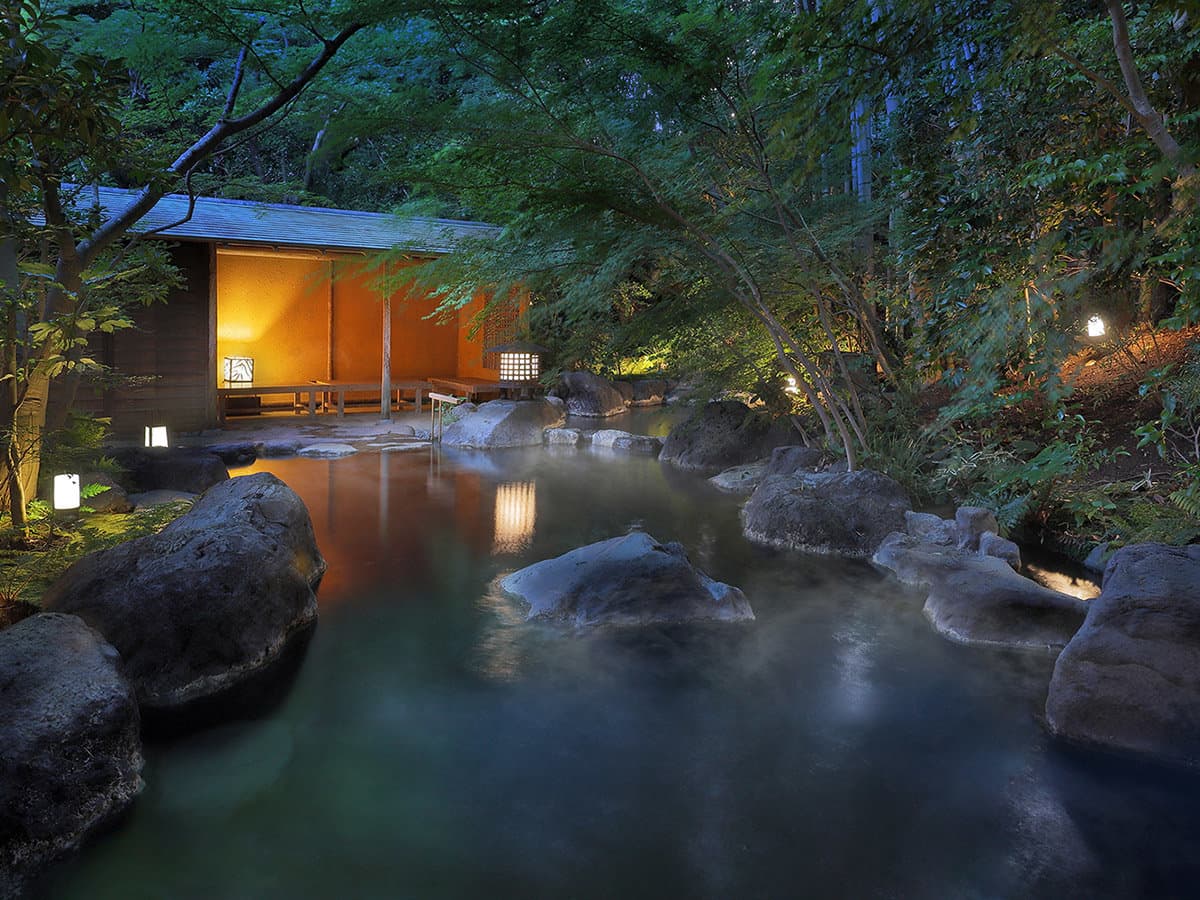 | $429〜 | 10.0 口コミ44件 | 英語OK貸切温泉 | Agodaで予約する |
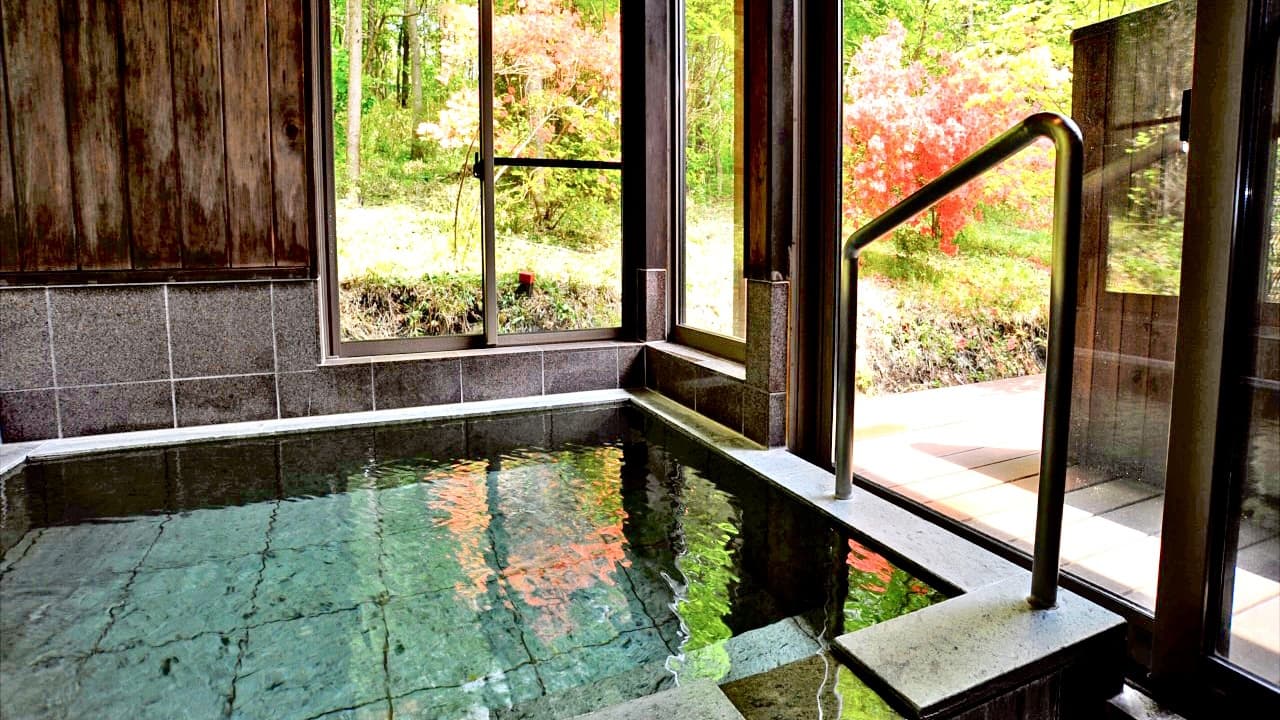 Akane-an Nasu | $220〜 | 10.0 | 貸切温泉 | Agodaで予約する |
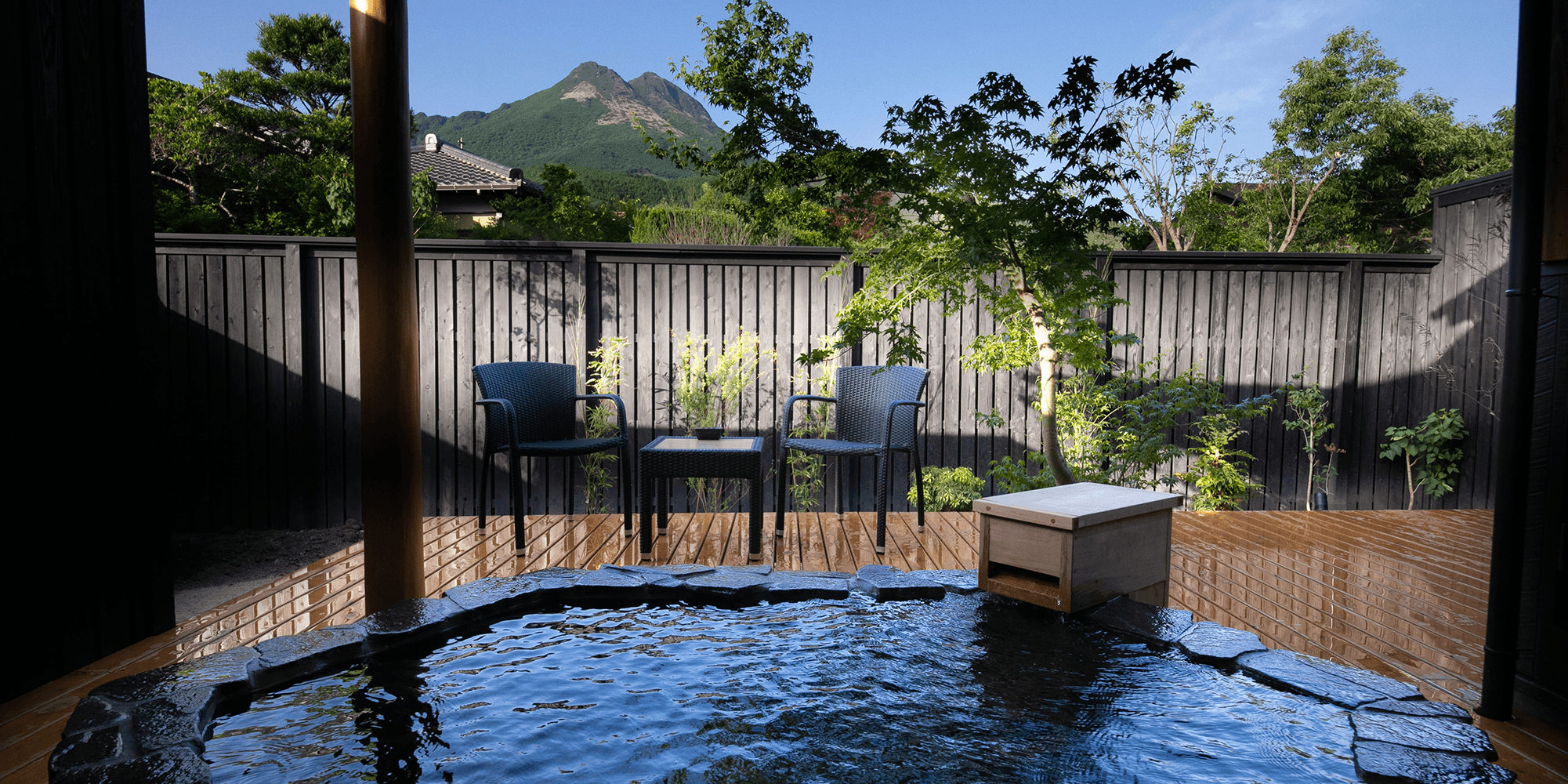 Oyado Den Rikyu Yufuin | $245〜 | 9.8 口コミ127件 | 英語OK貸切温泉 | Booking.comで予約する |
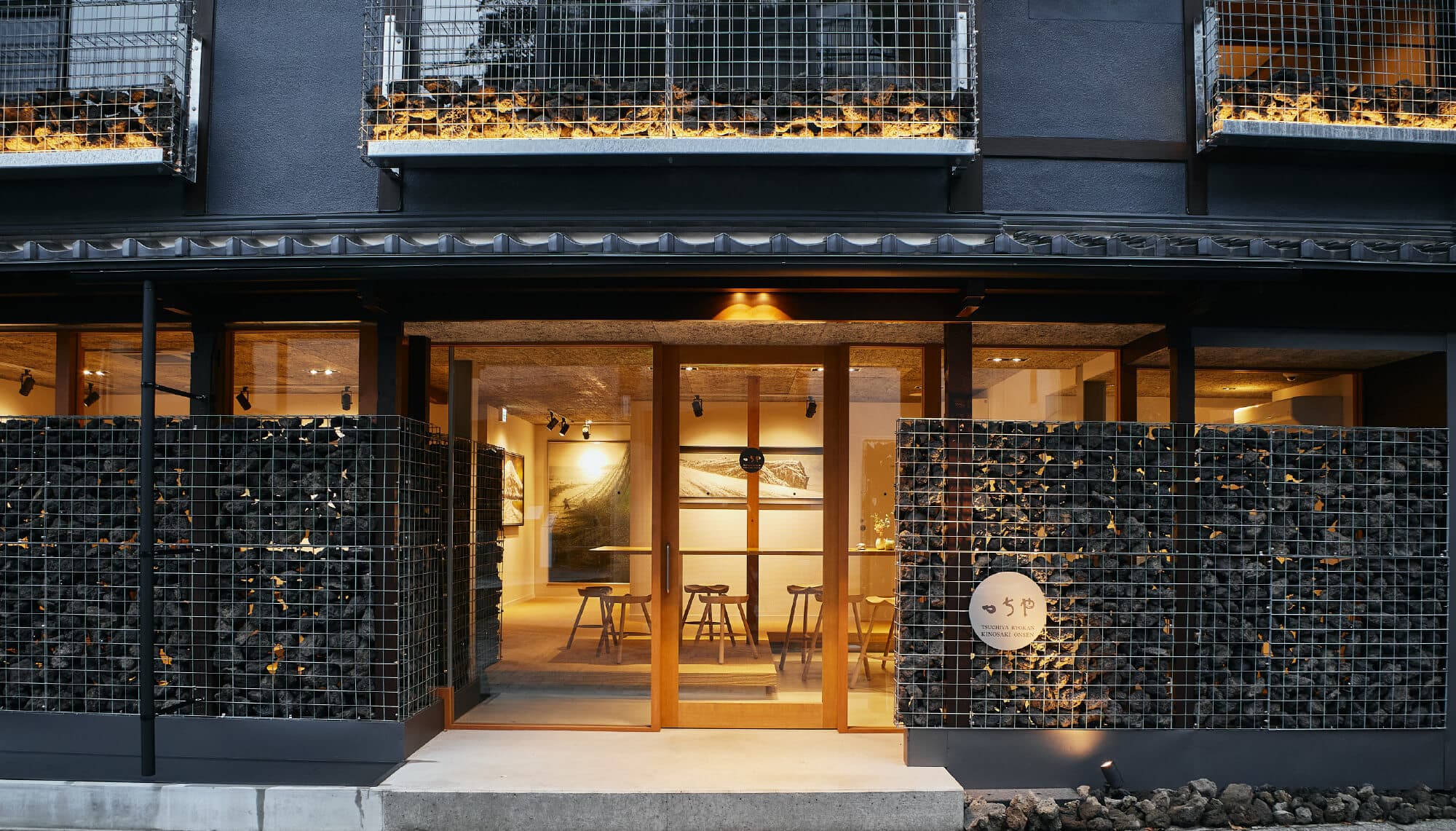 Tsuchiya Ryokan Kinosaki | $279〜 | 9.8 口コミ24件 | 英語OK貸切温泉 | Booking.comで予約する |
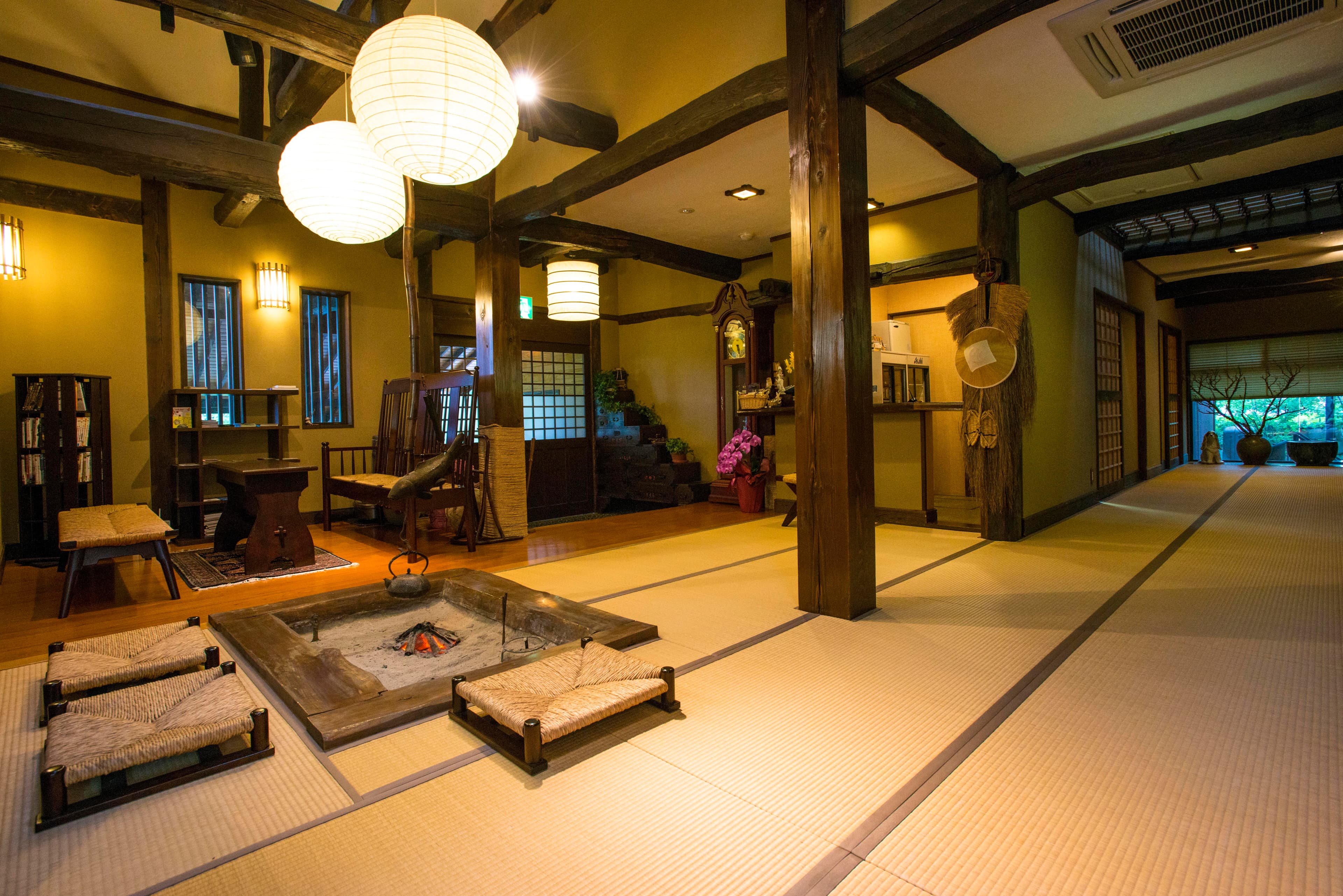 Onyado Nakada Nasu | $450〜 | 9.8 | 貸切温泉 | Agodaで予約する |
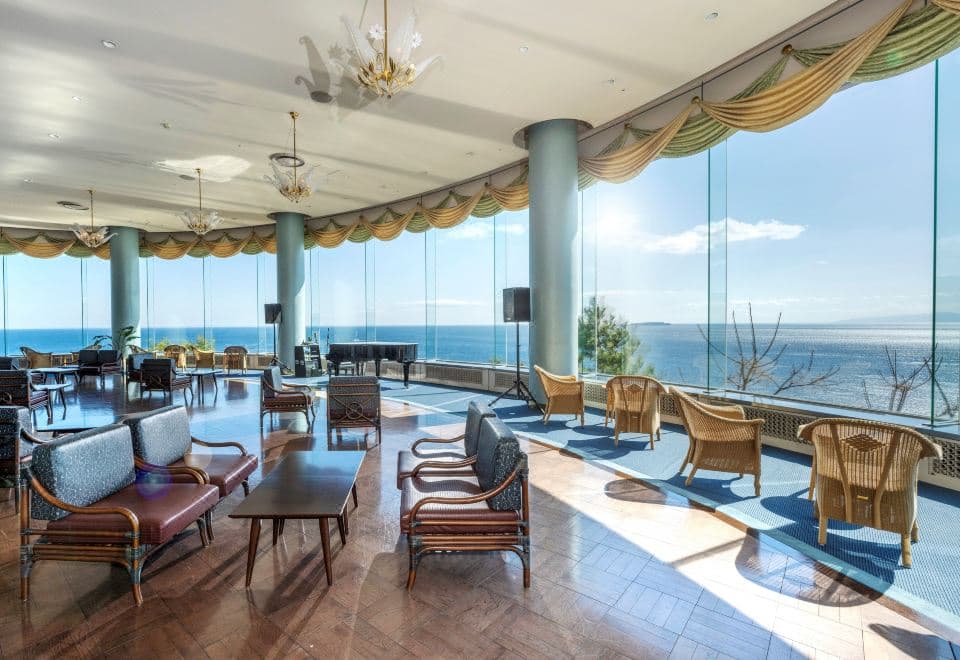 | $157〜 | 9.7 口コミ237件 | 英語OK貸切温泉 | Booking.comで予約する |
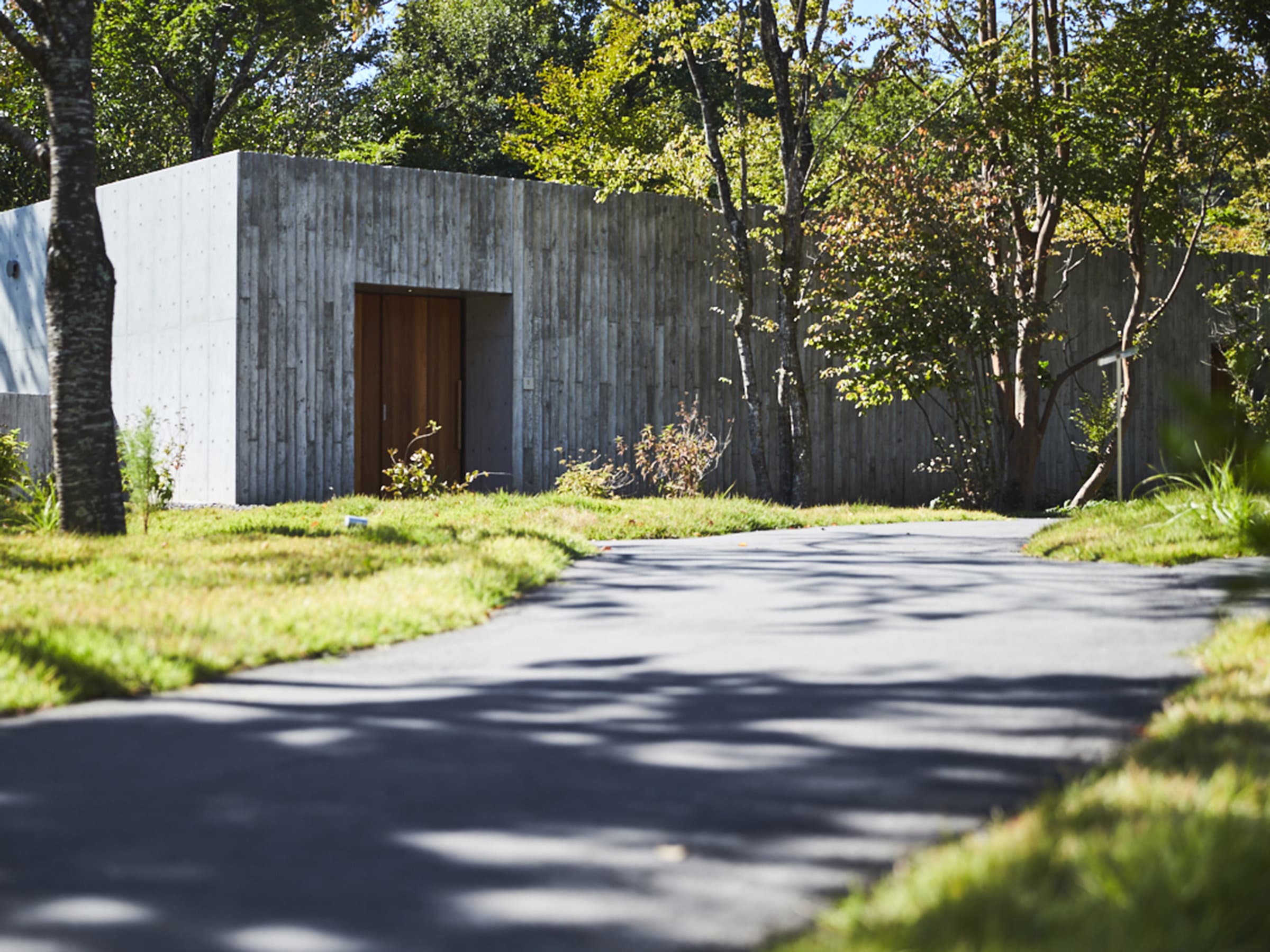 Sanso Warabino Yufuin | $270〜 | 9.7 口コミ201件 | 英語OK貸切温泉 | Agodaで予約する |
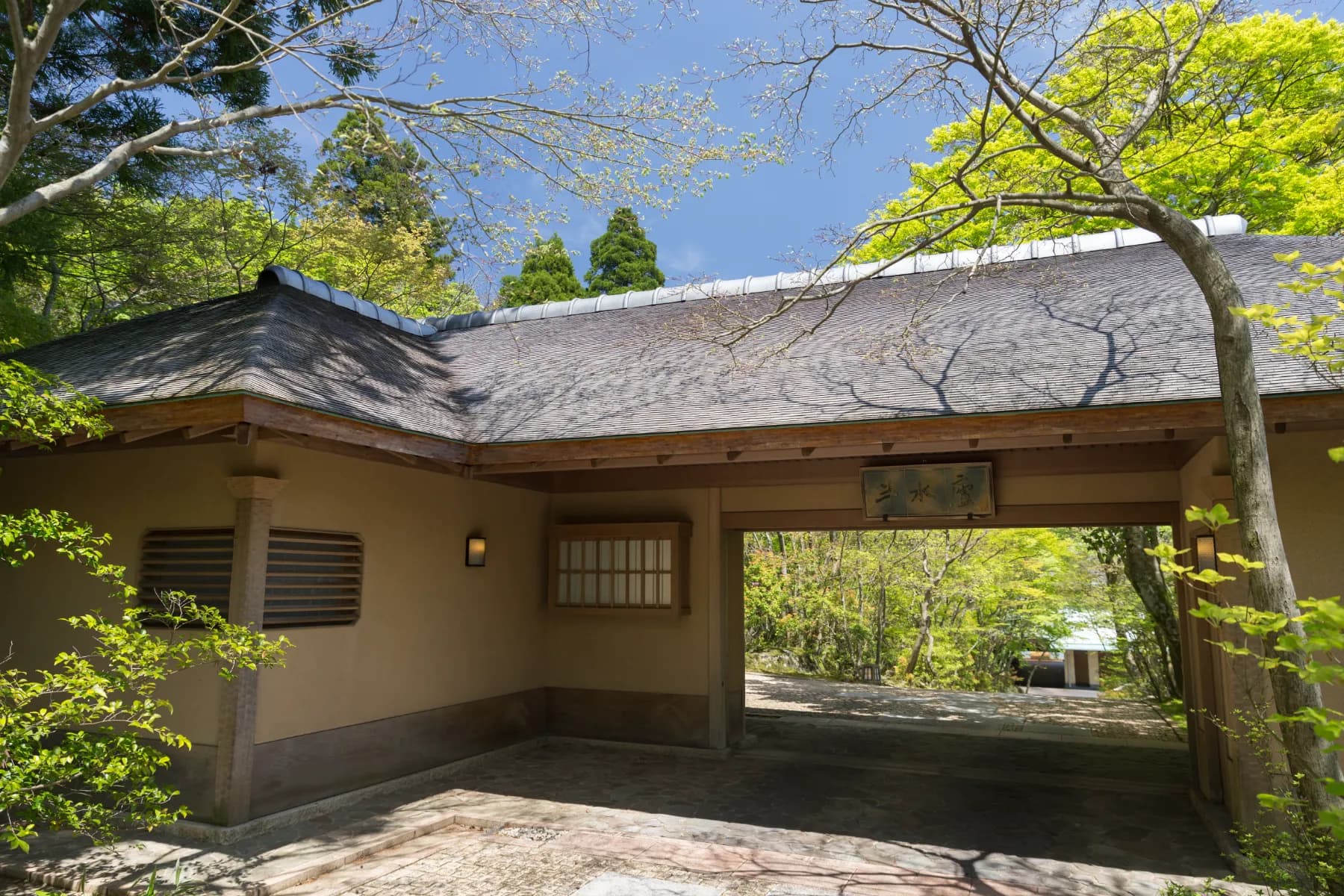 Ryotei Hanzuiryo Unzen | $598〜 | 9.7 口コミ136件 | 英語OK貸切温泉 | Booking.comで予約する |
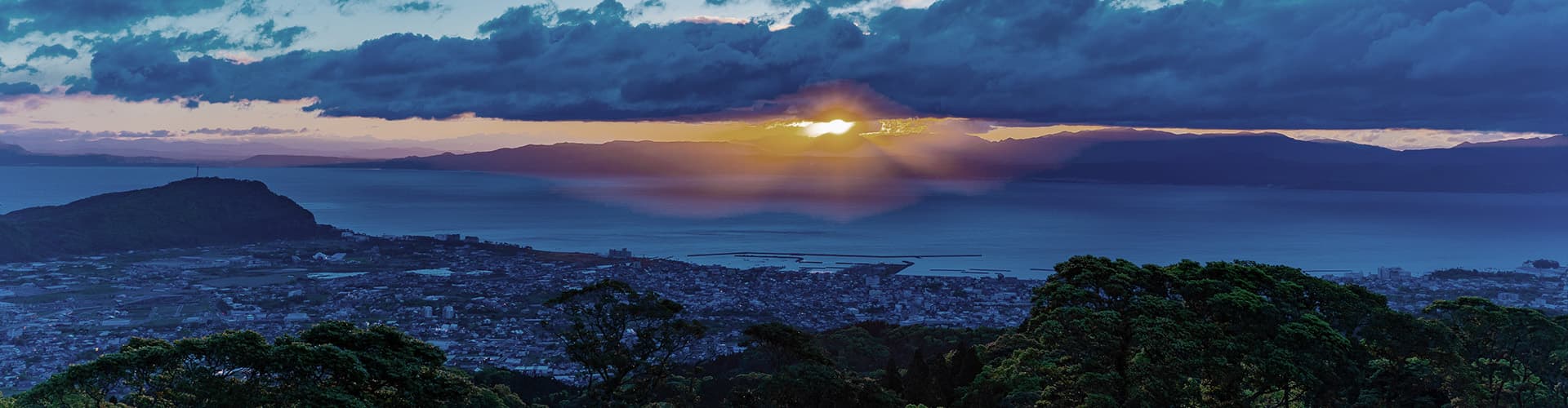 Bettei Amafuru Oka Ibusuki | $405〜 | 9.7 口コミ84件 | 英語OK貸切温泉 | Booking.comで予約する |
 Unzen Kyushu Hotel Unzen | $250〜 | 9.7 口コミ71件 | 英語OK温泉 | Booking.comで予約する |
| $176〜 | 9.7 口コミ71件 | 英語OK貸切温泉 | Booking.comで予約する | |
| $460〜 | 9.7 口コミ51件 | 英語OK貸切温泉 | Booking.comで予約する | |
 Atami Sekitei Atami | $300〜 | 9.7 口コミ29件 | 英語OK貸切温泉 | Booking.comで予約する |
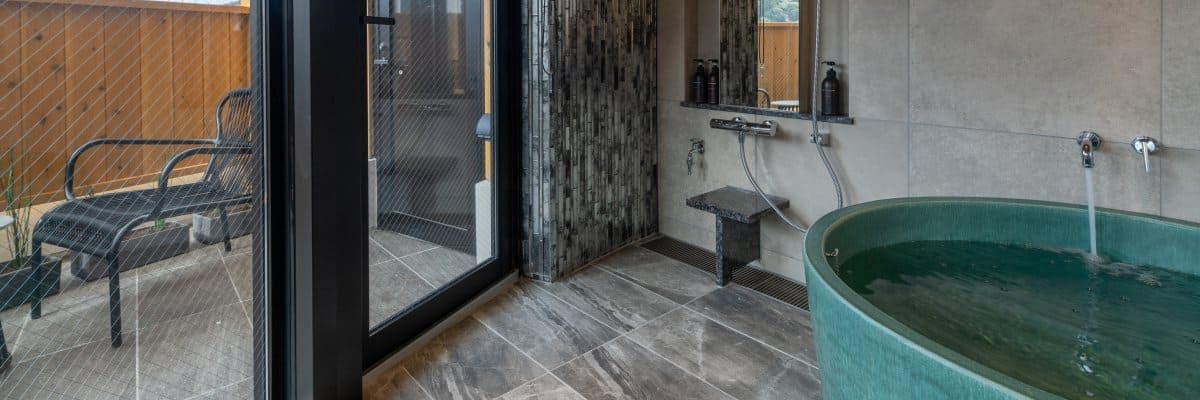 | $715〜 | 9.7 口コミ22件 | 英語OK貸切温泉 | Booking.comで予約する |
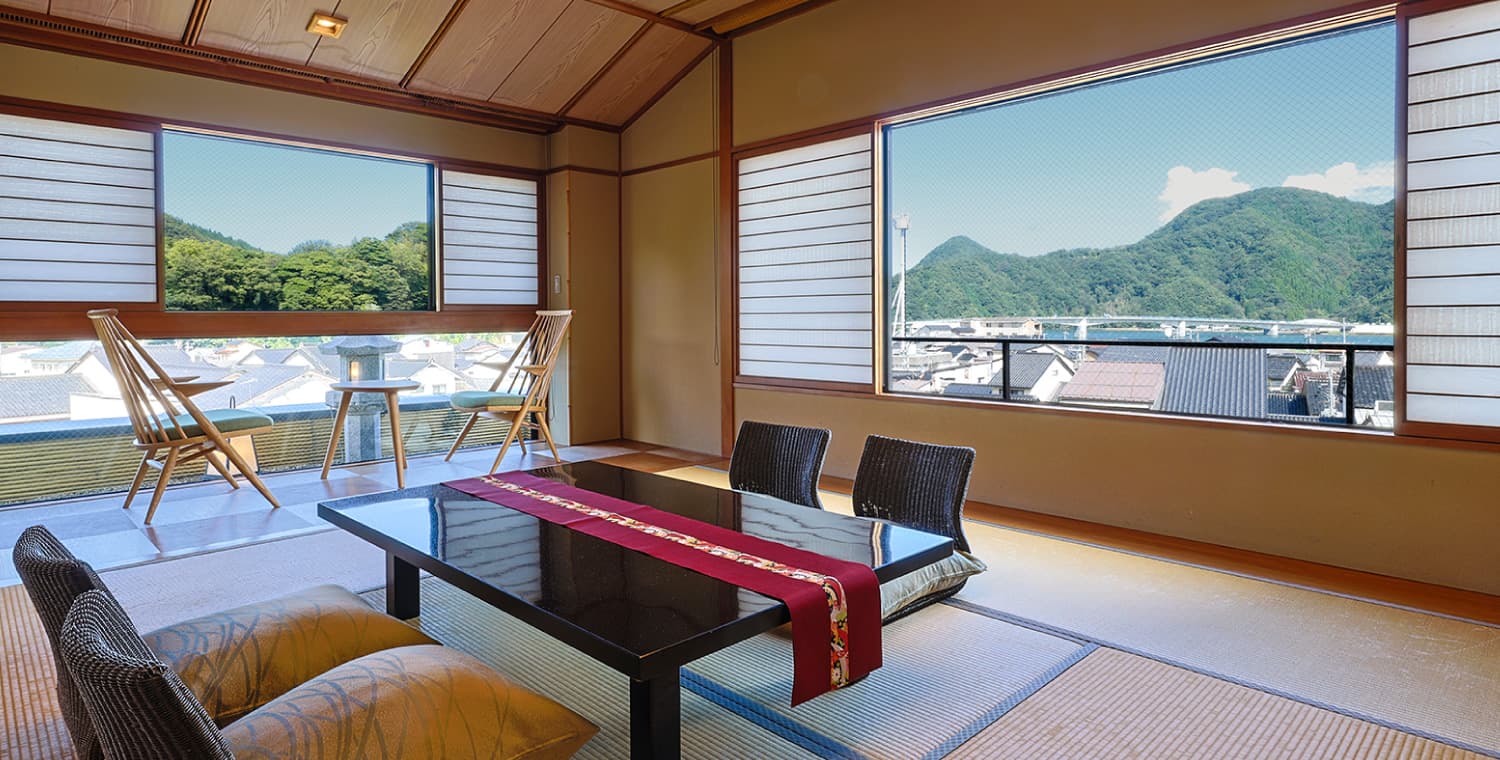 Kinosaki no Yado Ryokufukaku Kinosaki | $163〜 | 9.7 口コミ11件 | 英語OK貸切温泉 | Booking.comで予約する |
| $491〜 | 9.6 口コミ2132件 | 英語OK貸切温泉 | Booking.comで予約する | |
| $250〜 | 9.6 口コミ1911件 | 貸切温泉 | Agodaで予約する | |
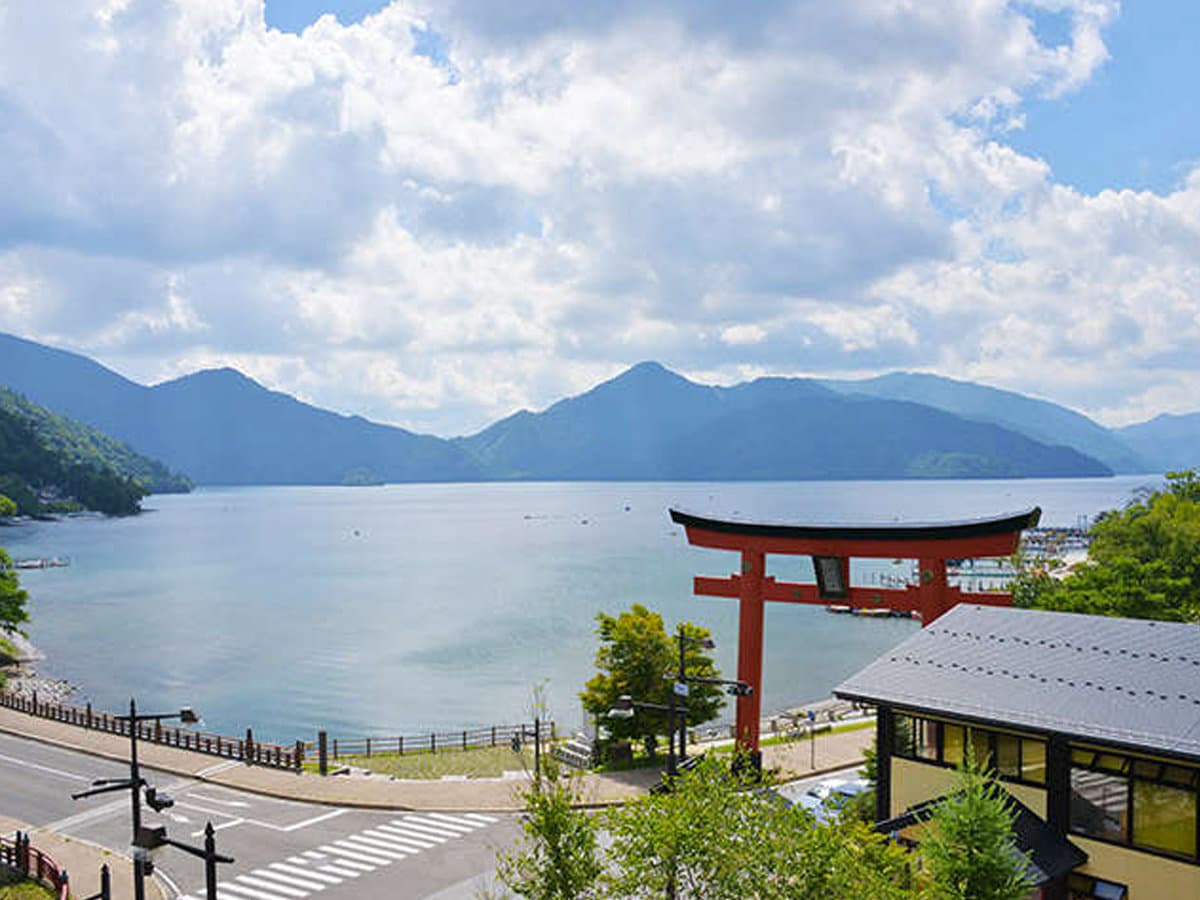 Hotel Hana-An Nikko | $247〜 | 9.6 口コミ1653件 | 英語OK貸切温泉 | Booking.comで予約する |
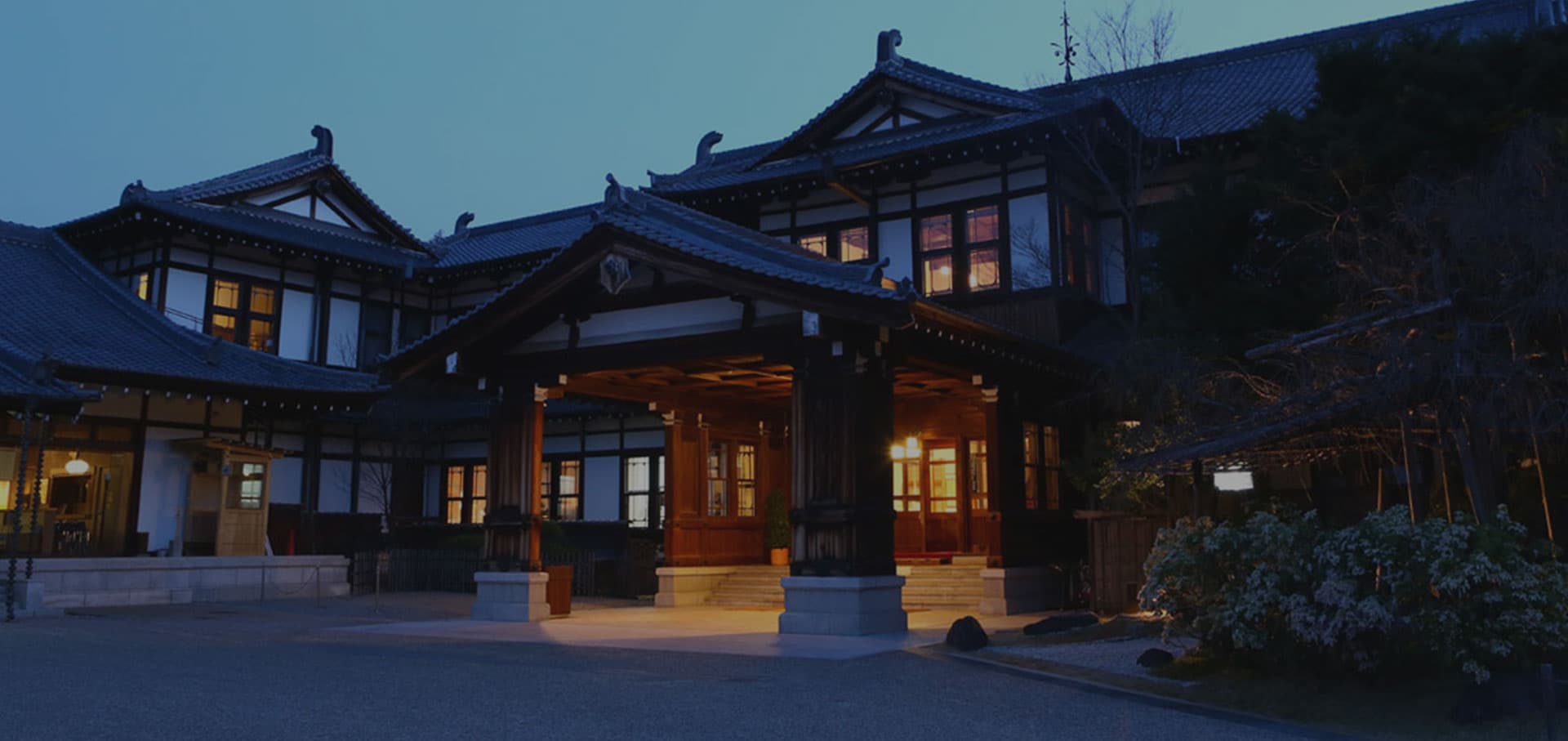 Nara Hotel Nara | $165〜 | 9.6 口コミ1275件 | 英語OK | Booking.comで予約する |
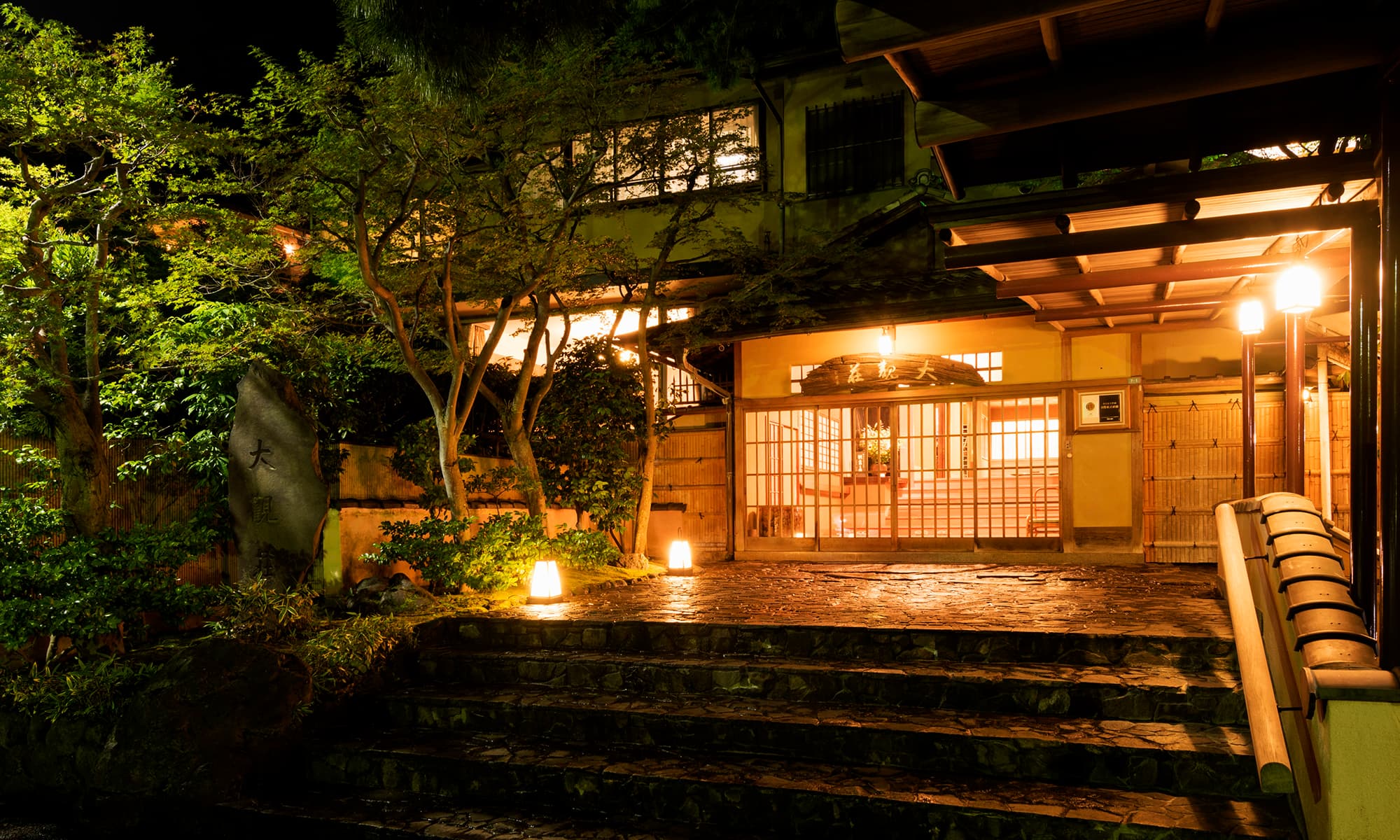 Atami Taikanso Atami | $463〜 | 9.6 口コミ593件 | 英語OK貸切温泉 | Agodaで予約する |
Akane-an
Nasu
Oyado Den Rikyu
Yufuin
Tsuchiya Ryokan
Kinosaki
Onyado Nakada
Nasu
Sanso Warabino
Yufuin
Ryotei Hanzuiryo
Unzen
Bettei Amafuru Oka
Ibusuki
Unzen Kyushu Hotel
Unzen
Atami Sekitei
Atami
Kinosaki no Yado Ryokufukaku
Kinosaki
Hotel Hana-An
Nikko
Nara Hotel
Nara
Atami Taikanso
Atami
表示価格は1名1泊あたりの目安です。当サイト経由のご予約で手数料を受け取る場合があります。
ご予約はこちら
人気の旅館から選んで予約
3つの予約サイトの空室・価格を見比べてください。
予約リンク経由で手数料が発生する場合がありますが、追加費用はかかりません。
豪華さの基準が「広さ」より「少室数の上質さ」なら、日本の小規模ラグジュアリー旅館の特集をどうぞ。
FAQ
よくあるご質問
日本の高級旅館はどのような基準で定義されますか?+
日本の高級旅館は三つの核心要素で定義されます。50キロ圏内を中心とした地元産食材による卓越した料理、ヒノキや手仕上げ和紙などの素材と建築、そしておもてなしという見えないが先読みした、気づく前にニーズが満たされるサービスです。重要文化財に指定されている建物も少なくありません。
高級旅館の宿泊料金に含まれるものは何ですか?+
通常、多品目の二食(懐石の夕食と和の朝食)、温泉へのフリーアクセス(多くは客室専用の内湯付き)、専任の仲居さんによる手厚いサービスが含まれます。古美術品・庭の眺め・肌で感じられる素材を持つ丁寧に設計された客室も価値の重要な一部です。
高級旅館の1泊の相場はいくらですか?+
高級旅館の料金は1名/1泊¥40,000から¥150,000以上と幅があります。これは概ね$500〜$2,000以上に相当します。二度の料理・温泉・個人サービスを込みで考えると、すべてを別途請求する欧米の高級ホテルとの比較で十分に合理的です。
日本の高級旅館を予約する最善の方法は?+
多くの高級旅館は欧米のOTAに掲載されていません。英語インターフェースを持つ日本の高級宿専門プラットフォーム、一休やReluxを使うのが最善です。食事制限・記念日・客室の希望を事前に伝えるためにも、宿への直接メールや電話も強く推薦します。
高級旅館の予約はどれくらい前から必要ですか?+
ゴールデンウィーク・桜・紅葉・年末年始などの繁忙期は3〜6か月前が必須です。閑散期の平日なら1〜2か月前が通常間に合います。平日(火・水)か、1月・2月・6月のオフシーズンなら予約が取りやすくなります。
高級旅館への投資は旅行者にとって価値がありますか?+
すべての旅行者に必要ではありません。中堅の選択肢でコアな体験は十分に得られます。ただし文化への深い関心・美食・建築を重視するなら、一夜が旅を決定づける記憶になりえます。旅の大部分を中堅で楽しみ、一夜だけ奮発することをお勧めしています。
日本で最高級の旅館はどこですか?+
唯一の「最高」というものはなく、何にお金を払うかによって変わります。建築美に宿る旅館本来の伝統と、極められた懐石を求めるなら、京都の柊家と俵屋が基準となる名宿。景観を楽しみながら貸切露天風呂を満喫する贅沢なら、強羅花壇(箱根)とあさば(修善寺)が筆頭です。デザイン性の高いラグジュアリーなら星のやの各施設が挙げられます。上記の検証済みおすすめは、ブランド名ではなく、それぞれが価格に見合って実際に提供するものを基準に順位付けしています。まずはそこから、求める体験に合った宿を選んでください。
箱根で最高級の旅館はどこにありますか?+
箱根は、東京からのアクセスの良さ(約90分)と本物の温泉が両立するため、日本でもっとも高級旅館が密集するエリアです。強羅花壇は長年の基準とされる名宿で、かつての皇族の別邸を前身とし、客室露天風呂や貸切温泉の選択肢があります。強羅や仙石原周辺には、デザイン性を打ち出した新しい旅館も複数あり、最上級の層で競い合っています。ここでの高級感の魅力は、眺望を楽しめる貸切露天風呂という組み合わせ。一人で湯に浸かれる客室については、箱根のおすすめと貸切露天風呂ガイドをご覧ください。
東京に高級旅館はありますか?+
東京の中に本格的な伝統旅館は少なく――この街はホテルの街です――それでも高級な旅館風の宿(客室に檜風呂を備えた旅館とホテルのハイブリッド型)はわずかに存在します。多くの高級志向の旅行者は、東京で一泊した後、電車で少し足を延ばして箱根や伊豆の本物の温泉旅館に泊まる組み合わせを選びます。住所よりも畳と懐石の滞在を重視するなら、日帰りで郊外へ出かけるのがおすすめ。街なかで旅館らしさを味わいたいなら、上記で紹介しているハイブリッド型の宿を検討してください。


