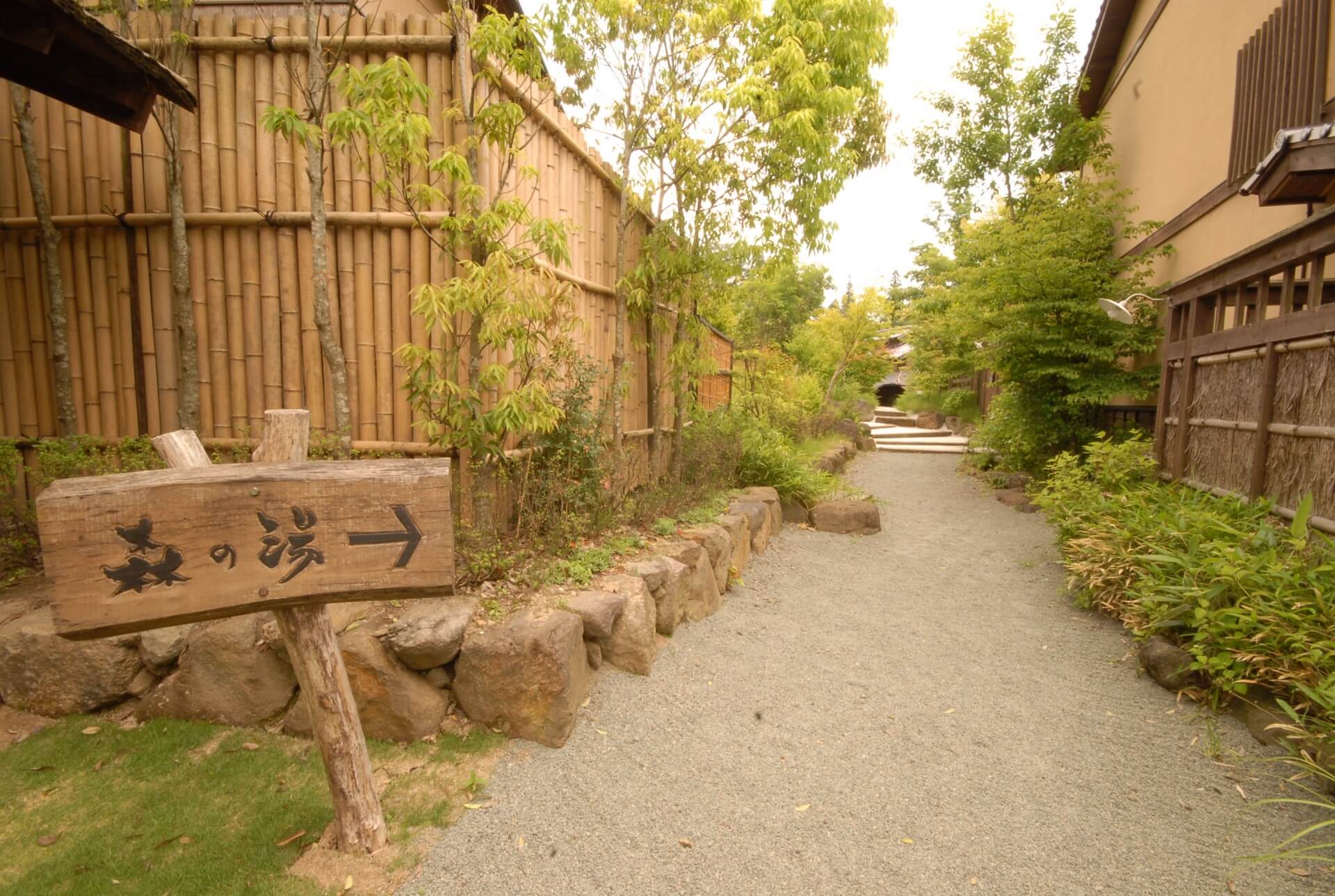
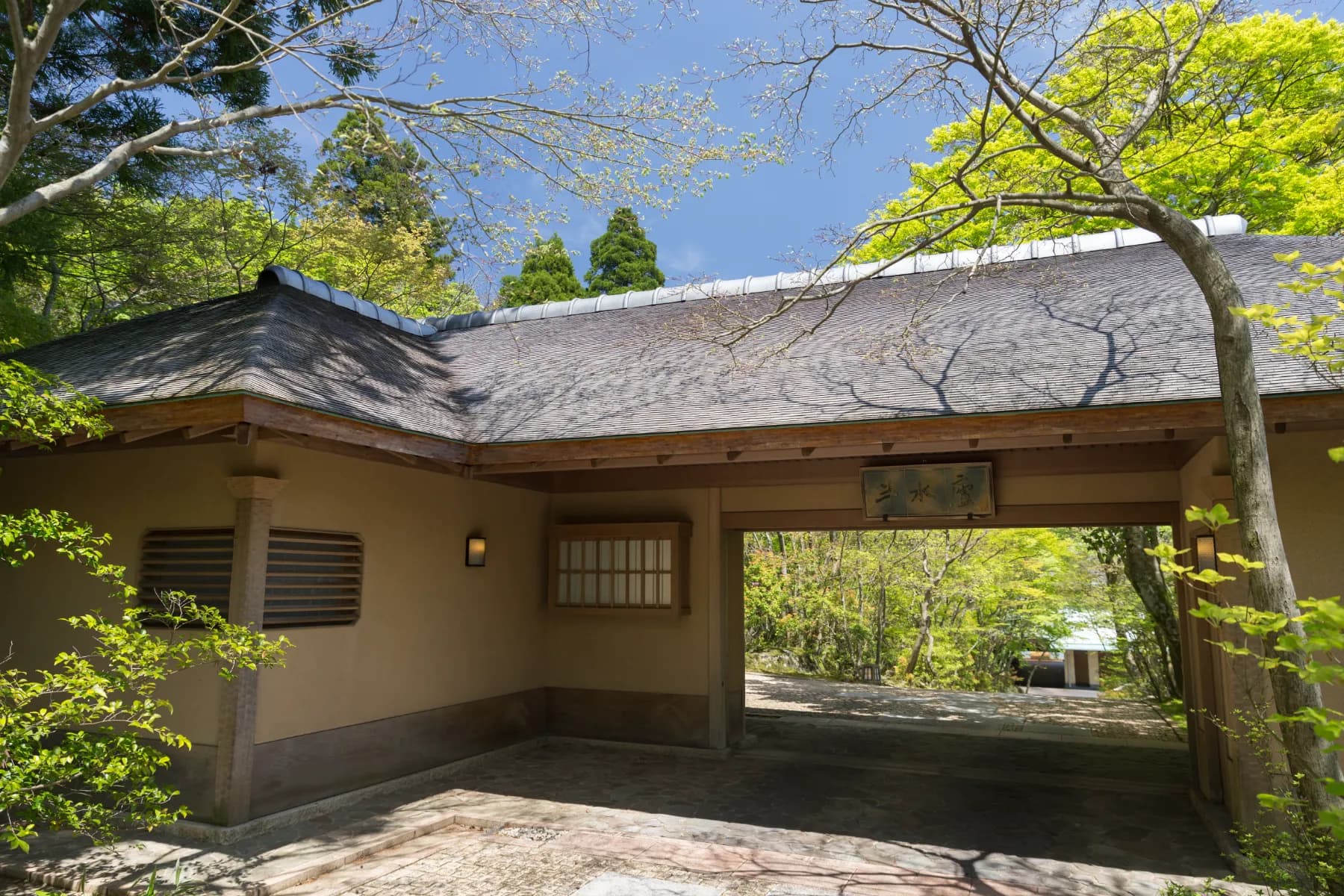
Karuizawa is the destination Tokyo's elite have used as a summer ryokan escape since the 1880s, and the temperature delta is the entire reason it exists. Mid-summer afternoons run 22°C against Tokyo's 31°C — a seven-degree drop you feel the moment the Hokuriku Shinkansen doors open at Karuizawa Station. The town sits at 940 metres of elevation in the Asama foothills, the hardwood larch and birch forest cooling the air through transpiration even on the hottest August day . The Imperial Family has summered here since the Meiji era. John Lennon and Yoko Ono stayed at Mampei Hotel every summer from 1976 to 1979. The post-war Hoshino family transformation turned a single hot spring inn into the Hoshinoya brand. Last verified: May 2026.
Getting there is the second reason. The Hokuriku Shinkansen Asama or Hakutaka services run from Tokyo Station to Karuizawa in 70 minutes — ¥5,490 for a reserved seat, ¥4,810 non-reserved . No transfers, no bus connections, no day-pass acrobatics. Reserve a window seat on the right (Mt. Asama side) and you watch the active volcano grow from horizon haze to dominant backdrop over the final fifteen minutes of the ride.
This guide covers eight properties across the four sub-areas of Karuizawa — Old, Middle, South, and Kita — spanning the luxury flagship Hoshinoya at ¥100,000+ per night down to the heritage Mampei Hotel where John Lennon's room is preserved. Most are ryokan-style mountain resorts or boutique heritage hotels rather than classical tatami-and-kaiseki ryokans (Karuizawa's hospitality tradition is closer to Swiss Alpine resort than to Kyoto inn). Where a property is a heritage hotel rather than a true ryokan, the entry flags it directly. For context on how Karuizawa compares against the other major Tokyo-radius escape destinations, see our best ryokans near Tokyo pillar and the best onsen ryokans near Tokyo hub guide queued for the same wave.
 保存到Pinterest
Tip
Disclosure: Japan Ryokan Guide earns a commission when you book through partner links. We do not accept payment from properties for inclusion or placement. Karuizawa coverage is not yet live in our property database — pricing in this guide is sourced from each property's official site and verified May 2026.
Karuizawa Sub-Area Geography (Which Side to Stay)
Karuizawa runs east-to-west along the southern flank of Mt. Asama and splits into four sub-areas, each with a distinct character. The sub-area you pick matters more than in most Japanese destinations because the town stretches over 12 kilometres and the bus network thins out fast outside of Karuizawa Station's immediate radius.
Old Karuizawa (旧軽井沢) is the original village core, founded in 1886 by Canadian missionary Alexander Croft Shaw, who built the first summer cottage here as an escape from Tokyo's humidity . The Karuizawa Ginza shopping street, Shaw Memorial Chapel, and Karuizawa Prince Shopping Plaza (the country's largest outlet mall) all sit within a 15-minute taxi from Karuizawa Station . This is the highest-density area for Western-style heritage hotels and the easiest base for first-timers — the famous Mampei Hotel and the Longing House anchor this zone. Walking everywhere is realistic. Best for first-time visitors who want a stroll-out-the-door cafe scene.
Middle Karuizawa (中軽井沢) centres on the Hoshino Area, the cradle of the Hoshino Resorts empire. The Hoshino family bought the original Hoshino Onsen hot spring inn here in 1914; today the same 100-hectare estate holds Hoshinoya Karuizawa (the flagship luxury ryokan), the Bleston Court hotel, the Tombo-no-Yu communal onsen, and the Harunire Terrace cafe-and-restaurant complex on the Yukawa River . Middle Karuizawa is 10 minutes by taxi from Karuizawa Station or one stop on the Shinano Railway to Naka-Karuizawa Station. Best for luxury seekers who want everything inside one curated resort estate.
South Karuizawa (南軽井沢) runs along the south side of the Joshin-etsu Expressway and includes Karuizawa Lake Garden, the Karuizawa Prince Hotel Forest area, and the residential pockets where many Tokyo writers keep summer cottages. Quieter and more pine-forested than Old Karuizawa, with the Karuizawa Marriott as the main international-brand anchor. Karuizawa Prince Snow Resort sits here too — the ski runs operate November through March. Best for solo travelers, writers, and couples who want forest privacy over village bustle.
Kita-Karuizawa (北軽井沢) is the high-elevation alpine area that crosses into Gunma Prefecture across the Asama foothills, climbing to 1,100–1,300 metres. The Tsumagoi cabbage plateau, Onioshidashi lava field (frozen at the 1783 Asama eruption), and the Kusatsu Onsen approach road all anchor this zone . It is the only Karuizawa sub-area with real geothermal onsen (the other three are largely non-thermal mountain resorts). Regina Resort sits here. Reaching it from Karuizawa Station requires a 35-minute taxi or seasonal bus. Best for travelers who want genuine alpine isolation and real onsen water.
Quick-Compare: 8 Karuizawa Stays at a Glance
| # | Property | Tier | Sub-Area | From (¥/person) | Best For |
|---|---|---|---|---|---|
| 1 | HOSHINOYA Karuizawa | Ultra-luxury | Hoshino estate | ¥100,000+ | The flagship — 77 rooms along the estate waterways |
| 2 | Karuizawa Hotel Bleston Court | Luxury | Hoshino estate | ¥42,000+ /room | Same estate and same onsen, a third of the price |
| 3 | Regina Resort Karuizawa Mikage Yosui | Pet-luxury | Oiwake | ¥40,000+ | Japan's most worked-out dog-luxury format |
| 4 | Mampei Hotel | Heritage | Old Karuizawa | ¥35,000+ | 1894 classic — John Lennon's summer address |
| 5 | Karuizawa Hotel Longing House | Mid-luxury | Izumi-no-Sato | ¥28,000+ | Vegetable-led auberge, free private open-air baths |
| 6 | BEB5 Karuizawa by Hoshino Resorts | Budget | Hoshino estate | ¥15,000+ /room | Flat per-room rate, 24h lounge, no set dinner |
| 7 | Hotel Grandvert Kyu-Karuizawa | Mid | By the station | ¥18,000+ | Three minutes on foot from the shinkansen |
| 8 | Le Grand Kyu Karuizawa | Mid | Old Karuizawa | ¥30,000+ | Rooftop open-air hot-spring bath |
For the broader Tokyo-radius comparison, see our best onsen ryokans near Tokyo hub (queued for the same Wave 2 publish) which positions Karuizawa against Hakone, Atami, Nikko, and Izu.
1. Hoshinoya Karuizawa — Best for the ultra-luxury flagship experience
Best for Honeymooners, milestone-trip travelers, and architecture enthusiasts who want the property that defined the modern Japanese luxury ryokan category.
At a glance 77 water-villa rooms · ¥100,000–¥250,000 per person · 10-min shuttle from Karuizawa Station · In-villa terrace + private bath: all rooms · Tombo-no-Yu hot spring access included · Tattoo policy: private bath only.
Positioning Hoshinoya Karuizawa is the flagship of the entire Hoshino Resorts portfolio and the property that turned the family's 1914 hot spring inn into a global luxury brand. The 77 standalone villas sit on a man-made stream system carved through the original Hoshino estate, designed by architect Rikuo Nishida — every villa has a terrace over moving water, every approach is on foot through cedar paths . The on-site Meditation Bath (a covered low-light pool fed by hot spring water) is the singular experience this property is known for: you float on your back in shoulder-deep water with no view of the sky, just the sound of the water and the cedar walls.
Signature feature The Tombo-no-Yu hot spring source — the original 1914 Hoshino Onsen well — is on the same estate and free to Hoshinoya guests. It is one of Karuizawa's only genuinely thermal onsen sources, alkaline simple spring at 39°C. Most other Karuizawa luxury properties use heated mineral water, not real geothermal.
Dining Japanese kaiseki at the Kasuke restaurant building, contemporary French at the on-site fine-dining venue, plus the Hoshino-managed Harunire Terrace cafe complex on the adjacent estate for breakfast and lunch.
Honest trade-off ¥100,000 per person per night is the floor, and peak July–August weekends push past ¥180,000. Book six months ahead for any summer Saturday. The water-villa layout means accessibility is limited — multiple stone bridges and gravel paths, no wheelchair access to most villas. The property is the destination, not a base — once inside you will not leave the Hoshino estate for two days, and that is the point.
Who it's for Couples celebrating a major milestone, architecture-photography travelers, and anyone who wants the single most polished Japanese-luxury hospitality product within 90 minutes of Tokyo.
Tip
The Hoshinoya summer-weekend booking window opens 6 months ahead. July and August Saturdays sell out within the first 48 hours of the window. If you want a peak-summer stay, set a calendar reminder for the booking-opens date and reserve the moment the system goes live.
2. Karuizawa Hotel Bleston Court — Best for the Hoshino estate without the HOSHINOYA bill
Best for Travellers who want the Hoshino grounds — the Tombo-no-Yu bathhouse, Harunire Terrace, the birch woodland — without paying flagship rates for them.
At a glance 31 rooms · from ¥42,000 per room for two · 15-min shuttle from Karuizawa Station · Tombo-no-Yu and Harunire Terrace on the same estate · Shiraito-no-Yu, a simple sulphur spring · Tattoo policy: not stated by the hotel.
Positioning Bleston Court is the second Hoshino Resorts hotel on the Karuizawa estate and the practical answer for anyone who wants the setting rather than the ceremony. Rooms sit in low cottage buildings scattered through birch woodland; the main dining room, Yukawatan, is French and holds its own reputation independent of the hotel. You walk the same paths to Tombo-no-Yu and Harunire Terrace that HOSHINOYA guests do.
One thing worth knowing before booking: Bleston Court carries a substantial wedding business, and a summer weekend can feel busier than the woodland setting implies. Midweek is a different property.
3. Regina Resort Karuizawa Mikage Yosui — Best for Japan's most worked-out dog-luxury format
Best for Dog owners who want a genuine luxury stay with their dog rather than a pet-tolerant compromise.
At a glance 26 rooms · ¥40,000–¥80,000 per person · 25-min drive from Karuizawa Station (Oiwake, on the old post road) · dog runs, grooming room and a canine dining menu · no on-site onsen · Tattoo policy: not stated by the hotel.
Positioning Regina Resort runs the most thoroughly developed dog-friendly luxury format in Japan, and Mikage Yosui is the Karuizawa property furthest from the town centre, out at Oiwake where the old Nakasendo post road ran. Twenty-six rooms, each with its own dog amenities; dogs eat their own menu in the dining room rather than being left upstairs.
Note that Regina operates two Karuizawa properties. The other, Regina Resort Old Karuizawa, sits much closer to the Ginza shopping street if walking into the village matters more to you than the quiet.
4. Mampei Hotel — Best for two centuries of Karuizawa heritage
Best for Heritage seekers and music-history travelers — Mampei has been welcoming guests since 1894 and is the hotel where John Lennon and Yoko Ono stayed every summer from 1976 to 1979 .
At a glance 86 rooms · ¥35,000–¥80,000 per person · 8-min taxi from Karuizawa Station (Old Karuizawa) · No on-site onsen (Karuizawa town springs are mostly non-thermal) · Tattoo policy: allowed (no on-site communal hot spring bathing).
Positioning Mampei is the Old Karuizawa heritage anchor, opened in 1894 and serving as the de facto Imperial summer residence reference point for over a century. The building itself is a registered heritage structure with a mixed Victorian-Meiji architectural style — dark-wood corridors, stained-glass dining room, vintage bar where John Lennon ordered Royal Milk Tea every summer afternoon. The hotel preserves Lennon's preferred suite, room 128, with its original 1970s interior largely intact.
Signature feature The dining room (Main Dining Room) serves a French-Japanese hybrid menu that has been refined since 1936, including a beef stew the kitchen has been making to the same recipe for 90 years. The Cafe Terrace is the de facto Karuizawa elite meeting room — Tokyo media, government, and cultural figures cross paths here all summer.
Dining Western-Japanese hybrid in the heritage dining room; the Cafe Terrace for afternoon tea; the Mampei bar for evening cocktails. No on-site kaiseki (Mampei pre-dates the kaiseki-hotel format).
Honest trade-off No real onsen — Old Karuizawa sits on non-thermal ground, so Mampei's baths use heated municipal water rather than hot spring water. For travelers prioritising hot spring bathing, Hoshinoya (Tombo-no-Yu) or Regina Resort (Kita-Karuizawa thermal) are stronger. The 1894 structure has accessibility limits — confirm specific room category if mobility is a concern. The Lennon-suite booking requires a specific request; the standard category does not include it.
Who it's for Heritage travelers, classic-hotel enthusiasts, Beatles-history pilgrims, and anyone who wants to soak in the same dining room where 130 years of Japanese elite have summered.
5. Karuizawa Hotel Longing House — Best for boutique European-villa style near Karuizawa Ginza
Best for Couples and design-led travelers who want a small-scale boutique stay within walking distance of Old Karuizawa's main shopping street.
At a glance 19 rooms · ¥28,000–¥55,000 per person · 5-min walk to Karuizawa Ginza shopping street · 12-min taxi from Karuizawa Station · No on-site onsen · Tattoo policy: allowed.
Positioning The Longing House is a boutique European-villa-style hotel that occupies a clutch of timber buildings set in pine forest at the northern edge of Old Karuizawa. The design language is closer to a Scandinavian summer cottage than a Japanese inn — exposed timber beams, white plaster walls, fireplaces in the public rooms. The property attracts a younger creative-industry crowd than Mampei.
Signature feature The on-site Italian restaurant uses Karuizawa-grown vegetables and Shinshu beef, and the breakfast room serves what is reliably one of the better hotel breakfasts in the area — a sit-down course rather than a buffet, with house-made bread and Shinshu butter. The 5-minute walk to the Karuizawa Ginza shopping street means evening cafes and bars are reachable on foot, unusual for Karuizawa.
Honest trade-off Like most Old Karuizawa properties there is no hot spring on-site. The 19-room scale means availability for peak summer weekends is tight. The boutique-Western aesthetic is a counterpoint to traditional Japanese ryokan hospitality — choose this if that is what you want, not if you want tatami floors.
Who it's for Returning Karuizawa visitors who already did Mampei and Hoshinoya and want a smaller-scale boutique counter-program, and couples who specifically want walking access to Old Karuizawa cafes and bars.
6. BEB5 Karuizawa by Hoshino Resorts — Best for a flat rate and no dinner schedule
Best for Younger travellers, friends splitting a room, and anyone who does not want a set dinner time dictating their evening.
At a glance 73 rooms · from ¥15,000 per room, not per person · 5-min taxi from Naka-Karuizawa Station · 24-hour lounge · Tombo-no-Yu onsen next door at a guest rate, not included · Tattoo policy: not stated by the hotel.
Positioning BEB5 is what Hoshino Resorts does when it drops the ryokan formalities. The rate is per room regardless of how many of you share it, the lounge stays open around the clock, and there is explicitly no set dinner — you eat when you want, on the estate or off it.
Be clear about the bath, because the marketing blurs it: BEB5 has no hot spring of its own. Tombo-no-Yu, the Taisho-era bathhouse on the neighbouring Hoshino estate, is available to guests at a special rate. That is a short walk and a small fee, not a facility downstairs.
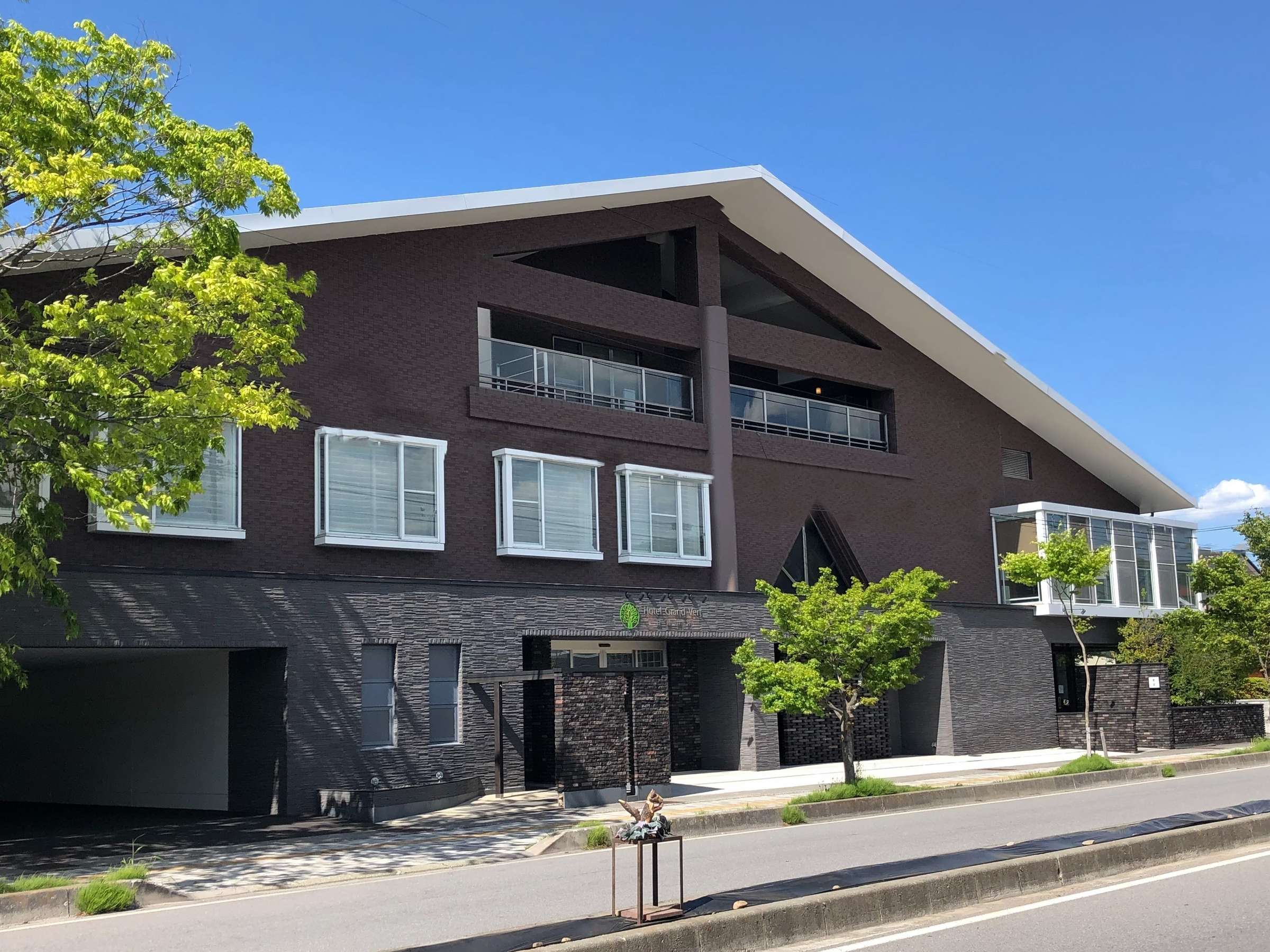
7. Hotel Grandvert Kyu-Karuizawa — Best for the shortest walk from the shinkansen
Best for Anyone who wants to step off the shinkansen and be checked in three minutes later, without a shuttle or a taxi.
At a glance from ¥18,000 per person · 3-min walk from Karuizawa Station north exit · new wing 2019, main building renovated 2021 · no on-site onsen · rated 9.2 on Trip.com across 451 reviews, the strongest score in Karuizawa · Tattoo policy: not stated by the hotel.
Positioning The recurring Karuizawa logistics problem is that everything worth doing is a drive from everything else. Grandvert removes one leg of that: it is three minutes on foot from the station's north exit, which puts the Old Karuizawa Ginza street and the Prince outlet mall within an easy walk.
The finish is more current than the price band suggests — the new wing opened in 2019 and the main building was renovated in 2021. It has no hot spring, which in Karuizawa is the norm rather than a shortcoming.
8. Le Grand Kyu Karuizawa — Best for an actual hot-spring bath in Old Karuizawa
Best for Travellers who want a real onsen soak in a town where most of the water is not thermal, within walking distance of the village.
At a glance 43 rooms · from ¥30,000 per person · 15-min walk from Karuizawa Station · rooftop open-air hot-spring bath · 45 free parking spaces · rated 9.3 on Trip.com · Tattoo policy: not stated by the hotel.
Positioning Le Grand Kyu Karuizawa is the Granbell group's Old Karuizawa hotel, and the bath is the reason to choose it over the other mid-tier options: an open-air hot-spring pool on the upper floor. In a town whose water is largely non-thermal, that is genuinely unusual rather than a marketing line.
The kitchen sources from Shinshu growers, and the fifteen-minute walk to the station runs through the Ginza street rather than around it. One caution: there is a near-identically named sister property, Le Grand Karuizawa Hotel & Resort, which sits out at 1,000 metres and is a completely different stay. Check which one you are booking.
How to Get to Karuizawa from Tokyo
The Hokuriku Shinkansen Asama and Hakutaka services run from Tokyo Station to Karuizawa in approximately 70 minutes. Asama trains terminate at Karuizawa or Nagano; Hakutaka and Kagayaki services continue to Kanazawa. Reserved seats are ¥5,490, non-reserved ¥4,810. Trains depart Tokyo Station every 30 minutes on average through the day, with denser scheduling Friday afternoon and Sunday evening for weekend-escape traffic.
JR Pass coverage: The Hokuriku Shinkansen is fully covered by the standard 7-day JR Pass and by the JR East Pass (Nagano-Niigata version). If you are travelling with either pass the Tokyo-Karuizawa leg is included at no marginal cost. If you are travelling without a pass and only doing this one Karuizawa leg, a JR Pass is not worth the up-front cost for the single round-trip — buy the reserved ticket directly.
Seat side: Reserve a window seat on the right-hand side of the train (in the direction of travel) for the best views of Mt. Asama over the final 15 minutes of the ride. The mountain dominates the southern horizon as the train climbs onto the Karuizawa plateau.
Express buses run from Ikebukuro Station to Karuizawa for ¥3,000 one-way, taking approximately 3 hours 30 minutes. Cheaper but materially slower; only worth considering if Shinkansen seats are sold out during Golden Week or Obon. The route is operated by Seibu Bus and bookings can be made through the Highway Bus Japan platform.
Onward connection: From Karuizawa Station the local Shinano Railway runs west to Naka-Karuizawa (the Hoshino Area stop, useful for Hoshinoya guests not using the property shuttle) and further west toward Nagano. Buses run east to Old Karuizawa and south to the outlet mall. Taxis queue at the north exit of Karuizawa Station — most luxury properties offer a complimentary shuttle if you book directly with the hotel.
Best Time to Visit by Tier
Summer (July–August) — peak season: Karuizawa's defining season. Average August afternoon temperature is 22°C against Tokyo's 31°C — a seven-degree drop. The town's entire identity is built around this thermal escape: the Imperial Family stays through August, Tokyo media decamp here for August week, and the village hosts the largest concentration of outdoor classical-music concerts in Japan during the Karuizawa Music Festival (third week of August). Book luxury properties 6 months ahead for summer Saturdays. Expect heavy traffic on the Joshin-etsu Expressway exits Friday evenings. Mid-week summer travel is materially more comfortable than weekends.
Autumn (October–early November) — the photography peak: The koyo season in Karuizawa runs golden-orange-yellow on the larch and oak forests, peaking in the first week of November in town and the third week of October at higher elevations in Kita-Karuizawa. This is the second-busiest season and the one we recommend for photography travelers — the contrast of golden larch needles against Mt. Asama's volcanic black slopes is the defining Karuizawa image. Book peak-week (first week of November) 3-4 months ahead.
Winter (December–February) — quiet season: The Karuizawa Prince Snow Resort operates ski runs through the winter; Lake Shirakaba ice-fishing and forest skating draw a smaller but committed winter crowd. Temperatures run -5°C to 5°C, with regular snowfall through January and February. The luxury properties — Hoshinoya in particular — are at their best in winter: snow on the cedar paths, hot bath against frozen forest, the Meditation Bath in low light. For deeper snow-and-ryokan context, see best ryokans near ski resorts in Japan.
Spring (April–May) — off-season: Karuizawa's cherry blossoms run approximately 2 weeks behind Tokyo's because of the altitude — late April rather than early April. The town is at its quietest in this window, which means easy bookings and lowest rates of the year. The downside is unpredictable weather — late spring snow is possible into early May, and the larch forest is still leaf-bare. Best for travellers who want a quiet stay and don't need the summer heat-escape premise.
Karuizawa vs Hakone vs Nikko — The Tokyo Radius Decision
These three destinations cover most of the Tokyo-radius ryokan and onsen-resort traffic. They are not interchangeable, and the honest framing is that each one solves a different traveler's problem.
Karuizawa is the mountain-forest summer escape. The 7°C temperature delta against Tokyo is the entire reason it exists as a destination; the hospitality tradition is Western-influenced (Swiss Alpine resort meets Japanese inn) rather than tatami-and-kaiseki. Real onsen are limited to Kita-Karuizawa. Hospitality language is heritage-hotel + modern luxury ryokan (Hoshinoya). Choose Karuizawa when summer heat-escape is the priority, when architecture and design-led luxury matter to you, and when you don't mind that the onsen experience is muted.
Hakone is the volcanic onsen culture year-round. Real geothermal springs feed every property; the Romance Car from Shinjuku takes 85 minutes; the area has the deepest selection of classical ryokans of any Tokyo-radius destination. Mt. Fuji views are possible from Lake Ashi properties on clear winter mornings. Choose Hakone when authentic onsen culture is the priority, when you want the deepest ryokan selection, or when you have only one Tokyo-radius night to spend. Full coverage in our best ryokans in Hakone guide.
Nikko is the UNESCO-history layer. Two UNESCO World Heritage sites (the Nikko shrines and Lake Chuzenji), genuine sulphur onsen at Yumoto (altitude 1,478 m), and the strongest autumn foliage of the three by a clear margin. The trade-off is that Nikko is the longest journey (110 minutes via Tobu Spacia from Asakusa), and the property mix is heavier on big-resort scale and lighter on boutique luxury. Choose Nikko when UNESCO history and autumn foliage are the trip's centre. Full coverage in our best ryokans in Nikko guide.
For travelers picking the single Tokyo-radius ryokan night without a strong seasonal angle, Hakone remains our default recommendation — it offers the deepest ryokan culture and the most reliable hot-spring experience. Karuizawa wins when summer heat-escape and architectural-luxury are the priorities. Nikko wins for the autumn-foliage trip. Atami wins for the shortest possible Shinkansen — see our best ryokans in Atami for that comparison.
Where Karuizawa Fits in Our Tokyo-Radius Coverage
Karuizawa is the second Tokyo-radius destination pillar we have shipped in 2026 (after Atami earlier in May), and it slots into the second tier of our larger Tokyo-radius coverage stack alongside Hakone, Nikko, Atami, and Izu. The full stack is being unified under the best onsen ryokans near Tokyo hub pillar (queued for the same Wave 2 publish), which positions each sub-destination by traveler intent — onsen depth, transit speed, season, and pricing tier.
If your trip is centred on a single Tokyo-radius night, start with the hub pillar to pick the right destination, then drop into the property-level pillar for that destination (this guide for Karuizawa, the Hakone pillar for Hakone, the Nikko pillar for Nikko, the Atami pillar for Atami). If your trip is multi-destination — for example, Karuizawa plus a winter ski stop — the best ryokans near ski resorts guide covers the Karuizawa Prince Snow Resort overlap and the broader Nagano-Niigata ski-ryokan corridor.
What's Still Missing from This Guide
Honest gaps to flag for the reader. Property database coverage: all eight properties are now in our database, with room counts, rate bands and photography, so you can compare them against the rest of Japan on the Karuizawa area page. Five of the eight carry a Trip.com booking link; Bleston Court, Mampei and BEB5 are not listed there and are best booked direct. Rates in this guide come from each property's own listing rather than a live feed, so treat them as a band rather than tonight's price.
Smaller boutique properties: Karuizawa has a long tail of 8-12-room boutique villas and Airbnb-style cottage rentals that are not in this guide. We have prioritised the eight properties most likely to deliver a consistent ryokan-quality experience for an international traveler; the boutique tail will be added as a separate companion guide if reader demand justifies it.
The Kita-Karuizawa onsen towns: The Kita-Karuizawa zone connects up the road to Kusatsu Onsen (one of Japan's most famous hot spring towns) and Manza Onsen (the highest hot spring resort in Japan at 1,800 metres) . Travellers based at Regina Resort can day-trip to either. We have separate dedicated guides for Kusatsu and ski-area Nagano coverage; the Kita-Karuizawa onsen-corridor day-trip is not yet broken out as its own piece.
Tip
Last verified: May 2026. Pricing and availability sourced from each property's official website. Karuizawa property-database integration is queued for Q3 2026 — at that point real-time pricing and direct affiliate booking will appear on this page.
Every other ryokan we list here
4家| 旅馆 | 起价 | 评分 | 预订 |
|---|---|---|---|
 | 29,260日元起每人每晚2人约58,520日元 | 9.3 135条评价 | 上Agoda订房 |
 | 16,940日元起每人每晚2人约33,880日元 | 9.2 451条评价 | 上Booking.com订房 |
 | 12,320日元起每人每晚2人约24,640日元 | 8.8 91条评价 | 上Trip.com订房 |
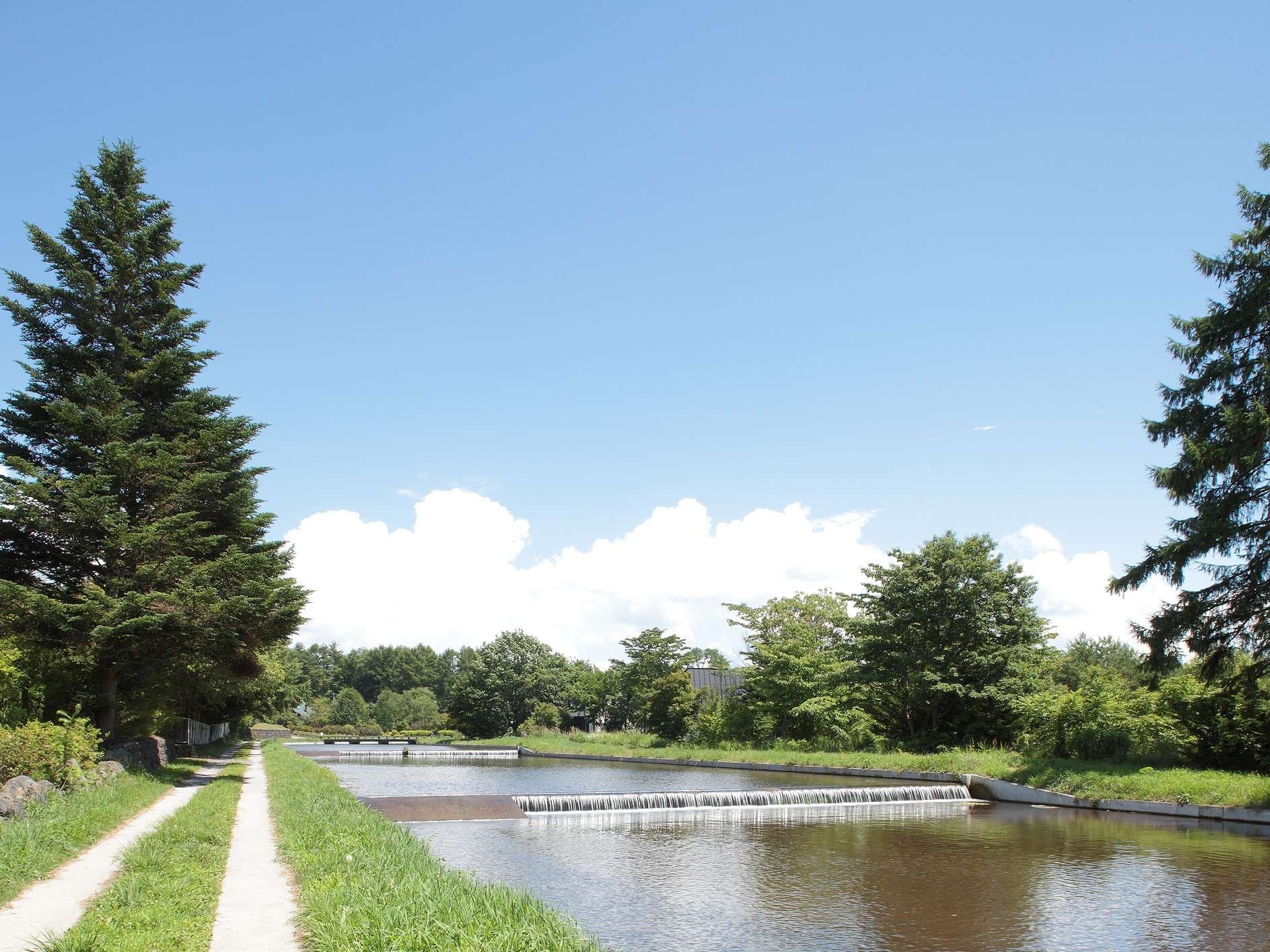 | 32,340日元起每人每晚2人约64,680日元 | — | 上Trip.com订房 |
Hotel Grandvert Kyu-Karuizawa
Karuizawa
Regina Resort Karuizawa Mikage Yosui
Karuizawa
显示价格为每人每晚的起步价(约值)。通过本站预订,我们可能获得佣金。
准备好预订了吗?
从这些精选旅馆中预订
一次比较各订房平台的实时空房与房价。





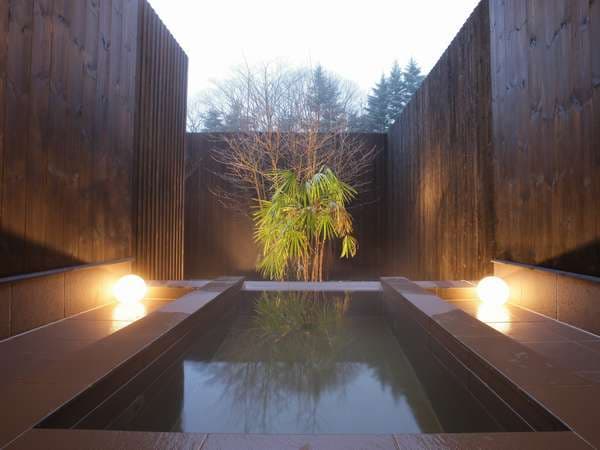
Karuizawa Hotel Longing House
軽井沢ホテル ロンギングハウス
Karuizawa·中档
20,020日元起 · 每人每晚2人合计约40,040日元起
通过预订链接可能产生佣金,但不会增加您的费用。
FAQ
常见问题
How long is Karuizawa from Tokyo?+
70 minutes by Hokuriku Shinkansen (Asama or Hakutaka service) from Tokyo Station to Karuizawa Station. Reserved seat ¥5,490, non-reserved ¥4,810. No transfers required. Trains run approximately every 30 minutes through the day. Express bus from Ikebukuro takes 3 hours 30 minutes at ¥3,000 — slower and only worth it if Shinkansen seats are sold out at peak Golden Week or Obon.
Is Karuizawa a real onsen town?+
Partly. Old, Middle and South Karuizawa sit on largely non-thermal ground, so most properties in the main town use heated mineral water rather than geothermal hot spring water. The major exceptions are Hoshinoya Karuizawa (Tombo-no-Yu hot spring source on its estate, included for guests) and the Kita-Karuizawa sub-area (which has real volcanic onsen — Regina Resort uses it). For travelers prioritising hot spring authenticity over architectural luxury, our best ryokans in Hakone guide and best ryokans in Kusatsu guide cover destinations with deeper thermal-water inventory.
What's the best season for Karuizawa?+
Summer (July-August) is the peak season and the defining Karuizawa experience — 22°C average against Tokyo's 31°C. Autumn (mid-October to early November) is the photography peak, with golden larch forests against Mt. Asama. Winter (December-February) is the quietest season but the best for the Hoshinoya Meditation Bath experience and Karuizawa Prince Snow Resort skiing. Spring is the off-season — cheaper but unpredictable weather. Book luxury properties 6 months ahead for any summer Saturday; mid-week summer is materially more available than weekends.
Hoshinoya Karuizawa vs Hoshino Resorts BEB5 Karuizawa — what's the difference?+
Hoshinoya Karuizawa is the ultra-luxury flagship of the Hoshino Resorts portfolio — 77 water-villa rooms at ¥100,000+ per person, the most polished Japanese-luxury hospitality product in the Hoshino group, on the original 1914 estate. BEB5 Karuizawa is Hoshino's casual-tier brand (the BEB5 line targets younger and budget-conscious travelers at ¥10,000-¥18,000 per person), located in a separate building near Karuizawa Station with shared common rooms and a co-working aesthetic. Same parent company, opposite ends of the price and design spectrum.
Is Karuizawa good for solo travelers?+
Yes — particularly in the South Karuizawa and Hoshino zones where the forest-quiet pace suits solo travel. BEB5 Karuizawa is the easiest single-occupancy answer because it charges by the room rather than per person, so a solo stay is not penalised. Old Karuizawa's heritage hotels — Mampei and Longing House — are also solo-friendly because of the cafe and lounge culture. Single-occupancy supplements apply at most other properties.
Can I see Mt. Fuji from Karuizawa?+
No. Mt. Fuji is approximately 130 km south of Karuizawa with several intervening mountain ranges — there is no Fuji sightline from any property in this guide. Mt. Asama (the active volcano on Karuizawa's northern flank) is the dominant mountain backdrop instead. For Mt. Fuji-view ryokans, see our best ryokans with Mt. Fuji views guide — Kawaguchiko properties on the lake's north shore have the strongest sightlines.
What's the dress code at Karuizawa luxury ryokans?+
Smart casual at dinner across all properties — collared shirt and closed shoes for men, equivalent for women. Hoshinoya and Mampei are slightly stricter for their main dining rooms (no shorts, no sandals at dinner). All properties provide yukata for in-room and bath-area wear; many guests wear yukata to breakfast. Tokyo-summer beachwear is not appropriate even in peak August — the temperature drop means evenings can require a light jacket. Pack one layer warmer than you would for Tokyo on the same date.
How far in advance should I book Karuizawa in peak summer?+
For HOSHINOYA Karuizawa on a July or August Saturday: 6 months ahead, ideally on the day the property’s booking window opens (Hoshino Resorts uses a 6-month rolling window). For the other high-end properties (Bleston Court, Regina, Mampei) on summer Saturdays: 3-4 months ahead. For mid-tier picks on summer weekdays: 4-6 weeks is usually sufficient. For autumn-foliage peak (first week of November): 3 months ahead across the board.
还在犹豫?
浏览日本旅馆Booking.com