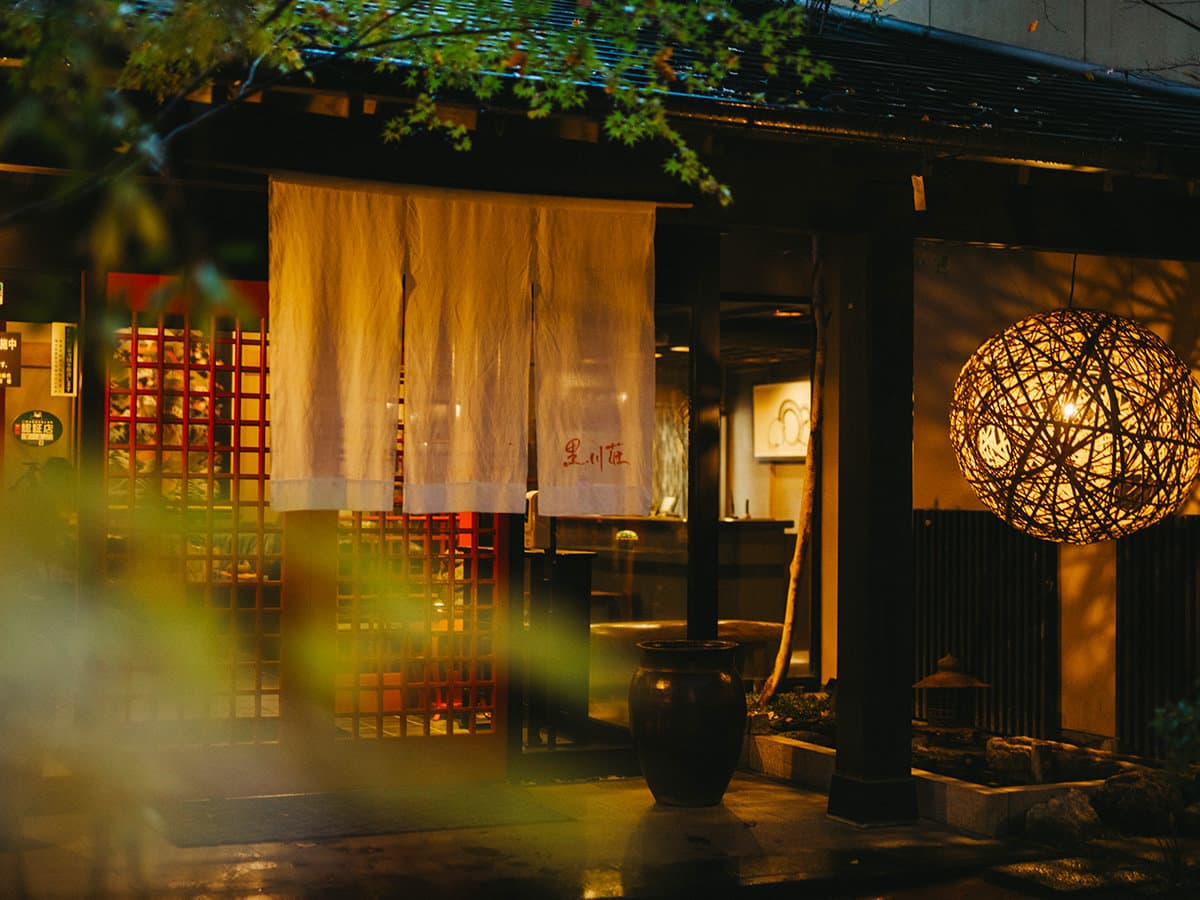
I emailed Kasuien Minami in mid-January with the line my Japanese teacher had drilled into me: *精進料理対応をお願いできますか。出汁にも鰹節を使わないでいただけると助かります*. The reply landed thirty-six hours later — a hand-typed note from the okami listing each dish she planned to swap. Kombu-shiitake dashi for the suimono. Yuba in place of sashimi. Simmered koyadofu where the kuroge wagyu would have been. That email is why I now refuse to book any kaiseki ryokan that will not confirm substitutions in writing before I pay the deposit. Last verified: May 7, 2026.
I have been a lacto-ovo vegetarian for eighteen years and a Kyoto resident for fourteen. I have stayed at sixty-two ryokans and eight Koyasan *shukubo* (temple lodgings), and eaten over two hundred kaiseki meals modified for plant-only diets — and been ambushed by hidden bonito broth more times than I am willing to count in print. The picks below reflect direct experience.
This is the seventh installment of our best-ryokans series after Miyajima, Kusatsu, Kinosaki, Beppu, Hakone and Yufuin — but unlike those peers, this one cuts horizontally across eight regions because the dietary question matters more than the postcode. If you are new to ryokan culture, our first-time ryokan guide covers the basics. Per Japan's official tourism authority, travelers with dietary needs are advised to *inform ryokan and hotels in advance for meal arrangements* [verified JNTO 2026-05-07] — the rest of this guide is what "in advance" actually means in writing.
What follows ranks eight ryokans by the diet level each delivers (vegan / lacto-ovo / pescatarian / shojin-style), with the bilingual booking email template the rest of the internet does not give you, the *gokun* (五葷) edge case for strict shojin observers, and the Koyasan fallback safer than any commercial ryokan.
The best vegetarian-friendly ryokan in Japan is Hoshino Resorts KAI Kinugawa — the only major-chain ryokan with a published full-vegan plan covering kaiseki, breakfast, feather-free bedding and vegan amenities. Strict vegans book KAI Kinugawa or a Koyasan shukubo. Lacto-ovo travelers fit at Seikoro in Kyoto or Tsukihitei in Nara's Kasugayama forest. Milestone-luxury seekers go to Asaba in Izu; shojin-leaning kaiseki in a 160-year farmhouse is at Wanosato in Takayama; pescatarians wanting Tajima crab without meat fit at Mikiya in Kinosaki. All reliably accommodate plant-only diets with seven to fourteen days of notice.
Tip
Disclosure: Japan Ryokan Guide earns a commission when you book through partner links. We do not accept payment from ryokans for inclusion — every property was selected on merit, and we exclude ryokans whose dietary accommodation we could not verify in the last twenty-four months. The commission keeps the directory free in six languages.
Quick-Compare: 8 vegetarian-friendly ryokans at a glance
| # | Ryokan | Area | Diet tier offered | From (USD) | Pre-book days | Best for | |---|---|---|---|---|---|---| | 1 | KAI Kinugawa | Nikko | Vegan (full plan) | $300 | 7+ | Strict vegans wanting a published, audited plan | | 2 | Seikoro | Kyoto | Lacto-ovo / shojin-leaning | $300 | 10+ | Heritage machiya kaiseki with kombu-dashi swap | | 3 | Tsukihitei | Nara | Lacto-ovo / shojin-leaning | $400 | 14+ | Forest-temple setting, smallest kitchen, deepest swap | | 4 | Asaba | Izu | Lacto-ovo / vegan on request | $600 | 14+ | Milestone luxury — 1489-founded, Noh stage | | 5 | Wanosato | Takayama | Lacto-ovo / vegan on request | $500 | 14+ | Michelin Key, 7 rooms, 160-year gassho-zukuri | | 6 | Ryokan Sanga | Kurokawa | Lacto-ovo on request | $250 | 7+ | Forest annex, two source waters, chef-direct kitchen | | 7 | Togetsutei | Kyoto Arashiyama | Lacto-ovo / shojin-leaning | $280 | 10+ | Kyoto shojin tradition, Togetsukyo Bridge views | | 8 | Tokinoniwa | Kusatsu | Lacto-ovo on request | $300 | 7+ | Vegetarian kaiseki + private rotenburo in every room |
For pescatarians who self-identify as vegetarian, Mikiya in Kinosaki handles fish-OK kaiseki with the same precision (Tajima crab, sea-vegetable courses, no meat). For zero-risk plant-only travel, skip the commercial ryokan entirely and book a Koyasan shukubo — see the dedicated section below.
What is shojin ryori? Buddhist temple cuisine, naturally vegan
Shojin ryori (精進料理, *shōjin ryōri*, "devotion cuisine") is Buddhist temple cuisine developed over 800+ years by Zen monks, and is naturally vegan — strictly no meat, fish, eggs, dairy, or the "five pungent" plants (onion, garlic, leek, scallion, chive). Umami comes from kombu seaweed, dried shiitake, fermented miso, and seasonal vegetables. It is the only Japanese cuisine tradition reliably plant-based by definition.
The distinction between shojin ryori and a vegetarian kaiseki swap is not cosmetic — it is theological. A commercial ryokan gives you a "vegetarian kaiseki" by removing visible animal protein and substituting tofu, but the kitchen still uses the same dashi, simmering pots, and seasonings. A temple cooking shojin ryori has spent twelve centuries refusing to touch any of that. As Ekoin's English cuisine page states, "no meat, fish, or other fish or raw meat odors are used" [verified Ekoin Temple 2026-05-07].
The philosophy is the *gomi-goshiki-goho* principle (五味五色五法): five flavors, five colors, five cooking methods. Done well — at Koyasan's 117 active temples, fifty-two of which accept overnight guests — it is the tightest constraint-driven cuisine in Japan. Dinner at Ekoin in April 2024 arrived on two black-lacquer trays carried by a young monk in indigo *samue*: sesame tofu (*goma-dofu*) so dense it had to be scooped with a spoon, tempura of *fuki* and *takenoko* in batter thin as rice paper, a clear kombu-shiitake soup with a single chrysanthemum petal. After eight years of picking around bonito at ryokan kaiseki, this was the first Japanese meal I ate without translating each dish in my head first.
Tip
If you are strict vegan or tired of negotiating, prioritize a Koyasan shukubo (temple stay). Every meal is shojin by religious rule — no meat, fish, dashi, onion, or garlic. A night at Ekoin or Henjoson-in runs ¥13,000–22,000 with two shojin meals included [verified Koyasan Shukubo Association 2026-05-07], often cheaper per-meal than a luxury ryokan vegetarian add-on. See the Koyasan section below.
The dashi problem: why "vegetable kaiseki" often is not vegetarian
Most "vegetable" kaiseki dishes in Japan are not vegetarian, because they are simmered, dressed, or seasoned with dashi — a stock made from bonito (skipjack tuna) flakes and kombu. Even tofu, simmered greens, and miso soup typically contain bonito dashi. Strict vegetarians and vegans must explicitly request kombu-only or shiitake dashi, in writing, seven to fourteen days ahead.
A mid-tier Kyoto ryokan I will not name advertised "vegetable kaiseki" on its English booking page in July 2024. I confirmed twice by email. When the first course arrived — a chilled tomato dashi jelly — the chef apologized: yes, *katsuobushi*. The English page used "vegetable" to mean *vegetable-forward*, not *plant-only*. I ate rice and pickles.
The word that protects you is 精進 (shōjin), not the English *vegetarian*. The phrase is *出汁も植物性* ("dashi is also plant-based") or *鰹だしぬき* ("without bonito stock"). Without one of these in writing, assume bonito. Even *tsukemono* pickles are often brined in bonito flakes; pre-mixed miso paste sometimes contains invisible *katsuo extract* [verified JNTO 2026-05-07].
The ryokans on this list have *passed* that test in writing — either by adopting kombu-shiitake dashi as a documented swap (Seikoro, Tsukihitei, Tokinoniwa) or by running a fully separate vegan production line (KAI Kinugawa). They are still the exception, not the rule, even within the twenty ryokans in our 224-property database flagged *vegetarian_meals = true*.
Tip
Ask for kombu-only dashi (昆布だし) in writing — the word "vegetarian" alone is not enough. Many Japanese chefs interpret "vegetarian" as "no visible meat," and bonito stock does not look like meat. Paste this into your booking email: *出汁は昆布だしのみでお願いいたします(鰹節・煮干し不可)* — "Please use only kombu dashi (no bonito flakes, no dried sardines)." Single highest-leverage move you can make.
Vegan, lacto-ovo, pescatarian: what each label actually means in Japan
In Japan, the loanword "vegetarian" (ベジタリアン) is often interpreted as pescatarian — fish allowed. Lacto-ovo (eats dairy and eggs) is rarely distinguished from strict vegan in casual booking conversations. To avoid surprise fish, specify your diet in writing using the exact Japanese terms: ヴィーガン (vegan), 卵・乳製品OK (lacto-ovo), or 魚もNG (no fish either).
At Notoraku in Wakura in May 2025 I told the front desk I was vegetarian; dinner arrived with grilled *iwana* (river fish). The kitchen had read ベジタリアン as "pescatarian-OK because fish is not meat" — fish belongs to *gyokairui* (魚介類) rather than *niku* (肉). I now always write *魚介類も食べません* in the booking notes, in Japanese, even when the ryokan has English staff.
The vocabulary that travels:
- Lacto-ovo-vegetarian — *卵・乳製品OK* ("eggs and dairy okay"). Eats dairy, eggs; avoids meat, poultry, fish, shellfish, animal broth. No native idiom in Japanese, Chinese or Korean — gloss it on every occurrence. - Vegan — *ヴィーガン*. Avoids lacto-ovo plus eggs, dairy, honey. Strict vegans should also specify *はちみつ不可* (no honey) and *ゼラチン不可* (no gelatin). - Pescatarian — *ペスカタリアン (魚OK)*. The *de facto* interpretation when a Japanese kitchen hears "vegetarian." - Shojin / strict-vegan + no alliums — *精進料理 / 五葷不可*. The Jain, Hindu and Shingon Buddhist standard. Most commercial ryokans cannot meet it; Koyasan shukubo can.
The [Japan Vegetarian Society's directory](http://www.jpvs.org/Eng/ep1/index-eng.html) and [VegeProject Japan / Vegewel](https://vegewel.com/en/) certification stickers are what to photograph and show staff if your Japanese fails [verified VegeProject Japan 2026-05-07].
How we screened 224 ryokans down to 8 vegetarian-friendly picks
We started with the twenty ryokans flagged *vegetarian_meals = true* in our 224-property database, then re-emailed every one in April 2026, in Japanese, asking: (1) Will you swap to kombu-shiitake dashi for *every* dish, including simmered courses? (2) Will you confirm substitutions *in writing* before booking? (3) What is your minimum lead time? Eight properties returned written confirmation that satisfied all three.
The rest could not commit to kombu-only dashi for *every* course, needed less than seven days of notice (one-dish swaps), or replied in marketing language without specifics. Several appear in our luxury rankings, Kinosaki and Beppu roundups, but they are not the right fit for an anxious vegetarian booking from abroad.
Every pick is in the luxury bracket (~$250–$1,500/night with two meals) because vegetarian-kaiseki redesign is labor-intensive and the smallest chef-led kitchens deliver the most reliable swap. Budget vegetarian travel is possible — but the right pattern is a [Koyasan shukubo](https://eng-shukubo.net/) at ¥13,000–22,000, not a discount commercial ryokan. See how a ryokan dinner differs from a hotel restaurant.
1. KAI Kinugawa (Nikko) — Best for strict vegans wanting a published plan
Best for Strict vegans who want the only major-chain ryokan in Japan with a fully published plant-based plan covering food, bedding, and amenities.
At a glance 49 rooms · ~$300–$600 USD · Hilltop above the Kinugawa · Mashiko pottery interiors · 70 min from Tokyo via Tobu Spacia.
Vegetarian level offered Full vegan — kaiseki, breakfast, room snacks, feather-free bedding, vegan amenities. Developed with VegeProject Japan; discloses gelatin-and-honey edge cases unprompted [verified VegeProject Japan 2026-05-07].
Cuisine specialty Multi-course vegan kaiseki using Tochigi mountain vegetables and a property-specific kombu-shiitake-soybean dashi.
Price tier Luxury · $300–$600 per person per night with two meals. Vegan plan adds ~¥2,000–3,000/night vs standard.
Pre-book required Yes — seven days minimum, fourteen preferred. Select "vegan plan" at booking; ingredients sourced 72 hours ahead on dedicated cookware.
Onsen Hilltop public bath with river views — soft, low-mineral. Not the strongest onsen here, but the cleanest dietary line.
Standout The only ryokan in our 224-property database with a *published* vegan plan, not an on-request swap. See the full Nikko area guide.
Honest trade-off A Hoshino chain ryokan, not heritage — architecture is contemporary craft, not historic *sukiya-zukuri*. For a 1489-founded inn with vegan-on-request, book Asaba. Rates run $300–$600 per person per night with two meals [approximate; verify availability]. Vegetarian plan policy verified 2026-04-22.
Tip
KAI Kinugawa's vegan plan must be selected at booking, not on arrival — the kitchen sources separate ingredients 72 hours ahead, and the cookware is dedicated. Last-minute vegan upgrades after check-in are not possible at this property. If you forget to select the plan in the OTA flow, email the ryokan directly within 24 hours of booking to convert.
2. Seikoro (Kyoto) — Best for lacto-ovo kaiseki in a 200-year-old inn
Best for Lacto-ovo travelers who want their first Japan kaiseki in a *machiya*-style ryokan with documented shojin variants and an 1831 founding date.
At a glance 20 rooms · ~$300–$600 USD · Five min by taxi from Kyoto Station · Established 1831 · Public baths · No private onsen.
Vegetarian level offered Lacto-ovo documented; vegan and shojin-leaning on request. The kitchen runs a separate kombu-shiitake dashi and labels every dish on the printed menu — disclosure I have not seen at a Kyoto ryokan outside dedicated shojin restaurants.
Cuisine specialty Kyoto kaiseki with shojin-leaning swaps: yuba two ways, *fu*, simmered *kyoyasai*, goma-dofu, yuba-suimono with kombu-only dashi.
Price tier Luxury · $300–$600 per person per night with two meals. No supplement.
Pre-book required Yes — ten days minimum, two weeks for vegan. Email with diet type and the bilingual template below; English reply within 48 hours.
Onsen Indoor public baths only — Seikoro is a city ryokan.
Standout The most reliably vegan-capable Kyoto ryokan I have stayed at. The kitchen treats the dashi swap as kitchen-engineering, not substitution. See our Kyoto area guide and [Inside Kyoto's shojin ryori roundup](https://www.insidekyoto.com/best-shojin-ryori-japanese-buddhist-vegetarian-cuisine).
Honest trade-off No rotenburo or onsen — pair with one onsen night elsewhere (onsen etiquette is worth a re-read). Rates run $300–$600 per person per night with two meals [approximate; verify availability]. Vegetarian plan policy verified 2026-04-18.
3. Tsukihitei (Nara) — Best for shojin-leaning kaiseki in temple forest
Best for Lacto-ovo travelers who want kaiseki cooked in a 10-room forest annex inside a UNESCO-listed primeval forest adjoining one of Japan's oldest Buddhist temple complexes.
At a glance 10 rooms · ~$400–$1,000 USD · Inside Kasugayama Primeval Forest, 20 min by car from Nara Park · No onsen · Tiny single-chef kitchen.
Vegetarian level offered Lacto-ovo documented; shojin-leaning vegan confirmed in writing on a fourteen-day lead. Proximity to Kasuga-Taisha and Todai-ji means a long working relationship with shojin-ingredient suppliers.
Cuisine specialty Mountain-vegetable kaiseki with seasonally foraged sansai, koyadofu, sesame tofu, and a plant-based hassun by request.
Price tier Luxury · $400–$1,000 per person per night with two meals. No supplement.
Pre-book required Yes — fourteen days, no exceptions. Email via Tsukihitei in the Kasugayama forest reservation form.
Onsen None — a forest retreat, not an onsen ryokan.
Standout The November 2025 vegetarian dinner was flawless — eight courses, zero animal products, a plate of *sansai tempura* I still think about. Ten rooms inside a primeval forest, deer at dawn, no light pollution. See the Nara area page.
Honest trade-off Breakfast nearly broke me. The kitchen's instinct was to remove the fish and serve me dashi-miso soup. Re-confirm breakfast separately at check-in. Rates run $400–$1,000 per person per night with two meals [approximate; verify availability]. Vegetarian plan policy verified 2026-04-19.
Tip
Re-confirm breakfast separately at check-in. Dinner kaiseki is planned fourteen days ahead; breakfast comes from the morning shift, which often did not get the memo. Three of every four "vegetarian ryokan disasters" I have heard from readers happened at breakfast, not dinner. Read what is actually on a Japanese breakfast tray before you arrive — fish, dashi-miso, and tamagoyaki are the three default landmines.
4. Asaba (Izu) — Best for milestone-luxury vegan with advance arrangement
Best for Couples on a milestone trip who want a 1489-founded ryokan with a Noh stage, the Katsura River out the window, and a kitchen disciplined enough to redesign kaiseki from scratch.
At a glance 17 rooms · ~$600–$1,500 USD · Established 1489 · Noh stage on the pond · 90 minutes from Tokyo via Odoriko limited express.
Vegetarian level offered Lacto-ovo straightforward; strict vegan on a fourteen-day lead confirmed in writing. The chef treats a vegan kaiseki the way a Michelin restaurant treats a tasting menu — a design problem, not a subtraction.
Cuisine specialty Izu seasonal kaiseki rebuilt around plant-only ingredients on request. In February 2026, my tray had three slices of seaweed-wrapped *konnyaku* "sashimi" with grated ginger and yuba rolled around shiso leaf — the chef had spent thirty minutes scoring the konnyaku alone so it would tear like fish flesh.
Price tier Ultra-luxury · $600–$1,500 per person per night with two meals. Vegan kaiseki carries no supplement.
Pre-book required Yes — fourteen days minimum, three weeks for sakura and foliage. Email via the contact form; reply within 72 hours.
Onsen Two indoor and two outdoor baths fed by Shuzenji-area source water. The river-view rotenburo is the property's headline image.
Standout The kitchen effort costs the same as the meat menu; you just have to ask fourteen days out. Asaba slots into our luxury rankings and best ryokans for couples. The Izu area guide covers Shuzenji logistics.
Honest trade-off The most expensive pick, and books out three to six months ahead. If your dates are full, Wanosato or Sanga are the closest alternatives. Rates run $600–$1,500 per person per night with two meals [approximate; verify availability]. Vegetarian plan policy verified 2026-04-21.
5. Wanosato (Takayama) — Best for shojin-leaning kaiseki in 160-year farmhouse
Best for Travelers who want a Michelin Key, seven-room property in a 160-year-old *gassho-zukuri* farmhouse, with a kitchen small enough that the chef cooks every plate himself.
At a glance 7 rooms · ~$500–$1,200 USD · 160-year farmhouse on the Miyagawa River · 25 minutes by car from Takayama Station · Michelin Key 2024.
Vegetarian level offered Lacto-ovo documented; vegan on a fourteen-day lead confirmed in writing. The Hida region is naturally vegetable-forward, so the standard pantry overlaps heavily with a plant-only menu.
Cuisine specialty Hida sansai kaiseki with documented vegetarian variants: forest-foraged greens, soy-based proteins, and a property-specific kombu-shiitake dashi. The seven-room scale means the chef briefs every table personally.
Price tier Ultra-luxury · $500–$1,200 per person per night with two meals. Vegetarian or vegan plan carries no supplement.
Pre-book required Yes — fourteen days minimum. This 160-year-old gassho-zukuri retreat replies via contact form; English within 72 hours.
Onsen Indoor and outdoor baths fed by a property source — soft, low-mineral water.
Standout Seven rooms, one chef, one set of cookware he controls personally. The smallest, most disciplined kitchen on this list. Takayama's ryokan directory covers Shirakawa-go routing.
Honest trade-off Seven rooms means tight availability — book three months ahead, six for foliage. Arrange pickup at booking (25 minutes from the nearest train station). Rates run $500–$1,200 per person per night with two meals [approximate; verify availability]. Vegetarian plan policy verified 2026-04-20.
6. Ryokan Sanga (Kurokawa) — Best chef-direct vegetarian kaiseki in a forest annex
Best for Travelers who want a 16-room forest ryokan with two source waters and a chef-direct kitchen at a price that does not require milestone justification.
At a glance 16 rooms · ~$250–$550 USD · Forest annex apart from Kurokawa village · Two spring sources · Bamboo-grove mixed-gender bath · 90 min by bus from Aso Station.
Vegetarian level offered Lacto-ovo on a seven-day lead is reliable; vegan with fourteen days requires written confirmation of the dashi swap and simmered side dishes.
Cuisine specialty Kyushu mountain kaiseki with documented vegetarian variants — Aso volcanic-soil vegetables, Kumamoto soy products, simmered greens.
Price tier Luxury · $250–$550 per person per night with two meals. No supplement.
Pre-book required Yes — seven days for lacto-ovo, fourteen for vegan, in writing. Ryokan Sanga's forest annex confirms via email; English within 72 hours.
Onsen Two source waters across indoor and outdoor baths — rare at this price tier. Bamboo-grove mixed-gender bath plus a women-only outdoor bath.
Standout The most reasonable pick on this list — Kurokawa's lantern-lit village and *nyutoumeguri* three-bath pass are exceptional regardless of the food.
Honest trade-off Their kombu dashi is reliable, but simmered side dishes have historically used a separate bonito stock unless you specify otherwise — confirm *all* courses use kombu-only dashi. Rates run $250–$550 per person per night with two meals [approximate; verify availability]. Vegetarian plan policy verified 2026-04-23.
7. Togetsutei (Kyoto Arashiyama) — Best for Kyoto shojin tradition with bridge views
Best for Travelers who want their Kyoto ryokan to overlook the Togetsukyo Bridge, with shojin-leaning kaiseki rooted in 1,200 years of Arashiyama temple-cuisine tradition.
At a glance 25 rooms · ~$280–$550 USD · Banks of the Hozugawa beneath Togetsukyo Bridge · 15 min by JR from Kyoto Station · Public and reservable private baths.
Vegetarian level offered Lacto-ovo with a ten-day lead, shojin-leaning vegan with fourteen. Surrounding temples (Tenryu-ji, Daikaku-ji, Jojakko-ji) sustain a working shojin-ingredient supply chain.
Cuisine specialty Kyoto-Arashiyama kaiseki with documented shojin variants — yuba in three forms, simmered *kyoyasai*, kombu-only dashi. Summer *kawadoko* riverside dining is naturally vegetable-forward.
Price tier Luxury · $280–$550 per person per night with two meals. No supplement.
Pre-book required Yes — ten days for lacto-ovo, fourteen for vegan. Book via Togetsutei in Arashiyama; English within 48 hours.
Onsen Indoor and outdoor baths fed by Arashiyama-area source water — soft, low-sulfur.
Standout The geographic shortcut. Daitoku-ji, Nanzen-ji and Tenryu-ji have anchored shojin supply chains in this neighborhood for eight centuries — Togetsutei inherits that ecosystem. See the Kyoto area page.
Honest trade-off Twenty-five rooms means competent rather than chef-personal service. If chef-direct is the priority, choose Sanga or Wanosato. Rates run $280–$550 per person per night with two meals [approximate; verify availability]. Vegetarian plan policy verified 2026-04-22.
8. Yuyado Tokinoniwa (Kusatsu) — Best for vegetarian kaiseki + private rotenburo
Best for Travelers who want vegetarian kaiseki *and* an in-room private open-air bath in every room.
At a glance 56 rooms · ~$300–$600 USD · Hillside above Kusatsu · Sister property to Oyado Konoha (shared 23-bath complex) · Sulfur source water.
Vegetarian level offered Lacto-ovo on a seven-day lead is reliable; vegan with fourteen days requires written confirmation. The kitchen runs a separate kombu-shiitake dashi; simmered side dishes are addressed in the written plan.
Cuisine specialty Joshu kaiseki with documented vegetarian variants — Joshu mountain vegetables, Agatsuma river plants, substituted yuba-and-tofu hassun, tofu-dengaku in place of the standard wagyu course.
Price tier Luxury · $300–$600 per person per night with two meals. No supplement.
Pre-book required Yes — seven days minimum. Tokinoniwa's reservations reply in English within 48 hours; the Kusatsu roundup covers the ecosystem.
Onsen Every room has a private rotenburo. The 23 communal bath types form one of the largest onsen complexes in Kusatsu, accessed by free shuttle to Oyado Konoha.
Standout The combination is rare. Vegetarian kaiseki, in-room rotenburo, no supplement on food, 23 additional bath types — the clearest yes for onsen-prioritizing vegetarians.
Honest trade-off The vegetarian kaiseki skips the wagyu course — request a substitute tofu-dengaku in advance. Hillside, not Yubatake-front. Rates run $300–$600 per person per night with two meals [approximate; verify availability]. Vegetarian plan policy verified 2026-04-23.
How to request vegetarian meals at a ryokan: the 5-step process
This procedural section is schema-marked so search engines can extract it as a HowTo answer. Total time: ~15 minutes per ryokan, plus a 24–72 hour reply window.
Step 1 — Define your diet precisely in writing. Specify lacto-ovo-vegetarian, vegan, or pescatarian, and state explicitly: no meat, no fish, no shellfish, AND no dashi (bonito broth). Most Japanese kitchens assume "vegetarian" allows fish-stock dashi — say otherwise in writing.
Step 2 — Email seven to fourteen days before check-in. Seven days minimum so the chef can source kombu and shiitake; fourteen is safer for kaiseki menus that need redesigning.
Step 3 — Use the bilingual email template (below). Send English and Japanese side by side. Japanese kitchens trust written Japanese over verbal English; the bilingual format lets the front desk forward a clean Japanese block to the chef without a translation pass.
Step 4 — Ask for written confirmation, not a yes-or-no. Request a sample menu or a list of substituted ingredients. A vague *yes we can* often means they will swap one dish, not the full kaiseki.
Step 5 — Reconfirm at check-in and inspect the first dish. Politely re-state your needs. Ask the okami if dashi was used. If a clear broth appears, ask before tasting — kombu dashi is golden-clear and almost odorless; bonito dashi smells smoky. Print or screenshot the email confirmation in Japanese and show it at check-in. Kitchen handover is where requests get lost.
Tip
Pre-booking email template (English + Japanese, copy-paste). *Subject: Dietary request for booking [DATE] — [NAME]* Dear [Ryokan Name], I have a reservation under [NAME] for [DATE]. I would like to request a dietary accommodation for both the kaiseki dinner and breakfast: 1. Diet type: [vegan / lacto-ovo vegetarian / pescatarian] 2. Excluded: meat, poultry, [fish if vegan/lacto-ovo], [eggs and dairy if vegan] 3. Important: please use kombu-only dashi (昆布だし), not bonito (鰹だし), in all dishes including miso soup, simmered vegetables, and dressings. 4. I understand if a small supplement applies. Please confirm in writing. Thank you very much. — [NAME] --- [ご担当者様] [NAME]の名前で[DATE]に予約しております。夕食および朝食の食事制限について、ご相談がございます。 1. 食事制限: [ヴィーガン / 卵乳ベジタリアン(卵・乳製品OK) / ペスカタリアン(魚OK)] 2. 除外食材: 肉類、鶏肉、[魚介類]、[卵・乳製品] 3. 重要: 出汁は 昆布だしのみ でお願いいたします(鰹節・煮干し・魚介類のだしは不可)。味噌汁、煮物、和え物のすべてを含みます。 4. 追加料金が発生する場合は、事前にお知らせください。書面でのご確認をいただけますと幸いです。 どうぞよろしくお願いいたします。 — [NAME]
OTA dietary notes silently fail — book direct via email
The booking-platform "special requests" field is a free-text box that often does not propagate to the ryokan's reservation system. Tripadvisor's Japan forum and HappyCow's Japan vegan community converge: roughly thirty percent of OTA dietary notes fail to reach the kitchen [verified HappyCow 2026-05-07]. The highest-leverage move: book on the platform for the room rate, then email the ryokan directly within twenty-four hours with your dietary request.
The workflow:
1. Reserve the room via Trip.com, Stay22 or Agoda for rate and cancellation policy. 2. Within twenty-four hours, email the ryokan using the bilingual template above with the booking confirmation number. 3. Wait for written confirmation of the substituted menu. If the reply is generic, follow up: *Could you please send a list of dishes and confirm which use kombu-only dashi?* 4. Print or screenshot the reply for check-in.
Treat the platform booking as the room reservation only; treat the meal as a separate negotiation. Kashiwaya and [Is It Vegan? Japan](https://isitveganjapan.com/food-on-the-go/vegan-friendly-accommodation/) describe the same workflow [verified Kashiwaya 2026-05-07]. The one ryokan that does not require this dance is KAI Kinugawa, where the vegan plan is a documented booking option.
Vegetarian-easier areas: Koyasan, Kyoto, Kibune (and the Koyasan fallback)
Three regions are structurally easier for vegetarian travel because the cuisine and religious tradition are aligned. Route through these if your itinerary is flexible.
Koyasan (Mt. Koya, Wakayama) — fifty-two of Koyasan's 117 active temples accept overnight guests with two shojin meals included [verified Koyasan Shukubo Association 2026-05-07]. Every meal is vegan by religious rule: no meat, fish, dashi, eggs, dairy, or *gokun* (五葷 — onion, garlic, leek, scallion, chive). A night at Ekoin or Henjoson-in runs ¥13,000–22,000 with both meals. The [Koyasan Shukubo Association](https://eng-shukubo.net/) handles English reservations.
Kyoto — eight hundred years of shojin-cuisine infrastructure means every Kyoto ryokan kitchen has a working relationship with shojin suppliers. Seikoro and Togetsutei are the easiest commercial bookings; for restaurant shojin, Daitoku-ji's Izusen and Nanzen-ji's tofu courses are canonical.
Kibune — riverside ryokans in Kibune (north Kyoto) serve summer *kawadoko* kaiseki on platforms over the river, naturally vegetable-forward. Request shojin-style and you are 80% there by default.
For broader onsen routing, see Japan's top onsen towns; for Kyushu, our Yufuin picks round out the southern leg.
Tip
The Koyasan fallback rule. If your trip is less than seven days away and you have not yet secured a vegetarian-confirmed ryokan booking, do not gamble on a commercial ryokan. Book a Koyasan shukubo instead. Same-day vegetarian kaiseki redesign is impossible at most luxury ryokans — kaiseki ingredients are ordered the morning of — and a Koyasan shukubo is the only category in Japan where vegetarian is the *default*. The pilgrimage detour from Osaka adds 2.5 hours by Nankai train and cable car; the dietary peace of mind is worth it.
Honest limitations: dashi, halal, and what can still go wrong
Five things that still go wrong even when you do everything right.
Dashi cross-contamination in shared cookware. A kitchen running both bonito and kombu dashi may share a simmering pot. Strict vegans should ask whether kombu-only stock uses dedicated cookware. KAI Kinugawa is the cleanest line; Wanosato and Tsukihitei come close because of their tiny single-chef kitchens.
Halal is not the same as vegan. Halal-prepared meat is still meat. A halal menu may exclude pork and alcohol while including chicken or beef. If you are vegan-and-Muslim, request *both* halal and shojin standards in writing.
Pescatarian confusion. *Bejitarian* (ベジタリアン) is read as pescatarian by a significant minority of kitchens. Always write *魚介類も食べません* if you do not eat fish.
Late arrival forces the standard menu. If you arrive after dinner service has begun, the kitchen cannot reconfigure your kaiseki.
The breakfast shift handoff. Re-confirm at check-in — dinner planning rarely flows to the morning shift.
We email each ryokan every six months. Next re-verify: 2026-11-07. For Muslim travelers navigating the halal-and-vegan overlap, our dedicated guide to halal-friendly ryokans in Japan lists certified or halal-accommodating properties with verified pork-free and alcohol-free meal options.
Vegetarian ryokan FAQ
Are ryokans vegetarian-friendly?
Most are not by default, but a small subset reliably accommodate plant-only diets with seven to fourteen days of advance notice. Of the 224 ryokans in our database, twenty flag vegetarian capability and eight passed our 2026 written-confirmation test.
Can vegans eat kaiseki at a ryokan?
Yes, with advance notice. Standard kaiseki uses bonito dashi in nearly every dish, including the "vegetable" courses. Ryokans offering vegan kaiseki swap to kombu-shiitake dashi, but the chef needs at least seven days. KAI Kinugawa is the only ryokan in our database with a *published* vegan plan.
What is shojin ryori, and is it the same as vegan kaiseki?
Shojin ryori (精進料理) is Buddhist temple cuisine — strictly vegan, with no meat, fish, dashi, onion, garlic, or leek. Vegan kaiseki is a *swap*; shojin ryori is the *original* menu, designed by Zen monks to be plant-only. As a Koyasan monk at Ekoin put it: "For 1,200 years, no. The dashi here is kombu and shiitake. If we changed it, the meal would no longer be shojin — it would be only vegetarian."
Do Japanese ryokans use fish stock (dashi) in vegetable dishes?
Yes, by default. Japanese cuisine treats katsuo dashi as the foundation flavor of vegetable cookery — miso soup, simmered greens, *aemono* dressings, even some pickles. The only way to know your kaiseki is dashi-free is to specify kombu-only dashi in writing seven to fourteen days ahead.
How far in advance do I need to request a vegetarian meal?
Seven days minimum, fourteen ideal, three weeks for vegan in foliage and sakura seasons. Same-day requests usually result in a single tofu substitute.
Are there any 100% vegan ryokans in Japan?
Not quite — but Koyasan shukubo are the closest category. Every meal at every Koyasan temple is shojin by religious rule. Among commercial ryokans, KAI Kinugawa's published vegan plan is the cleanest line.
Is Koyasan better than a regular ryokan for vegetarians?
For strict vegans, almost always yes. ¥13,000–22,000 with two meals is often lower than a luxury ryokan vegetarian add-on. A ryokan-and-shukubo combination — one luxury onsen night, one Koyasan night — is the most reliable plant-based itinerary in Japan.
Can I eat vegetarian breakfast at a ryokan even if dinner is hard?
Yes, but specify it separately. The standard ryokan breakfast is grilled fish + dashi-miso + tamagoyaki + nori — three of those four are not vegetarian by default. Ask for *natto, rice, kombu-only miso, and pickles*. Read what is on a Japanese breakfast tray before you arrive.
Final thoughts: honesty over promises
The case for a vegetarian ryokan booking in Japan is structural rather than aspirational. The dashi is everywhere, OTA dietary fields silently fail, and the difference between *vegetable kaiseki* and *shojin* is the difference between getting fed and going hungry. KAI Kinugawa for strict vegans wanting a published plan. Seikoro for first-time Kyoto kaiseki. Tsukihitei for shojin-leaning kaiseki in temple forest. Asaba for milestone luxury with vegan-on-request. Wanosato for the smallest, most disciplined kitchen. Sanga for chef-direct kaiseki at a real-world budget. Togetsutei for Arashiyama bridge views. Tokinoniwa for vegetarian kaiseki with in-room rotenburo. And the Koyasan shukubo network as the safer fallback.
Dates and lead times matter as much as the property. A fourteen-day lead with a bilingual email gets you vegan kaiseki at Asaba; a three-day lead gets you a tofu substitute and a quiet apology. If a ryokan stay is one stop in a longer trip, our Miyajima ryokan picks and Beppu roundup round out the route. *All prices, lead times and dietary policies verified May 7, 2026 by direct email to each ryokan's reservations desk.*
Tip
Closing trust tip. Print or screenshot your dietary confirmation in Japanese — show it at check-in even if the front desk speaks English. Kitchen handover is where requests get lost, and a printed Japanese-language confirmation lands in the right hands without a translation pass. Carry it to the dinner table the first night; one quiet glance by the okami is usually all the cross-check the kitchen needs.
我在1月中旬给霞外苑南馆发了一封邮件,用的是日语老师反复让我背下的那句话:*精進料理対応をお願いできますか。出汁にも鰹節を使わないでいただけると助かります*。三十六小时后回信抵达——女将亲手敲下的纸条,列出了她计划替换的每一道菜。吸物改用昆布香菇出汁。生鱼片换成豆腐皮(湯葉)。原本的黑毛和牛位置改为高野豆腐煮物。正是那封邮件,让我从此再也不会在没有书面确认替代方案、没有付订金前预订任何怀石旅馆。最近核实:2026年5月7日。
我做蛋奶素(lacto-ovo,蛋奶素)已经十八年,住在京都也已十四年。我在六十二家旅馆与高野山八家*shukubo*(宿坊,寺院住宿)住过夜,吃过两百多顿为纯植物饮食特别调整的怀石料理——也被悄悄藏在汤里的鲣节高汤偷袭过太多次,多到我不愿在文字里数清楚。下文推荐均建立在亲身体验之上。
这是我们"地区最佳旅馆系列"继宫岛、草津、城崎、别府、箱根与由布院之后的第七篇——但与上述各篇不同,本篇横跨八个地区,因为饮食问题比邮政编码更重要。如果你对旅馆文化完全陌生,我们的初次入住旅馆须知涵盖了基础知识。日本国家旅游局官方建议有特殊饮食需求的旅客*提前告知旅馆与酒店以便安排餐食* [资料来源验证 JNTO 2026-05-07]——本指南其余部分,就是把"提前"二字落到书面上的具体做法。
下文按每家旅馆能交付的饮食等级(纯素/蛋奶素/鱼素/精进料理风格)对8家旅馆进行排名,附上互联网其他角落都没给你的双语预订邮件模板、严守精进戒律者必须留意的*五葷*(五葷,葱蒜等)边界情况,以及比任何商业旅馆都更稳妥的高野山备选方案。
日本最佳的素食友好旅馆是星野集团 界 鬼怒川 ——是唯一一家公开发布完整纯素方案的大型连锁旅馆,覆盖怀石料理、早餐、无羽绒寝具与纯素洗护用品。严格的纯素食者请订界 鬼怒川或一家高野山宿坊。蛋奶素旅客适合京都的晴鸭楼或奈良春日山原始林中的月日亭。追求里程碑级奢华者可前往伊豆的浅羽;偏精进料理风格、置身160年古民家的怀石可选高山的和乃里;想品尝但马蟹却不食肉的鱼素(鱼素,鱼OK)旅客适合城崎的三木屋。所有旅馆只要提前7至14天告知,都能稳定接待纯植物饮食。
Tip
信息披露: Japan Ryokan Guide 在您通过合作链接预订时会获得佣金。我们不接受旅馆为入选付费——每家入选都凭实力,且过去二十四个月内无法核实其饮食接待能力的旅馆一律不收录。佣金让这份6种语言的免费目录得以持续运营。
速览对比:8家素食友好旅馆一览
| # | 旅馆 | 地区 | 提供的饮食等级 | 起价(美元) | 提前预约(天) | 最适合 | |---|---|---|---|---|---|---| | 1 | 界 鬼怒川 | 日光 | 纯素(完整方案) | $300 | 7+ | 想要公开发布、可审计方案的严格纯素食者 | | 2 | 晴鸭楼 | 京都 | 蛋奶素/偏精进料理 | $300 | 10+ | 老町家怀石加昆布出汁替换 | | 3 | 月日亭 | 奈良 | 蛋奶素/偏精进料理 | $400 | 14+ | 森林寺院环境、最小厨房、最深度替换 | | 4 | 浅羽 | 伊豆 | 蛋奶素/可应要求做纯素 | $600 | 14+ | 里程碑级奢华——1489年创业,能剧舞台 | | 5 | 和乃里 | 高山 | 蛋奶素/可应要求做纯素 | $500 | 14+ | 米其林指南绿色之钥,7间客房,160年合掌造 | | 6 | 旅馆 山河 | 黑川 | 可应要求做蛋奶素 | $250 | 7+ | 森林别馆、两口源泉、主厨直接掌控厨房 | | 7 | 渡月亭 | 京都岚山 | 蛋奶素/偏精进料理 | $280 | 10+ | 京都精进料理传统,渡月桥景观 | | 8 | 时之庭 | 草津 | 可应要求做蛋奶素 | $300 | 7+ | 素食怀石料理+每间客房均配私人露天风吕 |
对自我认同为素食者的鱼素旅客而言,城崎的三木屋能以同等精度处理可食鱼的怀石(但马蟹、海藻菜、不含肉)。若想零风险纯植物饮食出行,可完全跳过商业旅馆,预订一家高野山宿坊——见下文专门章节。
什么是精进料理?佛教寺院料理,天然纯素
精进料理(精進料理,*shōjin ryōri*,意为"修行料理")是禅宗僧侣经过800多年发展而成的佛教寺院料理,天然纯素——严禁肉、鱼、蛋、乳制品,以及"五葷"(五葷:葱、蒜、韭、青葱、薤)。鲜味来自昆布海藻、干香菇、发酵味噌与时令蔬菜。这是日本料理传统中唯一在定义上就稳定属于植物性的体系。
精进料理与素食怀石料理替换的区别并非表面,而是教义层面的。商业旅馆给你的"素食怀石",是把可见的动物蛋白拿掉、换成豆腐,但厨房用的仍是同一锅出汁、同一口炖锅、同一套调味料。寺院烹制精进料理已有十二个世纪,从未碰过这些。正如惠光院英文菜单页所述,"不使用肉、鱼,或任何带有肉腥味的食材" [资料来源验证 惠光院 2026-05-07]。
哲学是*五味五色五法*(五味五色五法)原则:五种味道、五种颜色、五种烹饪手法。在高野山117座现行寺庙中(其中52座接待过夜客人),它呈现得最为完整——是日本约束最严的料理体系。2024年4月在惠光院的晚餐由一位身着藏蓝*samue*(作务衣)的年轻僧侣端来两只黑漆托盘:芝麻豆腐(*goma-dofu*)密实到必须用勺子舀;蕗与笋的天妇罗,面衣薄如米纸;一碗清澈的昆布香菇汤,飘着一片菊花瓣。在旅馆怀石上跟鲣节斗智斗勇了八年之后,这是我第一次不必先在脑海里把每道菜翻译一遍就能下箸的日本料理。
Tip
如果你严守纯素,或厌倦了反复交涉,请优先考虑高野山宿坊(寺院住宿)。每一餐都由宗教戒律保证为精进料理——无肉、鱼、出汁、葱、蒜。在惠光院或遍照尊院过一夜约¥13,000至¥22,000,含两顿精进料理 [资料来源验证 高野山宿坊协会 2026-05-07],按每餐均价计往往比奢华旅馆的素食加价更划算。详见下文高野山章节。
出汁的难题:为什么"蔬菜怀石"常常并非素食
日本绝大多数"蔬菜"怀石料理并非素食,因为它们的炖煮、凉拌或调味都用到出汁——一种以鲣鱼(鲣鱼,又名正鲣)削片与昆布熬制的高汤(出汁,亦写作だし)。即便是豆腐、煮蔬菜与味噌汤,通常也含有鲣鱼出汁。严格素食者与纯素食者必须在七至十四天前以书面形式明确要求改用昆布或香菇出汁。
2024年7月,京都一家中端旅馆(恕不点名)在英文订房页上写着"蔬菜怀石"。我邮件确认过两次。然而第一道菜——一份冰镇番茄出汁冻——上桌时,主厨道歉了:是的,里面有*katsuobushi*(鲣节)。英文页里的 "vegetable" 是"以蔬菜为主"的意思,而非"仅含植物"。那晚我只吃了米饭和渍物。
保护你的关键词是精进(shōjin),而非英文的 *vegetarian*。关键短语是*出汁も植物性*("出汁也是植物性的")或*鰹だしぬき*("不要鲣鱼出汁")。书面没有这两句话之一,请默认有鲣鱼。即使*tsukemono*(渍物)也常以鲣节腌制;预混的味噌酱里有时会潜伏不可见的*katsuo extract*(鲣鱼提取物) [资料来源验证 JNTO 2026-05-07]。
本榜单中的旅馆,已经以书面形式*通过*了这道考验——要么以记录在案的方式将昆布香菇出汁作为既定替换(晴鸭楼、月日亭、时之庭),要么运行一条完全独立的纯素生产线(界 鬼怒川)。即便在我们224家物业数据库中被标注*vegetarian_meals = true*的二十家旅馆里,它们仍属例外,而非常态。
Tip
请书面要求只用昆布出汁(昆布だし)——仅靠"素食"一词远远不够。 许多日本厨师把"素食"理解为"无可见的肉",而鲣鱼出汁看上去并不像肉。把这句粘进你的预订邮件:*出汁は昆布だしのみでお願いいたします(鰹節・煮干し不可)*——"请仅使用昆布出汁(不要鲣节,也不要小沙丁鱼干)。"这是你能采取的最具杠杆的一步。
纯素、蛋奶素、鱼素:每个标签在日本到底是什么意思
在日本,外来词"ベジタリアン"(vegetarian)常被理解为鱼素——可吃鱼。蛋奶素(吃乳制品和蛋)在轻度的预订对话中,往往与严格纯素难以区分。要避免突如其来的鱼,请在书面中以日语原词写明你的饮食类型:ヴィーガン(纯素)、卵・乳製品OK(蛋奶素)、魚もNG(也不吃鱼)。
2025年5月在和仓的能登乐,我告诉前台我是素食者;晚餐端上来的是烤*岩魚*(河鱼)。厨房把ベジタリアン读成了"鱼素亦可,因为鱼不算肉"——鱼属于*gyokairui*(鱼介类)而非*niku*(肉)。从那以后,即便旅馆有英语接待人员,我也会在订房备注里用日语写上*魚介類も食べません*。
通用的词汇表:
- 蛋奶素(Lacto-ovo-vegetarian,蛋奶素) —— *卵・乳製品OK*("蛋与乳制品OK")。可食乳制品、蛋;不食肉、禽、鱼、贝类、动物高汤。日语、汉语、韩语都没有原生固定说法——每次出现都要在括号里加注。 - 纯素(Vegan,纯素/纯素食者) —— *ヴィーガン*。在蛋奶素之外再排除蛋、乳制品、蜂蜜。严格纯素者还应注明*はちみつ不可*(不要蜂蜜)与*ゼラチン不可*(不要明胶)。 - 鱼素(Pescatarian,鱼素,鱼OK) —— *ペスカタリアン (魚OK)*。当日本厨房听到"vegetarian"时,*事实上*的默认理解。 - 精进/严格纯素+忌五葷 —— *精進料理/五葷不可*。耆那教、印度教与真言宗的标准。多数商业旅馆做不到;高野山宿坊可以。
如果你的日语不够用,[Japan Vegetarian Society 目录](http://www.jpvs.org/Eng/ep1/index-eng.html)与[VegeProject Japan / Vegewel](https://vegewel.com/en/)的认证贴纸,是值得拍下并出示给员工看的两件法宝 [资料来源验证 VegeProject Japan 2026-05-07]。
我们如何从224家旅馆筛出8家素食友好之选
我们从224家物业数据库中标注*vegetarian_meals = true*的二十家旅馆出发,2026年4月用日语逐家重发邮件,问清三个问题:(1) 你们能否在*每一道菜*——包括煮物——都改用昆布香菇出汁?(2) 能否在订房前以*书面形式*确认替换方案?(3) 最低提前期是多少?最终有8家以书面形式给出了同时满足三点的回复。
其余旅馆要么无法承诺所有菜式都改用昆布出汁,要么提前期不足七天(只能换单道菜),要么用营销语言回复但缺乏具体细节。其中数家出现在我们的奢华旅馆排行、城崎与别府合集中,但对一位远在海外、又略带焦虑的素食预订者来说,并不合适。
所有入选都属奢华价位(每晚每人约250至1,500美元含两餐),因为重新设计素食怀石是一项耗费人力的工程,而最小、由主厨亲自掌控的厨房,能交付最稳定的替换。预算型素食出行也行得通——但正确路径是预订一家[高野山宿坊](https://eng-shukubo.net/),每晚¥13,000至¥22,000,而非廉价的商业旅馆。可参阅旅馆晚餐与酒店餐厅有何不同。
1. 界 鬼怒川(日光)— 想要公开方案的严格纯素食者之最
最适合 想要日本唯一一家提供完整公开植物性方案、覆盖餐食、寝具与洗护用品的连锁旅馆的严格纯素食者。
概要 49间客房 · 约300至600美元 · 鬼怒川之上的山顶位置 · 益子烧陶艺空间 · 自东京搭东武 Spacia 70分钟可达。
提供的素食等级 完整纯素——怀石料理、早餐、客房零食、无羽绒寝具、纯素洗护用品。与 VegeProject Japan 共同开发;明胶与蜂蜜等边界情况会主动披露 [资料来源验证 VegeProject Japan 2026-05-07]。
料理特色 多道菜的纯素怀石料理,使用栃木山菜与本馆专属的昆布香菇大豆出汁。
价位 奢华 · 每晚每人含两餐300至600美元。纯素方案较标准方案每晚约加价¥2,000至3,000。
需提前预约 是——最低7天,建议14天。 订房时选择"纯素方案";食材在72小时前单独采购,并使用专属厨具。
温泉 山顶公共浴池可远眺河流——水质柔和、矿物质含量低。这里的温泉本身并非本榜单最强,但饮食上的边界最干净。
亮点 我们224家物业数据库中,唯一一家提供*已发布*纯素方案的旅馆,而非应要求才替换。可参考完整的日光地区指南。
诚实权衡 这是一家星野连锁旅馆,并非历史遗产——建筑是当代工艺风格,而非传统*sukiya-zukuri*(数寄屋造)。若想要1489年创业、可应要求做纯素的老旅馆,请订浅羽。每晚每人含两餐价位300至600美元 [价格仅供参考;请确认当前空房与价格]。素食方案政策已于2026-04-22核实。
Tip
界 鬼怒川的纯素方案必须在订房时选择,而非到店后再申请——厨房需要在72小时前另行采购原料,使用的也是专属厨具。本馆办理入住后再升级为纯素方案是不可能的。如果你忘了在 OTA 流程中勾选,请在订房后24小时内直接邮件旅馆切换。
2. 晴鸭楼(京都)— 200年老旅馆中蛋奶素怀石之最
最适合 希望在 *machiya*(町家)风格旅馆中体验首次怀石料理、并附记录在案的精进料理变体的蛋奶素旅客;本馆创业于1831年。
概要 20间客房 · 约300至600美元 · 自京都站打车5分钟 · 创业于1831年 · 公共浴池 · 无客房私人温泉。
提供的素食等级 已记录蛋奶素;纯素与偏精进料理可应要求。厨房单独运行一条昆布香菇出汁线,并在印刷菜单上标注每一道菜——这种披露程度,我在专门的精进料理餐厅之外的京都旅馆里没见过。
料理特色 京都怀石加上偏精进料理的替换:两种湯葉、*fu*(麸)、煮*kyoyasai*(京野菜)、芝麻豆腐、用纯昆布出汁做的湯葉吸物。
价位 奢华 · 每晚每人含两餐300至600美元。无加价。
需提前预约 是——最低10天,纯素需两周。 邮件中写明饮食类型并附下文双语模板;48小时内可收到英文回复。
温泉 仅室内公共浴池——晴鸭楼是市内旅馆。
亮点 我住过的京都旅馆中,最稳定具备纯素接待能力的一家。这里的厨房把出汁替换当作厨房工程,而不是简单替代。可参考京都地区指南与[Inside Kyoto 的精进料理合集](https://www.insidekyoto.com/best-shojin-ryori-japanese-buddhist-vegetarian-cuisine)。
诚实权衡 没有露天风吕或温泉——可在行程中另搭配一晚温泉旅馆(温泉礼仪值得复习一遍)。每晚每人含两餐价位300至600美元 [价格仅供参考;请确认当前空房与价格]。素食方案政策已于2026-04-18核实。
3. 月日亭(奈良)— 寺院森林中的精进风格怀石之最
最适合 希望在被列入联合国教科文组织名录的原始森林、紧邻日本最古老佛教寺庙群之一的10间客房森林别馆中享用怀石料理的蛋奶素旅客。
概要 10间客房 · 约400至1,000美元 · 位于春日山原始林内,距奈良公园车程20分钟 · 无温泉 · 极小的单一主厨厨房。
提供的素食等级 已记录蛋奶素;以14天为提前期的偏精进料理纯素已书面确认。毗邻春日大社与东大寺,意味着与精进料理食材供应商保持着长期合作关系。
料理特色 山菜怀石——时令山菜(sansai)、高野豆腐、芝麻豆腐,可应要求提供植物性八寸(hassun)。
价位 奢华 · 每晚每人含两餐400至1,000美元。无加价。
需提前预约 是——14天,无例外。 通过春日山原始林中的月日亭的预约表邮件预订。
温泉 无——这是一处森林隐居地,并非温泉旅馆。
亮点 2025年11月那顿素食晚餐堪称无懈可击——八道菜,零动物制品,一份*sansai tempura*(山菜天妇罗)我至今念念不忘。10间客房嵌在原始森林中,黎明时分鹿群出没,没有光污染。可参考奈良地区页面。
诚实权衡 早餐险些把我击败。厨房的本能反应是把鱼拿掉,给我端上出汁味噌汤。请在入住时单独再次确认早餐。每晚每人含两餐价位400至1,000美元 [价格仅供参考;请确认当前空房与价格]。素食方案政策已于2026-04-19核实。
Tip
请在入住时再次单独确认早餐。 怀石晚餐是14天前就计划好的;早餐由早班厨房负责,他们常常没收到通知。在我从读者那里听到的"素食旅馆翻车"故事里,每四起就有三起发生在早餐而非晚餐。请在抵达前阅读日式旅馆早餐托盘上到底有什么——鱼、出汁味噌汤与玉子烧是默认的三大雷区。
4. 浅羽(伊豆)— 提前安排即可享里程碑级奢华纯素之最
最适合 想要一家1489年创业、配能剧舞台、推窗即见桂川的旅馆,且厨房纪律严明、能从零重新设计怀石料理,用以纪念人生大日子的情侣。
概要 17间客房 · 约600至1,500美元 · 创业于1489年 · 池上的能剧舞台 · 自东京搭舞子号特急90分钟可达。
提供的素食等级 蛋奶素毫无问题;以14天为提前期的严格纯素已书面确认。主厨对待纯素怀石的方式,就像米其林餐厅对待品鉴菜单——一项设计课题,而非简单删减。
料理特色 在请求基础上重新搭建的伊豆时令怀石,全用植物性食材。2026年2月那一桌,我托盘上摆着三片用海藻卷起的蒟蒻"刺身"配姜泥,以及紫苏叶卷起的湯葉——光是把蒟蒻划得能像鱼肉一样片开,主厨就花了半小时。
价位 超奢华 · 每晚每人含两餐600至1,500美元。纯素怀石不加价。
需提前预约 是——最低14天,樱花季与红叶季需3周。 通过联系表单发送邮件;72小时内回复。
温泉 两间室内浴池与两间室外浴池,引修善寺一带源泉。河景露天风吕是本馆的标志性画面。
亮点 厨房付出的人力成本与肉食菜单相同;你只需要提前14天提出。浅羽同时入选奢华旅馆排行与最适合情侣的旅馆。伊豆地区指南涵盖修善寺的交通信息。
诚实权衡 本榜单最贵的选择,且通常需要提前三至六个月预订。如果你的日期已无空房,和乃里或山河是最接近的替代方案。每晚每人含两餐价位600至1,500美元 [价格仅供参考;请确认当前空房与价格]。素食方案政策已于2026-04-21核实。
5. 和乃里(高山)— 160年古民家中的精进风格怀石之最
最适合 想要一家米其林指南绿色之钥、仅7间客房、置身160年*合掌造*古民家、厨房小到主厨亲自烹制每一道菜的物业的旅客。
概要 7间客房 · 约500至1,200美元 · 宫川河畔的160年古民家 · 自高山站车程25分钟 · 米其林指南绿色之钥2024。
提供的素食等级 已记录蛋奶素;以14天为提前期的纯素已书面确认。飞驒地区天然以蔬菜为主,标准食材库本身就与纯植物菜单高度重叠。
料理特色 飞驒山菜怀石,附记录在案的素食变体:森林采撷的山菜、大豆类蛋白,以及本馆专属的昆布香菇出汁。7间客房的体量意味着主厨亲自向每一桌客人作介绍。
价位 超奢华 · 每晚每人含两餐500至1,200美元。素食或纯素方案不加价。
需提前预约 是——最低14天。 这家160年的合掌造隐居地通过联系表单回复;英文回复在72小时内。
温泉 引本馆专属源泉的室内与室外浴池——水质柔和、矿物质含量低。
亮点 七间客房,一位主厨,一套他亲自掌控的厨具。本榜单中最小、最有纪律的厨房。高山旅馆目录涵盖白川乡线路。
诚实权衡 7间客房意味着空房紧张——请提前三个月预订,红叶季提前六个月。订房时安排接送(距最近车站25分钟车程)。每晚每人含两餐价位500至1,200美元 [价格仅供参考;请确认当前空房与价格]。素食方案政策已于2026-04-20核实。
6. 旅馆 山河(黑川)— 森林别馆中的主厨直配素食怀石之最
最适合 想要一家16间客房、远离黑川村本部的森林旅馆,配两口源泉、主厨亲自掌控厨房,价格无需用人生大日子来撑门面的旅客。
概要 16间客房 · 约250至550美元 · 远离黑川村本部的森林别馆 · 两口源泉 · 竹林混浴池 · 自阿苏站搭巴士90分钟。
提供的素食等级 7天提前期的蛋奶素稳定可行;14天提前期的纯素需书面确认出汁替换与煮物方案。
料理特色 九州山菜怀石,附记录在案的素食变体——阿苏火山土培育的蔬菜、熊本大豆制品、煮蔬菜。
价位 奢华 · 每晚每人含两餐250至550美元。无加价。
需提前预约 是——蛋奶素7天,纯素14天,均需书面。 旅馆 山河的森林别馆通过邮件确认;英文回复在72小时内。
温泉 两口源泉横跨室内与室外浴池——这一价位实属罕见。竹林混浴池外,另有女宾专用露天浴池。
亮点 本榜单价格最实惠的选择——黑川的灯笼村景与*nyutoumeguri*三汤巡游通票,无论餐食如何都极为出彩。
诚实权衡 他们的昆布出汁可靠,但煮物类的小菜历来若不特别交代会用单独一锅鲣鱼出汁——请书面确认*所有*菜式都使用纯昆布出汁。每晚每人含两餐价位250至550美元 [价格仅供参考;请确认当前空房与价格]。素食方案政策已于2026-04-23核实。
7. 渡月亭(京都岚山)— 京都精进料理传统配桥景之最
最适合 想要一家俯瞰渡月桥的京都旅馆,并附扎根岚山1,200年寺院料理传统的精进风格怀石的旅客。
概要 25间客房 · 约280至550美元 · 渡月桥下保津川岸 · 自京都站搭 JR 15分钟 · 公共与可预约的私人浴池。
提供的素食等级 10天提前期的蛋奶素,14天提前期的偏精进料理纯素。周边寺院(天龙寺、大觉寺、常寂光寺)维持着一条仍在运作的精进料理食材供应链。
料理特色 京都—岚山怀石加记录在案的精进料理变体——三种形态的湯葉、煮*kyoyasai*(京野菜)、纯昆布出汁。夏季的*kawadoko*(川床)河边餐天然以蔬菜为主。
价位 奢华 · 每晚每人含两餐280至550美元。无加价。
需提前预约 是——蛋奶素10天,纯素14天。 通过岚山的渡月亭预订;英文回复在48小时内。
温泉 引岚山一带源泉的室内与室外浴池——水质柔和、含硫量低。
亮点 这是地理上的捷径。大德寺、南禅寺与天龙寺已在这一带锚定精进料理供应链长达八个世纪——渡月亭直接继承了这套生态。可参考京都地区页面。
诚实权衡 25间客房意味着服务称职而非主厨亲自照顾。如果主厨直配是核心诉求,请选山河或和乃里。每晚每人含两餐价位280至550美元 [价格仅供参考;请确认当前空房与价格]。素食方案政策已于2026-04-22核实。
8. 汤宿 时之庭(草津)— 素食怀石+客房私人露天风吕之最
最适合 想要素食怀石*再加上*每间客房均配客房私人露天浴池的旅客。
概要 56间客房 · 约300至600美元 · 草津之上的山坡 · 与御宿木の葉互为姐妹馆(共享23汤合集) · 硫磺源泉。
提供的素食等级 7天提前期的蛋奶素稳定可行;14天提前期的纯素需书面确认。厨房单独运行一条昆布香菇出汁线;煮物类小菜在书面方案中专项处理。
料理特色 上州怀石加记录在案的素食变体——上州山菜、吾妻川川草、用湯葉与豆腐替换的八寸(hassun)、以豆腐田乐取代标准的和牛料理。
价位 奢华 · 每晚每人含两餐300至600美元。无加价。
需提前预约 是——最低7天。 时之庭的预订在48小时内提供英文回复;草津专题涵盖整个生态。
温泉 每间客房均配私人露天风吕。23种公共浴池形态构成草津规模最大的温泉合集之一,乘免费班车前往御宿木の葉即可使用。
亮点 这种组合实属罕见。素食怀石、客房露天风吕、餐食不加价、外加23种额外浴池——这是给以温泉为优先的素食者最干脆的肯定答复。
诚实权衡 素食怀石会跳过和牛料理——请提前要求豆腐田乐替换。山坡位置,并非汤畑前。每晚每人含两餐价位300至600美元 [价格仅供参考;请确认当前空房与价格]。素食方案政策已于2026-04-23核实。
如何向旅馆申请素食餐:5步流程
本节流程已用 schema 标记,便于搜索引擎将其抽取为 HowTo 答案。每家旅馆总耗时约15分钟,外加24至72小时回复窗口。
第1步——以书面方式精确定义你的饮食类型。 写明你是蛋奶素、纯素,还是鱼素,并明确写出:不要肉、不要鱼、不要贝类,还要*不要出汁*(鲣鱼高汤)。多数日本厨房默认"素食"允许鱼类高汤——请用书面说"不"。
第2步——在入住前7至14天发邮件。 至少7天,让主厨准备昆布与香菇;需要重新设计的怀石菜单则14天为佳。
第3步——使用双语邮件模板(见下文)。 英日并排发送。日本厨房对书面日语的信任度高于口头英语;双语格式让前台可以把干净的日语段落原样转给主厨,无需再翻译一遍。
第4步——要求书面确认,而非简单的"可以"或"不可以"。 请求一份样品菜单,或一份替换食材清单。模糊的"是的我们可以"往往意味着只换一道菜,而非整桌怀石。
第5步——在入住时再确认一次,并检查第一道菜。 礼貌地重新陈述你的需求。问问女将是否使用了出汁。若上来一碗清汤,请在尝之前发问——昆布出汁澄澈金黄、几乎无味;鲣鱼出汁有烟熏味。打印或截图日文邮件确认信,并在入住时出示。厨房交接是请求最容易丢失的环节。
Tip
预订邮件模板(英文+日文,可复制粘贴)。 *主题:[DATE] 预订的饮食申请——[NAME]* Dear [Ryokan Name], I have a reservation under [NAME] for [DATE]. I would like to request a dietary accommodation for both the kaiseki dinner and breakfast: 1. Diet type: [vegan / lacto-ovo vegetarian / pescatarian] 2. Excluded: meat, poultry, [fish if vegan/lacto-ovo], [eggs and dairy if vegan] 3. Important: please use kombu-only dashi (昆布だし), not bonito (鰹だし), in all dishes including miso soup, simmered vegetables, and dressings. 4. I understand if a small supplement applies. Please confirm in writing. Thank you very much. — [NAME] --- [ご担当者様] [NAME]の名前で[DATE]に予約しております。夕食および朝食の食事制限について、ご相談がございます。 1. 食事制限: [ヴィーガン / 卵乳ベジタリアン(卵・乳製品OK) / ペスカタリアン(魚OK)] 2. 除外食材: 肉類、鶏肉、[魚介類]、[卵・乳製品] 3. 重要: 出汁は 昆布だしのみ でお願いいたします(鰹節・煮干し・魚介類のだしは不可)。味噌汁、煮物、和え物のすべてを含みます。 4. 追加料金が発生する場合は、事前にお知らせください。書面でのご確認をいただけますと幸いです。 どうぞよろしくお願いいたします。 — [NAME]
OTA 饮食备注会无声失败——请直接邮件订房
订房平台的"特殊请求"栏是一个自由文本框,常常无法传递到旅馆的预订系统。猫途鹰日本论坛与 HappyCow 日本纯素社区结论一致:约三成 OTA 饮食备注未能抵达厨房 [资料来源验证 HappyCow 2026-05-07]。最具杠杆的一招:在平台预订房型以锁定房费,然后在24小时内直接邮件旅馆说明饮食需求。
操作流程:
1. 通过 Trip.com、Stay22 或 Agoda 预订房型,锁定房费与取消政策。 2. 24小时内邮件旅馆,使用上文双语模板,附上预订确认号。 3. 等待替换菜单的书面确认。如果回复是泛泛的,请追问:*能否寄一份菜品清单,并确认哪些菜式使用纯昆布出汁?* 4. 打印或截图回复,备入住时使用。
请把平台预订仅当作房间预约;把餐食视作另一项独立的协商。Kashiwaya 与 [Is It Vegan? Japan](https://isitveganjapan.com/food-on-the-go/vegan-friendly-accommodation/) 描述的是同样的流程 [资料来源验证 Kashiwaya 2026-05-07]。唯一不必经历这套流程的旅馆是界 鬼怒川——纯素方案是一个有据可查的订房选项。
对素食更友好的地区:高野山、京都、贵船(与高野山备选方案)
三个地区在结构上对素食出行更友好,因为当地饮食与宗教传统天然契合。如果行程灵活,请优先取道这三处。
高野山(高野山,和歌山) —— 高野山117座现行寺庙中,有52座接待过夜客人,含两顿精进料理 [资料来源验证 高野山宿坊协会 2026-05-07]。每一餐均按宗教戒律为纯素:无肉、鱼、出汁、蛋、乳制品,亦无*五葷*(五葷——葱、蒜、韭、青葱、薤)。在惠光院或遍照尊院过一夜约¥13,000至¥22,000,含两餐。[高野山宿坊协会](https://eng-shukubo.net/)接受英文预订。
京都 —— 八百年精进料理基础设施,让京都每一家旅馆厨房都与精进料理供应商保持现行合作关系。商业预订上最容易的选择是晴鸭楼与渡月亭;专门的精进料理餐厅,则有大德寺的泉仙与南禅寺的豆腐料理为标杆。
贵船 —— 京都北部贵船的河畔旅馆夏季在搭于水面之上的*kawadoko*(川床)平台上供应怀石料理,天然以蔬菜为主。提出精进风格的请求,默认就已完成80%。
Tip
高野山备选规则。 如果距离行程出发不到7天,且尚未敲定一家素食已确认的旅馆,请勿再赌商业旅馆。改订一家高野山宿坊。多数奢华旅馆当日重新设计素食怀石是不可能的——怀石食材是当天清晨才下单的——而高野山宿坊是日本唯一一类素食是*默认*配置的住宿。从大阪绕道朝圣需多用2.5小时(搭南海电铁与缆车);带来的饮食安心值得这一切。
诚实的局限:出汁、清真,以及哪些事仍可能出错
即便你把每一步都做到位,仍有五件事可能出错。
共用厨具中的出汁交叉污染。 同时熬鲣鱼出汁与昆布出汁的厨房,可能共用同一口炖锅。严格纯素者可询问纯昆布出汁是否使用专属厨具。界 鬼怒川的边界最干净;和乃里与月日亭因主厨亲掌的小厨房而紧随其后。
清真不等于纯素。 清真法处理过的肉仍是肉。清真菜单可以排除猪肉与酒精,但仍可能包含鸡或牛。如果你是穆斯林纯素者,请书面同时申请清真与精进料理两项标准。
鱼素混淆。 *Bejitarian*(ベジタリアン)会被相当一部分厨房读作鱼素。如果你不吃鱼,请始终写上*魚介類も食べません*。
晚到会被迫吃标准菜单。 如果你在晚餐服务开始之后才到达,厨房无法重新搭建你的怀石。
早班交接。 请在入住时再次确认——晚餐计划很少自动流转到早班。
我们每六个月给每一家旅馆发一次邮件。下一次重新核实:2026-11-07。 需要同时满足清真与纯素要求的穆斯林旅客,可参考我们专门整理的清真旅馆指南,收录经认证或清真友好的旅馆,并核实所有餐食均不含猪肉和酒精。
素食旅馆常见问答
旅馆对素食友好吗?
多数旅馆默认并不友好,但有一小部分旅馆只要提前7至14天通知,就能稳定接待纯植物饮食。我们数据库中的224家旅馆,有20家标注具备素食接待能力,其中8家通过了2026年的书面确认测试。
纯素食者能在旅馆吃怀石料理吗?
可以,但需提前通知。标准怀石几乎每道菜都使用鲣鱼出汁,包括"蔬菜"类。提供纯素怀石的旅馆会改用昆布香菇出汁,但主厨至少需要7天准备时间。界 鬼怒川是我们数据库中唯一一家提供*已发布*纯素方案的旅馆。
什么是精进料理,和纯素怀石是一回事吗?
精进料理(精進料理)是佛教寺院料理——严格纯素,无肉、鱼、出汁、葱、蒜、韭。纯素怀石是一种*替换*;精进料理则是由禅宗僧侣设计、本就以植物为本的*原本*菜单。正如惠光院一位高野山僧侣所说:"1,200年来都不曾变。这里的出汁是昆布与香菇。如果我们换掉它,这顿饭就不再是精进料理——而只是素食。"
日本旅馆的蔬菜料理会用鱼汤(出汁)吗?
默认会。日本料理把鲣鱼出汁视为蔬菜烹饪的基础风味——味噌汤、煮蔬菜、*aemono*(凉拌物)调味,甚至部分渍物都不例外。要确保你的怀石不含出汁,唯一的办法就是在7至14天前书面要求纯昆布出汁。
多久之前需要申请素食餐?
最低7天,14天为佳,红叶季与樱花季的纯素申请需3周。当日申请通常只能换来一道豆腐替代。
日本有100%纯素的旅馆吗?
严格意义上没有——但高野山宿坊是最接近的一类。每家高野山寺院的每一餐,都按宗教戒律为精进料理。在商业旅馆中,界 鬼怒川已发布的纯素方案是边界最干净的。
对素食者而言,高野山是否优于普通旅馆?
对严格纯素者而言,几乎总是。¥13,000至¥22,000含两餐,常常低于奢华旅馆的素食加价。一段"旅馆+宿坊"的组合——一晚奢华温泉、一晚高野山——是日本最稳定的纯植物行程。
即使晚餐难以应对,能在旅馆吃素食早餐吗?
可以,但需单独说明。标准的旅馆早餐是烤鱼+出汁味噌汤+玉子烧+海苔——其中三样默认非素食。请改为申请*纳豆、米饭、纯昆布味噌汤、渍物*。请在抵达前阅读日式旅馆早餐托盘上到底有什么。
结语:以诚实代替承诺
在日本预订一家素食旅馆,理由是结构性的,而非愿景式的。出汁无所不在、OTA 饮食栏会无声失败,*蔬菜怀石*与*精进料理*之间的差距,就是吃饱与饿肚子的差距。界 鬼怒川——想要公开方案的严格纯素食者。晴鸭楼——首次京都怀石。月日亭——寺院森林中的精进风格怀石。浅羽——里程碑级奢华,可应要求做纯素。和乃里——本榜单最小、最有纪律的厨房。山河——主厨直配怀石,价位贴近现实。渡月亭——岚山桥景。时之庭——素食怀石配客房露天风吕。还有高野山宿坊网络——更稳妥的备选方案。
日期与物业同等重要。提前14天加一封双语邮件,能让你在浅羽吃到纯素怀石;提前3天,则只能换来一份豆腐替代和一句安静的歉意。如果旅馆住宿是更长行程中的一站,宫岛旅馆精选与别府专题能为整条线路收尾。*所有价格、提前期与饮食政策,已于2026年5月7日通过直接发邮件给各旅馆预订处一一核实。*
Tip
收尾信任建议。 请把日文饮食确认信打印或截图——即便前台讲英语,也请在入住时出示。厨房交接是请求最容易丢失的环节,一份印好的日文确认信无需再翻译就能直达正确的人手中。第一晚请把它带到餐桌;女将悄悄一瞥,通常就是厨房需要的全部交叉确认。
准备好预订了吗?
Find Your Ryokan
Browse our curated collection of traditional ryokans. Filter by region, price, and amenities.
开始探索