Updated May 2026. This guide sets out what a strict-vegan stay actually requires here — not in theory, but in the granular, dashi-in-everything reality of traditional Japanese hospitality.
The short version: a strict-vegan stay at a Japanese ryokan is genuinely possible, but it requires written advance notice, specific Japanese phrasing, and — for most travelers — choosing the right category of property. The long version follows.
Full guide: ryokan dietary restrictions in Japan is our umbrella overview spanning vegan, vegetarian, halal, gluten-free, kosher, and allergy requests.
Quick-compare: where strict vegan actually works
Seven options — three with a documented vegan plan, three that work only with a confirmed kombu-shiitake dashi swap, and the Koyasan temple-lodging category where plant-based cooking is the structural default. Use this table to match your tolerance for uncertainty and your budget, then read the full write-ups below.
| # | Ryokan / Category | Area | Vegan confidence | From (USD) | Pre-book days | Best for |
|---|---|---|---|---|---|---|
| 1 | KAI Kinugawa | Nikko | Vegetarian kaiseki published — vegan not published, confirm with the property | $520/night | 5 | Strict vegans wanting an audited, written-down plan |
| 2 | Wanosato | Takayama | Tier A — vegan on request, confirmed | $500/night | 14+ | Michelin Key, 7 rooms, mountain-foraged kaiseki |
| 3 | Asaba | Izu | Tier A — vegan on request, confirmed | $600/night | 14+ | Milestone luxury, 1489-founded, Noh stage garden |
| 4 | Tsukihitei | Nara | Tier B — shojin-leaning, dashi swap required | $400/night | 14+ | Forest-temple atmosphere, deep kitchen commitment |
| 5 | Togetsutei | Kyoto Arashiyama | Tier B — shojin-leaning, dashi swap required | $280/night | 10+ | Kyoto shojin tradition, Togetsukyo Bridge views |
| 6 | Seikoro | Kyoto | Tier B — shojin-leaning, dashi swap required | $300/night | 10+ | Heritage machiya kaiseki, central Kyoto access |
| 7 | Koyasan shukubo (~52 temples) | Wakayama | Safest — plant-based by Buddhist doctrine | ¥10,000–¥20,000/person | 7–14 | Zero-uncertainty vegan stay, shojin ryori default |
Tip
Tier A means the ryokan has documented or confirmed in writing that a strict-vegan plan (no meat, no fish, no dashi from bonito, no eggs, no dairy, no honey) is available on advance request. Tier B means the kitchen leans shojin-style and can execute a dashi swap, but you must confirm the full parameter list — eggs and dairy are present in their standard kaiseki and require explicit exclusion.
What's New in 2026 for Vegan Ryokan Travelers
Several meaningful shifts have occurred in Japan's plant-based hospitality landscape since this guide was first published. Koyasan shukubo demand surge. International bookings at Koyasan temple lodgings have increased significantly post-2023, with English-capable properties like Eko-in and Fukuchi-in reporting longer lead times for their prime autumn and spring dates. Book 8–12 weeks ahead for October and April stays — the previous 3–4 week window is now insufficient. Vegan onsen amenities. A growing number of mid-to-high-end ryokans now offer vegan bath amenity options — plant-oil-based bath salts, cruelty-free yuzu soaps, and mineral scrubs free of collagen or honey additives — on request. If bath product ingredients matter to you as a strict vegan, add a single line to your advance booking email requesting plant-based amenities. Shojin ryori expanding beyond Kyoto and Koyasan. Buddhist mountain lodges in Dewa Sanzan (Yamagata Prefecture) and Nikko's temple complexes have begun marketing shojin ryori overnight experiences to international travelers. These properties are structurally plant-only by religious design — the same guarantee Koyasan provides, in a northern mountain setting that offers a completely different atmosphere. What hasn't changed. The fundamental reality of advance notice remains constant: verbal requests at arrival are too late, OTA special-request fields do not reliably reach the kitchen, and the bilingual email template in this guide is still the single most effective action any vegan traveler can take before arrival. Nothing in 2026 has changed the need for written advance communication. For travelers with halal requirements alongside plant-based needs, our halal ryokan Japan guide covers the parallel advance-notice system, and our best ryokans in Kyoto roundup flags which luxury Kyoto properties have the kitchen range for complex dietary accommodations. KAI Kinugawa publishes nothing about vegan amenities either way, so treat it as a question to ask rather than a feature to expect.
The Dashi Problem: Why 90% of Kaiseki Is Not Vegan
The foundation of Japanese cooking is dashi — a stock made by steeping katsuobushi (dried, fermented bonito tuna flakes) and kombu seaweed in hot water. It shows up in everything: the owan (clear soup), the simmered takiawase vegetables, the dipping liquid for chawanmushi custard, the miso soup, the pickled vegetable brine at some establishments, even the rice seasoning at traditional properties.
This means that when most people ask a ryokan for "vegetarian" food, what they often receive is a meal with fish removed from the main course but dashi still running through every sauce, broth, and simmered component. That's lacto-ovo vegetarian at best. It's nowhere near strict vegan.
The fix exists: kombu-and-shiitake dashi is a clean, deeply flavorful stock that produces excellent results in every kaiseki application. Many ryokan kitchens already use it for their shojin ryori (Buddhist vegetarian) menus. But running a parallel stock requires the kitchen to re-test every sauce and separate prep surfaces — none of which happen without explicit written advance notice.
Tip
Critical rule: Do not mention "vegan" at check-in or during OTA booking via the special-request field. Write a direct email to the ryokan at least two weeks before arrival — ideally at the time of booking — using the bilingual template in this guide. A verbal request on arrival is too late; the kitchen has already prepared its stocks.
The dashi problem also extends to breakfast. Standard ryokan morning meals include grilled fish, dashi-based miso soup, and chawanmushi with eggs and seafood. A fully vegan breakfast requires substituting all of these. Most ryokans that accommodate vegan kaiseki can also produce a vegan breakfast — but only with advance notice in the same booking email, not at check-in.
Strict Vegan vs. Lacto-Ovo Vegetarian: The 4-Tier Dietary Clarity for Booking
When communicating with a ryokan, the term "vegetarian" (ベジタリアン) in Japan usually means lacto-ovo — eggs and dairy permitted. Some kitchen staff interpret it even more loosely to mean "no red meat." Here's the clearer framework that actually works for booking:
Tier 1 — Lacto-ovo vegetarian: No meat, no fish as a main protein — but dashi, eggs, dairy, and honey are all present. This is the most commonly accommodated request. Our companion article on vegetarian-friendly ryokans in Japan covers this tier in full detail.
Tier 2 — Pescatarian with no meat: Fish permitted, no red meat or poultry. Easy to accommodate. Essentially the standard ryokan kaiseki with the meat course modified.
Tier 3 — Strict vegan (no fish, no dashi, no eggs, no dairy, no honey): The topic of this guide. Requires a complete parallel prep setup — kombu-shiitake dashi for all broths, no fish-based flavoring agents, no egg in chawanmushi or tamagoyaki, and no butter or cream in dessert courses. Many mid-to-high-end ryokans can accommodate this with 1–2 weeks' notice, particularly those that already run a shojin ryori line.
Tier 4 — Strict Zen vegan with no gokun (五葷: garlic, onion, leek, chive, scallion excluded): Rooted in Zen Buddhist dietary doctrine. Temple lodgings in Koyasan often follow this by default. At commercial ryokans, requesting gokun-free preparation is an advanced ask. Flag this separately in your booking email; the bilingual template below includes an optional gokun line.
The most important practical lesson: tell the ryokan which tier you are, not just that you're "vegan." A kitchen that understood you wanted Tier 1 and receives a Tier 3 guest will not be able to recover.

Koyasan Shukubo: The Safe-Bet Category for Strict Vegans
Koyasan (Mount Koya) in Wakayama Prefecture is home to approximately 52 shukubo — temple lodgings where guests sleep in Buddhist monks' quarters, bathe in communal baths, and eat shojin ryori prepared by temple kitchens. It is, without qualification, the most reliable accommodation category for strict vegans in Japan.
Here's why: shojin ryori (精進料理) is the ancient Buddhist monastic cuisine developed precisely to avoid all animal products. The kitchen's entire operation runs on plant-based principles. Dashi is always kombu and dried mushroom. There is no meat, no fish, no dairy, no eggs. The default is strict vegan — in many cases stricter than most Western vegan restaurants, because the tradition predates modern veganism by over a thousand years.
The shukubo experience differs from a commercial ryokan in one meaningful way: mornings involve optional participation in Buddhist ceremonies (sutra chanting, fire rituals) starting around 6:00 AM. This isn't mandatory, but it's the reason most people stay here. The grounds of Koyasan — cedar forest, hundreds of sub-temples, the ancient Okunoin cemetery stretching through old-growth trees — are extraordinary regardless of religious affiliation.
Tip
The one confirmation you still need to make: Most Koyasan shukubo run kombu-shiitake dashi as their default, but a small number have begun incorporating fish-based dashi for certain dishes to appeal to non-Buddhist guests. Confirm in writing that all dashi used in your meals will be strictly kombu and/or shiitake. No bonito. Use the booking email template below.
Pricing: Rates typically run ¥10,000–¥20,000 per person per night including dinner and breakfast . This is significantly more accessible than most commercial ryokan kaiseki. Popular properties with strong English support include Eko-in (eng.ekoin.jp), Fukuchiin (fukuchiin.com, operating since 1291), and Shojoshin-in (shojoshinin.com, renowned gardens).
Tip
Koyasan is 2 hours from Osaka by train and cable car. Take the Nankai Koya Line from Namba to Gokurakubashi, then the cable car up to the summit. The last cable car down is around 5:30 PM — plan an overnight stay. The meditative evening atmosphere, when the day visitors have left and the forest falls quiet, is the reason you came.
Vegan-easier regions in Japan
Not every corner of Japan presents the same difficulty for a strict-vegan traveler. Four regions stand out as meaningfully easier — either because the dominant culinary tradition is structurally plant-based, or because a high density of Buddhist temples has kept shojin-capable kitchens alive for centuries.
Koyasan and the Kii Peninsula (Wakayama). This is the easiest region in Japan for strict vegans: 52 temple lodgings, all operating on the same shojin-ryori foundation, with kombu-shiitake dashi as the institutional default. Even if your first-choice shukubo is full, there are fifty-one alternatives within walking distance.
Kyoto. Kyoto has the highest density of shojin-capable commercial ryokan kitchens in Japan outside Koyasan. The city's role as the ancient imperial and Buddhist capital means temple cuisine has been feeding guests here for over a thousand years. Properties near Arashiyama and the Higashiyama temple corridor — including Togetsutei and Seikoro — have the deepest shojin muscle memory. Kyoto also has a strong vegan restaurant scene for days when the ryokan meal falls short.
Nara. Japan's first permanent capital and home to some of the oldest Buddhist temples in the country. The Yamato Yagi region and the Asuka valley concentrate properties with Buddhist temple-cuisine lineage. Tsukihitei sits within this tradition. The shojin influence here is genuine rather than decorative.
Kibune (north Kyoto). Kibune's riverside kaiseki tradition — kawadoko dining over the Kibune River — is largely vegetable-forward by local aesthetic convention. The kitchens in this valley are small and responsive to bespoke dietary requests in ways that larger, more heavily booked urban properties often aren't. It's not a structural vegan guarantee, but the cooking philosophy aligns.
Regions to approach with more preparation: Hokkaido (dairy-heavy cuisine, fewer Buddhist temple influences, longer advance notice typically required), coastal fishing towns where seafood is central to the kitchen's identity, and highly rural inns whose kaiseki relies on a single stock that cannot be substituted without restructuring the entire menu. This isn't a warning against those regions — it's a prompt to build in extra lead time and to get a more specific written confirmation before you book.
In Kyushu, Kurokawa Onsen is the standout — see our collection of vegetarian-friendly stays in Kurokawa.
Commercial Ryokans That Accommodate Strict Vegan Kaiseki
Outside temple lodgings, strict vegan kaiseki is available at a growing number of commercial ryokans — but the framing matters. These are not "vegan ryokans." They are ryokans with skilled kitchens that have the range and willingness to produce a complete plant-based kaiseki when given adequate notice.
The distinction is important: do not arrive expecting a vegan menu to exist. You are requesting the kitchen to design one for you. The best practice is to receive written confirmation from the ryokan before your arrival date specifying the exact dietary parameters they will accommodate.
Properties with established shojin ryori capability tend to cluster in regions near major Buddhist temple complexes — Kyoto, Nara, Koyasan's surrounding Kii Peninsula, and Wakayama. Ryokans near historic temple districts have often fed Buddhist priests and temple guests for generations, and the shojin muscle memory is there.
Wanosato (わの里, Hida-Furukawa, Gifu): A small, highly regarded inn north of Takayama noted in Japanese food writing for its plant-forward kaiseki drawing on Hida mountain vegetables. The kitchen's approach to wild foraged ingredients — warabi ferns, zenmai, mountain yam — is rooted in regional Buddhist temple cuisine traditions. Dietary flexibility confirmed when requested 2+ weeks ahead .
Sasayuri-ann (笹百合の宿, Yamato-Yagi, Nara): Located near Horyu-ji temple in the Asuka region, this small inn has offered shojin-style meals since its founding and explicitly lists plant-based dietary accommodation on its menu description. The Yamato Yagi area's Buddhist heritage gives the kitchen deep familiarity with plant-based preparation .
Tawaraya and Hiiragiya tier (Kyoto central): At the highest tier of Kyoto's traditional ryokans, the kitchen's technical range means complete vegan kaiseki is achievable. At this price point (¥80,000–¥150,000 per person per night), the expectation for advance communication is also highest. Tawaraya books directly by email only; include your dietary request in the initial reservation inquiry. Do not treat it as an add-on. The Kyoto area concentrates the highest density of shojin-capable ryokan kitchens in Japan outside Koyasan itself.
Asaba (Shuzenji, Izu Peninsula): Founded in 1484, this Relais & Châteaux property has the kitchen depth to accommodate strict vegan kaiseki. The property's official information indicates dietary flexibility with advance notice ; confirm directly with the inn before booking. The famous noh stage garden illuminated at night is worth the visit regardless of dietary requirements. Book through the Relais & Châteaux network (relaischateaux.com) for English support. Rates run approximately ¥90,000–¥180,000 per couple per night .
Tip
What to verify in writing before confirming any booking:
- All dashi to use only kombu and/or shiitake — no bonito, no niboshi (sardine), no chicken stock
- No eggs in any course (eliminates standard chawanmushi and tamagoyaki)
- No dairy (eliminates butter-enriched sauces and some dessert courses)
- No honey (eliminates some dressings and dessert garnishes)
- No fish-based flavoring agents in pickled vegetables or rice seasoning
What to avoid: Do not rely on OTA special-request fields — these reach the front desk booking team, not the kitchen. And do not take "we'll try our best" as sufficient confirmation. A motivated kitchen response says: "We can prepare your meals with kombu-shiitake dashi, no eggs, no dairy, no honey, and no seafood. Our chef will confirm the specific menu modifications by email before your arrival."
For a broader introduction to what the kaiseki meal structure involves — the course sequence, the seasonal logic — our kaiseki guide explains the preparation cycle that makes advance notice so essential.
Where strict vegan kaiseki actually works: our picks (2026)
The six commercial ryokans below are the only properties in our verified dataset where strict-vegan kaiseki is documented in the property's official information; confirm directly with the inn before booking. One additional ryokan in the dataset — Ryokan Sanga (Kurokawa) — accommodates lacto-ovo vegetarian only; it is not a pick for strict vegans. The Koyasan category follows the commercial picks as the zero-uncertainty alternative.
1. KAI Kinugawa (Nikko) — vegetarian kaiseki published in advance, vegan unconfirmed
KAI Kinugawa, the Hoshino Resorts property in Nikko's Kinugawa Onsen area, publishes a vegetarian kaiseki and a vegetarian breakfast, free of the eight major allergens, on a standardised brand process rather than an ad-hoc reply to each request. That process is what makes it predictable. Note what it is not: the property publishes nothing about a vegan plan on either its English or Japanese pages, and the same wording appears on KAI Akiu's dining page, so this is the KAI brand's system rather than something particular to Kinugawa. Whether a fully vegan option exists behind the vegetarian one is not published; until the property confirms it directly, treat the items below as questions to put to the kitchen rather than as documented policy.
What to confirm in writing, because none of it is published: whether the dashi is switched to kombu-shiitake for every course, and whether eggs, dairy and honey are excluded. The vegetarian kaiseki itself is confirmed, and the property states the deadline as 16:00 five days before arrival — shorter than most of this list. Allergen-free requests go through the same route. The property publishes no nightly rate; bath products and bedding are worth asking about in the same message rather than assuming.
Tip
KAI properties are Hoshino Resorts' mid-range brand, which means English support and standardized booking processes. Ask explicitly whether a vegan option exists beyond the published vegetarian kaiseki, and get the menu confirmed in writing before arrival. The stated deadline — 16:00 five days ahead — is the shortest in this tier, which makes it the most accessible for shorter-notice trips.
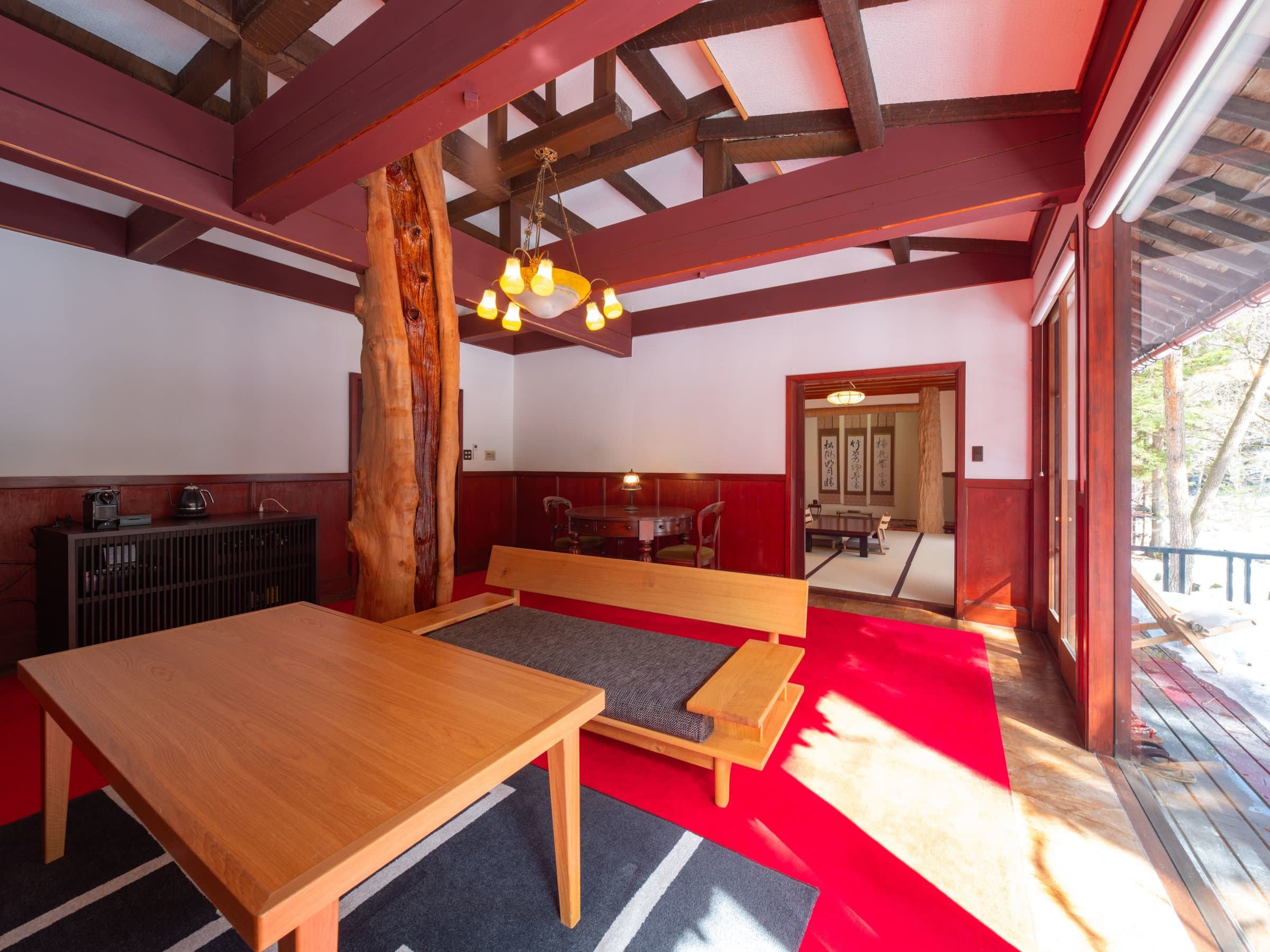
2. Wanosato (Takayama, Gifu) — vegan on request, mountain-foraged kaiseki
Wanosato is a seven-room inn in Hida-Furukawa, north of Takayama, occupying a 160-year-old gassho-zukuri farmhouse. Its kaiseki is built around wild foraged mountain vegetables — warabi ferns, zenmai, sansai — and the plant-forward cooking philosophy makes it one of the most natural fits for strict-vegan accommodation among commercial ryokans. From $500/night; 14+ days' notice required.
The honest picture: vegan accommodation here is confirmed on request, not published as a standing menu. The kitchen needs your full parameter list (kombu-shiitake dashi, no eggs, no dairy, no honey) in writing, with at least two weeks to plan the menu. What you get in return is a Michelin Key property where the chef's relationship with local mountain producers means the plant-based courses can draw on the same seasonal produce rather than being a reduced version of the standard kaiseki.
Tip
Hida-Furukawa is 15 minutes north of Takayama by train — quieter, with fewer day-trippers. Combine with a morning walk through the sake-brewery district (Higashimachi) before the crowds arrive. Wanosato books quickly in autumn foliage season (mid-October to mid-November); for vegan guests, the 14-day notice rule means booking by early October for peak autumn dates.
3. Asaba (Shuzenji, Izu) — vegan on request, Relais & Châteaux luxury
Asaba was founded in 1489 and holds Relais & Châteaux membership — the combination that signals both deep culinary tradition and the kitchen bandwidth to execute bespoke meal plans. Strict vegan kaiseki is available on request with 14+ days' notice; from $600/night per person. The property's official information indicates dietary flexibility for vegan guests; confirm directly with the inn before booking.
The trade-off to be honest about: at this price point (approximately ¥90,000–¥180,000 per couple per night), you're paying for the complete Asaba experience — the historic noh stage set in the garden, the 500-year-old aesthetic sensibility, the onsen fed by Shuzenji's thermal springs. The vegan kaiseki still requires the same written advance communication as every other property on this list. The Relais & Châteaux booking channel (relaischateaux.com) provides English support and is the most reliable route for communicating dietary requirements clearly.
4. Tsukihitei (Nara) — Tier B, shojin-leaning, dashi swap required
Tsukihitei sits in a forested hillside setting in Nara with strong Buddhist temple heritage in the surrounding area. The kitchen leans shojin-style — the base orientation is plant-forward — but the standard kaiseki still uses katsuobushi dashi, and eggs appear in chawanmushi. Strict vegans need to request the kombu-shiitake dashi swap explicitly, confirm egg and dairy exclusion, and allow 14+ days. From $400/night.
This is Tier B rather than Tier A because the vegan accommodation is achievable but not yet documented as a standing plan. What works in your favour: the kitchen's shojin familiarity means the dashi swap is a natural operation rather than an unfamiliar request, and the forest-temple atmosphere — cedar trees, stone lanterns, the quiet of Nara's outer shrine district — is genuinely extraordinary. Request written menu confirmation before arrival; do not settle for "we'll do our best."
5. Togetsutei (Kyoto Arashiyama) — Tier B, Kyoto shojin tradition
Togetsutei is on the Oi River in Arashiyama, with views of the Togetsukyo Bridge and the forested hills behind it. Its kaiseki draws on Kyoto's shojin tradition — this is a kitchen that has been feeding temple guests and Buddhist pilgrims for generations. The standard menu uses katsuobushi dashi, but the shojin-style kombu-shiitake swap is a known operation here. 10+ days' notice; from $280/night.
For a strict vegan, Togetsutei's location within Arashiyama matters: you're a short walk from Tenryu-ji's Zen garden, which models the same aesthetic as the kaiseki you'll eat that evening. Confirm the full parameter list in writing — eggs in chawanmushi and tamagoyaki are the most likely oversights if you don't specify them explicitly.
6. Seikoro (Kyoto) — Tier B, heritage machiya kaiseki, dashi swap available
Seikoro is a traditional machiya-style inn in central Kyoto — dark timber, low ceilings, stone-floored entryway. The kaiseki is highly regarded for its seasonal technique. Like Togetsutei, the standard menu uses katsuobushi dashi, and eggs appear in standard courses; both need to be explicitly swapped out in your advance booking communication. 10+ days; from $300/night.
The case for Seikoro as a vegan base: central Kyoto location means that if the evening meal falls slightly short, you're within a short walk of Gion-area vegan restaurants as backup. The machiya architecture itself is part of the experience — the building carries the aesthetic of centuries of Kyoto craft culture. Strict-vegan guests who value central location and cultural atmosphere alongside the kaiseki will find it a good fit, provided the advance communication is done correctly.
7. Koyasan shukubo (~52 temples) — the zero-uncertainty category
For strict vegans who want certainty rather than a confirmation email, Koyasan shukubo is the answer. Plant-based cooking is the structural default here, not a special request. The ~52 temple lodgings all serve shojin ryori — the ancient Buddhist monastic cuisine that excludes all animal products by doctrine. You still need to confirm in writing that the specific shukubo uses only kombu-shiitake dashi (a small number have added fish-based dashi for non-Buddhist guests), but the overall probability of eating well as a strict vegan at Koyasan is higher than at any commercial ryokan.
Pricing: ¥10,000–¥20,000 per person per night including dinner and breakfast . Properties with the strongest English support: Eko-in (eng.ekoin.jp), Fukuchiin (fukuchiin.com), Shojoshin-in (shojoshinin.com). For October and April stays, book 8–12 weeks ahead — the previous 3–4 week window is no longer sufficient given international demand.
Want plant-based dining and a private bath in one booking? Our vegetarian ryokans with private onsen collection combines both filters.
Booking a vegan ryokan: notice window, book direct, and why OTA fields fail
The advance-notice template later in this guide handles the what-to-say. This section covers the mechanics of how to book so the request actually reaches the kitchen.
Step 1 — Book direct or via phone, not only through an OTA. OTA platforms (Booking.com, Expedia, Jalan, Rakuten Travel) pass dietary requests to the front desk as free-text notes. Whether the front desk then communicates those notes to the kitchen — in the right level of specificity, with enough lead time — varies significantly by property. Direct email to the ryokan's reservations address is the only channel that guarantees your dietary parameters arrive where decisions get made.
Step 2 — Send the email at the time of booking, not after. Kaiseki kitchens at traditional ryokans plan menus days or weeks in advance. A vegan dietary request that arrives two days before check-in — even a perfectly written one — may arrive after the kitchen has already ordered its produce, prepared its dashi, and committed to the week's menu structure. Send the email on the same day you make your reservation.
Step 3 — Get written confirmation of the specific parameters, not a generic "we can accommodate" response. A response that says "we can try our best" or "we are happy to help" is not confirmation. You're looking for a reply that specifies: what the dashi will be (kombu, shiitake, or both), whether eggs and dairy will be completely excluded, and whether any hidden animal-based flavoring agents (niboshi, katsuobushi powder, anchovy paste in pickled vegetables) will also be removed. If you receive a generic reassurance, reply once more with the specific list and ask for confirmation on each point.
Why OTA special-request fields specifically fail: These fields are designed for logistical requests — early check-in, extra towels, specific room types. They are not a dietary communication channel to the kitchen. Details entered there can be shortened or lost before they reach the kitchen, which is why a direct email using the template matters.
Tip
If you booked via OTA and have already paid a deposit, you can still send a direct email to the ryokan using the bilingual template. Find the property's direct contact email on their official website (not the OTA listing). Include your reservation confirmation number. This is better than relying on the OTA special-request field even after booking is confirmed.
For choosing that initial platform, our six-site ryokan booking comparison rates each OTA's special-request handling — the weak point that matters most for vegan stays.
Honest limitations: where a vegan ryokan stay can still go wrong
Even with written confirmation and the right property, four failure modes recur often enough to flag honestly.
Cross-contamination at the prep surface. Most ryokan kitchens use a single prep area for all cooking. A vegan meal prepared on the same surface where bonito-dashi stock was simmered earlier the same day is technically cross-contaminated. At properties with dedicated shojin ryori lines — Koyasan shukubo, and a small number of Kyoto properties — the separation is structural. At most commercial ryokans, it's a function of individual chef attention on the night. If cross-contamination is a health concern (allergy level) rather than an ethical one, flag it explicitly in your booking email.
Hidden dashi in pickled vegetables and rice. Tsukemono (pickled vegetables) served at the start of the meal are frequently brined with katsuobushi-based liquid at properties that don't think of them as part of the "main meal" requiring substitution. The rice seasoning at some ryokans also contains bonito powder. If your advance email says "no bonito in dashi" but doesn't say "no bonito in tsukemono or rice seasoning," these courses may arrive non-vegan. Add both to your list.
Honey and bonito in unexpected places. Honey appears in some dressings, glazes on grilled items, and dessert garnishes. Bonito flakes (katsuobushi) are sometimes used as a finishing garnish on dishes that have a plant-based main component — a vegetable dish with a small katsuobushi topping is still not vegan. Both require explicit exclusion in your advance request, not just a general "no animal products."
Vegan breakfast gaps. Some ryokans accommodate the dinner kaiseki fully but revert to a standard breakfast because the kitchen team running breakfast is different from the evening chef. The morning meal at many properties is prepared by support staff following a standard format. If your advance email focused on dinner, request breakfast substitutions explicitly and separately — ideally with the same written specificity as the dinner request. Grilled fish, dashi miso soup, tamagoyaki, and chawanmushi all need to be replaced; the alternatives (additional tofu, kombu-based soup, pickled plant-only sides, rice) are available at any kitchen that has already committed to vegan dinner.
The Gokun (五葷) Edge Case: Strict Zen Observers
The gokun (五葷) are the five "pungent vegetables" prohibited in strict Zen Buddhist practice: garlic, onion, leek, chive, and scallion. The doctrine holds that these vegetables disturb mental clarity required for meditation — stimulating aggression when cooked, desire when raw.
For most Western vegans, this restriction doesn't apply. But for strict Zen observers or guests at Koyasan for religious reasons, it's worth understanding the practical reality.
Most Koyasan shukubo that serve authentic shojin ryori already exclude gokun by default, because their kitchen operates on classical Zen Buddhist dietary principles. At commercial ryokans, a gokun-free request goes beyond what most kitchens are set up for, since Japanese cuisine uses alliums extensively — in sauces, garnishes, and namul-style preparations.
If gokun exclusion matters to you: stay at Koyasan, confirm gokun status in your booking email using the optional line in the template below, and accept that dish variety may be more limited as the kitchen navigates without its standard aromatics.
The traditional flavor solution for gokun-free cooking is building aromatics through kombu, dried shiitake, and yuzu citrus zest. This is exactly what classical Zen temple cooking does, and it produces a subtler, more meditative flavor profile than allium-forward cooking. It's not a deprivation — it's a different register.
Tip
Note for guests at Koyasan for religious reasons: Morning otsutome (勤行) — the pre-dawn ceremony with sutra chanting — begins around 6:00 AM. Joining is entirely voluntary. Most shukubo will not pressure guests to attend, but the invitation is extended at check-in. The ceremony itself, conducted in the cedar-scented interior of a Heian-era hall, is worth experiencing at least once regardless of your religion.
Bilingual Booking Email Template
This is the most actionable section of this guide. Copy, adapt, and send this at the time of booking — before you pay a deposit, if possible — so the kitchen has maximum lead time.
Tip
English version:
Subject: Strict Vegan Dietary Request — [Your Name], Arrival [Date], [Number of Nights]
Dear [Ryokan Name],
I have a reservation arriving [date] for [number of nights]. I follow a strict vegan diet and would like to request a fully plant-based meal plan for my entire stay, including both dinner and breakfast.
Specifically, I need: — All dashi to use only kombu and/or shiitake — no bonito, no sardine (niboshi), no other fish-based stock — No eggs in any course — No dairy (milk, butter, cream, cheese) — No honey in any course or dressing — No fish or seafood in any form, including as a flavoring agent
[Optional for gokun observers: I also follow a strict Buddhist diet and would appreciate it if the five pungent vegetables — garlic, onion, leek, chive, and scallion — could also be excluded if possible.]
Could you please confirm in writing that you are able to accommodate this? I understand this requires advance preparation and I am grateful for the kitchen's effort.
Thank you, [Your Name]
Japanese version (五葷 line optional — include only if relevant):
ヴィーガン対応をお願いできます。出汁は昆布と椎茸のみで、卵・乳製品・蜂蜜・魚介類を完全に除外したい。可能であれば五葷も避けたいです。書面でご返答いただけますと助かります。
This translates as: "I would like to request vegan accommodation. I need dashi made only from kombu and shiitake, and want to completely exclude eggs, dairy products, honey, and all seafood. If possible, I would also like to avoid the five pungent vegetables (gokun). It would be very helpful to receive a written reply confirming this."
Send both English and Japanese in the same email. Most ryokan front desk staff will share the Japanese text with the kitchen, which is where the actual decision gets made. A written reply is your confirmation — verbal assurances at check-in are not sufficient.
Tip
Timing rule: Send this email 2–4 weeks before arrival. For high-end ryokans planning kaiseki weeks ahead, 4 weeks is better. At Koyasan shukubo, 1–2 weeks is usually sufficient given the shojin default.
What to Pack: Emergency Vegan Snacks and the Convenience Store Trap
Even with the best planning, there will be moments in Japan where a fully vegan meal is difficult to find on short notice. Here's how to prepare.
Emergency snacks worth buying locally:
- Plain umeboshi (pickled plum) or konbu onigiri at 7-Eleven or FamilyMart — check each one individually, as the rice seasoning varies by product
- Aman nori (roasted seaweed snacks) — widely available, virtually always vegan
- Plain senbei (rice crackers) without soy sauce glazing — check for fish extract in ingredients (the kanji 鰹 indicates bonito)
- Edamame packages at convenience stores
- Silken tofu cups — available at most convenience stores; solid protein backup
Tip
Warning — the convenience store onigiri trap: Onigiri labeled "ベジタリアン" (vegetarian) or those with plain-looking fillings often contain bonito dashi-seasoned rice. The rice itself is the issue, not just the filling. Read the full ingredients list — look for the kanji 鰹 (katsuo/bonito) or かつお. If present, the rice is not vegan. It is an easy trap for first-time vegan visitors to Japan.
Supplements to consider: Japan's plant-based diet can be low in B12 during a short trip if the ryokan meal plan isn't fully available. A travel-format B12 supplement is practical for stays longer than a week. Omega-3 sources (flaxseed oil capsules travel well) are worth packing if you won't have reliable access to walnuts or hemp seeds.
Restaurant backup in major cities: Kyoto has the strongest vegan restaurant scene in Japan outside Tokyo, largely because of proximity to Buddhist temple cuisine traditions. Properties like Mumokuteki Café (Shijo area) and several Gion-area spots cater to strict vegans without advance notice . For the rare day when a ryokan accommodation falls short, having a restaurant backup address in your phone is worth the ten minutes of research before you leave home.
For trip planning when your group has multiple dietary needs — halal travelers alongside vegans, for example — our halal ryokan guide covers the parallel advance-booking system for halal requirements, which follows similar logistics to the vegan accommodation process.
For a broader introduction to what ryokan stays involve — the arrival sequence, onsen etiquette, the first-night rhythm — our first-time ryokan guide covers the cultural framework that makes every dietary accommodation conversation much easier to navigate.
The most honest thing we can say about vegan stays at Japanese ryokans: the system rewards preparation and penalizes last-minute requests. A vegan guest who writes ahead, uses the Japanese phrasing, and chooses a property with genuine shojin ryori capability will eat extraordinarily well — mountain vegetables simmered in kombu dashi, seasonal tofu in a dozen preparations, pickled vegetables of startling complexity. The cuisine doesn't need fish to be remarkable.
The same guest who arrives without advance notice will face a genuinely difficult evening.
Start at Koyasan if you want a guaranteed experience with zero uncertainty. Work up to commercial ryokans once you have a written accommodation confirmation in hand. And pack the umeboshi onigiri from the convenience store just in case.
Prices verified May 2026. Exchange rate approximately ¥150 = $1 USD. Dietary accommodation capabilities should be confirmed directly with each property before booking.
Frequently asked questions: vegan ryokan Japan
Can I eat shojin ryori at a regular ryokan, or only at temple lodgings?
Many commercial ryokans, particularly in Kyoto and near Buddhist temple districts, offer shojin ryori either as a standard option or on request with advance notice. At Koyasan shukubo, it's the default. At a standard commercial ryokan outside these regions, availability drops significantly, and explicit written advance notice of 2+ weeks is required.
Is 'vegetarian kaiseki' the same as vegan kaiseki?
Almost never. In Japan, 'vegetarian kaiseki' typically means lacto-ovo: eggs and sometimes dairy are present, and the dashi may still contain bonito. 'Vegan kaiseki' requires a complete restructuring of the base stocks and elimination of all animal products including eggs, dairy, and honey. Always specify 'strict vegan — no eggs, no dairy, no honey, and all dashi from kombu and shiitake only.'
How far in advance do I need to notify the ryokan?
A minimum of two weeks before arrival, but one month ahead is strongly preferable for stays at high-end ryokans where the kaiseki menu is planned well in advance. At Koyasan shukubo, 1–2 weeks is usually sufficient. Contact the ryokan at the time of booking if possible.
What if the ryokan says they 'cannot guarantee' vegan meals?
This is a signal to choose a different property or book at Koyasan shukubo. A ryokan that hedges with 'we'll do our best' without a written commitment is unlikely to have executed a proper parallel prep. At the price range of most ryokan stays, you deserve a written confirmation. Do not proceed on verbal assurances alone.
Is miso soup vegan at a ryokan?
Typically not at a standard ryokan, because the dashi base usually contains niboshi (dried sardines) or katsuobushi (bonito). At Koyasan shukubo and properties running kombu-shiitake dashi as their standard, miso soup will be vegan. At commercial ryokans, this must be confirmed explicitly in your advance booking communication.
Can I request a vegan ryokan breakfast?
Yes, with advance notice. The standard breakfast includes grilled fish, dashi-based miso soup, tamagoyaki (egg omelet), and chawanmushi (egg custard). A vegan breakfast substitutes these with additional tofu preparations, seasonal vegetables, kombu-based soup, and plant-based rice dishes. Request this in the same advance email as the dinner modification.
Are any ryokans certified vegan in Japan?
As of May 2026, no commercial ryokan holds formal vegan certification. Some Koyasan shukubo and specialist shojin ryori restaurants in Kyoto market themselves as strictly plant-based, but this is a descriptor rather than a certification. Always seek written confirmation for your specific dates from the specific property.
Are the onsen baths relevant to vegan travelers? For most guests, no — natural mineral spring water contains no animal products. However, some high-end ryokans offer milk baths (gyunyu-buro) or honey-infused bath additives as a special feature. If bath product ingredients matter to you, confirm with the property. The standard communal rotenburo and indoor mineral baths are virtually always free of animal-derived additives.
Final checklist: your vegan ryokan Japan game plan
Everything in this guide distills to a sequence you can run through before every vegan ryokan booking. The sequence doesn't change whether you're booking a Koyasan shukubo or a Relais & Châteaux property in Izu.
Tip
Before you book:
- Choose a Tier-A or Tier-B property from the picks above, or a Koyasan shukubo for zero-uncertainty
- Confirm the advance-notice window (7–14 days minimum; 4+ weeks for high-end kaiseki properties)
At the time of booking:
- Send the bilingual email template (English + Japanese) to the ryokan's direct email address
- Include: kombu-shiitake dashi only / no eggs / no dairy / no honey / no fish-based flavoring in tsukemono or rice
- Request written confirmation specifying each parameter, not a generic "we'll try our best"
After booking:
- Follow up if no written confirmation arrives within 72 hours
- Re-confirm the vegan parameters 48 hours before arrival
- At check-in, mention the dietary request once — and ask that the kitchen be reminded
During the stay:
- At each meal, visually confirm dishes before eating — tsukemono and soup garnishes are the most common gap points
- Pack emergency convenience-store snacks as backup (nori, plain senbei, tofu cups)
- If a dish arrives that you're uncertain about, it's entirely appropriate to ask the staff — most ryokans will replace it without issue if the advance communication was done correctly
More ryokans we list — vegetarian meals are confirmed by the inn only where marked; ask before booking
17 listed| Ryokan | From | Rating | Book |
|---|---|---|---|
 | from US$150/person/night≈ US$300 for 2 | 9.8 47 reviews | Book on Agoda |
 | from US$157/person/night≈ US$314 for 2 | 9.7 237 reviews | Book on Trip.com |
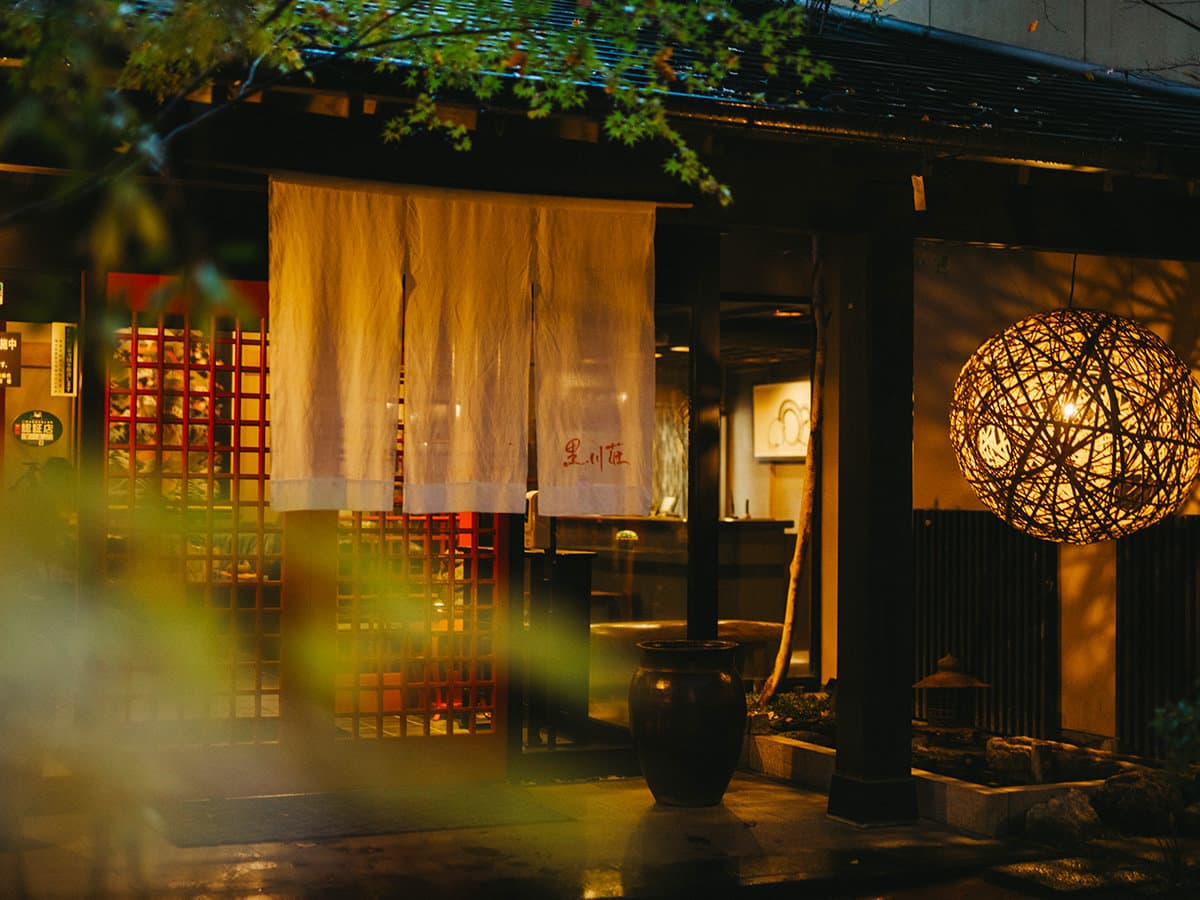 | from US$200/person/night≈ US$400 for 2 | 9.7 72 reviews | Book on Trip.com |
 | from US$250/person/night≈ US$500 for 2 | 9.7 71 reviews | Book on Booking.com |
 | from US$300/person/night≈ US$600 for 2 | 9.7 29 reviews | Book on Agoda |
 | from US$100/person/night≈ US$200 for 2 | 9.6 361 reviews | Book on Trip.com |
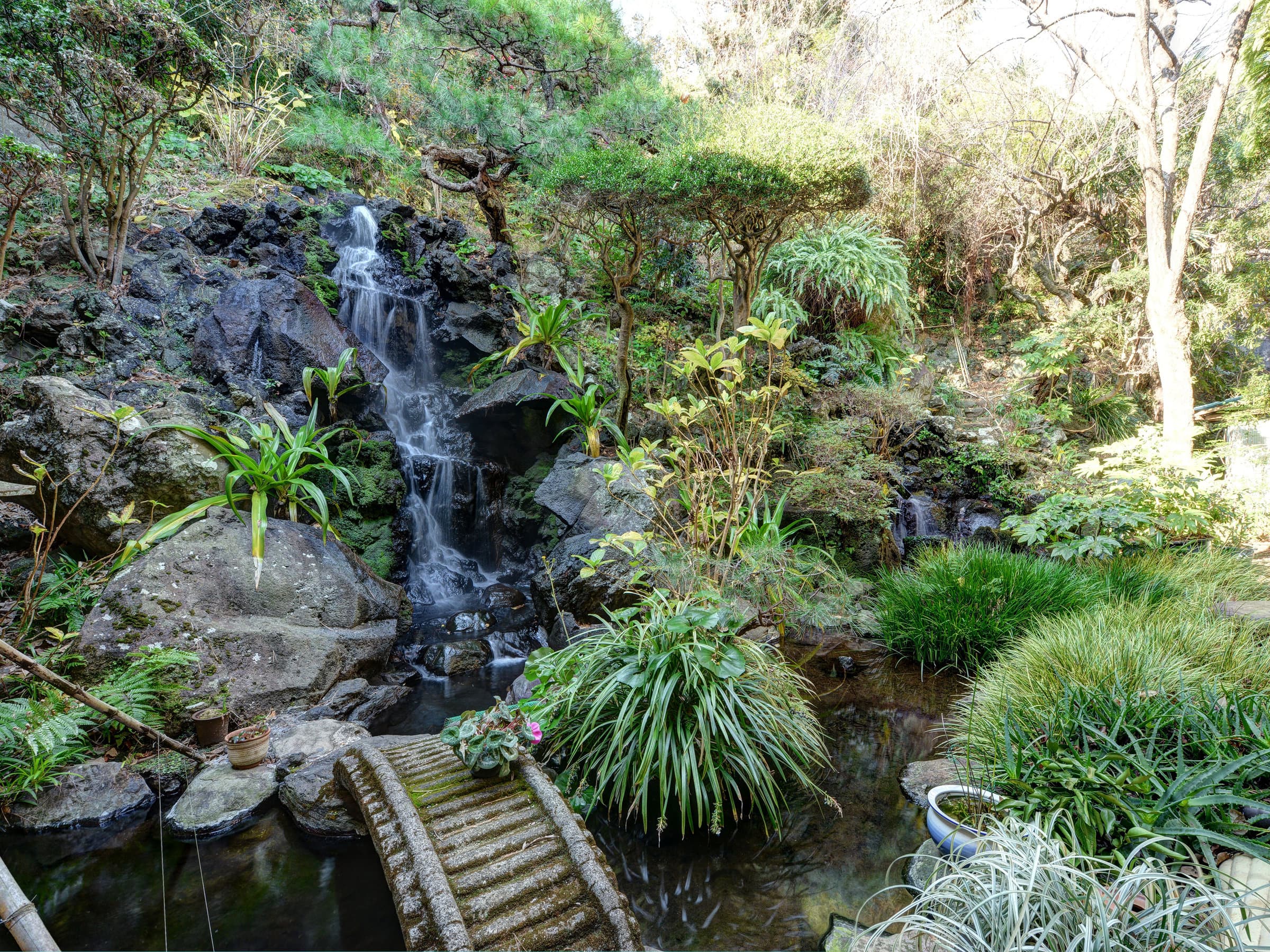 | from US$220/person/night≈ US$440 for 2 | 9.6 351 reviews | Book on Trip.com |
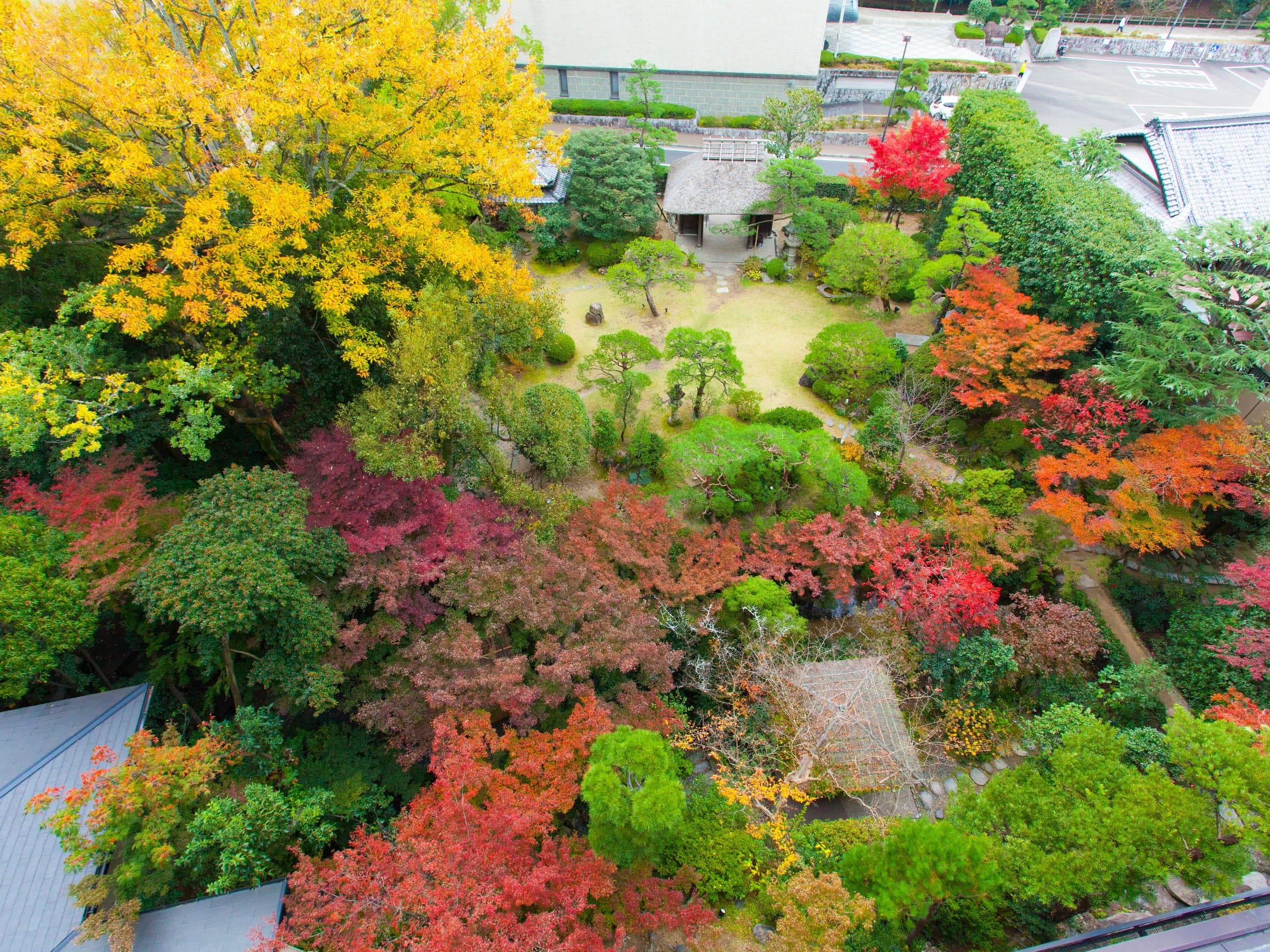 | from US$160/person/night≈ US$320 for 2 | 9.6 116 reviews | Book on Agoda |
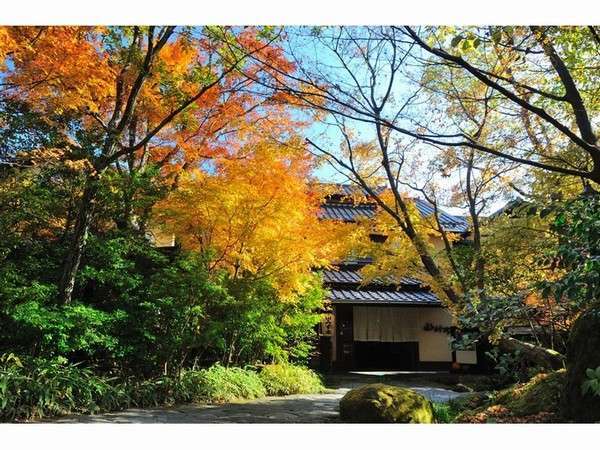 | from US$150/person/night≈ US$300 for 2 | 9.6 93 reviews | Book on Agoda |
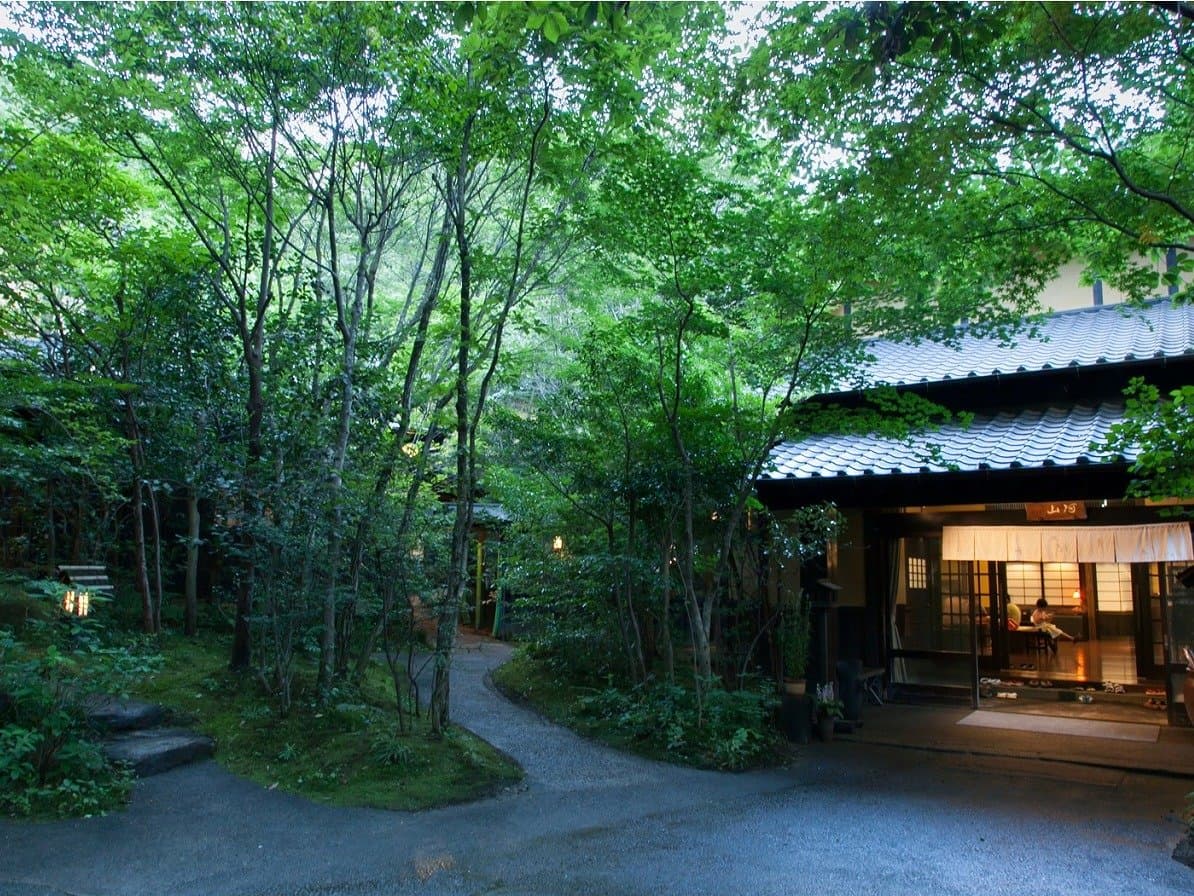 | from US$250/person/night≈ US$500 for 2 | 9.6 79 reviews | Book on Agoda |
 | from US$200/person/night≈ US$400 for 2 | 9.6 56 reviews | Book on Agoda |
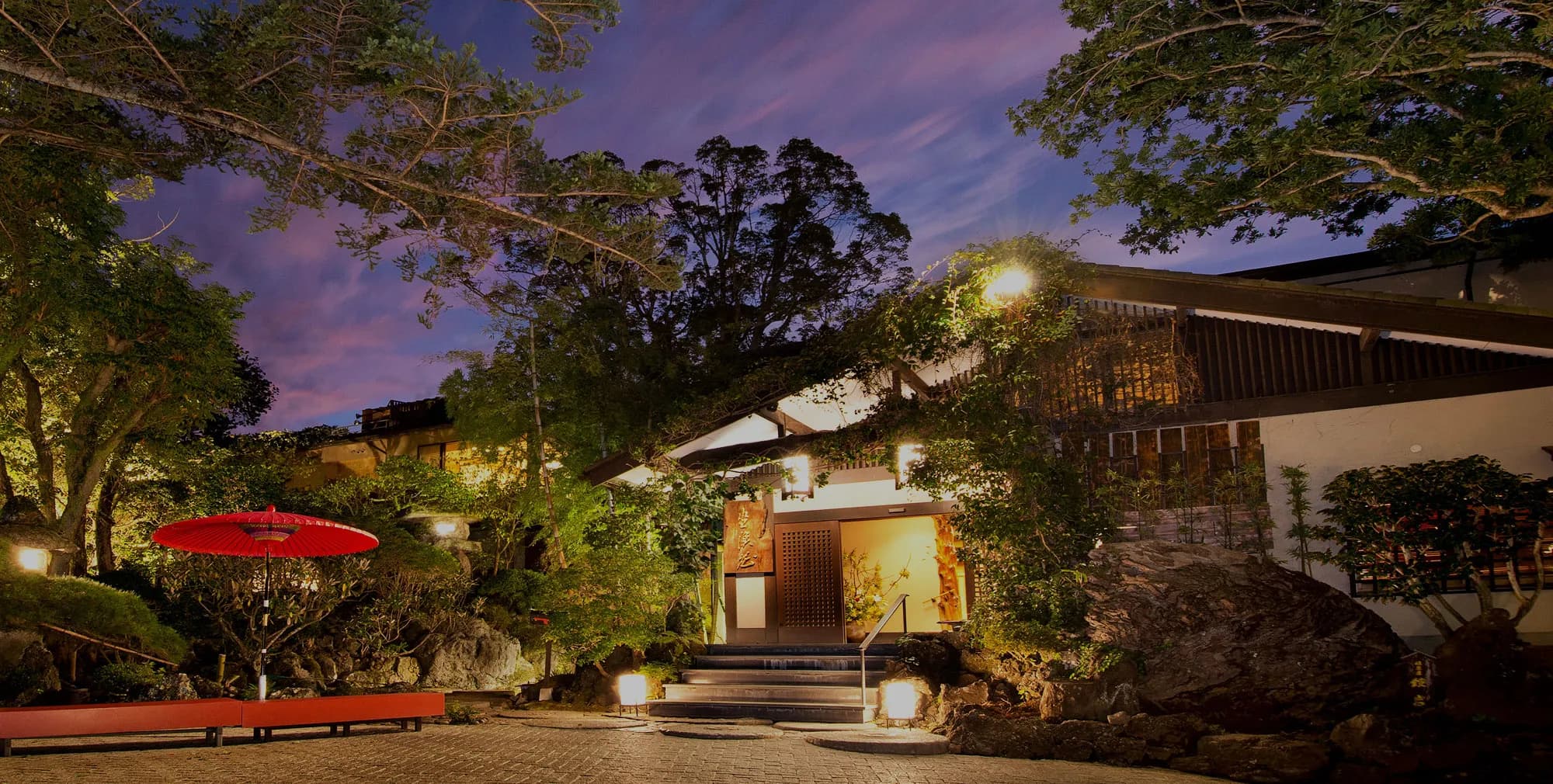 ABBA Resorts Izu - Zagyosoh Izu Confirmed by the innWorth the splurgeEN OKPrivate bath (type unconfirmed) | from US$500/person/night≈ US$1,000 for 2 | 9.6 43 reviews | Book on Booking.com |
 | from US$350/person/night≈ US$700 for 2 | 9.6 14 reviews | Book on Trip.com |
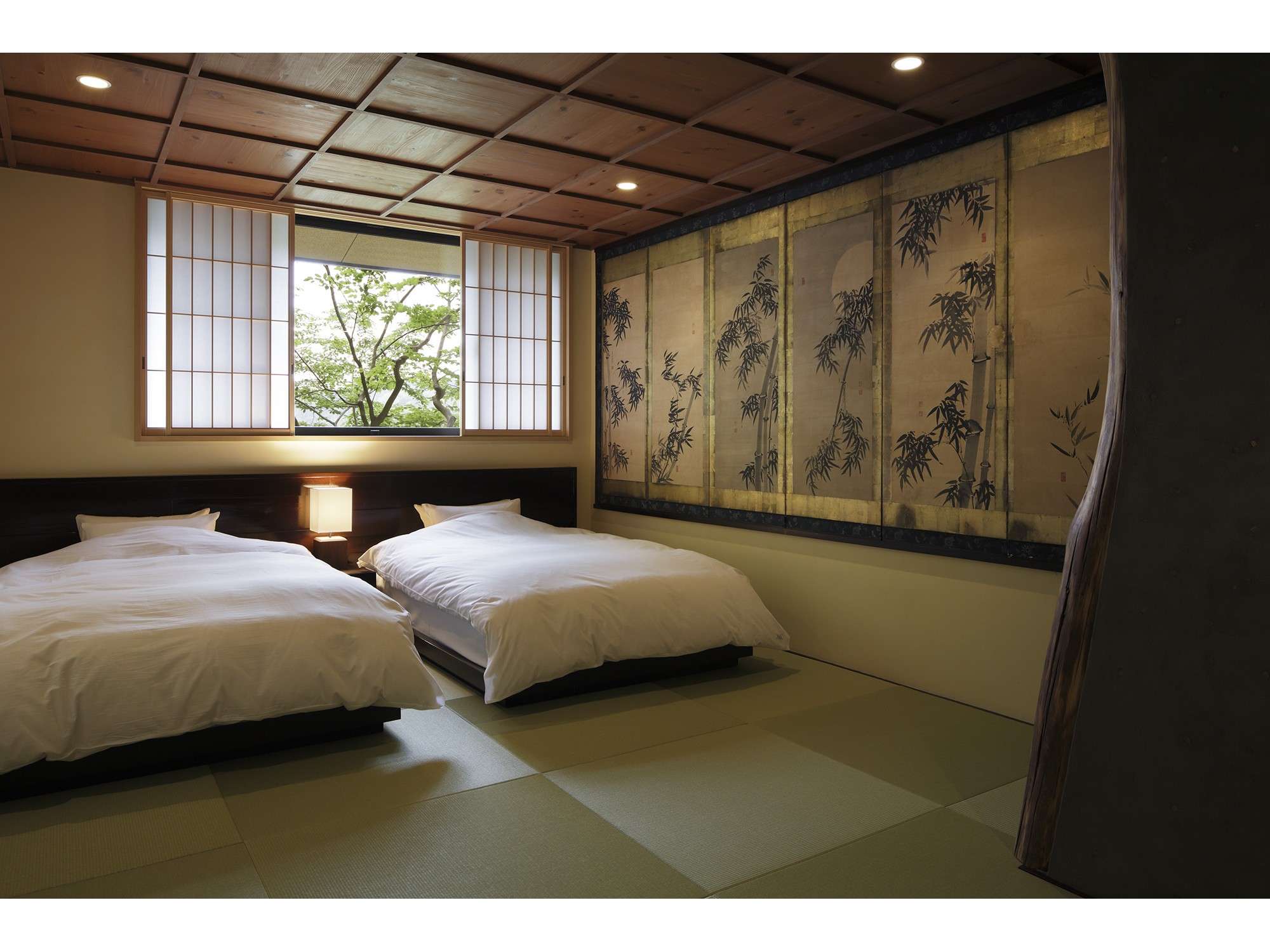 | from US$90/person/night≈ US$180 for 2 | 9.6 6 reviews | Book on Agoda |
| from US$380/person/night≈ US$760 for 2 | 9.6 5 reviews | Book on Trip.com | |
| from US$200/person/night≈ US$400 for 2 | 9.5 502 reviews | Book on Agoda |
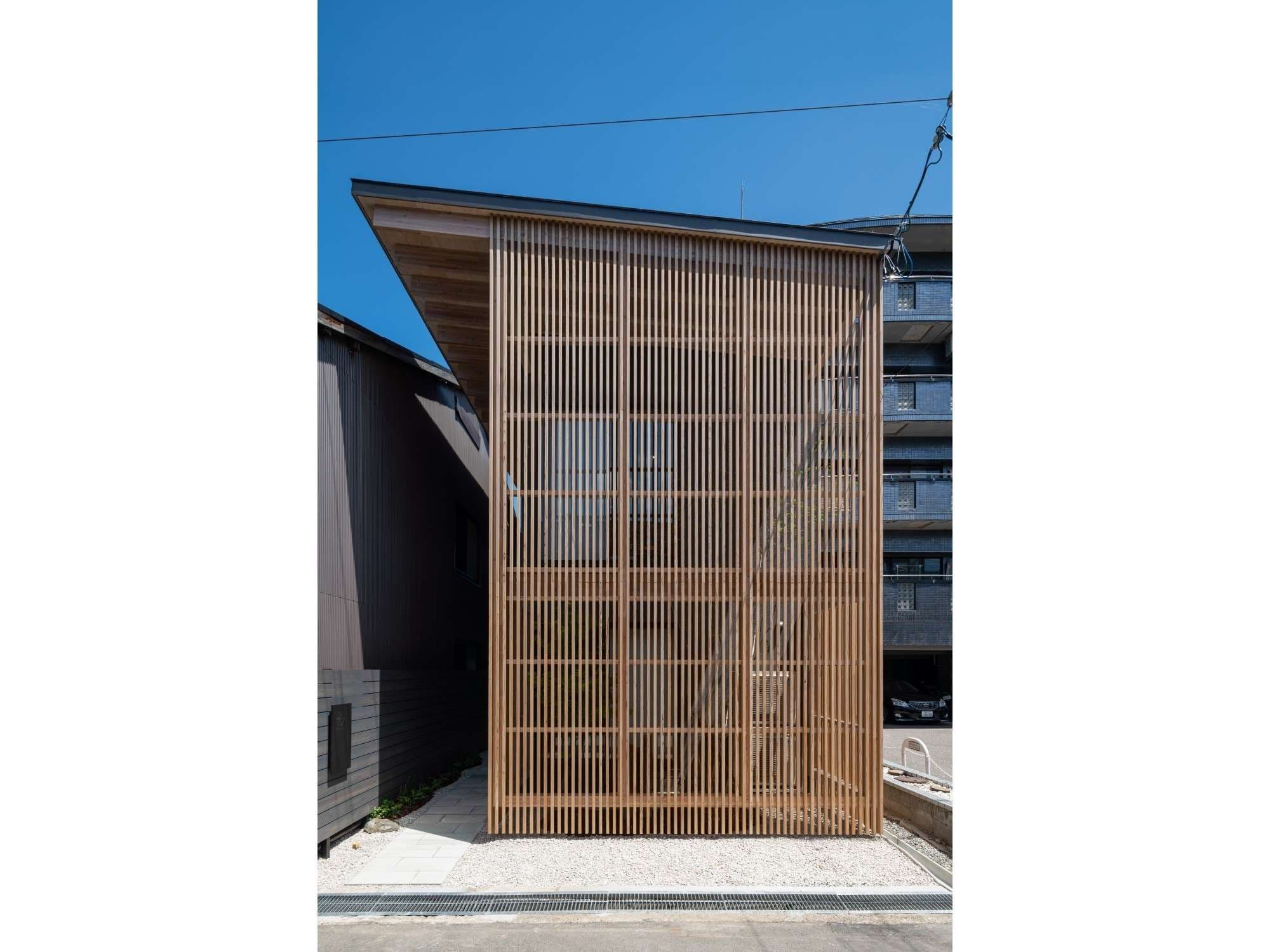 | from US$250/person/night≈ US$500 for 2 | 9.5 162 reviews | Book on Booking.com |
Atami Kakurezato
Atami
Kurokawa-So
Kurokawa
Unzen Kyushu Hotel
Unzen
Atami Sekitei
Atami
Yokikan
Izu
Yamamizuki
Kurokawa
Ryokan Sanga
Kurokawa
Hotel Yoshimatsu
Ibusuki
Saryo Soen
Akiu
Ryokan Motonago
Kyoto
Gunjo no Tsuki
Kanazawa
Prices shown are approximate starting rates per person per night. We may earn a commission on bookings.
Ready to book?
Book one of these top picks
Compare live availability and prices across booking sites.

Hoshino Resorts KAI Kinugawa
星野リゾート 界 鬼怒川
Kinugawa Onsen·Luxury
from US$175 · per person · per nightfrom ≈ US$350 total for 2 guests


Wanosato
倭乃里
Takayama·Luxury
from US$500 · per person · per nightfrom ≈ US$1,000 total for 2 guests


Asaba
あさば
Izu·Luxury
from US$600 · per person · per nightfrom ≈ US$1,200 total for 2 guests
Booking links may earn us a commission at no extra cost to you.
FAQ
Frequently asked questions
Can I eat shojin ryori at a regular ryokan, or only at temple lodgings?+
Many commercial ryokans, particularly in Kyoto and near Buddhist temple districts, offer shojin ryori either as a standard option or on request with advance notice. At Koyasan shukubo, it's the default. At a standard commercial ryokan outside these regions, availability drops significantly, and explicit written advance notice of 2+ weeks is required.
Is 'vegetarian kaiseki' the same as vegan kaiseki?+
Almost never. In Japan, 'vegetarian kaiseki' typically means lacto-ovo: eggs and sometimes dairy are present, and the dashi may still contain bonito. 'Vegan kaiseki' requires a complete restructuring of the base stocks and elimination of all animal products including eggs, dairy, and honey. Always specify 'strict vegan — no eggs, no dairy, no honey, and all dashi from kombu and shiitake only.'
How far in advance do I need to notify the ryokan?+
A minimum of two weeks before arrival, but one month ahead is strongly preferable for stays at high-end ryokans where the kaiseki menu is planned well in advance. At Koyasan shukubo, 1–2 weeks is usually sufficient. Contact the ryokan at the time of booking if possible.
What if the ryokan says they 'cannot guarantee' vegan meals?+
This is a signal to choose a different property or book at Koyasan shukubo. A ryokan that hedges with 'we'll do our best' without a written commitment is unlikely to have executed a proper parallel prep. At the price range of most ryokan stays, you deserve a written confirmation. Do not proceed on verbal assurances alone.
Is miso soup vegan at a ryokan?+
Typically not at a standard ryokan, because the dashi base usually contains niboshi (dried sardines) or katsuobushi (bonito). At Koyasan shukubo and properties running kombu-shiitake dashi as their standard, miso soup will be vegan. At commercial ryokans, this must be confirmed explicitly in your advance booking communication.
Can I request a vegan ryokan breakfast?+
Yes, with advance notice. The standard breakfast includes grilled fish, dashi-based miso soup, tamagoyaki (egg omelet), and chawanmushi (egg custard). A vegan breakfast substitutes these with additional tofu preparations, seasonal vegetables, kombu-based soup, and plant-based rice dishes. Request this in the same advance email as the dinner modification.
Are any ryokans certified vegan in Japan?+
As of May 2026, no commercial ryokan holds formal vegan certification. Some Koyasan shukubo and specialist shojin ryori restaurants in Kyoto market themselves as strictly plant-based, but this is a descriptor rather than a certification. Always seek written confirmation for your specific dates from the specific property.
Are the onsen baths relevant to vegan travelers?+
For most guests, no — natural mineral spring water contains no animal products. However, some high-end ryokans offer milk baths (gyunyu-buro) or honey-infused bath additives as a special feature. If bath product ingredients matter to you, confirm with the property. The standard communal rotenburo and indoor mineral baths are virtually always free of animal-derived additives.
Still deciding?
Browse ryokans across JapanBooking.com