2026년 5월 업데이트. 이 가이드는 료칸에서 엄격한 비건 숙박이 실제로 무엇을 요구하는지 — 이론이 아니라 모든 것에 다시가 들어가는 전통 일본 접객의 세밀한 현실에서 — 정리한 자료예요.
요약하자면: 일본 료칸에서 엄격한 비건 숙박은 정말로 가능하지만, 사전 서면 통보와 구체적인 일본어 표현, 그리고 대부분의 여행자에게는 적합한 유형의 시설을 고르는 일이 필요해요. 자세한 내용은 아래에 이어집니다.
전체 가이드: 일본 료칸 식이 제한 가이드는 비건, 베지테리언, 할랄, 글루텐프리, 코셔, 알레르기 요청을 아우르는 상위 개요입니다.
한눈에 비교: 엄격한 비건이 실제로 가능한 곳
일곱 가지 선택지 — 문서화된 비건 플랜을 갖춘 세 곳, 다시마·표고버섯 다시 교체를 확인해야만 가능한 세 곳, 그리고 식물성 조리가 구조적 기본인 고야산 사찰 숙박 유형. 이 표로 불확실성 감수 정도와 예산을 맞춰본 뒤, 아래의 상세 소개를 읽어보세요.
| # | 료칸 / 유형 | 지역 | 비건 신뢰도 | 최저가 (USD) | 사전 예약 일수 | 추천 대상 |
|---|---|---|---|---|---|---|
| 1 | KAI Kinugawa | Nikko | 채식 가이세키 공개 — 비건은 미공개, 숙소에 확인 필요 | $520/박 | 5 | 검증되고 문서화된 플랜을 원하는 엄격한 비건 |
| 2 | Wanosato | Takayama | Tier A — 요청 시 비건 대응(공식 정보 기준) | $500/박 | 14+ | 미슐랭 키, 7개 객실, 산나물 채집 카이세키 |
| 3 | Asaba | Izu | Tier A — 요청 시 비건 대응(공식 정보 기준) | $600/박 | 14+ | 기념일급 럭셔리, 1489년 창업, 노(能) 무대 정원 |
| 4 | Tsukihitei | Nara | Tier B — 쇼진 지향, 다시 교체 필요 | $400/박 | 14+ | 숲속 사찰 분위기, 깊은 주방 헌신 |
| 5 | Togetsutei | 교토 Arashiyama | Tier B — 쇼진 지향, 다시 교체 필요 | $280/박 | 10+ | 교토 쇼진 전통, Togetsukyo 다리 전망 |
| 6 | Seikoro | Kyoto | Tier B — 쇼진 지향, 다시 교체 필요 | $300/박 | 10+ | 전통 마치야 카이세키, 교토 중심부 접근성 |
| 7 | 고야산 슈쿠보 (~52개 사찰) | Wakayama | 가장 안전 — 불교 교리에 따라 식물성 | ¥10,000–¥20,000/인 | 7–14 | 불확실성 제로 비건 숙박, 쇼진 요리 기본 |
Tip
Tier A는 사전 요청 시 엄격한 비건 플랜(고기·생선·가다랑어 다시·달걀·유제품·꿀 없음)을 이용할 수 있다고 료칸의 공식 정보에 문서화되어 있는 경우를 뜻해요(예약 전 숙소에 직접 확인 필요). Tier B는 주방이 쇼진 스타일에 가깝고 다시 교체가 가능하지만, 전체 조건 목록을 확인해야 하는 경우입니다 — 표준 카이세키에는 달걀과 유제품이 들어가므로 명시적으로 제외를 요청해야 해요.
비건 료칸 여행자를 위한 2026년 새 소식
이 가이드가 처음 발행된 이후 일본의 식물성 접객 환경에는 몇 가지 의미 있는 변화가 있었어요. 고야산 슈쿠보 수요 급증. 고야산 사찰 숙박의 해외 예약은 2023년 이후 크게 늘었고, 에코인(Eko-in)이나 후쿠치인(Fukuchi-in)처럼 영어 대응이 되는 시설은 인기 있는 가을·봄 날짜의 대기 기간이 길어졌다고 보고합니다. 10월과 4월 숙박은 8~12주 전에 예약하세요 — 예전의 3~4주 여유로는 이제 부족해요. 비건 온천 어메니티. 점점 더 많은 중고급 료칸이 요청 시 비건 목욕 어메니티 옵션 — 식물성 오일 기반 입욕제, 크루얼티 프리 유자 비누, 콜라겐이나 꿀 첨가물이 없는 미네랄 스크럽 — 을 제공해요. 엄격한 비건으로서 목욕 제품 성분이 중요하다면, 사전 예약 이메일에 식물성 어메니티를 요청하는 한 줄을 추가하세요. 교토와 고야산을 넘어 확장되는 쇼진 요리. 데와산잔(야마가타현)과 Nikko의 사찰 단지에 있는 불교 산사 숙소들이 국제 여행자를 대상으로 쇼진 요리 숙박 체험을 홍보하기 시작했어요. 이 시설들은 종교적 설계상 구조적으로 식물성 전용이며 — 고야산과 동일한 보장을 북부 산악 지대라는 완전히 다른 분위기 속에서 제공합니다. 변하지 않은 것. 사전 통보라는 근본적 현실은 그대로예요: 도착 시 구두 요청은 너무 늦고, OTA 특별 요청란은 주방에 확실히 전달되지 않으며, 이 가이드의 이중언어 이메일 템플릿은 여전히 비건 여행자가 도착 전에 취할 수 있는 가장 효과적인 단 하나의 행동입니다. 2026년에도 서면 사전 소통의 필요성은 전혀 바뀌지 않았어요. 식물성 요구와 함께 할랄 요구가 있는 여행자를 위해서는 일본 할랄 료칸 가이드가 동일한 사전 통보 시스템을 다루고, 교토 베스트 료칸 모음은 복잡한 식이 대응을 감당할 주방 역량을 갖춘 교토 럭셔리 시설이 어디인지 짚어줍니다. KAI Kinugawa는 비건 어메니티에 대해 아무것도 공개하지 않아요. 기대할 설비가 아니라 물어볼 질문으로 다뤄 주세요.
다시 문제: 카이세키의 90%가 비건이 아닌 이유
일본 요리의 기초는 다시예요 — 가쓰오부시(말리고 발효시킨 가다랑어포)와 다시마를 뜨거운 물에 우려낸 육수죠. 다시는 모든 곳에 들어갑니다: 오완(맑은 국), 조림 채소 다키아와세, 자완무시 커스터드를 찍는 국물, 미소된장국, 일부 시설의 절임 채소 절임물, 심지어 전통 시설의 밥 간까지도요.
즉 대부분의 사람이 료칸에 "베지테리언" 식사를 요청하면, 받는 것은 메인 요리에서 생선만 뺐을 뿐 소스·국물·조림에는 여전히 다시가 흐르는 식사예요. 잘해야 락토오보 베지테리언 수준이죠. 엄격한 비건과는 거리가 멉니다.
해결책은 있어요: 다시마·표고버섯 다시는 깔끔하면서도 깊은 풍미를 내는 육수로, 모든 카이세키 요리에서 훌륭한 결과를 냅니다. 많은 료칸 주방이 쇼진 요리(불교 채식) 메뉴에 이미 이 다시를 써요. 하지만 별도의 육수를 운영하려면 주방이 모든 소스를 다시 테스트하고 조리 표면을 분리해야 하며 — 이런 일은 명시적인 서면 사전 통보 없이는 일어나지 않습니다.
Tip
핵심 규칙: 체크인 때나 OTA 예약 특별 요청란에 "비건"을 언급하지 마세요. 도착 최소 2주 전에 — 이상적으로는 예약과 동시에 — 이 가이드의 이중언어 템플릿을 사용해 료칸에 직접 이메일을 보내세요. 도착 시 구두 요청은 너무 늦어요. 주방은 이미 육수를 다 준비해둔 상태입니다.
다시 문제는 조식에도 이어져요. 표준 료칸 아침 식사에는 생선구이, 다시 기반 미소된장국, 달걀과 해산물이 든 자완무시가 포함됩니다. 완전한 비건 조식을 위해서는 이 모든 것을 대체해야 해요. 비건 카이세키에 대응하는 대부분의 료칸은 비건 조식도 만들 수 있지만 — 체크인 때가 아니라 같은 예약 이메일에서 사전 통보한 경우에만 가능합니다.
엄격한 비건 vs. 락토오보 베지테리언: 예약을 위한 4단계 식이 명확화
료칸과 소통할 때, 일본에서 "베지테리언"(ベジタリアン)이라는 말은 보통 락토오보 — 달걀과 유제품 허용 — 를 뜻해요. 일부 주방 직원은 더 느슨하게 "붉은 고기 없음" 정도로 해석하기도 합니다. 예약에 실제로 통하는 더 명확한 틀은 다음과 같아요:
1단계 — 락토오보 베지테리언: 고기 없음, 메인 단백질로 생선 없음 — 하지만 다시·달걀·유제품·꿀은 모두 들어감. 가장 흔히 대응되는 요청이에요. 자매 글인 일본 베지테리언 프렌들리 료칸에서 이 단계를 상세히 다룹니다.
2단계 — 고기 없는 페스코: 생선 허용, 붉은 고기·가금류 없음. 대응이 쉬워요. 사실상 고기 코스만 수정한 표준 료칸 카이세키죠.
3단계 — 엄격한 비건(생선·다시·달걀·유제품·꿀 없음): 이 가이드의 주제예요. 완전한 별도 조리 세팅이 필요합니다 — 모든 국물에 다시마·표고버섯 다시, 생선 기반 조미료 없음, 자완무시나 다마고야키에 달걀 없음, 디저트 코스에 버터나 크림 없음. 이미 쇼진 요리 라인을 운영하는 곳을 중심으로 많은 중고급 료칸이 1~2주 통보로 대응할 수 있어요.
4단계 — 오훈 없는 엄격한 선(禅) 비건(五葷: 마늘·양파·부추·차이브·파 제외): 선불교 식이 교리에 뿌리를 둡니다. 고야산 사찰 숙박은 흔히 이를 기본으로 따라요. 상업 료칸에서 오훈 없는 조리 요청은 고급 난이도의 요청입니다. 예약 이메일에 별도로 표시하세요. 아래 이중언어 템플릿에는 선택적인 오훈 문구가 포함되어 있어요.
가장 중요한 실전 교훈: 료칸에 단순히 "비건"이라고만 하지 말고 당신이 몇 단계인지 알려주세요. 손님이 1단계를 원한다고 이해한 주방이 3단계 손님을 맞으면 되돌릴 방법이 없습니다.

고야산 슈쿠보: 엄격한 비건을 위한 안전한 선택 유형
와카야마현의 고야산(고야산)에는 약 52곳의 슈쿠보 — 손님이 불교 승려의 숙소에서 자고 공용탕에서 목욕하며 사찰 주방이 준비한 쇼진 요리를 먹는 사찰 숙박 — 가 있어요. 이곳은 두말할 것 없이 일본에서 엄격한 비건에게 가장 신뢰할 수 있는 숙박 유형입니다.
이유는 이렇습니다: 쇼진 요리(精進料理)는 모든 동물성 재료를 피하기 위해 정확히 그 목적으로 발전한 고대 불교 수도원 요리예요. 주방 운영 전체가 식물성 원칙 위에 돌아갑니다. 다시는 언제나 다시마와 말린 버섯이죠. 고기도, 생선도, 유제품도, 달걀도 없어요. 기본이 엄격한 비건이며 — 많은 경우 서구의 대부분 비건 레스토랑보다 더 엄격한데, 이 전통은 현대 비거니즘보다 천 년 이상 앞서기 때문입니다.
슈쿠보 경험은 한 가지 의미 있는 점에서 상업 료칸과 달라요: 아침에 오전 6시경부터 불교 의식(독경, 호마 의식)에 선택적으로 참여할 수 있다는 점입니다. 필수는 아니지만, 대부분의 사람이 이곳에 묵는 이유가 바로 이것이에요. 고야산의 경내 — 삼나무 숲, 수백 개의 부속 사찰, 노목 사이로 뻗은 고대 오쿠노인 묘지 — 는 종교와 무관하게 경이롭습니다.
Tip
여전히 해야 할 단 하나의 확인: 대부분의 고야산 슈쿠보는 다시마·표고버섯 다시를 기본으로 쓰지만, 소수는 비불교 손님을 끌기 위해 일부 요리에 생선 기반 다시를 넣기 시작했어요. 당신의 식사에 사용되는 모든 다시가 오직 다시마 및/또는 표고버섯으로만 만들어진다는 것을 서면으로 확인하세요. 가다랑어 없음. 아래 예약 이메일 템플릿을 사용하면 됩니다.
요금: 요금은 보통 저녁·조식 포함 1박 1인당 ¥10,000~¥20,000이에요. 이는 대부분의 상업 료칸 카이세키보다 훨씬 접근하기 쉽습니다. 영어 지원이 강한 인기 시설로는 에코인(eng.ekoin.jp), 후쿠치인(fukuchiin.com, 1291년부터 운영), 쇼조신인(shojoshinin.com, 명성 높은 정원)이 있어요.
Tip
고야산은 오사카에서 기차와 케이블카로 2시간 거리예요. 난바에서 난카이 고야선을 타고 고쿠라쿠바시까지 간 뒤, 케이블카로 정상까지 올라가면 됩니다. 마지막 하행 케이블카는 오후 5시 30분경이니 — 1박을 계획하세요. 당일 방문객이 떠나고 숲이 고요해질 때의 명상적인 저녁 분위기가 바로 이곳에 온 이유예요.
일본에서 비건에게 더 수월한 지역
일본의 모든 지역이 엄격한 비건 여행자에게 똑같이 어려운 것은 아니에요. 네 지역이 의미 있게 더 수월한 곳으로 두드러집니다 — 지배적인 요리 전통이 구조적으로 식물성이거나, 불교 사찰의 높은 밀도 덕분에 쇼진 대응 가능한 주방이 수 세기 동안 이어져 왔기 때문이죠.
고야산과 기이반도(와카야마). 엄격한 비건에게 일본에서 가장 수월한 지역입니다: 52곳의 사찰 숙박이 모두 같은 쇼진 요리 기반으로 운영되고, 다시마·표고버섯 다시가 제도적 기본이에요. 첫 번째로 고른 슈쿠보가 만실이어도 걸어서 갈 수 있는 거리에 쉰한 곳의 대안이 있습니다.
교토. 교토는 고야산을 제외하면 일본에서 쇼진 대응 가능한 상업 료칸 주방의 밀도가 가장 높아요. 고대 황실이자 불교의 수도였던 이 도시의 역할 덕분에 사찰 요리가 천 년 넘게 이곳 손님들을 먹여왔습니다. Arashiyama와 히가시야마 사찰 회랑 근처 시설 — Togetsutei와 Seikoro 포함 — 가 가장 깊은 쇼진 몸의 기억을 갖고 있어요. 교토는 또한 료칸 식사가 부족한 날을 위한 강력한 비건 레스토랑 씬도 갖추고 있습니다.
Nara. 일본 최초의 상설 수도이자 이 나라에서 가장 오래된 불교 사찰 몇 곳의 본거지예요. 야마토야기 지역과 아스카 계곡에는 불교 사찰 요리 계보를 가진 시설이 밀집해 있습니다. Tsukihitei가 이 전통 안에 자리해요. 이곳의 쇼진 영향은 장식이 아니라 진짜입니다.
기부네(교토 북부). 기부네의 강변 카이세키 전통 — 기부네강 위에서 즐기는 가와도코 식사 — 은 지역 미학 관습상 대체로 채소 중심이에요. 이 계곡의 주방들은 규모가 작고, 더 크고 예약이 몰리는 도심 시설이 종종 그러지 못하는 방식으로 맞춤 식이 요청에 유연하게 대응합니다. 구조적 비건 보장은 아니지만, 조리 철학이 잘 맞아떨어져요.
더 많은 준비가 필요한 지역: 홋카이도(유제품 많은 요리, 불교 사찰 영향이 적음, 보통 더 긴 사전 통보 필요), 해산물이 주방 정체성의 중심인 해안 어촌, 그리고 카이세키가 메뉴 전체를 재구성하지 않고는 대체할 수 없는 단일 육수에 의존하는 극도로 외진 여관 등이에요. 이 지역들에 대한 경고가 아니라 — 여유 기간을 더 두고, 예약 전에 더 구체적인 서면 확인을 받으라는 안내입니다.
규슈에서는 구로카와 온천이 단연 돋보입니다. 구로카와의 베지테리언 프렌들리 숙소 컬렉션을 확인해 보세요.
엄격한 비건 카이세키에 대응하는 상업 료칸
사찰 숙박 외에도 엄격한 비건 카이세키를 점점 더 많은 상업 료칸에서 이용할 수 있어요 — 하지만 표현이 중요합니다. 이곳들은 "비건 료칸"이 아니에요. 충분한 통보만 있으면 완전한 식물성 카이세키를 만들어낼 역량과 의지를 갖춘, 솜씨 좋은 주방을 지닌 료칸입니다.
이 구분이 중요해요: 비건 메뉴가 이미 존재할 거라 기대하고 도착하지 마세요. 당신은 주방에게 그 메뉴를 당신을 위해 설계해달라고 요청하는 거예요. 가장 좋은 방법은 도착 날짜 전에 료칸으로부터 그들이 대응할 정확한 식이 조건을 명시한 서면 확인을 받는 것입니다.
확립된 쇼진 요리 역량을 갖춘 시설은 주요 불교 사찰 단지 근처 지역 — 교토, Nara, 고야산 주변 기이반도, 와카야마 — 에 몰려 있는 경향이 있어요. 역사적인 사찰 지구 근처의 료칸은 대대로 불교 승려와 사찰 손님을 먹여온 경우가 많아 쇼진 몸의 기억이 남아 있습니다.
Wanosato (わの里, 히다후루카와, 기후): Takayama 북쪽의 작지만 높이 평가받는 여관으로, 히다 산나물을 살린 채소 중심 카이세키로 일본 음식 저술에서 주목받아요. 야생 채집 재료 — 고사리(와라비), 고비(젠마이), 마 — 에 대한 주방의 접근법은 지역 불교 사찰 요리 전통에 뿌리를 둡니다. 2주 이상 전에 요청하면 식이 대응이 가능하다고 알려져 있지만, 예약 전 숙소에 직접 확인하세요.
Sasayuri-ann (笹百合の宿, 야마토야기, Nara): 아스카 지역 호류지 근처에 위치한 이 작은 여관은 창업 이래 쇼진 스타일 식사를 제공해왔고, 메뉴 설명에 식물성 식이 대응을 명시적으로 기재하고 있어요. 야마토야기 지역의 불교 유산 덕분에 주방이 식물성 조리에 깊이 익숙합니다.
Tawaraya 및 Hiiragiya 급(교토 중심부): 교토 전통 료칸의 최고급에서는 주방의 기술적 폭 덕분에 완전한 비건 카이세키가 가능해요. 이 가격대(1박 1인당 ¥80,000~¥150,000)에서는 사전 소통에 대한 기대치도 가장 높습니다. Tawaraya는 오직 이메일로만 직접 예약을 받으니, 최초 예약 문의에 식이 요청을 포함하세요. 부가 옵션처럼 취급하지 마세요. 교토 지역은 고야산 자체를 제외하면 일본에서 쇼진 대응 가능한 료칸 주방 밀도가 가장 높은 곳입니다.
Asaba (슈젠지, Izu 반도): 1484년 창업한 이 Relais & Châteaux 시설은 엄격한 비건 카이세키에 대응할 주방 역량을 갖추고 있어요. 숙소의 공식 정보에 따르면 사전 통보 시 식이 대응이 가능하며, 예약 전 반드시 숙소에 직접 확인해야 합니다. 밤에 조명이 켜지는 유명한 노(能) 무대 정원은 식이 요구와 무관하게 방문할 가치가 있어요. 영어 지원을 위해서는 Relais & Châteaux 네트워크(relaischateaux.com)를 통해 예약하세요. 요금은 1박 커플당 약 ¥90,000~¥180,000입니다.
Tip
어떤 예약이든 확정 전에 서면으로 확인할 사항:
- 모든 다시는 오직 다시마 및/또는 표고버섯만 사용 — 가다랑어, 니보시(멸치), 닭 육수 없음
- 어떤 코스에도 달걀 없음(표준 자완무시와 다마고야키 제외)
- 유제품 없음(버터를 넣은 소스와 일부 디저트 코스 제외)
- 꿀 없음(일부 드레싱과 디저트 장식 제외)
- 절임 채소나 밥 간에 생선 기반 조미료 없음
피해야 할 것: OTA 특별 요청란에 의존하지 마세요 — 이는 주방이 아니라 프런트 예약팀에 전달됩니다. 그리고 "최선을 다하겠습니다"를 충분한 확인으로 받아들이지 마세요. 성의 있는 주방의 답변은 이렇습니다: "다시마·표고버섯 다시로, 달걀·유제품·꿀·해산물 없이 식사를 준비할 수 있습니다. 저희 셰프가 도착 전에 구체적인 메뉴 수정 사항을 이메일로 확인드리겠습니다."
카이세키 식사 구성이 무엇을 수반하는지 — 코스 순서, 계절 논리 — 더 폭넓게 알고 싶다면, 카이세키 가이드가 사전 통보를 그토록 필수적으로 만드는 준비 주기를 설명합니다.
엄격한 비건 카이세키가 실제로 가능한 곳: 우리의 추천 (2026)
아래 여섯 곳의 상업 료칸은 우리의 검증 데이터셋에서 시설의 공식 정보에 엄격한 비건 카이세키가 문서화된 유일한 시설이에요. 예약 전 료칸에 직접 확인하세요. 데이터셋의 추가 료칸 한 곳 — Ryokan Sanga(구로카와) — 은 락토오보 베지테리언만 대응하므로 엄격한 비건을 위한 추천은 아닙니다. 고야산 유형은 불확실성 제로 대안으로 상업 추천 뒤에 이어져요.
1. KAI Kinugawa (닛코) — 채식 가이세키는 사전 공개, 비건은 미확인
KAI Kinugawa는 닛코 기누가와 온천 지역에 있는 호시노 리조트 시설로, 8대 알레르겐을 쓰지 않는 채식 가이세키와 채식 조식을 공개하고 있어요. 요청마다 즉석으로 대응하는 것이 아니라 브랜드 공통의 표준화된 절차에 올라 있고, 예측이 가능한 이유가 바로 그것이에요. 다만 아닌 점도 짚어두세요. 비건 플랜에 관해서는 영어 페이지에도 일본어 페이지에도 아무런 기재가 없어요. 같은 문구가 카이 아키우의 다이닝 페이지에도 실려 있어, 이는 카이 브랜드의 시스템이지 기누가와 고유의 것이 아니에요. 채식 뒤에 완전한 비건 옵션이 있는지는 공개된 정보로 알 수 없어요. 숙소에 직접 확인하기 전까지는 아래 항목을 "문서화된 방침"이 아니라 "주방에 확인할 질문"으로 다뤄 주세요.
서면으로 확인할 것(어느 것도 공개되어 있지 않기 때문에): 모든 코스에서 다시가 다시마·표고로 바뀌는지, 달걀·유제품·꿀이 배제되는지. 채식 가이세키 자체는 공식 정보로 공개되어 있고, 숙소가 밝힌 마감은 도착 5일 전 16:00 — 이 목록에서는 짧은 편이에요. 알레르겐 제거 요청도 같은 경로예요. 숙소는 숙박 요금을 공개하지 않아요. 목욕용품과 침구도 당연하다 여기지 말고 같은 메일에서 함께 물어볼 가치가 있어요.
Tip
카이는 호시노 리조트의 중가 브랜드로 영어 지원과 표준화된 예약 절차를 갖추고 있어요. 공개된 채식 가이세키 너머에 비건 대응이 있는지 명확히 묻고, 도착 전에 서면으로 메뉴 확인을 받으세요. 숙소가 밝힌 마감은 도착 5일 전 16:00 — 이 등급에서 가장 짧아 임박한 여행에도 대응하기 쉬워요.
2. Wanosato (Takayama, 기후) — 요청 시 비건, 산나물 채집 카이세키
Wanosato는 Takayama 북쪽 히다후루카와에 있는 7개 객실의 여관으로, 160년 된 갓쇼즈쿠리 농가에 자리해요. 카이세키는 야생 채집 산나물 — 고사리(와라비), 고비(젠마이), 산채(산사이) — 을 중심으로 구성되며, 채소 중심의 조리 철학 덕분에 상업 료칸 중 엄격한 비건 대응에 가장 자연스럽게 맞는 곳 중 하나입니다. $500/박부터, 14일 이상 전 통보 필요.
솔직한 그림: 이곳의 비건 대응은 상시 메뉴로 공개된 것이 아니라 요청 시 확인되는 방식이에요. 주방은 당신의 전체 조건 목록(다시마·표고버섯 다시, 달걀·유제품·꿀 없음)을 서면으로, 메뉴를 계획할 최소 2주의 여유와 함께 받아야 합니다. 그 대가로 얻는 것은 셰프와 지역 산악 생산자의 관계 덕분에 식물성 코스가 표준 카이세키의 축소판이 아니라 진짜로 훌륭한, 미슐랭 키 시설이에요.
Tip
히다후루카와는 Takayama에서 기차로 북쪽 15분 거리 — 더 조용하고 당일 여행객이 적어요. 인파가 몰리기 전 아침에 사케 양조장 거리(히가시마치)를 산책하는 것과 함께 묶어보세요. Wanosato는 가을 단풍철(10월 중순~11월 중순)에 예약이 빨리 찹니다. 비건 손님에게는 14일 통보 규칙 때문에 가을 성수기 날짜는 10월 초까지 예약해야 한다는 뜻이에요.
3. Asaba (슈젠지, Izu) — 요청 시 비건, Relais & Châteaux 럭셔리
Asaba는 1489년에 창업했고 Relais & Châteaux 회원이에요 — 깊은 요리 전통과 맞춤 식사 플랜을 실행할 주방 여력을 모두 의미하는 조합이죠. 엄격한 비건 카이세키는 14일 이상 전 통보 시 요청으로 이용 가능하며, 1인당 $600/박부터입니다. 이 시설의 공식 정보에는 비건 손님을 위한 식이 대응이 안내되어 있지만, 예약 전 반드시 숙소에 직접 확인하세요.
솔직히 말할 절충점: 이 가격대(1박 커플당 약 ¥90,000~¥180,000)에서 당신은 Asaba의 완전한 경험 — 정원에 놓인 역사적인 노(能) 무대, 500년 된 미학적 감각, 슈젠지의 온천에서 공급되는 탕 — 에 값을 지불하는 거예요. 비건 카이세키는 훌륭하겠지만, 이 목록의 다른 모든 시설과 똑같은 서면 사전 소통이 필요합니다. Relais & Châteaux 예약 채널(relaischateaux.com)이 영어 지원을 제공하며 식이 요구를 명확히 전달하는 가장 신뢰할 수 있는 경로예요.
4. Tsukihitei (Nara) — Tier B, 쇼진 지향, 다시 교체 필요
Tsukihitei는 주변 지역에 강한 불교 사찰 유산이 있는 Nara의 숲이 우거진 산비탈에 자리해요. 주방은 쇼진 스타일에 가까워 — 기본 방향이 채소 중심 — 이지만, 표준 카이세키는 여전히 가쓰오부시 다시를 쓰고 자완무시에 달걀이 들어갑니다. 엄격한 비건은 다시마·표고버섯 다시 교체를 명시적으로 요청하고, 달걀·유제품 제외를 확인하며, 14일 이상 여유를 둬야 해요. $400/박부터.
비건 대응이 가능은 하지만 아직 상시 플랜으로 문서화되지 않았기에 Tier A가 아니라 Tier B입니다. 당신에게 유리한 점: 주방의 쇼진 친숙함 덕분에 다시 교체가 낯선 요청이 아니라 자연스러운 작업이고, 숲속 사찰 분위기 — 삼나무, 돌 석등, Nara 외곽 신사 지구의 고요 — 는 정말로 특별해요. 도착 전 서면 메뉴 확인을 요청하고, "최선을 다하겠습니다"에 만족하지 마세요.
5. Togetsutei (교토 Arashiyama) — Tier B, 교토 쇼진 전통
Togetsutei는 Arashiyama의 오이강 변에 있으며, Togetsukyo 다리와 그 뒤 숲이 우거진 언덕이 보여요. 카이세키는 교토의 쇼진 전통을 살립니다 — 대대로 사찰 손님과 불교 순례자를 먹여온 주방이죠. 표준 메뉴는 가쓰오부시 다시를 쓰지만, 쇼진 스타일의 다시마·표고버섯 교체는 이곳에서 익숙한 작업입니다. 10일 이상 전 통보, $280/박부터.
엄격한 비건에게 Arashiyama 안에 있는 Togetsutei의 위치는 중요해요: 그날 저녁 먹을 카이세키와 같은 미학을 담은 덴류지의 선 정원까지 걸어서 금방입니다. 주방의 식물성 기법에 대한 자신감은 겉치레가 아니라 진짜예요. 전체 조건 목록을 서면으로 확인하세요 — 자완무시와 다마고야키에 든 달걀이 명시적으로 지정하지 않으면 가장 놓치기 쉬운 부분입니다.
6. Seikoro (Kyoto) — Tier B, 전통 마치야 카이세키, 다시 교체 가능
Seikoro는 교토 중심부의 전통 마치야 스타일 여관이에요 — 짙은 목재, 낮은 천장, 돌바닥 현관. 카이세키는 계절 기법으로 높이 평가받습니다. Togetsutei와 마찬가지로 표준 메뉴는 가쓰오부시 다시를 쓰고 표준 코스에 달걀이 들어가니, 사전 예약 소통에서 둘 다 명시적으로 교체를 요청해야 해요. 10일 이상, $300/박부터.
비건 거점으로서 Seikoro의 장점: 교토 중심부 위치라 저녁 식사가 다소 부족해도 기온 지역 비건 레스토랑까지 걸어서 금방이에요. 마치야 건축 자체가 경험의 일부입니다 — 이 건물은 수 세기에 걸친 교토 장인 문화의 미학을 담고 있어요. 카이세키와 함께 중심 위치와 문화적 분위기를 중시하는 엄격한 비건 손님이라면, 사전 소통만 제대로 한다면 잘 맞는 선택입니다.
7. 고야산 슈쿠보 (~52개 사찰) — 불확실성 제로 유형
확인 이메일보다 확실성을 원하는 엄격한 비건에게는 고야산 슈쿠보가 답이에요. 이곳에서는 식물성 조리가 특별 요청이 아니라 구조적 기본입니다. 약 52곳의 사찰 숙박 모두가 쇼진 요리 — 교리상 모든 동물성 재료를 배제하는 고대 불교 수도원 요리 — 를 제공해요. 해당 슈쿠보가 오직 다시마·표고버섯 다시만 쓴다는 것은 여전히 서면으로 확인해야 하지만(소수가 비불교 손님을 위해 생선 기반 다시를 추가했어요), 고야산에서 엄격한 비건으로서 잘 먹을 전체 확률은 어떤 상업 료칸보다도 높습니다.
요금: 저녁·조식 포함 1박 1인당 ¥10,000~¥20,000. 영어 지원이 가장 강한 시설: 에코인(eng.ekoin.jp), 후쿠치인(fukuchiin.com), 쇼조신인(shojoshinin.com). 10월과 4월 숙박은 8~12주 전에 예약하세요 — 국제 수요를 고려하면 예전의 3~4주 여유로는 이제 부족합니다.
식물성 식사와 프라이빗 온천을 한 번에 예약하고 싶다면 두 조건을 모두 갖춘 베지테리언 프렌들리 프라이빗 온천 료칸 컬렉션을 확인하세요.
비건 료칸 예약하기: 통보 기간, 직접 예약, 그리고 OTA 요청란이 실패하는 이유
이 가이드 뒷부분의 사전 통보 템플릿이 무엇을 말할지를 다뤄요. 이 섹션은 요청이 실제로 주방에 닿도록 예약하는 방법의 메커니즘을 다룹니다.
1단계 — OTA만 통하지 말고 직접 또는 전화로 예약하세요. OTA 플랫폼(Booking.com, Expedia, Jalan, Rakuten Travel)은 식이 요청을 자유 텍스트 메모로 프런트에 전달해요. 그다음 프런트가 그 메모를 — 적절한 구체성으로, 충분한 여유를 두고 — 주방에 전달하는지는 시설마다 크게 다릅니다. 료칸 예약 담당 주소로 보내는 직접 이메일이 당신의 식이 조건이 결정이 내려지는 곳에 도달하도록 보장하는 유일한 채널이에요.
2단계 — 예약 후가 아니라 예약 시점에 이메일을 보내세요. 전통 료칸의 카이세키 주방은 며칠에서 몇 주 전에 메뉴를 계획합니다. 체크인 이틀 전에 도착한 비건 식이 요청은 — 아무리 완벽하게 작성됐어도 — 주방이 이미 식재료를 주문하고, 다시를 준비하고, 그 주 메뉴 구성을 확정한 뒤에 도착할 수 있어요. 예약하는 바로 그날 이메일을 보내세요.
3단계 — 두루뭉술한 "대응 가능합니다" 답변이 아니라 구체적 조건에 대한 서면 확인을 받으세요. "최선을 다하겠습니다"나 "기꺼이 돕겠습니다"라고 말하는 답변은 확인이 아니에요. 당신이 찾는 것은 다음을 명시하는 답변입니다: 다시가 무엇이 될지(다시마, 표고버섯, 또는 둘 다), 달걀과 유제품이 완전히 제외될지, 그리고 숨은 동물성 조미료(니보시, 가쓰오부시 가루, 절임 채소에 든 안초비 페이스트)도 제거될지. 두루뭉술한 안심 답변을 받으면, 구체적 목록과 함께 한 번 더 답장해 각 항목에 대한 확인을 요청하세요.
OTA 특별 요청란이 특히 실패하는 이유: 이 요청란은 물류 요청 — 얼리 체크인, 여분 수건, 특정 객실 유형 — 을 위해 설계됐어요. 주방으로의 식이 소통 채널이 아닙니다. 그래서 직접 이메일과 템플릿이 중요해요.
Tip
OTA로 예약했고 이미 보증금을 냈더라도, 이중언어 템플릿을 사용해 료칸에 직접 이메일을 보낼 수 있어요. 시설의 공식 웹사이트(OTA 게시글 말고)에서 직접 연락 이메일을 찾으세요. 예약 확인 번호를 포함하세요. 이것은 예약이 확정된 뒤라도 OTA 특별 요청란에 의존하는 것보다 낫습니다.
첫 플랫폼 선택에는 료칸 예약 사이트 6곳 비교가 유용합니다. 비건 숙박에서 가장 중요한 약점인 각 OTA의 특별 요청 처리 능력을 평가했습니다.
솔직한 한계: 비건 료칸 숙박이 여전히 잘못될 수 있는 지점
서면 확인과 적합한 시설을 갖추더라도, 네 가지 실패 유형이 솔직히 짚을 만큼 자주 반복돼요.
조리 표면에서의 교차 오염. 대부분의 료칸 주방은 모든 조리에 하나의 조리 공간을 씁니다. 같은 날 앞서 가다랑어 다시 육수를 끓인 바로 그 표면에서 준비한 비건 식사는 엄밀히 말해 교차 오염된 거예요. 전용 쇼진 요리 라인을 갖춘 시설 — 고야산 슈쿠보와 소수의 교토 시설 — 에서는 분리가 구조적입니다. 대부분의 상업 료칸에서는 그날 밤 개별 셰프의 주의력에 달린 문제예요. 교차 오염이 윤리적 문제가 아니라 건강 문제(알레르기 수준)라면, 예약 이메일에 명시적으로 표시하세요.
절임 채소와 밥 속 숨은 다시. 식사 시작에 나오는 쓰케모노(절임 채소)는 이를 대체가 필요한 "메인 식사"의 일부로 여기지 않는 시설에서 가쓰오부시 기반 액체로 절이는 경우가 잦아요. 일부 료칸의 밥 간에도 가다랑어 가루가 들어갑니다. 사전 이메일에 "다시에 가다랑어 없음"이라고만 쓰고 "쓰케모노나 밥 간에 가다랑어 없음"이라고 안 쓰면, 이 코스들이 비건이 아닌 채로 나올 수 있어요. 둘 다 목록에 넣으세요.
예상치 못한 곳에 든 꿀과 가다랑어. 꿀은 일부 드레싱, 구이류의 윤기, 디저트 장식에 등장해요. 가다랑어포(가쓰오부시)는 식물성 메인 재료가 든 요리에 마무리 장식으로 쓰이기도 합니다 — 작은 가쓰오부시를 올린 채소 요리도 여전히 비건이 아니에요. 둘 다 두루뭉술한 "동물성 재료 없음"이 아니라 사전 요청에서 명시적으로 제외해야 합니다.
비건 조식의 공백. 일부 료칸은 저녁 카이세키는 완전히 대응하면서도 조식은 표준으로 되돌아가는데, 조식을 담당하는 주방팀이 저녁 셰프와 다르기 때문이에요. 많은 시설의 아침 식사는 표준 형식을 따르는 보조 직원이 준비합니다. 사전 이메일이 저녁에 집중했다면, 조식 대체도 명시적으로 별도로 요청하세요 — 이상적으로는 저녁 요청과 같은 서면 구체성으로요. 생선구이, 다시 미소된장국, 다마고야키, 자완무시는 모두 대체해야 하며, 대안(추가 두부, 다시마 기반 국, 식물성 절임 반찬, 밥)은 이미 비건 저녁을 약속한 주방이라면 어디서든 마련할 수 있어요.
오훈(五葷) 예외 사례: 엄격한 선(禅) 준수자
오훈(五葷)은 엄격한 선불교 수행에서 금지되는 다섯 가지 "자극성 채소"예요: 마늘, 양파, 부추, 차이브, 파. 교리에 따르면 이 채소들은 명상에 필요한 정신의 명료함을 흐트러뜨린다고 봅니다 — 익히면 공격성을, 날것이면 욕망을 자극한다고요.
대부분의 서구 비건에게 이 제한은 해당되지 않아요. 하지만 엄격한 선 준수자나 종교적 이유로 고야산에 오는 손님에게는 실제 현실을 이해할 가치가 있습니다.
정통 쇼진 요리를 제공하는 대부분의 고야산 슈쿠보는 이미 오훈을 기본으로 제외하는데, 주방이 고전 선불교 식이 원칙으로 운영되기 때문이에요. 상업 료칸에서 오훈 없는 요청은 대부분의 주방이 갖춘 준비를 넘어서는데, 일본 요리는 소스, 장식, 나물 스타일 조리에 파속 채소를 광범위하게 쓰기 때문입니다.
오훈 제외가 중요하다면: 고야산에 묵고, 아래 템플릿의 선택 문구로 예약 이메일에서 오훈 여부를 확인하며, 주방이 표준 향신 채소 없이 다뤄야 하므로 요리 다양성이 다소 제한될 수 있음을 받아들이세요.
오훈 없는 조리를 위한 전통적 풍미 해법은 다시마, 말린 표고버섯, 유자 껍질로 향을 쌓는 것이에요. 이것이 바로 고전 선 사찰 요리가 하는 일이며, 파속 채소 중심 조리보다 더 은은하고 명상적인 풍미를 냅니다. 결핍이 아니라 — 다른 결의 맛이에요.
Tip
종교적 이유로 고야산에 오는 손님을 위한 참고: 아침 오쓰토메(勤行) — 독경이 있는 새벽 의식 — 는 오전 6시경 시작해요. 참여는 완전히 자율입니다. 대부분의 슈쿠보는 참석을 강요하지 않지만, 체크인 때 초대를 건넵니다. 헤이안 시대 법당의 삼나무 향이 감도는 내부에서 진행되는 이 의식 자체는 종교와 무관하게 적어도 한 번쯤 경험할 가치가 있어요.
이중언어 예약 이메일 템플릿
이 섹션은 이 가이드에서 가장 실천적인 부분이에요. 이것을 복사·수정해 예약 시점에 — 가능하면 보증금을 내기 전에 — 보내서 주방이 최대한의 여유를 갖도록 하세요.
Tip
영어 버전:
Subject: Strict Vegan Dietary Request — [Your Name], Arrival [Date], [Number of Nights]
Dear [Ryokan Name],
I have a reservation arriving [date] for [number of nights]. I follow a strict vegan diet and would like to request a fully plant-based meal plan for my entire stay, including both dinner and breakfast.
Specifically, I need: — All dashi to use only kombu and/or shiitake — no bonito, no sardine (niboshi), no other fish-based stock — No eggs in any course — No dairy (milk, butter, cream, cheese) — No honey in any course or dressing — No fish or seafood in any form, including as a flavoring agent
[Optional for gokun observers: I also follow a strict Buddhist diet and would appreciate it if the five pungent vegetables — garlic, onion, leek, chive, and scallion — could also be excluded if possible.]
Could you please confirm in writing that you are able to accommodate this? I understand this requires advance preparation and I am grateful for the kitchen's effort.
Thank you, [Your Name]
일본어 버전 (五葷 문구는 선택 — 해당될 때만 포함):
ヴィーガン対応をお願いできます。出汁は昆布と椎茸のみで、卵・乳製品・蜂蜜・魚介類を完全に除外したい。可能であれば五葷も避けたいです。書面でご返答いただけますと助かります。
위 내용은 다음과 같은 뜻이에요: "비건 대응을 부탁드립니다. 다시마와 표고버섯만으로 만든 다시가 필요하며, 달걀·유제품·꿀·모든 해산물을 완전히 제외하고 싶습니다. 가능하다면 다섯 가지 자극성 채소(오훈)도 피하고 싶습니다. 이를 확인하는 서면 답변을 받을 수 있다면 큰 도움이 되겠습니다."
같은 이메일에 영어와 일본어를 모두 보내세요. 대부분의 료칸 프런트 직원은 일본어 텍스트를 주방과 공유하는데, 바로 그곳에서 실제 결정이 내려집니다. 서면 답변이 당신의 확인이에요 — 체크인 때의 구두 보장은 충분하지 않습니다.
Tip
타이밍 규칙: 이 이메일을 도착 2~4주 전에 보내세요. 몇 주 전에 카이세키를 계획하는 고급 료칸이라면 4주가 더 낫습니다. 고야산 슈쿠보에서는 쇼진이 기본이므로 보통 1~2주면 충분해요.
무엇을 챙길까: 비상용 비건 간식과 편의점 함정
아무리 잘 계획해도, 일본에서는 완전한 비건 식사를 급하게 찾기 어려운 순간이 있을 거예요. 대비하는 방법은 이렇습니다.
현지에서 사둘 만한 비상 간식:
- 7-Eleven이나 FamilyMart의 플레인 우메보시(매실장아찌) 또는 다시마 오니기리 — 밥 간이 제품마다 다르니 하나하나 확인하세요
- 아마노리(구운 김 스낵) — 널리 판매되고 거의 항상 비건이에요
- 간장 코팅이 없는 플레인 센베(쌀과자) — 성분에 생선 추출물이 있는지 확인하세요(한자 鰹는 가다랑어를 뜻함)
- 편의점의 에다마메 포장 제품
- 연두부 컵 — 대부분의 편의점에서 판매하며, 든든한 단백질 예비책이에요
Tip
경고 — 편의점 오니기리 함정: "ベジタリアン"(베지테리언)이라고 표시됐거나 소가 단순해 보이는 오니기리도 가다랑어 다시로 간을 한 밥을 담고 있는 경우가 많아요. 소만이 아니라 밥 자체가 문제입니다. 전체 성분 목록을 읽으세요 — 한자 鰹(가쓰오/가다랑어)나 かつお를 찾아보세요. 있으면 그 밥은 비건이 아니에요. 이것이 일본을 처음 찾는 비건 방문객 거의 전부를 걸려 넘어뜨립니다.
고려할 보충제: 료칸 식사 플랜을 온전히 이용하지 못하면, 짧은 여행 동안 일본의 식물성 식단은 B12가 부족할 수 있어요. 일주일 이상 머문다면 여행용 B12 보충제가 실용적입니다. 호두나 헴프씨드를 안정적으로 구하기 어렵다면 오메가-3 공급원(아마씨유 캡슐이 휴대에 좋아요)도 챙길 가치가 있어요.
대도시 레스토랑 예비책: 교토는 불교 사찰 요리 전통과 가까운 덕분에 도쿄를 제외하면 일본에서 가장 강력한 비건 레스토랑 씬을 갖추고 있어요. Mumokuteki Café(시조 지역)나 기온 지역의 여러 곳은 사전 통보 없이도 엄격한 비건을 응대합니다. 료칸 대응이 부족한 드문 날을 위해, 휴대폰에 레스토랑 예비 주소를 넣어두는 것은 집을 떠나기 전 10분의 조사를 들일 가치가 있어요.
일행에 여러 식이 요구가 있는 여행 계획 — 예를 들어 비건과 함께 할랄 여행자가 있는 경우 — 을 위해서는 할랄 료칸 가이드가 할랄 요구를 위한 동일한 사전 예약 시스템을 다루며, 비건 대응 절차와 비슷한 물류를 따릅니다.
료칸 숙박이 무엇을 수반하는지 — 도착 순서, 온천 예절, 첫날 밤의 리듬 — 더 폭넓게 알고 싶다면, 첫 료칸 가이드가 모든 식이 대응 대화를 훨씬 수월하게 만들어주는 문화적 틀을 다뤄요.
일본 료칸에서의 비건 숙박을 한마디로 정리하면: 이 시스템은 준비를 보상하고 막판 요청에 벌을 줍니다. 미리 편지를 쓰고, 일본어 표현을 쓰고, 진짜 쇼진 요리 역량을 갖춘 시설을 고른 비건 손님은 놀랍도록 잘 먹을 거예요 — 다시마 다시에 조린 산나물, 열두 가지 방식으로 낸 제철 두부, 놀랄 만큼 복합적인 절임 채소. 이 요리는 생선 없이도 훌륭합니다.
반면 사전 통보 없이 도착한 같은 손님은 정말로 힘든 저녁을 맞게 됩니다.
불확실성 없는 보장된 경험을 원한다면 고야산에서 시작하세요. 서면 대응 확인을 손에 쥔 뒤 상업 료칸으로 올라가세요. 그리고 혹시 모르니 편의점 우메보시 오니기리를 챙기세요.
가격은 2026년 5월 기준으로 검증됨. 환율 약 ¥150 = $1 USD. 식이 대응 역량은 예약 전에 각 시설에 직접 확인해야 합니다.
자주 묻는 질문: 일본 비건 료칸
일반 료칸에서도 쇼진 요리를 먹을 수 있나요, 아니면 사찰 숙박에서만 가능한가요?
많은 상업 료칸, 특히 교토와 불교 사찰 지구 근처에서는 쇼진 요리를 표준 옵션으로 또는 사전 통보 시 요청으로 제공해요. 고야산 슈쿠보에서는 기본입니다. 이 지역들 밖의 표준 상업 료칸에서는 이용 가능성이 크게 떨어지며, 2주 이상 전의 명시적 서면 사전 통보가 필요합니다.
'베지테리언 카이세키'는 비건 카이세키와 같은 건가요?
거의 그렇지 않아요. 일본에서 '베지테리언 카이세키'는 보통 락토오보를 뜻합니다: 달걀과 때로는 유제품이 들어가고, 다시에 여전히 가다랑어가 있을 수 있어요. '비건 카이세키'는 기본 육수의 완전한 재구성과 달걀·유제품·꿀을 포함한 모든 동물성 재료의 배제를 요구합니다. 항상 '엄격한 비건 — 달걀·유제품·꿀 없음, 모든 다시는 다시마와 표고버섯만'이라고 명시하세요.
료칸에 얼마나 미리 알려야 하나요?
도착 최소 2주 전이지만, 카이세키 메뉴를 훨씬 미리 계획하는 고급 료칸 숙박이라면 한 달 전이 훨씬 좋아요. 고야산 슈쿠보에서는 보통 1~2주면 충분합니다. 가능하면 예약 시점에 료칸에 연락하세요.
료칸이 비건 식사를 '보장할 수 없다'고 하면 어떻게 하죠?
다른 시설을 고르거나 고야산 슈쿠보에 예약하라는 신호예요. 서면 약속 없이 '최선을 다하겠습니다'로 얼버무리는 료칸은 제대로 된 별도 조리를 실행했을 가능성이 낮습니다. 대부분의 료칸 숙박 가격대라면 서면 확인을 받을 자격이 있어요. 구두 보장만 믿고 진행하지 마세요.
료칸의 미소된장국은 비건인가요?
표준 료칸에서는 보통 아니에요. 다시 기반에 대개 니보시(말린 멸치)나 가쓰오부시(가다랑어)가 들어가기 때문입니다. 고야산 슈쿠보와 다시마·표고버섯 다시를 표준으로 쓰는 시설에서는 미소된장국이 비건일 거예요. 상업 료칸에서는 사전 예약 소통에서 명시적으로 확인해야 합니다.
비건 료칸 조식을 요청할 수 있나요?
네, 사전 통보 시 가능해요. 표준 조식에는 생선구이, 다시 기반 미소된장국, 다마고야키(달걀말이), 자완무시(달걀 커스터드)가 포함됩니다. 비건 조식은 이것들을 추가 두부 요리, 제철 채소, 다시마 기반 국, 식물성 밥 요리로 대체해요. 저녁 수정과 같은 사전 이메일에서 함께 요청하세요.
일본에 비건 인증을 받은 료칸이 있나요?
2026년 5월 현재, 공식 비건 인증을 보유한 상업 료칸은 없어요. 일부 고야산 슈쿠보와 교토의 전문 쇼진 요리 레스토랑이 스스로를 완전 식물성으로 홍보하지만, 이는 인증이 아니라 설명일 뿐입니다. 항상 해당 시설에서 당신의 특정 날짜에 대한 서면 확인을 받으세요.
온천이 비건 여행자와 관련이 있나요? 대부분의 손님에게는 아니에요 — 천연 미네랄 온천수에는 동물성 재료가 없습니다. 다만 일부 고급 료칸은 특별 기능으로 우유탕(규뉴부로)이나 꿀을 넣은 입욕제를 제공해요. 목욕 제품 성분이 중요하다면 시설에 확인하세요. 표준 공용 노천탕과 실내 미네랄 탕은 거의 항상 동물 유래 첨가물이 없습니다.
최종 체크리스트: 당신의 일본 비건 료칸 실행 계획
이 가이드의 모든 내용은 비건 료칸 예약 때마다 훑을 수 있는 순서로 정리돼요. 이 순서는 고야산 슈쿠보를 예약하든 Izu의 Relais & Châteaux 시설을 예약하든 바뀌지 않습니다.
Tip
예약하기 전:
- 위 추천에서 Tier A 또는 Tier B 시설을 고르거나, 불확실성 제로를 원하면 고야산 슈쿠보를 선택하세요
- 사전 통보 기간을 확인하세요(최소 7~14일, 고급 카이세키 시설은 4주 이상)
예약 시점에:
- 료칸의 직접 이메일 주소로 이중언어 이메일 템플릿(영어 + 일본어)을 보내세요
- 포함할 것: 다시마·표고버섯 다시만 / 달걀 없음 / 유제품 없음 / 꿀 없음 / 쓰케모노나 밥에 생선 기반 조미료 없음
- 두루뭉술한 "최선을 다하겠습니다"가 아니라 각 조건을 명시한 서면 확인을 요청하세요
예약 후:
- 72시간 안에 서면 확인이 오지 않으면 후속 연락하세요
- 도착 48시간 전에 비건 조건을 재확인하세요
- 체크인 때 식이 요청을 한 번 언급하고 — 주방에 상기시켜 달라고 부탁하세요
숙박 중:
- 매 식사마다 먹기 전에 요리를 눈으로 확인하세요 — 쓰케모노와 국 장식이 가장 흔한 공백 지점이에요
- 비상용 편의점 간식을 예비책으로 챙기세요(김, 플레인 센베, 두부 컵)
- 확신이 안 서는 요리가 나오면 직원에게 물어보는 것이 전적으로 적절해요 — 사전 소통이 제대로 됐다면 대부분의 료칸은 문제없이 교체해줄 거예요
그 밖에 소개하는 료칸 (채식 제공 여부는 표시된 숙소만 숙소 측에서 확인했습니다. 예약 전에 문의하세요)
17곳| 료칸 | 시작가 | 평점 | 예약 |
|---|---|---|---|
 | ≈¥23,100부터≈ ₩200,0001인 1박2인 약 ¥46,200 | 9.8 리뷰 47건 | Agoda에서 예약하기 |
 | ≈¥24,178부터≈ ₩209,0001인 1박2인 약 ¥48,356 | 9.7 리뷰 237건 | Trip.com에서 예약하기 |
 | ≈¥30,800부터≈ ₩266,0001인 1박2인 약 ¥61,600 | 9.7 리뷰 72건 | Trip.com에서 예약하기 |
 | ≈¥38,500부터≈ ₩333,0001인 1박2인 약 ¥77,000 | 9.7 리뷰 71건 | Booking.com에서 예약하기 |
 | ≈¥46,200부터≈ ₩399,0001인 1박2인 약 ¥92,400 | 9.7 리뷰 29건 | Agoda에서 예약하기 |
 | ≈¥15,400부터≈ ₩133,0001인 1박2인 약 ¥30,800 | 9.6 리뷰 361건 | Trip.com에서 예약하기 |
 | ≈¥33,880부터≈ ₩293,0001인 1박2인 약 ¥67,760 | 9.6 리뷰 351건 | Trip.com에서 예약하기 |
 | ≈¥24,640부터≈ ₩213,0001인 1박2인 약 ¥49,280 | 9.6 리뷰 116건 | Agoda에서 예약하기 |
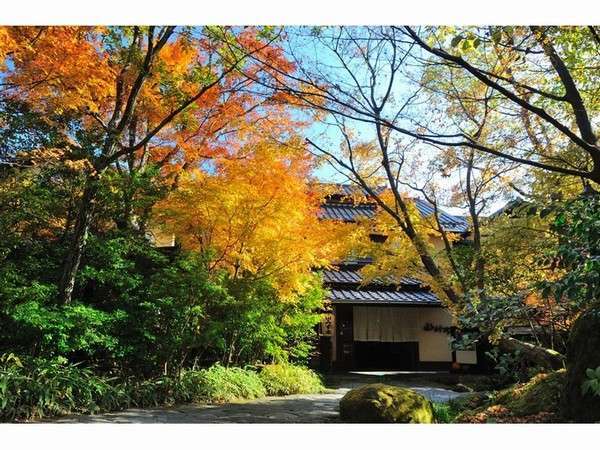 | ≈¥23,100부터≈ ₩200,0001인 1박2인 약 ¥46,200 | 9.6 리뷰 93건 | Agoda에서 예약하기 |
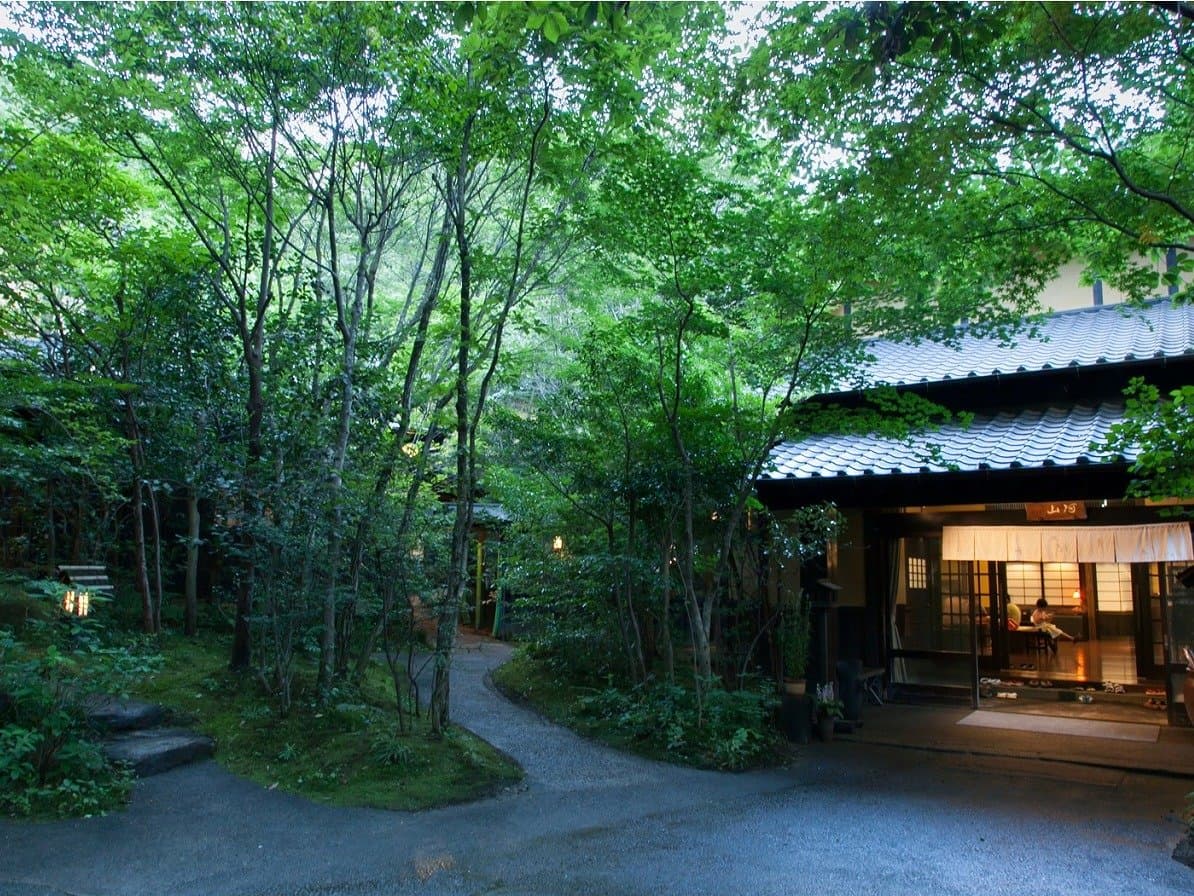 | ≈¥38,500부터≈ ₩333,0001인 1박2인 약 ¥77,000 | 9.6 리뷰 79건 | Agoda에서 예약하기 |
 | ≈¥30,800부터≈ ₩266,0001인 1박2인 약 ¥61,600 | 9.6 리뷰 56건 | Agoda에서 예약하기 |
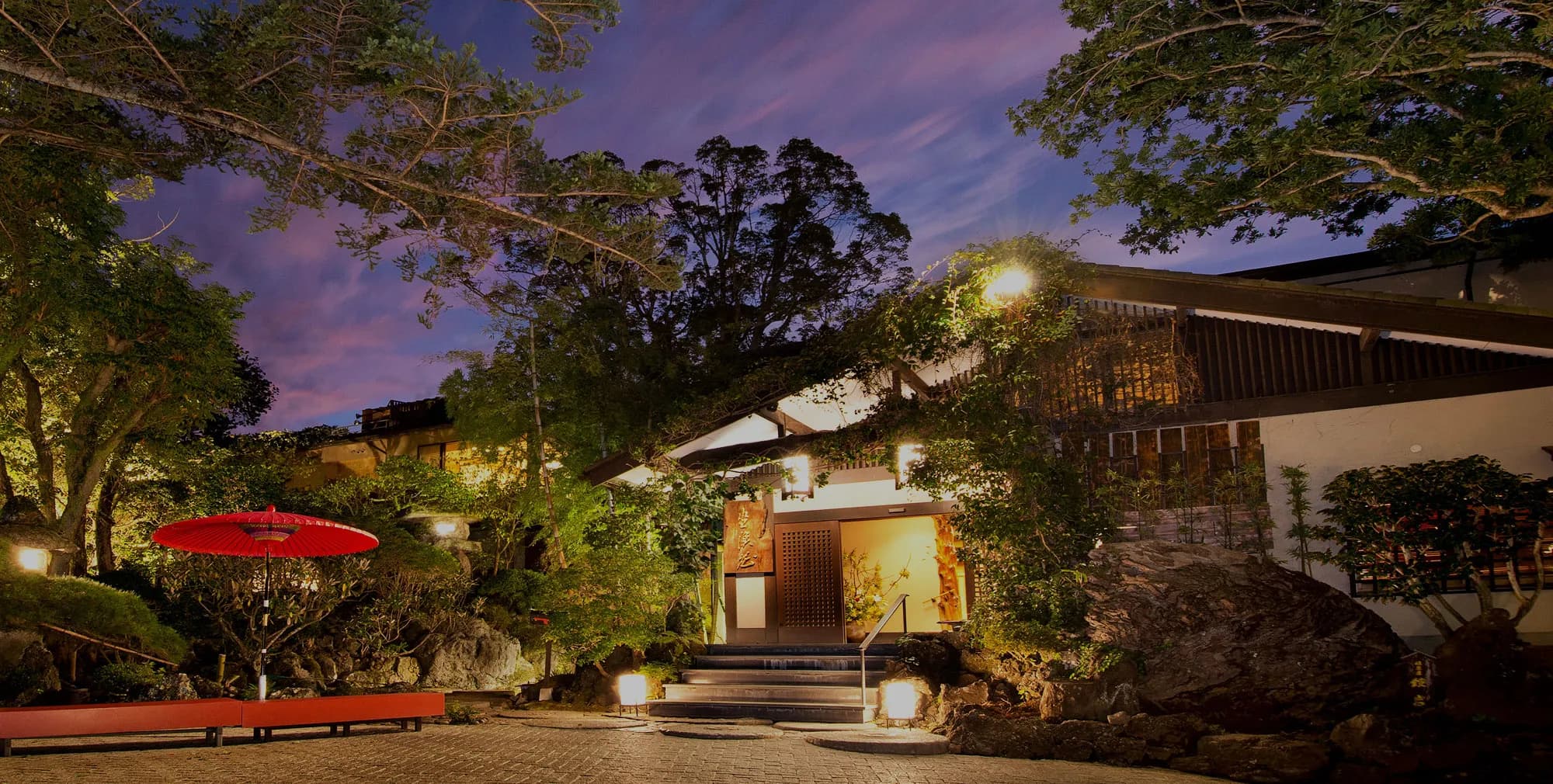 | ≈¥77,000부터≈ ₩665,0001인 1박2인 약 ¥154,000 | 9.6 리뷰 43건 | Booking.com에서 예약하기 |
 | ≈¥53,900부터≈ ₩466,0001인 1박2인 약 ¥107,800 | 9.6 리뷰 14건 | Trip.com에서 예약하기 |
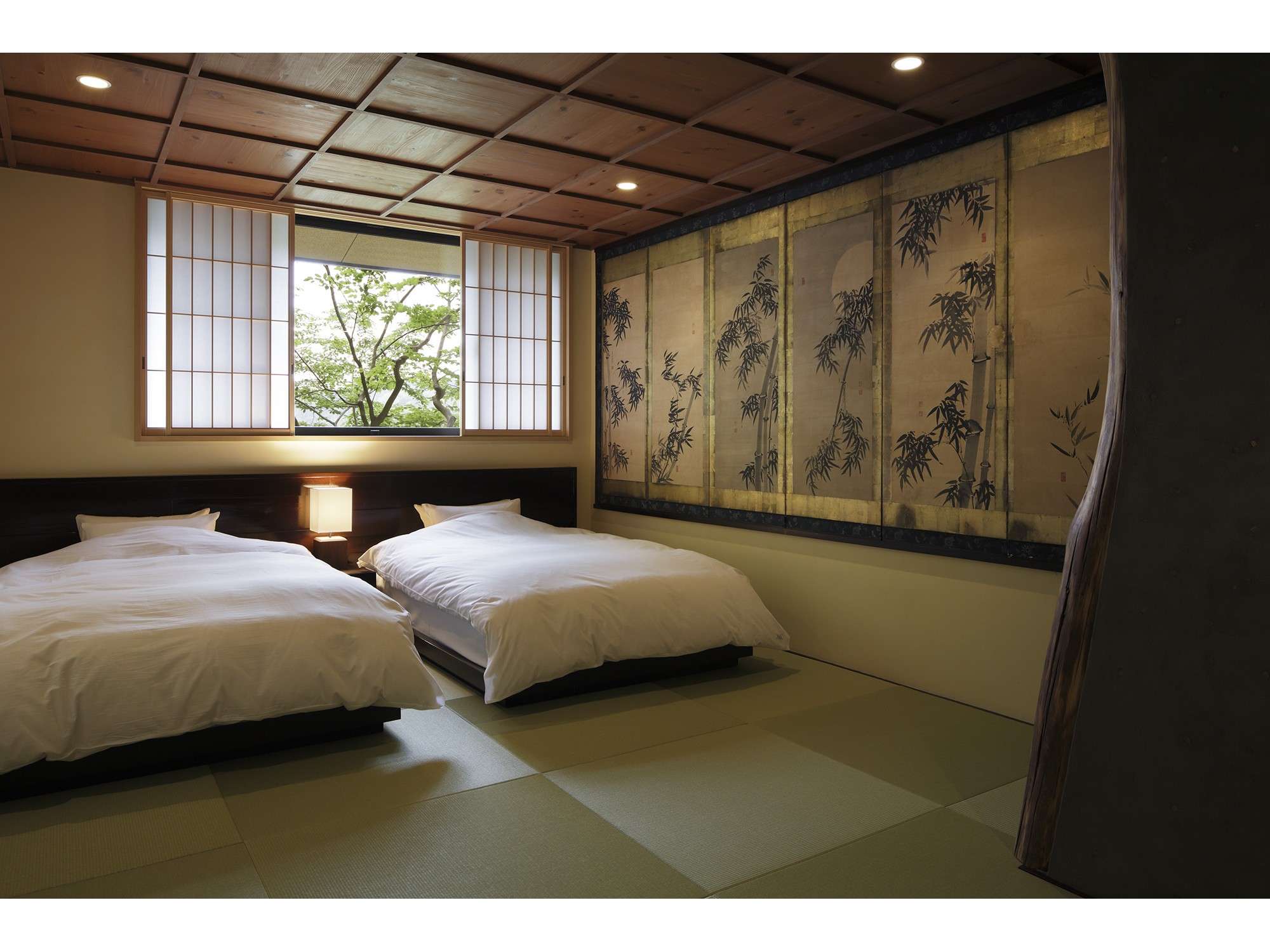 | ≈¥13,860부터≈ ₩120,0001인 1박2인 약 ¥27,720 | 9.6 리뷰 6건 | Agoda에서 예약하기 |
| ≈¥58,520부터≈ ₩506,0001인 1박2인 약 ¥117,040 | 9.6 리뷰 5건 | Trip.com에서 예약하기 | |
| ≈¥30,800부터≈ ₩266,0001인 1박2인 약 ¥61,600 | 9.5 리뷰 502건 | Agoda에서 예약하기 |
 | ≈¥38,500부터≈ ₩333,0001인 1박2인 약 ¥77,000 | 9.5 리뷰 162건 | Booking.com에서 예약하기 |
Kurokawa-So
Kurokawa
Unzen Kyushu Hotel
Unzen
Atami Sekitei
Atami
Yokikan
Izu
야마미즈키
Kurokawa
료칸 산가
Kurokawa
Hotel Yoshimatsu
Ibusuki
Saryo Soen
Akiu
Ryokan Motonago
Kyoto
Gunjo no Tsuki
Kanazawa
표시된 가격은 1인 1박 기준 시작가의 근사치입니다. 예약 시 당사이트가 수수료를 받을 수 있습니다.
예약 준비되셨나요?
에디터 추천 료칸, 바로 예약하세요
예약 사이트별 실시간 빈방·요금을 한 번에 비교하세요.
Hoshino Resorts KAI Kinugawa
星野リゾート 界 鬼怒川
Kinugawa Onsen·럭셔리
≈¥26,950부터≈ ₩233,000 · 1인·1박 기준2인 합계 약 ¥53,900부터




예약 링크를 통해 수수료가 발생할 수 있으나 추가 비용은 없습니다.
FAQ
자주 묻는 질문
일반 료칸에서도 쇼진 요리를 먹을 수 있나요, 아니면 사찰 숙박에서만 가능한가요?+
많은 상업 료칸, 특히 교토와 불교 사찰 지구 근처에서는 쇼진 요리를 표준 옵션으로 또는 사전 통보 시 요청으로 제공해요. 고야산 슈쿠보에서는 기본입니다. 이 지역들 밖의 표준 상업 료칸에서는 이용 가능성이 크게 떨어지며, 2주 이상 전의 명시적 서면 사전 통보가 필요합니다.
'베지테리언 카이세키'는 비건 카이세키와 같은 건가요?+
거의 그렇지 않아요. 일본에서 '베지테리언 카이세키'는 보통 락토오보를 뜻합니다: 달걀과 때로는 유제품이 들어가고, 다시에 여전히 가다랑어가 있을 수 있어요. '비건 카이세키'는 기본 육수의 완전한 재구성과 달걀·유제품·꿀을 포함한 모든 동물성 재료의 배제를 요구합니다. 항상 '엄격한 비건 — 달걀·유제품·꿀 없음, 모든 다시는 다시마와 표고버섯만'이라고 명시하세요.
료칸에 얼마나 미리 알려야 하나요?+
도착 최소 2주 전이지만, 카이세키 메뉴를 훨씬 미리 계획하는 고급 료칸 숙박이라면 한 달 전이 훨씬 좋아요. 고야산 슈쿠보에서는 보통 1~2주면 충분합니다. 가능하면 예약 시점에 료칸에 연락하세요.
료칸이 비건 식사를 '보장할 수 없다'고 하면 어떻게 하죠?+
다른 시설을 고르거나 고야산 슈쿠보에 예약하라는 신호예요. 서면 약속 없이 '최선을 다하겠습니다'로 얼버무리는 료칸은 제대로 된 별도 조리를 실행했을 가능성이 낮습니다. 대부분의 료칸 숙박 가격대라면 서면 확인을 받을 자격이 있어요. 구두 보장만 믿고 진행하지 마세요.
료칸의 미소된장국은 비건인가요?+
표준 료칸에서는 보통 아니에요. 다시 기반에 대개 니보시(말린 멸치)나 가쓰오부시(가다랑어)가 들어가기 때문입니다. 고야산 슈쿠보와 다시마·표고버섯 다시를 표준으로 쓰는 시설에서는 미소된장국이 비건일 거예요. 상업 료칸에서는 사전 예약 소통에서 명시적으로 확인해야 합니다.
비건 료칸 조식을 요청할 수 있나요?+
네, 사전 통보 시 가능해요. 표준 조식에는 생선구이, 다시 기반 미소된장국, 다마고야키(달걀말이), 자완무시(달걀 커스터드)가 포함됩니다. 비건 조식은 이것들을 추가 두부 요리, 제철 채소, 다시마 기반 국, 식물성 밥 요리로 대체해요. 저녁 수정과 같은 사전 이메일에서 함께 요청하세요.
일본에 비건 인증을 받은 료칸이 있나요?+
2026년 5월 현재, 공식 비건 인증을 보유한 상업 료칸은 없어요. 일부 고야산 슈쿠보와 교토의 전문 쇼진 요리 레스토랑이 스스로를 완전 식물성으로 홍보하지만, 이는 인증이 아니라 설명일 뿐입니다. 항상 해당 시설에서 당신의 특정 날짜에 대한 서면 확인을 받으세요.
온천이 비건 여행자와 관련이 있나요?+
대부분의 손님에게는 아니에요 — 천연 미네랄 온천수에는 동물성 재료가 없습니다. 다만 일부 고급 료칸은 특별 기능으로 우유탕(규뉴부로)이나 꿀을 넣은 입욕제를 제공해요. 목욕 제품 성분이 중요하다면 시설에 확인하세요. 표준 공용 노천탕과 실내 미네랄 탕은 거의 항상 동물 유래 첨가물이 없습니다.
아직 고민 중이신가요?
일본 전역의 료칸 보기Booking.com