일본 할랄 료칸 완벽 가이드: 무슬림 여행자를 위한 필독서 (2026)
Maarten Heerlien via Wikimedia Commons
guides|May 2026|18 min read

일본 할랄 료칸 완벽 가이드: 무슬림 여행자를 위한 필독서 (2026)

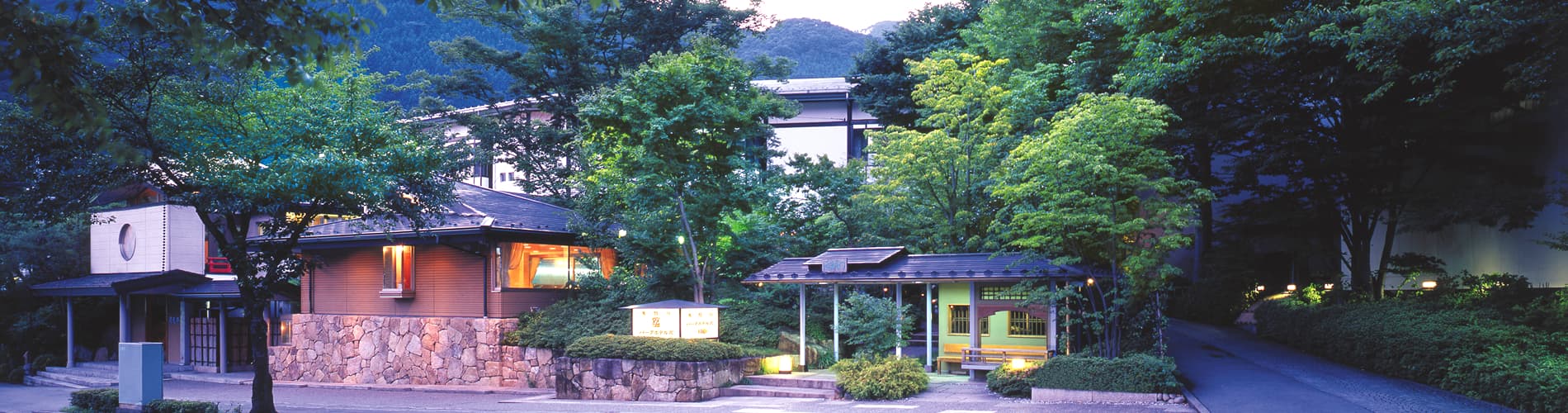
Stone lantern and courtyard garden of Toshiharu Ryokan illuminated at night
Maarten Heerlien via Wikimedia Commons, CC BY 2.0

*All properties verified as of May 2026. Halal certifications and menu offerings change — confirm directly before booking.*

Finding a halal ryokan in Japan is harder than it should be — not because the options don't exist, but because information scattered across forums contradicts itself. This guide cuts through that. It explains the certification framework, flags alcohol hidden inside standard Japanese cooking, and gives you 11 verified properties with prices, phone numbers, and a copy-paste booking email.

Japan ranked in the top five non-OIC countries in the Mastercard-CrescentRating Global Muslim Travel Index 2024, and a halal tourism market projected to reach USD 598.9 million in 2025 is growing fast. [verified Future Market Insights 2026-05-09] The country had over 150 mosques nationwide by 2025. [verified The News Agency 2026-05-09] The infrastructure is here — you just need to know what to ask for.

→ [Jump to verified property profiles](#top-11-halal-ryokans)

If this is your first ryokan stay, the [first-time ryokan guide](/blog/first-time-ryokan-guide) covers check-in etiquette, yukata dressing, and how kaiseki meals are structured.

Quick pick: best halal ryokans by traveler type

Not everyone needs to read the whole guide first. Use this table if you know what you're looking for.

| Traveler Type | Best Pick | Why | |---|---|---| | Editor's Pick: Best Overall | YUZANSO (Shiga) | Halal-certified since 2014, private Lake Biwa onsen, most affordable certified option | | Best for Halal Wagyu | AYUNOSATO (Kumamoto) | Only certified halal wagyu on this list, Michelin-selected | | Best for Families | Otaru Kourakuen (Hokkaido) | 28 rooms with private onsen built in, no reservation hassle | | Best Prayer Infrastructure | Kinugawa Park Hotels (Nikko) | Purpose-built ablution room, multiple onsen styles | | Best Kyoto Base | Risshisha Machiya (Kyoto) | CrescentRating-rated, prayer mat in every room as standard | | Best Free Private Bath | Spa Village KAMAYA (Nikko) | Family kashikiri included at no charge | | Best Luxury Setting | Yachiyo (Kyoto) | Nanzenji temple district, vegetarian kaiseki — source meals externally |

Halal-certified vs. Muslim-friendly ryokan: why the difference matters

This is the single most important distinction in this guide.

Halal-certified means a recognized certification body — Japan Halal Association (JHA), Muslim Professional Japan Association (MPJA), or Japan Halal Unit Association (JHUA), all recognized by Malaysia's JAKIM, Singapore's MUIS, Indonesia's BPJPH, and the Gulf States Approval Agency — has inspected the kitchen, verified the ingredient supply chain, and issued a certificate with a number you can look up. When you eat at a halal-certified ryokan, you are not guessing. The kitchen staff have been trained, cooking sake has been removed, mirin has been replaced with a certified substitute, and cross-contamination with non-halal preparation has been addressed systematically.

Muslim-friendly means something different: the property has made a good-faith effort to accommodate Muslim guests, typically by removing pork dishes and alcohol beverages from the menu. The kitchen itself is not certified. Cross-contamination is possible. Whether mirin — the sweet rice wine used as a base ingredient in most Japanese sauces — has been removed depends entirely on that particular kitchen's preparation. This is acceptable for many travelers, but it is not the same standard as certification.

A third informal tier exists in the luxury segment: properties offering vegetarian kaiseki on request. These contain no pork and no obvious alcohol, but they are not Muslim-friendly in any formal sense. The vegetarian category can overlap with halal dietary needs, but it is not a reliable substitute for anyone who observes halal strictly. These properties are included under Tier 3 with explicit caveats.

Tip

**Tip:** Always ask for the certificate number or certification body name when a ryokan claims halal status. Legitimate certified properties will share this information readily. If a property says "we are halal" but can't name the certifying body, treat it as Muslim-friendly at best.

The hidden alcohol problem in halal ryokan kaiseki meals

What the forum threads don't tell you matters more than most travelers realize.

Standard Japanese kaiseki cooking uses mirin — a sweet fermented rice wine — as a foundational ingredient in glazes, simmered dishes, teriyaki preparations, and dipping sauces. Hon-mirin (genuine mirin) contains 10–14% alcohol. [verified Muhammadiyah official fatwa 2026-05-09] It is not a seasoning applied lightly at the table; it is cooked into dishes from the start. Even a simple piece of grilled fish may be brushed with a mirin-based tare before it reaches you.

Cooking sake presents the same issue. It's added to broths and marinades primarily to suppress fishy odors — so it appears in fish and seafood dishes, which form the backbone of most kaiseki courses. A ryokan that says "we remove pork and alcohol from the menu" may mean they've removed the beer list and the pork belly, while the sea bream is still cooked with a sake-based marinade.

Regular soy sauce (shoyu) also contains 1.5–3% alcohol from fermentation. Indonesia's MUI considers it halal because its purpose is not as an intoxicant, but interpretations vary — at a Muslim-friendly kitchen, confirm which soy sauce is in use. [verified HalalMUI 2026-05-09]

Then there's dashi, the foundational stock. Seaweed-based (kombu) dashi is halal. Shiitake mushroom dashi is halal. But the most common dashi in Japanese cooking combines kombu with katsuobushi (bonito flakes) — a fish product that is generally permissible — but prepared in the same kitchen where alcohol-based sauces are in use, raising cross-contamination concerns.

"Mirin-style condiment" (shin-mirin) is often used as a lower-alcohol substitute, but it still contains up to 1% alcohol and appears in many kitchens that consider themselves Muslim-accommodating.

At a halal-certified kitchen, all these ingredients have been replaced and the substitution has been verified. At a Muslim-friendly kitchen, ask specifically about each one.

Tip

**What to Ask:** "Does your kitchen use mirin, cooking sake, or alcohol-based sauces?" If the answer is "we remove pork and alcohol beverages from the menu" — that is not a mirin-free kitchen. Follow up specifically: *「みりんやお酒は料理に入っていますか?」 (Mirin ya osake wa ryōri ni haitte imasu ka?)* — "Is mirin or sake used in the cooking?"

Halal onsen Japan: using private baths (kashikiri-buro) as a Muslim traveler

The word that solves the onsen question for Muslim travelers is kashikiri-buro (貸切風呂) — a fully private reserved bath.

Unlike public onsen, where guests bathe communally without clothing, a kashikiri-buro is reserved exclusively for your party for a set window of time, typically 40 to 90 minutes. [verified Japan Switch Ultimate Guide to Private Onsen 2026-05-09] The space is fully enclosed. No other guests enter. There is no staff present during the session. Female guests can wear modest swimwear or a towel wrap, and no one will see or comment. This is the standard solution used by Muslim families at Japanese ryokans, and it works well.

Sessions are often complimentary for in-house guests or carry a small surcharge of ¥1,000–¥3,000. At Spa Village KAMAYA in Nikko, the family kashikiri bath is included at no additional charge for all guests. At Otaru Kourakuen in Hokkaido, 28 of the 34 rooms have private open-air hot spring baths attached directly — no reservation process required, full privacy built into the room design.

En-suite rotenburo (outdoor baths attached directly to your room) are the premium option: you have a private outdoor onsen accessible only from your room, at any time. This configuration is available at YUZANSO in Shiga and at AYUNOSATO in Kumamoto, both halal-certified properties.

One practical note: kashikiri slots at popular ryokans fill quickly, particularly on weekends and during cherry blossom season (late March to mid-April). Book at least 2–3 months ahead during peak periods — the bath slot is as important to reserve as the room itself.

Empty private outdoor onsen bath surrounded by bamboo screen and stone basin at Yufuin
Wikimedia Commons, CC BY 3.0

Tip

**Booking Tip:** When emailing ahead, specify both your halal meal requirement and your bath preference in the same message. Write: "We would like to reserve a private onsen session (kashikiri-buro). Could you confirm availability and any additional cost?" Not all ryokans have private baths — this is a filter criterion to apply before booking, not something to arrange on arrival.

For a wider selection of properties with guaranteed private bath access, see our guide to [private onsen ryokans in Japan](/blog/ryokan-private-onsen).

Prayer facilities at Japanese ryokans: what to expect

Dedicated prayer rooms are uncommon but no longer exceptional. Both YUZANSO (Shiga) and Kinugawa Park Hotels (Nikko) have purpose-built prayer rooms with ablution facilities. Spa Village KAMAYA has a prayer room. Risshisha Machiya Hotels in Kyoto provides prayer mat, qibla mark, qibla compass, and prayer clothing in every single room — you don't need to ask.

Most Muslim-friendly properties stop at the prayer mat and a qibla direction note. Bathroom sinks work well for wudu. Some properties with dedicated prayer rooms have low taps specifically for ablution — ask at check-in whether a qibla direction card is available. The standard phrase: *「メッカの方角を教えてください。」 (Mekka no hōgaku o oshiete kudasai.)* — "Please tell me the direction of Mecca."

From anywhere in Japan, the qibla direction is northwest. Tokyo faces approximately 293°; Kyoto approximately 292°; Osaka approximately 293°. A phone app like Muslim Pro or Athan handles this reliably. Bring a backup compass if you're staying in remote mountain onsen towns, which frequently have limited connectivity.

Pack these regardless of property tier: a compact travel prayer mat, a downloaded qibla app with offline function, and modest swimwear for private onsen use.

Top 11 halal and Muslim-friendly ryokans in Japan (2026)

Color-coded regions map of Japan showing Hokkaido, Tohoku, Kanto, Kansai, and Kyushu
Peter Fitzgerald via Wikimedia Commons, CC BY-SA 3.0

The 11 properties below are organized into three tiers based on halal status. Read the tier explanation before choosing based on price or location alone.

| Property | Region | Halal Status | Private Onsen | Est. Price/Person | |---|---|---|---|---| | YUZANSO | Shiga | Certified | In-room | ¥7,150 (meal) | | AYUNOSATO | Kumamoto | Certified | In-room | ¥16,000+ | | Otaru Kourakuen | Hokkaido | Muslim-friendly | 28 rooms | ¥7,000+ | | Bentenkaku | Miyagi | Muslim-friendly | Private baths | ¥1,000 day-use | | Kinugawa Park Hotels | Tochigi | Muslim-friendly | Yes | ¥864 day-use onsen | | Spa Village KAMAYA | Tochigi | Muslim-friendly | Free kashikiri | Check Trip.com | | Risshisha Machiya | Kyoto | CrescentRating | No onsen | Check Trip.com | | Hotel ROAN | Ishikawa | Muslim-friendly | Free 50 min | Check Trip.com | | Yachiyo | Kyoto | Vegetarian only | Semi-private | ¥132,000+/night | | Hozugawatei | Kyoto area | Request-based | Unconfirmed | ¥56,600+/night | | Fufu Kyoto | Kyoto | Vegetarian only | Onsen on-site | ¥91,300+/night |

1. Satoyu Mukashibanashi YUZANSO — Shiga (halal-certified) ⭐ Editor's Pick: Best Value Certified

YUZANSO has held its halal certification since May 2014 — one of the longest-running certified ryokans in Japan, a meaningful trust signal when so many properties make recent or unverifiable claims. The kitchen operates with separated halal kitchenware and storage, priority-sourced halal ingredients, and a Muslim staff member assigned to assist at halal dinners.

The in-room baths overlook Lake Biwa, Japan's largest freshwater lake. Travelers who have stayed here consistently note that the halal kaiseki at YUZANSO feels indistinguishable from a standard multi-course ryokan dinner — the lacquerware, the pacing, and the seasonal presentation remain unchanged. The kitchen substitutes mirin with halal-compliant alternatives without compromising presentation. The halal dinner course runs approximately ¥7,150 per person [verified Food Diversity Today 2026-05-09], making this the most budget-accessible halal-certified option on this list. A dedicated prayer room with ablution facilities is on-site.

One transparency note: YUZANSO's English-language pages do not name the specific certifying body. Confirm the current certifier directly when booking — call 077-578-1144 and ask for the certificate details. YUZANSO's staff are accustomed to the question.

Pros: Halal certification since 2014, in-room rotenburo, prayer room on-site, most affordable certified option, close to Kyoto. Cons: Certifying body not named on English pages; smaller property means limited weekend availability.

Tip

**Scarcity note:** YUZANSO is a smaller property, and halal dinner preparation requires advance kitchen staffing. Weekends and Golden Week (late April to early May) fill fast — book 6–8 weeks ahead.

Best for: Budget-conscious travelers who need full certification without compromise, and anyone routing through Kyoto.

2. Hitoyoshi Ryokan AYUNOSATO — Kumamoto (halal-certified, Michelin-selected) ⭐ Editor's Pick: Best Halal Dining

AYUNOSATO is the only halal-certified accommodation in Kumamoto Prefecture and the only property on this list serving certified halal wagyu beef. It obtained halal certification in 2019 and sources its wagyu through Zenkaimeat, one of the few halal-certified beef processors in Japan. The standard halal meal course runs ¥16,000 + tax per person for one night with two meals; the wagyu upgrade adds ¥7,000 + tax per person. Verify current pricing directly before booking at info@ayunosato.jp or 0966-22-2171, as rates change seasonally. [verified Food Diversity Today 2026-05-09]

Multi-course Japanese kaiseki dinner spread with lacquerware bowls and hot pot at ryokan
Jpatokal via Wikimedia Commons, CC BY-SA 4.0

No other halal ryokan in Japan combines Michelin recognition (selected in 2018) with a certified halal kitchen. Every room has a private in-room hot spring, and for guests who want to use the public bath, the property provides special bathing garments. Hitoyoshi is approximately 2.5 hours from Fukuoka by train — pair it with Kagoshima or a Kyushu road trip rather than treating it as a standalone destination from Tokyo.

Pros: Only certified halal wagyu on this list, Michelin-selected, private in-room onsen in every room, bathing garments provided for public baths. Cons: Remote location (2.5 hrs from Fukuoka); 3 days' advance notice required; halal dinner limited to a handful of tables per evening.

Tip

**Scarcity note:** AYUNOSATO requires 3 days' advance notice for halal meals. Only a handful of tables per evening are set for halal service — contact as soon as your travel dates are fixed.

Best for: Travelers who want a high-end kaiseki experience with certified halal wagyu, and anyone building a Kyushu itinerary.

3. Otaru Kourakuen — Hokkaido (Muslim-friendly, 28 private onsen rooms) ⭐ Editor's Pick: Best for Families

Otaru Kourakuen is the standout option for Hokkaido, and its scale of private onsen access is unmatched on this list. Of its 34 guest rooms, 28 have private open-air hot spring baths attached directly — no reservation queue, no time limits, full privacy from the moment you check in. The property runs a dedicated halal kitchen using separate cookware, tableware, and preparation surfaces, with no alcohol used even for kitchen disinfection. Halal meal plans start from ¥7,000 + tax per person, with a Halal Shabu Shabu hot pot option and multi-course plans up to ¥10,000 + tax. [verified Otaru Kourakuen official site 2026-05-09]

Prayer rugs are provided in guest rooms, and the property includes a map of local mosques and halal restaurants in Otaru. The one caveat: no named certification body is listed on their English pages — the property is Muslim-friendly with halal-sourced meats, not a certified facility. Three days' advance booking is required for the halal meal service. For more options in the region, see our [best ryokans in Hokkaido](/en/ryokans/hokkaido) guide.

Pros: 28 rooms with private open-air onsen, dedicated halal kitchen, prayer rugs provided, halal meal plans from ¥7,000. Cons: No named certification body; 3 days' advance booking required; limited halal dining outside the ryokan in Otaru itself.

Best for: Families and groups who prioritize private onsen access; anyone combining a ryokan stay with Hokkaido's ski season or summer hiking.

4. Naruko Onsen Bentenkaku — Miyagi (Muslim-friendly, English spoken)

Bentenkaku is the most accessible Muslim-friendly ryokan in the Tohoku region. What sets it apart is the English fluency of the owner, Takenobu Kikuchi, who developed the halal program independently. "Halal food does not imply that it is only for the consumption of Muslims; everyone can enjoy halal food," Kikuchi told Visit Miyagi — a pragmatic attitude that shows in how straightforwardly the property handles special requests.

Private baths with bamboo enclosures are available, and both English and Chinese are spoken on-site. Day trips are an option: ¥1,000 includes access to a private open-air bath even without an overnight stay. [verified Visit Miyagi official tourism site 2026-05-09] One significant planning note: Bentenkaku requires 10 days' advance notice for halal meals — the longest requirement on this list. Book well ahead, not the week before departure. Phone: 0229-83-2461.

Pros: English and Chinese spoken, private bamboo-enclosure baths, day-use option from ¥1,000. Cons: 10 days' advance notice required for halal meals; no formal certification; limited halal infrastructure in surrounding Naruko Onsen town.

Best for: Travelers who want English support, who are comfortable with Muslim-friendly (non-certified) status, or who want a less-toured Tohoku onsen town.

5. Kinugawa Park Hotels — Nikko, Tochigi (Muslim-friendly, dedicated prayer room)

Kinugawa Park Hotels sits in Kinugawa Onsen, about two hours from Tokyo, and is the more infrastructure-complete of the two Nikko options for Muslim travelers. The property has a dedicated prayer room (small mosque) with purpose-built ablution facilities available at any time — not just a prayer mat in the room, an actual space. The halal-labeled ingredient menu uses separated kitchen preparation with specialized cookware and tableware. [verified Food Diversity Today 2026-05-09]

The onsen selection is extensive — cypress, Edo-inspired, wooden boat barrel, rocky, and open-air formats — and private baths are available for Muslim guests. Day-use onsen access runs ¥864 for non-guests. The proximity to Nikko's UNESCO World Heritage shrines makes this a natural base for two to three days. Advance notice is required for halal meal preparation; contact directly at 0288-77-1289 to confirm timing. For a full itinerary built around Nikko, see our [best ryokans near Nikko](/en/ryokans/nikko) guide.

Pros: Dedicated prayer room with ablution facilities, five distinct onsen formats, strong proximity to Nikko UNESCO shrines, two hours from Tokyo. Cons: No formal halal certification; advance notice required; advance notice window not published — call to confirm.

Best for: Middle Eastern travelers who prioritize formal prayer infrastructure, and anyone using Tokyo as a base and adding a Nikko excursion.

6. Spa Village KAMAYA — Nikko, Tochigi (Muslim-friendly, free private bath)

KAMAYA sits further into Oku Nikko at Yumoto Onsen, a quieter location than Kinugawa with milky-white sulfur thermal water. Step into the kashikiri bath here and the opacity stops you — the water is the color of diluted milk, and the sulfur note hangs faintly in the cold mountain air outside, a distinctly alpine contrast to the warmth of the rock surround. The halal menu uses local ingredients — yuba (bean curd skin), fresh fish, mountain vegetables, mushrooms — with separate kitchenware and storage. A prayer room is available.

The standout operational detail: the family kashikiri bath is included for all guests at no additional charge, with no advance reservation required. [verified Food Diversity Today 2026-05-09] Couples in particular tend to find KAMAYA more intimate than the larger Kinugawa Park Hotels. Rates vary by season and room type — check Trip.com or Booking.com for current pricing before booking.

Pros: Family kashikiri bath free and unreserved, halal menu with local ingredients, quieter mountain setting than Kinugawa. Cons: No formal certification; advance notice required for halal meals; limited English support confirmed.

Best for: Couples wanting a boutique feel and guaranteed private bath with no surcharge.

7. Risshisha Machiya Hotels — Kyoto (CrescentRating-rated, Muslim-friendly)

Risshisha operates a collection of traditional Kyoto machiya townhouses — long narrow buildings with internal courtyard gardens — rather than a single ryokan property. The Muslim travel credentials are among the strongest in Kyoto. Every room has a prayer mat, qibla mark, qibla compass, and prayer clothing as standard. Ablution-capable hot water taps are in all bathrooms. [verified Risshisha official halal page 2026-05-09]

The property holds a [CrescentRating](https://www.crescentrating.com) rating — the leading global Muslim travel certification recognized across Southeast Asia and the Middle East — and its halal menu is approved by the Japan Islamic Trust, including halal wagyu sukiyaki sourced from a certified slaughterhouse. Rates vary by property and season; check Trip.com or contact the property directly for current pricing. One honest note: Risshisha is a machiya hotel, not a traditional ryokan with on-site onsen. If you need both a Kyoto base and on-site private onsen access, compare against [Kyoto ryokans with private onsen](/en/ryokans/kyoto) for alternatives. Contact: info-rss@risshisha-group.com or +81-75-468-1417.

Pros: CrescentRating-rated, Japan Islamic Trust-approved menu, prayer kit in every room as standard, central Kyoto locations. Cons: No on-site onsen; machiya townhouse format differs from traditional ryokan; room rates not listed publicly.

Best for: Travelers who value globally recognized Muslim travel ratings, a Kyoto townhouse aesthetic, and a property where Muslim travel needs are built into the room design from the start.

8. Ichirino Kogen Hotel ROAN — Ishikawa (Muslim-friendly, Hakusan region)

ROAN sits in the mountains of Hakusan City, Ishikawa Prefecture, about an hour from Kanazawa by car — a natural stop for anyone traveling the Hokuriku Shinkansen route between Tokyo and Kyoto. The property uses halal-certified seasonings in an alcohol-free, pork-free kitchen, and has a dedicated Islamic prayer space with ablution area.

Two private onsen — an indoor Hinoki (cypress wood) bath and an outdoor rock bath — are exclusively reservable for Muslim guests at no charge for 50-minute sessions. [verified Japan Muslim Guide 2026-05-09] Rates vary by season and room type — check Booking.com or Trip.com for current pricing before booking. The one-week advance notice requirement is firm; this is not a property where halal meals can be arranged on short notice. The location also provides easy access to Shirakawa-go, the UNESCO World Heritage village of traditional Japanese farmhouses.

Pros: Two dedicated private onsen at no charge, prayer space with ablution area, Shirakawa-go day trip viable, Hokuriku Shinkansen route makes it practical. Cons: 1 week advance notice required; limited English support; remote mountain location means no halal dining outside the property.

Best for: Itinerary flexibility travelers doing the Tokyo–Kanazawa–Kyoto route, and those who want mountain scenery alongside onsen access.

9. Kyoto Nanzenji Garden Ryokan Yachiyo — Kyoto (luxury, vegetarian kaiseki)

Raked gravel and stone garden at Nanzen-ji temple in Kyoto with white walls and tiled roofs
Jakub Halun via Wikimedia Commons, CC BY 4.0

Be clear-eyed about what Yachiyo offers and doesn't. The property is set in the Nanzenji temple district, one of Kyoto's most architecturally significant neighborhoods. The low wooden corridors, stone garden, and tatami rooms with garden views represent a historically significant ryokan aesthetic going back generations. Vegetarian kaiseki is available on advance request.

The trade-off is absolute: no halal kitchen, no certification body to verify, and no private bath in all room categories — this is a setting purchase, not a halal infrastructure purchase. Strictly observant travelers should arrange meals externally and use Yachiyo as accommodation only. The semi-outdoor private baths attached to room patios provide modesty for bathing, and tatami rooms work naturally as prayer spaces. Given proximity to [Kyoto's halal restaurant scene](/en/ryokans/kyoto), sourcing external halal meals for every sitting is feasible. The nightly rate starts at approximately ¥132,000 (~USD 880). [verified Halalzilla 2026-05-09]

Pros: Architecturally exceptional Nanzenji setting, semi-private patio baths, tatami rooms suitable for prayer, near Kyoto halal restaurants. Cons: No halal kitchen, no certification, not all rooms include private bath — strictly observant travelers must source all meals externally.

Best for: Luxury travelers whose primary priority is historic setting and architectural significance, who plan to source halal meals from nearby Kyoto restaurants.

10. Syoenso Hozugawatei — Kameoka, Kyoto (luxury, no-pork no-alcohol on request)

Hozugawatei sits on the Hozu River in Kameoka, west of Kyoto city, in a secluded riverside setting that sits noticeably removed from the city's tourist density. No-pork, no-alcohol meals are available on advance request, and vegetarian options are offered — but there is no formal certification and the kitchen has not been verified against a halal standard. The one limitation is that onsen access has not been independently confirmed in available sources; guests should verify bath options directly when booking.

What differentiates Hozugawatei from Yachiyo is scale and seclusion. The wooden verandas hang over the river — in autumn, foliage closes in on three sides and the water does the rest of the interior design work. Put it plainly: you sit at the low table, the sliding door frames the gorge, and nothing else competes for your attention. The large tatami rooms accommodate prayer space without difficulty. Nightly rates start at approximately ¥56,600 (~USD 380). [verified Halalzilla 2026-05-09] The property pairs naturally with a Hozu River boat excursion, which runs the gorge between Kameoka and Arashiyama — one of Kansai's more underrated half-day experiences.

Pros: Seclusion from Kyoto crowds, riverside tatami rooms suited to prayer, pairs well with Hozu River boat trip. Cons: No halal certification; onsen access unconfirmed — verify directly before booking; limited halal dining outside the property.

Best for: Luxury travelers wanting seclusion from Kyoto's crowds, who are comfortable with request-based dietary accommodation and understand its limitations.

11. Fufu Kyoto — Kyoto (luxury, near Kyoto Mosque)

Fufu Kyoto's most useful quality for Muslim travelers is geographic: the property sits near the Kyoto Islamic Cultural Center (Kyoto Mosque), which means Friday prayer and halal grocers are accessible on foot or a short taxi ride. The onsen is on-site, with natural hot spring access. Vegetarian meals can be arranged on request. Like Yachiyo and Hozugawatei, there is no halal certification — strictly observant travelers should plan meals externally.

Nightly rates start at approximately ¥91,300 (~USD 610). [verified Halalzilla 2026-05-09] Private bath arrangements are not confirmed in available sources — email the property before booking to verify kashikiri-buro availability. This is the right choice for a traveler who wants to attend Friday prayer at Kyoto Mosque and spend the rest of the weekend in a high-end ryokan setting.

Pros: Walking distance to Kyoto Mosque, on-site hot spring onsen, high-end setting. Cons: No halal certification; private bath availability unconfirmed; meals must be sourced externally for strictly observant travelers.

Best for: Luxury travelers attending Friday prayer at Kyoto Mosque who want a high-end property as a base.

How to book a halal ryokan in Japan: advance notice, platforms, and what to say

Booking a halal ryokan in Japan requires two separate actions: reserving the room and communicating your halal requirements directly. The booking platform alone is not sufficient.

Advance notice requirements by property: - Otaru Kourakuen: 3 days minimum - AYUNOSATO: 3 days minimum - YUZANSO: advance phone reservation required (call 077-578-1144) - Ichirino Kogen Hotel ROAN: 1 week minimum - Naruko Onsen Bentenkaku: 10 days minimum — plan this one first

For halal-certified properties (YUZANSO, AYUNOSATO), the certification is pre-existing — you are confirming they can accommodate your party on your specific dates, not asking them to create a halal meal from scratch. For Muslim-friendly properties, the preparation is more bespoke, which is why lead times are longer.

Platform guidance: Trip.com covers 217 of the 224 ryokans indexed on this site and has a special request field at checkout. Use it, but do not stop there — send a direct email or call to confirm. Many smaller ryokans in onsen towns do not have staff monitoring OTA special request fields in real time. Direct booking via the ryokan website allows more detailed requests in free text, and some properties (Risshisha, AYUNOSATO) prefer email contact for halal arrangements.

After sending your email, if there's no reply within 48 hours, follow up by phone. To open a call in Japanese: *「ハラールのご予約について確認したいのですが。」 (Harāru no goyoyaku ni tsuite kakunin shitai no desu ga.)* — "I would like to confirm my halal reservation."

Tip

**Copy-Paste Email Template:** Subject: Halal Meal Request — [Your Name], [Check-in Date] Dear [Ryokan Name] Team, We are a party of [number] Muslim travelers checking in on [date] and checking out on [date]. We follow a halal diet and would like to confirm the following: 1. Can your kitchen provide halal-certified meals, or meals that are strictly free from pork, alcohol, mirin, and cooking sake? 2. Is mirin or cooking sake used in any of the dishes? 3. What is your dashi stock made from? 4. Can we reserve a private onsen (kashikiri-buro) for our group? Please advise on cost and availability. 5. Is a prayer mat and qibla direction available in the room? Please let us know your advance preparation requirements. We are happy to confirm our dietary needs in writing before arrival. Thank you very much.

Useful Japanese phrases for Muslim travelers

Show these on your phone screen at check-in — Japanese script is more reliably understood by staff than romanized English. Screenshot this section before you leave home and save it offline.

| Japanese | Romaji | English | |---|---|---| | ハラールの食べ物はありますか? | Harāru no tabemono wa arimasu ka? | Do you have halal food? | | 豚肉は使っていますか? | Butaniku wa tsukatte imasu ka? | Does this contain pork? | | アルコールを使わずに調理できますか? | Arukōru o tsukawazu ni chōri dekimasu ka? | Can you cook without alcohol? | | みりんやお酒は料理に入っていますか? | Mirin ya osake wa ryōri ni haitte imasu ka? | Is mirin or sake used in the cooking? | | だしに何を使っていますか? | Dashi ni nani o tsukatte imasu ka? | What do you use for the dashi stock? | | 礼拝室はありますか? | Reihaishitsu wa arimasu ka? | Is there a prayer room? | | お祈りをする場所はありますか? | Oinori o suru basho wa arimasu ka? | Is there a place where I can pray? | | メッカの方角を教えてください。 | Mekka no hōgaku o oshiete kudasai. | Please tell me the direction of Mecca. | | 貸切風呂を予約したいです。 | Kashikiri buro o yoyaku shitai desu. | I would like to reserve a private bath. | | ハラール食を事前に予約したいのですが。 | Harāru shoku o jizen ni yoyaku shitai no desu ga. | I would like to pre-order a halal meal. |

Tip

**Pro Tip:** Japanese ryokan staff may not recognize romanized Japanese words spoken aloud. Showing the kanji column on your phone screen is the most reliable method. If you're arriving at night when English-speaking staff may not be on duty, have the phrase table ready at check-in.

Before you need these phrases, confirm your property has availability.

Staying at a halal ryokan in Japan during Ramadan

Suhoor is the first problem. Standard ryokan breakfasts run from 7am to 9am — well after Fajr. At most properties, there is no pre-dawn kitchen service by default. The workaround: the evening before, tell staff you need food prepared for an early morning meal. Most cooperative ryokans will provide a cold bento box or onigiri left outside your door. If you're at a certified halal property (YUZANSO or AYUNOSATO), note this in your booking email so they can plan ahead.

Iftar timing actually aligns well with ryokan dinner service. The standard kaiseki dinner at most ryokans is served between 5:30pm and 7pm — the earlier end of that range aligns with iftar timing during winter months, and even summer iftars in Japan (around 7pm in July) fall within or just after the service window. Ask the ryokan to serve dinner at the latest available slot if needed.

During Ramadan, Fajr in Tokyo can be as early as 3:15am in summer. Bring a dedicated prayer time app (Athan or Muslim Pro) set to your exact location rather than relying on generic prayer time tables. Ryokans are quiet between 10pm and 7am by convention, which suits the Ramadan schedule — tarawih in your room after dinner is undisturbed.

Tip

**Suhoor Request Phrase:** Tell staff the evening before: *「明日の朝、早い時間に食べ物をお願いできますか?」 (Ashita no asa, hayai jikan ni tabemono wo onegai dekimasu ka?)* — "Could you prepare food for an early morning meal tomorrow?" Most cooperative ryokans will leave a cold bento or onigiri set outside your room before dawn. Pack halal snack bars as a backup in case the request doesn't land.

What to pack for a halal-friendly ryokan stay

A few items make the difference between a smooth stay and a frustrating one at any tier of property. Pack these regardless of where you're staying:

- Compact travel prayer mat — Muslim-friendly properties increasingly provide one, but certified halal properties are the only ones guaranteed to have it - Qibla compass or downloaded qibla app with offline mode — mountain onsen towns frequently have weak signal - Modest swimwear or burkini for private onsen use — ryokans do not provide these, and there is no rental option - Printed or screenshot copies of the Japanese phrase table above — saved offline on your phone, not relying on internet access - Halal snack reserves — particularly useful if your ryokan serves only halal dinner (not lunch), or for suhoor backup during Ramadan - Halal snacks sourced from Tokyo, Osaka, or Kyoto before travel — onsen towns outside major cities have almost no halal shopping infrastructure - List of your certification body names (JHA, MPJA, JHUA) to verify any new certification claims at check-in

If you're staying at a machiya-style property like Risshisha with no on-site onsen, a small towel or furoshiki cloth serves as a practical bag for carrying bathing supplies to a nearby public facility.

Nearby halal restaurants for your Japan ryokan stay

Most Muslim-friendly ryokans serve halal only at dinner, which leaves breakfast and lunch to source externally. Plan your regional food strategy before arrival.

Japan regions map showing Hokkaido, Tohoku, Kanto, Kansai, Chubu, and Kyushu in distinct colors
Peter Fitzgerald via Wikimedia Commons, CC BY-SA 3.0

Kyoto and Kansai: The densest halal infrastructure outside Tokyo. Halal Wagyu Kaiseki RIN in Gion, halal grocers near Kyoto Mosque (in the Sakyo district), and a cluster of Muslim-friendly restaurants in the Fushimi and Gion areas. If staying at Risshisha, Fufu Kyoto, or any of the Kyoto Tier 3 properties, lunch sourcing is not a problem.

Tokyo (Nikko gateway): Stock up before heading to Nikko. Tokyo's halal restaurant network in Shinjuku, Asakusa, and Akihabara is extensive — take what you need for two or three days, because Kinugawa Onsen town itself has limited options beyond the ryokan.

Hokkaido (Otaru/Sapporo): Sapporo has a growing halal scene; Otaru itself is limited. The practical approach for Otaru Kourakuen guests: stop in Sapporo first, buy supplies, then head to Otaru. The ryokan's on-site halal meals cover dinner adequately.

Hakone / Kanagawa: As of May 2026, no halal-certified ryokan in Hakone has been independently verified. For the nearest Muslim-friendly options, consider properties in Nikko (Kinugawa Park Hotels, Spa Village KAMAYA) or browse our [Hakone ryokan guide](/en/ryokans/hakone) for general recommendations. Stock up on halal provisions in Tokyo before making the trip.

Kumamoto/Hitoyoshi (AYUNOSATO area): Halal options in Hitoyoshi city are very limited. The halal wagyu dinner at the ryokan is the primary halal meal of the day. Supplement with convenience store onigiri with seaweed or umeboshi — plain rice-based items are free of pork and alcohol and available at every 7-Eleven and FamilyMart.

Ishikawa/Kanazawa (Hotel ROAN area): Kanazawa has expanded its halal restaurant offering since 2023. Check [Halal Gourmet Japan](https://www.halalgourmet.jp/en/) before arrival — it covers 3,000+ verified restaurants across Japan with certification level filters, and it works with offline maps.

Tip

**App Tip:** Download Halal Gourmet Japan and Halal Navi before your trip — both are JNTO-recommended, both work offline, and both allow filtering by certification level. HalalTrip covers prayer rooms and mosques in addition to restaurants. For remote onsen towns, these are the only reliable way to locate halal options within a reasonable radius.

Frequently asked questions: halal ryokan Japan

Is there halal food in Japanese ryokans?

Yes, but availability varies significantly. Two halal-certified ryokans — YUZANSO and AYUNOSATO — offer verified halal meals as a standard service. Several Muslim-friendly properties offer pork-free and alcohol-free meals on advance request. Otaru Kourakuen uses halal-sourced meats in a dedicated kitchen, though it holds no named facility-level certification. Strictly observant travelers should book halal-certified properties; those comfortable with Muslim-friendly accommodation have more options.

Can Muslims use onsen in Japan?

Yes — through private onsen reservations called kashikiri-buro. These are fully enclosed, time-reserved baths for your group only, with no staff present and no other guests. Modest swimwear or towel wraps can be worn. Communal onsen (public, nude, gender-separated) are not suitable for most Muslim travelers, but kashikiri options exist at most of the properties listed in this guide.

Which ryokans in Japan are halal-certified?

The two fully halal-certified ryokans verified for this guide are YUZANSO in Shiga (certified since May 2014) and AYUNOSATO in Kumamoto (certified since 2019). Risshisha Machiya Hotels in Kyoto holds a CrescentRating rating — a globally recognized Muslim travel designation — with its menu approved by the Japan Islamic Trust. These are the strongest credentials currently verified.

What is the difference between halal-certified and Muslim-friendly?

Halal-certified means a recognized certification body has inspected and verified the kitchen, ingredients, and preparation process. Muslim-friendly means the property has made an accommodation effort — typically removing pork dishes and alcohol beverages — but the kitchen has not been independently certified. The distinction matters most for mirin (cooking rice wine), cooking sake, and cross-contamination risk in preparation.

Is mirin used in ryokan food halal?

Mirin is a sweet fermented rice wine used as a base cooking ingredient throughout Japanese cuisine. Hon-mirin (traditional mirin) contains 10–14% alcohol and is not halal. [verified Muhammadiyah 2026-05-09] Mirin-style condiment (shin-mirin) contains less than 1% and its permissibility is a matter of scholarly debate. Halal-certified kitchens replace mirin entirely with certified substitutes. Muslim-friendly kitchens may or may not have done so — always ask specifically.

How far in advance do I need to request halal food at a ryokan?

Minimum three days for most properties; one week for Ichirino Kogen Hotel ROAN; 10 days for Naruko Onsen Bentenkaku. Never assume same-day or next-day halal meal preparation is possible. Make the request simultaneously with the room reservation — include it in your booking email.

Can I stay at a ryokan during Ramadan in Japan?

Yes. The main logistical challenge is suhoor — standard ryokan breakfasts begin at 7am, long after Fajr. Request a cold bento or onigiri from the ryokan the evening before, or pack halal snacks as backup. Iftar timing aligns reasonably well with ryokan dinner service, which typically runs 5:30–7pm. Certified halal properties like YUZANSO and AYUNOSATO have experience accommodating Ramadan guests; note your schedule in your booking email.

Are there private onsen options for Muslim travelers in Japan?

Yes — kashikiri-buro (private reserved onsen) are available at most properties on this list. Some ryokans go further: Otaru Kourakuen has 28 rooms with private open-air baths attached, YUZANSO and AYUNOSATO both have in-room private hot springs, and Spa Village KAMAYA includes family kashikiri at no extra charge. For a full breakdown, see our guide to [private onsen ryokans in Japan](/blog/ryokan-private-onsen).

Do halal ryokans cost more?

Not necessarily. YUZANSO's halal dinner runs approximately ¥7,150 per person and Otaru Kourakuen's halal meal plans start from ¥7,000 per person — both are budget-accessible. Luxury properties like Yachiyo (¥132,000/night) reflect their tier, not a halal premium. Certification status does not correlate with price.

Final thoughts: your halal ryokan Japan checklist

Traditional Japanese tatami room with shoji screens, tokonoma alcove, and garden view beyond
Kikusha via Wikimedia Commons, CC BY-SA 4.0

The framework is simple once you know it: halal-certified for meals, private onsen for modesty, advance communication for everything else. The anxiety that comes with first-time Muslim travel to Japan is almost entirely the product of not having that framework spelled out — once you do, the choices become straightforward.

Japan's halal tourism infrastructure has improved at a pace most travelers don't realize until they start looking. The halal tourism market was projected to reach USD 598.9 million in 2025 [verified Future Market Insights 2026-05-09], the mosque count has grown from four in the 1980s to more than 150 today, and certifications have been added in recent years across multiple regions. The Kobe Muslim Mosque, built in 1935, was the first in Japan — and the country has not stopped expanding its Muslim-friendly infrastructure since. [verified JNTO Muslim-Friendly Tourism Guide 2026-05-09]

The 11 properties listed here represent the current state of what's verified and bookable. Use this guide as your pre-booking checklist for halal ryokan Japan: certification status first, mirin question second, kashikiri-buro confirmed third. Share it with your travel group before anyone starts comparing prices — the framework takes five minutes to read and saves hours of forum searching.

Ready to book? Browse Muslim-friendly ryokans on Trip.com and filter by your preferred region.

[Browse all ryokans in Japan](/en/ryokans)

밤 조명에 빛나는 도시하루 료칸의 석등과 안뜰 정원
Maarten Heerlien via Wikimedia Commons, CC BY 2.0

*이 페이지의 모든 정보는 2026년 5월 기준으로 확인된 내용입니다. 할랄 인증과 메뉴 구성은 변경될 수 있으니 예약 전 반드시 시설에 직접 확인하세요.*

일본에서 할랄 료칸을 찾는 것은 생각보다 어렵습니다. 선택지가 없어서가 아니라, 인터넷 포럼에 흩어져 있는 정보들이 서로 모순되기 때문입니다. 이 가이드는 그 혼란을 정리하기 위해 만들었습니다. 인증 체계를 설명하고, 일본 요리 속에 숨겨진 알코올 성분을 짚어드리며, 가격·전화번호·복사해서 바로 쓸 수 있는 예약 이메일 템플릿을 포함한 검증된 11개 시설을 소개합니다.

마스터카드-크레센트레이팅 '2024 글로벌 무슬림 여행 지수'에서 일본은 비 OIC 국가 5위권에 올랐습니다. 할랄 관광 시장은 2025년에 약 80조 원(약 5억 9,890만 달러) 규모에 달할 것으로 예상되며 빠르게 성장 중입니다. [출처: Future Market Insights, 2026년 5월 9일 확인] 2025년까지 전국에 150개 이상의 모스크가 세워졌습니다. [출처: The News Agency, 2026년 5월 9일 확인] 인프라는 이미 갖춰져 있습니다. 필요한 것은 무엇을 물어봐야 하는지 아는 것뿐입니다.

→ [검증된 시설 프로필로 바로 이동](#top-11-halal-ryokans)

료칸에 처음 투숙하시는 분이라면, [료칸 첫 방문 가이드](/blog/first-time-ryokan-guide)에서 체크인 예절, 유카타 입는 법, 가이세키 요리의 구성을 확인해 보세요.

여행 유형별 빠른 선택: 최고의 할랄 료칸

가이드 전체를 읽을 시간이 없다면 아래 표를 바로 활용하세요.

| 여행 유형 | 최고의 선택 | 추천 이유 | |---|---|---| | 편집부 추천: 종합 최우수 | YUZANSO (시가) | 2014년부터 할랄 인증 보유, 비와코를 조망하는 객실 내 온천, 인증 시설 중 가장 합리적인 가격 | | 최고의 할랄 와규 경험 | AYUNOSATO (구마모토) | 목록 중 유일한 인증 할랄 와규 제공, 미쉐린 선정 | | 가족 여행 최고 | 오타루 코라쿠엔 (홋카이도) | 28개 객실에 프라이빗 노천 온천 기본 제공, 예약 불필요 | | 예배 시설 최고 | 기누가와 파크 호텔스 (닛코) | 전용 목욕 전 세정 공간 구비, 다양한 온천 형태 | | 교토 거점 최고 | 릿시샤 마치야 호텔스 (교토) | 크레센트레이팅 인증, 모든 객실에 기도 매트 기본 제공 | | 무료 프라이빗 욕탕 최고 | 스파 빌리지 KAMAYA (닛코) | 가족용 가시키리부로 무료 제공 | | 최고의 럭셔리 환경 | 야치요 (교토) | 난젠지 사원 지구, 채식 가이세키 — 식사는 외부에서 해결 필요 |

할랄 인증과 '무슬림 프렌들리' 료칸의 차이 — 왜 중요한가

이것이 이 가이드에서 가장 중요한 구분입니다.

할랄 인증이란 공인된 인증 기관 — 일본 할랄 협회(JHA), 무슬림 프로페셔널 재팬 협회(MPJA), 일본 할랄 유닛 협회(JHUA), 모두 말레이시아 JAKIM, 싱가포르 MUIS, 인도네시아 BPJPH, 걸프 국가 승인 기관으로부터 인정받은 기관들 — 이 주방을 실지 검사하고, 식재료 공급망을 확인하며, 조회 가능한 번호가 있는 인증서를 발급했음을 의미합니다. 할랄 인증 료칸에서 식사할 때는 추측이 필요 없습니다. 주방 직원이 교육을 받았고, 요리술은 제거되었으며, 미림은 인증된 대체품으로 교체되었고, 비할랄 식재료와의 교차 오염도 체계적으로 처리되어 있습니다.

무슬림 프렌들리는 다른 의미입니다. 해당 시설이 무슬림 투숙객을 위해 선의의 노력을 기울였다는 뜻으로, 일반적으로 메뉴에서 돼지고기 요리와 알코올 음료를 제거한 것을 의미합니다. 주방 자체는 인증을 받지 않았습니다. 교차 오염의 가능성이 있습니다. 대부분의 일본 소스에 기본 재료로 사용되는 단맛의 쌀 발효 조미료인 미림이 제거되었는지는 전적으로 해당 주방의 판단에 달려 있습니다. 많은 여행자에게는 충분하지만, 인증과 동일한 수준은 아닙니다.

럭셔리 분야에는 비공식적인 세 번째 등급이 있습니다: 요청 시 채식 가이세키를 제공하는 시설입니다. 이런 요리에는 돼지고기와 명백한 알코올이 포함되지 않지만, 어떤 의미에서도 무슬림 프렌들리는 아닙니다. 채식 카테고리는 할랄 식이 요건과 겹치는 부분이 있지만, 할랄을 엄격히 준수하는 분들에게는 신뢰할 수 있는 대안이 아닙니다. 이런 시설들은 명확한 주의 사항을 붙여 3등급으로 수록했습니다.

Tip

**팁:** 료칸이 할랄 자격을 주장할 때는 반드시 인증 번호나 인증 기관 이름을 물어보세요. 합법적으로 인증된 시설은 이 정보를 거리낌 없이 공유합니다. "저희는 할랄입니다"라고 말하지만 인증 기관 이름을 댈 수 없다면, 기껏해야 무슬림 프렌들리로 판단하세요.

할랄 료칸 가이세키 식사의 숨겨진 알코올 문제

포럼 게시글이 말해주지 않는 것이 대부분의 여행자가 깨닫는 것보다 더 중요합니다.

일본 표준 가이세키 요리에는 미림 — 달콤한 발효 쌀 술 — 이 광택 소스, 조림 요리, 데리야키 소스, 찍어 먹는 소스의 기본 재료로 사용됩니다. 혼미림(전통 미림)의 알코올 함량은 10~14%입니다. [출처: 무함마디야 공식 파트와, 2026년 5월 9일 확인] 식탁에서 소량 뿌리는 조미료가 아니라 처음부터 요리에 넣어 조리합니다. 단순한 구운 생선 한 점도 미림 기반 타레를 발라 구울 수 있습니다.

요리술(cooking sake)도 같은 문제입니다. 주로 생선 비린내를 제거하기 위해 육수와 절임 소스에 사용되므로, 대부분의 가이세키 코스의 근간을 이루는 생선과 해산물 요리에 광범위하게 쓰입니다. "돼지고기와 알코올을 메뉴에서 제거합니다"라고 말하는 료칸이 주류 목록과 삼겹살은 없앴지만, 도미는 여전히 청주 기반 절임 소스로 요리할 수 있습니다.

일반 간장(쇼유)도 발효로 인해 1.5~3%의 알코올을 함유합니다. 인도네시아 MUI는 용도가 도취를 위한 것이 아니라며 할랄로 간주하지만, 해석은 다양합니다 — 무슬림 프렌들리 주방에서는 어떤 간장을 사용하는지 확인하세요. [출처: HalalMUI, 2026년 5월 9일 확인]

다시(출국)도 확인이 필요합니다. 해조류(다시마) 기반 다시는 할랄입니다. 표고버섯 기반 다시도 할랄입니다. 하지만 일본 요리에서 가장 흔한 다시는 다시마와 가쓰오부시(가다랑어포)의 조합인데 — 가쓰오부시 자체는 일반적으로 허용되는 생선 제품이지만 — 알코올 기반 소스를 사용하는 같은 주방에서 준비된다면 교차 오염 우려가 있습니다.

"미림풍 조미료(신미림, shin-mirin)"는 저알코올 대체품으로 자주 사용되지만 여전히 최대 1%의 알코올을 함유하며, 무슬림 친화적이라고 자처하는 많은 주방에 등장합니다.

할랄 인증 주방에서는 이 모든 재료들이 교체되었고 그 교체가 검증되었습니다. 무슬림 프렌들리 주방에서는 각각에 대해 구체적으로 물어보세요.

Tip

**물어봐야 할 것:** "주방에서 미림, 요리술, 또는 알코올 기반 소스를 사용합니까?" 대답이 "돼지고기와 알코올 음료를 메뉴에서 제거합니다"라면 — 그것은 미림을 사용하지 않는 주방이 아닙니다. 구체적으로 후속 질문하세요: *「みりんやお酒は料理に入っていますか?」(Mirin ya osake wa ryōri ni haitte imasu ka?)* — "요리에 미림이나 청주가 들어가나요?"

일본 온천과 할랄 여행: 무슬림 여행자의 가시키리부로(프라이빗 욕탕) 이용법

무슬림 여행자의 온천 문제를 해결해주는 핵심 단어는 가시키리부로(貸切風呂, kashikiri-buro) — 완전한 프라이빗 예약제 욕탕입니다.

옷을 입지 않고 공동 입욕하는 공중 온천과 달리, 가시키리부로는 정해진 시간(통상 40~90분) 동안 예약한 그룹만 독점 사용할 수 있습니다. [출처: Japan Switch 프라이빗 온센 완벽 가이드, 2026년 5월 9일 확인] 공간이 완전히 밀폐되어 있고, 다른 투숙객이 들어오지 않으며, 이용 중 직원도 없습니다. 여성 투숙객은 단정한 수영복이나 수건을 두른 채 입욕할 수 있으며, 아무도 보거나 언급하지 않습니다. 이것이 일본 료칸에서 무슬림 가족들이 사용하는 표준 해결책이며, 실제로 잘 작동합니다.

가시키리부로는 숙박 투숙객에게 무료인 경우가 많거나, 소액의 추가 요금(¥1,000~¥3,000)이 붙습니다. 닛코의 스파 빌리지 KAMAYA에서는 가족 가시키리욕탕이 모든 투숙객에게 추가 비용 없이 포함되어 있습니다. 홋카이도 오타루 코라쿠엔에서는 34개 객실 중 28개에 프라이빗 노천 온천이 직접 연결되어 있어 — 예약이 필요 없고, 처음부터 객실 설계에 프라이버시가 내재되어 있습니다.

객실에 직접 연결된 로텐부로(露天風呂, 야외 욕탕)는 프리미엄 옵션입니다: 객실에서만 접근할 수 있는 프라이빗 야외 온천을 언제든지 이용할 수 있습니다. 이 구성은 시가의 YUZANSO와 구마모토의 AYUNOSATO — 두 곳 모두 할랄 인증 시설 — 에서 이용 가능합니다.

실용적 참고사항: 인기 료칸의 가시키리 예약은 특히 주말과 벚꽃 시즌(3월 하순~4월 중순)에 빨리 차므로, 성수기에는 최소 2~3개월 전에 예약하세요 — 욕탕 예약은 객실 예약만큼 중요합니다.

유후인의 대나무 울타리와 석제 수반으로 둘러싸인 빈 야외 전용 온센 욕조
Wikimedia Commons, CC BY 3.0

Tip

**예약 팁:** 사전 이메일을 보낼 때, 할랄 식사 요청과 욕탕 선호도를 같은 메시지에 함께 적으세요. "프라이빗 온센 시간대(가시키리부로)를 예약하고 싶습니다. 이용 가능 여부와 추가 비용을 확인해 주시겠습니까?"라고 쓰세요. 모든 료칸에 프라이빗 욕탕이 있는 것은 아닙니다 — 이것은 도착 후가 아닌, 예약 전에 적용해야 할 필터 조건입니다.

프라이빗 욕탕 이용이 보장되는 더 많은 시설을 원하신다면 [일본 프라이빗 온센 료칸 가이드](/blog/ryokan-private-onsen)를 참고하세요.

일본 료칸의 예배 시설: 실제로 기대할 수 있는 것

전용 예배실은 드물지만 더 이상 예외적이지 않습니다. YUZANSO(시가)와 기누가와 파크 호텔스(닛코) 모두 목욕 전 세정(우두) 시설을 갖춘 전용 예배실이 있습니다. 스파 빌리지 KAMAYA에도 예배실이 있습니다. 교토 릿시샤 마치야 호텔스는 모든 객실에 기도 매트, 키블라 마크, 키블라 나침반, 기도복을 기본으로 비치합니다 — 따로 요청할 필요가 없습니다.

대부분의 무슬림 프렌들리 시설은 기도 매트와 키블라 방향 안내 정도에서 멈춥니다. 세면대는 우두에 충분히 사용할 수 있습니다. 전용 예배실이 있는 일부 시설에는 우두용 낮은 수도꼭지가 설치되어 있습니다 — 체크인 시 키블라 방향 카드 유무를 확인하세요. 표준 문구: *「メッカの方角を教えてください。」(Mekka no hōgaku o oshiete kudasai.)* — "메카 방향을 알려주세요."

일본 어디서든 키블라 방향은 북서쪽입니다. 도쿄 약 293°, 교토 약 292°, 오사카 약 293°. Muslim Pro나 Athan과 같은 스마트폰 앱으로 신뢰할 수 있게 확인할 수 있습니다. 신호가 약한 외딴 산간 온천 마을에 머무신다면 예비 나침반을 지참하세요.

시설 등급에 관계없이 챙겨가세요: 휴대용 여행 기도 매트, 오프라인 기능이 있는 키블라 앱 다운로드, 프라이빗 온센용 단정한 수영복.

일본 할랄·무슬림 프렌들리 료칸 TOP 11 (2026)

홋카이도, 도호쿠, 간토, 간사이, 규슈를 색으로 구분한 일본 지도
Peter Fitzgerald via Wikimedia Commons, CC BY-SA 3.0

아래 11개 시설은 할랄 상태에 따라 3가지 등급으로 정리했습니다. 가격이나 위치만으로 선택하기 전에 반드시 등급 설명을 읽어보세요.

| 시설 | 지역 | 할랄 상태 | 프라이빗 온천 | 예상 가격/1인 | |---|---|---|---|---| | YUZANSO | 시가 | 인증 | 객실 내 | ¥7,150 (식사) | | AYUNOSATO | 구마모토 | 인증 | 객실 내 | ¥16,000~ | | 오타루 코라쿠엔 | 홋카이도 | 무슬림 프렌들리 | 28개 객실 | ¥7,000~ | | 나루코 온센 벤텐카쿠 | 미야기 | 무슬림 프렌들리 | 프라이빗 욕탕 | ¥1,000 당일 이용 | | 기누가와 파크 호텔스 | 도치기 | 무슬림 프렌들리 | 있음 | ¥864 당일 온천 | | 스파 빌리지 KAMAYA | 도치기 | 무슬림 프렌들리 | 무료 가시키리 | Trip.com 확인 | | 릿시샤 마치야 호텔스 | 교토 | 크레센트레이팅 | 온천 없음 | Trip.com 확인 | | 이치리노 코겐 호텔 ROAN | 이시카와 | 무슬림 프렌들리 | 50분 무료 | Trip.com 확인 | | 야치요 | 교토 | 채식 전용 | 반프라이빗 | ¥132,000~/박 | | 호즈가와테이 | 교토 근교 | 요청 기반 | 미확인 | ¥56,600~/박 | | 후후 교토 | 교토 | 채식 전용 | 온천 있음 | ¥91,300~/박 |

1. 사토유 무카시바나시 YUZANSO — 시가 (할랄 인증) ⭐ 편집부 추천: 인증 시설 중 최고의 가성비

YUZANSO는 2014년 5월부터 할랄 인증을 유지하고 있습니다 — 일본에서 가장 오래된 인증 료칸 중 하나로, 최근 인증을 받았거나 검증이 어려운 시설이 많은 가운데 중요한 신뢰 신호입니다. 주방은 분리된 할랄 조리 기구와 보관 시설을 사용하고, 할랄 식재료를 우선 조달하며, 할랄 저녁 식사 시 무슬림 직원이 배정됩니다.

객실 욕탕은 일본 최대의 담수호인 비와코를 내려다봅니다. 투숙객들은 한결같이 YUZANSO의 할랄 가이세키가 일반 다코스 료칸 저녁 식사와 구별되지 않는다고 말합니다 — 칠기 그릇, 코스 순서, 계절감 있는 플레이팅이 그대로 유지됩니다. 주방은 미림을 할랄 적합 대체품으로 교체하면서도 외관을 훼손하지 않습니다. 할랄 저녁 코스는 1인당 약 ¥7,150이며, [출처: Food Diversity Today, 2026년 5월 9일 확인] 이 목록에서 가장 예산 친화적인 할랄 인증 옵션입니다. 우두 시설이 갖춰진 전용 예배실도 있습니다.

투명성 참고: YUZANSO의 영어 페이지에는 구체적인 인증 기관 이름이 명시되어 있지 않습니다. 예약 시 직접 확인하세요 — 077-578-1144로 전화해 인증 세부 사항을 문의하세요. YUZANSO 직원들은 이 질문에 익숙합니다.

장점: 2014년부터 할랄 인증, 객실 내 로텐부로, 예배실 있음, 인증 시설 중 가장 저렴, 교토 근접. 단점: 영어 페이지에 인증 기관 미표기; 소규모 시설로 주말 예약이 빨리 마감됨.

Tip

**희소성 참고:** YUZANSO는 소규모 시설이며, 할랄 저녁 준비에는 사전 주방 인력 배치가 필요합니다. 주말과 골든 위크(4월 하순~5월 초)는 빨리 마감됩니다 — 6~8주 전 예약을 권장합니다.

이런 분께 추천: 타협 없는 완전 인증이 필요하면서 예산을 고려하는 여행자, 교토 경유 일정인 분.

2. 히토요시 료칸 AYUNOSATO — 구마모토 (할랄 인증, 미쉐린 선정) ⭐ 편집부 추천: 최고의 할랄 다이닝

AYUNOSATO는 구마모토현 유일의 할랄 인증 숙박 시설이자, 이 목록에서 인증된 할랄 와규 소고기를 제공하는 유일한 시설입니다. 2019년 할랄 인증을 취득했으며, 일본의 몇 안 되는 할랄 인증 소고기 가공업체 중 하나인 '젠카이미트(Zenkaimeat)'를 통해 와규를 조달합니다. 표준 할랄 식사 코스는 1박 2식 기준 1인당 ¥16,000+세금이며, 와규 업그레이드는 1인당 ¥7,000+세금이 추가됩니다. 가격은 계절에 따라 변경되므로 예약 전 info@ayunosato.jp 또는 0966-22-2171로 직접 확인하세요. [출처: Food Diversity Today, 2026년 5월 9일 확인]

료칸에서 옻칠 그릇과 냄비가 놓인 다코스 일본 가이세키 정식
Jpatokal via Wikimedia Commons, CC BY-SA 4.0

미쉐린 인정(2018년 선정)과 할랄 인증 주방을 동시에 갖춘 료칸은 일본에서 AYUNOSATO가 유일합니다. 모든 객실에 프라이빗 객실 내 온천이 있으며, 공중 욕탕을 이용하고 싶은 투숙객에게는 특수 목욕 의류를 제공합니다. 히토요시는 후쿠오카에서 기차로 약 2.5시간 거리 — 도쿄에서 단독 목적지로 방문하기보다 가고시마 관광이나 규슈 로드트립과 연계하면 좋습니다.

장점: 목록 중 유일한 인증 할랄 와규, 미쉐린 선정, 모든 객실 프라이빗 온천, 공중 욕탕용 목욕 의류 제공. 단점: 외딴 위치(후쿠오카에서 2.5시간), 3일 전 사전 통보 필요, 매 저녁 할랄 서비스 테이블 수 제한.

Tip

**희소성 참고:** AYUNOSATO는 할랄 식사에 3일 전 사전 통보가 필요합니다. 매 저녁 할랄 서비스를 위해 설정된 테이블 수가 극히 적습니다 — 여행 날짜가 확정되는 즉시 연락하세요.

이런 분께 추천: 고급 가이세키 경험과 인증 할랄 와규를 원하는 여행자, 규슈 일정을 구성 중인 분.

3. 오타루 코라쿠엔 — 홋카이도 (무슬림 프렌들리, 28개 프라이빗 온천 객실) ⭐ 편집부 추천: 가족 여행 최고

오타루 코라쿠엔은 홋카이도 최고의 할랄 료칸 선택지이며, 프라이빗 온천 접근성은 이 목록에서 타의 추종을 불허합니다. 34개 객실 중 28개에 프라이빗 노천 온천이 직접 연결되어 있어 — 예약 대기 없이, 시간 제한 없이, 체크인 순간부터 완전한 프라이버시가 보장됩니다. 전용 할랄 주방에서는 별도의 조리 기구, 식기, 조리 표면을 사용하며, 주방 소독에도 알코올을 사용하지 않습니다. 할랄 식사 플랜은 1인당 ¥7,000+세금부터 시작하며, 할랄 샤부샤부 냄비 옵션과 ¥10,000+세금의 다코스 플랜도 준비되어 있습니다. [출처: 오타루 코라쿠엔 공식 사이트, 2026년 5월 9일 확인]

객실에 기도 매트가 제공되며, 오타루 인근 모스크와 할랄 레스토랑 지도도 제공됩니다. 한 가지 주의사항: 영어 페이지에 인증 기관 이름이 없습니다 — 이 시설은 할랄 식재료를 사용하는 무슬림 프렌들리 시설이며, 인증을 받은 시설이 아닙니다. 할랄 식사 서비스는 3일 전 예약이 필요합니다. 더 많은 지역 옵션은 [홋카이도 최고의 료칸](/en/ryokans/hokkaido) 가이드를 참고하세요.

장점: 28개 객실에 노천 온천 부착, 전용 할랄 주방, 기도 매트 제공, 할랄 식사 플랜 ¥7,000~. 단점: 인증 기관 미표기, 3일 전 예약 필수, 오타루 시내 할랄 식당 선택지 제한.

이런 분께 추천: 프라이빗 온천 접근성을 우선시하는 가족·그룹; 홋카이도 스키 시즌이나 여름 하이킹과 료칸 숙박을 결합하고 싶은 분.

4. 나루코 온센 벤텐카쿠 — 미야기 (무슬림 프렌들리, 영어 서비스)

벤텐카쿠는 도호쿠 지역에서 가장 이용하기 쉬운 무슬림 프렌들리 료칸입니다. 특징은 오너인 기쿠치 다케노부 씨가 독자적으로 할랄 프로그램을 개발했으며 영어가 유창하다는 점입니다. "할랄 음식은 무슬림만을 위한 것이 아닙니다; 누구나 즐길 수 있습니다"라고 기쿠치 씨는 미야기 관광청에 말했는데 — 이 실용적인 자세가 특별 요청 처리 방식에서 그대로 드러납니다.

대나무 울타리가 특징인 프라이빗 욕탕이 있으며, 영어와 중국어 서비스가 가능합니다. 당일 여행도 선택지입니다: ¥1,000으로 숙박 없이도 프라이빗 노천 욕탕을 이용할 수 있습니다. [출처: 미야기 공식 관광 사이트, 2026년 5월 9일 확인] 중요한 계획 참고사항: 벤텐카쿠는 할랄 식사에 10일 전 사전 통보가 필요합니다 — 이 목록에서 가장 긴 요건입니다. 출발 전 주가 아니라, 충분히 앞서 예약하세요. 전화: 0229-83-2461.

장점: 영어·중국어 서비스, 대나무 울타리 프라이빗 욕탕, 당일 이용 ¥1,000~. 단점: 할랄 식사 10일 전 통보 필수, 공식 인증 없음, 나루코 온센 주변 할랄 인프라 제한.

이런 분께 추천: 영어 지원이 필요한 여행자, 무슬림 프렌들리(비인증) 상태에 만족하는 여행자, 덜 관광화된 도호쿠 온천 마을을 원하는 여행자.

5. 기누가와 파크 호텔스 — 도치기·닛코 (무슬림 프렌들리, 전용 예배실)

기누가와 파크 호텔스는 도쿄에서 약 2시간 거리의 기누가와 온센에 위치하며, 닛코 지역 두 곳의 무슬림 여행자 시설 중 인프라가 더 완벽한 곳입니다. 전용 예배실(소형 모스크)과 전용 우두 시설을 언제든지 이용할 수 있습니다 — 객실의 기도 매트가 아닌, 실제 공간입니다. 할랄 표시 식재료 메뉴는 전용 조리 기구와 식기를 사용한 분리 조리를 채용합니다. [출처: Food Diversity Today, 2026년 5월 9일 확인]

온천 종류도 풍부합니다 — 히노키, 에도 스타일, 나무 통, 암석, 노천 등 5가지 형태 — 무슬림 투숙객을 위한 프라이빗 욕탕도 이용 가능합니다. 비투숙객 당일 온천 입장료는 ¥864입니다. 닛코의 유네스코 세계 문화 유산 신사들과의 근접성으로 2~3일 일정의 이상적인 거점입니다. 할랄 식사 준비에는 사전 통보가 필요하며, 정확한 기간은 0288-77-1289로 직접 확인하세요. 닛코 중심 전체 일정은 [닛코 근처 최고의 료칸](/en/ryokans/nikko) 가이드를 참고하세요.

장점: 우두 시설 갖춘 전용 예배실, 5가지 온천 형태, 닛코 유네스코 유산 근접, 도쿄에서 2시간. 단점: 공식 할랄 인증 없음, 사전 통보 필요, 통보 기간 미공개 — 전화 확인 필요.

이런 분께 추천: 정식 예배 시설을 중시하는 중동 여행자, 도쿄를 거점으로 닛코 당일치기를 추가하는 여행자.

6. 스파 빌리지 KAMAYA — 도치기·닛코 (무슬림 프렌들리, 무료 프라이빗 욕탕)

KAMAYA는 기누가와보다 더 안쪽 오쿠닛코 유모토 온센에 위치하며, 유백색의 유황 온천수가 특징인 조용한 곳입니다. 가시키리 욕탕에 들어서면 물의 불투명함에 시선이 멈춥니다 — 희석된 우유색의 물이 인상적이며, 암석 주변 바깥쪽 차가운 산 공기에서 유황 향기가 희미하게 감돌아, 온기와의 뚜렷한 알파인 대비를 이룹니다. 할랄 메뉴는 유바(두부 껍질), 신선한 생선, 산나물, 버섯 등 지역 식재료를 사용하며, 별도의 조리 기구와 보관 시설을 사용합니다. 예배실이 있습니다.

주목할 만한 운영 세부 사항: 가족 가시키리 욕탕이 모든 투숙객에게 추가 비용 없이, 사전 예약 불필요로 포함되어 있습니다. [출처: Food Diversity Today, 2026년 5월 9일 확인] 커플들은 대체로 규모가 더 큰 기누가와 파크 호텔스보다 KAMAYA가 더 아늑하다고 합니다. 가격은 계절과 객실 유형에 따라 다르므로 — 예약 전 Trip.com 또는 Booking.com에서 현재 가격을 확인하세요.

장점: 가족 가시키리 욕탕 무료·예약 불필요, 지역 식재료 할랄 메뉴, 기누가와보다 조용한 산간 환경. 단점: 공식 인증 없음, 할랄 식사 사전 통보 필요, 영어 지원 제한.

이런 분께 추천: 부티크 분위기와 추가 요금 없는 프라이빗 욕탕을 보장받고 싶은 커플.

7. 릿시샤 마치야 호텔스 — 교토 (크레센트레이팅 인증, 무슬림 프렌들리)

릿시샤는 단일 료칸 시설이 아니라 전통 교토 마치야 타운하우스 — 내부 중정 정원이 있는 좁고 긴 건물 — 컬렉션을 운영합니다. 교토에서 무슬림 여행 자격이 가장 강한 시설 중 하나입니다. 모든 객실에 기도 매트, 키블라 마크, 키블라 나침반, 기도복이 기본으로 갖춰져 있습니다. 모든 욕실에 우두용 온수 수도꼭지가 설치되어 있습니다. [출처: 릿시샤 공식 할랄 페이지, 2026년 5월 9일 확인]

[크레센트레이팅](https://www.crescentrating.com) 인증 — 동남아시아와 중동에서 광범위하게 인정받는 글로벌 무슬림 여행 인증 — 을 보유하고 있으며, 할랄 메뉴는 일본 이슬람 트러스트의 승인을 받았고, 인증 도축장에서 조달한 할랄 와규 스키야키도 제공합니다. 가격은 시설과 계절에 따라 다릅니다. Trip.com에서 확인하거나 시설에 직접 연락하세요. 솔직히 말하자면: 릿시샤는 현장 온천이 있는 전통 료칸이 아닌 마치야 호텔입니다. 교토 거점과 현장 프라이빗 온천 모두 필요하다면 [프라이빗 온센이 있는 교토 료칸](/en/ryokans/kyoto)과 비교해보세요. 연락처: info-rss@risshisha-group.com 또는 +81-75-468-1417.

장점: 크레센트레이팅 인증, 일본 이슬람 트러스트 승인 메뉴, 모든 객실에 기도 키트 기본 제공, 교토 중심 위치. 단점: 현장 온천 없음, 마치야 형식은 전통 료칸과 다름, 객실 요금 비공개.

이런 분께 추천: 글로벌하게 인정받는 무슬림 여행 등급, 교토 타운하우스 미학, 처음부터 무슬림 여행 요구사항이 객실 설계에 내재된 시설을 중시하는 여행자.

8. 이치리노 코겐 호텔 ROAN — 이시카와 (무슬림 프렌들리, 하쿠산 지역)

ROAN은 이시카와현 하쿠산시 산중에 위치하며, 가나자와에서 차로 약 1시간 거리 — 도쿄와 교토 사이를 호쿠리쿠 신칸센으로 이동하는 여행자의 자연스러운 경유지입니다. 할랄 인증 조미료를 사용하는 알코올·돼지고기 없는 주방을 갖추고 있으며, 이슬람 예배 공간과 우두 구역도 마련되어 있습니다.

두 개의 프라이빗 온천 — 실내 히노키(편백나무) 욕탕과 야외 암석 욕탕 — 을 무슬림 투숙객 전용으로 추가 비용 없이 50분 동안 예약할 수 있습니다. [출처: Japan Muslim Guide, 2026년 5월 9일 확인] 가격은 계절과 객실 유형에 따라 다르며 — 예약 전 Booking.com 또는 Trip.com에서 현재 가격을 확인하세요. 1주일 전 사전 통보 요건은 엄격합니다; 급하게 할랄 식사를 마련할 수 없는 시설입니다. 위치상 유네스코 세계 문화 유산인 전통 일본 농가 마을 시라카와고 당일치기 여행도 가능합니다.

장점: 전용 프라이빗 온천 2개 무료, 우두 구역 갖춘 예배 공간, 시라카와고 당일 여행 가능, 호쿠리쿠 신칸센 노선 이용 편리. 단점: 1주일 전 통보 필수, 영어 지원 제한, 외딴 산간 위치로 시설 외 할랄 식당 없음.

이런 분께 추천: 도쿄–가나자와–교토 노선 일정을 짜는 유연한 여행자, 온천과 함께 산간 경치를 즐기고 싶은 분.

9. 교토 난젠지 가든 료칸 야치요 — 교토 (럭셔리, 채식 가이세키)

흰 벽과 기와 지붕이 있는 교토 난젠지의 석사 정원
Jakub Halun via Wikimedia Commons, CC BY 4.0

야치요가 제공하는 것과 그렇지 않은 것에 대해 냉정하게 판단하세요. 이 시설은 교토에서 건축적으로 가장 중요한 지역 중 하나인 난젠지 사원 지구에 있습니다. 낮은 목조 복도, 석정원, 정원이 보이는 다다미 객실은 세대를 걸쳐 전해 내려온 역사적 료칸 미학을 구현합니다. 채식 가이세키는 사전 예약으로 가능합니다.

절충점은 명확합니다: 할랄 주방 없음, 검증할 수 있는 인증 기관 없음, 모든 객실 카테고리에 프라이빗 욕탕이 있는 것은 아님 — 이것은 환경 구매이지, 할랄 인프라 구매가 아닙니다. 엄격하게 할랄을 준수하는 여행자는 모든 식사를 외부에서 해결하고, 야치요는 숙소로만 이용하는 것이 좋습니다. 객실 테라스에 연결된 반야외 프라이빗 욕탕이 입욕의 프라이버시를 제공하며, 다다미 객실은 자연스럽게 예배 공간으로 활용할 수 있습니다. [교토의 할랄 레스토랑](/en/ryokans/kyoto)을 고려하면 모든 끼니의 외부 할랄 식사 조달이 가능합니다. 1박 요금은 약 ¥132,000~(약 880달러)부터 시작합니다. [출처: Halalzilla, 2026년 5월 9일 확인]

장점: 건축적으로 탁월한 난젠지 환경, 반프라이빗 테라스 욕탕, 예배에 적합한 다다미 객실, 교토 할랄 레스토랑 근접. 단점: 할랄 주방 없음, 인증 없음, 모든 객실에 프라이빗 욕탕 포함되지 않음 — 엄격한 여행자는 모든 식사를 외부에서 해결해야 함.

이런 분께 추천: 역사적 환경과 건축적 가치를 최우선으로 생각하며, 인근 교토 레스토랑에서 할랄 식사를 조달할 계획인 럭셔리 여행자.

10. 스이란소 호즈가와테이 — 가메오카·교토 (럭셔리, 요청 시 돼지고기·알코올 제외 메뉴)

호즈가와테이는 교토 서쪽 가메오카시의 호즈가와 강변에 위치하며, 도시의 관광 밀도와 눈에 띄게 분리된 조용한 강가 환경에 있습니다. 돼지고기·알코올 제외 식사는 사전 요청으로 가능하며, 채식 옵션도 제공됩니다 — 하지만 공식 인증이 없고 할랄 기준으로 검증된 주방이 아닙니다. 온천 이용에 대해서는 기존 자료에서 독립적으로 확인되지 않았으므로, 예약 시 직접 확인하세요.

야치요와의 차이는 규모감과 격리감입니다. 목조 베란다가 강 위로 돌출되어 있고 — 가을에는 단풍이 세 면에서 가득 차고, 물이 나머지 인테리어를 담당합니다. 솔직히 말하면: 낮은 테이블에 앉으면, 미닫이문이 협곡 경치를 프레임하고 다른 어떤 것도 시선을 빼앗지 않습니다. 넓은 다다미 객실은 예배 공간으로 활용하기 충분합니다. 1박 요금은 약 ¥56,600~(약 380달러)부터 시작합니다. [출처: Halalzilla, 2026년 5월 9일 확인] 가메오카에서 아라시야마까지 협곡을 내려가는 호즈가와 뱃놀이와 자연스럽게 어울리는 곳으로 — 간사이에서 의외로 알려지지 않은 반나절 체험입니다.

장점: 교토 군중에서 벗어난 고요함, 예배에 적합한 강변 다다미 객실, 호즈가와 뱃놀이와 연계. 단점: 할랄 인증 없음, 온천 시설 미확인 — 예약 전 직접 확인 필요, 시설 외 할랄 식당 없음.

이런 분께 추천: 교토 군중을 피하고 싶으며, 요청 기반 식사 제공과 그 한계를 이해하는 럭셔리 여행자.

11. 후후 교토 — 교토 (럭셔리, 교토 모스크 근처)

후후 교토의 무슬림 여행자에게 가장 유용한 특징은 지리적 위치입니다: 교토 이슬람 문화 센터(교토 모스크) 근처에 있어, 금요 예배와 할랄 식료품 구입이 도보 또는 짧은 택시 이동으로 가능합니다. 현장에 천연 온천이 있습니다. 채식 식사는 요청으로 준비 가능합니다. 야치요, 호즈가와테이와 마찬가지로 할랄 인증이 없어 — 엄격한 여행자는 모든 식사를 외부에서 해결할 계획이 필요합니다.

1박 요금은 약 ¥91,300~(약 610달러)부터 시작합니다. [출처: Halalzilla, 2026년 5월 9일 확인] 프라이빗 욕탕 준비는 기존 자료에서 확인되지 않았으므로 — 예약 전 가시키리부로 이용 가능 여부를 이메일로 확인하세요. 이것은 교토 모스크에서 금요 예배를 드리고 주말 내내 고급 료칸 분위기에서 지내고 싶은 여행자에게 맞는 선택입니다.

장점: 교토 모스크 도보 거리, 현장 천연 온천, 고급 환경. 단점: 할랄 인증 없음, 프라이빗 욕탕 이용 미확인, 엄격한 여행자는 모든 식사 외부 조달 필요.

이런 분께 추천: 교토 모스크에서 금요 예배를 드리고 고급 시설을 거점으로 삼고 싶은 럭셔리 여행자.

일본 할랄 료칸 예약 방법: 사전 통보, 플랫폼, 무엇을 말해야 하나

할랄 료칸 예약에는 두 가지 별도 조치가 필요합니다: 객실 예약, 그리고 할랄 요건 직접 전달. 예약 플랫폼 단독으로는 충분하지 않습니다.

시설별 사전 통보 요건: - 오타루 코라쿠엔: 최소 3일 전 - AYUNOSATO: 최소 3일 전 - YUZANSO: 사전 전화 예약 필요 (077-578-1144) - 이치리노 코겐 호텔 ROAN: 최소 1주 전 - 나루코 온센 벤텐카쿠: 최소 10일 전 — 이 곳을 가장 먼저 계획하세요

할랄 인증 시설(YUZANSO, AYUNOSATO)의 경우 인증이 이미 존재합니다 — 처음부터 할랄 식사를 만들어 달라는 것이 아니라, 특정 날짜에 귀하의 그룹을 수용할 수 있는지 확인하는 것입니다. 무슬림 프렌들리 시설은 준비가 더 맞춤형이라 리드 타임이 더 길어집니다.

플랫폼 안내: Trip.com은 이 사이트에 등록된 224개 료칸 중 217개를 커버하며, 결제 시 특별 요청란이 있습니다. 사용하세요, 단 거기서 멈추지 마세요 — 이메일이나 전화로 직접 확인하세요. 온천 마을의 많은 소규모 료칸은 OTA 특별 요청란을 실시간으로 모니터링하는 직원이 없습니다. 료칸 공식 사이트를 통한 직접 예약은 자유 텍스트로 더 상세한 요청이 가능하며, 일부 시설(릿시샤, AYUNOSATO)은 할랄 관련 이메일 연락을 선호합니다.

이메일 발송 후 48시간 내 답장이 없으면 전화로 후속 조치를 취하세요. 일본어 전화 시작 문구: *「ハラールのご予約について確認したいのですが。」(Harāru no goyoyaku ni tsuite kakunin shitai no desu ga.)* — "할랄 예약에 대해 확인하고 싶습니다."

Tip

**복사해서 쓰는 이메일 템플릿:** 제목: 할랄 식사 요청 — [성함], [체크인 날짜] [료칸 이름] 담당자 귀중, 저희는 [날짜]에 체크인, [날짜]에 체크아웃 예정인 무슬림 여행자 [인원]명입니다. 저희는 할랄 식단을 따르며, 다음 사항을 확인하고자 합니다: 1. 주방에서 할랄 인증 식사, 또는 돼지고기·알코올·미림·요리술이 전혀 없는 식사를 제공할 수 있습니까? 2. 요리에 미림이나 요리술이 사용됩니까? 3. 다시 육수는 어떤 재료로 만듭니까? 4. 저희 그룹을 위한 프라이빗 온센(가시키리부로)을 예약할 수 있습니까? 비용과 이용 가능 여부를 알려주세요. 5. 객실에 기도 매트와 키블라 방향 안내가 준비되어 있습니까? 사전 준비에 필요한 사항을 알려주세요. 도착 전 서면으로 식이 요건을 확인하는 것도 기꺼이 하겠습니다. 감사합니다.

무슬림 여행자를 위한 유용한 일본어 표현

체크인 시 스마트폰 화면으로 보여주세요 — 일본어 한자·가나가 영어 로마자 표기보다 직원에게 더 확실하게 전달됩니다. 출발 전 이 섹션을 스크린샷으로 저장해 오프라인에서도 볼 수 있도록 하세요.

| 일본어 | 로마자 | 한국어 뜻 | |---|---|---| | ハラールの食べ物はありますか? | Harāru no tabemono wa arimasu ka? | 할랄 음식이 있습니까? | | 豚肉は使っていますか? | Butaniku wa tsukatte imasu ka? | 돼지고기가 들어있습니까? | | アルコールを使わずに調理できますか? | Arukōru o tsukawazu ni chōri dekimasu ka? | 알코올 없이 조리할 수 있습니까? | | みりんやお酒は料理に入っていますか? | Mirin ya osake wa ryōri ni haitte imasu ka? | 미림이나 청주가 요리에 들어갑니까? | | だしに何を使っていますか? | Dashi ni nani o tsukatte imasu ka? | 다시 육수에 무엇을 사용합니까? | | 礼拝室はありますか? | Reihaishitsu wa arimasu ka? | 예배실이 있습니까? | | お祈りをする場所はありますか? | Oinori o suru basho wa arimasu ka? | 기도할 수 있는 장소가 있습니까? | | メッカの方角を教えてください。 | Mekka no hōgaku o oshiete kudasai. | 메카 방향을 알려주세요. | | 貸切風呂を予約したいです。 | Kashikiri buro o yoyaku shitai desu. | 가시키리부로를 예약하고 싶습니다. | | ハラール食を事前に予約したいのですが。 | Harāru shoku o jizen ni yoyaku shitai no desu ga. | 할랄 식사를 미리 예약하고 싶습니다. |

Tip

**실용 팁:** 료칸 직원은 영어 로마자로 큰 소리로 말해도 알아듣지 못할 수 있습니다. 스마트폰 화면에서 일본어 열을 보여주는 것이 가장 확실한 방법입니다. 밤에 도착할 경우 영어 직원이 없을 수 있으니, 체크인 시 표현 표를 바로 꺼낼 수 있도록 준비해두세요.

이 표현들을 써야 하기 전에, 먼저 시설에 빈방이 있는지 확인하세요.

라마단 기간 일본 료칸 숙박

수후르(새벽 식사)가 첫 번째 과제입니다. 표준 료칸 조식은 오전 7시~9시 — 파즈르(새벽 예배) 훨씬 후에 시작됩니다. 대부분의 시설에는 기본적으로 새벽 전 주방 서비스가 없습니다. 해결책: 전날 저녁에 직원에게 이른 아침 식사 준비가 필요하다고 알리세요. 협조적인 대부분의 료칸은 차가운 도시락이나 주먹밥을 문 앞에 놓아줍니다. 인증 할랄 시설(YUZANSO 또는 AYUNOSATO)에 투숙하는 경우, 사전에 계획할 수 있도록 예약 이메일에 이 내용을 명시하세요.

이프타르(금식 해제 식사) 시간은 실제로 료칸 저녁 식사 서비스와 잘 맞습니다. 대부분의 료칸 표준 가이세키 저녁은 오후 5시 30분~7시에 제공 — 이 범위의 이른 쪽은 겨울철 이프타르 시간과 맞고, 일본 여름(7월 기준 오후 7시경)의 이프타르도 서비스 창 내 또는 직후에 해당됩니다. 필요하다면 료칸에 가능한 가장 늦은 시간에 저녁을 제공해달라고 요청하세요.

라마단 중 도쿄의 파즈르는 여름에 오전 3시 15분만큼 이를 수 있습니다. 일반 예배 시간표보다 정확한 위치 기반 예배 시간 앱(Athan 또는 Muslim Pro)을 다운로드하여 사용하세요. 료칸은 관례상 오후 10시~오전 7시는 조용한 시간이어서 라마단 일정에 적합합니다 — 저녁 식사 후 객실에서의 타라위 예배도 방해받지 않습니다.

Tip

**수후르 요청 표현:** 전날 저녁 직원에게: *「明日の朝、早い時間に食べ物をお願いできますか?」(Ashita no asa, hayai jikan ni tabemono wo onegai dekimasu ka?)* — "내일 아침 이른 시간에 음식을 준비해 주실 수 있습니까?" 협조적인 대부분의 료칸이 새벽 전에 차가운 도시락이나 주먹밥을 방 앞에 놓아줍니다. 요청이 전달되지 않을 경우를 대비해 할랄 간식을 챙겨두세요.

할랄 료칸 숙박을 위한 짐 싸기 목록

다음 몇 가지 물품은 어떤 등급의 시설에서도 편안한 숙박과 불편한 숙박의 차이를 만들어줍니다. 어디에 투숙하든 이것들을 챙기세요:

- 휴대용 여행 기도 매트 — 무슬림 프렌들리 시설에서 점점 더 많이 제공하지만, 확실히 있는 것은 할랄 인증 시설뿐 - 키블라 나침반 또는 오프라인 모드가 있는 키블라 앱 다운로드 — 산간 온천 마을은 신호가 약한 경우가 많음 - 프라이빗 온센 사용을 위한 단정한 수영복이나 부르키니 — 료칸에서 제공하지 않으며, 대여 옵션도 없음 - 위 일본어 표현 표 인쇄본 또는 스크린샷 — 인터넷 접속에 의존하지 않고 스마트폰에 오프라인 저장 - 할랄 간식 비축 — 료칸이 할랄 저녁만 제공(점심 없음)하거나 라마단 중 수후르 예비용으로 특히 유용 - 도쿄, 오사카, 교토에서 미리 조달한 할랄 식품 — 주요 도시에서 벗어난 온천 마을에는 할랄 쇼핑 인프라가 거의 없음 - 인증 기관 이름 목록 (JHA, MPJA, JHUA) — 체크인 시 새로운 인증 주장을 검증하기 위해

릿시샤처럼 현장 온천이 없는 마치야 스타일 시설에 투숙하는 경우, 작은 타월이나 후로시키 천이 인근 공중 시설로 목욕용품을 가져갈 때 실용적인 가방으로 활용됩니다.

일본 료칸 숙박 시 근처 할랄 레스토랑

대부분의 무슬림 프렌들리 료칸은 저녁에만 할랄 식사를 제공하므로, 아침과 점심은 외부에서 해결해야 합니다. 도착 전에 지역별 식사 전략을 계획해두세요.

홋카이도, 도호쿠, 간토, 간사이, 주부, 규슈를 다른 색으로 표시한 일본 지역 지도
Peter Fitzgerald via Wikimedia Commons, CC BY-SA 3.0

교토 및 간사이: 도쿄 외 가장 충실한 할랄 인프라. 기온의 할랄 와규 가이세키 RIN, 교토 모스크 근처(사쿄구) 할랄 식료품점, 후시미·기온 지역의 무슬림 프렌들리 레스토랑 군집. 릿시샤, 후후 교토, 또는 교토 3등급 시설에 투숙하는 경우 점심 조달은 문제가 없습니다.

도쿄(닛코 관문): 닛코로 향하기 전 도쿄에서 식품을 준비하세요. 도쿄 신주쿠, 아사쿠사, 아키하바라의 할랄 레스토랑 네트워크는 풍부합니다 — 2~3일치를 준비하세요, 기누가와 온센 마을 자체의 선택지는 료칸 외에 제한됩니다.

홋카이도(오타루/삿포로): 삿포로의 할랄 씬이 성장하고 있습니다; 오타루 자체는 제한적입니다. 오타루 코라쿠엔 투숙객에게는 먼저 삿포로에 들러 식품을 구입한 후 오타루로 향하는 것이 현실적인 접근법입니다. 료칸 현장 할랄 식사로 저녁은 충분히 커버됩니다.

하코네/가나가와: 2026년 5월 기준, 하코네에 독립적으로 검증된 할랄 인증 료칸이 없습니다. 가장 가까운 무슬림 프렌들리 옵션은 닛코 시설(기누가와 파크 호텔스, 스파 빌리지 KAMAYA)을 고려하거나, [하코네 료칸 가이드](/en/ryokans/hakone)의 일반 추천을 참고하세요. 도쿄에서 할랄 식품을 미리 준비하고 떠나세요.

구마모토/히토요시 (AYUNOSATO 인근): 히토요시 시내 할랄 선택지는 매우 제한적입니다. 료칸의 할랄 와규 저녁이 그날의 주요 할랄 식사가 됩니다. 김 또는 매실 주먹밥으로 보충하면 편리합니다 — 단순한 쌀 기반 식품은 돼지고기·알코올이 없으며, 모든 세븐일레븐과 패밀리마트에서 구입 가능합니다.

이시카와/가나자와 (Hotel ROAN 인근): 가나자와는 2023년 이후 할랄 레스토랑 공급을 확충했습니다. 도착 전 [Halal Gourmet Japan](https://www.halalgourmet.jp/en/)에서 확인하세요 — 일본 전국 3,000개 이상의 인증 레스토랑을 인증 수준 필터로 검색할 수 있으며, 오프라인 지도도 지원합니다.

Tip

**앱 팁:** 여행 전에 Halal Gourmet Japan과 Halal Navi를 다운로드하세요 — 둘 다 JNTO 추천, 오프라인 지원, 인증 수준 필터링이 가능합니다. HalalTrip은 레스토랑 외 예배실과 모스크 정보도 커버합니다. 외딴 온센 마을에서는 이것들이 합리적인 반경 내에서 할랄 옵션을 찾는 유일한 신뢰할 수 있는 방법입니다.

자주 묻는 질문: 일본 할랄 료칸

일본 료칸에 할랄 음식이 있습니까?

있습니다, 하지만 제공 상황은 시설마다 상당히 다릅니다. 두 할랄 인증 료칸 — YUZANSO와 AYUNOSATO — 은 검증된 할랄 식사를 표준 서비스로 제공합니다. 여러 무슬림 프렌들리 시설이 사전 요청으로 돼지고기·알코올 없는 식사를 제공합니다. 오타루 코라쿠엔은 전용 주방에서 할랄 식재료를 사용하지만, 이름이 있는 시설 수준 인증은 없습니다. 엄격히 준수하는 여행자는 할랄 인증 시설을 예약해야 하며, 무슬림 프렌들리 숙소로 만족하는 여행자에게는 더 많은 선택지가 있습니다.

무슬림이 일본 온센을 이용할 수 있습니까?

있습니다 — 가시키리부로라고 불리는 프라이빗 온센 예약을 통해. 직원이 없고 다른 투숙객도 없는, 그룹 전용으로 완전히 밀폐된 시간제 욕탕입니다. 단정한 수영복이나 수건을 두르고 입욕 가능합니다. 공중 온천(공공, 나체, 남녀 분리)은 대부분의 무슬림 여행자에게 적합하지 않지만, 이 가이드에 수록된 대부분의 시설에 가시키리 옵션이 있습니다.

일본에서 어느 료칸이 할랄 인증을 받았습니까?

이 가이드에서 검증된 완전 할랄 인증 료칸은 시가의 YUZANSO(2014년 5월부터 인증)와 구마모토의 AYUNOSATO(2019년부터 인증)입니다. 교토 릿시샤 마치야 호텔스는 크레센트레이팅 인증 — 동남아시아와 중동에서 광범위하게 인정받는 글로벌 무슬림 여행 인증 — 을 보유하고 있으며, 메뉴는 일본 이슬람 트러스트의 승인을 받았습니다. 이것들이 현재 검증된 가장 강한 자격 증명입니다.

할랄 인증과 무슬림 프렌들리의 차이는 무엇입니까?

할랄 인증은 공인된 인증 기관이 주방, 식재료, 조리 과정을 검사하고 검증했음을 의미합니다. 무슬림 프렌들리는 시설이 배려 노력을 기울였다는 의미 — 일반적으로 돼지고기 요리와 알코올 음료를 제거한 것 — 이지만 주방이 독립적으로 인증되지는 않았습니다. 이 구분은 미림(조리용 쌀 발효주), 요리술, 조리 중 교차 오염 위험에 대해 가장 중요합니다.

료칸 음식에 사용된 미림은 할랄입니까?

미림은 일본 요리 전반에 기본 조리 재료로 사용되는 달콤한 발효 쌀 술입니다. 혼미림(전통 미림)은 알코올 함량이 10~14%로 할랄이 아닙니다. [출처: 무함마디야, 2026년 5월 9일 확인] 미림풍 조미료(신미림)는 1% 미만 함유로, 허용 여부는 이슬람 학자들 사이에서 논쟁 중입니다. 할랄 인증 주방은 미림을 완전히 인증된 대체품으로 교체합니다. 무슬림 프렌들리 주방은 교체했을 수도 있고 안 했을 수도 있습니다 — 반드시 구체적으로 확인하세요.

료칸에서 할랄 음식을 얼마나 일찍 요청해야 합니까?

대부분의 시설에서 최소 3일 전; 이치리노 코겐 호텔 ROAN은 1주일; 나루코 온센 벤텐카쿠는 10일. 당일이나 다음 날 할랄 식사 준비가 가능하다고 가정하지 마세요. 객실 예약과 동시에 요청하세요 — 예약 이메일에 포함하세요.

라마단 기간에 일본 료칸에 투숙할 수 있습니까?

있습니다. 주요 물류 과제는 수후르 — 표준 료칸 조식은 파즈르 훨씬 후인 오전 7시에 시작합니다. 전날 저녁에 료칸에 차가운 도시락이나 주먹밥을 요청하거나, 할랄 간식을 예비로 준비하세요. 이프타르 시간은 통상 오후 5시 30분~7시에 제공되는 료칸 저녁 서비스와 비교적 잘 맞습니다. YUZANSO, AYUNOSATO 같은 할랄 인증 시설은 라마단 투숙객 수용 경험이 있습니다; 예약 이메일에 일정을 명시하세요.

일본에 무슬림 여행자를 위한 프라이빗 온센 옵션이 있습니까?

있습니다 — 가시키리부로(프라이빗 예약제 온센)가 이 목록 대부분의 시설에서 이용 가능합니다. 일부 료칸은 더 나아갑니다: 오타루 코라쿠엔은 노천 욕탕이 달린 객실이 28개, YUZANSO와 AYUNOSATO 모두 모든 객실에 프라이빗 온천이 있으며, 스파 빌리지 KAMAYA는 가족 가시키리를 추가 비용 없이 포함합니다. 자세한 내용은 [일본 프라이빗 온센 료칸 가이드](/blog/ryokan-private-onsen)를 참고하세요.

할랄 료칸이 더 비쌉니까?

반드시 그렇지는 않습니다. YUZANSO의 할랄 저녁은 1인당 약 ¥7,150이고, 오타루 코라쿠엔의 할랄 식사 플랜은 1인당 ¥7,000부터 — 모두 예산 친화적입니다. 야치요(¥132,000/박)와 같은 럭셔리 시설은 그 등급을 반영하는 것이지, 할랄 프리미엄이 아닙니다. 인증 여부는 가격과 상관관계가 없습니다.

마무리: 일본 할랄 료칸 체크리스트

쇼지와 도코노마 벽감, 그리고 바깥 정원이 보이는 전통 일본 다다미 방
Kikusha via Wikimedia Commons, CC BY-SA 4.0

프레임워크는 한 번 알면 간단합니다: 식사는 할랄 인증 시설, 프라이버시는 가시키리부로, 그 외 모든 것은 사전 소통. 일본을 처음 방문하는 무슬림 여행자의 불안감은 거의 전적으로 이 프레임워크가 명확하게 제시되지 않았기 때문에 생깁니다 — 일단 알고 나면 선택은 명확해집니다.

일본의 할랄 관광 인프라는 대부분의 여행자가 조사를 시작하기 전에는 미처 깨닫지 못하는 속도로 개선되고 있습니다. 할랄 관광 시장은 2025년에 약 80조 원(약 5억 9,890만 달러)에 달할 것으로 예측되며, [출처: Future Market Insights, 2026년 5월 9일 확인] 모스크 수는 1980년대 4개에서 오늘날 150개 이상으로 늘었고, 여러 지역에서 최근 인증이 추가되고 있습니다. 1935년에 지어진 고베 무슬림 모스크는 일본 최초의 모스크였으며 — 그 이후로 이 나라의 무슬림 친화적 인프라는 계속 확장되고 있습니다. [출처: JNTO 무슬림 친화 관광 가이드, 2026년 5월 9일 확인]

여기에 나열된 11개 시설은 현재 검증되고 예약 가능한 상태를 나타냅니다. 이 가이드를 일본 할랄 료칸 예약 전 체크리스트로 활용하세요: 먼저 인증 상태 확인, 둘째 미림 질문, 셋째 가시키리부로 확인. 누군가 가격을 비교하기 시작하기 전에 여행 그룹과 공유하세요 — 프레임워크를 읽는 데 5분이 걸리지만, 포럼 검색 시간을 몇 시간 절약합니다.

예약할 준비가 되셨나요? Trip.com에서 무슬림 프렌들리 료칸을 찾아보고 원하는 지역으로 필터링하세요.

[일본 전체 료칸 보기](/en/ryokans)

Ready to book?

Find Your Ryokan

Browse our curated collection of traditional ryokans. Filter by region, price, and amenities.

탐색 시작하기