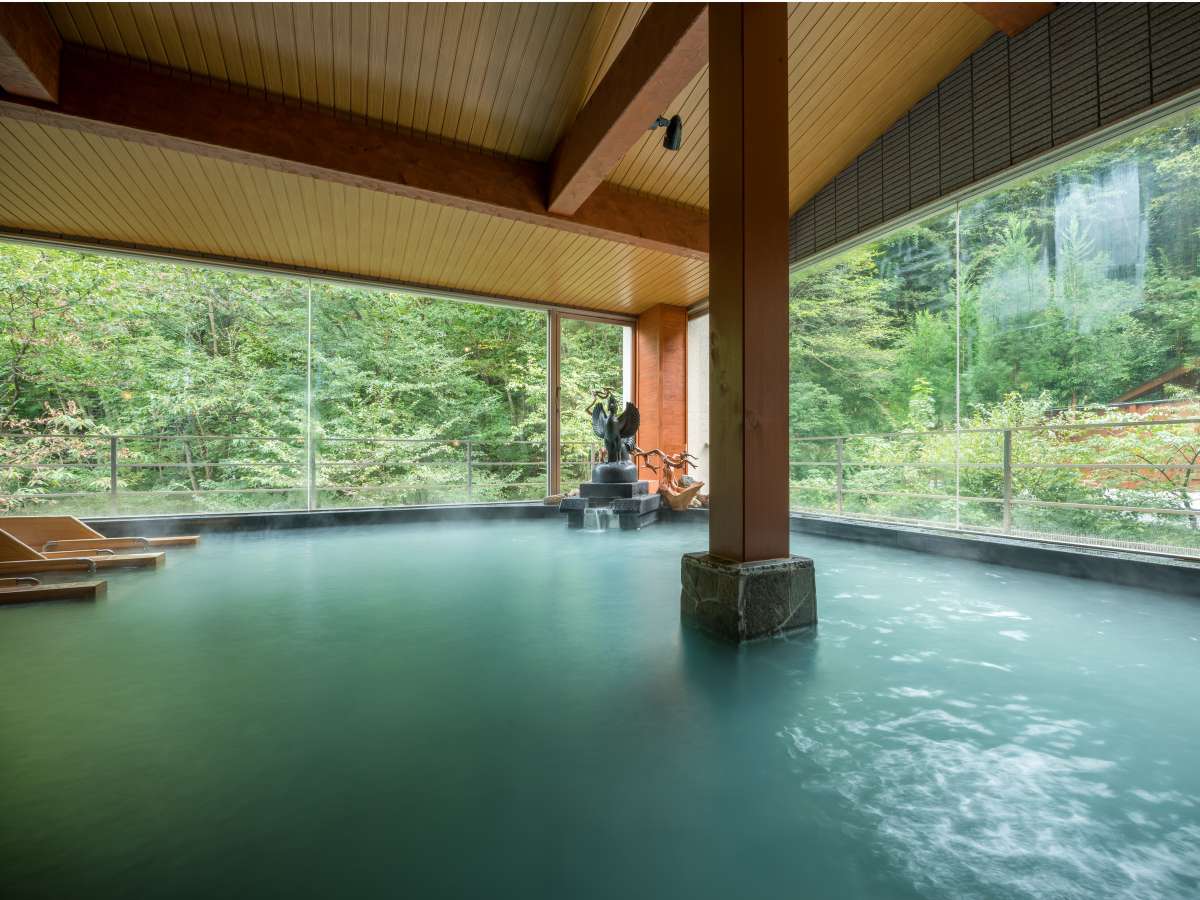
On a Tuesday in October I stepped outside Naruko Kanko Hotel at five in the morning and the whole gorge was breathing. A low mist sat on the valley and steam from the outdoor bath drifted up through it, carrying the faint iron-and-sulfur smell that is specific to Naruko — not unpleasant, more like a mountain doing something geological nearby. The maple canopy had just started to turn, green at the tips but deep amber through the middle, and the only sound was the river and the creak of a wooden footbridge somewhere below. I had a towel over one shoulder and the bath was empty. Moments like that are why people make the five-hour trip from Tokyo.
The best ryokan in Naruko Onsen is Yumoto Kissho — luxury hilltop villas perched above the valley with dedicated spring sources, superlative kaiseki, and the kind of staff-to-guest ratio that makes you feel like the only visitor in the onsen district. If that price tier is a stretch, Ryokan Ohnuma gives you 270 years of tōji culture and eight distinct baths for significantly less.
Tip
Disclosure: Japan Ryokan Guide earns a commission when you book through our Trip.com partner links at no extra cost to you. Every ryokan on this list was selected on merit — price, water quality, English-friendliness, and genuine guest experience — before any affiliate relationship.
Quick-Compare: 12 Naruko Ryokans at a Glance
| # | Ryokan | Tier | From (USD/night) | Walk to Station | Best For | |---|--------|------|-----------------|-----------------|----------| | 1 | Yumoto Kissho | Luxury | ~$200 | 10 min / free shuttle | Special occasion, views | | 2 | Naruko Hotel | Mid-Luxury | ~$120 | 5 min | History lovers, 3-source variety | | 3 | Naruko Kanko Hotel | Mid-Luxury | ~$145 | 7 min | Sendai beef, 4-color baths | | 4 | Ryokan Ohnuma | Mid-Luxury | ~$120 | 12 min / shuttle | Serious bathers, long history | | 5 | Ryokan Sugawara | Mid | ~$105 | 8 min | 100% kakenagashi, irori dining | | 6 | Ryokan Bentenkaku | Mid | ~$100 | 20 min / shuttle | Alkaline silky water, Kurikoma | | 7 | Ryokan Benisen | Mid | ~$100 | 15 min | Quiet Higashi-Naruko, families | | 8 | Hotel Kameya Naruko | Budget-Mid | ~$85 | 3 min | Closest to station, kakenagashi | | 9 | Ooedo Kounkaku Naruko | Budget | ~$73 | 10 min | Buffet, first-timer, groups | | 10 | Ooedo Masuya Naruko | Budget | ~$65 | 12 min | Lowest nightly rate on the list | | 11 | Ryokan Sannojoyu | Budget-Mid | ~$85 | 20 min | Sodium-bicarbonate beauty water | | 12 | Ryokan Kanshichiyu | Budget-Mid | ~$80 | 5 min / shuttle | Classic tōji, station pickup |
Why Naruko Onsen? The Case for Tohoku's Most Overlooked Spa Town
Most onsen towns specialize in one spring type. Beppu has its sulfur mud. Noboribetsu has its volcanic hell-pots. Naruko's claim is stranger and harder to visualize until you're standing at the trailhead with a towel: nine of Japan's eleven recognized hot-spring types — sulfur, sodium-bicarbonate, sodium-chloride, acidic, alkaline, iron, carbon dioxide, hydrogen-sulfide, and radioactive radium springs — exist within the greater Naruko area, all accessible in a single stay. The Nihon Onsen Kyokai (Japan Onsen Association) certifies spring categories, and no other district in the country covers that range. Bathing in five chemically different waters over two days is not a tourist gimmick — the water genuinely feels and smells different at each stop, which is why Naruko has attracted tōji (therapeutic bathing retreat) visitors for over a thousand years.
The area divides into five districts. Naruko Onsen is the main town around the station — the commercial center with most of the larger hotels and the kokeshi doll workshops. Higashi-Naruko is a quieter valley 5 km east, home to some of the oldest family inns. Kawatabi is a riverside district popular with hikers. Nakayamadaira sits above the valley on a plateau and is known for its exceptionally silky alkaline water (the so-called *unagi-yu*, or eel-water, because skin feels as smooth as an eel after soaking). Onikobe is the most remote district, a 20-minute bus ride north, with sulfur springs at high elevation — harder to reach but spectacular in winter. For first-time visitors, the main Naruko town and Higashi-Naruko cover most of the best baths.
Alongside the onsen, Naruko is Japan's undisputed kokeshi capital. These turned-wood dolls — cylindrical body, round painted head, no arms — originated here in the early Edo period, when Tohoku woodworkers began selling them to tōji visitors as souvenirs. The Naruko style has a distinct patterned collar and a head that squeaks when you twist it; there are eleven recognized regional styles nationwide, and Naruko's is the most exported. Several workshops in the main street still do live-turning demonstrations. The Naruko Gorge (Naruko-kyō) runs for approximately 2 km south of the station and reaches 100 metres deep at its narrowest; in the first two weeks of November, the Japanese maple canopy over the gorge goes fully orange and red, and the place becomes the most-photographed autumn-foliage location in Tohoku. Getting there from Sendai is straightforward: the JR Rikuu-East Line runs direct in about 75 minutes, and a Japan Rail Pass covers the fare. [verified JR East timetable 2026]
How We Picked These 12 Ryokans
All 12 properties were live in Trip.com's inventory at the time of writing (May 2026) and have at least 10 verified guest reviews. The selection criteria: water source quality (kakenagashi — continuously flowing natural spring, not recirculated — was a significant positive); range of private *kashikiri* baths for guests with tattoos or those who simply want privacy; English-language communication (website, OTA listing, or a known track record with non-Japanese guests); and spread across the five districts so the list covers the range of Naruko's geography. We've mixed historic tōji inns with modern chain options because Naruko genuinely has both, and they serve different traveler types. The historic quarter gives you atmosphere and authentic spring culture. The Ooedo chain gives you certainty, an English app, and free drinks at the buffet.
1. Yumoto Kissho — Luxury Hilltop Villas with Valley Views
Yumoto Kissho is the property that makes you understand what the ¥30,000+ tier is actually buying in Naruko. The villas are positioned on the hillside above the valley floor with panoramic views of the gorge, and each has its own source connection to the property's spring — not a shared resort pool pumped through pipes, but water that comes from the ground under the building and drains after a single use (kakenagashi). The kaiseki dining here draws on Miyagi Prefecture's considerable larder: Sendai beef tongue, Kesennuma shark-fin soup if in season, *seri* (Japanese parsley) hot-pot in winter. Staff speak functional English and the property runs a station shuttle on request. The honest caveat: the access road is steep and narrow, and the setting rewards guests who want total immersion rather than easy access to the onsen town's shops and restaurants. [Check live rates →](https://www.trip.com/hotels/osaki-hotel-detail-23203989/yumoto-kissho/?Allianceid=8201747&SID=310025640) [verified Trip.com 2026-05-26]
Tip
Yumoto Kissho is the pick for October foliage season — the villa terraces look directly into the maple canopy. Book 6-8 weeks out for October weekends; it sells through faster than anything else in Naruko.
2. Naruko Hotel — 130-Year Flagship with Three Spring Sources
Naruko Hotel is the grande dame of the main town — a 130-year-old property that still functions as the social center of the Naruko Onsen district. What separates it from newer competitors is the water: three separate spring sources feed the baths, and they produce noticeably different colors depending on water temperature and oxidation state. A sodium-bicarbonate source runs milky white; a sulfur spring goes pale green when cool; the iron-bearing source can shade toward a light orange. It's not something you'd believe without seeing it, and the property makes a feature of the variation — the bathing schedule moves guests through different sources across the day. Room rates run ¥18,000–¥25,000 per person including meals [verified Trip.com 2026-05-26], which puts a couple's night at roughly $240–$330 at current exchange rates. English signage throughout. The rooms are traditional-grade rather than luxury — expect tatami, yukata, and an in-room ceramic teapot, not a villa with a private terrace. [Check live rates →](https://www.trip.com/hotels/osaki-hotel-detail-21830374/naruko-hotel/?Allianceid=8201747&SID=310025640)
3. Naruko Kanko Hotel — "Genzo no Yu" Four-Color Baths and Sendai Beef
Naruko Kanko Hotel, marketed under the Genzo no Yu name, is the property locals recommend when someone asks which Naruko hotel has the most dramatic baths. The four distinct source springs — each a different color and chemical profile — fill separate bath areas that guests rotate through, and the *kashikiri* (private reserved bath) service is complimentary with your stay, which matters for tattooed guests and for couples who want the bath to themselves. Sendai beef appears on the dinner menu here at a tier where most Naruko properties would serve standard *wagyu* cuts; it's a meaningful difference if you care about beef provenance. Rates sit at ¥22,000–¥32,000 per person with meals [verified Trip.com 2026-05-26]. The building is a larger resort-format hotel rather than a traditional inn, which means more amenities but less of the intimate tōji atmosphere you'll find at the smaller family properties. [Check live rates →](https://www.trip.com/hotels/osaki-hotel-detail-6256058/genzo-no-yu-naruko-kanko-hotel/?Allianceid=8201747&SID=310025640)
4. Ryokan Ohnuma — 270-Year Toji Inn with Eight Distinct Baths
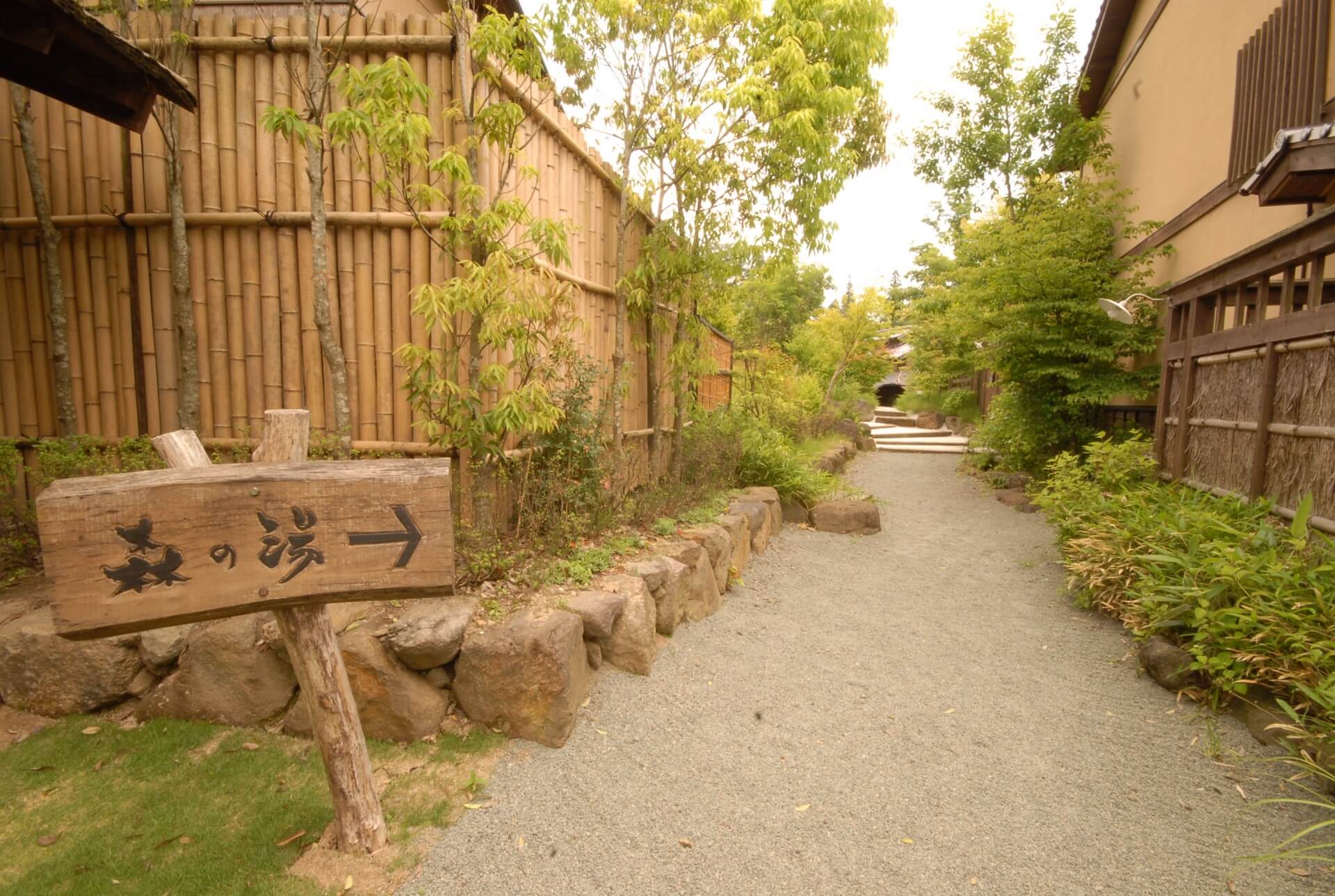
Ryokan Ohnuma in Higashi-Naruko district is the ryokan I'd send a serious bather to first. The inn traces its founding back 270 years and was originally a *tōji* destination — guests would come for extended therapeutic stays of a week or more to treat skin and joint conditions. Eight baths in total: the *Yakushi Sennin-buro* (mixed-use open-air stone bath named after the healing Buddha Yakushi) and the women-only *Mori no Yu* forest bath are the standouts, plus six additional indoor options fed by different spring types. The English website is the best-translated among all twelve picks on this list, which reflects decades of international guests arriving through tōji referral networks. Rates run ¥18,000–¥28,000 per person with meals [verified Trip.com 2026-05-26]. The rooms are older-style; some guests find the age adds character, others wish for a more updated bathroom. What you're paying for is the water variety and the depth of bathing culture, not modern fittings. [Check live rates →](https://in.trip.com/hotels/osaki-hotel-detail-6385107/naruko-onsenkyo-ryokan-onuma/?Allianceid=8201747&SID=310025640)
Tip
Ryokan Ohnuma's Higashi-Naruko location is about 12 minutes by car from Naruko-Onsen Station. The inn runs a shuttle — confirm when booking. Taxis from the station cost roughly ¥1,500.
5. Ryokan Sugawara — Showa-Era Irori Hearth and 100% Kakenagashi
Ryokan Sugawara earns its place on this list by doing things the hard way. The water is 100% kakenagashi — no recirculation, no reheating, fresh spring water flowing through every bath and draining after a single use — across all four of the property's private *kashikiri* baths. In an area where some properties quietly blend spring water with heated tap water to keep costs down, that's worth noting. The inn retains a Showa-era irori hearth in the dining room, and dinner is served around it: mountain vegetables (*sansai*) foraged from the Naruko hills, local *iwana* river trout, and in autumn a *matsutake* mushroom course that arrives in a ceramic dish with a lid you lift at the table. The smell is worth the trip alone. Rates at ¥16,000–¥22,000 per person with meals [verified Trip.com 2026-05-26] make this the best value for genuine spring culture in the mid tier. Not all staff speak English, but the booking process via Trip.com works smoothly. [Check live rates →](https://in.trip.com/hotels/osaki-hotel-detail-3123320/ryokan-naruko-onsen-ryokan-sugawara/?Allianceid=8201747&SID=310025640)
6. Ryokan Bentenkaku — Silky Alkaline Water at Nakayamadaira
Ryokan Bentenkaku sits in the Nakayamadaira district above the main valley, and the spring type here is the one Naruko locals point to when asked what makes the area unusual. The water is a sodium-bicarbonate alkaline spring at pH ~9.5, the variety locally called *unagi-yu* (eel-water) because of the way it leaves skin — genuinely, almost slippery-smooth, especially noticeable when you towel off. The sensation is different enough from standard sulfur or chloride springs that first-time bathers regularly stop and re-enter just to verify it. Kurikoma Quasi-National Park is accessible from the Nakayamadaira area, which makes this a practical base for guests combining onsen with hiking. Rates at ¥15,000–¥20,000 per person [verified Trip.com 2026-05-26]. The property runs a station shuttle. If the alkaline water concept appeals and the budget is right, this district is worth the 20-minute detour from the main Naruko town. [Check live rates →](https://www.trip.com/hotels/osaki-hotel-detail-8317840/naruko-onsen-ryokan-bentenkaku/?Allianceid=8201747&SID=310025640)
7. Ryokan Benisen — Quiet Source Water in Higashi-Naruko
Ryokan Benisen is the kind of family inn that survives on repeat guests: quiet, unhurried, and genuinely sourced from its own spring (*kakenagashi* — confirmed in the property description [verified Trip.com 2026-05-26]). The Higashi-Naruko location puts it away from the main town's tourist foot traffic, which is either a drawback or the point depending on why you're coming. Families with children and solo tōji travelers tend to choose this over the larger resort-format hotels for exactly that reason. Rates at ¥15,000–¥20,000 per person with meals make it the same tier as Bentenkaku but in a different district and spring type. English communication is limited; book via Trip.com and use the messaging function for any specific requests. [Check live rates →](https://in.trip.com/hotels/osaki-hotel-detail-3123360/higashi-naruko-onsen-ryokan-benisen/?Allianceid=8201747&SID=310025640)
8. Hotel Kameya Naruko — Three Minutes from the Station
Hotel Kameya Naruko is the pick when your first priority is logistics. Three minutes on foot from Naruko-Onsen Station — the closest property on this list to the platform — and the water is still kakenagashi from a natural spring [verified Trip.com 2026-05-26]. That combination of genuine onsen access and no-car-needed positioning is harder to find in Naruko than you'd expect, where many of the better inns are up the hillside or in outlying districts. Rates at ¥13,000–¥18,000 per person with meals put it in the budget-mid range. The rooms are straightforward business-style ryokan: nothing about the decor will surprise you, but the bath is real and the food covers the Tohoku standards — grilled local fish, mountain vegetable sides, rice in an iron pot. For first-time visitors doing a single-night test run of Naruko onsen before committing to a longer stay elsewhere, this is the practical pick. [Check live rates →](https://jp.trip.com/hotels/osaki-hotel-detail-1488108/hotel-kameya/?Allianceid=8201747&SID=310025640)
9. Ooedo Kounkaku Naruko — 116-Room Chain with Buffet and Free Drinks
Ooedo Kounkaku Naruko is part of the Ooedo Onsen Monogatari chain — a well-run national brand that has a clear formula: large public baths, extensive buffet dinner, free drinks station, and a price point around ¥11,000–¥15,000 per person [verified Trip.com 2026-05-26]. At 116 rooms it's the largest property on this list by some distance. What the chain does well: the public baths use genuine spring water and are maintained to a consistent standard; the buffet is genuinely substantial rather than a budget afterthought; and the booking process is fully English-compatible. What it doesn't do: the atmosphere is hotel-resort rather than traditional inn. There's no irori, no dedicated nakai-san, and the rooms are Western-bed hybrid rather than pure tatami. The honest position is that for travelers who want onsen access and are nervous about the full ryokan experience, an Ooedo property is a lower-anxiety entry point. For travelers who want the immersion, pick further up this list. [Check live rates →](https://jp.trip.com/hotels/osaki-hotel-detail-1646068/ooedo-onsen-monogatari-naruko-onsen-kounkaku/?Allianceid=8201747&SID=310025640)
10. Ooedo Masuya Naruko — Budget Floor with Chain Reliability
Ooedo Masuya Naruko is the sister Ooedo property in the same district, with rates running ¥10,000–¥14,000 per person with meals [verified Trip.com 2026-05-26] — the lowest floor price on this list. The same Ooedo formula applies: large baths, buffet, brand-level consistency, English booking. The Masuya building is smaller than Kounkaku so the atmosphere is fractionally less resort-like, though still in the same category. If you're deciding between the two Ooedo properties, Kounkaku has more bath variety; Masuya saves ¥1,000–¥3,000 per person per night. For budget travelers who want to get a taste of Tohoku onsen without the research commitment of a family inn, either Ooedo property works — but Masuya is the honest budget pick. [Check live rates →](https://www.trip.com/hotels/osaki-hotel-detail-17504560/oedo-onsen-monogatari-naruko-onsen-masuya/?Allianceid=8201747&SID=310025640)
11. Ryokan Sannojoyu — Sodium-Bicarbonate Beauty Water at Nakayamadaira
Ryokan Sannojoyu is a small (~10 rooms) family inn in the Nakayamadaira district, using the sodium-bicarbonate spring type locally called *biyo-no-yu* (beauty water) for its effect on skin. The water is chemically the same alkaline category as Bentenkaku but from a separate source. The inn is compact enough that the family runs it directly — dinner is home-cooked in the proper sense, and the portions are the kind that make you wish you'd skipped the afternoon snack. Rates at ¥13,000–¥17,000 per person with meals [verified Trip.com 2026-05-26] make it the better value of the two Nakayamadaira picks if the luxury Bentenkaku rate is a stretch. For guests specifically interested in the alkaline spring experience — which is the Nakayamadaira area's defining feature — the two properties offer the same water quality at different price points and atmospheres. [Check live rates →](https://us.trip.com/hotels/osaki-hotel-detail-23203989/ryokan-sannojoyu/?Allianceid=8201747&SID=310025640)
12. Ryokan Kanshichiyu — Small Toji Inn with Station Shuttle
Ryokan Kanshichiyu rounds out the list as the closest thing to a classic tōji inn at a price that doesn't require advance financial planning. Small room count, natural spring water, and a station shuttle that removes the need for a car or taxi [verified Trip.com 2026-05-26]. Rates at ¥12,000–¥16,000 per person with meals put it in the same budget-mid bracket as Kameya and Sannojoyu but with the specific advantage of the pickup service — useful if you're arriving at Naruko-Onsen Station after dark with luggage. The staff have a track record of working with foreign guests through Trip.com's messaging system; communication isn't perfect but it functions. If the Ohnuma and Sugawara inns are full, Kanshichiyu gives you the closest approximation of the traditional tōji experience at the budget-mid tier. [Check live rates →](https://in.trip.com/hotels/osaki-hotel-detail-6257922/naruko-onsenkyo-kanshichiyu/?Allianceid=8201747&SID=310025640)
When to Visit Naruko Onsen
October and November are the peak season, and for good reason. The Naruko Gorge maple canopy typically hits full color in the first week of November — orange, red, and a specific yellow-green that comes from the *iroha kaede* variety — and the gorge overlook is packed on weekends. If you can come on a weekday in late October, the crowds thin considerably and the baths are at their best: the air is cold enough that the outdoor onsen steam is visible and the contrast between water temperature and air temperature is at its sharpest.
February is the underrated choice. Snow settles on the Naruko valley and the outdoor baths become properly dramatic — steam rising through falling snow, the kind of scene that fills a ryokan's Instagram and earns it. Rates drop below Golden Week levels and the bath culture is at its most therapeutic. The gorge road may be icy, so driving in February requires winter tires or chain hire.
April brings cherry blossoms along Eboshi-yama hill and the river walks near the main station. The bloom is about 10 days later here than in Tokyo or Sendai due to elevation, typically peaking in mid to late April. Spring kaiseki menus appear — bamboo shoots, *fuki* (butterbur), early mountain vegetables.
Avoid Golden Week (late April to early May) and Obon (mid-August). Both bring peak domestic travel volume to Naruko, prices rise sharply, and the smaller family inns book out weeks ahead with Japanese guests on reservation priority lists.
Getting to Naruko Onsen
The standard approach is from Sendai Station on the JR Rikuu-East Line (*Rikuu Tōsen*), which runs direct to Naruko-Onsen Station in approximately 75 minutes [verified JR East 2026]. A Japan Rail Pass covers the full fare. From Tokyo, add the Tohoku Shinkansen leg: Hayabusa services reach Sendai in 90–100 minutes from Tokyo Station, making the total door-to-station time around 3 hours. Trains from Sendai run roughly every 1–2 hours; the last direct service departs Sendai around 7–8 PM, so plan accordingly if you're arriving on the day of a long flight.
Several properties on this list run their own station shuttles: Yumoto Kissho (on request), Ryokan Kanshichiyu (standard service), and Ryokan Bentenkaku (confirm when booking). For the Onikobe district — the northernmost and most remote of Naruko's five spring areas — a local bus runs from Naruko-Onsen Station in about 20 minutes, or a taxi takes roughly ¥2,500. There is no train service to Onikobe. Driving is practical for Nakayamadaira and Onikobe districts; the parking at Naruko-Onsen Station is limited.
Bathing Etiquette at Naruko Ryokans
Tip
All communal baths at Naruko ryokans require full pre-wash at the shower station before entering the soaking pool — the bath is for soaking only, never for washing. No swimwear permitted. Hair must be tied up and kept out of the water. Most properties on this list offer at least one private *kashikiri* bath reservable at no extra charge, which is the practical solution for guests with tattoos.
All 12 picks above are bookable now via Trip.com. For most of the year — outside October foliage season, Golden Week, and Obon — booking 3–4 weeks ahead is enough to secure your preferred property. For October foliage weekends and February weekends, lock in 6–8 weeks out, particularly for Yumoto Kissho and Naruko Kanko Hotel, which fill fastest in those windows. The smaller family inns (Sugawara, Benisen, Kanshichiyu, Sannojoyu) maintain their own reservation queues and may not release all availability to OTAs immediately — if Trip.com shows sold out for a date, a direct email or phone call to the property is sometimes worth trying.
10월의 어느 화요일, 새벽 5시에 나루코 칸코 호텔 밖으로 나섰을 때 계곡 전체가 숨을 쉬고 있었어요. 계곡 위로 낮게 깔린 안개 사이로 노천탕의 수증기가 피어오르며, 나루코 특유의 옅은 철분과 유황 냄새를 품고 있었죠 — 불쾌한 냄새가 아니라, 마치 근처에서 산이 지질학적인 무언가를 하고 있는 듯한 냄새였어요. 단풍 가지는 이제 막 물들기 시작해, 끝부분은 초록이지만 가운데는 짙은 호박색이었고, 들리는 소리라고는 강물 소리와 아래 어딘가에서 들려오는 나무 다리 삐걱거림뿐이었어요. 수건 하나를 어깨에 걸고 탕에 들어갔더니 아무도 없었어요. 도쿄에서 5시간을 달려오는 이유는 바로 이런 순간 때문이에요.
나루코 온천 최고의 료칸은 유모토 킷쇼 — 계곡을 내려다보는 언덕 위의 럭셔리 빌라로, 전용 원천, 최고 수준의 가이세키(懐石), 그리고 온천 지구에서 유일한 손님처럼 대접받는 충분한 스태프를 갖추고 있어요. 그 가격대가 부담스럽다면, 료칸 오누마는 270년의 토지(療治) 문화와 8개의 각기 다른 욕탕을 훨씬 합리적인 가격에 경험할 수 있게 해줍니다.
Tip
공개 안내: Japan Ryokan Guide는 Trip.com 파트너 링크를 통해 예약하실 경우 수수료를 받습니다 — 이용자분께는 추가 비용이 전혀 없어요. 이 목록에 있는 모든 료칸은 가격, 온천수 품질, 외국인 친화도, 실제 투숙 경험을 기준으로 먼저 선정된 후 제휴 관계가 맺어졌습니다.
한눈에 비교: 나루코 료칸 12곳 요약표
| # | 료칸 | 등급 | 1박 시작가 (USD/원) | 역까지 도보 | 추천 대상 | |---|--------|------|-----------------|-----------------|----------| | 1 | 유모토 킷쇼 | 럭셔리 | ~$200(약 ₩270,000) | 도보 10분 / 무료 셔틀 | 특별한 날, 전망 | | 2 | 나루코 호텔 | 미드-럭셔리 | ~$120(약 ₩162,000) | 도보 5분 | 역사 마니아, 3가지 원천 | | 3 | 나루코 칸코 호텔 | 미드-럭셔리 | ~$145(약 ₩196,000) | 도보 7분 | 센다이규, 4색 욕탕 | | 4 | 료칸 오누마 | 미드-럭셔리 | ~$120(약 ₩162,000) | 도보 12분 / 셔틀 | 온천 마니아, 유서 깊은 역사 | | 5 | 료칸 스가와라 | 미드 | ~$105(약 ₩142,000) | 도보 8분 | 100% 가케나가시, 이로리 식당 | | 6 | 료칸 벤텐카쿠 | 미드 | ~$100(약 ₩135,000) | 도보 20분 / 셔틀 | 알칼리 미끄러운 물, 쿠리코마 | | 7 | 료칸 베니센 | 미드 | ~$100(약 ₩135,000) | 도보 15분 | 조용한 히가시나루코, 가족 여행 | | 8 | 호텔 카메야 나루코 | 가성비-미드 | ~$85(약 ₩115,000) | 도보 3분 | 역에서 가장 가까움, 가케나가시 | | 9 | 오에도 코운카쿠 나루코 | 가성비 | ~$73(약 ₩99,000) | 도보 10분 | 뷔페, 초보자, 그룹 | | 10 | 오에도 마스야 나루코 | 가성비 | ~$65(약 ₩88,000) | 도보 12분 | 목록 중 최저가 | | 11 | 료칸 산노조유 | 가성비-미드 | ~$85(약 ₩115,000) | 도보 20분 | 탄산수소나트륨 미용수 | | 12 | 료칸 칸시치유 | 가성비-미드 | ~$80(약 ₩108,000) | 도보 5분 / 셔틀 | 정통 토지, 역 픽업 |
왜 나루코 온천인가? 도호쿠에서 가장 저평가된 온천 마을의 진짜 매력
대부분의 온천 마을은 한 가지 온천 유형에 특화되어 있어요. 벳푸에는 유황 진흙탕이, 노보리베쓰에는 화산성 지옥탕이 있죠. 나루코의 강점은 그것과는 다르고, 수건 하나 들고 탐방로 입구에 서보기 전까지는 좀처럼 실감하기 어려워요. 나루코 광역 지구 안에 일본이 공식 인정한 11가지 온천 유형 중 9가지 — 유황천, 탄산수소나트륨천, 염화나트륨천, 산성천, 알칼리성천, 철천, 이산화탄소천, 황화수소천, 방사능 라듐천 — 가 모두 있고, 한 번의 숙박으로 전부 접근할 수 있어요. 일본 온천 협회(Nihon Onsen Kyokai)가 온천 유형을 공식 인증하는데, 이 정도 범위를 커버하는 지역은 나루코 외에 없어요. 이틀에 걸쳐 화학적으로 전혀 다른 다섯 가지 온천에 들어가는 건 단순한 관광 이벤트가 아니에요 — 각 장소마다 물이 진짜로 다르게 보이고, 냄새가 나고, 느껴지거든요. 그래서 나루코는 천 년 이상 토지(療治) 방문객들을 끌어들여 온 거예요.
나루코 지역은 다섯 구역으로 나뉩니다. 나루코 온천은 역 주변의 메인 타운으로, 큰 호텔 대부분과 코케시(こけし) 인형 공방이 모여 있는 상업 중심지예요. 히가시나루코는 동쪽으로 5km 떨어진 조용한 계곡으로, 가장 오래된 가족 여관 몇 곳이 있는 곳이에요. 카와타비는 등산객들에게 인기 있는 강변 지구예요. 나카야마다이라는 계곡 위 고원에 위치하며, 극도로 미끄러운 알칼리성 물로 유명해요 (일명 *우나기유*, 즉 장어물 — 입욕 후 피부가 장어처럼 매끈매끈해진다고 해서 붙은 이름). 오니코베는 가장 오지인 구역으로, 나루코-온센역에서 북쪽으로 버스로 20분 걸리고, 고지대의 유황천이 있어요 — 가기는 힘들지만 겨울 풍경이 장관입니다. 처음 방문하는 분들이라면, 나루코 메인 타운과 히가시나루코만으로도 핵심 온천을 대부분 커버할 수 있어요.
온천과 함께 나루코는 일본 코케시 인형의 본고장으로도 유명해요. 코케시는 원통형 몸통에 둥근 얼굴이 그려지고 팔이 없는 나무 조각 인형인데요, 에도 시대 초기 도호쿠 목공인들이 토지 방문객들에게 기념품으로 팔기 시작하면서 나루코에서 탄생했어요. 나루코 스타일은 특징적인 무늬 깃(カラー)이 있고, 머리를 돌리면 삐걱 소리가 나요. 일본 전국에 11개의 공식 지역 코케시 스타일이 있는데, 나루코 스타일이 가장 많이 수출되고 있어요. 메인 스트리트의 여러 공방에서는 지금도 라이브 선반 시연을 하고 있어요. 나루코쿄(나루코 협곡)는 역 남쪽으로 약 2km 이어지며, 가장 좁은 지점에서 깊이 100m에 달해요. 11월 첫 두 주에는 협곡 위의 단풍 캐노피가 온통 오렌지색과 빨간색으로 물들어 도호쿠에서 가장 많이 사진 찍히는 단풍 명소가 됩니다. 센다이에서 가는 방법은 간단해요. JR 리쿠토선(Rikuu-East Line)을 타면 약 75분 만에 직행으로 갈 수 있고, JR 패스가 있으면 추가 요금 없이 이용 가능해요. [JR 동일본 시각표 확인 2026]
이 12곳을 고른 기준
12개 숙박 시설 모두 글 작성 시점(2026년 5월) 기준으로 Trip.com에서 예약 가능하며, 최소 10개 이상의 인증 후기가 있어요. 선정 기준은 다음과 같아요. 온천수 품질 (가케나가시 — 순환하거나 재가열하지 않고 천연 원천이 계속 흘러나오는 방식 — 은 큰 가산점); 문신이 있는 분이나 프라이버시를 원하는 분을 위한 전세욕(카시키리) 욕탕 보유 여부; 영어 소통 가능 여부 (웹사이트, OTA 리스팅, 또는 외국인 투숙 실적); 그리고 나루코의 지리적 범위를 커버할 수 있도록 5개 구역에 걸쳐 배분. 역사 있는 토지 여관과 현대 체인 숙소를 함께 넣은 건 나루코에 실제로 두 종류가 공존하고 각각 다른 여행자에게 맞기 때문이에요. 역사 있는 여관은 분위기와 진짜 온천 문화를 줍니다. 오에도 체인은 확실성, 영어 앱, 무료 뷔페 음료를 줍니다.
1. 유모토 킷쇼 — 계곡 전망의 럭셔리 힐탑 빌라
유모토 킷쇼는 나루코에서 약 270,000원(¥30,000) 이상 등급이 실제로 무엇을 사는 것인지 이해하게 만드는 숙소예요. 빌라는 계곡 아래를 내려다보는 언덕배기에 위치하며, 협곡을 파노라마로 조망할 수 있고, 각 빌라마다 자체 원천으로 직결된 전용 온천이 있어요 — 파이프를 통해 공급되는 리조트 공용 욕탕이 아니라, 건물 아래 땅에서 올라와 한 번 사용하고 배수되는 진짜 원천수(가케나가시)예요. 이곳의 가이세키 요리는 미야기현의 풍부한 식재료를 활용해요. 센다이 우설, 제철이면 게센누마 상어 지느러미 수프, 겨울에는 세리(일본 미나리) 전골 등이 나와요. 스태프는 기능적인 영어 소통이 가능하고, 요청 시 역 셔틀을 운행해요. 솔직히 말씀드리면, 진입로가 가파르고 좁아서 온천 마을의 상점과 식당에 쉽게 나가기보다 완전한 몰입을 원하는 분들에게 더 어울리는 곳이에요. [실시간 요금 확인 →](https://www.trip.com/hotels/osaki-hotel-detail-23203989/yumoto-kissho/?Allianceid=8201747&SID=310025640) [Trip.com 확인 2026-05-26]
Tip
유모토 킷쇼는 10월 단풍 시즌에 특히 강력 추천해요 — 빌라 테라스에서 단풍 나무 캐노피를 바로 바라볼 수 있거든요. 10월 주말은 6~8주 전에 예약하세요. 나루코 전체에서 가장 빨리 매진됩니다.
2. 나루코 호텔 — 3가지 원천을 보유한 130년 역사의 대표 여관
나루코 호텔은 메인 타운의 그랜드 데임 — 130년 역사를 가진 숙소로 지금도 나루코 온천 지구의 사교 중심지 역할을 하고 있어요. 신생 경쟁 숙소와 차별화되는 건 바로 온천수예요. 3개의 독립된 원천이 욕탕에 공급되며, 수온과 산화 상태에 따라 눈에 띄게 다른 색깔을 띄어요. 탄산수소나트륨 원천은 우윳빛 흰색이 나고, 유황천은 차가울 때 옅은 초록색이 되며, 철분이 포함된 원천은 옅은 오렌지 빛을 띨 수 있어요. 직접 보기 전까지는 믿기 힘든 광경이라, 숙소에서도 이 다양성을 자랑거리로 내세워요 — 하루 동안 욕탕 순서를 바꿔가며 다른 원천을 경험하도록 안내해 줘요. 1인 기준 식사 포함 객실 요금은 약 24,000~34,000엔 [Trip.com 확인 2026-05-26]으로, 2인 1박 기준 현재 환율로 약 $240~$330(약 ₩324,000~₩446,000) 수준이에요. 전관 영어 안내판이 비치되어 있어요. 객실은 럭셔리보다는 전통 등급 — 다타미(畳), 유카타(浴衣), 방 안의 도자기 찻주전자를 기대하세요. 전용 테라스가 있는 빌라 스타일은 아니에요. [실시간 요금 확인 →](https://www.trip.com/hotels/osaki-hotel-detail-21830374/naruko-hotel/?Allianceid=8201747&SID=310025640)
3. 나루코 칸코 호텔 — '겐조노유' 4색 욕탕과 센다이규
나루코 칸코 호텔은 겐조노유(Genzo no Yu) 브랜드로 운영되며, 어느 나루코 호텔이 욕탕이 가장 인상적이냐고 물으면 현지인들이 추천하는 곳이에요. 4가지 독립 원천 — 각각 다른 색깔과 성분 프로필 — 이 별도 욕탕 공간을 채우고, 투숙객은 순서대로 돌아가며 입욕해요. 전세욕(카시키리) 서비스는 숙박 요금에 포함되어 있어요. 문신 있는 분이나 둘만의 욕탕을 원하는 커플에게 중요한 사항이에요. 센다이규(仙台牛)가 저녁 메뉴에 올라오는데, 이 가격대에서 대부분의 나루코 숙소가 일반 와규를 제공하는 것과 비교하면 의미 있는 차이예요. 소고기 산지에 관심이 있다면 놓칠 수 없는 포인트죠. 요금은 식사 포함 1인 약 22,000~32,000엔 [Trip.com 확인 2026-05-26]. 건물은 전통 여관보다 리조트형 대형 호텔 포맷이라 어메니티는 더 많지만, 소규모 가족 여관에서 느낄 수 있는 아늑한 토지 분위기는 조금 덜해요. [실시간 요금 확인 →](https://www.trip.com/hotels/osaki-hotel-detail-6256058/genzo-no-yu-naruko-kanko-hotel/?Allianceid=8201747&SID=310025640)
4. 료칸 오누마 — 270년 역사의 토지 여관과 8개의 욕탕
히가시나루코 지구에 있는 료칸 오누마는 온천을 진지하게 즐기는 분께 가장 먼저 추천하고 싶은 료칸이에요. 이 여관은 창업 270년을 거슬러 올라가며, 원래는 *토지* 목적지로 — 피부나 관절 질환 치료를 위해 1주일 이상 장기 체류 손님이 오던 곳이에요. 총 8개 욕탕: 야외 혼욕 돌탕 *야쿠시 센닌부로* (치유의 부처 야쿠시에서 이름을 따온)와 여성 전용 *모리노유* 숲 욕탕이 하이라이트고, 다른 온천 유형에서 공급되는 실내 욕탕 6개가 더 있어요. 영어 홈페이지는 12개 추천 숙소 중 번역 완성도가 가장 높은데, 이는 토지 소개 네트워크를 통해 수십 년간 국제 투숙객을 받아온 역사가 반영된 결과예요. 식사 포함 1인 요금은 18,000~28,000엔 [Trip.com 확인 2026-05-26]. 객실은 구식 스타일이라 오래된 분위기를 매력으로 느끼는 분도 있고, 더 현대적인 화장실을 바라는 분도 있어요. 이곳에서 지불하는 건 현대적인 시설이 아니라, 온천수의 다양성과 깊은 목욕 문화예요. [실시간 요금 확인 →](https://in.trip.com/hotels/osaki-hotel-detail-6385107/naruko-onsenkyo-ryokan-onuma/?Allianceid=8201747&SID=310025640)
Tip
료칸 오누마의 히가시나루코 위치는 나루코-온센역에서 차로 약 12분 거리예요. 여관 자체 셔틀이 운행되니 예약 시 확인하세요. 역에서 택시를 타면 약 1,500엔(약 ₩2,025) 정도 나와요.
5. 료칸 스가와라 — 쇼와 시대 이로리와 100% 가케나가시
료칸 스가와라가 이 목록에 오른 이유는 어려운 방식을 고집하기 때문이에요. 4개의 전세욕(카시키리) 욕탕 전부에서 100% 가케나가시 — 순환 없이, 재가열 없이, 신선한 원천수가 흘러 한 번 쓰고 배수 — 를 유지하고 있어요. 비용을 아끼려고 원천수와 가열된 수돗물을 조용히 섞는 숙소도 있는 업계에서, 이건 주목할 만한 점이에요. 식당에는 쇼와 시대 이로리(囲炉裏, 전통 화덕)가 그대로 남아 있고, 저녁은 그 주위에서 서빙돼요. 나루코 산에서 채취한 산채(山菜), 현지 이와나(암어) 강 송어, 가을에는 뚜껑을 들면 향이 확 올라오는 도자기 그릇에 담긴 송이버섯 코스가 나와요. 그 향만으로도 여행을 떠날 이유가 충분해요. 식사 포함 1인 요금 16,000~22,000엔 [Trip.com 확인 2026-05-26]은 미드 등급에서 진짜 온천 문화 최고 가성비예요. 스태프 전원이 영어를 하는 건 아니지만, Trip.com을 통한 예약 과정은 원활하게 진행돼요. [실시간 요금 확인 →](https://in.trip.com/hotels/osaki-hotel-detail-3123320/ryokan-naruko-onsen-ryokan-sugawara/?Allianceid=8201747&SID=310025640)
6. 료칸 벤텐카쿠 — 나카야마다이라의 미끌미끌 알칼리 온천
료칸 벤텐카쿠는 메인 계곡 위 나카야마다이라 지구에 자리하고 있는데, 나루코가 왜 특별한지 현지인에게 물으면 꼭 언급되는 온천 유형이 바로 이곳의 것이에요. 이 온천수는 pH 약 9.5의 탄산수소나트륨 알칼리성 온천으로, 현지에서는 *우나기유*(장어물)라고 불려요 — 피부를 미끌미끌하게 만들어 수건으로 닦을 때 정말로, 거의 미끄러울 정도로 매끈해지기 때문이에요. 일반 유황천이나 염화물천과 비교해 감촉이 뚜렷하게 달라서, 처음 입욕한 분들이 확인하려고 다시 들어가는 경우가 많아요. 나카야마다이라 지구에서 쿠리코마 준국립공원에 접근할 수 있어, 온천과 등산을 함께 즐기려는 분들에게 실용적인 베이스예요. 요금은 1인 15,000~20,000엔 [Trip.com 확인 2026-05-26]. 역 셔틀을 운행해요. 알칼리 온천에 관심이 생기셨고 예산이 맞는다면, 나루코 메인 타운에서 20분 더 들어가는 이 지구로 우회할 가치가 충분히 있어요. [실시간 요금 확인 →](https://www.trip.com/hotels/osaki-hotel-detail-8317840/naruko-onsen-ryokan-bentenkaku/?Allianceid=8201747&SID=310025640)
7. 료칸 베니센 — 히가시나루코의 조용한 원천 여관
료칸 베니센은 단골손님 덕분에 살아남은 전형적인 가족 여관이에요. 조용하고, 여유롭고, 자체 원천에서 진짜 온천수가 나오는 곳이에요(*가케나가시* — 숙박 시설 설명에서 확인됨 [Trip.com 확인 2026-05-26]). 히가시나루코 위치 덕분에 메인 타운의 관광객 통행량이 적고, 그게 단점이 될 수도 있고 바로 그게 목적이 될 수도 있어요 — 왜 나루코에 오는지에 따라 달라요. 어린 자녀를 동반한 가족이나 혼자 토지를 즐기러 온 여행자들이 대형 리조트형 호텔보다 이곳을 선택하는 이유가 바로 그거예요. 식사 포함 1인 15,000~20,000엔은 벤텐카쿠와 동일한 등급이지만 다른 지구, 다른 온천 유형이에요. 영어 소통에 한계가 있으니 Trip.com으로 예약하시고, 특별 요청이 있다면 메시지 기능을 활용하세요. [실시간 요금 확인 →](https://in.trip.com/hotels/osaki-hotel-detail-3123360/higashi-naruko-onsen-ryokan-benisen/?Allianceid=8201747&SID=310025640)
8. 호텔 카메야 나루코 — 역에서 도보 3분
호텔 카메야 나루코는 접근성이 최우선일 때 선택하는 곳이에요. 나루코-온센역에서 도보 3분 — 이 목록에서 역 플랫폼에 가장 가까운 숙소 — 이면서 천연 원천의 가케나가시 온천수가 나와요 [Trip.com 확인 2026-05-26]. 진짜 온천 접근성과 차 없이도 되는 위치가 함께 갖춰진 곳이 나루코에서 생각보다 드물어요. 좋은 여관들은 대부분 언덕이나 외곽 지구에 있거든요. 식사 포함 1인 요금 13,000~18,000엔은 가성비-미드 등급이에요. 객실은 평범한 비즈니스형 료칸 스타일 — 인테리어에서 특별한 건 없지만, 온천은 진짜이고 음식도 도호쿠 기본기에 충실해요 — 구운 현지 생선, 산채 반찬, 무쇠솥 밥. 나루코 온천을 처음 체험해보고 나서 더 긴 체류를 결정하려는 첫 방문자에게 가장 현실적인 선택이에요. [실시간 요금 확인 →](https://jp.trip.com/hotels/osaki-hotel-detail-1488108/hotel-kameya/?Allianceid=8201747&SID=310025640)
9. 오에도 코운카쿠 나루코 — 뷔페와 무료 음료 제공 116실 체인
오에도 코운카쿠 나루코는 오에도 온센 모노가타리 체인 소속으로, 명확한 공식이 있는 잘 운영되는 전국 브랜드예요. 공식은 이렇습니다: 대형 공용 욕탕, 푸짐한 뷔페 저녁 식사, 무료 음료 코너, 1인 약 11,000~15,000엔 [Trip.com 확인 2026-05-26]의 가격대. 116실로 이 목록에서 단연 규모가 가장 큰 숙소예요. 체인이 잘 하는 것: 공용 욕탕에 진짜 온천수를 사용하며 일정한 수준으로 관리됩니다. 뷔페는 가성비 수준에서 허투루 흉내 낸 게 아니라 진짜 충실해요. 예약 과정도 영어로 완전히 지원돼요. 체인이 하지 못하는 것: 분위기가 전통 여관보다 리조트형 호텔에 가깝습니다. 이로리도, 담당 나카이(仲居)도 없고, 객실은 순수 다타미가 아니라 서양식 침대가 섞인 구조예요. 솔직하게 말씀드리자면, 온천은 즐기고 싶지만 풀 료칸 경험이 처음이라 긴장되는 분들에게 오에도는 부담이 적은 입문 옵션이에요. 몰입을 원하신다면 이 목록에서 더 위에 있는 곳을 고르세요. [실시간 요금 확인 →](https://jp.trip.com/hotels/osaki-hotel-detail-1646068/ooedo-onsen-monogatari-naruko-onsen-kounkaku/?Allianceid=8201747&SID=310025640)
10. 오에도 마스야 나루코 — 체인 신뢰도의 최저가 옵션
오에도 마스야 나루코는 같은 지구의 오에도 자매 숙소로, 식사 포함 1인 요금이 10,000~14,000엔 [Trip.com 확인 2026-05-26]으로 이 목록에서 최저 시작가를 자랑해요. 오에도 공식은 동일하게 적용됩니다. 대형 욕탕, 뷔페, 브랜드 수준의 일관성, 영어 예약. 마스야 건물은 코운카쿠보다 규모가 작아 분위기가 약간 덜 리조트 같지만, 전체적인 카테고리는 동일해요. 두 오에도 숙소 사이에서 고민하신다면, 코운카쿠는 욕탕 다양성이 더 좋고, 마스야는 1인당 1박 기준 1,000~3,000엔(약 ₩1,350~₩4,050) 절약이 돼요. 가족 여관을 일일이 조사하지 않고 도호쿠 온천의 맛을 보고 싶은 가성비 여행자라면 오에도 두 곳 모두 괜찮지만 — 가성비 픽으로는 마스야가 솔직한 선택이에요. [실시간 요금 확인 →](https://www.trip.com/hotels/osaki-hotel-detail-17504560/oedo-onsen-monogatari-naruko-onsen-masuya/?Allianceid=8201747&SID=310025640)
11. 료칸 산노조유 — 나카야마다이라의 탄산수소나트륨 미용수
료칸 산노조유는 나카야마다이라 지구의 소규모(약 10실) 가족 여관으로, 피부에 미치는 효과 때문에 현지에서 *비요노유*(미용수)라고 불리는 탄산수소나트륨 온천을 사용해요. 화학적으로는 벤텐카쿠와 같은 알칼리성 계열이지만 다른 원천이에요. 여관이 작아서 가족이 직접 운영하는데 — 저녁 식사는 진짜 집밥의 의미로 정성껏 만들어지고, 오후 간식을 건너뛰지 않았다면 후회할 양이에요. 식사 포함 1인 요금 13,000~17,000엔 [Trip.com 확인 2026-05-26]은 벤텐카쿠 요금이 조금 벅차다면 나카야마다이라 픽 중 더 나은 가성비예요. 알칼리성 온천 경험을 특별히 원하는 분 — 나카야마다이라 지구를 정의하는 특징이기도 한 — 에게 두 숙소는 동일한 온천수 품질을 가격과 분위기만 다르게 제공해요. [실시간 요금 확인 →](https://us.trip.com/hotels/osaki-hotel-detail-23203989/ryokan-sannojoyu/?Allianceid=8201747&SID=310025640)
12. 료칸 칸시치유 — 역 셔틀 있는 소형 토지 여관
료칸 칸시치유는 미리 재정 계획을 세우지 않아도 될 가격으로 정통 토지 여관에 가장 가까운 경험을 제공하며 이 목록의 마지막을 장식해요. 객실 수가 적고, 천연 원천수가 나오고, 차나 택시가 필요 없는 역 셔틀이 있어요 [Trip.com 확인 2026-05-26]. 식사 포함 1인 요금 12,000~16,000엔은 카메야, 산노조유와 동일한 가성비-미드 등급이지만, 픽업 서비스가 있다는 게 이 숙소만의 강점이에요 — 짐을 들고 야밤에 나루코-온센역에 도착하는 경우라면 특히 유용하죠. 스태프는 Trip.com 메시지 시스템을 통해 외국인 투숙객을 응대한 실적이 있어요. 완벽한 소통은 아니지만 작동은 돼요. 오누마나 스가와라가 만실이라면, 칸시치유가 가성비-미드 등급에서 전통 토지 경험에 가장 가까운 대안이에요. [실시간 요금 확인 →](https://in.trip.com/hotels/osaki-hotel-detail-6257922/naruko-onsenkyo-kanshichiyu/?Allianceid=8201747&SID=310025640)
나루코 온천 방문 최적의 시기
10월과 11월이 성수기예요, 이유가 충분히 있어요. 나루코쿄 단풍 캐노피는 보통 11월 첫 주에 절정을 이루는데 — 오렌지, 빨간색, 그리고 이로하 단풍에서 나오는 특유의 노란 녹색이 어우러져요 — 주말에는 협곡 전망대가 꽉 찹니다. 10월 하순 평일에 오실 수 있다면 인파가 크게 줄고, 욕탕은 최상의 상태가 돼요. 공기가 충분히 차가워서 야외 노천탕의 수증기가 선명하게 보이고, 물 온도와 기온의 대비가 가장 극적으로 느껴지거든요.
2월은 숨겨진 비수기 보석이에요. 나루코 계곡에 눈이 쌓이면 야외 욕탕이 진짜 극적인 장면을 연출합니다 — 내리는 눈 사이로 피어오르는 수증기, 료칸 SNS 계정을 채우고 입소문을 만드는 바로 그 장면이에요. 요금은 골든위크보다 낮아지고, 목욕 문화는 가장 치유적인 상태가 돼요. 협곡 도로가 빙결될 수 있으니 2월 드라이브는 겨울 타이어나 체인이 필요해요.
4월에는 에보시야마 언덕과 역 근처 강변 산책로를 따라 벚꽃이 펴요. 고도 때문에 도쿄나 센다이보다 약 10일 늦게 피며, 보통 4월 중순에서 하순에 절정을 맞아요. 봄 가이세키 메뉴가 등장해요 — 죽순, 후키(머위), 이른 산채.
골든위크(4월 하순~5월 초)와 오봉(8월 중순)은 피하세요. 둘 다 나루코에 국내 여행 피크가 몰리고, 요금이 크게 오르며, 소규모 가족 여관은 일본인 투숙객 예약 우선 리스트로 몇 주 전에 매진돼요.
나루코 온천 가는 방법
일반적인 접근법은 센다이역에서 JR 리쿠토선(Rikuu-East Line, 리쿠우 도센)을 이용하는 거예요. 나루코-온센역까지 직행으로 약 75분 걸리고 [JR 동일본 확인 2026], JR 패스로 전 구간 무료로 이용할 수 있어요. 도쿄에서 오신다면 도호쿠 신칸센 구간을 더하면 돼요. 하야부사(Hayabusa) 열차는 도쿄역에서 센다이까지 90~100분이니, 문에서 역까지 총 소요 시간은 약 3시간이에요. 센다이에서 약 1~2시간 간격으로 열차가 운행되며, 센다이 출발 마지막 직행 열차는 오후 7~8시경이니 장거리 비행 당일 도착이라면 미리 계획하세요.
이 목록의 여러 숙소가 자체 역 셔틀을 운행해요. 유모토 킷쇼(요청 시), 료칸 칸시치유(정기 운행), 료칸 벤텐카쿠(예약 시 확인). 나루코 5개 온천 구역 중 가장 북쪽이자 오지인 오니코베 지구로 가려면, 나루코-온센역에서 로컬 버스로 약 20분이거나 택시로 약 2,500엔(약 ₩3,375) 정도예요. 오니코베에는 기차 노선이 없어요. 나카야마다이라와 오니코베 지구는 자동차가 실용적이에요. 나루코-온센역 주차 공간은 제한적이에요.
나루코 료칸 온천 에티켓
Tip
나루코 료칸의 모든 공용 욕탕은 탕 안에 들어가기 전 샤워 공간에서 몸을 완전히 씻어야 해요 — 탕은 오직 몸을 담그는 곳이지 씻는 곳이 아니에요. 수영복 착용은 불가해요. 머리카락은 묶어서 물에 닿지 않도록 해야 해요. 이 목록의 숙소 대부분은 체크인 시 무료로 예약할 수 있는 전세욕(카시키리)을 최소 하나 이상 제공해요 — 문신이 있는 분들에게 현실적인 해결책이에요.
위의 12곳은 모두 지금 바로 Trip.com에서 예약할 수 있어요. 10월 단풍 시즌, 골든위크, 오봉을 제외한 대부분의 기간은 3~4주 전 예약으로 원하는 숙소를 잡기에 충분해요. 10월 단풍 주말과 2월 주말은 6~8주 전에 미리 잡아두세요. 특히 유모토 킷쇼와 나루코 칸코 호텔은 이 기간에 가장 빨리 마감돼요. 소규모 가족 여관(스가와라, 베니센, 칸시치유, 산노조유)은 자체 예약 대기 명단을 운영하며 모든 가용 객실을 즉시 OTA에 풀지 않을 수도 있어요 — Trip.com에서 해당 날짜가 매진으로 표시된다면, 숙소에 직접 이메일이나 전화를 해보는 것도 가끔 효과가 있어요.
FAQ
Frequently asked questions
Which is the best ryokan in Naruko Onsen?+
Yumoto Kissho is the top luxury pick — hilltop villas with dedicated spring sources, kakenagashi water, and kaiseki featuring Sendai beef and local Miyagi seasonal ingredients. For mid-range with serious bathing culture, Ryokan Ohnuma (270 years old, eight distinct baths, full English website) is the strongest alternative. Budget travelers get the best value-per-yen at Hotel Kameya Naruko — three minutes from the station with genuine kakenagashi spring water.
What is special about Naruko Onsen's hot spring water?+
Naruko has nine of Japan's eleven recognized spring types within the greater onsen area — a concentration found nowhere else in the country. Spring types include sulfur, sodium-bicarbonate, alkaline (pH ~9.5, the 'unagi-yu' that leaves skin slippery-smooth), acidic, iron, sodium-chloride, carbon dioxide, hydrogen-sulfide, and radium springs. The five districts each draw from different geological sources, so the water genuinely looks, smells, and feels different depending on where you bathe.
Are tattoos allowed in Naruko Onsen ryokan baths?+
Most communal baths in Naruko follow the standard Japanese policy of no visible tattoos. However, nearly all 12 properties on this list offer at least one private kashikiri (reserved exclusive-use) bath, typically bookable at check-in at no extra charge. Naruko Kanko Hotel explicitly includes free kashikiri with its stay. Private baths have no tattoo restriction, so tattooed guests can still enjoy genuine onsen soaking throughout their stay.
How do I get to Naruko Onsen from Tokyo or Sendai?+
From Sendai: JR Rikuu-East Line direct to Naruko-Onsen Station, approximately 75 minutes, covered by Japan Rail Pass. From Tokyo: Tohoku Shinkansen to Sendai (90–100 min), then the Rikuu-East Line — total journey around 3 hours. Several ryokans (Kanshichiyu, Yumoto Kissho, Bentenkaku) run station shuttles. For the Onikobe district, take a local bus (20 min) or taxi (¥2,500) from Naruko-Onsen Station.
When is the best time to visit Naruko Onsen?+
Late October to early November for the Naruko Gorge autumn foliage — Tohoku's most photographed maple season. February is the best shoulder pick: snow-covered outdoor baths, lower rates, and a dramatically different atmosphere. April brings cherry blossoms along Eboshi-yama. Avoid Golden Week (late April to early May) and Obon (mid-August) when Japanese domestic travel peaks and family inns fill quickly.
Is Naruko worth visiting from Tokyo for a weekend trip?+
Yes, if you leave Friday evening. The 3-hour journey (Shinkansen to Sendai + local train) means arriving at your ryokan by 9–10 PM, bathing Saturday and Sunday, and returning Sunday evening in time for a Monday morning. Two nights is the right length — enough to visit two or three districts and try different spring types without rushing. October foliage weekends make the trip particularly worthwhile, but the area is genuinely appealing any time outside the peak crowd periods.
What is Naruko Onsen's signature cultural craft?+
Kokeshi dolls — cylindrical turned-wood figures with painted heads and no arms, originating in the Naruko area during the early Edo period. Naruko woodworkers began making them as souvenirs for tōji (therapeutic bathing retreat) visitors. The Naruko style has a distinctive patterned collar and a head that squeaks when rotated. Of Japan's eleven recognized regional kokeshi styles, the Naruko style is the most widely exported. Several workshops near the main station offer live-turning demonstrations, and the Naruko Kokeshi Museum displays the full range of regional styles.
How does Naruko compare to Ginzan Onsen or Zao Onsen for a Tohoku weekend?+
All three are excellent but serve different priorities. Ginzan is the most photogenic — a single lantern-lit street of traditional inns above a river gorge; the atmosphere is exceptional but there are only about a dozen properties. Zao is the outdoor activity hub with the famous 'snow monsters' (ice-coated trees) in February and good skiing. Naruko is the spring-type specialist: nine spring varieties, serious tōji culture, and the best Tohoku option if bathing quality and variety is your primary criterion. For a first-time Tohoku visitor, Naruko + Naruko Gorge covers both onsen depth and autumn scenery without requiring the rental car that Zao benefits from.
나루코 온천에서 가장 좋은 료칸은 어디인가요?+
최고 럭셔리 픽은 유모토 킷쇼 — 힐탑 빌라에 전용 원천, 가케나가시 온천수, 센다이규와 미야기현 제철 식재료를 활용한 가이세키가 있어요. 진지한 목욕 문화를 원하는 미드레인지라면 료칸 오누마(창업 270년, 8개 욕탕, 영어 홈페이지 완비)가 가장 강력한 대안이에요. 가성비 여행자는 호텔 카메야 나루코가 최고 가성비 — 역에서 도보 3분에 진짜 가케나가시 원천수가 나와요.
나루코 온천의 온천수가 특별한 이유는 무엇인가요?+
나루코 광역 지구에 일본이 공식 인정한 11가지 온천 유형 중 9가지가 있어요 — 일본 어디에서도 찾아볼 수 없는 밀집도예요. 유황천, 탄산수소나트륨천, 알칼리성천(pH 약 9.5, 입욕 후 피부가 미끌미끌해지는 '우나기유'), 산성천, 철천, 염화나트륨천, 이산화탄소천, 황화수소천, 라듐천이 모두 있어요. 5개 구역이 각기 다른 지질 원천에서 공급받기 때문에, 어디서 입욕하느냐에 따라 온천수의 모습, 냄새, 감촉이 정말로 달라요.
나루코 온천 료칸 욕탕에 문신이 있어도 들어갈 수 있나요?+
나루코의 대부분 공용 욕탕은 일본 표준 정책에 따라 눈에 보이는 문신을 금지하고 있어요. 하지만 이 목록의 12개 숙소 거의 전부가 최소 하나의 전세욕(카시키리)을 제공하며, 보통 체크인 시 추가 요금 없이 예약할 수 있어요. 나루코 칸코 호텔은 카시키리를 숙박에 무료로 명시적으로 포함시켜요. 전세욕에는 문신 제한이 없으므로, 문신이 있는 분도 전 체류 기간 동안 진정한 온천 입욕을 즐길 수 있어요.
도쿄나 센다이에서 나루코 온천까지 어떻게 가나요?+
센다이에서: JR 리쿠토선 직행으로 나루코-온센역까지 약 75분, JR 패스로 이용 가능. 도쿄에서: 도호쿠 신칸센으로 센다이까지 90~100분, 이후 리쿠토선 — 총 여정 약 3시간. 칸시치유, 유모토 킷쇼, 벤텐카쿠 등 여러 료칸이 역 셔틀을 운행해요. 오니코베 지구는 나루코-온센역에서 로컬 버스(20분) 또는 택시(약 2,500엔)를 이용하세요.
나루코 온천을 방문하기 가장 좋은 시기는 언제인가요?+
나루코쿄 단풍을 즐기려면 10월 하순~11월 초 — 도호쿠에서 가장 많이 사진 찍히는 단풍 시즌. 2월은 가장 좋은 비수기 픽: 눈 덮인 야외 욕탕, 낮은 요금, 극적으로 다른 분위기. 4월에는 에보시야마를 따라 벚꽃이 펴요. 국내 여행 피크가 몰리고 가족 여관이 빠르게 매진되는 골든위크(4월 하순~5월 초)와 오봉(8월 중순)은 피하세요.
나루코 온천이 도쿄에서 주말 여행으로 갈 만한가요?+
네, 금요일 저녁에 출발하신다면요. 3시간 여정(신칸센으로 센다이까지 + 로컬 열차)으로 밤 9~10시에 료칸에 도착하고, 토요일과 일요일 온천을 즐기고, 일요일 저녁에 돌아와 월요일 아침을 맞이할 수 있어요. 2박이 딱 맞는 일정 — 서두르지 않고 두세 개 구역을 돌아보며 다양한 온천 유형을 경험하기에 충분해요. 10월 단풍 주말이 특히 가치 있는 여행이 되지만, 피크 혼잡 시기를 제외하면 언제든 진짜 매력 있는 여행지예요.
나루코 온천의 대표 전통 공예품은 무엇인가요?+
코케시(こけし) 인형 — 에도 시대 초기 나루코 지역에서 유래한, 원통형 몸통에 그림이 그려진 얼굴을 가진 팔 없는 나무 선반 인형이에요. 나루코 목공인들이 토지(療治) 방문객을 위한 기념품으로 만들기 시작했어요. 나루코 스타일은 특징적인 무늬 깃과 돌리면 삐걱 소리가 나는 머리가 특징이에요. 일본의 11개 공식 지역 코케시 스타일 중 나루코 스타일이 가장 많이 수출되고 있어요. 메인 역 근처의 여러 공방에서 라이브 선반 시연을 하고 있으며, 나루코 코케시 박물관에서는 모든 지역 스타일을 한눈에 볼 수 있어요.
나루코와 긴잔 온천, 자오 온천을 도호쿠 주말 여행지로 비교하면 어떤가요?+
세 곳 모두 훌륭하지만 서로 다른 목적에 맞아요. 긴잔은 가장 포토제닉한 곳 — 강 협곡 위의 전통 여관이 늘어선 한 줄기 등롱 불빛의 거리가 인상적이지만, 숙소가 약 12곳 정도밖에 없어요. 자오는 야외 활동 허브로, 2월의 유명한 '수빙 괴물'(얼음 덮인 나무)과 좋은 스키 슬로프가 있어요. 나루코는 온천 유형 전문가: 9가지 온천 종류, 진지한 토지 문화, 입욕 품질과 다양성이 최우선이라면 도호쿠 최고의 선택이에요. 도호쿠를 처음 방문하는 분이라면, 나루코 + 나루코쿄 조합이 자오처럼 렌터카가 꼭 필요하지 않으면서도 온천의 깊이와 가을 절경을 모두 커버해줘요.
예약 준비되셨나요?
인기 료칸 중에서 예약하기
세 가지 예약 플랫폼의 실시간 객실 상황과 가격을 비교해보세요.
예약 링크를 통해 수수료가 발생할 수 있으나 추가 비용은 없습니다.