On a Tuesday in October I stepped outside Naruko Kanko Hotel at five in the morning and the whole gorge was breathing. A low mist sat on the valley and steam from the outdoor bath drifted up through it, carrying the faint iron-and-sulfur smell that is specific to Naruko — not unpleasant, more like a mountain doing something geological nearby. The maple canopy had just started to turn, green at the tips but deep amber through the middle, and the only sound was the river and the creak of a wooden footbridge somewhere below. I had a towel over one shoulder and the bath was empty. Moments like that are why people make the five-hour trip from Tokyo.
The best ryokan in Naruko Onsen is Yumoto Kissho — luxury hilltop villas perched above the valley with dedicated spring sources, superlative kaiseki, and the kind of staff-to-guest ratio that makes you feel like the only visitor in the onsen district. If that price tier is a stretch, Ryokan Ohnuma gives you 270 years of tōji culture and eight distinct baths for significantly less.
Tip
Disclosure: Japan Ryokan Guide earns a commission when you book through our Trip.com partner links at no extra cost to you. Every ryokan on this list was selected on merit — price, water quality, English-friendliness, and genuine guest experience — before any affiliate relationship.
Quick-Compare: 12 Naruko Ryokans at a Glance
| # | Ryokan | Tier | From (USD/night) | Walk to Station | Best For | |---|--------|------|-----------------|-----------------|----------| | 1 | Yumoto Kissho | Luxury | ~$200 | 10 min / free shuttle | Special occasion, views | | 2 | Naruko Hotel | Mid-Luxury | ~$120 | 5 min | History lovers, 3-source variety | | 3 | Naruko Kanko Hotel | Mid-Luxury | ~$145 | 7 min | Sendai beef, 4-color baths | | 4 | Ryokan Ohnuma | Mid-Luxury | ~$120 | 12 min / shuttle | Serious bathers, long history | | 5 | Ryokan Sugawara | Mid | ~$105 | 8 min | 100% kakenagashi, irori dining | | 6 | Ryokan Bentenkaku | Mid | ~$100 | 20 min / shuttle | Alkaline silky water, Kurikoma | | 7 | Ryokan Benisen | Mid | ~$100 | 15 min | Quiet Higashi-Naruko, families | | 8 | Hotel Kameya Naruko | Budget-Mid | ~$85 | 3 min | Closest to station, kakenagashi | | 9 | Ooedo Kounkaku Naruko | Budget | ~$73 | 10 min | Buffet, first-timer, groups | | 10 | Ooedo Masuya Naruko | Budget | ~$65 | 12 min | Lowest nightly rate on the list | | 11 | Ryokan Sannojoyu | Budget-Mid | ~$85 | 20 min | Sodium-bicarbonate beauty water | | 12 | Ryokan Kanshichiyu | Budget-Mid | ~$80 | 5 min / shuttle | Classic tōji, station pickup |
Why Naruko Onsen? The Case for Tohoku's Most Overlooked Spa Town
Most onsen towns specialize in one spring type. Beppu has its sulfur mud. Noboribetsu has its volcanic hell-pots. Naruko's claim is stranger and harder to visualize until you're standing at the trailhead with a towel: nine of Japan's eleven recognized hot-spring types — sulfur, sodium-bicarbonate, sodium-chloride, acidic, alkaline, iron, carbon dioxide, hydrogen-sulfide, and radioactive radium springs — exist within the greater Naruko area, all accessible in a single stay. The Nihon Onsen Kyokai (Japan Onsen Association) certifies spring categories, and no other district in the country covers that range. Bathing in five chemically different waters over two days is not a tourist gimmick — the water genuinely feels and smells different at each stop, which is why Naruko has attracted tōji (therapeutic bathing retreat) visitors for over a thousand years.
The area divides into five districts. Naruko Onsen is the main town around the station — the commercial center with most of the larger hotels and the kokeshi doll workshops. Higashi-Naruko is a quieter valley 5 km east, home to some of the oldest family inns. Kawatabi is a riverside district popular with hikers. Nakayamadaira sits above the valley on a plateau and is known for its exceptionally silky alkaline water (the so-called *unagi-yu*, or eel-water, because skin feels as smooth as an eel after soaking). Onikobe is the most remote district, a 20-minute bus ride north, with sulfur springs at high elevation — harder to reach but spectacular in winter. For first-time visitors, the main Naruko town and Higashi-Naruko cover most of the best baths.
Alongside the onsen, Naruko is Japan's undisputed kokeshi capital. These turned-wood dolls — cylindrical body, round painted head, no arms — originated here in the early Edo period, when Tohoku woodworkers began selling them to tōji visitors as souvenirs. The Naruko style has a distinct patterned collar and a head that squeaks when you twist it; there are eleven recognized regional styles nationwide, and Naruko's is the most exported. Several workshops in the main street still do live-turning demonstrations. The Naruko Gorge (Naruko-kyō) runs for approximately 2 km south of the station and reaches 100 metres deep at its narrowest; in the first two weeks of November, the Japanese maple canopy over the gorge goes fully orange and red, and the place becomes the most-photographed autumn-foliage location in Tohoku. Getting there from Sendai is straightforward: the JR Rikuu-East Line runs direct in about 75 minutes, and a Japan Rail Pass covers the fare. [verified JR East timetable 2026]
How We Picked These 12 Ryokans
All 12 properties were live in Trip.com's inventory at the time of writing (May 2026) and have at least 10 verified guest reviews. The selection criteria: water source quality (kakenagashi — continuously flowing natural spring, not recirculated — was a significant positive); range of private *kashikiri* baths for guests with tattoos or those who simply want privacy; English-language communication (website, OTA listing, or a known track record with non-Japanese guests); and spread across the five districts so the list covers the range of Naruko's geography. We've mixed historic tōji inns with modern chain options because Naruko genuinely has both, and they serve different traveler types. The historic quarter gives you atmosphere and authentic spring culture. The Ooedo chain gives you certainty, an English app, and free drinks at the buffet.
1. Yumoto Kissho — Luxury Hilltop Villas with Valley Views
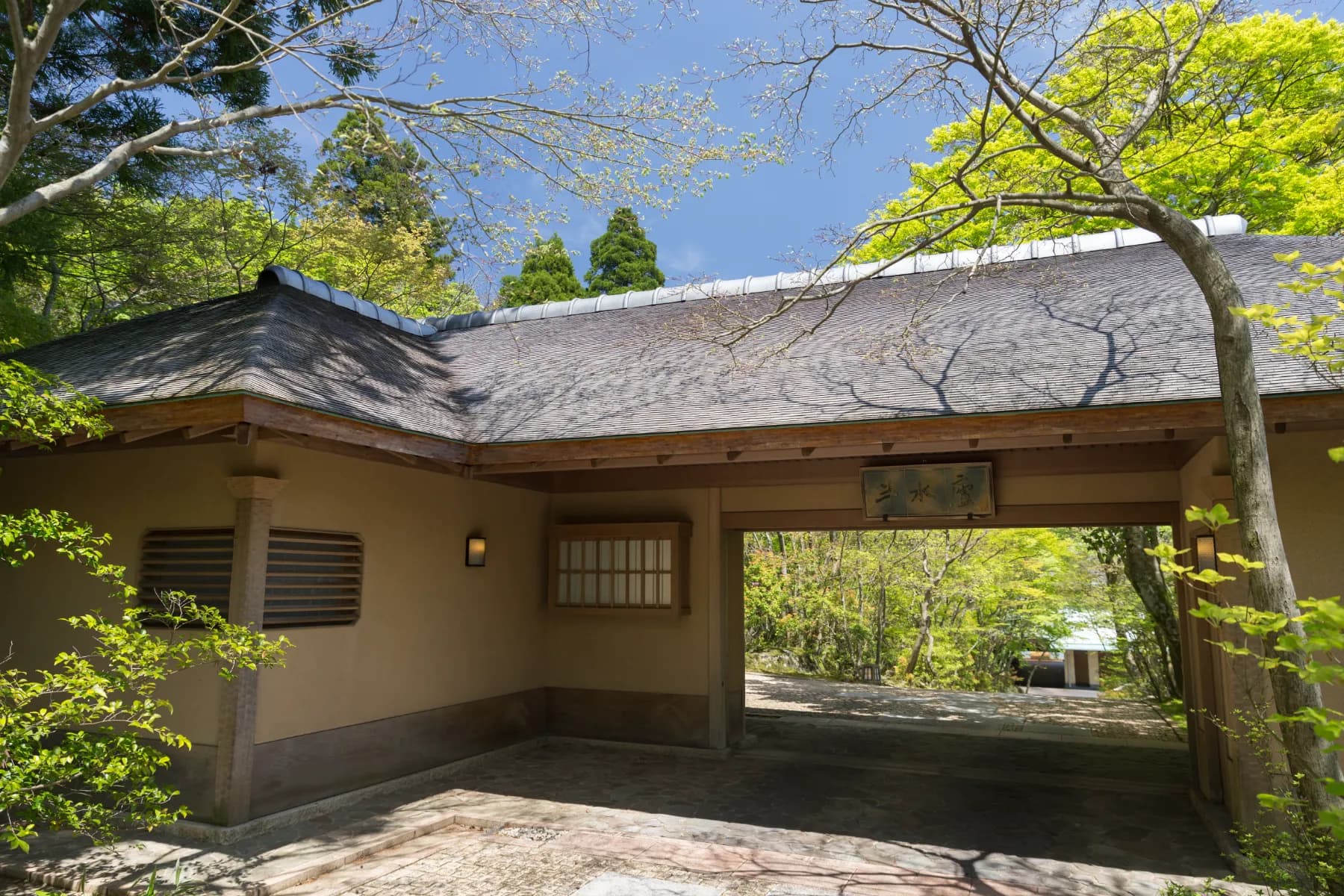
Yumoto Kissho is the property that makes you understand what the ¥30,000+ tier is actually buying in Naruko. The villas are positioned on the hillside above the valley floor with panoramic views of the gorge, and each has its own source connection to the property's spring — not a shared resort pool pumped through pipes, but water that comes from the ground under the building and drains after a single use (kakenagashi). The kaiseki dining here draws on Miyagi Prefecture's considerable larder: Sendai beef tongue, Kesennuma shark-fin soup if in season, *seri* (Japanese parsley) hot-pot in winter. Staff speak functional English and the property runs a station shuttle on request. The honest caveat: the access road is steep and narrow, and the setting rewards guests who want total immersion rather than easy access to the onsen town's shops and restaurants. [Check live rates →](https://www.trip.com/hotels/osaki-hotel-detail-23203989/yumoto-kissho/?Allianceid=8201747&SID=310025640) [verified Trip.com 2026-05-26]
Tip
Yumoto Kissho is the pick for October foliage season — the villa terraces look directly into the maple canopy. Book 6-8 weeks out for October weekends; it sells through faster than anything else in Naruko.
2. Naruko Hotel — 130-Year Flagship with Three Spring Sources
Naruko Hotel is the grande dame of the main town — a 130-year-old property that still functions as the social center of the Naruko Onsen district. What separates it from newer competitors is the water: three separate spring sources feed the baths, and they produce noticeably different colors depending on water temperature and oxidation state. A sodium-bicarbonate source runs milky white; a sulfur spring goes pale green when cool; the iron-bearing source can shade toward a light orange. It's not something you'd believe without seeing it, and the property makes a feature of the variation — the bathing schedule moves guests through different sources across the day. Room rates run ¥18,000–¥25,000 per person including meals [verified Trip.com 2026-05-26], which puts a couple's night at roughly $240–$330 at current exchange rates. English signage throughout. The rooms are traditional-grade rather than luxury — expect tatami, yukata, and an in-room ceramic teapot, not a villa with a private terrace. [Check live rates →](https://www.trip.com/hotels/osaki-hotel-detail-21830374/naruko-hotel/?Allianceid=8201747&SID=310025640)
3. Naruko Kanko Hotel — "Genzo no Yu" Four-Color Baths and Sendai Beef
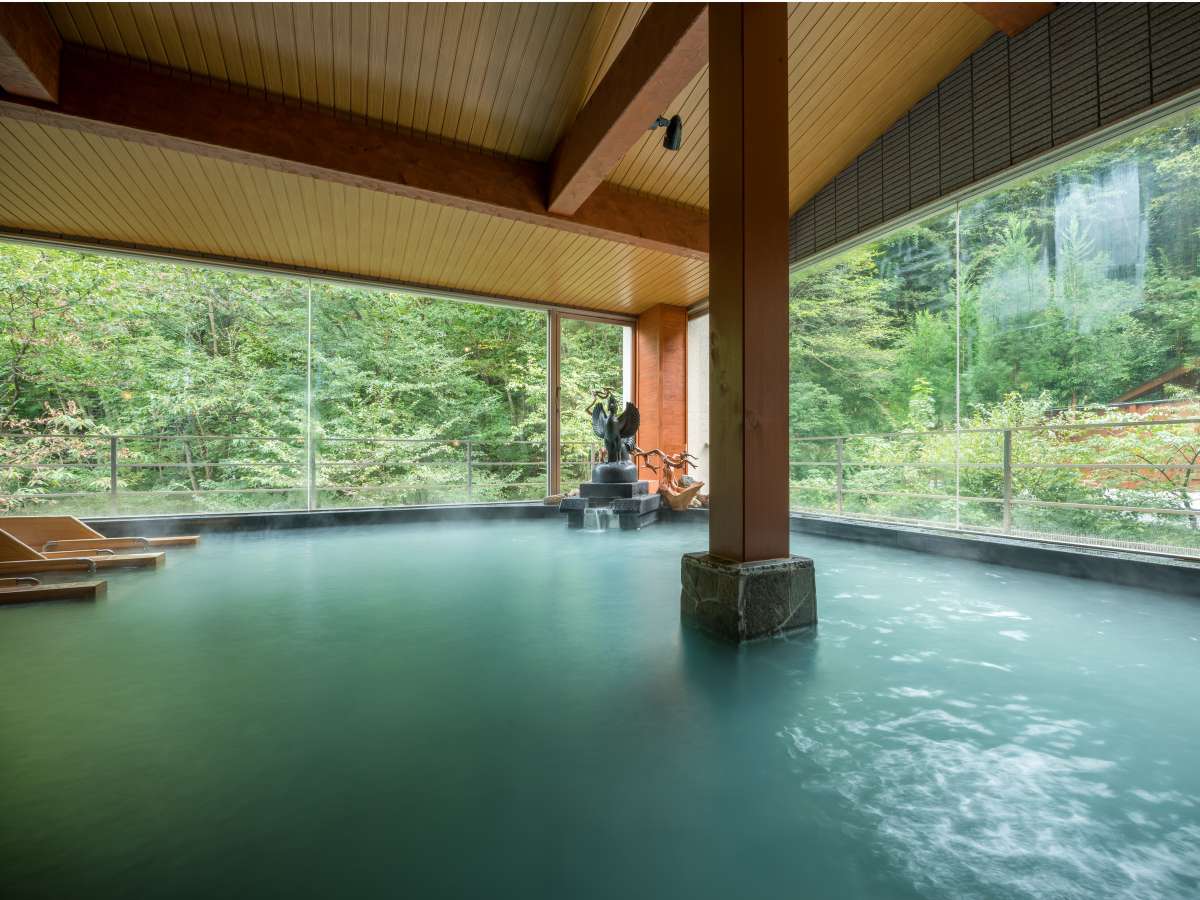
Naruko Kanko Hotel, marketed under the Genzo no Yu name, is the property locals recommend when someone asks which Naruko hotel has the most dramatic baths. The four distinct source springs — each a different color and chemical profile — fill separate bath areas that guests rotate through, and the *kashikiri* (private reserved bath) service is complimentary with your stay, which matters for tattooed guests and for couples who want the bath to themselves. Sendai beef appears on the dinner menu here at a tier where most Naruko properties would serve standard *wagyu* cuts; it's a meaningful difference if you care about beef provenance. Rates sit at ¥22,000–¥32,000 per person with meals [verified Trip.com 2026-05-26]. The building is a larger resort-format hotel rather than a traditional inn, which means more amenities but less of the intimate tōji atmosphere you'll find at the smaller family properties. [Check live rates →](https://www.trip.com/hotels/osaki-hotel-detail-6256058/genzo-no-yu-naruko-kanko-hotel/?Allianceid=8201747&SID=310025640)
4. Ryokan Ohnuma — 270-Year Toji Inn with Eight Distinct Baths
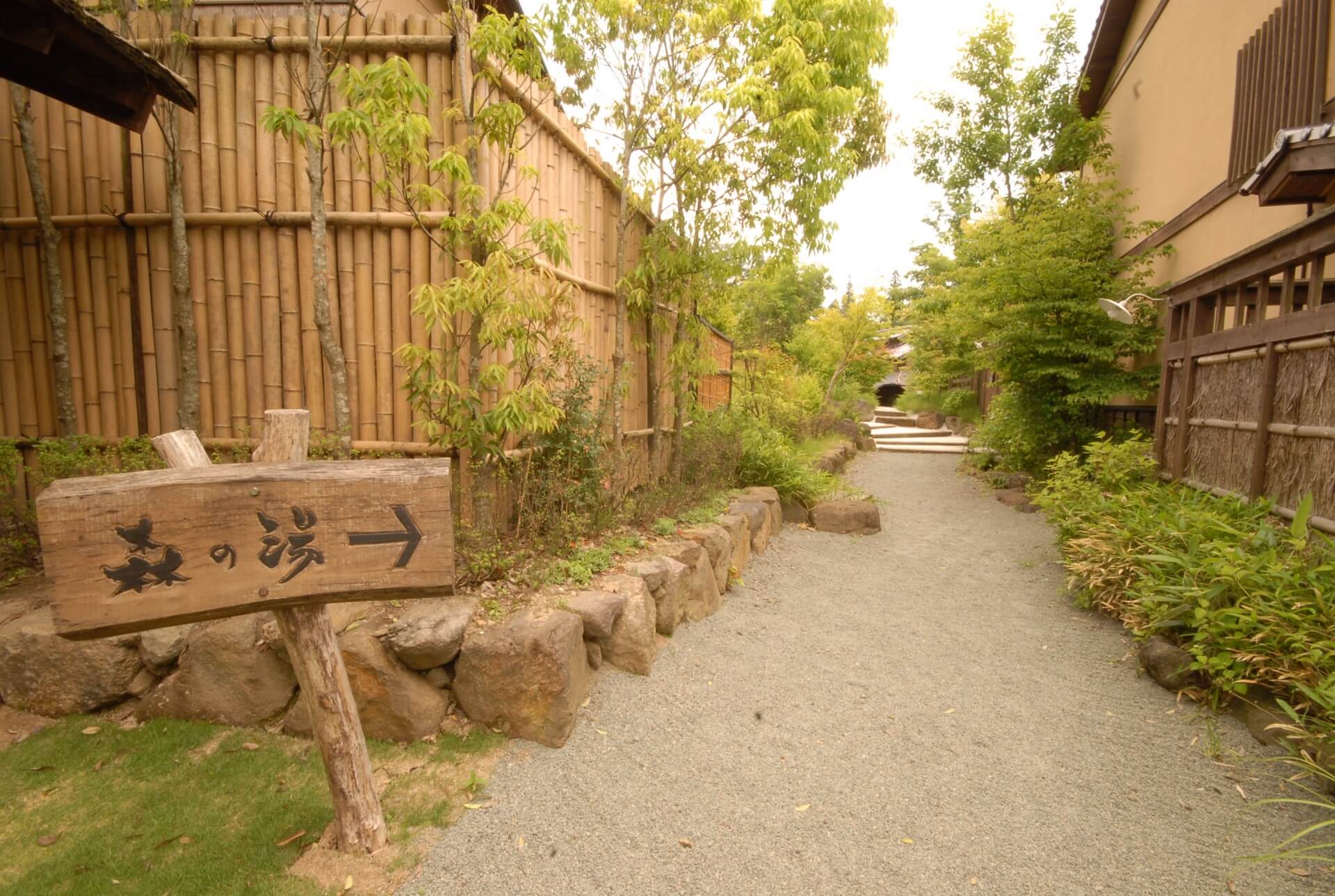
Ryokan Ohnuma in Higashi-Naruko district is the ryokan I'd send a serious bather to first. The inn traces its founding back 270 years and was originally a *tōji* destination — guests would come for extended therapeutic stays of a week or more to treat skin and joint conditions. Eight baths in total: the *Yakushi Sennin-buro* (mixed-use open-air stone bath named after the healing Buddha Yakushi) and the women-only *Mori no Yu* forest bath are the standouts, plus six additional indoor options fed by different spring types. The English website is the best-translated among all twelve picks on this list, which reflects decades of international guests arriving through tōji referral networks. Rates run ¥18,000–¥28,000 per person with meals [verified Trip.com 2026-05-26]. The rooms are older-style; some guests find the age adds character, others wish for a more updated bathroom. What you're paying for is the water variety and the depth of bathing culture, not modern fittings. [Check live rates →](https://in.trip.com/hotels/osaki-hotel-detail-6385107/naruko-onsenkyo-ryokan-onuma/?Allianceid=8201747&SID=310025640)
Tip
Ryokan Ohnuma's Higashi-Naruko location is about 12 minutes by car from Naruko-Onsen Station. The inn runs a shuttle — confirm when booking. Taxis from the station cost roughly ¥1,500.
5. Ryokan Sugawara — Showa-Era Irori Hearth and 100% Kakenagashi
Ryokan Sugawara earns its place on this list by doing things the hard way. The water is 100% kakenagashi — no recirculation, no reheating, fresh spring water flowing through every bath and draining after a single use — across all four of the property's private *kashikiri* baths. In an area where some properties quietly blend spring water with heated tap water to keep costs down, that's worth noting. The inn retains a Showa-era irori hearth in the dining room, and dinner is served around it: mountain vegetables (*sansai*) foraged from the Naruko hills, local *iwana* river trout, and in autumn a *matsutake* mushroom course that arrives in a ceramic dish with a lid you lift at the table. The smell is worth the trip alone. Rates at ¥16,000–¥22,000 per person with meals [verified Trip.com 2026-05-26] make this the best value for genuine spring culture in the mid tier. Not all staff speak English, but the booking process via Trip.com works smoothly. [Check live rates →](https://in.trip.com/hotels/osaki-hotel-detail-3123320/ryokan-naruko-onsen-ryokan-sugawara/?Allianceid=8201747&SID=310025640)
6. Ryokan Bentenkaku — Silky Alkaline Water at Nakayamadaira
Ryokan Bentenkaku sits in the Nakayamadaira district above the main valley, and the spring type here is the one Naruko locals point to when asked what makes the area unusual. The water is a sodium-bicarbonate alkaline spring at pH ~9.5, the variety locally called *unagi-yu* (eel-water) because of the way it leaves skin — genuinely, almost slippery-smooth, especially noticeable when you towel off. The sensation is different enough from standard sulfur or chloride springs that first-time bathers regularly stop and re-enter just to verify it. Kurikoma Quasi-National Park is accessible from the Nakayamadaira area, which makes this a practical base for guests combining onsen with hiking. Rates at ¥15,000–¥20,000 per person [verified Trip.com 2026-05-26]. The property runs a station shuttle. If the alkaline water concept appeals and the budget is right, this district is worth the 20-minute detour from the main Naruko town. [Check live rates →](https://www.trip.com/hotels/osaki-hotel-detail-8317840/naruko-onsen-ryokan-bentenkaku/?Allianceid=8201747&SID=310025640)
7. Ryokan Benisen — Quiet Source Water in Higashi-Naruko
Ryokan Benisen is the kind of family inn that survives on repeat guests: quiet, unhurried, and genuinely sourced from its own spring (*kakenagashi* — confirmed in the property description [verified Trip.com 2026-05-26]). The Higashi-Naruko location puts it away from the main town's tourist foot traffic, which is either a drawback or the point depending on why you're coming. Families with children and solo tōji travelers tend to choose this over the larger resort-format hotels for exactly that reason. Rates at ¥15,000–¥20,000 per person with meals make it the same tier as Bentenkaku but in a different district and spring type. English communication is limited; book via Trip.com and use the messaging function for any specific requests. [Check live rates →](https://in.trip.com/hotels/osaki-hotel-detail-3123360/higashi-naruko-onsen-ryokan-benisen/?Allianceid=8201747&SID=310025640)
8. Hotel Kameya Naruko — Three Minutes from the Station
Hotel Kameya Naruko is the pick when your first priority is logistics. Three minutes on foot from Naruko-Onsen Station — the closest property on this list to the platform — and the water is still kakenagashi from a natural spring [verified Trip.com 2026-05-26]. That combination of genuine onsen access and no-car-needed positioning is harder to find in Naruko than you'd expect, where many of the better inns are up the hillside or in outlying districts. Rates at ¥13,000–¥18,000 per person with meals put it in the budget-mid range. The rooms are straightforward business-style ryokan: nothing about the decor will surprise you, but the bath is real and the food covers the Tohoku standards — grilled local fish, mountain vegetable sides, rice in an iron pot. For first-time visitors doing a single-night test run of Naruko onsen before committing to a longer stay elsewhere, this is the practical pick. [Check live rates →](https://jp.trip.com/hotels/osaki-hotel-detail-1488108/hotel-kameya/?Allianceid=8201747&SID=310025640)
9. Ooedo Kounkaku Naruko — 116-Room Chain with Buffet and Free Drinks
Ooedo Kounkaku Naruko is part of the Ooedo Onsen Monogatari chain — a well-run national brand that has a clear formula: large public baths, extensive buffet dinner, free drinks station, and a price point around ¥11,000–¥15,000 per person [verified Trip.com 2026-05-26]. At 116 rooms it's the largest property on this list by some distance. What the chain does well: the public baths use genuine spring water and are maintained to a consistent standard; the buffet is genuinely substantial rather than a budget afterthought; and the booking process is fully English-compatible. What it doesn't do: the atmosphere is hotel-resort rather than traditional inn. There's no irori, no dedicated nakai-san, and the rooms are Western-bed hybrid rather than pure tatami. The honest position is that for travelers who want onsen access and are nervous about the full ryokan experience, an Ooedo property is a lower-anxiety entry point. For travelers who want the immersion, pick further up this list. [Check live rates →](https://jp.trip.com/hotels/osaki-hotel-detail-1646068/ooedo-onsen-monogatari-naruko-onsen-kounkaku/?Allianceid=8201747&SID=310025640)
10. Ooedo Masuya Naruko — Budget Floor with Chain Reliability
Ooedo Masuya Naruko is the sister Ooedo property in the same district, with rates running ¥10,000–¥14,000 per person with meals [verified Trip.com 2026-05-26] — the lowest floor price on this list. The same Ooedo formula applies: large baths, buffet, brand-level consistency, English booking. The Masuya building is smaller than Kounkaku so the atmosphere is fractionally less resort-like, though still in the same category. If you're deciding between the two Ooedo properties, Kounkaku has more bath variety; Masuya saves ¥1,000–¥3,000 per person per night. For budget travelers who want to get a taste of Tohoku onsen without the research commitment of a family inn, either Ooedo property works — but Masuya is the honest budget pick. [Check live rates →](https://www.trip.com/hotels/osaki-hotel-detail-17504560/oedo-onsen-monogatari-naruko-onsen-masuya/?Allianceid=8201747&SID=310025640)
11. Ryokan Sannojoyu — Sodium-Bicarbonate Beauty Water at Nakayamadaira
Ryokan Sannojoyu is a small (~10 rooms) family inn in the Nakayamadaira district, using the sodium-bicarbonate spring type locally called *biyo-no-yu* (beauty water) for its effect on skin. The water is chemically the same alkaline category as Bentenkaku but from a separate source. The inn is compact enough that the family runs it directly — dinner is home-cooked in the proper sense, and the portions are the kind that make you wish you'd skipped the afternoon snack. Rates at ¥13,000–¥17,000 per person with meals [verified Trip.com 2026-05-26] make it the better value of the two Nakayamadaira picks if the luxury Bentenkaku rate is a stretch. For guests specifically interested in the alkaline spring experience — which is the Nakayamadaira area's defining feature — the two properties offer the same water quality at different price points and atmospheres. [Check live rates →](https://us.trip.com/hotels/osaki-hotel-detail-23203989/ryokan-sannojoyu/?Allianceid=8201747&SID=310025640)
12. Ryokan Kanshichiyu — Small Toji Inn with Station Shuttle
Ryokan Kanshichiyu rounds out the list as the closest thing to a classic tōji inn at a price that doesn't require advance financial planning. Small room count, natural spring water, and a station shuttle that removes the need for a car or taxi [verified Trip.com 2026-05-26]. Rates at ¥12,000–¥16,000 per person with meals put it in the same budget-mid bracket as Kameya and Sannojoyu but with the specific advantage of the pickup service — useful if you're arriving at Naruko-Onsen Station after dark with luggage. The staff have a track record of working with foreign guests through Trip.com's messaging system; communication isn't perfect but it functions. If the Ohnuma and Sugawara inns are full, Kanshichiyu gives you the closest approximation of the traditional tōji experience at the budget-mid tier. [Check live rates →](https://in.trip.com/hotels/osaki-hotel-detail-6257922/naruko-onsenkyo-kanshichiyu/?Allianceid=8201747&SID=310025640)
When to Visit Naruko Onsen
October and November are the peak season, and for good reason. The Naruko Gorge maple canopy typically hits full color in the first week of November — orange, red, and a specific yellow-green that comes from the *iroha kaede* variety — and the gorge overlook is packed on weekends. If you can come on a weekday in late October, the crowds thin considerably and the baths are at their best: the air is cold enough that the outdoor onsen steam is visible and the contrast between water temperature and air temperature is at its sharpest.
February is the underrated choice. Snow settles on the Naruko valley and the outdoor baths become properly dramatic — steam rising through falling snow, the kind of scene that fills a ryokan's Instagram and earns it. Rates drop below Golden Week levels and the bath culture is at its most therapeutic. The gorge road may be icy, so driving in February requires winter tires or chain hire.
April brings cherry blossoms along Eboshi-yama hill and the river walks near the main station. The bloom is about 10 days later here than in Tokyo or Sendai due to elevation, typically peaking in mid to late April. Spring kaiseki menus appear — bamboo shoots, *fuki* (butterbur), early mountain vegetables.
Avoid Golden Week (late April to early May) and Obon (mid-August). Both bring peak domestic travel volume to Naruko, prices rise sharply, and the smaller family inns book out weeks ahead with Japanese guests on reservation priority lists.
Getting to Naruko Onsen
The standard approach is from Sendai Station on the JR Rikuu-East Line (*Rikuu Tōsen*), which runs direct to Naruko-Onsen Station in approximately 75 minutes [verified JR East 2026]. A Japan Rail Pass covers the full fare. From Tokyo, add the Tohoku Shinkansen leg: Hayabusa services reach Sendai in 90–100 minutes from Tokyo Station, making the total door-to-station time around 3 hours. Trains from Sendai run roughly every 1–2 hours; the last direct service departs Sendai around 7–8 PM, so plan accordingly if you're arriving on the day of a long flight.
Several properties on this list run their own station shuttles: Yumoto Kissho (on request), Ryokan Kanshichiyu (standard service), and Ryokan Bentenkaku (confirm when booking). For the Onikobe district — the northernmost and most remote of Naruko's five spring areas — a local bus runs from Naruko-Onsen Station in about 20 minutes, or a taxi takes roughly ¥2,500. There is no train service to Onikobe. Driving is practical for Nakayamadaira and Onikobe districts; the parking at Naruko-Onsen Station is limited.
Bathing Etiquette at Naruko Ryokans
Tip
All communal baths at Naruko ryokans require full pre-wash at the shower station before entering the soaking pool — the bath is for soaking only, never for washing. No swimwear permitted. Hair must be tied up and kept out of the water. Most properties on this list offer at least one private *kashikiri* bath reservable at no extra charge, which is the practical solution for guests with tattoos.
All 12 picks above are bookable now via Trip.com. For most of the year — outside October foliage season, Golden Week, and Obon — booking 3–4 weeks ahead is enough to secure your preferred property. For October foliage weekends and February weekends, lock in 6–8 weeks out, particularly for Yumoto Kissho and Naruko Kanko Hotel, which fill fastest in those windows. The smaller family inns (Sugawara, Benisen, Kanshichiyu, Sannojoyu) maintain their own reservation queues and may not release all availability to OTAs immediately — if Trip.com shows sold out for a date, a direct email or phone call to the property is sometimes worth trying.
那是一个十月的周二清晨五点,我踏出鸣子观光酒店,整座峡谷仿佛正在呼吸。薄雾沉在谷底,露天浴池升腾的水蒸气穿雾而上,带着一丝只属于鸣子的铁质与硫磺气息——并不刺鼻,更像是山岭正在进行某种地质运动。枫树的树冠刚刚开始变色,枝梢还是绿的,中层却已深沉成琥珀色。周围只有河水流淌的声音,以及谷底某处一座木质小桥发出的吱呀声。我肩上搭着浴巾,大浴池里空无一人。正是这样的瞬间,让人甘愿从东京跋涉五个小时而来。
鸣子温泉最值得入住的旅馆是汤元吉祥——奢华山顶别墅俯瞰谷地,拥有专属泉源、精绝的怀石料理(日式多道精致套餐),以及令你觉得自己是温泉乡唯一宾客的员工与住客比例。如果这个价位稍显吃力,大沼旅馆则提供了270年汤治(tōji,疗愈性泡汤住宿文化)的传承,以及八种截然不同的浴池,价格实惠许多。
Tip
声明:通过本站的Trip.com合作链接预订,Japan Ryokan Guide将获得佣金,对您无需额外支付任何费用。本列表中每一家旅馆均依据价格、水质、英语友好度及真实住客体验独立评选,与任何合作关系无关。
快速对比:12家鸣子旅馆一览
| # | 旅馆 | 档次 | 起价(美元/晚) | 步行至车站 | 最适合 | |---|--------|------|-----------------|-----------------|----------| | 1 | 汤元吉祥 | 奢华 | 约$200(约¥1,440元) | 10分钟 / 免费班车 | 特殊纪念,景观绝佳 | | 2 | 鸣子酒店 | 中高档 | 约$120(约¥864元) | 5分钟 | 历史爱好者,三泉源多样体验 | | 3 | 鸣子观光酒店 | 中高档 | 约$145(约¥1,044元) | 7分钟 | 仙台牛,四色温泉浴池 | | 4 | 大沼旅馆 | 中高档 | 约$120(约¥864元) | 12分钟 / 班车 | 深度泡汤者,悠久历史 | | 5 | 菅原旅馆 | 中档 | 约$105(约¥756元) | 8分钟 | 100%源泉放流,围炉里用餐 | | 6 | 辨天阁旅馆 | 中档 | 约$100(约¥720元) | 20分钟 / 班车 | 碱性丝滑泉水,栗驹准国立公园 | | 7 | 辨泉旅馆 | 中档 | 约$100(约¥720元) | 15分钟 | 东鸣子静谧环境,家庭出行 | | 8 | 鸣子龟屋酒店 | 经济中档 | 约$85(约¥612元) | 3分钟 | 离车站最近,源泉放流 | | 9 | 大江户光云阁鸣子 | 经济 | 约$73(约¥526元) | 10分钟 | 自助餐,初次体验者,团体出行 | | 10 | 大江户益屋鸣子 | 经济 | 约$65(约¥468元) | 12分钟 | 列表中夜间价格最低 | | 11 | 三乃汤旅馆 | 经济中档 | 约$85(约¥612元) | 20分钟 | 碳酸氢钠美容泉水 | | 12 | 勘七汤旅馆 | 经济中档 | 约$80(约¥576元) | 5分钟 / 班车 | 经典汤治,车站接送 |
为什么选鸣子温泉?东北地区最被低估的温泉小镇
大多数温泉地只主打一种泉质。别府有硫磺泥浴,登别有火山地狱谷。而鸣子的特别之处更难以想象——直到你背着浴巾站在步道入口才会真正体会到:日本十一种公认温泉泉质中的九种,全都汇聚在大鸣子地区,一次住宿即可一一体验。日本温泉协会(Nihon Onsen Kyokai)对泉质进行认证,全国没有任何其他地区能覆盖如此宽广的泉质范围。在两天之内泡五种化学成分各异的温泉,绝非旅游噱头——每处的泉水在感官上都截然不同,气味、触感、颜色各有差异,这也是为什么鸣子一千多年来始终吸引着汤治(tōji,即以泡汤为目的的疗愈性住宿)访客。
鸣子地区分为五个片区。鸣子温泉是车站周边的主镇,是商业中心,大型酒店和木芥子娃娃(kokeshi)工坊大多聚集于此。东鸣子位于主镇以东约5公里的安静谷地,汇聚了一批历史最悠久的家庭式旅馆。川渡是沿河片区,深受徒步爱好者喜爱。中山平位于谷地之上的高原台地,以出奇丝滑的碱性泉水著称,当地称之为”鳗鱼汤”(*unagi-yu*)——泡完之后皮肤光滑得如同鳗鱼表皮。鬼首是最偏远的片区,在车站以北约20分钟车程,高海拔硫磺泉交通不便,但冬季景色壮美。对于初次造访者来说,主镇和东鸣子已涵盖大部分优质浴池。
除温泉之外,鸣子还是日本公认的木芥子娃娃(kokeshi)之都。这种车削木制玩偶——圆柱形身体、圆形彩绘头部、没有手臂——起源于江户时代初期,当时东北地区的木工艺人开始将其作为纪念品出售给汤治游客。鸣子风格木芥子娃娃有独特的花纹领圈,头部转动时会发出吱吱声;全国共有十一种公认的地方风格,鸣子风格是出口量最大的一种。主街上仍有几家工坊进行现场车削演示。鸣子峡(Naruko-kyō)在车站以南绵延约2公里,最窄处深达100米;每年11月的前两周,峡谷上方的枫树林完全变为橙红色,这里成为东北地区秋叶摄影的最佳目的地。从仙台出发交通便捷:JR陆羽东线(Rikuu Tōsen)直达,约75分钟,日本铁路通票(JR Pass)可全程覆盖。[来源已核实 JR East 2026]
我们如何筛选这12家旅馆
12家旅馆在撰稿时(2026年5月)均在Trip.com平台上可订,且各自拥有至少10条经过核实的住客评价。筛选标准包括:泉水水质(源泉放流式——即天然温泉水持续流入、使用后直接排放而非循环再加热——视为重要加分项);针对有文身住客或追求私密泡汤的包租浴(*kashikiri*,即私人独占浴池)设施;英语沟通能力(官网、OTA页面或对外国住客的既往服务记录);以及覆盖五个片区以呈现鸣子地理的多样性。我们将历史悠久的汤治旅馆与现代连锁酒店均纳入其中,因为鸣子两者兼有,服务对象也各不相同。历史区的旅馆提供氛围与正宗泉水文化,大江户连锁则提供可预期的品质、英语App,以及自助晚餐的免费饮品。
1. 汤元吉祥——奢华山顶别墅,俯瞰峡谷全景
汤元吉祥能让你真正理解鸣子¥30,000(约人民币1,440元)以上的价位究竟在购买什么。别墅建在谷底之上的山坡,可全景俯瞰峡谷,每栋别墅均直接连接自有泉源——并非通过管道泵送至共用大浴池,而是泉水从建筑正下方涌出,使用一次即排放(源泉放流式)。这里的怀石料理充分取材于宫城县丰沛的食材宝库:仙台牛舌、气仙沼鱼翅汤(季节限定),以及冬季的芹菜(seri,日本香芹)火锅。员工具备基础英语沟通能力,并可按需提供车站接送班车。需要坦诚说明的是:进入旅馆的山路坡度大且路面窄,这里更适合追求彻底沉浸、而非便于出门逛商铺餐厅的住客。[查看实时价格 →](https://www.trip.com/hotels/osaki-hotel-detail-23203989/yumoto-kissho/?Allianceid=8201747&SID=310025640) [来源已核实 Trip.com 2026-05-26]
Tip
10月赏枫季首选汤元吉祥——别墅露台与枫树林遥遥相望,视野绝佳。10月周末需提前6至8周预订;在鸣子所有旅馆中,这里的房间最先售罄。
2. 鸣子酒店——拥有130年历史的旗舰酒店,三处泉源
鸣子酒店是主镇的”老牌名媛”——这家130年历史的老店至今仍是鸣子温泉地区的社交中心。令它区别于新晋对手的,是水质本身:三处独立泉源供应浴池,因水温和氧化状态不同,泉水会呈现出明显不同的颜色变化。碳酸氢钠泉呈乳白色;硫磺泉冷却后变为淡绿色;含铁泉偶尔泛出浅橙色。不亲眼见到很难相信,而旅馆也将这种多样性作为一大特色——每日排班引导住客先后体验不同泉源。含餐价格约¥18,000至¥25,000每人 [来源已核实 Trip.com 2026-05-26],按当前汇率换算,两人一晚合计约$240至$330(约人民币1,728至2,376元)。全馆英语指示牌齐全。客房为传统格调而非奢华规格——榻榻米、浴衣(yukata,日式棉质睡袍)、陶瓷茶壶,并无私人露台或别墅待遇。[查看实时价格 →](https://www.trip.com/hotels/osaki-hotel-detail-21830374/naruko-hotel/?Allianceid=8201747&SID=310025640)
3. 鸣子观光酒店——“幻之汤”四色浴池与仙台牛料理
鸣子观光酒店以”幻之汤”(Genzo no Yu)为品牌对外宣传,是当地人被问到”鸣子哪家酒店浴池最震撼”时的首选答案。四处独立泉源各有不同颜色与化学成分,分布在不同的浴池区域供住客轮流体验;包租浴(私汤,*kashikiri*)服务随住宿免费提供——这对有文身的住客及希望独享浴池的情侣而言尤为重要。晚餐菜单上出现的是仙台牛——在同档次的鸣子旅馆中,大多数只提供普通和牛;这一点对重视牛肉产地的住客来说有实质差别。含餐价格约¥22,000至¥32,000每人 [来源已核实 Trip.com 2026-05-26]。整体为大型度假酒店格局,配套设施更为完善,但相较于小型家庭式旅馆,那种亲密的汤治氛围会有所减弱。[查看实时价格 →](https://www.trip.com/hotels/osaki-hotel-detail-6256058/genzo-no-yu-naruko-kanko-hotel/?Allianceid=8201747&SID=310025640)
4. 大沼旅馆——270年汤治老宅,八处各具特色的浴池
东鸣子片区的大沼旅馆,是我会第一个推荐给认真泡汤者的旅馆。这家旅馆创建于270年前,最初正是作为汤治(tōji)目的地而建——住客往往会连住一周以上,以泡汤治疗皮肤和关节疾病。共有八处浴池:以药师如来命名的”药师千人风吕”(混浴露天石浴池)和仅限女性的”森之汤”露天浴池是其中最亮眼的,另有六处不同泉质的室内浴池。旅馆英文网站的翻译质量是本列表12家中最好的,这反映出数十年来通过汤治圈子口碑吸引海外住客的积累。含餐价格约¥18,000至¥28,000每人 [来源已核实 Trip.com 2026-05-26]。客房风格较为老旧,部分住客认为年代感增添了独特韵味,也有人希望浴室设施更现代。这里真正值得付费的,是泉质的多样性与深厚的泡汤文化,而非现代装修。[查看实时价格 →](https://in.trip.com/hotels/osaki-hotel-detail-6385107/naruko-onsenkyo-ryokan-onuma/?Allianceid=8201747&SID=310025640)
Tip
大沼旅馆位于东鸣子,从鸣子温泉站开车约12分钟。旅馆提供班车接送,预订时请确认时刻表。从车站打车约¥1,500。
5. 菅原旅馆——昭和时代围炉里与100%源泉放流
菅原旅馆凭借”把事情做难”的坚持在本列表占有一席之地。全馆四处包租浴(私汤)均为100%源泉放流式——不循环、不重复加热,新鲜泉水持续流入、使用后直接排放。在部分旅馆悄悄将泉水与加热自来水混合以降低成本的地区,这一点尤为值得关注。旅馆保留了昭和时代的围炉里(irori,地炉)作为餐厅中心,晚餐就围坐其旁:鸣子山间采摘的山野菜(*sansai*)、本地岩鱼(*iwana*,河鱼)、以及秋季限定的松茸套餐——松茸盛放在有盖陶器中端上桌,掀盖瞬间的香气足以值回票价。含餐价格约¥16,000至¥22,000每人 [来源已核实 Trip.com 2026-05-26],是中档价位中追求正宗泉水文化的最佳性价比选择。部分员工不会说英语,但通过Trip.com的预订流程顺畅无阻。[查看实时价格 →](https://in.trip.com/hotels/osaki-hotel-detail-3123320/ryokan-naruko-onsen-ryokan-sugawara/?Allianceid=8201747&SID=310025640)
6. 辨天阁旅馆——中山平的丝滑碱性泉水
辨天阁旅馆位于主谷地之上的中山平片区,这里的泉质正是当地人被问及鸣子特别之处时的第一答案。泉水为碳酸氢钠碱性温泉,pH值约9.5,当地称之为”鳗鱼汤”(*unagi-yu*)——因为它对皮肤的效果:泡完之后肌肤润滑得仿佛真的碰了鳗鱼。这种触感与普通硫磺泉或氯化物泉差异显著,初次体验的住客常常会重新入浴,只为再次确认那种感觉。中山平片区紧邻栗驹准国立公园,对于想将温泉与徒步结合的住客来说,这里是理想的根据地。含餐价格约¥15,000至¥20,000每人 [来源已核实 Trip.com 2026-05-26]。旅馆提供车站班车接送。如果对碱性温泉体验感兴趣且预算合适,从主镇多走20分钟绕道来此是值得的。[查看实时价格 →](https://www.trip.com/hotels/osaki-hotel-detail-8317840/naruko-onsen-ryokan-bentenkaku/?Allianceid=8201747&SID=310025640)
7. 辨泉旅馆——东鸣子的宁静源泉
辨泉旅馆是那种靠回头客维系的家庭式旅馆:安静、不紧不慢,并经旅馆介绍确认为自有泉源(源泉放流式 [来源已核实 Trip.com 2026-05-26])。东鸣子的位置让它远离了主镇的旅游人流——这究竟是缺点还是亮点,取决于你此行的目的。带着孩子出行的家庭和独自汤治的旅客往往正因如此而选择这里,而非大型度假酒店。含餐价格约¥15,000至¥20,000每人,与辨天阁同档次,但所在片区和泉质各有不同。英语沟通有限,建议通过Trip.com预订,并使用站内消息功能提出具体需求。[查看实时价格 →](https://in.trip.com/hotels/osaki-hotel-detail-3123360/higashi-naruko-onsen-ryokan-benisen/?Allianceid=8201747&SID=310025640)
8. 鸣子龟屋酒店——距车站仅三分钟
鸣子龟屋酒店是当首要考量是交通便利时的最优选。从鸣子温泉站步行仅需三分钟——是本列表中距站台最近的旅馆——且泉水仍为天然温泉源泉放流式 [来源已核实 Trip.com 2026-05-26]。在鸣子,不少优质旅馆都建在山坡上或偏远片区,这种”真实温泉体验+无需用车”的组合其实比想象中难得。含餐价格约¥13,000至¥18,000每人,属于经济中档区间。客房是简洁的商务型旅馆风格,装潢没有惊喜,但浴池货真价实,餐食涵盖东北特色:烤当地鱼、山野菜小菜、铁锅白米饭。对于首次造访鸣子温泉、只计划住一晚体验一下的旅客来说,这是最实际的选择。[查看实时价格 →](https://jp.trip.com/hotels/osaki-hotel-detail-1488108/hotel-kameya/?Allianceid=8201747&SID=310025640)
9. 大江户光云阁鸣子——116间客房的连锁,含自助餐与免费饮品
大江户光云阁鸣子隶属大江户温泉物语连锁品牌——这是一个运营成熟的全国性品牌,有一套明确的公式:宽大的公共浴池、丰盛的自助晚餐、免费饮品区,以及约¥11,000至¥15,000每人的亲民价位 [来源已核实 Trip.com 2026-05-26]。以116间客房的体量,是本列表规模最大的旅馆。连锁的优势在于:公共浴池使用真正的温泉水,维护标准稳定一致;自助餐内容扎实,绝非凑数的预算餐;预订全程支持英语。而它做不到的是:氛围上属于酒店度假村而非传统旅馆,没有围炉里,没有专职仲居(女服务员),客房也是和洋结合型而非纯榻榻米。对于想体验温泉但对传统旅馆感到忐忑的旅客来说,大江户是降低心理门槛的好选择。如果追求真正的沉浸体验,请在列表靠前的旅馆中选择。[查看实时价格 →](https://jp.trip.com/hotels/osaki-hotel-detail-1646068/ooedo-onsen-monogatari-naruko-onsen-kounkaku/?Allianceid=8201747&SID=310025640)
10. 大江户益屋鸣子——连锁品质保障下的平价底线
大江户益屋鸣子是同片区的另一家大江户旗下旅馆,含餐价格约¥10,000至¥14,000每人 [来源已核实 Trip.com 2026-05-26]——本列表中起步价格最低。大江户公式同样适用:宽大浴池、自助餐、品牌级稳定性、英语预订。益屋建筑规模小于光云阁,度假村感略淡一些,但仍属同一类别。如果在两家大江户之间难以抉择:光云阁浴池种类更多,益屋每人每晚可节省约¥1,000至¥3,000。对于想初尝东北温泉、又不想花时间研究家庭式旅馆的预算旅客,两家大江户都可以胜任——但益屋才是真正诚意的平价之选。[查看实时价格 →](https://www.trip.com/hotels/osaki-hotel-detail-17504560/oedo-onsen-monogatari-naruko-onsen-masuya/?Allianceid=8201747&SID=310025640)
11. 三乃汤旅馆——中山平的碳酸氢钠美容温泉
三乃汤旅馆是中山平片区一家小型(约10间客房)家庭式旅馆,使用当地称为”美肤之汤”(*biyo-no-yu*)的碳酸氢钠温泉,以其对皮肤的美容功效著称。泉水化学成分与辨天阁同属碱性泉质,但来自不同的独立泉源。旅馆规模小到由家人直接经营——晚餐是真正意义上的家常料理,份量之丰盛会让你后悔下午没少吃。含餐价格约¥13,000至¥17,000每人 [来源已核实 Trip.com 2026-05-26],如果奢华档辨天阁的价格略超预算,这里是中山平两个选项中性价比更高的。专程为碱性温泉体验而来的住客——这正是中山平片区的核心特色——可以在价格和风格不同的两家旅馆之间选择同等水质的体验。[查看实时价格 →](https://us.trip.com/hotels/osaki-hotel-detail-23203989/ryokan-sannojoyu/?Allianceid=8201747&SID=310025640)
12. 勘七汤旅馆——提供车站接送的小型汤治旅馆
勘七汤旅馆作为最接近经典汤治旅馆形态的收尾之选,价格不需要提前做财务规划。客房数量少,天然泉水,车站接送班车免去了租车或打车的烦恼 [来源已核实 Trip.com 2026-05-26]。含餐价格约¥12,000至¥16,000每人,与龟屋和三乃汤同属经济中档,但接送服务是特别的优势——对于携带行李夜晚抵达鸣子温泉站的住客尤其实用。员工对通过Trip.com消息系统接待外国住客有一定经验,沟通虽不完美但基本顺畅。如果大沼旅馆和菅原旅馆已客满,勘七汤是经济中档中最接近传统汤治体验的替代选择。[查看实时价格 →](https://in.trip.com/hotels/osaki-hotel-detail-6257922/naruko-onsenkyo-kanshichiyu/?Allianceid=8201747&SID=310025640)
何时前往鸣子温泉最佳
10月和11月是旺季,名副其实。鸣子峡的枫树林通常在11月第一周迎来最佳观叶期——橙色、红色,以及伊吕波枫(*iroha kaede*)特有的黄绿色——峡谷观景台在周末人头攒动。如果能在10月下旬的工作日前来,人潮大为消散,露天浴池的体验也达到一年中最佳状态:气温够低,室外温泉的水雾清晰可见,水温与气温之间的温差对比最为强烈。
2月是被低估的选择。积雪覆盖鸣子谷地,露天浴池呈现出最令人震撼的景象——水雾在飘雪中升腾,这种场景会出现在旅馆的每一张宣传图里,令人流连忘返。价格低于黄金周水平,泡汤的疗愈感达到全年最强。峡谷公路在2月可能结冰,驾车前往需要冬季轮胎或雪链。
4月,帽子山沿线和车站附近的河岸步道会绽放樱花。因海拔偏高,这里的花期比东京或仙台晚约10天,通常在4月中下旬达到顶峰。春季怀石料理菜单也随之登场——竹笋、蕗(*fuki*,款冬)、各类早春山野菜。
请避开黄金周(4月下旬至5月初)和盂兰盆节(8月中旬)。这两段时间是日本国内旅游的最高峰,鸣子的住宿价格大幅上涨,小型家庭旅馆往往提前数周就被本地住客预订一空。
如何前往鸣子温泉
标准路线是从仙台站乘坐JR陆羽东线(Rikuu Tōsen)直达鸣子温泉站,约75分钟 [来源已核实 JR East 2026],日本铁路通票(JR Pass)全程有效。从东京出发,需加上东北新干线(Shinkansen)段:隼号列车从东京站出发约90至100分钟抵达仙台,全程门到站合计约3小时。仙台方向每1至2小时有一班车次;最晚一班直达列车约在晚7至8时从仙台出发,请根据航班抵达时间提前规划。
本列表中数家旅馆提供自有班车接送:汤元吉祥(按需预约)、勘七汤旅馆(标准服务)、辨天阁旅馆(预订时确认)。前往鬼首片区——鸣子五大泉区中最偏北最偏远的一处——从鸣子温泉站乘坐地方巴士约20分钟,出租车约¥2,500。鬼首没有铁路服务。中山平和鬼首片区适合自驾前往;鸣子温泉站周边停车位有限。
鸣子旅馆泡汤礼仪须知
Tip
鸣子旅馆所有公共浴池均要求进入泡汤区前先在淋浴位彻底冲洗身体——浴池仅供浸泡,不可在浴池内搓洗。禁止穿着泳衣入池。头发须盘起并保持不入水。本列表中大多数旅馆至少提供一处可免费预约的包租浴(私汤,*kashikiri*),是有文身住客的实用解决方案,在私人浴池中无文身限制。
以上12家旅馆均可通过Trip.com立即预订。一年中大部分时间——10月赏枫季、黄金周和盂兰盆节除外——提前3至4周预订即可锁定心仪旅馆。10月赏枫周末和2月周末则需提前6至8周预订,尤其是汤元吉祥和鸣子观光酒店,这两段时间里它们是最快售罄的选择。小型家庭旅馆(菅原、辨泉、勘七汤、三乃汤)维护各自的预约名单,未必会将全部房源开放给OTA平台——如果Trip.com显示某日期已满,直接发邮件或致电旅馆有时仍有机会。
FAQ
Frequently asked questions
Which is the best ryokan in Naruko Onsen?+
Yumoto Kissho is the top luxury pick — hilltop villas with dedicated spring sources, kakenagashi water, and kaiseki featuring Sendai beef and local Miyagi seasonal ingredients. For mid-range with serious bathing culture, Ryokan Ohnuma (270 years old, eight distinct baths, full English website) is the strongest alternative. Budget travelers get the best value-per-yen at Hotel Kameya Naruko — three minutes from the station with genuine kakenagashi spring water.
What is special about Naruko Onsen's hot spring water?+
Naruko has nine of Japan's eleven recognized spring types within the greater onsen area — a concentration found nowhere else in the country. Spring types include sulfur, sodium-bicarbonate, alkaline (pH ~9.5, the 'unagi-yu' that leaves skin slippery-smooth), acidic, iron, sodium-chloride, carbon dioxide, hydrogen-sulfide, and radium springs. The five districts each draw from different geological sources, so the water genuinely looks, smells, and feels different depending on where you bathe.
Are tattoos allowed in Naruko Onsen ryokan baths?+
Most communal baths in Naruko follow the standard Japanese policy of no visible tattoos. However, nearly all 12 properties on this list offer at least one private kashikiri (reserved exclusive-use) bath, typically bookable at check-in at no extra charge. Naruko Kanko Hotel explicitly includes free kashikiri with its stay. Private baths have no tattoo restriction, so tattooed guests can still enjoy genuine onsen soaking throughout their stay.
How do I get to Naruko Onsen from Tokyo or Sendai?+
From Sendai: JR Rikuu-East Line direct to Naruko-Onsen Station, approximately 75 minutes, covered by Japan Rail Pass. From Tokyo: Tohoku Shinkansen to Sendai (90–100 min), then the Rikuu-East Line — total journey around 3 hours. Several ryokans (Kanshichiyu, Yumoto Kissho, Bentenkaku) run station shuttles. For the Onikobe district, take a local bus (20 min) or taxi (¥2,500) from Naruko-Onsen Station.
When is the best time to visit Naruko Onsen?+
Late October to early November for the Naruko Gorge autumn foliage — Tohoku's most photographed maple season. February is the best shoulder pick: snow-covered outdoor baths, lower rates, and a dramatically different atmosphere. April brings cherry blossoms along Eboshi-yama. Avoid Golden Week (late April to early May) and Obon (mid-August) when Japanese domestic travel peaks and family inns fill quickly.
Is Naruko worth visiting from Tokyo for a weekend trip?+
Yes, if you leave Friday evening. The 3-hour journey (Shinkansen to Sendai + local train) means arriving at your ryokan by 9–10 PM, bathing Saturday and Sunday, and returning Sunday evening in time for a Monday morning. Two nights is the right length — enough to visit two or three districts and try different spring types without rushing. October foliage weekends make the trip particularly worthwhile, but the area is genuinely appealing any time outside the peak crowd periods.
What is Naruko Onsen's signature cultural craft?+
Kokeshi dolls — cylindrical turned-wood figures with painted heads and no arms, originating in the Naruko area during the early Edo period. Naruko woodworkers began making them as souvenirs for tōji (therapeutic bathing retreat) visitors. The Naruko style has a distinctive patterned collar and a head that squeaks when rotated. Of Japan's eleven recognized regional kokeshi styles, the Naruko style is the most widely exported. Several workshops near the main station offer live-turning demonstrations, and the Naruko Kokeshi Museum displays the full range of regional styles.
How does Naruko compare to Ginzan Onsen or Zao Onsen for a Tohoku weekend?+
All three are excellent but serve different priorities. Ginzan is the most photogenic — a single lantern-lit street of traditional inns above a river gorge; the atmosphere is exceptional but there are only about a dozen properties. Zao is the outdoor activity hub with the famous 'snow monsters' (ice-coated trees) in February and good skiing. Naruko is the spring-type specialist: nine spring varieties, serious tōji culture, and the best Tohoku option if bathing quality and variety is your primary criterion. For a first-time Tohoku visitor, Naruko + Naruko Gorge covers both onsen depth and autumn scenery without requiring the rental car that Zao benefits from.
鸣子温泉哪家旅馆最好?+
汤元吉祥是奢华档的首选——山顶别墅拥有专属泉源、源泉放流式泉水,以及融入仙台牛和宫城县时令食材的怀石料理。中高档中注重泡汤文化的,大沼旅馆(270年历史、八处各具特色的浴池、全英文网站)是最强替代。预算有限的旅客在鸣子龟屋酒店可获得最佳性价比——距车站仅三分钟,泉水为真实的源泉放流式温泉。
鸣子温泉的温泉水有什么特别之处?+
鸣子在大温泉区范围内汇聚了日本十一种公认泉质中的九种,这种集中度在全国绝无仅有。泉质涵盖:硫磺泉、碳酸氢钠泉、碱性泉(pH约9.5,即”鳗鱼汤”,泡后肌肤异常柔滑)、酸性泉、铁质泉、氯化钠泉、二氧化碳泉、硫化氢泉和镭泉。五个片区各自得益于不同的地质构造,因此各处泉水在外观、气味和触感上均有真实差异。
鸣子温泉旅馆允许有文身的客人泡汤吗?+
鸣子大多数公共浴池遵循日本通行规定,禁止携带可见文身入浴。但本列表中几乎所有12家旅馆均提供至少一处包租浴(私汤,即预约独占使用的浴池),通常在入住时可免费预约。鸣子观光酒店明确将免费包租浴作为住宿标配。私汤无文身限制,有文身的住客仍可在整个住宿期间充分享受真实的温泉体验。
从东京或仙台如何前往鸣子温泉?+
从仙台出发:乘坐JR陆羽东线直达鸣子温泉站,约75分钟,日本铁路通票(JR Pass)有效。从东京出发:乘东北新干线至仙台(约90至100分钟),再转乘陆羽东线,全程合计约3小时。多家旅馆(勘七汤旅馆、汤元吉祥、辨天阁旅馆)提供车站接送班车。前往鬼首片区,从鸣子温泉站乘地方巴士约20分钟,或打车约¥2,500。
鸣子温泉什么时候去最好?+
10月下旬至11月初,鸣子峡迎来秋叶最佳观赏期,是东北地区最受瞩目的枫叶景观。2月是最佳的淡季选择:白雪覆盖的露天浴池、更低的住宿价格,以及完全不同的氛围。4月帽子山一带樱花盛开。请避开黄金周(4月下旬至5月初)和盂兰盆节(8月中旬),这两段时间日本国内旅游达到峰值,家庭旅馆很快售罄。
从东京出发,鸣子值得作为周末目的地吗?+
值得,但建议周五傍晚出发。3小时的行程(新干线到仙台再转地方列车)意味着晚9至10时即可抵达旅馆,周六和周日整天泡汤,周日傍晚返回,赶上周一上班。两晚是最合适的时长——足够游览两三个片区并体验不同泉质,又不至于匆忙。10月赏枫周末尤其值得一去,但除人流高峰期之外,这里任何时候都令人愉悦。
鸣子温泉有什么标志性的地方传统工艺?+
木芥子娃娃(kokeshi)——圆柱形车削木制玩偶,圆形彩绘头部,无手臂,起源于江户时代初期的鸣子地区。当地木工艺人最初是为汤治(tōji,疗愈性泡汤住宿)游客制作纪念品。鸣子风格木芥子娃娃有独特的花纹领圈,头部转动时会发出吱吱声。日本共有十一种公认的地方木芥子风格,鸣子风格是出口量最大的一种。车站附近数家工坊提供现场车削演示,鸣子木芥子美术馆则展示了全国各地方风格的完整系列。
鸣子与银山温泉或藏王温泉相比,哪个更适合东北周末游?+
三者各有所长,适合不同旅行目的。银山是颜值最高的——一条挑灯笼的传统旅馆小街倒映在峡谷河流之上,氛围绝佳,但全区只有约十余家旅馆。藏王是户外活动中心,2月有著名的”树冰怪物”(冰雪包裹的树木),滑雪条件优越。鸣子是泉质专家:九种温泉类型、深厚的汤治文化,是以泡汤品质和多样性为首要目的时东北最佳之选。对于第一次游览东北的旅客,鸣子温泉加鸣子峡可同时覆盖深度泡汤体验和秋叶景观,且不像藏王那样依赖租车出行。
准备好预订了吗?
从这些精选旅馆中预订
比较三个预订平台的实时可用性和价格。
通过预订链接可能产生佣金,但不会增加您的费用。