メインコンテンツへスキップ
鳴子温泉のおすすめ旅館12選(2026年版・全予算対応)
Xander McGrouther / VisitMiyagi
旅の計画|May 2026|10 min read

鳴子温泉のおすすめ旅館12選(2026年版・全予算対応)

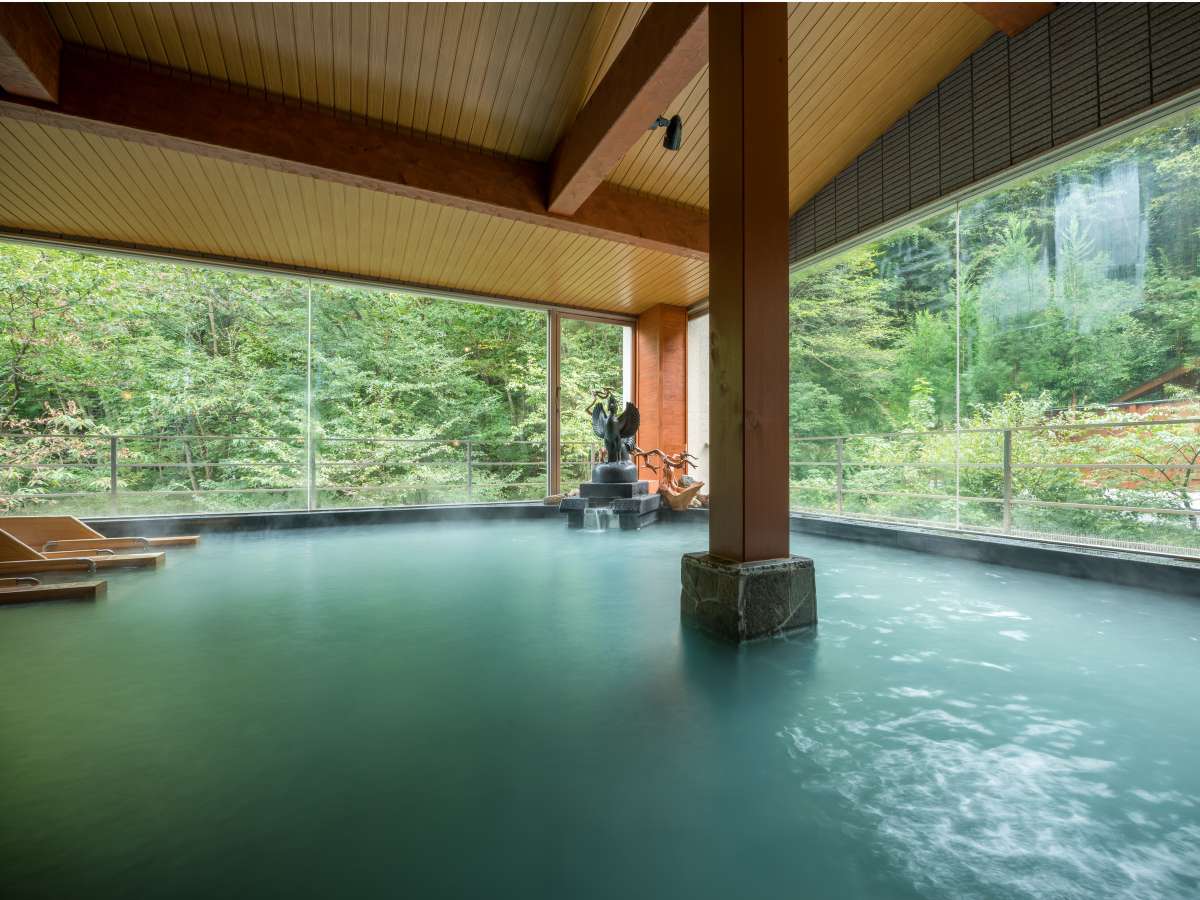
On a Tuesday in October I stepped outside Naruko Kanko Hotel at five in the morning and the whole gorge was breathing. A low mist sat on the valley and steam from the outdoor bath drifted up through it, carrying the faint iron-and-sulfur smell that is specific to Naruko — not unpleasant, more like a mountain doing something geological nearby. The maple canopy had just started to turn, green at the tips but deep amber through the middle, and the only sound was the river and the creak of a wooden footbridge somewhere below. I had a towel over one shoulder and the bath was empty. Moments like that are why people make the five-hour trip from Tokyo.

The best ryokan in Naruko Onsen is Yumoto Kissho — luxury hilltop villas perched above the valley with dedicated spring sources, superlative kaiseki, and the kind of staff-to-guest ratio that makes you feel like the only visitor in the onsen district. If that price tier is a stretch, Ryokan Ohnuma gives you 270 years of tōji culture and eight distinct baths for significantly less.

Tip

Disclosure: Japan Ryokan Guide earns a commission when you book through our Trip.com partner links at no extra cost to you. Every ryokan on this list was selected on merit — price, water quality, English-friendliness, and genuine guest experience — before any affiliate relationship.

Quick-Compare: 12 Naruko Ryokans at a Glance

| # | Ryokan | Tier | From (USD/night) | Walk to Station | Best For | |---|--------|------|-----------------|-----------------|----------| | 1 | Yumoto Kissho | Luxury | ~$200 | 10 min / free shuttle | Special occasion, views | | 2 | Naruko Hotel | Mid-Luxury | ~$120 | 5 min | History lovers, 3-source variety | | 3 | Naruko Kanko Hotel | Mid-Luxury | ~$145 | 7 min | Sendai beef, 4-color baths | | 4 | Ryokan Ohnuma | Mid-Luxury | ~$120 | 12 min / shuttle | Serious bathers, long history | | 5 | Ryokan Sugawara | Mid | ~$105 | 8 min | 100% kakenagashi, irori dining | | 6 | Ryokan Bentenkaku | Mid | ~$100 | 20 min / shuttle | Alkaline silky water, Kurikoma | | 7 | Ryokan Benisen | Mid | ~$100 | 15 min | Quiet Higashi-Naruko, families | | 8 | Hotel Kameya Naruko | Budget-Mid | ~$85 | 3 min | Closest to station, kakenagashi | | 9 | Ooedo Kounkaku Naruko | Budget | ~$73 | 10 min | Buffet, first-timer, groups | | 10 | Ooedo Masuya Naruko | Budget | ~$65 | 12 min | Lowest nightly rate on the list | | 11 | Ryokan Sannojoyu | Budget-Mid | ~$85 | 20 min | Sodium-bicarbonate beauty water | | 12 | Ryokan Kanshichiyu | Budget-Mid | ~$80 | 5 min / shuttle | Classic tōji, station pickup |

Why Naruko Onsen? The Case for Tohoku's Most Overlooked Spa Town

Most onsen towns specialize in one spring type. Beppu has its sulfur mud. Noboribetsu has its volcanic hell-pots. Naruko's claim is stranger and harder to visualize until you're standing at the trailhead with a towel: nine of Japan's eleven recognized hot-spring types — sulfur, sodium-bicarbonate, sodium-chloride, acidic, alkaline, iron, carbon dioxide, hydrogen-sulfide, and radioactive radium springs — exist within the greater Naruko area, all accessible in a single stay. The Nihon Onsen Kyokai (Japan Onsen Association) certifies spring categories, and no other district in the country covers that range. Bathing in five chemically different waters over two days is not a tourist gimmick — the water genuinely feels and smells different at each stop, which is why Naruko has attracted tōji (therapeutic bathing retreat) visitors for over a thousand years.

The area divides into five districts. Naruko Onsen is the main town around the station — the commercial center with most of the larger hotels and the kokeshi doll workshops. Higashi-Naruko is a quieter valley 5 km east, home to some of the oldest family inns. Kawatabi is a riverside district popular with hikers. Nakayamadaira sits above the valley on a plateau and is known for its exceptionally silky alkaline water (the so-called *unagi-yu*, or eel-water, because skin feels as smooth as an eel after soaking). Onikobe is the most remote district, a 20-minute bus ride north, with sulfur springs at high elevation — harder to reach but spectacular in winter. For first-time visitors, the main Naruko town and Higashi-Naruko cover most of the best baths.

Alongside the onsen, Naruko is Japan's undisputed kokeshi capital. These turned-wood dolls — cylindrical body, round painted head, no arms — originated here in the early Edo period, when Tohoku woodworkers began selling them to tōji visitors as souvenirs. The Naruko style has a distinct patterned collar and a head that squeaks when you twist it; there are eleven recognized regional styles nationwide, and Naruko's is the most exported. Several workshops in the main street still do live-turning demonstrations. The Naruko Gorge (Naruko-kyō) runs for approximately 2 km south of the station and reaches 100 metres deep at its narrowest; in the first two weeks of November, the Japanese maple canopy over the gorge goes fully orange and red, and the place becomes the most-photographed autumn-foliage location in Tohoku. Getting there from Sendai is straightforward: the JR Rikuu-East Line runs direct in about 75 minutes, and a Japan Rail Pass covers the fare. [verified JR East timetable 2026]

How We Picked These 12 Ryokans

All 12 properties were live in Trip.com's inventory at the time of writing (May 2026) and have at least 10 verified guest reviews. The selection criteria: water source quality (kakenagashi — continuously flowing natural spring, not recirculated — was a significant positive); range of private *kashikiri* baths for guests with tattoos or those who simply want privacy; English-language communication (website, OTA listing, or a known track record with non-Japanese guests); and spread across the five districts so the list covers the range of Naruko's geography. We've mixed historic tōji inns with modern chain options because Naruko genuinely has both, and they serve different traveler types. The historic quarter gives you atmosphere and authentic spring culture. The Ooedo chain gives you certainty, an English app, and free drinks at the buffet.

1. Yumoto Kissho — Luxury Hilltop Villas with Valley Views

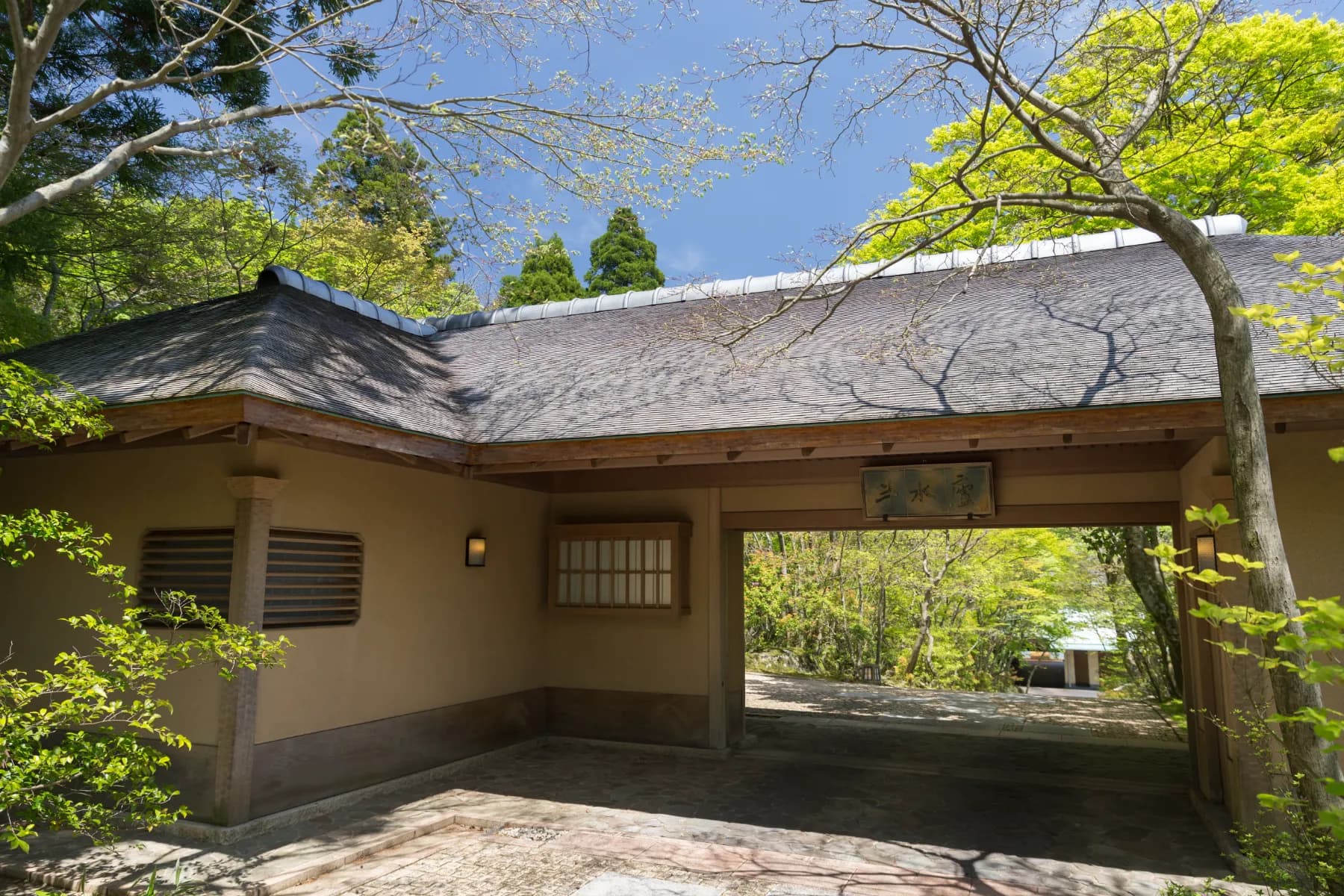
Yumoto Kissho is the property that makes you understand what the ¥30,000+ tier is actually buying in Naruko. The villas are positioned on the hillside above the valley floor with panoramic views of the gorge, and each has its own source connection to the property's spring — not a shared resort pool pumped through pipes, but water that comes from the ground under the building and drains after a single use (kakenagashi). The kaiseki dining here draws on Miyagi Prefecture's considerable larder: Sendai beef tongue, Kesennuma shark-fin soup if in season, *seri* (Japanese parsley) hot-pot in winter. Staff speak functional English and the property runs a station shuttle on request. The honest caveat: the access road is steep and narrow, and the setting rewards guests who want total immersion rather than easy access to the onsen town's shops and restaurants. [Check live rates →](https://www.trip.com/hotels/osaki-hotel-detail-23203989/yumoto-kissho/?Allianceid=8201747&SID=310025640) [verified Trip.com 2026-05-26]

Tip

Yumoto Kissho is the pick for October foliage season — the villa terraces look directly into the maple canopy. Book 6-8 weeks out for October weekends; it sells through faster than anything else in Naruko.

2. Naruko Hotel — 130-Year Flagship with Three Spring Sources

Naruko Hotel is the grande dame of the main town — a 130-year-old property that still functions as the social center of the Naruko Onsen district. What separates it from newer competitors is the water: three separate spring sources feed the baths, and they produce noticeably different colors depending on water temperature and oxidation state. A sodium-bicarbonate source runs milky white; a sulfur spring goes pale green when cool; the iron-bearing source can shade toward a light orange. It's not something you'd believe without seeing it, and the property makes a feature of the variation — the bathing schedule moves guests through different sources across the day. Room rates run ¥18,000–¥25,000 per person including meals [verified Trip.com 2026-05-26], which puts a couple's night at roughly $240–$330 at current exchange rates. English signage throughout. The rooms are traditional-grade rather than luxury — expect tatami, yukata, and an in-room ceramic teapot, not a villa with a private terrace. [Check live rates →](https://www.trip.com/hotels/osaki-hotel-detail-21830374/naruko-hotel/?Allianceid=8201747&SID=310025640)

3. Naruko Kanko Hotel — "Genzo no Yu" Four-Color Baths and Sendai Beef

Naruko Kanko Hotel, marketed under the Genzo no Yu name, is the property locals recommend when someone asks which Naruko hotel has the most dramatic baths. The four distinct source springs — each a different color and chemical profile — fill separate bath areas that guests rotate through, and the *kashikiri* (private reserved bath) service is complimentary with your stay, which matters for tattooed guests and for couples who want the bath to themselves. Sendai beef appears on the dinner menu here at a tier where most Naruko properties would serve standard *wagyu* cuts; it's a meaningful difference if you care about beef provenance. Rates sit at ¥22,000–¥32,000 per person with meals [verified Trip.com 2026-05-26]. The building is a larger resort-format hotel rather than a traditional inn, which means more amenities but less of the intimate tōji atmosphere you'll find at the smaller family properties. [Check live rates →](https://www.trip.com/hotels/osaki-hotel-detail-6256058/genzo-no-yu-naruko-kanko-hotel/?Allianceid=8201747&SID=310025640)

4. Ryokan Ohnuma — 270-Year Toji Inn with Eight Distinct Baths

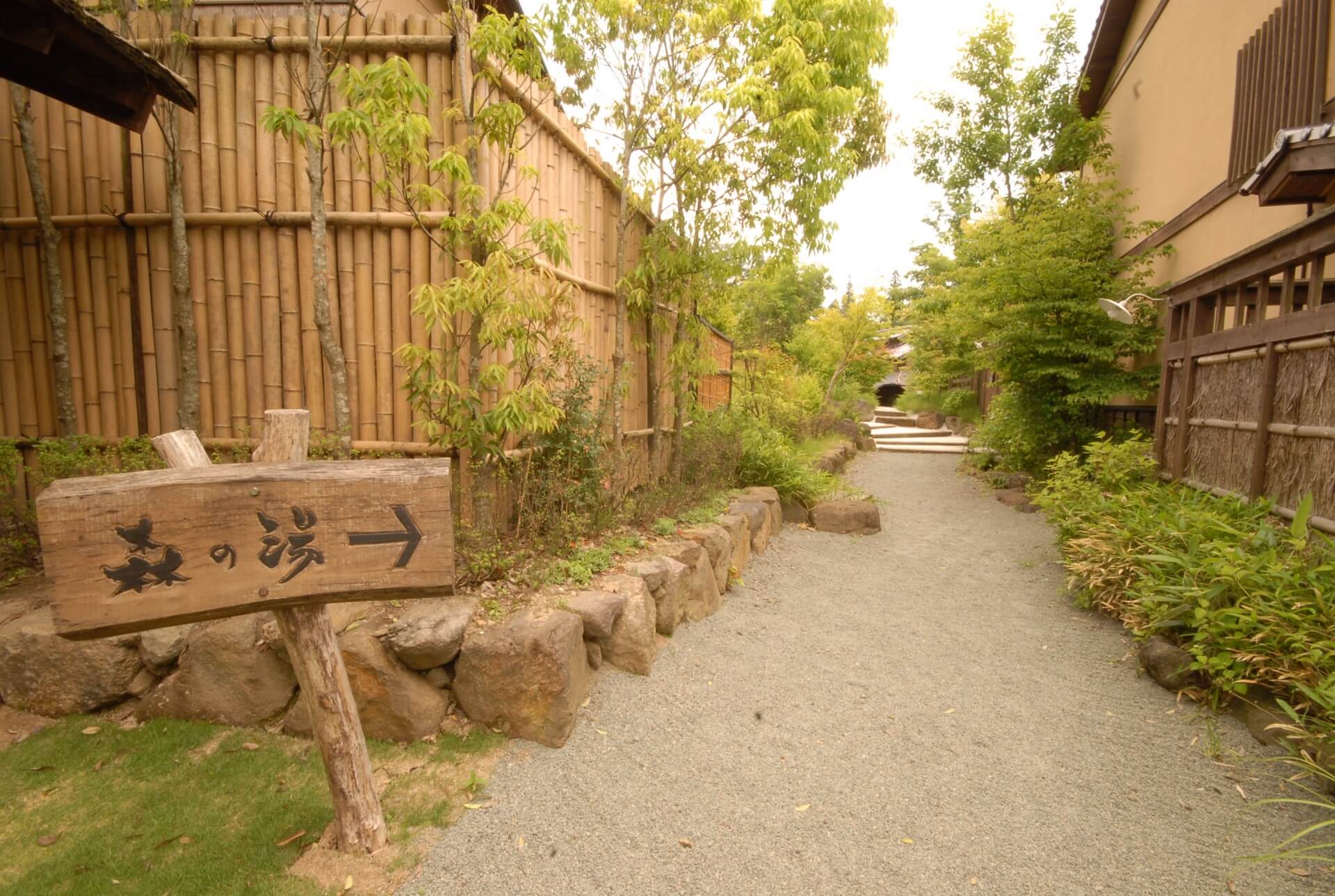
Ryokan Ohnuma in Higashi-Naruko district is the ryokan I'd send a serious bather to first. The inn traces its founding back 270 years and was originally a *tōji* destination — guests would come for extended therapeutic stays of a week or more to treat skin and joint conditions. Eight baths in total: the *Yakushi Sennin-buro* (mixed-use open-air stone bath named after the healing Buddha Yakushi) and the women-only *Mori no Yu* forest bath are the standouts, plus six additional indoor options fed by different spring types. The English website is the best-translated among all twelve picks on this list, which reflects decades of international guests arriving through tōji referral networks. Rates run ¥18,000–¥28,000 per person with meals [verified Trip.com 2026-05-26]. The rooms are older-style; some guests find the age adds character, others wish for a more updated bathroom. What you're paying for is the water variety and the depth of bathing culture, not modern fittings. [Check live rates →](https://in.trip.com/hotels/osaki-hotel-detail-6385107/naruko-onsenkyo-ryokan-onuma/?Allianceid=8201747&SID=310025640)

Tip

Ryokan Ohnuma's Higashi-Naruko location is about 12 minutes by car from Naruko-Onsen Station. The inn runs a shuttle — confirm when booking. Taxis from the station cost roughly ¥1,500.

5. Ryokan Sugawara — Showa-Era Irori Hearth and 100% Kakenagashi

Ryokan Sugawara earns its place on this list by doing things the hard way. The water is 100% kakenagashi — no recirculation, no reheating, fresh spring water flowing through every bath and draining after a single use — across all four of the property's private *kashikiri* baths. In an area where some properties quietly blend spring water with heated tap water to keep costs down, that's worth noting. The inn retains a Showa-era irori hearth in the dining room, and dinner is served around it: mountain vegetables (*sansai*) foraged from the Naruko hills, local *iwana* river trout, and in autumn a *matsutake* mushroom course that arrives in a ceramic dish with a lid you lift at the table. The smell is worth the trip alone. Rates at ¥16,000–¥22,000 per person with meals [verified Trip.com 2026-05-26] make this the best value for genuine spring culture in the mid tier. Not all staff speak English, but the booking process via Trip.com works smoothly. [Check live rates →](https://in.trip.com/hotels/osaki-hotel-detail-3123320/ryokan-naruko-onsen-ryokan-sugawara/?Allianceid=8201747&SID=310025640)

6. Ryokan Bentenkaku — Silky Alkaline Water at Nakayamadaira

Ryokan Bentenkaku sits in the Nakayamadaira district above the main valley, and the spring type here is the one Naruko locals point to when asked what makes the area unusual. The water is a sodium-bicarbonate alkaline spring at pH ~9.5, the variety locally called *unagi-yu* (eel-water) because of the way it leaves skin — genuinely, almost slippery-smooth, especially noticeable when you towel off. The sensation is different enough from standard sulfur or chloride springs that first-time bathers regularly stop and re-enter just to verify it. Kurikoma Quasi-National Park is accessible from the Nakayamadaira area, which makes this a practical base for guests combining onsen with hiking. Rates at ¥15,000–¥20,000 per person [verified Trip.com 2026-05-26]. The property runs a station shuttle. If the alkaline water concept appeals and the budget is right, this district is worth the 20-minute detour from the main Naruko town. [Check live rates →](https://www.trip.com/hotels/osaki-hotel-detail-8317840/naruko-onsen-ryokan-bentenkaku/?Allianceid=8201747&SID=310025640)

7. Ryokan Benisen — Quiet Source Water in Higashi-Naruko

Ryokan Benisen is the kind of family inn that survives on repeat guests: quiet, unhurried, and genuinely sourced from its own spring (*kakenagashi* — confirmed in the property description [verified Trip.com 2026-05-26]). The Higashi-Naruko location puts it away from the main town's tourist foot traffic, which is either a drawback or the point depending on why you're coming. Families with children and solo tōji travelers tend to choose this over the larger resort-format hotels for exactly that reason. Rates at ¥15,000–¥20,000 per person with meals make it the same tier as Bentenkaku but in a different district and spring type. English communication is limited; book via Trip.com and use the messaging function for any specific requests. [Check live rates →](https://in.trip.com/hotels/osaki-hotel-detail-3123360/higashi-naruko-onsen-ryokan-benisen/?Allianceid=8201747&SID=310025640)

8. Hotel Kameya Naruko — Three Minutes from the Station

Hotel Kameya Naruko is the pick when your first priority is logistics. Three minutes on foot from Naruko-Onsen Station — the closest property on this list to the platform — and the water is still kakenagashi from a natural spring [verified Trip.com 2026-05-26]. That combination of genuine onsen access and no-car-needed positioning is harder to find in Naruko than you'd expect, where many of the better inns are up the hillside or in outlying districts. Rates at ¥13,000–¥18,000 per person with meals put it in the budget-mid range. The rooms are straightforward business-style ryokan: nothing about the decor will surprise you, but the bath is real and the food covers the Tohoku standards — grilled local fish, mountain vegetable sides, rice in an iron pot. For first-time visitors doing a single-night test run of Naruko onsen before committing to a longer stay elsewhere, this is the practical pick. [Check live rates →](https://jp.trip.com/hotels/osaki-hotel-detail-1488108/hotel-kameya/?Allianceid=8201747&SID=310025640)

9. Ooedo Kounkaku Naruko — 116-Room Chain with Buffet and Free Drinks

Ooedo Kounkaku Naruko is part of the Ooedo Onsen Monogatari chain — a well-run national brand that has a clear formula: large public baths, extensive buffet dinner, free drinks station, and a price point around ¥11,000–¥15,000 per person [verified Trip.com 2026-05-26]. At 116 rooms it's the largest property on this list by some distance. What the chain does well: the public baths use genuine spring water and are maintained to a consistent standard; the buffet is genuinely substantial rather than a budget afterthought; and the booking process is fully English-compatible. What it doesn't do: the atmosphere is hotel-resort rather than traditional inn. There's no irori, no dedicated nakai-san, and the rooms are Western-bed hybrid rather than pure tatami. The honest position is that for travelers who want onsen access and are nervous about the full ryokan experience, an Ooedo property is a lower-anxiety entry point. For travelers who want the immersion, pick further up this list. [Check live rates →](https://jp.trip.com/hotels/osaki-hotel-detail-1646068/ooedo-onsen-monogatari-naruko-onsen-kounkaku/?Allianceid=8201747&SID=310025640)

10. Ooedo Masuya Naruko — Budget Floor with Chain Reliability

Ooedo Masuya Naruko is the sister Ooedo property in the same district, with rates running ¥10,000–¥14,000 per person with meals [verified Trip.com 2026-05-26] — the lowest floor price on this list. The same Ooedo formula applies: large baths, buffet, brand-level consistency, English booking. The Masuya building is smaller than Kounkaku so the atmosphere is fractionally less resort-like, though still in the same category. If you're deciding between the two Ooedo properties, Kounkaku has more bath variety; Masuya saves ¥1,000–¥3,000 per person per night. For budget travelers who want to get a taste of Tohoku onsen without the research commitment of a family inn, either Ooedo property works — but Masuya is the honest budget pick. [Check live rates →](https://www.trip.com/hotels/osaki-hotel-detail-17504560/oedo-onsen-monogatari-naruko-onsen-masuya/?Allianceid=8201747&SID=310025640)

11. Ryokan Sannojoyu — Sodium-Bicarbonate Beauty Water at Nakayamadaira

Ryokan Sannojoyu is a small (~10 rooms) family inn in the Nakayamadaira district, using the sodium-bicarbonate spring type locally called *biyo-no-yu* (beauty water) for its effect on skin. The water is chemically the same alkaline category as Bentenkaku but from a separate source. The inn is compact enough that the family runs it directly — dinner is home-cooked in the proper sense, and the portions are the kind that make you wish you'd skipped the afternoon snack. Rates at ¥13,000–¥17,000 per person with meals [verified Trip.com 2026-05-26] make it the better value of the two Nakayamadaira picks if the luxury Bentenkaku rate is a stretch. For guests specifically interested in the alkaline spring experience — which is the Nakayamadaira area's defining feature — the two properties offer the same water quality at different price points and atmospheres. [Check live rates →](https://us.trip.com/hotels/osaki-hotel-detail-23203989/ryokan-sannojoyu/?Allianceid=8201747&SID=310025640)

12. Ryokan Kanshichiyu — Small Toji Inn with Station Shuttle

Ryokan Kanshichiyu rounds out the list as the closest thing to a classic tōji inn at a price that doesn't require advance financial planning. Small room count, natural spring water, and a station shuttle that removes the need for a car or taxi [verified Trip.com 2026-05-26]. Rates at ¥12,000–¥16,000 per person with meals put it in the same budget-mid bracket as Kameya and Sannojoyu but with the specific advantage of the pickup service — useful if you're arriving at Naruko-Onsen Station after dark with luggage. The staff have a track record of working with foreign guests through Trip.com's messaging system; communication isn't perfect but it functions. If the Ohnuma and Sugawara inns are full, Kanshichiyu gives you the closest approximation of the traditional tōji experience at the budget-mid tier. [Check live rates →](https://in.trip.com/hotels/osaki-hotel-detail-6257922/naruko-onsenkyo-kanshichiyu/?Allianceid=8201747&SID=310025640)

When to Visit Naruko Onsen

October and November are the peak season, and for good reason. The Naruko Gorge maple canopy typically hits full color in the first week of November — orange, red, and a specific yellow-green that comes from the *iroha kaede* variety — and the gorge overlook is packed on weekends. If you can come on a weekday in late October, the crowds thin considerably and the baths are at their best: the air is cold enough that the outdoor onsen steam is visible and the contrast between water temperature and air temperature is at its sharpest.

February is the underrated choice. Snow settles on the Naruko valley and the outdoor baths become properly dramatic — steam rising through falling snow, the kind of scene that fills a ryokan's Instagram and earns it. Rates drop below Golden Week levels and the bath culture is at its most therapeutic. The gorge road may be icy, so driving in February requires winter tires or chain hire.

April brings cherry blossoms along Eboshi-yama hill and the river walks near the main station. The bloom is about 10 days later here than in Tokyo or Sendai due to elevation, typically peaking in mid to late April. Spring kaiseki menus appear — bamboo shoots, *fuki* (butterbur), early mountain vegetables.

Avoid Golden Week (late April to early May) and Obon (mid-August). Both bring peak domestic travel volume to Naruko, prices rise sharply, and the smaller family inns book out weeks ahead with Japanese guests on reservation priority lists.

Getting to Naruko Onsen

The standard approach is from Sendai Station on the JR Rikuu-East Line (*Rikuu Tōsen*), which runs direct to Naruko-Onsen Station in approximately 75 minutes [verified JR East 2026]. A Japan Rail Pass covers the full fare. From Tokyo, add the Tohoku Shinkansen leg: Hayabusa services reach Sendai in 90–100 minutes from Tokyo Station, making the total door-to-station time around 3 hours. Trains from Sendai run roughly every 1–2 hours; the last direct service departs Sendai around 7–8 PM, so plan accordingly if you're arriving on the day of a long flight.

Several properties on this list run their own station shuttles: Yumoto Kissho (on request), Ryokan Kanshichiyu (standard service), and Ryokan Bentenkaku (confirm when booking). For the Onikobe district — the northernmost and most remote of Naruko's five spring areas — a local bus runs from Naruko-Onsen Station in about 20 minutes, or a taxi takes roughly ¥2,500. There is no train service to Onikobe. Driving is practical for Nakayamadaira and Onikobe districts; the parking at Naruko-Onsen Station is limited.

Bathing Etiquette at Naruko Ryokans

Tip

All communal baths at Naruko ryokans require full pre-wash at the shower station before entering the soaking pool — the bath is for soaking only, never for washing. No swimwear permitted. Hair must be tied up and kept out of the water. Most properties on this list offer at least one private *kashikiri* bath reservable at no extra charge, which is the practical solution for guests with tattoos.

All 12 picks above are bookable now via Trip.com. For most of the year — outside October foliage season, Golden Week, and Obon — booking 3–4 weeks ahead is enough to secure your preferred property. For October foliage weekends and February weekends, lock in 6–8 weeks out, particularly for Yumoto Kissho and Naruko Kanko Hotel, which fill fastest in those windows. The smaller family inns (Sugawara, Benisen, Kanshichiyu, Sannojoyu) maintain their own reservation queues and may not release all availability to OTAs immediately — if Trip.com shows sold out for a date, a direct email or phone call to the property is sometimes worth trying.

10月のとある火曜日、夜明け前の5時に鳴子観光ホテルの外へ出ると、谷全体が深く息をしているようでした。低い霧が渓谷を覆い、露天風呂の湯気がその霧を抜けて立ち上り、鳴子特有の鉄と硫黄のかすかな香りを運んでいます。不快な臭いではなく、地質学的な何かが近くで起きているような、山の匂い。楓の梢はちょうど色づき始めたところで、先端はまだ緑を残しつつ、中ほどは深い琥珀色に染まっていました。聞こえるのは川の音と、眼下のどこかで軋む木製の橋の音だけ。タオルを片手に向かった露天風呂は、貸し切り状態でした。東京から5時間かけて来る理由は、こういう瞬間のためです。

鳴子温泉で最高の旅館は湯元 吉祥 です。渓谷を見下ろす丘の上に立つ高級ヴィラは、専用の源泉を持ち、懐石料理は申し分なく、スタッフ対ゲストの比率は「温泉地でこれほど丁寧な接客があるのか」と思わせる水準です。その価格帯が厳しい場合は、旅館 大沼が270年の湯治文化と8つの多彩な浴槽を、大幅に抑えた料金で体験させてくれます。

Tip

開示事項:Japan Ryokan Guide は、当サイトのTrip.comパートナーリンクを通じてご予約いただいた場合に手数料を受け取ることがあります。お客様への追加費用は発生しません。このリストに掲載している旅館はすべて、アフィリエイト関係とは無関係に、料金・泉質・外国語対応・実際のゲスト体験をもとに選定しています。

一覧比較:鳴子温泉12旅館を一目で

| # | 旅館名 | グレード | 料金目安(USD/泊) | 駅からの距離 | こんな方に | |---|--------|------|-----------------|-----------------|----------| | 1 | 湯元 吉祥 | 高級 | ~$200 | 徒歩10分/無料シャトル | 記念日、絶景 | | 2 | 鳴子ホテル | 中高級 | ~$120 | 徒歩5分 | 歴史好き、3源泉の多彩な湯 | | 3 | 鳴子観光ホテル | 中高級 | ~$145 | 徒歩7分 | 仙台牛、4色の浴槽 | | 4 | 旅館 大沼 | 中高級 | ~$120 | 徒歩12分/シャトル | 湯治マニア、長い歴史 | | 5 | 旅館 菅原 | 中級 | ~$105 | 徒歩8分 | 100%掛け流し、囲炉裏の食事 | | 6 | 旅館 弁天閣 | 中級 | ~$100 | 徒歩20分/シャトル | アルカリ泉の肌触り、栗駒山 | | 7 | 旅館 紅染 | 中級 | ~$100 | 徒歩15分 | 静かな東鳴子、家族連れ | | 8 | ホテル亀屋 鳴子 | リーズナブル〜中級 | ~$85 | 徒歩3分 | 駅近、掛け流し | | 9 | 大江戸温泉物語 鳴子 幸雲閣 | リーズナブル | ~$73 | 徒歩10分 | バイキング、初めての旅館、グループ | | 10 | 大江戸温泉物語 鳴子 桝屋 | リーズナブル | ~$65 | 徒歩12分 | リスト中最安値 | | 11 | 旅館 三之亟湯 | リーズナブル〜中級 | ~$85 | 徒歩20分 | 重曹泉の美人湯 | | 12 | 旅館 勘七湯 | リーズナブル〜中級 | ~$80 | 徒歩5分/シャトル | 本格湯治、駅送迎あり |

なぜ鳴子温泉なのか。東北で最も見過ごされている温泉地の実力

多くの温泉地は一種類の泉質を売りにしています。別府には硫黄の泥湯があり、登別には火山性の地獄があります。鳴子の主張はもっと奇妙で、タオルを手に遊歩道の入口に立つまで実感しにくいものです。日本が認定する11種類の温泉泉質のうち9種類——硫黄泉、重炭酸ソーダ泉(炭酸水素塩泉)、食塩泉(塩化物泉)、酸性泉、アルカリ性単純泉、含鉄泉、炭酸泉、硫化水素泉、放射能泉(ラジウム泉)——が、鳴子温泉郷全域に存在し、すべて一度の滞在中にアクセスできます。日本温泉協会が泉質を認定しており、これほどの種類が集まる地域は国内にほかにありません。2日間で化学組成の異なる5つの湯に入るのは観光的な演出ではなく、湯の色も匂いも肌触りも場所ごとに本当に異なります。だからこそ鳴子は千年以上にわたり、湯治客を引きつけてきたのです。

鳴子温泉郷は5つの地区に分かれています。鳴子温泉は駅周辺の中心エリアで、大型旅館やこけし工房が集まる商業の核。東鳴子は5km東の静かな渓谷で、古くからの家族経営の宿が残ります。川渡はハイカーに人気の川沿いエリア。中山平は渓谷上部の台地に位置し、とりわけ肌触りのなめらかなアルカリ泉(入浴後に肌がうなぎのようにつるつるになることから俗に*うなぎ湯*と呼ばれます)で知られています。鬼首は最も山奥の地区で、鳴子温泉駅からバスで北へ20分。高地の硫黄泉は冬場に圧倒的な景観を見せます。初めて訪れる方には、鳴子温泉の中心部と東鳴子だけで、おすすめの浴槽の大部分をカバーできます。

温泉に加え、鳴子は日本のこけし発祥の地としても知られています。円柱状の胴体に丸い描き顔、腕なし——この木製の玩具は江戸時代初期、東北の木地師たちが湯治客へのみやげとして作り始めたのが起源です。鳴子こけしには独特の模様が入った首元と、ねじると音が鳴る頭部があります。全国に11の産地様式が認定されており、鳴子型は最も広く流通しています。中心街には現在もろくろ実演を行う工房がいくつかあります。鳴子峡は駅南方向に約2km続き、最も狭い部分で深さ100メートルに達します。11月の第1〜2週、渓谷を覆うイロハカエデが一面のオレンジと赤に染まり、東北で最も撮影される紅葉スポットになります。仙台からのアクセスは良好で、JR陸羽東線が直通約75分で結んでおり、ジャパン・レール・パスが適用されます。[出典確認済み JR東日本 時刻表 2026]

この12軒の選び方

掲載12軒は、執筆時点(2026年5月)でTrip.comの在庫に存在し、10件以上の確認済みゲストレビューを持つものに限っています。選定基準は:源泉の質(掛け流し——再循環なし、非加熱、源泉から浴槽に流しっぱなし——であることを高評価)、刺青のあるゲストやプライバシーを重視するゲスト向けの貸切風呂の有無、英語でのコミュニケーション対応(公式サイト・OTAページ・外国人ゲストの受け入れ実績)、そして5地区を満遍なくカバーする地理的バランスです。老舗の湯治宿と現代チェーンを混在させたのは、鳴子に両方が実際に存在し、旅のスタイルによって向いている宿が異なるからです。歴史ある宿は雰囲気と本物の温泉文化を、大江戸チェーンは安定感・英語アプリ・バイキング付き無料ドリンクを提供します。

1. 湯元 吉祥 — 渓谷を望む高級丘上ヴィラ

湯元 吉祥は、鳴子で「一泊3万円超の価格帯が何を買うのか」を体感させてくれる宿です。ヴィラは渓谷底を見下ろす山腹に配置され、鳴子峡のパノラマが広がります。各ヴィラには専用の源泉が引かれており、配管を通じたリゾートプールへの湯送りではなく、建物の地下から湧いた源泉が一度使用されたのち流れ出る掛け流しです。懐石料理は宮城県の豊かな食材を活かし、仙台牛タン、気仙沼産フカヒレのスープ(旬の場合)、冬のセリ鍋などが並びます。スタッフは実用レベルの英語対応が可能で、駅シャトルはリクエスト制で運行しています。正直なデメリットを挙げるなら、アクセス道路が急勾配で細く、温泉街の店や飲食店に気軽に出かけるよりも、完全に宿に浸りたいゲスト向きの立地です。[最新料金を見る →](https://www.trip.com/hotels/osaki-hotel-detail-23203989/yumoto-kissho/?Allianceid=8201747&SID=310025640) [出典確認済み Trip.com 2026-05-26]

Tip

湯元 吉祥は10月の紅葉シーズンに最もおすすめです。ヴィラのテラスから楓の樹冠が正面に広がります。10月の週末は6〜8週前に予約を。鳴子で最も早く埋まる宿です。

2. 鳴子ホテル — 創業130年の名門、3種の源泉

鳴子ホテルは鳴子温泉の中心エリアに立つ「格の宿」です。創業130年を超えながら、いまも鳴子温泉地の社交的な拠点として機能しています。新しい競合と一線を画すのは湯の力です。3種の異なる源泉が浴槽を満たし、水温や酸化状態によって浴槽の色が目に見えて変わります。重炭酸ソーダ泉は乳白色に濁り、硫黄泉は冷えると淡緑色を帯び、含鉄泉は薄いオレンジ色に傾くことがあります。見なければ信じがたい光景で、宿はこの色の変化を売りにし、一日を通じてゲストが異なる源泉を巡れるよう入浴スケジュールを組んでいます。客室料金は1名あたり夕食・朝食込みで18,000〜25,000円程度で [出典確認済み Trip.com 2026-05-26]、現在の為替レートでカップルの一泊は概算240〜330ドルです。館内は英語の案内表示が整っています。客室は豪華仕様というよりも格調ある伝統スタイルで、畳・浴衣・陶製の急須が備わりますが、プライベートテラス付きヴィラではありません。[最新料金を見る →](https://www.trip.com/hotels/osaki-hotel-detail-21830374/naruko-hotel/?Allianceid=8201747&SID=310025640)

3. 鳴子観光ホテル「源蔵の湯」— 4色の浴槽と仙台牛

鳴子観光ホテルは「源蔵の湯」の名で親しまれており、「鳴子で一番見応えのある浴槽はどこか」と地元の人に尋ねたとき、真っ先に名前が挙がる宿です。色も成分も異なる4種の源泉がそれぞれ専用の浴槽を満たし、ゲストは順に巡ることができます。貸切風呂(*kashikiri*)サービスは宿泊料に含まれており追加料金なし——刺青のあるゲストや二人きりで湯を楽しみたいカップルには大きなポイントです。仙台牛が夕食のメニューに登場しますが、多くの鳴子の宿が「和牛」と表記する中での仙台牛は、牛肉の産地にこだわる方には意味のある違いです。料金は1名あたり夕食・朝食込みで22,000〜32,000円 [出典確認済み Trip.com 2026-05-26]。建物は伝統的な小宿ではなく大型リゾートホテル形式で、設備は充実していますが、小規模な家族宿ならではの親密な湯治の雰囲気は薄めです。[最新料金を見る →](https://www.trip.com/hotels/osaki-hotel-detail-6256058/genzo-no-yu-naruko-kanko-hotel/?Allianceid=8201747&SID=310025640)

4. 旅館 大沼 — 創業270年、8つの多彩な浴槽を持つ湯治宿

旅館 大沼は東鳴子地区にあり、本格的に湯を楽しみたい方にまず勧めたい宿です。創業270年、もともとは皮膚・関節の疾患を癒すため一週間以上滞在する湯治宿として始まりました。浴槽は合計8つ。治癒の仏・薬師如来にちなんだ混浴の露天石風呂「薬師千人風呂」と女性専用の「森の湯」が特に印象深く、さらに異なる泉質を使用した6つの内湯が揃います。英語ウェブサイトの翻訳精度はこのリスト12軒の中で最も高く、湯治の紹介ネットワーク経由で長年にわたって外国人ゲストを受け入れてきた実績を反映しています。料金は1名あたり夕食・朝食込みで18,000〜28,000円 [出典確認済み Trip.com 2026-05-26]。客室は年季が入っており、その趣を味わいと受け取るか不便と感じるかは人によります。宿泊費で得るのは豊富な浴槽と深い温泉文化であり、現代的な設備ではありません。[最新料金を見る →](https://in.trip.com/hotels/osaki-hotel-detail-6385107/naruko-onsenkyo-ryokan-onuma/?Allianceid=8201747&SID=310025640)

Tip

旅館 大沼の東鳴子ロケーションは、鳴子温泉駅から車で約12分です。宿のシャトルを利用できますので、予約時に確認してください。駅からのタクシーは概算1,500円程度です。

5. 旅館 菅原 — 昭和の囲炉裏と100%掛け流しの湯

旅館 菅原がこのリストに選ばれたのは、妥協しない姿勢があるからです。源泉かけ流し100%——再循環なし、加熱なし、すべての貸切風呂4つに新鮮な源泉が流れ込み、一度使ったら排出——を守り続けています。コスト削減のために源泉を水道水で薄める宿も一部あるなかで、この徹底ぶりは特記に値します。昭和の面影を残す囲炉裏が食事処にあり、夕食はその周りで供されます。鳴子の山から採れる山菜、地場の岩魚の塩焼き、秋には蓋付きの陶器で供される松茸のひと皿——ふたを持ち上げた瞬間の香りだけで、ここへ来た甲斐があると思わせてくれます。料金は1名あたり夕食・朝食込みで16,000〜22,000円 [出典確認済み Trip.com 2026-05-26]。中価格帯で本物の温泉文化を求めるなら、最もコストパフォーマンスの高い選択肢です。スタッフ全員が英語対応できるわけではありませんが、Trip.comからの予約はスムーズに機能します。[最新料金を見る →](https://in.trip.com/hotels/osaki-hotel-detail-3123320/ryokan-naruko-onsen-ryokan-sugawara/?Allianceid=8201747&SID=310025640)

6. 旅館 弁天閣 — 中山平のとろみが際立つアルカリ泉

旅館 弁天閣は中山平地区の高台に位置し、「鳴子で他にない泉質はどこか」と地元の人が指差す宿です。泉質はpH約9.5の重炭酸ナトリウム・アルカリ性単純泉——地元では*うなぎ湯*と呼ばれ、入浴後の肌がうなぎのようにつるつるになることに由来します。タオルで拭いた後に感じる、あの滑らかな肌触りは、一般的な硫黄泉や塩化物泉とは明らかに異なります。初めて入った方が「これは本当に違う」と確かめるように湯に戻るのを何度も目にします。中山平エリアからは栗駒国定公園にアクセスでき、温泉とハイキングを組み合わせる旅にも便利な拠点です。料金は1名あたり15,000〜20,000円 [出典確認済み Trip.com 2026-05-26]。駅シャトルあり。アルカリ泉の体験に興味があり、予算が合うなら、鳴子中心部から20分余分に移動する価値は十分にあります。[最新料金を見る →](https://www.trip.com/hotels/osaki-hotel-detail-8317840/naruko-onsen-ryokan-bentenkaku/?Allianceid=8201747&SID=310025640)

7. 旅館 紅染 — 東鳴子の静かな源泉宿

旅館 紅染は、リピーターに支えられて生きている家族宿です。静かで、ゆったりしていて、自前の源泉を掛け流しで使っています(施設説明で確認済み [出典確認済み Trip.com 2026-05-26])。東鳴子のロケーションは鳴子中心部の観光客の往来から離れており、それがデメリットになるか、まさに求めているものになるかは、来る目的次第です。子ども連れの家族や一人旅の湯治客は、大型リゾートホテルよりもこういう宿を選ぶ傾向があります。料金は1名あたり夕食・朝食込みで15,000〜20,000円と、弁天閣と同じ価格帯ですが、地区と泉質が異なります。英語でのコミュニケーションは限定的なので、Trip.com経由で予約し、特別なご要望はメッセージ機能を使うのが現実的です。[最新料金を見る →](https://in.trip.com/hotels/osaki-hotel-detail-3123360/higashi-naruko-onsen-ryokan-benisen/?Allianceid=8201747&SID=310025640)

8. ホテル亀屋 鳴子 — 駅から徒歩3分

ホテル亀屋 鳴子は、アクセスを最優先にするなら最初に候補に挙がる宿です。鳴子温泉駅から徒歩3分——このリストで最も駅に近い宿であり、なおかつ天然温泉の掛け流しを維持しています [出典確認済み Trip.com 2026-05-26]。鳴子では良質な源泉を持つ宿の多くが山の中腹や周辺地区にあるため、「本物の温泉+車不要」の組み合わせは想像以上に貴重です。料金は1名あたり夕食・朝食込みで13,000〜18,000円。客室は実直なビジネス旅館スタイルで、内装に特別な驚きはありませんが、温泉は本物で、食事も東北の定番をきちんと押さえています——地場の焼き魚、山菜の小鉢、鉄鍋の白飯。鳴子の温泉を一度試してみて、次の旅でどこに泊まるか検討したい初訪問者にとって、最も手堅い選択肢です。[最新料金を見る →](https://jp.trip.com/hotels/osaki-hotel-detail-1488108/hotel-kameya/?Allianceid=8201747&SID=310025640)

9. 大江戸温泉物語 鳴子 幸雲閣 — 116室のチェーン宿、バイキングと無料ドリンク付き

大江戸温泉物語 鳴子 幸雲閣は、大江戸温泉物語グループの一軒です。このブランドの方程式は明快で、広い大浴場・充実したバイキング・ドリンクコーナー・1名あたり11,000〜15,000円という料金設定 [出典確認済み Trip.com 2026-05-26]。116室はリスト中ダントツの大型施設です。チェーンが上手くやっていること:大浴場は本物の源泉を使い、一定の水準で管理されている。バイキングは「とりあえずついてくる」レベルではなく、質量ともに実質的。予約から滞在まで英語で完結する。一方で、やっていないこと:伝統的な旅館の雰囲気はなく、囲炉裏も専任の仲居さんもなく、客室は純粋な畳スタイルではなくベッドとの折衷です。正直に言うと、旅館のフル体験に不安を感じている旅行者にとっては、大江戸グループが敷居の低い入口になります。本物の没入感を求めるなら、このリストの上位を選んでください。[最新料金を見る →](https://jp.trip.com/hotels/osaki-hotel-detail-1646068/ooedo-onsen-monogatari-naruko-onsen-kounkaku/?Allianceid=8201747&SID=310025640)

10. 大江戸温泉物語 鳴子 桝屋 — チェーンの信頼感とリスト最安値

大江戸温泉物語 鳴子 桝屋は同地区の姉妹物件で、1名あたり夕食・朝食込み10,000〜14,000円 [出典確認済み Trip.com 2026-05-26]——このリストで最も低い料金水準です。大江戸の方程式はここも同様で、広い浴場・バイキング・ブランド水準の安定感・英語予約対応。幸雲閣よりも建物が小さいぶん、リゾート感はわずかに薄めですが、同じカテゴリーに属します。二つの大江戸物件で迷うなら、幸雲閣のほうが浴槽の種類が多く、桝屋は1名あたり1,000〜3,000円安くなります。家族経営の宿を調べる手間をかけずに東北の温泉を体験したい旅行者には、どちらの大江戸物件でも目的を果たせますが、予算重視なら桝屋が正直な選択です。[最新料金を見る →](https://www.trip.com/hotels/osaki-hotel-detail-17504560/oedo-onsen-monogatari-naruko-onsen-masuya/?Allianceid=8201747&SID=310025640)

11. 旅館 三之亟湯 — 中山平の重曹泉「美人の湯」

旅館 三之亟湯は中山平地区の小規模(約10室)な家族経営の宿で、肌への効能から地元で*美人の湯*と呼ばれる重炭酸塩泉(アルカリ性)を使用しています。弁天閣と同じアルカリ系ですが、別の源泉から引いています。家族が直接切り盛りしているため夕食は手作りで、その量は「おやつを抜いておけばよかった」と思わせるほどです。料金は1名あたり夕食・朝食込みで13,000〜17,000円 [出典確認済み Trip.com 2026-05-26]——中山平の2択の中では、弁天閣の料金が予算をオーバーする場合にコストパフォーマンスで優ります。アルカリ泉を目的に中山平を選ぶなら、この2軒は同じ水質を異なる価格帯・雰囲気で提供しています。[最新料金を見る →](https://us.trip.com/hotels/osaki-hotel-detail-23203989/ryokan-sannojoyu/?Allianceid=8201747&SID=310025640)

12. 旅館 勘七湯 — 駅送迎付きの本格湯治宿

旅館 勘七湯は、事前の財務計画を必要としない価格で、最も本格的な湯治宿の雰囲気を体験できる宿としてこのリストの締めを飾ります。少ない部屋数、天然温泉、そして車やタクシー不要の駅送迎サービス [出典確認済み Trip.com 2026-05-26]。料金は1名あたり夕食・朝食込みで12,000〜16,000円で、亀屋・三之亟湯と同じリーズナブル〜中級帯ですが、送迎サービスは夜遅く荷物を持って鳴子温泉駅に到着する旅行者には特に便利です。Trip.comのメッセージ機能を通じた外国人ゲストへの対応実績があり、完璧とはいえませんが機能します。大沼や菅原が満室の場合、勘七湯はその価格帯で最も近い湯治体験の代替として頼りになります。[最新料金を見る →](https://in.trip.com/hotels/osaki-hotel-detail-6257922/naruko-onsenkyo-kanshichiyu/?Allianceid=8201747&SID=310025640)

鳴子温泉、いつ行くべきか

10月・11月がピークシーズンです。理由は明快で、鳴子峡のカエデが例年11月第1週に見頃を迎え——オレンジ、赤、そしてイロハカエデに特有の黄みがかった緑——渓谷の展望台は週末になると混雑します。10月下旬の平日に来られるなら、人波がぐっと減り、浴槽の魅力も最大になります。空気が冷え込むことで露天風呂の湯気がくっきりと立ち上り、湯温と外気温の落差がこの季節に最も際立つからです。

2月は穴場です。鳴子の谷に雪が積もり、露天風呂が圧倒的な情景になります——雪が舞い落ちる中に立ち上る湯気は、旅館のSNSを埋め尽くし、訪れた意味を実感させてくれます。料金はゴールデンウイーク時期より下がり、温泉の療養効果は最高潮に達します。鳴子峡への道が凍結する可能性があるため、2月の車移動にはスタッドレスタイヤまたはチェーンが必要です。

4月は恵比寿山の斜面と駅近くの川沿い散歩道に桜が咲きます。標高の影響で東京や仙台より約10日遅く、例年4月中旬〜下旬に見頃を迎えます。春の懐石には筍、ふき、早採りの山菜が並びます。

ゴールデンウイーク(4月下旬〜5月上旬)とお盆(8月中旬)は避けるのが賢明です。どちらも国内旅行の最需要期で、鳴子への流入が急増し、料金は跳ね上がり、家族経営の小宿は日本人ゲストの優先予約リストで数週間前から埋まります。

鳴子温泉へのアクセス

標準ルートは仙台駅からJR陸羽東線(陸羽東線)に乗り、鳴子温泉駅まで直通約75分です [出典確認済み JR東日本 2026]。ジャパン・レール・パスが適用されます。東京からの場合は東北新幹線を加えてください。はやぶさは東京駅から仙台まで90〜100分で、ドアtoステーションで合計約3時間です。仙台からの列車は概ね1〜2時間に1本で、最終の直通便は仙台を19〜20時頃に出ます。長距離フライト当日の乗り換えは時刻を確認の上、計画を立ててください。

このリストの複数の宿が独自の駅送迎を運行しています:湯元 吉祥(要リクエスト)、旅館 勘七湯(通常サービス)、旅館 弁天閣(予約時に確認)。最も山奥の鬼首地区は、鳴子温泉駅からローカルバスで約20分、またはタクシーで概算2,500円です。鬼首への鉄道便はありません。中山平・鬼首地区は車があると便利で、鳴子温泉駅の駐車場は台数が限られています。

鳴子旅館での入浴マナー

Tip

鳴子の旅館の共同浴場は、湯船に入る前にシャワーブースで全身を洗い流すことが必須です。湯船は浸かるためのもので、体を洗う場所ではありません。水着の着用は不可です。髪は束ねて湯に入れないようにしてください。このリストのほぼすべての宿が、チェックイン時に追加料金なしで予約できる貸切風呂を少なくとも一つ用意しています。刺青のあるゲストへの現実的な対応策です。

上記12軒はいずれも現在Trip.comから予約可能です。10月の紅葉シーズン・ゴールデンウイーク・お盆を除いた時期であれば、3〜4週前の予約で希望の宿を確保できることがほとんどです。10月の紅葉週末2月の週末は6〜8週前に予約を確定させてください。特に湯元 吉祥と鳴子観光ホテルはこの時期に最も早く満室になります。家族経営の小宿(菅原、紅染、勘七湯、三之亟湯)は独自の予約受付を持っており、OTAに全在庫をすぐに開放しないことがあります。Trip.comで満室と表示されていても、宿への直接メールや電話で空きが見つかる場合があります。

FAQ

Frequently asked questions

Which is the best ryokan in Naruko Onsen?+

Yumoto Kissho is the top luxury pick — hilltop villas with dedicated spring sources, kakenagashi water, and kaiseki featuring Sendai beef and local Miyagi seasonal ingredients. For mid-range with serious bathing culture, Ryokan Ohnuma (270 years old, eight distinct baths, full English website) is the strongest alternative. Budget travelers get the best value-per-yen at Hotel Kameya Naruko — three minutes from the station with genuine kakenagashi spring water.

What is special about Naruko Onsen's hot spring water?+

Naruko has nine of Japan's eleven recognized spring types within the greater onsen area — a concentration found nowhere else in the country. Spring types include sulfur, sodium-bicarbonate, alkaline (pH ~9.5, the 'unagi-yu' that leaves skin slippery-smooth), acidic, iron, sodium-chloride, carbon dioxide, hydrogen-sulfide, and radium springs. The five districts each draw from different geological sources, so the water genuinely looks, smells, and feels different depending on where you bathe.

Are tattoos allowed in Naruko Onsen ryokan baths?+

Most communal baths in Naruko follow the standard Japanese policy of no visible tattoos. However, nearly all 12 properties on this list offer at least one private kashikiri (reserved exclusive-use) bath, typically bookable at check-in at no extra charge. Naruko Kanko Hotel explicitly includes free kashikiri with its stay. Private baths have no tattoo restriction, so tattooed guests can still enjoy genuine onsen soaking throughout their stay.

How do I get to Naruko Onsen from Tokyo or Sendai?+

From Sendai: JR Rikuu-East Line direct to Naruko-Onsen Station, approximately 75 minutes, covered by Japan Rail Pass. From Tokyo: Tohoku Shinkansen to Sendai (90–100 min), then the Rikuu-East Line — total journey around 3 hours. Several ryokans (Kanshichiyu, Yumoto Kissho, Bentenkaku) run station shuttles. For the Onikobe district, take a local bus (20 min) or taxi (¥2,500) from Naruko-Onsen Station.

When is the best time to visit Naruko Onsen?+

Late October to early November for the Naruko Gorge autumn foliage — Tohoku's most photographed maple season. February is the best shoulder pick: snow-covered outdoor baths, lower rates, and a dramatically different atmosphere. April brings cherry blossoms along Eboshi-yama. Avoid Golden Week (late April to early May) and Obon (mid-August) when Japanese domestic travel peaks and family inns fill quickly.

Is Naruko worth visiting from Tokyo for a weekend trip?+

Yes, if you leave Friday evening. The 3-hour journey (Shinkansen to Sendai + local train) means arriving at your ryokan by 9–10 PM, bathing Saturday and Sunday, and returning Sunday evening in time for a Monday morning. Two nights is the right length — enough to visit two or three districts and try different spring types without rushing. October foliage weekends make the trip particularly worthwhile, but the area is genuinely appealing any time outside the peak crowd periods.

What is Naruko Onsen's signature cultural craft?+

Kokeshi dolls — cylindrical turned-wood figures with painted heads and no arms, originating in the Naruko area during the early Edo period. Naruko woodworkers began making them as souvenirs for tōji (therapeutic bathing retreat) visitors. The Naruko style has a distinctive patterned collar and a head that squeaks when rotated. Of Japan's eleven recognized regional kokeshi styles, the Naruko style is the most widely exported. Several workshops near the main station offer live-turning demonstrations, and the Naruko Kokeshi Museum displays the full range of regional styles.

How does Naruko compare to Ginzan Onsen or Zao Onsen for a Tohoku weekend?+

All three are excellent but serve different priorities. Ginzan is the most photogenic — a single lantern-lit street of traditional inns above a river gorge; the atmosphere is exceptional but there are only about a dozen properties. Zao is the outdoor activity hub with the famous 'snow monsters' (ice-coated trees) in February and good skiing. Naruko is the spring-type specialist: nine spring varieties, serious tōji culture, and the best Tohoku option if bathing quality and variety is your primary criterion. For a first-time Tohoku visitor, Naruko + Naruko Gorge covers both onsen depth and autumn scenery without requiring the rental car that Zao benefits from.

鳴子温泉で最もおすすめの旅館はどこですか?+

高級志向なら湯元 吉祥が最上位の選択です。丘上のヴィラに専用源泉と掛け流しの湯、仙台牛や宮城の旬食材を使った懐石料理が揃います。本格的な温泉文化を求める中価格帯では、旅館 大沼(創業270年・8浴槽・充実した英語ウェブサイト)が最も信頼できる代替です。コストパフォーマンス重視なら、駅から徒歩3分で本物の掛け流し温泉を楽しめるホテル亀屋 鳴子がベストバリューです。

鳴子温泉の湯の特徴は何ですか?+

鳴子温泉郷には日本が認定する11種類の泉質のうち9種類が集まっており、これほどの密度は国内にほかにありません。泉質は硫黄泉、炭酸水素塩泉、アルカリ性単純泉(pH約9.5、入浴後に肌がつるつるになる「うなぎ湯」)、酸性泉、含鉄泉、塩化物泉、炭酸泉、硫化水素泉、ラジウム泉など。5つの地区がそれぞれ異なる地質の源泉を持つため、入浴する場所によって湯の色・匂い・肌触りが本当に変わります。

鳴子温泉の旅館で刺青があっても入浴できますか?+

鳴子の共同浴場の多くは、日本の一般的なルールに従い、刺青の見えるゲストの入浴をお断りしています。ただし、このリストの12軒はほぼすべてが貸切風呂(kashikiri)を少なくとも一つ備えており、チェックイン時に追加料金なしで予約できることが大半です。鳴子観光ホテルは貸切風呂利用が宿泊料に明示的に含まれています。貸切風呂に刺青の制限はないため、刺青のあるゲストも滞在中を通じて本物の温泉浴を楽しめます。

東京や仙台から鳴子温泉へのアクセスは?+

仙台から:JR陸羽東線で鳴子温泉駅まで直通約75分、ジャパン・レール・パス適用。東京から:東北新幹線で仙台まで90〜100分、その後陸羽東線に乗り換え——合計約3時間。旅館 勘七湯・湯元 吉祥・旅館 弁天閣では駅送迎があります。鬼首地区へは鳴子温泉駅からローカルバス(約20分)またはタクシー(約2,500円)を利用します。

鳴子温泉はいつ行くのがベストですか?+

鳴子峡の紅葉を楽しむなら10月下旬〜11月上旬——東北で最も撮影される紅葉シーズンです。穴場は2月:雪景色の露天風呂、低めの料金、格別の雰囲気が揃います。4月は恵比寿山の桜が見頃を迎えます。ゴールデンウイーク(4月下旬〜5月上旬)とお盆(8月中旬)は国内旅行の最繁忙期で、家族宿はすぐに満室になるため避けることをおすすめします。

週末旅行として東京から鳴子温泉は行く価値がありますか?+

金曜夜発なら十分に価値があります。新幹線で仙台まで行き、陸羽東線に乗り換える3時間の旅程で、21〜22時頃に旅館に到着できます。土曜・日曜にゆっくり入浴し、日曜夜に帰れば月曜の朝に間に合います。2泊が理想的な滞在日数で、2〜3地区を巡り異なる泉質を体験するのにちょうどよく、急いた感じにもなりません。10月の紅葉週末は特に訪れる価値が高まりますが、混雑ピーク期を外せばいつでも魅力的な場所です。

鳴子温泉を代表する伝統工芸は?+

こけし人形です。腕のない円柱状の胴体に彩色された頭部を持つ木製の玩具で、江戸時代初期に鳴子の木地師たちが湯治客へのみやげとして作り始めました。鳴子こけしには独特の模様の首元と、ねじると音が鳴る頭部という特徴があります。全国11の産地様式の中で、鳴子型は最も広く流通しています。中心街には現在もろくろ実演を行う工房がいくつかあり、鳴子こけし資料館では全国の産地様式を一堂に展示しています。

鳴子温泉と銀山温泉・蔵王温泉を東北旅行で比較するとどうですか?+

どれも優れた選択肢ですが、それぞれ異なる魅力があります。銀山は最も絵になる景観——川沿いの渓谷に並ぶ伝統旅館が一本の通りに凝縮され、雰囲気は別格ですが、軒数は十数軒ほど。蔵王は野外活動の拠点で、2月の樹氷(氷結した木々)と良好なスキー環境が魅力。鳴子は泉質のスペシャリストとして、9種の温泉と本格的な湯治文化、そして東北で最も多彩な温泉体験を提供します。東北初訪問なら、鳴子温泉+鳴子峡のコースで温泉の深みと秋の景色を両方カバーでき、蔵王のようなレンタカーも必要ありません。

ご予約はこちら

人気の旅館から選んで予約

3つの予約サイトの空室・価格を見比べてください。

予約リンク経由で手数料が発生する場合がありますが、追加費用はかかりません。