メインコンテンツへスキップ
銀山温泉の旅館全13軒を徹底比較【2026年版】
Wikimedia Commons
旅の計画|May 2026|11 min read

銀山温泉の旅館全13軒を徹底比較【2026年版】

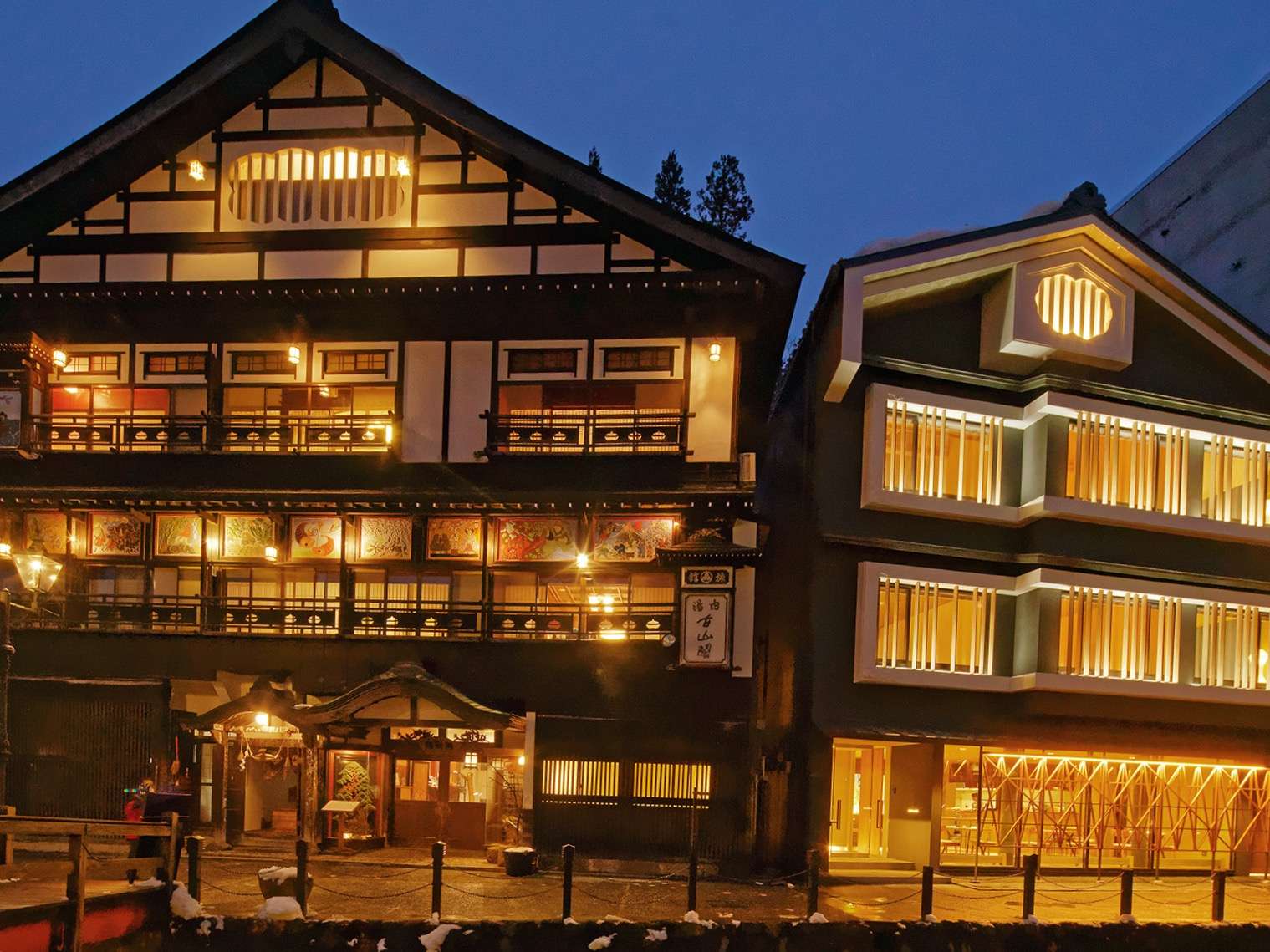
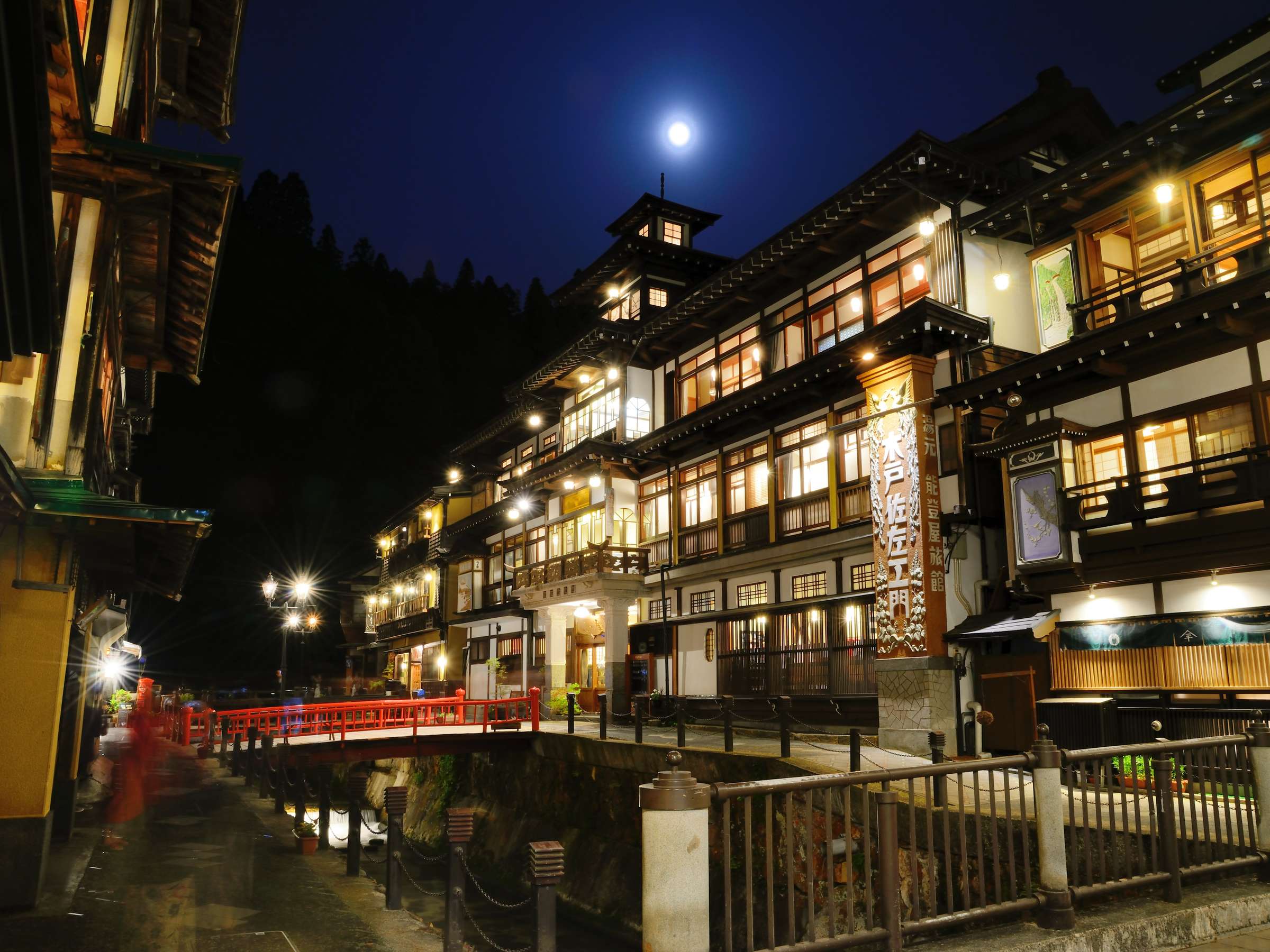
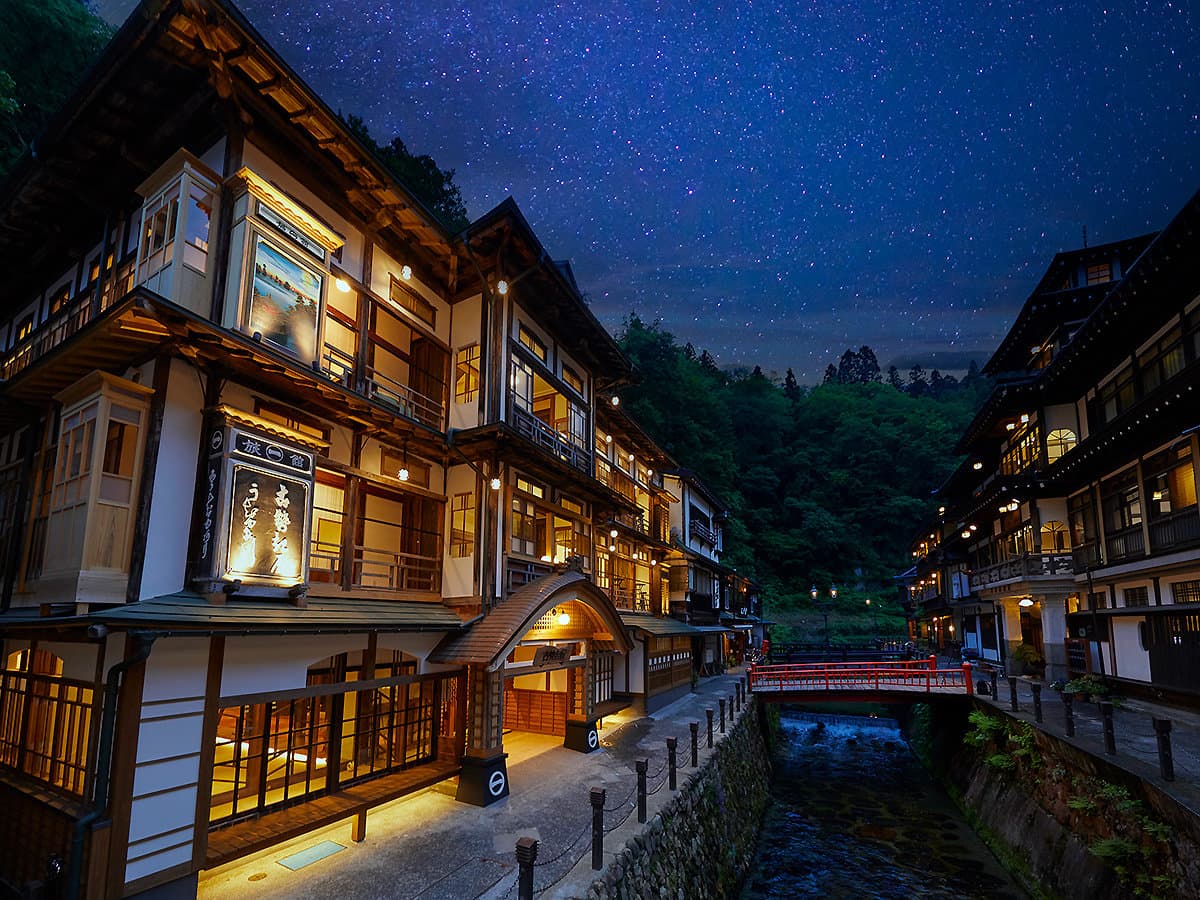
Ginzan Onsen at night in winter — Taisho-era wooden ryokans reflected in the Ginzan River, gas lamps glowing amber, snow on the rooftops

*Ginzan Onsen's iconic Takimi Bridge and ryokan row in winter — snow-covered Taisho-era architecture illuminated by gas lamps (photo: Bruno Plus / Wikimedia Commons, CC-BY 4.0)*

Introduction

The first thing that hits you isn't the cold — it's the smell of sulfur carried on mountain air, and then the amber glow. Gas lamps, real ones burning actual gas, line the riverbanks. Snow sits thick on wooden balconies. The Ginzan River runs black between two rows of Taisho-era ryokans, their paper screens lit from inside like paper lanterns. If you're weighing the best ryokans in Ginzan Onsen, you're already asking the right question — because where you stay here shapes the entire experience.

This is Ginzan Onsen — thirteen ryokans on a 300-meter cobblestone strip in the mountains of Yamagata Prefecture. In 2026, [National Geographic named Yamagata Prefecture](https://www.nationalgeographic.com/travel/best-of-the-world-2026/article/yamagata-japan) one of its Best of the World destinations, singling out Takimikan and Fujiya ryokan. The village also happens to look uncannily like the bathhouse town in *Spirited Away* — Studio Ghibli has never confirmed the connection, but the visual resemblance is hard to shake. The combination of those two facts has driven a surge of English-language interest in a village that previously flew almost entirely under the radar.

Here's the problem: most English guides describe the atmosphere and stop there. You'll get the vibe, but not the prices, not the private-versus-shared onsen breakdown, not the booking lead times, and not the honest answer to whether a given ryokan works for a solo traveler or a honeymoon couple with tattoos. This guide covers all thirteen properties with verified pricing, per-property onsen details, and a straight answer on who each one actually suits. If you're planning a trip to one of the [best onsen towns in Japan](/blog/best-onsen-towns-japan), Ginzan belongs on your shortlist — with your eyes open about what it takes to book it.

---

Why Ginzan Onsen is unlike any other ryokan village in Japan

Less than 1% of Japan's 37 million 2024 visitors made it to Yamagata Prefecture [National Geographic, 2026](https://www.nationalgeographic.com/travel/best-of-the-world-2026/article/yamagata-japan). That number is about to change. The NatGeo recognition specifically highlighted Takimikan and Fujiya ryokan as recommended stays, meaning these two properties in particular will face a step-change in demand from 2026 onward. If you're reading this after the article went viral on travel forums — which it did — winter availability is already tighter than it was a year ago.

National Geographic described Ginzan Onsen as offering "scenes more evocative of a Taisho period (1912–26) novel than a modern resort" [National Geographic Best of the World 2026](https://www.nationalgeographic.com/travel/best-of-the-world-2026/article/yamagata-japan). That framing is accurate. No competing destination in Japan replicates this particular combination of architectural preservation and working onsen infrastructure.

The village owes its existence to a silver mine. "Ginzan" means silver mountain, and the mine ran from the 16th century until it flooded in 1689. The hot springs that had been feeding the mine workers' baths stayed open. By the Taisho era (1912–1926), wealthy merchants and city workers were coming to soak, and the multi-story wooden ryokans they built line both banks of the Ginzan River to this day. A local ordinance protects the Taisho-era townscape — no modern concrete facades, no signage that breaks the period aesthetic, no cars permitted inside the hot spring area at all. What you see in photographs is what you get in person, which is rare in Japan and almost unheard of in a working onsen village. See the [Yamagata Prefecture Tourism](https://www.yamagatakanko.com/en/) site for the wider regional context.

The 300-meter strip matters for another reason: location within Ginzan Onsen is not a meaningful differentiating factor. All thirteen ryokans are within a five-minute walk of each other. What actually matters when choosing where to stay is price tier, private versus shared onsen access, English-booking ease, and meal quality. This guide is structured around those factors. For the wider context of the [best ryokans in Yamagata](/blog/best-ryokans-yamagata), Ginzan is the flagship — but the prefecture has far more to offer beyond this one valley. The [Ginzan Onsen area guide](/onsen-areas/ginzan) covers the village-level detail.

The village also shares its public bathing infrastructure. Shirogane no Yu, the public bathhouse designed by architect Kengo Kuma, is available for ¥500 per person and accessible to all guests including those at budget properties without in-house private facilities. (Note: as of research date, one of the two baths in the complex was closed — verify current status before arriving.) There's also a free riverside foot bath open year-round.

---

Quick comparison: all 13 Ginzan Onsen ryokans at a glance

All prices are per person, per night, including dinner (kaiseki multi-course) and breakfast — the standard pricing convention at Japanese ryokans. A room rate for two people is roughly double the per-person figure. USD conversions use an approximate rate of ¥145/USD (at May 2026 rates); treat dollar figures as directional. Rates vary by room type and season.

| Property | Price/Person (¥, 2 meals) | Price/Person (USD approx.) | Rooms | Private Onsen | English Booking | Booking Lead Time | Best For | |---|---|---|---|---|---|---|---| | Matsumoto Ryokan | ¥20,000–25,000 | ~$138–172 | 10 | No | Basic (3rd-party) | 6–8 wks (autumn); 3–4 mo (winter) | Budget; first-timers | | Oyado Yanadaya | From ¥18,700 | From ~$129 | 4 | Unconfirmed | Not confirmed | 3–6 mo (winter) | Couples; exclusivity | | Showakan | ¥20,000–30,000 | ~$138–207 | 13 | No | Not confirmed | 1–2 mo (summer); 3–4 mo (winter) | Families; central location | | Kozankaku | From ¥26,550 | From ~$183 | 8 | Yes (rental) | Limited | 3–6 mo (winter) | Budget; groups; cash only | | Notoya Ryokan | ¥25,300–28,600 | ~$174–197 | 15 | Yes (cave + rental) | Yes (online) | 3–6 mo (winter) | History lovers; solo | | Honkan Kosekiya | Contact property | — | 14 | No | Yes | 3–6 mo (winter) | Taisho romance | | Kosekiya Bekkan | Contact property | — | 14 | No | Yes | 3–6 mo (winter) | Central; dietary needs | | Hatago Itouya | From ¥22,000 | From ~$152 | 4 | Yes (all-private) | Japanese site only | 6–12 mo (winter) | Privacy; tattoo-friendly | | Eizawa Heihachi | From ¥22,000 | From ~$152 | 7 | Yes (outdoor rental) | Limited | 6–12 mo (winter) | Couples; winter atmosphere | | Ginzanso | ¥24,000–39,600 | ~$165–273 | 40 | Yes (deluxe rooms) | Yes | 2–3 mo (autumn); 3–6 mo (winter) | Families; groups; first-timers | | Kuranoba (Clanuova) | ¥30,000 | ~$207 | 6 | Yes | Limited; cash only | 3–6 mo (winter) | Couples; food-forward | | Takimikan | ¥26,700–42,800 | ~$184–295 | 18 | Annex only | Email workable | 3–6 mo (autumn/winter) | Foodies; views | | Fujiya Inn | ¥33,000–68,000 | ~$228–469 | 8 | Yes (5 private baths) | Yes (platforms) | 6–12 mo (winter) | Couples; design lovers; luxury |

Aerial view of Ginzan Onsen valley with ryokan buildings lining both banks of river

*Aerial view of Ginzan Onsen showing the 300-meter strip of 13 ryokans on both banks of the Ginzan River (photo: Wikimedia Commons, CC-BY-SA 3.0)*

Tip

**Booking platforms:** Most properties can be reached via Trip.com, Booking.com, or Expedia — the three widest-coverage platforms for Ginzan Onsen. Trip.com generally carries the most complete Japanese ryokan inventory.

[Check rates on Trip.com](#) | [Compare on Booking.com](#) | [Search Expedia](#)

---

Budget tier (under ¥22,000 per person): best value picks

At this price point in Ginzan Onsen, "budget" is relative. You're still getting a tatami room, a multi-course kaiseki dinner featuring local Yamagata beef and mountain vegetables, breakfast, and access to genuine kakenagashi (source-flow, non-recycled) hot spring water. What you're typically trading off is a private in-room bath and, in some cases, English support at the front desk. The Shirogane no Yu public bath (¥500) fills the gap for onsen access.

Every property in this tier includes dinner — that's not a Ginzan-specific quirk, it's the nationwide ryokan standard. Guests who worry they're "only getting a budget ryokan" should know that even the most affordable property here is serving a dinner that would cost ¥8,000+ at a standalone restaurant in Yamagata City.

Matsumoto Ryokan

Matsumoto is the most affordable overnight option in Ginzan Onsen — recent traveler reports suggest around $100–$138 per person, though current 2025 pricing has likely settled around ¥20,000–25,000 per person with meals [haveyaseenjapan.com; HotelsCombined May rates]. It's a ten-room, family-run property directly beside the red bridge and riverside walking path, which puts you in the heart of the nightly gas-lamp spectacle without paying Fujiya prices. Rooms are traditional tatami with futon. Onsen access is through the surrounding shared facilities — no private bath. English booking works via Klook and Rakuten Travel. Tattoo policy for the shared baths is unconfirmed — contact the property directly. For a first-time ryokan experience where the village itself is the star, Matsumoto delivers without the premium. Book 6–8 weeks ahead for autumn; 3–4 months for winter.

Oyado Yanadaya

Four rooms, a maximum of four groups per night, and a dinner menu built around Obanazawa wagyu steak and shabu-shabu — Yanadaya is one of the quietest stays in the village. Pricing starts from ¥18,700 per person with meals [yanadaya.com, Japanese search summary, verified 2026-05-15], making it the most accessible entry point for exclusivity in Ginzan Onsen. The property provides colored yukata robes (most ryokans offer only the standard white or indigo), and the covered terrace serves onsen eggs and beverages — a small ritual that's pleasant on a cold evening. The bath configuration — whether private or shared — is not confirmed on the official site; contact Yanadaya directly before booking. Tattoo policy is also unconfirmed — worth a direct inquiry. With four rooms total, this fills faster than its price suggests. Best for couples who want the intimacy of a four-room inn, prime wagyu on the table every night, and a stay that costs significantly less than most private-bath properties.

Showakan

Showakan sits at the entrance to the main Ginzan Onsen area, which is convenient for guests arriving without ryokan shuttle coordination. Pricing runs approximately ¥20,000–30,000 per person with meals [Trip.com/Tripadvisor, approximate]. The standout feature is the 24-hour open-air bath on the second floor — gender-separated, fed directly from the spring, and open all night including during snowfall. The kaiseki dinner highlights Yamagata beef and sashimi; breakfast comes with safflower rice cooked in a kamado (traditional hearth pot), which is a regional specialty worth noting. At 13 rooms with capacity for 50, it's one of the easier budget-tier properties to actually get a reservation at. Tattoo policy for shared baths is unconfirmed — inquire directly before booking. Best for families or groups who want convenient access and an outdoor bath experience without the luxury price tag.

Traditional Japanese wooden building with deep eaves and lattice windows covered in fresh snow

*Traditional Japanese winter architecture — similar aesthetic to budget-tier Ginzan Onsen ryokans in Yamagata (photo: Pexels, CC0)*

[Check Budget Ryokan Availability on Trip.com](#)

---

Mid-range tier (¥22,000–¥43,000 per person): nine properties, clear differences

This is the widest band in Ginzan Onsen — nine of the thirteen properties start within it — and where the real differentiation work happens. Private onsen access, English-booking infrastructure, meal philosophy, and room count all vary significantly across this group. The properties are ordered here from smallest to largest to make the intimacy trade-off easy to see at a glance.

Tip

**Booking lead times by season:** Winter weekends (December–February) book out 3–6 months ahead for mid-range properties, and 6–12 months for the four-room properties (Itouya); autumn foliage peak (late October–early November) books 2–3 months ahead; spring cherry blossom week (mid-April) books 4–6 weeks ahead; summer is the most forgiving at 1–2 months. The smaller the property, the faster it fills regardless of season.

Hatago Itouya

Itouya takes the private-bath principle further than any other property in the village: every bath is private, and only four groups stay per night. That's it. The in-room onsen system means no scheduling around shared bath hours, no navigating the tattoo-policy question, and no encountering other guests in the water. The snow-viewing bath on the second floor is the signature feature — a small private tub with a direct sight line to the white-covered valley below. Pricing starts from ¥22,000 per person with meals [hatago-itouya.com, verified 2026-05-15], though the per-night figure for a two-person booking will reflect the exclusive nature of the property. The kaiseki features Obanazawa beef as the main course alongside locally sourced mushrooms and fish. The website is Japanese only, which makes this one of the harder properties to book without Japanese ability or a travel agent — third-party platforms are the practical English-language route. Given four groups maximum, winter dates require booking the moment the reservation window opens. Best for couples who want maximum privacy, and for tattooed travelers who want hot spring bathing without navigating policy variations.

Eizawa Heihachi (Nagasawa Heihachi)

Seven rooms, and the highlight is a private rental outdoor onsen bath in snow conditions — a kashikiri tub under open sky in a valley that goes silent after dinner, with no shared-bath scheduling required. The Taisho-era aesthetic reads as intimate rather than grand. The exterior and outdoor bath also photograph exceptionally well in winter, which is why the property turns up repeatedly in photography guides, but that's the consequence of being good, not the reason to stay. Pricing starts from approximately ¥22,000 per person (based on ¥44,000 per night for two people) [jalan.net, verified 2026-05-15]. English support on-site is not confirmed; limited is the safer assumption. Tattoo policy for the private outdoor bath is likely accommodating — confirm directly before booking. For couples who want the intimate scale of a small property with reliable private onsen access, Eizawa Heihachi is worth the extra coordination required to book it.

Kozankaku

Kozankaku is priced from ¥26,550 per person including two meals [gltjp.com, verified 2026-05-15], but there's a critical caveat every foreign visitor needs to know upfront: Kozankaku is cash only. No credit cards accepted. Bring enough yen before leaving Yamagata City. The property is a historic wooden inn from the early Showa period, and the interior preserves the period faithfully — retro sofas, antique clocks, wooden beams that creak reassuringly. It has two shared baths (wooden bath for women, stone bath for men) plus two private baths available to all guests on a first-come basis. Tattooed guests can use the private baths [verified via tattoo-friendly.com]. English support at reception is limited — booking through a third-party platform is the easier route. Kozankaku also has one spacious suite accommodating up to eight guests, making it one of the few Ginzan options for a small group traveling together.

Notoya Ryokan

Notoya was founded in Meiji 25 — that's 1892 — and is designated a tangible cultural property of Japan [selected-ryokan.com, 2026-05-15]. Pricing runs ¥25,300–28,600 per person with meals [selected-ryokan.com, verified 2026-05-15]. The old folk-house construction uses traditional joinery techniques that haven't changed since the Meiji era, and the cave bath — said to be the original hot spring used since the founding — is now available as a kashikiri (private rental) bath. There's also an outdoor observation bath with waterfall views. Some sources specifically cite Notoya's facade as resembling the bathhouse in *Spirited Away*, though Studio Ghibli has never confirmed any connection. Notoya was also a filming location for the NHK drama *Oshin* (1983–84). English online booking is available via the official site; phone reservations are Japanese only. Tattooed guests can use the private baths; shared bath policy is unclear — confirm directly. The on-site café serving tea and light refreshments makes it a reasonable base for an afternoon in the village even if you're only day-tripping. For overnight stays, solo travelers and history enthusiasts get the most out of Notoya's atmosphere.

Kuranoba (Clanuova)

Kuranoba opened in 2017 as the new wing of the Kozankaku property, and it does something no other ryokan in Ginzan Onsen attempts: the dinner is Italian-French cuisine using Yamagata ingredients. The owner-chef trained in Tokyo before returning to the region, and the menu is built around Obanazawa beef and Kahoku Town vegetables prepared with Italian technique, paired with Yamagata and Italian wines. At only six rooms (capacity: 12), this is the most intimate property in the village by room count. Pricing is approximately ¥30,000 per person with meals [gltjp.com, verified 2026-05-15]. The private bath on the third floor of the Kozankaku building is accessible to Kuranoba guests, and the communal bath on the first floor is also available. The name blends Italian *nuovo* (new) and *classico* (classic) — the design is Western-style rooms looking out over the historic onsen street, which is an unusual combination that works. English support is limited — same caveat as Kozankaku, book via a platform. Cash-only payment applies to Kozankaku/Kuranoba — bring yen. Best for food-forward travelers and couples seeking something that doesn't feel like every other ryokan in Japan.

Takimikan

Takimikan sits at the top of the Ginzan Onsen hillside — literally the highest-elevation property in the village — and the panoramic open-air bath up there is among the best views available from any onsen in the valley. On a clear winter day you're looking out over snow-covered rooftops with nothing blocking the horizon. The property runs ¥26,700–42,800 per person with meals [selected-ryokan.com, verified 2026-05-15], placing it across both the mid-range and upper end of this band depending on room type. The signature dish is handmade soba from Obanazawa-grown buckwheat — a specific regional variety that Takimikan makes in-house, and it's legitimately good. The kaiseki also features Obanazawa beef. National Geographic's 2026 Yamagata article specifically mentioned Takimikan as a recommended stay. It also served as a filming location for the NHK drama *Oshin* (1983–84). The main building has shared baths only; the annex *Bettei Takimitate*, set at the base of Shirogane Falls, has a private onsen for annex guests. Tattoo policy for the shared baths is not confirmed — contact the property directly before booking. Email communication in English reportedly works for shuttle booking from Oishida Station, which you must arrange in advance. Best for foodies and winter-view enthusiasts.

Ginzanso

With 40 rooms and capacity for 200, Ginzanso is the largest property in Ginzan Onsen — founded around 1900, one of the oldest establishments, and a filming location for the NHK drama *Oshin* [selected-ryokan.com, verified 2026-05-15]. The scale means you get the smoothest operational experience: an English website, international booking agencies supported, and a free shuttle from JR Oishida Station. Deluxe rooms include attached open-air hot spring baths fed by three spring types (sulfur, chloride, and sulfate), and tattooed guests can use the private baths [selected-ryokan.com]. The shared communal baths are also available. Pricing runs ¥24,000–39,600 per person with meals [selected-ryokan.com, verified 2026-05-15] — the starting price sits firmly in mid-range; the upper end reflects premium river-view deluxe rooms. Ginzanso is also the property best positioned for winter side trips: Zao Snow Monster (juhyo) viewing excursions are possible January–March. It's the most practical choice for first-time ryokan visitors who want a guaranteed smooth experience, and the only property in the village that can comfortably handle larger family groups.

Honkan Kosekiya

The main Kosekiya building holds the distinction of being the first Taisho-era structure built in Ginzan Onsen, which is a meaningful claim in a village where the architecture is the entire point. The aesthetic is retro-modern: stained glass, antique furnishings, and three room types (mountain-view, river-view, and traditional Japanese-style). Pricing is currently unverified on English-language sources — check the official site or Booking.com directly for current rates. The two indoor baths rotate by gender and run from 16:00–24:00 only; there's no open-air bath in the main building, but guests can use Ginzanso's facilities. Tattoo policy for shared indoor baths is not confirmed. Honkan Kosekiya has a free shuttle from JR Oishida Station running three times daily, which simplifies the final leg from the shinkansen. Best for travelers who want to sleep inside a piece of Japanese architectural history without paying luxury prices.

Kosekiya Bekkan (Annex)

The annex sits in the center of the historic townscape and shares the same Taisho aesthetic as its parent building. At 14 rooms for 30 guests, it's slightly roomier than the main building per guest. Pricing is also currently unverified on English-language sources. The practical standouts here are operational: Kosekiya Bekkan is one of the few Ginzan properties that explicitly accepts UnionPay (useful for Chinese visitors and some Southeast Asian cardholders) and has a documented process for dietary accommodation — allergen substitutions are available for approximately ¥1,500 extra, which must be requested at booking. Free Wi-Fi throughout. Three daily shuttles from Oishida Station. Shared baths only — no private onsen access — and tattoo policy for shared baths is not stated; inquire directly. Best for travelers who need dietary flexibility or are coming from destinations where UnionPay is the primary card.

Traditional yukata robe — standard evening wear at all Ginzan Onsen ryokans

*Traditional yukata robe — standard evening wear at all Ginzan Onsen ryokans (photo: Wikimedia Commons, CC-BY-SA 3.0)*

[Check Mid-Range Ryokan Rates — Trip.com](#) | [Booking.com](#) | [Expedia](#)

---

Luxury tier (¥33,000–¥68,000 per person): Ginzan's top end

The honest case for spending at the top of Ginzan's price range: a private in-room or reserved onsen bath, a kaiseki menu at the level of standalone high-end restaurants, and a room count so small the property functions more like a private house than a hotel. Compared to luxury ryokans in Kinosaki or Hakone, Ginzan's top tier is often priced 20–30% lower for a comparable experience, partly because it hasn't been on the international radar until now.

That won't last. Book accordingly.

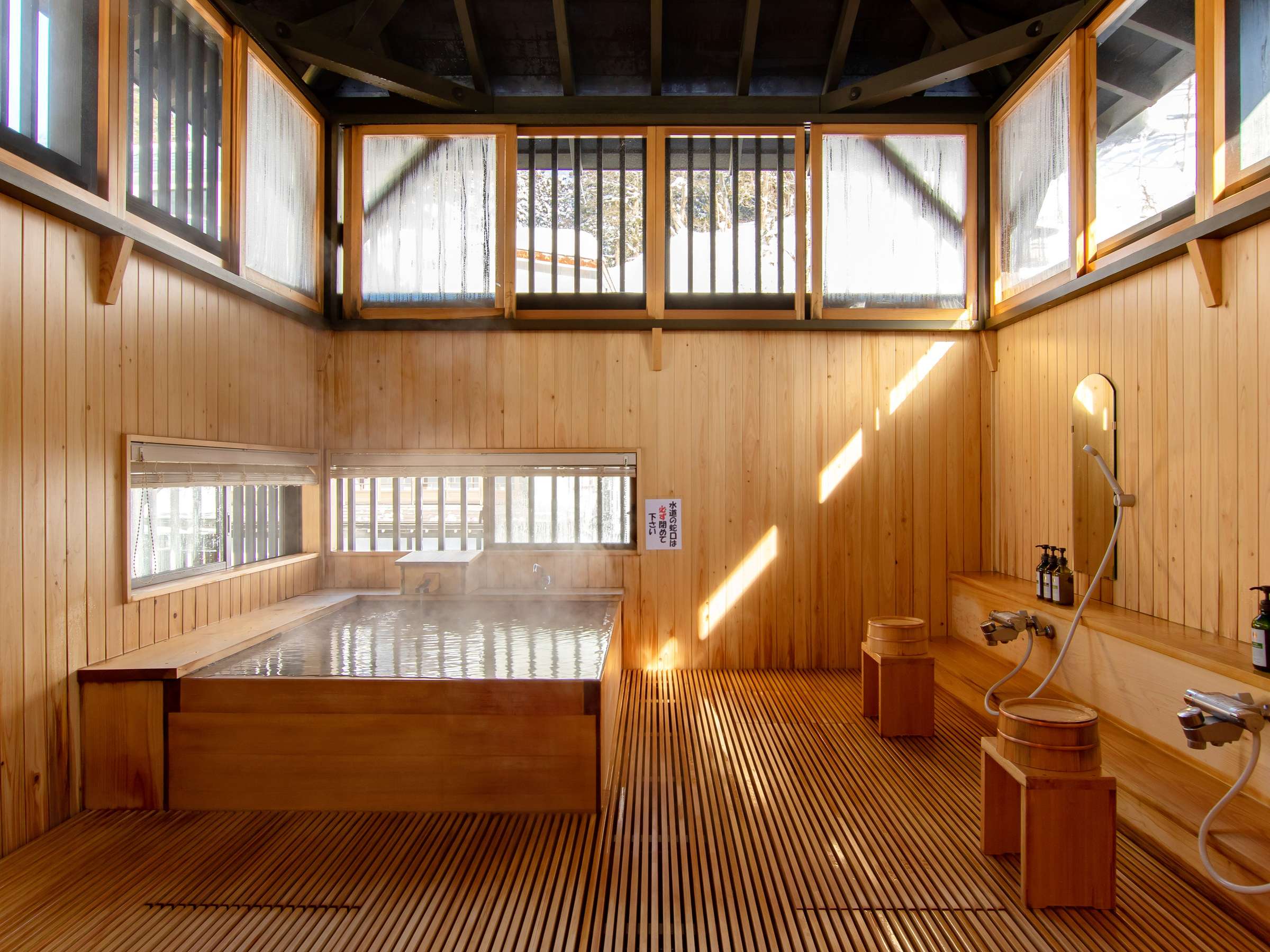
Private hinoki wood hot spring bath at a luxury Ginzan Onsen ryokan — steam rising, shoji screen open to a snowy garden in winter

*Snow-viewing onsen bath — the quintessential winter hot spring experience at luxury Ginzan properties (photo: Unsplash, CC0)*

Fujiya Inn

Fujiya Inn is the property that most directly put Ginzan Onsen on the international map, and the [National Geographic Best of the World 2026](https://www.nationalgeographic.com/travel/best-of-the-world-2026/article/yamagata-japan) article named it explicitly. The origins trace to the Edo period, but the current building was completely redesigned in 2006 by architect Kengo Kuma — the same designer responsible for the Tokyo National Stadium and the Shirogane no Yu public bath down the street. Kuma used bamboo *sumushiko* screens and *Dalle de Verre* stained glass to create a space that feels simultaneously ancient and severe. There are only eight rooms (capacity: 21), and dinner is served in-room. The five private hot spring baths — available 24 hours, free of charge — are the entire bathing setup here; there is no shared communal bath at all. That means tattooed guests are fully unrestricted at Fujiya, which is a rare and explicit advantage. Pricing runs ¥33,000–68,000 per person with meals [selected-ryokan.com / gltjp.com, verified 2026-05-15]. The range is wide because the three room types (Type A with private bath, Type B, and Type C with covered porch) vary significantly. For winter dates, book 6–12 months ahead — this is not an exaggeration. The ryokan runs a shuttle from Oishida at approximately 13:30 and 15:30, but you must reserve in advance. Best for couples, architecture enthusiasts, and anyone who wants the Ginzan Onsen experience distilled to its most intentional form.

[Check Availability — Books Fast in Peak Season — Trip.com](#) | [Booking.com](#)

---

Which ryokan is right for you? Recommendations by traveler type

First-time ryokan guests: Go with Ginzanso. The English website, international booking infrastructure, airport-style shuttle service, and large staff make the learning curve manageable. You'll still get the full tatami-and-kaiseki experience without the communication friction that smaller properties can involve. Read the [first-time ryokan guide](/blog/first-time-ryokan-guide) before arriving.

Couples on a honeymoon or anniversary: Fujiya Inn or Hatago Itouya. Both have entirely private bathing, which removes the shared-bath social dynamic entirely. Fujiya brings Kengo Kuma architecture and a specific refinement that justifies the top-end pricing. Itouya brings the snow-viewing bath and maximum seclusion at a mid-range starting price. If budget is a factor, Eizawa Heihachi offers the same private outdoor bath intimacy for a similar starting price.

Solo travelers: Notoya Ryokan. The history is genuine (1892, designated cultural property), the pricing is reasonable at ¥25,300–28,600, and the village is small enough that solo evening strolls along the gaslit riverbank are the entire experience — which is exactly what solo travelers come here for. The cave bath is a singular detail that stays with you.

Winter photography enthusiasts: Notoya and Eizawa Heihachi for exterior architecture; Takimikan for the elevated panoramic outdoor bath with rooftop views over the snow-covered village. All three photograph differently and are within a three-minute walk of each other.

Families with children: Ginzanso. It's the only property with the room count and operational infrastructure to handle the logistics of a family stay. Confirm children's pricing and meal arrangements at booking — ryokan meal portions and formats are designed for adults, and most properties ask that you notify them in advance.

Tattooed travelers: Fujiya Inn (all baths private — unrestricted) or Hatago Itouya (all baths private — unrestricted). Ginzanso and Notoya offer private baths for tattooed guests if you can't get into the former two. Kozankaku also has private bath access for tattooed guests, but remember the cash-only payment requirement.

Food-forward travelers seeking something different: Kuranoba (Clanuova) for Italian-French kaiseki with Yamagata ingredients — the most unusual dining option in the village. Takimikan for the homemade soba from Obanazawa buckwheat. Oyado Yanadaya for wagyu steak and shabu-shabu at one of the village's smallest and most intimate properties.

---

Ginzan Onsen in winter vs other seasons: when to visit and what to book

Winter (December–February) is peak season, and the photos that circulate on Instagram every January are why. Snow on wooden rooftops, gas lamps burning amber over the frozen river, outdoor baths in falling snow — this is the Ginzan Onsen winter ryokan experience that drives most international searches. It's real, and it's worth the extra planning. The caveat: visitor management is now formal. From December 20 to March 1, day visitors are capped at 100 per hour after 5 PM; after 8 PM, only overnight guests are permitted in the village. Day-trippers must park at the Taisho Romakan visitor center (approximately 2km out) and take a paid shuttle (¥1,150) into the village. If you're staying overnight, you enter as a guest and none of this applies to you — which is the strongest possible argument for booking a room rather than day-tripping.

Booking lead time for winter: 3–6 months ahead for most mid-range properties. Fujiya Inn and Hatago Itouya: 6–12 months. Some ryokans open winter reservations approximately one year prior to the date.

Autumn foliage (September–November) is widely called the most underrated season. Fiery orange and red kaede maple leaves cover the hillsides above the ryokan strip, and the visual contrast with white plaster walls and dark timber frames is sharp. Late October through early November is peak foliage. Book 3–6 months ahead.

Spring (March–May) brings cherry blossoms along the Ginzan River — typically mid-April — and the Shirogane Falls runs at full flow after the winter thaw. Crowds are smaller than winter or autumn. The snow-viewing magic is gone, but the green valley shows a different, quieter character. Book the cherry blossom peak 4–6 weeks ahead; the rest of spring is more forgiving.

Summer (June–August) is the quiet season. The mountain location keeps temperatures noticeably cooler than urban Japan's brutal August. Easiest availability, often lowest prices. The gas lamps have less drama without snow, but the hiking trails above the village are fully open, and yukata evening strolls without winter gear are genuinely pleasant. 1–2 months' lead time is typically sufficient.

Golden Week (late April–early May) and Obon (mid-August): book 6 months ahead or reconsider your dates entirely. These national holiday windows compress the entire country into the same destination at once.

---

How to get to Ginzan Onsen from Tokyo and Yamagata

Getting here is straightforward once you know the route. The [Japan Rail Pass guide](/blog/japan-rail-pass-guide) covers the shinkansen booking side of things — the Yamagata Shinkansen is JR-operated and JR Pass holders pay no additional fare for the train portion.

From Tokyo: 1. Take the JR Yamagata Shinkansen "Tsubasa" from Tokyo Station to Oishida Station (大石田駅). Journey time approximately 200 minutes (3 hours 20 minutes); trains run every 1–2 hours. One-way fare approximately ¥13,780 without a JR Pass [selected-ryokan.com access guide, verified 2026-05-15]. 2. From Oishida Station, take the Yamagata Kotsu (山交バス) local bus to Ginzan Onsen. Journey time 35 minutes, fare ¥1,000 one-way, frequency approximately every 1–2 hours. 3. Most ryokans offer a free shuttle from Oishida Station — confirm and reserve this when booking. Total door-to-door from Tokyo: approximately 3 hours 20 minutes to 3 hours 50 minutes.

From Yamagata Airport: Direct bus to Ginzan Onsen (no reservation required): 75 minutes, ¥2,000. Shared taxi (reserve by 5 PM the prior day): 60 minutes, ¥4,800–5,300.

From Sendai: Highway bus to Obanazawa then local bus, approximately 2 hours 10 minutes, ¥2,760–2,790.

Driving in winter: Private cars cannot enter the Ginzan Onsen hot spring area from December 20 through March 1 (non-staying visitors). If you're an overnight guest, the ryokan will advise on parking — the lot is a 5–10 minute walk from the strip, and ryokans offer pickup service. Come with winter tires fitted.

---

What to expect when you arrive: ryokan etiquette for Ginzan Onsen

First-time ryokan guests sometimes spend the first hour unsure of what they're supposed to do. Here's the sequence.

- Check-in is typically between 14:00 and 15:00 (Showakan offers a later 14:00, Kozankaku from 14:30). Remove your shoes in the entryway (genkan) and you'll be led to your room in slippers. - Yukata robes are provided and are worn in your room, in common areas, and for evening walks along the riverside. This is normal and expected — you'll see everyone doing it. - Dinner is typically served between 18:00 and 19:00, either in your room or a private dining room. The meal is kaiseki-style — multiple courses arriving sequentially. Notify the ryokan of dietary restrictions at booking, not on the day. - Onsen etiquette: Wash and rinse your body thoroughly at the shower stations before entering any communal bath. Towels should not touch the water. Keep the atmosphere quiet. Most properties ask guests not to use the baths after drinking. - Check-out is typically 10:00–11:00 (Kozankaku 10:00, Showakan 12:00). Breakfast is served at 07:30–09:00 depending on property. - Payment: Most properties accept major credit cards. Kozankaku and Kuranoba (Clanuova) are cash only — bring yen. Kosekiya Bekkan accepts UnionPay.

The village itself is 300 meters long. The gas lamps ignite at dusk. After dinner, a slow walk in your yukata along the riverbank — even in temperatures well below zero — is the point of coming here.

---

Ginzan Onsen ryokan FAQs

How many ryokans are in Ginzan Onsen?

Exactly 13 ryokans operate in Ginzan Onsen, ranging from around ¥18,700 per person at the budget end to over ¥68,000 per person per night at the luxury end. All 13 line the banks of the Ginzan River along a single 300-meter strip [ginzanonsen.jp].

There's no meaningful location difference between properties — the entire strip is a five-minute walk end to end. What separates them is price, private versus shared onsen access, and English-booking ease.

What is the best ryokan in Ginzan Onsen?

For couples prioritizing privacy and design, Fujiya Inn is the standout — 8 rooms, 5 all-private hot spring baths, Kengo Kuma architecture, and a National Geographic 2026 mention. For first-time visitors wanting a smooth English-friendly experience, Ginzanso is the most practical choice. Budget travelers get honest value from Notoya, a 130-year-old designated cultural property priced from ¥25,300 per person.

No single property works for every traveler. The tattooed-traveler section and the tier breakdowns above will narrow it down faster than any ranking.

How far in advance should I book a Ginzan Onsen ryokan?

Winter weekends (December–February): 6–12 months for small luxury properties; 3–4 months for mid-range. Autumn foliage peak (late October–November): 3–6 months. Spring cherry blossoms: 4–6 weeks. Summer: 1–2 months. Golden Week and Obon: 6 months minimum.

Most properties hold 4–18 rooms. They fill faster than hotel logic suggests — the smallest places have fewer rooms than some hotel floors. Book the moment you have confirmed dates.

Do Ginzan Onsen ryokans have private onsen baths?

Several properties offer kashikiri-buro (private reserved onsen) or in-room hot spring baths. Fujiya Inn and Hatago Itouya have exclusively private baths — no shared communal bath at all, making both fully tattoo-friendly. Budget properties use shared gender-separated communal baths plus the public Shirogane no Yu (¥500).

See the comparison table above for the per-property private onsen breakdown. For tattooed travelers, the recommendations section has a dedicated subsection.

Is Ginzan Onsen worth visiting in winter?

Yes — winter is peak season for real reasons. Snow transforms the Taisho-era wooden facades into a landscape that shares an uncanny resemblance with the bathhouse town in *Spirited Away* (Studio Ghibli has never confirmed this connection). Yamagata Prefecture was named to [National Geographic's Best of the World 2026](https://www.nationalgeographic.com/travel/best-of-the-world-2026/article/yamagata-japan). Overnight guests bypass the day-visitor restrictions entirely.

The main practical caveat: winter weekends at small properties book 6–12 months ahead. Weekday stays are far less competitive and noticeably less crowded.

How do I get to Ginzan Onsen from Tokyo?

Take the JR Yamagata Shinkansen "Tsubasa" from Tokyo Station to Oishida Station (approximately 3 hours 20 minutes, ¥13,780 one-way; JR Pass valid for shinkansen portion). Then take the Yamagata Kotsu bus to Ginzan Onsen (35 minutes, ¥1,000). Most ryokans offer a free shuttle from Oishida — book it when you reserve your room [selected-ryokan.com access guide].

Driving is possible outside winter restrictions, but December 20–March 1 non-staying visitors cannot enter the onsen area by car. Overnight guests should ask their ryokan about the parking lot and pickup service.

---

Ready to book the best ryokans in Ginzan Onsen?

The best rooms at the most sought-after properties sell out 12 months in advance of peak winter dates — that's not urgency framing, it's the operational reality of a village where the largest property has 40 rooms and the smallest has four. Thirteen ryokans. One 300-meter strip. The most photographed onsen village in Japan, and as of 2026, firmly on the international radar after the National Geographic selection. Prices start below ¥20,000 per person with two meals included.

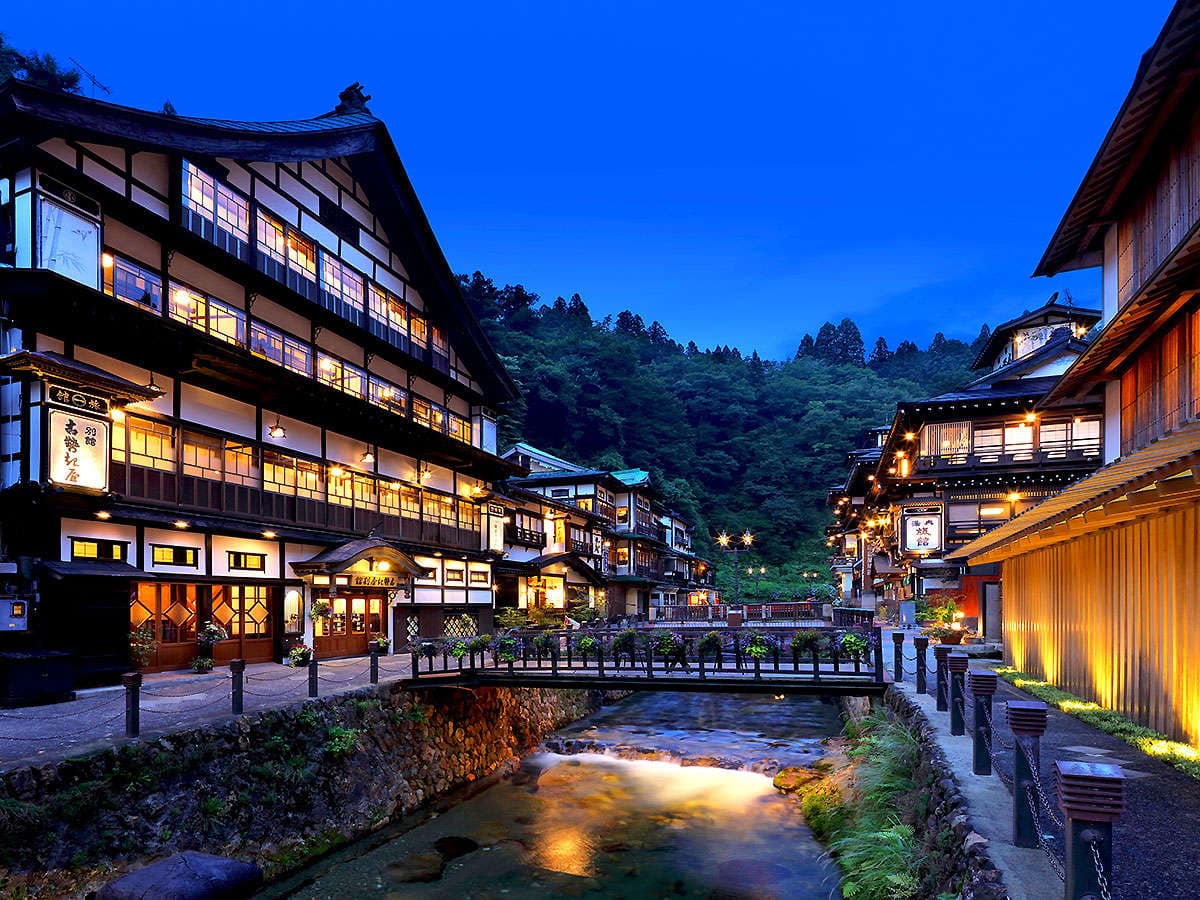
Ginzan Onsen ryokan strip viewed from the bridge — multiple Taisho-era wooden facades lining both banks of the river at dusk

*Ginzan Onsen village — the 300-meter strip where all 13 ryokans create an unbroken Taisho-era townscape (photo: Bruno Plus / Wikimedia Commons, CC-BY 4.0)*

[Book on Trip.com](#) | [Compare on Booking.com](#) | [Search Expedia](#)

For the wider prefecture, see our guide to the [best ryokans in Yamagata](/blog/best-ryokans-yamagata) — Ginzan is the headline act, but Yamagata has a lot more onsen going on.

冬の銀山温泉・夜景 — 銀山川に映る大正時代の木造旅館群、ガス灯の温かなオレンジ色の光、屋根に積もる雪

*冬の銀山温泉・滝見橋と旅館街 — ガス灯に照らされた雪化粧の大正建築(写真:Bruno Plus / Wikimedia Commons, CC-BY 4.0)*

はじめに

最初に感じるのは、寒さではありません。硫黄の香りを含んだ山の空気、そして琥珀色の輝きです。川沿いには本物のガス灯が並び、木造の縁側には雪が厚く積もっています。銀山川は漆黒の水面を湛えながら、大正時代の旅館が左右に立ち並ぶ谷間を流れています。障子の向こうに灯る明かりが、まるで和紙の提灯のようです。銀山温泉でどの旅館に泊まるかを検討しているなら、それはすでに正しい問いかけです。なぜなら、この地では宿の選択が滞在のすべてを決めるからです。

銀山温泉は、山形県の山あいに広がる、わずか300メートルの石畳の通り沿いに13軒の旅館が並ぶ温泉地です。2026年、[ナショナル ジオグラフィックが山形県を「世界のベスト旅行先」](https://www.nationalgeographic.com/travel/best-of-the-world-2026/article/yamagata-japan)に選出し、瀧見館と藤屋を特別に推薦宿として紹介しました。この温泉街の景観は、アニメ映画『千と千尋の神隠し』に登場する湯屋の町と驚くほど似ているとも言われています。スタジオジブリが公式にその関係を認めたことはありませんが、視覚的な類似は誰もが認めるところです。これら二つの事実が重なり、これまでほとんど海外に知られていなかったこの村への、英語圏からの関心を一気に高めました。

問題があるとすれば、多くの英語ガイドが雰囲気の描写にとどまっている点です。情景は伝わっても、料金、貸切風呂と共同浴場の違い、予約のリードタイム、そしてタトゥーのあるカップルや一人旅の方にどの旅館が本当に向いているかといった実践的な情報が欠けています。本ガイドは全13軒について、確認済みの料金、各宿の温泉の詳細、そして「誰に向いているか」の率直な答えをまとめています。[日本のおすすめ温泉地](/blog/best-onsen-towns-japan)を計画しているなら、銀山温泉はリストに入れる価値があります。ただし、予約の難しさについても正直にお伝えします。

---

銀山温泉が、他の旅館の里と一線を画す理由

2024年に日本を訪れた約3,700万人の観光客のうち、山形県まで足を延ばした人は1%にも満たなかったとされています [National Geographic, 2026](https://www.nationalgeographic.com/travel/best-of-the-world-2026/article/yamagata-japan)。この数字は、これから大きく変わろうとしています。ナショナル ジオグラフィックの選出では、特に瀧見館と藤屋が推薦宿として名指しされており、2026年以降、この二軒への需要は一段と高まることが見込まれます。旅行フォーラムで記事が拡散されたあとにこれを読んでいるなら、冬季の空室はすでに昨年より格段に少なくなっています。

ナショナル ジオグラフィックは銀山温泉を「現代のリゾートよりも、大正時代(1912〜26年)の小説の場面を彷彿とさせる景観」と評しました [National Geographic Best of the World 2026](https://www.nationalgeographic.com/travel/best-of-the-world-2026/article/yamagata-japan)。この表現は的確です。建築の保存状態と現役の温泉インフラが両立している景観は、日本のほかの温泉地では見られません。

銀山温泉の起源は銀鉱山にあります。「銀山」とはその名のとおり銀の山のこと。16世紀から採掘が続いていた鉱山が1689年に水没して以降、鉱夫たちが使っていた湯が温泉地として開かれました。大正時代(1912〜1926年)になると、裕福な商人や都市の労働者が湯治に訪れるようになり、当時建てられた木造多層建築の旅館群が現在も銀山川の両岸に並んでいます。地元の条例によって大正の街並みが厳格に保護されており、現代的なコンクリートの外観や時代の雰囲気を壊す看板は許可されず、温泉エリアへの自家用車の乗り入れも禁止されています。写真で見る景観が実際に目の前に広がる——これは日本全体でも珍しく、温泉街ではほぼ前例のないことです。山形県全体の観光情報については、[山形県観光情報サイト](https://www.yamagatakanko.com/en/)もご覧ください。

この300メートルという距離には、もう一つ意味があります。旅館を選ぶうえで、立地はほとんど差になりません。全13軒は徒歩5分以内の範囲にあるためです。実際に選択を左右するのは、料金帯、貸切風呂か共同浴場か、英語での予約のしやすさ、そして食事の質です。本ガイドはこれらの観点を軸に構成されています。山形県内の旅館を広く見るなら[山形のおすすめ旅館ガイド](/blog/best-ryokans-yamagata)もあわせてご覧ください。銀山は山形の代表格ですが、この一つの谷にとどまらない魅力が県内には数多くあります。温泉地としての詳細は[銀山温泉エリアガイド](/onsen-areas/ginzan)でご確認いただけます。

温泉街には共同の入浴施設もあります。建築家・隈研吾が設計した公共浴場「しろがねの湯」は1人500円で、貸切風呂を持たない宿に泊まるゲストも含め、誰でも利用できます(注:調査時点では、施設内の2つの浴槽のうち1つが休止中でした。到着前に最新の営業状況をご確認ください)。また、川沿いには年中無休で利用できる無料の足湯もあります。

---

銀山温泉・全13軒ひと目比較

料金はすべて1名・1泊・2食(夕食の会席料理+朝食)込みの単価です。これは全国の旅館標準の料金表示方式です。2名での客室料金は概ねこの2倍です。USD換算は2026年5月時点の約145円/ドルを使用しており、参考値としてご覧ください。料金は客室タイプと時期により異なります。

| 旅館名 | 1名料金(¥、2食付) | 1名料金(USD概算) | 客室数 | 貸切風呂 | 英語予約 | 予約リードタイム | おすすめゲスト | |---|---|---|---|---|---|---|---| | 旅館 松本 | ¥20,000〜25,000 | 約$138〜172 | 10 | なし | あり(第三者サイト) | 紅葉期:6〜8週間前、冬:3〜4か月前 | リーズナブル・初めての方 | | 御宿 やなだ屋 | ¥18,700〜 | 約$129〜 | 4 | 未確認 | 未確認 | 冬:3〜6か月前 | カップル・少人数 | | 昭和館 | ¥20,000〜30,000 | 約$138〜207 | 13 | なし | 未確認 | 夏:1〜2か月前、冬:3〜4か月前 | ファミリー・アクセス重視 | | 古山閣(こざんかく) | ¥26,550〜 | 約$183〜 | 8 | あり(貸切) | 限定的 | 冬:3〜6か月前 | グループ・現金のみ | | 能登屋旅館 | ¥25,300〜28,600 | 約$174〜197 | 15 | あり(洞窟+貸切) | あり(オンライン) | 冬:3〜6か月前 | 歴史好き・一人旅 | | 本館 古勢起屋 | 要問い合わせ | — | 14 | なし | あり | 冬:3〜6か月前 | 大正浪漫好き | | 古勢起屋別館 | 要問い合わせ | — | 14 | なし | あり | 冬:3〜6か月前 | アクセス重視・食事制限対応 | | 旅籠 いとうや | ¥22,000〜 | 約$152〜 | 4 | あり(全室貸切) | 日本語サイトのみ | 冬:6〜12か月前 | プライベート重視・タトゥー可 | | 旅館 永澤平八 | ¥22,000〜 | 約$152〜 | 7 | あり(露天貸切) | 限定的 | 冬:6〜12か月前 | カップル・冬の雰囲気重視 | | 銀山荘(ぎんざんそう) | ¥24,000〜39,600 | 約$165〜273 | 40 | あり(デラックス客室) | あり | 紅葉期:2〜3か月前、冬:3〜6か月前 | ファミリー・グループ・初めての方 | | クラノバ(CLANUOVA) | ¥30,000 | 約$207 | 6 | あり | 限定的・現金のみ | 冬:3〜6か月前 | カップル・食にこだわる方 | | 瀧見館(たきみかん) | ¥26,700〜42,800 | 約$184〜295 | 18 | 別館のみ | メール対応可 | 紅葉期・冬:3〜6か月前 | グルメ・眺望重視 | | 藤屋(ふじや) | ¥33,000〜68,000 | 約$228〜469 | 8 | あり(貸切風呂5か所) | あり(予約サイト) | 冬:6〜12か月前 | カップル・建築好き・上質な旅 |

銀山温泉の谷を上空から見た写真 — 銀山川の両岸に旅館建築が連なる様子

*上空から見た銀山温泉 — 銀山川の両岸に沿って13軒の旅館が並ぶ300メートルの石畳(写真:Wikimedia Commons, CC-BY-SA 3.0)*

Tip

**予約プラットフォームについて:** 多くの宿は Trip.com、Booking.com、Expedia から予約できます。Trip.com は日本の旅館のラインナップが最も充実しています。

[Trip.comで料金を確認する](#) | [Booking.comで比較する](#) | [Expediaで検索する](#)

---

リーズナブルな宿(1名¥22,000未満):コスパ重視の選択肢

銀山温泉における「リーズナブル」は相対的な概念です。この価格帯でも、畳の間、山形牛や山菜をふんだんに使った会席料理の夕食、朝食、そして本物の「かけ流し」温泉水が含まれます。貸切風呂や英語対応のフロントスタッフがつかない場合がありますが、公共浴場「しろがねの湯」(500円)が温泉へのアクセスを補ってくれます。

この価格帯のすべての宿で夕食が付くのは、銀山特有の仕様ではなく全国の旅館の標準です。「安い旅館だから」と心配する必要はありません。この地域の最もリーズナブルな宿であっても、山形市内の料亭で食べれば8,000円以上はするような夕食が提供されます。

旅館 松本

銀山温泉で最も手頃な宿として知られる旅館松本は、2食付きで1名¥20,000〜25,000が現在の相場とみられます [haveyaseenjapan.com、HotelsCombined 5月料金]。10室の家族経営の旅館で、赤い橋と川沿いの遊歩道のすぐそばという好立地にあります。藤屋のような高額な宿でなくても、夜のガス灯の光景の中心に身を置くことができます。客室は畳に布団を敷いた伝統的なスタイルです。温泉は近隣の共同施設を利用する形で、貸切風呂はありません。英語での予約はKlookや楽天トラベル経由で可能です。共同浴場へのタトゥーポリシーは未確認のため、宿に直接ご確認ください。温泉街そのものを楽しみたい初めての方に最適です。紅葉期は6〜8週間前、冬季は3〜4か月前の予約が目安です。

御宿 やなだ屋

4室、1晩最大4組という小さな宿で、夕食は尾花沢産の和牛ステーキとしゃぶしゃぶが中心というやなだ屋は、温泉街で最も静かな滞在を提供する宿のひとつです。1名¥18,700〜(2食付き)[yanadaya.com、2026年5月15日確認]と、銀山温泉への最も手頃な入口を提供しています。他の多くの旅館が白や藍の浴衣を用意するのに対し、こちらはカラー浴衣を提供。屋根付きのテラスでは温泉たまごや飲み物が楽しめ、寒い夜の小さな儀式として心に残ります。浴室が貸切か共同かについては公式サイトに明記がなく、予約前に直接確認することをお勧めします。タトゥーポリシーも未確認です。4室しかないため、価格の手頃さに反して予約が埋まるのが早い宿です。少人数のプライベート感、毎晩の上質な和牛、そして貸切風呂付きの宿より手頃な価格帯を求めるカップルに最適です。

昭和館

昭和館は銀山温泉エリアの入口付近に位置し、送迎の調整なしに到着できるゲストには便利です。料金は1名¥20,000〜30,000程度(2食付き)[Trip.com/Tripadvisor、概算]。最大の特長は2階の24時間利用可能な露天風呂で、源泉かけ流し、男女別、降雪中も終夜営業しています。夕食の会席では山形牛と刺身が中心。朝食には山形の伝統的な竈(かまど)で炊いた紅花米が供されるのが地域の特色です。13室・定員50名という規模から、この価格帯の中では比較的予約が取りやすい宿です。共同浴場のタトゥーポリシーは未確認のため、予約前に直接ご確認ください。 ファミリーや複数人のグループで、露天風呂体験と利便性を重視する方に向いています。

深い軒と格子窓を持つ日本の伝統的な木造建築に新雪が積もっている

*日本の冬の伝統建築 — 山形県銀山温泉のリーズナブルな旅館と共通する美的様式(写真:Pexels, CC0)*

[Trip.comでリーズナブルな旅館の空室を確認する](#)

---

中価格帯(1名¥22,000〜¥43,000):9軒、それぞれの違いを整理する

銀山温泉の中で最も幅が広いこの価格帯には、13軒中9軒が含まれます。貸切温泉の有無、英語予約の環境、食事の方針、室数の違いが、各宿を明確に分けるポイントになります。ここでは、プライベートな雰囲気と規模感のバランスをひと目でわかるよう、室数の少ない順に紹介します。

Tip

**季節別の予約リードタイム:** 冬の週末(12月〜2月)は中価格帯で3〜6か月前、4室の宿(いとうや)は6〜12か月前。紅葉のピーク(10月下旬〜11月上旬)は2〜3か月前。春の桜(4月中旬頃)は4〜6週間前。夏は1〜2か月前が目安で最も予約しやすい時期です。室数が少ないほど、季節を問わず早く埋まります。

旅籠 いとうや

全客室が完全プライベートの温泉、1晩わずか4組といういとうやは、村内で最もプライバシーが保たれた宿です。共同浴場の時間に合わせる必要はなく、タトゥーのポリシーを気にすることもなく、他のゲストと温泉で顔を合わせることもありません。2階の雪見風呂が最大の見どころで、雪に包まれた谷を眼下に望む小さな専用浴槽です。料金は1名¥22,000〜(2食付き)[hatago-itouya.com、2026年5月15日確認]。2名利用の場合、その排他的な環境を反映した設定になっています。会席の主役は尾花沢牛で、地元産のきのこや魚が添えられます。ウェブサイトは日本語のみのため、旅行代理店や第三者の予約サイトの利用が現実的です。4組限定のため、冬季の予約は空き枠が出た瞬間に行動することをお勧めします。最大限のプライバシーを求めるカップルや、タトゥーがあって温泉入浴を希望する旅行者に最適です。

旅館 永澤平八(旅館 長沢平八)

7室の宿で最大の特長は、雪景色の中でひとりじめできる露天の貸切温泉です。夕食後に静まり返った谷に広がる空の下、時間を気にせず入浴できます。大正時代の意匠は、豪壮さよりも親密さをたたえています。外観と露天風呂が冬の撮影スポットとして何度もガイドに登場するのは、それが良いからこその結果です。料金は1名¥22,000〜程度(2名1室¥44,000換算)[jalan.net、2026年5月15日確認]。英語対応のスタッフがいるかは未確認で、限定的と考えておくのが無難です。貸切露天風呂のタトゥーポリシーは対応可能と見込まれますが、予約前に直接ご確認ください。 小規模で確実な貸切温泉を求めるカップルにとって、予約の手間をかける価値がある宿です。

古山閣(こざんかく)

古山閣の料金は1名¥26,550〜(2食付き)[gltjp.com、2026年5月15日確認]ですが、海外からお越しの方に必ず知っておいていただきたい重要な点があります:古山閣はクレジットカード不可、現金のみです。 山形市を出発する前に十分な現金を準備してください。建物は昭和初期の歴史ある木造旅館で、レトロなソファ、アンティーク時計、重厚な木の梁が当時の雰囲気を忠実に伝えています。共同浴場は女性用の木造浴槽と男性用の石造り浴槽の2か所、加えて全宿泊客が先着順で利用できる貸切風呂が2か所あります。タトゥーのある方は貸切風呂を利用可能 [tattoo-friendly.com 確認済み]。フロントの英語対応は限定的なため、第三者の予約サイトの利用が便利です。また、最大8名まで泊まれる広い客室があり、少人数グループでの利用ができる数少ない銀山の宿のひとつでもあります。

能登屋旅館

能登屋は明治25年、すなわち1892年の創業で、日本の有形文化財に指定されています [selected-ryokan.com、2026年5月15日]。料金は1名¥25,300〜28,600(2食付き)[selected-ryokan.com、2026年5月15日確認]。古民家の構造には明治時代から変わらない伝統的な継手技法が用いられており、創業時から使われてきたとされる洞窟の温泉は現在、貸切(かしきり)風呂として利用できます。滝を眺める展望露天風呂もあります。一部の情報源では能登屋の外観が『千と千尋の神隠し』の湯屋に似ていると言及されていますが、スタジオジブリが公式に認めたことはありません。NHK連続テレビ小説「おしん」(1983〜84年)のロケ地としても知られます。英語でのオンライン予約は公式サイトから可能ですが、電話予約は日本語のみです。タトゥーのある方は貸切風呂を利用可能。共同浴場については要確認。 宿内の喫茶では抹茶や軽食が楽しめ、日帰りの際にも立ち寄りやすい雰囲気があります。宿泊では、一人旅の方や歴史好きの方が能登屋の空気を最大限に味わえます。

クラノバ(CLANUOVA)

クラノバは2017年に古山閣の新棟として開業した宿で、銀山温泉の旅館の中でほかに類を見ない試みをしています。夕食は山形の食材を使ったイタリアン・フレンチです。オーナーシェフは東京で修業したのち地元に戻り、尾花沢牛と河北町産野菜をイタリア料理の技法で調理。山形産・イタリア産のワインと合わせて提供します。6室(定員12名)という規模は、棟数で見ると村内で最もプライベートな空間です。料金は1名¥30,000程度(2食付き)[gltjp.com、2026年5月15日確認]。古山閣3階の貸切風呂とその共同浴場も利用できます。名前はイタリア語の「nuovo(新しい)」と「classico(古典)」を組み合わせた造語で、歴史的な温泉街を見下ろす洋風客室というユニークな組み合わせがよく機能しています。英語対応は限定的なため、予約は古山閣と同様に予約サイト経由が便利です。現金払いのみ(古山閣・クラノバ共通) ため、十分な現金をご準備ください。日本各地の旅館と一線を画す食を求めるカップルや旅行者に最適です。

瀧見館(たきみかん)

瀧見館は銀山温泉の最も高いところに位置し、文字どおり温泉街で最も標高が高い宿です。そこからの眺望露天風呂は、谷内のどこからも得られない絶景を誇ります。冬晴れの日には、遮るものなく雪に覆われた屋根並みが広がります。料金は1名¥26,700〜42,800(2食付き)[selected-ryokan.com、2026年5月15日確認]で、客室タイプによって中価格帯から上位価格帯にまたがります。名物料理は尾花沢産そば粉を使った手打ち蕎麦で、瀧見館が自家製で提供するこの地域固有の品種は評判どおりの美味しさです。会席にも尾花沢牛が使われます。ナショナル ジオグラフィックの2026年山形特集で推薦宿として名前が挙がりました。NHK連続テレビ小説「おしん」(1983〜84年)のロケ地にもなっています。本館の浴場は共同浴場のみで、白銀の滝の麓に建つ別邸「別邸・瀧みたて」には別館専用の貸切温泉があります。共同浴場のタトゥーポリシーは未確認のため、予約前に直接ご確認ください。 大石田駅からの送迎は事前にメールで手配でき、英語での対応も可能とされています。グルメと冬の眺望を重視する方に最適です。

銀山荘(ぎんざんそう)

40室・定員200名を擁する銀山荘は、銀山温泉で最も規模が大きく、1900年頃の創業という歴史を持つ老舗です。NHK連続テレビ小説「おしん」のロケ地にもなりました [selected-ryokan.com、2026年5月15日確認]。その規模ゆえに、英語ウェブサイト、海外予約サービスへの対応、JR大石田駅からの無料送迎といった充実したサービスが揃っています。デラックス客室には、3種類の源泉(硫黄泉・塩化物泉・硫酸塩泉)を引いた露天温泉風呂が付いており、タトゥーのある方は貸切風呂を利用可能 [selected-ryokan.com]。共同浴場も利用できます。料金は1名¥24,000〜39,600(2食付き)[selected-ryokan.com、2026年5月15日確認]で、上限は川を望むプレミアムなデラックス客室の価格です。冬の観光として、銀山荘は蔵王の樹氷観賞(1〜3月)にも一番便利な宿です。初めて旅館に泊まる方で円滑な滞在を求める場合にも、大人数のご家族にも、この宿が最も現実的な選択肢です。

本館 古勢起屋(ほんかん こせきや)

古勢起屋本館は銀山温泉で最初に建てられた大正建築という誇りある歴史を持ち、建築そのものが温泉街の存在意義であるこの地では、特別な意味を持ちます。ステンドグラス、アンティーク調の調度品、山側・川側・純和風の3タイプの客室というレトロモダンな美意識が特徴です。現時点では英語サイトでの料金確認ができないため、公式サイトまたはBooking.comで最新の料金をご確認ください。内湯2か所は男女入替制で16:00〜24:00のみ。本館に露天風呂はありませんが、銀山荘の施設を利用できます。共同内湯のタトゥーポリシーは未確認です。 JR大石田駅から1日3便の無料送迎があり、新幹線からのアクセスが容易です。高額な宿でなくても日本の建築の歴史の中に泊まりたい方に最適です。

古勢起屋別館

別館は歴史的な街並みの中心部に位置し、本館と同じ大正の意匠を受け継いでいます。14室・定員30名で、本館と比べると1名あたりの空間にやや余裕があります。こちらも現時点では英語サイトでの料金確認が難しい状況です。実際的な面での特長は充実しており、銀聯(UnionPay)カードが利用可能(中国からの旅行者や一部の東南アジアの方にとって便利)で、食事のアレルギー対応が整っています。アレルギー対応には予約時の申告が必要で、追加料金は約1,500円です。全室Wi-Fi完備。大石田駅から1日3便の送迎あり。浴場は共同のみで貸切風呂はなく、共同浴場のタトゥーポリシーは未掲載のため直接お問い合わせください。 食事面での制約がある方、または銀聯カードが主要な支払い手段の地域からお越しの方に最適です。

全国の銀山温泉の旅館で標準的な夕方の装い・浴衣

*浴衣 — 銀山温泉のすべての旅館で夕方に着用する標準的な和装(写真:Wikimedia Commons, CC-BY-SA 3.0)*

[Trip.comで中価格帯の旅館を確認する](#) | [Booking.com](#) | [Expedia](#)

---

高価格帯(1名¥33,000〜¥68,000):銀山温泉の最高峰

この価格帯に投資する本当の理由は、専用の温泉風呂、高級料亭水準の会席料理、そして客室数が非常に少ないため旅館全体が個人の別宅のような機能を果たすことです。城崎や箱根の高級旅館と比べると、銀山のトップ価格帯は同等の体験でも概ね20〜30%低い水準に抑えられています。これまで国際的な注目をほぼ集めていなかったことが、その主な理由です。

この状況は長く続きません。早めの予約を。

高級銀山温泉旅館のプライベート檜風呂 — 湯気が立ちのぼり、障子越しに冬の雪庭が見える

*雪見露天風呂 — 銀山温泉の高価格帯旅館ならではの冬の温泉体験(写真:Unsplash, CC0)*

藤屋(ふじや)

藤屋は、銀山温泉を国際的な地図に乗せた宿として最も象徴的な存在で、[ナショナル ジオグラフィック・ベスト・オブ・ザ・ワールド 2026](https://www.nationalgeographic.com/travel/best-of-the-world-2026/article/yamagata-japan)でも名指しで紹介されました。江戸時代にさかのぼる歴史を持ちながら、現在の建物は2006年に建築家・隈研吾によって全面的に再設計されました。東京国立競技場や同じ通り沿いの「しろがねの湯」も手がけた隈は、竹の「すむしこ」スクリーンとダル・ド・ヴェールのステンドグラスを用いて、古さと緊張感が同居する空間を作り上げました。客室は8室(定員21名)のみで、夕食は室内で提供されます。5か所の貸切温泉風呂は24時間無料で利用でき、共同浴場はありません。これは藤屋ではタトゥーに関する制限が一切ないことを意味しており、明確かつ稀有なアドバンテージです。料金は1名¥33,000〜68,000(2食付き)[selected-ryokan.com / gltjp.com、2026年5月15日確認]。専用風呂付きのAタイプ、Bタイプ、屋根付きポーチのCタイプという3種の客室タイプで料金が大きく異なります。冬季の予約は6〜12か月前が目安で、これは誇張ではありません。大石田駅からの送迎は13:30と15:30頃(要事前予約)。カップル、建築愛好家、そして銀山温泉の体験をその最も凝縮された形で味わいたい方すべてに最適です。

[Trip.comで空室を確認する(繁忙期は早期完売)](#) | [Booking.com](#)

---

あなたに合った旅館はどこか:旅行スタイル別ガイド

旅館初体験の方: 銀山荘をお勧めします。英語ウェブサイト、国際的な予約サービスへの対応、送迎の確実さ、充実したスタッフ体制により、初めての方でも安心して旅館体験ができます。畳と会席料理という旅館の醍醐味は余すことなく体験でき、小規模な宿ならではの言葉の壁も生じません。到着前に[旅館初心者ガイド](/blog/first-time-ryokan-guide)もご確認ください。

ハネムーンや記念日のカップル: 藤屋またはいとうや。どちらも温泉が完全プライベートで、共同浴場特有の社交的な空間とは無縁です。藤屋は隈研吾の建築と研ぎ澄まされた上品さが最高価格帯の理由を体感させてくれます。いとうやは雪見風呂と最大限の静寂を中価格帯の入口から提供しています。予算を考慮するなら、永澤平八も似た価格帯で同様のプライベート露天風呂の体験ができます。

一人旅の方: 能登屋旅館。創業1892年の文化財指定という確かな歴史、1名¥25,300〜28,600という現実的な料金、そして夜の灯籠の川沿いをひとり散歩することが体験の核心というこの温泉街の性格が、一人旅者と完璧に噛み合います。洞窟風呂という唯一無二の体験は記憶に残ります。

冬の写真撮影を楽しむ方: 外観建築なら能登屋と永澤平八、雪に覆われた温泉街を見渡す高台の露天風呂なら瀧見館が最適です。3軒はいずれも徒歩3分以内の距離にあり、それぞれ異なる被写体を提供します。

お子様連れのご家族: 銀山荘。家族旅行に対応できる客室数と運営体制を持つ唯一の宿です。子供料金や食事の対応は予約時に必ず確認してください。旅館の食事は基本的に大人向けに設計されており、ほとんどの宿で事前申告が必要です。

タトゥーのある方: 藤屋(すべての浴場がプライベート・制限なし)またはいとうや(同様)。前者2軒の予約が取れない場合、銀山荘と能登屋に貸切風呂があります。古山閣も貸切風呂を利用可能ですが、現金払いのみである点を忘れずに。

食にこだわりのある方: クラノバ(CLANUOVA)なら山形の食材を使ったイタリアン・フレンチという温泉街で他に類を見ない食体験が得られます。瀧見館なら尾花沢産そば粉の手打ち蕎麦。御宿やなだ屋なら、村内で最も小規模で親密な宿の毎夜の和牛ステーキとしゃぶしゃぶが待っています。

---

季節で変わる銀山温泉:いつ訪れ、何を予約すべきか

冬(12月〜2月) は繁忙期です。毎年1月にSNSで拡散される写真がその理由を物語っています。木造の屋根に積もる雪、川面を照らす琥珀色のガス灯、降雪の中の露天風呂——これが多くの海外からの旅行者が検索する銀山温泉の冬の旅館体験です。それは現実であり、計画に手間をかける価値があります。ただし、現在は入場管理が公式化されています。12月20日〜3月1日の間、午後5時以降は日帰り観光客が1時間あたり100名に制限され、午後8時以降は宿泊者のみが温泉街に入れます。日帰りの場合は大正ロマン館(約2km手前)に駐車し、有料シャトル(1,150円)で入村することになります。宿泊者であれば、この制限は一切かかりません——これが日帰りではなく宿泊を選ぶ最大の理由です。

冬の予約リードタイム: ほとんどの中価格帯の宿で3〜6か月前。藤屋といとうやは6〜12か月前。宿によっては前年同日から予約を受け付けるところもあります。

秋の紅葉(9月〜11月) は最も過小評価されている季節と言われています。旅館街の上方の斜面を覆う橙や赤の楓の葉と、白い漆喰壁・暗色の木材との対比は鮮やかです。紅葉のピークは10月下旬〜11月上旬。3〜6か月前の予約が目安です。

春(3月〜5月) には銀山川沿いで桜が咲き乱れます(例年4月中旬)。雪解けで銀山の滝が豊かな水量を誇ります。冬や秋と比べると人出は少なく、雪見の幻想的な雰囲気は消えますが、緑の谷には静かで異なる表情があります。桜の最盛期は4〜6週間前の予約が目安。それ以外の春は比較的余裕があります。

夏(6月〜8月) は閑散期です。山間の立地ゆえ、都市部の酷暑とは明らかに異なる涼しさがあります。空室が最も確保しやすく、価格も低くなる傾向があります。雪のないガス灯の情趣は薄れますが、温泉街上方のハイキングコースが開通し、防寒具不要の夕方の浴衣散歩は存外に心地よいものです。1〜2か月前の予約で概ね対応可能です。

ゴールデンウィーク(4月下旬〜5月上旬)とお盆(8月中旬): 6か月前の予約、あるいは日程の再検討を。国民的な祝日は全国の旅行者が同時に動き出す期間です。

---

東京・山形からの行き方

ルートを把握すれば、移動は難しくありません。[ジャパン・レール・パスガイド](/blog/japan-rail-pass-guide)では新幹線の予約について詳しく説明しています。山形新幹線はJR運営のため、JRパス保有者は新幹線区間の追加料金なしで乗車できます。

東京から: 1. 東京駅からJR山形新幹線「つばさ」大石田駅(大石田駅)まで。所要約200分(3時間20分)。1〜2時間ごとに運行。JRパスなしの片道運賃は約¥13,780 [selected-ryokan.com アクセスガイド、2026年5月15日確認]。 2. 大石田駅から山交バス(山形交通)の路線バスで銀山温泉へ。所要35分、片道¥1,000、1〜2時間に1本程度。 3. 多くの旅館が大石田駅からの無料送迎を提供しています——予約時に確認・手配してください。東京からの所要時間は合計で約3時間20分〜3時間50分。

山形空港から: 銀山温泉への直行バス(予約不要):75分、¥2,000。乗り合いタクシー(前日午後5時までに予約):60分、¥4,800〜5,300。

仙台から: 高速バスで尾花沢、その後路線バスに乗り換え。所要約2時間10分、¥2,760〜2,790。

冬の自家用車での来訪について: 12月20日〜3月1日の間、宿泊者以外の自家用車は温泉エリアへ入ることができません。宿泊の場合、旅館が駐車場について案内します。駐車場から温泉街まで徒歩5〜10分で、旅館の送迎サービスもあります。スタッドレスタイヤ装着でお越しください。

---

到着したら:銀山温泉の旅館での過ごし方

初めて旅館に泊まる方が、チェックイン後の1時間を「何をすればよいかわからない」と感じるのはよくあることです。順番を整理します。

- チェックインは通常14:00〜15:00(昭和館は14:00以降、古山閣は14:30から)。玄関で靴を脱ぎ、スリッパで客室に案内されます。 - 浴衣は備え付けのものを客室内、共用スペース、夜の川沿い散歩で着用します。これは旅館での通常のスタイルで、誰もがそうしています。 - 夕食は通常18:00〜19:00の間に、客室または個室食事処で提供されます。会席料理は複数のコースが順番に出てくるスタイルです。食事制限はチェックイン当日ではなく、予約時に伝えてください。 - 温泉マナー: 共同浴場に入る前に、シャワーブースで全身をよく洗い流してください。タオルを湯船に入れないこと。静かな雰囲気を保つこと。多くの旅館では飲酒後の入浴を遠慮するよう案内しています。 - チェックアウトは通常10:00〜11:00(古山閣10:00、昭和館12:00)。朝食は7:30〜9:00頃(宿によって異なる)。 - 支払い: ほとんどの宿は主要クレジットカードに対応しています。古山閣とクラノバ(CLANUOVA)は現金のみです——円を用意してください。 古勢起屋別館は銀聯(UnionPay)利用可能。

温泉街の全長は300メートル。ガス灯は黄昏どきに灯ります。夕食後、浴衣姿で川沿いをゆっくり歩く——気温が氷点下を大きく下回る夜でも——それがここに来る本当の意味です。

---

銀山温泉 よくある質問

銀山温泉には旅館が何軒ありますか?

銀山温泉には旅館が13軒あります。料金は1名¥18,700程度のリーズナブルな宿から、¥68,000を超える高級宿まで幅があります。すべての旅館が銀山川の両岸、300メートルの石畳沿いに並んでいます [ginzanonsen.jp]。

宿泊する場所による景観の違いはほとんどありません。通り全体が徒歩5分以内で歩けます。旅館を分けるのは価格、貸切か共同かの温泉の形式、そして英語での予約しやすさです。

銀山温泉で一番よい旅館はどこですか?

プライバシーとデザインを重視するカップルには藤屋が際立っています——8室、5か所の貸切温泉、隈研吾の建築、そして2026年のナショナル ジオグラフィック掲載。英語対応の円滑な旅館体験を求める初めての方には銀山荘が最も現実的。予算重視なら、130年の歴史を持つ文化財・能登屋が1名¥25,300〜という手頃な価格で誠実な価値を提供します。

すべての旅行者に合う唯一の旅館はありません。タトゥーのある方向けのセクションと各価格帯の詳細が、ランキングよりも早く答えを絞り込む助けになります。

銀山温泉の旅館は何か月前に予約すればよいですか?

冬の週末(12月〜2月):小さな高級宿で6〜12か月前、中価格帯で3〜4か月前。紅葉のピーク(10月下旬〜11月):3〜6か月前。春の桜:4〜6週間前。夏:1〜2か月前。ゴールデンウィークとお盆:6か月前が最低ライン。

多くの宿は4〜18室程度です。ホテルとは異なり、最も小さい宿はホテルの1フロアより少ない客室数しかありません。日程が確定したら、すぐに予約することをお勧めします。

銀山温泉の旅館に貸切温泉はありますか?

いくつかの旅館が貸切風呂(かしきり風呂)または客室付き温泉を提供しています。藤屋といとうやは共同浴場を持たず、すべての浴場が貸切です。そのためどちらもタトゥーの有無にかかわらず入浴できます。リーズナブルな宿は男女別の共同浴場と公共浴場「しろがねの湯」(500円)を利用します。

各宿の詳細は比較表をご覧ください。タトゥーのある方向けの詳細はおすすめガイドのセクションに専用の説明があります。

冬の銀山温泉は訪れる価値がありますか?

はい——冬が繁忙期となるのには確かな理由があります。雪が大正の木造建築を覆い、『千と千尋の神隠し』の湯屋の町と驚くほど似た景観になります(スタジオジブリが公式に認めたことはありません)。山形県は[ナショナル ジオグラフィック・ベスト・オブ・ザ・ワールド 2026](https://www.nationalgeographic.com/travel/best-of-the-world-2026/article/yamagata-japan)に選ばれました。宿泊者であれば、日帰り客の入場制限はまったくかかりません。

実際的な注意点として、小規模な宿の冬の週末は6〜12か月前から埋まります。平日の宿泊は競争が少なく、混雑も格段に緩やかです。

東京から銀山温泉へはどうやって行きますか?

東京駅からJR山形新幹線「つばさ」で大石田駅まで(所要約3時間20分、片道¥13,780。JRパスは新幹線区間に有効)。次に山交バスで銀山温泉まで(35分、¥1,000)。多くの旅館が大石田駅から無料送迎を提供しています——部屋の予約時に手配してください [selected-ryokan.com アクセスガイド]。

冬の制限期間(12月20日〜3月1日)を除けば自動車でのアクセスも可能ですが、宿泊者以外の車は温泉エリアへ入れません。宿泊者は旅館に駐車場の案内と送迎を確認してください。

---

銀山温泉の最高の旅館を予約する準備はできましたか?

最も人気の高い宿の上位客室は、冬のピーク日の12か月前に満室になります——これは焦りを煽る言い回しではなく、最大の宿でも40室、最小の宿では4室しかないこの温泉街の現実です。13軒の旅館が、全長300メートルの石畳に並んでいます。日本で最も撮影される温泉街であり、2026年のナショナル ジオグラフィック選出を経て、いまや確固たる国際的な注目を集めています。料金は2食付きで1名¥20,000以下から始まります。

銀山温泉の旅館街を橋から望む — 夕暮れ時、大正時代の木造建築が川の両岸に連なる

*銀山温泉 — 13軒の旅館が途切れることなく大正の街並みを作り上げる300メートルの石畳(写真:Bruno Plus / Wikimedia Commons, CC-BY 4.0)*

[Trip.comで予約する](#) | [Booking.comで比較する](#) | [Expediaで検索する](#)

山形県全体を見るなら、[山形のおすすめ旅館ガイド](/blog/best-ryokans-yamagata)もご覧ください。銀山温泉は山形の代表格ですが、この谷の外にも温泉は数多くあります。

ご予約はこちら

Find Your Ryokan

Browse our curated collection of traditional ryokans. Filter by region, price, and amenities.

旅館を探す