71분 분량2026년 6월 업데이트

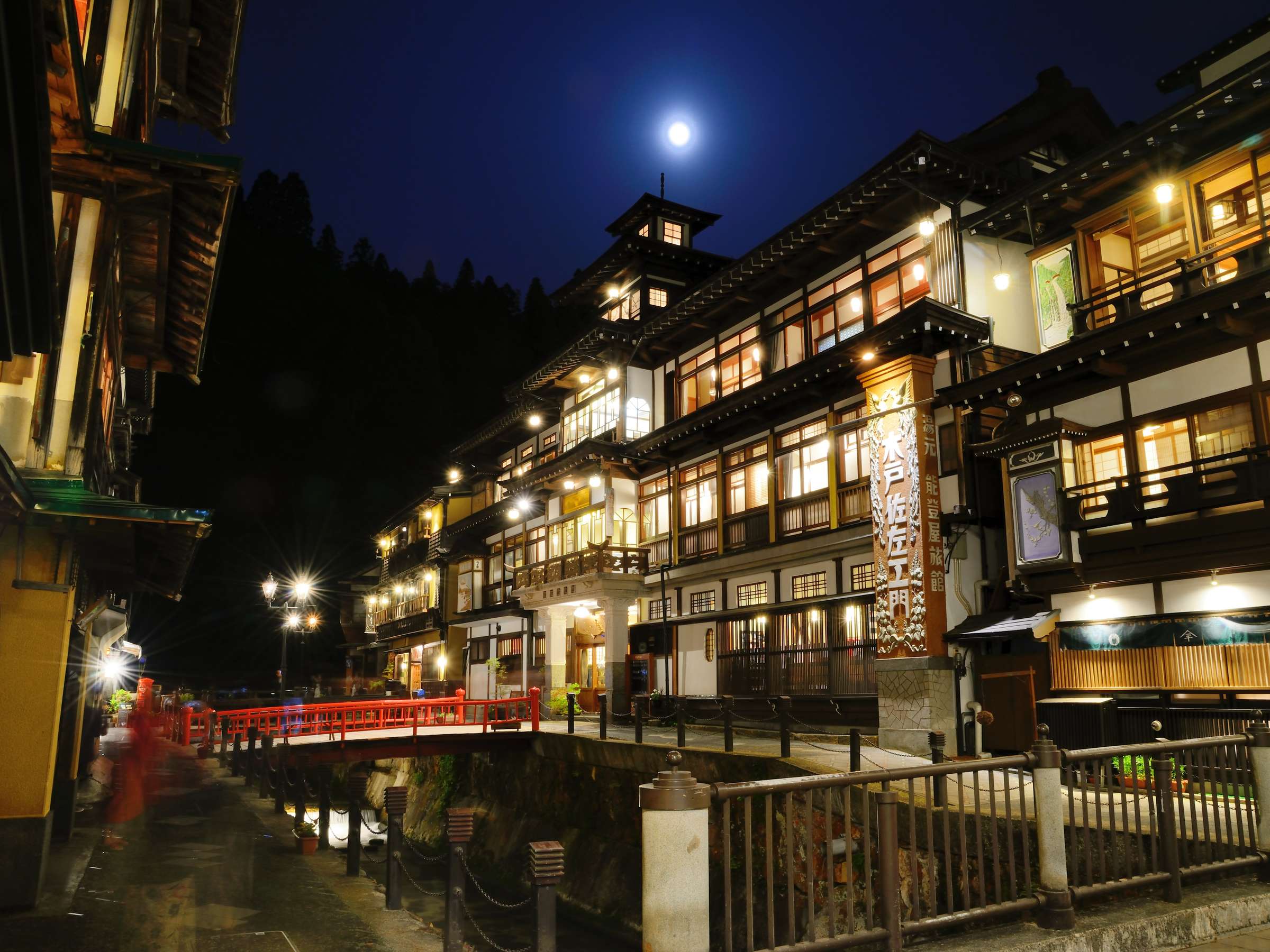
I was standing on the bridge at Ginzan Onsen at dusk when the gas lamps came on — one by one, the four-storey cedar facades shifting from grey to amber, the Ginzan River catching the reflection below, and the only sound the water moving over rocks. Nothing Hakone or Kyoto had prepared me for that. The best ryokans in Tohoku Japan don't fit either mold — and that's the whole point. Japan's northeastern region — six prefectures of volcanoes, gorges, and rice fields blanketed by real winter snow — has some of the country's most compelling hot-spring culture, and a fraction of the crowds. I first came here in autumn 2023 chasing Naruko Gorge's foliage and ended up staying three extra days.
Six areas. Six different vibes, water types, and price tiers: Ginzan, Naruko, Akiu, Nyuto, Zao, and Hanamaki. What you won't find here is a generic list of "amazing" inns with no prices. You'll find honest trade-offs, verified costs, and everything you need to actually book — including a first time at a Japanese ryokan orientation for anyone approaching this unfamiliar.
One honest caveat before we start: Tohoku takes longer to reach than Hakone, English support at some properties is thin, and winter closures are real. If you need maximum convenience, Hakone wins. If you want the deeper version of this tradition, read on.
---
Why choose Tohoku over Hakone or Kyoto?
The short answer is authenticity and water diversity — two things that get harder to find as international visitor numbers climb. Hakone's ryokans are excellent but increasingly designed for foreign guests; Kyoto's are priced accordingly. Tohoku has neither problem yet.
What it has instead: Ginzan Onsen's wooden Taisho-era buildings lit by actual gas lamps every evening, their reflections broken by the Ginzan River. Zao plateau's *juhyo* — fir trees encased in wind-driven ice, forming ghostly figures visible from January through February that don't exist anywhere else in Japan at this scale. And Naruko, where 8 of Japan's 10 officially classified spring water types bubble up from a single valley — a geothermal anomaly that no single Hakone resort can match [verified Tohoku Kanko official site / Nippon.com 2026].
The honest downside: getting from Tokyo to Ginzan takes over four hours door to inn. Nyuto Onsen's most famous property, Tsuru-no-yu, takes reservations by phone in Japanese, ideally six months out. Some Naruko properties have staff who speak no English at all. These aren't deal-breakers — they're the price of admission to an experience that most international visitors still haven't found. Check our winter onsen guide if season is your primary planning axis.
The ideal Tohoku traveler has already done Hakone and wants to go deeper. Or they're a winter-sports person who wants to ski Zao in the morning and soak in a sulfur bath by 4pm. Or they're simply someone who prefers empty corridors and a ryokan hostess in kimono who bows to them personally — not because it's a brand requirement, but because that's how it's done here.
---
Tohoku onsen areas at a glance: quick-compare table
If you're comparing the best ryokans in Tohoku Japan across budget, season, and logistics, this table is your decision matrix. All prices are per person with two meals (kaiseki dinner + Japanese breakfast) unless otherwise noted — the standard ryokan pricing model. Click any area name to jump to its section.
| Area | Vibe | Price/person (2 meals) | Best Season | Tokyo Access | English ★/5 | Tattoos |
|---|---|---|---|---|---|---|
| [Ginzan](#ginzan-onsen) | Taisho gaslit village | ¥18,700–¥68,000 | Winter / Autumn | ~4h 10min (Yamagata Shinkansen) | ★★★☆☆ | Varies — ask |
| [Naruko](#naruko-onsen) | Hot-spring diversity | ¥12,000–¥25,000 | Autumn foliage | ~2.5h (Tohoku Shinkansen) | ★★☆☆☆ | Varies — private baths available |
| [Akiu](#akiu-onsen) | City-close, first-timer friendly | ¥18,000–¥70,000 | Year-round | ~2.5h (Tohoku Shinkansen + bus) | ★★★★☆ | Some allow |
| [Nyuto (Tsuru-no-yu)](#nyuto-onsen) | Remote snow-buried onsen | ¥11,700–¥24,350 | Winter / Spring | ~3h (Akita Shinkansen) | ★☆☆☆☆ | Not recommended in shared baths |
| [Zao](#zao-onsen) | Ski + sulfur springs + snow monsters | ¥15,000–¥85,000 approx. | Winter (ski/juhyo) | ~3h (Yamagata Shinkansen) | ★★★☆☆ | Varies |
| [Hanamaki](#hanamaki-onsen) | Quiet, family-friendly, literary | ¥13,000–¥40,000 approx. | Summer / Autumn | ~2.5–3h (Tohoku Shinkansen) | ★★★☆☆ | Some allow |
Tip
Note: The JR EAST PASS (unified, launched March 14, 2026 — ¥35,000 for 5 days, ¥48,000–50,000 for 10 days) covers all five shinkansen lines serving these areas. Local buses and taxis from the shinkansen station to your ryokan are separate costs, typically ¥800–¥1,500 per leg.
---
Ginzan Onsen — The Taisho-era gas-lamp village {#ginzan-onsen}

Ginzan is Tohoku's most photographed onsen town, and the images aren't exaggerated. A dozen wooden inns — three and four storeys of weathered cedar and plaster — crowd both sides of a narrow river gorge, and when the gas lamps come on around dusk, the whole scene turns amber. The village is compact enough to walk end-to-end in eight minutes. There are no cars, no convenience stores visible from the main street, and the sound at night is the river over rocks and nothing else.
The hot springs were first discovered in the 1400s during silver mining operations — *ginzan* means silver mountain — but the current streetscape dates to the Taisho era (1912–1926), when wooden inns replaced the original structures after a flood. Notoya Ryokan, now 130 years old and designated a tangible cultural property, from ¥25,300/person , still operates in that original style: folk-house architecture, narrow corridors, futon on tatami. It's not glamorous in the contemporary sense. It's better than that.
Worth naming upfront: Ginzan is small. Ryokan-to-ryokan variety is limited compared to larger resort towns, the peak seasons get genuinely crowded on weekends, and the access from Tokyo is longer than competitors typically admit.
Best Ginzan ryokans by budget
Budget tier (from around ¥18,700/person): Entry-level rooms at Ginzan have shared indoor baths and simpler kaiseki. Notoya's lower-tier rooms sit in this range — you get the cultural property atmosphere at a lower price, accepting a small room and no private bath.
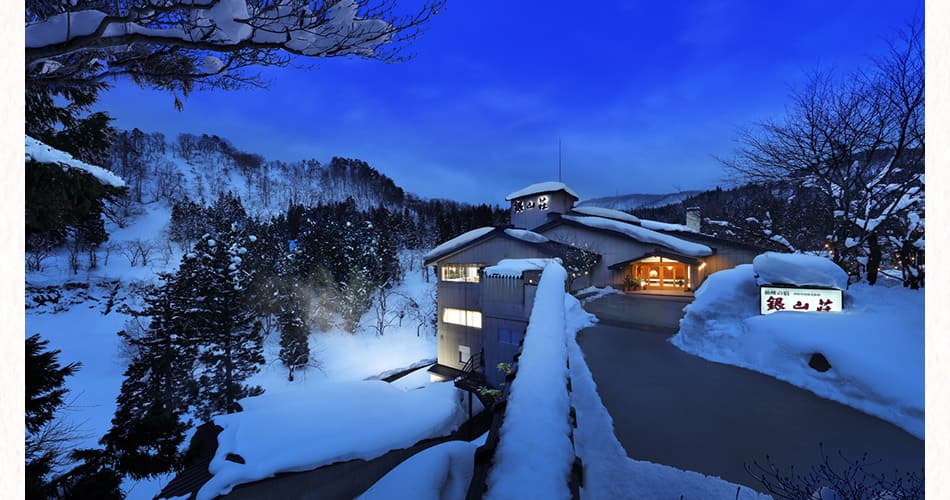
Mid-range (¥25,000–¥45,000/person): Most of the gas-lamp buildings fall here. Ginzanso is the largest property, most practical for first-timers, and has an English website plus good English-booking infrastructure. It's not the most intimate inn, but it's the easiest entry point.
Luxury (¥50,000–¥68,000+/person): Fujiya Inn, 8 rooms, private baths in 5 of its 8 rooms, designed by architect Kengo Kuma. It was listed in National Geographic in 2026. At this tier you're not just staying at an inn — you're staying inside a considered architectural work. Book six months out minimum.
See our full Ginzan Onsen ryokan guide and our Ginzan picks for in-depth property reviews.
Getting to Ginzan Onsen from Tokyo
Take the JR Yamagata Shinkansen (Tsubasa service) to Oishida Station — not Obanazawa, which appears on some older guides and is a separate local station requiring an additional connection. From Oishida, the Hanagasa Bus runs to Ginzan Onsen in approximately 40 minutes (¥1,000 one-way; roughly every two hours). Total realistic time from Tokyo Station: approximately 4 hours 10 minutes .
The JR EAST PASS covers the shinkansen leg; the bus is a separate ¥1,000 each way.
Winter restriction: From December 20 through March 1 (2025/2026 dates), private vehicles cannot enter the village. Guests arriving by car park at Taisho Romankan and take a paid shuttle into the village. Evening entry between 5pm and 8pm requires timed-entry tickets (approximately ¥1,200/person, bus included). Arriving by bus or on foot has no restriction. This isn't a nuisance — it's part of why the evening atmosphere is so quiet .
Booking urgency: Winter weekends fill 3–4 months ahead. Autumn (late October koyo peak) books 2–3 months out. Summer is quieter and roughly 20–30% cheaper.
---
Naruko Onsen — Japan's most diverse hot springs {#naruko-onsen}

Naruko Onsen sits in Miyagi Prefecture's interior, a cluster of five distinct onsen sub-villages spread across one narrow valley. What makes it remarkable isn't any single inn or scenic backdrop — it's the ground itself. 8 of Japan's 10 officially classified spring water types rise from Naruko's 400-odd springs , meaning you can soak in sulfur springs, sodium bicarbonate springs, iron springs, and hydrogen carbonate springs within a twenty-minute walk of each other. No other place in Japan offers this in one valley. Geologically, it's an anomaly.
Walking between the sub-villages in the rain, that variety becomes tangible: the sulfur smell shifts as you move from one spring zone to the next, sometimes faint, sometimes sharp enough to catch in your throat before you've reached the inn door.
Naruko is also Japan's kokeshi capital. The turned wooden dolls — cylindrical, minimalist, with a child's face on a painted body — have been crafted here for centuries, and you can visit workshops along the main street, watch the lathe turning and hear the clean scrape of tool on wood, and buy directly from the craftsperson. Most ryokan gift shops stock them too; I left with three, which is one more than I intended.
One caveat worth naming: English support here is low (★★☆☆☆). On-site communication at smaller inns can be mime-and-translate-app territory. Book in English through Trip.com or Booking.com and you'll be fine for the reservation; just manage expectations for the stay itself.
Getting to Naruko Onsen from Tokyo
An important update for 2026: the JR Rikuu-to Line between Naruko Onsen Station and Shinjo is currently suspended due to storm damage from 2024, with service expected to resume no earlier than 2027 . Do not rely on the local train into Naruko from the west.
The recommended route: Tohoku Shinkansen to Furukawa Station, then a local bus or highway bus connection to Naruko Onsen (approximately 30–40 minutes). Alternatively, the Miyako Highway Bus runs directly from Sendai Station (Bus Stop #24) to Naruko Onsen in roughly 90 minutes — a clean, no-transfer option if you're coming through Sendai anyway. Total time from Tokyo: approximately 2.5 hours.
The JR EAST PASS covers the shinkansen to Furukawa; local buses are separate.
Best Naruko ryokans by budget
Budget (from ¥12,000/person): Naruko Onsen Ryokan Kanshichiyu offers the lowest entry point in the area, with shared sulfur and sodium baths. Basic rooms, genuine old-fashioned atmosphere, cash-preferred.
Mid-range (¥18,000–¥25,000/person): Ryokan Ohnuma has an English website and is one of the more accessible properties for foreign guests. Naruko Onsen Yumoto Kissho, listed on Selected Ryokan, brings multiple spring types accessible on-property. The Naruko-cho area's five sub-villages (Naruko, Higashiyama, Nakayama, Kawatabi, Shingou) each have a distinct water character — worth asking which village your inn sits in when booking.
Foliage timing: Naruko Gorge autumn colors peak around early November (2026 forecast: approximately November 5) [verified Japan-Guide.com koyo 2026]. Parking fills by 10am during peak weekends; a seasonal shuttle from Naruko-Onsen Station to the gorge (10 minutes) is the sensible approach.
See all Naruko ryokans for the full property lineup.
---
Akiu Onsen — Sendai's backyard and best for first-timers {#akiu-onsen}

If someone asks me which Tohoku area to start with, I say Akiu. It's thirty minutes from Sendai by taxi, under an hour by public bus, and many large ryokans run a free shuttle from Sendai Station's east exit (reservation required). No secondary shinkansen line, no rural bus timing anxiety. You get off at Sendai, make one call to the inn, and you're soaking in a valley bath by evening.
What stays with me about that shuttle ride is how abruptly the city stops. Sendai's low-rise suburbs give way to rice paddies, then the road narrows into a cedar gorge and you can already smell the sulfur faintly through the window. By the time the bus pulls up to the ryokan entrance, you're fully somewhere else — and Sendai was forty minutes ago.
Akiu's water is a sodium-chloride spring classified as *bijin-yu* (beauty water) — the salt content creates the characteristic skin-softening effect that Akiu has been known for since the Date clan's time. The feudal lord Date Masamune reportedly used these baths; Hotel Sakan (Densho Sen-nen no Yado Sakan) claims lineage as his personal bath estate. From ¥24,000/person , it's a hybrid Japanese-Western property that's accessible for first-timers — Western-style beds available, staff with some English capability, easy online booking.
Standing in Akiu's outdoor rotenburo with steam rising over forested hills, knowing that Sendai's most powerful feudal lord considered this his private retreat, gives the place weight that a modern onsen resort can't manufacture.
There are few true budget options in Akiu. If cost is your primary concern, Naruko will serve you better.
Best Akiu ryokans by budget
Mid-range (¥18,000–¥30,000/person): Hotel Sakan is the practical anchor. Large enough to have English booking infrastructure, traditional enough to deliver the full ryokan sequence — yukata, multi-course kaiseki, communal bath, futon. Free shuttle from Sendai.
Premium (¥28,000–¥50,000/person): Kagaribi-no-Yu Ryokusuitei leads here — acclaimed Japanese garden, open-air bath, from approximately ¥14,300/person (per-person rate based on double occupancy; meal inclusions vary — confirm at booking) . Free shuttle from Sendai Station.
Luxury (¥50,000+/person): Saryo Soen, listed on Selected Ryokan, offers the intimate boutique experience: small room count, kaiseki with seasonal Miyagi ingredients, private rotenburo suites.
Akiu is also ideal for day-trippers from Sendai who want cherry blossoms in April (full bloom around April 10, 2026 forecast [verified LiveJapan 2026]) or a Matsushima boat cruise combined with an evening soak. See our best Akiu ryokans guide for the full breakdown.
---
Nyuto Onsen (Tsuru-no-yu) — Japan's most famous remote onsen {#nyuto-onsen}
There's one image that circulates endlessly in Japanese travel content: a thatched-roof building buried to its eaves in snow, white steam rising from an outdoor bath of milky water, dark pines behind. That's Tsuru-no-yu, and the photographs are honest. What they don't show is how hard it is to get a reservation.
Tsuru-no-yu sits in Akita Prefecture's Nyuto Onsenkyo — a cluster of seven inns across a heavily forested mountain valley, each with chemically distinct water. The yu-meguri tegata day-bath hopping pass lets you soak at all seven; it's worth doing even if you're staying at one. But the one everyone wants is Tsuru-no-yu, with its milky-white sulfur water, the outdoor mixed-gender bath (*konyoku*), and the five-room Honjin building under that famous thatched roof.
Prices at Tsuru-no-yu are lower than the fame would suggest: ¥11,700–¥24,350/person with two meals (tax included), depending on room type . The 2go-kan rooms at ¥11,700 are basic by any standard — small, communal, minimal. The Honjin thatched building at ¥15,550/person has only five rooms. The Shin-Honjin at ¥17,750–¥24,350 is the most comfortable tier. A winter heating surcharge of ¥1,320/room applies December through March.
The honest trade-offs are significant. English support is the lowest of all six areas (★☆☆☆☆). Tattoos in the shared outdoor bath are not accepted; the private rotenburo is often the better bath anyway, though it must be reserved in advance at additional cost. Winter road conditions can close access — always verify before travel.
How to book Tsuru-no-yu
This is where most foreign travelers get stuck. Tsuru-no-yu takes reservations primarily by phone (+81-187-46-2139, open 7:00–22:00 JST) and the inn's own English webpage confirms phone as the main channel. For peak winter dates, most reports from experienced travelers suggest booking as far in advance as possible — ideally six months or more [cross-referenced kanpai-japan.com + Travel Arrange Japan]. The "exactly 3 months at 9am" rule that circulates online is not confirmed on the official website; do not structure a trip around that specific claim.
Tip
If Tsuru-no-yu is fully booked: Kuroyu Onsen offers a similar remote atmosphere and accepts some online bookings (closed November through mid-April — check conditions before booking). Magoroku Onsen, rebranded in spring 2025 as Rokuan, accepts online booking via Agoda and has its own English site.
The Tsuru-no-yu Yamanoyado annex (phone: 0187-46-2100) operates separately and may have online availability through Japanican.
Getting there: JR Akita Shinkansen (Komachi service) to Tazawako Station, then bus approximately 40 minutes to the Nyuto Onsen area (Tsuru-no-yu provides pick-up from the Arupa Komakusa bus stop — call ahead with your arrival time). Total from Tokyo: approximately 3 hours. The JR EAST PASS covers the shinkansen leg.
---
Zao Onsen — Ski slopes, snow monsters, and acidic sulfur springs {#zao-onsen}

Zao Onsen sits at the base of a ski resort in Yamagata Prefecture, which makes it the only area in this guide where you can ride a gondola in the morning and reach the bath before lunch. The village itself is compact and functional rather than scenic — this is a working ski town, not a period streetscape. What it offers instead is a combination that's genuinely rare: 42 ski runs, a fully operational ski resort village, and one of Japan's most acidic sulfur springs within walking distance of the lifts.
Zao's spring water is an acidic sulfur-aluminum sulfate-chloride spring at approximately pH 1.3–1.6 , which makes it among the most acidic hot spring water in Japan. The water runs milky white, smells strongly of sulfur, and leaves white *Yu no Hana* mineral deposits on bath surfaces. After a day of skiing, stepping into that water — the immediate heat, the faint chemical bite on the skin — is the most effective reset I've found in a decade of Japan travel. The spring yields 15,000 liters per minute, so there's no shortage.
The singular draw for non-skiers is the juhyo — literally "tree ice," what the tourist boards translate as "snow monsters." From late December through late February, the plantation fir trees on Zao plateau accumulate wind-driven ice and snow until they become rounded, amorphous white forms. At dawn with blue light and no other humans around, the plateau looks like a different planet. The Zao Snow Monster Festival ran from December 27, 2025 through February 23, 2026 with illumination events on Friday, Saturday, and Sunday evenings . See the Zao Onsen official tourism site for current season dates.
For our best Zao ryokans deep-dive, and for winter planning more broadly, check our winter onsen guide.
Best Zao ryokans by budget
Budget (¥15,000–¥20,000/person): Pension-style guesthouses cluster near the ski lifts. Shared sulfur baths, basic kaiseki, functional rooms. Zao Onsen Omiya Ryokan has an English website and strong TripAdvisor ratings at this tier.
Mid-range (¥25,000–¥40,000/person): Miyamaso Takamiya (Takamiya Ryokan), first built in 1716, offers 9 natural hot spring baths in a traditional property 10 minutes' walk from the Zao Sky Cable . Tatami rooms with futon, kaiseki dinner, multiple indoor and outdoor sulfur baths.
Luxury (¥60,000–¥85,000/person approximate): The high-end ski-season properties at Zao push the ceiling up significantly. Prices at this tier are approximate — verify at booking, as ski-season surcharges apply.
Getting there: JR Yamagata Shinkansen (Tsubasa) to Yamagata Station, then bus approximately 40 minutes to Zao Onsen. Total from Tokyo: approximately 3 hours. The JR EAST PASS covers the shinkansen leg.
---
Hanamaki Onsen — Kenji Miyazawa country and best for families {#hanamaki-onsen}

Hanamaki doesn't appear in most Tohoku ryokan guides. That's a gap, not a judgment. Iwate Prefecture's main onsen town is the birthplace of Kenji Miyazawa (1896–1933), the poet-scientist whose children's stories (*Night on the Galactic Railroad*, *The Life of Gusko Budori*) remain among the most beloved in Japanese literature. The Miyazawa Kenji Memorial Museum is a short drive from the onsen district — a small, thoughtful space that gives the trip a dimension that pure onsen tourism rarely offers, and something no other area in this guide can match.
The hot springs here are varied and notably gentle. Hotel Shidotaira claims 20 types of baths fed by three pure spring lines — unusual even by Tohoku standards. Where Zao's water carries a chemical sharpness you can feel on your skin within thirty seconds, Hanamaki's springs are soft by comparison: the heat soaks in gradually and the water leaves no residue. For families with young children, or anyone with sensitive skin who found Zao's acidity bracing, that difference matters.
Spring deserves a separate mention. Kitakami Tenshochi — two kilometers of riverside cherry trees arching over a walking path, with a thousand trees in full bloom — peaks in mid-April and is one of the more arresting pieces of seasonal scenery in the Tohoku interior. Walking it in the morning, when the petals are still on the branches and the Kitakami River runs below, you understand why Miyazawa wrote the way he did about this landscape.
Getting there: JR Tohoku Shinkansen to Shin-Hanamaki Station, then a free guest shuttle bus (reservation required at most inns) or the public shuttle (approximately ¥2,900 one-way). Total from Tokyo: approximately 2.5–3 hours.
Best Hanamaki ryokans by budget
Budget (from approximately ¥11,650/person): Hotel Koyokan is the anchor property and the easiest entry point — ranked No.1 in Iwate Prefecture by Jalan.net's 2024 Best-Selling Hotel Award , with in-house hot springs, free WiFi, and straightforward English online booking. It's not an intimate boutique inn, but it's a solid, reliable, family-friendly property where nobody will make you feel lost. For solo travelers or families watching budget, this is the right call.
Mid-range (¥18,000–¥30,000/person): Hotel Shidotaira is the choice for bath variety — 20 types across three spring lines means you can rotate through sodium, sulfur, and carbonated baths across a single stay. The scenery from the upper-floor baths is strong in autumn. Mid-range options at Hanamaki generally include the full kaiseki dinner and Japanese breakfast; confirm meal inclusions at booking as formats vary.
Luxury (upper range, price approximate): Kashoen, built around 1960 and holder of a JTB Certificate of Commendation, is Hanamaki's high-end option — popular with Japanese couples for its hospitality reputation and traditional garden setting. Rates at this tier exceed the ¥40,000 upper bound noted in the comparison table; verify current pricing at booking as meal-included rates are not publicly confirmed [price unverified — contact property directly].
Hanamaki prices overall run approximately ¥13,000–¥40,000/person for the mid-tier range. Best seasons: late spring through autumn, with the Kitakami sakura as the spring anchor and gentle foliage in the ryokan gardens through October.
---
Tattoo policy in Tohoku ryokans: what you need to know
The default rule at most Japanese ryokans — Tohoku included — is that tattoos are not permitted in shared baths. This is a long-standing policy tied to historical associations between tattoos and organized crime, not a judgment of foreign travelers, but it affects access to the communal onsen experience that defines the ryokan stay.
The practical reality is more nuanced. Enforcement varies enormously. The kashikiri (private bath rental) is the standard workaround: most ryokans offer a private bath reserved for your exclusive use, typically ¥2,000–¥5,000 per session (usually 45–60 minutes). The private rotenburo is often the better bath anyway.
Per-area snapshot: - Akiu and Hanamaki have the most flexible policies of the six areas; several large properties explicitly allow tattooed guests in shared baths or have dedicated tattoo-friendly facilities. - Nyuto (Tsuru-no-yu) is the most restrictive — shared outdoor bath, no exceptions; private bath available but must be reserved in advance. - Ginzan, Naruko, and Zao vary by property. Ski resort environments like Zao tend to be more flexible. Ginzan's smaller inns are sometimes willing to arrange kashikiri quietly.
Booking strategy: Filter on Trip.com or Booking.com for "tattoo friendly" and then email or call the property before confirming — policies aren't always accurately labeled online. Our full tattoo-friendly ryokan guide maps out the specifics for individual properties.
---
Sample 3-night Tohoku ryokan circuit from Tokyo
This Tohoku ryokan circuit is designed around the JR EAST PASS and connects three distinct onsen experiences in a logical geographic arc. Book the ryokans first — their availability drives your dates, not the shinkansen schedule.
Night 1 — Naruko Onsen (~2.5h from Tokyo via Tohoku Shinkansen to Furukawa + bus): Arrive by late afternoon and soak in Naruko's spring diversity before kaiseki dinner. Spend the next morning at Naruko Gorge if foliage season; browse the kokeshi workshops either way. Depart by late morning.
Night 2 — Ginzan Onsen (~1.5h from Naruko via bus to Furukawa, then the Yamagata Shinkansen Tsubasa service to Oishida Station, then the Hanagasa Bus — 40 min — to the village): Arrive in time to see the gas lamps come on. Don't plan anything for the evening except walking the riverside street and your inn's bath. Morning at Ginzan is equally good — fewer day-trippers.
Night 3 — Zao Onsen or Akiu Onsen (~2h south from Ginzan area via Oishida back to Yamagata by shinkansen, then bus 40 min to Zao; or continue south toward Sendai for Akiu): Zao if it's winter and the ski/juhyo combination is the point. Akiu if you want the most comfortable final night and an easy return via Sendai (direct Tohoku Shinkansen back to Tokyo, ~1.5h from Sendai). A Sendai layover for dinner — try *gyutan* (grilled beef tongue), the city's signature dish — before the train is not a bad idea.
Budget estimate: ¥55,000–¥80,000/person for the three nights including two meals each, plus shinkansen (covered by JR EAST PASS if purchased) and local bus connections (approximately ¥3,000–¥5,000 total for three legs). For anyone planning a longer trip, extending to a 4-night Tohoku ryokan itinerary — adding Nyuto as Night 0 via the Akita Shinkansen — covers the full range of water types and atmospheres in one pass.
Tip
Extension option: Add Nyuto Onsen as Night 0 by taking the Akita Shinkansen the day before. See cherry blossom season ryokan planning if you're timing this for spring.
See how to get to ryokan from Tokyo for the step-by-step logistics.
---
How to book a Tohoku ryokan: lead times, platforms, and the JR Pass {#booking-tips}
The JR EAST PASS (unified, launched March 14, 2026, replacing the discontinued JR East Tohoku Area Pass) covers the Tohoku Shinkansen, Yamagata Shinkansen, Akita Shinkansen, Joetsu Shinkansen, and Hokuriku Shinkansen . For a 5-day Tohoku trip: ¥35,000. For 10 days: ¥48,000–¥50,000. Local buses and taxis from the shinkansen station to your ryokan are not covered — budget ¥800–¥1,500 per leg. See the JR East Tohoku Pass official page for current pricing.
Lead times by area and season:
- Tsuru-no-yu (Nyuto), winter: As far in advance as possible — six months is a reasonable target for peak dates. Phone reservation in Japanese required. - Ginzan, winter weekends: 3–4 months ahead. - Ginzan, autumn koyo: 2–3 months ahead. - Zao, ski season weekends: 2–3 months ahead. - Akiu, Hanamaki, Naruko (non-peak): 4–8 weeks is generally sufficient. Autumn weekends at Naruko book faster.
Best platforms:
- Trip.com has the widest Tohoku inventory in English and a straightforward booking interface. Best first stop for all six areas. - Booking.com (via Stay22) works well for Akiu and Hanamaki's larger properties; English reviews help with first-timer decisions. - Jalan / Rakuten Travel (Japanese-language) have the deepest rural coverage, including smaller inns that don't list elsewhere. Use Google Translate or a browser extension if you're comfortable navigating in Japanese.
Tip
Practical tip: Always book your Saturday night first. Mid-week nights and Sundays at most Tohoku ryokans rarely sell out; the Saturday night in peak season is the constraint. Lock that in, then fill the rest of your itinerary around it.
Seasonal pricing: Mid-week stays and shoulder seasons (June and September) typically run 20–30% below peak weekend rates. If flexibility exists, those months offer excellent value.
---
Frequently asked questions
What makes Tohoku ryokans different from Hakone or Kyoto?
Three things: fewer crowds (real immersion, not a managed cultural experience), water diversity (Naruko's 8 spring water types vs Hakone's one), and atmosphere that hasn't been optimized for foreign visitors. Ginzan's Taisho streetscape exists because it's the town's actual history, not a reconstruction for tourism. The trade-off is longer travel times and lower English coverage — a fair exchange for most travelers who've already done the easier destinations.
Which Tohoku onsen area is best for first-timers?
Akiu Onsen. It's 30 minutes from Sendai by taxi, has the highest English-friendliness rating of the six areas (★★★★☆), operates year-round with no seasonal road closures, and several properties offer free shuttles from Sendai Station. It delivers the full ryokan sequence — yukata, kaiseki, rotenburo — without the logistical complexity of more remote areas.
How long does it take to get from Tokyo to Ginzan, Nyuto, and Akiu?
Ginzan: approximately 4 hours 10 minutes (Yamagata Shinkansen to Oishida Station, then ~40-minute bus). Nyuto: approximately 3 hours (Akita Shinkansen to Tazawako Station, then ~40-minute bus). Akiu: approximately 2.5 hours total (Tohoku Shinkansen to Sendai, then 30-minute taxi or 50-minute bus).
What is the typical price range for a Tohoku ryokan with dinner and breakfast?
Budget: ¥12,000–¥15,000/person (Naruko, Nyuto's basic rooms). Mid-range: ¥18,000–¥35,000 (most areas, most properties). Luxury: ¥50,000–¥85,000 (Akiu, Zao, Ginzan top-end). All prices are per person with kaiseki dinner and Japanese breakfast included unless specifically noted otherwise.
Can I visit Tohoku ryokans if I have tattoos?
Yes, with planning. Shared baths prohibit tattoos at most properties, but nearly every ryokan offers private kashikiri bath rental (approximately ¥2,000–¥5,000 per session). Confirm the policy before booking. Akiu and Hanamaki have the most flexible shared-bath policies. See our full tattoo-friendly ryokan guide for property-level detail.
Which Tohoku ryokans have English-speaking staff or English booking?
Akiu (★★★★☆) is the strongest for English support. Ginzan, Zao, and Hanamaki (★★★☆☆) have mid-level English capability. Naruko (★★☆☆☆) and Nyuto/Tsuru-no-yu (★☆☆☆☆) are the hardest for English communication — use Trip.com or Booking.com in English for the booking step, even when on-site staff speak limited English.
Is Tohoku worth visiting in summer, or only in winter?
Both seasons are valid — they offer entirely different things. Winter is iconic: gas-lamp snow at Ginzan, juhyo ice formations at Zao, milky sulfur baths at Nyuto. Access is harder and prices are higher. Summer is quieter, 20–30% cheaper, and cooler than Tokyo. Autumn foliage at Naruko Gorge (peak around early November) is arguably the best single piece of scenery in Tohoku and is accessible in good weather with no road-closure risk.
What is the best 3–4 night ryokan circuit in Tohoku?
Night 1: Naruko Onsen (2.5h from Tokyo). Night 2: Ginzan Onsen (~1.5h from Naruko — bus to Furukawa, Yamagata Shinkansen to Oishida, then Hanagasa Bus). Night 3: Zao Onsen or Akiu Onsen. Optional Night 0: add Nyuto via the Akita Shinkansen for a 4-night version that covers the full range. The full circuit section above has the budget breakdown and JR EAST PASS notes.
Does the JR EAST PASS cover trains to Ginzan or Nyuto?
Yes, partially. The current JR EAST PASS (unified, March 2026) covers the Yamagata Shinkansen leg to Ginzan and the Akita Shinkansen leg to Nyuto/Tazawako. Local buses and taxis from the shinkansen station to the ryokan are not covered and typically cost ¥800–¥1,500 per leg. Note: the older JR East Tohoku Area Pass was discontinued March 13, 2026 and is no longer valid.
How far in advance do I need to book Tsuru-no-yu or Ginzan in winter?
For Tsuru-no-yu in winter, aim for as far in advance as possible — most experienced Japan travelers recommend six months or more for peak winter dates, since phone reservations (Japanese required) are the only channel and demand is high. For Ginzan winter weekends: 3–4 months ahead. For Ginzan autumn koyo: 2–3 months. Zao ski-season weekends: 2–3 months. Other areas and seasons: 4–8 weeks is usually fine.
---
Which Tohoku ryokan area is right for you?
Six areas, six different answers depending on what you're after:
- First-timer → Akiu. Easiest access, best English support, *bijin-yu* sodium-chloride water, year-round. - Atmosphere seeker → Ginzan. Nothing else looks like it at night in the snow. - Budget traveler → Naruko. Lowest prices, greatest spring water variety, kokeshi culture. - Remote escape → Nyuto/Tsuru-no-yu. The hardest to book, most rewarding to reach. - Ski + onsen → Zao. 42 runs plus one of Japan's most acidic baths. Same village. - Quiet / families → Hanamaki. Kenji Miyazawa heritage, gentle atmosphere, no crowds.
The three-night circuit — Naruko to Ginzan to Zao or Akiu — covers three of the best ryokans in Tohoku in one trip. It's a solid week's worth of the region, and it'll leave you with two or three areas still on the list for next time. Start with the comparison table above, lock in your Saturday night first, and browse all six on Trip.com to see what's available on your dates.

황혼 무렵 긴잔 온천의 다리 위에 서 있을 때였습니다. 가스등이 하나씩 켜지기 시작하더니, 4층짜리 삼나무 건물들이 회색에서 호박빛으로 물들었고, 긴잔 강은 그 빛을 고스란히 품어 반사했습니다. 들리는 것이라곤 바위 위로 흐르는 물소리뿐이었습니다. 하코네도, 교토도 이런 경험에 대한 준비를 시켜주지는 못했습니다. 도호쿠의 최고 료칸들은 어느 쪽의 틀에도 맞지 않습니다 — 그게 바로 핵심입니다. 일본 동북부, 화산과 협곡, 그리고 진짜 겨울 눈으로 뒤덮인 쌀밭 여섯 개 현(県)에는 일본에서 가장 매력적인 온천 문화가 자리잡고 있으며, 관광객 수는 훨씬 적습니다. 저는 2023년 가을 나루코 협곡의 단풍을 보러 처음 왔다가, 결국 사흘을 더 머물렀습니다.
여섯 개 지역. 각기 다른 분위기, 수질, 가격대: 긴잔, 나루코, 아키우, 뉴토, 자오, 하나마키. 이 글은 "멋진" 료칸을 가격도 없이 나열한 일반적인 목록이 아닙니다. 솔직한 장단점, 검증된 비용, 그리고 실제로 예약하는 데 필요한 모든 정보를 담았습니다. 료칸이 처음이신 분들을 위한 일본 료칸 첫 방문 가이드도 포함되어 있습니다.
시작하기 전에 솔직하게 말씀드릴 점이 있습니다. 도호쿠는 하코네보다 이동 시간이 길고, 일부 숙소에서는 영어 대응이 부족하며, 겨울 휴업도 실제로 있습니다. 편의성이 최우선이라면 하코네가 낫습니다. 이 문화의 더 깊은 면을 원하신다면, 계속 읽어주세요.
---
왜 하코네나 교토 대신 도호쿠를 선택해야 할까요?
한마디로 답하자면 진정성과 수질 다양성입니다 — 해외 방문객 수가 늘어날수록 찾기 어려워지는 두 가지입니다. 하코네의 료칸들은 훌륭하지만 점점 더 외국인 관광객을 위한 방식으로 설계되고 있고, 교토는 그에 걸맞게 가격도 높습니다. 도호쿠는 아직 그런 문제가 없습니다.
대신 도호쿠에는 이런 것들이 있습니다. 매일 저녁 실제 가스등이 밝히는 긴잔 온천의 다이쇼 시대 목조 건물들, 그 빛이 긴잔 강에 부서지는 풍경. 자오 고원의 *수빙(樹氷, 쥬효)* — 바람에 날린 얼음으로 뒤덮인 전나무들이 1월부터 2월까지 幽霊(유령) 같은 형상을 만들어내는, 일본 어느 곳에서도 이 규모로는 볼 수 없는 경관. 그리고 나루코, 일본의 공식 분류 10종 온천수 유형 중 8종이 하나의 계곡에서 솟아오르는 지열학적 이상 지대 — 하코네의 어떤 리조트도 따라올 수 없는 곳입니다 [출처 확인: 도호쿠 관광 공식 사이트 / Nippon.com 2026].
솔직하게 말씀드리는 단점도 있습니다. 도쿄에서 긴잔까지 이동 시간이 문에서 료칸까지 4시간 이상 걸립니다. 뉴토 온천에서 가장 유명한 쓰루노유(鶴の湯)는 일본어 전화 예약이 기본이며, 가급적 6개월 전에 해야 합니다. 나루코의 일부 숙소에는 영어를 전혀 못하는 직원도 있습니다. 이것들은 결정적인 단점이 아닙니다 — 대부분의 해외 여행객이 아직 발견하지 못한 경험에 대한 입장료 같은 것이죠. 계절이 여행의 주요 기준이라면 겨울 온천 가이드도 확인해보세요.
도호쿠에 이상적인 여행자는 이미 하코네를 경험했고 더 깊은 곳을 원하는 분입니다. 또는 오전에 자오에서 스키를 타고 오후 4시에 유황 온천에 몸을 담그고 싶은 겨울 스포츠 애호가이거나, 관광 브랜드 요구사항이 아닌 전통 그 자체로서 기모노 입은 료칸 여주인이 직접 인사하는 텅 빈 복도를 선호하는 분일 수도 있습니다.
---
도호쿠 온천 지역 한눈에 보기: 비교 표
예산, 계절, 이동 편의성을 기준으로 도호쿠 최고 료칸들을 비교할 때, 이 표가 의사결정 기준이 됩니다. 모든 가격은 별도 언급이 없는 한 2식(가이세키 저녁 + 일본식 아침 식사) 포함 1인당 요금입니다 — 료칸의 표준 요금 방식입니다. 지역명을 클릭하면 해당 섹션으로 이동합니다.
| 지역 | 분위기 | 요금/인 (2식 포함) | 최적 계절 | 도쿄에서 이동 | 영어 ★/5 | 문신 |
|---|---|---|---|---|---|---|
| [긴잔](#ginzan-onsen) | 다이쇼 시대 가스등 마을 | ¥18,700–¥68,000 (엔) | 겨울 / 가을 | 약 4시간 10분 (야마가타 신칸센) | ★★★☆☆ | 숙소마다 다름 — 문의 필요 |
| [나루코](#naruko-onsen) | 온천 수질 다양성 | ¥12,000–¥25,000 | 가을 단풍 | 약 2.5시간 (도호쿠 신칸센) | ★★☆☆☆ | 숙소마다 다름 — 전세탕 이용 가능 |
| [아키우](#akiu-onsen) | 도시 근교, 처음 방문자에게 적합 | ¥18,000–¥70,000 | 연중 | 약 2.5시간 (도호쿠 신칸센 + 버스) | ★★★★☆ | 일부 허용 |
| [뉴토 (쓰루노유)](#nyuto-onsen) | 오지의 설경 온천 | ¥11,700–¥24,350 | 겨울 / 봄 | 약 3시간 (아키타 신칸센) | ★☆☆☆☆ | 공동 욕탕 불가 |
| [자오](#zao-onsen) | 스키 + 유황 온천 + 수빙 | ¥15,000–¥85,000 (대략) | 겨울 (스키/수빙) | 약 3시간 (야마가타 신칸센) | ★★★☆☆ | 숙소마다 다름 |
| [하나마키](#hanamaki-onsen) | 조용한, 가족 친화적, 문학적 | ¥13,000–¥40,000 (대략) | 여름 / 가을 | 약 2.5–3시간 (도호쿠 신칸센) | ★★★☆☆ | 일부 허용 |
Tip
참고: JR EAST PASS (2026년 3월 14일 통합 출시 — 5일권 ¥35,000, 10일권 ¥48,000–50,000) [출처 확인: JR 동일본 공식 사이트 2026-06-26]는 이 지역들을 운행하는 신칸센 5개 노선 전체를 커버합니다. 신칸센 역에서 료칸까지의 지역 버스 및 택시 요금은 별도이며, 편도당 보통 ¥800–¥1,500입니다.
---
긴잔 온천 — 다이쇼 시대 가스등 마을 {#ginzan-onsen}

긴잔은 도호쿠에서 가장 많이 사진 찍히는 온천 마을로, 사진 속 이미지는 과장이 아닙니다. 좁은 강 협곡 양쪽에 낡은 삼나무와 회반죽으로 지어진 3~4층짜리 목조 여관 십여 채가 늘어서 있고, 황혼 무렵 가스등이 켜지면 마을 전체가 호박빛으로 물듭니다. 마을은 작아서 끝에서 끝까지 8분이면 걸을 수 있습니다. 메인 거리에는 자동차도, 편의점도 보이지 않으며, 밤에 들리는 소리라곤 바위 위로 흐르는 강물 소리뿐입니다.
온천은 1400년대 은광 채굴 당시 처음 발견되었습니다 — *긴잔(銀山)*은 '은의 산'을 뜻합니다 — 현재의 거리 풍경은 홍수 이후 원래 건물을 대체한 다이쇼 시대(1912–1926)에 형성된 것입니다. 현재 창업 130년을 맞이한 노토야 료칸(能登屋旅館)은 유형 문화재로 지정되어 있으며, 1인당 ¥25,300부터 [출처 확인: Selected Ryokan 2026-06-26] 원래 방식 그대로 운영됩니다. 민가 건축 양식, 좁은 복도, 다타미(畳) 위의 이불. 현대적 의미의 화려함은 없지만, 그보다 나은 무언가가 있습니다.
미리 말씀드릴 점이 있습니다. 긴잔은 작습니다. 규모가 큰 온천 리조트 타운에 비해 료칸 선택의 다양성이 제한적이고, 성수기 주말에는 제법 붐비며, 도쿄에서의 접근 시간이 일반적으로 알려진 것보다 더 깁니다.
예산별 긴잔 온천 추천 료칸
저가형 (1인 ¥18,700~): 긴잔의 저가형 객실은 공동 실내 욕탕과 간소한 가이세키 (懐石)를 제공합니다. 노토야 료칸의 저렴한 방이 이 범위에 속합니다 — 개인 욕탕 없는 작은 방을 감수하는 대신 문화재 건물의 분위기를 더 낮은 가격에 누릴 수 있습니다.
중간 가격대 (1인 ¥25,000–¥45,000): 가스등 건물의 대부분이 이 범위에 해당합니다. 긴잔소(銀山荘)는 규모가 가장 크고 처음 방문하는 분들에게 가장 실용적이며, 영어 웹사이트와 영어 예약 인프라가 잘 갖춰져 있습니다. 가장 아늑한 숙소는 아니지만, 접근하기 가장 쉬운 선택지입니다.
럭셔리 (1인 ¥50,000–¥68,000+): 후지야 인(藤屋旅館), 객실 8개, 건축가 구마 겐고(隈研吾)가 설계하였으며 8개 객실 중 5개에 전용 욕탕이 있습니다. 2026년 내셔널 지오그래픽에 소개된 바 있습니다. 이 가격대에서 묵는 것은 단순히 료칸에 묵는 것이 아니라, 정교하게 설계된 건축 작품 안에 머무는 경험입니다. 최소 6개월 전 예약이 필요합니다.
긴잔 온천 료칸에 대한 자세한 정보는 긴잔 온천 료칸 완전 가이드와 저희 긴잔 추천 숙소를 참고하세요.
도쿄에서 긴잔 온천 가는 방법
JR 야마가타 신칸센(쓰바사 서비스)을 타고 오이시다역(大石田駅)에서 하차하세요 — 일부 오래된 가이드에 나오는 오바나자와역은 별도의 환승이 필요한 다른 지역 역이므로 혼동하지 마세요. 오이시다역에서 하나가사 버스를 타면 약 40분 만에 긴잔 온천에 도착합니다 (편도 ¥1,000, 약 2시간 간격 운행). 도쿄역에서 총 소요 시간은 약 4시간 10분입니다 [출처 확인: Japan-Guide.com 2026-06-26].
JR EAST PASS는 신칸센 구간을 커버합니다. 버스는 편도 ¥1,000 별도입니다.
겨울 제한: 12월 20일부터 3월 1일까지 (2025/2026 기준) 마을 내 개인 차량 진입이 금지됩니다. 차량으로 오시는 분은 다이쇼 로만칸(大正浪漫館)에 주차 후 유료 셔틀을 이용해 마을로 들어가야 합니다. 오후 5시에서 8시 사이 야간 입장은 시간 지정 입장권이 필요합니다 (약 ¥1,200/인, 버스 포함). 버스나 도보로 오시는 경우에는 제한이 없습니다. 이것은 불편함이 아닙니다 — 덕분에 저녁 분위기가 그토록 고요한 이유이기도 합니다 [출처 확인: Japan-Guide.com + Zenbird.media 2026-06-26].
예약 시기: 겨울 주말은 3~4개월 전에 마감됩니다. 가을 단풍 성수기 (10월 하순 절정)는 2~3개월 전에 마감됩니다. 여름은 한산하며 요금도 약 20~30% 저렴합니다.
---
나루코 온천 — 일본에서 가장 다양한 온천수 {#naruko-onsen}

나루코 온천은 미야기 현 내륙에 위치하며, 하나의 좁은 계곡에 5개의 개별 온천 소마을이 모여 있습니다. 이곳을 특별하게 만드는 것은 특정 숙소나 경관이 아닌 땅 자체입니다. 일본의 공식 분류 온천수 10종 중 8종이 나루코의 400여 개 원천에서 솟아오르며 [출처 확인: 도호쿠 관광 공식 사이트 + Nippon.com 2026-06-26], 20분 걷는 거리 안에서 유황천, 중탄산소다천, 철분천, 탄산수소염천을 모두 즐길 수 있습니다. 일본에서 이처럼 한 계곡에서 이렇게 많은 수질을 제공하는 곳은 없습니다. 지질학적으로 이례적인 장소입니다.
비 내리는 날 소마을 사이를 걷다 보면 그 다양성이 실감납니다. 온천 구역이 바뀔 때마다 유황 냄새가 달라지는데, 어떨 때는 희미하고, 어떨 때는 료칸 문에 닿기 전에 목구멍에서 느낄 정도로 강합니다.
나루코는 또한 일본의 고케시(こけし) 인형의 수도이기도 합니다. 원통형의 단순한 형태에 아이 얼굴을 그린 이 목각 인형은 수백 년 전부터 이곳에서 만들어져 왔으며, 메인 거리를 따라 공방을 방문해 선반 돌아가는 모습을 보고 목재를 다듬는 소리를 들으며 직접 장인에게 구매할 수 있습니다. 대부분의 료칸 기념품점에서도 판매하는데, 저는 의도했던 것보다 하나 더 사 왔습니다.
참고로 말씀드릴 점: 이곳의 영어 대응 수준은 낮습니다 (★★☆☆☆). 소규모 숙소에서의 소통은 몸짓과 번역 앱을 사용하는 수준이 될 수 있습니다. Trip.com이나 Booking.com을 통해 영어로 예약하면 예약 자체는 문제없지만, 현지 체류 중의 소통은 미리 기대를 조절해 두세요.
도쿄에서 나루코 온천 가는 방법
2026년 주요 업데이트: 나루코 온천역과 신조 간의 JR 리쿠우토선(陸羽東線)은 2024년 폭풍 피해로 현재 운행이 중단되어 있으며, 2027년 이전에는 재개가 어려울 것으로 보입니다 [출처 확인: LiveJapan / Rome2rio 2026-06-26]. 서쪽에서 나루코로 들어오는 지역 열차는 이용하지 마세요.
권장 경로: 도호쿠 신칸센을 타고 후루카와역(古川駅)에서 하차한 뒤, 나루코 온천까지 지역 버스 또는 고속버스로 약 30~40분을 이동합니다. 또는 미야코 고속버스가 센다이역(버스 정류장 #24)에서 나루코 온천까지 직행으로 약 90분 — 센다이를 경유하는 경우에는 환승 없는 깔끔한 선택지입니다. 도쿄에서 총 소요 시간: 약 2.5시간.
JR EAST PASS는 후루카와까지의 신칸센 구간을 커버합니다. 지역 버스는 별도입니다.
예산별 나루코 온천 추천 료칸
저가형 (1인 ¥12,000~): 나루코 온천 료칸 간시치유(鹿七湯)는 이 지역에서 가장 낮은 가격대로 유황탕과 탄산소다탕 공동 욕탕을 제공합니다. 기본 객실에 진짜 옛날 분위기이며, 현금 결제를 선호합니다.
중간 가격대 (1인 ¥18,000–¥25,000): 료칸 오누마(大沼旅館)는 영어 웹사이트를 갖추고 있어 외국인 여행객이 이용하기 편리한 숙소 중 하나입니다. Selected Ryokan에 등재된 나루코 온천 유모토 킷쇼(湯元吉祥)는 경내에서 여러 수질의 온천을 이용할 수 있습니다. 나루코초(鳴子町) 지역의 5개 소마을 (나루코, 히가시야마, 나카야마, 가와타비, 신고) 각각이 고유한 수질을 가지고 있으므로, 예약 시 어느 마을의 숙소인지 확인해 두는 것이 좋습니다.
단풍 시기: 나루코 협곡의 가을 단풍은 11월 초에 절정에 달합니다 (2026년 예상: 약 11월 5일) [출처 확인: Japan-Guide.com 단풍 정보 2026]. 성수기 주말에는 오전 10시면 주차장이 가득 찹니다. 나루코 온천역에서 협곡까지 운행하는 시즌 셔틀 (10분)을 이용하는 것이 현명합니다.
전체 숙소 목록은 나루코 온천 료칸 전체 보기를 참고하세요.
---
아키우 온천 — 센다이 근교, 처음 방문자에게 최적 {#akiu-onsen}

도호쿠 중 어느 지역부터 시작할지 묻는 분들에게 저는 아키우를 추천합니다. 택시로 센다이에서 30분, 버스로 1시간 이내이며, 많은 대형 료칸에서 센다이역 동출구에서 무료 셔틀을 운행합니다 (예약 필요). 별도의 신칸센 노선도, 지방 버스 시간표 걱정도 없습니다. 센다이에서 내려 료칸에 전화 한 통이면, 저녁에는 계곡 욕탕에 몸을 담글 수 있습니다.
그 셔틀 이동에서 기억에 남는 것은 도시가 얼마나 갑작스럽게 끝나는가입니다. 센다이의 낮은 주택가에서 논으로, 그리고 길이 좁아지며 삼나무 협곡으로 이어지면서 차창 너머로 이미 희미한 유황 냄새가 납니다. 버스가 료칸 입구에 도착할 때쯤이면, 완전히 다른 곳에 와 있는 느낌입니다 — 센다이는 이미 40분 전의 이야기가 되었고요.
아키우의 온천수는 나트륨 염화물천으로 *비진유(美人の湯, 미인탕)*로 분류됩니다 — 염분이 특유의 피부 미용 효과를 만들어내며, 이는 다테 가문 시절부터 아키우가 알려진 이유입니다. 봉건 영주 다테 마사무네(伊達政宗)가 이 온천을 이용했다고 전해지며, 호텔 사칸(호텔 사칸, 전승 천년의 숙(伝承千年の宿 佐勘))은 그의 개인 목욕 장원이었다고 알려져 있습니다. 1인당 ¥24,000부터 [출처 확인: TripAdvisor / Kayak 2026-06-26], 처음 방문하는 분들이 이용하기 쉬운 일본식·서양식 복합 숙소로 — 서양식 침대 선택 가능, 일부 영어 구사 직원, 간편한 온라인 예약이 가능합니다.
숲이 우거진 언덕 위로 증기가 피어오르는 아키우의 노천탕(露天風呂)에 서서, 센다이에서 가장 강력한 봉건 영주가 이곳을 개인 휴양지로 삼았다는 것을 생각하면, 현대 온천 리조트가 만들어낼 수 없는 무게감이 느껴집니다.
아키우에는 진정한 저가형 숙소가 거의 없습니다. 비용이 가장 중요하다면 나루코가 더 적합합니다.
예산별 아키우 온천 추천 료칸
중간 가격대 (1인 ¥18,000–¥30,000): 호텔 사칸이 실용적인 기준점입니다. 영어 예약 인프라가 갖춰진 충분한 규모이며, 전통적인 료칸 절차를 그대로 제공합니다 — 유카타(浴衣), 여러 코스 가이세키, 공동 욕탕, 이불. 센다이에서 무료 셔틀 운행.
프리미엄 (1인 ¥28,000–¥50,000): 가가리비노유 료쿠스이테이(篝火の湯 緑水亭)가 이 범주를 이끕니다 — 수준 높은 일본 정원, 노천탕, 2인 기준 1인당 약 ¥14,300부터 (2인 기준 요금; 식사 포함 여부는 예약 시 확인 필요) [출처 확인: TripAdvisor 2026-06-26]. 센다이역에서 무료 셔틀 운행.
럭셔리 (1인 ¥50,000+): Selected Ryokan에 등재된 사료 소엔(茶寮 宗園)은 소수 객실의 부티크 경험을 제공합니다. 소규모 객실 수, 미야기 현 제철 식재료를 사용한 가이세키, 전용 노천탕 스위트.
아키우는 또한 4월에 벚꽃을 보고 싶은 센다이 당일 여행객에게도 이상적입니다 (2026년 만개 예상: 4월 10일경 [출처 확인: LiveJapan 2026]). 저녁 온천과 함께 마쓰시마 유람선 크루즈를 결합하기도 좋습니다. 전체 정보는 아키우 료칸 베스트 가이드를 참고하세요.
---
뉴토 온천 (쓰루노유) — 일본에서 가장 유명한 오지 온천 {#nyuto-onsen}
일본 여행 콘텐츠에서 끊임없이 회자되는 이미지가 있습니다. 처마까지 눈에 묻힌 초가지붕 건물, 유백색 온천수 노천탕에서 피어오르는 하얀 증기, 뒤로 어두운 소나무들. 그것이 바로 쓰루노유(鶴の湯)이며, 사진은 사실 그대로입니다. 사진에 담기지 않는 것은 예약이 얼마나 어렵냐는 것입니다.
쓰루노유는 아키타 현 뉴토 온천향(乳頭温泉郷)에 있습니다 — 울창한 산악 계곡에 7개 숙소가 모여 있으며, 각각 화학적으로 다른 수질을 가지고 있습니다. 유메구리 데가타(湯めぐり手形) 일일 욕탕 패스를 이용하면 7곳 모두를 돌아볼 수 있으며, 하나에 묵더라도 충분히 가치가 있습니다. 하지만 모두가 원하는 것은 우유빛 유황수, 혼욕(混浴) 노천탕 *혼요쿠*, 그리고 그 유명한 초가지붕 아래 5개 객실의 본진(本陣) 건물이 있는 쓰루노유입니다.
쓰루노유의 요금은 명성에 비해 낮은 편입니다. 2식 포함 1인당 ¥11,700–¥24,350 (세금 포함), 객실 유형에 따라 다름 [출처 확인: 쓰루노유 공식 웹사이트 2026-06-26]. ¥11,700의 2고간(二號館) 객실은 어떤 기준으로도 기본 수준입니다 — 작고, 공동 시설에, 설비는 최소한. 초가지붕 본진 건물의 ¥15,550/인짜리 방은 5개뿐입니다. 신본진(新本陣) ¥17,750–¥24,350이 가장 쾌적한 선택지입니다. 12월부터 3월까지는 객실당 ¥1,320의 동계 난방 추가요금이 적용됩니다.
솔직히 말씀드리는 단점도 상당합니다. 영어 대응은 6개 지역 중 가장 낮습니다 (★☆☆☆☆). 공동 노천탕에서의 문신은 허용되지 않으며, 전용 노천탕이 오히려 더 좋은 경우가 많지만 사전에 추가 비용을 내고 예약해야 합니다. 겨울 도로 상황으로 접근이 막힐 수 있으므로 이동 전 반드시 확인하세요.
쓰루노유 예약하는 방법
대부분의 해외 여행객이 막히는 부분이 바로 여기입니다. 쓰루노유는 주로 전화로 예약을 받습니다 (+81-187-46-2139, 운영 시간: 일본 표준시 7:00–22:00). 료칸의 영어 공식 페이지에도 전화가 주요 예약 채널임을 명시하고 있습니다. 성수기 겨울 날짜의 경우, 경험 많은 여행자들의 보고에 따르면 가능한 한 일찍, 이상적으로는 6개월 이상 전에 예약하는 것이 좋습니다 [교차 확인: kanpai-japan.com + Travel Arrange Japan]. 인터넷에 도는 "정확히 3개월 전 오전 9시" 규칙은 공식 웹사이트에서 확인되지 않으므로, 이 특정 정보를 기준으로 일정을 잡지 마세요.
Tip
쓰루노유가 만실인 경우: 구로유 온천(黒湯温泉)은 유사한 오지 분위기를 제공하며 일부 온라인 예약을 받습니다 (11월~4월 중순 휴업 — 예약 전 조건 확인 필요). 2025년 봄에 로쿠안(鹿の宿六庵)으로 재브랜딩한 마고로쿠 온천(孫六温泉)은 아고다(Agoda)를 통한 온라인 예약과 영어 사이트를 운영합니다.
쓰루노유 야마노야도 별관 (전화: 0187-46-2100)은 별도로 운영되며 자파니칸(Japanican)을 통해 온라인 예약이 가능할 수 있습니다.
가는 방법: JR 아키타 신칸센 (코마치 서비스)을 타고 다자와코역(田沢湖駅)에서 하차한 후, 버스로 약 40분 뉴토 온천 지역으로 이동합니다 (쓰루노유는 아루파 코마쿠사(アルパこまくさ) 버스 정류장에서 픽업 서비스를 제공합니다 — 도착 시간을 미리 전화로 알려주세요). 도쿄에서 총 소요 시간: 약 3시간. JR EAST PASS는 신칸센 구간을 커버합니다.
---
자오 온천 — 스키 슬로프, 수빙, 그리고 산성 유황 온천 {#zao-onsen}

자오 온천은 야마가타 현의 스키 리조트 아래에 위치하며, 이 가이드에서 오전에 곤돌라를 타고 점심 전에 욕탕에 도달할 수 있는 유일한 지역입니다. 마을 자체는 아름다운 경관보다는 실용성이 두드러집니다 — 이곳은 제대로 된 스키 타운이지, 역사적 거리 풍경이 있는 곳이 아닙니다. 대신 진정으로 보기 드문 조합을 제공합니다. 42개 스키 코스, 완비된 스키 리조트 마을, 그리고 리프트에서 걸어서 갈 수 있는 거리에 일본에서 가장 산성도 높은 유황 온천 중 하나.
자오의 온천수는 산성 유황-황산알루미늄-염화물천으로 pH 약 1.3–1.6 [출처 확인: 자오 온천 신자에몬 FAQ 2026-06-26]에 달하며, 일본에서 가장 산성도 높은 온천수 중 하나입니다. 유백색을 띠고 강한 유황 냄새가 나며, 욕조 표면에 하얀 *유노하나(湯の花)* 광물 침전물이 남습니다. 스키를 하루 탄 뒤 이 물에 발을 담그면 — 즉각적인 열감과 피부 위의 약한 산성 자극 — 10년간의 일본 여행에서 발견한 가장 효과적인 피로 회복법입니다. 분당 15,000리터의 용출량이 있어 부족할 걱정은 없습니다.
스키를 타지 않는 분들에게는 수빙(樹氷, 쥬효)이 단독으로 특별한 이유가 됩니다 — 문자 그대로 '나무 얼음', 관광청은 '설괴수(雪怪樹)'라고 번역하기도 합니다. 12월 말부터 2월 말까지 자오 고원의 전나무들은 바람에 날린 얼음과 눈을 쌓아 둥글고 비정형적인 하얀 형상이 됩니다. 새벽에 푸른 빛 속에서 다른 사람들이 없을 때, 그 고원은 다른 행성처럼 보입니다. 자오 스노 몬스터 축제는 2025년 12월 27일부터 2026년 2월 23일까지 매주 금·토·일 야간 조명 행사가 있었습니다 [출처 확인: Jasumo.com 2026-06-26]. 현재 시즌 일정은 자오 온천 공식 관광 사이트에서 확인하세요.
더 자세한 내용은 자오 료칸 베스트 딥다이브와 겨울 온천 가이드를 참고하세요.
예산별 자오 온천 추천 료칸
저가형 (1인 ¥15,000–¥20,000): 스키 리프트 근처에 펜션 형식의 게스트하우스들이 모여 있습니다. 공동 유황탕, 기본 가이세키, 실용적인 객실. 자오 온센 오미야 료칸(蔵王温泉 大みや旅館)은 영어 웹사이트와 이 가격대에서 높은 TripAdvisor 평점을 자랑합니다.
중간 가격대 (1인 ¥25,000–¥40,000): 미야마소 다카미야(深山荘 高見屋, 다카미야 료칸)는 1716년에 처음 지어진 곳으로, 자오 스카이 케이블(蔵王スカイケーブル)에서 도보 10분 거리에 9개의 자연 온천탕을 보유하고 있습니다 [출처 확인: Selected Ryokan / Booking.com 2026-06-26]. 이불을 깐 다타미 방, 가이세키 저녁 식사, 실내외 유황탕 다수.
럭셔리 (1인 약 ¥60,000–¥85,000): 자오의 최고급 스키 시즌 숙소는 상한가를 상당히 끌어올립니다. 이 가격대는 대략적인 수치이므로 — 예약 시 확인이 필요하며, 스키 시즌 추가요금이 적용됩니다.
가는 방법: JR 야마가타 신칸센 (쓰바사 서비스)을 타고 야마가타역(山形駅)에서 하차한 후, 버스로 약 40분 자오 온천으로 이동합니다. 도쿄에서 총 소요 시간: 약 3시간. JR EAST PASS는 신칸센 구간을 커버합니다.
---
하나마키 온천 — 겐지 미야자와의 고향, 가족 여행에 최적 {#hanamaki-onsen}

하나마키는 대부분의 도호쿠 료칸 가이드에 등장하지 않습니다. 그건 평가가 아니라, 놓친 것입니다. 이와테 현의 주요 온천 마을은 미야자와 겐지(宮沢賢治, 1896–1933)의 고향입니다. 그의 동화 (*은하철도의 밤*, *구스코 부도리의 전기*)는 일본 아동 문학에서 가장 사랑받는 작품 중 하나로 손꼽힙니다. 미야자와 겐지 기념관은 온천 지구에서 차로 가까운 거리에 있으며 — 작지만 사려 깊게 꾸며진 공간으로, 순수한 온천 관광이 줄 수 없는 차원을 여행에 더해줍니다. 이 가이드의 다른 어느 지역도 줄 수 없는 것입니다.
이곳의 온천수는 다양하고 눈에 띄게 순합니다. 호텔 시도타이라(志戸平温泉 ホテル志戸平)는 세 개의 순수 원천에서 공급되는 20종 욕탕을 보유하고 있습니다 — 도호쿠 기준으로도 이례적입니다. 자오의 온천수가 30초 안에 피부에서 느껴지는 화학적 날카로움을 갖고 있다면, 하나마키의 온천은 비교적 부드럽습니다. 열이 서서히 스며들고 잔류물도 없습니다. 어린 자녀를 동반한 가족이나 자오의 산성도가 강하게 느껴진 민감한 피부를 가진 분들에게 그 차이는 중요합니다.
봄도 별도로 언급할 가치가 있습니다. 기타카미 텐쇼치(北上展勝地) — 산책로를 따라 2킬로미터에 걸쳐 뻗어 있는 천 그루의 벚꽃나무 — 는 4월 중순에 절정에 달하며, 도호쿠 내륙에서 가장 인상적인 계절 풍경 중 하나입니다. 아침에 꽃잎이 아직 가지에 달려 있을 때 기타카미 강 아래로 걷다 보면, 미야자와가 왜 이 풍경에 대해 그런 글을 썼는지 이해하게 됩니다.
가는 방법: JR 도호쿠 신칸센을 타고 신하나마키역(新花巻駅)에서 하차한 후, 대부분의 숙소에서 제공하는 무료 셔틀 버스 (예약 필요)나 공공 셔틀 (편도 약 ¥2,900)을 이용합니다. 도쿄에서 총 소요 시간: 약 2.5–3시간.
예산별 하나마키 온천 추천 료칸
저가형 (약 1인 ¥11,650~): 호텔 고요칸(ホテル紅葉館)이 가장 접근하기 쉬운 입문 숙소입니다 — Jalan.net의 2024년 베스트 셀링 호텔 어워드에서 이와테 현 1위를 기록했으며 [출처 확인: TripAdvisor 2026-06-26], 자체 온천, 무료 WiFi, 간편한 영어 온라인 예약이 가능합니다. 아늑한 부티크 숙소는 아니지만, 누구도 길을 잃지 않을 안정적이고 믿을 수 있는 가족 친화적 숙소입니다. 예산을 중요시하는 1인 여행자나 가족 여행자에게 올바른 선택입니다.
중간 가격대 (1인 ¥18,000–¥30,000): 호텔 시도타이라는 욕탕 다양성을 원하는 분들을 위한 선택입니다 — 세 개 원천의 20종 욕탕은 한 번 묵는 동안 나트륨탕, 유황탕, 탄산탕을 번갈아 가며 즐길 수 있음을 의미합니다. 가을에는 상층부 욕탕에서 바라보는 경치도 훌륭합니다. 하나마키의 중간 가격대 숙소는 일반적으로 가이세키 저녁 식사와 일본식 아침 식사가 포함되어 있습니다. 식사 포함 여부는 예약 시 형식이 다를 수 있으므로 확인하세요.
럭셔리 (상위 가격대, 대략적 수치): 1960년경 지어진 JTB 감사장 수상 숙소 가쇼엔(花卷温泉 佳松園)은 하나마키의 고급 선택지입니다 — 전통 정원 설정과 환대 명성으로 일본인 커플 사이에서 인기가 높습니다. 이 가격대의 요금은 비교 표에 명시된 ¥40,000 상한을 초과합니다. 식사 포함 요금은 공개적으로 확인되지 않으므로 직접 숙소에 문의하세요 [가격 미확인 — 직접 문의 요망].
하나마키 전체 요금은 중간 가격대 기준 약 1인 ¥13,000–¥40,000입니다. 최적 계절은 늦봄부터 가을까지이며, 봄의 기타카미 벚꽃과 10월까지 료칸 정원의 부드러운 단풍이 볼 만합니다.
---
도호쿠 료칸의 문신 정책: 알아두어야 할 것
도호쿠를 포함한 대부분의 일본 료칸의 기본 규칙은 공동 욕탕에서 문신이 허용되지 않는다는 것입니다. 이는 문신과 조직 폭력 사이의 역사적 연관성에서 비롯된 오랜 정책으로, 외국인 여행객에 대한 판단이 아닙니다. 다만 료칸 숙박의 핵심인 공동 온천 경험에 영향을 미칩니다.
실제로는 더 복잡한 양상을 보입니다. 규정 집행은 숙소마다 크게 다릅니다. 가시키리(전세욕, 가시키리부로) 가 표준적인 해결책입니다. 대부분의 료칸은 전용 욕탕 대관 서비스를 제공하며, 일반적으로 ¥2,000–¥5,000 (보통 45–60분)입니다. 전용 노천탕이 오히려 더 좋은 경우도 많습니다.
지역별 현황: - 아키우와 하나마키는 6개 지역 중 가장 유연한 정책을 가지고 있습니다. 여러 대형 숙소에서 문신이 있는 투숙객의 공동 욕탕 이용을 명시적으로 허용하거나 전용 문신 허용 시설을 운영합니다. - 뉴토 (쓰루노유)가 가장 엄격합니다 — 공동 노천탕은 예외 없이 불가. 전용 욕탕은 이용 가능하지만 사전 예약이 필요합니다. - 긴잔, 나루코, 자오는 숙소마다 다릅니다. 자오 같은 스키 리조트 환경은 비교적 유연한 편입니다. 긴잔의 소규모 숙소들은 조용히 가시키리를 마련해 주는 경우도 있습니다.
예약 전략: Trip.com이나 Booking.com에서 "문신 허용"으로 필터링한 후, 예약을 확정하기 전에 반드시 숙소에 이메일이나 전화로 확인하세요 — 온라인에서 정책이 정확하게 표시되지 않는 경우가 있습니다. 저희 문신 허용 료칸 완전 가이드에서 개별 숙소 정보를 자세히 확인하실 수 있습니다.
---
도쿄 출발 3박 도호쿠 료칸 순환 코스
이 도호쿠 료칸 순환 코스는 JR EAST PASS를 기반으로 지리적으로 자연스러운 동선에 따라 세 가지 다른 온천 경험을 연결합니다. 신칸센 일정이 아닌 료칸 예약 가능 여부에 따라 날짜를 정하세요.
1박 — 나루코 온천 (도호쿠 신칸센으로 후루카와역 + 버스, 약 2.5시간): 늦은 오후에 도착해 가이세키 저녁 식사 전에 나루코의 다양한 온천을 즐기세요. 단풍 시즌이라면 다음 날 오전 나루코 협곡에서 시간을 보내고, 시기에 관계없이 고케시 공방도 둘러보세요. 늦은 오전에 출발합니다.
2박 — 긴잔 온천 (나루코에서 후루카와로 버스 이동, 야마가타 신칸센 쓰바사 서비스로 오이시다역, 하나가사 버스 40분 — 약 1.5시간): 가스등이 켜질 무렵에 도착하세요. 저녁은 강변 거리 산책과 료칸 욕탕 외에 아무것도 계획하지 마세요. 긴잔의 아침도 그에 못지않게 좋습니다 — 당일치기 관광객이 적습니다.
3박 — 자오 온천 또는 아키우 온천 (오이시다에서 야마가타로 신칸센, 버스 40분 자오까지, 약 2시간. 또는 센다이 방향으로 남하해 아키우로 이동): 겨울이고 스키/수빙 조합이 목적이라면 자오. 가장 편안한 마지막 밤과 센다이 경유 귀환 (센다이에서 도호쿠 신칸센 직행, 약 1.5시간)을 원한다면 아키우. 열차 탑승 전 센다이에서 저녁 식사 — *규탄(牛たん, 소 혀 구이)*, 이 도시의 대표 음식 — 을 즐기는 것도 나쁘지 않습니다.
예산 예상: 3박 2식 포함 기준 1인 ¥55,000–¥80,000, 신칸센 요금 (JR EAST PASS 구매 시 포함) + 지역 버스 연결 (총 약 ¥3,000–¥5,000). 더 긴 여행을 계획 중이라면, 아키타 신칸센으로 뉴토를 0박으로 추가하는 4박 도호쿠 료칸 일정으로 연장하면 다양한 수질과 분위기를 한 번에 커버할 수 있습니다.
Tip
연장 옵션: 전날 아키타 신칸센으로 뉴토 온천을 0박으로 추가하세요. 봄에 일정을 잡는 경우 벚꽃 시즌 료칸 플래닝도 참고하세요.
이동 동선의 단계별 안내는 도쿄에서 료칸 가는 방법을 확인하세요.
---
도호쿠 료칸 예약 방법: 예약 시기, 플랫폼, JR 패스 {#booking-tips}
JR EAST PASS (통합 버전, 2026년 3월 14일 출시, 단종된 JR 동일본 도호쿠 지역 패스를 대체)는 도호쿠 신칸센, 야마가타 신칸센, 아키타 신칸센, 조에쓰 신칸센, 호쿠리쿠 신칸센을 커버합니다 [출처 확인: Japan-Guide.com 2026-06-26]. 5일 도호쿠 여행: ¥35,000. 10일: ¥48,000–¥50,000. 신칸센 역에서 료칸까지의 지역 버스 및 택시는 포함되지 않으므로 편도당 ¥800–¥1,500을 별도로 예산에 포함하세요. 최신 요금은 JR 동일본 도호쿠 패스 공식 페이지를 확인하세요.
지역·계절별 예약 시기:
- 쓰루노유 (뉴토), 겨울: 가능한 한 빨리 — 성수기 날짜는 6개월이 합리적인 목표입니다. 일본어 전화 예약 필수. - 긴잔, 겨울 주말: 3~4개월 전. - 긴잔, 가을 단풍 시즌: 2~3개월 전. - 자오, 스키 시즌 주말: 2~3개월 전. - 아키우, 하나마키, 나루코 (비성수기): 4~8주 전이면 대체로 충분합니다. 나루코의 가을 주말은 더 빠르게 마감됩니다.
추천 플랫폼:
- Trip.com은 영어로 된 도호쿠 숙소 정보가 가장 풍부하며 예약 인터페이스도 직관적입니다. 6개 지역 모두 첫 번째 선택지입니다. - Booking.com (Stay22 경유)은 아키우와 하나마키의 대형 숙소에 잘 맞습니다. 영어 리뷰가 처음 방문하는 분들의 의사결정에 도움이 됩니다. - 쟈란(Jalan) / 라쿠텐 트래블 (Rakuten Travel) (일본어)은 다른 곳에 등록되지 않은 소규모 숙소를 포함한 가장 깊은 농촌 커버리지를 자랑합니다. 일본어 탐색이 가능하다면 구글 번역이나 브라우저 확장 프로그램을 활용하세요.
Tip
실용 팁: 항상 토요일 밤 숙소를 먼저 예약하세요. 도호쿠 료칸의 대부분은 평일 숙박과 일요일 숙박은 거의 만실이 되지 않습니다. 성수기의 토요일 밤이 핵심입니다. 그것을 먼저 확보한 뒤 나머지 일정을 맞춰가세요.
계절별 요금: 평일 숙박과 비수기 (6월, 9월)는 성수기 주말 요금 대비 20~30% 낮은 것이 일반적입니다. 일정이 유연하다면 이 기간은 훌륭한 가성비를 제공합니다.
---
자주 묻는 질문
도호쿠 료칸이 하코네나 교토와 다른 점은 무엇인가요?
세 가지가 있습니다. 적은 관광객 (관리된 문화 경험이 아닌 진정한 몰입), 수질 다양성 (하코네의 1종 vs. 나루코의 8종 온천수 유형), 그리고 외국인 방문객을 위해 최적화되지 않은 분위기. 긴잔의 다이쇼 거리 풍경은 관광을 위한 재현이 아닌 마을의 실제 역사 그 자체이기 때문에 존재합니다. 이동 시간이 더 길고 영어 대응이 약하다는 단점이 있지만 — 이미 쉬운 목적지를 경험한 대부분의 여행자에게는 공평한 교환입니다.
처음 방문하는 분들에게 최적의 도호쿠 온천 지역은 어디인가요?
아키우 온천입니다. 택시로 센다이에서 30분, 6개 지역 중 영어 친화성이 가장 높으며 (★★★★☆), 계절별 도로 폐쇄 없이 연중 운영되고, 여러 숙소에서 센다이역 무료 셔틀을 운행합니다. 더 오지의 지역이 가진 물류 복잡성 없이 유카타, 가이세키, 노천탕의 완전한 료칸 경험을 제공합니다.
도쿄에서 긴잔, 뉴토, 아키우까지 이동 시간이 얼마나 걸리나요?
긴잔: 약 4시간 10분 (야마가타 신칸센으로 오이시다역, 버스 약 40분). 뉴토: 약 3시간 (아키타 신칸센으로 다자와코역, 버스 약 40분). 아키우: 총 약 2.5시간 (도호쿠 신칸센으로 센다이, 택시 30분 또는 버스 50분).
도호쿠 료칸의 1박 2식 포함 요금은 보통 얼마인가요?
저가형: 1인 ¥12,000–¥15,000 (나루코, 뉴토의 기본 객실). 중간 가격대: ¥18,000–¥35,000 (대부분의 지역, 대부분의 숙소). 럭셔리: ¥50,000–¥85,000 (아키우, 자오, 긴잔 최상급). 별도 언급이 없는 한 모든 요금은 가이세키 저녁 식사와 일본식 아침 식사 포함 1인당 요금입니다.
문신이 있어도 도호쿠 료칸을 이용할 수 있나요?
준비를 잘 하시면 가능합니다. 대부분의 숙소에서 공동 욕탕의 문신은 금지되어 있지만, 거의 모든 료칸에서 전용 전세욕(가시키리, 1회 약 ¥2,000–¥5,000)을 제공합니다. 예약 전에 반드시 정책을 확인하세요. 아키우와 하나마키가 공동 욕탕 정책이 가장 유연합니다. 숙소별 세부 정보는 문신 허용 료칸 완전 가이드를 참고하세요.
영어를 구사하는 직원이 있거나 영어 예약이 가능한 도호쿠 료칸은 어디인가요?
아키우 (★★★★☆)가 영어 대응에서 가장 강합니다. 긴잔, 자오, 하나마키 (★★★☆☆)는 중간 수준의 영어 능력을 갖추고 있습니다. 나루코 (★★☆☆☆)와 뉴토/쓰루노유 (★☆☆☆☆)는 영어 소통이 가장 어렵습니다 — 현지 직원의 영어 능력이 제한적이더라도, 예약은 영어로 Trip.com이나 Booking.com을 이용하세요.
도호쿠는 여름에도 방문할 가치가 있나요, 아니면 겨울에만 좋은가요?
두 계절 모두 충분한 이유가 있으며, 전혀 다른 것을 제공합니다. 겨울은 상징적입니다. 긴잔의 가스등과 설경, 자오의 수빙, 뉴토의 유백색 유황 온천. 접근이 어렵고 요금도 높습니다. 여름은 한산하고 20~30% 저렴하며 도쿄보다 서늘합니다. 나루코 협곡의 가을 단풍 (11월 초 절정)은 도호쿠에서 가장 아름다운 단일 경관이며, 날씨가 좋고 도로 폐쇄 위험도 없습니다.
도호쿠에서 최고의 3~4박 료칸 순환 코스는 무엇인가요?
1박: 나루코 온천 (도쿄에서 2.5시간). 2박: 긴잔 온천 (나루코에서 약 1.5시간 — 후루카와로 버스, 야마가타 신칸센으로 오이시다, 하나가사 버스). 3박: 자오 온천 또는 아키우 온천. 선택적 0박: 아키타 신칸센으로 뉴토를 추가하면 4박 버전으로 전체 수질과 분위기를 한 번에 커버합니다. 위의 순환 코스 섹션에 예산 내역과 JR EAST PASS 관련 참고 사항이 있습니다.
JR EAST PASS가 긴잔이나 뉴토까지의 열차를 커버하나요?
네, 일부를 커버합니다. 현행 JR EAST PASS (통합 버전, 2026년 3월)는 긴잔까지의 야마가타 신칸센 구간과 뉴토/다자와코까지의 아키타 신칸센 구간을 커버합니다. 신칸센 역에서 료칸까지의 지역 버스 및 택시는 포함되지 않으며, 일반적으로 편도당 ¥800–¥1,500입니다. 참고: 구 JR 동일본 도호쿠 지역 패스는 2026년 3월 13일 자로 단종되었으며 더 이상 유효하지 않습니다.
쓰루노유나 겨울 긴잔은 얼마나 일찍 예약해야 하나요?
겨울 쓰루노유의 경우, 가능한 한 빨리 예약을 목표로 하세요 — 경험 많은 일본 여행자 대부분이 성수기 겨울 날짜는 6개월 이상 전을 권장하며, 전화 예약 (일본어 필수)만 가능하고 수요도 높습니다. 긴잔 겨울 주말: 3~4개월 전. 긴잔 가을 단풍: 2~3개월 전. 자오 스키 시즌 주말: 2~3개월 전. 그 외 지역 및 계절: 4~8주 전이면 대체로 충분합니다.
---
어떤 도호쿠 료칸 지역이 나에게 맞을까요?
여섯 개 지역, 원하는 것에 따라 여섯 개의 다른 답이 있습니다.
- 처음 방문자 → 아키우. 가장 쉬운 접근, 최고의 영어 대응, *비진유(미인탕)* 나트륨 염화물 온천수, 연중 운영. - 분위기 추구자 → 긴잔. 눈 내린 밤, 이와 같은 곳은 없습니다. - 예산 여행자 → 나루코. 가장 낮은 요금, 가장 다양한 온천수, 고케시 문화. - 오지 피신처 → 뉴토/쓰루노유. 예약이 가장 어렵고, 도착했을 때 보람도 가장 큽니다. - 스키 + 온천 → 자오. 42개 코스에 일본에서 가장 산성도 높은 욕탕. 같은 마을에. - 조용함 / 가족 여행 → 하나마키. 미야자와 겐지 유산, 온화한 분위기, 관광객 없음.
3박 순환 코스 — 나루코에서 긴잔, 자오 또는 아키우로 — 는 한 번 여행으로 도호쿠 최고 료칸 세 곳을 커버합니다. 이 지역에 충분히 집중하는 여행이며, 다음에 방문할 두세 개 지역이 목록에 남게 될 것입니다. 위의 비교 표부터 시작해 토요일 밤 숙소를 먼저 확보하고, Trip.com에서 6개 지역 전체를 검색해 원하시는 날짜에 빈 객실을 확인해 보세요.
예약 준비되셨나요?
인기 료칸 중에서 예약하기
세 가지 예약 플랫폼의 실시간 객실 상황과 가격을 비교해보세요.
예약 링크를 통해 수수료가 발생할 수 있으나 추가 비용은 없습니다.