
22 min readUpdated June 2026
Quick Comparison
9 picks| Ryokan | From | Rating | Features | Book |
|---|---|---|---|---|
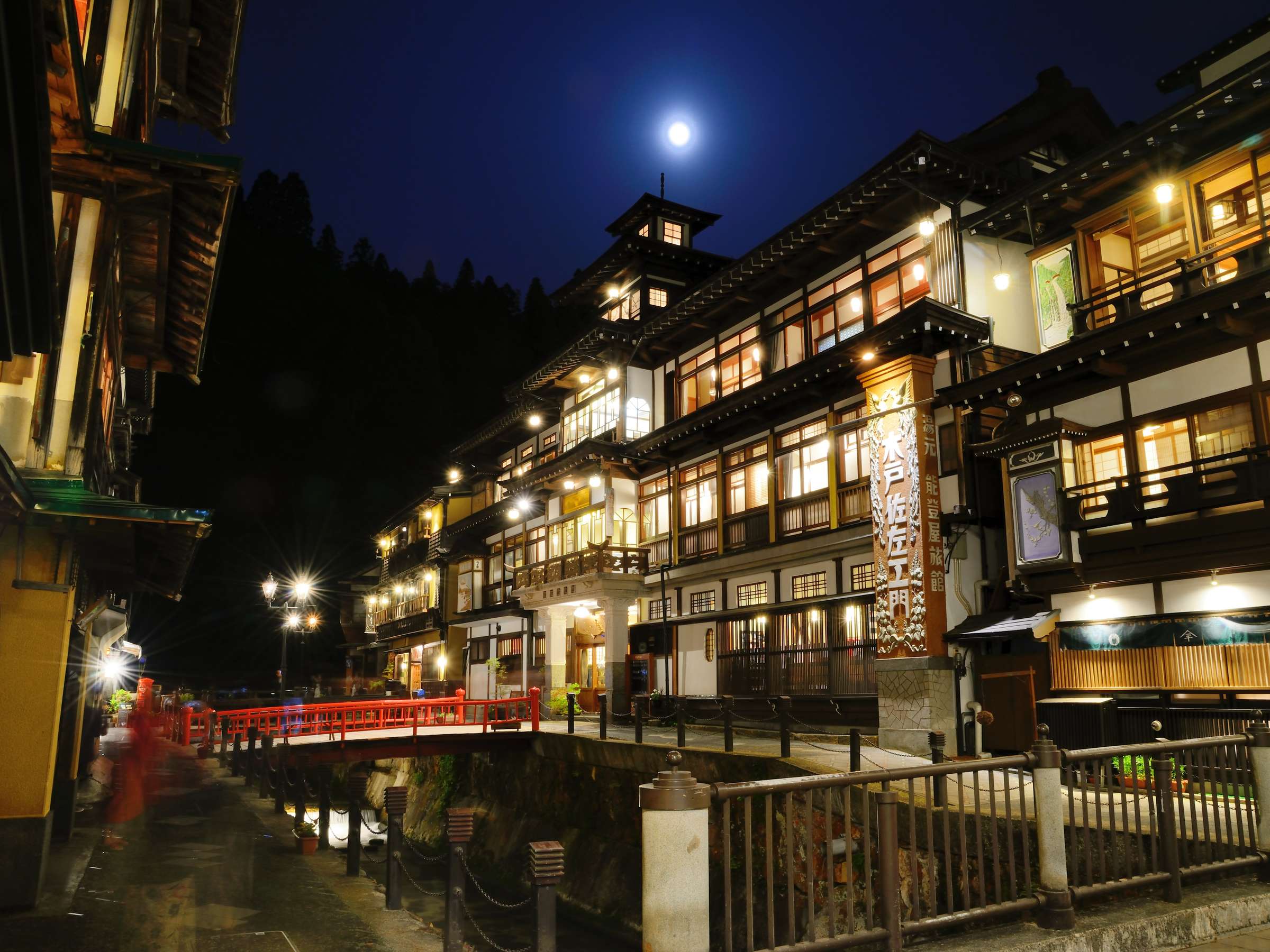 | from $250 | 9.6 5 reviews | Private Onsen | Book on Agoda |
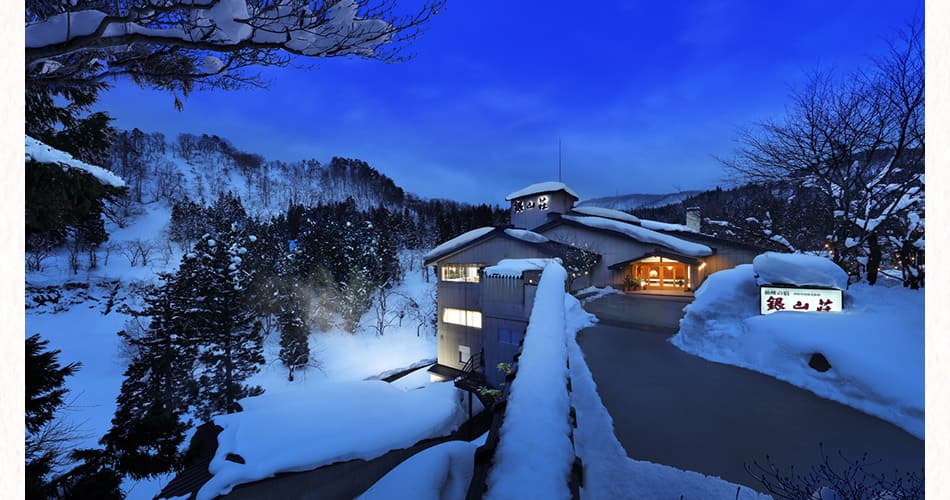 Ginzanso Ginzan | from $200 | 9.5 37 reviews | EN OKPrivate Onsen | Book on Booking.com |
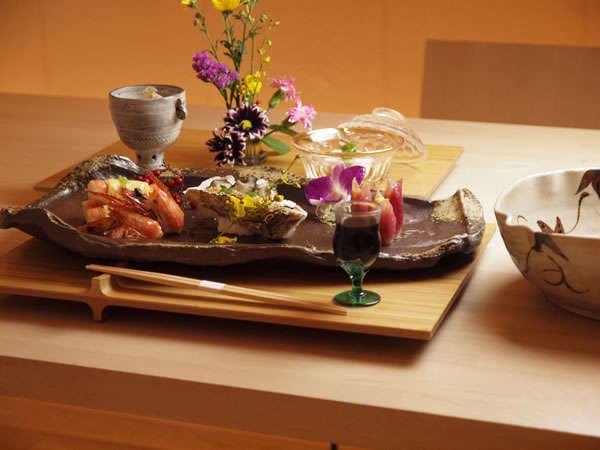 | from $500 | 8.4 306 reviews | Private Onsen | Book on Agoda |
 | from $75 | 7.6 306 reviews | Onsen | Book on Agoda |
Ryokan Ohnuma Naruko | from $140 | 9.4 5 reviews | EN OKOnsen | Book on Booking.com |
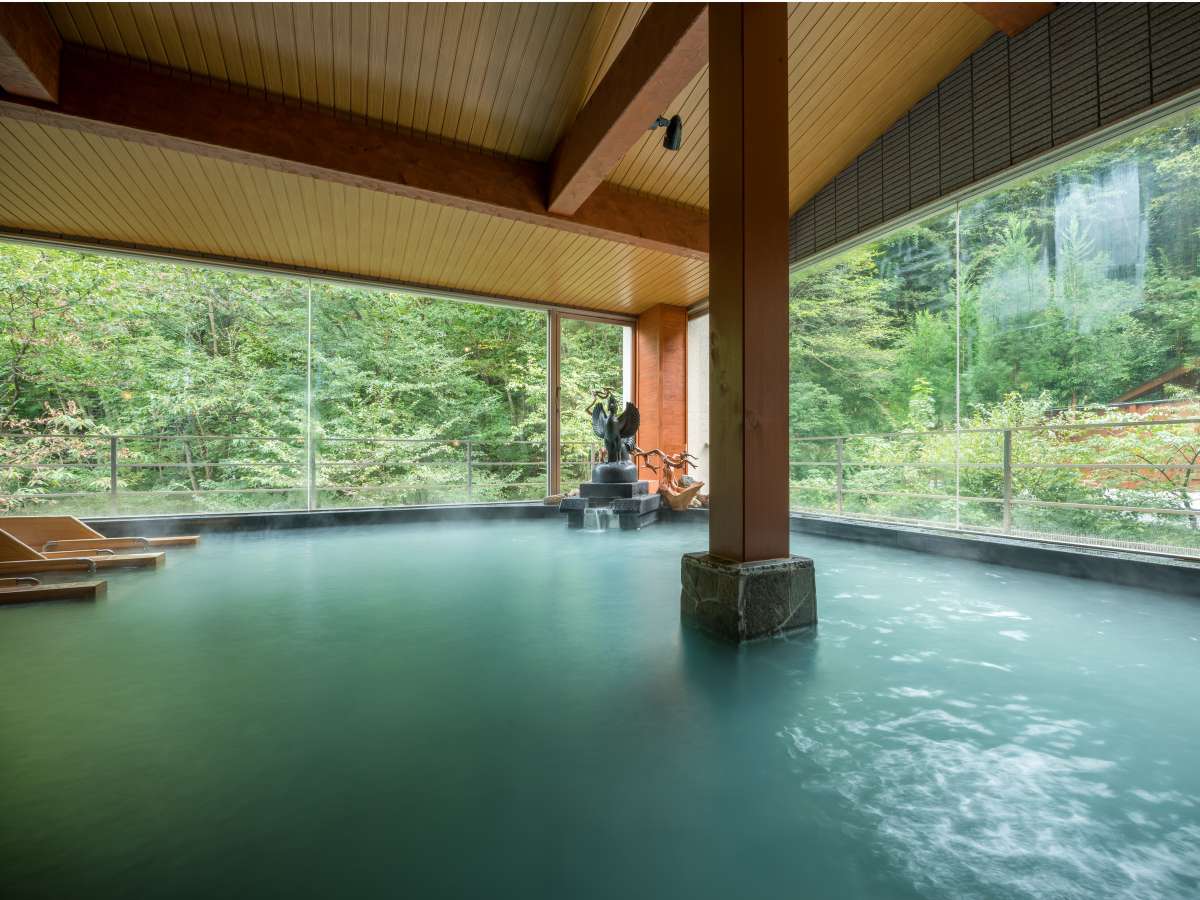 Yumoto Kissho Naruko | from $230 | 8.8 47 reviews | EN OKPrivate Onsen | Book on Booking.com |
Hotel Sakan Akiu | from $220 | 8.6 43 reviews | EN OKPrivate Onsen | Book on Booking.com |
Saryo Soen Akiu | from $380 | 9.6 5 reviews | EN OKPrivate Onsen | Book on Booking.com |
| from $150 | 9.1 72 reviews | EN OKOnsen | Book on Booking.com |

Ginzanso
Ginzan
Ryokan Ohnuma
Naruko
Yumoto Kissho
Naruko
Hotel Sakan
Akiu
Saryo Soen
Akiu
Prices shown are approximate starting rates per person per night. We may earn a commission on bookings.
 Pin to Pinterest
I was standing on the bridge at Ginzan Onsen at dusk when the gas lamps came on — one by one, the four-storey cedar facades shifting from grey to amber, the Ginzan River catching the reflection below, and the only sound the water moving over rocks. Nothing Hakone or Kyoto had prepared me for that. The best ryokans in Tohoku Japan don't fit either mold — and that's the whole point. Japan's northeastern region — six prefectures of volcanoes, gorges, and rice fields blanketed by real winter snow — has some of the country's most compelling hot-spring culture, and a fraction of the crowds. I first came here in autumn 2023 chasing Naruko Gorge's foliage and ended up staying three extra days.
Six areas. Six different vibes, water types, and price tiers: Ginzan, Naruko, Akiu, Nyuto, Zao, and Hanamaki. What you won't find here is a generic list of "amazing" inns with no prices. You'll find honest trade-offs, verified costs, and everything you need to actually book — including a first time at a Japanese ryokan orientation for anyone approaching this unfamiliar.
One honest caveat before we start: Tohoku takes longer to reach than Hakone, English support at some properties is thin, and winter closures are real. If you need maximum convenience, Hakone wins. If you want the deeper version of this tradition, read on.
Why choose Tohoku over Hakone or Kyoto?
The short answer is authenticity and water diversity — two things that get harder to find as international visitor numbers climb. Hakone's ryokans are excellent but increasingly designed for foreign guests; Kyoto's are priced accordingly. Tohoku has neither problem yet.
What it has instead: Ginzan Onsen's wooden Taisho-era buildings lit by actual gas lamps every evening, their reflections broken by the Ginzan River. Zao plateau's *juhyo* — fir trees encased in wind-driven ice, forming ghostly figures visible from January through February that don't exist anywhere else in Japan at this scale. And Naruko, where 8 of Japan's 10 officially classified spring water types bubble up from a single valley — a geothermal anomaly that no single Hakone resort can match.
The honest downside: getting from Tokyo to Ginzan takes over four hours door to inn. Nyuto Onsen's most famous property, Tsuru-no-yu, takes reservations by phone in Japanese, ideally six months out. Some Naruko properties have staff who speak no English at all. These aren't deal-breakers — they're the price of admission to an experience that most international visitors still haven't found. Check our winter onsen guide if season is your primary planning axis.
The ideal Tohoku traveler has already done Hakone and wants to go deeper. Or they're a winter-sports person who wants to ski Zao in the morning and soak in a sulfur bath by 4pm. Or they're simply someone who prefers empty corridors and a ryokan hostess in kimono who bows to them personally — not because it's a brand requirement, but because that's how it's done here.
Tohoku onsen areas at a glance: quick-compare table
 Pin to Pinterest
If you're comparing the best ryokans in Tohoku Japan across budget, season, and logistics, this table is your decision matrix. All prices are per person with two meals (kaiseki dinner + Japanese breakfast) unless otherwise noted — the standard ryokan pricing model. Click any area name to jump to its section.
| Area | Vibe | Price/person (2 meals) | Best Season | Tokyo Access | English ★/5 | Tattoos |
|---|---|---|---|---|---|---|
| [Ginzan](#ginzan-onsen) | Taisho gaslit village | ¥18,700–¥68,000 | Winter / Autumn | ~4h 10min (Yamagata Shinkansen) | ★★★☆☆ | Varies — ask |
| [Naruko](#naruko-onsen) | Hot-spring diversity | ¥12,000–¥25,000 | Autumn foliage | ~2.5h (Tohoku Shinkansen) | ★★☆☆☆ | Varies — private baths available |
| [Akiu](#akiu-onsen) | City-close, first-timer friendly | ¥18,000–¥70,000 | Year-round | ~2.5h (Tohoku Shinkansen + bus) | ★★★★☆ | Some allow |
| [Nyuto (Tsuru-no-yu)](#nyuto-onsen) | Remote snow-buried onsen | ¥11,700–¥24,350 | Winter / Spring | ~3h (Akita Shinkansen) | ★☆☆☆☆ | Not recommended in shared baths |
| [Zao](#zao-onsen) | Ski + sulfur springs + snow monsters | ¥15,000–¥85,000 approx. | Winter (ski/juhyo) | ~3h (Yamagata Shinkansen) | ★★★☆☆ | Varies |
| [Hanamaki](#hanamaki-onsen) | Quiet, family-friendly, literary | ¥13,000–¥40,000 approx. | Summer / Autumn | ~2.5–3h (Tohoku Shinkansen) | ★★★☆☆ | Some allow |
Tip
Note: The JR EAST PASS (unified, launched March 14, 2026 — ¥35,000 for 5 days, ¥48,000–50,000 for 10 days) covers all five shinkansen lines serving these areas. Local buses and taxis from the shinkansen station to your ryokan are separate costs, typically ¥800–¥1,500 per leg.
Ginzan Onsen — The Taisho-era gas-lamp village {#ginzan-onsen}
 Pin to Pinterest
Ginzan is Tohoku's most photographed onsen town, and the images aren't exaggerated. A dozen wooden inns — three and four storeys of weathered cedar and plaster — crowd both sides of a narrow river gorge, and when the gas lamps come on around dusk, the whole scene turns amber. The village is compact enough to walk end-to-end in eight minutes. There are no cars, no convenience stores visible from the main street, and the sound at night is the river over rocks and nothing else.
The hot springs were first discovered in the 1400s during silver mining operations — *ginzan* means silver mountain — but the current streetscape dates to the Taisho era (1912–1926), when wooden inns replaced the original structures after a flood. Notoya Ryokan, now 130 years old and designated a tangible cultural property, from ¥25,300/person , still operates in that original style: folk-house architecture, narrow corridors, futon on tatami. It's not glamorous in the contemporary sense. It's better than that.
Worth naming upfront: Ginzan is small. Ryokan-to-ryokan variety is limited compared to larger resort towns, the peak seasons get genuinely crowded on weekends, and the access from Tokyo is longer than competitors typically admit.
Best Ginzan ryokans by budget
Budget tier (from around ¥18,700/person): Entry-level rooms at Ginzan have shared indoor baths and simpler kaiseki. Notoya's lower-tier rooms sit in this range — you get the cultural property atmosphere at a lower price, accepting a small room and no private bath.
Mid-range (¥25,000–¥45,000/person): Most of the gas-lamp buildings fall here. Ginzanso is the largest property, most practical for first-timers, and has an English website plus good English-booking infrastructure. It's not the most intimate inn, but it's the easiest entry point.
Luxury (¥50,000–¥68,000+/person): Fujiya Inn, 8 rooms, private baths in 5 of its 8 rooms, designed by architect Kengo Kuma. It was listed in National Geographic in 2026. At this tier you're not just staying at an inn — you're staying inside a considered architectural work. Book six months out minimum.
See our full Ginzan Onsen ryokan guide and our Ginzan picks for in-depth property reviews.
Getting to Ginzan Onsen from Tokyo
Take the JR Yamagata Shinkansen (Tsubasa service) to Oishida Station — not Obanazawa, which appears on some older guides and is a separate local station requiring an additional connection. From Oishida, the Hanagasa Bus runs to Ginzan Onsen in approximately 40 minutes (¥1,000 one-way; roughly every two hours). Total realistic time from Tokyo Station: approximately 4 hours 10 minutes .
The JR EAST PASS covers the shinkansen leg; the bus is a separate ¥1,000 each way.
Winter restriction: From December 20 through March 1 (2025/2026 dates), private vehicles cannot enter the village. Guests arriving by car park at Taisho Romankan and take a paid shuttle into the village. Evening entry between 5pm and 8pm requires timed-entry tickets (approximately ¥1,200/person, bus included). Arriving by bus or on foot has no restriction. This isn't a nuisance — it's part of why the evening atmosphere is so quiet .
Booking urgency: Winter weekends fill 3–4 months ahead. Autumn (late October koyo peak) books 2–3 months out. Summer is quieter and roughly 20–30% cheaper.
Naruko Onsen — Japan's most diverse hot springs {#naruko-onsen}
 Pin to Pinterest
Naruko Onsen sits in Miyagi Prefecture's interior, a cluster of five distinct onsen sub-villages spread across one narrow valley. What makes it remarkable isn't any single inn or scenic backdrop — it's the ground itself. 8 of Japan's 10 officially classified spring water types rise from Naruko's 400-odd springs , meaning you can soak in sulfur springs, sodium bicarbonate springs, iron springs, and hydrogen carbonate springs within a twenty-minute walk of each other. No other place in Japan offers this in one valley. Geologically, it's an anomaly.
Walking between the sub-villages in the rain, that variety becomes tangible: the sulfur smell shifts as you move from one spring zone to the next, sometimes faint, sometimes sharp enough to catch in your throat before you've reached the inn door.
Naruko is also Japan's kokeshi capital. The turned wooden dolls — cylindrical, minimalist, with a child's face on a painted body — have been crafted here for centuries, and you can visit workshops along the main street, watch the lathe turning and hear the clean scrape of tool on wood, and buy directly from the craftsperson. Most ryokan gift shops stock them too; I left with three, which is one more than I intended.
One caveat worth naming: English support here is low (★★☆☆☆). On-site communication at smaller inns can be mime-and-translate-app territory. Book in English through Trip.com or Booking.com and you'll be fine for the reservation; just manage expectations for the stay itself.
Getting to Naruko Onsen from Tokyo
An important update for 2026: the JR Rikuu-to Line between Naruko Onsen Station and Shinjo is currently suspended due to storm damage from 2024, with service expected to resume no earlier than 2027 . Do not rely on the local train into Naruko from the west.
The recommended route: Tohoku Shinkansen to Furukawa Station, then a local bus or highway bus connection to Naruko Onsen (approximately 30–40 minutes). Alternatively, the Miyako Highway Bus runs directly from Sendai Station (Bus Stop #24) to Naruko Onsen in roughly 90 minutes — a clean, no-transfer option if you're coming through Sendai anyway. Total time from Tokyo: approximately 2.5 hours.
The JR EAST PASS covers the shinkansen to Furukawa; local buses are separate.
Best Naruko ryokans by budget
Budget (from ¥12,000/person): Naruko Onsen Ryokan Kanshichiyu offers the lowest entry point in the area, with shared sulfur and sodium baths. Basic rooms, genuine old-fashioned atmosphere, cash-preferred.
Mid-range (¥18,000–¥25,000/person): Ryokan Ohnuma has an English website and is one of the more accessible properties for foreign guests. Naruko Onsen Yumoto Kissho, listed on Selected Ryokan, brings multiple spring types accessible on-property. The Naruko-cho area's five sub-villages (Naruko, Higashiyama, Nakayama, Kawatabi, Shingou) each have a distinct water character — worth asking which village your inn sits in when booking.
Foliage timing: Naruko Gorge autumn colors peak around early November (2026 forecast: approximately November 5). Parking fills by 10am during peak weekends; a seasonal shuttle from Naruko-Onsen Station to the gorge (10 minutes) is the sensible approach.
See all Naruko ryokans for the full property lineup.
Akiu Onsen — Sendai's backyard and best for first-timers {#akiu-onsen}
 Pin to Pinterest
If someone asks me which Tohoku area to start with, I say Akiu. It's thirty minutes from Sendai by taxi, under an hour by public bus, and many large ryokans run a free shuttle from Sendai Station's east exit (reservation required). No secondary shinkansen line, no rural bus timing anxiety. You get off at Sendai, make one call to the inn, and you're soaking in a valley bath by evening.
What stays with me about that shuttle ride is how abruptly the city stops. Sendai's low-rise suburbs give way to rice paddies, then the road narrows into a cedar gorge and you can already smell the sulfur faintly through the window. By the time the bus pulls up to the ryokan entrance, you're fully somewhere else — and Sendai was forty minutes ago.
Akiu's water is a sodium-chloride spring classified as *bijin-yu* (beauty water) — the salt content creates the characteristic skin-softening effect that Akiu has been known for since the Date clan's time. The feudal lord Date Masamune reportedly used these baths; Hotel Sakan (Densho Sen-nen no Yado Sakan) claims lineage as his personal bath estate. From ¥24,000/person , it's a hybrid Japanese-Western property that's accessible for first-timers — Western-style beds available, staff with some English capability, easy online booking.
Standing in Akiu's outdoor rotenburo with steam rising over forested hills, knowing that Sendai's most powerful feudal lord considered this his private retreat, gives the place weight that a modern onsen resort can't manufacture.
There are few true budget options in Akiu. If cost is your primary concern, Naruko will serve you better.
Best Akiu ryokans by budget
Mid-range (¥18,000–¥30,000/person): Hotel Sakan is the practical anchor. Large enough to have English booking infrastructure, traditional enough to deliver the full ryokan sequence — yukata, multi-course kaiseki, communal bath, futon. Free shuttle from Sendai.
Premium (¥28,000–¥50,000/person): Kagaribi-no-Yu Ryokusuitei leads here — acclaimed Japanese garden, open-air bath, from approximately ¥14,300/person (per-person rate based on double occupancy; meal inclusions vary — confirm at booking) . Free shuttle from Sendai Station.
Luxury (¥50,000+/person): Saryo Soen, listed on Selected Ryokan, offers the intimate boutique experience: small room count, kaiseki with seasonal Miyagi ingredients, private rotenburo suites.
Akiu is also ideal for day-trippers from Sendai who want cherry blossoms in April (full bloom around April 10, 2026 forecast) or a Matsushima boat cruise combined with an evening soak. See our best Akiu ryokans guide for the full breakdown.
Nyuto Onsen (Tsuru-no-yu) — Japan's most famous remote onsen {#nyuto-onsen}
 Pin to Pinterest
There's one image that circulates endlessly in Japanese travel content: a thatched-roof building buried to its eaves in snow, white steam rising from an outdoor bath of milky water, dark pines behind. That's Tsuru-no-yu, and the photographs are honest. What they don't show is how hard it is to get a reservation.
Tsuru-no-yu sits in Akita Prefecture's Nyuto Onsenkyo — a cluster of seven inns across a heavily forested mountain valley, each with chemically distinct water. The yu-meguri tegata day-bath hopping pass lets you soak at all seven; it's worth doing even if you're staying at one. But the one everyone wants is Tsuru-no-yu, with its milky-white sulfur water, the outdoor mixed-gender bath (*konyoku*), and the five-room Honjin building under that famous thatched roof.
Prices at Tsuru-no-yu are lower than the fame would suggest: ¥11,700–¥24,350/person with two meals (tax included), depending on room type . The 2go-kan rooms at ¥11,700 are basic by any standard — small, communal, minimal. The Honjin thatched building at ¥15,550/person has only five rooms. The Shin-Honjin at ¥17,750–¥24,350 is the most comfortable tier. A winter heating surcharge of ¥1,320/room applies December through March.
The honest trade-offs are significant. English support is the lowest of all six areas (★☆☆☆☆). Tattoos in the shared outdoor bath are not accepted; the private rotenburo is often the better bath anyway, though it must be reserved in advance at additional cost. Winter road conditions can close access — always verify before travel.
How to book Tsuru-no-yu
This is where most foreign travelers get stuck. Tsuru-no-yu takes reservations primarily by phone (+81-187-46-2139, open 7:00–22:00 JST) and the inn's own English webpage confirms phone as the main channel. For peak winter dates, most reports from experienced travelers suggest booking as far in advance as possible — ideally six months or more [cross-referenced kanpai-japan.com + Travel Arrange Japan]. The "exactly 3 months at 9am" rule that circulates online is not confirmed on the official website; do not structure a trip around that specific claim.
Tip
If Tsuru-no-yu is fully booked: Kuroyu Onsen offers a similar remote atmosphere and accepts some online bookings (closed November through mid-April — check conditions before booking). Magoroku Onsen, rebranded in spring 2025 as Rokuan, accepts online booking via Agoda and has its own English site.
The Tsuru-no-yu Yamanoyado annex (phone: 0187-46-2100) operates separately and may have online availability through Japanican.
Getting there: JR Akita Shinkansen (Komachi service) to Tazawako Station, then bus approximately 40 minutes to the Nyuto Onsen area (Tsuru-no-yu provides pick-up from the Arupa Komakusa bus stop — call ahead with your arrival time). Total from Tokyo: approximately 3 hours. The JR EAST PASS covers the shinkansen leg.
Zao Onsen — Ski slopes, snow monsters, and acidic sulfur springs {#zao-onsen}
 Pin to Pinterest
Zao Onsen sits at the base of a ski resort in Yamagata Prefecture, which makes it the only area in this guide where you can ride a gondola in the morning and reach the bath before lunch. The village itself is compact and functional rather than scenic — this is a working ski town, not a period streetscape. What it offers instead is a combination that's genuinely rare: 42 ski runs, a fully operational ski resort village, and one of Japan's most acidic sulfur springs within walking distance of the lifts.
Zao's spring water is an acidic sulfur-aluminum sulfate-chloride spring at approximately pH 1.3–1.6 , which makes it among the most acidic hot spring water in Japan. The water runs milky white, smells strongly of sulfur, and leaves white *Yu no Hana* mineral deposits on bath surfaces. After a day of skiing, stepping into that water — the immediate heat, the faint chemical bite on the skin — is the most effective reset I've found in a decade of Japan travel. The spring yields 15,000 liters per minute, so there's no shortage.
The singular draw for non-skiers is the juhyo — literally "tree ice," what the tourist boards translate as "snow monsters." From late December through late February, the plantation fir trees on Zao plateau accumulate wind-driven ice and snow until they become rounded, amorphous white forms. At dawn with blue light and no other humans around, the plateau looks like a different planet. The Zao Snow Monster Festival ran from December 27, 2025 through February 23, 2026 with illumination events on Friday, Saturday, and Sunday evenings . See the Zao Onsen official tourism site for current season dates.
For our best Zao ryokans deep-dive, and for winter planning more broadly, check our winter onsen guide.
Best Zao ryokans by budget
Budget (¥15,000–¥20,000/person): Pension-style guesthouses cluster near the ski lifts. Shared sulfur baths, basic kaiseki, functional rooms. Zao Onsen Omiya Ryokan has an English website and strong TripAdvisor ratings at this tier.
Mid-range (¥25,000–¥40,000/person): Miyamaso Takamiya (Takamiya Ryokan), first built in 1716, offers 9 natural hot spring baths in a traditional property 10 minutes' walk from the Zao Sky Cable . Tatami rooms with futon, kaiseki dinner, multiple indoor and outdoor sulfur baths.
Luxury (¥60,000–¥85,000/person approximate): The high-end ski-season properties at Zao push the ceiling up significantly. Prices at this tier are approximate — verify at booking, as ski-season surcharges apply.
Getting there: JR Yamagata Shinkansen (Tsubasa) to Yamagata Station, then bus approximately 40 minutes to Zao Onsen. Total from Tokyo: approximately 3 hours. The JR EAST PASS covers the shinkansen leg.
Hanamaki Onsen — Kenji Miyazawa country and best for families {#hanamaki-onsen}
 Pin to Pinterest
Hanamaki doesn't appear in most Tohoku ryokan guides. That's a gap, not a judgment. Iwate Prefecture's main onsen town is the birthplace of Kenji Miyazawa (1896–1933), the poet-scientist whose children's stories (*Night on the Galactic Railroad*, *The Life of Gusko Budori*) remain among the most beloved in Japanese literature. The Miyazawa Kenji Memorial Museum is a short drive from the onsen district — a small, thoughtful space that gives the trip a dimension that pure onsen tourism rarely offers, and something no other area in this guide can match.
The hot springs here are varied and notably gentle. Hotel Shidotaira claims 20 types of baths fed by three pure spring lines — unusual even by Tohoku standards. Where Zao's water carries a chemical sharpness you can feel on your skin within thirty seconds, Hanamaki's springs are soft by comparison: the heat soaks in gradually and the water leaves no residue. For families with young children, or anyone with sensitive skin who found Zao's acidity bracing, that difference matters.
Spring deserves a separate mention. Kitakami Tenshochi — two kilometers of riverside cherry trees arching over a walking path, with a thousand trees in full bloom — peaks in mid-April and is one of the more arresting pieces of seasonal scenery in the Tohoku interior. Walking it in the morning, when the petals are still on the branches and the Kitakami River runs below, you understand why Miyazawa wrote the way he did about this landscape.
Getting there: JR Tohoku Shinkansen to Shin-Hanamaki Station, then a free guest shuttle bus (reservation required at most inns) or the public shuttle (approximately ¥2,900 one-way). Total from Tokyo: approximately 2.5–3 hours.
Best Hanamaki ryokans by budget
Budget (from approximately ¥11,650/person): Hotel Koyokan is the anchor property and the easiest entry point — ranked No.1 in Iwate Prefecture by Jalan.net's 2024 Best-Selling Hotel Award , with in-house hot springs, free WiFi, and straightforward English online booking. It's not an intimate boutique inn, but it's a solid, reliable, family-friendly property where nobody will make you feel lost. For solo travelers or families watching budget, this is the right call.
Mid-range (¥18,000–¥30,000/person): Hotel Shidotaira is the choice for bath variety — 20 types across three spring lines means you can rotate through sodium, sulfur, and carbonated baths across a single stay. The scenery from the upper-floor baths is strong in autumn. Mid-range options at Hanamaki generally include the full kaiseki dinner and Japanese breakfast; confirm meal inclusions at booking as formats vary.
Luxury (upper range, price approximate): Kashoen, built around 1960 and holder of a JTB Certificate of Commendation, is Hanamaki's high-end option — popular with Japanese couples for its hospitality reputation and traditional garden setting. Rates at this tier exceed the ¥40,000 upper bound noted in the comparison table; verify current pricing at booking as meal-included rates are not publicly confirmed [price unverified — contact property directly].
Hanamaki prices overall run approximately ¥13,000–¥40,000/person for the mid-tier range. Best seasons: late spring through autumn, with the Kitakami sakura as the spring anchor and gentle foliage in the ryokan gardens through October.
Tattoo policy in Tohoku ryokans: what you need to know
The default rule at most Japanese ryokans — Tohoku included — is that tattoos are not permitted in shared baths. This is a long-standing policy tied to historical associations between tattoos and organized crime, not a judgment of foreign travelers, but it affects access to the communal onsen experience that defines the ryokan stay.
The practical reality is more nuanced. Enforcement varies enormously. The kashikiri (private bath rental) is the standard workaround: most ryokans offer a private bath reserved for your exclusive use, typically ¥2,000–¥5,000 per session (usually 45–60 minutes). The private rotenburo is often the better bath anyway.
Per-area snapshot: - Akiu and Hanamaki have the most flexible policies of the six areas; several large properties explicitly allow tattooed guests in shared baths or have dedicated tattoo-friendly facilities. - Nyuto (Tsuru-no-yu) is the most restrictive — shared outdoor bath, no exceptions; private bath available but must be reserved in advance. - Ginzan, Naruko, and Zao vary by property. Ski resort environments like Zao tend to be more flexible. Ginzan's smaller inns are sometimes willing to arrange kashikiri quietly.
Booking strategy: Filter on Trip.com or Booking.com for "tattoo friendly" and then email or call the property before confirming — policies aren't always accurately labeled online. Our full tattoo-friendly ryokan guide maps out the specifics for individual properties.
Sample 3-night Tohoku ryokan circuit from Tokyo
This Tohoku ryokan circuit is designed around the JR EAST PASS and connects three distinct onsen experiences in a logical geographic arc. Book the ryokans first — their availability drives your dates, not the shinkansen schedule.
Night 1 — Naruko Onsen (~2.5h from Tokyo via Tohoku Shinkansen to Furukawa + bus): Arrive by late afternoon and soak in Naruko's spring diversity before kaiseki dinner. Spend the next morning at Naruko Gorge if foliage season; browse the kokeshi workshops either way. Depart by late morning.
Night 2 — Ginzan Onsen (~1.5h from Naruko via bus to Furukawa, then the Yamagata Shinkansen Tsubasa service to Oishida Station, then the Hanagasa Bus — 40 min — to the village): Arrive in time to see the gas lamps come on. Don't plan anything for the evening except walking the riverside street and your inn's bath. Morning at Ginzan is equally good — fewer day-trippers.
Night 3 — Zao Onsen or Akiu Onsen (~2h south from Ginzan area via Oishida back to Yamagata by shinkansen, then bus 40 min to Zao; or continue south toward Sendai for Akiu): Zao if it's winter and the ski/juhyo combination is the point. Akiu if you want the most comfortable final night and an easy return via Sendai (direct Tohoku Shinkansen back to Tokyo, ~1.5h from Sendai). A Sendai layover for dinner — try *gyutan* (grilled beef tongue), the city's signature dish — before the train is not a bad idea.
Budget estimate: ¥55,000–¥80,000/person for the three nights including two meals each, plus shinkansen (covered by JR EAST PASS if purchased) and local bus connections (approximately ¥3,000–¥5,000 total for three legs). For anyone planning a longer trip, extending to a 4-night Tohoku ryokan itinerary — adding Nyuto as Night 0 via the Akita Shinkansen — covers the full range of water types and atmospheres in one pass.
Tip
Extension option: Add Nyuto Onsen as Night 0 by taking the Akita Shinkansen the day before. See cherry blossom season ryokan planning if you're timing this for spring.
See how to get to ryokan from Tokyo for the step-by-step logistics.
How to book a Tohoku ryokan: lead times, platforms, and the JR Pass {#booking-tips}
The JR EAST PASS (unified, launched March 14, 2026, replacing the discontinued JR East Tohoku Area Pass) covers the Tohoku Shinkansen, Yamagata Shinkansen, Akita Shinkansen, Joetsu Shinkansen, and Hokuriku Shinkansen . For a 5-day Tohoku trip: ¥35,000. For 10 days: ¥48,000–¥50,000. Local buses and taxis from the shinkansen station to your ryokan are not covered — budget ¥800–¥1,500 per leg. See the JR East Tohoku Pass official page for current pricing.
Lead times by area and season:
- Tsuru-no-yu (Nyuto), winter: As far in advance as possible — six months is a reasonable target for peak dates. Phone reservation in Japanese required. - Ginzan, winter weekends: 3–4 months ahead. - Ginzan, autumn koyo: 2–3 months ahead. - Zao, ski season weekends: 2–3 months ahead. - Akiu, Hanamaki, Naruko (non-peak): 4–8 weeks is generally sufficient. Autumn weekends at Naruko book faster.
Best platforms:
- Trip.com has the widest Tohoku inventory in English and a straightforward booking interface. Best first stop for all six areas. - Booking.com (via Stay22) works well for Akiu and Hanamaki's larger properties; English reviews help with first-timer decisions. - Jalan / Rakuten Travel (Japanese-language) have the deepest rural coverage, including smaller inns that don't list elsewhere. Use Google Translate or a browser extension if you're comfortable navigating in Japanese.
Tip
Practical tip: Always book your Saturday night first. Mid-week nights and Sundays at most Tohoku ryokans rarely sell out; the Saturday night in peak season is the constraint. Lock that in, then fill the rest of your itinerary around it.
Seasonal pricing: Mid-week stays and shoulder seasons (June and September) typically run 20–30% below peak weekend rates. If flexibility exists, those months offer excellent value.
Frequently asked questions
What makes Tohoku ryokans different from Hakone or Kyoto?
Three things: fewer crowds (real immersion, not a managed cultural experience), water diversity (Naruko's 8 spring water types vs Hakone's one), and atmosphere that hasn't been optimized for foreign visitors. Ginzan's Taisho streetscape exists because it's the town's actual history, not a reconstruction for tourism. The trade-off is longer travel times and lower English coverage — a fair exchange for most travelers who've already done the easier destinations.
Which Tohoku onsen area is best for first-timers?
Akiu Onsen. It's 30 minutes from Sendai by taxi, has the highest English-friendliness rating of the six areas (★★★★☆), operates year-round with no seasonal road closures, and several properties offer free shuttles from Sendai Station. It delivers the full ryokan sequence — yukata, kaiseki, rotenburo — without the logistical complexity of more remote areas.
How long does it take to get from Tokyo to Ginzan, Nyuto, and Akiu?
Ginzan: approximately 4 hours 10 minutes (Yamagata Shinkansen to Oishida Station, then ~40-minute bus). Nyuto: approximately 3 hours (Akita Shinkansen to Tazawako Station, then ~40-minute bus). Akiu: approximately 2.5 hours total (Tohoku Shinkansen to Sendai, then 30-minute taxi or 50-minute bus).
What is the typical price range for a Tohoku ryokan with dinner and breakfast?
Budget: ¥12,000–¥15,000/person (Naruko, Nyuto's basic rooms). Mid-range: ¥18,000–¥35,000 (most areas, most properties). Luxury: ¥50,000–¥85,000 (Akiu, Zao, Ginzan top-end). All prices are per person with kaiseki dinner and Japanese breakfast included unless specifically noted otherwise.
Can I visit Tohoku ryokans if I have tattoos?
Yes, with planning. Shared baths prohibit tattoos at most properties, but nearly every ryokan offers private kashikiri bath rental (approximately ¥2,000–¥5,000 per session). Confirm the policy before booking. Akiu and Hanamaki have the most flexible shared-bath policies. See our full tattoo-friendly ryokan guide for property-level detail.
Which Tohoku ryokans have English-speaking staff or English booking?
Akiu (★★★★☆) is the strongest for English support. Ginzan, Zao, and Hanamaki (★★★☆☆) have mid-level English capability. Naruko (★★☆☆☆) and Nyuto/Tsuru-no-yu (★☆☆☆☆) are the hardest for English communication — use Trip.com or Booking.com in English for the booking step, even when on-site staff speak limited English.
Is Tohoku worth visiting in summer, or only in winter?
Both seasons are valid — they offer entirely different things. Winter is iconic: gas-lamp snow at Ginzan, juhyo ice formations at Zao, milky sulfur baths at Nyuto. Access is harder and prices are higher. Summer is quieter, 20–30% cheaper, and cooler than Tokyo. Autumn foliage at Naruko Gorge (peak around early November) is arguably the best single piece of scenery in Tohoku and is accessible in good weather with no road-closure risk.
What is the best 3–4 night ryokan circuit in Tohoku?
Night 1: Naruko Onsen (2.5h from Tokyo). Night 2: Ginzan Onsen (~1.5h from Naruko — bus to Furukawa, Yamagata Shinkansen to Oishida, then Hanagasa Bus). Night 3: Zao Onsen or Akiu Onsen. Optional Night 0: add Nyuto via the Akita Shinkansen for a 4-night version that covers the full range. The full circuit section above has the budget breakdown and JR EAST PASS notes.
Does the JR EAST PASS cover trains to Ginzan or Nyuto?
Yes, partially. The current JR EAST PASS (unified, March 2026) covers the Yamagata Shinkansen leg to Ginzan and the Akita Shinkansen leg to Nyuto/Tazawako. Local buses and taxis from the shinkansen station to the ryokan are not covered and typically cost ¥800–¥1,500 per leg. Note: the older JR East Tohoku Area Pass was discontinued March 13, 2026 and is no longer valid.
How far in advance do I need to book Tsuru-no-yu or Ginzan in winter?
For Tsuru-no-yu in winter, aim for as far in advance as possible — most experienced Japan travelers recommend six months or more for peak winter dates, since phone reservations (Japanese required) are the only channel and demand is high. For Ginzan winter weekends: 3–4 months ahead. For Ginzan autumn koyo: 2–3 months. Zao ski-season weekends: 2–3 months. Other areas and seasons: 4–8 weeks is usually fine.
Which Tohoku ryokan area is right for you?
Six areas, six different answers depending on what you're after:
- First-timer → Akiu. Easiest access, best English support, *bijin-yu* sodium-chloride water, year-round. - Atmosphere seeker → Ginzan. Nothing else looks like it at night in the snow. - Budget traveler → Naruko. Lowest prices, greatest spring water variety, kokeshi culture. - Remote escape → Nyuto/Tsuru-no-yu. The hardest to book, most rewarding to reach. - Ski + onsen → Zao. 42 runs plus one of Japan's most acidic baths. Same village. - Quiet / families → Hanamaki. Kenji Miyazawa heritage, gentle atmosphere, no crowds.
The three-night circuit — Naruko to Ginzan to Zao or Akiu — covers three of the best ryokans in Tohoku in one trip. It's a solid week's worth of the region, and it'll leave you with two or three areas still on the list for next time. Start with the comparison table above, lock in your Saturday night first, and browse all six on Trip.com to see what's available on your dates.
FAQ
Frequently asked questions
Why choose a Tohoku ryokan over Hakone or Kyoto?+
The short answer is authenticity and water diversity. Hakone's ryokans are excellent but increasingly designed for foreign guests, and Kyoto's are priced accordingly — Tohoku has neither problem yet, offering Ginzan Onsen's gas-lit Taisho-era streetscape, Zao's juhyo ice trees in January and February, and Naruko, where 8 of Japan's 10 officially classified spring water types rise from around 400 springs. The trade-off is longer access from Tokyo and thinner English support at some properties.
Which rail pass covers the shinkansen lines to Tohoku's onsen areas?+
The unified JR EAST PASS, launched March 14, 2026, covers all five shinkansen lines serving these areas — ¥35,000 for 5 days or ¥48,000–50,000 for 10 days. Local buses and taxis from the shinkansen station to your ryokan are separate costs, typically ¥800–¥1,500 per leg; the Oishida–Ginzan bus, for example, is ¥1,000 each way.
Which Tohoku onsen area is easiest for a first-time ryokan stay?+
Akiu Onsen. It's thirty minutes from Sendai by taxi, under an hour by public bus, and many large ryokans run a free shuttle from Sendai Station's east exit (reservation required) — no secondary shinkansen line or rural bus timing anxiety. Hotel Sakan is the practical anchor there, with English booking infrastructure and the full ryokan sequence of yukata, kaiseki, communal bath, and futon.
How much English support should I expect at ryokans across Tohoku?+
It varies widely by area. Naruko's English support is low — on-site communication at smaller inns can be mime-and-translate-app territory — and Nyuto's famous Tsuru-no-yu takes reservations by phone in Japanese, ideally six months out. Larger properties such as Ginzanso in Ginzan and Ryokan Ohnuma in Naruko have English websites, and booking in English through Trip.com or Booking.com covers the reservation itself; just manage expectations for the stay.
What winter access restrictions should I plan for in Tohoku's onsen towns?+
The big one is Ginzan Onsen: from December 20 through March 1 (2025/2026 dates), private vehicles cannot enter the village — drivers park at Taisho Romankan and take a paid shuttle in, and evening entry between 5pm and 8pm requires timed-entry tickets of approximately ¥1,200 per person, bus included. Arriving by bus or on foot has no restriction. Winter weekends at Ginzan also fill 3–4 months ahead, so book early.
Can I combine several Tohoku onsen towns in one trip using Sendai as a base?+
Yes — Sendai works well as a hub for Miyagi's two areas. Akiu is thirty minutes away by taxi or under an hour by public bus, with free ryokan shuttles from Sendai Station's east exit, and the Miyako Highway Bus runs directly from Sendai Station (Bus Stop #24) to Naruko Onsen in roughly 90 minutes with no transfers. Note that the JR Rikuu-to Line into Naruko from the west is suspended due to 2024 storm damage, with service expected to resume no earlier than 2027, so the bus routes are the reliable approach.
Ready to book?
Book one of these top picks
Compare live availability and prices across all three platforms.


Booking links may earn us a commission at no extra cost to you.


