68分鐘閱讀更新於 2026年6月

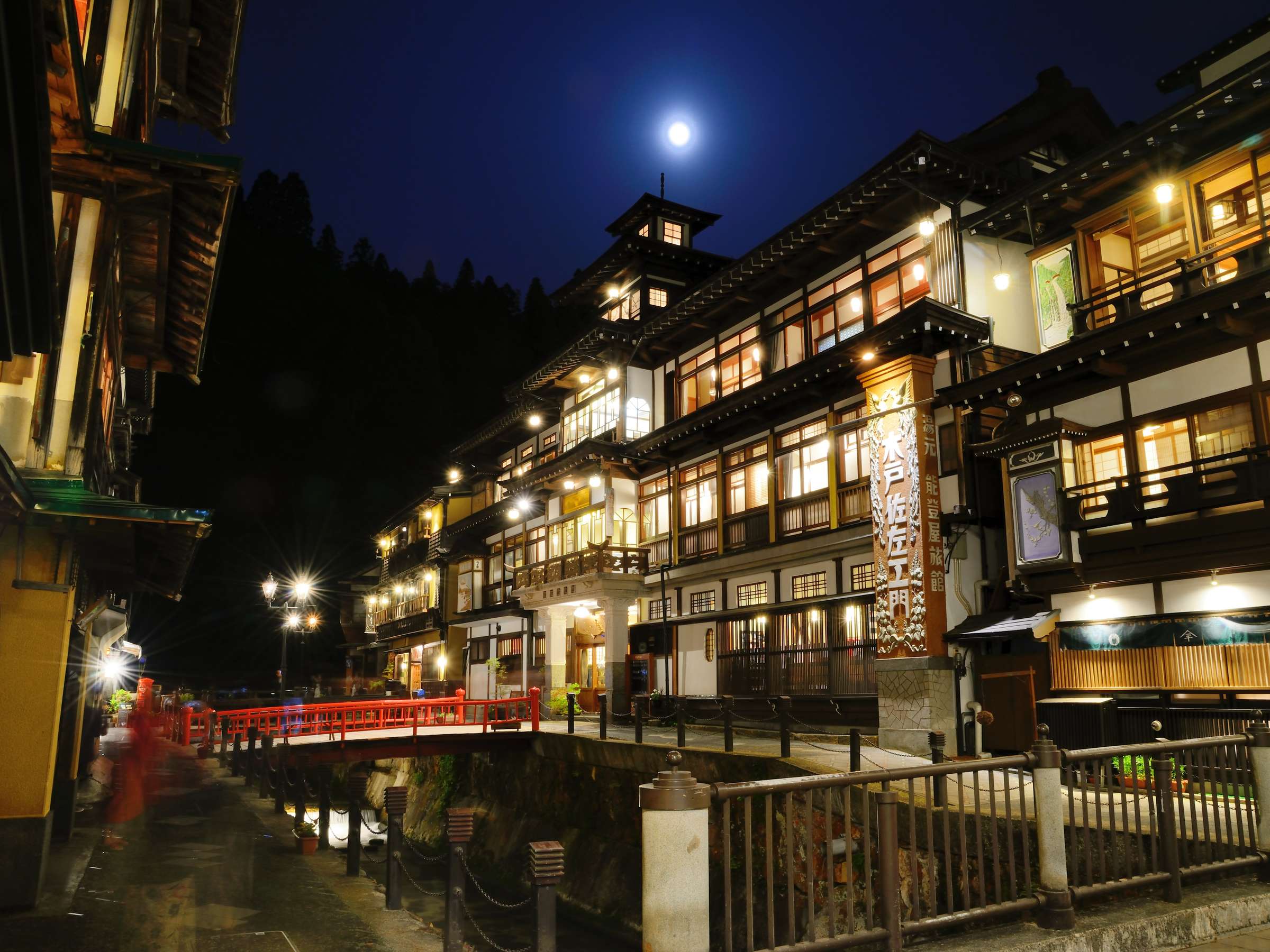
I was standing on the bridge at Ginzan Onsen at dusk when the gas lamps came on — one by one, the four-storey cedar facades shifting from grey to amber, the Ginzan River catching the reflection below, and the only sound the water moving over rocks. Nothing Hakone or Kyoto had prepared me for that. The best ryokans in Tohoku Japan don't fit either mold — and that's the whole point. Japan's northeastern region — six prefectures of volcanoes, gorges, and rice fields blanketed by real winter snow — has some of the country's most compelling hot-spring culture, and a fraction of the crowds. I first came here in autumn 2023 chasing Naruko Gorge's foliage and ended up staying three extra days.
Six areas. Six different vibes, water types, and price tiers: Ginzan, Naruko, Akiu, Nyuto, Zao, and Hanamaki. What you won't find here is a generic list of "amazing" inns with no prices. You'll find honest trade-offs, verified costs, and everything you need to actually book — including a first time at a Japanese ryokan orientation for anyone approaching this unfamiliar.
One honest caveat before we start: Tohoku takes longer to reach than Hakone, English support at some properties is thin, and winter closures are real. If you need maximum convenience, Hakone wins. If you want the deeper version of this tradition, read on.
---
Why choose Tohoku over Hakone or Kyoto?
The short answer is authenticity and water diversity — two things that get harder to find as international visitor numbers climb. Hakone's ryokans are excellent but increasingly designed for foreign guests; Kyoto's are priced accordingly. Tohoku has neither problem yet.
What it has instead: Ginzan Onsen's wooden Taisho-era buildings lit by actual gas lamps every evening, their reflections broken by the Ginzan River. Zao plateau's *juhyo* — fir trees encased in wind-driven ice, forming ghostly figures visible from January through February that don't exist anywhere else in Japan at this scale. And Naruko, where 8 of Japan's 10 officially classified spring water types bubble up from a single valley — a geothermal anomaly that no single Hakone resort can match [verified Tohoku Kanko official site / Nippon.com 2026].
The honest downside: getting from Tokyo to Ginzan takes over four hours door to inn. Nyuto Onsen's most famous property, Tsuru-no-yu, takes reservations by phone in Japanese, ideally six months out. Some Naruko properties have staff who speak no English at all. These aren't deal-breakers — they're the price of admission to an experience that most international visitors still haven't found. Check our winter onsen guide if season is your primary planning axis.
The ideal Tohoku traveler has already done Hakone and wants to go deeper. Or they're a winter-sports person who wants to ski Zao in the morning and soak in a sulfur bath by 4pm. Or they're simply someone who prefers empty corridors and a ryokan hostess in kimono who bows to them personally — not because it's a brand requirement, but because that's how it's done here.
---
Tohoku onsen areas at a glance: quick-compare table
If you're comparing the best ryokans in Tohoku Japan across budget, season, and logistics, this table is your decision matrix. All prices are per person with two meals (kaiseki dinner + Japanese breakfast) unless otherwise noted — the standard ryokan pricing model. Click any area name to jump to its section.
| Area | Vibe | Price/person (2 meals) | Best Season | Tokyo Access | English ★/5 | Tattoos |
|---|---|---|---|---|---|---|
| [Ginzan](#ginzan-onsen) | Taisho gaslit village | ¥18,700–¥68,000 | Winter / Autumn | ~4h 10min (Yamagata Shinkansen) | ★★★☆☆ | Varies — ask |
| [Naruko](#naruko-onsen) | Hot-spring diversity | ¥12,000–¥25,000 | Autumn foliage | ~2.5h (Tohoku Shinkansen) | ★★☆☆☆ | Varies — private baths available |
| [Akiu](#akiu-onsen) | City-close, first-timer friendly | ¥18,000–¥70,000 | Year-round | ~2.5h (Tohoku Shinkansen + bus) | ★★★★☆ | Some allow |
| [Nyuto (Tsuru-no-yu)](#nyuto-onsen) | Remote snow-buried onsen | ¥11,700–¥24,350 | Winter / Spring | ~3h (Akita Shinkansen) | ★☆☆☆☆ | Not recommended in shared baths |
| [Zao](#zao-onsen) | Ski + sulfur springs + snow monsters | ¥15,000–¥85,000 approx. | Winter (ski/juhyo) | ~3h (Yamagata Shinkansen) | ★★★☆☆ | Varies |
| [Hanamaki](#hanamaki-onsen) | Quiet, family-friendly, literary | ¥13,000–¥40,000 approx. | Summer / Autumn | ~2.5–3h (Tohoku Shinkansen) | ★★★☆☆ | Some allow |
Tip
Note: The JR EAST PASS (unified, launched March 14, 2026 — ¥35,000 for 5 days, ¥48,000–50,000 for 10 days) covers all five shinkansen lines serving these areas. Local buses and taxis from the shinkansen station to your ryokan are separate costs, typically ¥800–¥1,500 per leg.
---
Ginzan Onsen — The Taisho-era gas-lamp village {#ginzan-onsen}

Ginzan is Tohoku's most photographed onsen town, and the images aren't exaggerated. A dozen wooden inns — three and four storeys of weathered cedar and plaster — crowd both sides of a narrow river gorge, and when the gas lamps come on around dusk, the whole scene turns amber. The village is compact enough to walk end-to-end in eight minutes. There are no cars, no convenience stores visible from the main street, and the sound at night is the river over rocks and nothing else.
The hot springs were first discovered in the 1400s during silver mining operations — *ginzan* means silver mountain — but the current streetscape dates to the Taisho era (1912–1926), when wooden inns replaced the original structures after a flood. Notoya Ryokan, now 130 years old and designated a tangible cultural property, from ¥25,300/person , still operates in that original style: folk-house architecture, narrow corridors, futon on tatami. It's not glamorous in the contemporary sense. It's better than that.
Worth naming upfront: Ginzan is small. Ryokan-to-ryokan variety is limited compared to larger resort towns, the peak seasons get genuinely crowded on weekends, and the access from Tokyo is longer than competitors typically admit.
Best Ginzan ryokans by budget
Budget tier (from around ¥18,700/person): Entry-level rooms at Ginzan have shared indoor baths and simpler kaiseki. Notoya's lower-tier rooms sit in this range — you get the cultural property atmosphere at a lower price, accepting a small room and no private bath.
Mid-range (¥25,000–¥45,000/person): Most of the gas-lamp buildings fall here. Ginzanso is the largest property, most practical for first-timers, and has an English website plus good English-booking infrastructure. It's not the most intimate inn, but it's the easiest entry point.
Luxury (¥50,000–¥68,000+/person): Fujiya Inn, 8 rooms, private baths in 5 of its 8 rooms, designed by architect Kengo Kuma. It was listed in National Geographic in 2026. At this tier you're not just staying at an inn — you're staying inside a considered architectural work. Book six months out minimum.
See our full Ginzan Onsen ryokan guide and our Ginzan picks for in-depth property reviews.
Getting to Ginzan Onsen from Tokyo
Take the JR Yamagata Shinkansen (Tsubasa service) to Oishida Station — not Obanazawa, which appears on some older guides and is a separate local station requiring an additional connection. From Oishida, the Hanagasa Bus runs to Ginzan Onsen in approximately 40 minutes (¥1,000 one-way; roughly every two hours). Total realistic time from Tokyo Station: approximately 4 hours 10 minutes .
The JR EAST PASS covers the shinkansen leg; the bus is a separate ¥1,000 each way.
Winter restriction: From December 20 through March 1 (2025/2026 dates), private vehicles cannot enter the village. Guests arriving by car park at Taisho Romankan and take a paid shuttle into the village. Evening entry between 5pm and 8pm requires timed-entry tickets (approximately ¥1,200/person, bus included). Arriving by bus or on foot has no restriction. This isn't a nuisance — it's part of why the evening atmosphere is so quiet .
Booking urgency: Winter weekends fill 3–4 months ahead. Autumn (late October koyo peak) books 2–3 months out. Summer is quieter and roughly 20–30% cheaper.
---
Naruko Onsen — Japan's most diverse hot springs {#naruko-onsen}

Naruko Onsen sits in Miyagi Prefecture's interior, a cluster of five distinct onsen sub-villages spread across one narrow valley. What makes it remarkable isn't any single inn or scenic backdrop — it's the ground itself. 8 of Japan's 10 officially classified spring water types rise from Naruko's 400-odd springs , meaning you can soak in sulfur springs, sodium bicarbonate springs, iron springs, and hydrogen carbonate springs within a twenty-minute walk of each other. No other place in Japan offers this in one valley. Geologically, it's an anomaly.
Walking between the sub-villages in the rain, that variety becomes tangible: the sulfur smell shifts as you move from one spring zone to the next, sometimes faint, sometimes sharp enough to catch in your throat before you've reached the inn door.
Naruko is also Japan's kokeshi capital. The turned wooden dolls — cylindrical, minimalist, with a child's face on a painted body — have been crafted here for centuries, and you can visit workshops along the main street, watch the lathe turning and hear the clean scrape of tool on wood, and buy directly from the craftsperson. Most ryokan gift shops stock them too; I left with three, which is one more than I intended.
One caveat worth naming: English support here is low (★★☆☆☆). On-site communication at smaller inns can be mime-and-translate-app territory. Book in English through Trip.com or Booking.com and you'll be fine for the reservation; just manage expectations for the stay itself.
Getting to Naruko Onsen from Tokyo
An important update for 2026: the JR Rikuu-to Line between Naruko Onsen Station and Shinjo is currently suspended due to storm damage from 2024, with service expected to resume no earlier than 2027 . Do not rely on the local train into Naruko from the west.
The recommended route: Tohoku Shinkansen to Furukawa Station, then a local bus or highway bus connection to Naruko Onsen (approximately 30–40 minutes). Alternatively, the Miyako Highway Bus runs directly from Sendai Station (Bus Stop #24) to Naruko Onsen in roughly 90 minutes — a clean, no-transfer option if you're coming through Sendai anyway. Total time from Tokyo: approximately 2.5 hours.
The JR EAST PASS covers the shinkansen to Furukawa; local buses are separate.
Best Naruko ryokans by budget
Budget (from ¥12,000/person): Naruko Onsen Ryokan Kanshichiyu offers the lowest entry point in the area, with shared sulfur and sodium baths. Basic rooms, genuine old-fashioned atmosphere, cash-preferred.
Mid-range (¥18,000–¥25,000/person): Ryokan Ohnuma has an English website and is one of the more accessible properties for foreign guests. Naruko Onsen Yumoto Kissho, listed on Selected Ryokan, brings multiple spring types accessible on-property. The Naruko-cho area's five sub-villages (Naruko, Higashiyama, Nakayama, Kawatabi, Shingou) each have a distinct water character — worth asking which village your inn sits in when booking.
Foliage timing: Naruko Gorge autumn colors peak around early November (2026 forecast: approximately November 5) [verified Japan-Guide.com koyo 2026]. Parking fills by 10am during peak weekends; a seasonal shuttle from Naruko-Onsen Station to the gorge (10 minutes) is the sensible approach.
See all Naruko ryokans for the full property lineup.
---
Akiu Onsen — Sendai's backyard and best for first-timers {#akiu-onsen}

If someone asks me which Tohoku area to start with, I say Akiu. It's thirty minutes from Sendai by taxi, under an hour by public bus, and many large ryokans run a free shuttle from Sendai Station's east exit (reservation required). No secondary shinkansen line, no rural bus timing anxiety. You get off at Sendai, make one call to the inn, and you're soaking in a valley bath by evening.
What stays with me about that shuttle ride is how abruptly the city stops. Sendai's low-rise suburbs give way to rice paddies, then the road narrows into a cedar gorge and you can already smell the sulfur faintly through the window. By the time the bus pulls up to the ryokan entrance, you're fully somewhere else — and Sendai was forty minutes ago.
Akiu's water is a sodium-chloride spring classified as *bijin-yu* (beauty water) — the salt content creates the characteristic skin-softening effect that Akiu has been known for since the Date clan's time. The feudal lord Date Masamune reportedly used these baths; Hotel Sakan (Densho Sen-nen no Yado Sakan) claims lineage as his personal bath estate. From ¥24,000/person , it's a hybrid Japanese-Western property that's accessible for first-timers — Western-style beds available, staff with some English capability, easy online booking.
Standing in Akiu's outdoor rotenburo with steam rising over forested hills, knowing that Sendai's most powerful feudal lord considered this his private retreat, gives the place weight that a modern onsen resort can't manufacture.
There are few true budget options in Akiu. If cost is your primary concern, Naruko will serve you better.
Best Akiu ryokans by budget
Mid-range (¥18,000–¥30,000/person): Hotel Sakan is the practical anchor. Large enough to have English booking infrastructure, traditional enough to deliver the full ryokan sequence — yukata, multi-course kaiseki, communal bath, futon. Free shuttle from Sendai.
Premium (¥28,000–¥50,000/person): Kagaribi-no-Yu Ryokusuitei leads here — acclaimed Japanese garden, open-air bath, from approximately ¥14,300/person (per-person rate based on double occupancy; meal inclusions vary — confirm at booking) . Free shuttle from Sendai Station.
Luxury (¥50,000+/person): Saryo Soen, listed on Selected Ryokan, offers the intimate boutique experience: small room count, kaiseki with seasonal Miyagi ingredients, private rotenburo suites.
Akiu is also ideal for day-trippers from Sendai who want cherry blossoms in April (full bloom around April 10, 2026 forecast [verified LiveJapan 2026]) or a Matsushima boat cruise combined with an evening soak. See our best Akiu ryokans guide for the full breakdown.
---
Nyuto Onsen (Tsuru-no-yu) — Japan's most famous remote onsen {#nyuto-onsen}
There's one image that circulates endlessly in Japanese travel content: a thatched-roof building buried to its eaves in snow, white steam rising from an outdoor bath of milky water, dark pines behind. That's Tsuru-no-yu, and the photographs are honest. What they don't show is how hard it is to get a reservation.
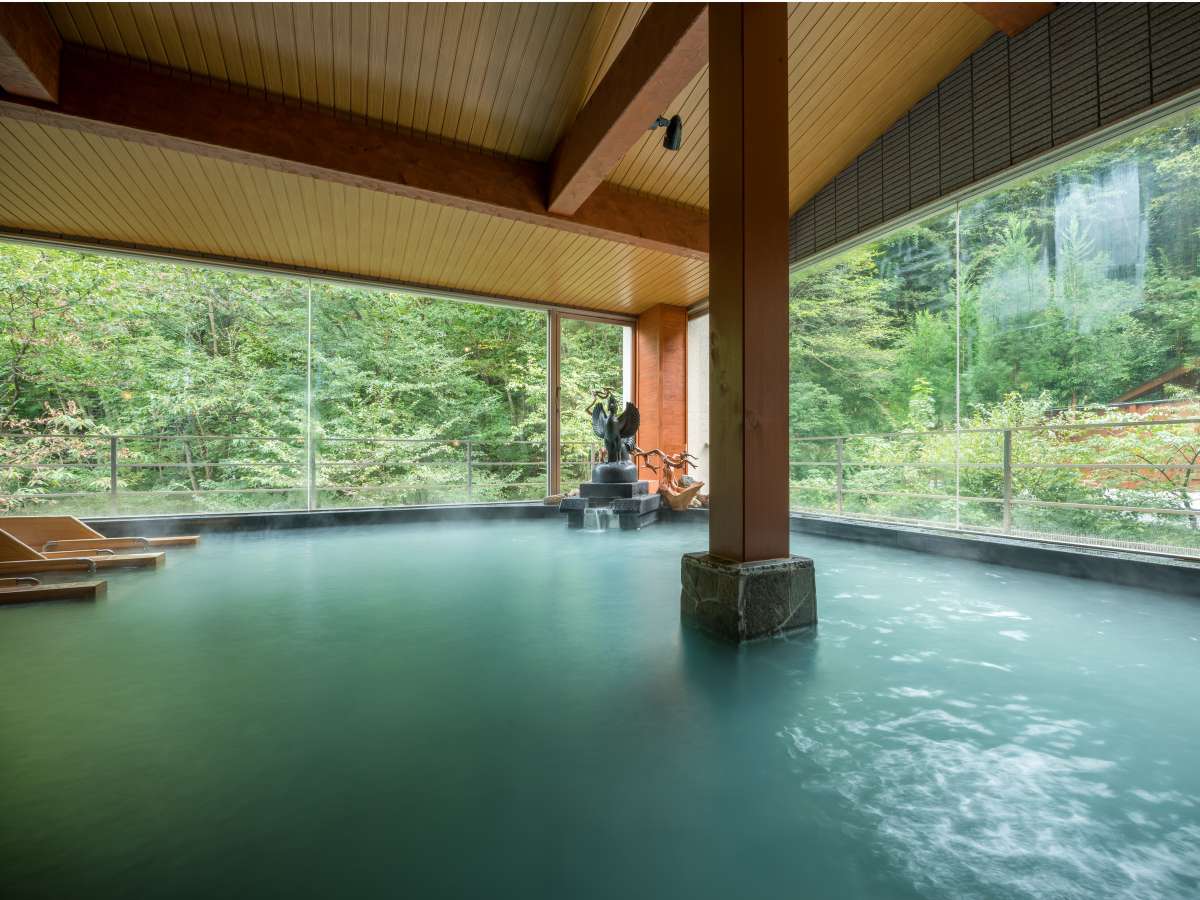
Tsuru-no-yu sits in Akita Prefecture's Nyuto Onsenkyo — a cluster of seven inns across a heavily forested mountain valley, each with chemically distinct water. The yu-meguri tegata day-bath hopping pass lets you soak at all seven; it's worth doing even if you're staying at one. But the one everyone wants is Tsuru-no-yu, with its milky-white sulfur water, the outdoor mixed-gender bath (*konyoku*), and the five-room Honjin building under that famous thatched roof.
Prices at Tsuru-no-yu are lower than the fame would suggest: ¥11,700–¥24,350/person with two meals (tax included), depending on room type . The 2go-kan rooms at ¥11,700 are basic by any standard — small, communal, minimal. The Honjin thatched building at ¥15,550/person has only five rooms. The Shin-Honjin at ¥17,750–¥24,350 is the most comfortable tier. A winter heating surcharge of ¥1,320/room applies December through March.
The honest trade-offs are significant. English support is the lowest of all six areas (★☆☆☆☆). Tattoos in the shared outdoor bath are not accepted; the private rotenburo is often the better bath anyway, though it must be reserved in advance at additional cost. Winter road conditions can close access — always verify before travel.
How to book Tsuru-no-yu
This is where most foreign travelers get stuck. Tsuru-no-yu takes reservations primarily by phone (+81-187-46-2139, open 7:00–22:00 JST) and the inn's own English webpage confirms phone as the main channel. For peak winter dates, most reports from experienced travelers suggest booking as far in advance as possible — ideally six months or more [cross-referenced kanpai-japan.com + Travel Arrange Japan]. The "exactly 3 months at 9am" rule that circulates online is not confirmed on the official website; do not structure a trip around that specific claim.
Tip
If Tsuru-no-yu is fully booked: Kuroyu Onsen offers a similar remote atmosphere and accepts some online bookings (closed November through mid-April — check conditions before booking). Magoroku Onsen, rebranded in spring 2025 as Rokuan, accepts online booking via Agoda and has its own English site.
The Tsuru-no-yu Yamanoyado annex (phone: 0187-46-2100) operates separately and may have online availability through Japanican.
Getting there: JR Akita Shinkansen (Komachi service) to Tazawako Station, then bus approximately 40 minutes to the Nyuto Onsen area (Tsuru-no-yu provides pick-up from the Arupa Komakusa bus stop — call ahead with your arrival time). Total from Tokyo: approximately 3 hours. The JR EAST PASS covers the shinkansen leg.
---
Zao Onsen — Ski slopes, snow monsters, and acidic sulfur springs {#zao-onsen}

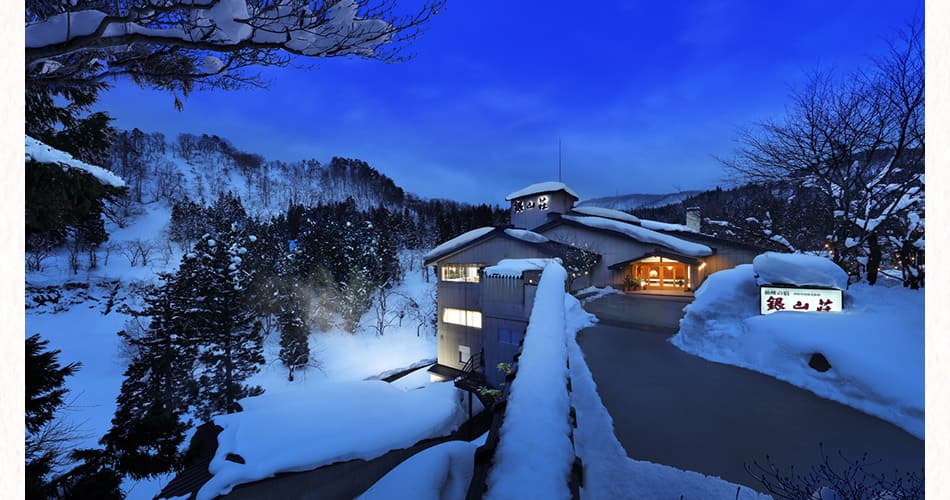
Zao Onsen sits at the base of a ski resort in Yamagata Prefecture, which makes it the only area in this guide where you can ride a gondola in the morning and reach the bath before lunch. The village itself is compact and functional rather than scenic — this is a working ski town, not a period streetscape. What it offers instead is a combination that's genuinely rare: 42 ski runs, a fully operational ski resort village, and one of Japan's most acidic sulfur springs within walking distance of the lifts.
Zao's spring water is an acidic sulfur-aluminum sulfate-chloride spring at approximately pH 1.3–1.6 , which makes it among the most acidic hot spring water in Japan. The water runs milky white, smells strongly of sulfur, and leaves white *Yu no Hana* mineral deposits on bath surfaces. After a day of skiing, stepping into that water — the immediate heat, the faint chemical bite on the skin — is the most effective reset I've found in a decade of Japan travel. The spring yields 15,000 liters per minute, so there's no shortage.
The singular draw for non-skiers is the juhyo — literally "tree ice," what the tourist boards translate as "snow monsters." From late December through late February, the plantation fir trees on Zao plateau accumulate wind-driven ice and snow until they become rounded, amorphous white forms. At dawn with blue light and no other humans around, the plateau looks like a different planet. The Zao Snow Monster Festival ran from December 27, 2025 through February 23, 2026 with illumination events on Friday, Saturday, and Sunday evenings . See the Zao Onsen official tourism site for current season dates.
For our best Zao ryokans deep-dive, and for winter planning more broadly, check our winter onsen guide.
Best Zao ryokans by budget
Budget (¥15,000–¥20,000/person): Pension-style guesthouses cluster near the ski lifts. Shared sulfur baths, basic kaiseki, functional rooms. Zao Onsen Omiya Ryokan has an English website and strong TripAdvisor ratings at this tier.
Mid-range (¥25,000–¥40,000/person): Miyamaso Takamiya (Takamiya Ryokan), first built in 1716, offers 9 natural hot spring baths in a traditional property 10 minutes' walk from the Zao Sky Cable . Tatami rooms with futon, kaiseki dinner, multiple indoor and outdoor sulfur baths.
Luxury (¥60,000–¥85,000/person approximate): The high-end ski-season properties at Zao push the ceiling up significantly. Prices at this tier are approximate — verify at booking, as ski-season surcharges apply.
Getting there: JR Yamagata Shinkansen (Tsubasa) to Yamagata Station, then bus approximately 40 minutes to Zao Onsen. Total from Tokyo: approximately 3 hours. The JR EAST PASS covers the shinkansen leg.
---
Hanamaki Onsen — Kenji Miyazawa country and best for families {#hanamaki-onsen}

Hanamaki doesn't appear in most Tohoku ryokan guides. That's a gap, not a judgment. Iwate Prefecture's main onsen town is the birthplace of Kenji Miyazawa (1896–1933), the poet-scientist whose children's stories (*Night on the Galactic Railroad*, *The Life of Gusko Budori*) remain among the most beloved in Japanese literature. The Miyazawa Kenji Memorial Museum is a short drive from the onsen district — a small, thoughtful space that gives the trip a dimension that pure onsen tourism rarely offers, and something no other area in this guide can match.
The hot springs here are varied and notably gentle. Hotel Shidotaira claims 20 types of baths fed by three pure spring lines — unusual even by Tohoku standards. Where Zao's water carries a chemical sharpness you can feel on your skin within thirty seconds, Hanamaki's springs are soft by comparison: the heat soaks in gradually and the water leaves no residue. For families with young children, or anyone with sensitive skin who found Zao's acidity bracing, that difference matters.
Spring deserves a separate mention. Kitakami Tenshochi — two kilometers of riverside cherry trees arching over a walking path, with a thousand trees in full bloom — peaks in mid-April and is one of the more arresting pieces of seasonal scenery in the Tohoku interior. Walking it in the morning, when the petals are still on the branches and the Kitakami River runs below, you understand why Miyazawa wrote the way he did about this landscape.
Getting there: JR Tohoku Shinkansen to Shin-Hanamaki Station, then a free guest shuttle bus (reservation required at most inns) or the public shuttle (approximately ¥2,900 one-way). Total from Tokyo: approximately 2.5–3 hours.
Best Hanamaki ryokans by budget
Budget (from approximately ¥11,650/person): Hotel Koyokan is the anchor property and the easiest entry point — ranked No.1 in Iwate Prefecture by Jalan.net's 2024 Best-Selling Hotel Award , with in-house hot springs, free WiFi, and straightforward English online booking. It's not an intimate boutique inn, but it's a solid, reliable, family-friendly property where nobody will make you feel lost. For solo travelers or families watching budget, this is the right call.
Mid-range (¥18,000–¥30,000/person): Hotel Shidotaira is the choice for bath variety — 20 types across three spring lines means you can rotate through sodium, sulfur, and carbonated baths across a single stay. The scenery from the upper-floor baths is strong in autumn. Mid-range options at Hanamaki generally include the full kaiseki dinner and Japanese breakfast; confirm meal inclusions at booking as formats vary.
Luxury (upper range, price approximate): Kashoen, built around 1960 and holder of a JTB Certificate of Commendation, is Hanamaki's high-end option — popular with Japanese couples for its hospitality reputation and traditional garden setting. Rates at this tier exceed the ¥40,000 upper bound noted in the comparison table; verify current pricing at booking as meal-included rates are not publicly confirmed [price unverified — contact property directly].
Hanamaki prices overall run approximately ¥13,000–¥40,000/person for the mid-tier range. Best seasons: late spring through autumn, with the Kitakami sakura as the spring anchor and gentle foliage in the ryokan gardens through October.
---
Tattoo policy in Tohoku ryokans: what you need to know
The default rule at most Japanese ryokans — Tohoku included — is that tattoos are not permitted in shared baths. This is a long-standing policy tied to historical associations between tattoos and organized crime, not a judgment of foreign travelers, but it affects access to the communal onsen experience that defines the ryokan stay.
The practical reality is more nuanced. Enforcement varies enormously. The kashikiri (private bath rental) is the standard workaround: most ryokans offer a private bath reserved for your exclusive use, typically ¥2,000–¥5,000 per session (usually 45–60 minutes). The private rotenburo is often the better bath anyway.
Per-area snapshot: - Akiu and Hanamaki have the most flexible policies of the six areas; several large properties explicitly allow tattooed guests in shared baths or have dedicated tattoo-friendly facilities. - Nyuto (Tsuru-no-yu) is the most restrictive — shared outdoor bath, no exceptions; private bath available but must be reserved in advance. - Ginzan, Naruko, and Zao vary by property. Ski resort environments like Zao tend to be more flexible. Ginzan's smaller inns are sometimes willing to arrange kashikiri quietly.
Booking strategy: Filter on Trip.com or Booking.com for "tattoo friendly" and then email or call the property before confirming — policies aren't always accurately labeled online. Our full tattoo-friendly ryokan guide maps out the specifics for individual properties.
---
Sample 3-night Tohoku ryokan circuit from Tokyo
This Tohoku ryokan circuit is designed around the JR EAST PASS and connects three distinct onsen experiences in a logical geographic arc. Book the ryokans first — their availability drives your dates, not the shinkansen schedule.
Night 1 — Naruko Onsen (~2.5h from Tokyo via Tohoku Shinkansen to Furukawa + bus): Arrive by late afternoon and soak in Naruko's spring diversity before kaiseki dinner. Spend the next morning at Naruko Gorge if foliage season; browse the kokeshi workshops either way. Depart by late morning.
Night 2 — Ginzan Onsen (~1.5h from Naruko via bus to Furukawa, then the Yamagata Shinkansen Tsubasa service to Oishida Station, then the Hanagasa Bus — 40 min — to the village): Arrive in time to see the gas lamps come on. Don't plan anything for the evening except walking the riverside street and your inn's bath. Morning at Ginzan is equally good — fewer day-trippers.
Night 3 — Zao Onsen or Akiu Onsen (~2h south from Ginzan area via Oishida back to Yamagata by shinkansen, then bus 40 min to Zao; or continue south toward Sendai for Akiu): Zao if it's winter and the ski/juhyo combination is the point. Akiu if you want the most comfortable final night and an easy return via Sendai (direct Tohoku Shinkansen back to Tokyo, ~1.5h from Sendai). A Sendai layover for dinner — try *gyutan* (grilled beef tongue), the city's signature dish — before the train is not a bad idea.
Budget estimate: ¥55,000–¥80,000/person for the three nights including two meals each, plus shinkansen (covered by JR EAST PASS if purchased) and local bus connections (approximately ¥3,000–¥5,000 total for three legs). For anyone planning a longer trip, extending to a 4-night Tohoku ryokan itinerary — adding Nyuto as Night 0 via the Akita Shinkansen — covers the full range of water types and atmospheres in one pass.
Tip
Extension option: Add Nyuto Onsen as Night 0 by taking the Akita Shinkansen the day before. See cherry blossom season ryokan planning if you're timing this for spring.
See how to get to ryokan from Tokyo for the step-by-step logistics.
---
How to book a Tohoku ryokan: lead times, platforms, and the JR Pass {#booking-tips}
The JR EAST PASS (unified, launched March 14, 2026, replacing the discontinued JR East Tohoku Area Pass) covers the Tohoku Shinkansen, Yamagata Shinkansen, Akita Shinkansen, Joetsu Shinkansen, and Hokuriku Shinkansen . For a 5-day Tohoku trip: ¥35,000. For 10 days: ¥48,000–¥50,000. Local buses and taxis from the shinkansen station to your ryokan are not covered — budget ¥800–¥1,500 per leg. See the JR East Tohoku Pass official page for current pricing.
Lead times by area and season:
- Tsuru-no-yu (Nyuto), winter: As far in advance as possible — six months is a reasonable target for peak dates. Phone reservation in Japanese required. - Ginzan, winter weekends: 3–4 months ahead. - Ginzan, autumn koyo: 2–3 months ahead. - Zao, ski season weekends: 2–3 months ahead. - Akiu, Hanamaki, Naruko (non-peak): 4–8 weeks is generally sufficient. Autumn weekends at Naruko book faster.
Best platforms:
- Trip.com has the widest Tohoku inventory in English and a straightforward booking interface. Best first stop for all six areas. - Booking.com (via Stay22) works well for Akiu and Hanamaki's larger properties; English reviews help with first-timer decisions. - Jalan / Rakuten Travel (Japanese-language) have the deepest rural coverage, including smaller inns that don't list elsewhere. Use Google Translate or a browser extension if you're comfortable navigating in Japanese.
Tip
Practical tip: Always book your Saturday night first. Mid-week nights and Sundays at most Tohoku ryokans rarely sell out; the Saturday night in peak season is the constraint. Lock that in, then fill the rest of your itinerary around it.
Seasonal pricing: Mid-week stays and shoulder seasons (June and September) typically run 20–30% below peak weekend rates. If flexibility exists, those months offer excellent value.
---
Frequently asked questions
What makes Tohoku ryokans different from Hakone or Kyoto?
Three things: fewer crowds (real immersion, not a managed cultural experience), water diversity (Naruko's 8 spring water types vs Hakone's one), and atmosphere that hasn't been optimized for foreign visitors. Ginzan's Taisho streetscape exists because it's the town's actual history, not a reconstruction for tourism. The trade-off is longer travel times and lower English coverage — a fair exchange for most travelers who've already done the easier destinations.
Which Tohoku onsen area is best for first-timers?
Akiu Onsen. It's 30 minutes from Sendai by taxi, has the highest English-friendliness rating of the six areas (★★★★☆), operates year-round with no seasonal road closures, and several properties offer free shuttles from Sendai Station. It delivers the full ryokan sequence — yukata, kaiseki, rotenburo — without the logistical complexity of more remote areas.
How long does it take to get from Tokyo to Ginzan, Nyuto, and Akiu?
Ginzan: approximately 4 hours 10 minutes (Yamagata Shinkansen to Oishida Station, then ~40-minute bus). Nyuto: approximately 3 hours (Akita Shinkansen to Tazawako Station, then ~40-minute bus). Akiu: approximately 2.5 hours total (Tohoku Shinkansen to Sendai, then 30-minute taxi or 50-minute bus).
What is the typical price range for a Tohoku ryokan with dinner and breakfast?
Budget: ¥12,000–¥15,000/person (Naruko, Nyuto's basic rooms). Mid-range: ¥18,000–¥35,000 (most areas, most properties). Luxury: ¥50,000–¥85,000 (Akiu, Zao, Ginzan top-end). All prices are per person with kaiseki dinner and Japanese breakfast included unless specifically noted otherwise.
Can I visit Tohoku ryokans if I have tattoos?
Yes, with planning. Shared baths prohibit tattoos at most properties, but nearly every ryokan offers private kashikiri bath rental (approximately ¥2,000–¥5,000 per session). Confirm the policy before booking. Akiu and Hanamaki have the most flexible shared-bath policies. See our full tattoo-friendly ryokan guide for property-level detail.
Which Tohoku ryokans have English-speaking staff or English booking?
Akiu (★★★★☆) is the strongest for English support. Ginzan, Zao, and Hanamaki (★★★☆☆) have mid-level English capability. Naruko (★★☆☆☆) and Nyuto/Tsuru-no-yu (★☆☆☆☆) are the hardest for English communication — use Trip.com or Booking.com in English for the booking step, even when on-site staff speak limited English.
Is Tohoku worth visiting in summer, or only in winter?
Both seasons are valid — they offer entirely different things. Winter is iconic: gas-lamp snow at Ginzan, juhyo ice formations at Zao, milky sulfur baths at Nyuto. Access is harder and prices are higher. Summer is quieter, 20–30% cheaper, and cooler than Tokyo. Autumn foliage at Naruko Gorge (peak around early November) is arguably the best single piece of scenery in Tohoku and is accessible in good weather with no road-closure risk.
What is the best 3–4 night ryokan circuit in Tohoku?
Night 1: Naruko Onsen (2.5h from Tokyo). Night 2: Ginzan Onsen (~1.5h from Naruko — bus to Furukawa, Yamagata Shinkansen to Oishida, then Hanagasa Bus). Night 3: Zao Onsen or Akiu Onsen. Optional Night 0: add Nyuto via the Akita Shinkansen for a 4-night version that covers the full range. The full circuit section above has the budget breakdown and JR EAST PASS notes.
Does the JR EAST PASS cover trains to Ginzan or Nyuto?
Yes, partially. The current JR EAST PASS (unified, March 2026) covers the Yamagata Shinkansen leg to Ginzan and the Akita Shinkansen leg to Nyuto/Tazawako. Local buses and taxis from the shinkansen station to the ryokan are not covered and typically cost ¥800–¥1,500 per leg. Note: the older JR East Tohoku Area Pass was discontinued March 13, 2026 and is no longer valid.
How far in advance do I need to book Tsuru-no-yu or Ginzan in winter?
For Tsuru-no-yu in winter, aim for as far in advance as possible — most experienced Japan travelers recommend six months or more for peak winter dates, since phone reservations (Japanese required) are the only channel and demand is high. For Ginzan winter weekends: 3–4 months ahead. For Ginzan autumn koyo: 2–3 months. Zao ski-season weekends: 2–3 months. Other areas and seasons: 4–8 weeks is usually fine.
---
Which Tohoku ryokan area is right for you?
Six areas, six different answers depending on what you're after:
- First-timer → Akiu. Easiest access, best English support, *bijin-yu* sodium-chloride water, year-round. - Atmosphere seeker → Ginzan. Nothing else looks like it at night in the snow. - Budget traveler → Naruko. Lowest prices, greatest spring water variety, kokeshi culture. - Remote escape → Nyuto/Tsuru-no-yu. The hardest to book, most rewarding to reach. - Ski + onsen → Zao. 42 runs plus one of Japan's most acidic baths. Same village. - Quiet / families → Hanamaki. Kenji Miyazawa heritage, gentle atmosphere, no crowds.
The three-night circuit — Naruko to Ginzan to Zao or Akiu — covers three of the best ryokans in Tohoku in one trip. It's a solid week's worth of the region, and it'll leave you with two or three areas still on the list for next time. Start with the comparison table above, lock in your Saturday night first, and browse all six on Trip.com to see what's available on your dates.

我站在銀山溫泉的橋上,望著黃昏時分瓦斯燈一盞一盞亮起——四層高的杉木建築從灰色緩緩轉為琥珀色,銀山川的河面倒映著這片光景,耳邊只有流水漫過石頭的聲音。那一刻,箱根也好、京都也罷,都沒讓我有過這種感受。東北日本最佳旅館,不屬於任何一種既有模式——而這正是它的魅力所在。日本東北地區涵蓋六個縣,有火山、峽谷與稻田,更有真正的冬雪覆蓋大地,孕育出全國最精彩的溫泉文化,卻只有一小部分的人潮。我第一次來是2023年秋天,原本只是追著鳴子峽的紅葉而來,結果多留了三天。
六個地區。六種截然不同的氛圍、泉質與價格級距:銀山、鳴子、秋保、乳頭、藏王、花卷。這裡不會有缺乏定價的「超棒旅館」泛泛清單,而是誠實的取捨評比、已核實的費用,以及所有實際訂房所需的資訊——包括一篇給初次體驗日式旅館者的入門指南。
出發前有一點要坦白說:東北比箱根需要更長的交通時間,部分旅館的英語服務相當有限,冬季也確實存在停業問題。如果你最重視便利性,箱根是更好的選擇。如果你想體驗這個傳統更深厚的一面,請繼續讀下去。
---
為什麼選東北,而非箱根或京都?
簡單說:真實性與泉質多樣性——這兩件事隨著國際旅客人數攀升,越來越難找到了。箱根的旅館固然出色,但愈來愈像是專為外國旅客設計的;京都的旅館則價格反映了這一切。東北目前還沒有這兩個問題。
東北有的是:銀山溫泉每天黃昏由真實瓦斯燈點亮的大正時代木造建築,倒影在銀山川的河水中搖曳;藏王高原的「樹冰」(*juhyo*)——被強風凍裂的冷杉樹形成鬼魅般的白色雕塑,從一月到二月間矗立著,在日本任何其他地方都找不到這種規模;而鳴子,則是日本官方認定的10種泉質中有8種從同一個山谷中湧出——這樣的地熱奇觀,任何一間箱根溫泉旅館都無法媲美 [來源已核實 Tohoku Kanko official site / Nippon.com 2026]。
必須誠實說明的缺點:從東京到銀山溫泉,門到門超過四個小時。乳頭溫泉鄉最著名的鶴之湯,需要用日語電話預訂,理想上要提前六個月。部分鳴子的旅館員工完全不說英語。這些都不是放棄的理由——它們是進入一個大多數國際旅客尚未發現之體驗的門票。如果季節是你主要的規劃考量,可以參考我們的冬季溫泉指南。
最理想的東北旅行者,是已經去過箱根、想要更深入的人。或者是想在早上滑藏王的雪、下午四點泡硫磺浴的冬季運動愛好者。又或者是那種喜歡空曠走廊、欣賞身著和服的旅館女將親自鞠躬迎接——不是因為品牌規定,而是因為這裡本來就是這樣的人。
---
東北溫泉區一覽:快速比較表
如果你正在從預算、季節與交通等角度比較東北日本的最佳旅館,這張表就是你的決策矩陣。所有價格均為每人含兩餐(懷石料理晚餐+日式早餐)——這是旅館的標準定價模式,除非另有說明。點選任何地區名稱可直接跳至該區段。
| 地區 | 氛圍 | 每人費用(含兩餐) | 最佳季節 | 東京交通 | 英語服務 ★/5 | 刺青 |
|---|---|---|---|---|---|---|
| [銀山](#ginzan-onsen) | 大正時代瓦斯燈小鎮 | ¥18,700–¥68,000 | 冬季/秋季 | 約4小時10分(山形新幹線) | ★★★☆☆ | 依旅館而異,請事先詢問 |
| [鳴子](#naruko-onsen) | 泉質多樣豐富 | ¥12,000–¥25,000 | 秋季紅葉 | 約2.5小時(東北新幹線) | ★★☆☆☆ | 依旅館而異,包場溫泉可選 |
| [秋保](#akiu-onsen) | 鄰近城市,初學者友善 | ¥18,000–¥70,000 | 全年皆宜 | 約2.5小時(東北新幹線+巴士) | ★★★★☆ | 部分旅館允許 |
| [乳頭(鶴之湯)](#nyuto-onsen) | 僻遠雪中溫泉 | ¥11,700–¥24,350 | 冬季/春季 | 約3小時(秋田新幹線) | ★☆☆☆☆ | 共浴池不建議 |
| [藏王](#zao-onsen) | 滑雪+硫磺溫泉+雪怪 | ¥15,000–¥85,000(約) | 冬季(滑雪/樹冰) | 約3小時(山形新幹線) | ★★★☆☆ | 依旅館而異 |
| [花卷](#hanamaki-onsen) | 安靜、家庭友善、文學氣息 | ¥13,000–¥40,000(約) | 夏季/秋季 | 約2.5–3小時(東北新幹線) | ★★★☆☆ | 部分旅館允許 |
Tip
注意: JR EAST PASS(統一版,2026年3月14日起發售——5日券¥35,000,10日券¥48,000–¥50,000)[來源已核實 JR East official 2026-06-26] 涵蓋前往上述所有地區的新幹線路線。從新幹線車站至旅館的地方巴士與計程車費用另計,通常每段約¥800–¥1,500。
---
銀山溫泉——大正時代的瓦斯燈小鎮 {#ginzan-onsen}

銀山溫泉是東北最多人拍照的溫泉小鎮,而那些照片一點都沒有誇大。十幾棟木造旅館——三到四層樓高的風化杉木與灰泥建築——緊密排列在狹窄峽谷的兩岸,黃昏時分瓦斯燈一亮起,整個場景便染上了琥珀色。整個村子步行端到端只需八分鐘。正街上看不到汽車、看不到便利商店,夜晚唯一的聲音是河水流過岩石。
溫泉最早在1400年代採銀礦時被發現——「銀山」正是銀礦山之意——但現在的街景可追溯至大正時代(1912–1926年),當時一場洪水後以木造旅館重建。能登屋旅館(Notoya Ryokan)現已逾130年歷史,被指定為有形文化財,每人起¥25,300 [來源已核實 Selected Ryokan 2026-06-26],至今仍保持原有風格:民家建築、窄廊、榻榻米上鋪被褥。它稱不上現代意義上的豪華,但比豪華更好。
先說一個重要提醒:銀山規模小。與其他規模較大的溫泉勝地相比,旅館間的選擇差異有限,旺季週末確實相當擁擠,而且從東京過來的交通時間比一般介紹說的還要長。
依預算分類的銀山最佳旅館
經濟方案(每人起¥18,700): 銀山入門房型附共用室內溫泉浴池及較簡樸的懷石料理。能登屋旅館的較低價房型就在這個範圍內——以較低的價格享受文化財的氛圍,但房間較小且無包場溫泉。
中價位(每人¥25,000–¥45,000): 多數瓦斯燈建築旅館都在這個區間。銀山莊(Ginzanso)是規模最大的旅館,對初次造訪者最為實際,設有英語網站及完整的英語預訂功能。雖然不是最有私密感的旅館,卻是最容易上手的入門選擇。
頂級方案(每人¥50,000–¥68,000以上): 藤屋旅館(Fujiya Inn),共8間客房,其中5間設有包場溫泉,由建築師隈研吾設計。2026年獲美國《國家地理》雜誌刊載。入住這個價位,你不只是住在一間旅館——而是住進一件建築藝術品。請至少提前六個月預訂。
詳細旅館評測可參考我們的銀山溫泉旅館完整指南和銀山精選推薦。
從東京前往銀山溫泉
搭乘JR山形新幹線(翼號列車)至大石田站——注意不是尾花澤站,部分舊版指南有此錯誤,尾花澤是另一個地方站,需要額外換乘。從大石田站,花笠巴士(Hanagasa Bus)約40分鐘可抵達銀山溫泉(單程¥1,000;大約每兩小時一班)。從東京車站出發的實際總時間:約4小時10分 [來源已核實 Japan-Guide.com 2026-06-26]。
JR EAST PASS 涵蓋新幹線段;巴士另計¥1,000(單程)。
冬季限制: 12月20日至3月1日(2025/2026年日期),私家車禁止進入村落。自行開車前來的旅客須在大正漫遊亭停車,再搭乘付費接駁車入村。下午5時至8時的夜間入村需購買預約時段票(約¥1,200/人,含巴士費用)。搭巴士或步行入村則無此限制。這並非不便——正是因為如此,夜晚的氛圍才格外寧靜 [來源已核實 Japan-Guide.com + Zenbird.media 2026-06-26]。
訂房建議: 冬季週末需提前3至4個月預訂。秋季(十月下旬紅葉高峰)需提前2至3個月。夏季較為清淡,價格約便宜20至30%。
---
鳴子溫泉——日本泉質最多元的溫泉區 {#naruko-onsen}

鳴子溫泉位於宮城縣內陸,是五個各具特色的溫泉子聚落分布在同一條狹長山谷中的溫泉地帶。讓它出眾的不是哪一間特定旅館或美景——而是這片土地本身。日本官方認定的10種泉質中,有8種從鳴子的400多個湧泉中冒出 [來源已核實 Tohoku Kanko official site + Nippon.com 2026-06-26],意味著你在二十分鐘步程內就能泡到硫磺泉、碳酸氫鈉泉、含鐵泉以及重碳酸泉。日本沒有任何其他地方在同一個山谷裡提供這麼豐富的選擇。從地質學角度來說,這是一個異常現象。
在雨中穿梭於各子聚落之間,那份多元變得真實可感:隨著你從一個泉區走到下一個,硫磺的氣味也在改變——有時淡薄,有時強烈到在你抵達旅館門口之前就已竄入喉嚨。
鳴子也是日本的「こけし(kokeshi 木偶娃娃)」之鄉。這種圓柱形、極簡風格、以孩童臉龐妝點彩繪身軀的木製玩偶,數百年來在此地精心製作,你可以沿著主要街道參觀工坊,看著車床轉動、聽著木工刀具乾淨俐落地切割,並直接向工匠購買。大多數旅館的禮品部也有販售;我最後帶走了三個,比原先打算多買了一個。
有一點值得事先說明:這裡的英語服務水準較低(★★☆☆☆)。在較小的旅館,現場溝通有時需要靠比手畫腳加上翻譯APP。透過Trip.com或Booking.com用英語訂房完全沒問題;只是住宿期間的期待值需要稍作調整。
從東京前往鳴子溫泉
2026年的重要更新:JR陸羽東線(鳴子溫泉站至新庄段)因2024年颱風損害,目前暫停營運,預計最早2027年才能恢復通車 [來源已核實 LiveJapan / Rome2rio 2026-06-26]。請勿依賴從西側進入鳴子的地方列車。
建議路線:東北新幹線至古川站,再轉乘地方巴士或高速巴士前往鳴子溫泉(約30至40分鐘)。或者,宮古高速巴士從仙台站(24號站牌)直達鳴子溫泉,車程約90分鐘——如果你本來就會經過仙台,這是最省事的免轉乘選擇。從東京出發總時間:約2.5小時。
JR EAST PASS 涵蓋至古川站的新幹線段;地方巴士費用另計。
依預算分類的鳴子最佳旅館
經濟方案(每人起¥12,000): 鳴子溫泉旅館環七湯(Kanshichiyu)是該地區價格最低的入門選擇,附共用硫磺浴與碳酸氫鈉浴。房間簡樸,氣氛老派道地,以現金付款為主。
中價位(每人¥18,000–¥25,000): 旅館大沼(Ryokan Ohnuma)設有英語網站,是對外國旅客最為親切的旅館之一。被精選旅館收錄的鳴子溫泉湯本吉祥,旅館內即可泡到多種泉質。鳴子町的五個子聚落(鳴子、東山、中山、川渡、新溫泉)各有其獨特的水質特色——訂房時值得詢問旅館位於哪個聚落。
紅葉時機: 鳴子峽秋季紅葉高峰約在11月初(2026年預測:約11月5日)[來源已核實 Japan-Guide.com koyo 2026]。旺季週末上午10時前停車場即告客滿;從鳴子溫泉站搭乘季節性接駁巴士前往峽谷(約10分鐘)是最明智的選擇。
所有鳴子旅館的完整名單請見鳴子旅館全覽。
---
秋保溫泉——仙台後花園,最適合初次造訪者 {#akiu-onsen}

如果有人問我東北從哪個地區開始,我的答案是秋保。計程車從仙台出發只需三十分鐘,公共巴士不到一小時,許多大型旅館更提供仙台站東口免費接駁車(需事先預訂)。不需要轉乘第二條新幹線,不需要煩惱偏遠地區的巴士班次。你在仙台下車,打一通電話給旅館,傍晚就能泡在山谷裡的溫泉浴池中。
那段接駁車的行程讓我印象深刻——城市消失得那麼突然。仙台低矮的市郊街景轉眼變成稻田,道路收窄進入一條杉木峽谷,透過車窗隱約已能聞到淡淡的硫磺味。等到巴士停在旅館玄關前,你已完全來到另一個世界——而仙台不過是四十分鐘前的事。
秋保的泉水是被稱為「美人湯」(*bijin-yu*)的食鹽泉——鹽分含量造就了秋保自伊達藩時代就聞名的獨特保濕效果。相傳藩主伊達政宗曾使用這裡的浴池;佐勘旅館(Hotel Sakan,傳承千年宿佐勘)聲稱自己就是他的專屬湯屋。每人起¥24,000 [來源已核實 TripAdvisor / Kayak 2026-06-26],這是一間日西合璧的旅館,對初次體驗者十分友善——提供西式床鋪、部分員工具備英語能力、線上預訂方便。
站在秋保的露天風呂中,看著蒸氣從林木茂密的山丘上升起,想到仙台最強大的封建領主曾將此地視為私人密境,那份厚重感是現代溫泉度假村無法製造的。
秋保真正的平價選擇不多。如果預算是你主要考量,鳴子會是更好的選擇。
依預算分類的秋保最佳旅館
中價位(每人¥18,000–¥30,000): 佐勘旅館是這裡實用的基準選擇。規模夠大,具備英語預訂功能,傳統氛圍足以提供完整旅館體驗——浴衣、多道懷石料理、共用浴池、榻榻米被褥。提供仙台免費接駁車。
高級方案(每人¥28,000–¥50,000): 篝火之湯(Kagaribi-no-Yu)綠水亭領銜這個級距——以獲好評的日式庭園與露天風呂著稱,每人起約¥14,300(雙人房每人計費;餐飲方案請於訂房時確認)[來源已核實 TripAdvisor 2026-06-26]。提供仙台站免費接駁車。
頂級方案(每人¥50,000以上): 被精選旅館收錄的茶寮宗園(Saryo Soen),提供精品旅館式的私密體驗:房間數少、以宮城縣當季食材入菜的懷石料理,以及附包場露天風呂的套房。
秋保也是從仙台出遊的絕佳選擇——四月賞櫻(2026年預測花期約4月10日 [來源已核實 LiveJapan 2026]),或將松島灣遊船與傍晚泡湯結合成一日行程。詳細旅館推薦請見秋保最佳旅館指南。
---
乳頭溫泉(鶴之湯)——日本最著名的秘境溫泉 {#nyuto-onsen}
有一張照片在日本旅遊內容中無限流傳:茅草屋頂的建築埋在齊簷深雪裡,乳白色的露天浴池熱霧裊裊升起,黑色松林為背景。那就是鶴之湯,照片完全誠實。照片沒拍到的,是訂房有多難。
鶴之湯位於秋田縣乳頭溫泉鄉(Nyuto Onsenkyo)——一個由七間旅館組成的山中聚落,散布在林木繁茂的山谷中,每間旅館的泉質各不相同。湯巡迴手形(yu-meguri tegata)日歸泡湯券可讓你暢遊所有七間旅館,即使只住一間也值得購買。但每個人都想去的,是鶴之湯——以乳白色硫磺泉水、混浴露天風呂(*konyoku*),以及那棟著名茅草屋頂下僅有五間客房的本陣棟聞名。
鶴之湯的價格比其知名度低:每人含兩餐¥11,700–¥24,350(含稅),依房型而異 [來源已核實 official Tsurunoyu website 2026-06-26]。¥11,700的二號館房間以任何標準來看都算基本——小、共用、設施極簡。茅草屋頂的本陣棟每人¥15,550,僅有五間客房。新本陣棟每人¥17,750–¥24,350,是最舒適的選擇。12月至3月冬季暖氣費每間客房加¥1,320。
必須誠實說明的取捨相當顯著。英語服務是六個地區中最低的(★☆☆☆☆)。共用露天浴池禁止有刺青者入浴;不過包場露天風呂往往才是更好的選擇,但需提前預訂並另行付費。冬季道路狀況可能導致封路——出發前務必確認。
如何預訂鶴之湯
這是大多數外國旅客卡關之處。鶴之湯主要以電話接受預訂(+81-187-46-2139,營業時間07:00–22:00 JST),旅館的英語官網也確認電話是主要預訂管道。對於冬季旺季日期,有豐富日本旅行經驗的旅客建議盡可能提早預訂——理想上提前六個月以上 [來源已核實 kanpai-japan.com + Travel Arrange Japan]。網路上流傳的「剛好3個月前早上9點」規則,官網並未確認;請勿以此安排行程。
Tip
若鶴之湯客滿: 黑湯溫泉(Kuroyu Onsen)有相似的秘境氛圍,且接受部分線上預訂(11月至4月中旬休業——訂房前請確認營業狀態)。魔釜溫泉(Magoroku Onsen)已於2025年春天更名為六庵(Rokuan),可透過Agoda線上預訂,且設有英語官網。
鶴之湯山之宿別館(電話:0187-46-2100)獨立營運,可能可透過Japanican查到網路空房。
前往方式: JR秋田新幹線(小町號列車)至田澤湖站,再搭巴士約40分鐘至乳頭溫泉鄉(鶴之湯提供從Alpine Komakusa巴士站的接送服務——請提前致電告知抵達時間)。從東京出發總時間:約3小時。JR EAST PASS 涵蓋新幹線段。
---
藏王溫泉——滑雪坡道、雪怪與強酸硫磺泉 {#zao-onsen}

藏王溫泉位於山形縣一座滑雪場山腳下,是本文六個地區中唯一一個可以早上搭纜車、中午就泡到溫泉的地方。小鎮本身緊湊而機能性,而非景觀取勝——這是個運作中的滑雪小鎮,不是歷史街景。但它提供的是真正罕見的組合:42條滑雪道、一座完整的滑雪度假村,以及步行可達纜車站的日本最強酸性硫磺泉之一。
藏王的泉水是酸性硫磺鋁礬土鹽化物泉,酸鹼值約為 pH 1.3–1.6 [來源已核實 Zao Onsen Shinzaemon FAQ 2026-06-26],在日本溫泉中酸性最強之列。泉水呈乳白色,硫磺味濃烈,浴槽表面會留下白色的「湯之花」礦物沉澱物。滑了一天雪之後踏進這樣的水裡——那種立即的熱感、皮膚上淡淡的化學刺激——是我十年日本旅行中找到最有效的身心復原方法。泉水每分鐘湧出15,000公升,完全不缺。
非滑雪者最大的吸引力是樹冰(*juhyo*)——字面意思是「樹冰」,觀光局翻譯為「雪怪」。從12月下旬到2月下旬,藏王高原上的人工林冷杉樹不斷積累被強風吹來的冰雪,逐漸形成渾圓、無定形的白色巨像。清晨藍光之下,四周無人,高原看起來像是另一個星球。藏王雪怪祭(Zao Snow Monster Festival)於2025年12月27日至2026年2月23日舉行,週五、週六、週日夜間設有燈光秀 [來源已核實 Jasumo.com 2026-06-26]。目前賽季日期請參考藏王溫泉官方旅遊網站。
依預算分類的藏王最佳旅館
經濟方案(每人¥15,000–¥20,000): 民宿型旅館集中於滑雪纜車附近。共用硫磺浴、基本懷石料理、機能性房間。藏王溫泉大宮旅館(Zao Onsen Omiya Ryokan)設有英語網站,在此價位擁有不錯的TripAdvisor評分。
中價位(每人¥25,000–¥40,000): 深山荘高見屋(Miyamaso Takamiya),建於1716年,是一間傳統旅館,擁有9個天然溫泉浴池,步行10分鐘可達藏王空中纜車 [來源已核實 Selected Ryokan / Booking.com 2026-06-26]。榻榻米被褥房型、懷石料理晚餐、多個室內外硫磺浴池。
頂級方案(每人約¥60,000–¥85,000): 藏王頂級滑雪季旅館的天花板相當高。此價位費用為估算值——訂房時請確認,因滑雪季可能有附加費用。
前往方式: JR山形新幹線(翼號列車)至山形站,再搭巴士約40分鐘至藏王溫泉。從東京出發總時間:約3小時。JR EAST PASS 涵蓋新幹線段。
---
花卷溫泉——宮澤賢治的故鄉,最適合家庭旅遊 {#hanamaki-onsen}

花卷幾乎不出現在多數東北旅館指南中。這是一個遺漏,而非判斷。岩手縣主要溫泉鎮是宮澤賢治(1896–1933年)的故鄉,這位詩人兼科學家的兒童故事(《銀河鐵道之夜》、《古斯科布多利傳記》)至今仍是日本文學中最受喜愛的作品。宮澤賢治紀念館距溫泉區僅短短車程——這是一個小而細膩的空間,為旅程增添了純粹泡湯旅遊難以給予的維度,也是本文六個地區中其他地方無法給予的體驗。
這裡的溫泉多樣且格外溫和。志戶平溫泉旅館(Hotel Shidotaira)聲稱擁有20種浴池,由三條純淨泉源供應——即使以東北的標準來看也相當少見。相對於藏王的泉水讓你在三十秒內就感受到皮膚上的化學刺激,花卷的泉水卻是柔和的:熱氣緩緩滲入,泡後不留任何殘留感。對於帶著幼兒旅行的家庭,或是覺得藏王的酸性令皮膚不適的旅客,這個差異相當重要。
春季值得特別一提。北上展勝地(Kitakami Tenshochi)——兩公里長的河岸步道兩旁種滿千棵垂柳桃李,盛花期時形成花陣——高峰在四月中旬,是東北內陸最令人屏息的季節景色之一。清晨獨自漫步其中,花瓣仍在枝頭,北上川在腳下流過,你就能明白為什麼宮澤賢治會以這樣的筆調書寫這片大地。
前往方式: JR東北新幹線至新花卷站,再搭旅館免費接駁巴士(多數旅館需預訂)或公共接駁巴士(單程約¥2,900)。從東京出發總時間:約2.5至3小時。
依預算分類的花卷最佳旅館
經濟方案(每人起約¥11,650): 好友館旅館(Hotel Koyokan)是這裡的基準旅館,也是最容易上手的入門選擇——榮獲Jalan.net 2024年度最佳銷售飯店獎岩手縣第一名 [來源已核實 TripAdvisor 2026-06-26],設有旅館附設溫泉、免費WiFi,以及簡便的英語線上預訂系統。雖然不是私密的精品旅館,卻是一間可靠、穩健、對家庭友善的住所,不會讓任何人感到不知所措。對於預算有限的獨旅或家庭旅客,這是正確的選擇。
中價位(每人¥18,000–¥30,000): 志戶平溫泉旅館是追求多元泡湯體驗的首選——三條泉源共20種浴池,讓你在單次入住期間就能輪流泡食鹽泉、硫磺泉和碳酸泉。秋季時分,高樓層浴室的景觀格外迷人。花卷中價位旅館一般已含懷石料理晚餐和日式早餐;訂房時請確認餐飲方案的具體內容。
頂級方案(高價位,費用為估算值): 佳翠苑皆川(Kashoen),建於約1960年代,持有JTB感謝狀,是花卷的高端選擇——以其款待聲譽和傳統庭園環境深受日本情侶喜愛。此價位費用超過比較表所列的¥40,000上限;訂房時請確認最新定價,因含餐費率未公開 [費用未核實——請直接聯繫旅館]。
花卷整體價位約在每人¥13,000–¥40,000的中間範圍。最佳季節:暮春至秋季,以北上展勝地的春季賞櫻作為春天的主軸,旅館庭園的秋景則延續至十月。
---
東北旅館刺青政策:你需要知道的事
日本大多數旅館的預設規則——東北也不例外——是共用浴池禁止刺青入浴。這是一項長期以來與刺青歷史形象相關的政策,並非針對外國旅客的判斷,但確實影響到旅館泡湯體驗的核心環節。
實際情況比規定更有彈性。執行程度因旅館而有極大差異。包場溫泉(kashikiri,貸切風呂)是標準的解決方案:大多數旅館提供可供你獨佔使用的私人浴池,通常每次¥2,000–¥5,000(約45至60分鐘)。包場露天風呂往往本來就是更好的泡湯選擇。
各地區概況: - 秋保與花卷在六個地區中政策最為彈性;多間大型旅館明確允許有刺青的旅客使用共用浴池,或設有專門的刺青友善設施。 - 乳頭(鶴之湯)限制最嚴——共用露天浴池無例外;私人浴池可使用,但需提前預訂。 - 銀山、鳴子、藏王依旅館而異。藏王的滑雪度假環境通常較為彈性。銀山的小型旅館有時願意低調安排包場溫泉。
預訂策略: 在Trip.com或Booking.com上篩選「刺青友善」,然後在確認訂房前以電郵或電話與旅館確認——網路上的標示未必準確。我們的刺青友善旅館完整指南有各旅館的詳細政策。
---
東京出發的東北三日旅館行程範例
這條東北旅館巡迴路線以JR EAST PASS為基礎,以合理的地理弧線串連三種截然不同的溫泉體驗。請先訂旅館——旅館的空房才是決定日期的關鍵,而不是新幹線班次。
第一晚——鳴子溫泉(從東京搭東北新幹線至古川站再轉巴士,約2.5小時):傍晚抵達,在懷石料理晚餐前盡情享受鳴子豐富的泉質。若是紅葉季節,次日早上可前往鳴子峽;無論如何都值得逛逛こけし工坊。中午前出發。
第二晚——銀山溫泉(從鳴子搭巴士至古川站,再換山形新幹線翼號至大石田站,最後搭花笠巴士約40分鐘至小鎮,全程約1.5小時):在瓦斯燈亮起之前抵達。傍晚除了沿著河岸街道散步和泡旅館溫泉之外,不需要安排任何行程。銀山的清晨同樣美好——日歸旅客較少。
第三晚——藏王溫泉或秋保溫泉(從大石田搭新幹線回山形站再轉巴士約40分鐘至藏王,約2小時;或繼續往南往仙台方向至秋保):如果是冬天、滑雪或樹冰是你的重點,選藏王。如果你想要最舒適的最後一晚並且輕鬆返程,選秋保,再從仙台搭東北新幹線直達東京(約1.5小時)。在搭車前在仙台吃晚餐——試試牛舌料理(*gyutan*,烤牛舌),仙台的招牌名物——是個不錯的主意。
預算估算: 三晚含兩餐每人約¥55,000–¥80,000,加上新幹線費用(可用JR EAST PASS涵蓋)及地方巴士費(三段合計約¥3,000–¥5,000)。如果計劃行程較長,可延伸為四晚東北旅館行程——將乳頭溫泉加入第0晚,搭秋田新幹線前往——即可在一次行程中覆蓋全部泉質與氛圍。
Tip
延伸方案: 在出發前一天搭秋田新幹線加入乳頭溫泉作為第0晚。若計劃賞花時節前往,請參考賞櫻旅館規劃指南。
交通細節的逐步說明請參考從東京前往旅館的方式。
---
如何預訂東北旅館:前置時間、平台與JR Pass {#booking-tips}
JR EAST PASS(統一版,2026年3月14日起發售,取代已停售的JR East東北地區通票)涵蓋東北新幹線、山形新幹線、秋田新幹線、上越新幹線及北陸新幹線 [來源已核實 Japan-Guide.com 2026-06-26]。五日行程:¥35,000;十日行程:¥48,000–¥50,000。從新幹線站至旅館的地方巴士與計程車費用不含在內——每段預算¥800–¥1,500。目前定價請參考 JR East東北通票官方頁面。
依地區與季節的預訂前置時間:
- 鶴之湯(乳頭),冬季: 盡可能提早——旺季日期以六個月為合理目標。需以日語電話預訂。 - 銀山,冬季週末: 提前3至4個月。 - 銀山,秋季紅葉: 提前2至3個月。 - 藏王,滑雪季週末: 提前2至3個月。 - 秋保、花卷、鳴子(非旺季): 提前4至8週通常足夠。鳴子秋季週末訂房速度較快。
最佳預訂平台:
- Trip.com 擁有最廣泛的東北英語旅館庫存,介面直覺便利。六個地區的第一站首選。 - Booking.com(透過Stay22)適合秋保和花卷的大型旅館;英文評論有助於初次預訂的決策。 - Jalan / 樂天旅遊(日語介面)對偏遠地區的覆蓋最深,包括其他平台沒有上架的小型旅館。若你習慣日語介面,可使用Google翻譯或瀏覽器擴充功能輔助。
Tip
實用提示: 先鎖定週六晚上的訂房。東北大多數旅館的週間和週日不太會客滿;旺季的週六晚才是真正的搶手房。先把週六訂好,再圍繞它安排其餘行程。
季節性定價: 週間住宿以及淡季(六月和九月)通常比旺季週末便宜20至30%。如有彈性,這些時段的性價比極高。
---
常見問題
東北旅館和箱根或京都的差別在哪裡?
三個面向:人潮少(真正的沉浸體驗,而非管理式的文化展示)、泉質多樣(鳴子的8種泉質對比箱根的1種),以及尚未為外國旅客最佳化的氛圍。銀山的大正時代街景之所以存在,是因為那是這個小鎮真實的歷史,而非為觀光重建的場景。取捨是交通時間較長、英語服務較弱——對於已經去過更便捷目的地的旅客來說,這是公平的交換。
東北哪個溫泉區最適合初次造訪者?
秋保溫泉。計程車從仙台出發僅需30分鐘,是六個地區中英語友善度最高的(★★★★☆),全年不受季節性封路影響,且多間旅館提供仙台站免費接駁車。你可以體驗完整的旅館流程——浴衣、懷石料理、露天風呂——卻不需要面對偏遠地區的交通複雜性。
從東京到銀山、乳頭和秋保各需要多長時間?
銀山:約4小時10分(山形新幹線至大石田站,再搭約40分鐘巴士)。乳頭:約3小時(秋田新幹線至田澤湖站,再搭約40分鐘巴士)。秋保:約2.5小時(東北新幹線至仙台,再搭30分鐘計程車或50分鐘巴士)。
東北旅館含晚餐和早餐的一般價格範圍是多少?
經濟方案:每人¥12,000–¥15,000(鳴子、乳頭基本房)。中價位:每人¥18,000–¥35,000(多數地區、多數旅館)。頂級方案:每人¥50,000–¥85,000(秋保、藏王、銀山高端)。除另有說明外,所有價格均為每人含懷石料理晚餐和日式早餐。
有刺青的話可以入住東北旅館嗎?
可以,但需要事先規劃。大多數旅館的共用浴池禁止刺青入浴,但幾乎每間旅館都提供包場溫泉(每次約¥2,000–¥5,000)。訂房前請確認政策。秋保和花卷的共用浴政策最為彈性。詳細旅館資訊請見刺青友善旅館完整指南。
哪些東北旅館有英語員工或英語預訂?
秋保(★★★★☆)的英語服務最完善。銀山、藏王、花卷(★★★☆☆)具備中等英語能力。鳴子(★★☆☆☆)和乳頭/鶴之湯(★☆☆☆☆)的英語溝通難度最高——即使現場員工英語有限,依然可以用Trip.com或Booking.com的英語介面完成訂房。
東北夏季值得去嗎?還是只有冬季才適合?
兩個季節都有其價值——只是提供截然不同的體驗。冬季是經典:銀山的瓦斯燈雪景、藏王的樹冰奇景、乳頭的乳白硫磺浴。但交通較不便,費用也較高。夏季更安靜,比旺季便宜20至30%,也比東京涼爽。鳴子峽的秋季紅葉(高峰約11月初)可以說是東北最精彩的季節景觀,天氣好、無封路風險。
東北最佳3至4晚旅館行程是什麼?
第一晚:鳴子溫泉(從東京約2.5小時)。第二晚:銀山溫泉(從鳴子約1.5小時——巴士至古川,山形新幹線至大石田,再搭花笠巴士)。第三晚:藏王溫泉或秋保溫泉。選配第0晚:加入乳頭溫泉(搭秋田新幹線),擴展為4晚版本,涵蓋全部泉質與氛圍。完整行程段落有預算分析與JR EAST PASS說明。
JR EAST PASS 涵蓋前往銀山或乳頭的列車嗎?
涵蓋,但僅部分。目前的JR EAST PASS(統一版,2026年3月)涵蓋前往銀山的山形新幹線段至大石田站,以及前往乳頭/田澤湖的秋田新幹線段。從新幹線站至旅館的地方巴士和計程車費用不含在內,通常每段約¥800–¥1,500。注意:舊版JR East東北地區通票已於2026年3月13日停售,現已失效。
預訂鶴之湯或冬季銀山需要提前多久?
冶之湯冬季,請盡可能提早預訂——有豐富日本旅行經驗的旅客建議旺季日期提前六個月以上,因為日語電話是唯一的預訂管道,需求相當高。銀山冬季週末:提前3至4個月。銀山秋季紅葉:提前2至3個月。藏王滑雪季週末:提前2至3個月。其他地區及季節:提前4至8週通常沒問題。
---
哪個東北旅館地區最適合你?
六個地區,六種不同的答案,取決於你想要什麼:
- 初次造訪者 → 秋保。交通最便捷,英語服務最佳,食鹽「美人湯」,全年開放。 - 追求氛圍者 → 銀山。雪中夜晚的樣子,無可取代。 - 預算旅行者 → 鳴子。價格最低,泉質最多,こけし文化。 - 渴望秘境者 → 乳頭/鶴之湯。最難訂到、卻最值得抵達的地方。 - 滑雪加溫泉 → 藏王。42條滑雪道,加上日本酸性最強的浴池。同一個小鎮。 - 安靜休閒/家庭旅遊 → 花卷。宮澤賢治的文學故鄉,溫柔氛圍,人潮稀少。
三晚行程——鳴子到銀山再到藏王或秋保——在一次旅程中涵蓋東北最精彩的三個旅館體驗。這是充實地探索此地區的一週行程,而且結束後你手邊還有兩三個地區留待下次。從上方的比較表開始,先鎖定週六晚的訂房,然後在Trip.com上瀏覽六個地區,看看你選定日期有哪些空房。
準備好預訂了嗎?
從這些精選旅館中預訂
比較三個預訂平臺的即時可用性和價格。
透過預訂連結可能產生佣金,但不會增加您的費用。