Quick Comparison
7 picks| Ryokan | From | Rating | Book |
|---|---|---|---|
 | from US$175/person/night≈ US$350 for 2 | 8.7 93 reviews | Book on Trip.com |
 | from US$300/person/night≈ US$600 for 2 | 9.4 281 reviews | Book on Trip.com |
 | from US$400/person/night≈ US$800 for 2 | 9.2 32 reviews | Book on Trip.com |
 | from US$600/person/night≈ US$1,200 for 2 | 9.4 13 reviews | Book on Agoda |
 | from US$500/person/night≈ US$1,000 for 2 | 9.5 85 reviews | Book on Trip.com |
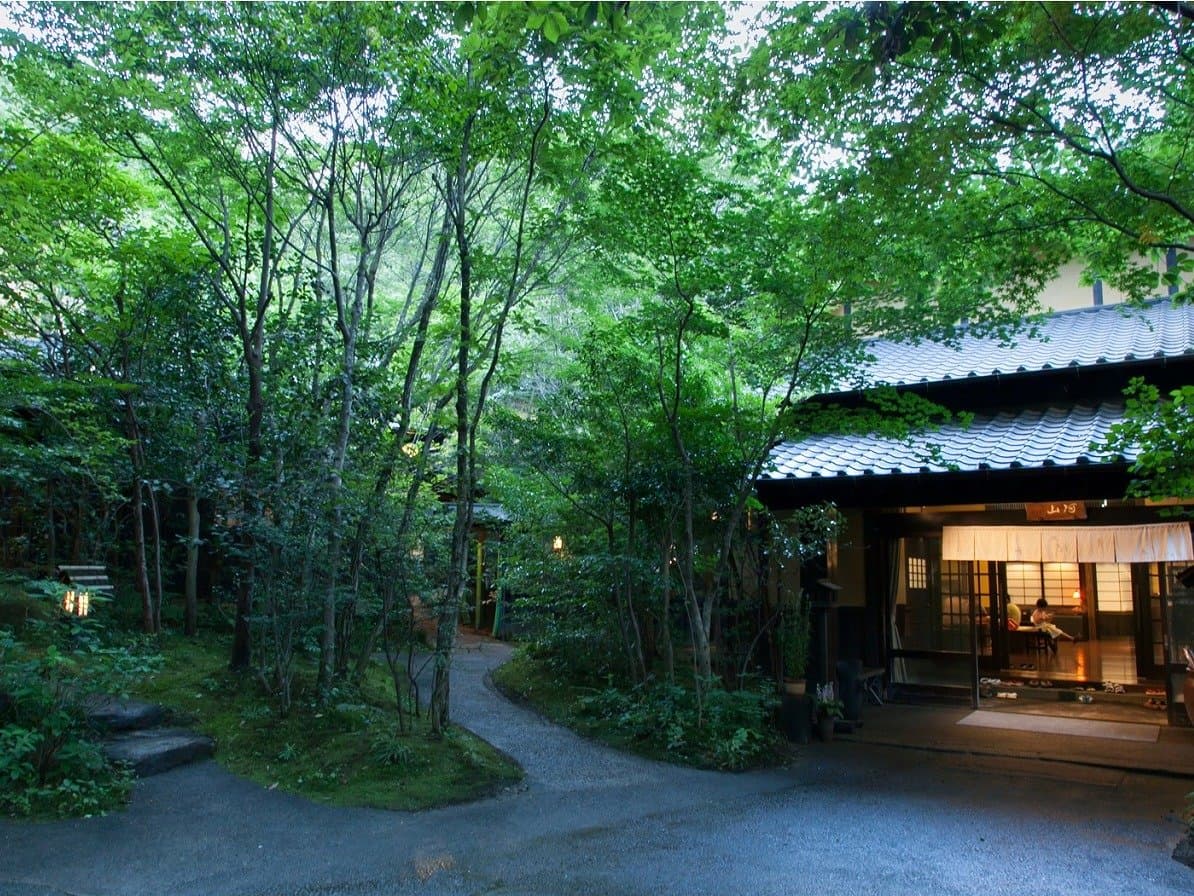 | from US$250/person/night≈ US$500 for 2 | 9.6 79 reviews | Book on Agoda |
 | from US$280/person/night≈ US$560 for 2 | 8.9 89 reviews | Book on Booking.com |
Seikoro Ryokan
Kyoto
Wanosato
Takayama
Togetsutei
Kyoto
Prices shown are approximate starting rates per person per night. We may earn a commission on bookings.
Before booking a kaiseki ryokan — Kasuien Minami or any other — send a line like 精進料理対応をお願いできますか。出汁にも鰹節を使わないでいただけると助かります. A prepared kitchen will reply listing each dish it plans to swap: kombu-shiitake dashi for the suimono, yuba in place of sashimi, simmered koyadofu in place of wagyu. Do not book a kaiseki ryokan that will not confirm substitutions in writing before you pay the deposit. Last verified: May 7, 2026.
This is the seventh installment of our best-ryokans series after Miyajima, Kusatsu, Kinosaki, Beppu, Hakone and Yufuin — but unlike those peers, this one cuts horizontally across seven regions because the dietary question matters more than the postcode. If you are new to ryokan culture, our first-time ryokan guide covers the basics. Per Japan's official tourism authority, travelers with dietary needs are advised to inform ryokan and hotels in advance for meal arrangements — the rest of this guide is what "in advance" actually means in writing.
What follows ranks seven ryokans by the diet level each delivers (vegan / lacto-ovo / pescatarian / shojin-style), with the bilingual booking email template the rest of the internet does not give you, the gokun (五葷) edge case for strict shojin observers, and the Koyasan fallback safer than any commercial ryokan.
The best vegetarian-friendly ryokan in Japan is Hoshino Resorts KAI Kinugawa — it publishes a vegetarian kaiseki and vegetarian breakfast, free of the eight major allergens, with a deadline of 16:00 five days before arrival. Nothing about a fully vegan plan is published, so strict vegans should confirm with the property or book a Koyasan shukubo, where every meal is shojin by religious rule. Lacto-ovo travelers fit at Seikoro in Kyoto or Tsukihitei in Nara's Kasugayama forest. Milestone-luxury seekers go to Asaba in Izu; shojin-leaning kaiseki in a 160-year farmhouse is at Wanosato in Takayama; pescatarians wanting Tajima crab without meat fit at Mikiya in Kinosaki. All list vegetarian capability; confirm plant-only meals directly with the inn, in writing, seven to fourteen days before arrival.
Tip
Disclosure: Japan Ryokan Guide earns a commission when you book through partner links. We do not accept payment from ryokans for inclusion — every property was selected on merit, and we exclude ryokans whose dietary accommodation we could not verify in the last twenty-four months. The commission keeps the directory free in six languages.
Full guide: see ryokan dietary restrictions in Japan for the complete playbook across vegetarian, vegan, halal, gluten-free, kosher, and allergy dining.
Quick-Compare: 7 vegetarian-friendly ryokans at a glance
| # | Ryokan | Area | Diet tier offered | From (USD) | Pre-book days | Best for |
|---|---|---|---|---|---|---|
| 1 | KAI Kinugawa | Nikko | Vegetarian (published plan) | $520 | 5 | Strict vegans wanting a published, audited plan |
| 2 | Seikoro | Kyoto | Lacto-ovo / shojin-leaning | $300 | 10+ | Heritage machiya kaiseki with kombu-dashi swap |
| 3 | Tsukihitei | Nara ryokan area | Lacto-ovo / shojin-leaning | $400 | 14+ | Forest-temple setting, smallest kitchen, deepest swap |
| 4 | Asaba | Izu | Lacto-ovo / vegan on request | $600 | 14+ | Milestone luxury — 1489-founded, Noh stage |
| 5 | Wanosato | Takayama | Lacto-ovo / vegan on request | $500 | 14+ | Michelin Key, 7 rooms, 160-year gassho-zukuri |
| 6 | Ryokan Sanga | Kurokawa | Lacto-ovo on request | $250 | 7+ | Forest annex, two source waters, chef-direct kitchen |
| 7 | Togetsutei | Kyoto Arashiyama | Lacto-ovo / shojin-leaning | $280 | 10+ | Kyoto shojin tradition, Togetsukyo Bridge views |
For pescatarians who self-identify as vegetarian, Mikiya in Kinosaki handles fish-OK kaiseki with the same precision (Tajima crab, sea-vegetable courses, no meat). For zero-risk plant-only travel, skip the commercial ryokan entirely and book a Koyasan shukubo — see the dedicated section below.
What is shojin ryori? Buddhist temple cuisine, naturally vegan
Shojin ryori (精進料理, shōjin ryōri, "devotion cuisine") is Buddhist temple cuisine developed over 800+ years by Zen monks, and is naturally vegan — strictly no meat, fish, eggs, dairy, or the "five pungent" plants (onion, garlic, leek, scallion, chive). Umami comes from kombu seaweed, dried shiitake, fermented miso, and seasonal vegetables. It is the only Japanese cuisine tradition reliably plant-based by definition.
The distinction between shojin ryori and a vegetarian kaiseki swap is not cosmetic — it is theological. A commercial ryokan gives you a "vegetarian kaiseki" by removing visible animal protein and substituting tofu, but the kitchen still uses the same dashi, simmering pots, and seasonings. A temple cooking shojin ryori has spent twelve centuries refusing to touch any of that. As Ekoin's English cuisine page states, "no meat, fish, or other fish or raw meat odors are used" .
The philosophy is the gomi-goshiki-goho principle (五味五色五法): five flavors, five colors, five cooking methods. Done well — at Koyasan's 117 active temples, fifty-two of which accept overnight guests — it is the tightest constraint-driven cuisine in Japan.
Tip
If you are strict vegan or tired of negotiating, prioritize a Koyasan shukubo (temple stay). Every meal is shojin by religious rule — no meat, fish, dashi, onion, or garlic. A night at Ekoin or Henjoson-in runs ¥13,000–22,000 with two shojin meals included , often cheaper per-meal than a luxury ryokan vegetarian add-on. See the Koyasan section below.
The dashi problem: why "vegetable kaiseki" often is not vegetarian
Most "vegetable" kaiseki dishes in Japan are not vegetarian, because they are simmered, dressed, or seasoned with dashi — a stock made from bonito (skipjack tuna) flakes and kombu. Even tofu, simmered greens, and miso soup typically contain bonito dashi. Strict vegetarians and vegans must explicitly request kombu-only or shiitake dashi, in writing, seven to fourteen days ahead.
An English booking page that advertises "vegetable kaiseki" may mean vegetable-forward, not plant-only — the dashi can still be katsuobushi.
The word that protects you is 精進 (shōjin), not the English vegetarian. The phrase is 出汁も植物性 ("dashi is also plant-based") or 鰹だしぬき ("without bonito stock"). Without one of these in writing, assume bonito. Even tsukemono pickles are often brined in bonito flakes; pre-mixed miso paste sometimes contains invisible katsuo extract .
The ryokans on this list have passed that test in writing — either by adopting kombu-shiitake dashi as a documented swap (Seikoro, Tsukihitei) or by running a fully separate vegan production line (KAI Kinugawa). They are still the exception, not the rule, even within the twenty ryokans in our database flagged vegetarian_meals = true.
Tip
Ask for kombu-only dashi (昆布だし) in writing — the word "vegetarian" alone is not enough. Many Japanese chefs interpret "vegetarian" as "no visible meat," and bonito stock does not look like meat. Paste this into your booking email: 出汁は昆布だしのみでお願いいたします(鰹節・煮干し不可) — "Please use only kombu dashi (no bonito flakes, no dried sardines)." Single highest-leverage move you can make.
Vegan, lacto-ovo, pescatarian: what each label actually means in Japan
In Japan, the loanword "vegetarian" (ベジタリアン) is often interpreted as pescatarian — fish allowed. Lacto-ovo (eats dairy and eggs) is rarely distinguished from strict vegan in casual booking conversations. To avoid surprise fish, specify your diet in writing using the exact Japanese terms: ヴィーガン (vegan), 卵・乳製品OK (lacto-ovo), or 魚もNG (no fish either).
A kitchen may read ベジタリアン as "pescatarian-OK because fish is not meat" — fish belongs to gyokairui (魚介類) rather than niku (肉). Always write 魚介類も食べません in the booking notes, in Japanese, even when the ryokan has English staff.
The vocabulary that travels:
- Lacto-ovo-vegetarian — 卵・乳製品OK ("eggs and dairy okay"). Eats dairy, eggs; avoids meat, poultry, fish, shellfish, animal broth. No native idiom in Japanese, Chinese or Korean — gloss it on every occurrence.
- Vegan — ヴィーガン. Avoids lacto-ovo plus eggs, dairy, honey. Strict vegans should also specify はちみつ不可 (no honey) and ゼラチン不可 (no gelatin).
- Pescatarian — ペスカタリアン (魚OK). The de facto interpretation when a Japanese kitchen hears "vegetarian."
- Shojin / strict-vegan + no alliums — 精進料理 / 五葷不可. The Jain, Hindu and Shingon Buddhist standard. Most commercial ryokans cannot meet it; Koyasan shukubo can.
The Japan Vegetarian Society's directory and VegeProject Japan / Vegewel certification stickers are what to photograph and show staff if your Japanese fails .
How we screened our database down to 7 vegetarian-friendly picks
We started with the twenty ryokans flagged vegetarian_meals = true in our database, then reviewed each property's official information against three questions: (1) Is kombu-shiitake dashi offered for every dish, including simmered courses? (2) Are substitutions confirmed in writing before booking? (3) What is the minimum lead time? Seven properties were selected on that basis. This information comes from each property's official information — confirm directly with the inn before booking.
The rest did not document kombu-only dashi for every course, offered only one-dish swaps, or described their menus in marketing language without specifics. Several appear in our luxury rankings, Kinosaki and Beppu roundups, but they are not the right fit for an anxious vegetarian booking from abroad.
Every pick is in the luxury bracket (~$250–$1,500/night with two meals) because vegetarian-kaiseki redesign is labor-intensive and the smallest chef-led kitchens deliver the most reliable swap. Budget vegetarian travel is possible — but the right pattern is a Koyasan shukubo at ¥13,000–22,000, not a discount commercial ryokan. See how a ryokan dinner differs from a hotel restaurant.
1. KAI Kinugawa (Nikko) — Best for strict vegans wanting a published plan
Best for Vegetarians who want a standardised, documented process with the shortest notice window on this list.
At a glance 48 rooms · ~$300–$600 USD · Hilltop above the Kinugawa · Mashiko pottery interiors · 70 min from Tokyo via Tobu Spacia.
Vegetarian level offered Full vegan — kaiseki, breakfast, room snacks, feather-free bedding, vegan amenities. Developed with VegeProject Japan; discloses gelatin-and-honey edge cases unprompted .
Cuisine specialty Multi-course vegan kaiseki using Tochigi mountain vegetables and a property-specific kombu-shiitake-soybean dashi.
Price tier Luxury · $300–$600 per person per night with two meals. The property publishes no supplement for the dietary plan, and no nightly rate.
Pre-book required Yes — the property states 16:00, five days before arrival. Select the vegetarian plan at booking. Whether ingredients are sourced separately and the cookware is dedicated is not published; ask if it matters to you.
Onsen Hilltop public bath with river views — soft, low-mineral. Not the strongest onsen here, but the cleanest dietary line.
Standout A documented dietary plan on the shortest notice window in this guide — 16:00, five days ahead — rather than an on-request swap negotiated per booking. See the full Nikko area guide.
Honest trade-off A Hoshino chain ryokan, not heritage — architecture is contemporary craft, not historic sukiya-zukuri. For a 1489-founded inn with vegan-on-request, book Asaba. Rates run $300–$600 per person per night with two meals [approximate; verify availability]. Vegetarian plan policy verified 2026-04-22.
Tip
KAI Kinugawa's dietary plan must be selected at booking, not on arrival — the property gives a deadline of 16:00 five days before you stay, and nothing later is guaranteed. Whether ingredients are sourced separately and the cookware is dedicated is not published; ask if that matters. If you forget to select the plan in the OTA flow, email the ryokan directly within 24 hours of booking to convert.
Curious about the gorge town around KAI? Our Kinugawa Onsen guide profiles 10 verified stays, with tattoo policies and access from Tokyo.
2. Seikoro (Kyoto) — Best for lacto-ovo kaiseki in a 200-year-old inn
Best for Lacto-ovo travelers who want their first Japan kaiseki in a machiya-style ryokan with documented shojin variants and an 1831 founding date.
At a glance 20 rooms · ~$300–$600 USD · Five min by taxi from Kyoto Station · Established 1831 · Public baths · No private onsen.
Vegetarian level offered Lacto-ovo documented; vegan and shojin-leaning on request. The kitchen runs a separate kombu-shiitake dashi and labels every dish on the printed menu — disclosure that is rare at Kyoto ryokans outside dedicated shojin restaurants.
Cuisine specialty Kyoto kaiseki with shojin-leaning swaps: yuba two ways, fu, simmered kyoyasai, goma-dofu, yuba-suimono with kombu-only dashi.
Price tier Luxury · $300–$600 per person per night with two meals. No supplement.
Pre-book required Yes — ten days minimum, two weeks for vegan. Email with diet type and the bilingual template below.
Onsen Indoor public baths only — Seikoro is a city ryokan.
Standout A reliably vegan-capable Kyoto ryokan. The kitchen treats the dashi swap as kitchen-engineering, not substitution. See our Kyoto area guide and Inside Kyoto's shojin ryori roundup.
Honest trade-off No rotenburo or onsen — pair with one onsen night elsewhere (onsen etiquette is worth a re-read). Rates run $300–$600 per person per night with two meals [approximate; verify availability]. Vegetarian plan policy verified 2026-04-18.
3. Tsukihitei (Nara) — Best for shojin-leaning kaiseki in temple forest
Best for Lacto-ovo travelers who want kaiseki cooked in a 10-room forest annex inside a UNESCO-listed primeval forest adjoining one of Japan's oldest Buddhist temple complexes.
At a glance 10 rooms · ~$400–$1,000 USD · Inside Kasugayama Primeval Forest, 20 min by car from Nara Park · No onsen · Tiny single-chef kitchen.
Vegetarian level offered Lacto-ovo documented; shojin-leaning vegan confirmed in writing on a fourteen-day lead. Proximity to Kasuga-Taisha and Todai-ji means a long working relationship with shojin-ingredient suppliers.
Cuisine specialty Mountain-vegetable kaiseki with seasonally foraged sansai, koyadofu, sesame tofu, and a plant-based hassun by request.
Price tier Luxury · $400–$1,000 per person per night with two meals. No supplement.
Pre-book required Yes — fourteen days, no exceptions. Email via Tsukihitei in the Kasugayama forest reservation form.
Onsen None — a forest retreat, not an onsen ryokan.
Standout Ten rooms inside a primeval forest, deer at dawn, no light pollution. See the Nara area page.
Honest trade-off Re-confirm breakfast separately at check-in. Rates run $400–$1,000 per person per night with two meals [approximate; verify availability]. Vegetarian plan policy verified 2026-04-19.
Tip
Re-confirm breakfast separately at check-in. Dinner kaiseki is planned fourteen days ahead; breakfast comes from the morning shift, which often did not get the memo. Read what is actually on a Japanese breakfast tray before you arrive — fish, dashi-miso, and tamagoyaki are the three default landmines.
4. Asaba (Izu) — Best for milestone-luxury vegan with advance arrangement
Best for Couples on a milestone trip who want a 1489-founded ryokan with a Noh stage, the Katsura River out the window, and a kitchen disciplined enough to redesign kaiseki from scratch.
At a glance 17 rooms · ~$600–$1,500 USD · Established 1489 · Noh stage on the pond · 90 minutes from Tokyo via Odoriko limited express.
Vegetarian level offered Lacto-ovo straightforward; strict vegan on a fourteen-day lead confirmed in writing. The chef treats a vegan kaiseki the way a Michelin restaurant treats a tasting menu — a design problem, not a subtraction.
Cuisine specialty Izu seasonal kaiseki rebuilt around plant-only ingredients on request.
Price tier Ultra-luxury · $600–$1,500 per person per night with two meals. Vegan kaiseki carries no supplement.
Pre-book required Yes — fourteen days minimum, three weeks for sakura and foliage. Email via the contact form; reply within 72 hours.
Onsen Two indoor and two outdoor baths fed by Shuzenji-area source water. The river-view rotenburo is the property's headline image.
Standout The kitchen effort costs the same as the meat menu; you just have to ask fourteen days out. Asaba slots into our luxury rankings and best ryokans for couples. The Izu area guide covers Shuzenji logistics.
Honest trade-off The most expensive pick, and books out three to six months ahead. If your dates are full, Wanosato or Sanga are the closest alternatives. Rates run $600–$1,500 per person per night with two meals [approximate; verify availability]. Vegetarian plan policy verified 2026-04-21.
5. Wanosato (Takayama) — Best for shojin-leaning kaiseki in 160-year farmhouse
Best for Travelers who want a Michelin Key, seven-room property in a 160-year-old gassho-zukuri farmhouse, with a kitchen small enough that the chef cooks every plate himself.
At a glance 7 rooms · ~$500–$1,200 USD · 160-year farmhouse on the Miyagawa River · 25 minutes by car from Takayama Station · Michelin Key 2024.
Vegetarian level offered Lacto-ovo documented; vegan on a fourteen-day lead confirmed in writing. The Hida region is naturally vegetable-forward, so the standard pantry overlaps heavily with a plant-only menu.
Cuisine specialty Hida sansai kaiseki with documented vegetarian variants: forest-foraged greens, soy-based proteins, and a property-specific kombu-shiitake dashi. The seven-room scale means the chef briefs every table personally.
Price tier Ultra-luxury · $500–$1,200 per person per night with two meals. Vegetarian or vegan plan carries no supplement.
Pre-book required Yes — fourteen days minimum. This 160-year-old gassho-zukuri retreat replies via contact form; English within 72 hours.
Onsen Indoor and outdoor baths fed by a property source — soft, low-mineral water.
Standout Seven rooms, one chef, one set of cookware he controls personally. The smallest, most disciplined kitchen on this list. Takayama's ryokan directory covers Shirakawa-go routing.
Honest trade-off Seven rooms means tight availability — book three months ahead, six for foliage. Arrange pickup at booking (25 minutes from the nearest train station). Rates run $500–$1,200 per person per night with two meals [approximate; verify availability]. Vegetarian plan policy verified 2026-04-20.
6. Ryokan Sanga (Kurokawa) — Best chef-direct vegetarian kaiseki in a forest annex
Best for Travelers who want a 16-room forest ryokan with two source waters and a chef-direct kitchen at a price that does not require milestone justification.
At a glance 16 rooms · ~$250–$550 USD · Forest annex apart from Kurokawa village · Two spring sources · Bamboo-grove mixed-gender bath · 90 min by bus from Aso Station.
Vegetarian level offered Lacto-ovo on a seven-day lead is reliable; vegan with fourteen days requires written confirmation of the dashi swap and simmered side dishes.
Cuisine specialty Kyushu mountain kaiseki with documented vegetarian variants — Aso volcanic-soil vegetables, Kumamoto soy products, simmered greens.
Price tier Luxury · $250–$550 per person per night with two meals. No supplement.
Pre-book required Yes — seven days for lacto-ovo, fourteen for vegan, in writing. Ryokan Sanga's forest annex confirms via email; English within 72 hours.
Onsen Two source waters across indoor and outdoor baths — rare at this price tier. Bamboo-grove mixed-gender bath plus a women-only outdoor bath.
Standout The most reasonable pick on this list — Kurokawa's lantern-lit village and nyutoumeguri three-bath pass are exceptional regardless of the food.
Honest trade-off Their kombu dashi is reliable, but simmered side dishes have historically used a separate bonito stock unless you specify otherwise — confirm all courses use kombu-only dashi. Rates run $250–$550 per person per night with two meals [approximate; verify availability]. Vegetarian plan policy verified 2026-04-23.
7. Togetsutei (Kyoto Arashiyama) — Best for Kyoto shojin tradition with bridge views
Best for Travelers who want their Kyoto ryokan to overlook the Togetsukyo Bridge, with shojin-leaning kaiseki rooted in 1,200 years of Arashiyama temple-cuisine tradition.
At a glance 25 rooms · ~$280–$550 USD · Banks of the Hozugawa beneath Togetsukyo Bridge · 15 min by JR from Kyoto Station · Public and reservable private baths.
Vegetarian level offered Lacto-ovo with a ten-day lead, shojin-leaning vegan with fourteen. Surrounding temples (Tenryu-ji, Daikaku-ji, Jojakko-ji) sustain a working shojin-ingredient supply chain.
Cuisine specialty Kyoto-Arashiyama kaiseki with documented shojin variants — yuba in three forms, simmered kyoyasai, kombu-only dashi. Summer kawadoko riverside dining is naturally vegetable-forward.
Price tier Luxury · $280–$550 per person per night with two meals. No supplement.
Pre-book required Yes — ten days for lacto-ovo, fourteen for vegan. Book via Togetsutei in Arashiyama; English within 48 hours.
Onsen Indoor and outdoor baths fed by Arashiyama-area source water — soft, low-sulfur.
Standout The geographic shortcut. Daitoku-ji, Nanzen-ji and Tenryu-ji have anchored shojin supply chains in this neighborhood for eight centuries — Togetsutei inherits that ecosystem. See the Kyoto area page.
Honest trade-off Twenty-five rooms means competent rather than chef-personal service. If chef-direct is the priority, choose Sanga or Wanosato. Rates run $280–$550 per person per night with two meals [approximate; verify availability]. Vegetarian plan policy verified 2026-04-22.
How to request vegetarian meals at a ryokan: the 5-step process
This procedural section is schema-marked so search engines can extract it as a HowTo answer. Total time: ~15 minutes per ryokan, plus a 24–72 hour reply window.
Step 1 — Define your diet precisely in writing. Specify lacto-ovo-vegetarian, vegan, or pescatarian, and state explicitly: no meat, no fish, no shellfish, AND no dashi (bonito broth). Most Japanese kitchens assume "vegetarian" allows fish-stock dashi — say otherwise in writing.
Step 2 — Email seven to fourteen days before check-in. Seven days minimum so the chef can source kombu and shiitake; fourteen is safer for kaiseki menus that need redesigning.
Step 3 — Use the bilingual email template (below). Send English and Japanese side by side. Japanese kitchens trust written Japanese over verbal English; the bilingual format lets the front desk forward a clean Japanese block to the chef without a translation pass.
Step 4 — Ask for written confirmation, not a yes-or-no. Request a sample menu or a list of substituted ingredients. A vague yes we can often means they will swap one dish, not the full kaiseki.
Step 5 — Reconfirm at check-in and inspect the first dish. Politely re-state your needs. Ask the okami if dashi was used. If a clear broth appears, ask before tasting — kombu dashi is golden-clear and almost odorless; bonito dashi smells smoky. Print or screenshot the email confirmation in Japanese and show it at check-in. Kitchen handover is where requests get lost.
Tip
Pre-booking email template (English + Japanese, copy-paste).
Subject: Dietary request for booking [DATE] — [NAME]
Dear [Ryokan Name],
I have a reservation under [NAME] for [DATE]. I would like to request a dietary accommodation for both the kaiseki dinner and breakfast:
1. Diet type: [vegan / lacto-ovo vegetarian / pescatarian] 2. Excluded: meat, poultry, [fish if vegan/lacto-ovo], [eggs and dairy if vegan] 3. Important: please use kombu-only dashi (昆布だし), not bonito (鰹だし), in all dishes including miso soup, simmered vegetables, and dressings. 4. I understand if a small supplement applies. Please confirm in writing.
Thank you very much. — [NAME]
---
[ご担当者様]
[NAME]の名前で[DATE]に予約しております。夕食および朝食の食事制限について、ご相談がございます。
1. 食事制限: [ヴィーガン / 卵乳ベジタリアン(卵・乳製品OK) / ペスカタリアン(魚OK)] 2. 除外食材: 肉類、鶏肉、[魚介類]、[卵・乳製品] 3. 重要: 出汁は 昆布だしのみ でお願いいたします(鰹節・煮干し・魚介類のだしは不可)。味噌汁、煮物、和え物のすべてを含みます。 4. 追加料金が発生する場合は、事前にお知らせください。書面でのご確認をいただけますと幸いです。
どうぞよろしくお願いいたします。 — [NAME]
OTA dietary notes silently fail — book direct via email
The booking-platform "special requests" field is a free-text box that often does not propagate to the ryokan's reservation system. Tripadvisor's Japan forum and HappyCow's Japan vegan community converge: roughly thirty percent of OTA dietary notes fail to reach the kitchen . The highest-leverage move: book on the platform for the room rate, then email the ryokan directly within twenty-four hours with your dietary request.
The workflow:
1. Reserve the room via Trip.com, Booking.com or Agoda for rate and cancellation policy. 2. Within twenty-four hours, email the ryokan using the bilingual template above with the booking confirmation number. 3. Wait for written confirmation of the substituted menu. If the reply is generic, follow up: Could you please send a list of dishes and confirm which use kombu-only dashi? 4. Print or screenshot the reply for check-in.
Treat the platform booking as the room reservation only; treat the meal as a separate negotiation. Kashiwaya and Is It Vegan? Japan describe the same workflow . KAI Kinugawa shortens the dance rather than removing it: its vegetarian plan is a documented booking option with a stated five-day deadline, but a vegan variant is not published and still needs confirming in writing.
Our comparison of six ryokan booking platforms covers this exact failure mode — how each site's dietary-request field works, and when email beats every OTA.
Vegetarian-easier areas: Koyasan, Kyoto, Kibune (and the Koyasan fallback)
Three regions are structurally easier for vegetarian travel because the cuisine and religious tradition are aligned. Route through these if your itinerary is flexible.
Koyasan (Mt. Koya, Wakayama) — fifty-two of Koyasan's 117 active temples accept overnight guests with two shojin meals included . Every meal is vegan by religious rule: no meat, fish, dashi, eggs, dairy, or gokun (五葷 — onion, garlic, leek, scallion, chive). A night at Ekoin or Henjoson-in runs ¥13,000–22,000 with both meals. The Koyasan Shukubo Association handles English reservations.
Kyoto — eight hundred years of shojin-cuisine infrastructure means every Kyoto ryokan kitchen has a working relationship with shojin suppliers. Seikoro and Togetsutei are the easiest commercial bookings; for restaurant shojin, Daitoku-ji's Izusen and Nanzen-ji's tofu courses are canonical.
Kibune — riverside ryokans in Kibune (north Kyoto) serve summer kawadoko kaiseki on platforms over the river, naturally vegetable-forward. Request shojin-style and you are 80% there by default.
For broader onsen routing, see Japan's top onsen towns; for Kyushu, our Yufuin picks round out the southern leg.
Tip
The Koyasan fallback rule. If your trip is less than seven days away and you have not yet secured a vegetarian-confirmed ryokan booking, do not gamble on a commercial ryokan. Book a Koyasan shukubo instead. Same-day vegetarian kaiseki redesign is impossible at most luxury ryokans — kaiseki ingredients are ordered the morning of — and a Koyasan shukubo is the only category in Japan where vegetarian is the default. The pilgrimage detour from Osaka adds 2.5 hours by Nankai train and cable car; the dietary peace of mind is worth it.
For the Kyoto option specifically, we keep a dedicated list of vegetarian-friendly ryokans in Kyoto.
Honest limitations: dashi, halal, and what can still go wrong
If you are strict vegan rather than lacto-ovo, the overlap with the vegetarian tier is limited — see our dedicated guide for strict vegans for property-level vetting.
Five things that still go wrong even when you do everything right.
Dashi cross-contamination in shared cookware. A kitchen running both bonito and kombu dashi may share a simmering pot. Strict vegans should ask whether kombu-only stock uses dedicated cookware. KAI Kinugawa is the cleanest line; Wanosato and Tsukihitei come close because of their tiny single-chef kitchens.
Halal is not the same as vegan. Halal-prepared meat is still meat. A halal menu may exclude pork and alcohol while including chicken or beef. If you are vegan-and-Muslim, request both halal and shojin standards in writing.
Pescatarian confusion. Bejitarian (ベジタリアン) is read as pescatarian by a significant minority of kitchens. Always write 魚介類も食べません if you do not eat fish.
Late arrival forces the standard menu. If you arrive after dinner service has begun, the kitchen cannot reconfigure your kaiseki.
The breakfast shift handoff. Re-confirm at check-in — dinner planning rarely flows to the morning shift.
We re-check each ryokan's official information every six months. Next re-verify: 2026-11-07. For Muslim travelers navigating the halal-and-vegan overlap, our dedicated guide to halal-friendly ryokans in Japan lists certified or halal-accommodating properties with verified pork-free and alcohol-free meal options.
Vegetarian ryokan FAQ
Are ryokans vegetarian-friendly?
Most are not by default, but a small subset reliably accommodate plant-only diets with seven to fourteen days of advance notice. Only some of the ryokans in our database flag vegetarian capability — always confirm directly with the inn before booking.
Can vegans eat kaiseki at a ryokan?
Yes, with advance notice. Standard kaiseki uses bonito dashi in nearly every dish, including the "vegetable" courses. Ryokans offering vegan kaiseki swap to kombu-shiitake dashi, but the chef needs at least seven days. No ryokan in our database publishes a vegan plan; KAI Kinugawa publishes a vegetarian one, on a five-day deadline.
What is shojin ryori, and is it the same as vegan kaiseki?
Shojin ryori (精進料理) is Buddhist temple cuisine — strictly vegan, with no meat, fish, dashi, onion, garlic, or leek. Vegan kaiseki is a swap; shojin ryori is the original menu, designed by Zen monks to be plant-only.
Do Japanese ryokans use fish stock (dashi) in vegetable dishes?
Yes, by default. Japanese cuisine treats katsuo dashi as the foundation flavor of vegetable cookery — miso soup, simmered greens, aemono dressings, even some pickles. The only way to know your kaiseki is dashi-free is to specify kombu-only dashi in writing seven to fourteen days ahead.
How far in advance do I need to request a vegetarian meal?
Seven days minimum, fourteen ideal, three weeks for vegan in foliage and sakura seasons. Same-day requests usually result in a single tofu substitute.
Are there any 100% vegan ryokans in Japan?
Not quite — but Koyasan shukubo are the closest category. Every meal at every Koyasan temple is shojin by religious rule. Among commercial ryokans, KAI Kinugawa's published vegetarian plan is the most systematic, but it is not advertised as vegan — confirm before you rely on it.
Is Koyasan better than a regular ryokan for vegetarians?
For strict vegans, almost always yes. ¥13,000–22,000 with two meals is often lower than a luxury ryokan vegetarian add-on. A ryokan-and-shukubo combination — one luxury onsen night, one Koyasan night — is the most reliable plant-based itinerary in Japan.
Can I eat vegetarian breakfast at a ryokan even if dinner is hard?
Yes, but specify it separately. The standard ryokan breakfast is grilled fish + dashi-miso + tamagoyaki + nori — three of those four are not vegetarian by default. Ask for natto, rice, kombu-only miso, and pickles. Read what is on a Japanese breakfast tray before you arrive.
Travelers with gluten sensitivity or celiac face a similar structural challenge — soy sauce (shoyu) is embedded in almost every preparation. See our guide to gluten-free dining at Japanese ryokans for property-level detail.
Final thoughts: honesty over promises
The case for a vegetarian ryokan booking in Japan is structural rather than aspirational. The dashi is everywhere, OTA dietary fields silently fail, and the difference between vegetable kaiseki and shojin is the difference between getting fed and going hungry. KAI Kinugawa for strict vegans wanting a published plan. Seikoro for first-time Kyoto kaiseki. Tsukihitei for shojin-leaning kaiseki in temple forest. Asaba for milestone luxury with vegan-on-request. Wanosato for the smallest, most disciplined kitchen. Sanga for chef-direct kaiseki at a real-world budget. Togetsutei for Arashiyama bridge views. And the Koyasan shukubo network as the safer fallback.
Dates and lead times matter as much as the property. A fourteen-day lead with a bilingual email gives Asaba's kitchen time to plan vegan kaiseki; a three-day lead may get you only a tofu substitute. If a ryokan stay is one stop in a longer trip, our Miyajima ryokan picks and Beppu roundup round out the route. All prices, lead times and dietary policies checked May 7, 2026 against each property's official information — confirm directly with the inn before booking. The same structural approach — written advance notice, Japanese-language phrasing, property-level verification — applies to other dietary frameworks at ryokans, including kosher observance.
Tip
Closing trust tip. Print or screenshot your dietary confirmation in Japanese — show it at check-in even if the front desk speaks English. Kitchen handover is where requests get lost, and a printed Japanese-language confirmation lands in the right hands without a translation pass. Carry it to the dinner table the first night; one quiet glance by the okami is usually all the cross-check the kitchen needs.
More ryokans we list — vegetarian meals are confirmed by the inn only where marked; ask before booking
17 listed| Ryokan | From | Rating | Book |
|---|---|---|---|
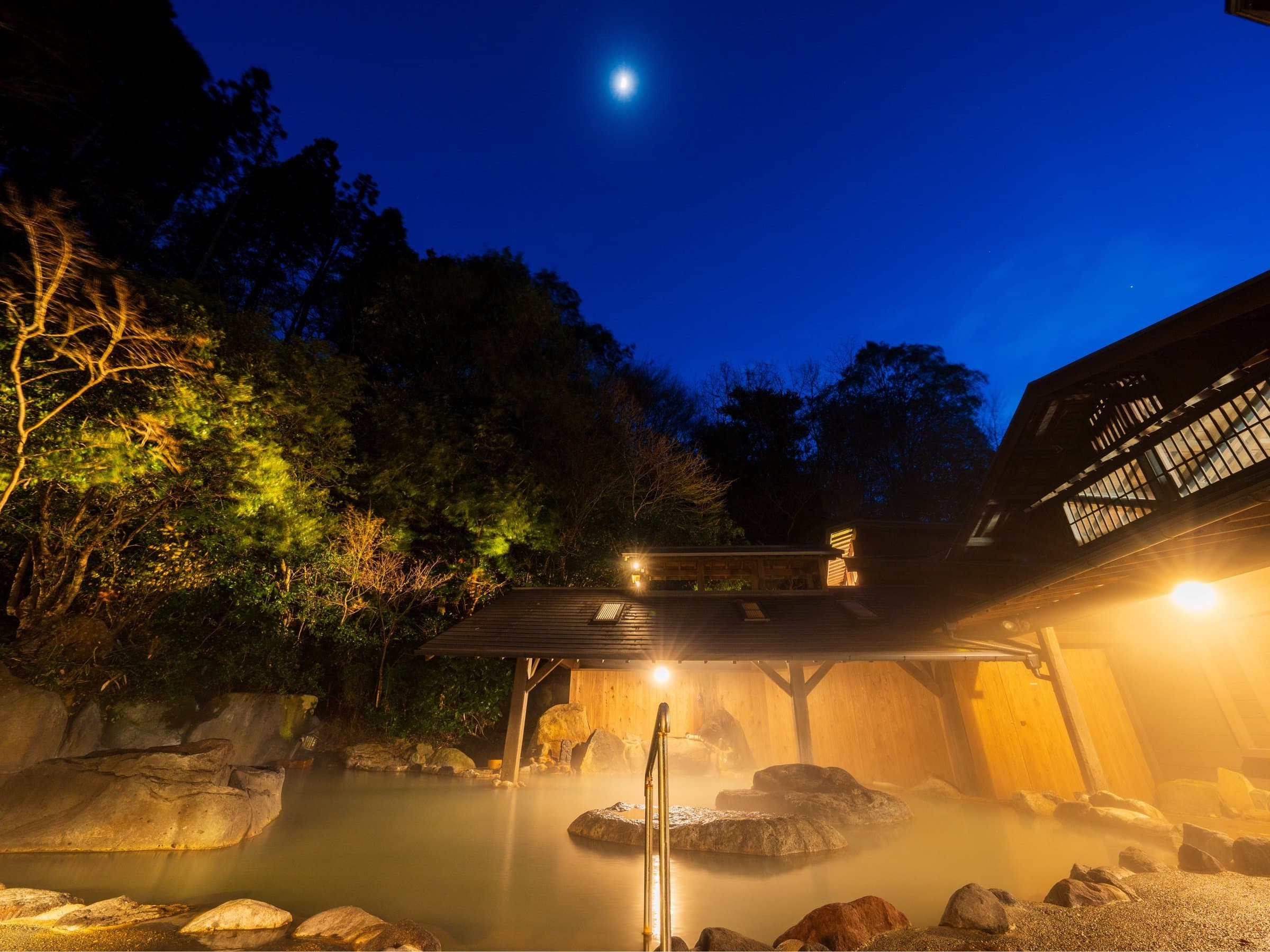 | from US$150/person/night≈ US$300 for 2 | 9.8 47 reviews | Book on Agoda |
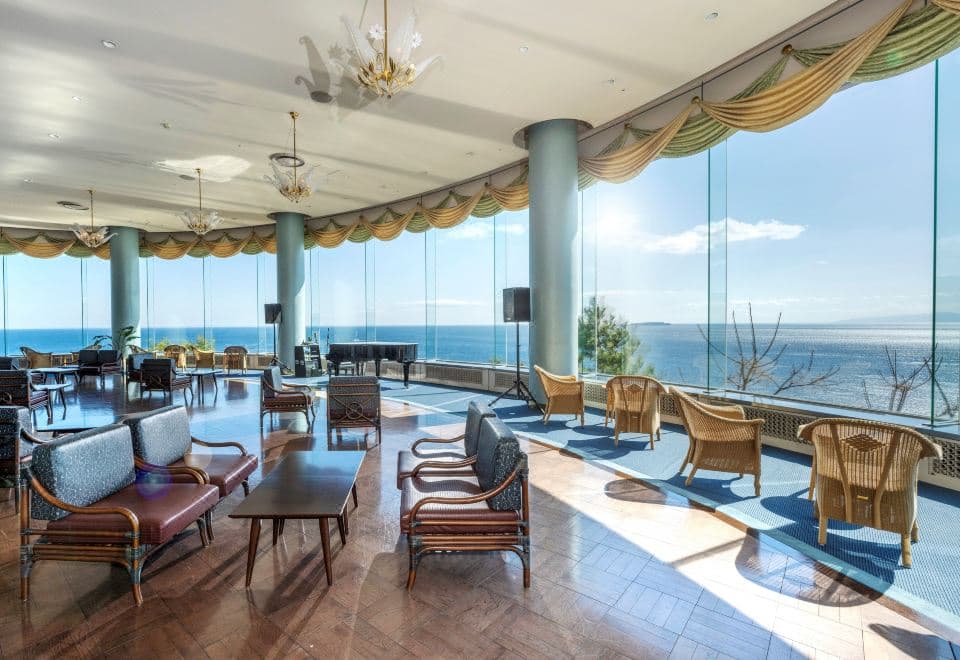 | from US$157/person/night≈ US$314 for 2 | 9.7 237 reviews | Book on Trip.com |
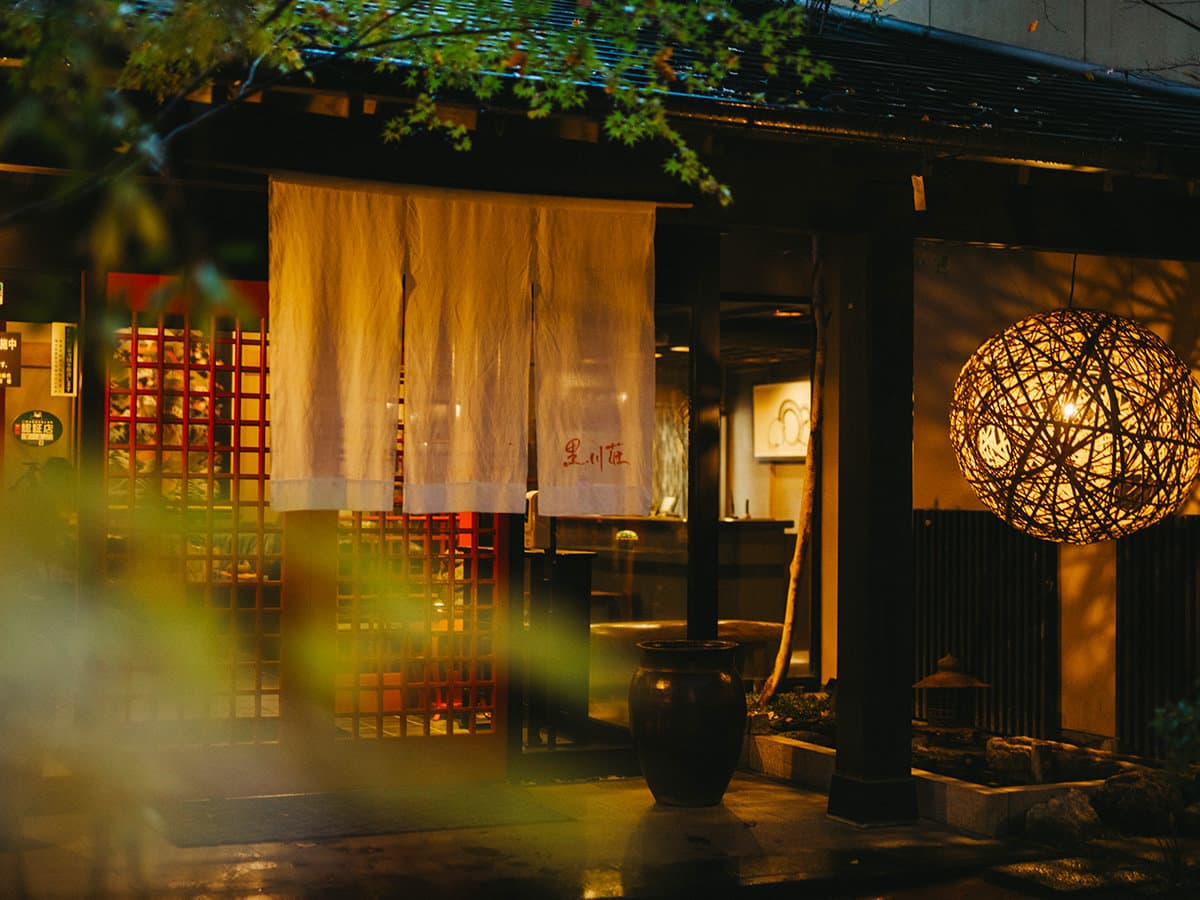 | from US$200/person/night≈ US$400 for 2 | 9.7 72 reviews | Book on Trip.com |
 | from US$250/person/night≈ US$500 for 2 | 9.7 71 reviews | Book on Booking.com |
 | from US$300/person/night≈ US$600 for 2 | 9.7 29 reviews | Book on Agoda |
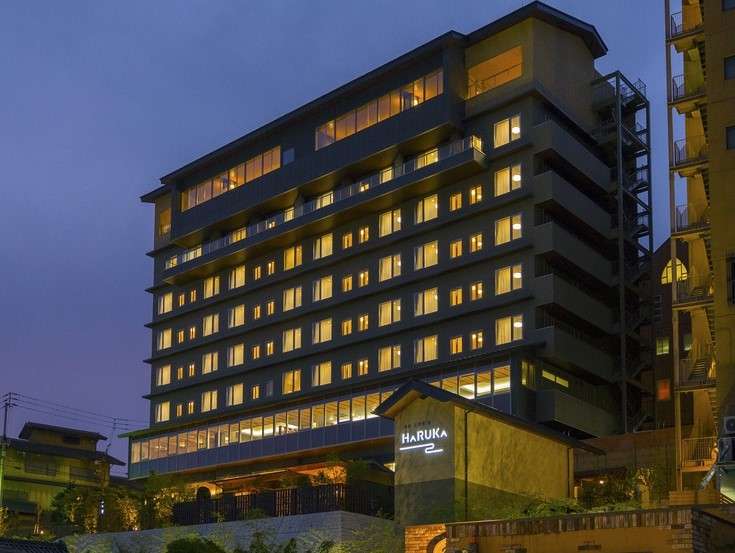 | from US$100/person/night≈ US$200 for 2 | 9.6 361 reviews | Book on Trip.com |
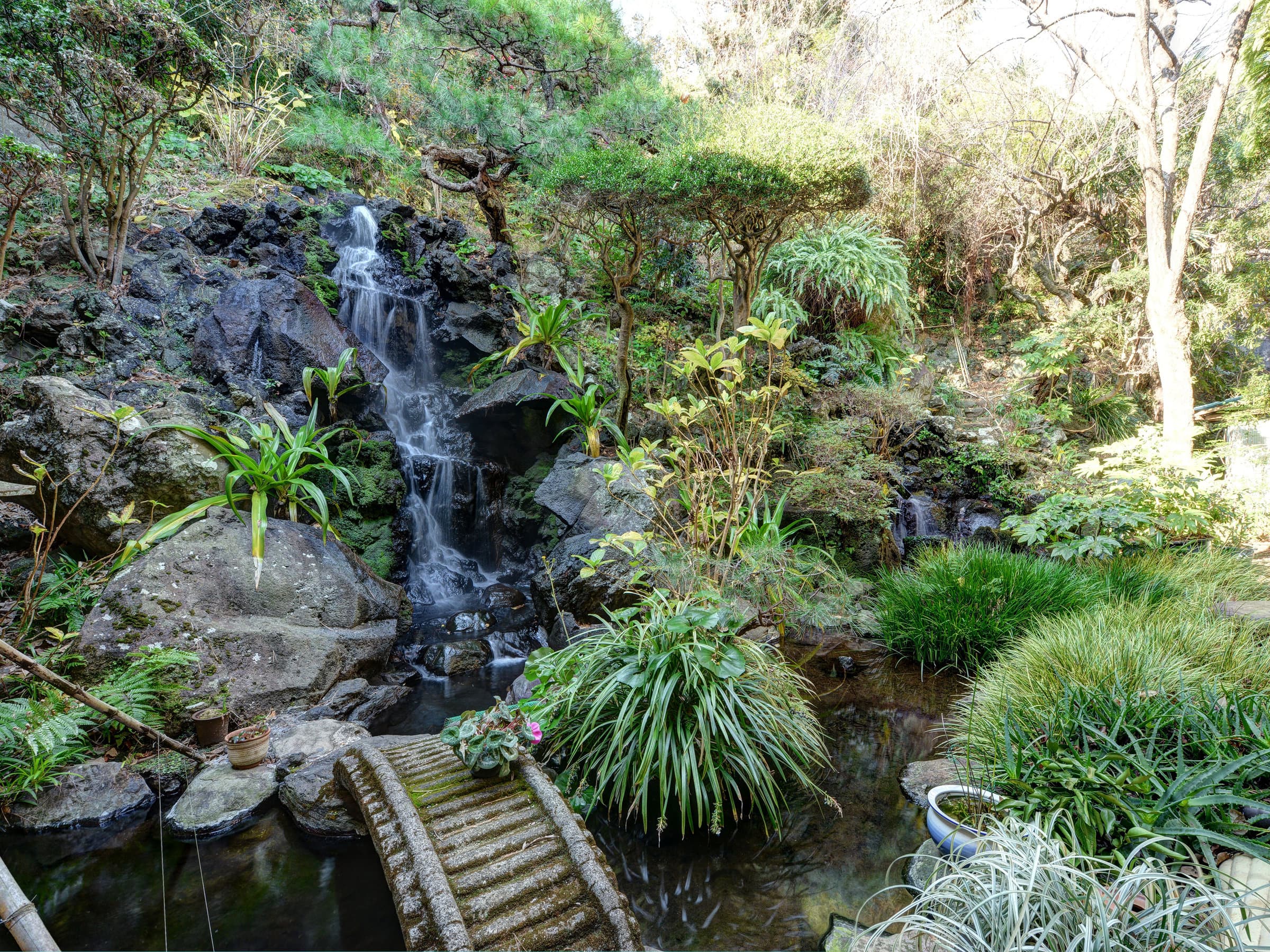 | from US$220/person/night≈ US$440 for 2 | 9.6 351 reviews | Book on Trip.com |
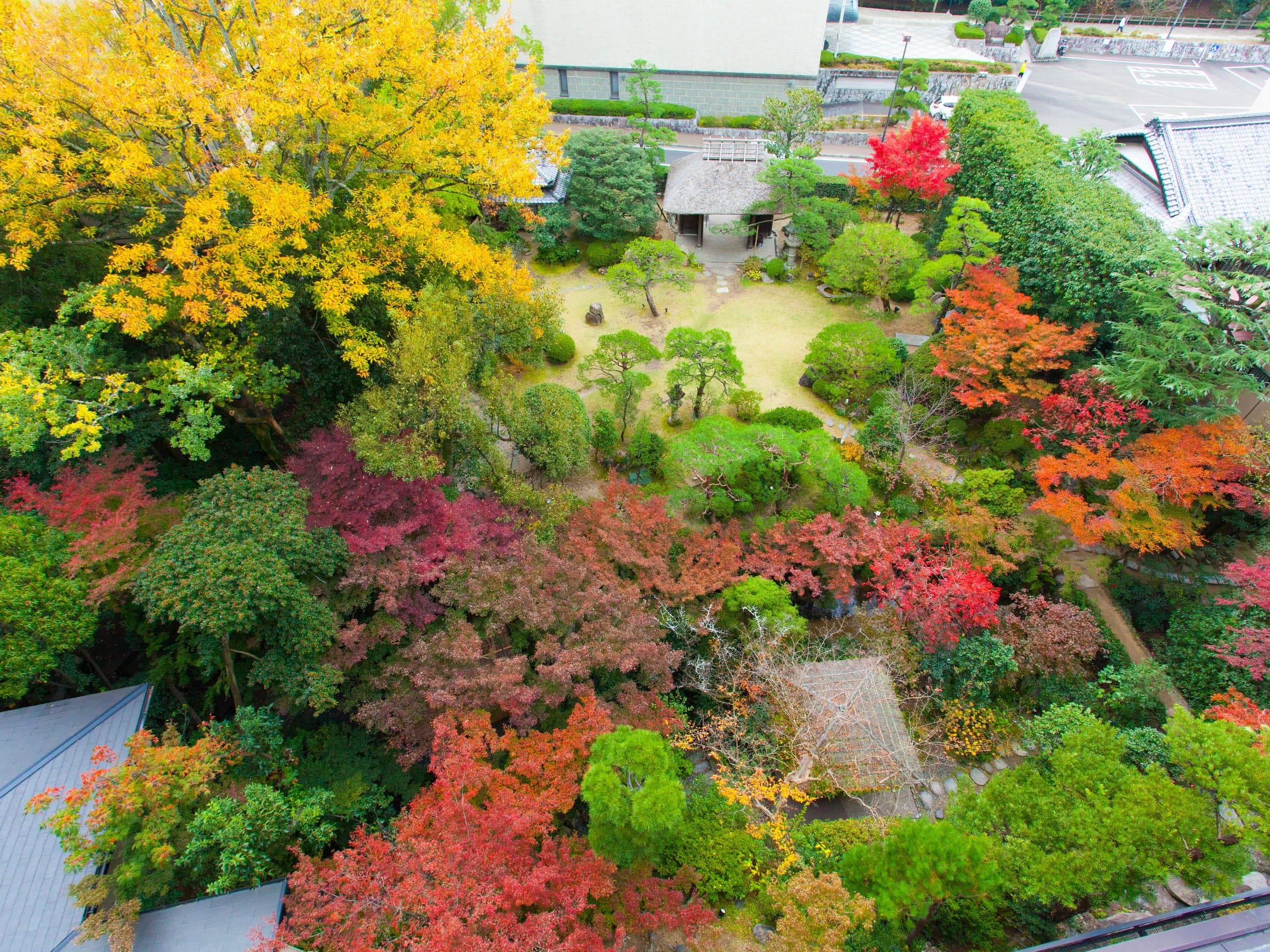 | from US$160/person/night≈ US$320 for 2 | 9.6 116 reviews | Book on Agoda |
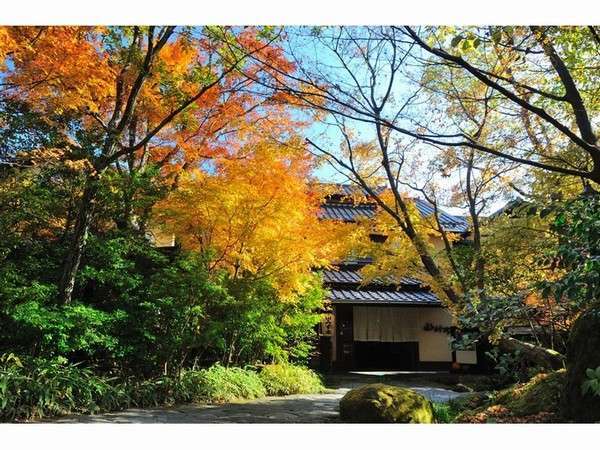 | from US$150/person/night≈ US$300 for 2 | 9.6 93 reviews | Book on Agoda |
 | from US$500/person/night≈ US$1,000 for 2 | 9.6 67 reviews | Book on Booking.com |
 | from US$200/person/night≈ US$400 for 2 | 9.6 56 reviews | Book on Agoda |
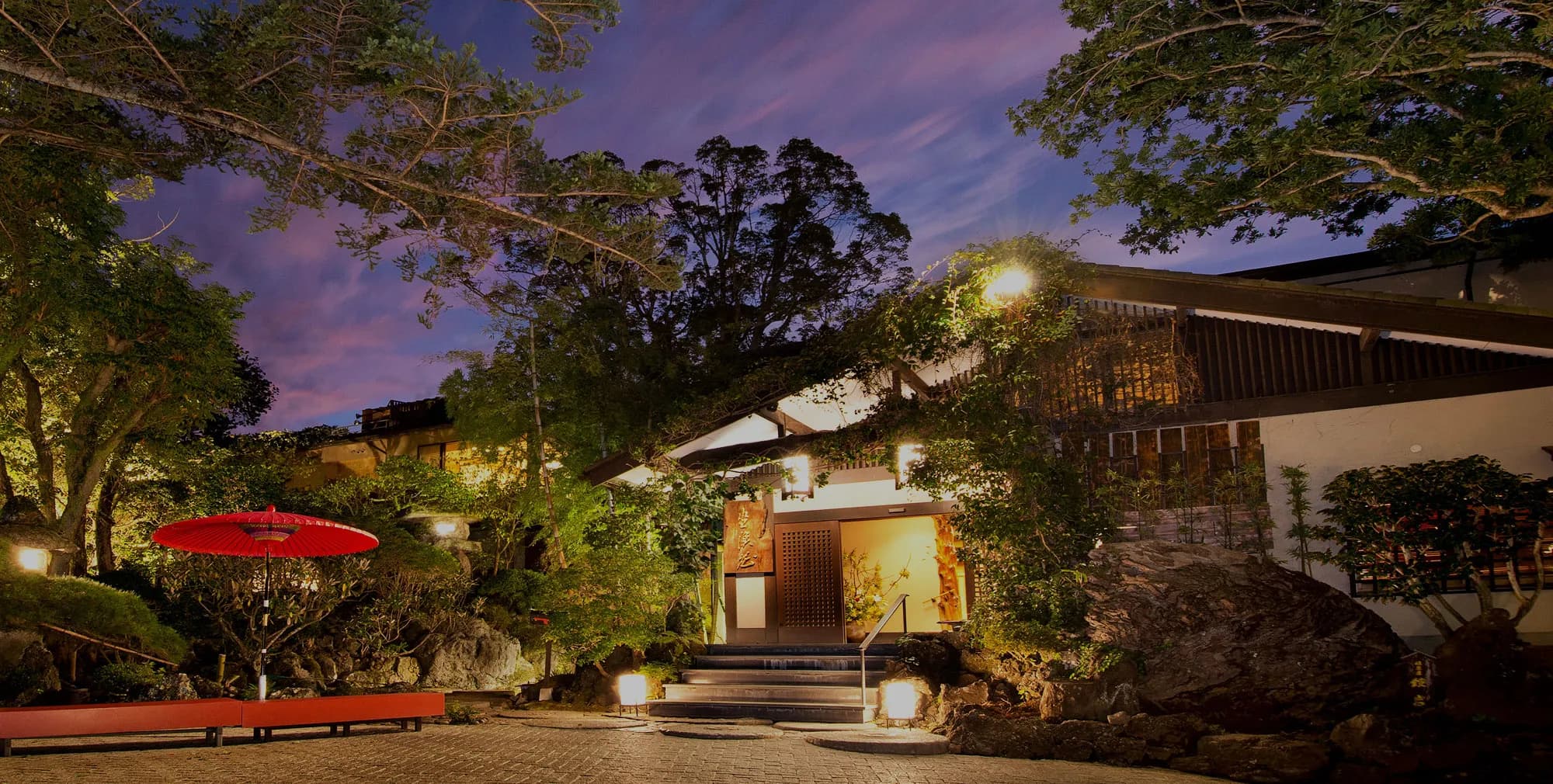 | from US$500/person/night≈ US$1,000 for 2 | 9.6 43 reviews | Book on Booking.com |
 | from US$350/person/night≈ US$700 for 2 | 9.6 14 reviews | Book on Trip.com |
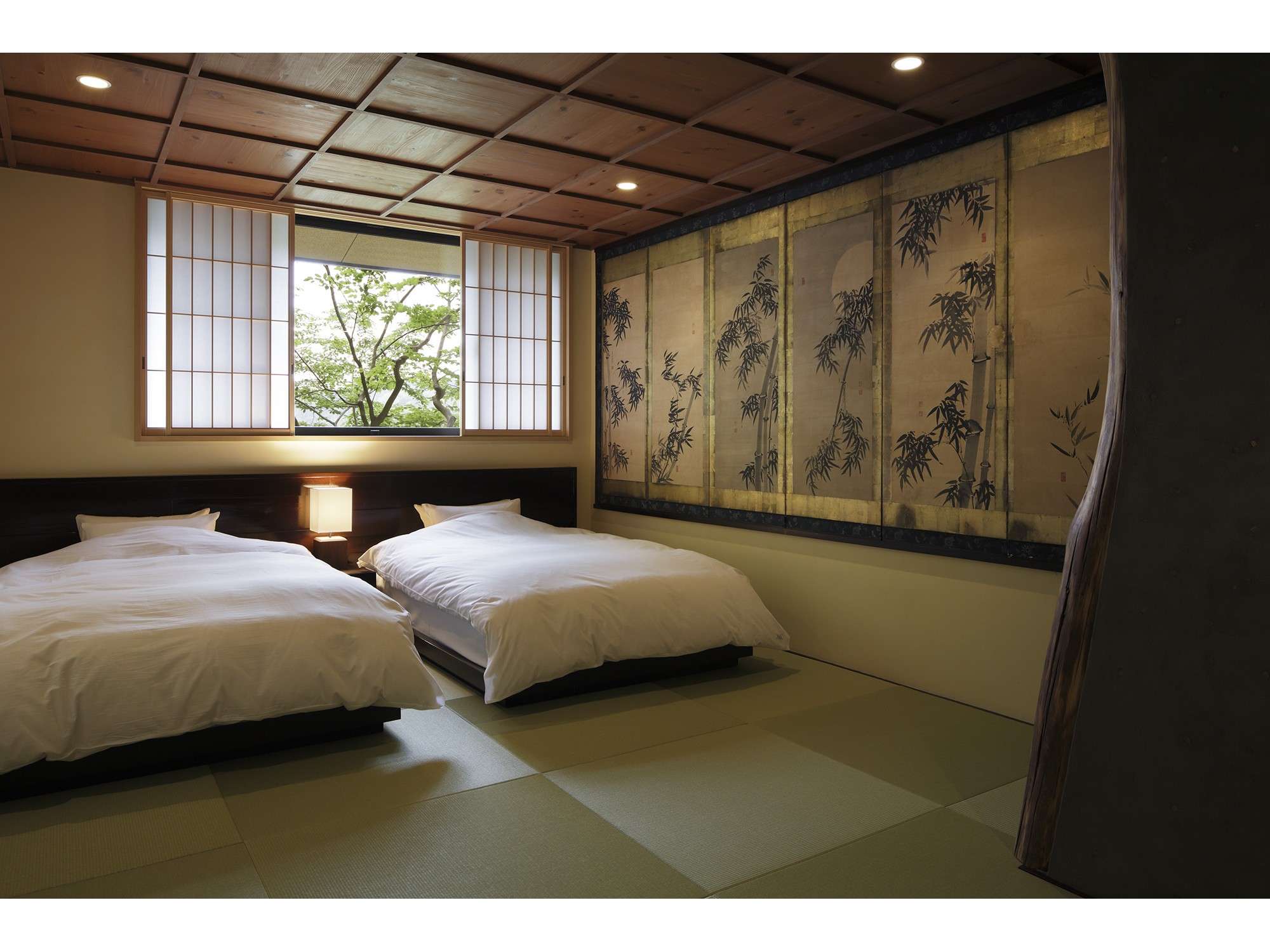 | from US$90/person/night≈ US$180 for 2 | 9.6 6 reviews | Book on Agoda |
| from US$380/person/night≈ US$760 for 2 | 9.6 5 reviews | Book on Trip.com | |
 | from US$200/person/night≈ US$400 for 2 | 9.5 502 reviews | Book on Agoda |
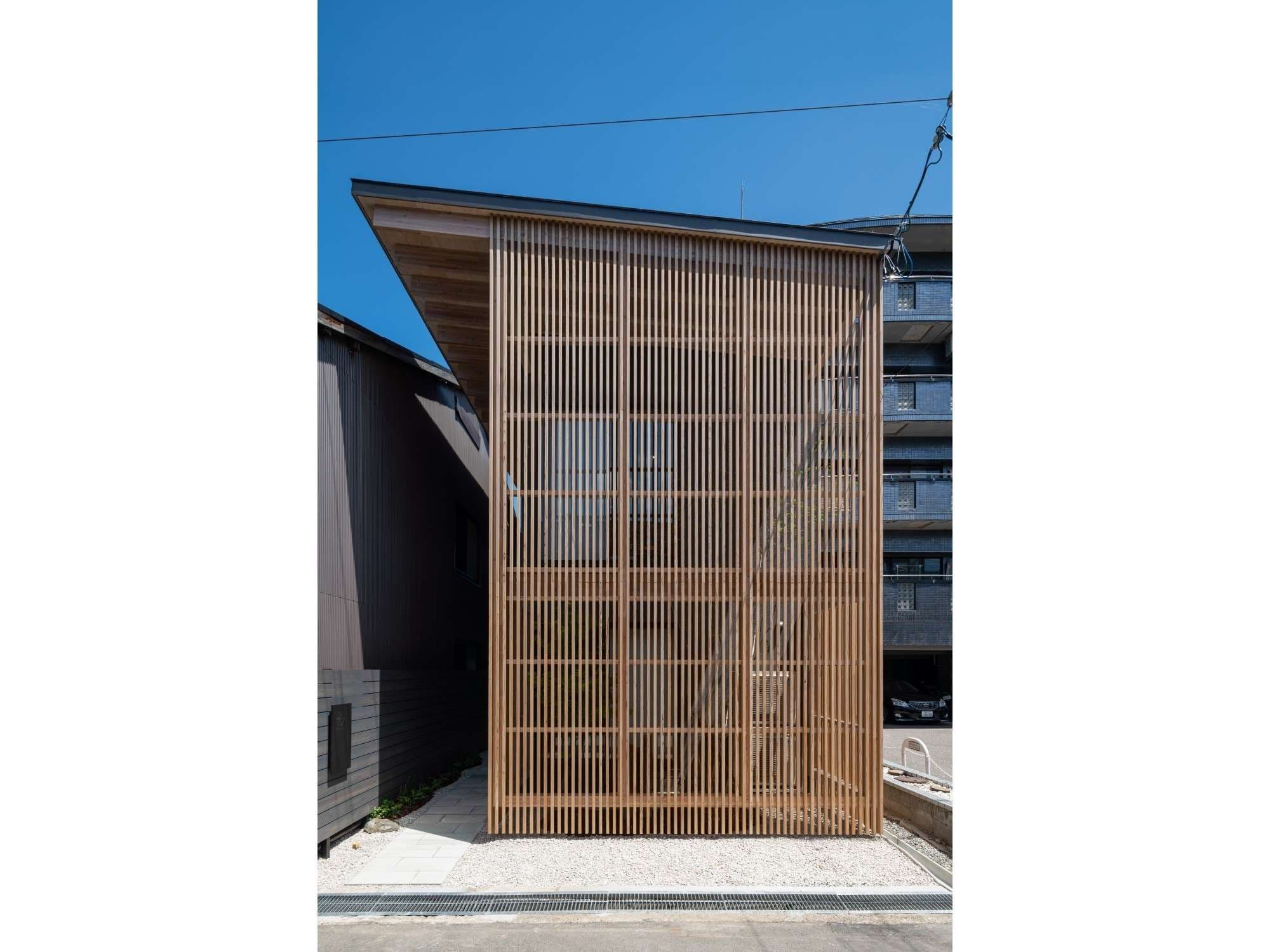 | from US$250/person/night≈ US$500 for 2 | 9.5 162 reviews | Book on Booking.com |
Atami Kakurezato
Atami
Kurokawa-So
Kurokawa
Unzen Kyushu Hotel
Unzen
Atami Sekitei
Atami
Yokikan
Izu
Yamamizuki
Kurokawa
Hotel Yoshimatsu
Ibusuki
Saryo Soen
Akiu
Ryokan Motonago
Kyoto
Gunjo no Tsuki
Kanazawa
Prices shown are approximate starting rates per person per night. We may earn a commission on bookings.
Ready to book?
Book one of these top picks
Compare live availability and prices across booking sites.
Wanosato
倭乃里
Takayama·Luxury
from US$500 · per person · per nightfrom ≈ US$1,000 total for 2 guests



Asaba
あさば
Izu·Luxury
from US$600 · per person · per nightfrom ≈ US$1,200 total for 2 guests
Hoshino Resorts KAI Kinugawa
星野リゾート 界 鬼怒川
Kinugawa Onsen·Luxury
from US$175 · per person · per nightfrom ≈ US$350 total for 2 guests
Booking links may earn us a commission at no extra cost to you.
FAQ
Frequently asked questions
Are ryokans in Japan vegetarian-friendly?+
Most are not by default. When we screened our database for this guide, only 20 ryokans flagged vegetarian capability, and this guide recommends just 7 of them. Confirm directly with the inn, in writing and before booking, that kombu-only dashi can be used for every dish. The core problem is dashi: Japanese kaiseki seasoning relies on bonito (skipjack tuna) stock in most simmered dishes, greens, miso soup, and even tofu preparations. Without explicit pre-booking disclosure, a 'vegetable' kaiseki almost always contains bonito dashi. Seven to fourteen days of advance written notice is the minimum to secure a genuine plant-only meal.
Which ryokan is best for strict vegans in Japan?+
KAI Kinugawa (Nikko, Hoshino Resorts) publishes a vegetarian kaiseki and vegetarian breakfast free of the eight major allergens, on a deadline of 16:00 five days before arrival. That is the KAI brand's standard process — KAI Akiu's dining page says the same. What is not published anywhere is a fully vegan plan, so strict vegans should confirm in writing whether the dashi is kombu-shiitake throughout and whether eggs, dairy and honey are excluded. If you need certainty rather than a negotiation, a Koyasan shukubo serves shojin ryori by religious rule.
What is shojin ryori and where can I eat it near a ryokan?+
Shojin ryori (精進料理) is Buddhist temple cuisine developed over 800+ years by Zen monks — naturally vegan, with no meat, fish, eggs, dairy, or the five pungent plants (onion, garlic, leek, scallion, chive). Umami comes from kombu, dried shiitake, and fermented miso. Koyasan in Wakayama is the most accessible place: 52 of Koyasan's 117 active temples accept overnight guests with shojin meals included. Kyoto's Daitoku-ji temple complex offers shojin lunch at Izusen restaurant without an overnight stay.
Why does 'vegetable kaiseki' often contain fish?+
Because of dashi. Even dishes described as 'vegetable' in kaiseki are typically simmered, seasoned, or dressed with stock made from bonito (skipjack tuna) flakes and kombu — a preparation so standard that many Japanese chefs do not consider it 'fish' in the way Westerners interpret the term. The word 'vegetarian' (ベジタリアン) is often interpreted in Japan as pescatarian — fish allowed. To avoid bonito dashi, you must request kombu-only dashi (昆布だし) explicitly in writing, not just declare yourself vegetarian.
How do I request vegetarian food at a ryokan in Japan?+
Email the ryokan seven to fourteen days before arrival — never rely on the OTA booking platform's 'special requests' field, which fails to reach the kitchen approximately 30% of the time according to HappyCow Japan community data. In your email, specify your exact diet in Japanese: ヴィーガン (vegan), 乳卵菜食 (lacto-ovo vegetarian), or ベジタリアン (general). State explicitly: no dashi (だしなし), no bonito (鰹節なし), kombu-only stock preferred (昆布だしのみ). Request written confirmation of every course substitution. Reconfirm at check-in and separately for breakfast, which often comes from a different kitchen shift.
Is Koyasan the easiest place for vegetarian travelers in Japan?+
Yes — Koyasan is structurally the simplest option for vegetarians and vegans in Japan. Every overnight temple stay (shukubo) includes shojin ryori by religious rule, with no negotiation required. Ekoin and Shojoshin-in are the most English-friendly. Access is 2 hours from Osaka-Namba (Nankai Koya Line to Gokurakubashi, then cable car). Room rates at Koyasan shukubo typically run ¥10,000–¥25,000 per person including both meals — significantly below luxury ryokan pricing while delivering a more authentically vegan meal than any commercial ryokan can guarantee without advance arrangement.
Can the dashi problem be avoided if the ryokan says they accommodate vegetarians?+
Not without verification. Many ryokans that claim vegetarian accommodation prepare 'vegetable' dishes using bonito dashi for all simmered and seasoned components, substituting only the visible meat and fish. Even at ryokans on this guide's verified list, three of four breakfast mix-ups involved bonito dashi in morning miso despite dinner being confirmed kombu-only. The solution: print or screenshot your dietary confirmation in Japanese and show it at check-in, then ask the front desk to flag it again for the breakfast kitchen specifically.
Still deciding?
Browse ryokans across JapanBooking.com