Quick Comparison
10 picks| Ryokan | From | Rating | Book |
|---|---|---|---|
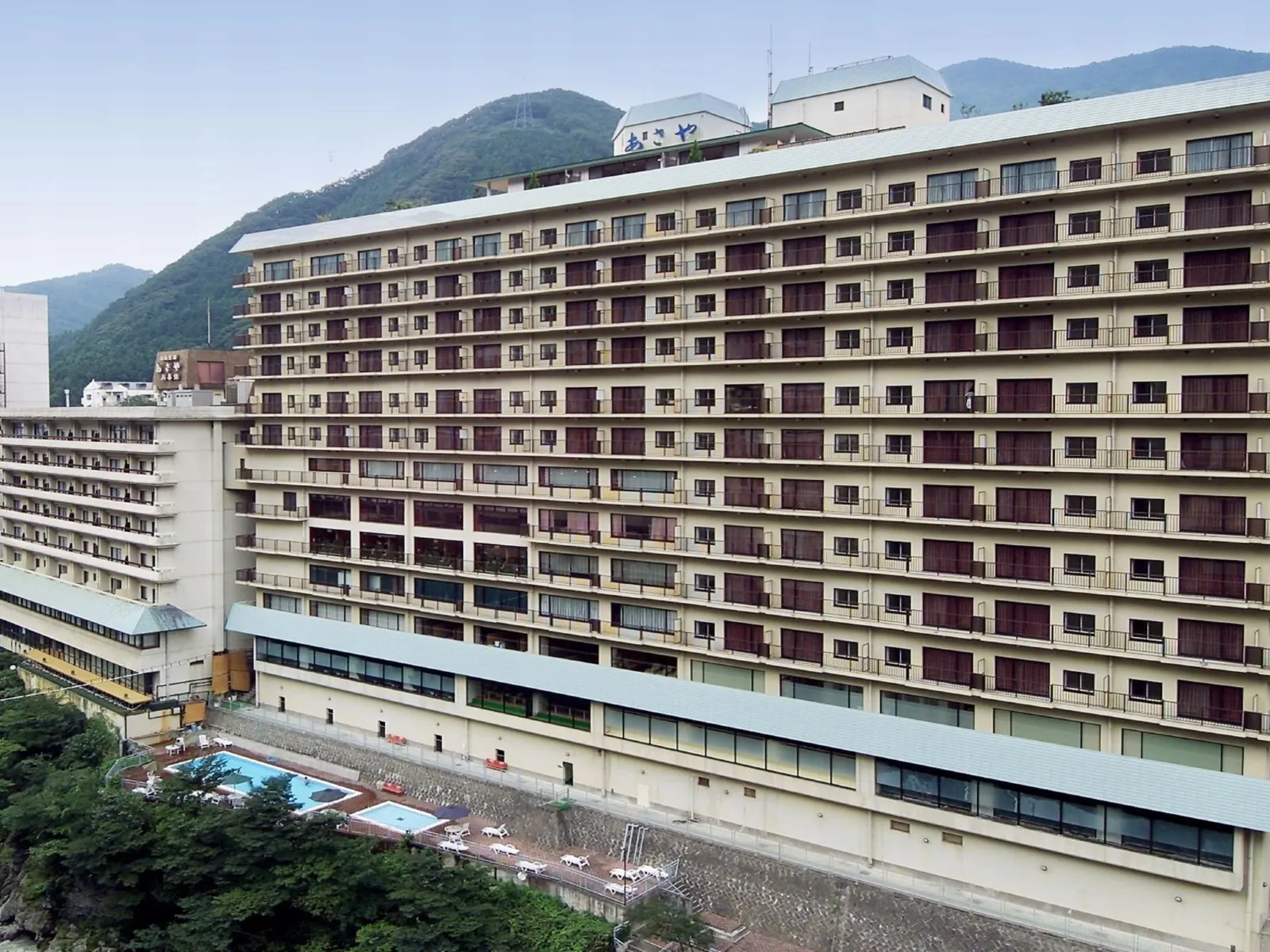 | from US$260/person/night≈ US$520 for 2 | 8.5 2,150 reviews | Book on Agoda |
 | — | 9.0 17 reviews | Book on Agoda |
 | — | 9.0 46 reviews | Book on Trip.com |
 | from US$175/person/night≈ US$350 for 2 | 8.7 93 reviews | Book on Trip.com |
 | from US$240/person/night≈ US$480 for 2 | 8.5 121 reviews | Book on Trip.com |
 | from US$220/person/night≈ US$440 for 2 | 9.4 80 reviews | Book on Trip.com |
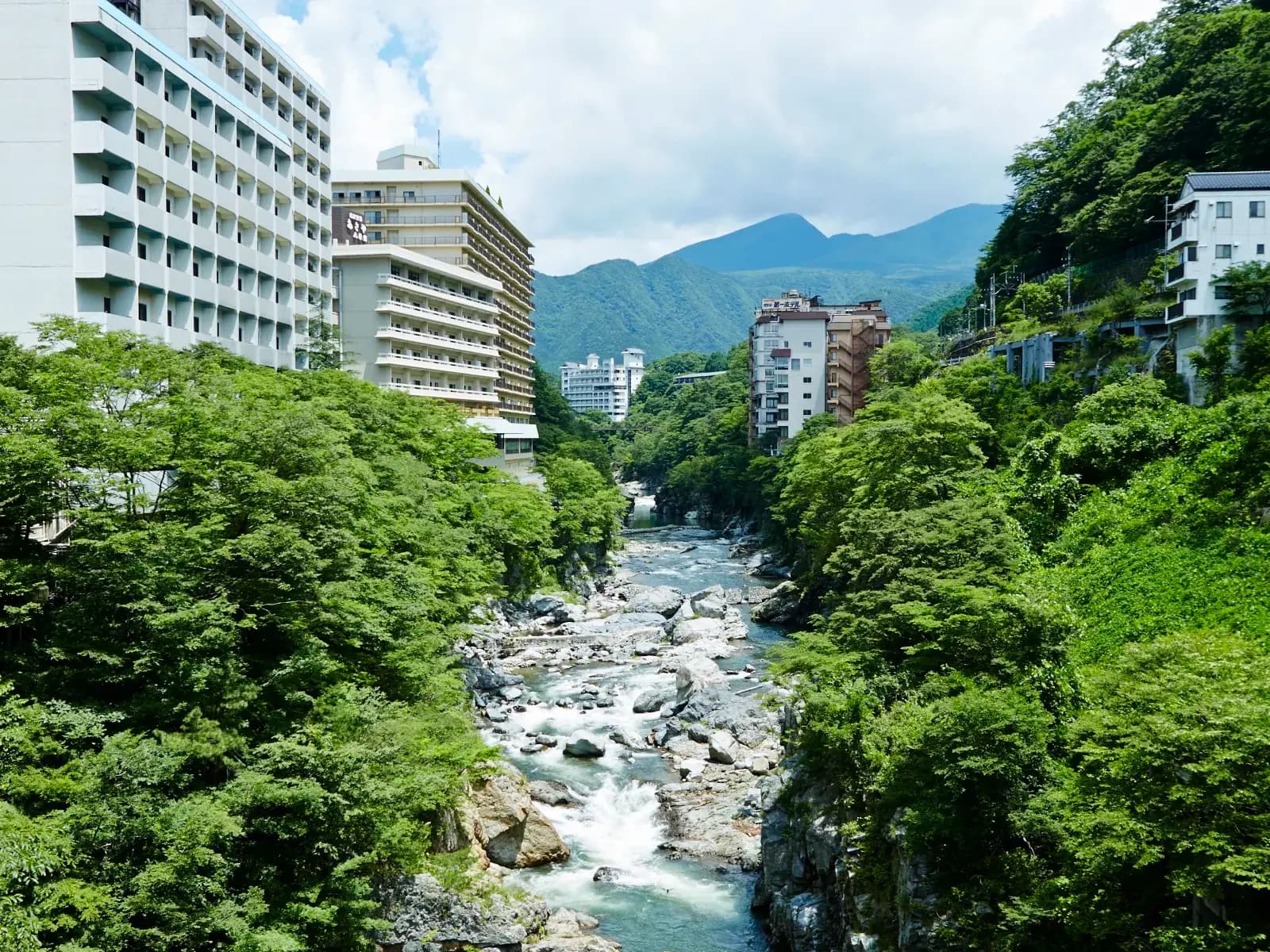 | from US$200/person/night≈ US$400 for 2 | 8.3 1,450 reviews | Book on Trip.com |
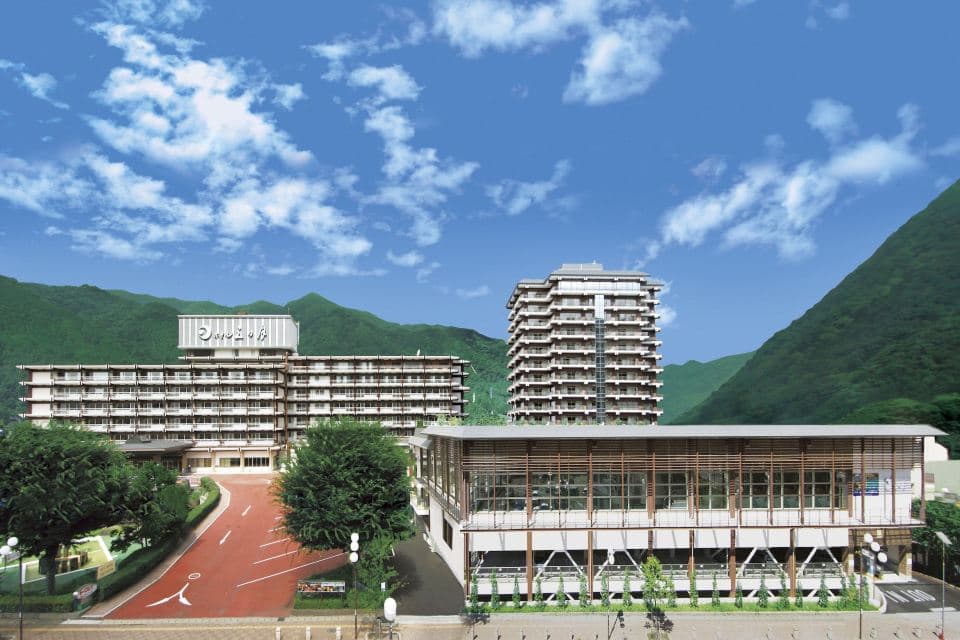 | from US$200/person/night≈ US$400 for 2 | 8.0 262 reviews | Book on Booking.com |
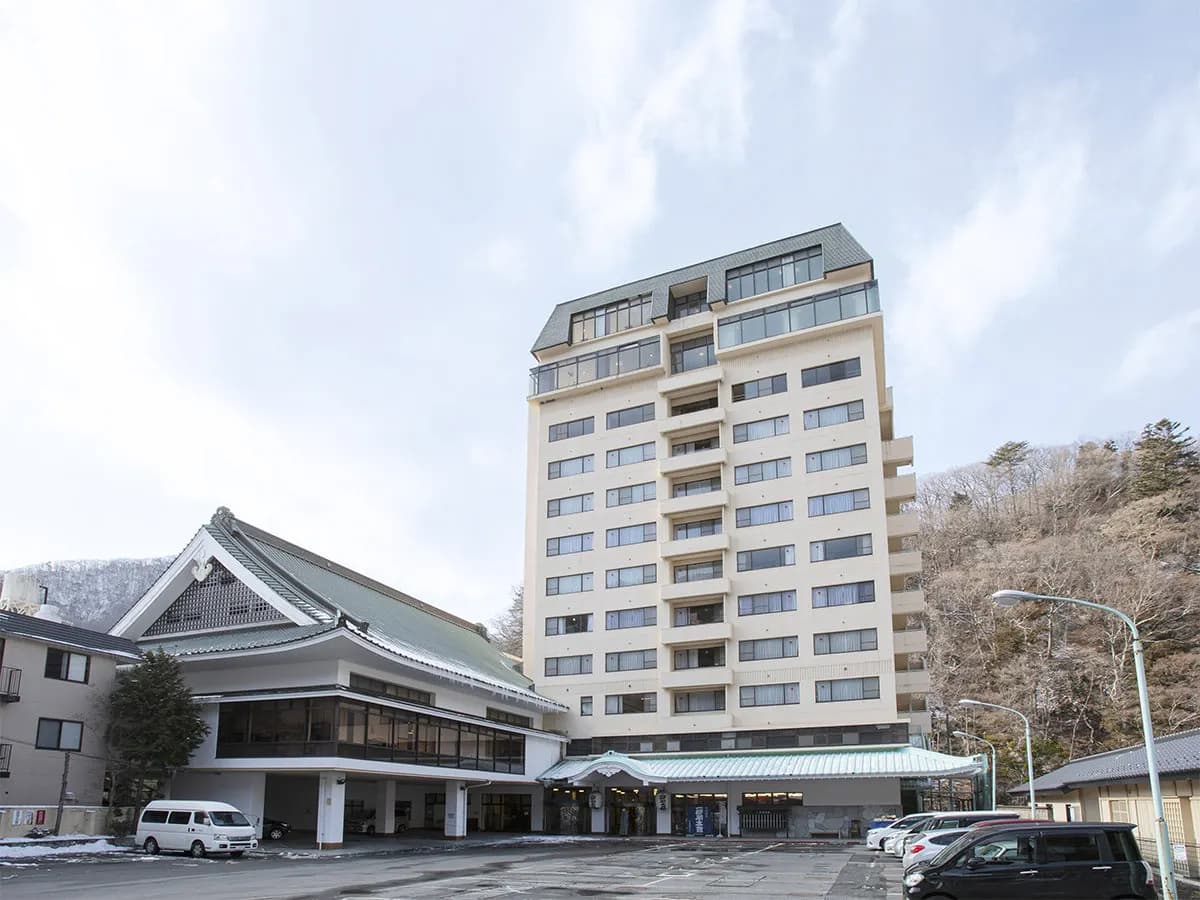 | from US$55/person/night≈ US$110 for 2 | 7.7 43 reviews | Book on Agoda |
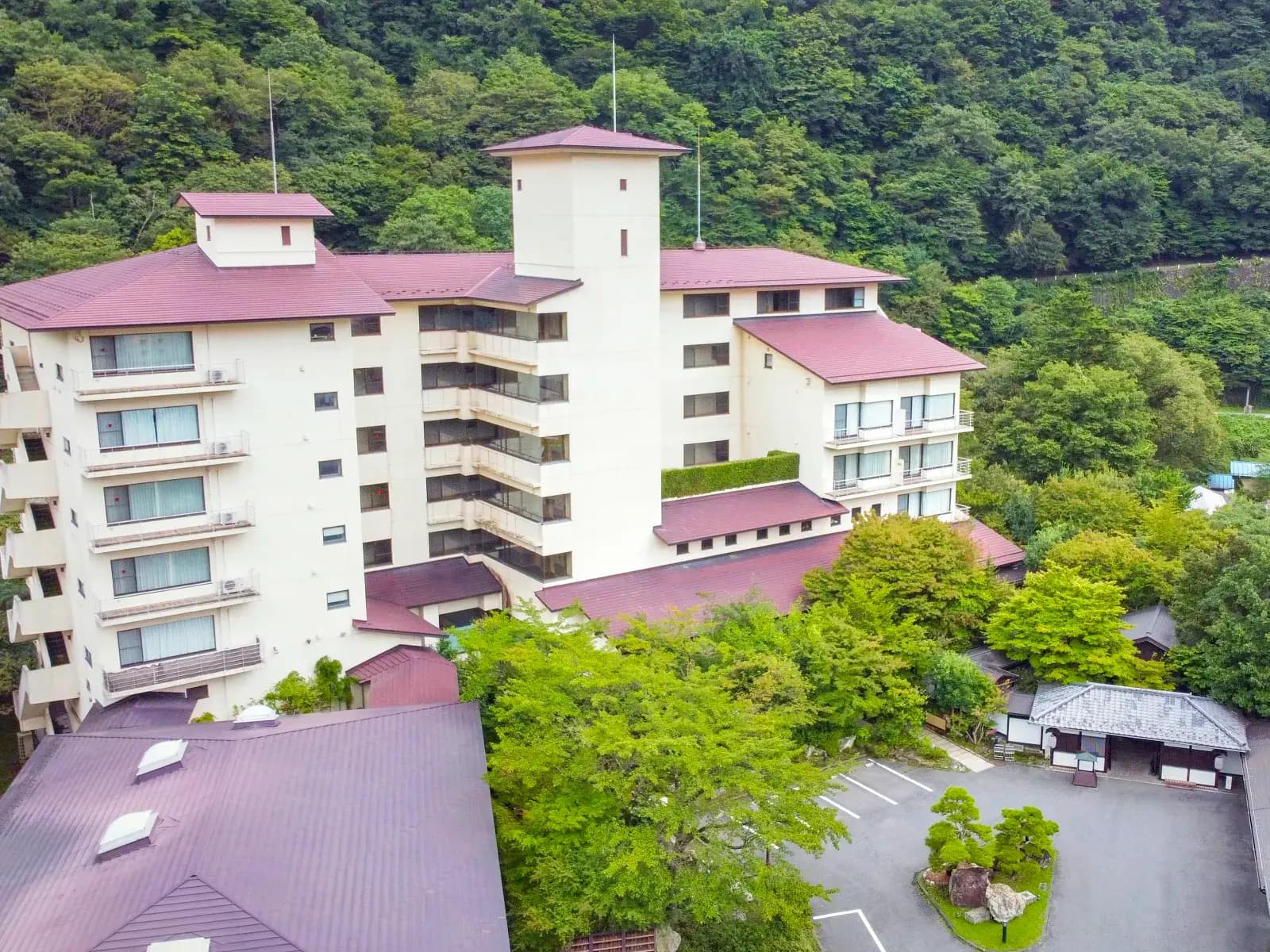 | from US$150/person/night≈ US$300 for 2 | 8.3 15 reviews | Book on Agoda |
Kinugawa Kanaya Hotel
Kinugawa Onsen
Kinugawa Onsen Sanraku
Kinugawa Onsen
Hotel Tsuganoki
Kinugawa Onsen
Kinugawa Onsen Hotel
Kinugawa Onsen
Nikko Kinugawa Hotel Mikazuki
Kinugawa Onsen
TAOYA Kawaji
Kinugawa Onsen
Prices shown are approximate starting rates per person per night. We may earn a commission on bookings.
The best ryokans in Kinugawa Onsen sit about two hours from Tokyo on the Tobu limited express out of Asakusa — close enough for one overnight, far enough that you genuinely feel the city dissolve behind you. Most foreign travelers who end up here arrive after a morning at Nikko's UNESCO shrines and board the local train toward the gorge in the afternoon. That trip shape is baked into this guide. Not sure where to stay in Kinugawa? The ten picks below run from a $55 Kawaji budget hotel to a $900 Hoshino Resorts suite, with real prices, private-onsen flags, and an honest take on the question everyone searches but nobody answers.
What every other article about Kinugawa refuses to do is tell you the price or address the "ghost town" question. This one does both. Yes, roughly 20 buildings stand derelict in the hills above the river — the husks of a group-tour economy that collapsed in the 1990s. And yes, the properties that survived and invested are worth your night. We have 17 ryokans in our database for this area, with real USD price ranges, private-onsen flags, and English-friendly ratings for each one. The range runs from a $55 Kawaji budget hotel to a $900 Hoshino Resorts suite — ten picks covered in detail below.
If you are still weighing Kinugawa against Hakone or Izu, our guide to best onsen ryokans near Tokyo maps the full Tokyo day-trip corridor.
Why Kinugawa Onsen is worth it in 2026 (the honest version)
 Pin to Pinterest
The abandoned-hotel story is real. Around 20 structures, by urban explorer Luke Bradburn's documented count, stand empty on the hillsides above Kinugawa's river road. The two most-photographed ruins are Motoyu Hoshinoya — a gorge-side ryokan that opened in 1925 and closed in 2010 after 85 years of operation — and Kinugawakan Honten, which operated from 1942 until 1999 and is remembered for its kappa-themed bath. A 2021 feasibility study by Nikko City and Utsunomiya University found demolition unworkable: title disputes and an estimated ¥600 million price tag made clearing the site impractical. The city sealed the buildings against trespass in March 2022. They remain standing today.
The context matters. Kinugawa was built for Japanese corporate group tours — think company retreats for 200 people, company buses, company karaoke. When that model collapsed with the bubble economy in the early 1990s, the properties that depended on volume died. What survived was a different kind of place.
The survivors have invested. Asaya Hotel — founded in 1888 and the oldest property in Kinugawa — added a 13th-floor sky-garden open-air bath that is now the highest bath in the gorge. Hoshino Resorts brought its KAI brand in, filling 48 rooms with Tochigi folk-craft textiles and Mashiko ceramics. TAOYA Kawaji opened in February 2025 in the quieter upstream sub-area, adults-only and all-inclusive. Kinugawa Kanaya Hotel, built by the grandson of the founder of the Nikko Kanaya Hotel (Japan's first Western-style resort, 1893), carries 140 years of Kanaya family hospitality into a 41-room property.
The weaknesses are real too: some parts of the main strip feel quiet in low season, transport is almost entirely shuttle-dependent, and English menus are rarer here than in Hakone or Kyoto. None of that changes the decisive advantage: Nikko's UNESCO World Heritage shrines, Kegon Falls, and cedar avenues are 30 minutes away by local train. Kinugawa's best properties are worth a dedicated overnight once you know which ones they are.
How to get to Kinugawa Onsen from Tokyo
Route 1 (recommended): Tobu Asakusa Station → SPACIA, REVATY Kinu, or SPACIA X limited express → Kinugawa-Onsen Station. Travel time is approximately 2 hours. Fare: ¥3,040–¥3,730 one-way depending on train type and whether you travel on a peak or off-peak day (Tobu introduced peak/off-peak pricing from March 2025). The SPACIA X private compartment is a significant upgrade at ¥8,000+ extra. No transfers required — this is the cleanest route for non-Japanese speakers.
Route 2 (JR Pass holders): Shinjuku → JR Limited Express Kinugawa, approximately 2 hours, approximately ¥4,140. This is a joint JR East/Tobu operation. Important caveat: only one return service runs per day in each direction — check the timetable before committing. JR Pass holders can use the JR sections but must pay the Tobu surcharge separately.
Nikko first, Kinugawa second: This is the natural itinerary. Tobu Nikko Station → Kinugawa-Onsen Station via local train (transfer at Shimo-Imaichi): about 30–35 minutes, ¥330 base fare. Frequency is one to three trains per hour. It makes the Nikko-morning-to-Kinugawa-afternoon structure trivially easy.
Tip
Pass note: The Tobu Nikko All Area Pass official page (foreigners only — non-Japanese passport required) costs ¥8,000 for adults and ¥4,000 for children, valid for 4 consecutive days. This was significantly repriced in 2025 — you may see the old ¥4,780 figure cited elsewhere, but that figure is outdated. The pass covers the Asakusa ↔ Shimo-Imaichi round trip plus unlimited travel between Shimo-Imaichi, Tobu-Nikko, and Kinugawa. If you are combining Nikko and Kinugawa, run the numbers: two round trips on the limited express plus the local transfer will get close to ¥8,000 without a pass.
Quick comparison: 10 Kinugawa Onsen ryokans at a glance
All prices are per room per night for two people. Most traditional ryokans include kaiseki dinner and Japanese breakfast in the rate; large hotel properties typically offer buffet dining. Verify meal inclusion on the OTA before booking — some listings separate room-only and half-board plans.
| Property | Tier | Price (USD/night) | Rating (/10) | Private Onsen | English-Friendly | Station Walk |
|---|---|---|---|---|---|---|
| Nanaeyae | Mid | $220–400 | 9.4 | No | Yes | 5 min |
| Asaya Hotel | Luxury | $260–700 | 9.0 | Yes | Yes | 5 min (shuttle) |
| Kinugawa Kanaya Hotel | Luxury | from ~$450 | 9.0 | Yes | Yes | 3 min |
| Kinugawa Onsen Sanraku | Luxury | from ~$250 | 9.0 | Yes | Yes | 5 min (shuttle) |
| KAI Kinugawa | Luxury | $520–900 | 8.7 | Select rooms | Yes | 15 min (shuttle) |
| Bettei Sasane | Luxury | $480–850 | 8.7 | Yes (all rooms) | No | 8 min (Koen Stn, shuttle) |
| Hotel Tsuganoki | Luxury | $240–450 | 8.5 | Yes (all rooms) | No | 12 min (shuttle) |
| Kinugawa Grand Hotel Yume no Toki | Mid | $190–340 | ~8.9 | Yes | Yes | 8 min (shuttle) |
| Nikko Kinugawa Hotel Mikazuki | Mid | $200–480 | 8.0 | Yes | Yes | 3 min |
| Kawaji Ichiryukaku Honkan | Budget | $55–110 | 7.7 | No | No | 15 min (Kawaji Stn, shuttle) |
Sanraku price from ~$250 verified Trip.com 2026-07-10. Kanaya price from ~$450 verified KAYAK/Trip.com 2026-07-10. Yume no Toki rating ~8.9 verified Booking.com search snippet 2026-07-10.
Want to filter by private onsen, price, or English-friendly staff? Browse all 17 properties on our Kinugawa Onsen area page.
Luxury ryokans in Kinugawa Onsen ($240–900/night)
Asaya Hotel — Kinugawa's oldest property, best rooftop views ($260–700)
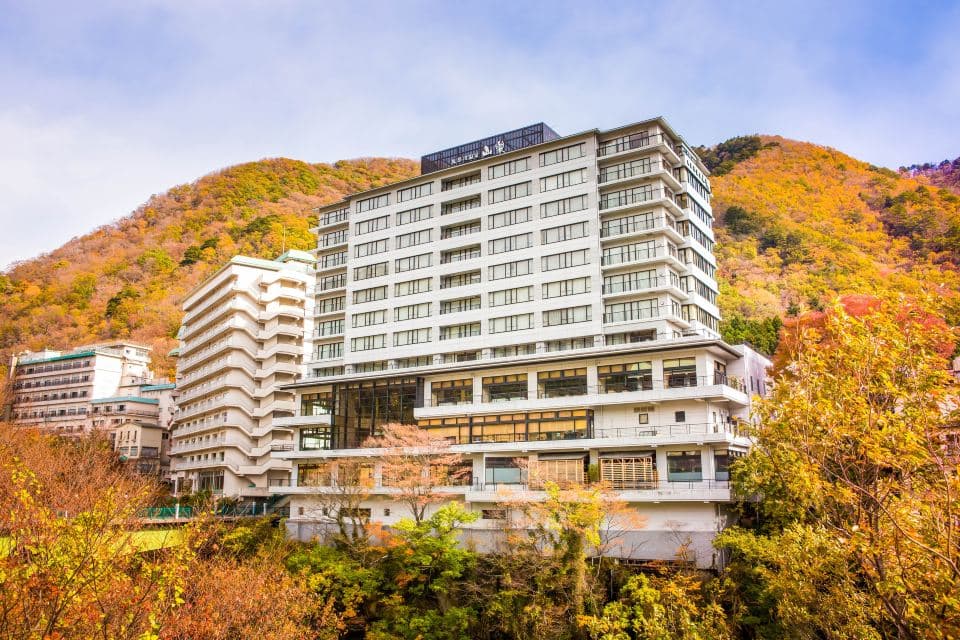
Asaya was founded in 1888, making it the oldest hotel in Kinugawa Onsen, and the property has leaned into its longevity rather than apologizing for the years. The signature experience is the 13th-floor sky-garden open-air bath — the highest bath in the gorge, with views down the canyon that are rare in this region. This is Kinugawa's flagship large onsen hotel: 192 rooms, a well-organized front desk, and the kind of infrastructure that handles international guests without friction.
Rating 9.0/10 across 1,893 reviews is the most statistically reliable number on this list by review count — it means the high score isn't a fluke. Tattoo policy is confirmed cover-up for public baths, making this one of only two confirmed tattoo-accessible properties in the area.
Worth knowing: rooms at the upper end push $700, which is real money for what is still a large resort-format hotel. The shuttle is required — you can't walk from the station, and it isn't guaranteed for late arrivals. Reserve it when you book.
Tip
Tattoo note: Only Asaya Hotel and TAOYA Kawaji have confirmed cover-up policies among Kinugawa properties with public baths. If tattoos are a concern and you want certainty, book a room with a private in-room onsen — most luxury properties here offer this, and public bath restrictions don't apply to your own bath. Full policy breakdown across 50+ properties: tattoo-friendly ryokans in Japan.
Kinugawa Kanaya Hotel — 140-year family lineage, 3-min station walk (from ~$450)
The Kanaya name carries weight in this part of Tochigi. Zenichiro Kanaya opened a small guest cottage in 1873 and founded the Nikko Kanaya Hotel in 1893 — Japan's first full-scale Western-style resort. The Kinugawa property is a branch built by his grandson Senji "John" Kanaya, who opened it in 1978 and had it renovated in 2012. The lineage matters because you can feel it in the operational details: 41 rooms, each with a wooden-deck terrace over the river valley, private onsen bath, and English-friendly staff who have clearly dealt with international guests for decades.
The location is the best of any luxury property here: 3 minutes on foot from Kinugawa-Onsen Station, no shuttle required. Pricing starts from approximately $450/night and can climb to $1,000+ for upper rooms and suites in peak season, putting it firmly at the top of the luxury bracket alongside KAI.
One practical gap: tattoo policy is not confirmed — contact the property directly if this matters to you. Review count is low at 17, which reflects the property's niche clientele rather than a quality problem.
Kinugawa Onsen Sanraku — all 49 rooms face the river (from ~$250)
All 49 rooms at Sanraku face the Kinugawa directly — no courtyard-view compromise here. The signature bath is a hinoki (Japanese cypress) open-air pool set at river level, where the sound of the gorge carries into the steam. It's not a design-forward property; it's the classic Kinugawa Onsen ryokan experience executed with care.
English-friendly staff, all three OTAs available for international booking, and a 9.0/10 rating on Trip.com (46 reviews). Pricing from approximately $250/night for two with two meals.
Two things to flag: tattoo policy is not confirmed, and a shuttle is required from the station (5 minutes). Neither is unusual for properties in this tier, but good to know before you arrive.
Hoshino Resorts KAI Kinugawa — Tochigi folk-craft rooms, select private baths ($520–900)
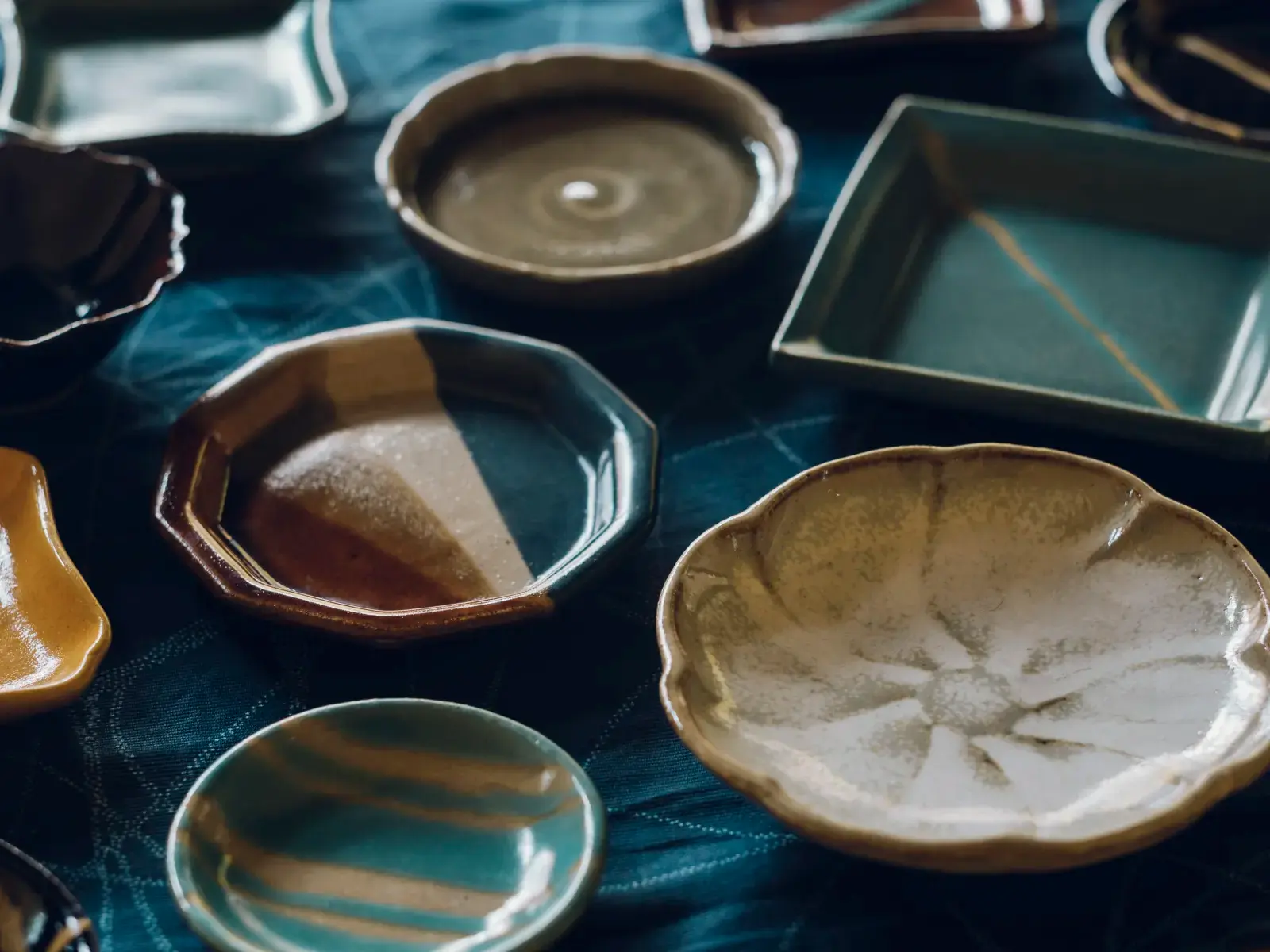
KAI is Hoshino Resorts' onsen ryokan brand, launched in 2011 and now running 24 resorts across Japan. The Kinugawa property sits above the river on a forested hillside, with 48 rooms designed around Tochigi's craft traditions: Mashiko ware ceramics, Kurobane indigo-dyed textiles, and Oya stone architectural details. It's the most culturally immersive of the Kinugawa properties, and the international booking infrastructure is the most polished — English website, multilingual OTA links, the full Hoshino service layer.
One important correction from what you'll read on other sites: not every room has a private open-air bath. Approximately 20 of the 48 rooms have private baths; the remaining guests use two shared onsen facilities (indoor and outdoor, gender-separated). If a private bath is non-negotiable for you, book one of the room types explicitly listed with kashikiri-onsen and confirm it at checkout.
At $520–900/night, this is among the most expensive properties in our picks. The 15-minute shuttle from the station is the furthest of the main Kinugawa properties. Tattoo policy is unconfirmed — contact the property before booking.
For a full list of private-onsen properties across Japan, see our guide to private onsen ryokans in Japan.
Bettei Sasane — 16-room gorge-view annex, book direct only ($480–850)
Bettei Sasane is an annex of the riverside ryokan Wakatake-no-Sho, and it operates on a different logic from everything else in Kinugawa. Sixteen rooms. Every single one of them has a semi-open-air private onsen bath with hot spring water flowing directly from the source, overlooking the gorge. There are no shared baths to navigate. There is no OTA link to click through.
That last point is important. Bettei Sasane does not list on Trip.com, Booking.com, or Expedia. Zero URLs in our database. You book through the property's own website (wakatakenosyou.co.jp/sasane/) or by calling. Staff are Japanese-only on-site — bring a translation app. The shuttle from Kinugawa-Koen Station is 3 minutes, but must be reserved in advance.
Rating 8.7/10 from 73 reviews. The low review count is a function of how few people know this place exists, not quality. If you want maximum seclusion and don't mind the research effort, this is the pick.
View full details and contact information on our Bettei Sasane detail page.
Hotel Tsuganoki — 11 rooms, every one with a private open-air bath ($240–450)
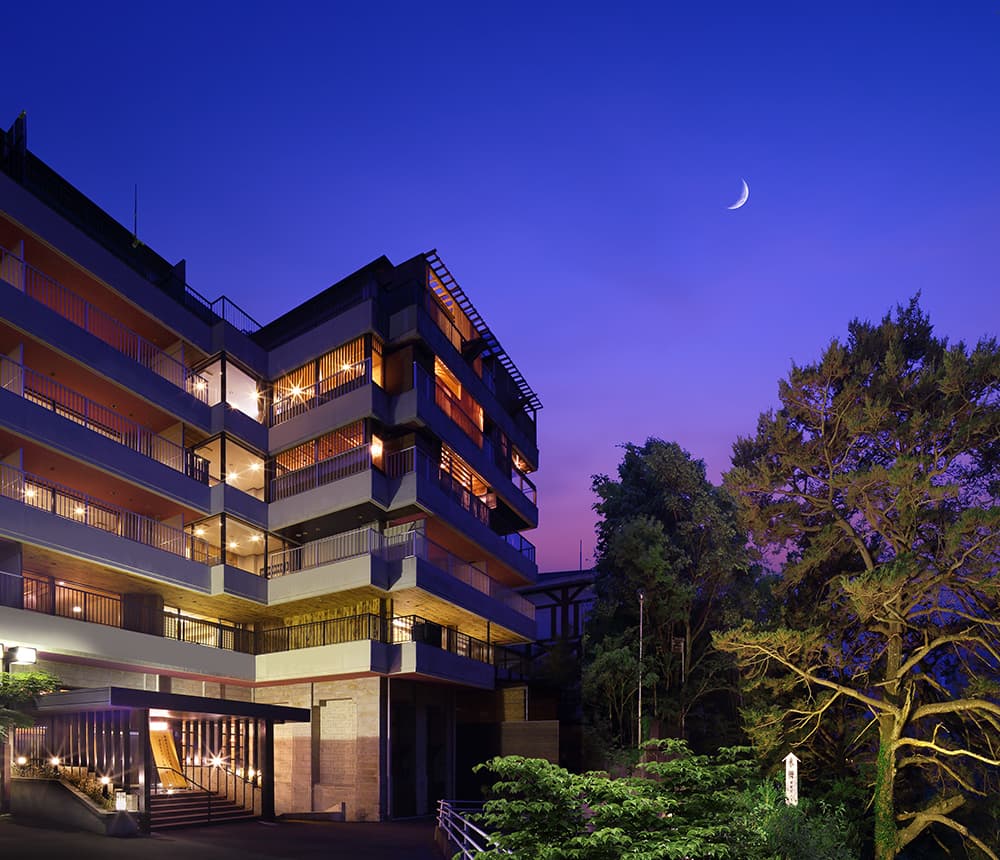
If a private soak is the non-negotiable and KAI Kinugawa or Bettei Sasane prices are too steep, Tsuganoki is the answer: 11 rooms, 11 differently styled private open-air baths, floor price $240. That 11-for-11 ratio is the highest private-onsen density of any property in our Kinugawa database. Rating 8.5/10 from 121 reviews — solid, consistent, no surprises.
No English staff — use Trip.com or Booking.com for the booking itself, and load a translation app for arrival. Shuttle required; confirm pickup when you book (about 12 minutes from Kinugawa-Onsen Station). Tattoo policy is unconfirmed.
Mid-range ryokans in Kinugawa Onsen ($190–480/night)
Nanaeyae — highest-rated ryokan in Kinugawa, 5-min walk from station (9.4/10, $220–400)
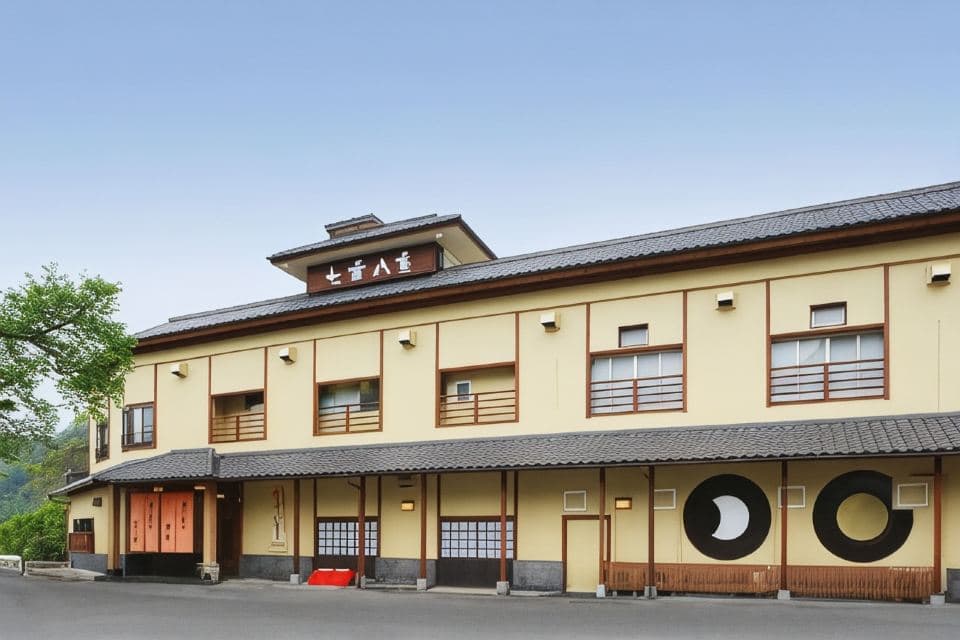
The name translates roughly as "layers upon layers," which fits the experience: careful service built up quietly over time. Nanaeyae holds a 9.4/10 rating across 80 reviews — the highest rating of any property in our 17-entry Kinugawa database. It's a small, intimate ryokan five minutes on foot from Kinugawa-Onsen Station, no shuttle needed. The valley-view open-air bath is the draw.
English-friendly staff and a walkable station location make it among the easiest properties for first-timers to navigate. Price $220–400/night for two with meals.
No private onsen, and the tattoo policy is not_allowed in the public baths. Tattooed travelers should look at Asaya (cover-up policy) or any of the private-bath properties above.
Tip
Booking timing: Mid-range Kinugawa properties fill fast on autumn foliage weekends — peak color runs late October to mid-November. Book 6–8 weeks ahead for Saturday nights in that window. Spring cherry blossom (early April) is the second peak. Summer weekdays are the least crowded and typically 20–30% cheaper; the onsen experience doesn't change.
Kinugawa Grand Hotel Yume no Toki — nine-bath circuit + five private baths ($190–340)
The "bath maximalist" pick in the mid tier. Yume no Toki runs two contrasting bathhouses with a nine-bath circuit — you can spend the better part of a morning moving through different water temperatures, indoor and outdoor, rock-edged and cedar-lined. Then there are five separately reservable private open-air baths for couples who want a more personal soak. The setting is a hilltop garden above town rather than a riverside slot.
Rating approximately 8.9/10 on Booking.com. English-friendly. Price $190–340/night for two. Note: only an Expedia link is available in our database — Trip.com and Booking.com direct URLs are not present. Tattoo policy is unconfirmed; shuttle required (8 minutes from station).
Kinugawa Onsen Hotel — riverside classic by the Fureai Bridge ($200–360)
The Fureai Bridge is one of the better vantage points on the gorge, and Kinugawa Onsen Hotel sits right alongside it — a 162-room riverside property large enough to usually have availability when other places are full. The scale means a busier lobby and buffet-style dining rather than an intimate kaiseki service, but two reservable private open-air baths let couples carve out a quieter soak when the shared baths feel crowded.
English-friendly staff and access through all three OTAs. Rating 8.7/10 from 93 reviews — well-reviewed for a property this size. The 8-minute shuttle from the station is the main practical friction; tattoo policy is unconfirmed.
Nikko Kinugawa Hotel Mikazuki — 22 bath types, 3-min station walk ($200–480)
Mikazuki renewed as an all-inclusive dining format in March 2025 — breakfast, welcome lunch, dinner, and nighttime dining are all covered in the rate, which changes the value calculation significantly at the $200+ level. The property has approximately 22 bath types, including the "Opu-ro & Water Terrace," an outdoor swimwear onsen pool area that is rare in the ryokan category and practical for groups or families who want to use a pool together.
Three minutes from Kinugawa-Onsen Station on foot makes it one of three genuinely walkable properties. All three OTAs available. Rating 8.0/10 (262 reviews) is the lowest of the mid-tier picks, and the large resort scale (around 259 rooms) trades away the intimate ryokan feel. If the onsen variety and station access matter more than atmosphere, this is your pick. Tattoo policy unconfirmed.
Budget ryokan in Kinugawa: Kawaji Ichiryukaku Honkan ($55–110/night)
Kawaji Ichiryukaku Honkan is the only sub-$150 option in our database, and it suits a specific traveler: someone on a Nikko Pass who wants one night in a Japanese hot spring bath without rebuilding their entire budget. It's a large-format budget onsen hotel in Kawaji (about 20 minutes further up the Tobu line from Kinugawa-Onsen Station), with buffet dinner, free-flow drinks, and a hinoki open-air bath overlooking the gorge. If you can navigate check-in with a translation app and your goal is that outdoor bath in a Japanese river gorge for under $70 a person, this delivers it.
Rating 7.7/10 from 43 reviews. No English staff — book via OTA, bring a translation app. No private onsen. Shuttle required (15 minutes from Kawaji-Yumoto Station). No confirmed tattoo policy.
This is not an intimate ryokan experience. The gorge view from the hinoki bath is the draw — full stop. Everything else is budget-hotel standard.
Kawaji Onsen: the quieter alternative (20 min further upstream)
Most ryokan guides treat Kinugawa and Kawaji as one place. They're not. Kawaji Onsen is a separate sub-area on the same Tobu Kinugawa Line, about 20 minutes beyond Kinugawa-Onsen Station at Kawaji-Yumoto Station. Fewer crowds, less commercial, greener. The spring character also differs — Kawaji has a dedicated cherry blossom strip along the river in early April.
For the most scenic approach to Kawaji, skip the train and walk it: the Ryuokyo Gorge trail (6km, approximately 3 hours, free) runs from Ryuokyo Station — 12 minutes from Kinugawa-Onsen Station by train — all the way to Kawaji Onsen, with Rainbow Waterfall and a suspension bridge along the route. Land leeches are present April through November in rainy season; proper footwear is required.
The waters are similar in composition: both Kinugawa and Kawaji springs are alkaline simple hot springs (tanzyun onsen) — colorless, low-mineral, gentle on skin. The old folk saying distinguishes them by effect: "Kawaji for wounds, Taki (Kinugawa) for burns." Practically, you'll notice the quiet more than the chemistry.
Three of our ten picks are in Kawaji.
TAOYA Kawaji — adults-only, all-inclusive (with caveats), opened 2025 ($150–280)
TAOYA Kawaji opened February 1, 2025, in the building formerly occupied by Hoshino Resorts KAI Kawaji (which itself opened in 1994 as "Den Shichi"). The Ooedo Onsen Monogatari group repositioned it under the TAOYA all-inclusive brand, and the result is the most interesting new property in the Kawaji/Kinugawa area by some distance.
What "all-inclusive" actually means here: lounge beverages, alcoholic and soft drinks during dinner, and facility usage fees are included. The buffet restaurant "Hoshizukiyo" is the dining centerpiece, using regional ingredients. This is not a full open-bar-all-day situation — the format is closer to European half-board-plus than a Caribbean resort package. Rate starts from approximately ¥21,200 (about $140) per person for two guests.
Tattoo policy is confirmed cover-up — the second confirmed tattoo-accessible property after Asaya. Adults-only means no children are permitted. Rating 8.3/10 from 15 reviews — too new to have a track record, but the parent company has a long operational history in the onsen resort space.
No English staff on-site, but all three OTAs (Trip.com, Booking.com, Expedia) are available for booking.
Iwai-no-Yado Juan — rustic bamboo rock bath in Kawaji ($150–260)
Iwai-no-Yado Juan sits quieter than anything on the main Kinugawa strip. The signature is a two-tier rock open-air bath set among bamboo — the kind of bath that looks like it grew out of the hillside rather than being installed in it. Private onsen available. Rating 8.0/10.
No English staff, and review count is not available in our database — we can't tell you how many people rated it. The three-OTA availability (Trip.com, Booking.com, Expedia) means international booking works fine. Shuttle required from Kawaji-Yumoto Station (approximately 8 minutes); tattoo policy unconfirmed.
The Nikko + Kinugawa 2-day itinerary
If you're based in Tokyo and have decided on a ryokan overnight, the Nikko-first-Kinugawa-second shape is almost always the right call. You get Japan's most famous Edo-period shrine complex in the morning, then a river gorge onsen by evening. The Nikko Kinugawa itinerary below runs on the Tobu network and is bookable entirely without a JR Pass. If you'd rather base yourself in Nikko for both nights, see our best ryokans in Nikko guide.
 Pin to Pinterest
Day 1 — Nikko morning, Kinugawa evening
Leave Asakusa on the first SPACIA of the day (around 7:10am). You'll arrive at Tobu-Nikko Station around 9am. Toshogu Shrine and Yomeimon Gate take 1.5–2 hours at a relaxed pace; the cedar avenue walk up to the shrine complex is where the scale of the place becomes clear. Kegon Falls and Lake Chuzenji are 30 minutes by bus from Nikko if you have the afternoon — or save the bus time and eat lunch in town, which is pleasant and unrushed.
Afternoon transfer: Tobu Nikko → Kinugawa-Onsen Station. About 30–35 minutes on the local train, change at Shimo-Imaichi. Fare ¥330 (or included in the NIKKO PASS). Plan to arrive at your ryokan between 3pm and 4pm — most check-in windows start there. Onsen, kaiseki dinner, second onsen.
Day 2 — Morning bath, optional attraction, return
The morning open-air bath in pre-breakfast light is one of those experiences that justifies the whole trip. Japanese breakfast after. Check-out is typically 10 or 11am.
If you have an afternoon: Edo Wonderland (Nikko Edomura) is a full-scale Edo period theme park about 10 minutes from Kinugawa-Onsen Station. NIKKO PASS holders receive ¥300 off the ¥5,800 adult admission, plus the shuttle bus is covered. Or try Tobu World Square, a 1:25 scale model park with confirmed NIKKO PASS discounts (exact discount amount varies — check the Tobu World Square official site before visiting). Both are low-effort, high-novelty.
Return to Tokyo from Kinugawa-Onsen Station on the SPACIA — approximately 2 hours to Asakusa.
Tip
The Kinugawa Line Kudari river boat cruise is worth an hour if your timing works out: a 40-minute boat ride through the gorge rock formations, operating mid-April to late November (¥3,200 boat-only or ¥3,500 with return shuttle bus; children from ¥2,200). Departures every 35 minutes from 9am. Cancel-prone in heavy rain.
Best time to visit Kinugawa Onsen
Autumn foliage (late October to mid-November): Peak color at Kinugawa arrives late October and holds through mid-November — don't book based on the "mid-October" dates you'll see on some sites, as the color typically hasn't fully developed yet. This is the busiest and most expensive season. Book weekend nights 6–8 weeks ahead.
Spring cherry blossom (late March to early April): Quieter than Hakone or Kyoto during the same window. Kawaji has a dedicated cherry blossom strip along the river.
Summer (June–August): Least crowded and 20–30% cheaper than autumn. The Kinugawa Line Kudari river cruise runs this season, and the gorge scenery is good in green. Kawaji hosts cormorant fishing events on summer evenings.
Winter (December–February): The fewest visitors. A snow-dusted open-air bath (yukimi-buro) is a different experience from every other season — slower, quieter, colder air making the hot water feel more intense. Some properties offer reduced weeknight rates.
Avoid: Golden Week (late April to early May). Domestic tourism surge, peak pricing, and advance bookings are typically exhausted weeks before the dates.
 Pin to Pinterest
Kinugawa's post-bubble story is not one of decline — it's one of selection. The properties that didn't invest in the 1990s and 2000s closed. The ones that did are, in several cases, operating at the top of their tier: an 1888 hotel with the gorge's highest bath, a Hoshino Resorts property with museum-quality Tochigi craft interiors, a 140-year family lineage running 41 river-terrace rooms three minutes from the train.
This guide has covered the full range — the best ryokans in Kinugawa Onsen from a $55 Kawaji budget pick to a $900 Hoshino suite. If you're still comparing properties, the table earlier in this guide is the fastest way to match your priorities. When you're ready to book — or want to see all 17 properties with filters for private onsen, price, and English-friendly staff — browse the full list on our Kinugawa Onsen area page. Not sure what kaiseki dinner actually includes? Our ryokan meal plans explained guide covers it.
Every other ryokan we list here
4 listed| Ryokan | From | Rating | Book |
|---|---|---|---|
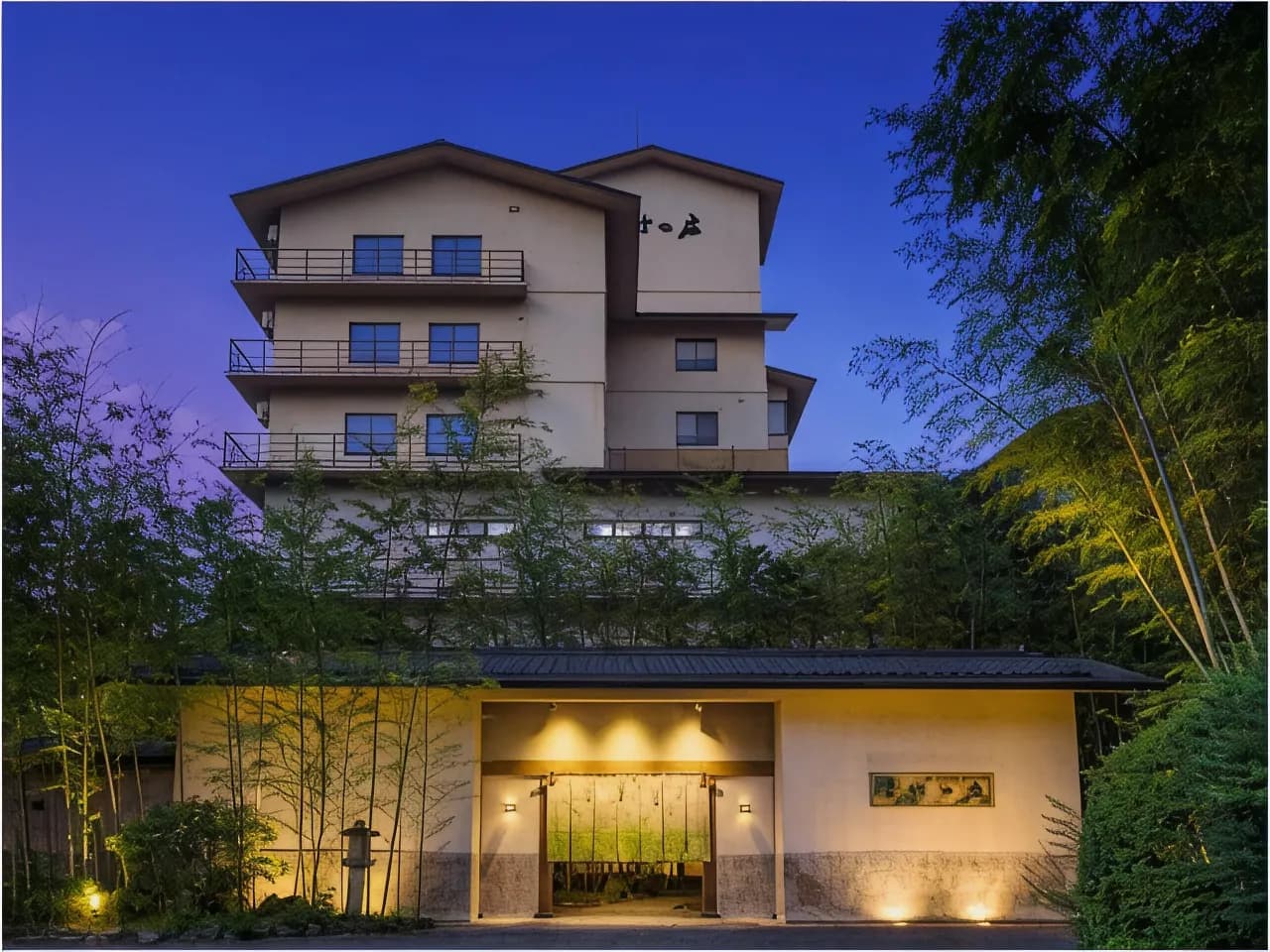 | from US$340/person/night≈ US$680 for 2 | 9.2 737 reviews | Book on Trip.com |
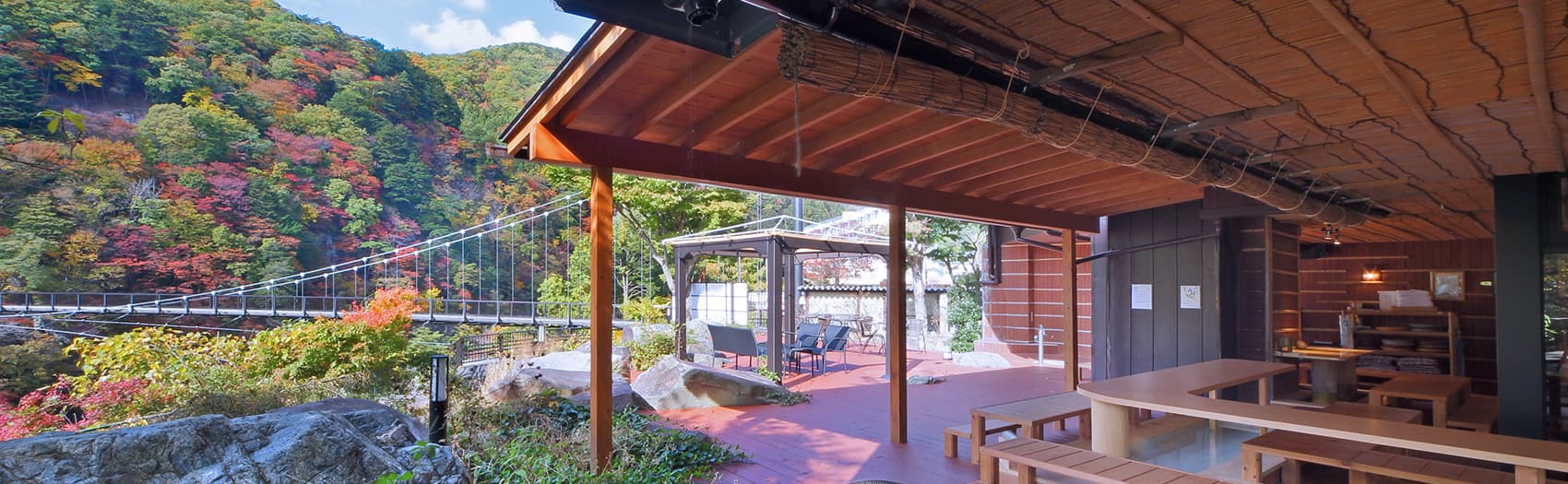 | from US$150/person/night≈ US$300 for 2 | 8.4 2,716 reviews | Book on Trip.com |
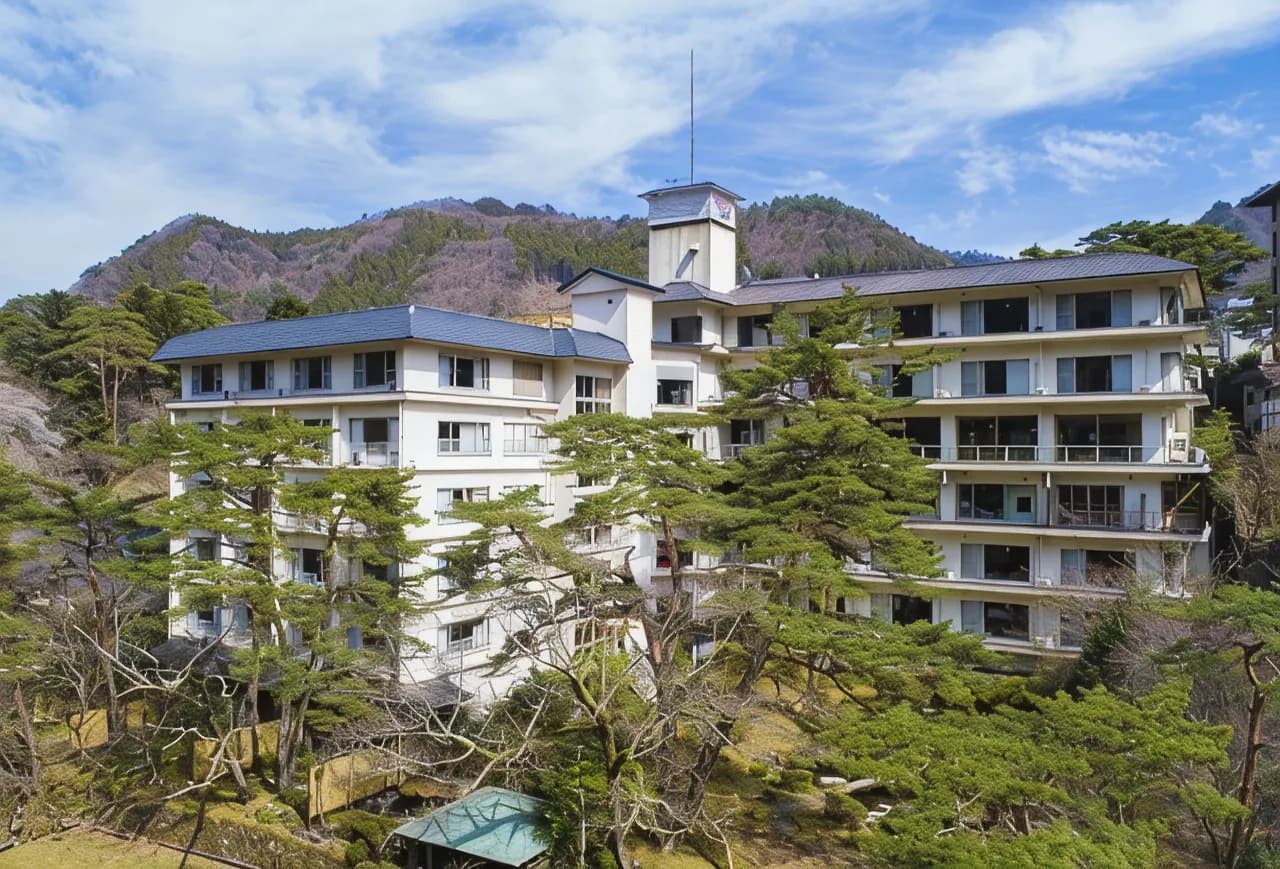 | from US$100/person/night≈ US$200 for 2 | 8.3 | Book on Booking.com |
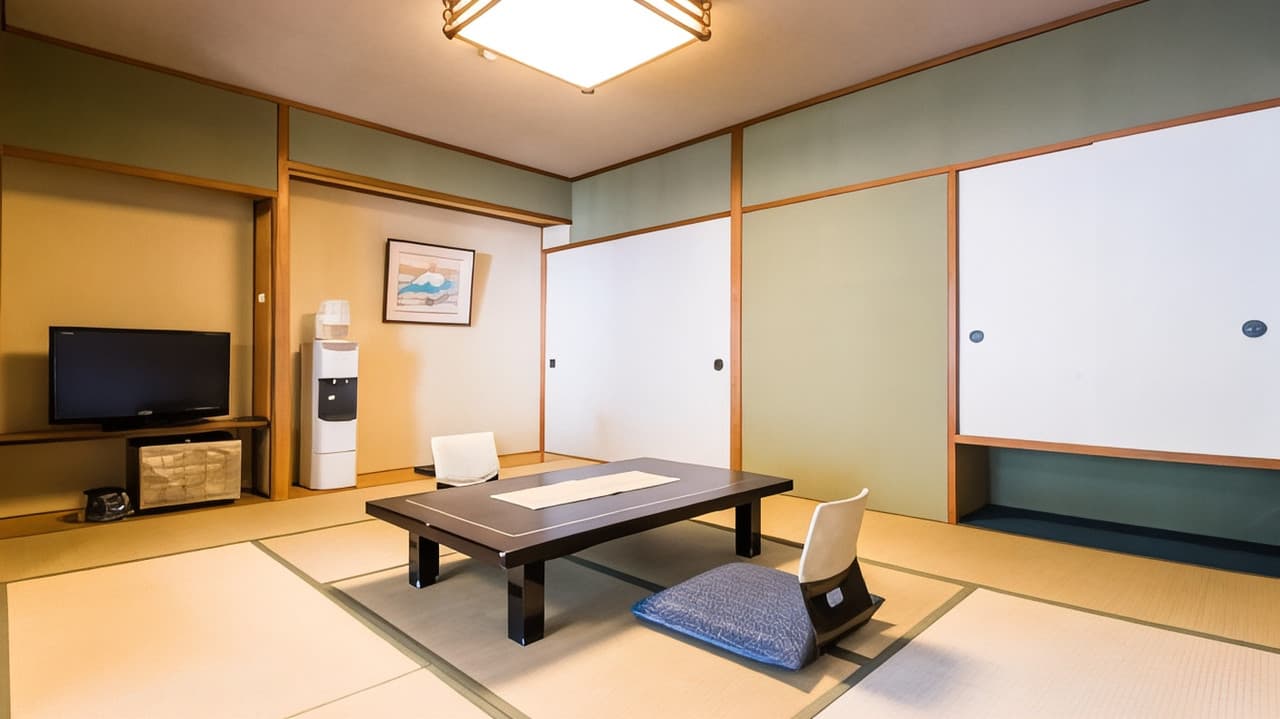 | from US$140/person/night≈ US$280 for 2 | 8.2 7,660 reviews | Book on Booking.com |
Hotel Sunshine Kinugawa
Kinugawa Onsen
Ooedo Onsen Monogatari Premium Kinugawa Kanko Hotel
Kinugawa Onsen
Prices shown are approximate starting rates per person per night. We may earn a commission on bookings.
Ready to book?
Book one of these top picks
Compare live availability and prices across booking sites.
Hoshino Resorts KAI Kinugawa
星野リゾート 界 鬼怒川
Kinugawa Onsen·Luxury
from US$175 · per person · per nightfrom ≈ US$350 total for 2 guests


Asaya Hotel
あさや
Kinugawa Onsen·Luxury
from US$260 · per person · per nightfrom ≈ US$520 total for 2 guests

Nanaeyae
静寂とまごころの宿 七重八重
Kinugawa Onsen·Mid-Range
from US$220 · per person · per nightfrom ≈ US$440 total for 2 guests

Wakatake-no-Sho Bettei Sasane
若竹の庄 別邸 笹音
Kinugawa Onsen·Luxury
from US$480 · per person · per nightfrom ≈ US$960 total for 2 guests
Hotel Tsuganoki
ホテル栂の季
Kinugawa Onsen·Luxury
from US$240 · per person · per nightfrom ≈ US$480 total for 2 guests
Booking links may earn us a commission at no extra cost to you.
FAQ
Frequently asked questions
Is Kinugawa Onsen worth visiting in 2026?+
Yes. The abandoned-hotel reputation is real — roughly 20 structures from the 1990s bubble bust sit derelict on the hillsides, sealed against trespass since March 2022 and not currently being demolished (a 2021 feasibility study found demolition impractical due to title disputes and an estimated ¥600 million cost). But what that framing misses is what has survived and invested: KAI Kinugawa, Asaya's 13th-floor rooftop bath, TAOYA Kawaji opening in 2025. The Nikko UNESCO shrines are 30 minutes away by local train. That proximity alone makes the trip logical for most foreign visitors to Tokyo.
Can I visit Kinugawa Onsen with tattoos?+
Most public baths ban tattoos. Asaya Hotel and TAOYA Kawaji are the two properties with confirmed cover-up policies. Eight of our ten picks have private onsen available — when you're in your own room's bath, public bath rules don't apply. For the full breakdown, see our tattoo-friendly ryokans in Japan guide.
How do I get to Kinugawa Onsen from Tokyo?+
The most direct route: Tobu Asakusa Station → SPACIA or REVATY limited express → Kinugawa-Onsen Station, approximately 2 hours, ¥3,040–¥3,730 one-way. No transfers. JR Pass holders can take the JR Limited Express Kinugawa from Shinjuku (also approximately 2 hours, ¥4,140; one daily return service). The NIKKO PASS ALL AREA (¥8,000 adults, 4-day validity, foreign passport required) covers the Asakusa round trip plus unlimited Nikko/Kinugawa travel and is worth buying if you're combining both destinations.
Which Kinugawa ryokans are closest to the train station?+
Three are genuinely walkable: Kinugawa Kanaya Hotel (3 min), Nikko Kinugawa Hotel Mikazuki (3 min), and Nanaeyae (5 min), all from Kinugawa-Onsen Station. Every other property in our picks requires a hotel shuttle — reserve it in advance, as it is rarely automatic.
What is the difference between Kinugawa Onsen and Kawaji Onsen?+
Kawaji is a quieter upstream sub-area on the same Tobu Kinugawa Line, roughly 20 minutes beyond Kinugawa-Onsen Station. Less commercial, less crowded, good cherry blossom in early spring. The hot spring water is similar (both are alkaline simple springs), but the atmosphere is noticeably calmer. TAOYA Kawaji (2025) is the standout new option in Kawaji; Iwai-no-Yado Juan is the rustic pick. Choose Kinugawa for walkability and more services; choose Kawaji for seclusion.
What is the average cost of a ryokan in Kinugawa Onsen?+
Budget: $55–110/night (Kawaji Ichiryukaku Honkan). Mid-range: $190–480/night (Nanaeyae, Yume no Toki, Kinugawa Onsen Hotel, Mikazuki). Luxury: $240–900+/night (Hotel Tsuganoki through KAI and Bettei Sasane, with Kinugawa Kanaya Hotel potentially reaching $1,000+ in peak season). All rates per room for two, typically including kaiseki dinner and Japanese breakfast — verify the meal plan on the OTA listing before booking.
Do Kinugawa ryokans include meals?+
Most traditional ryokans include kaiseki dinner and Japanese breakfast in the room rate by default. Larger hotel properties (Mikazuki) have moved toward buffet dining. TAOYA Kawaji's all-inclusive format covers dinner drinks and lounge beverages, not unlimited all-day service. Some OTA listings separate room-only and half-board plans — always check. If you book room-only, budget ¥3,000–¥8,000 extra per person to eat out. Our ryokan meal plans explained guide breaks down what kaiseki dinner actually involves.
Are there English-speaking staff at Kinugawa ryokans?+
Six properties in our database are confirmed English-friendly: Asaya Hotel, Kinugawa Kanaya Hotel, Kinugawa Onsen Sanraku, Kinugawa Grand Hotel Yume no Toki, Nanaeyae, and Nikko Kinugawa Hotel Mikazuki. The others are Japanese-only on-site — but international OTA booking works regardless, and a translation app handles most check-in situations.
What are the abandoned hotels in Kinugawa Onsen?+
Roughly 20 structures stand derelict from the 1990s bubble-era collapse of Japan's corporate group-tour economy. The most documented are Motoyu Hoshinoya (opened 1925, closed 2010 after 85 years of operation) and Kinugawakan Honten (operated 1942–1999, known for its kappa-themed bath). Demolition was studied in 2021 and found infeasible — title disputes and an estimated ¥600 million cost made clearing the site impractical. The buildings were sealed against trespass in March 2022 and remain standing today. They're a piece of postwar economic history made visible — an unusual thing to see in Japan, where most obsolete structures are cleared quickly. They are not a deterrent to visiting.
Still deciding?
Browse ryokans across JapanBooking.com