

The most common first-ryokan mistake is booking the wrong meal plan. A beautiful old inn in Kinosaki at a reasonable-looking rate can turn out to be room only — and in a town where every restaurant closes its kitchen by eight, arriving at 6pm can mean walking twenty minutes in yukata and geta looking for dinner, then eating konbini onigiri on a bench by the river while other guests sit down to ten-course crab kaiseki. That is the single most important thing about booking a ryokan: the meal plan is the booking. Get it right and the room almost doesn't matter.
This guide covers the three meal plans you will see on every ryokan booking page — ippaku-nishoku, sudomari, and breakfast-only — what each one actually includes, what it costs, why ryokan prices are quoted the way they are, and how to choose the right plan for the kind of trip you are taking. None of this is complicated once you know the words. The problem is that the words are almost never translated.
Ippaku-Nishoku (一泊二食): One Night, Two Meals
Ippaku-nishoku literally reads 'one night, two meals,' and it is the standard way a Japanese ryokan is sold. The price you see includes your room, dinner, and the following morning's breakfast — all per person. The two meals are not an add-on; for a traditional onsen ryokan they are the entire reason the place exists. The building, the kitchen, the staff, the timing of the whole evening are built around feeding you, and the room is almost an interlude between dinner and breakfast.
Dinner is usually kaiseki — a multi-course seasonal procession that can run anywhere from 6 to 14 dishes depending on the property's tier. At a mid-range inn it is served from around 18:00 to 19:30; at higher-end ryokan you may have a fixed seating you choose at check-in. Breakfast the next morning is an elaborate Japanese spread — grilled fish, rice, miso soup, tofu, pickles, a small hot pot — served between roughly 07:30 and 09:00. Some ryokan serve both meals in your room (heyashoku, 部屋食), which is the most private and traditional format; most now use a private or semi-private dining room. If in-room dining matters to you, confirm it specifically, because it is increasingly reserved for suites.
Tip
Ryokan rates are quoted per person per night, not per room. A plan listed at ¥25,000 is ¥50,000 for two people sharing — because the inn is serving two full kaiseki dinners and two breakfasts. This catches almost every first-time visitor off guard. When you compare a ryokan to a hotel, double the headline number before you judge it.
Sudomari (素泊まり): Room Only, No Meals
Sudomari means 'plain stay' — you get the room and nothing else. No dinner, no breakfast. This is the cheapest way to stay and, in the right circumstances, the smartest: in a city like Kyoto or Kanazawa where you actively want to eat out, where the ryokan is essentially a traditional-style hotel and its kitchen is not the draw, sudomari lets you sleep on tatami and chase your own dinner reservations without paying for meals you will not eat.
Two warnings. First, sudomari is frequently not offered at all by traditional onsen ryokan — for many of them, serving you dinner is the business, and a room-only rate would undercut the entire model, so it simply isn't on the menu. Second, even when it exists, it is often hidden on English booking platforms; you will sometimes find a sudomari plan on the ryokan's own Japanese site or on Rakuten Travel that never surfaces on the international page. If you specifically want room-only, it is worth checking the property's direct site or emailing them.
Breakfast-Only (朝食付き): The Middle Path
Choshoku-tsuki (朝食付き) — 'with breakfast' — splits the difference: you skip the big kaiseki dinner but keep the traditional Japanese breakfast. This is a genuinely underrated plan. A proper ryokan breakfast is a highlight in its own right, it sets you up for a full day of sightseeing, and skipping dinner frees your evening for a town's izakaya, a yatai food stall, or simply an early night. In an onsen town with a real dining scene — Beppu, Atami, Dogo — breakfast-only can be the sweet spot between cost and experience.
 Pin to Pinterest
How the Three Plans Compare
The table below is a quick cheat sheet. Prices are indicative per person per night at a mid-range onsen ryokan; your actual numbers will move with season, region, and property tier, but the relationships hold.
| Plan | Japanese | What's Included | Indicative Price (per person) | Book It When |
|---|---|---|---|---|
| Ippaku-nishoku | 一泊二食 | Room + multi-course kaiseki dinner + Japanese breakfast | ¥18,000–40,000+ | The kitchen is the point — kaiseki destinations, remote onsen towns, your first ryokan ever |
| Breakfast-only | 朝食付き | Room + Japanese breakfast | ¥12,000–22,000 | You want one signature meal but plan to eat dinner out in a town with restaurants |
| Sudomari | 素泊まり | Room only, no meals | ¥8,000–18,000 | City stays where you want full control of dining; the ryokan is a traditional-style hotel, not a kaiseki house |
Reading a Rate Plan Before You Pay
Five things to check on the booking page, in order. One: which meal plan is this rate — look for the words above or for 'dinner & breakfast included.' Two: is the price per person or per room (on most genuine ryokan platforms it is per person). Three: what is the dinner's last seating time, and does your arrival train make it. Four: where is dinner served — your room, a private room, or a communal hall. Five: can the kitchen handle your dietary needs, which for kaiseki must be arranged in advance, not on the night.
Tip
If you have dietary restrictions, ippaku-nishoku requires a heads-up. A kaiseki menu is planned and partly prepped before you arrive, so vegetarian, halal, or allergy adjustments must be requested at the time of booking — usually 3–5 days ahead minimum. Our guide to vegetarian and vegan ryokan options covers exactly how to phrase the request and which inns handle it well.
Ready to book?
More ryokan you can book
Compare live availability and prices across booking sites.
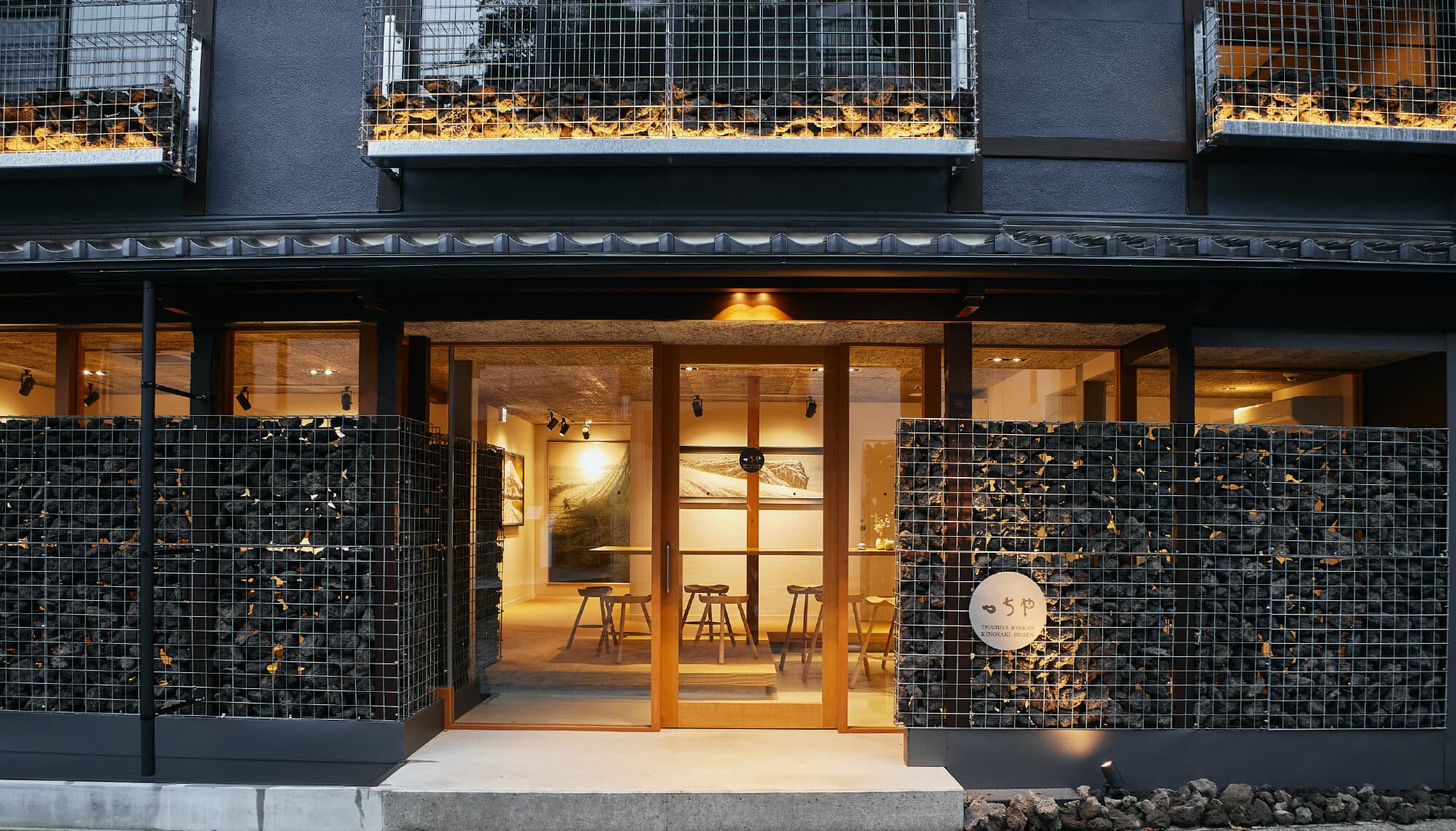
Tsuchiya Ryokan
城崎温泉つちや旅館
Kinosaki·Luxury
from US$279 · per person · per nightfrom ≈ US$558 total for 2 guests



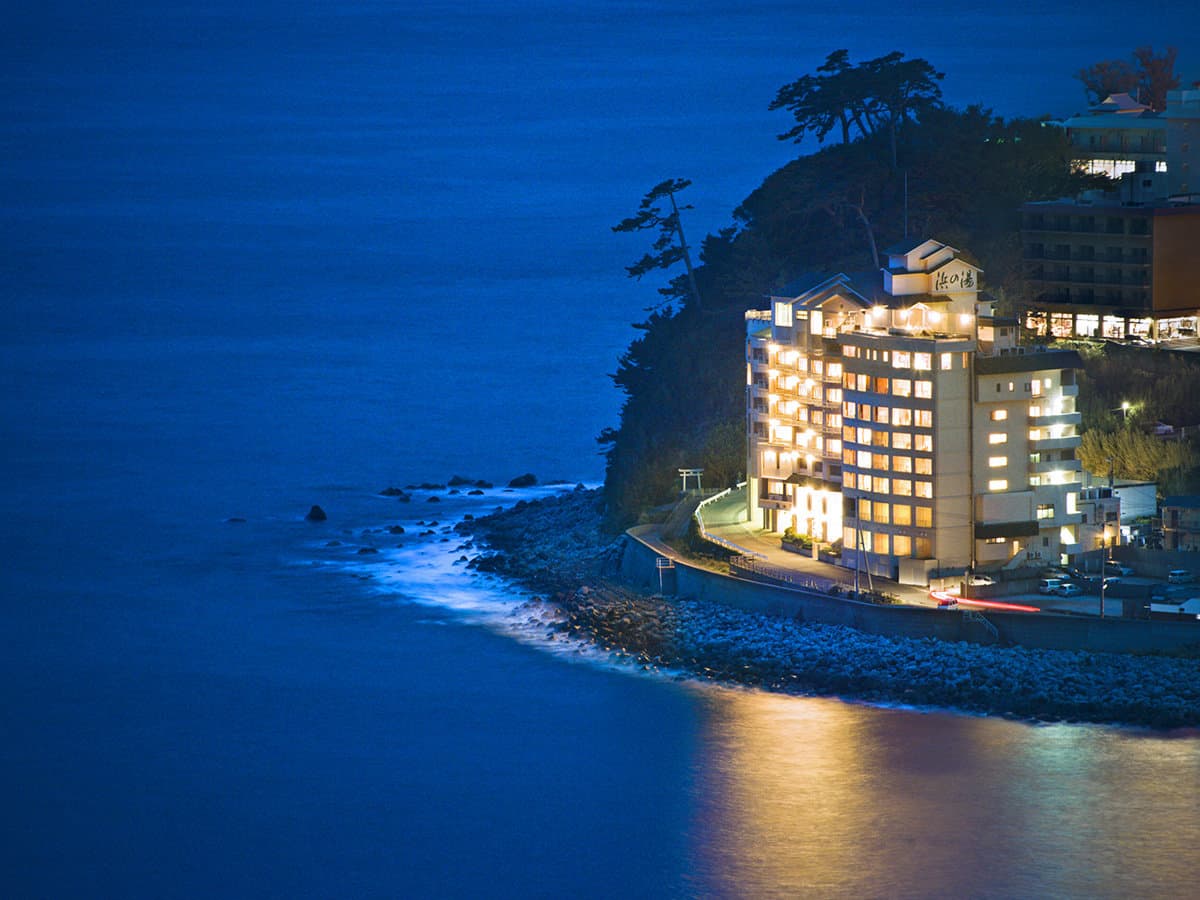
Taberu Oyado Hama no Yu
食べるお宿 浜の湯
Izu·Luxury
from US$491 · per person · per nightfrom ≈ US$982 total for 2 guests
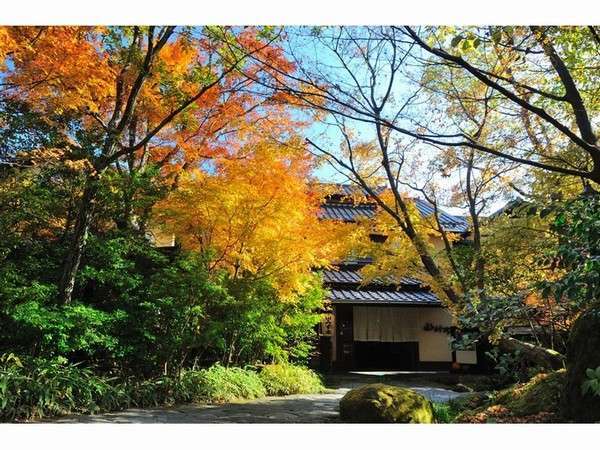
Yamamizuki
山みず木
Kurokawa·Luxury
from US$150 · per person · per nightfrom ≈ US$300 total for 2 guests
Booking links may earn us a commission at no extra cost to you.
So Which Plan Should You Book?
The rule is simple. If the ryokan is the destination — a kaiseki name, a remote onsen town, the once-in-a-trip splurge, or your very first ryokan — book ippaku-nishoku and surrender to the full ritual. That dinner is the memory you are paying for. If you are staying somewhere with a restaurant scene you actively want to explore, and the inn is more 'traditional hotel' than 'kaiseki house,' breakfast-only or sudomari will serve you better and cheaper. When in doubt for a first-timer, take the two meals. For the wider picture of how a ryokan stay flows from check-in to check-out, start with our first-time ryokan guide, and to understand the dinner itself, read our kaiseki guide.
Find a Ryokan with the Right Meal Plan
Whether you want a full kaiseki dinner included or a room-only base for city eating, the ryokan in our directory list their meal plans and dining formats clearly. Search by region, price, and experience to match the plan to your trip.


