

5 min de lecturaActualizado el junio de 2026
El primer ryokan que reservé en mi vida lo reservé mal. Encontré una preciosa posada antigua en Kinosaki, vi una tarifa que parecía razonable y reservé, solo habitación, según resultó, sin darme cuenta. Llegamos a las seis de la tarde a un pueblo donde todos los restaurantes cierran la cocina a las ocho, caminamos veinte minutos en yukata (kimono ligero de algodón) y geta buscando dónde cenar, y acabamos comiendo onigiri de konbini en un banco junto al río mientras los huéspedes a nuestro alrededor se sentaban a un kaiseki de cangrejo de diez platos. Ese error me enseñó lo más importante a la hora de reservar un ryokan: el plan de comidas es la reserva. Si lo aciertas, la habitación casi da igual.
Esta guía es la explicación que me habría gustado que alguien me hubiera dado aquel día. Aborda los tres planes de comidas que verá en cualquier página de reserva de un ryokan —ippaku-nishoku, sudomari y solo desayuno—, qué incluye realmente cada uno, cuánto cuesta, por qué los precios de los ryokans se indican como se indican y cómo elegir el plan adecuado para el tipo de viaje que vaya a hacer. Nada de esto es complicado una vez que conoce las palabras. El problema es que esas palabras casi nunca se traducen.
Ippaku-nishoku (一泊二食): una noche, dos comidas
Ippaku-nishoku se lee literalmente como «una noche, dos comidas», y es la forma estándar en que se vende un ryokan japonés. El precio que ve incluye la habitación, la cena y el desayuno de la mañana siguiente, todo por persona. Las dos comidas no son un extra; para un ryokan termal tradicional son la razón misma de su existencia. El edificio, la cocina, el personal y el ritmo de toda la velada están concebidos para darle de comer, y la habitación es casi un interludio entre la cena y el desayuno.
La cena suele ser un kaiseki (cena tradicional de varios platos): una sucesión estacional que puede ir desde 6 hasta 14 platos según la categoría del establecimiento. En una posada de gama media se sirve de las 18:00 a las 19:30 aproximadamente; en los ryokans más exclusivos puede elegir un turno fijo durante el check-in. El desayuno de la mañana siguiente es un elaborado despliegue japonés —pescado a la parrilla, arroz, sopa de miso, tofu, encurtidos, un pequeño guiso caliente— servido aproximadamente entre las 07:30 y las 09:00. Algunos ryokans sirven ambas comidas en su habitación (heyashoku, 部屋食), el formato más íntimo y tradicional; la mayoría utiliza ahora un comedor privado o semiprivado. Si la cena en la habitación es importante para usted, confírmela expresamente, porque cada vez se reserva más a las suites.
Tip
Las tarifas de los ryokans se indican por persona y noche, no por habitación. Un plan anunciado a 25.000 ¥ son 50.000 ¥ para dos personas que comparten, porque la posada sirve dos cenas kaiseki completas y dos desayunos. Esto pilla desprevenido a casi todo visitante primerizo. Cuando compare un ryokan con un hotel, duplique la cifra principal antes de juzgarla.
Sudomari (素泊まり): solo habitación, sin comidas
Sudomari significa «estancia simple»: obtiene la habitación y nada más. Sin cena, sin desayuno. Es la forma más económica de alojarse y, en las circunstancias adecuadas, la más inteligente: en una ciudad como Kioto o Kanazawa, donde lo que quiere precisamente es cenar fuera, donde el ryokan es esencialmente un hotel de estilo tradicional y su cocina no es el reclamo, el sudomari le permite dormir sobre tatami (estera de paja de arroz) y perseguir sus propias reservas para cenar sin pagar por comidas que no va a tomar.
Dos advertencias. Primera: el sudomari a menudo no lo ofrecen en absoluto los ryokans termales tradicionales; para muchos de ellos, servirle la cena es el negocio, y una tarifa solo habitación socavaría todo el modelo, así que sencillamente no figura en la carta. Segunda: aun cuando existe, suele estar oculto en las plataformas de reserva en inglés; a veces encontrará un plan sudomari en la propia web japonesa del ryokan o en Rakuten Travel que nunca aparece en la página internacional. Si quiere específicamente solo habitación, conviene consultar la web directa del establecimiento o escribirles por correo electrónico.
Solo desayuno (朝食付き): el camino intermedio
Choshoku-tsuki (朝食付き) —«con desayuno»— parte la diferencia: se salta la gran cena kaiseki, pero conserva el desayuno tradicional japonés. Es un plan genuinamente infravalorado. Un buen desayuno de ryokan es un momento culminante por derecho propio, le prepara para una jornada completa de turismo y saltarse la cena deja libre la velada para el izakaya de un pueblo, un puesto de comida yatai o, simplemente, acostarse temprano. En un pueblo de aguas termales con una verdadera oferta gastronómica —Beppu, Atami, Dogo— el solo desayuno puede ser el punto justo entre coste y experiencia.
 Guardar en Pinterest
Cómo se comparan los tres planes
La tabla siguiente es la chuleta que llevo en la cabeza cuando reservo. Los precios son orientativos, por persona y noche, en un ryokan termal de gama media; sus cifras reales variarán según la temporada, la región y la categoría del establecimiento, pero las proporciones se mantienen.
| Plan | Japonés | Qué incluye | Precio orientativo (por persona) | Cuándo reservarlo |
|---|---|---|---|---|
| Ippaku-nishoku | 一泊二食 | Habitación + cena kaiseki de varios platos + desayuno japonés | 18.000–40.000+ ¥ | La cocina es el motivo: destinos de kaiseki, pueblos termales remotos, su primer ryokan |
| Solo desayuno | 朝食付き | Habitación + desayuno japonés | 12.000–22.000 ¥ | Quiere una comida emblemática, pero piensa cenar fuera en un pueblo con restaurantes |
| Sudomari | 素泊まり | Solo habitación, sin comidas | 8.000–18.000 ¥ | Estancias urbanas donde quiere control total de las comidas; el ryokan es un hotel de estilo tradicional, no una casa de kaiseki |
Cómo leer una tarifa antes de pagar
Cinco cosas que comprobar en la página de reserva, por orden. Una: qué plan de comidas es esta tarifa; busque las palabras anteriores o «cena y desayuno incluidos». Dos: si el precio es por persona o por habitación (en la mayoría de las plataformas auténticas de ryokans es por persona). Tres: cuál es la última hora de servicio de la cena, y si su tren de llegada le permite alcanzarla. Cuatro: dónde se sirve la cena: su habitación, un comedor privado o una sala comunitaria. Cinco: si la cocina puede atender sus necesidades dietéticas, que en el caso del kaiseki deben gestionarse con antelación, no en el momento.
Tip
Si tiene restricciones alimentarias, el ippaku-nishoku exige avisar con antelación. Un menú kaiseki se planifica y se prepara en parte antes de su llegada, así que los ajustes vegetarianos, halal o por alergias deben solicitarse al reservar, normalmente con un mínimo de 3 a 5 días de antelación. Nuestra guía sobre opciones de ryokans vegetarianos y veganos explica exactamente cómo formular la petición y qué posadas la gestionan bien.
¿Listo para reservar?
Reserve uno de nuestros favoritos
Compare disponibilidad y precios en tiempo real en las tres plataformas.
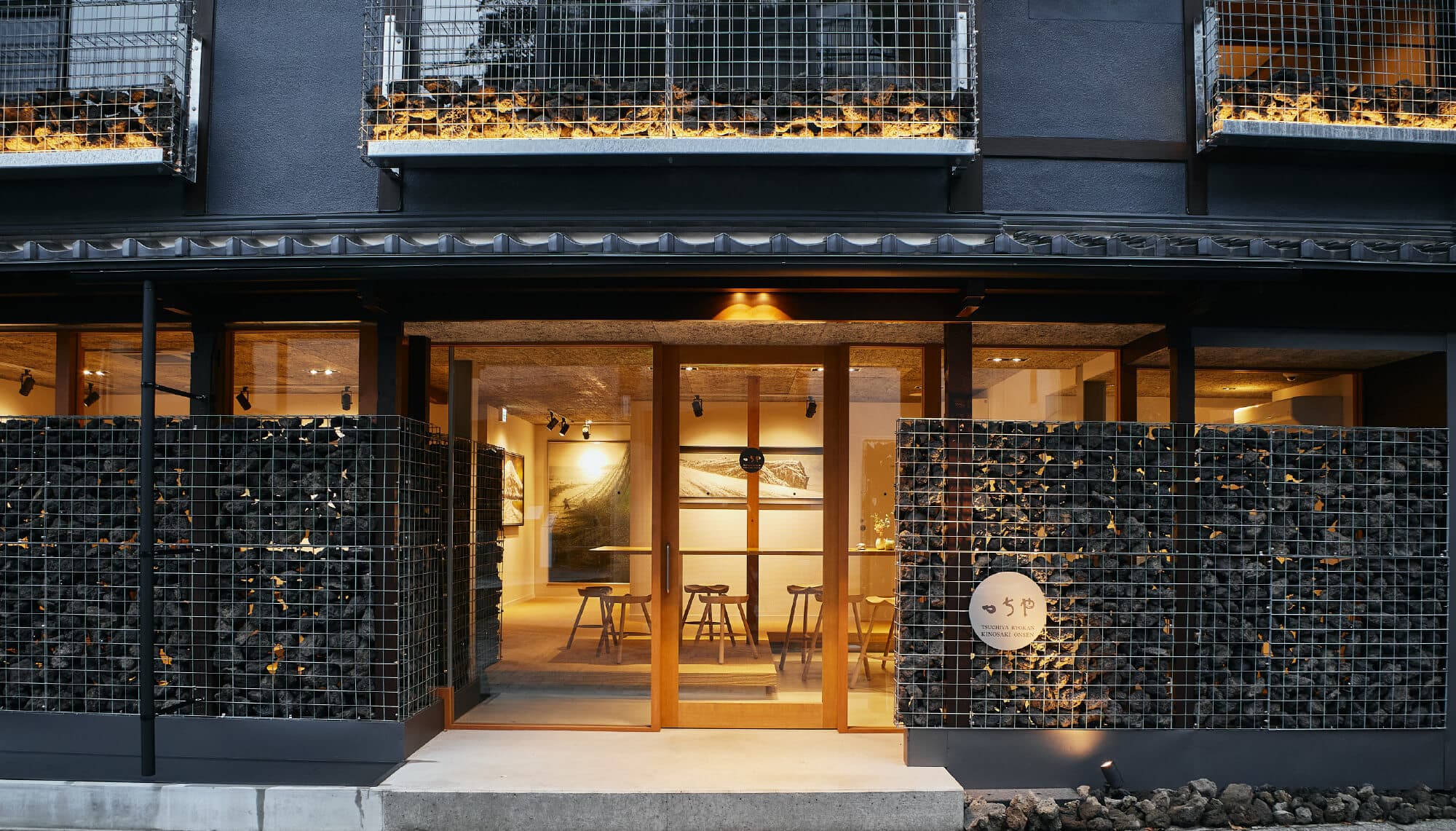
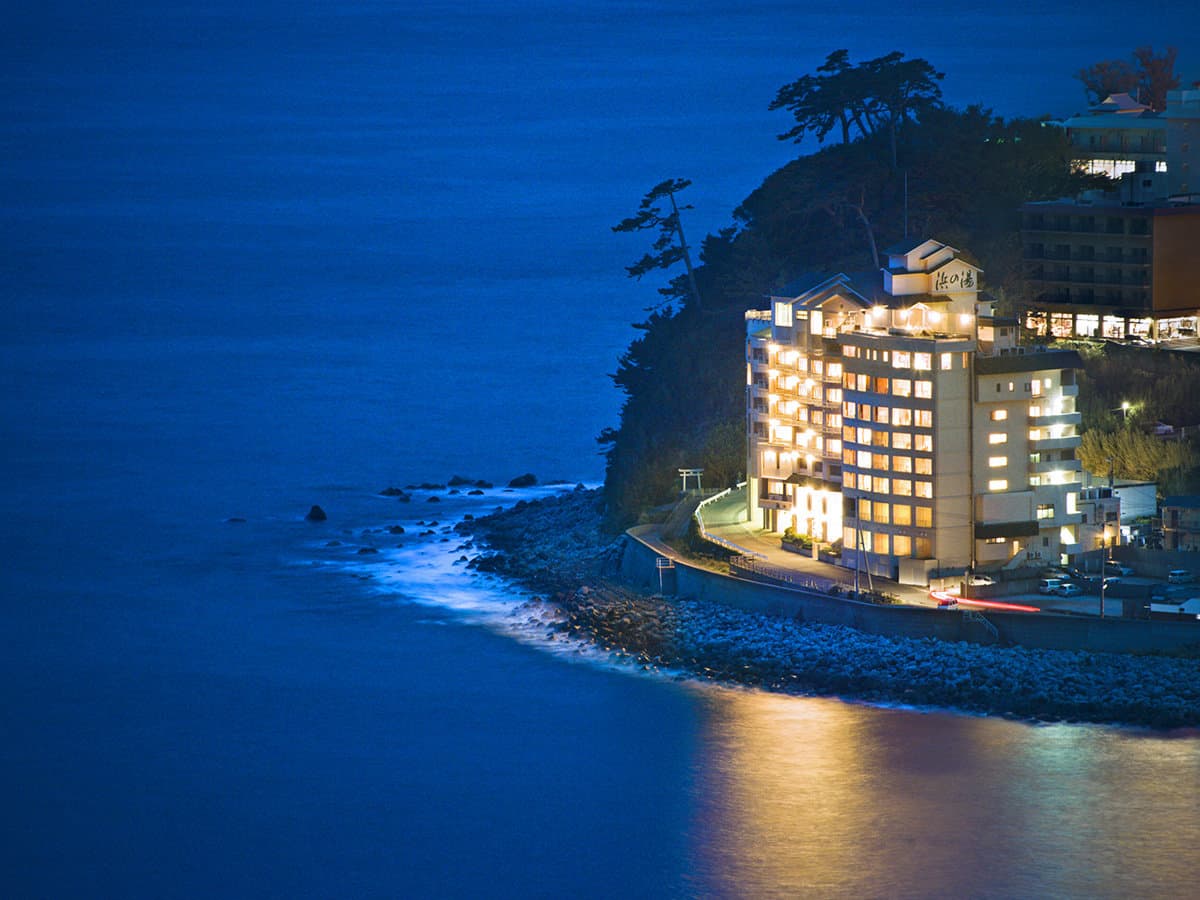
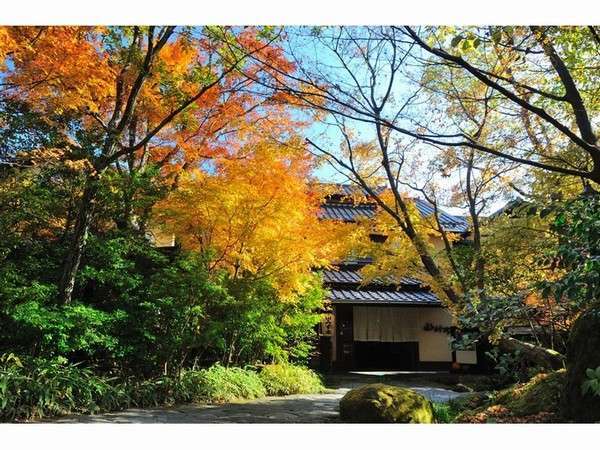
Los enlaces de reserva pueden generarnos una comisión sin coste adicional para usted.
Entonces, ¿qué plan debería reservar?
Mi regla es sencilla. Si el ryokan es el destino —un nombre del kaiseki, un pueblo termal remoto, el capricho de una vez por viaje o su primerísimo ryokan—, reserve ippaku-nishoku y entréguese al ritual completo. Esa cena es el recuerdo por el que está pagando. Si se aloja en un lugar con una escena gastronómica que quiere explorar activamente, y la posada es más «hotel tradicional» que «casa de kaiseki», el solo desayuno o el sudomari le convendrán más y le saldrán más baratos. En caso de duda, si es primerizo, opte por las dos comidas. La lección del onigiri de konbini solo hace falta aprenderla una vez. Para entender el panorama general de cómo transcurre una estancia en un ryokan, del check-in al check-out, empiece por nuestra guía del ryokan para primerizos, y para comprender la cena en sí, lea nuestra guía del kaiseki.
Encuentre un ryokan con el plan de comidas adecuado
Tanto si quiere una cena kaiseki completa incluida como una base solo habitación para comer por la ciudad, los ryokans de nuestro directorio detallan con claridad sus planes de comidas y formatos de cena. Busque por región, precio y experiencia para ajustar el plan a su viaje.
FAQ
Preguntas frecuentes
¿Qué significa ippaku-nishoku?+
Ippaku-nishoku (一泊二食) significa «una noche, dos comidas». Es el plan de tarifa estándar de un ryokan e incluye la habitación, una cena de varios platos (normalmente kaiseki) y el desayuno japonés de la mañana siguiente, todo con precio por persona. Para la mayoría de los ryokans termales tradicionales es la forma de alojarse por defecto y prevista, porque la cocina es central en la experiencia.
¿Los precios de los ryokans son por persona o por habitación?+
Casi siempre por persona y noche. Esta es la mayor diferencia con un hotel occidental. Una tarifa de ryokan de 25.000 ¥ significa 50.000 ¥ para dos personas que comparten una habitación, porque la posada sirve dos cenas y dos desayunos. Duplique siempre la cifra principal al calcular el presupuesto para dos.
¿Puedo reservar un ryokan sin comidas?+
A veces. La tarifa solo habitación se llama sudomari (素泊まり). Es habitual en los ryokans urbanos y los hoteles de estilo tradicional, pero muchos ryokans termales no la ofrecen en absoluto, porque servir la cena es el núcleo de su negocio. Cuando el sudomari existe, a menudo solo figura en la web japonesa del establecimiento o en las plataformas nacionales, no en la página de reserva internacional.
¿A qué hora son la cena y el desayuno en un ryokan?+
La cena suele servirse entre las 18:00 y las 19:30, a veces con un turno fijo que se elige en el check-in. El desayuno va aproximadamente de las 07:30 a las 09:00. Como la cena kaiseki se prepara siguiendo un horario, llegar después del último turno de cena puede suponer perder la comida; compruebe la hora límite de la cocina antes de reservar un tren de llegada tardía.
¿Puede un ryokan atender necesidades vegetarianas o por alergias con las comidas incluidas?+
Sí, pero solo avisando con antelación. Una cena kaiseki se planifica y se prepara en parte antes de su llegada, así que las peticiones vegetarianas, veganas, halal o por alergias deben hacerse al reservar, por lo general con al menos 3 a 5 días de antelación. Las solicitudes del mismo día normalmente no pueden atenderse para el menú completo de varios platos.


