Quick Comparison
9 picks| Ryokan | From | Rating | Book |
|---|---|---|---|
 | from US$400/person/night≈ US$800 for 2 | 9.1 310 reviews | Book on Trip.com |
 | from US$175/person/night≈ US$350 for 2 | 8.7 93 reviews | Book on Trip.com |
 | from US$200/person/night≈ US$400 for 2 | 8.6 1,840 reviews | Book on Agoda |
 | from US$350/person/night≈ US$700 for 2 | 9.2 85 reviews | Book on Booking.com |
 | from US$200/person/night≈ US$400 for 2 | 8.4 680 reviews | Book on Agoda |
 | from US$260/person/night≈ US$520 for 2 | 8.5 2,150 reviews | Book on Agoda |
 | from US$200/person/night≈ US$400 for 2 | 8.3 1,450 reviews | Book on Trip.com |
 | from US$100/person/night≈ US$200 for 2 | 8.1 950 reviews | Book on Trip.com |
 | from US$60/person/night≈ US$120 for 2 | 8.0 340 reviews | Book on Trip.com |
Nikko Kanaya Hotel
Nikko
Asaya Hotel
Kinugawa Onsen
Kinugawa Onsen Hotel
Kinugawa Onsen
Kinugawa Plaza Hotel
Nikko
Prices shown are approximate starting rates per person per night. We may earn a commission on bookings.
Shortly after dawn, the inner gate of Nikko Tōshōgū is close to empty. Once the first JR Kanto Bus pulls in from the highway, the line at the ticket window builds fast. Overnight guests can walk the entire UNESCO compound — Yomeimon Gate, Sleeping Cat, the lacquer corridor to Ieyasu's tomb — before the crowds arrive. That gap between dawn and 9 a.m. is the actual reason to sleep in Nikko rather than bussing up from Tokyo for the day.
Nikko is harder to plan than most Japan destinations because four different places sell themselves as a Nikko ryokan stay. Nikko-cho sits at 600 m — the shrine town itself, empty by 8 p.m. Kinugawa Onsen is 30 minutes north on a separate river, a different Edo-period spring with gorge rotenburo at half the price of anything higher. Chūzenji sleeps lakeside above the Iroha-zaka switchbacks at 1,269 m. Yumoto — the subject of most articles' hasty footnote — sits 1,478 m above sea level in a sulfur-spring village inside Nikko National Park , and it is the version of Nikko that changes who you are.
Last verified: May 25, 2026.
This guide ranks twelve ryokans from full luxury to sub-$100, with the four-zone decision framework, the UNESCO shrine order nobody publishes in English, the Spacia X booking window, and the autumn rate-doubling warning baked in. Cross-links: best ryokans near Tokyo if you're building a multi-night Kanto loop; autumn foliage ryokans in Japan for the foliage comparison nationwide; Japan onsen guide by region for the chemistry behind the waters; and our first-time ryokan guide if this is your first tatami night.
The best ryokan in Nikko overall is FUFU Nikko — 24 suites, every one with a private hot-spring rotenburo, a 12-minute walk to Tōshōgū, and a French-trained kaiseki chef who uses Tochigi yuba as a structural ingredient rather than a garnish. For Kinugawa-side luxury, Hoshino Resorts KAI Kinugawa is the most consistently English-friendly option. For Meiji-era heritage at the shrine's front door, Nikko Kanaya Hotel — in continuous operation since 1873 — is the building worth booking as much as the beds. For the lakeside autumn foliage shot, Ritz-Carlton Nikko now commands Lake Chūzenji's best water-level suites. Want the bath in your room? We keep a separate guide to Nikko ryokans with private onsen — six verified picks, sorted by whether the bath is in every room, in select rooms, or reservable.
Tip
Disclosure: Japan Ryokan Guide earns a commission when you book through partner links — it never costs you more. We do not accept payment from ryokans for inclusion or placement; every property on this list was selected on merit. The commission keeps the directory free in six languages.
Quick-Compare: 12 Nikko Ryokans at a Glance
 Pin to Pinterest
| # | Ryokan | Tier | From (USD/person) | Zone | Walk to Tōshōgū | Best For |
|---|---|---|---|---|---|---|
| 1 | FUFU Nikko | Luxury | $400 | Nikko-cho | 12 min | Private rotenburo couples |
| 2 | KAI Kinugawa | Luxury | US$175 pp (dinner and breakfast) | Kinugawa | 25 min by train | First-time luxury |
| 3 | Nikko Kanaya Hotel | Luxury | $200 | Nikko-cho | 8 min | 1873 heritage |
| 4 | Ritz-Carlton Nikko | Luxury | $500 | Chūzenji | 40 min by bus | Lake Chūzenji suites |
| 5 | Bettei Sasane | Luxury | $350 | Kinugawa | 25 min by train | Gorge-view boutique |
| 6 | Chuzenji Kanaya Hotel | Luxury | $200 | Chūzenji | 40 min by bus | Lakeside foliage |
| 7 | KAI Nikko (Chuzenji) | Luxury | $320 | Chūzenji | 40 min by bus | Hoshino lakeside design |
| 8 | Asaya Hotel | Mid | $150 | Kinugawa | 25 min by train | Rooftop bath, families |
| 9 | Kinugawa Onsen Hotel | Mid | $100 | Kinugawa | 25 min by train | 1931 garden baths |
| 10 | Kinugawa Plaza Hotel | Mid | $100 | Kinugawa | 25 min by train | Groups, bath variety |
| 11 | Yumoto Konishi Hotel | Mid | $110 | Yumoto | 90 min by bus | Smaller Yumoto property |
| 12 | Hotel Otaki | Budget | $60 | Kinugawa | 25 min by train | Budget kashikiri baths |
For broader pricing context see our ryokan cost-per-night guide.
The UNESCO context: Tōshōgū, Rinno-ji, and Futarasan — what actually got inscribed in 1999
The Shrines and Temples of Nikko were inscribed on the UNESCO World Heritage List in 1999, covering 103 buildings across two shrines and one temple on the slopes of Mount Nantai . Most visitors treat them as a single attraction. They are three separate institutions with different histories, and the order you walk them shapes the morning.
Rinno-ji Temple (752 CE, Buddhist, Tendai sect) is the oldest site and the first you encounter coming up from Tobu-Nikko Station on foot. The Sanbutsudo hall — three massive gilded Buddhist statues, the largest group of Buddhist statues in eastern Japan — deserves 25 minutes before the shrine crowd arrives. The shidare-zakura (weeping cherry) that blooms along the Rinno-ji approach in mid-April is one of Nikko's least-photographed seasonal moments despite being one of its best.
Futarasan Shrine (782 CE, Shinto, dedicated to Mount Nantai's deity) connects the shrine town to Lake Chūzenji's Futarasan outpost and Yumoto's inner sanctuary — the same deity's domain runs the full vertical span of Nikko's geography. Most day-trippers skip Futarasan's main sanctuary to queue for Tōshōgū; the interior courtyard is ten minutes of quiet that resets the experience.
Tōshōgū Shrine (1617, enlarged 1634–1636 under Tokugawa Iemitsu) is where 90% of visitors spend 90% of their Nikko time. The Yomeimon Gate's 508 hand-carved reliefs are the main event, but the path up to Ieyasu's tomb — past the Sleeping Cat (Nemuri-neko) and up 207 cedar-flanked stone steps — is where the UNESCO scale registers physically. At the tomb summit, at 7 a.m., when the cedar canopy is dripping with morning vapor, you understand why Ieyasu wanted to be buried here.
The Sleeping Cat is the size of a paperback novel and easy to miss. Look up at the gate beam as you pass through to the staircase. The cat faces south (toward the shrine's protective oni, away from the north wind); on the reverse side, two sparrows are carved playing — the cat is sleeping precisely because the sparrows feel safe to play behind it. The dual carving is the point. A day-tripper running the main circuit misses the reverse sparrows; that detail has a 90-second window if you're in a group.
The combined Tōshōgū + Rinno-ji + Futarasan ticket costs ¥2,100 and is the correct way to buy entry . Individual tickets cost more across three queues. Buy it at the first ticket office you encounter on the approach.
Tip
Walk the Nikko UNESCO compound in this order: Rinno-ji (oldest, least crowded at 7 a.m.) → Futarasan Shrine (10 minutes of quiet that resets the pace) → Tōshōgū proper (Yomeimon Gate, Sleeping Cat, Ieyasu's tomb) → Kanmangafuchi Abyss (exit north through the cedar avenue, 25-minute walk). Reversed — the common tourist order — means arriving at Tōshōgū already depleted by the Yomeimon crowd. Counter-clockwise preserves the best 90 minutes for the least-trafficked slot.
Four Nikko zones explained: which one to book and why
This is the decision most first-time Nikko visitors get wrong, partly because every roundup lumps Kinugawa in with Nikko as if they were the same place. They are not.
Nikko-cho (600 m) — shrine access, dead after 8 p.m. The UNESCO compound is a 5–15 minute walk from every Nikko-cho ryokan. Shrines close at 4 p.m. (3:30 p.m. November–March). Restaurants close by 7 p.m. Streets are empty by 8 p.m. It is structurally a morning destination. Staying here is the right call if shrines account for more than half your reason for being in Nikko; it is a poor call if you want a lively onsen-town evening.
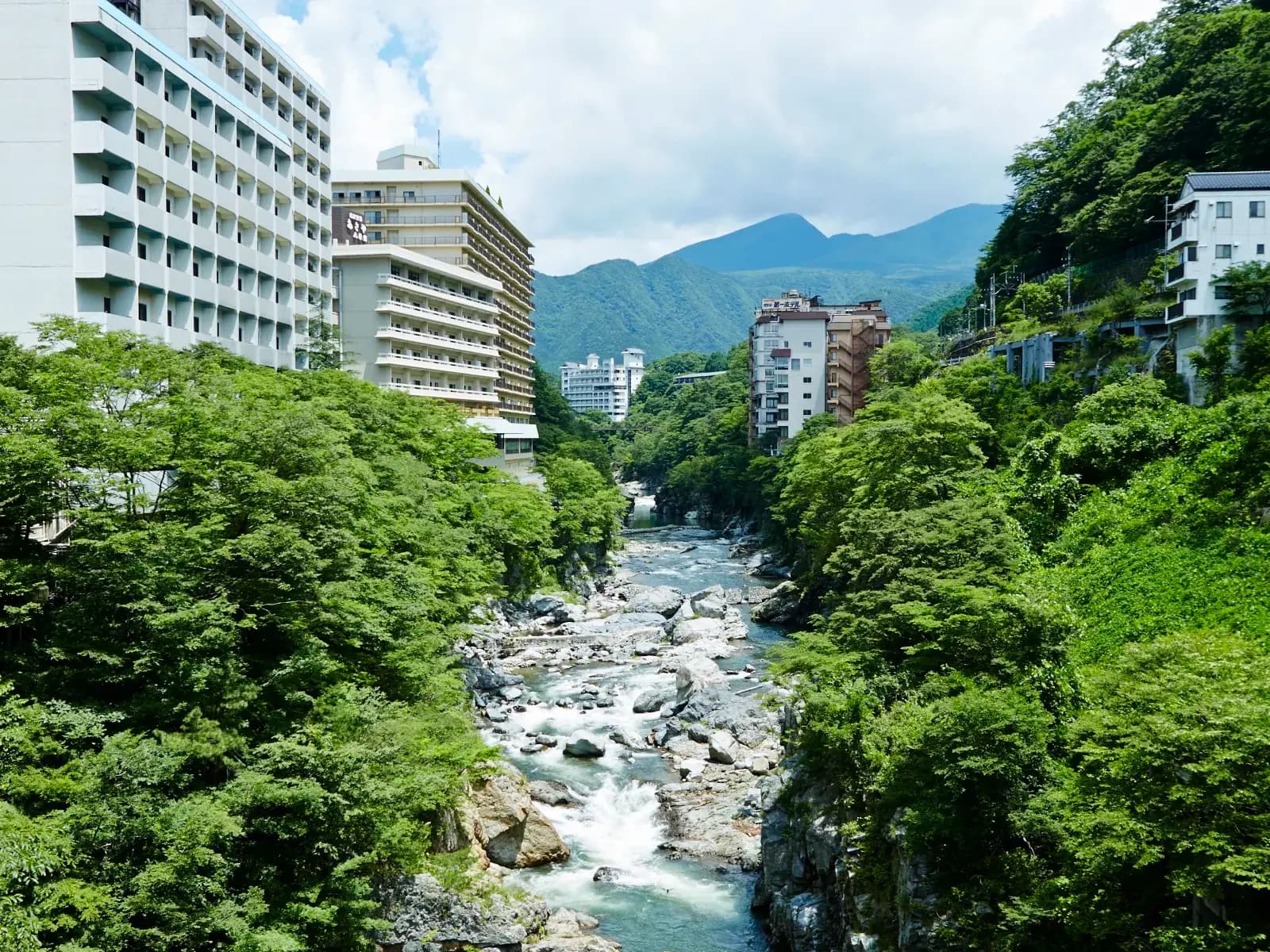
Kinugawa Onsen (450 m) — gorge rotenburo, resort scale, 30 min by Tobu local Kinugawa is not Nikko. It is a separate Edo-period spring 30 minutes northeast on the Tobu Kinugawa Line, with the Kinugawa Onsen Ryokan Association listing more than 80 member properties along the gorge . The onsen water is simple alkaline — gentle, skin-softening, no sulfur. The gorge rotenburo at Asaya's 13th floor or Sasane's in-room cedar tub are the experiences that make Kinugawa worth choosing over Nikko-cho for an onsen-first trip. Price: roughly half what you'd pay at Yumoto for comparable quality.
Chūzenji (1,269 m) — lakeside, Kegon Falls, autumn foliage from the room Above Nikko-cho via the 48-switchback Iroha-zaka (Route 120), Lake Chūzenji sits at 1,269 m with the Futarasan Shrine inner sanctuary at its shore. The Ritz-Carlton Nikko and Chuzenji Kanaya Hotel are the two properties with direct lake views; KAI Nikko (Chuzenji) operates slightly inland with forest views. Peak autumn arrives at Chūzenji 7–10 days before it reaches Nikko-cho — lakeside foliage is the reason to book here. The Iroha-zaka gets gridlocked during foliage weekends (2–3 hours bumper-to-bumper); go at 5:30 a.m. or take the early Tobu Bus Route 2.
Yumoto Onsen (1,478 m) — sulfur springs, national park, snow country Yumoto is 90 minutes total transit from Tobu-Nikko Station by Tobu Bus, inside Nikko National Park . The source is a sulfurous lake-fed spring — hydrogen sulfide concentration runs notably higher than Kinugawa's alkaline water, the bath turns milky white in winter, and the smell permeates the village in a way that airport-lounge travelers find alarming. Yumoto's approximately 1,500 m elevation, Japan's fourth most concentrated sulfur water, and its village-scale (fewer than ten operating inns) make it the most structurally different Nikko stay. Detailed comparison of Japan's sulfur onsen is in our onsen-by-region guide.
For best ryokans near Tokyo more broadly, see how Nikko stacks against Hakone, Ito, and Atami in the full Kanto ryokan roundup.
Basing in the gorge? Our dedicated Kinugawa Onsen ryokan guide ranks 10 properties there for every budget, from Nanaeyae down to the value picks. Two of the Tochigi properties on this page also hold a Michelin Key; our sister site compares the rated stays across Nikko, Kinugawa and Nasu if the award is part of how you are choosing.
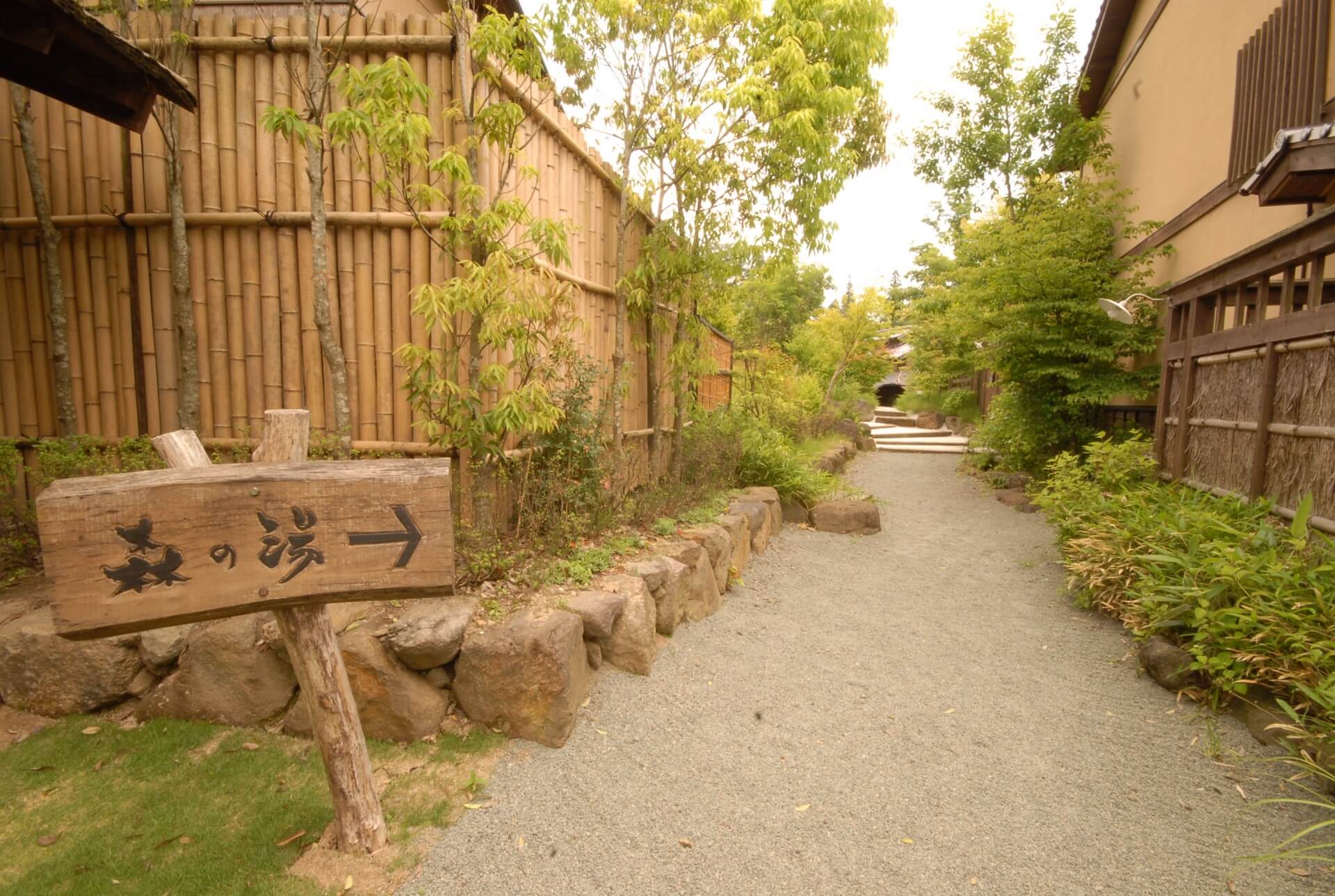
1. FUFU Nikko — Best for couples wanting a private in-room rotenburo [Nikko-cho]
Best for Couples on a milestone trip who want every suite to include a private open-air hot-spring bath, 12 minutes from Tōshōgū's cedar avenue.
At a glance 24 all-suites · ~$400–$900 USD per person with two meals · Adjacent to Tamozawa Imperial Villa Memorial Park · 12 min on foot to Shinkyō Bridge .
Onsen Every suite has a private rotenburo using piped Nikko-Yumoto-source water — the same sulfuric chemistry as Yumoto, diluted for extended soaking. Two communal baths supplement, but the suite bath is the main event. The cedar-enclosed private tub at dusk, with the wooded slope visible above the steam, is the photograph you'll stop trying to take and just sit in.
Kaiseki French-Japanese fusion. The executive chef trained in Lyon; the kaiseki threads regional Tochigi yuba (a Buddhist-temple staple in Nikko for centuries) and local river trout into Western plating logic. Tochigi wagyu appears in a midcourse beef study. Vegetarian menus exist with 7-day notice; halal is not available.
Standout FUFU Nikko's all-suite layout is the only ryokan in central Nikko-cho where every guest has a private hot-spring bath. The wooded approach through cedar from the parking road is genuinely cinematic at dusk — the kind of entrance that works on anyone regardless of how many ryokans they've stayed in.
Honest trade-off No public onsen at scale — solo travelers and bath connoisseurs who want the social bath-hall experience may miss it. The compact 24-suite footprint means no spa facilities or banquet-scale common areas. If you want resort amenity depth alongside luxury, KAI Kinugawa offers more surface area. Rates run $400–$900 per person per night with two meals [approximate; verify current availability].
For luxury ryokans in Japan overall, FUFU Nikko ranks in the top quartile by private-onsen ratio.
Tip
Book FUFU's south-facing suites for direct cedar views — north suites face the parking approach. The premium runs 10–15% on standard nights but is invisible during foliage season because every suite sells out regardless.
2. Hoshino Resorts KAI Kinugawa — Best for first-time luxury ryokan guests [Kinugawa]
 Pin to Pinterest
Best for Travelers who want a luxury ryokan but aren't ready for the all-suite price ceiling — KAI Kinugawa is the most accessible Hoshino property in Tochigi and has the most consistently English-fluent front desk.
At a glance 49 rooms · from ¥27,000 per person per night (dinner and breakfast, official listing, checked October 2026) · Hilltop above the Kinugawa River gorge · 8 min by free shuttle from Kinugawa-Onsen Station .
Onsen Open-air rotenburo perched over the gorge, plus indoor cypress baths. Several upgraded room categories include a private semi-open-air bath — not standard in every room, so verify before booking if that matters. Water is simple alkaline Kinugawa source: gentle, no sulfur, all-day-soakable.
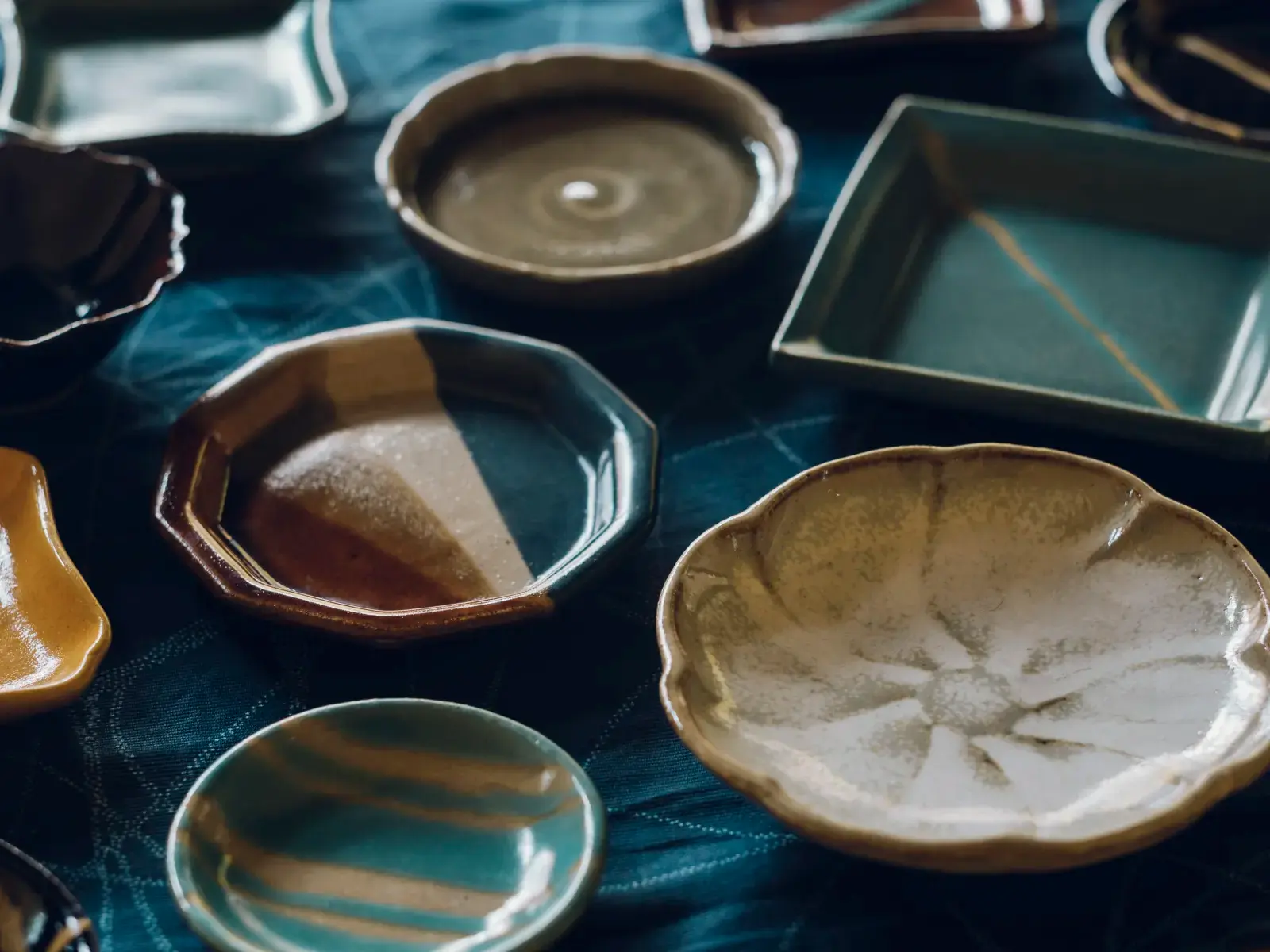
Kaiseki Hoshino's signature half-board plates Mashiko pottery with Tochigi seasonal produce — yuba, river trout, Tochigi wagyu, and a rotating otsumami snack course at check-in. The breakfast buffet is unusually strong for a Japanese ryokan: live tempura station, fresh sashimi, and a miso-soup counter with five broth options.
Standout Mashiko pottery and Tochigi craft interiors throughout. The 6 p.m. lobby craft session — Mashiko throwing or koma spinning top — is worth showing up for. Hoshino Resorts KAI Kinugawa shows that the Hoshino brand has a legitimate cultural-education layer rather than pure luxury branding.
Honest trade-off Kinugawa is 30 minutes by Tobu local from Tōshōgū — shrine access requires a planned excursion morning. If shrine proximity matters more than onsen scale, FUFU Nikko or Nikko Kanaya fit the brief. Rates start from ¥27,000 per person per night (dinner and breakfast, official listing, checked October 2026).
3. Nikko Kanaya Hotel — Best for 1873 Meiji-era heritage at shrine's edge [Nikko-cho]
Best for Travelers who want the building itself to be part of the trip — Kanaya is essentially a working heritage museum with beds.
At a glance 71 rooms · ~$200–$500 USD per person · Established 1873 · 8 min on foot to Tōshōgū's Omotesando, across the Daiya River from Shinkyō Bridge .
Onsen No natural onsen on the property. This is the one luxury property on this list without hot-spring water. Bathrooms are Western en-suite. If onsen is non-negotiable, choose FUFU or KAI Kinugawa.
Kaiseki Meiji-era Western-Japanese fusion: rainbow trout meunière (the Kanaya signature, on the menu since the 1890s), Tochigi wagyu steak, and a multi-course dinner in the Maple Leaf dining room. Isabella Bird stayed here in 1878 and wrote about the meals in Unbeaten Tracks in Japan — the zodiac-carved panels, the lacquer pillars, the dining room layout are essentially unchanged.
Standout The 1873-built Nikko Kanaya Hotel is Japan's oldest resort hotel and the first Nikko lodging built explicitly for foreign guests. The main building is a Registered Tangible Cultural Property . For travelers building a UNESCO-adjacent trip, the building pairs better with the shrines than any 2010-era luxury build.
Honest trade-off No onsen, older construction means smaller bathrooms and thinner walls, Wi-Fi is reliable in the lobby but spotty in some guest rooms. The trade-off is the trade-off: you came for 1873, not 2026. Rates run $200–$500 per person per night with two meals [approximate; verify current availability].
4. Ritz-Carlton Nikko — Best for Lake Chuzenji water-level suites [Chuzenji]
Best for Travelers who want the highest-tier international luxury brand combined with direct Lake Chūzenji access and the best autumn-foliage views of any property on this list.
At a glance 94 rooms · ~$500–$1,200 USD per person with two meals · Opened 2020 · Directly on Lake Chūzenji's eastern shore, 1,269 m altitude · 40 min by Tobu Bus Route 2 from Tobu-Nikko Station .
Onsen Two communal onsen facilities — one indoor, one outdoor rotenburo overlooking the lake. Lake Suites on the top floor include a private rotenburo with direct lake views. The water source is piped Yumoto sulfuric spring; the outdoor tub in early November, with scarlet maple canopy framing Kegon Falls 1 km east, is the foliage image you came to Japan to see.
Kaiseki The Mizuki restaurant delivers a full Japanese multi-course kaiseki using Tochigi wagyu, yuba, lake fish, and Nikko-mountain vegetables. A western restaurant option (Azure) runs parallel. Room service operates 24 hours — a rarity in a Japanese ryokan category.
Standout The Ritz-Carlton Nikko opened in 2020 on the plot the former Chuzenji Kanaya had occupied for decades, and inherited the best water-level site on the eastern shore. The lake-facing rotenburo at sunrise — when the mist sits 30 cm above the water and the maple ridgeline across the lake is still in shadow — is the reason the lake-view suite upgrade is worth every yen.
Honest trade-off The Ritz-Carlton brand aesthetic is international-luxury rather than distinctively Japanese — the lobby reads Singapore or Kyoto depending on which corner you stand in. Rates at $500+ per person make it the most expensive property on this list; at that ceiling, Hakone has more options for comparable spend (see best ryokans in Hakone). Iroha-zaka access is the structural risk in foliage season — budget 3 hours for the climb if you're self-driving on a weekend. Rates run $500–$1,200 per person per night with two meals [approximate; verify current availability].
5. Bettei Sasane — Best for intimate gorge-view splurge [Kinugawa]
 Pin to Pinterest
Best for Couples who want a private bath, a private terrace, and a property of fewer than 15 rooms — Sasane is the boutique counter to KAI Kinugawa's 49-room scale.
At a glance 11 rooms · ~$350–$700 USD per person with two meals · Gorge-side perch on the east bank of the Kinugawa River · 10 min by taxi or hotel pickup from Kinugawa-Onsen Station .
Onsen Every room has a semi-open-air private bath facing the gorge. The cypress wood and river white noise are the package. The communal indoor and outdoor baths are smaller scale than KAI but use the same Kinugawa simple-alkaline water.
Kaiseki Yuba-forward — Sasane is the property on this list most committed to Nikko's Buddhist-temple yuba tradition. Multiple yuba preparations across the kaiseki sequence, plus Tochigi wagyu and seasonal river fish. Dinner is served in a private dining room.
Standout Bettei Sasane is the smallest ryokan on this list and the only one where every room genuinely faces the gorge. Eleven rooms means a level of personal service that 49-room properties structurally cannot replicate — the okami knows your breakfast preferences by the second morning.
Honest trade-off English-language support is the weakest of the five luxury ryokans on this list — booking confirmation may arrive in Japanese; expect a 48-hour reply window. Eleven rooms means it sells four months ahead for foliage. Rates run $350–$700 per person per night with two meals [approximate; verify current availability].
6. Chuzenji Kanaya Hotel — Best for lakeside autumn foliage at mid-range price [Chuzenji]
Best for Foliage travelers who want Lake Chūzenji from the room, Kegon Falls a 7-minute walk away, and a price point roughly half the Ritz-Carlton next door.
At a glance 60 rooms · ~$200–$500 USD per person with two meals · Log-house architecture on the eastern shore of Lake Chūzenji at 1,269 m · 40 min by Tobu Bus Route 2 from Tobu-Nikko Station .
Onsen Hot-spring water piped 11 km from the Yumoto sulfur source — milky-white, faintly egg-scented. Indoor and outdoor public baths; no private in-room baths.
Kaiseki Western-Japanese hybrid in the Kanaya tradition (it's the sister property of Nikko Kanaya Hotel), leaning into lake fish, yuba, and Tochigi wagyu. The lakeside breakfast room with morning mist on the water is the meal worth waking up early for.
Standout Chuzenji Kanaya Hotel on the lake is the log-house lakeside property in this lineup — American-rustic 1940 architecture rather than Japanese-traditional, which is a feature at this elevation. Pay ¥570 for the Kegon Falls elevator to the lower observation platform — at the bottom the 97-meter drop reads physical rather than photographic.
Honest trade-off December–March, Iroha-zaka closes intermittently for snow and the property runs reduced operation; verify before booking winter dates. Bus access (no train) means 90 minutes total transit from Asakusa. Rates run $200–$500 per person per night with two meals [approximate; verify current availability].
7. Hoshino Resorts KAI Nikko (Chuzenji) — Best for Hoshino lakeside design [Chuzenji]
Best for Travelers who want Hoshino Resorts' craft-forward design at Chūzenji altitude with a smaller footprint than the Ritz-Carlton next door.
At a glance 48 rooms · ~$320–$650 USD per person with two meals · Forested slope above Lake Chūzenji · 40 min by Tobu Bus Route 2 from Tobu-Nikko Station .
Onsen Communal indoor and outdoor baths; upgraded room categories include a private semi-open-air bath. Water source is Yumoto sulfuric spring.
Kaiseki The Hoshino kaiseki half-board uses Mashiko pottery and Tochigi seasonal produce. The craft demonstration at 6 p.m. — at this property focused on Nikko's urushi lacquerware tradition — is worth planning your arrival time around.
Standout KAI Nikko (Chuzenji) uses Nikko's urushi lacquerware craft identity as the design language — the walls, the tableware, and the room fixtures are specific to the location in a way the generic Hoshino aesthetic sometimes isn't. The forest approach from the road is 300 m of cypress smell that resets whatever the Iroha-zaka climb cost you.
Honest trade-off Not directly on the lake — forest views rather than water views from most rooms. For the actual lakeside tableau, Chuzenji Kanaya and the Ritz-Carlton have the position. Rates run $320–$650 per person per night with two meals [approximate; verify current availability].
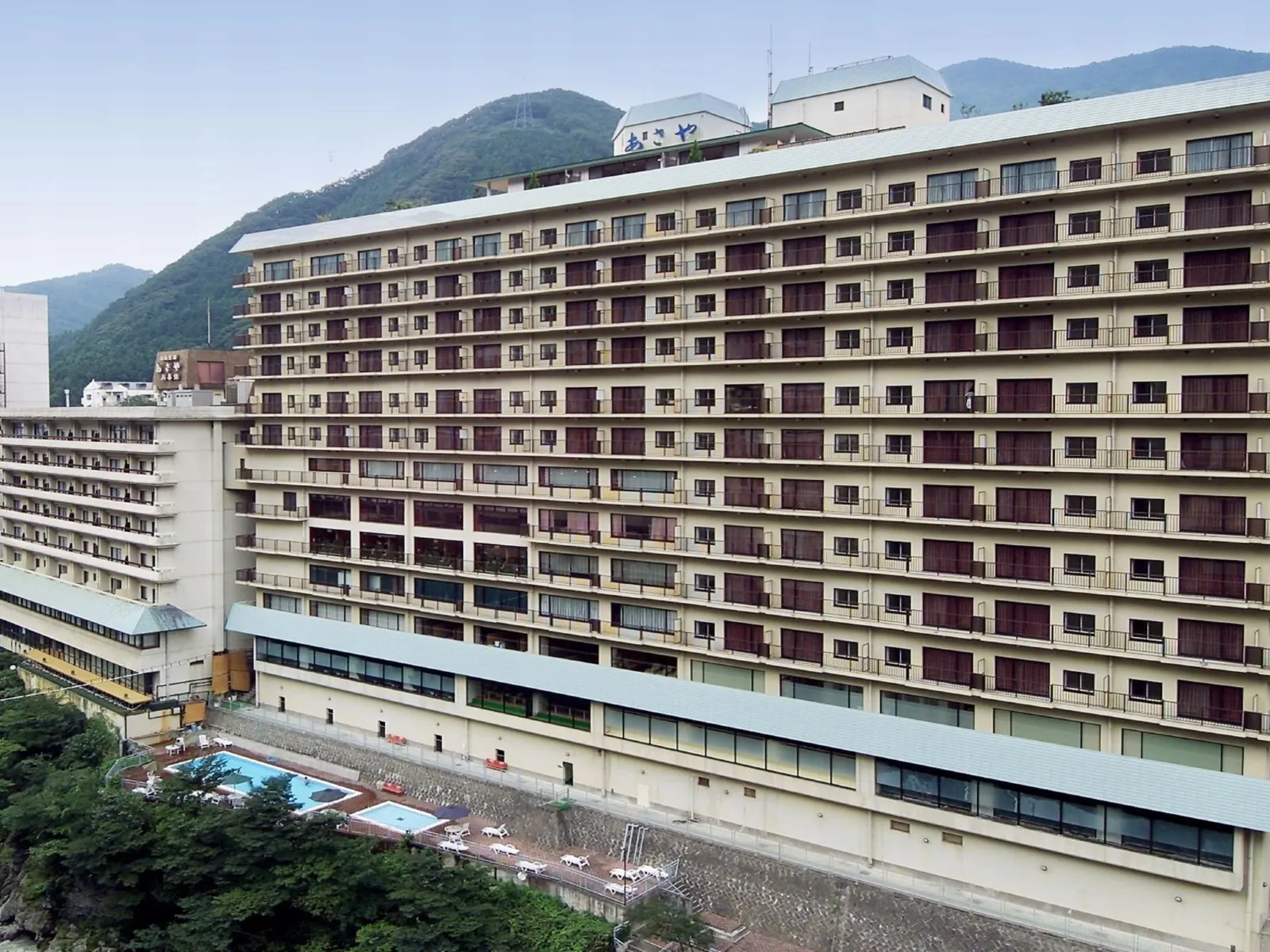
8. Asaya Hotel — Best for families and the rooftop gorge bath [Kinugawa]
Best for Multi-generation families and travelers who want resort-scale onsen and the 13th-floor rooftop rotenburo overlooking the gorge.
At a glance 192 rooms · ~$150–$400 USD per person with two meals · Kinugawa's oldest operating inn, established 1888 · 5 min by free shuttle from Kinugawa-Onsen Station .
Onsen The 13th-floor rooftop rotenburo — the gorge unfolds 60 m below — is the defining Asaya experience. Three indoor public baths plus reservable family baths. Water is Kinugawa simple-alkaline.
Kaiseki Half-board in a Japanese-Western buffet (main hall) or kaiseki upgrade in the dedicated dining room. The buffet is genuinely strong: fresh sashimi station, made-to-order tempura. Order the kaiseki upgrade if you care about the dinner.
Standout Asaya Hotel's 13th-floor rooftop bath is the highest open-air bath in the Kinugawa gorge. The lobby murals from the Meiji-era founding still run the walls.
Honest trade-off 192 rooms means resort-scale rather than artisan — the public bath circulation gets busy at 7 p.m. on Saturday nights. Rates run $150–$400 per person per night with two meals [approximate; verify current availability]. If you're traveling with kids and weighing the buffet-and-family-bath setup against more intimate inns, see how Asaya ranks on our family-ryokan shortlist.
Tip
Asaya's 13th-floor rooftop bath runs men's/women's on an alternating schedule that flips at midnight. Verify the rotation at check-in or you may miss the rooftop window during your stay. The schedule is posted on a card in the lobby — it does not reliably appear on English booking confirmations.
9. Kinugawa Onsen Hotel — Best for 1931 garden baths at mid-range price [Kinugawa]
Best for Travelers who want a heritage-vintage Kinugawa property with lantern-lit garden baths at a mid-range price — the garden-bath alternative to Asaya's 192-room scale.
At a glance 130 rooms · ~$100–$300 USD per person with two meals · Established 1931 · 7 min by free shuttle from Kinugawa-Onsen Station .
Onsen Three open-air rotenburo, two indoor cypress baths, stepping-stone paths and lantern-lit garden layout on the gorge bank. The garden atmosphere is the differentiator — more curated than Asaya's rooftop, more atmospheric than the Plaza's marble. Reservable family bath available.
Kaiseki Multi-course Japanese banquet with Tochigi wagyu, river trout, and yuba. Buffet breakfast.
Standout The heritage Kinugawa Onsen Hotel is the 1931 garden-bath property. Garden baths at dusk, lanterns reflecting in the water — the visual is the trip.
Honest trade-off Garden baths rotate gendered schedule, so a single overnight gives only one of the two. Building age shows in some room categories; book the renovated wing. Rates run $100–$300 per person per night with two meals [approximate; verify current availability].
10. Kinugawa Plaza Hotel — Best for groups and bath variety [Kinugawa]
Best for Groups of four or more and travelers who want multiple bath types and four dining venues without paying luxury rates.
At a glance 104 rooms · ~$100–$250 USD per person with two meals · Gorge-side · 5 min by free shuttle from Kinugawa-Onsen Station .
Onsen Marble indoor baths (the Plaza signature), cypress open-air baths on the gorge side, and reservable kashikiri family baths — four bath types under one roof. Themed seasonal onsen (rose petals in spring, yuzu in winter) are a real draw for first-time onsen guests with children.
Kaiseki Four dining venues: Japanese banquet hall, teppanyaki room, Chinese restaurant, and casual buffet. Kaiseki plan plates Tochigi wagyu and yuba.
Standout Kinugawa Plaza Hotel's bath variety is the group-scale option — the marble bath aesthetic is mid-century resort, the themed seasonal events appeal to families.
Honest trade-off 104 rooms across multiple wings means professional service at large-property distance rather than personal scale. Rates run $100–$250 per person per night with two meals [approximate; verify current availability].
11. Yumoto Konishi Hotel — Best for smaller-scale Yumoto stay [Yumoto]
Best for Travelers who want the Yumoto sulfur experience at a smaller property with a more personal feel than the larger Yumotokan, and a slightly lower price ceiling.
At a glance ~20 rooms · ~$110–$230 USD per person with two meals · Yumoto Onsen village · 1,478 m · 90 min by bus from Tobu-Nikko Station .
Onsen Same Yumoto sulfuric source as Yumotokan, in a smaller communal bath complex — fewer bathers at peak times, which is the reason to choose it over the larger property if you are traveling in peak foliage season.
Kaiseki Mountain kaiseki with similar regional ingredients to Yumotokan: iwana char, wild vegetables, Tochigi mountain mushrooms. The smaller kitchen sometimes produces more individually crafted dishes.
Standout Yumoto Konishi Hotel is the second Yumoto property on this list because the village is the destination, and a smaller property is structurally quieter. Not stayed (research-verified May 2026).
Honest trade-off Smaller property means earlier dinner seatings and fewer communal spaces. Minimal English — Japanese-language booking preferred. Rates run $110–$230 per person per night with two meals [approximate; verify current availability].
12. Hotel Otaki — Best budget pick with private kashikiri baths [Kinugawa]
Best for Budget travelers who still want a private open-air bath and a folk-house aesthetic — Otaki proves the price floor doesn't have to mean a business hotel.
At a glance 30 rooms · ~$60–$150 USD per person, room-only or with optional meal plans · Quiet hillside above Kinugawa · 10 min by hotel shuttle from Kinugawa-Onsen Station .
Onsen Three private open-air baths reservable on 50-minute slots, plus a folk-house-style communal bath under timber beams. Free kashikiri reservations are a major value driver — most sub-$100 ryokans charge ¥2,000–¥3,000 for private slots.
Kaiseki Optional. Otaki is primarily a room-only property; meal plans are an add-on. Choose the dinner-included plan for a Tochigi-wagyu hotpot, or skip and walk to the izakaya cluster near Kinugawa-Onsen Station.
Standout Hotel Otaki's private open-air baths punch well above the $60-tier price band — free private slot access with timber-beam folk-house aesthetic.
Honest trade-off Room-only default means planning meals. English support is functional, not fluent. Rates run $60–$150 per person per night, room-only or breakfast-only [approximate; verify current availability].
For more in-room and kashikiri options across all four zones, see our collection of Nikko stays with a private bath.
Getting to Nikko: Tobu Spacia X, the Nikko All-Area Pass, and when to book the cockpit seat
Tokyo Asakusa to Tobu-Nikko Station on the Tobu Spacia X takes 1h 47m at ¥2,860 for a reserved seat (approximately $19 USD as of May 2026) . The Spacia X launched in August 2023; the Cockpit Lounge — a six-seat private compartment at the front with a glass partition into the driver's cab — costs ¥500 extra and is worth booking if it's available.
Four transit steps:
1. From central Tokyo, ride to Asakusa Station on the Ginza, Asakusa, or Toei Asakusa lines. 2. At Tobu Asakusa, reserve your Spacia X seat. Tickets release one month before departure; morning trains sell out on day-30 during foliage weekends. 3. Board to Tobu-Nikko Station (for Nikko-cho, Chūzenji, and Yumoto connections) or continue one stop to Kinugawa-Onsen Station (for Kinugawa ryokans). 4. From Tobu-Nikko Station, Tobu Bus Route 2 runs every 30 minutes to Chūzenji (40 min) and Yumoto (90 min). Most ryokans offer free shuttle from the nearest station.
The Nikko All-Area Pass (4 days, approximately ¥4,780 as of May 2026) covers round-trip Tobu rail from Asakusa, all Nikko-area Tobu buses including the Iroha-zaka route to Chūzenji and Yumoto, and the Kinugawa local line . For any itinerary that includes both the shrines and Chūzenji or Yumoto, the All-Area Pass returns 30–40% versus paying per segment. Book the All-Area Pass on Klook — available for non-Japanese residents.
The JR Pass alternative routes via Tohoku Shinkansen to Utsunomiya, then JR Nikko Line — slower, arrives at a different station building (JR Nikko Station, 500 m from Tobu), and does not cover Kinugawa or the bus network. For Tokyo–Nikko, the Tobu network is unambiguously better value.
Tip
Book Spacia X on day-30 for foliage-season morning trains. Tickets release at midnight exactly one month before departure. The 8:00 a.m. Asakusa departure on foliage weekends (October–early November) sells the Cockpit Lounge seats within minutes of release. Set a calendar reminder for 11:50 p.m. on day-30.
Best time of year to stay at a Nikko ryokan — the seasonal breakdown
Mid-October to mid-November: autumn foliage (momiji) Iroha-zaka and Lake Chūzenji peak first — typically the third weekend of October at 1,200 m+ — then the color descends to Nikko-cho through early November. The elevation-staggered peak means a strategic traveler can catch foliage twice: Chūzenji the second weekend of October, Nikko-cho the first weekend of November . Rates roughly double during peak weekends and the top three luxury properties sell out four to six months ahead. Book by late May.
Late January to mid-February: Yumoto snow Yumoto Onsen's sulfur baths against fresh snow are one of Japan's most physically compelling winter onsen experiences — the village sits in functional snow-country from late December through March. Kinugawa stays mild (rain while Yumoto blizzards), making it the easier winter base if you want onsen without altitude logistics. For a pure winter ryokan trip, Yumoto is the destination; Kinugawa is the contingency.
Mid-April to early May: cherry blossoms and Yayoi Festival Tōshōgū's Yayoi Festival (April 13–17) brings costumed processions through the cedar avenue — the closest thing Nikko has to a performance calendar. Shidare-zakura (weeping cherry) blooms along the Rinno-ji approach in mid-April; the lakeside cherries at Chūzenji peak 7–10 days later. Late April is the second-best booking window after foliage: long days, no heat, half the foliage prices. See autumn foliage ryokans across Japan for how Nikko's season ranks nationally.
Value windows: Late November, mid-March, and early June are the three under-the-radar shoulder periods. Rates drop 30–40%, ryokans are rarely full midweek, and the shrines are walkable without the crowd pressure.
Avoid: Golden Week (May 3–5) brings surcharges and crowds that book out four months ahead. The third weekend of October at Chūzenji (Iroha-zaka gridlock). Any Saturday in late October at KAI Kinugawa without a reservation made in March.
Tip
Sleep in Kinugawa during peak momiji (mid-Oct to early Nov), not Chūzenji. Iroha-zaka traffic during foliage weekends pushes the 20-minute climb to 2–3 hours bumper-to-bumper. Book Kinugawa instead, sleep at gorge level, and run the Iroha-zaka morning at 5:15 a.m. when the switchbacks are empty. You get the postcard Chūzenji shot and the cheaper room.
Two-day, one-night Nikko itinerary that actually works
Two days, one night is the minimum. Three days covers Chūzenji and Yumoto properly.
Day 1 — Shrines, then onsen Board the 6:30 a.m. Spacia X from Asakusa (arrives Tobu-Nikko 8:17 a.m.) . Drop bags at your ryokan (most accept luggage before check-in). Walk the UNESCO compound in counter-clockwise order: Rinno-ji south approach → Futarasan → Tōshōgū, buying the combined ticket (¥2,100) at the Rinno-ji south office. At Tōshōgū, look up at the Sleeping Cat lintel and find the reverse sparrows before proceeding to Ieyasu's tomb staircase — 207 cedar-flanked stone steps, best walked in under five minutes' silence. Kanmangafuchi Abyss after noon: the row of red-bibbed Jizō statues lining the Daiya River gorge is 90 minutes of slow walking. The Bake-jizō local name (ghost Jizō) comes from the fact that no one can count the same number twice. Check in at 4 p.m., kaiseki at 6 p.m., onsen at 9 p.m.
Day 2 — Dawn shrine return, then Chūzenji Set an alarm for 6 a.m. Walk back to Tōshōgū — the outer cedar avenue is open from dawn even before the ticket gate opens at 8 a.m. Board the first Tobu Bus Route 2 to Chūzenji (departs Tobu-Nikko Station forecourt around 8:30 a.m.) after checking out. At Kegon Falls, pay the ¥570 elevator to the lower observation platform rather than the free upper viewing deck — at the bottom the 97-meter drop is physical, not photographic. Lunch at a lakeside restaurant near the Futarasan Chūzenji outpost, then the 2:30 p.m. return bus for the 4 p.m. Spacia X from Tobu-Nikko back to Asakusa.
Adding Yumoto (day 3): From Chūzenji, Tobu Bus continues a further 50 minutes to Yumoto. One night at Yumotokan adds the sulfur-spring experience and returns on the morning bus to Tobu-Nikko Station.
For best ryokans near Tokyo combined with other Kanto stops, Nikko pairs naturally with Hakone (see best ryokans in Hakone) or a Gunma loop via best ryokans in Kusatsu.
Final thoughts: which version of Nikko do you want?
The case for a Nikko ryokan is structural rather than aspirational. The town runs on day-tripper time from 9 a.m. to 4 p.m. and on ryokan-guest time from 4 p.m. to 9 a.m. the next morning. Choosing where to sleep is how you choose which version of Nikko you see — the bus-crowded daytime UNESCO compound or the half-empty dawn cedar walk.
FUFU Nikko for couples wanting a private rotenburo 12 minutes from Tōshōgū. KAI Kinugawa for first-time luxury with Mashiko craft identity. Nikko Kanaya Hotel for the 1873 building that Japanese historians and foreign travel writers have been sleeping in for 150 years. Ritz-Carlton Nikko for the best autumn-foliage suite on Lake Chūzenji. Bettei Sasane for a gorge-view intimate splurge in 11 rooms. Chuzenji Kanaya Hotel for the lakeside log-house at half the Ritz price. KAI Nikko (Chuzenji) for Hoshino's urushi lacquerware forest property. Okuhoso-no-Yado Hanaya for shrine-side traditional kaiseki. Asaya Hotel for families and the gorge-dropping rooftop bath. Yokoyama Ryokan for small-scale local tatami at mid-range price. Kinugawa Onsen Hotel for the 1931 lantern-lit garden baths. Kinugawa Plaza Hotel for group-scale onsen variety. Yumoto Onsen Yumotokan for the sulfur-spring mountain village stay that makes every Kinugawa stay feel mild by comparison. Yumoto Konishi Hotel for the smaller Yumoto version. Hotel Otaki for free kashikiri private baths under $150.
Dates matter as much as property. A late-October Saturday at Chūzenji Kanaya is a different trip from a February Yumoto snow night or a green-shoulder May stay at KAI Kinugawa. Cross-check the foliage calendar, the Spacia X booking window (one month out), and your tolerance for sulfur before you commit. For the full onsen-town comparison, see Japan's onsen regions guide.
All prices, transit times, and access details verified May 25, 2026. Article updated May 2026 against UNESCO World Heritage Centre, JNTO, Visit Tochigi, Visit Nikko, Tobu Railway official site, Kinugawa Onsen Ryokan Association, Ministry of Environment / Nikko National Park, and Agency for Cultural Affairs (Registered Tangible Cultural Properties database). First published April 2026.
- Hakone vs Nikko: which onsen town to book — travel time, water quality, price and tattoo policy compared.
Every other ryokan we list here
14 listed| Ryokan | From | Rating | Book |
|---|---|---|---|
 | from US$247/person/night≈ US$494 for 2 | 9.6 1,653 reviews | Book on Trip.com |
 | from US$142/person/night≈ US$284 for 2 | 9.2 1,465 reviews | Book on Booking.com |
 | from US$165/person/night≈ US$330 for 2 | 9.2 788 reviews | Book on Trip.com |
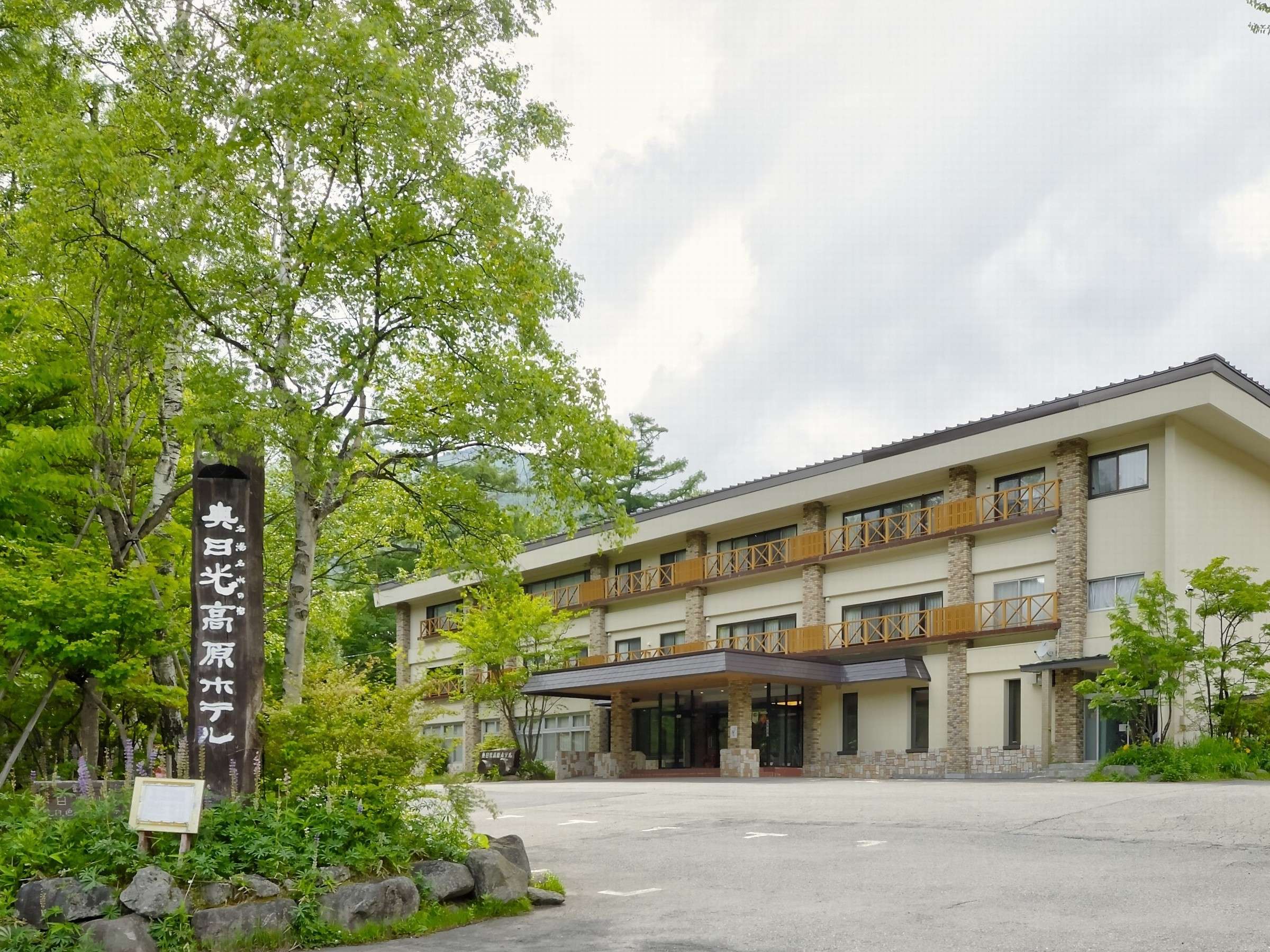 | from US$153/person/night≈ US$306 for 2 | 9.0 1,053 reviews | Book on Trip.com |
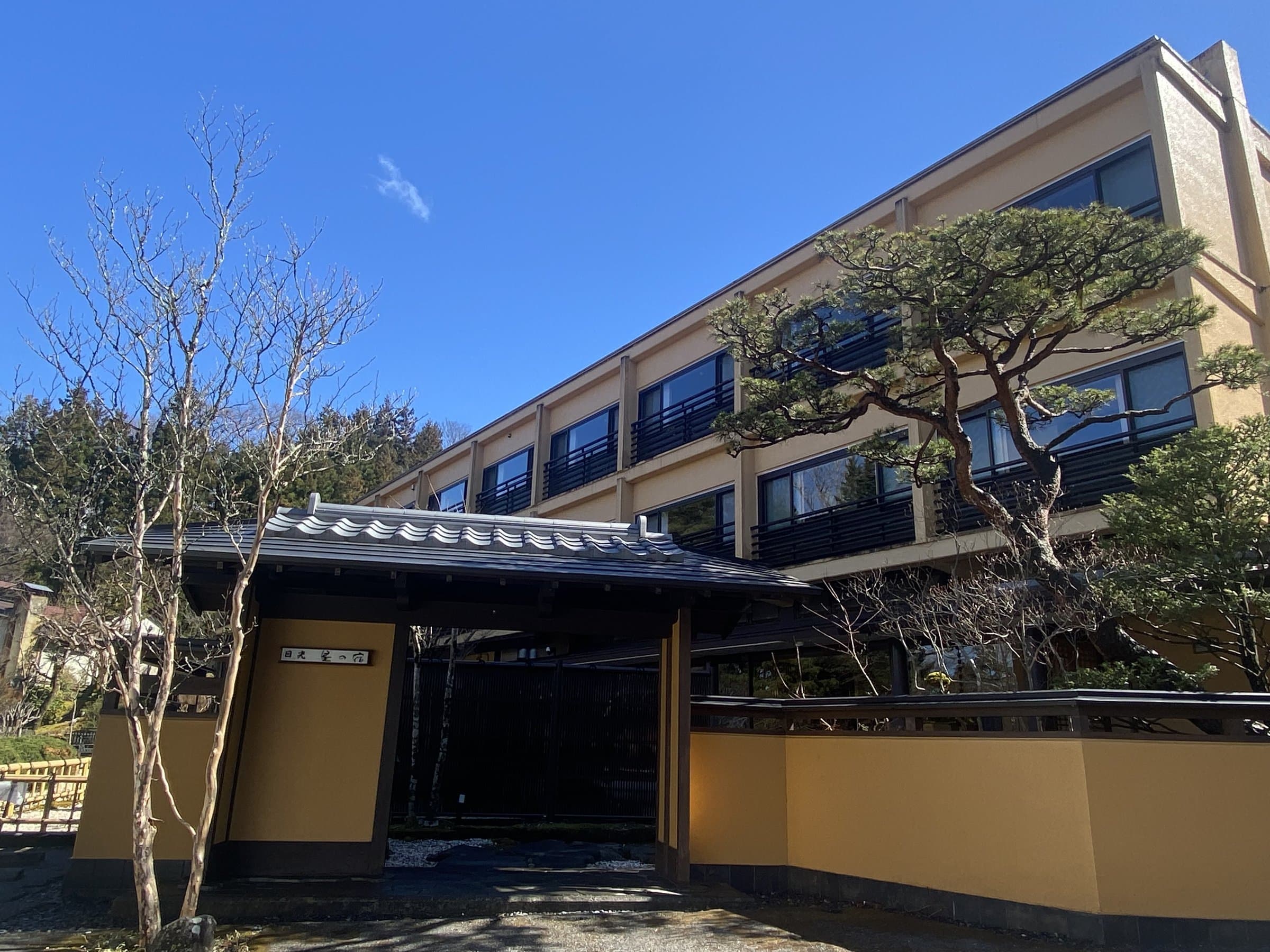 | from US$170/person/night≈ US$340 for 2 | 8.9 367 reviews | Book on Agoda |
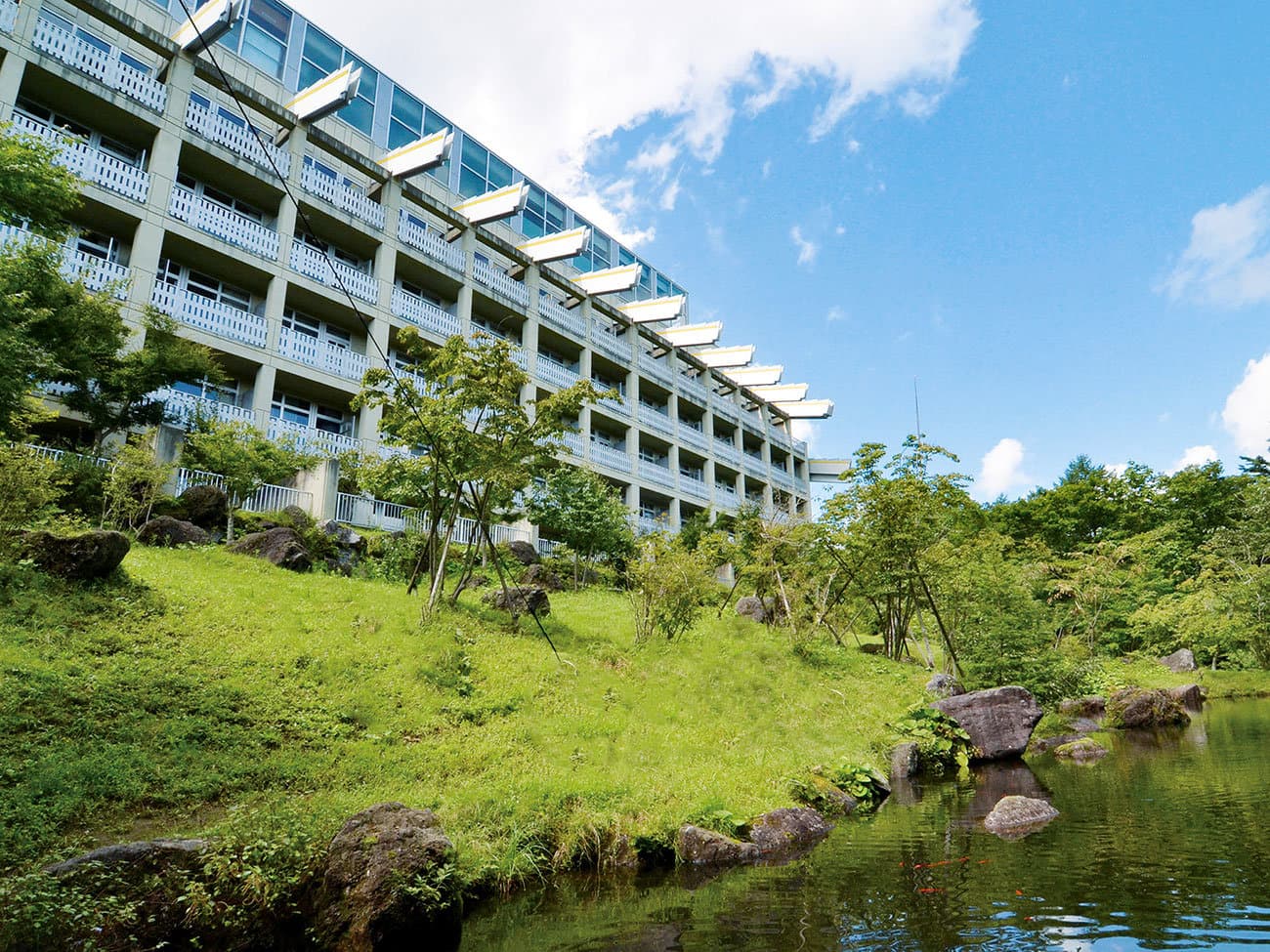 | from US$155/person/night≈ US$310 for 2 | 8.8 3,577 reviews | Book on Agoda |
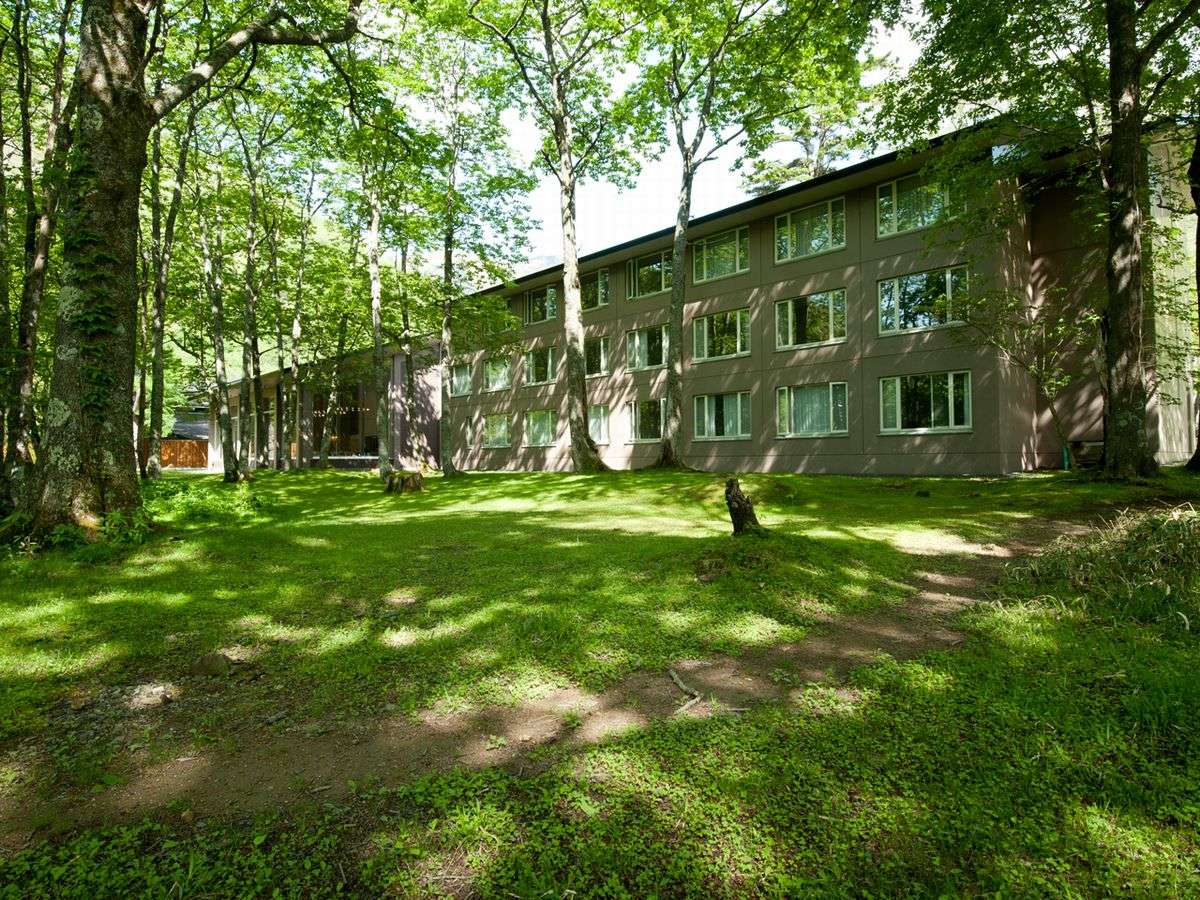 | from US$158/person/night≈ US$316 for 2 | 8.8 818 reviews | Book on Trip.com |
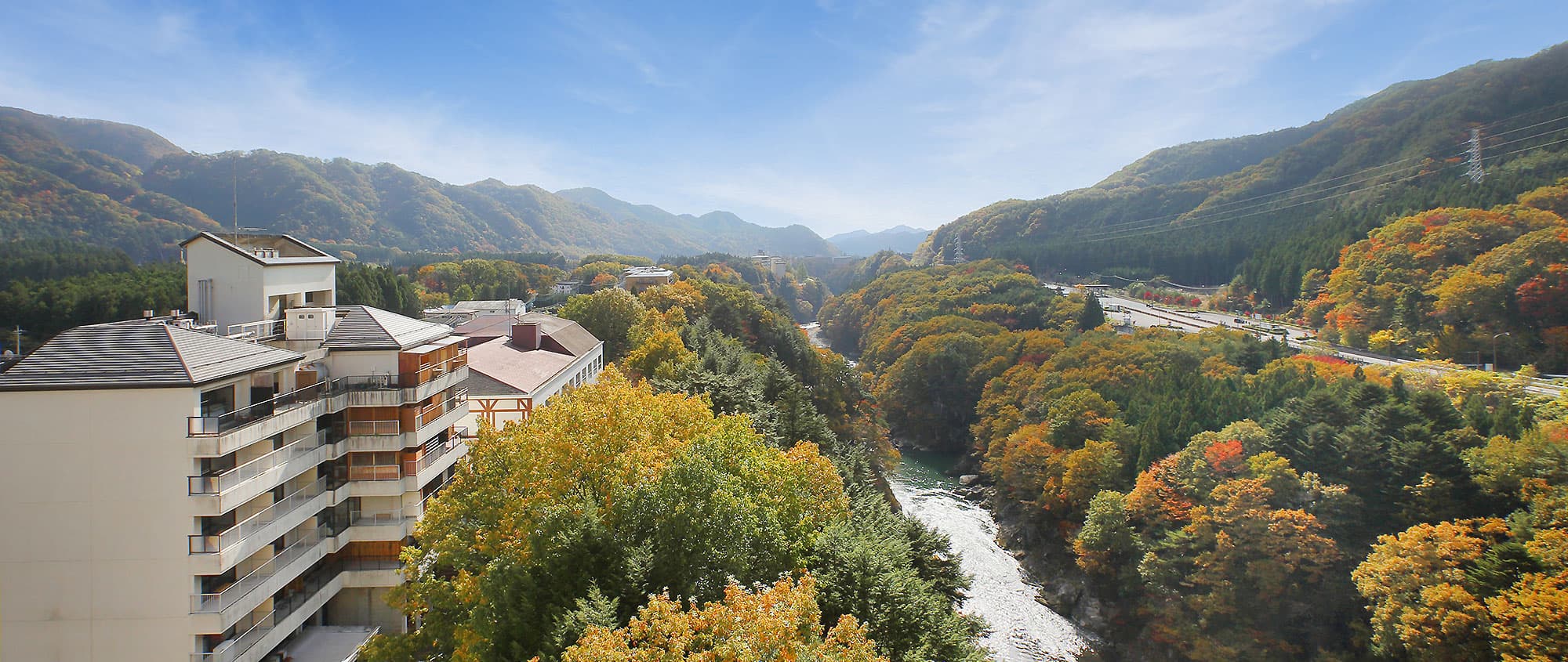 | from US$163/person/night≈ US$326 for 2 | 8.8 114 reviews | Book on Trip.com |
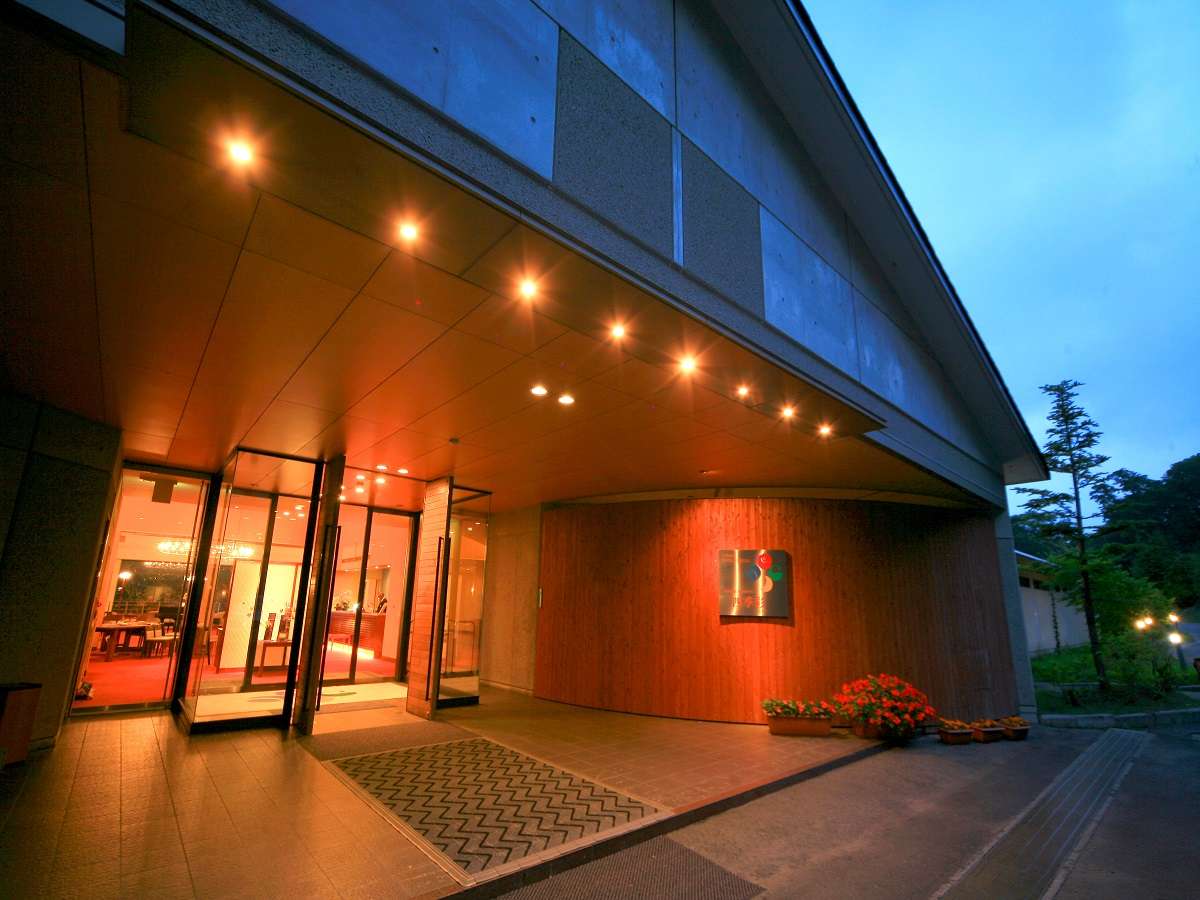 | from US$132/person/night≈ US$264 for 2 | 8.8 62 reviews | Book on Booking.com |
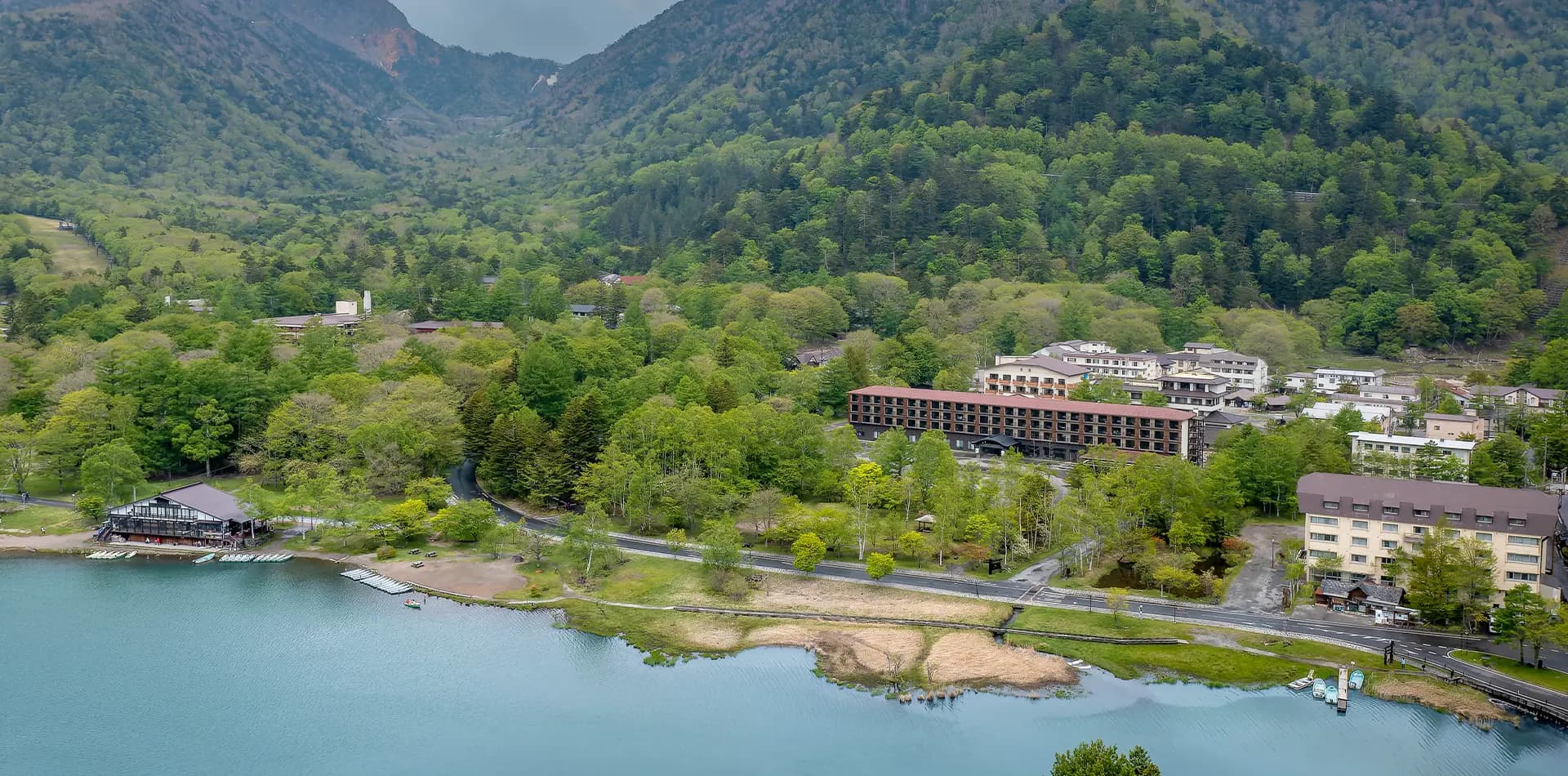 | from US$65/person/night≈ US$130 for 2 | 8.6 240 reviews | Book on Agoda |
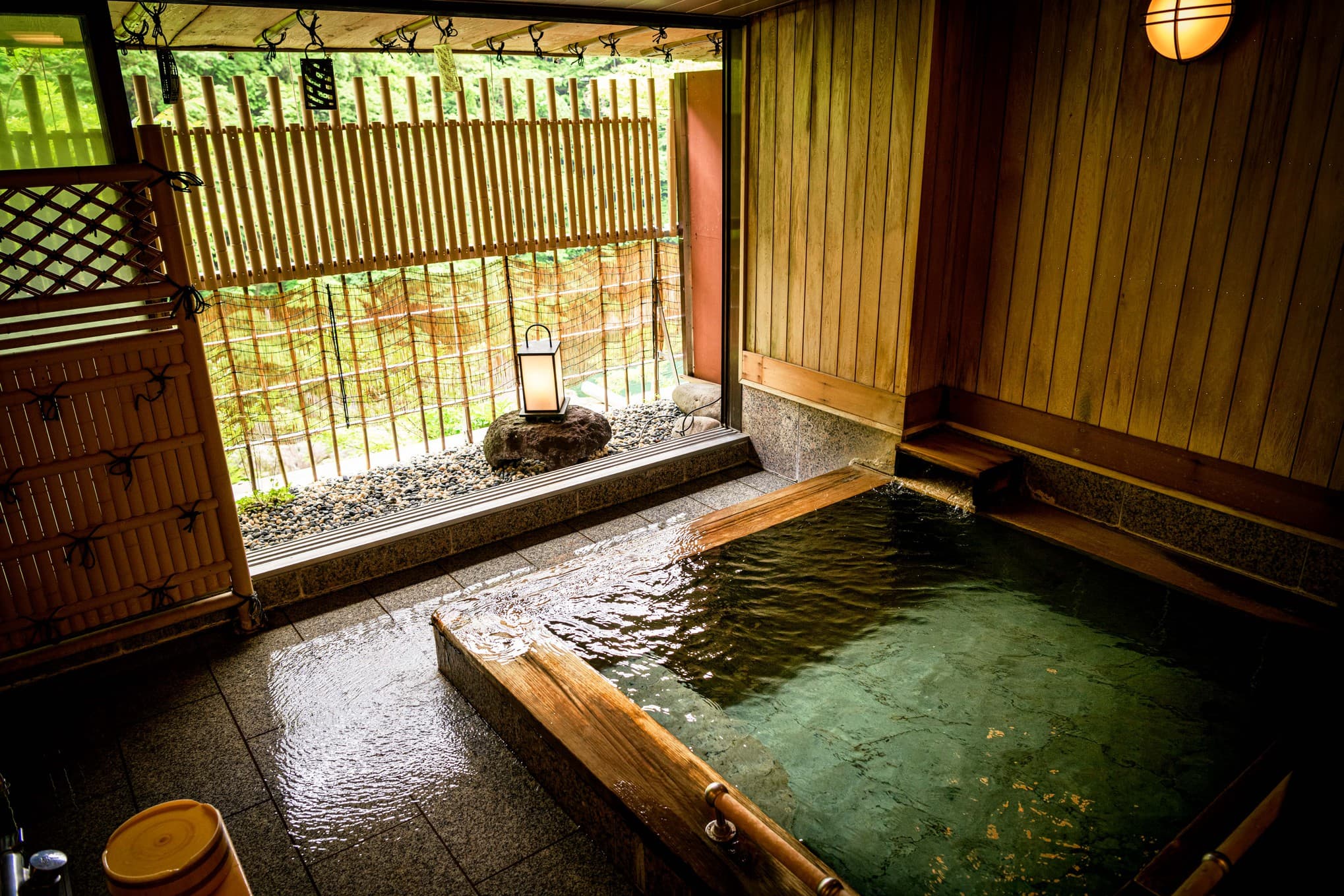 | from US$75/person/night≈ US$150 for 2 | 8.4 914 reviews | Book on Booking.com |
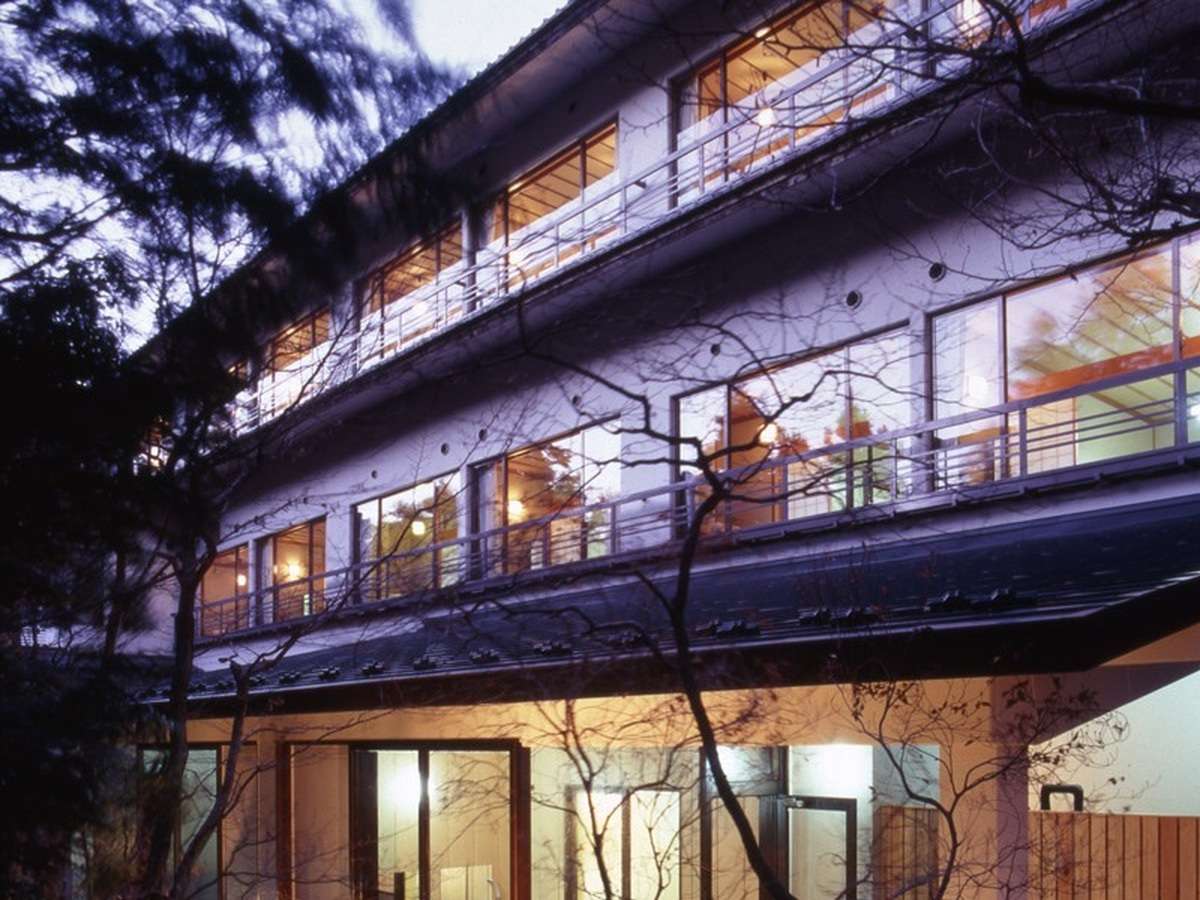 | from US$106/person/night≈ US$212 for 2 | 8.4 476 reviews | Book on Trip.com |
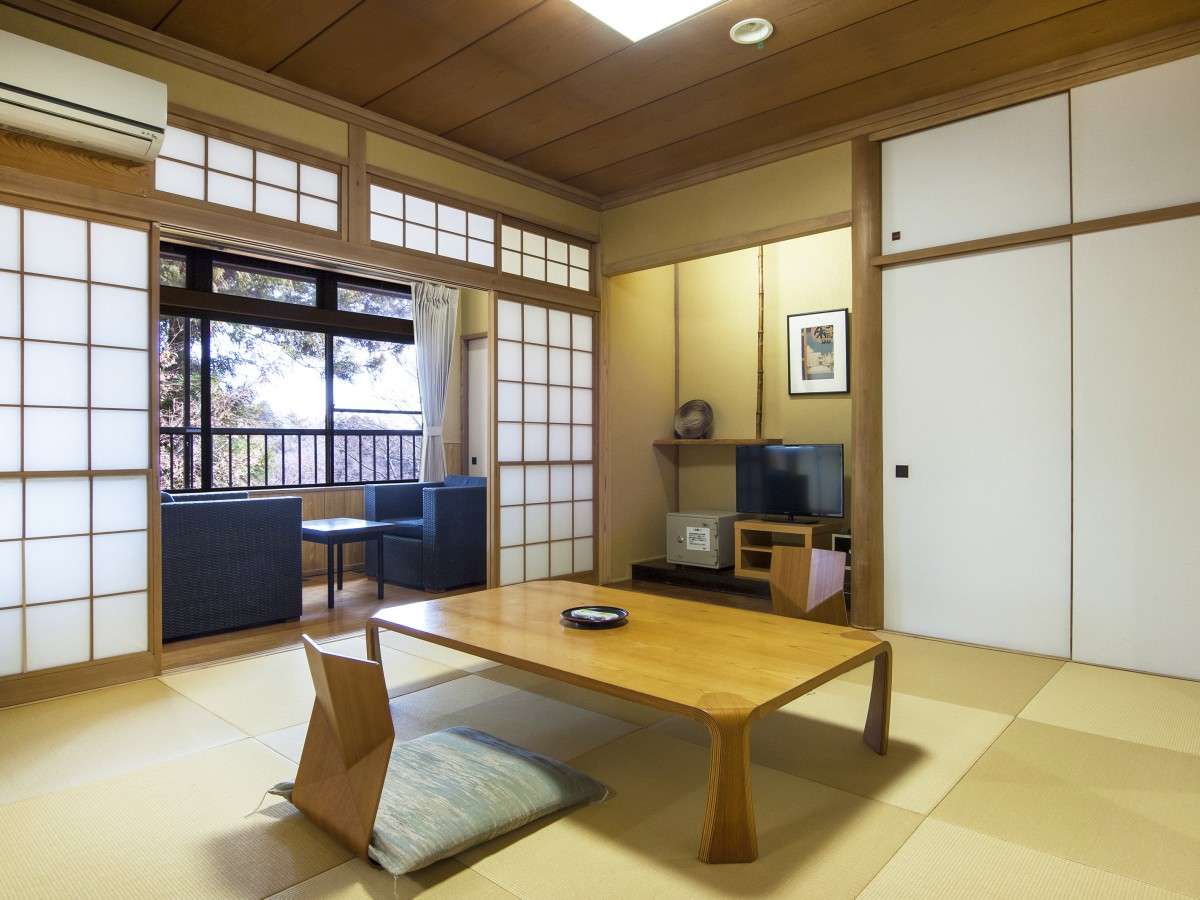 | from US$125/person/night≈ US$250 for 2 | 8.1 417 reviews | Book on Trip.com |
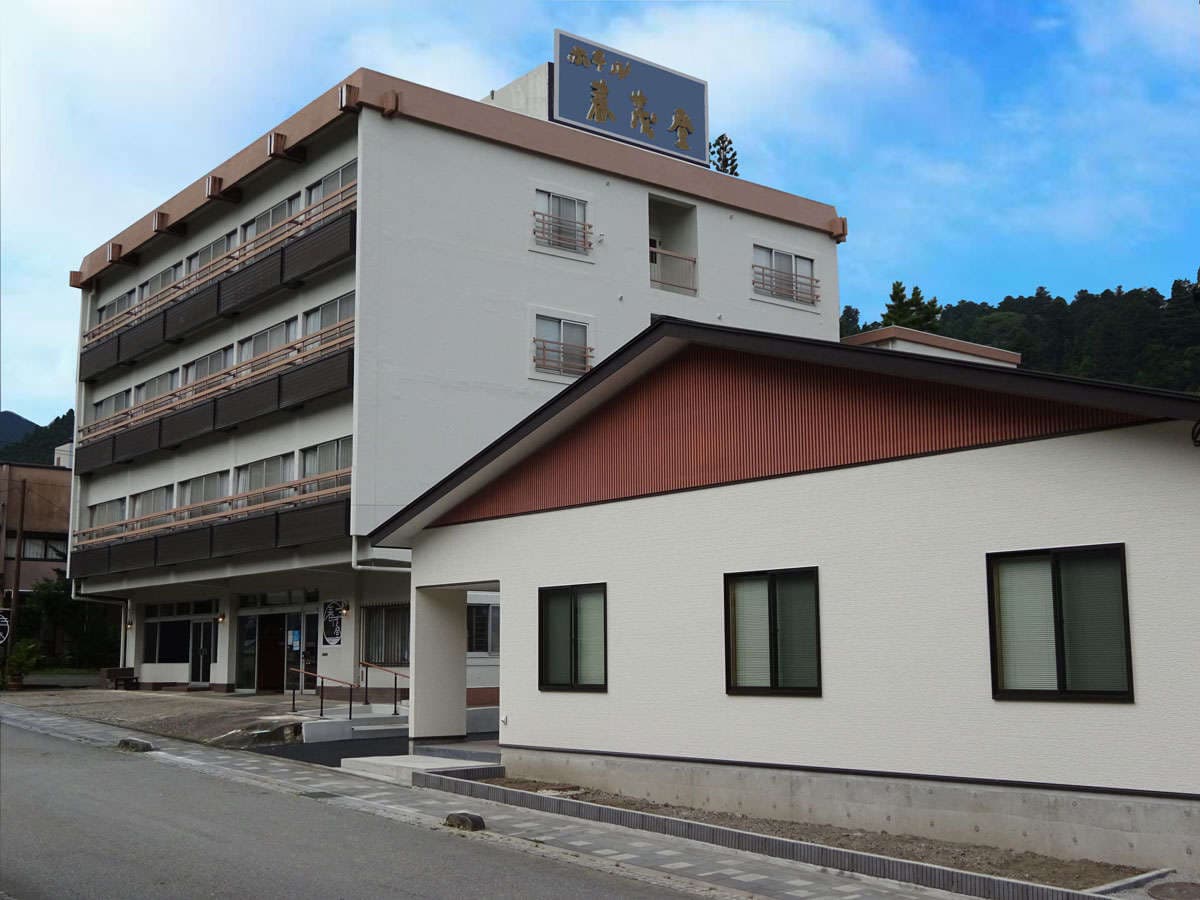 | from US$74/person/night≈ US$148 for 2 | 8.0 79 reviews | Book on Trip.com |
Okunikko Kogen Hotel
Nikko
Nikko Hoshinoyado
Nikko
TAOYA Nikko Kirifuri
Nikko
Isshinkan
Nikko
Hotel Seikoen
Nikko
Nikko Tokanso
Nikko
Hotel Harumoto
Nikko
Prices shown are approximate starting rates per person per night. We may earn a commission on bookings.
Ready to book?
Book one of these top picks
Compare live availability and prices across booking sites.
FUFU Nikko
ふふ 日光
Nikko·Luxury
from US$400 · per person · per nightfrom ≈ US$800 total for 2 guests



Hoshino Resorts KAI Kinugawa
星野リゾート 界 鬼怒川
Kinugawa Onsen·Luxury
from US$175 · per person · per nightfrom ≈ US$350 total for 2 guests
Chuzenji Kanaya Hotel
中禅寺金谷ホテル
Nikko·Luxury
from US$200 · per person · per nightfrom ≈ US$400 total for 2 guests
Booking links may earn us a commission at no extra cost to you.
FAQ
Frequently asked questions
Is it worth staying overnight in Nikko or is a day trip enough?+
Overnight is worth it if shrines, onsen, or autumn foliage rank in your top three reasons for going. Day-trippers see Tōshōgū during the 9 a.m.–4 p.m. crowd window; overnight guests walk the cedar avenue at 6:30 a.m. and soak after dinner — two experiences structurally unavailable on a day trip. The only case for skipping overnight: you're already paying for Tokyo lodging that night and only care about the shrine checkbox.
Which area of Nikko should I stay in — Nikko-cho, Chuzenji, Yumoto, or Kinugawa?+
Nikko-cho for shrine proximity (8–15 min walk to Tōshōgū) — but the town closes by 8 p.m. Kinugawa for gorge rotenburo and resort scale at half the Yumoto price. Chuzenji for lakeside autumn foliage and Kegon Falls access (1,269 m, 40 min by bus). Yumoto for the most authentic mountain-onsen experience: sulfuric springs, national park setting, 1,478 m altitude (90 min by bus). First-timers usually want Nikko-cho or Kinugawa; repeat visitors usually want Yumoto.
How much does a ryokan in Nikko cost per night?+
Budget $60–$150 per person at Hotel Otaki (room-only). Mid-range $100–$280 at Asaya, Kinugawa Onsen Hotel, Yumotokan, Kinugawa Plaza. Luxury $200–$700 at FUFU Nikko, KAI Kinugawa, Nikko Kanaya, Bettei Sasane, Chuzenji Kanaya. Top tier $500–$1,200 at the Ritz-Carlton Nikko. Foliage season (mid-Oct to mid-Nov) roughly doubles all rates. Prices verified May 2026 via Booking.com.
Do Nikko ryokans have private in-room onsen baths?+
FUFU Nikko (every suite) and Bettei Sasane (every room) are the two properties on this list where private in-room baths are standard in all accommodations. The Ritz-Carlton Nikko's Lake Suites include private rotenburo. KAI Kinugawa and KAI Nikko (Chuzenji) offer private baths in upgraded room categories but not universally. Hotel Otaki has free reservable private kashikiri baths — the best private-bath value at the budget tier.
How do I get from Tokyo to Nikko by train?+
Take the Tobu Spacia X from Asakusa Station to Tobu-Nikko Station — 1h 47m, approximately ¥2,860 for a reserved seat (verified Tobu Railway 2026-05-25). For Kinugawa ryokans, continue to Kinugawa-Onsen Station on the Tobu Kinugawa Line. For Chuzenji or Yumoto, transfer to Tobu Bus Route 2 at Tobu-Nikko Station. The Nikko All-Area Pass (¥4,780, 4 days) covers round-trip Tobu rail plus all Nikko-area buses.
When is the best time to visit Nikko and book a ryokan?+
Mid-October to mid-November for autumn foliage — book by late May for foliage weekends; rates double and the top five properties sell out 4–6 months ahead. Late January to mid-February for Yumoto snow. Mid-April for cherry blossoms and Tōshōgū's Yayoi Festival. Value windows: late November, mid-March, and early June. Avoid Golden Week (May 3–5) and the third weekend of October at Chuzenji (Iroha-zaka gridlock).
What UNESCO sites are near Nikko ryokans, and how long do they take to visit?+
The Shrines and Temples of Nikko — inscribed by UNESCO in 1999 — cover 103 buildings across Tōshōgū Shrine, Rinno-ji Temple, and Futarasan Shrine. Budget 90 minutes for Tōshōgū alone with the tomb staircase, 25 minutes for Rinno-ji's Sanbutsudo, and 15 minutes for Futarasan's main sanctuary. The combined ticket (¥2,100) covers all three; buy it at the Rinno-ji south approach office to avoid duplicate queues.
Are Nikko ryokans English-friendly?+
The luxury tier — FUFU Nikko, KAI Kinugawa, Nikko Kanaya, Ritz-Carlton Nikko, Chuzenji Kanaya — all have English-speaking front desks and English kaiseki menus. Mid-range (Asaya, Kinugawa Onsen Hotel, Kinugawa Plaza, Yumotokan) have English booking sites and basic front-desk English. Bettei Sasane, Yokoyama Ryokan, Okuhoso-no-Yado Hanaya, and Hotel Otaki rely more on translation apps; book through English-language partner platforms for reliable pre-arrival communication.
Still deciding?
Browse ryokans across JapanBooking.com