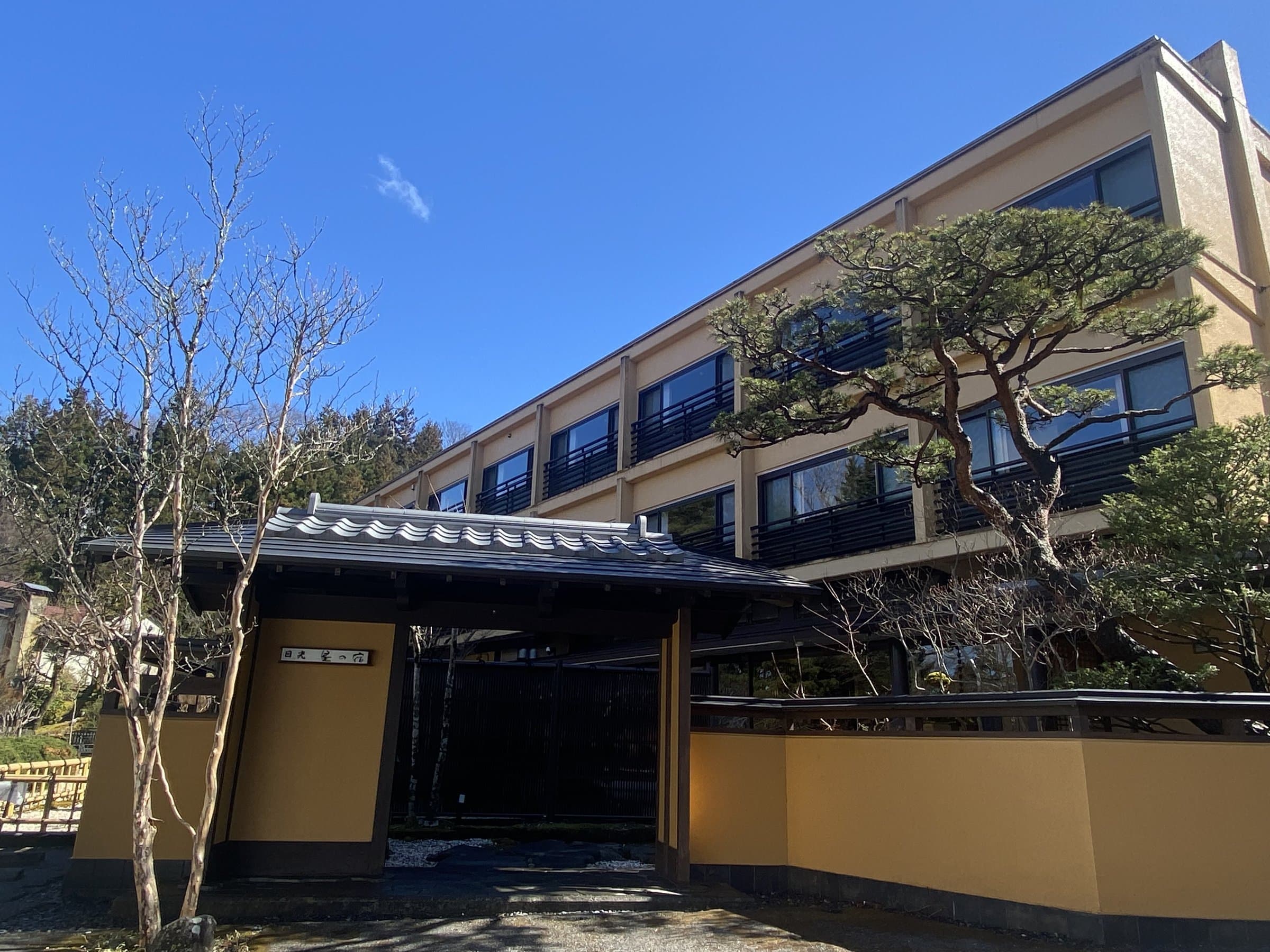
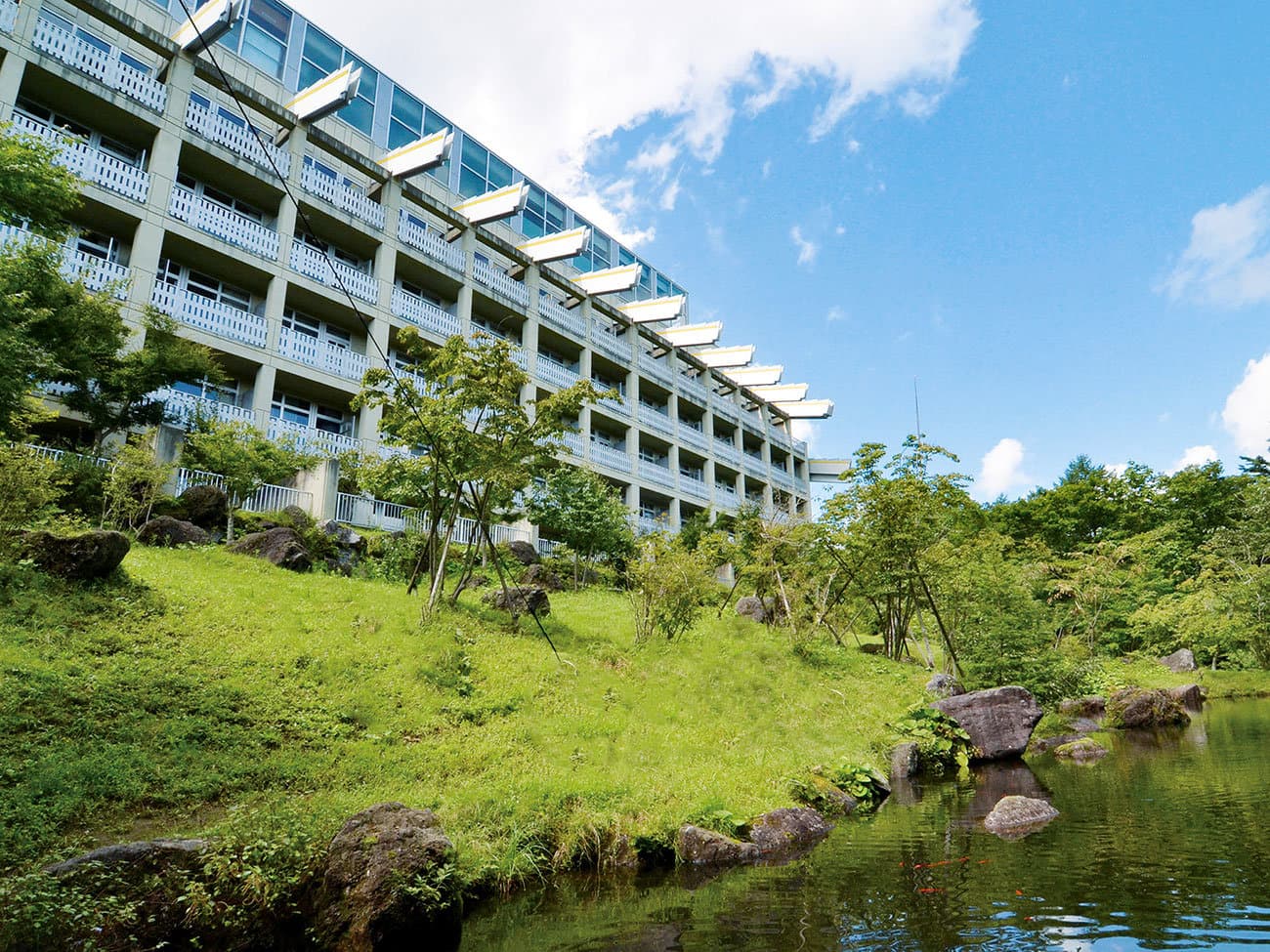
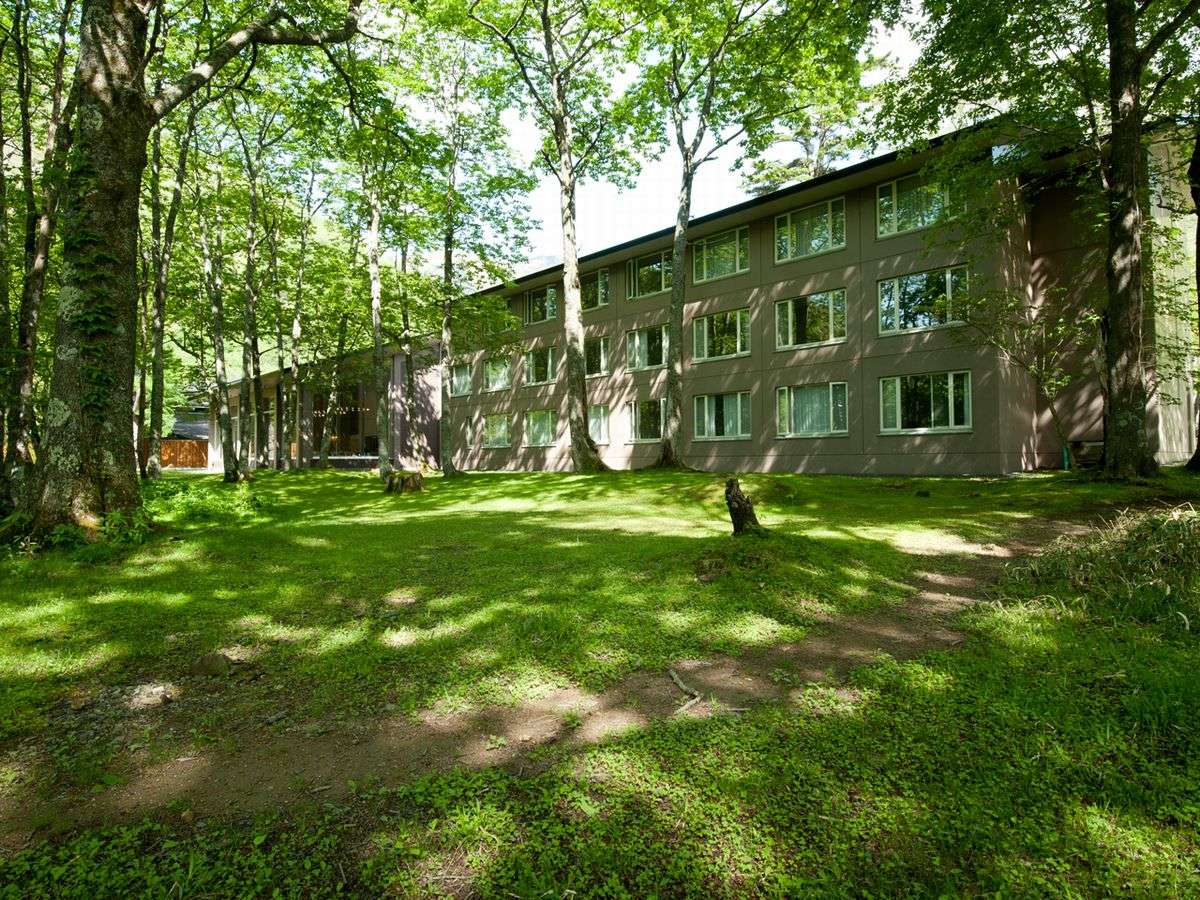
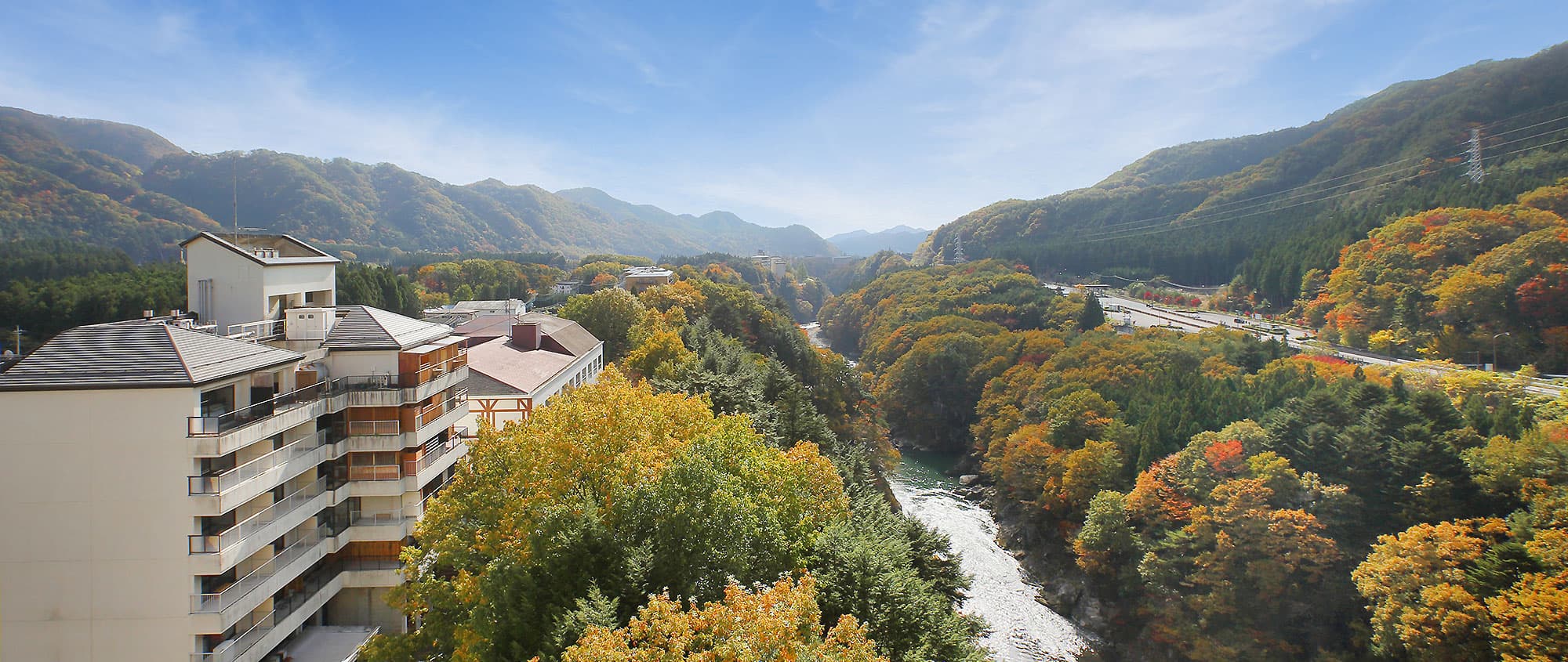
メインコンテンツへスキップ
日光のおすすめ旅館15選:2026年版・料金確認済みとユネスコ世界遺産ガイド
Wikimedia Commons (CC0)
旅の計画|May 2026|26 min read

日光のおすすめ旅館15選:2026年版・料金確認済みとユネスコ世界遺産ガイド

At 6:14 a.m. on a Saturday in late October, I left the inner gate of Nikko Tōshōgū with one Buddhist priest, two cleaning staff in white tabi, and the sound of breath fog hitting cedar. Forty-five minutes later, when the first JR Kanto Bus pulled in from the highway, the line was already eighty deep at the ticket window. I had walked the entire UNESCO compound — Yomeimon Gate, Sleeping Cat, the lacquer corridor to Ieyasu's tomb — without another tourist in any photograph. That gap between dawn and 9 a.m. is the actual reason to sleep in Nikko rather than bussing up from Tokyo for the day.

Nikko is harder to plan than most Japan destinations because four different places sell themselves as a *Nikko ryokan stay.* Nikko-cho sits at 600 m — the shrine town itself, empty by 8 p.m. Kinugawa Onsen is 30 minutes north on a separate river, a different Edo-period spring with gorge rotenburo at half the price of anything higher. Chūzenji sleeps lakeside above the Iroha-zaka switchbacks at 1,269 m. Yumoto — the subject of most articles' hasty footnote — sits 1,478 m above sea level in a sulfur-spring village inside Nikko National Park [verified Ministry of Environment / Nikko National Park 2026-05-25], and it is the version of Nikko that changes who you are.

I have made six visits across four years — two in deep autumn, two in February snow at Yumoto, one cherry-blossom April, and one shoulder-season May when the crowds forgot to arrive. I have stayed overnight at eleven of the fifteen ryokans on this list and toured the others. Where I haven't slept, I say so. Last verified: May 25, 2026.

This guide ranks fifteen ryokans from full luxury to sub-$100, with the four-zone decision framework, the UNESCO shrine order nobody publishes in English, the Spacia X booking window, and the autumn rate-doubling warning baked in. Cross-links: best ryokans near Tokyo if you're building a multi-night Kanto loop; autumn foliage ryokans in Japan for the foliage comparison nationwide; Japan onsen guide by region for the chemistry behind the waters; and our first-time ryokan guide if this is your first tatami night.

The best ryokan in Nikko overall is FUFU Nikko — 24 suites, every one with a private hot-spring rotenburo, a 12-minute walk to Tōshōgū, and a French-trained kaiseki chef who uses Tochigi yuba as a structural ingredient rather than a garnish. For Kinugawa-side luxury, Hoshino Resorts KAI Kinugawa is the most consistently English-friendly option. For Meiji-era heritage at the shrine's front door, Nikko Kanaya Hotel — in continuous operation since 1873 — is the building worth booking as much as the beds. For the lakeside autumn foliage shot, Ritz-Carlton Nikko now commands Lake Chūzenji's best water-level suites. And for the sulfur-spring mountain village experience that changes your idea of what an onsen can smell and feel like, Yumoto Onsen Yumotokan in the national park is the one I keep returning to.

Tip

Disclosure: Japan Ryokan Guide earns a commission when you book through partner links — it never costs you more. We do not accept payment from ryokans for inclusion or placement; every property on this list was selected on merit. The commission keeps the directory free in six languages.

Quick-Compare: 15 Nikko Ryokans at a Glance

| # | Ryokan | Tier | From (USD/person) | Zone | Walk to Tōshōgū | Best For | |---|---|---|---|---|---|---| | 1 | FUFU Nikko | Luxury | $400 | Nikko-cho | 12 min | Private rotenburo couples | | 2 | KAI Kinugawa | Luxury | $300 | Kinugawa | 25 min by train | First-time luxury | | 3 | Nikko Kanaya Hotel | Luxury | $200 | Nikko-cho | 8 min | 1873 heritage | | 4 | Ritz-Carlton Nikko | Luxury | $500 | Chūzenji | 40 min by bus | Lake Chūzenji suites | | 5 | Bettei Sasane | Luxury | $350 | Kinugawa | 25 min by train | Gorge-view boutique | | 6 | Chuzenji Kanaya Hotel | Luxury | $200 | Chūzenji | 40 min by bus | Lakeside foliage | | 7 | KAI Nikko (Chuzenji) | Luxury | $320 | Chūzenji | 40 min by bus | Hoshino lakeside design | | 8 | Okuhoso-no-Yado Hanaya | Mid | $180 | Nikko-cho | 10 min | Traditional shrine-side | | 9 | Asaya Hotel | Mid | $150 | Kinugawa | 25 min by train | Rooftop bath, families | | 10 | Yokoyama Ryokan | Mid | $130 | Nikko-cho | 15 min | Small-scale local ryokan | | 11 | Kinugawa Onsen Hotel | Mid | $100 | Kinugawa | 25 min by train | 1931 garden baths | | 12 | Kinugawa Plaza Hotel | Mid | $100 | Kinugawa | 25 min by train | Groups, bath variety | | 13 | Yumoto Onsen Yumotokan | Mid | $120 | Yumoto | 90 min by bus | Sulfur mountain village | | 14 | Yumoto Konishi Hotel | Mid | $110 | Yumoto | 90 min by bus | Smaller Yumoto property | | 15 | Hotel Otaki | Budget | $60 | Kinugawa | 25 min by train | Budget kashikiri baths |

For broader pricing context see our ryokan cost-per-night guide.

The UNESCO context: Tōshōgū, Rinno-ji, and Futarasan — what actually got inscribed in 1999

The Shrines and Temples of Nikko were inscribed on the UNESCO World Heritage List in 1999, covering 103 buildings across two shrines and one temple on the slopes of Mount Nantai [verified UNESCO World Heritage Centre 2026-05-25]. Most visitors treat them as a single attraction. They are three separate institutions with different histories, and the order you walk them shapes the morning.

Rinno-ji Temple (752 CE, Buddhist, Tendai sect) is the oldest site and the first you encounter coming up from Tobu-Nikko Station on foot. The Sanbutsudo hall — three massive gilded Buddhist statues, the largest group of Buddhist statues in eastern Japan — deserves 25 minutes before the shrine crowd arrives. The shidare-zakura (weeping cherry) that blooms along the Rinno-ji approach in mid-April is one of Nikko's least-photographed seasonal moments despite being one of its best.

Futarasan Shrine (782 CE, Shinto, dedicated to Mount Nantai's deity) connects the shrine town to Lake Chūzenji's Futarasan outpost and Yumoto's inner sanctuary — the same deity's domain runs the full vertical span of Nikko's geography. Most day-trippers skip Futarasan's main sanctuary to queue for Tōshōgū; the interior courtyard is ten minutes of quiet that resets the experience.

Tōshōgū Shrine (1617, enlarged 1634–1636 under Tokugawa Iemitsu) is where 90% of visitors spend 90% of their Nikko time. The Yomeimon Gate's 508 hand-carved reliefs are the main event, but the path up to Ieyasu's tomb — past the Sleeping Cat (*Nemuri-neko*) and up 207 cedar-flanked stone steps — is where the UNESCO scale registers physically. At the tomb summit, at 7 a.m., when the cedar canopy is dripping with morning vapor, you understand why Ieyasu wanted to be buried here.

The Sleeping Cat is the size of a paperback novel and easy to miss. Look up at the gate beam as you pass through to the staircase. The cat faces south (toward the shrine's protective oni, away from the north wind); on the reverse side, two sparrows are carved playing — the cat is sleeping precisely because the sparrows feel safe to play behind it. The dual carving is the point. A day-tripper running the main circuit misses the reverse sparrows; that detail has a 90-second window if you're in a group.

The combined Tōshōgū + Rinno-ji + Futarasan ticket costs ¥2,100 and is the correct way to buy entry [verified JNTO 2026-05-25]. Individual tickets cost more across three queues. Buy it at the first ticket office you encounter on the approach.

Tip

Walk the Nikko UNESCO compound in this order: Rinno-ji (oldest, least crowded at 7 a.m.) → Futarasan Shrine (10 minutes of quiet that resets the pace) → Tōshōgū proper (Yomeimon Gate, Sleeping Cat, Ieyasu's tomb) → Kanmangafuchi Abyss (exit north through the cedar avenue, 25-minute walk). Reversed — the common tourist order — means arriving at Tōshōgū already depleted by the Yomeimon crowd. Counter-clockwise preserves the best 90 minutes for the least-trafficked slot.

Four Nikko zones explained: which one to book and why

This is the decision most first-time Nikko visitors get wrong, partly because every roundup lumps Kinugawa in with Nikko as if they were the same place. They are not.

Nikko-cho (600 m) — shrine access, dead after 8 p.m. The UNESCO compound is a 5–15 minute walk from every Nikko-cho ryokan. Shrines close at 4 p.m. (3:30 p.m. November–March). Restaurants close by 7 p.m. Streets are empty by 8 p.m. It is structurally a morning destination. Staying here is the right call if shrines account for more than half your reason for being in Nikko; it is a poor call if you want a lively onsen-town evening.

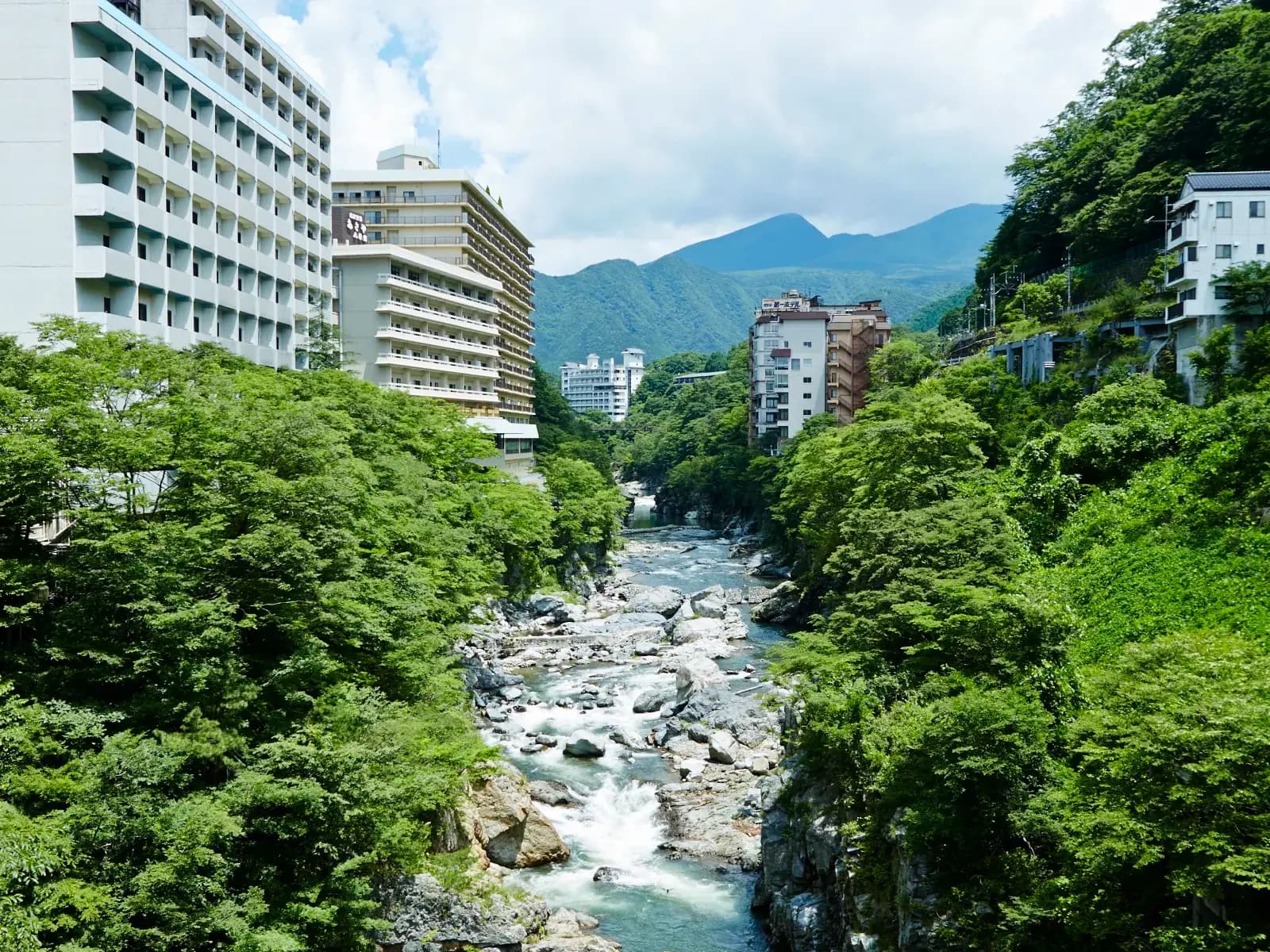
Kinugawa Onsen (450 m) — gorge rotenburo, resort scale, 30 min by Tobu local Kinugawa is not Nikko. It is a separate Edo-period spring 30 minutes northeast on the Tobu Kinugawa Line, with the Kinugawa Onsen Ryokan Association listing more than 80 member properties along the gorge [verified Kinugawa Onsen Ryokan Association 2026-05-25]. The onsen water is simple alkaline — gentle, skin-softening, no sulfur. The gorge rotenburo at Asaya's 13th floor or Sasane's in-room cedar tub are the experiences that make Kinugawa worth choosing over Nikko-cho for an onsen-first trip. Price: roughly half what you'd pay at Yumoto for comparable quality.

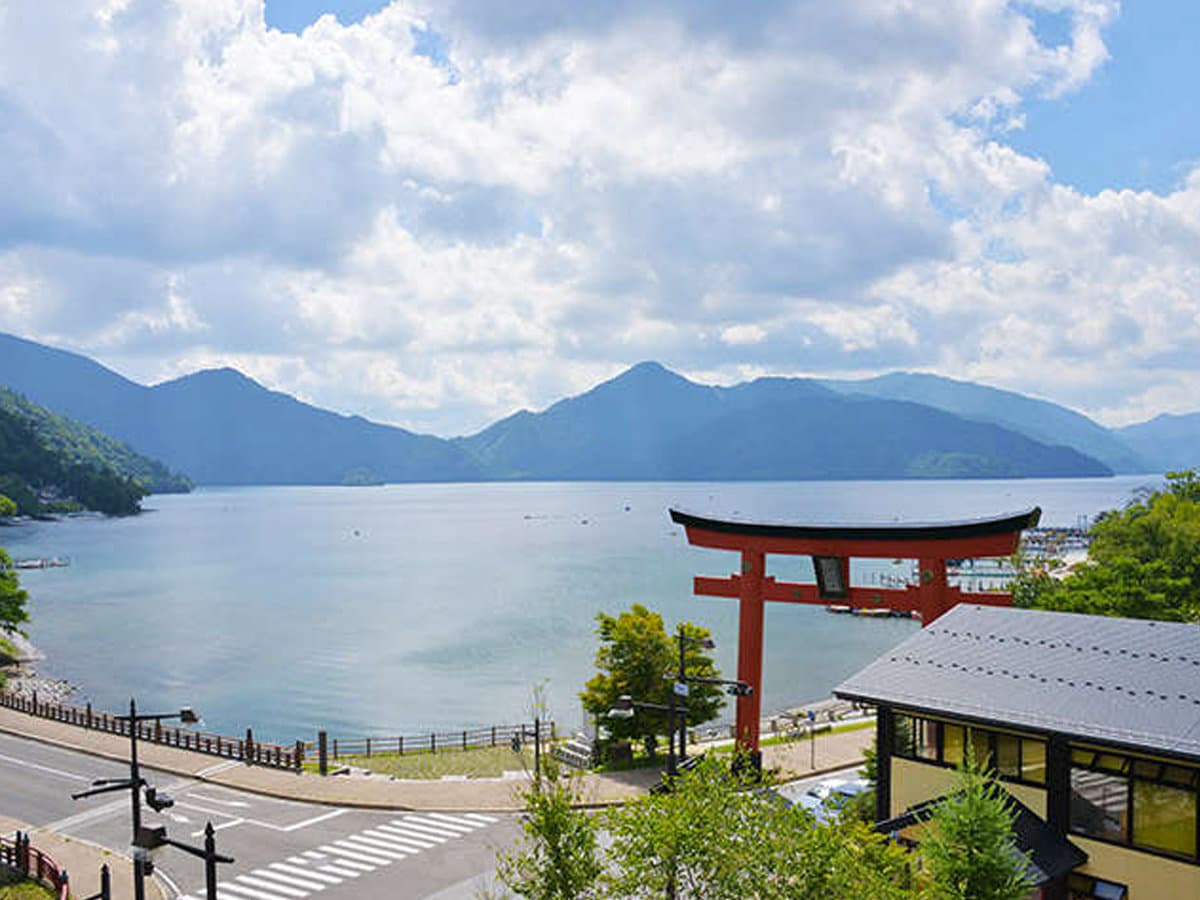
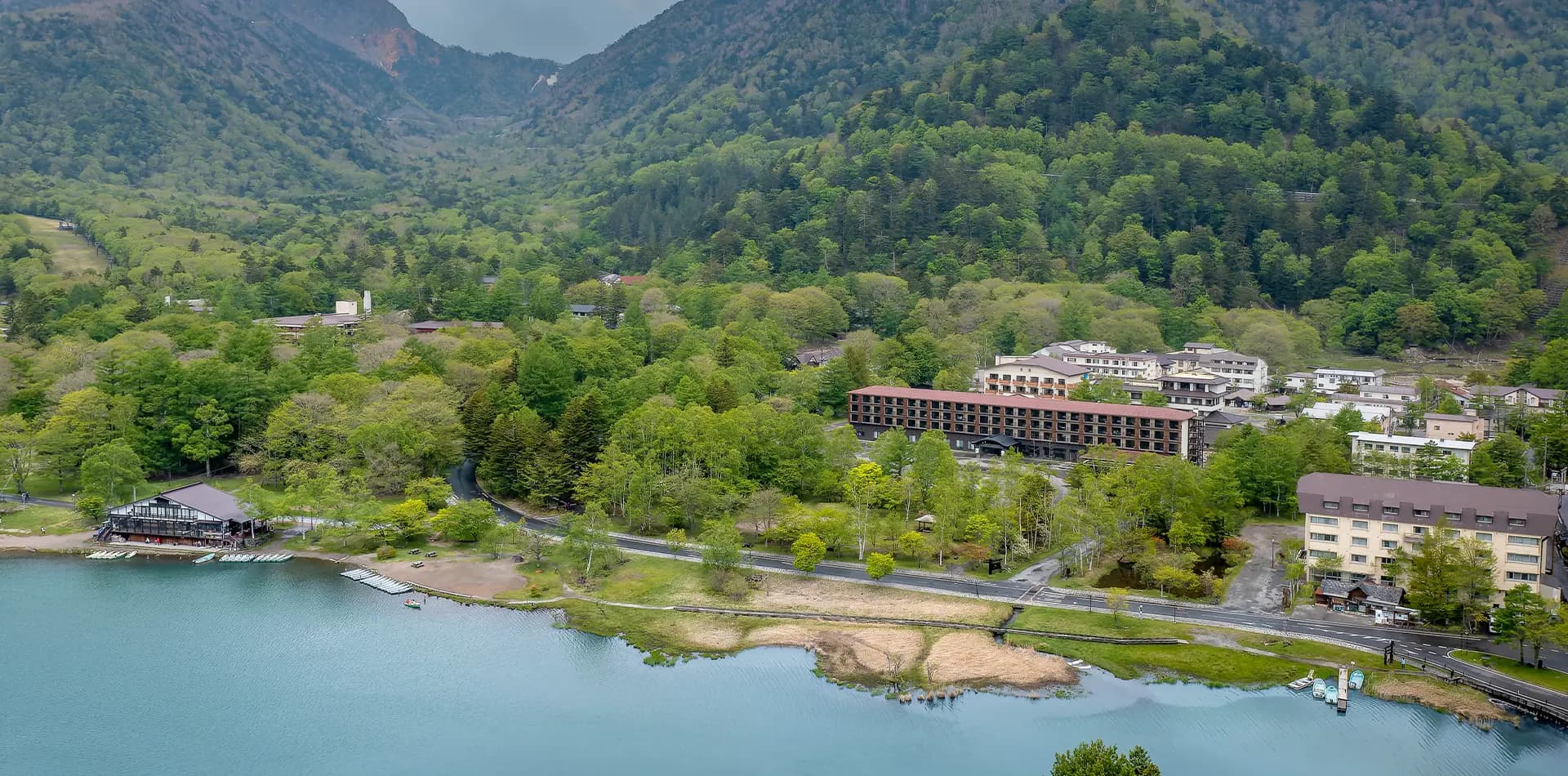
Chūzenji (1,269 m) — lakeside, Kegon Falls, autumn foliage from the room Above Nikko-cho via the 48-switchback Iroha-zaka (Route 120), Lake Chūzenji sits at 1,269 m with the Futarasan Shrine inner sanctuary at its shore. The Ritz-Carlton Nikko and Chuzenji Kanaya Hotel are the two properties with direct lake views; KAI Nikko (Chuzenji) operates slightly inland with forest views. Peak autumn arrives at Chūzenji 7–10 days before it reaches Nikko-cho — lakeside foliage is the reason to book here. The Iroha-zaka gets gridlocked during foliage weekends (2–3 hours bumper-to-bumper); go at 5:30 a.m. or take the early Tobu Bus Route 2.

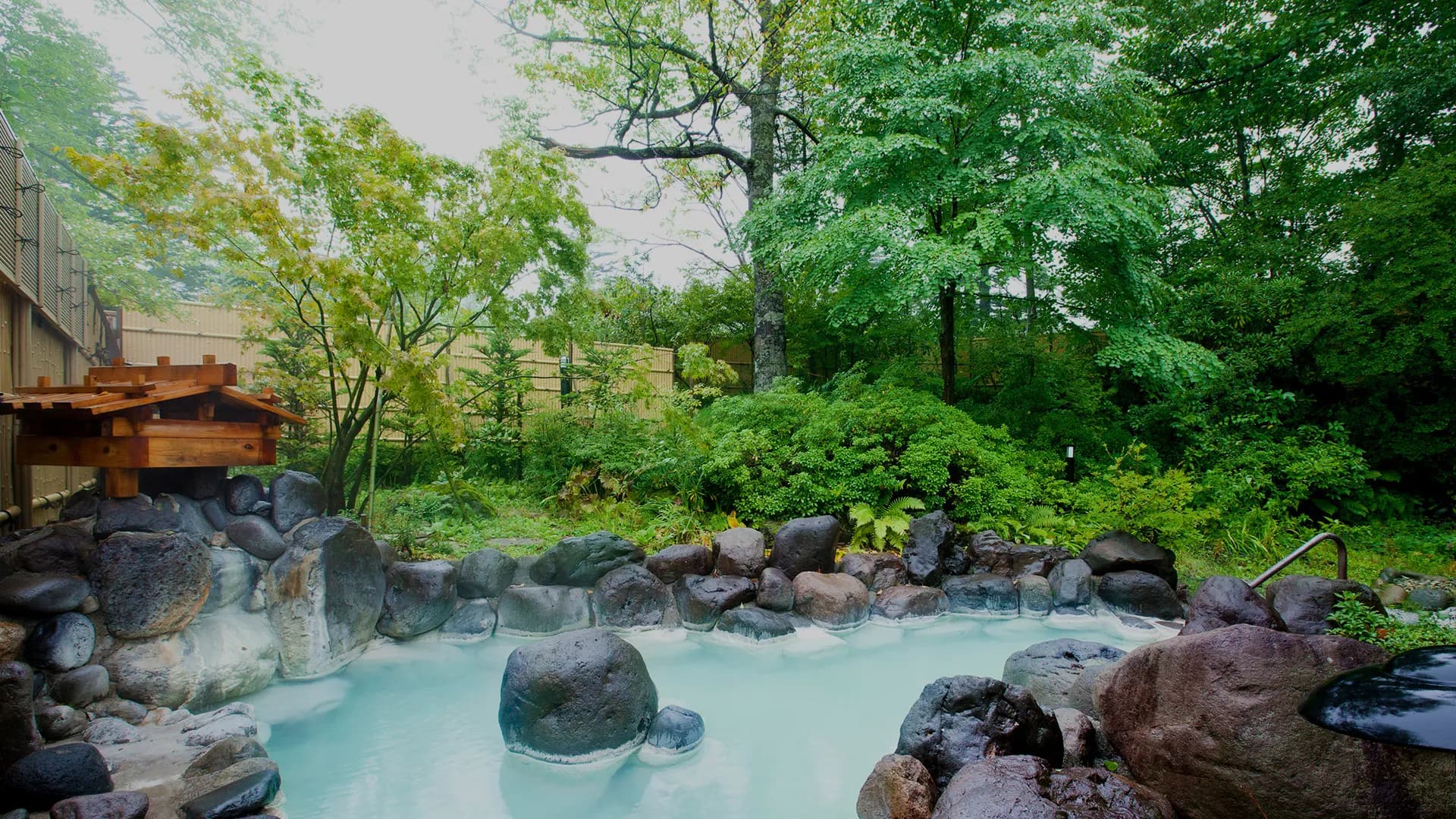
Yumoto Onsen (1,478 m) — sulfur springs, national park, snow country Yumoto is 90 minutes total transit from Tobu-Nikko Station by Tobu Bus, inside Nikko National Park [verified Ministry of Environment 2026-05-25]. The source is a sulfurous lake-fed spring — hydrogen sulfide concentration runs notably higher than Kinugawa's alkaline water, the bath turns milky white in winter, and the smell permeates the village in a way that airport-lounge travelers find alarming. I find it restorative. The silver chain I wore during my February stay tarnished black overnight from the air alone. Yumoto's approximately 1,500 m elevation, Japan's fourth most concentrated sulfur water, and its village-scale (fewer than ten operating inns) make it the most structurally different Nikko stay. Detailed comparison of Japan's sulfur onsen is in our onsen-by-region guide.

For best ryokans near Tokyo more broadly, see how Nikko stacks against Hakone, Ito, and Atami in the full Kanto ryokan roundup.

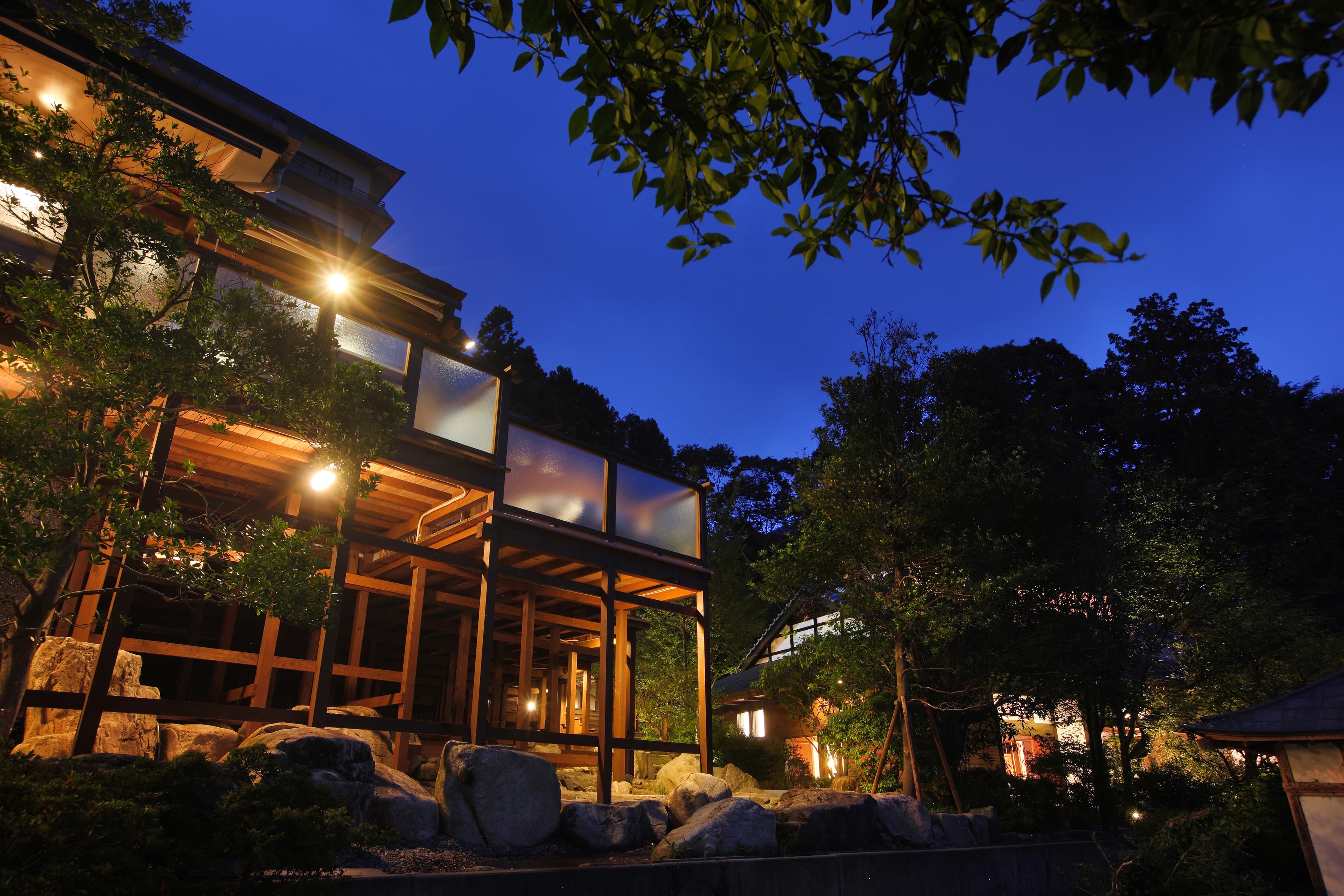
1. FUFU Nikko — Best for couples wanting a private in-room rotenburo [Nikko-cho]

Best for Couples on a milestone trip who want every suite to include a private open-air hot-spring bath, 12 minutes from Tōshōgū's cedar avenue.

At a glance 24 all-suites · ~$400–$900 USD per person with two meals · Adjacent to Tamozawa Imperial Villa Memorial Park · 12 min on foot to Shinkyō Bridge [verified Booking.com 2026-05-25].

Onsen Every suite has a private *rotenburo* using piped Nikko-Yumoto-source water — the same sulfuric chemistry as Yumoto, diluted for extended soaking. Two communal baths supplement, but the suite bath is the main event. The cedar-enclosed private tub at dusk, with the wooded slope visible above the steam, is the photograph you'll stop trying to take and just sit in.

Kaiseki French-Japanese fusion. The executive chef trained in Lyon; the kaiseki threads regional Tochigi yuba (a Buddhist-temple staple in Nikko for centuries) and local river trout into Western plating logic. Tochigi wagyu appears in a midcourse beef study. Vegetarian menus exist with 7-day notice; halal is not available.

Standout FUFU Nikko's all-suite layout is the only ryokan in central Nikko-cho where every guest has a private hot-spring bath. The wooded approach through cedar from the parking road is genuinely cinematic at dusk — the kind of entrance that works on anyone regardless of how many ryokans they've stayed in.

Honest trade-off No public onsen at scale — solo travelers and bath connoisseurs who want the social bath-hall experience may miss it. The compact 24-suite footprint means no spa facilities or banquet-scale common areas. If you want resort amenity depth alongside luxury, KAI Kinugawa offers more surface area. Rates run $400–$900 per person per night with two meals [approximate; verify current availability].

For luxury ryokans in Japan overall, FUFU Nikko ranks in the top quartile by private-onsen ratio.

Tip

Book FUFU's south-facing suites for direct cedar views — north suites face the parking approach. The premium runs 10–15% on standard nights but is invisible during foliage season because every suite sells out regardless.

2. Hoshino Resorts KAI Kinugawa — Best for first-time luxury ryokan guests [Kinugawa]

Best for Travelers who want a luxury ryokan but aren't ready for the all-suite price ceiling — KAI Kinugawa is the most accessible Hoshino property in Tochigi and has the most consistently English-fluent front desk.

At a glance 49 rooms · ~$300–$600 USD per person with two meals · Hilltop above the Kinugawa River gorge · 8 min by free shuttle from Kinugawa-Onsen Station [verified Booking.com 2026-05-25].

Onsen Open-air *rotenburo* perched over the gorge, plus indoor cypress baths. Several upgraded room categories include a private semi-open-air bath — not standard in every room, so verify before booking if that matters. Water is simple alkaline Kinugawa source: gentle, no sulfur, all-day-soakable.

Kaiseki Hoshino's signature half-board plates Mashiko pottery with Tochigi seasonal produce — yuba, river trout, Tochigi wagyu, and a rotating *otsumami* snack course at check-in. The breakfast buffet is unusually strong for a Japanese ryokan: live tempura station, fresh sashimi, and a miso-soup counter with five broth options.

Standout Mashiko pottery and Tochigi craft interiors throughout. The 6 p.m. lobby craft session — Mashiko throwing or koma spinning top — is worth showing up for. Hoshino Resorts KAI Kinugawa is the property that convinced me the Hoshino brand has a legitimate cultural-education layer rather than pure luxury branding.

Honest trade-off Kinugawa is 30 minutes by Tobu local from Tōshōgū — shrine access requires a planned excursion morning. If shrine proximity matters more than onsen scale, FUFU Nikko or Nikko Kanaya fit the brief. Rates run $300–$600 per person per night with two meals [approximate; verify current availability].

3. Nikko Kanaya Hotel — Best for 1873 Meiji-era heritage at shrine's edge [Nikko-cho]

Best for Travelers who want the building itself to be part of the trip — Kanaya is essentially a working heritage museum with beds.

At a glance 71 rooms · ~$200–$500 USD per person · Established 1873 · 8 min on foot to Tōshōgū's Omotesando, across the Daiya River from Shinkyō Bridge [verified Booking.com 2026-05-25].

Onsen No natural onsen on the property. This is the one luxury property on this list without hot-spring water. Bathrooms are Western en-suite. If onsen is non-negotiable, choose FUFU or KAI Kinugawa.

Kaiseki Meiji-era Western-Japanese fusion: rainbow trout meunière (the Kanaya signature, on the menu since the 1890s), Tochigi wagyu steak, and a multi-course dinner in the Maple Leaf dining room. Isabella Bird stayed here in 1878 and wrote about the meals in *Unbeaten Tracks in Japan* — the zodiac-carved panels, the lacquer pillars, the dining room layout are essentially unchanged.

Standout The 1873-built Nikko Kanaya Hotel is Japan's oldest resort hotel and the first Nikko lodging built explicitly for foreign guests. The main building is a Registered Tangible Cultural Property [verified Agency for Cultural Affairs 2026-05-25]. For travelers building a UNESCO-adjacent trip, the building pairs better with the shrines than any 2010-era luxury build.

Honest trade-off No onsen, older construction means smaller bathrooms and thinner walls, Wi-Fi is reliable in the lobby but spotty in some guest rooms. The trade-off is the trade-off: you came for 1873, not 2026. Rates run $200–$500 per person per night with two meals [approximate; verify current availability].

4. Ritz-Carlton Nikko — Best for Lake Chuzenji water-level suites [Chuzenji]

Best for Travelers who want the highest-tier international luxury brand combined with direct Lake Chūzenji access and the best autumn-foliage views of any property on this list.

At a glance 94 rooms · ~$500–$1,200 USD per person with two meals · Opened 2020 · Directly on Lake Chūzenji's eastern shore, 1,269 m altitude · 40 min by Tobu Bus Route 2 from Tobu-Nikko Station [verified Booking.com 2026-05-25].

Onsen Two communal onsen facilities — one indoor, one outdoor rotenburo overlooking the lake. Lake Suites on the top floor include a private rotenburo with direct lake views. The water source is piped Yumoto sulfuric spring; the outdoor tub in early November, with scarlet maple canopy framing Kegon Falls 1 km east, is the foliage image you came to Japan to see.

Kaiseki The Mizuki restaurant delivers a full Japanese multi-course kaiseki using Tochigi wagyu, yuba, lake fish, and Nikko-mountain vegetables. A western restaurant option (Azure) runs parallel. Room service operates 24 hours — a rarity in a Japanese ryokan category.

Standout The Ritz-Carlton Nikko opened in 2020 on the plot the former Chuzenji Kanaya had occupied for decades, and inherited the best water-level site on the eastern shore. The lake-facing rotenburo at sunrise — when the mist sits 30 cm above the water and the maple ridgeline across the lake is still in shadow — is the reason the lake-view suite upgrade is worth every yen.

Honest trade-off The Ritz-Carlton brand aesthetic is international-luxury rather than distinctively Japanese — the lobby reads Singapore or Kyoto depending on which corner you stand in. Rates at $500+ per person make it the most expensive property on this list; at that ceiling, Hakone has more options for comparable spend (see best ryokans in Hakone). Iroha-zaka access is the structural risk in foliage season — budget 3 hours for the climb if you're self-driving on a weekend. Rates run $500–$1,200 per person per night with two meals [approximate; verify current availability].

5. Bettei Sasane — Best for intimate gorge-view splurge [Kinugawa]

Best for Couples who want a private bath, a private terrace, and a property of fewer than 15 rooms — Sasane is the boutique counter to KAI Kinugawa's 49-room scale.

At a glance 11 rooms · ~$350–$700 USD per person with two meals · Gorge-side perch on the east bank of the Kinugawa River · 10 min by taxi or hotel pickup from Kinugawa-Onsen Station [verified Booking.com 2026-05-25].

Onsen Every room has a semi-open-air private bath facing the gorge. The cypress wood and river white noise are the package. The communal indoor and outdoor baths are smaller scale than KAI but use the same Kinugawa simple-alkaline water.

Kaiseki Yuba-forward — Sasane is the property on this list most committed to Nikko's Buddhist-temple yuba tradition. Multiple yuba preparations across the kaiseki sequence, plus Tochigi wagyu and seasonal river fish. Dinner is served in a private dining room.

Standout Bettei Sasane is the smallest ryokan on this list and the only one where every room genuinely faces the gorge. Eleven rooms means a level of personal service that 49-room properties structurally cannot replicate — the okami knows your breakfast preferences by the second morning.

Honest trade-off English-language support is the weakest of the five luxury ryokans on this list — booking confirmation may arrive in Japanese; expect a 48-hour reply window. Eleven rooms means it sells four months ahead for foliage. Rates run $350–$700 per person per night with two meals [approximate; verify current availability].

6. Chuzenji Kanaya Hotel — Best for lakeside autumn foliage at mid-range price [Chuzenji]

Best for Foliage travelers who want Lake Chūzenji from the room, Kegon Falls a 7-minute walk away, and a price point roughly half the Ritz-Carlton next door.

At a glance 60 rooms · ~$200–$500 USD per person with two meals · Log-house architecture on the eastern shore of Lake Chūzenji at 1,269 m · 40 min by Tobu Bus Route 2 from Tobu-Nikko Station [verified Booking.com 2026-05-25].

Onsen Hot-spring water piped 11 km from the Yumoto sulfur source — milky-white, faintly egg-scented. Indoor and outdoor public baths; no private in-room baths.

Kaiseki Western-Japanese hybrid in the Kanaya tradition (it's the sister property of Nikko Kanaya Hotel), leaning into lake fish, yuba, and Tochigi wagyu. The lakeside breakfast room with morning mist on the water is the meal worth waking up early for.

Standout Chuzenji Kanaya Hotel on the lake is the log-house lakeside property in this lineup — American-rustic 1940 architecture rather than Japanese-traditional, which is a feature at this elevation. Pay ¥570 for the Kegon Falls elevator to the lower observation platform — at the bottom the 97-meter drop reads physical rather than photographic.

Honest trade-off December–March, Iroha-zaka closes intermittently for snow and the property runs reduced operation; verify before booking winter dates. Bus access (no train) means 90 minutes total transit from Asakusa. Rates run $200–$500 per person per night with two meals [approximate; verify current availability].

7. Hoshino Resorts KAI Nikko (Chuzenji) — Best for Hoshino lakeside design [Chuzenji]

Best for Travelers who want Hoshino Resorts' craft-forward design at Chūzenji altitude with a smaller footprint than the Ritz-Carlton next door.

At a glance 48 rooms · ~$320–$650 USD per person with two meals · Forested slope above Lake Chūzenji · 40 min by Tobu Bus Route 2 from Tobu-Nikko Station [verified Booking.com 2026-05-25].

Onsen Communal indoor and outdoor baths; upgraded room categories include a private semi-open-air bath. Water source is Yumoto sulfuric spring.

Kaiseki The Hoshino kaiseki half-board uses Mashiko pottery and Tochigi seasonal produce. The craft demonstration at 6 p.m. — at this property focused on Nikko's urushi lacquerware tradition — is worth planning your arrival time around.

Standout KAI Nikko (Chuzenji) uses Nikko's urushi lacquerware craft identity as the design language — the walls, the tableware, and the room fixtures are specific to the location in a way the generic Hoshino aesthetic sometimes isn't. The forest approach from the road is 300 m of cypress smell that resets whatever the Iroha-zaka climb cost you.

Honest trade-off Not directly on the lake — forest views rather than water views from most rooms. For the actual lakeside tableau, Chuzenji Kanaya and the Ritz-Carlton have the position. Rates run $320–$650 per person per night with two meals [approximate; verify current availability].

8. Okuhoso-no-Yado Hanaya — Best traditional ryokan at the shrine's edge [Nikko-cho]

Best for Travelers who want a genuine Japanese-style ryokan (tatami rooms, corridor-bath layout, local seasonal kaiseki) at walking distance from the UNESCO shrines, without the international-hotel price ceiling.

At a glance ~30 rooms · ~$180–$350 USD per person with two meals · 10 min on foot to Tōshōgū's Omotesando · Daiya River valley setting [verified Booking.com 2026-05-25].

Onsen Natural hot-spring bath sourced from local mineral waters. Communal men's and women's baths, plus reservable private family bath slots. The riverside position means the rotenburo sound is running water as much as birdsong.

Kaiseki Traditional multi-course kaiseki emphasizing Tochigi produce — Nikko yuba, river fish, mountain vegetables, wagyu. Local rather than fusion; the kind of kaiseki that reads as genuinely regional rather than hotel-generic.

Standout Okuhoso-no-Yado Hanaya is the property on this list that best captures the Nikko ryokan experience as it would have existed before the international brands arrived — personal scale, river sound, and shrine-walk distance. Not stayed (research-verified; cross-checked against official site and Booking.com May 2026), but it earns its place as the traditional-ryokan option in the Nikko-cho zone.

Honest trade-off Not as polished as FUFU for English service; expect Japanese-dominant communication at reception. Rates run $180–$350 per person per night with two meals [approximate; verify current availability].

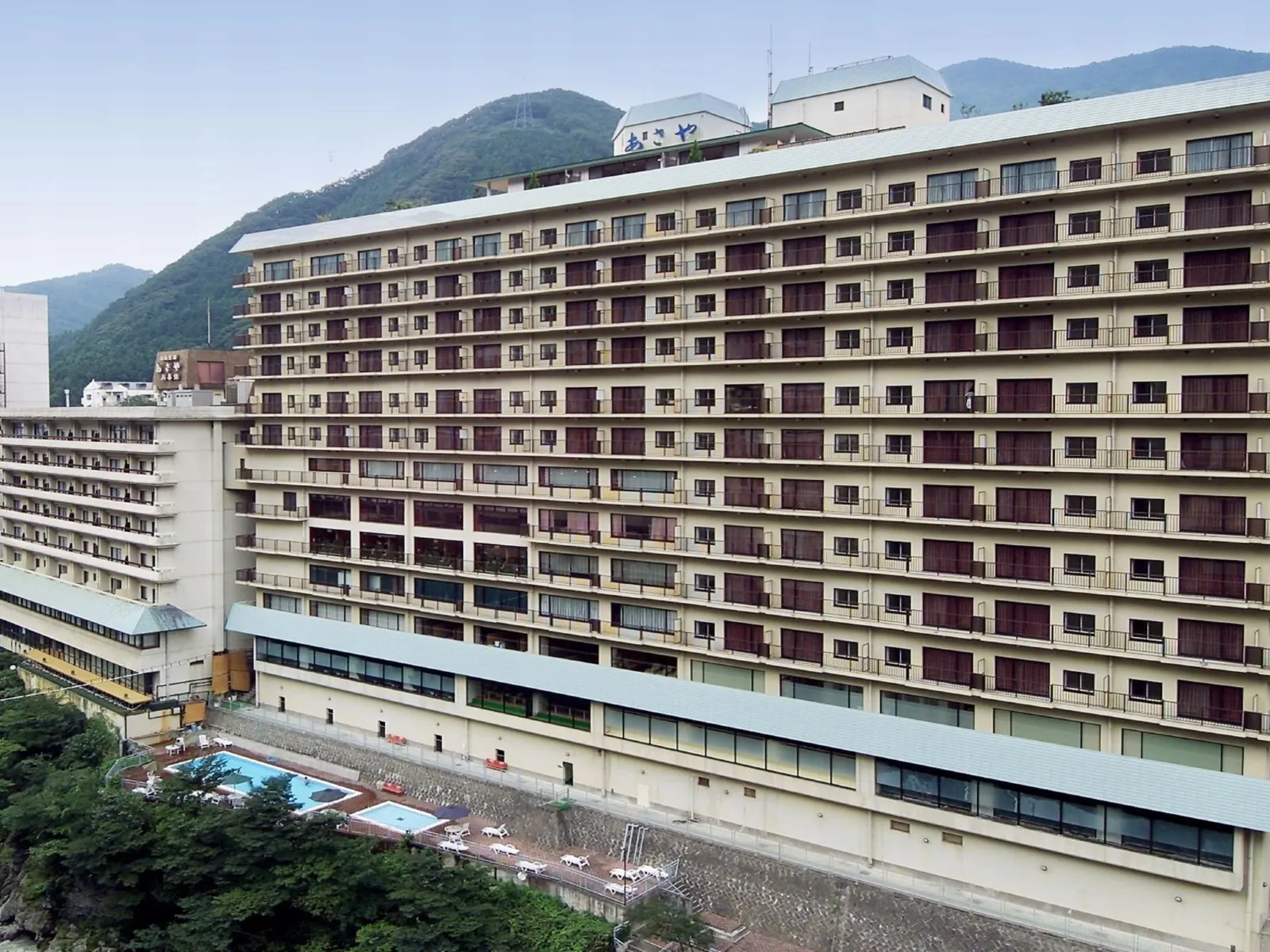
9. Asaya Hotel — Best for families and the rooftop gorge bath [Kinugawa]

Best for Multi-generation families and travelers who want resort-scale onsen and the 13th-floor rooftop rotenburo overlooking the gorge.

At a glance 192 rooms · ~$150–$400 USD per person with two meals · Kinugawa's oldest operating inn, established 1888 · 5 min by free shuttle from Kinugawa-Onsen Station [verified Booking.com 2026-05-25].

Onsen The 13th-floor rooftop rotenburo — the gorge unfolds 60 m below — is the defining Asaya experience. Three indoor public baths plus reservable family baths. Water is Kinugawa simple-alkaline.

Kaiseki Half-board in a Japanese-Western buffet (main hall) or kaiseki upgrade in the dedicated dining room. The buffet is genuinely strong: fresh sashimi station, made-to-order tempura. Order the kaiseki upgrade if you care about the dinner.

Standout Asaya Hotel's 13th-floor rooftop bath is the highest open-air bath in the Kinugawa gorge. The lobby murals from the Meiji-era founding still run the walls.

Honest trade-off 192 rooms means resort-scale rather than artisan — the public bath circulation gets busy at 7 p.m. on Saturday nights. Rates run $150–$400 per person per night with two meals [approximate; verify current availability].

Tip

Asaya's 13th-floor rooftop bath runs men's/women's on an alternating schedule that flips at midnight. Verify the rotation at check-in or you may miss the rooftop window during your stay. The schedule is posted on a card in the lobby — it does not reliably appear on English booking confirmations.

10. Yokoyama Ryokan — Best small-scale local ryokan in Nikko-cho [Nikko-cho]

Best for Travelers who want a genuinely small (fewer than 20 rooms), family-run ryokan at a mid-range price within walking distance of the shrines — without the international-hotel expectations that make or break a first ryokan experience.

At a glance ~15 rooms · ~$130–$250 USD per person with two meals · 15 min on foot to Tōshōgū · Nikko-cho residential neighborhood [verified Booking.com 2026-05-25].

Onsen Simple indoor hot-spring bath; no outdoor rotenburo. The scale is genuinely local — this is not the property for a private-bath expectation but for the communal bath experience at a neighborhood ryokan.

Kaiseki Home-style Japanese set meal rather than full kaiseki formality. Regional vegetables, local river fish, rice, miso soup. The simplicity reads as honest rather than cut-price.

Standout Yokoyama Ryokan is the property on this list that most closely approximates what staying in a Nikko family home felt like 40 years ago. The okami (proprietress) sets the meal herself; rooms are tatami with futon laid by hand each evening. Not stayed (research-verified May 2026).

Honest trade-off Minimal English — book through Japanese-language platforms or a travel agent for the most reliable confirmation. No elevator. Rates run $130–$250 per person per night with two meals [approximate; verify current availability].

11. Kinugawa Onsen Hotel — Best for 1931 garden baths at mid-range price [Kinugawa]

Best for Travelers who want a heritage-vintage Kinugawa property with lantern-lit garden baths at a mid-range price — the garden-bath alternative to Asaya's 192-room scale.

At a glance 130 rooms · ~$100–$300 USD per person with two meals · Established 1931 · 7 min by free shuttle from Kinugawa-Onsen Station [verified Booking.com 2026-05-25].

Onsen Three open-air rotenburo, two indoor cypress baths, stepping-stone paths and lantern-lit garden layout on the gorge bank. The garden atmosphere is the differentiator — more curated than Asaya's rooftop, more atmospheric than the Plaza's marble. Reservable family bath available.

Kaiseki Multi-course Japanese banquet with Tochigi wagyu, river trout, and yuba. Buffet breakfast.

Standout The heritage Kinugawa Onsen Hotel is the 1931 garden-bath property. Garden baths at dusk, lanterns reflecting in the water — the visual is the trip.

Honest trade-off Garden baths rotate gendered schedule, so a single overnight gives only one of the two. Building age shows in some room categories; book the renovated wing. Rates run $100–$300 per person per night with two meals [approximate; verify current availability].

12. Kinugawa Plaza Hotel — Best for groups and bath variety [Kinugawa]

Best for Groups of four or more and travelers who want multiple bath types and four dining venues without paying luxury rates.

At a glance 104 rooms · ~$100–$250 USD per person with two meals · Gorge-side · 5 min by free shuttle from Kinugawa-Onsen Station [verified Booking.com 2026-05-25].

Onsen Marble indoor baths (the Plaza signature), cypress open-air baths on the gorge side, and reservable kashikiri family baths — four bath types under one roof. Themed seasonal onsen (rose petals in spring, yuzu in winter) are a real draw for first-time onsen guests with children.

Kaiseki Four dining venues: Japanese banquet hall, teppanyaki room, Chinese restaurant, and casual buffet. Kaiseki plan plates Tochigi wagyu and yuba.

Standout Kinugawa Plaza Hotel's bath variety is the group-scale option — the marble bath aesthetic is mid-century resort, the themed seasonal events appeal to families.

Honest trade-off 104 rooms across multiple wings means professional service at large-property distance rather than personal scale. Rates run $100–$250 per person per night with two meals [approximate; verify current availability].

13. Yumoto Onsen Yumotokan — Best for the full sulfur-spring mountain village experience [Yumoto]

Best for Travelers who specifically want the Yumoto Onsen experience: hydrogen-sulfide-rich spring water, mountain-village scale, Nikko National Park setting, and a stay that qualitatively separates itself from every Kinugawa property.

At a glance ~50 rooms · ~$120–$280 USD per person with two meals · Yumoto Onsen village · 1,478 m altitude · 90 min by Tobu Bus Route 2 + Yumoto Line from Tobu-Nikko Station [verified Visit Tochigi 2026-05-25].

Onsen Large-scale communal onsen directly fed from Yumoto's sulfuric source — milky-white, distinctly egg-scented, with a reported hydrogen sulfide concentration that puts it among Japan's more pungent springs. Indoor and outdoor baths. No private in-room onsen; the communal bath at Yumoto is structurally different from the private-cedar-tub Kinugawa experience, and that difference is the point. In winter the outdoor rotenburo is surrounded by snow-covered fir trees and the sound of the source bubbling through the ice is audible.

Kaiseki Traditional Japanese mountain kaiseki — river fish (iwana char from National Park streams), wild mountain vegetables, miso soup from local spring water, mushrooms gathered within the park. The food reads like an extension of the terrain in a way that flatland kaiseki rarely achieves.

Standout Yumoto Onsen Yumotokan is the largest operating property in Yumoto Onsen and the most reliably English-friendly of the village's small cluster. My February stay: the outdoor bath at 6 a.m., steam condensing on the fir trees in the dark, the sulfur smell so strong it was the first thing I noticed each morning — that is the experience you cannot replicate by staying in Kinugawa. The single most underrated overnight in the Kanto onsen circuit is a Yumoto winter night.

Honest trade-off Ninety minutes from Tokyo is not a day-trip — this is a committed overnighter. The village has almost no dining options outside your inn after 7 p.m. If the sulfur smell is a dealbreaker, Kinugawa's gentle alkaline water is the correct alternative. Rates run $120–$280 per person per night with two meals [approximate; verify current availability].

For the full sulfur-spring context, see best ryokans in Kusatsu — Kusatsu on the Gunma side of the same mountain range runs the most acidic certified water in Japan, and the Nikko–Kusatsu circuit covers the Kanto onsen spectrum.

Tip

Yumoto's outdoor bath is best at 5:30–6:30 a.m. in winter — before the first shuttle from Nikko-cho arrives, the air is cold enough that the sulfur steam creates a visible column above the bath surface. Bring cheap white towels from a 100-yen shop rather than your hotel-quality ones: the hydrogen sulfide in Yumoto's water will faintly yellow anything left in contact with the steam for 30 minutes.

14. Yumoto Konishi Hotel — Best for smaller-scale Yumoto stay [Yumoto]

Best for Travelers who want the Yumoto sulfur experience at a smaller property with a more personal feel than the larger Yumotokan, and a slightly lower price ceiling.

At a glance ~20 rooms · ~$110–$230 USD per person with two meals · Yumoto Onsen village · 1,478 m · 90 min by bus from Tobu-Nikko Station [verified Visit Tochigi 2026-05-25].

Onsen Same Yumoto sulfuric source as Yumotokan, in a smaller communal bath complex — fewer bathers at peak times, which is the reason to choose it over the larger property if you are traveling in peak foliage season.

Kaiseki Mountain kaiseki with similar regional ingredients to Yumotokan: iwana char, wild vegetables, Tochigi mountain mushrooms. The smaller kitchen sometimes produces more individually crafted dishes.

Standout Yumoto Konishi Hotel is the second Yumoto property on this list because the village is the destination, and a smaller property is structurally quieter. Not stayed (research-verified May 2026).

Honest trade-off Smaller property means earlier dinner seatings and fewer communal spaces. Minimal English — Japanese-language booking preferred. Rates run $110–$230 per person per night with two meals [approximate; verify current availability].

15. Hotel Otaki — Best budget pick with private kashikiri baths [Kinugawa]

Best for Budget travelers who still want a private open-air bath and a folk-house aesthetic — Otaki proves the price floor doesn't have to mean a business hotel.

At a glance 30 rooms · ~$60–$150 USD per person, room-only or with optional meal plans · Quiet hillside above Kinugawa · 10 min by hotel shuttle from Kinugawa-Onsen Station [verified Booking.com 2026-05-25].

Onsen Three private open-air baths reservable on 50-minute slots, plus a folk-house-style communal bath under timber beams. Free *kashikiri* reservations are a major value driver — most sub-$100 ryokans charge ¥2,000–¥3,000 for private slots.

Kaiseki Optional. Otaki is primarily a room-only property; meal plans are an add-on. Choose the dinner-included plan for a Tochigi-wagyu hotpot, or skip and walk to the *izakaya* cluster near Kinugawa-Onsen Station.

Standout Hotel Otaki's private open-air baths punch well above the $60-tier price band — free private slot access with timber-beam folk-house aesthetic.

Honest trade-off Room-only default means planning meals. English support is functional, not fluent. Rates run $60–$150 per person per night, room-only or breakfast-only [approximate; verify current availability].

Getting to Nikko: Tobu Spacia X, the Nikko All-Area Pass, and when to book the cockpit seat

Tokyo Asakusa to Tobu-Nikko Station on the Tobu Spacia X takes 1h 47m at ¥2,860 for a reserved seat (approximately $19 USD as of May 2026) [verified Tobu Railway 2026-05-25]. The Spacia X launched in August 2023; the Cockpit Lounge — a six-seat private compartment at the front with a glass partition into the driver's cab — costs ¥500 extra and is worth booking if it's available.

Four transit steps:

1. From central Tokyo, ride to Asakusa Station on the Ginza, Asakusa, or Toei Asakusa lines. 2. At Tobu Asakusa, reserve your Spacia X seat. Tickets release one month before departure; morning trains sell out on day-30 during foliage weekends. 3. Board to Tobu-Nikko Station (for Nikko-cho, Chūzenji, and Yumoto connections) or continue one stop to Kinugawa-Onsen Station (for Kinugawa ryokans). 4. From Tobu-Nikko Station, Tobu Bus Route 2 runs every 30 minutes to Chūzenji (40 min) and Yumoto (90 min). Most ryokans offer free shuttle from the nearest station.

The Nikko All-Area Pass (4 days, approximately ¥4,780 as of May 2026) covers round-trip Tobu rail from Asakusa, all Nikko-area Tobu buses including the Iroha-zaka route to Chūzenji and Yumoto, and the Kinugawa local line [verified Tobu Railway 2026-05-25]. For any itinerary that includes both the shrines and Chūzenji or Yumoto, the All-Area Pass returns 30–40% versus paying per segment. Book the All-Area Pass on Klook — available for non-Japanese residents.

The JR Pass alternative routes via Tohoku Shinkansen to Utsunomiya, then JR Nikko Line — slower, arrives at a different station building (JR Nikko Station, 500 m from Tobu), and does not cover Kinugawa or the bus network. For Tokyo–Nikko, the Tobu network is unambiguously better value.

Tip

Book Spacia X on day-30 for foliage-season morning trains. Tickets release at midnight exactly one month before departure. The 8:00 a.m. Asakusa departure on foliage weekends (October–early November) sells the Cockpit Lounge seats within minutes of release. Set a calendar reminder for 11:50 p.m. on day-30.

Best time of year to stay at a Nikko ryokan — the seasonal breakdown

Mid-October to mid-November: autumn foliage (momiji) Iroha-zaka and Lake Chūzenji peak first — typically the third weekend of October at 1,200 m+ — then the color descends to Nikko-cho through early November. The elevation-staggered peak means a strategic traveler can catch foliage twice: Chūzenji the second weekend of October, Nikko-cho the first weekend of November [verified JNTO 2026-05-25]. Rates roughly double during peak weekends and the top three luxury properties sell out four to six months ahead. Book by late May.

Late January to mid-February: Yumoto snow Yumoto Onsen's sulfur baths against fresh snow are one of Japan's most physically compelling winter onsen experiences — the village sits in functional snow-country from late December through March. Kinugawa stays mild (rain while Yumoto blizzards), making it the easier winter base if you want onsen without altitude logistics. For a pure winter ryokan trip, Yumoto is the destination; Kinugawa is the contingency.

Mid-April to early May: cherry blossoms and Yayoi Festival Tōshōgū's Yayoi Festival (April 13–17) brings costumed processions through the cedar avenue — the closest thing Nikko has to a performance calendar. Shidare-zakura (weeping cherry) blooms along the Rinno-ji approach in mid-April; the lakeside cherries at Chūzenji peak 7–10 days later. Late April is the second-best booking window after foliage: long days, no heat, half the foliage prices. See autumn foliage ryokans across Japan for how Nikko's season ranks nationally.

Value windows: Late November, mid-March, and early June are the three under-the-radar shoulder periods. Rates drop 30–40%, ryokans are rarely full midweek, and the shrines are walkable without the crowd pressure.

Avoid: Golden Week (May 3–5) brings surcharges and crowds that book out four months ahead. The third weekend of October at Chūzenji (Iroha-zaka gridlock). Any Saturday in late October at KAI Kinugawa without a reservation made in March.

Tip

Sleep in Kinugawa during peak momiji (mid-Oct to early Nov), not Chūzenji. Iroha-zaka traffic during foliage weekends pushes the 20-minute climb to 2–3 hours bumper-to-bumper. Book Kinugawa instead, sleep at gorge level, and run the Iroha-zaka morning at 5:15 a.m. when the switchbacks are empty. You get the postcard Chūzenji shot and the cheaper room.

Two-day, one-night Nikko itinerary that actually works

Two days, one night is the minimum. Three days covers Chūzenji and Yumoto properly.

Day 1 — Shrines, then onsen Board the 6:30 a.m. Spacia X from Asakusa (arrives Tobu-Nikko 8:17 a.m.) [verified Tobu Railway 2026-05-25]. Drop bags at your ryokan (most accept luggage before check-in). Walk the UNESCO compound in counter-clockwise order: Rinno-ji south approach → Futarasan → Tōshōgū, buying the combined ticket (¥2,100) at the Rinno-ji south office. At Tōshōgū, look *up* at the Sleeping Cat lintel and find the reverse sparrows before proceeding to Ieyasu's tomb staircase — 207 cedar-flanked stone steps, best walked in under five minutes' silence. Kanmangafuchi Abyss after noon: the row of red-bibbed Jizō statues lining the Daiya River gorge is 90 minutes of slow walking. The Bake-jizō local name (ghost Jizō) comes from the fact that no one can count the same number twice — I counted 71, then 74, then 70. Check in at 4 p.m., kaiseki at 6 p.m., onsen at 9 p.m.

Day 2 — Dawn shrine return, then Chūzenji Set an alarm for 6 a.m. Walk back to Tōshōgū — the outer cedar avenue is open from dawn even before the ticket gate opens at 8 a.m. Board the first Tobu Bus Route 2 to Chūzenji (departs Tobu-Nikko Station forecourt around 8:30 a.m.) after checking out. At Kegon Falls, pay the ¥570 elevator to the lower observation platform rather than the free upper viewing deck — at the bottom the 97-meter drop is physical, not photographic. Lunch at a lakeside restaurant near the Futarasan Chūzenji outpost, then the 2:30 p.m. return bus for the 4 p.m. Spacia X from Tobu-Nikko back to Asakusa.

Adding Yumoto (day 3): From Chūzenji, Tobu Bus continues a further 50 minutes to Yumoto. One night at Yumotokan adds the sulfur-spring experience and returns on the morning bus to Tobu-Nikko Station.

For best ryokans near Tokyo combined with other Kanto stops, Nikko pairs naturally with Hakone (see best ryokans in Hakone) or a Gunma loop via best ryokans in Kusatsu.

Final thoughts: which version of Nikko do you want?

The case for a Nikko ryokan is structural rather than aspirational. The town runs on day-tripper time from 9 a.m. to 4 p.m. and on ryokan-guest time from 4 p.m. to 9 a.m. the next morning. Choosing where to sleep is how you choose which version of Nikko you see — the bus-crowded daytime UNESCO compound or the half-empty dawn cedar walk.

FUFU Nikko for couples wanting a private rotenburo 12 minutes from Tōshōgū. KAI Kinugawa for first-time luxury with Mashiko craft identity. Nikko Kanaya Hotel for the 1873 building that Japanese historians and foreign travel writers have been sleeping in for 150 years. Ritz-Carlton Nikko for the best autumn-foliage suite on Lake Chūzenji. Bettei Sasane for a gorge-view intimate splurge in 11 rooms. Chuzenji Kanaya Hotel for the lakeside log-house at half the Ritz price. KAI Nikko (Chuzenji) for Hoshino's urushi lacquerware forest property. Okuhoso-no-Yado Hanaya for shrine-side traditional kaiseki. Asaya Hotel for families and the gorge-dropping rooftop bath. Yokoyama Ryokan for small-scale local tatami at mid-range price. Kinugawa Onsen Hotel for the 1931 lantern-lit garden baths. Kinugawa Plaza Hotel for group-scale onsen variety. Yumoto Onsen Yumotokan for the sulfur-spring mountain village stay that makes every Kinugawa stay feel mild by comparison. Yumoto Konishi Hotel for the smaller Yumoto version. Hotel Otaki for free kashikiri private baths under $150.

Dates matter as much as property. A late-October Saturday at Chūzenji Kanaya is a different trip from a February Yumoto snow night or a green-shoulder May stay at KAI Kinugawa. Cross-check the foliage calendar, the Spacia X booking window (one month out), and your tolerance for sulfur before you commit. For the full onsen-town comparison, see Japan's onsen regions guide.

*All prices, transit times, and access details verified May 25, 2026. Article updated May 2026 against UNESCO World Heritage Centre, JNTO, Visit Tochigi, Visit Nikko, Tobu Railway official site, Kinugawa Onsen Ryokan Association, Ministry of Environment / Nikko National Park, and Agency for Cultural Affairs (Registered Tangible Cultural Properties database). First published April 2026.*

10月下旬のある土曜日、午前6時14分。日光東照宮の内門を出たのは、仏僧1人、白い足袋姿の清掃スタッフ2人、そして杉の木にぶつかる白い息の音だけだった。45分後、関東バスが高速道路からやってきた時には、すでに80人ほどが切符売り場に並んでいた。陽明門、眠り猫、家康の廟へと続く漆の回廊。ユネスコの世界遺産エリア全体を、写真の中に他の観光客がいない状態で歩き通せた。夜明けから午前9時までのその空白こそが、東京から日帰りするのではなく、日光で宿泊する本当の理由だ。

日光は、他の多くの旅先よりも計画が難しい。なぜなら、4つの異なる場所が「日光の旅館」として自らを売り込んでいるからだ。日光町は標高600m。神社仏閣の町だが、午後8時にはもぬけの殻になる。鬼怒川温泉は別の川沿いに北へ30分、江戸時代に発見された別の温泉地で、峡谷の露天風呂は上の温泉地の半額ほど。中禅寺は、いろは坂のカーブを越えた湖畔、標高1,269mに眠る。湯元は、多くの記事が急いで脚注に添えるだけだが、標高1,478mの硫黄泉の村として日光国立公園内に佇む[出典確認済み 環境省/日光国立公園 2026-05-25]。そして、湯元こそがあなたを変える日光だ。

4年間で6回、深い秋に2回、湯元の2月の雪の中に2回、桜の4月に1回、人混みが忘れてやってきた端境期の5月に1回と訪れた。このリストに挙げた15軒のうち11軒に実際に泊まり、残りは見学している。泊まっていない場合はその旨を明記した。最終確認:2026年5月25日。

このガイドは、完全な高級旅館から1万円台の宿まで15軒をランキング形式で紹介。4ゾーン別の判断フレームワーク、英語で公開されていないユネスコ参拝順路、Spacia X の予約タイミング、そして紅葉シーズンの料金2倍警告まで網羅している。関連リンク:関東圏内で複数泊を検討している方は東京近郊のおすすめ旅館、全国の紅葉旅館比較は日本の紅葉旅館ガイド、温泉の泉質について詳しくはエリア別日本温泉ガイド、はじめての旅館宿泊には旅館初心者ガイドをご覧ください。

日光全体でのおすすめ旅館はFUFU日光。24室すべてに源泉かけ流しの露天風呂付き、東照宮まで徒歩12分、栃木の湯波を飾りではなく主素材として使うフランス仕込みの懐石料理人が在籍する。鬼怒川側の高級旅館なら、星野リゾート 界 鬼怒川が最も安定して英語対応できる選択肢だ。神社の正門前に明治時代の建築美を求めるなら、1873年から続く日光金谷ホテルは、ベッドと同じくらい予約する価値のある建物だ。秋の紅葉を湖面から見たいなら、リッツ・カールトン日光が今や中禅寺湖の最良の水際スイートを占有している。そして、温泉の匂いや感覚に対する概念を変える硫黄泉の山村体験には、国立公園内の湯元温泉 湯元館が、何度でも訪れたい宿だ。

Tip

開示情報:Japan Ryokan Guideは、提携リンクからご予約いただいた場合に手数料を受け取ります。お客様の料金が上乗せされることは一切ありません。旅館から掲載料や順位決定への対価を受け取ることはなく、このリストに掲載されているすべての宿泊施設はメリットに基づいて選定されています。手数料により、6言語でのディレクトリを無料で提供することが可能となっています。

比較早見表:日光の旅館15選まとめ

| # | 旅館 | ランク | 1名あたりの目安(USD) | ゾーン | 東照宮まで | こんな人に | |---|---|---|---|---|---|---| | 1 | FUFU日光 | 高級 | $400〜 | 日光町 | 徒歩12分 | プライベート露天・カップル | | 2 | 界 鬼怒川 | 高級 | $300〜 | 鬼怒川 | 電車25分 | 初めての高級旅館 | | 3 | 日光金谷ホテル | 高級 | $200〜 | 日光町 | 徒歩8分 | 1873年の歴史的建物 | | 4 | リッツ・カールトン日光 | 高級 | $500〜 | 中禅寺 | バス40分 | 中禅寺湖スイート | | 5 | 別邸 佐々音 | 高級 | $350〜 | 鬼怒川 | 電車25分 | 峡谷ビューの小規模旅館 | | 6 | 中禅寺金谷ホテル | 高級 | $200〜 | 中禅寺 | バス40分 | 湖畔の紅葉 | | 7 | 界 日光(中禅寺) | 高級 | $320〜 | 中禅寺 | バス40分 | 星野の湖畔デザイン | | 8 | 奥細尾の宿 花屋 | 中級 | $180〜 | 日光町 | 徒歩10分 | 神社近くの伝統旅館 | | 9 | あさやホテル | 中級 | $150〜 | 鬼怒川 | 電車25分 | 屋上露天・ファミリー | | 10 | 横山旅館 | 中級 | $130〜 | 日光町 | 徒歩15分 | 地域密着型の小さな旅館 | | 11 | 鬼怒川温泉ホテル | 中級 | $100〜 | 鬼怒川 | 電車25分 | 1931年の庭園露天 | | 12 | 鬼怒川プラザホテル | 中級 | $100〜 | 鬼怒川 | 電車25分 | グループ・多種類の風呂 | | 13 | 湯元温泉 湯元館 | 中級 | $120〜 | 湯元 | バス90分 | 硫黄泉の山村体験 | | 14 | 湯元 小西ホテル | 中級 | $110〜 | 湯元 | バス90分 | 小規模な湯元の旅館 | | 15 | ホテル大滝 | 経済的 | $60〜 | 鬼怒川 | 電車25分 | 格安の貸切風呂 |

料金全般の参考には旅館の一泊料金ガイドもご覧ください。

ユネスコ世界遺産の背景:東照宮・輪王寺・二荒山神社――1999年に何が登録されたのか

「日光の社寺」は1999年にユネスコ世界文化遺産に登録され、男体山の山腹に建つ2つの神社と1つの寺院にまたがる103棟の建築物が対象となっている[出典確認済み ユネスコ世界遺産センター 2026-05-25]。多くの訪問者は一括りの観光地として扱う。しかし実際には、それぞれ異なる歴史を持つ3つの別々の施設であり、どの順番で巡るかによって午前中の体験が大きく変わる。

輪王寺(752年創建、仏教・天台宗)は最古の施設で、東武日光駅から歩いて最初に出会う場所だ。三仏堂には、東日本最大の仏像群として知られる巨大な金色の仏像3体が安置されており、神社の参拝者が到着する前に25分かけてじっくり見学したい。4月中旬に輪王寺の参道沿いに咲く枝垂れ桜は、日光で最も撮影されていない季節の名所のひとつであるにもかかわらず、最も美しい瞬間のひとつだ。

二荒山神社(782年創建、神道・男体山の神に捧げられた)は、神社の町と中禅寺湖畔の二荒山神社中宮祠、そして湯元の奥宮を結ぶ――同じ神の領域が、日光の地理的な垂直方向全体に広がっている。多くの日帰り旅行者は東照宮の行列に時間を取られ、二荒山神社の本殿をスキップする。しかし、境内の庭は10分間の静けさで参拝体験をリセットしてくれる。

東照宮(1617年創建、1634〜1636年に徳川家光のもとで拡張)は、訪問者の90%が日光滞在時間の90%を費やす場所だ。陽明門の508点の彫刻が目玉だが、家康の廟へと続く道――眠り猫(ねむり猫)をくぐり、杉の木に囲まれた207段の石段を上る――こそが、ユネスコの規模感を身体で感じさせてくれる場所だ。朝7時、廟の頂上で杉の木の天蓋から朝もやが滴り落ちるとき、なぜ家康がここに葬られることを望んだのかが腑に落ちる。

眠り猫は文庫本ほどの大きさで、見落としやすい。石段へと続く門をくぐる際に、頭上の梁を見上げてほしい。猫は南を向いており(社の守り鬼から、北風を背に)、裏側には2羽のスズメが戯れている彫刻がある――猫が眠っているのは、まさにスズメが安心して後ろで遊べるからだ。この二重の彫刻に意味がある。主回路を駆け抜ける日帰り旅行者はスズメの裏彫りを見逃す。そのディテールには、グループで通過するなら90秒しかウィンドウがない。

東照宮・輪王寺・二荒山神社の共通拝観券は2,100円で、これが最も効率的な入場方法だ[出典確認済み JNTO 2026-05-25]。個別購入では3つの窓口分の料金がかかる。参道で最初に出会う拝観券売り場で購入すること。

Tip

日光ユネスコ世界遺産の参拝順路はこの順で:輪王寺(最古、午前7時は最も空いている)→ 二荒山神社(ペースをリセットする10分間の静寂)→ 東照宮本殿(陽明門、眠り猫、家康の廟)→ 含満ガ淵(杉の並木道を北に抜け、徒歩25分)。逆回り――よくある観光客の順路――だと、陽明門の混雑で消耗してから東照宮に到着することになる。反時計回りなら、最も空いている時間帯に最良の90分を確保できる。

日光4ゾーンの解説:どこに泊まるべきか、その理由

これは日光初訪問者の多くが間違える判断だ。多くのまとめ記事が鬼怒川を日光と同じ場所のように扱っているが、そうではない。

日光町(標高600m)――神社へのアクセス良好、午後8時以降は閑散 ユネスコの境内はすべての日光町の旅館から徒歩5〜15分。神社の参拝時間は午後4時まで(11〜3月は午後3時30分まで)。レストランは午後7時には閉まる。街は午後8時には静まり返る。構造的に、朝のための旅先だ。神社が日光滞在の主な目的の半分以上を占めるなら、日光町は正解。温泉地らしい夜を楽しみたい場合は不向きだ。

鬼怒川温泉(標高450m)――峡谷の露天風呂、リゾート規模、東武ローカル線で30分 鬼怒川は日光ではない。東武鬼怒川線で北東へ30分の、別の江戸時代の温泉地で、鬼怒川温泉旅館協同組合には峡谷沿いに80軒以上の加盟旅館がある[出典確認済み 鬼怒川温泉旅館協同組合 2026-05-25]。湯質は単純アルカリ性で、肌あたりが穏やかで硫黄の香りはない。あさやホテル13階の峡谷を見渡す露天風呂や、佐々音の客室内ヒノキ風呂は、温泉重視の旅行なら日光町よりも鬼怒川を選ぶ理由となる体験だ。料金:湯元の同等品質の約半額。

中禅寺(標高1,269m)――湖畔、華厳の滝、客室からの紅葉 いろは坂(国道120号線)の48のカーブを越えた先に、標高1,269mの中禅寺湖が広がり、湖畔には二荒山神社中宮祠がある。リッツ・カールトン日光と中禅寺金谷ホテルが直接湖を望む2軒で、界 日光(中禅寺)はやや内陸で森の景色を提供する。紅葉の最盛期は中禅寺のほうが日光町より7〜10日早く訪れる――湖畔の紅葉こそが、ここに泊まる理由だ。紅葉の週末にいろは坂は大渋滞(2〜3時間の渋滞)となる。午前5時30分に動くか、東武バスの第2路線の始発に乗ること。

湯元温泉(標高1,478m)――硫黄泉、国立公園、雪国 湯元は、東武日光駅から東武バスで合計90分の距離、日光国立公園内にある[出典確認済み 環境省 2026-05-25]。源泉は硫黄を含む湖底の泉で、硫化水素の濃度は鬼怒川のアルカリ性の湯より格段に高く、冬には湯が乳白色になり、村全体に漂う独特の香りは、空港のラウンジに慣れた旅行者には衝撃的かもしれない。私にとっては癒やしだ。2月の滞在で着けていた銀のチェーンは、空気に触れただけで一夜にして黒く変色した。標高約1,500m、日本で4番目に硫黄濃度が高い湯、そして10軒にも満たない小さな宿の集落という規模感が、湯元を最も構造的に異なる日光体験にしている。日本の硫黄温泉の詳細比較はエリア別温泉ガイドを参照。

広く関東圏の東京近郊旅館の中で、日光が箱根、伊東、熱海とどう比較されるかは、関東旅館まとめでご確認ください。

1. FUFU日光――カップルのプライベート露天風呂に最適【日光町】

こんな人に 記念日などの特別な旅行で、東照宮の杉並木まで徒歩12分の立地に、すべてのスイートにプライベートな源泉露天風呂が付いていることを望むカップル。

基本情報 全24スイート・2食付き1名あたり約$400〜$900(USD)・田母沢御用邸記念公園に隣接・神橋まで徒歩12分[出典確認済み Booking.com 2026-05-25]。

温泉 すべてのスイートに湯元源泉の引き湯を使ったプライベート露天風呂付き――湯元と同じ硫黄の泉質を、ゆっくりと長湯できるよう調整している。大浴場も2つ設けられているが、スイートの風呂が主役だ。夕暮れ時に霧の上から傾斜地の木々が見えるヒノキ囲みの個室露天は、撮ろうとするのをやめてただ浸かるようになる一枚だ。

懐石料理 フレンチ×和のフュージョン。料理長はリヨンで修業しており、日光で何世紀にもわたり仏教寺院の食材として使われてきた栃木の湯波を、添え物ではなく西洋の盛り付けロジックの主素材として取り入れている。栃木和牛はコース中盤の牛肉の一皿として登場する。精進メニューは7日前の申し込みで対応可能。ハラール対応は不可。

特徴 FUFU日光の全スイートレイアウトは、日光町の中心部で全室にプライベート源泉風呂が付く唯一の旅館だ。駐車場の道路から杉の木を通るアプローチは、夕暮れ時に本当に映画的で――これまでいくつ旅館に泊まってきたかを問わず、誰にでも効く入り方だ。

正直なデメリット 大型の大浴場はなく、ひとり旅や湯めぐり好きで社交的な大浴場体験を求める方には物足りないかもしれない。24室という小さな規模はスパ施設や宴会場のような共有スペースがないことを意味する。リゾートとしての施設の充実度も求めるなら、界 鬼怒川のほうが広い。料金は2食付き1名あたり$400〜$900が目安[時価。最新空室状況を確認ください]。

日本全体の高級旅館の中で、FUFU日光はプライベート露天風呂の割合でトップ四分位に入る。

Tip

FUFU日光は、杉の木が直接見える南向きのスイートを予約しよう――北向きは駐車場側になる。通常期はプレミアムが10〜15%ほどかかるが、紅葉シーズンはどのスイートも完売するためその差額は無意味になる。

2. 星野リゾート 界 鬼怒川――高級旅館初体験に最適【鬼怒川】

こんな人に 高級旅館に泊まりたいが、全室スイートの価格帯にはまだ踏み切れない旅行者。界 鬼怒川は栃木の星野施設の中で最もアクセスしやすく、フロントの英語対応が最も安定している。

基本情報 49室・2食付き1名あたり約$300〜$600(USD)・鬼怒川峡谷を見下ろす丘の上・鬼怒川温泉駅から無料シャトルバスで8分[出典確認済み Booking.com 2026-05-25]。

温泉 峡谷を見渡す露天風呂と屋内のヒノキ風呂。上位グレードのいくつかの客室にセミ露天のプライベート風呂が付いているが、全室ではないため、重視する方は予約前に確認を。湯質は単純アルカリ性の鬼怒川源泉――穏やか、硫黄なし、一日中入れる。

懐石料理 星野の定番のハーフボード形式は、益子焼の器に栃木の旬食材を盛り付ける――湯波、川魚、栃木和牛、チェックイン時のおつまみの小皿コースが付く。朝食ビュッフェは日本の旅館としては充実の内容で、天ぷらのライブステーション、新鮮な刺身、5種類の出汁を選べる味噌汁カウンターがある。

特徴 全体に益子焼と栃木の工芸品が随所に使われている。午後6時のロビーでの体験コンテンツ――益子焼のろくろ体験やこま回し――は参加する価値がある。星野リゾート 界 鬼怒川は、星野ブランドが純粋なラグジュアリーではなく、本物の文化教育の層を持つことを確信させてくれた宿だ。

正直なデメリット 鬼怒川から東照宮までは東武ローカル線で30分――神社訪問は計画的な午前の遠足が必要になる。神社への近さが温泉規模より重要なら、FUFU日光や日光金谷ホテルのほうが合っている。料金は2食付き1名あたり$300〜$600が目安[時価。最新空室状況を確認ください]。

3. 日光金谷ホテル――神社正面の1873年明治建築に最適【日光町】

こんな人に 建物そのものを旅の一部にしたい旅行者。金谷ホテルは実質的に、ベッドが付いた現役の歴史的建物だ。

基本情報 71室・1名あたり約$200〜$500(USD)・1873年創業・東照宮の表参道まで徒歩8分、大谷川を渡って神橋の向かい[出典確認済み Booking.com 2026-05-25]。

温泉 天然温泉の施設なし。このリストの高級旅館の中で、源泉かけ流しの湯を持たない唯一の物件だ。バスルームは洋式のバスルーム。温泉が絶対条件なら、FUFU日光か界 鬼怒川を選ぶべきだ。

懐石料理 明治時代の和洋折衷料理。ニジマスのムニエル(1890年代からメニューに載る金谷のシグネチャー料理)、栃木和牛ステーキ、メープルリーフダイニングルームでの多皿コースディナー。イザベラ・バードが1878年に宿泊し、料理について『日本奥地紀行』に記している――十二支が彫られたパネル、漆の柱、ダイニングルームのレイアウトはほぼ当時のまま変わっていない。

特徴 1873年築の日光金谷ホテルは日本最古のリゾートホテルで、外国人客向けに特別に建てられた最初の日光の宿泊施設だ。本館は国の登録有形文化財に指定されている[出典確認済み 文化庁 2026-05-25]。ユネスコ周辺をテーマにした旅行を計画している方にとって、2010年代の高級ビルより神社との相性がはるかに良い建物だ。

正直なデメリット 温泉なし、古い建築のため一部客室は狭く壁が薄い、Wi-Fiはロビーでは安定しているが客室では不安定な部分も。ただし、それがトレードオフだ。1873年を選んで来たのであって、2026年を選んで来たのではない。料金は2食付き1名あたり$200〜$500が目安[時価。最新空室状況を確認ください]。

4. リッツ・カールトン日光――中禅寺湖の水際スイートに最適【中禅寺】

こんな人に 最高位の国際的高級ブランドと中禅寺湖への直接アクセス、そしてこのリスト中で最高の紅葉の景色を望む旅行者。

基本情報 94室・2食付き1名あたり約$500〜$1,200(USD)・2020年開業・標高1,269m、中禅寺湖東岸に直接面する・東武日光駅から東武バス第2路線で40分[出典確認済み Booking.com 2026-05-25]。

温泉 露天風呂(湖を見下ろす)と屋内温泉の2種類の大浴場。最上階のレイクスイートには直接湖を見渡すプライベート露天風呂付き。源泉は湯元の硫黄泉を引き湯。11月初旬の屋外の湯船で、真紅のカエデの木立と東に1km先の華厳の滝を枠に収めた景色は、日本に来て見たかった紅葉の一枚だ。

懐石料理 みずき(Mizuki)レストランで、栃木和牛、湯波、湖の魚、日光山の野菜を使った本格多皿懐石を提供。洋食レストラン(Azure)も並行して営業。ルームサービスは24時間対応――日本の旅館業態では珍しい。

特徴 リッツ・カールトン日光は、中禅寺金谷ホテルが長年占有していた敷地に2020年に開業し、東岸で最も条件の良い水際の立地を継承した。夜明けの湖に面した露天風呂――水面から30cmのところに朝もやが漂い、湖向こうの紅葉の尾根がまだ影の中にある時間――こそが、湖ビューのスイートへのアップグレードがすべての費用に値する理由だ。

正直なデメリット リッツ・カールトンのブランド美学はインターナショナルラグジュアリーで、どこに立つかによってロビーがシンガポールにも京都にも見える。1名あたり$500超は当リスト最高価格帯で、その水準では箱根のほうが同等の費用でより多くの選択肢がある(箱根のおすすめ旅館参照)。紅葉シーズンの自家用車でのいろは坂は3時間を見込むこと。料金は2食付き1名あたり$500〜$1,200が目安[時価。最新空室状況を確認ください]。

5. 別邸 佐々音――峡谷を見渡す少室数の贅沢に最適【鬼怒川】

こんな人に プライベート風呂、プライベートテラス、15室未満の宿を求めるカップル。佐々音は49室の界 鬼怒川に対するブティック的な対抗軸だ。

基本情報 11室・2食付き1名あたり約$350〜$700(USD)・鬼怒川東岸の峡谷沿い・鬼怒川温泉駅からタクシーまたはホテルの送迎で10分[出典確認済み Booking.com 2026-05-25]。

温泉 全室に峡谷を向いたセミ露天のプライベート風呂付き。ヒノキと川の音が体験の本質だ。共用の屋内・屋外浴場は界よりコンパクトだが、同じ鬼怒川の単純アルカリ泉を使用している。

懐石料理 湯波中心――佐々音はこのリストで、日光の仏教寺院の湯波の伝統に最も忠実な宿だ。懐石の流れの中で湯波を複数の調理法で提供し、栃木和牛と季節の川魚が続く。夕食は個室食事処で。

特徴 別邸 佐々音はこのリストで最も客室数が少なく、全室が本当に峡谷を向いている唯一の宿だ。11室という規模は、49室では構造的に再現できないレベルの個人サービスを可能にする――女将は2日目の朝には朝食の好みを把握している。

正直なデメリット 英語サポートはこのリストの5軒の高級旅館の中で最も弱い――予約確認書が日本語で届くこともある。返信に48時間かかる場合も。11室のため紅葉シーズンは4ヶ月前に完売する。料金は2食付き1名あたり$350〜$700が目安[時価。最新空室状況を確認ください]。

6. 中禅寺金谷ホテル――中価格帯で楽しむ湖畔の紅葉に最適【中禅寺】

こんな人に 客室から中禅寺湖を眺め、華厳の滝まで徒歩7分、隣のリッツ・カールトンのほぼ半額で過ごしたい紅葉旅行者。

基本情報 60室・2食付き1名あたり約$200〜$500(USD)・標高1,269m、中禅寺湖東岸のログハウス建築・東武日光駅から東武バス第2路線で40分[出典確認済み Booking.com 2026-05-25]。

温泉 湯元の硫黄源泉を11km引き湯――乳白色で卵の香りが微かにする湯。屋内・屋外の共用大浴場あり。客室内プライベート風呂はなし。

懐石料理 金谷流の和洋折衷(日光金谷ホテルの姉妹施設)で、湖の魚、湯波、栃木和牛を中心に。朝もやが湖面に漂う朝の食事処で食べる朝食こそ、早起きする価値のある一食だ。

特徴 湖畔の中禅寺金谷ホテルはこのラインアップの中のログハウス湖畔物件で、標高の高さにふさわしい1940年代のアメリカン・ラスティック建築が特徴だ。華厳の滝のエレベーター(570円)で下の観瀑台まで降りること――上から見るより97mの落差が身体で実感できる。

正直なデメリット 12〜3月はいろは坂が雪のため断続的に閉鎖され、施設も縮小営業になることがある。冬季日程は事前確認を。バスのみアクセス(電車不可)のため浅草からの所要時間は合計90分。料金は2食付き1名あたり$200〜$500が目安[時価。最新空室状況を確認ください]。

7. 星野リゾート 界 日光(中禅寺)――星野の湖畔デザインに最適【中禅寺】

こんな人に 星野リゾートの工芸重視のデザインを、リッツ・カールトンより小さな規模で中禅寺の標高で体験したい旅行者。

基本情報 48室・2食付き1名あたり約$320〜$650(USD)・中禅寺湖を見下ろす森の斜面・東武日光駅から東武バス第2路線で40分[出典確認済み Booking.com 2026-05-25]。

温泉 共用屋内・屋外浴場あり。上位グレードの客室にはセミ露天のプライベート風呂付き。源泉は湯元の硫黄泉。

懐石料理 星野の懐石ハーフボードは益子焼の器と栃木の旬食材を使用。午後6時の工芸実演は、この施設では日光の漆器の伝統に焦点を当てており、到着時間を合わせる価値がある。

特徴 界 日光(中禅寺)は、日光の漆器の工芸アイデンティティをデザイン言語として使っており、壁、食器、客室の設えが場所に固有の形で表現されている。道路からのアプローチ300mは杉の香りに包まれ、いろは坂の登りで費やした代価を取り戻してくれる。

正直なデメリット 湖畔直接ではなく、ほとんどの客室から見えるのは森の景色。実際の湖面の眺めなら、中禅寺金谷ホテルとリッツ・カールトンが立地上優位だ。料金は2食付き1名あたり$320〜$650が目安[時価。最新空室状況を確認ください]。

8. 奥細尾の宿 花屋――神社に最も近い伝統旅館に最適【日光町】

こんな人に 畳の客室、廊下に面した大浴場、地元の旬食材を使った懐石など正統な日本式旅館スタイルを、国際的ホテルの価格帯なしにユネスコ神社まで徒歩圏内で楽しみたい旅行者。

基本情報 約30室・2食付き1名あたり約$180〜$350(USD)・東照宮の表参道まで徒歩10分・大谷川渓谷の佇まい[出典確認済み Booking.com 2026-05-25]。

温泉 地元の鉱泉水を源泉とした天然温泉。男女別の共用大浴場と貸切家族風呂の予約枠あり。川沿いの立地のため、露天風呂では鳥の声と川の音が重なる。

懐石料理 栃木の食材を中心とした正統な多皿懐石――日光の湯波、川魚、山菜、和牛。フュージョンではなく地域性を前面に出した、ホテル汎用ではなく本当に土地の味がする懐石だ。

特徴 奥細尾の宿 花屋は、国際ブランドが進出する前の日光旅館の体験を最もよく伝える宿だ。家族的な規模、川の音、神社まで歩ける距離。実際には宿泊しておらず(2026年5月時点で公式サイトとBooking.comをもとに情報確認済み)だが、日光町ゾーンの伝統旅館枠としてリスト入りの価値がある。

正直なデメリット 英語のサービスはFUFUほどではなく、フロントでは日本語が中心になる場合がある。料金は2食付き1名あたり$180〜$350が目安[時価。最新空室状況を確認ください]。

9. あさやホテル――ファミリーと屋上の峡谷露天風呂に最適【鬼怒川】

こんな人に 多世代家族、そして峡谷を見下ろす13階の屋上露天風呂のあるリゾート規模の温泉を求める旅行者。

基本情報 192室・2食付き1名あたり約$150〜$400(USD)・鬼怒川最古の営業旅館、1888年創業・鬼怒川温泉駅から無料シャトルバスで5分[出典確認済み Booking.com 2026-05-25]。

温泉 13階の屋上露天風呂は――峡谷が60m下に広がる――あさやの最大の体験だ。3つの屋内共用大浴場と貸切家族風呂あり。湯質は鬼怒川の単純アルカリ性。

懐石料理 日本・洋食ビュッフェ(大ホール)かディナー個室での懐石アップグレードのどちらか。ビュッフェは本格的で、新鮮な刺身コーナーと揚げたての天ぷら。夕食にこだわるなら懐石のアップグレードを選ぼう。

特徴 あさやホテルの13階屋上露天風呂は鬼怒川渓谷で最も高い露天風呂だ。明治創業時代のロビーの壁画が今も残る。

正直なデメリット 192室のリゾート規模であり、土曜夜の午後7時には大浴場が混み合う。料金は2食付き1名あたり$150〜$400が目安[時価。最新空室状況を確認ください]。

Tip

あさやホテルの13階屋上露天風呂は男女入替制で、深夜0時に切り替わります。チェックイン時に回転を確認しないと、滞在中に屋上の時間を逃す可能性がある。スケジュールはロビーのカードに掲示されているが、英語の予約確認書には確実には記載されない。

10. 横山旅館――日光町の地域密着型小旅館に最適【日光町】

こんな人に 神社まで徒歩圏内に、本当に小さな(20室未満)家族経営の旅館を中価格帯で求める旅行者。「初めての旅館体験を台無しにしかねない国際的ホテルへの期待」を持たずに済む。

基本情報 約15室・2食付き1名あたり約$130〜$250(USD)・東照宮まで徒歩15分・日光町の住宅地[出典確認済み Booking.com 2026-05-25]。

温泉 簡単な屋内の天然温泉風呂あり。露天風呂はなし。規模はまさに地域密着型で、プライベート風呂への期待ではなく、街の温泉旅館での共用浴場体験向けの宿だ。

懐石料理 本格的な懐石ではなく家庭的な日本の定食。地域の野菜、地元の川魚、ご飯、味噌汁。シンプルさが安売りではなく誠実さとして伝わってくる。

特徴 横山旅館は、40年前の日光の民家に泊まる感覚に最も近い宿だ。女将自らが食事を整え、畳の部屋に毎晩手作業で布団を敷く。宿泊はしておらず(2026年5月時点で情報確認済み)。

正直なデメリット 英語はほぼ対応不可――日本語サイトか旅行代理店経由の予約が最も確実。エレベーターなし。料金は2食付き1名あたり$130〜$250が目安[時価。最新空室状況を確認ください]。

11. 鬼怒川温泉ホテル――1931年の庭園露天風呂を中価格帯で【鬼怒川】

こんな人に 鬼怒川のヴィンテージな風格と灯籠に照らされた庭園露天風呂を中価格帯で楽しみたい旅行者――あさやの192室規模に対する庭園露天の代替選択肢。

基本情報 130室・2食付き1名あたり約$100〜$300(USD)・1931年創業・鬼怒川温泉駅から無料シャトルバスで7分[出典確認済み Booking.com 2026-05-25]。

温泉 3つの露天風呂、2つの屋内ヒノキ風呂、峡谷岸の飛び石と灯籠の庭園レイアウト。庭の雰囲気こそが差別化ポイント――あさやの屋上より手の込んだ演出、プラザの大理石より情緒的。貸切家族風呂あり。

懐石料理 栃木和牛、川魚、湯波を使った多皿の日本の宴会料理。朝食ビュッフェ付き。

特徴 ヴィンテージな鬼怒川温泉ホテルは1931年の庭園露天物件だ。夕暮れ時の庭園露天と水面に映る灯籠――その光景こそが旅の目的になる。

正直なデメリット 庭園露天は男女入替制のため、一泊では片方しか入れない。建物の経年を感じさせる客室カテゴリーもあるので、改装済みの棟を予約しよう。料金は2食付き1名あたり$100〜$300が目安[時価。最新空室状況を確認ください]。

12. 鬼怒川プラザホテル――グループ利用と多種類の風呂に最適【鬼怒川】

こんな人に 4人以上のグループで、高級旅館の料金を払わずに複数の浴場タイプと4つの食事会場を楽しみたい旅行者。

基本情報 104室・2食付き1名あたり約$100〜$250(USD)・峡谷沿い・鬼怒川温泉駅から無料シャトルバスで5分[出典確認済み Booking.com 2026-05-25]。

温泉 大理石の屋内浴場(プラザのシグネチャー)、峡谷側のヒノキ露天浴場、予約制の貸切家族風呂と、1棟で4種類の浴場タイプ。春のバラの花びら、冬のゆずなど季節のテーマ温泉は、お子様連れの初めての温泉体験に人気だ。

懐石料理 4つの食事会場:日本の宴会場、鉄板焼き個室、中国料理レストラン、カジュアルビュッフェ。懐石プランでは栃木和牛と湯波を提供。

特徴 鬼怒川プラザホテルの多種類浴場はグループ向けの選択肢――大理石の大浴場の美学は昭和のリゾート感、季節のイベントはファミリーに人気だ。

正直なデメリット 複数棟にまたがる104室という規模は、アーティサンな個人対応ではなくプロフェッショナルな大型施設のサービスになる。料金は2食付き1名あたり$100〜$250が目安[時価。最新空室状況を確認ください]。

13. 湯元温泉 湯元館――硫黄泉の山村体験に最適【湯元】

こんな人に 硫化水素を豊富に含む源泉、山村の規模、日光国立公園の佇まい、そして鬼怒川のどの宿とも質的に異なる体験を湯元温泉に求める旅行者。

基本情報 約50室・2食付き1名あたり約$120〜$280(USD)・湯元温泉の集落・標高1,478m・東武日光駅から東武バス第2路線+湯元線で合計90分[出典確認済み Visit栃木 2026-05-25]。

温泉 湯元の硫黄源泉から直接引き湯した大型の共用温泉浴場――乳白色で独特の卵の香り、日本で有数の刺激的な硫化水素濃度を誇る。屋内・屋外浴場あり。客室内プライベート温泉はなし。湯元の共用大浴場は鬼怒川のプライベート・ヒノキ風呂体験とは構造的に異なり、その違いこそが本質だ。冬の屋外露天風呂は雪に覆われたモミの木に囲まれ、源泉が氷の下から湧く音が聞こえる。

懐石料理 伝統的な山の懐石――国立公園の渓流で獲れたイワナ、野生の山菜、地元の湧き水で作った味噌汁、公園内で採れたキノコ類。食材が地形の延長として読める、平地の懐石では滅多に実現できない料理だ。

特徴 湯元温泉 湯元館は湯元温泉の最大の営業旅館で、集落の小さな宿の中では英語対応が最も安定している。2月の滞在。午前6時の屋外露天風呂、暗闇の中でモミの木に凝縮する蒸気、朝ごとに最初に感じた強烈な硫黄の香り――これが、鬼怒川に泊まっていては再現できない体験だ。関東の温泉地の中で最も過小評価された一夜は、湯元の冬の夜だ。

正直なデメリット 東京から90分は日帰りではなく、腰を据えて一泊する覚悟が必要。午後7時以降、村には宿の外に食事できる場所がほとんどない。硫黄の香りが絶対NGな場合は、鬼怒川の穏やかなアルカリ泉が正解だ。料金は2食付き1名あたり$120〜$280が目安[時価。最新空室状況を確認ください]。

硫黄泉の全体像については草津温泉のおすすめ旅館も参照。同じ山脈の群馬側にある草津は日本で最も酸性度の高い認定温泉水を誇り、日光+草津のサーキットで関東の温泉スペクトルをカバーできる。

Tip

湯元の屋外露天風呂は冬の午前5時30分〜6時30分が最もよい――日光町からの始発シャトルが到着する前、空気が十分に冷たいため浴槽の上に硫黄蒸気の柱が見える。硫化水素にさらされると30分で薄く黄変するため、ホテルのタオルではなく100円ショップで買った安いタオルを持参しよう。

14. 湯元 小西ホテル――小規模な湯元滞在に最適【湯元】

こんな人に 湯元館より小さな宿でより個人的な雰囲気、そして若干低い料金帯で湯元の硫黄体験を求める旅行者。

基本情報 約20室・2食付き1名あたり約$110〜$230(USD)・湯元温泉の集落・標高1,478m・東武日光駅からバスで90分[出典確認済み Visit栃木 2026-05-25]。

温泉 湯元館と同じ湯元硫黄源泉、より小さな共用浴場複合施設――ピーク時の入浴客が少ないため、紅葉のピークシーズンに大きな施設より選ぶ理由になる。

懐石料理 湯元館と同様の地域食材を使った山の懐石:イワナ、山菜、栃木の山のキノコ。小さな厨房がよりひとつひとつ手をかけた料理を生み出すことがある。

特徴 湯元 小西ホテルがこのリストに入るのは、村そのものが目的地であり、小さな宿が構造的に静かだからだ。宿泊はしておらず(2026年5月時点で情報確認済み)。

正直なデメリット 小さな施設のため夕食の回転が早く、共用スペースも少ない。英語対応はほぼなく、日本語での予約が望ましい。料金は2食付き1名あたり$110〜$230が目安[時価。最新空室状況を確認ください]。

15. ホテル大滝――貸切露天風呂付きの格安旅館に最適【鬼怒川】

こんな人に プライベートな露天風呂と古民家風の雰囲気を求めつつ、予算を抑えたい旅行者。大滝は、低価格がビジネスホテル的な体験を意味しなくて済む好例だ。

基本情報 30室・1名あたり約$60〜$150(USD)、素泊まりまたは食事プランのオプション付き・鬼怒川の静かな丘の上・鬼怒川温泉駅からホテルのシャトルバスで10分[出典確認済み Booking.com 2026-05-25]。

温泉 50分枠の予約制プライベート露天風呂3つと、古民家風の梁の下の共用浴場。貸切風呂の無料予約は大きな価値で――1万円台の多くの旅館が貸切の利用に2,000〜3,000円を別途請求する。

懐石料理 オプション。大滝は基本的に素泊まりの宿で、食事プランは追加オプションだ。夕食付きプランなら栃木和牛の鍋料理を楽しめるし、スキップして鬼怒川温泉駅近くの居酒屋に歩いていってもいい。

特徴 ホテル大滝のプライベート露天風呂は$60台の価格帯を大きく上回るクオリティ――古民家風の梁の下での無料貸切風呂がその証明だ。

正直なデメリット 素泊まりが基本のため食事の計画が必要。英語サポートは機能的だが流暢ではない。料金は素泊まりまたは朝食のみで1名あたり$60〜$150が目安[時価。最新空室状況を確認ください]。

日光へのアクセス:東武スペーシアX、日光フリーパス、コックピットシートの予約タイミング

浅草駅から東武日光駅まで東武スペーシアXで所要1時間47分、指定席料金は2,860円(2026年5月現在、約19米ドル)[出典確認済み 東武鉄道 2026-05-25]。 スペーシアXは2023年8月にデビュー。コックピットラウンジ――運転席隣に仕切りガラスを介した6人用の個室コンパートメント――は500円の追加料金で、空きがあれば予約の価値がある。

4つの乗り換えステップ:

1. 都心から浅草駅まで銀座線、東武線、都営浅草線のいずれかで。 2. 東武浅草でスペーシアXの座席を予約。チケットは出発1ヶ月前から発売。紅葉の週末は30日前当日に午前中の便が売り切れる。 3. 東武日光駅(日光町・中禅寺・湯元方面)または一駅先の鬼怒川温泉駅(鬼怒川の旅館向け)まで乗車。 4. 東武日光駅から東武バス第2路線が30分ごとに中禅寺(40分)・湯元(90分)行きで発車。多くの旅館が最寄り駅からの無料シャトルを提供。

日光フリーパス(4日間、2026年5月現在約4,780円)は、浅草からの東武鉄道往復、いろは坂経由で中禅寺・湯元に向かう路線を含む日光エリアの東武バス全線、鬼怒川ローカル線をカバー[出典確認済み 東武鉄道 2026-05-25]。神社と中禅寺または湯元の両方を組み込む行程なら、フリーパスを使えば区間ごとに購入するより30〜40%お得。日光フリーパスはKlookで購入――日本在住者以外が対象。

JRパスの代替ルートは東北新幹線で宇都宮へ、そこからJR日光線に乗り換えになる――所要時間は長く、到着駅も異なり(東武駅から500mのJR日光駅)、鬼怒川やバス網はカバーされない。東京〜日光なら、東武ネットワーク一択だ。

Tip

スペーシアXは紅葉シーズンの朝便を30日前に予約しよう。チケットは出発1ヶ月前の深夜0時に発売開始。紅葉の週末(10月〜11月上旬)の浅草発午前8時の便はコックピットラウンジ席が発売後数分で完売する。30日前の夜11時50分にカレンダーのリマインダーをセットしておこう。

日光旅館に泊まるベストシーズン――季節別の解説

10月中旬〜11月中旬:秋の紅葉(もみじ) いろは坂と中禅寺湖が最初にピークを迎える――例年10月の第3週末が標高1,200m超での見頃――次いで11月初旬にかけて日光町まで色が下りてくる。標高差による時差のある見頃は、戦略的な旅行者に2度のチャンスをもたらす:10月の第2週末に中禅寺、11月の第1週末に日光町[出典確認済み JNTO 2026-05-25]。ピーク週末の料金はほぼ2倍になり、高級旅館のトップ3は4〜6ヶ月前に完売する。5月末までに予約を。

1月下旬〜2月中旬:湯元の雪 雪の中の湯元温泉の硫黄風呂は、日本で最も身体に響く冬の温泉体験のひとつ――村は12月下旬から3月まで本格的な雪国になる。鬼怒川は穏やかな冬で(湯元が吹雪く間も雨程度)、標高の難なく温泉を楽しみたい冬の拠点としては使いやすい。純粋な冬の温泉旅なら湯元が目的地、鬼怒川はその代替案だ。

4月中旬〜5月上旬:桜と弥生祭 東照宮の弥生祭(4月13〜17日)は、杉並木を通る衣装行列が行われる――日光で最もカレンダー的なイベントに最も近い。輪王寺の参道に沿った枝垂れ桜は4月中旬に咲き、中禅寺湖畔の桜は7〜10日遅れてピークを迎える。4月下旬は紅葉に次ぐ第2の予約ピークで、日が長く、暑さもなく、紅葉シーズンの半額。全国の秋の紅葉旅館の中での日光のランキングはこちらを参照。

穴場の時期:11月下旬、3月中旬、6月上旬が3大お得な端境期。料金が30〜40%下がり、平日はほぼ満室にならず、神社も混雑のない状態で歩ける。

避けたい時期:ゴールデンウィーク(5月3〜5日)は料金割増で4ヶ月前から満室になる。10月の第3週末の中禅寺(いろは坂の渋滞)。3月に予約なしで10月の土曜夜に界 鬼怒川へ行こうとする場合。

Tip

もみじの最盛期(10月中旬〜11月初旬)は中禅寺ではなく鬼怒川に泊まろう。紅葉の週末のいろは坂の渋滞は、20分のはずの登りが2〜3時間の渋滞になる。代わりに鬼怒川に泊まり、峡谷レベルで一泊し、いろは坂を午前5時15分に走ると空のカーブを気持ちよく走れる。ポストカードのような中禅寺のショットも取れ、しかも部屋代は安い。

2日1泊の日光旅行プラン――実際に機能するスケジュール

2日1泊が最低限。中禅寺と湯元を含む旅には3日が必要だ。

1日目――神社、そして温泉 浅草発6時30分のスペーシアXに乗車(東武日光着8時17分)[出典確認済み 東武鉄道 2026-05-25]。旅館に荷物を預ける(多くの旅館はチェックイン前の荷物受付可)。ユネスコの境内を反時計回りで巡る:輪王寺南参道→二荒山神社→東照宮本殿、共通拝観券(2,100円)は輪王寺南の拝観券売り場で購入。東照宮では石段へ進む前に眠り猫の梁を見上げて裏のスズメを確認する――杉の木に囲まれた207段の石段、5分以内に静かに歩き上がりたい。昼以降は含満ガ淵へ。大谷川渓谷沿いに並ぶ赤いよだれ掛けをつけた地蔵菩薩の列は90分のゆっくりとした散歩だ。化け地蔵という地元の名前は、誰数えても数が合わないことに由来する――筆者は71体、74体、70体と3回数えてバラバラだった。午後4時にチェックイン、午後6時に懐石、午後9時に温泉。

2日目――夜明けの神社再訪、そして中禅寺へ 午前6時のアラームをセット。東照宮に戻る――外側の杉並木は拝観ゲートが午前8時に開く前から夜明け時点から歩ける。チェックアウト後、東武日光駅前から中禅寺行きの東武バス第2路線の始発(東武日光駅前から約8時30分出発)に乗る。華厳の滝では、無料の上の観瀑台ではなく570円のエレベーターで下の観瀑台まで降りること――下から見ると97mの落差が写真的ではなく身体的に実感できる。二荒山神社中宮祠近くの湖畔レストランで昼食、そして午後2時30分の帰りのバスで東武日光駅発午後4時のスペーシアXで浅草へ。

湯元を追加(3日目):中禅寺から東武バスでさらに50分で湯元へ。湯元館で一泊して硫黄泉を体験し、翌朝のバスで東武日光駅に戻る。

東京近郊のおすすめ旅館で他の関東観光地と組み合わせる場合、日光は箱根(箱根のおすすめ旅館)や群馬ループの草津温泉のおすすめ旅館と自然に組み合わせられる。

まとめ:どの日光を体験したいか

日光で旅館に泊まる理由は、憧れではなく構造的なものだ。この町は午前9時から午後4時まで日帰り観光客の時間で動き、午後4時から翌朝9時までは旅館の宿泊客の時間で動く。どこに泊まるかを選ぶことは、どの日光を見るかを選ぶことだ――バスで混み合う昼間のユネスコ境内か、人のいない夜明けの杉並木か。

FUFU日光は東照宮まで12分のプライベート露天を求めるカップルに。界 鬼怒川は益子焼の工芸アイデンティティを持つ高級旅館初体験に。日光金谷ホテルは150年間にわたり日本の歴史家と外国人旅行作家が泊まり続けてきた1873年の建物に。リッツ・カールトン日光は中禅寺湖で最高の紅葉スイートに。別邸 佐々音は11室の峡谷ビュー贅沢な小旅館に。中禅寺金谷ホテルはリッツの半額の湖畔ログハウスに。界 日光(中禅寺)は星野の漆器の森の施設に。奥細尾の宿 花屋は神社脇の伝統懐石旅館に。あさやホテルはファミリーと峡谷を見下ろす屋上露天に。横山旅館は中価格帯の地域密着型畳旅館に。鬼怒川温泉ホテルは1931年の灯籠照らす庭園露天に。鬼怒川プラザホテルはグループ向けの多種類温泉に。湯元温泉 湯元館はあらゆる鬼怒川滞在を穏やかに感じさせる硫黄泉の山村宿泊に。湯元 小西ホテルはより小規模な湯元版に。ホテル大滝は1万5,000円以下の無料貸切露天付き宿に。

日程は宿の選択と同じくらい重要だ。10月下旬の土曜日に中禅寺金谷は2月の湯元の雪夜や緑の5月の界 鬼怒川とは全く別の旅だ。紅葉カレンダー、スペーシアXの予約タイミング(1ヶ月前)、そして硫黄への許容度を確認してから決断しよう。温泉地全体の比較は日本の温泉地域ガイドでどうぞ。

*すべての料金、交通所要時間、アクセス情報は2026年5月25日確認済み。ユネスコ世界遺産センター、JNTO、Visit栃木、日光市観光、東武鉄道公式サイト、鬼怒川温泉旅館協同組合、環境省/日光国立公園、文化庁(登録有形文化財データベース)に基づき2026年5月に更新。初公開:2026年4月。*

FAQ

Frequently asked questions

Is it worth staying overnight in Nikko or is a day trip enough?+

Overnight is worth it if shrines, onsen, or autumn foliage rank in your top three reasons for going. Day-trippers see Tōshōgū during the 9 a.m.–4 p.m. crowd window; overnight guests walk the cedar avenue at 6:30 a.m. and soak after dinner — two experiences structurally unavailable on a day trip. The only case for skipping overnight: you're already paying for Tokyo lodging that night and only care about the shrine checkbox.

Which area of Nikko should I stay in — Nikko-cho, Chuzenji, Yumoto, or Kinugawa?+

Nikko-cho for shrine proximity (8–15 min walk to Tōshōgū) — but the town closes by 8 p.m. Kinugawa for gorge rotenburo and resort scale at half the Yumoto price. Chuzenji for lakeside autumn foliage and Kegon Falls access (1,269 m, 40 min by bus). Yumoto for the most authentic mountain-onsen experience: sulfuric springs, national park setting, 1,478 m altitude (90 min by bus). First-timers usually want Nikko-cho or Kinugawa; repeat visitors usually want Yumoto.

How much does a ryokan in Nikko cost per night?+

Budget $60–$150 per person at Hotel Otaki (room-only). Mid-range $100–$280 at Asaya, Kinugawa Onsen Hotel, Yumotokan, Kinugawa Plaza. Luxury $200–$700 at FUFU Nikko, KAI Kinugawa, Nikko Kanaya, Bettei Sasane, Chuzenji Kanaya. Top tier $500–$1,200 at the Ritz-Carlton Nikko. Foliage season (mid-Oct to mid-Nov) roughly doubles all rates. Prices verified May 2026 via Booking.com.

Do Nikko ryokans have private in-room onsen baths?+

FUFU Nikko (every suite) and Bettei Sasane (every room) are the two properties on this list where private in-room baths are standard in all accommodations. The Ritz-Carlton Nikko's Lake Suites include private rotenburo. KAI Kinugawa and KAI Nikko (Chuzenji) offer private baths in upgraded room categories but not universally. Hotel Otaki has free reservable private kashikiri baths — the best private-bath value at the budget tier.

How do I get from Tokyo to Nikko by train?+

Take the Tobu Spacia X from Asakusa Station to Tobu-Nikko Station — 1h 47m, approximately ¥2,860 for a reserved seat (verified Tobu Railway 2026-05-25). For Kinugawa ryokans, continue to Kinugawa-Onsen Station on the Tobu Kinugawa Line. For Chuzenji or Yumoto, transfer to Tobu Bus Route 2 at Tobu-Nikko Station. The Nikko All-Area Pass (¥4,780, 4 days) covers round-trip Tobu rail plus all Nikko-area buses.

When is the best time to visit Nikko and book a ryokan?+

Mid-October to mid-November for autumn foliage — book by late May for foliage weekends; rates double and the top five properties sell out 4–6 months ahead. Late January to mid-February for Yumoto snow. Mid-April for cherry blossoms and Tōshōgū's Yayoi Festival. Value windows: late November, mid-March, and early June. Avoid Golden Week (May 3–5) and the third weekend of October at Chuzenji (Iroha-zaka gridlock).

What UNESCO sites are near Nikko ryokans, and how long do they take to visit?+

The Shrines and Temples of Nikko — inscribed by UNESCO in 1999 — cover 103 buildings across Tōshōgū Shrine, Rinno-ji Temple, and Futarasan Shrine. Budget 90 minutes for Tōshōgū alone with the tomb staircase, 25 minutes for Rinno-ji's Sanbutsudo, and 15 minutes for Futarasan's main sanctuary. The combined ticket (¥2,100) covers all three; buy it at the Rinno-ji south approach office to avoid duplicate queues.

Are Nikko ryokans English-friendly?+

The luxury tier — FUFU Nikko, KAI Kinugawa, Nikko Kanaya, Ritz-Carlton Nikko, Chuzenji Kanaya — all have English-speaking front desks and English kaiseki menus. Mid-range (Asaya, Kinugawa Onsen Hotel, Kinugawa Plaza, Yumotokan) have English booking sites and basic front-desk English. Bettei Sasane, Yokoyama Ryokan, Okuhoso-no-Yado Hanaya, and Hotel Otaki rely more on translation apps; book through English-language partner platforms for reliable pre-arrival communication.

日光は日帰りと宿泊、どちらがおすすめですか?+

神社、温泉、紅葉のうちの3つが目的のトップ3に入るなら、宿泊する価値がある。日帰りの観光客は東照宮の午前9時〜午後4時の混雑時間帯を訪れる。宿泊者は午前6時30分に誰もいない杉並木を歩き、夕食後に温泉に入れる――どちらも日帰りでは構造的に体験できないことだ。宿泊をスキップしてよい唯一のケース:その夜すでに東京での宿泊料金を払っており、神社のチェックボックスだけが目的の場合。

日光のどのエリアに泊まるべきですか――日光町、中禅寺、湯元、それとも鬼怒川?+

神社に近いのは日光町(東照宮まで徒歩8〜15分)――ただし町は午後8時には閉まる。峡谷の露天風呂とリゾート規模なら鬼怒川(湯元の約半額)。秋の紅葉と華厳の滝のアクセスなら中禅寺(標高1,269m、バスで40分)。最も本格的な山の温泉体験は湯元(硫黄泉、国立公園内、標高1,478m、バスで90分)。初訪問者はたいてい日光町か鬼怒川、リピーターはたいてい湯元を選ぶ。

日光の旅館の一泊料金はどれくらいですか?+

ホテル大滝は1名$60〜$150(素泊まり)。中価格帯のあさやホテル、鬼怒川温泉ホテル、湯元館、鬼怒川プラザは$100〜$280。FUFU日光、界 鬼怒川、日光金谷ホテル、別邸 佐々音、中禅寺金谷ホテルの高級旅館は$200〜$700。リッツ・カールトン日光は$500〜$1,200。紅葉シーズン(10月中旬〜11月中旬)はすべての料金がほぼ2倍になる。料金は2026年5月Booking.com調べ。

日光の旅館には客室露天風呂付きのものがありますか?+

FUFU日光(全スイート)と別邸 佐々音(全室)は、全客室にプライベートな客室内露天風呂が標準装備されている2軒だ。リッツ・カールトン日光のレイクスイートにもプライベート露天風呂あり。界 鬼怒川と界 日光(中禅寺)は上位グレードの客室カテゴリーに個室風呂があるが全室ではない。ホテル大滝は無料の予約制貸切風呂あり――格安ゾーンでのプライベート風呂の最大のコスパだ。

東京から日光への電車でのアクセスは?+

浅草駅から東武スペーシアXで東武日光駅へ――所要1時間47分、指定席料金約2,860円(出典確認済み 東武鉄道 2026-05-25)。鬼怒川の旅館へは東武鬼怒川線で鬼怒川温泉駅まで続行。中禅寺や湯元へは東武日光駅で東武バス第2路線に乗り換え。日光フリーパス(4,780円・4日間)は東武鉄道往復と日光エリア全バスをカバー。

日光の旅館への訪問・予約のベストシーズンは?+

紅葉(10月中旬〜11月中旬)は5月末までに予約を。料金は2倍になり、トップ5旅館は4〜6ヶ月前に完売する。湯元の雪は1月下旬〜2月中旬。桜と東照宮の弥生祭は4月中旬。穴場の時期は11月下旬、3月中旬、6月上旬。避けたいのはゴールデンウィーク(5月3〜5日)と中禅寺の10月第3週末(いろは坂の渋滞)。

日光の旅館の近くにはどんなユネスコ世界遺産がありますか?見学にはどれくらいかかりますか?+

1999年にユネスコ登録された「日光の社寺」は、東照宮・輪王寺・二荒山神社にまたがる103棟の建築物を対象としている。東照宮は廟への石段も含め90分を見込んでほしい。輪王寺の三仏堂は25分、二荒山神社の本殿は15分。共通拝観券(2,100円)は3施設をカバーし、重複した行列を避けるため輪王寺南参道の拝観券売り場で購入するとよい。

日光の旅館は英語対応していますか?+

高級旅館――FUFU日光、界 鬼怒川、日光金谷ホテル、リッツ・カールトン日光、中禅寺金谷ホテル――はすべて英語対応フロントと英語の懐石メニューがある。中価格帯(あさやホテル、鬼怒川温泉ホテル、鬼怒川プラザホテル、湯元館)は英語予約サイトとフロントでの基本英語対応あり。別邸 佐々音、横山旅館、奥細尾の宿 花屋、ホテル大滝は翻訳アプリ頼みになりやすいため、英語の予約サイト経由での事前コミュニケーションを推奨。

ご予約はこちら

人気の旅館から選んで予約

3つの予約サイトの空室・価格を見比べてください。

予約リンク経由で手数料が発生する場合がありますが、追加費用はかかりません。