

約23分で読めます最終更新:2026年6月
クイック比較
10選| 旅館 | 料金 | 評価 | 特徴 | 予約 |
|---|---|---|---|---|
 | 〜から ¥92,400 | 9.2 口コミ312件 | 英語OK温泉 | Booking.comで予約する |
| 〜から ¥30,800 | 9.0 口コミ856件 | 英語OK貸切温泉 | Booking.comで予約する | |
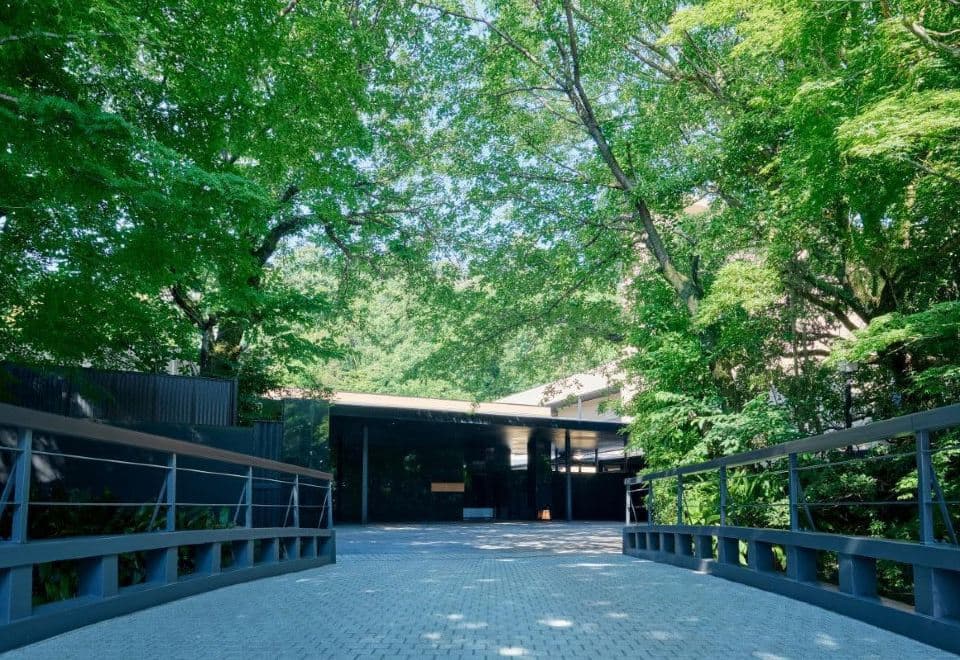 | 〜から ¥113,806 | 8.6 口コミ8件 | 英語OK貸切温泉 | Booking.comで予約する |
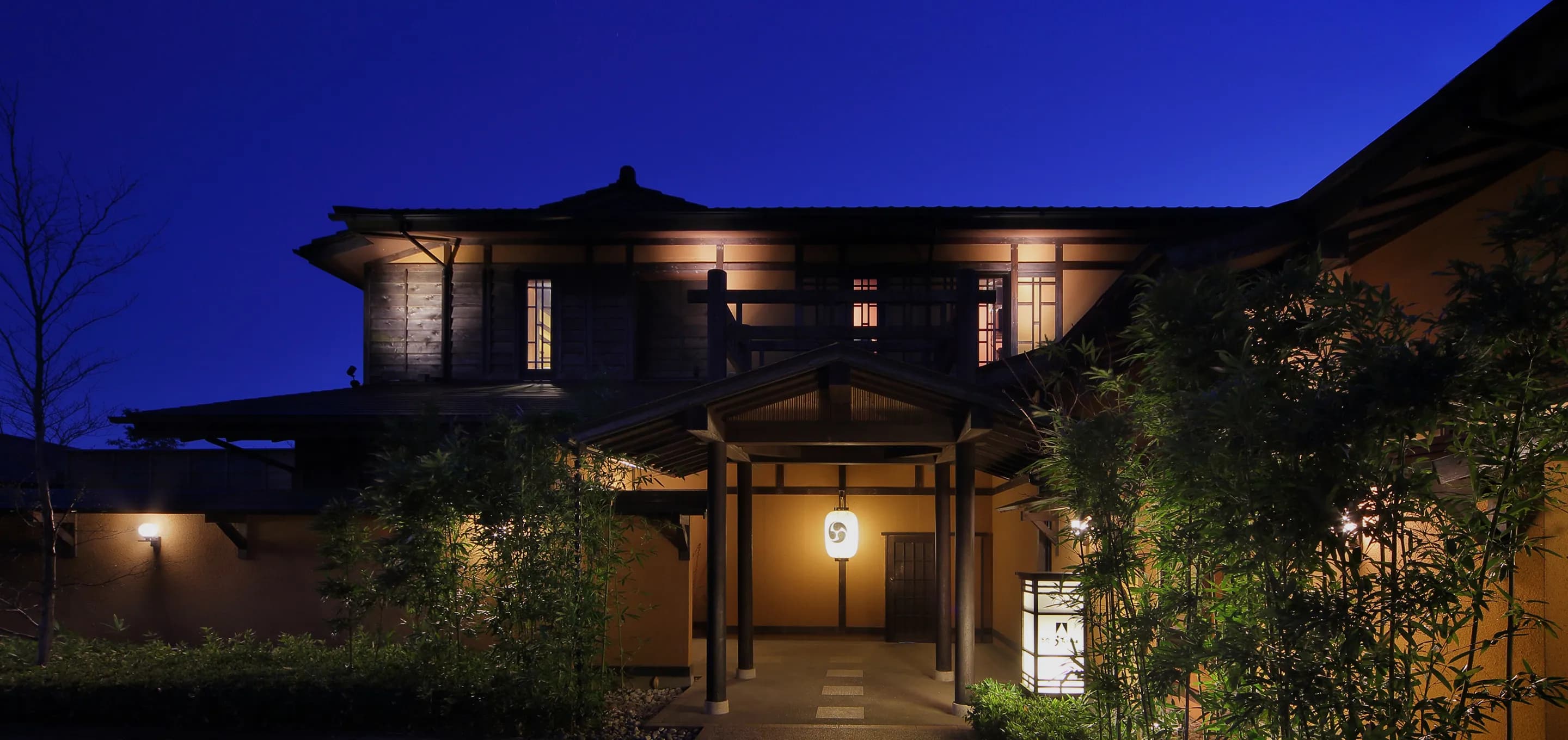
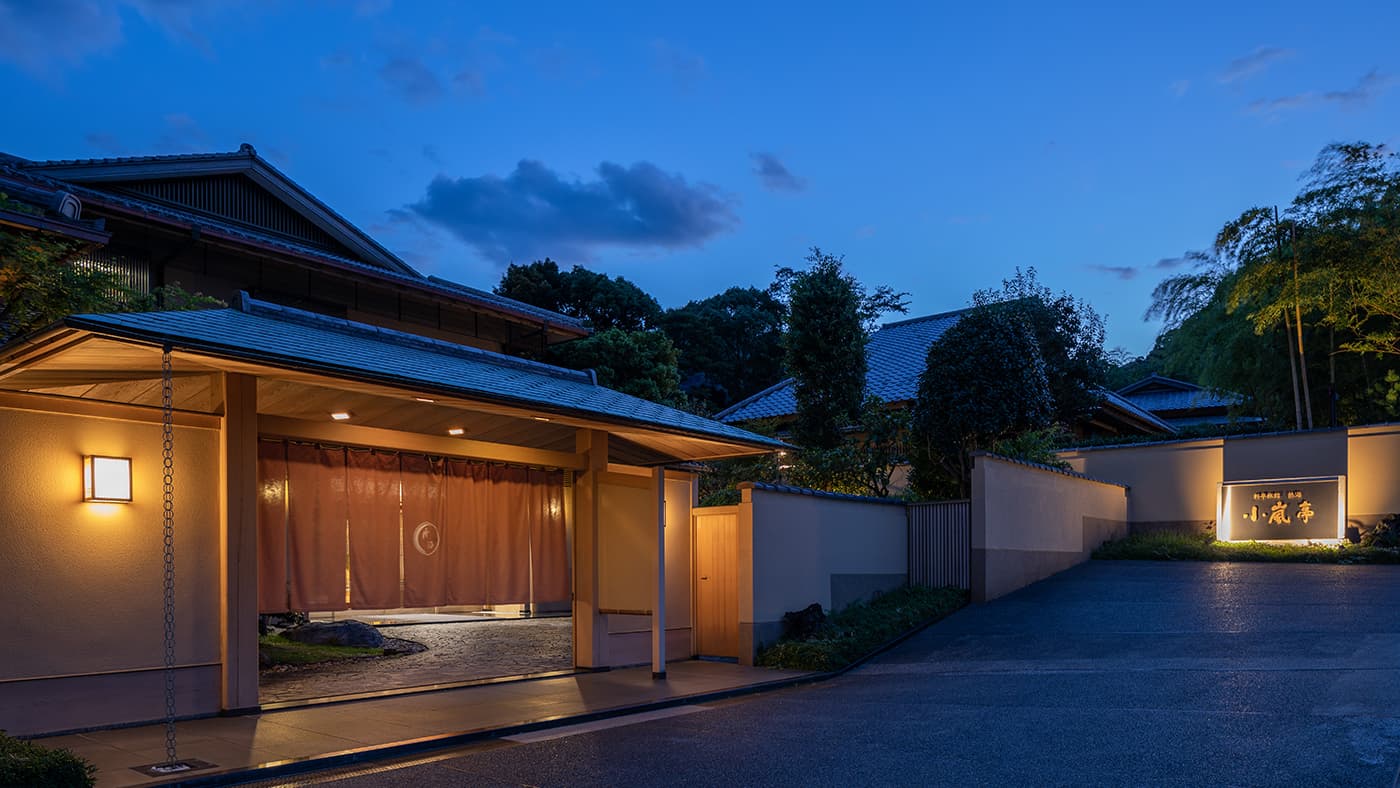
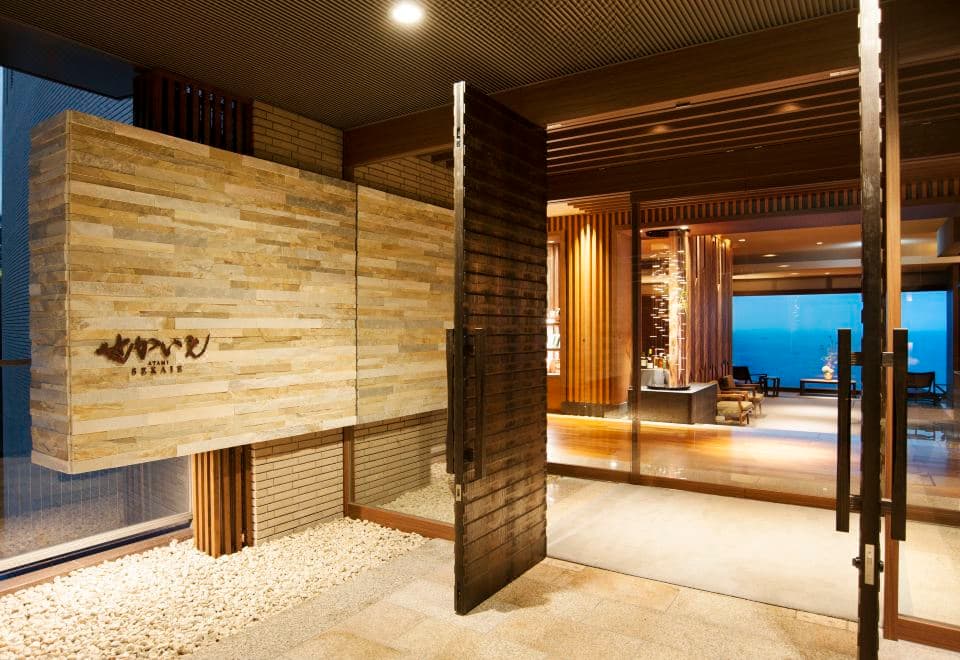 ATAMI 季咲亭 Atami | 〜から ¥83,930 | 9.4 口コミ130件 | 英語OK貸切温泉 | Booking.comで予約する |
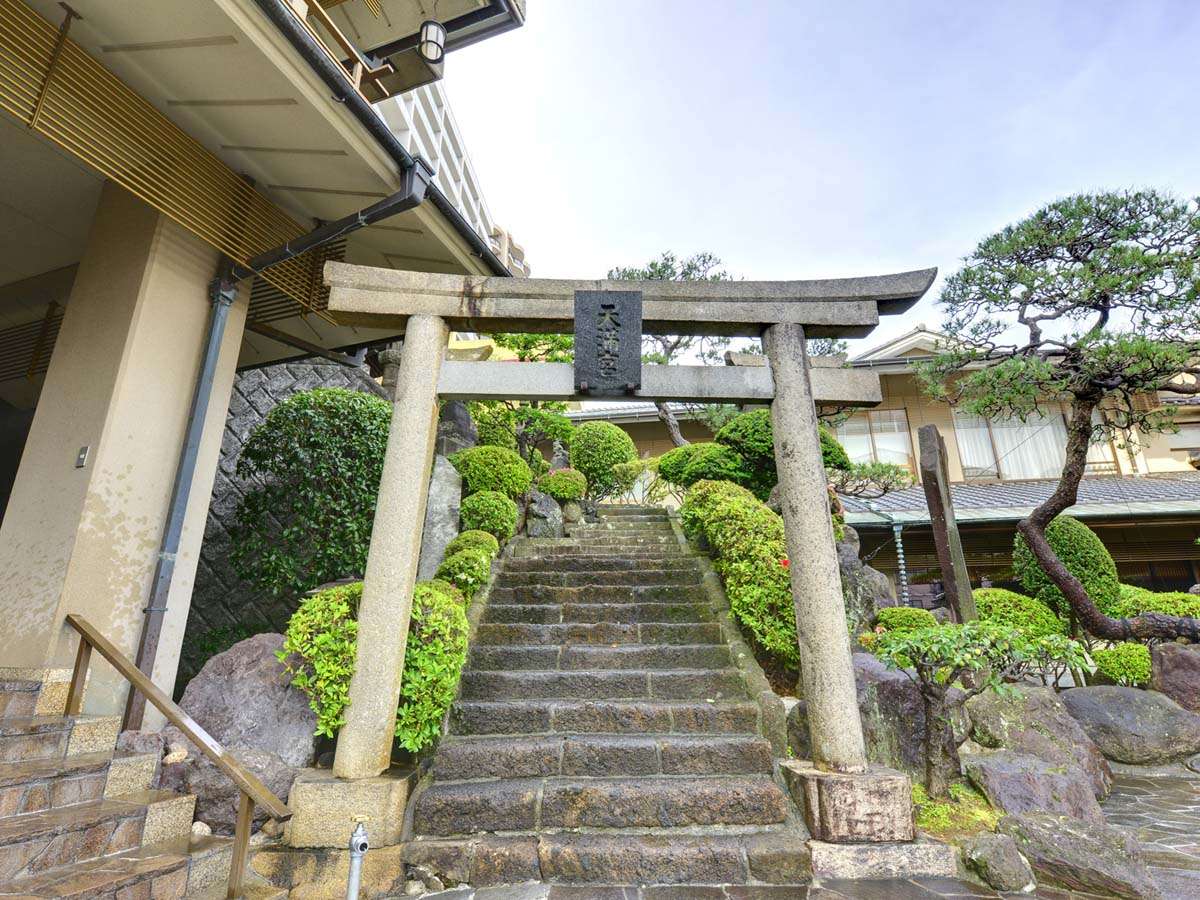 Furuya Ryokan Atami | 〜から ¥69,300 | 9.1 口コミ29件 | 英語OK貸切温泉 | Booking.comで予約する |
 | 〜から ¥46,200 | 9.7 口コミ29件 | 英語OK貸切温泉 | Booking.comで予約する |
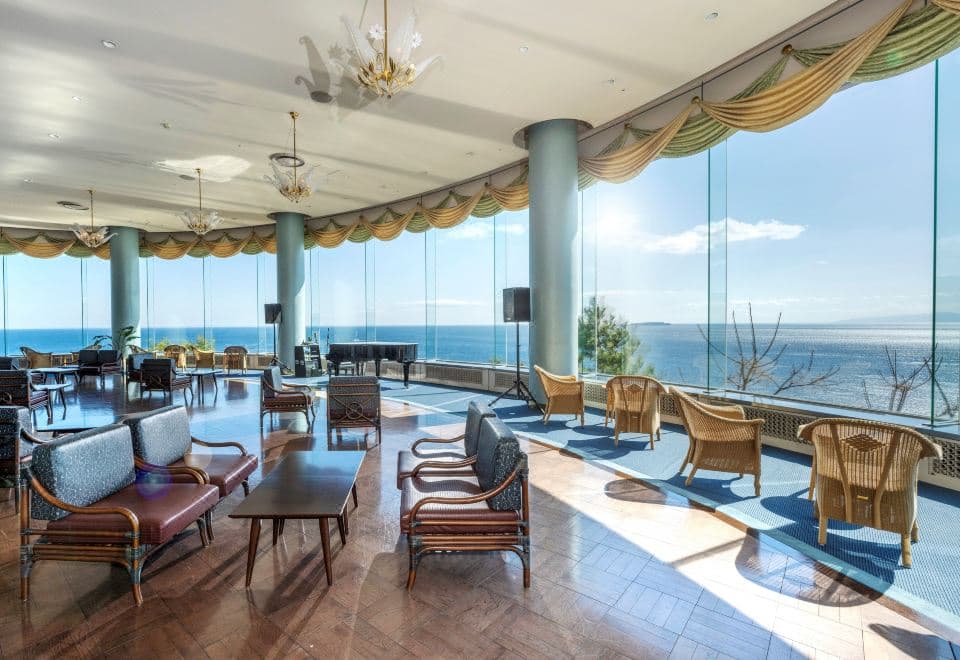 熱海の隠れ里 Atami | 〜から ¥24,178 | 9.7 口コミ237件 | 英語OK貸切温泉 | Booking.comで予約する |
 Hakone Ginyu Hakone | 〜から ¥61,600 | 9.3 口コミ124件 | 英語OK貸切温泉 | Booking.comで予約する |
 Hotel Kajikaso Hakone | 〜から ¥27,720 | 9.2 口コミ156件 | 英語OK貸切温泉 | Booking.comで予約する |
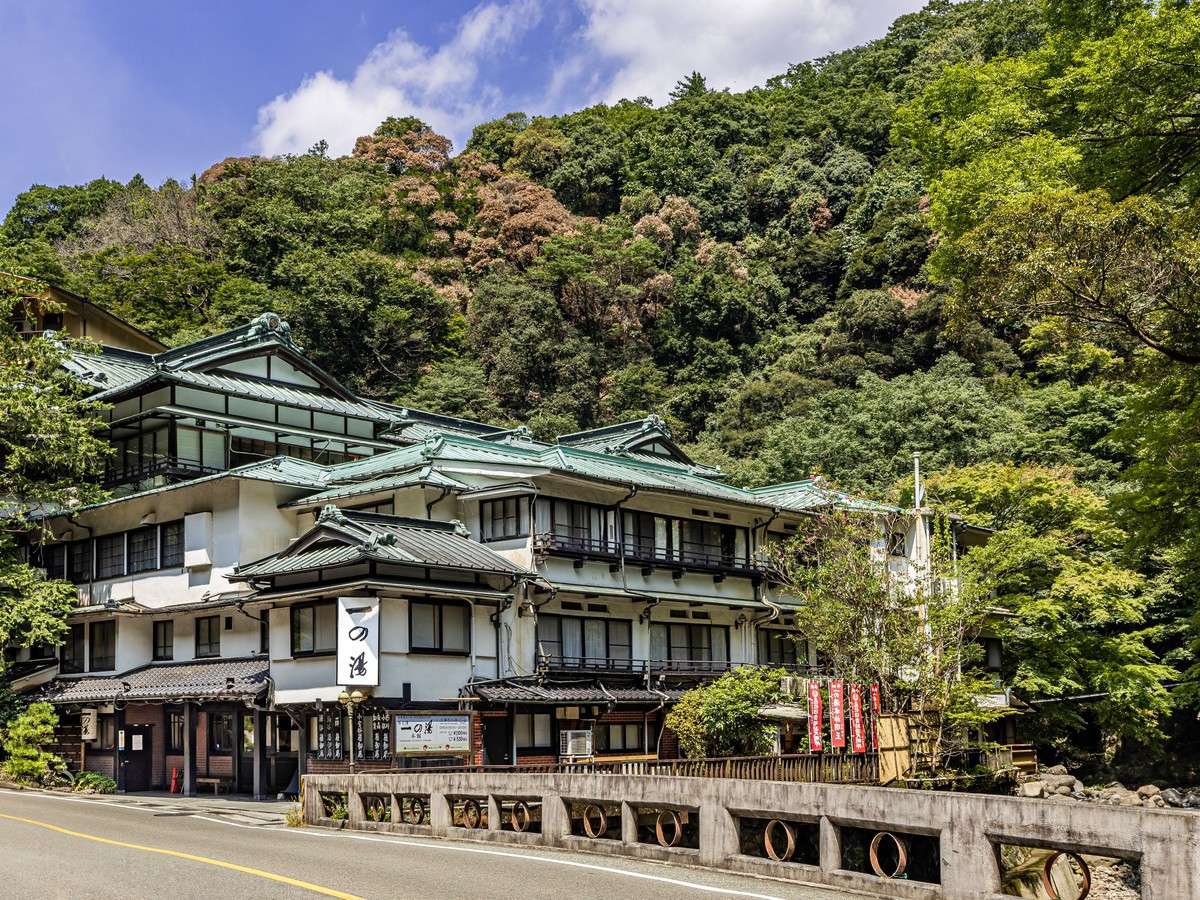 | 〜から ¥10,780 | 9.1 口コミ187件 | 英語OK貸切温泉 | Booking.comで予約する |

ATAMI 季咲亭
Atami
Furuya Ryokan
Atami
熱海の隠れ里
Atami
Hakone Ginyu
Hakone
Hotel Kajikaso
Hakone
表示価格は1名1泊あたりの目安です。当サイト経由のご予約で手数料を受け取る場合があります。
東京から近い温泉旅館で最良なのは、東京駅から最速でたどり着ける宿です。筆頭は新幹線こだまで40分(片道3,740円)の熱海・ふふ熱海、そして大手町という都心ど真ん中で移動ゼロの星のや東京です。 私の経験上、旅の決め手は価格よりも先に、まず所要時間で決まります。
私は「東京 → 温泉 → 東京」を数えきれないほど往復してきました。たいていは4〜7日間の旅程を組む英語圏のお客様とご一緒に、ときには土曜にひとりで気分転換に。「東京から近い温泉」という旅の多くを台無しにする唯一の制約が、東京駅からの所要時間です。そして、ほとんどのまとめ記事はこの点を無視しています。以下の旅館30軒は、価格帯ではなく「玄関から露天風呂までの所要分」で並べました(自分の旅の記録で確認済みです)。東京旅行に温泉一泊を足すなら、私はいつもここから話を始めます。
 Pinterestでピン
まずは「段階」を選び、それから宿を選ぶ
東京圏の温泉は、東京駅からの所要時間で3つの段階のいずれかに収まります。まずは旅の日数に合う段階を選び、それから旅館を選びましょう。
段階1 — 東京駅から90分以内。 熱海(新幹線こだまで40分)、箱根湯本(新幹線+箱根登山鉄道で70分、または小田急ロマンスカーで85分)、そして都心東京自体の温泉旅館(星のや東京、由縁別邸 代田)がここに集まります。この段階は「一泊のショートエスケープ」のためにあります。金曜の仕事終わりに都心を出て、20時には浴衣姿、月曜の朝にはデスクに戻り、週末まるごとが手つかずで残る——そんな旅です。熱海のこだまは日本で最速の本格温泉アクセス。東京から4時間圏内のどの温泉地も、玄関から玄関まで40分というこの速さには敵いません。
段階2 — 東京駅から90〜150分。 箱根強羅・箱根小涌谷(箱根の上部エリア、90〜110分)、軽井沢(北陸新幹線で70分)、日光(東武スペーシアXで110分)、鬼怒川(東武特急で140分)。ここは「週末にじっくり浸かる」段階です。東京を離れた実感がきちんと得られるほど遠く、それでいて電車移動が旅の本体になってしまわないほど近い。私たちの内部データでも、宿泊の多くがこの帯に集中しています。二泊の旅館滞在なら、ここが一番ちょうどよい段階です。
段階3 — 東京駅から150〜180分以上。 草津(北陸新幹線で軽井沢+JRバスで3.5〜4時間、または上越新幹線+長野原草津口からのJRバス)、伊香保、四万温泉、そして伊豆半島の奥側(修善寺、河津、下田——東京駅から150〜180分)。ここは「どっぷり浸かる」段階です。この帯の宿は、行き帰りの道のりそのものが体験の一部となる、本物の山あい・里の旅館。最低二泊しないと、湯に浸かるより電車に乗っている時間のほうが長くなってしまいます。
四万温泉11軒(千と千尋の神隠しの積善館含む)の専門ガイドは四万温泉のおすすめ旅館をどうぞ。
| # | 旅館 | エリア | 料金(USD〜) | 東京からのアクセス | こんな人に |
|---|---|---|---|---|---|
| 1 | 星のや東京 | 東京(大手町) | $600 | 0分 | 都心東京で唯一の高級温泉タワー |
| 2 | ふふ熱海 | 熱海 | $739 | こだま40分 | 最速の本格高級温泉エスケープ |
| 3 | 熱海せかいえ | 熱海 | $545 | こだま40分 | 海に面したアート旅館、全12スイート |
| 4 | 箱根吟遊 | 箱根(宮ノ下) | $400 | 70分 | 崖上に建つ箱根の高級宿、全室露天風呂 |
| 5 | 強羅花壇 | 箱根・強羅 | $500 | 100分 | 旧皇族別邸、ルレ・エ・シャトー加盟 |
| 6 | ふふ日光 | 日光 | $400 | 120分 | 日光の世界遺産エリアに隣接する現代的な高級宿 |
| 7 | 奈良屋 | 草津 | $350 | 240分 | 湯畑沿いの高級宿、草津で最高評価 |
段階1(90分以内):手軽なエスケープ
 Pinterestでピン
東京駅から90分以内の旅館10軒を、評価とアクセスを総合して並べました。以下のすべての宿は、2026年5月に私たちのデータベースで確認済みです。
| # | 旅館 | エリア | 段階 | 料金(USD〜) | アクセス | こんな人に |
|---|---|---|---|---|---|---|
| 1 | 星のや東京 | 東京 | ラグジュアリー | $600 | 0分(大手町) | 都心東京で唯一の高級温泉タワー |
| 2 | 由縁別邸 代田 | 東京 | ラグジュアリー | $200 | 新宿から7分 | 都内に建つ貸切風呂付きのブティック温泉宿 |
| 3 | ふふ熱海 | 熱海 | ラグジュアリー | $739 | こだま40分 | 最寄りの本格温泉で味わう全室スイートのシスレー・スパ高級宿 |
| 4 | 熱海せかいえ | 熱海 | ラグジュアリー | $545 | こだま40分 | 全12スイート、海に面したアート旅館、相模湾の眺望 |
| 5 | 古屋旅館 | 熱海 | ラグジュアリー | $450 | こだま40分 | 熱海最古——1806年創業、220年の歴史 |
| 6 | 熱海石亭 | 熱海 | ラグジュアリー | $300 | こだま40分 | 10,000平方メートルの庭園、評価9.7 |
| 7 | あたみ石亭 別邸 ふたり香 | 熱海 | ラグジュアリー | $157 | こだま40分 | 全8室の隠れ家、評価9.7 |
| 8 | 箱根吟遊 | 箱根(宮ノ下) | ラグジュアリー | $400 | 70分 | 早川渓谷を見下ろす崖上、全室客室露天風呂 |
| 9 | ホテルおかだ かじか荘 | 箱根湯本 | ミドル | $180 | 70分 | 客室露天風呂付き、評価9.2のミドルクラス |
| 10 | 一の湯本館 | 箱根・塔之沢 | バジェット | $70 | 70分 | 江戸期創業の旅館、登録有形文化財、$70から |
1. 星のや東京 — 大手町に建つ高級温泉タワー
ひと目で分かる
段階1・東京駅から0分・千代田区大手町。
段階1で唯一の例外、電車移動がまったく要らない高級旅館です。星のや東京は2016年、東京駅丸の内側から徒歩3分、黒い格子をまとった17階建てのタワーに開業しました。温泉が都心東京にある最高級旅館は、今なお日本でここだけです。湯は大手町の地下1,500メートルから湧き上がる、正真正銘の天然ナトリウム塩化物泉で、循環風呂ではありません。宿泊客はロビーで靴をスリッパに履き替え、畳の上を歩いてエレベーターへ。都会的な外観でありながら、建物全体が縦に積み上がった伝統旅館の作法で動いています。
段階1である理由: 移動時間ゼロ。東京の旅程は崩せないけれど一晩だけ本物の旅館に泊まりたい、という旅行者にとって、ここが唯一の現実解です。最上階の大浴場「東京の温泉」からは丸の内の街並みが一望でき、懐石は元ミシュラン星付きの浜田統之シェフが手がけます。料金は閑散期で$600〜、ピーク時は$1,200以上。予約は4〜6週間前、ピークの週末は8週間前に売り切れます。星のや東京の温泉タワー。
2. ふふ熱海 — 最速の本格高級温泉エスケープ
ひと目で分かる
段階1・東海道新幹線こだまで40分・静岡県熱海。
「高級、東京から近い、一泊」という条件で初めての方に最もよくお勧めする旅館です。こだまは東京駅から熱海まで40分・自由席3,740円。熱海駅からはタクシーで5分、サンビーチを見下ろす閑静な住宅地の谷あいに建つ、全26スイートの宿です。各スイートは60〜100平方メートルで、熱海のナトリウム塩化物泉を引いたプライベート露天風呂付き。併設のシスレー・パリのスパは、日本の旅館で唯一の施設です。
段階1である理由: 移動のストレスが本当にゼロ。新幹線一本で乗り換えなし、箱根登山鉄道のスイッチバック曲芸もありません。私は金曜の仕事終わりに18時半に都心を出て、20時には最上階の展望風呂に浸かっていたことがあります。料金は1名あたり食事付きで$739〜$1,500。11月(紅葉)と2月(梅まつり)の週末は3〜4か月前に予約を。正直な弱点:谷あいの立地なので、海に直接面した客室はありません。それを求めるなら熱海せかいえが正解です。9軒すべての厳選は熱海の総合ガイドをご覧ください。ふふ熱海のスイート(当サイト一覧)。
3. 熱海せかいえ — 全12スイート、海に面したアート旅館
ひと目で分かる
段階1・こだま40分+熱海駅からタクシー10分・熱海、伊豆山の高台。
段階1で最も小規模な高級旅館——伊豆山の高台に建つ2棟に、わずか12スイートを配します。各室には太平洋に面したプライベート露天風呂を、檜または石で設えてあります。温泉は源泉から客室の風呂へ直接引かれ、循環はありません。相模湾を真っ直ぐ越えて初島を望むこの眺めは、本ガイド中どの旅館よりも力強い客室からの海のパノラマです。この眺望を何より求めるなら、熱海せかいえは日本でも屈指の客室海景にも数えられます。
段階1である理由: こだまで東京駅から変わらず40分。熱海駅からの無料送迎が伊豆山の坂道をカバーします。料金は1名あたり食事付きで$545〜$1,400。予約は4〜6か月前を——全12室なので、このリスト中で最も空室が取りづらい宿です。この宿は経済学者の大前研一氏が所有し、私設ギャラリーも兼ねています。館内の共用空間には、オーナーのコレクション(一部は国の重要文化財指定)から絵画や陶器が随所に飾られています。熱海せかいえ、海に面した全12スイート。
4. 箱根吟遊 — 全室露天風呂を備えた崖上の箱根高級宿
ひと目で分かる
段階1・新幹線+箱根登山鉄道で70分、または新宿から小田急ロマンスカー・宮ノ下、箱根。
アクセスが本当に楽なので、段階1の箱根の宿として私が真っ先に挙げる一軒です。小田急ロマンスカーは新宿駅から箱根湯本まで直通85分、そこから箱根登山鉄道で早川渓谷を10分登れば宮ノ下に着きます。吟遊は川を見下ろす崖上に建ち、全19室すべてに渓谷を遮るものなく望む檜の客室露天風呂を備えます。この早川の眺めは、箱根カルデラ全域でも屈指のドラマティックな温泉×渓谷の景色です。
段階1である理由: 箱根の上部という標高ながら、ロマンスカー経由なら新宿から90分以内——同じ路線で行く段階2の強羅勢より、はっきりと速い。料金は1名あたり食事付きで$400〜$900。確認済みレビュー124件で評価9.3は、私たちのデータベースの箱根高級宿で最高評価です。正直な弱点:崖沿いの細長い敷地なので、大きな共用庭園はありません。客室の風呂こそが主役です。箱根吟遊、渓谷ビューのスイート。
5. 一の湯本館 — バジェット帯に建つ江戸期の文化財旅館
ひと目で分かる
段階1・新幹線+箱根登山鉄道で70分・塔之沢、箱根。
段階1のバジェットの軸であり、この30軒のなかでも数少ない明治以前創業の旅館3軒のうちの一つです。一の湯本館は1630年創業で、本館は登録有形文化財——早川渓谷に張り出す木造三階建ての建物そのものが文化遺産です。全室が渓谷に面しています。一部の客室にはこの価格帯で掛け流し(循環なしの源泉)の客室露天風呂があり、これは他ではまず聞かないことです。
段階1である理由: 箱根登山鉄道の塔之沢駅は宮ノ下の一つ手前なので、上部の強羅勢よりアクセスが速い。露天風呂なしの客室は$70から、客室露天風呂付きのカテゴリーは$150〜250。レビュー187件で評価9.1。正直な弱点:1630年の建物なので壁が薄く、階段は狭く、バリアフリーは最小限。歴史的な雰囲気こそが目的、という方だけにお勧めします。一の湯本館の文化財客室。

段階2(90〜150分):週末にじっくり浸かる宿
 Pinterestでピン
東京駅から90〜150分の旅館10軒——二泊滞在にちょうどよい段階です。箱根強羅、日光、鬼怒川が主役。以下の所要時間はすべて、最終接続を含めた東京駅からの玄関〜玄関の時間です。
| # | 旅館 | エリア | 段階 | 料金(USD〜) | アクセス | こんな人に |
|---|---|---|---|---|---|---|
| 1 | 強羅花壇 | 箱根・強羅 | ラグジュアリー | $500 | 100分 | 旧皇族の夏の別邸、ルレ・エ・シャトー |
| 2 | 強羅環翠楼 | 箱根・強羅 | ラグジュアリー | $250 | 100分 | レビュー645件の文化財級高級宿、強羅花壇の半額 |
| 3 | 箱根小涌園 三河屋旅館 | 箱根・小涌谷 | ラグジュアリー | $250 | 100分 | 箱根上部の森に包まれる温泉 |
| 4 | 水の音 | 箱根・小涌谷 | ミドル | $150 | 100分 | 客室露天風呂付き、川沿いのミドルクラス |
| 5 | 雪月花 | 箱根・強羅 | ミドル | $170 | 110分 | 強羅上部、全室露天風呂のミドルクラス |
| 6 | ふふ日光 | 日光 | ラグジュアリー | $400 | 120分 | 日光の世界遺産の街に建つ現代的な高級宿 |
| 7 | 日光金谷ホテル | 日光 | ラグジュアリー | $200 | 110分 | 1873年創業——日本最古の西洋式ホテル旅館 |
| 8 | 星野リゾート 界 鬼怒川 | 鬼怒川 | ラグジュアリー | $300 | 140分 | 鬼怒川渓谷に星野ブランドの磨き |
| 9 | 別邸 笹音 | 鬼怒川 | ラグジュアリー | $350 | 140分 | 全室客室露天風呂、評価9.2のブティック宿 |
| 10 | あさやホテル | 鬼怒川 | ミドル | $150 | 140分 | レビュー2,150件、鬼怒川の定番老舗 |
6. 強羅花壇 — 箱根の旧皇族の夏の別邸
ひと目で分かる
段階2・ロマンスカーで箱根湯本+箱根登山鉄道で強羅へ100分・箱根強羅。
箱根の高級宿の、誰もが認める軸です。強羅花壇は閑院宮家の夏の別荘跡に建ち、1952年に旅館へと改められました。ルレ・エ・シャトー加盟で、全36室の大半が檜で設えたプライベート客室露天風呂を備え、強羅独自の炭酸泉を引いています。庭園は19世紀末に宮内省の庭師が手がけたものです。
段階2である理由: 箱根強羅は登山鉄道のスイッチバック線の上端にあり、箱根湯本から強羅までの乗車だけで40分、カルデラの壁を登る3回のスイッチバックを含みます。東京から強羅までの玄関〜玄関は合計でおよそ100分。料金は1名あたり食事付きで$500〜$1,500超。予約は最低3か月前、ピークの日程は予約開始から数日で売り切れます。懐石が白眉で、日本屈指と評する宿泊客も多数。箱根全体の分析は箱根の総合ガイドをご覧ください。強羅花壇の皇室ゆかりのスイート。
7. 強羅環翠楼 — レビュー645件、強羅花壇の半額の高級宿
ひと目で分かる
段階2・100分・箱根強羅。
知る人ぞ知る強羅の高級宿です。環翠楼は強羅駅から徒歩5分、全36室で、めずらしいレビュー傾向を持ちます——確認済み645件で平均9.0、箱根の高級旅館で最もレビュー数の多い宿です。日本庭園を中心に据えた造りで、強羅ならではの炭酸を豊富に含む湯を、自家源泉から絶えず引いた掛け流し。客室露天風呂を備えた部屋もいくつかあります。
段階2である理由: 強羅花壇と同じ、登山鉄道のスイッチバックを経て強羅へ。料金は1名あたり食事付きで$250〜$650——同じ界隈・同じ泉質で、強羅花壇のおよそ半額です。正直な弱点:現代的な新築ではなく文化財級の建物で、客室は改装時期によって大きく差があり、古いカテゴリーは年季が見えます。料金を足して、露天風呂付きの改装済み和室を選びましょう。懐石には箱根の地野菜と相模湾の海の幸を使います。強羅環翠楼の庭園客室。
8. ふふ日光 — 日光の世界遺産エリアに隣接する現代的な高級宿
 Pinterestでピン
ひと目で分かる
段階2・浅草から東武スペーシアXで110分・栃木県日光。
日光で最も新しい高級旅館——2020年に中心部の本町に開業し、神橋から徒歩10分、日光の世界遺産の社寺エリア(東照宮、二荒山神社、輪王寺)の玄関口に位置します。全24スイートに檜の湯船のプライベート客室露天風呂を備え、日光湯元温泉——標高の高い中禅寺湖エリアと同じアルプス系の硫黄源泉——を引いています。懐石は赤川英敬シェフによる多皿構成のコースです。
段階2である理由: 東武スペーシアXは浅草から東武日光駅まで直通110分・3,180円。スペーシアXは2023年7月15日に運行を始めた新世代のプレミアムサービスで、JR・東武乗り継ぎルートよりはっきりと快適です。料金は1名あたり食事付きで$400〜$1,200。東照宮で一日、中禅寺湖で半日と組み合わせるのが最良。ふふ日光、世界遺産に隣接するスイート——サブエリアの深掘りは日光の総合ガイドもどうぞ。
9. 日光金谷ホテル — 日本最古の西洋式ホテル旅館、1873年創業
ひと目で分かる
段階2・東武スペーシアXで110分・日光。
歴史の軸となる一軒です。日光金谷は1873年、日本初の西洋式ホテルとして開業しました——フランク・ロイド・ライト、ヘレン・ケラー、アルベルト・アインシュタイン、チャーリー・チャップリンも、みなここに滞在しています。建物は登録有形文化財です。70室は西洋ホテルの形式に温泉と和食の食事を融合し、純粋な旅館ではなくホテルに分類されますが、懐石と館内の温泉が、体験としては確かに旅館の領域に位置づけます。
段階2である理由: JR・東武の日光駅からも神橋からも徒歩圏——このリスト中、世界遺産エリア観光の拠点として最も便利な宿です。料金は1名あたり$200〜$600で、最安カテゴリーは$200——この歴史にしては破格の価値です。確認済みレビュー1,840件で平均8.6。正直な弱点:これは歴史あるホテル旅館のハイブリッドで、現代的な温泉リトリートではありません——風呂は共用のみで、客室露天風呂はありません。湯ではなく歴史を求めて選びましょう。日光金谷ホテルの歴史ある客室。
10. 星野リゾート 界 鬼怒川 — 渓谷に星野ブランドの磨き
ひと目で分かる
段階2・東武特急で140分・鬼怒川温泉、日光。
鬼怒川の軸であり、星野リゾート「界」ブランドの関東フラッグシップです。鬼怒川渓谷の崖に建つ48室は、すべて渓谷に面したバルコニー付き。共用の風呂も同じ渓谷の構図を切り取りながら川へと段々に下ります。鬼怒川の湯は川沿いの源泉から湧くナトリウム塩化物泉で、熱海に近い泉質です。界ブランド名物の夜の文化プログラム(生三味線の演奏、漆塗りの実演)が毎晩催されます。
段階2である理由: 東武スペーシアX・東武特急は浅草から鬼怒川温泉駅まで直通130分・3,400円。最後の5分は宿の無料送迎がカバーします。玄関〜玄関で合計140分。料金は1名あたり食事付きで$300〜$700。鬼怒川渓谷は一年中ドラマティックですが、10月下旬〜11月中旬の紅葉でピークを迎えます。紅葉の週末は3か月前に予約を。星野リゾート 界 鬼怒川の渓谷ビュー客室。

段階3(150〜180分以上):どっぷり浸かる宿
 Pinterestでピン
東京駅から150〜180分以上の旅館10軒。行き帰りの道のりそのものが体験の一部となる、本物の山あい・里の旅館です——移動に見合わせるなら最低二泊を。草津(日本一にランクされる温泉地)と伊豆半島の奥側が主役です。
| # | 旅館 | エリア | 段階 | 料金(USD〜) | アクセス | こんな人に |
|---|---|---|---|---|---|---|
| 1 | 浅羽 | 伊豆(修善寺) | ラグジュアリー | $600 | 150分 | 私設の能舞台がある池畔、ルレ・エ・シャトー |
| 2 | 落合楼 村上 | 伊豆(修善寺) | ラグジュアリー | $500 | 150分 | 戦前からの文化財、登録有形文化財 |
| 3 | 玉峰館 | 伊豆(河津) | ラグジュアリー | $430 | 180分 | 全室露天風呂、山あいのブティック高級宿 |
| 4 | ABBAリゾーツ伊豆 - 坐漁荘 | 伊豆(伊東) | ラグジュアリー | $500 | 90分* | 海辺の現代的高級宿(伊東市、段階の境目) |
| 5 | 新井旅館 | 伊豆(修善寺) | ミドル | $230 | 150分 | 1872年創業の文化財旅館、明治期の登録有形文化財 |
| 6 | 奈良屋 | 草津 | ラグジュアリー | $350 | 240分 | 湯畑沿いの高級宿、草津で最高評価の宿 |
| 7 | つつじ亭 | 草津 | ラグジュアリー | $400 | 240分 | 評価9.3、全室スイートの草津ブティック宿 |
| 8 | 湯宿 季の庭 | 草津 | ラグジュアリー | $300 | 240分 | 草津の高級入門、全室客室露天風呂 |
| 9 | 草津ホテル1913 | 草津 | ミドル | $130 | 240分 | レビュー1,602件、湯畑沿いの文化財をミドル価格で |
| 10 | お宿 木の葉 | 草津 | ミドル | $180 | 240分 | レビュー1,033件、家族向け客室が充実したミドルクラス |
*ABBAリゾーツ(伊東市)は伊豆半島の東端に位置し、特急踊り子なら技術的には90分で到達できます——伊豆全体の文脈で段階3に含めましたが、実際のアクセス傾向は段階1に近いです。*
11. 浅羽 — 私設の能舞台がある池畔のルレ・エ・シャトー
ひと目で分かる
段階3・特急踊り子で修善寺+徒歩15分で150分・修善寺、伊豆半島中央。
日本に3軒あるルレ・エ・シャトー加盟の旅館の一つで、本ガイド中、おそらく最も美しい建物の立地です。浅羽は1675年から修善寺村中央の池のほとりで営まれ、池に浮かぶ小島には能舞台が設えてあります——繁忙期には、食事処の宿泊客が折々の能の上演を眺めることもあります。全17室、それぞれに修善寺独自のアルカリ性源泉を引いたプライベート客室露天風呂を備えます。
段階3である理由: 特急踊り子は東京駅から修善寺まで150分・4,710円——直通で乗り換えなし。料金は1名あたり食事付きで$600〜$1,800。懐石は本ガイド中で最も格上の多皿コースです。正直な弱点:全17室なので予約競争は熾烈——どの季節でも最低4〜6か月前を。修善寺村自体は端から端まで歩いて20分ほどの小ささなので、宿そのものが目的地です。浅羽の能舞台×池畔のスイート——伊豆の総合ガイドもどうぞ。
12. 落合楼 村上 — 登録有形文化財、戦前からの歴史
ひと目で分かる
段階3・踊り子+バス20分で150分・湯ヶ島、伊豆半島中央。
浅羽と対をなす文化財の宿です。落合楼 村上は1874年に湯ヶ島の渓谷で開業し、本館全体が国の登録有形文化財——木造三階建て、数寄屋造りの建具で、1930年代から一切改装されていません。川端康成はここで小説の一部を執筆しました。共用の風呂は渓谷の源泉から引いた天然温泉を使い、いくつかの客室には客室露天風呂があります。
段階3である理由: 湯ヶ島は伊豆中央の内陸高原に位置し、東京から踊り子+バスのアクセスが必要です。レビュー26件で評価9.5——サンプルは少ないものの非常に質が高い。料金は1名あたり食事付きで$500〜$1,000。正直な弱点:文化財ゆえバリアフリーは最小限(エレベーターなし、階段は狭く、寝具は畳に布団のみ)。現代的な設備ではなく雰囲気を求めて選びましょう。川端康成ゆかりという点が、日本文学の読者にとって巡礼地にしています。落合楼 村上の文化財客室。
13. 奈良屋 — 湯畑沿いの高級宿、草津で最高評価
ひと目で分かる
段階3・北陸新幹線で軽井沢+JRバス、または上越新幹線+長野原草津口からのJRバスで4時間・群馬県草津。
草津の高級宿の軸です。奈良屋は湯畑——町の中心で毎分およそ4,000リットルの熱い源泉が木の樋を流れ落ちる、草津名物の木造の温泉分配施設——に面して建ち、共用の風呂は源泉に近い温度の、薄めていない生の湯畑の湯を使います。pH2.1という酸性度は、本ガイド中どの温泉よりも高い部類です。レビュー310件で評価9.0。
段階3である理由: 草津は本ガイド中どのエリアよりもアクセスに時間がかかります——直通の電車がありません。最速ルートは北陸新幹線で東京から軽井沢(70分)+JRバスで軽井沢から草津温泉(80分、2,300円)。別ルートは上越新幹線で東京から高崎(50分)+JR吾妻線で長野原草津口(90分)+バス(25分、710円)。どちらのルートでも合計でおよそ4時間。料金は1名あたり食事付きで$350〜$800。最低二泊を——それより短いと、湯に浸かるより移動の時間のほうが長くなります。草津全体の分析は草津の総合ガイドをご覧ください。奈良屋の湯畑沿いの客室。
14. つつじ亭 — 評価9.3、草津の全室スイートのブティック宿
ひと目で分かる
段階3・4時間・草津。
草津で最も小規模な高級宿——1棟に17スイート、すべてにプライベート客室露天風呂を備えます。つつじ亭は湯畑から徒歩5分ながら、より静かな脇道に建ち、奈良屋のような湯畑前のにぎわいを、いっそう人目につかない佇まいと引き換えにしています。懐石には草津の地の食材(高地野菜、上州牛)を使い、ワインのペアリングリストは草津随一です。レビュー45件で評価9.3——草津で最高評価の高級宿です。
段階3である理由: 同じく4時間の草津アクセス。料金は1名あたり食事付きで$400〜$900。正直な弱点:全17室なので、草津のピーク(11月のスキー週、1月の雪まつり、7月の花火)以外でも予約競争があります。フロントの英語対応は限られるので、Trip.com経由での予約を。つつじ亭、全室スイート露天風呂の客室。
15. 草津ホテル1913 — 湯畑沿いの文化財をミドル価格で
ひと目で分かる
段階3・4時間・草津。
価格をはるかに上回る満足を与えてくれる、草津のミドル帯の一軒です。1913年開業(名の由来)で、湯畑に直接面した木造三階建ての文化財建物を構えます——奈良屋と同じ源泉至近の立地を、半額以下で。全76室は大半が和室の畳ですが、新館の一部の客室は現代的な洋室を備えます。確認済みレビュー1,602件で平均8.9は、私たちのデータベースで草津最多のレビュー数。その評価は本物で、段階3のリスト全体で最も価値と体験のバランスがよい宿です。
段階3である理由: 料金は1名あたり食事付きで$130〜$300。共用の風呂は生の湯畑源泉を使い——同じpH2.1の酸性度、同じ肌がぴりりとする感覚です。正直な弱点:この価格では客室露天風呂はなく、文化財館の客室は内装が簡素で、古い区画は1913年創業の年季が見えます。設備ではなく、湯畑の立地と草津ならではの湯を求めて選びましょう。草津ホテル1913の湯畑客室。

予算で比較する
予算重視
Under $200
近日公開予定
ミドルレンジ
$200 – $500
Atami Sekitei
〜から ¥46,200 · 1名様
9.7/10 · 29 件の口コミ貸切風呂・露天風呂付き客室英語対応予約Hakone Ginyu
〜から ¥61,600 · 1名様
9.3/10 · 124 件の口コミ貸切風呂・露天風呂付き客室英語対応予約- 近日公開予定
ラグジュアリー
$500+

Gora Kadan
〜から ¥77,000 · 1名様
9.5/10 · 89 件の口コミ貸切風呂・露天風呂付き客室英語対応予約- 近日公開予定
アクセス早見表:JR運賃+所要時間チートシート
以下の表は、私たちの内部の価格・アクセス収集ツールで管理しています——運賃は2026年5月確認済み、時間は東京駅からの玄関〜玄関で計測。JRパスの列は、その目的地だけのためにパスを買って元が取れるかを示します(ほぼ取れません——パスの採算は、京都・大阪や関西も合わせて回る場合にしか合いません)。
| 目的地 | 東京駅からの時間 | 列車 | 現金片道 | JRパスは元が取れる? |
|---|---|---|---|---|
| 星のや東京 | 徒歩3分 | — | — | — |
| 熱海 | 40分 | 東海道新幹線こだま(停車はこだまのみ。ひかり・のぞみは通過) | ¥3,740 | いいえ |
| 箱根湯本 | 70分 | 東海道新幹線こだま+箱根登山鉄道/小田急ロマンスカー(新宿) | ¥3,410 / ¥2,330 | いいえ——箱根フリーパスを |
| 軽井沢 | 70分 | 北陸新幹線 | ¥5,490 | 微妙 |
| 箱根強羅 | 100分 | ロマンスカー+登山鉄道スイッチバック線 | ¥3,140 | いいえ——箱根フリーパスを |
| 日光 | 110分 | 浅草から東武スペーシアX | ¥3,180 | いいえ(東武はJRパス対象外) |
| 鬼怒川温泉 | 140分 | 東武スペーシアX/特急 | ¥3,400 | いいえ(東武は対象外) |
| 修善寺(伊豆) | 150分 | 特急踊り子 | ¥4,710 | 微妙 |
| 草津(軽井沢経由) | 240分 | 北陸新幹線+JRバス | ¥7,790 | いいえ |
| 草津(長野原経由) | 240分 | 上越新幹線+JR吾妻線+バス | ¥6,710 | 微妙 |
この表から導ける3つのルール:
ルール1:段階1の目的地には、その旅のためだけにJRパスを買ってはいけない。 熱海の往復は現金で7,480円、箱根の往復はロマンスカー経由で4,660円。7日間のJRパスは約50,000円。採算が合うのは、京都も合わせて回る場合だけです。
ルール2:箱根には、どのJR商品でもなく箱根フリーパスを買う。 小田急の箱根フリーパス6,100円(2日間、新宿から)は、ロマンスカーの特急料金、箱根登山鉄道の全列車、ケーブルカー、ロープウェイ、芦ノ湖の遊覧船をすべてカバーします。JR側に同等品はありません。
ルール3:東武の目的地(日光、鬼怒川)には、JRパスは何の役にも立たない。 東武は別の私鉄です。中禅寺湖や湯元も合わせて回るなら東武日光フリーパス(4,780円)を、そうでないなら片道きっぷを買いましょう。
選び方:一泊か、週末か、じっくり滞在か
一泊(金曜の夜から土曜の朝)なら? 段階1一択、例外なし。現実的な選択肢は星のや東京(移動ゼロ)と熱海勢(40分)だけです。段階2のどれを選んでも、浴衣で朝食を楽しむ代わりに、土曜の朝を電車移動の回復に費やすことになります。一泊だけの初めての方への私の定番は、予算が許せばふふ熱海、ミドルレンジなら桜家旅館、バジェットなら熱海 松月で——どれも東京駅から新幹線こだま一本です。
週末(金曜の夜から日曜の午後)なら? 段階2がちょうどよい。箱根強羅なら、上部カルデラの旅館体験に加えて、土曜に箱根ロープウェイと彫刻の森美術館を。日光なら、土曜に世界遺産エリア(東照宮、二荒山神社、輪王寺)、日曜の朝に中禅寺湖を。東京からの一泊二日の週末で最も力強い答えは、ふふ日光に土曜の東照宮を組み合わせること——東武スペーシアXのアクセスが十分速いので、金曜の夜には休まった状態で到着できます。
三泊以上なら? 段階3がようやく移動に見合います。草津は本リスト中で唯一、20年連続で日本一の温泉にランクされたことのある温泉地で、泉質(pH2.1の薬効ある酸性)は段階1や2のどれとも本当に異なります。伊豆半島中央の浅羽は、本ガイド中どの宿よりも美しい立地です。東京からの三泊・旅館中心の旅で最も力強い旅程は、草津の奈良屋で二泊+帰路に修善寺の浅羽で一泊——旅全体の移動は合計でおよそ6時間、旅館での時間はおよそ50時間です。
複数エリアの旅(1週間)なら? 東京を起点としたハブ&スポーク型はうまくいきません——電車の往復で時間を食いすぎます。より良い戦略:東京 → 熱海(1泊、こだま)→ 東京に戻る → 箱根(2泊、ロマンスカー)→ 東京に戻る → 日光(2泊、スペーシアX)。各区間は直通電車一本で、区間ごとの東京への往復は避けられませんが、それぞれ40〜110分で済みます。
温泉から富士山が見える?
本ガイドの旅館30軒のうち、富士山が少しでも見える宿は半数未満、左右対称の絵葉書のような角度で望める宿はほんの一握りです。熱海勢(せかいえ、石亭、天翠)は、相模湾越しに西を向いた冬の部分的な眺望をもたらします——雲のない冬の朝には富士山が見えますが、天候次第で、しかも部分的です。箱根勢にはカルデラビューの一角があり——箱根吟遊や強羅上部の一部の宿は、特定の客室カテゴリーから富士山の山容を捉えます。
富士山を確実に望める角度——絵葉書になって戻ってくる、あの左右対称の眺め——なら、定番のエリアは本ガイドの圏内にはまったくありません。河口湖、山中湖、そして広く富士五湖エリアは、穏やかな水面越しに富士山と正対し、逆さ富士の一枚を狙えます。これらのエリアは新宿駅から100〜120分に位置し、富士山を明確な条件として12軒を並べた富士山ビューの旅館ベストで詳しく扱っています。富士山ビューが唯一譲れない条件なら、ここではなくそちらから始めましょう。東京への速いアクセスに加えて富士山ビューもあれば嬉しい、という程度なら、熱海の西向きの冬の客室が最も力強い第二の選択肢です。
ポストカード級の構図を確実に狙うなら河口湖まで行くのが正解。河口湖のおすすめ旅館で、新宿から約2時間の北岸の宿をまとめている。
東京圏でタトゥーOKの厳選宿
ここに挙げた旅館30軒のうち、タトゥーを入れた方に最も確実な道は、客室露天風呂ルートです。全室にプライベート露天風呂がある宿——星のや東京、ふふ熱海、熱海せかいえ、あたみ石亭 別邸 ふたり香、箱根吟遊、強羅花壇(大半の客室)、別邸 笹音、ふふ日光、浅羽、つつじ亭、湯宿 季の庭——なら、共用施設に一切入ることなく、自分のスイート内で完結して入浴できます。これらの宿のタトゥーポリシーは、私たちのデータベースでは通常 `private_only`——共用の大浴場ではタトゥーを受け入れないが、客室内や貸切(予約制の家族風呂)の場では完全に対応する、という意味です。
貸切風呂(予約制のプライベート家族風呂)を備えたミドル帯の宿は、現実的な第二の道です:桜家、ホテルおかだ かじか荘、草津ホテル1913ほか数軒に、タトゥーを入れた方が予約できる45分の貸切枠があります。予約時にメールで確認を——私たちのデータベースのポリシー記載は確認済みですが、客室カテゴリーや季節の例外は変わります。日本全国のより広いタトゥーポリシーの指針はタトゥーOKの旅館を、箱根に特化した内訳は箱根の総合ガイドをご覧ください。
段階別・ベストシーズン
段階1(熱海/箱根湯本/東京)——ピークは1月〜3月、加えて11月。 熱海の梅まつり(1月初旬〜3月初旬)が最も力強い単一のサブシーズンです——469本の梅の庭園が、日本の他が枯れている時期に咲き、ふふやせかいえの料金もピークの週末よりはっきり取りやすくなります。箱根湯本の最も標高の低い宿は、スノーチェーンなしでも冬を通じて安定して営業します。段階1の高級帯(ふふ、せかいえ、吟遊)はいずれも1月にその年で最良の空室状況を見せます。ゴールデンウィーク(4月下旬〜5月初旬)とお盆(8月中旬)は避けましょう——段階1全体で料金が30〜60%跳ね上がります。
段階2(箱根上部/軽井沢/日光/鬼怒川)——ピークは10月下旬〜11月中旬(紅葉)と1月中旬(冬の温泉)。 日光の紅葉のピークは本物の最上級です——中禅寺湖と華厳の滝周辺の色づきは、本ガイド中どのエリアよりもドラマティックです。鬼怒川渓谷は約1週間遅れて続きます。箱根強羅もほぼ同じ時期に紅葉のピークを迎えます。軽井沢は少し早め——カラマツとカエデが10月下旬から11月初旬にかけて色づき、その頃には高原の村も夏の人出が引くので、早めに予約を。宿ごとの時期は軽井沢の宿泊ガイドをご覧ください。11月の第2・第3週末は3か月前に予約を——段階2で一年のうち最も料金の高い週です。
段階3(草津/伊豆半島)——草津は1月〜2月(冬の温泉+スキー日帰りアクセス)、伊豆は2月〜3月(早咲きの梅)に加えて11月中旬(桜の葉の色づき)。 草津の雪×温泉のコントラストは本ガイド中どのエリアよりも力強い:気温4℃の屋外で、42℃の酸性の湯から湯けむりが立ちのぼる露天風呂です。草津では1月下旬に雪まつりも催され、湯畑では湯もみの文化実演が一年中見られます。伊豆の春の花——2月初旬の河津桜——は、本州の桜の季節を6週間先取りします。季節ごとのより広い指針は旅館のベストシーズンガイドをご覧ください。
よくある質問
東京駅から最速の本格温泉旅館は?
ふふ熱海、東海道新幹線こだまで玄関〜玄関40分(自由席片道3,740円)です。星のや東京は東京駅から徒歩3分でこれより速いものの、独立した伝統旅館というより都会のタワーです。最速のアクセスで古典的な旅館の形を求めるなら、答えはふふ熱海です。
これらの旅館にJRパスは必要?
いいえ、京都・大阪やその先にも行くのでなければ不要です。東京駅からの現金往復運賃:熱海7,480円、箱根湯本6,820円(ロマンスカー経由)、軽井沢10,980円、日光6,360円(東武、JRではない)、鬼怒川6,800円(東武)、修善寺9,420円、草津15,580円。7日間のJRパスは約50,000円——採算が合うのは複数地域を回る規模だけです。
箱根と熱海、安いのはどっち?
熱海がどの段階でもはっきり安いです。高級帯:ふふ熱海$739 対 強羅花壇$1,200超。ミドル帯:熱海天翠$165 対 水の音$150(ほぼ互角)。バジェット:熱海 松月$60 対 一の湯本館$70。差が最も大きいのは高級帯で、熱海の全室露天スイートの$700〜$1,500という幅は、箱根強羅の$1,200〜$2,500という高級帯より丸ごと一段下に位置します。
月曜の朝に会議があっても、東京から旅館に一泊できる?
はい——ただし段階1だけです。金曜18時半に東京駅をこだまで発ち、19時10分に熱海着。浴衣、夕食、就寝。土曜の朝に湯に浸かり、朝食、11時に熱海を発って11時40分に都心へ戻れば、土曜の午後と日曜がまるごと手つかずで残ります。段階2や3の目的地では、電車移動だけで日曜の大半を食います——二泊の旅なら問題ありませんが、月曜の朝に会議がある一泊では現実的ではありません。
東京から近くで紅葉が一番良いのは?
11月中旬の日光・中禅寺湖と華厳の滝が定番の答えです——色の密度と、山と湖の組み合わせは、本ガイド中どのエリアよりもドラマティックです。ふふ日光か日光金谷ホテルを拠点に、いろは坂のスイッチバック道路で中禅寺湖へ日帰りを。第二候補:箱根強羅と箱根上部のカルデラ、ほぼ同じ時期です。第三:鬼怒川渓谷、1週間遅れ。
これらの旅館は英語が通じる?
おおむね通じます——本ガイドの30軒のうち27軒が、私たちのデータベースで英語対応の宿としてフラグ付けされています。例外は通常、フロントが主に日本語で対応する古い文化財の宿(つつじ亭、別邸 笹音、熱海 山木旅館、福住楼)です。これらは直接サイトではなくTrip.comやBooking.com経由で予約を——OTAの層が英語のやり取りをカバーします。
初めての方にはどの段階が良い?
段階1——特に熱海です。40分のこだまアクセスなら、一つのミス(電車の乗り間違い、接続の逃し)が時間単位ではなく分単位の損で済みます。高級帯(ふふ、せかいえ)もミドル帯(桜家、天翠)も、箱根登山鉄道のスイッチバックを攻略したり、東武かJRかを見分けたりせずに、どちらも本当に力強い。初めての旅館旅なら、ふふ熱海が唯一最も安全な答えです。
段階1と段階3、どのくらい前に予約すべき?
段階1:ショルダーシーズンは3〜6週間、紅葉と梅のピークは3か月前。段階1の宿は客室数が最も多く、在庫が最も柔軟です。段階2:最低2〜3か月、日光と箱根強羅の紅葉の週末は4か月前。段階3:小規模な宿(浅羽17室、つつじ亭17室)は4〜6か月前——どの繁忙期でも数か月前には埋まります。
富士山の見え方——どのエリアが良い?
旅館滞在に組み込んだ部分的な富士山ビューなら:熱海(せかいえ、石亭、天翠の西向きの冬の客室)。左右対称の絵葉書の角度なら:本ガイドの圏外にある富士五湖(河口湖、山中湖)です——そのエリアの専用ガイドは富士山ビューの旅館ベストをご覧ください。
一般的な旅館の料金には何が含まれる?
日本では、旅館の料金は1名あたり(1室あたりではなく)で提示され、伝統的に夕食と朝食の両方を含みます。段階1の高級帯($400〜)は、懐石の夕食、朝食、すべての共用温泉、浴衣を意味し、客室カテゴリーが指定していれば客室露天風呂も。ミドル帯($150〜300)は通常、夕食+朝食+温泉を含みます。バジェット($60〜150)はさまざまで——朝食のみ(熱海 松月)の宿もあれば、下限でも本格懐石を含む宿(一の湯本館)もあります。予約時には必ず食事の有無を確認しましょう——食事込みかどうかで1名あたりの提示額は10,000円以上変わることがあります。
東京の温泉圏は、日本の旅行コンテンツで最も使い古されたクエリです。そして大半のまとめ記事が失敗するのは、旅を台無しにする唯一の変数——東京駅からの所要時間を無視するからです。上の旅館30軒は「玄関から露天風呂までの所要分」で並べ、それぞれに実際に対応するロマンスカー、新幹線、特急を添えました。次は: 85分の定番なら箱根の旅館ベスト、50分の海辺の選択肢なら熱海の旅館ベスト、初めての畳の一夜なら初めての旅館ガイド。より大きな旅程の問いで迷っているなら——その一夜を箱根で過ごすか、京都まで足を伸ばすか?——その比較が決着をつけます。
これらのエリアで掲載している他の温泉旅館
20軒| 旅館 | 料金 | 評価 | 特徴 | 予約 |
|---|---|---|---|---|
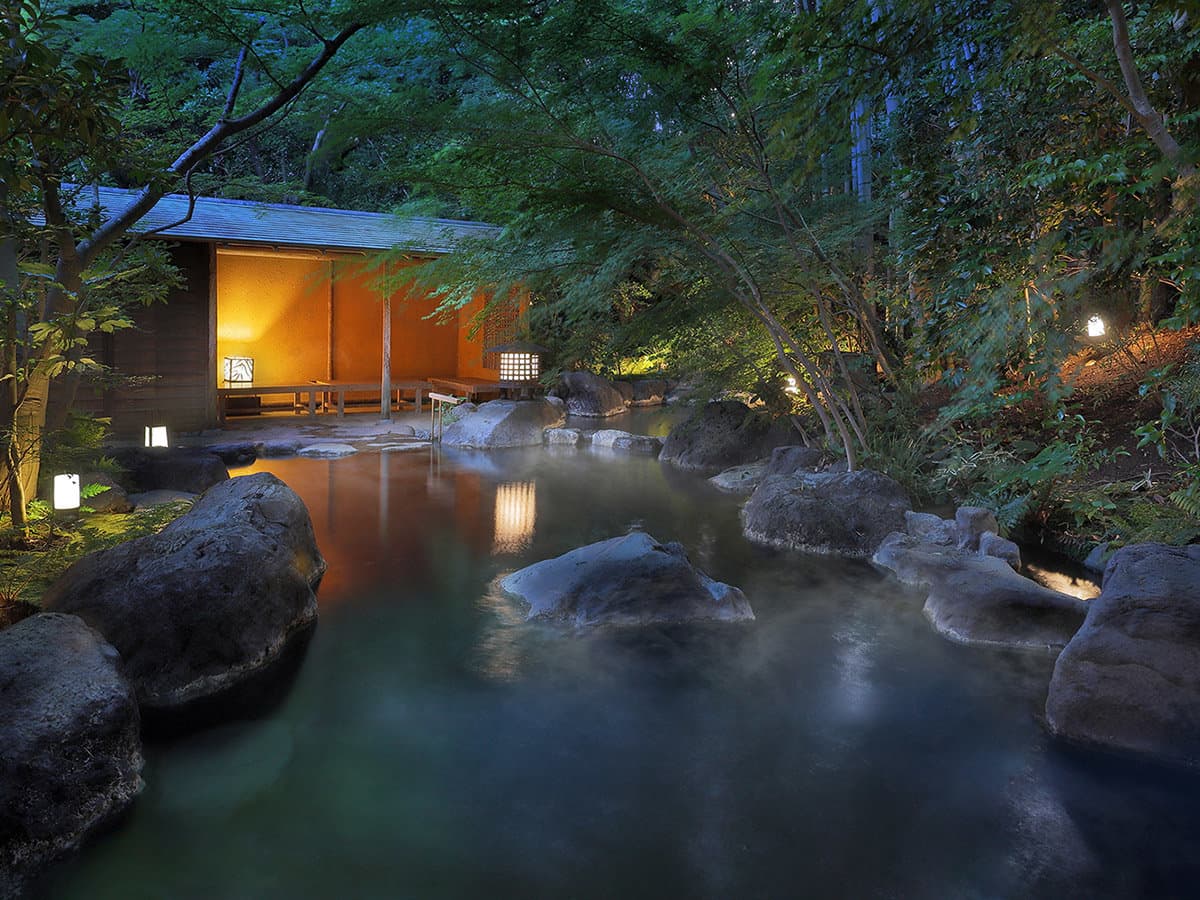 | 〜から ¥66,066 | 10.0 口コミ44件 | 英語OK貸切温泉 | Agodaで予約する |
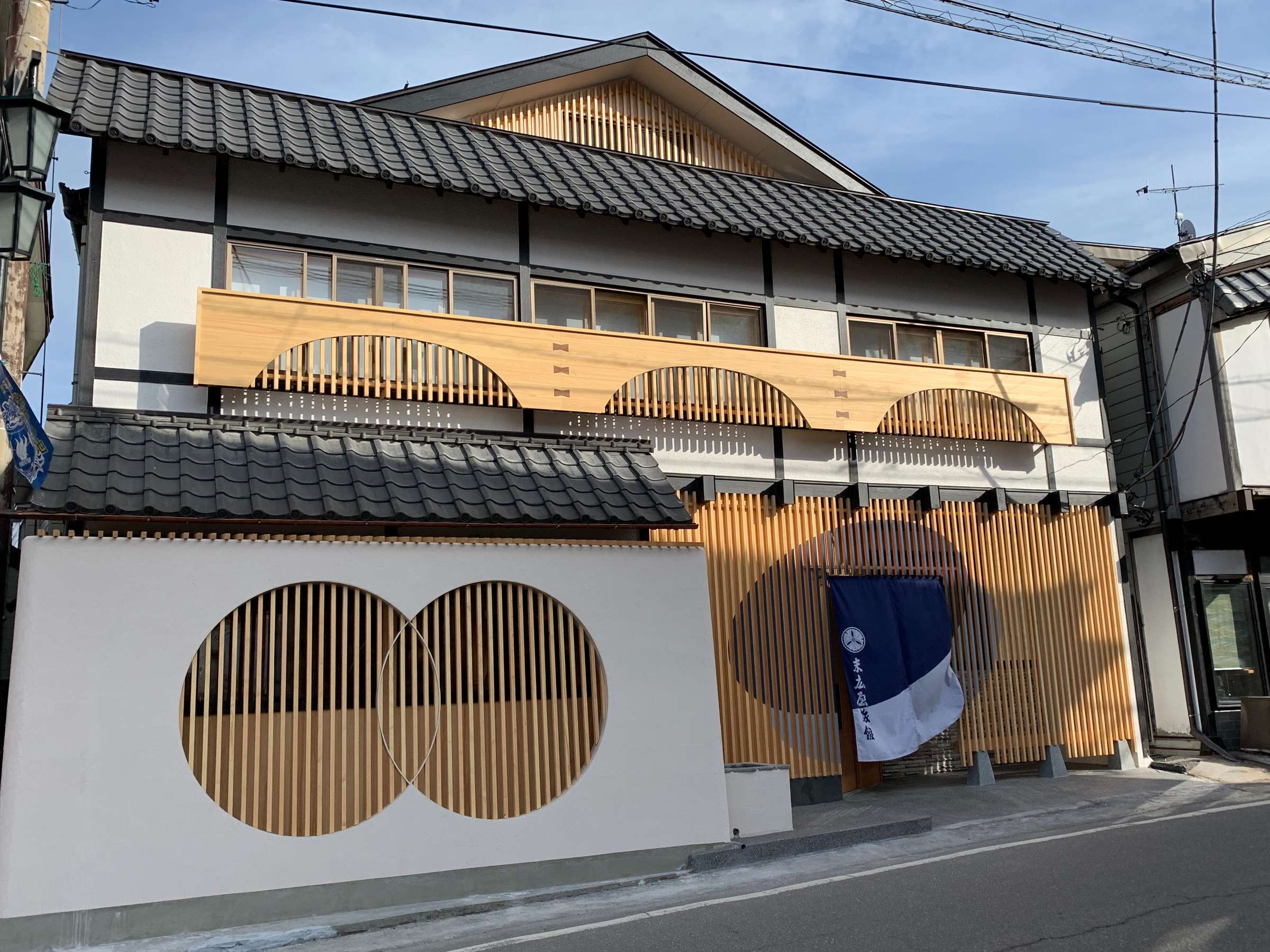 Suehiroya Ryokan Kusatsu | 〜から ¥24,332 | 9.8 口コミ61件 | 貸切温泉 | Agodaで予約する |
| 〜から ¥27,104 | 9.7 口コミ71件 | 英語OK貸切温泉 | Booking.comで予約する | |
| 〜から ¥75,614 | 9.6 口コミ2132件 | 英語OK貸切温泉 | Booking.comで予約する | |
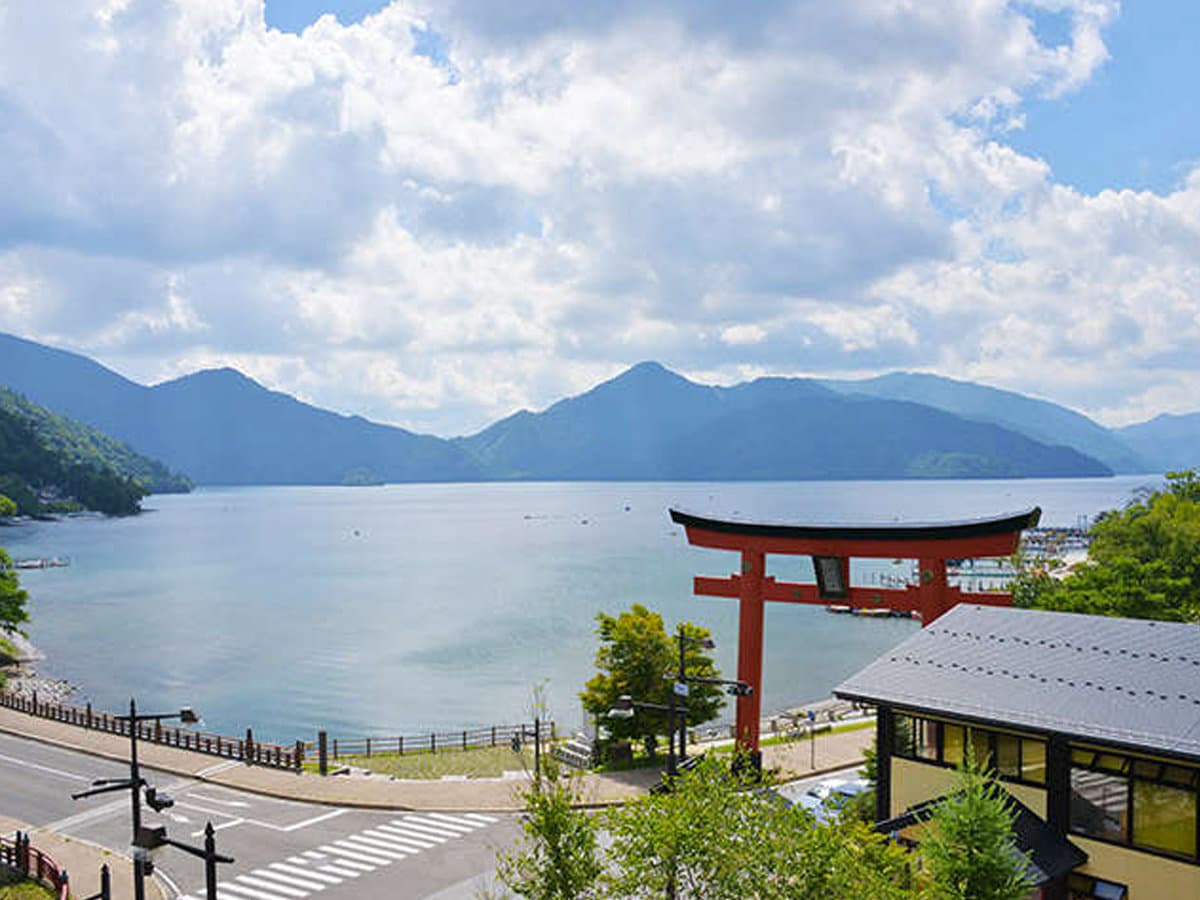 Hotel Hana-An Nikko | 〜から ¥38,038 | 9.6 口コミ1653件 | 英語OK貸切温泉 | Booking.comで予約する |
| 〜から ¥14,938 | 9.6 口コミ924件 | 英語OK貸切温泉 | Booking.comで予約する | |
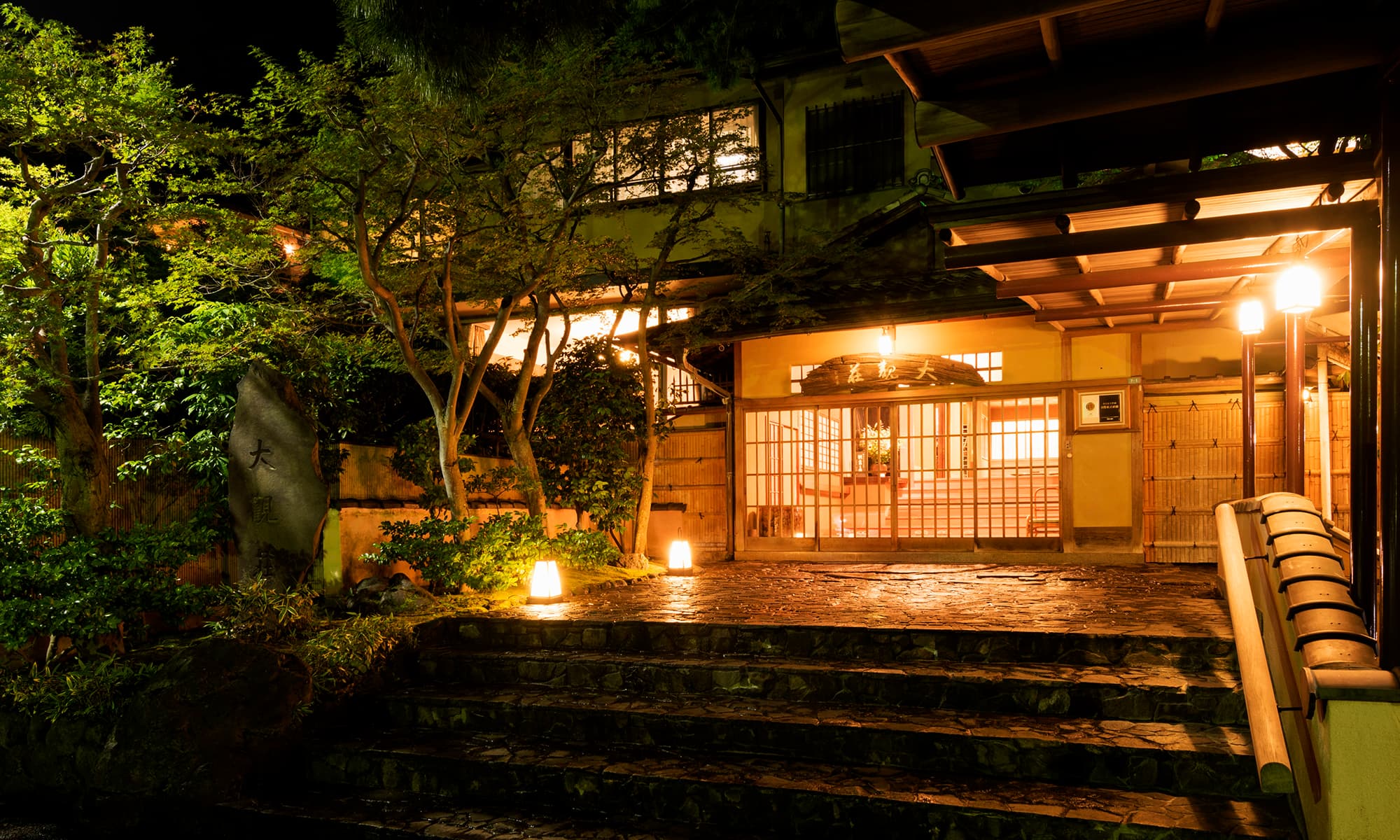 Atami Taikanso Atami | 〜から ¥71,302 | 9.6 口コミ593件 | 英語OK貸切温泉 | Agodaで予約する |
| 〜から ¥59,290 | 9.6 口コミ413件 | 貸切温泉 | Agodaで予約する | |
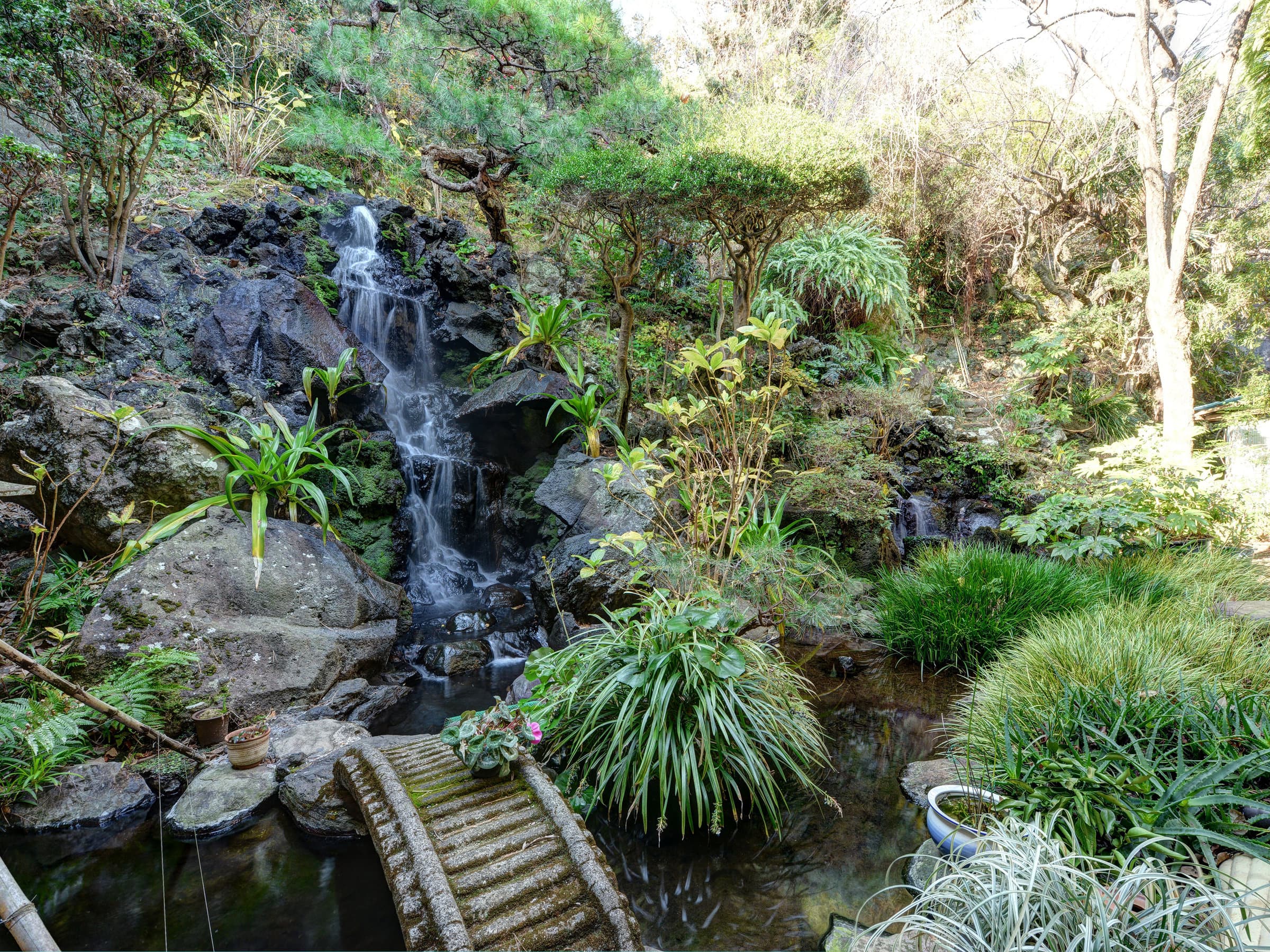 Yokikan Izu | 〜から ¥33,880 | 9.6 口コミ351件 | 英語OK貸切温泉 | Booking.comで予約する |
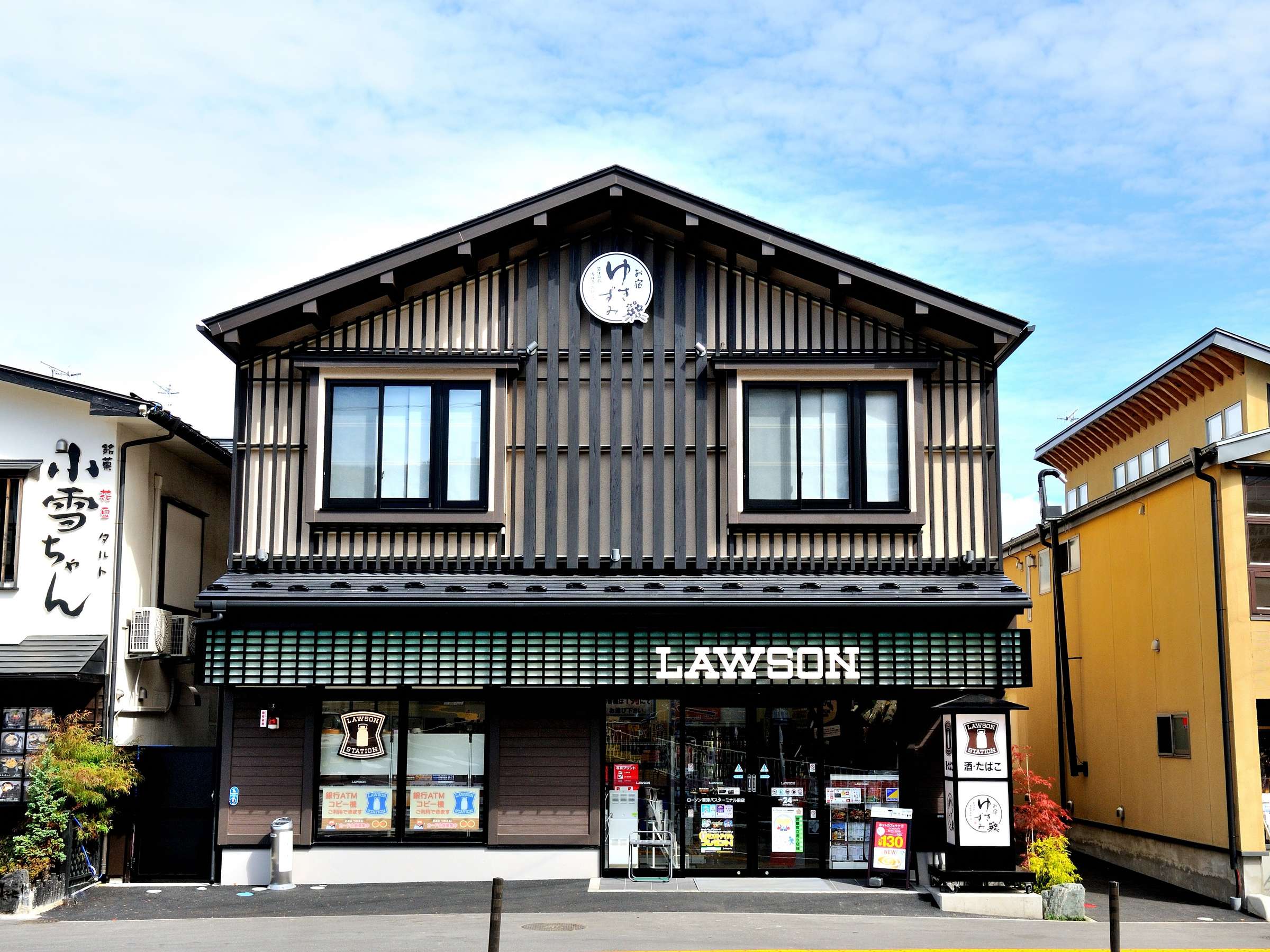 Oyado Yukizumi Kusatsu | 〜から ¥10,780 | 9.6 口コミ348件 | 温泉 | Booking.comで予約する |
| 〜から ¥82,852 | 9.6 口コミ334件 | 貸切温泉 | Agodaで予約する | |
 Washintei Hogetsu Hakone | 〜から ¥38,962 | 9.6 口コミ293件 | 英語OK温泉 | Agodaで予約する |
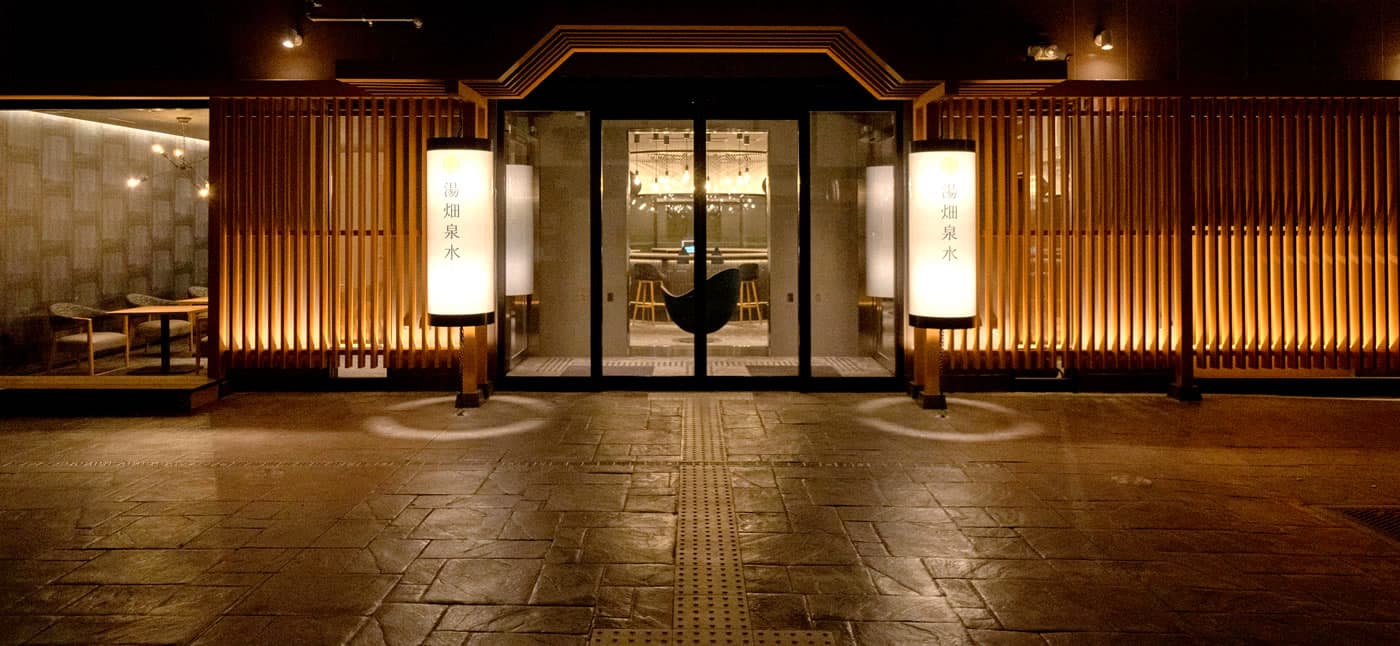 | 〜から ¥33,110 | 9.6 口コミ213件 | 貸切温泉 | Booking.comで予約する |
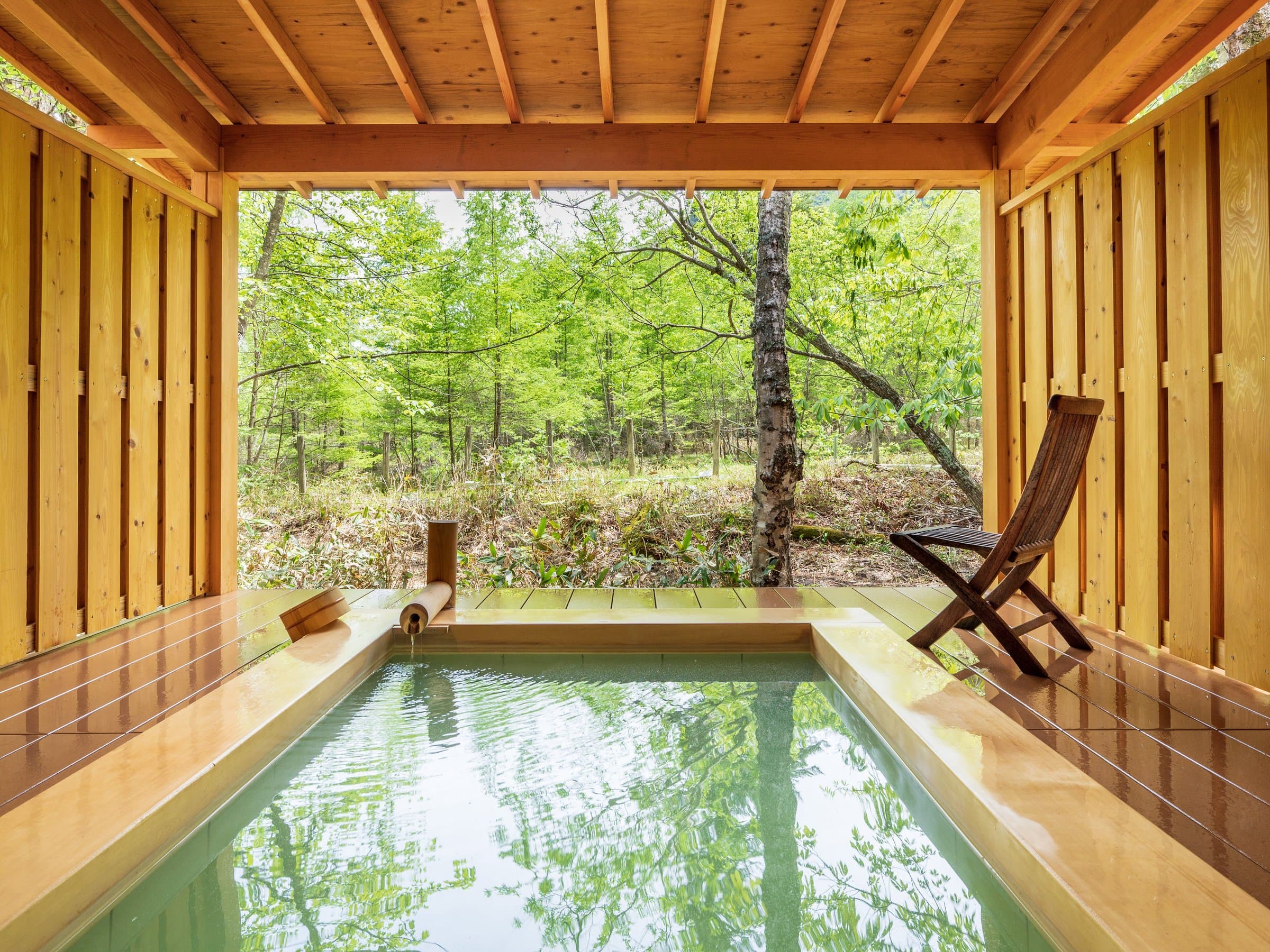 Okunikko Yuno-mori Nikko | 〜から ¥40,656 | 9.6 口コミ106件 | 英語OK貸切温泉 | Booking.comで予約する |
| 〜から ¥54,670 | 9.6 口コミ65件 | 英語OK貸切温泉 | Booking.comで予約する | |
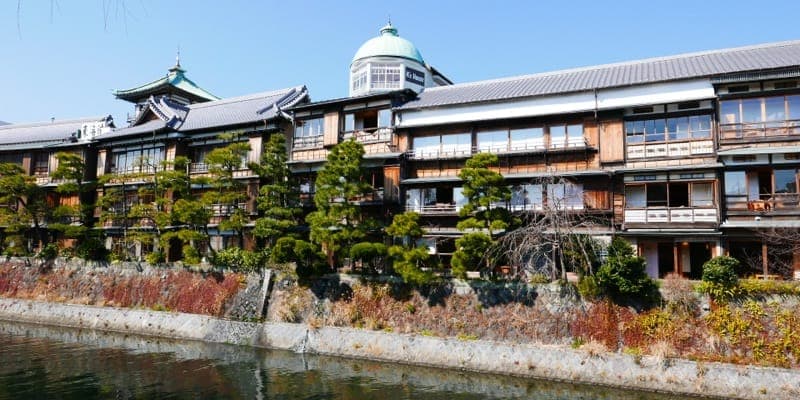 | 〜から ¥5,390 | 9.6 口コミ45件 | 英語OK温泉 | Booking.comで予約する |
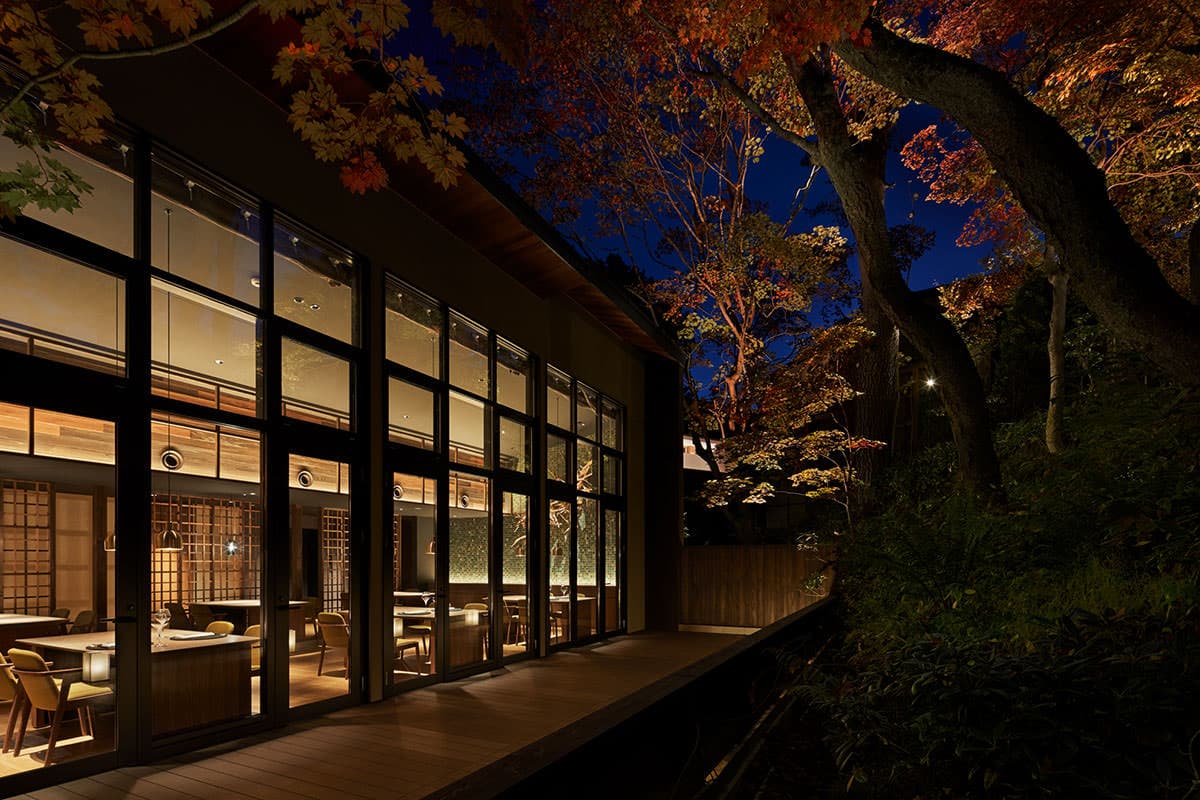 Kei Kusatsu | 〜から ¥70,840 | 9.5 口コミ77件 | 貸切温泉 | Agodaで予約する |
| 〜から ¥28,336 | 9.5 口コミ43件 | 英語OK温泉 | Booking.comで予約する | |
| 〜から ¥37,730 | 9.4 口コミ1634件 | 英語OK貸切温泉 | Booking.comで予約する | |
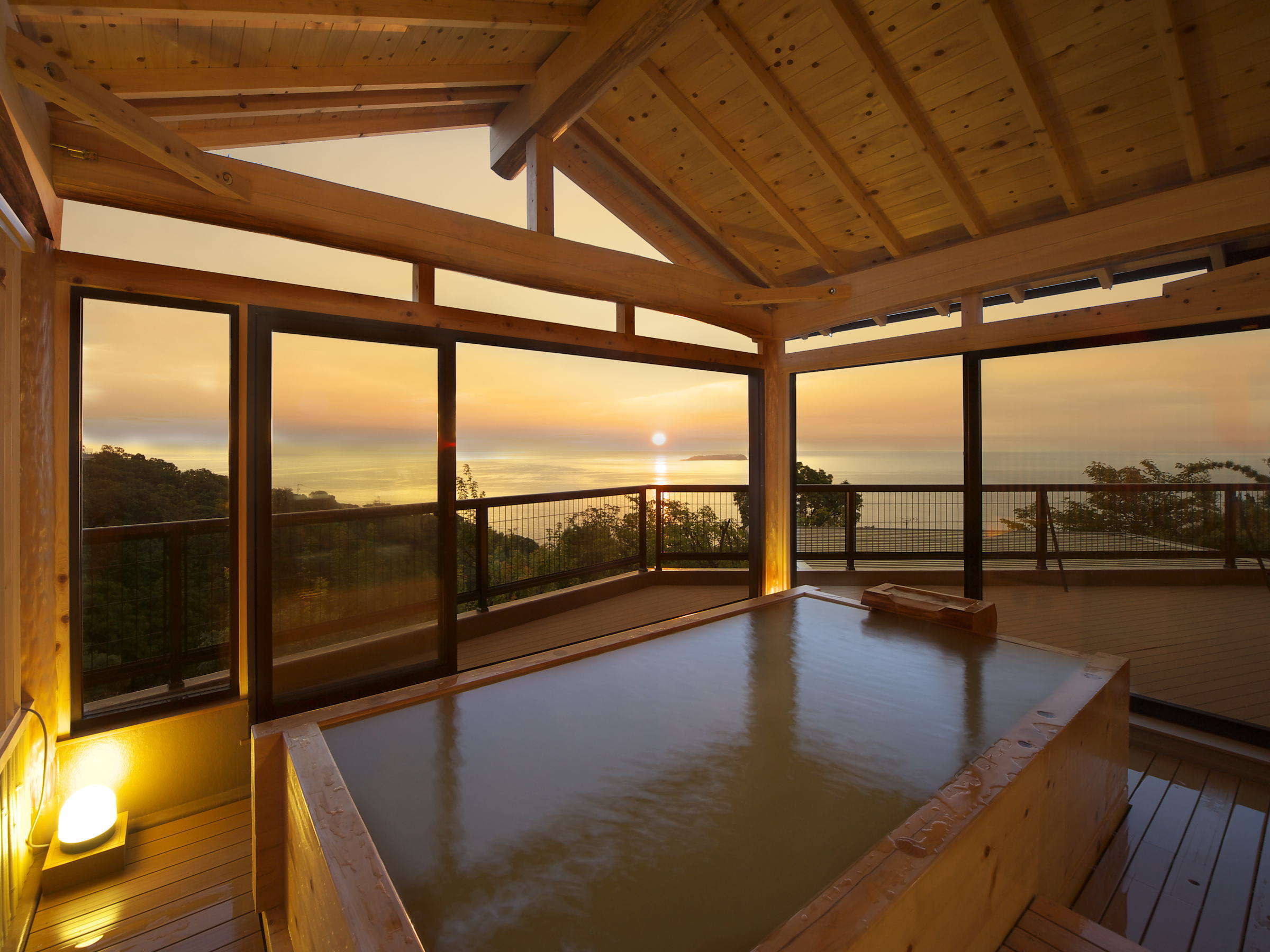 | 〜から ¥90,090 | 9.4 口コミ714件 | 英語OK貸切温泉 | Booking.comで予約する |
Suehiroya Ryokan
Kusatsu
Hotel Hana-An
Nikko
Atami Taikanso
Atami
Yokikan
Izu
Oyado Yukizumi
Kusatsu
Washintei Hogetsu
Hakone
Okunikko Yuno-mori
Nikko
Kei
Kusatsu
表示価格は1名1泊あたりの目安です。当サイト経由のご予約で手数料を受け取る場合があります。
ご予約はこちら
人気の旅館から選んで予約
3つの予約サイトの空室・価格を見比べてください。
予約リンク経由で手数料が発生する場合がありますが、追加費用はかかりません。
FAQ
よくあるご質問
東京から近い最良の温泉旅館は?+
東京から近い最良の温泉旅館は、どこまで移動できるかによりますが、最速の本格高級エスケープならふふ熱海です。東京駅から東海道新幹線こだまで40分(片道3,740円)。都心東京をまったく離れられないなら、星のや東京が都内で唯一の最高級温泉旅館で、大手町という移動ゼロの立地です。週末にじっくり浸かるなら、世界遺産エリアに隣接するふふ日光が最も力強い選択肢です。
東京駅から最速の本格温泉旅館は?+
ふふ熱海、東海道新幹線こだまで玄関〜玄関40分(自由席片道3,740円)です。星のや東京は東京駅から徒歩3分でこれより速いものの、独立した伝統旅館というより都会のタワーです。最速のアクセスで古典的な旅館の形を求めるなら、答えはふふ熱海です。
これらの旅館にJRパスは必要?+
いいえ、京都・大阪やその先にも行くのでなければ不要です。東京駅からの現金往復運賃は、いずれも7日間のJRパスの費用をはるかに下回ります——熱海7,480円、箱根湯本6,820円、軽井沢10,980円、日光6,360円、鬼怒川6,800円、修善寺9,420円、草津15,580円。JRパスの採算は、複数地域を回る規模でしか合いません。
箱根と熱海、安いのはどっち?+
熱海がどの段階でもはっきり安いです。高級帯:ふふ熱海$739 対 強羅花壇$1,200超。ミドル帯:熱海天翠$165 対 水の音$150(ほぼ互角)。バジェット:熱海 松月$60 対 一の湯本館$70。差が最も大きいのは高級帯で、熱海の全室露天スイートの$700〜$1,500という幅は、箱根強羅の$1,200〜$2,500という高級帯より丸ごと一段下に位置します。
月曜の朝に会議があっても、東京から旅館に一泊できる?+
はい、ただし段階1だけです。金曜18時半に東京駅をこだまで発ち、19時10分に熱海着、夕食、就寝。土曜の朝に湯に浸かり、朝食、11時40分までに都心へ戻れば、土曜の午後と日曜がまるごと手つかずで残ります。段階2や3の目的地では電車移動だけで日曜の大半を食うため、二泊の旅なら問題ありませんが、月曜の朝に会議がある一泊では現実的ではありません。
東京から近くで紅葉が一番良いのは?+
11月中旬の日光・中禅寺湖と華厳の滝が定番の答えです。ふふ日光か日光金谷ホテルを拠点に、いろは坂のスイッチバック道路で中禅寺湖へ日帰りを。第二候補:箱根強羅と箱根上部のカルデラ、ほぼ同じ時期です。第三:鬼怒川渓谷、約1週間遅れ。
これらの旅館は英語が通じる?+
おおむね通じます——本ガイドの30軒のうち27軒が、私たちのデータベースで英語対応の宿としてフラグ付けされています。例外は通常、フロントが主に日本語で対応する古い文化財の宿(つつじ亭、別邸 笹音、熱海 山木旅館、福住楼)です。これらは直接サイトではなくTrip.comやBooking.com経由で予約を——OTAの層が英語のやり取りをカバーします。
初めての方にはどの段階が良い?+
段階1——特に熱海です。40分のこだまアクセスなら、一つのミス(電車の乗り間違い、接続の逃し)が時間単位ではなく分単位の損で済みます。高級帯(ふふ、せかいえ)もミドル帯(桜家、天翠)も、箱根登山鉄道のスイッチバックを攻略したり、東武かJRかを見分けたりせずに、どちらも本当に力強い。初めての旅館旅なら、ふふ熱海が唯一最も安全な答えです。
段階1と段階3、どのくらい前に予約すべき?+
段階1:ショルダーシーズンは3〜6週間、紅葉と梅のピークは3か月前。段階1の宿は客室数が最も多く、在庫が最も柔軟です。段階2:最低2〜3か月、日光と箱根強羅の紅葉の週末は4か月前。段階3:小規模な宿(浅羽17室、つつじ亭17室)は4〜6か月前——どの繁忙期でも数か月前には埋まります。
富士山の見え方——どのエリアが良い?+
旅館滞在に組み込んだ部分的な富士山ビューなら:熱海のせかいえ、石亭、天翠の西向きの冬の客室。左右対称の絵葉書の角度(穏やかな水面に映る逆さ富士)なら、定番のエリアは富士五湖——河口湖と山中湖——で、本ガイドの圏外にあります。そのエリアの専用ガイドは「富士山ビューの旅館ベスト」をご覧ください。
一般的な旅館の料金には何が含まれる?+
日本の旅館の料金は1名あたり(1室あたりではなく)で提示され、伝統的に夕食と朝食の両方を含みます。段階1の高級帯($400〜)は、懐石の夕食、朝食、すべての共用温泉、浴衣を意味し、客室カテゴリーが指定していれば客室露天風呂も。ミドル帯($150〜300)は通常、夕食+朝食+温泉を含みます。バジェット($60〜150)はさまざまで——朝食のみの宿もあれば、下限でも本格懐石を含む宿もあります。予約時には必ず食事の有無を確認しましょう。


