Quick Comparison
6 picks| 旅館 | 料金 | 評価 | 特徴 | 予約 |
|---|---|---|---|---|
Atami Sekaie Atami | $545〜 | — | 英語OK貸切温泉 | Trip.comで予約 |
| $100〜 | 8.8 55 reviews | 英語OK温泉 | Trip.comで予約 | |
Amane Resort Seikai Beppu | $250〜 | 9.0 680 reviews | 英語OK貸切温泉 | Trip.comで予約 |
Amane Resort GAHAMA Beppu | $260〜 | — | 英語OK貸切温泉 | Trip.comで予約 |
Ibusuki Seaside Hotel Ibusuki | $90〜 | 7.1 15 reviews | 英語OK温泉 | Trip.comで予約 |
Kagaya Wakura | $400〜 | 9.3 35 reviews | 英語OK貸切温泉 | Trip.comで予約 |
Atami Sekaie
Atami
Amane Resort Seikai
Beppu
Amane Resort GAHAMA
Beppu
Ibusuki Seaside Hotel
Ibusuki
Kagaya
Wakura
Prices shown are approximate starting rates per person per night. We may earn a commission on bookings.
There's a specific kind of quiet that happens when you lower yourself into a cypress-scented rotenburo and the Pacific fills the entire horizon in front of you. No walls. No other guests. Just you, volcanic mineral water at 41°C, and the sound of waves somewhere below. Finding the best ryokan with ocean view in Japan is the reason the booking decisions that lead you there matter so much — and why a vague "sea view room" listing can produce such different results from property to property.
We've reviewed 283 ryokans across Japan, including properties on the Izu Peninsula, Beppu Bay, Kinko Bay in Kagoshima, and the Noto Peninsula's Nanao Bay. This guide cuts through the vague "sea view room" listings to tell you which properties actually deliver the view from the bath — not just from a window — and which regions suit your timeline, budget, and circumstances.
One thing to understand before you start booking: ryokan pricing in Japan is per person per night, always including dinner and breakfast. A ¥30,000 listing means ¥30,000 per person, which puts a couple at ¥60,000 per night. That's the standard, and it's important context for every price in this guide.
The other thing that will save you a bad booking: there's a critical difference between "ocean view room" and "ocean view bath." We'll cover that distinction right away.
[INTERNAL_LINK: /blog/first-time-ryokan-guide | New to ryokans? Start with our first-timer's guide] before reading this one. If you're already familiar with ryokan basics and want to know which coastal property to book, read on.
---
What "ocean view" actually means at a ryokan (read this first)
When a ryokan listing says "ocean view," it could mean any of three completely different configurations. Knowing which you're booking changes the price, the tattoo implications, and the entire experience.
Type A: In-room private rotenburo with sea view (客室露天風呂付き, kashitsu roten buro tsuki). This is the gold standard. An outdoor hot spring bath — usually 1.5 to 3 tatami mats in size — sits directly off your tatami room, and it faces the sea. You can use it at 2 a.m. in your yukata without passing another soul. Properties like Atami Sekaie and Hotel Tenzankaku Kaiyutei in Shirahama are built around this: every single room has one.
Type B: Communal outdoor rotenburo with sea view. A shared open-air bath — sometimes impressive in scale, sometimes crowded — where you soak alongside other guests with the ocean in the background. Suginoi Hotel in Beppu has a 4,000-square-meter communal bath of this type: vast, but not private.
Type C: Kashikiri (貸切風呂, reserved private bath). A communal-sized bath that you book exclusively for your group, usually 45–60 minutes, for a fee of ¥3,000–5,000. It's a practical middle option at properties without in-room rotenburo.
The trap that catches most first-time bookers: some listings show a beautiful room window with a sea panorama, but the bath itself faces an interior courtyard or garden. The "ocean view" is technically accurate — from the room — but you won't be seeing the sea while you soak. To avoid this, look for photos specifically showing the bath space and its view, not just the room window. In Japanese listings, the phrase 客室露天風呂 海側 (in-room outdoor bath, ocean-facing) is the one to look for.
On Booking.com and Trip.com, the tactic is: filter for "private bath" rooms first, then open the photo gallery and look specifically for bath-side images. If the property only shows room-window sea views and the bath photos face a wall, that's your answer. On [Rakuten Travel (Japanese inventory)](https://travel.rakuten.co.jp/), search 客室露天風呂付き (in-room open-air bath) combined with 海側 (ocean-facing) for the most reliable results.
Tip
Tip: The terms "umiburo" or "kaiyoburo" sometimes appear in property marketing copy to describe sea-view baths — but they are not standardized search filters on Rakuten or Jalan. Stick to 客室露天風呂付き + 海側 for accurate filtered searches on Japanese platforms.
[INTERNAL_LINK: /blog/onsen-etiquette-foreigners | Onsen etiquette for first-timers] [INTERNAL_LINK: /blog/tattoo-friendly-ryokans | Tattoo-friendly ryokans in Japan — full guide]
---
Izu Peninsula & Atami — best ocean view ryokans near Tokyo
Atami sits 35–50 minutes from Tokyo on the Shinkansen — no transfer, no taxi drama, just step off and find your ryokan shuttle waiting [verified visitatami.com 2026-05-30]. That proximity makes it the default first coastal ryokan for Tokyo-based travelers, and the city has leaned into it: the hillside above Sagami Bay is dense with ryokans, many of them purpose-built with Pacific-facing rooms.
The coastline here is dramatic rather than gentle — volcanic cliffs, choppy open Pacific, gray-green water that shifts in color with the season. In January and February, storm surf and low clouds give the view a wild quality that the manicured aesthetics of the ryokan interior only heighten by contrast. August is the other extreme: hot, crowded, and priced accordingly.
For the Izu Peninsula proper, count on 80–90 minutes from Tokyo via the Odoriko limited express to Shimoda or the Saphir Odoriko to Izu. West Izu (Nishi-Izu, where Dogashima is) takes about 2 hours 40 minutes total with a local bus connection — commit to the journey and you'll have earned the view.
English-friendliness reality check: Atami hotels that cater to international tourists rate about 2/5 — staff speak limited English, but translation apps handle check-in well enough. South Izu drops to 1/5: a genuine language barrier. Properties at the luxury tier (¥45,000+) trend toward 3–4/5 with English-capable staff.
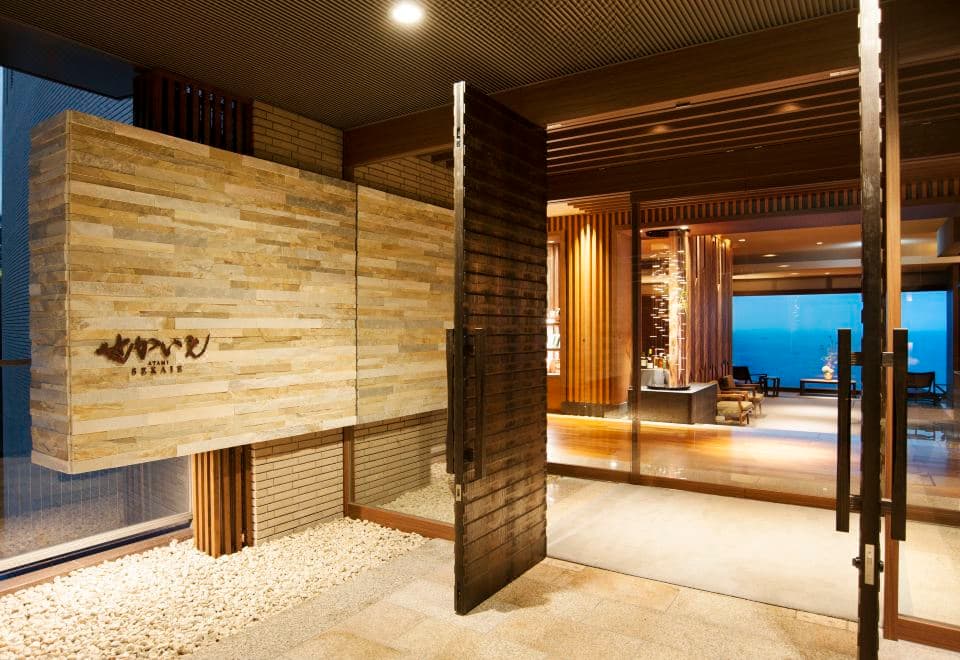
Atami Sekaie
Every one of Sekaie's 25 rooms comes with a private open-air rotenburo facing the Pacific. The spring is a sulfate-chloride type, colorless and silky, and the bath decks are positioned to maximize the horizon line — you're not looking at a railing, you're looking at ocean. Prices run ¥46,200–¥173,300/person including dinner and breakfast [verified selected-ryokan.com 2026-05-30]. That starting rate is ¥16,500 higher per person than Kagaya in Wakura (from ¥29,700) — the difference is that Sekaie guarantees a private rotenburo in all 25 rooms, while Kagaya's private baths are limited to just 6 of its 232 rooms. Smoke-free throughout.
The honest trade-off: 25 rooms is small enough to feel intimate but large enough that you're not at a truly boutique ryokan. Kaiseki dinner quality is strong but not the standout at this price point — you're paying primarily for the room and the view.
- Bath type: Private in-room rotenburo (all rooms), Pacific-facing
- Tattoo policy: Private bath only — no restriction in your own room
- English-friendliness: 2–3/5 (bookable in English via Booking.com, Agoda, and Japanican; on-site staff English unconfirmed)
- Access: 45 min from Tokyo by Shinkansen + 5-min shuttle
[CTA: Check rates at Atami Sekaie on Trip.com] [CTA: Compare on Booking.com]
[INTERNAL_LINK: /destinations/atami | Atami ryokan area guide] [INTERNAL_LINK: /best-ryokans/atami | All recommended ryokans in Atami]
Dogashima New Ginsui (West Izu)
All 123 rooms face the ocean, the property was named among Japan's "100 Best Sunsets," and prices start at ¥19,800/person with meals included [verified selected-ryokan.com 2026-05-30] — making this one of the best-value ocean view ryokans in the Izu region. Founded in 1973, it's not a young property, and the communal bath infrastructure shows its era, but the sunsets over the open Pacific are the real reason people return.
The important caveat: there are no in-room private rotenburo here. You soak in the shared outdoor bath, and whatever tattoo policy applies, you're in it with other guests. The dinner is a buffet format with complimentary draft beer — good fun, not kaiseki ceremony. Know what you're booking.
- Bath type: Shared communal outdoor bath, ocean-facing (all rooms ocean view)
- Tattoo policy: Communal bath — confirm directly before booking
- English-friendliness: 2/5
- Access: ~2h 40m from Tokyo (Shinkansen to Mishima + local connection)
[CTA: Check rates at Dogashima New Ginsui on Booking.com]
[INTERNAL_LINK: /destinations/izu | Izu Peninsula ryokan guide]
---
Beppu & Oita — all-room ocean views on Kyushu's bay
Beppu is Japan's hot spring capital by volume — more hot spring water and more spring sources than anywhere else in the country [verified selected-ryokan.com / Beppu Onsen City 2026-05-30]. The city sits on Beppu Bay, and its hillside ryokans face west, which means the sunset views are among the most reliably spectacular in Japan. On clear evenings the bay turns a flat, burnished orange that the outdoor rotenburo frames like a painting.
Getting there from Fukuoka: 1 hour 51 minutes to 2 hours 5 minutes by the Sonic Limited Express from Hakata Station, at ¥5,680 [verified japantrain.net 2026-05-30]. Departures run every 30 minutes. Flying to Oita Airport and taking the 45-minute airport bus is faster if you're coming from Tokyo.
Tip
Seasonal warning: Beppu is in an active typhoon corridor. The [Japan Meteorological Agency](https://www.jma.go.jp/jma/indexe.html) tracks typhoon season from May through November, with peak risk in August and September. If you're booking a Kyushu coastal ryokan in that window, take out travel insurance that covers typhoon cancellation. October is the sweet spot: post-typhoon risk, pre-winter, noticeably lower rates than peak summer.
AMANE RESORT SEIKAI
Seikai is consistently listed as Beppu's most prominent ocean-view ryokan, and with all 60 rooms featuring private open-air baths facing the bay, that reputation is earned. The spring is a chloride type, known for the "bijin-no-yu" (beauty water) effect on skin. Prices run ¥30,800–¥120,500/person with meals [verified selected-ryokan.com 2026-05-30], which spans a wide range — the entry-level rooms are good value for what you get.
There's also a communal outdoor rotenburo facing the sea for those who want the social soak alongside the private option. The communal bath, as at virtually every Japanese ryokan, maintains a tattoo ban.
- Bath type: Private in-room rotenburo (all 60 rooms) + communal sea-view rotenburo
- Tattoo policy: No restriction in your private room bath; ban in communal
- English-friendliness: 3/5
- Access: 45 min by bus from Oita Airport; ~2h from Fukuoka Hakata
[CTA: Check rates at AMANE RESORT SEIKAI on Trip.com] [CTA: Compare on Booking.com]
[INTERNAL_LINK: /destinations/beppu | Beppu ryokan area guide] [INTERNAL_LINK: /best-ryokans/beppu | All recommended ryokans in Beppu]
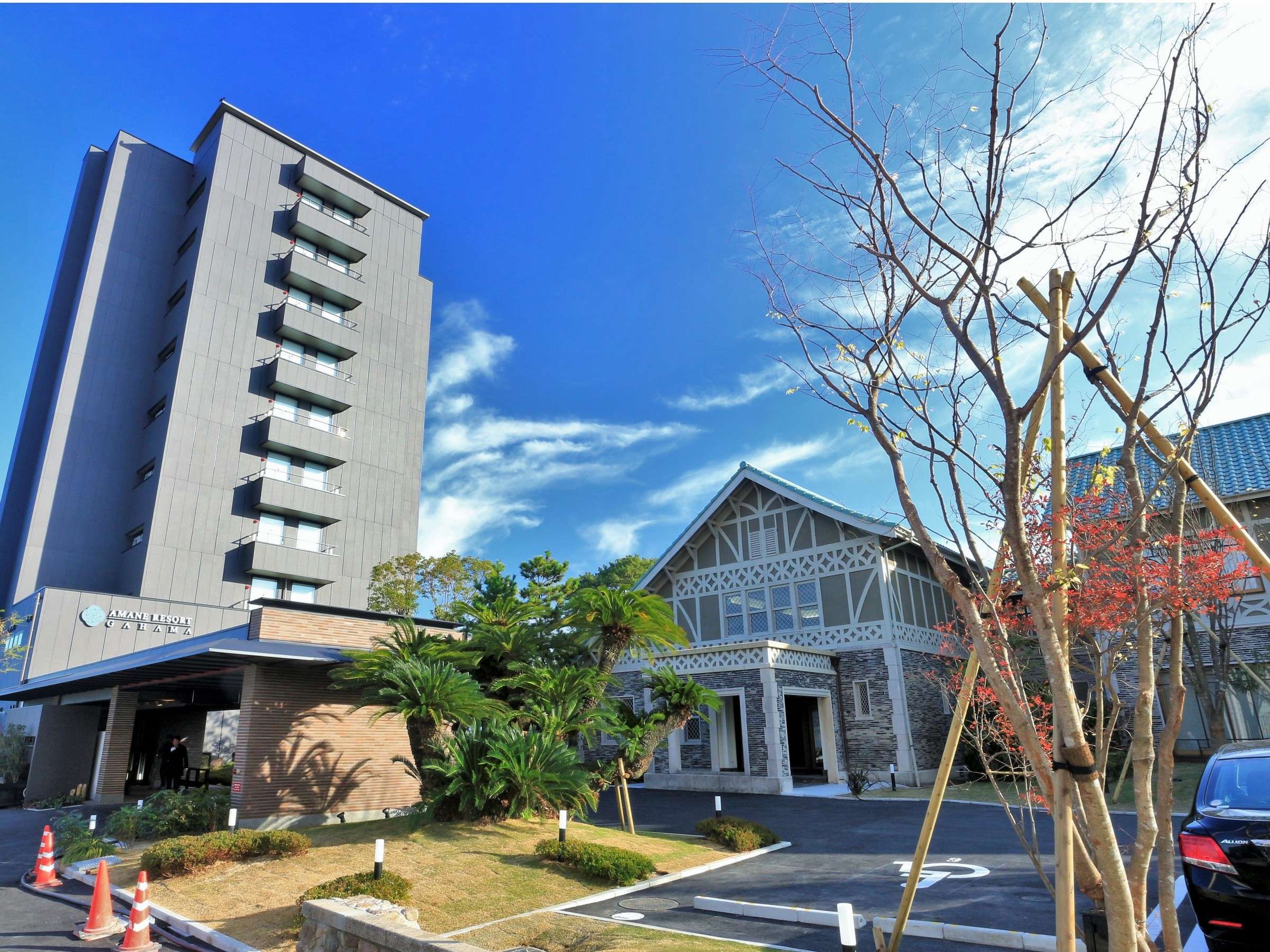
Amane Resort GAHAMA
If Seikai is the hillside pick, GAHAMA is Beppu's beachfront alternative. All 31 rooms have private onsen baths, the property sits on over 11,000 square meters of oceanfront grounds, and select rooms come with private pools rather than just rotenburo. Sleep here and you'll notice it — the sound of the sea carries through the room at night in a way that an elevated hillside property simply can't replicate. Less panoramic sweep, more immediate presence at the water.
Prices run ¥41,800–¥107,300/person with meals [verified selected-ryokan.com 2026-05-30]. The seven room categories include the Seaside Maisonette at 85 square meters, which is the pick for couples who want the pool-terrace-sea combination. The on-site café-bar is a practical detail at this price point — you're not leaving the property for drinks.
- Bath type: Private in-room bath (all 31 rooms); select rooms with open-air rotenburo; beachfront private pools in select rooms
- Tattoo policy: Private baths noted as tattoo-accessible [verified selected-ryokan.com 2026-05-30]
- English-friendliness: 3/5 (available on Booking.com, Klook, Expedia)
- Access: ~4.4 km from Beppu Station; 45 min from Oita Airport
[CTA: Check rates at Amane Resort GAHAMA on Booking.com] [CTA: Compare on Trip.com]
Suginoi Hotel
If Seikai is the intimate choice, Suginoi is the grand spectacle. 647 rooms, a 4,000-square-meter outdoor communal bath overlooking the bay, and a history going back to 1944. The communal bath — one of the largest open-air onsen in Japan — gives the kind of panoramic view that a private room bath can't match in sheer scale. You're soaking in something vast.
The honest trade-offs: at this size, it's more hotel than ryokan in atmosphere, the communal baths will almost certainly maintain a tattoo ban, and your kaiseki dinner may feel mass-produced compared to a 25-room property. But for someone who wants the Beppu bay view experience without spending ¥80,000/person, rooms start at ¥15,600/person with meals [verified selected-ryokan.com 2026-05-30] — a real entry point.
- Bath type: 4,000 sq m communal outdoor bath (bay view) + select rooms with private bath; 1 kashikiri rental bath (¥3,850–4,400/60 min)
- Tattoo policy: Communal bath — ban likely; kashikiri rental bath is your tattoo-accessible option, confirm ahead
- English-friendliness: 2/5
- Access: 50 min by bus from Oita Airport
[CTA: Check rates at Suginoi Hotel on Trip.com]
---
Ibusuki — sand baths, Kinko Bay, and the southern Kagoshima coast
Ibusuki's main draw isn't technically the onsen — it's the sunamushi, the volcanic sand bath. Guests in cotton yukatas are buried up to the neck in naturally heated black sand on the beach, their bodies warming from below as the Pacific laps a few meters away. It's absurd and wonderful, and it's only here. [INTERNAL_LINK: /destinations/ibusuki | Ibusuki area guide]
The views across Kinko Bay to Sakurajima — an active volcano that visibly exhales ash on bad days — are the most dramatic coastal backdrop in this guide. On a clear morning from a sea-facing room, you get the volcano, the bay, the fishing boats, and the red sunrise. It's a lot.
Getting there from Fukuoka takes about 3.5 hours total: Shinkansen to Kagoshima-Chuo (~1 hour 20 minutes), then the Ibusuki Makurazaki Line train to Ibusuki (~1 hour). There's also a scenic express called the Ibusuki-no-Tamatebako that makes the trip in about 55 minutes from Kagoshima-Chuo if you want to arrive in style.
On typhoons: same risk profile as Beppu — active corridor through summer. Cherry blossoms in Ibusuki arrive earlier than anywhere else in Japan (late March), with corresponding price surcharges. The optimal window is April–May or October–November.
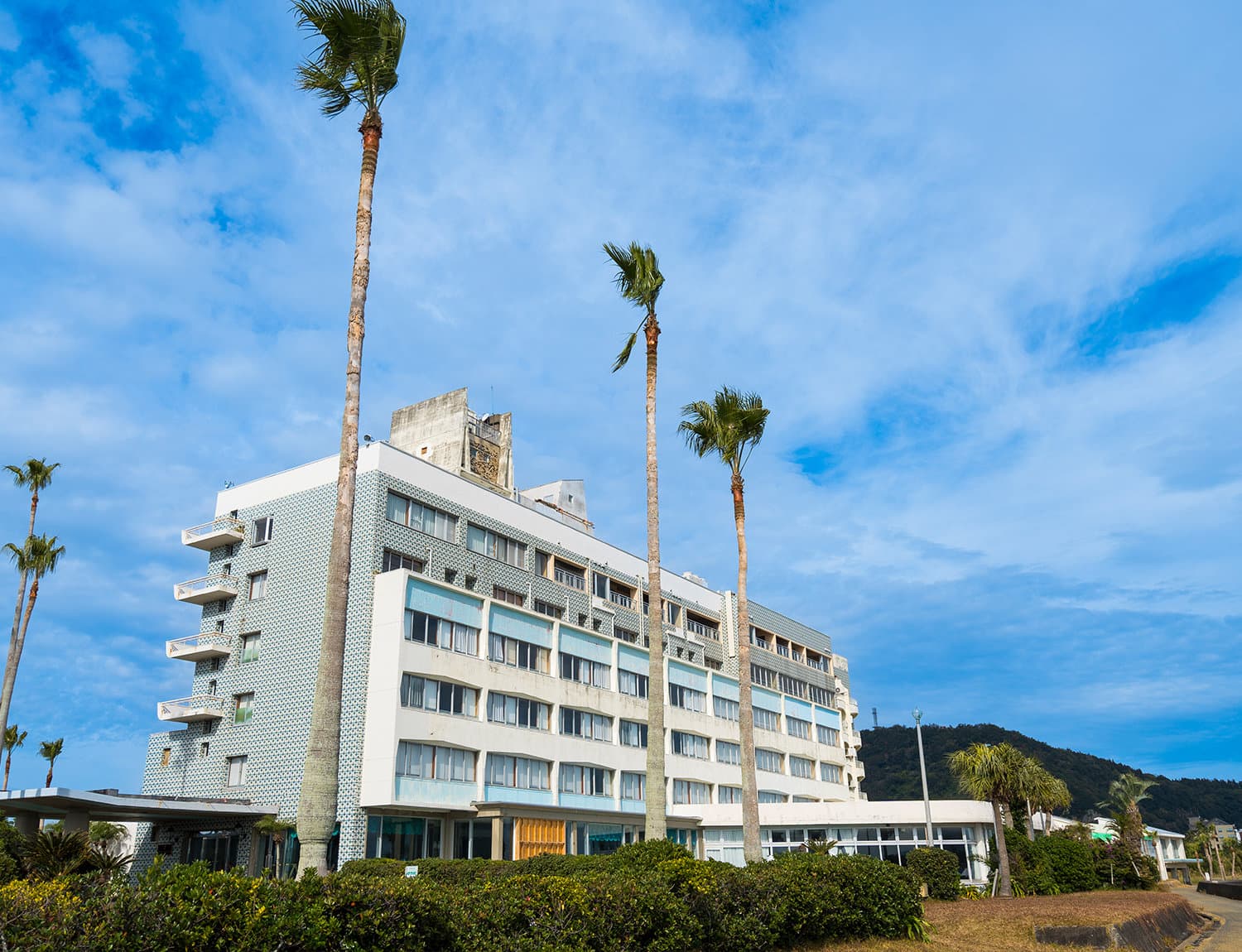
Ibusuki Seaside Hotel
The Seaside Hotel is the practical pick for most travelers: 103 rooms spanning a genuine budget-to-mid-range price band (¥13,200–¥35,200/person with meals) [verified selected-ryokan.com 2026-05-30], direct access to the Saraku Sand Bath Hall for the sunamushi experience, and ocean-facing rooms for the Kinko Bay sunrise. Four rooms have private open-air rotenburo, and there's a kashikiri rental bath at ¥3,300/60 minutes for tattoo-bearing guests who want a private soak.
The downside of being the most accessible property in the region is predictable: it's large, busy, and the kaiseki at the lower price tiers leans functional rather than exceptional. Book the private bath room category if you can stretch to it — the Sakurajima-facing rotenburo at sunrise is worth the upgrade. At peak periods (Obon in August, cherry blossom in late March), the property fills quickly. The hallways on upper floors stay noticeably quieter than those near the elevator banks. October is when the crowds thin and the rates drop.
The sand bath itself has no tattoo policy issue — guests are buried to the neck in their yukata outdoors. It's the one Ibusuki experience that bypasses the communal onsen question entirely.
- Bath type: 4 rooms with private open-air rotenburo (Sakurajima-facing); 1 kashikiri rental bath (¥3,300/60 min); shared communal bath
- Tattoo policy: No restriction in private bath or kashikiri; communal ban applies
- English-friendliness: 2/5
- Access: ~55 min from Kagoshima-Chuo via Ibusuki-no-Tamatebako express
[CTA: Check rates at Ibusuki Seaside Hotel on Trip.com] [CTA: Compare on Booking.com]
[INTERNAL_LINK: /best-ryokans/ibusuki | All recommended ryokans in Ibusuki]
---
Shirahama — Kansai's coastal classic
Shirahama is the rare Japanese beach that actually looks like a beach — white sand, warm shallow water, an approachable Pacific. It's a deliberate contrast to the dramatic volcanic coastlines of Izu and Ibusuki. The onsen here also carry serious historical weight: Shirahama is one of Japan's three oldest hot springs, alongside Arima in Hyogo and Dogo in Ehime, with records of its springs going back over 1,300 years [verified Japan National Tourism Organization 2026-05-30].
From Kansai, take the Kuroshio Limited Express from Shin-Osaka: about 2 hours 15–30 minutes to Shirahama Station, fare ¥5,080, 16 services daily [verified osakastation.com 2026-05-30]. It's a practical two-night extension of a Kyoto or Osaka trip, easy enough that you can plan it around existing travel.
Avoid Golden Week (late April–early May) and Obon (mid-August) — Shirahama is extremely popular with domestic Japanese tourists and the beach-town atmosphere disappears entirely under the crowds. October through November is the sweet spot: mild, quiet, and noticeably cheaper.
Hotel Tenzankaku Kaiyutei
Twenty-four rooms, all of them with private open-air rotenburo, all of them facing the ocean. At ¥19,800–¥45,700/person with meals [verified selected-ryokan.com 2026-05-30], Tenzankaku Kaiyutei offers the full private-rotenburo-with-sea-view experience at rates that undercut most Atami equivalents. The spring is a hydrogen carbonate type — softer on the skin than the chloride springs common elsewhere on this list. Two rooms also have indoor private baths in addition to the open-air option.
For tattooed travelers, this property is explicitly listed as welcoming via private bath rooms — one of the cleaner confirmations in this guide. The boutique scale means early booking is important; 24 rooms fill faster than you'd expect.
- Bath type: Private open-air rotenburo (all 24 rooms), ocean-facing; 2 rooms also with indoor bath
- Tattoo policy: Explicitly tattoo-welcoming for private bath users [verified selected-ryokan.com 2026-05-30]
- English-friendliness: 2/5 (bookable via Booking.com, Trip.com, Klook)
- Access: 20-min shuttle from Shirahama Station
[CTA: Check rates at Hotel Tenzankaku Kaiyutei on Trip.com] [CTA: Compare on Booking.com]
Hotel Sanrakuso
Shirahama's largest mid-range property at 98 rooms, positioned directly facing Shirarahama white sand beach. Fifteen of the 98 rooms have in-room private open-air rotenburo with sea views; the premium 9th-floor Mashirano rooms offer the most unobstructed panorama. Prices run ¥18,200–¥49,500/person with meals [verified selected-ryokan.com 2026-05-30], and kaiseki dinner is served in-suite — a detail that matters when you don't want to put on formal clothes after a bath.
- Bath type: 15 rooms with private open-air rotenburo (ocean view); shared communal bath
- Tattoo policy: Private bath rooms are tattoo-welcoming [verified selected-ryokan.com 2026-05-30]
- English-friendliness: 2/5
- Access: 20-min bus from Shirahama Station
[CTA: Check rates at Hotel Sanrakuso on Booking.com]
Kishu Shirahama Onsen Musashi
The largest property in Shirahama at 148 rooms, Musashi has a rooftop communal onsen with open ocean views and is a one-minute walk from Shirarahama Beach. Founded in 1950, it covers a wider price range than either Tenzankaku or Sanrakuso: ¥18,700–¥93,000/person with meals [verified selected-ryokan.com 2026-05-30], with three semi-open-air hot spring bath rooms and two kashikiri rental baths (¥3,300/45 minutes) for tattooed guests.
The rooftop position is what earns Musashi its place on this list: from that elevation, you're looking directly out over the Pacific without the beach-level obstructions that limit the view from the ground-floor communal baths at Sanrakuso. On a clear evening, the white sand of Shirarahama curves below you while the horizon stretches flat to the west. It's a proper ocean panorama, not a glance at the water between buildings. English speakers can book through Booking.com or the property's own English-language site at yado-musashi.co.jp/en/.
- Bath type: 3 rooms with semi-open-air hot spring bath; 2 kashikiri rental baths (¥3,300/45 min); rooftop onsen (communal, ocean view)
- Tattoo policy: Private bath rooms tattoo-welcoming [verified selected-ryokan.com 2026-05-30]
- English-friendliness: 3/5 (official English site + Booking.com)
- Access: 1-minute walk to Shirarahama Beach; 20-min bus from Shirahama Station
[CTA: Check rates at Kishu Shirahama Onsen Musashi on Booking.com]
[INTERNAL_LINK: /destinations/shirahama | Shirahama ryokan area guide]
---
Wakura Onsen — Noto Peninsula's sunset jewel
Wakura sits at the inner curve of the Noto Peninsula, on Nanao Bay — a protected inlet rather than open ocean. The water is calm enough on still evenings to act like a mirror: the sky turns gold, and a second gold sky appears below it on the bay surface. It's a different kind of coastal view than anything else on this list, more contemplative than dramatic.
From Kanazawa — which is 2.5 hours from Tokyo on the Hokuriku Shinkansen — the Noto Kagaribi Limited Express reaches Wakura Onsen in about 58 minutes, fare ¥2,230 [verified kanazawastation.com 2026-05-30]. Most ryokans here run free shuttles from the station. Wakura is the least English-friendly region in this guide (1–2/5), so download a Japanese phrasebook app before you arrive, or use Google Translate's camera function for menus and signs.
The snowcrab season (November–March) is the peak experience window here. Zuwaigani, the snow crab species dominant in the Sea of Japan, arrives in Wakura kaiseki menus from November and the combination of crab, mirror-bay sunsets, and sulfurous onsen steam is unlike anything else in the Sea of Japan corridor. It's also peak pricing — plan accordingly.
Kagaya
Kagaya has been ranked Japan's number-one ryokan for more than 30 consecutive years in industry surveys [verified selected-ryokan.com 2026-05-30]. That statistic has been repeated so often it risks becoming meaningless — but spend an evening here and you understand how a property sustains that reputation. Founded in 1906, Kagaya operates with a staff-to-guest ratio that means someone is always around before you know you need them. Japanese emperors have stayed here. The 18th–20th floor Hamarikyu executive rooms offer full Nanao Bay panoramas, and the spring water has been flowing from the same source for 1,200 years.
With 232 rooms, it's a large property by ryokan standards, and only 6 rooms have private open-air baths. The communal baths, with sea views, are spectacular — but communal, with the tattoo implications that carries.
Prices run ¥29,700–¥124,300/person with meals [verified selected-ryokan.com 2026-05-30].
Note: The Noto Peninsula experienced a significant earthquake in January 2024. As of our research date (May 2026), Kagaya is listed as operational on major booking platforms — but verify current status directly before booking.
- Bath type: 6 rooms with private open-air bath; large communal baths with Nanao Bay views
- Tattoo policy: Private bath rooms are tattoo-accessible; communal ban standard
- English-friendliness: 2/5 (Booking.com and Agoda carry this property with English interface)
- Access: ~1 hr by Noto Kagaribi Limited Express from Kanazawa + free shuttle
[CTA: Check rates at Kagaya on Booking.com]
[INTERNAL_LINK: /destinations/wakura-onsen | Wakura Onsen area guide] [INTERNAL_LINK: /destinations/kanazawa | Kanazawa travel guide]
---
Hakodate & Noboribetsu — Hokkaido's best ocean view ryokans
Hokkaido is the only region in this guide with no typhoon season — a meaningful advantage for summer bookings. It's also the only region where the winter months deliver something completely unreplicable: outdoor baths in falling snow, with the sea visible through the steam on one side and snow-covered ground on the other. Between November and March, the Hokkaido snowcrab season (zuwaigani, peak November–March [verified eat-hokkaido.com 2026-05-30]) means kaiseki dinners centered on crab that you won't eat better anywhere.
Getting to Hakodate: about 4 hours from Tokyo on the Hokkaido Shinkansen. Noboribetsu is easier to reach from Sapporo — 1 hour 14 minutes by the Hokuto Limited Express, fare ¥5,410 [verified domingo.ne.jp 2026-05-30].
The two sub-areas here serve different travelers: Hakodate is a city with history, morning markets, and a famous hillside night view — your ryokan stay connects to other things to do. Noboribetsu is a dedicated onsen town with a volcanic "hell valley" (Jigokudani) 15 minutes from the coastal properties, a wilder, more atmospheric setting.
Heiseikan Shiosaitei (Hakodate)
The largest property at Yunokawa Onsen (161 rooms), with the useful distinction that 42 of those rooms have private sea-view open-air baths. Prices run ¥14,500–¥32,000/person with meals [verified selected-ryokan.com 2026-05-30] — one of the most accessible price points for a private-rotenburo ocean view experience in Japan. The spring is a chloride type, and the property sits directly beside the sea: in winter, you can watch the fishing boat lights from your bath at night.
Yunokawa Onsen is one of Hokkaido's three major hot spring towns, with a history dating to the Muromachi period.
- Bath type: 42 rooms with private sea-view open-air rotenburo; large communal ocean-view bath
- Tattoo policy: Private bath rooms are tattoo-accessible [verified selected-ryokan.com 2026-05-30]
- English-friendliness: 3/5 (Hakodate is a well-developed tourist city; Booking.com, Agoda, Japanican all available)
- Access: 8-min bus from Hakodate Airport
[CTA: Check rates at Heiseikan Shiosaitei on Booking.com] [CTA: Compare on Trip.com]
Kappo Ryokan Wakamatsu (Hakodate)
Wakamatsu holds a Michelin Star (Michelin Guide Hokkaido), was founded in 1922, and in 1954 hosted Emperor Hirohito [verified selected-ryokan.com 2026-05-30]. All 22 rooms face the Tsugaru Channel, and the property's fame in summer centers on ikasashi — raw squid caught the same day, arranged with ceremonial precision on a lacquer tray. It's one of the most historically significant small ryokans in Japan.
The practical limitation: there are no in-room private rotenburo here. All bathing is communal, and the tattoo policy for that communal bath is unconfirmed but almost certainly banning. This is a property you book for the Michelin cuisine and the imperial pedigree, not for private-bath ocean views.
Prices run ¥26,400–¥112,200/person with meals [verified selected-ryokan.com 2026-05-30].
- Bath type: Communal hot spring bath with Tsugaru Channel views (no in-room private rotenburo)
- Tattoo policy: Communal bath — policy unconfirmed; likely banned. Not recommended for tattooed guests without direct confirmation
- English-friendliness: 2/5
- Access: 8-min bus from Hakodate Airport + 2-min walk
[CTA: Check rates at Kappo Ryokan Wakamatsu on Booking.com]
Kokoro no Resort Umi no Bettei Furukawa (Noboribetsu)
Noboribetsu's coastal pick is a smaller, quieter property than the Hakodate pair: 28 rooms, all facing the sea, beachfront positioning that puts you steps from the water. The kaiseki here leans heavily on Hokkaido seafood — the same cold-water produce (sea urchin, king crab, scallops) that makes the region's fishing ports worth visiting. Prices run approximately ¥40,000–¥80,000/person with meals [third-party estimate — verify current rates directly, as official per-person pricing was unconfirmed at research date]. Private rental baths are available for groups wanting exclusive use.
The reason to choose this over the Hakodate properties: Noboribetsu's Jigokudani — the volcanic "hell valley" with its sulfurous steam vents and rust-colored mineral flows — is 15 minutes away. You can spend an hour walking the valley boardwalks and return to a seaside soak before dinner. That combination of volcanic landscape and coastal ryokan isn't available in Hakodate.
- Bath type: Private rental baths; communal bath with full ocean panorama facing the sea
- Tattoo policy: Private rental baths noted as available; communal bath policy unconfirmed — confirm directly before booking
- English-friendliness: 2/5 (available on KAYAK, Klook, Japanican, IKYU.com)
- Access: 5-min drive from Noboribetsu Station; ~1h 15m from Sapporo by Hokuto Limited Express
[CTA: Check rates at Kokoro no Resort Umi no Bettei Furukawa on Klook or Japanican]
[INTERNAL_LINK: /destinations/hakodate | Hakodate ryokan guide] [INTERNAL_LINK: /destinations/noboribetsu | Noboribetsu guide]
---
Pricing breakdown: what to budget for an ocean view ryokan in Japan
The single most common confusion among first-time bookers: ryokan prices in Japan are per person per night, and they include dinner and breakfast. Always. A couple booking a ¥30,000/person room pays ¥60,000 total for the night — that covers two full kaiseki dinners (usually 8–12 courses), breakfast, unlimited use of onsen facilities, and the room. The comparison point isn't a budget hotel; it's a hotel plus two restaurant meals.
Budget tier: ¥15,000–25,000/person (~$100–$165) [verified japan-guide.com / MATCHA 2026-05-30]. Communal sea-view rotenburo, tatami room, functional kaiseki with local fish. The trade-off: shared baths mean tattoo policies apply, and view quality from the bath is less guaranteed. Suginoi Hotel in Beppu (from ¥15,600) and Heiseikan Shiosaitei in Hakodate (from ¥14,500) are the strongest budget picks with ocean baths in this guide.
Mid-range: ¥25,000–45,000/person (~$165–$300). This is where in-room private rotenburo start appearing consistently. Dogashima New Ginsui (from ¥19,800) sits at the accessible end; Hotel Tenzankaku Kaiyutei in Shirahama (from ¥19,800 up to ¥45,700) and AMANE RESORT SEIKAI in Beppu (from ¥30,800) sit in the comfortable mid-range. This is the recommended entry point for the full private ocean-view rotenburo experience.
Luxury: ¥45,000+/person (~$300 and up). Guaranteed in-room private rotenburo with premium sea view, premium kaiseki, more likely English-capable staff. Atami Sekaie starts at ¥46,200 and climbs to ¥173,300; Amane Resort GAHAMA in Beppu runs ¥41,800–¥107,300; Kagaya in Wakura reaches ¥124,300. At this level, the kaiseki quality and room design become part of what you're paying for, not just the view.
Seasonal surcharges to anticipate:
- Golden Week (April 29–May 5): +20–40%, domestic travel peaks
- Obon (mid-August): highest domestic demand of the year at coastal properties
- Cherry blossom (late March–early April): prices can double at premium properties; book 3–6 months ahead
- Snowcrab season in Hokkaido/Wakura (November–March): dinner upgrade adds ¥5,000–15,000/person
- New Year (December 28–January 4): +30–50%, some luxury properties book out a year ahead
October–November is the value window across most regions: post-typhoon for Kyushu properties, pre-peak for Hokkaido, autumn foliage without cherry blossom price inflation.
[INTERNAL_LINK: /ryokans?view=ocean | Browse all ocean view ryokans] [INTERNAL_LINK: /blog/ryokan-pricing-guide | Complete ryokan pricing guide]
---
Tattoo policy at ocean view ryokans: the honest reality
That pricing breakdown covers the financial side — but for tattooed travelers, there's a second filter that overrides price and view quality entirely.
Communal rotenburo across Japan enforce a near-universal tattoo ban — even the most scenic ones, even at international-facing properties. This is deeply rooted in cultural association with organized crime and is unlikely to change in the near term.
The good news is structural: this problem has a clean solution that also happens to be the best possible ocean view experience. Booking a room with an in-room private rotenburo eliminates the issue entirely. You're the only user. There are no other guests, no signs, no policy conversations. Just your private outdoor bath and the sea.
Tip
Tip: An in-room private rotenburo costs more than a communal-bath room at the same property — typically ¥5,000–15,000/person more per night. It also gives you the full 2 a.m. soak, the privacy, and the freedom. For tattooed travelers, it's simply the correct booking choice.
The middle option — kashikiri (reserved communal bath) — has genuinely variable policy. Some properties allow tattoos during private reservation windows because no other guests are present; others still say no. Always confirm in writing via Trip.com messaging or the property's own website before booking. Look for 刺青OK or タトゥーOK in the property's own FAQ.
One exception worth knowing: the sand bath (sunamushi) at Ibusuki is conducted outdoors in a yukata, with guests buried to the neck in volcanic sand. There is no tattoo policy issue here — the bath is the beach, and you're dressed.
[INTERNAL_LINK: /blog/tattoo-friendly-ryokans | Tattoo-friendly ryokans — region-specific guide] [INTERNAL_LINK: /ryokans?feature=tattooFriendly&view=ocean | Browse ocean view ryokans with private bath (tattoo-accessible)]
---
How to book: platform guide for ocean view ryokans in Japan
For an English-language interface, start with Trip.com (strongest Asia-Pacific inventory, app deals sometimes 10–25% cheaper than other platforms) or Booking.com (most familiar cancellation policies for Western travelers, free cancellation standard on most ryokan listings). Our database of 283 Japanese ryokans pulls from both — Trip.com covers 217+ properties, Booking.com covers 206+.
For luxury properties at the ¥45,000+ tier, [IKYU.com](https://www.ikyu.com/en/) is worth a separate check. It's a curated premium Japanese booking platform with inventory that often doesn't appear on Booking.com or Trip.com — particularly useful for booking Kagaya, Atami Sekaie, and boutique properties under 20 rooms that don't maintain Western-platform listings.
For properties that never appear on Western platforms, the Japanese booking sites hold significant inventory. [Rakuten Travel (Japanese inventory)](https://travel.rakuten.co.jp/) lists properties not found anywhere else — use your browser's automatic translation, or navigate to their English interface directly. Japanican (run by JTB, Japan's largest travel agency) is another source for rural and specialty ryokans.
The most important step to verify the view is actually from the bath: on any platform, open the photo gallery and look specifically for photos of the bath space and what it faces — not photos of the room interior or the room's window view. If a property only shows you scenic window shots and no bath photos, email them directly and ask for a photo of the bath orientation before you book.
Booking lead times matter more here than almost anywhere in travel:
- Peak dates (Golden Week, New Year, snowcrab season): 3–6 months ahead
- Shoulder season (October, February outside snowcrab peak): 2–4 weeks usually sufficient
- Luxury properties (10–20 rooms): fill fastest regardless of season
Tip
Tip: Trip.com's app sometimes surfaces last-minute deals on the same mid-range ocean view properties. If your dates are flexible, check 2–3 weeks before travel — sudden availability appears more often than you'd expect, especially at 30–40-room properties that have had a group cancellation.
[INTERNAL_LINK: /blog/how-to-book-ryokan | Step-by-step ryokan booking guide] [INTERNAL_LINK: /blog/first-time-ryokan-guide | First-time ryokan guide]
---
Which region has the best ocean view ryokans in Japan for you?
A quick-reference guide if you're still deciding:
| Your Priority | Best Region | Why | |---|---|---| | Closest to Tokyo | Izu / Atami | 35–90 min from central Tokyo | | Closest to Osaka / Kyoto | Shirahama | ~2.5 hr by express train | | Best sunset views | Beppu | West-facing bay, reliably spectacular evenings | | Most dramatic volcanic backdrop | Ibusuki | Sakurajima across Kinko Bay | | Winter snow + sea experience | Hakodate / Noboribetsu | Hokkaido winter only | | Best snowcrab kaiseki | Wakura or Noboribetsu | November–March season | | Private rotenburo, tattoo-accessible | Any region | Prioritize properties where all rooms have in-room bath | | Best English-friendliness | Hakodate (3/5) | Most tourist-developed coastal city in this guide | | Best value for private rotenburo | Shirahama (Tenzankaku Kaiyutei) | From ¥19,800/person, all rooms private bath |
If you're making your first coastal ryokan trip and want a single recommendation: Atami for the Tokyo connection and the Pacific drama, or Shirahama for the Kansai connection and the historic springs. Both have strong options across mid-range and luxury tiers, and both are reliable enough that a less-than-perfect booking won't ruin the experience.
[INTERNAL_LINK: /ryokans?view=ocean | Full ocean view ryokan database] [INTERNAL_LINK: /destinations | All Japan ryokan destinations]
---
Frequently asked questions
What is the difference between a private onsen and a rotenburo at a ryokan?
A rotenburo (露天風呂) simply means an outdoor bath — it can be private or communal. A private onsen (客室露天風呂) is an outdoor bath attached exclusively to your room. The best ocean view ryokans combine both: a private rotenburo off your tatami room that faces the sea, which you can use any time without encountering other guests. Communal rotenburo are shared and nearly always ban tattoos; private in-room rotenburo have no such restriction because you're the only user. The terms are related but not interchangeable — always check which configuration you're booking.
Which ryokans in Japan have ocean view onsen?
The strongest concentrations are in Izu/Atami (near Tokyo, rugged Pacific coastline), Beppu (Kyushu, west-facing bay, all-rooms ocean view at several properties), Ibusuki (Kinko Bay with Sakurajima backdrop), Shirahama (Kansai coast, white sand, 1,300-year-old springs), Wakura Onsen (Noto Peninsula, mirror-bay sunsets), and Hakodate/Noboribetsu in Hokkaido (winter snow-sea experience). Specific verified properties from our database are covered region by region above.
How much does a ryokan with ocean view cost per night in Japan?
Prices are per person and include dinner and breakfast — a couple pays double the listed rate. Budget ocean view stays begin around ¥15,000–25,000/person (~$100–$165): communal sea-view bath, tatami room, basic kaiseki. Mid-range with in-room private rotenburo typically runs ¥25,000–45,000/person (~$165–$300) — this is the recommended entry point for the private sea-view bath experience. Luxury properties with guaranteed unobstructed sea-view private baths start at ¥45,000+/person (~$300+), with top-end rooms at places like Kagaya reaching ¥124,300/person [verified selected-ryokan.com 2026-05-30].
Can you go to a ryokan onsen with tattoos in Japan?
At communal ocean view baths, tattoos are banned at virtually every ryokan in Japan — even at outdoor rotenburo with spectacular sea views. The practical solution: book a room with an in-room private rotenburo. You're the sole user, and tattoo policies don't apply. Kashikiri (reserved communal baths) have variable policies — some allow tattoos during private reservation windows, many still don't. Always confirm in writing with the property, not via the OTA listing, before you book. The sand bath at Ibusuki is an exception: it's outdoors, conducted in a yukata, and has no tattoo issue.
What does "kaiseki" mean at a ryokan?
Kaiseki (懐石) is a multi-course Japanese dinner — typically 8–12 dishes featuring local, seasonal ingredients. At coastal ryokans it usually centers on fresh seafood: sashimi platters, whole grilled fish, steamed shellfish, seasonal preparations specific to the region. In Hokkaido from November through March, snowcrab dominates. In Hakodate's summer, squid (ika) is the centerpiece. Kaiseki is included in your nightly rate and is usually served in your room or a private dining room. It represents the culinary highlight of a ryokan stay and is a primary reason coastal ryokans in prime fishing areas cost what they do.
How far in advance should I book an ocean view ryokan in Japan?
For peak periods — Golden Week (late April–early May), New Year (late December–early January), cherry blossom (late March–April), and snowcrab season in Hokkaido and Wakura (November–March) — book 3–6 months ahead. Good ocean view ryokans often have only 10–30 rooms and the most desirable room categories (private rotenburo, top-floor sea-view) sell out first. Shoulder season stays (October, early November, February outside snowcrab peak) can usually be booked 2–4 weeks out. Trip.com's app sometimes surfaces last-minute availability at 1–2 weeks out if your dates are flexible.
Are there ocean view ryokans near Tokyo?
Yes — Atami is 35–50 minutes from Tokyo by Shinkansen [verified visitatami.com 2026-05-30], with dozens of sea-view properties on the hillside above Sagami Bay. The Izu Peninsula is 80–90 minutes via the Odoriko or Saphir Odoriko limited express, with more dramatic Pacific coastline views and a less crowded atmosphere. West Izu (Nishi-Izu, Dogashima area) takes about 2 hours 40 minutes total but offers some of the best sunsets on the peninsula. Both regions work well as 2-night extensions of a Tokyo trip without needing to rearrange your entire Japan itinerary.
What is the best region in Japan for a seaside ryokan stay?
It depends on what you're optimizing for. For Tokyo access and Pacific drama: Izu or Atami. For volcanic bay views unlike anywhere else in Japan: Ibusuki. For west-facing sunset panoramas over a city bay: Beppu. For winter snow-and-sea atmosphere and snowcrab kaiseki: Hokkaido (Hakodate or Noboribetsu). For calm mirror-water sunsets and Japan's most celebrated ryokan institution: Wakura Onsen on the Noto Peninsula. If you can only go once, the Izu/Atami corridor offers the widest range of price tiers and most reliable English-friendly booking infrastructure — a reasonable first choice before you develop stronger regional preferences.
檜の香りが漂う露天風呂にそっと身を沈め、目の前に太平洋が広がる。壁もなく、他の宿泊客もなく、ただ41℃の温泉と、遠くに聞こえる波の音だけ。海が見える旅館を選ぶ理由は、まさにこの瞬間のためです。だからこそ、漫然と「海側の部屋」と記されただけの宿を予約することで、どれほど大きな差が生まれるかを知っておく必要があります。
全国283軒の旅館を調査したうえで、伊豆半島・相模湾、別府湾、鹿児島の錦江湾、能登半島・七尾湾など各地の施設を取り上げています。このガイドでは、曖昧な「海側客室」表記の実態を解説し、お風呂から本当に海が見える宿——窓越しではなく、湯船に浸かりながら海を眺められる宿——を厳選してご紹介します。
予約を始める前に、まず一点だけ確認しておきたいことがあります。日本の旅館の料金は1泊1名あたりで表示されており、必ず夕食と朝食が含まれます。 ¥30,000の表示は1名1泊¥30,000ですので、カップルで1泊すると合計¥60,000になります。このガイドで示す料金はすべてこの前提に基づいています。
もう一点、失敗しない予約のために知っておきたいこと。「オーシャンビューの部屋」と「海が見える露天風呂」には、決定的な違いがあります。この区別についてはすぐ後に詳しく説明します。
[INTERNAL_LINK: /blog/first-time-ryokan-guide | 旅館初心者の方はまずこちらをご覧ください] 旅館の基本をすでにご存知で、具体的にどの宿を予約すべきかお探しの方は、そのままお読みください。
---
旅館における「海が見える」の正しい意味(まず確認を)
旅館の予約サイトで「オーシャンビュー」と書かれていても、実際には三通りのまったく異なる設備を指している場合があります。どの設備を予約するかによって、料金だけでなく、タトゥーの可否から滞在体験の質そのものまで変わってきます。
タイプA:客室露天風呂付き(海側)。 これが最高の選択肢です。畳の客室に直結した屋外の温泉風呂——おおむね1.5畳から3畳ほどの大きさ——が海に面して設けられています。深夜2時に浴衣姿で他の宿泊客とすれ違うことなく入浴できます。熱海 姥小島や白浜温泉 天山閣 海游亭などの旅館は、全室にこの設備を備えています。
タイプB:共用露天風呂(海側)。複数の宿泊客が一緒に利用する屋外の共用浴場で、海を望む場所に設置されています。規模が大きいものもあれば混雑するものもあります。別府の杉乃井ホテルには4,000㎡規模の共用露天風呂があり、広大な眺望を持ちながら、プライベート性はありません。
タイプC:貸切風呂。共用サイズの浴槽を一定時間だけ貸し切る設備で、通常45〜60分・¥3,000〜5,000の料金がかかります。客室露天風呂を持たない旅館における現実的な代替手段です。
初めて予約する方が多く陥る落とし穴: 客室の大きな窓から海を望む写真が掲載されていても、実際のお風呂が中庭や庭園に面している場合があります。「海が見える」という表現は部屋の窓からの話で、入浴しながら海を眺められるわけではありません。これを避けるには、部屋の窓ではなく浴槽のスペースとその正面の景色を写した写真を必ず確認してください。日本語の予約サイトでは「客室露天風呂 海側」というキーワードで絞り込むのが最も確実です。
Booking.comやTrip.comでは、まず「プライベートバスルーム」または「専用バス付き」でフィルタリングし、写真ギャラリーで浴槽の向きを確認するのがよいでしょう。[楽天トラベル](https://travel.rakuten.co.jp/)では「客室露天風呂付き」×「海側」の組み合わせで検索すると、最も精度の高い結果が得られます。
Tip
ヒント: 「海風呂」「海洋風呂」といった表現が旅館の広告文に登場することがありますが、楽天トラベルやじゃらんの検索フィルターとしては登録されていません。日本語プラットフォームで絞り込む場合は、「客室露天風呂付き」+「海側」で検索してください。
[INTERNAL_LINK: /blog/onsen-etiquette-foreigners | 温泉マナーガイド] [INTERNAL_LINK: /blog/tattoo-friendly-ryokans | タトゥーOKの旅館 完全ガイド]
---
伊豆半島・熱海 — 東京から最も近い海が見える旅館
熱海は東京から新幹線で35〜50分、乗り換えなし、タクシー不要で到着できます [visitatami.com確認済み 2026-05-30]。この近さから、東京を拠点にする旅行者にとって海沿い旅館の最初の選択肢となることが多く、相模湾を望む斜面には数多くの旅館が立ち並んでいます。
この地の海岸線は穏やかではなく、ダイナミックです。火山性の断崖、荒れる太平洋、季節によって色を変える青灰色の海。1月・2月は荒波と低い雲が野趣あふれる景観をつくり、旅館の洗練された内装との対比が一層際立ちます。8月は暑さ・混雑・宿泊料金が共に最高潮を迎えます。
伊豆半島本体へは、踊り子号またはサフィール踊り子で東京から80〜90分。西伊豆(堂ヶ島方面)は特急プラスバスで合計約2時間40分かかりますが、その道のりを超えた先には随一の景観が待っています。
英語対応の実態: 国際観光客に慣れた熱海のホテル・旅館の英語対応レベルは5段階中2程度です。スタッフの英会話は限られますが、チェックインは翻訳アプリでおおむね対応可能です。南伊豆は1/5と言語の壁が高くなります。¥45,000以上の高級施設では英語対応スタッフがいる場合が多く、3〜4/5程度です。
熱海 姥小島
全25室すべてに太平洋を望む客室専用の露天風呂を備えています。泉質は硫酸塩・塩化物泉、無色透明でなめらかな肌触り。浴槽デッキは水平線を最大限に望めるよう設計されており、手すり越しではなく、海そのものが視界に広がります。料金は1名1泊¥46,200〜¥173,300(夕朝食込み)[selected-ryokan.com確認済み 2026-05-30]。この料金帯は、和倉温泉・加賀屋(1名¥29,700〜)より1名あたり¥16,500高い設定です。その差は明確な理由があります。姥小島は全25室すべてに客室露天風呂を保証しているのに対し、加賀屋では232室のうち客室専用浴室があるのはわずか6室です。 全室禁煙。
正直に述べておくと、25室という規模は、一棟貸し的な少人数の宿ほど親密ではありませんが、大きすぎることもありません。懐石の品質は水準以上ですが、この価格帯での突出した存在とは言えません。宿泊料の多くは、客室と眺望に充てられています。
- お風呂の種類: 客室露天風呂(全室)、太平洋側
- タトゥーポリシー: 客室専用風呂のため制限なし
- 英語対応: 2〜3/5(Booking.com・Agoda・Japanicanからの英語予約可。館内スタッフの英語対応は未確認)
- アクセス: 東京から新幹線で45分+送迎バス5分
[CTA: Trip.comで熱海 姥小島の料金を確認する] [CTA: Booking.comで比較する]
[INTERNAL_LINK: /destinations/atami | 熱海 旅館エリアガイド] [INTERNAL_LINK: /best-ryokans/atami | 熱海のおすすめ旅館一覧]
堂ヶ島 ニュー銀水(西伊豆)
全123室が海に面しており、「日本の夕日百選」にも選ばれた景観を誇ります。料金は1名¥19,800〜(夕朝食込み)[selected-ryokan.com確認済み 2026-05-30]。伊豆エリアの海が見える旅館のなかでコストパフォーマンスが高い一軒です。1973年創業の歴史ある宿で、大浴場の設備は創業当時の時代感も残りますが、太平洋に沈む夕日こそがリピーターを呼び続けている最大の理由です。
注意点として、客室専用の露天風呂はありません。入浴は共用の屋外大浴場利用となり、タトゥーポリシーも他の宿泊客と同じ環境下で適用されます。夕食はビュッフェ形式で生ビール無料サービスあり——懐石の格式はありませんが、楽しい雰囲気です。予約前にご確認ください。
- お風呂の種類: 共用露天風呂(海側)、全室海向き
- タトゥーポリシー: 共用浴場 — 事前に直接確認してください
- 英語対応: 2/5
- アクセス: 東京から約2時間40分(新幹線で三島まで+乗り継ぎ)
[CTA: Booking.comで堂ヶ島 ニュー銀水の料金を確認する]
[INTERNAL_LINK: /destinations/izu | 伊豆半島 旅館ガイド]
---
別府・大分 — 九州の湾岸で全室海向きを楽しむ
別府は湯量・源泉数ともに日本最大の温泉地です [selected-ryokan.com / 別府市確認済み 2026-05-30]。市街地は別府湾に面し、湾を眺める斜面に立つ旅館は西向きのため、夕日の眺めが特に優れています。晴れた夕方、湾面が一面の橙色に染まり、露天風呂からまるで絵画のような景色が広がります。
福岡からのアクセス:博多駅から「ソニック」特急で1時間51分〜2時間5分、料金¥5,680 [japantrain.net確認済み 2026-05-30]。30分に1本程度の頻度で運行しています。東京方面からは大分空港へ飛んで、空港バス45分が最速ルートです。
Tip
季節の注意: 別府は台風の通り道にあたります。[気象庁](https://www.jma.go.jp/jma/index.html)によれば台風シーズンは5月〜11月で、8月・9月が最もリスクが高い時期です。この時期に九州の沿岸旅館を予約する場合は、台風による旅行キャンセルに対応した旅行保険への加入をおすすめします。10月は台風リスクが下がり、冬前の穏やかな気候と比較的低めの料金が魅力です。
AMANE RESORT SEIKAI
全60室すべてに別府湾を望む客室専用の露天風呂を備え、別府で最も存在感のあるオーシャンビュー旅館として知られています。泉質は塩化物泉で、肌をなめらかに整える「美人の湯」として評判です。料金は1名1泊¥30,800〜¥120,500(夕朝食込み)[selected-ryokan.com確認済み 2026-05-30]。幅のある価格帯で、エントリーランクの客室はコスパが高い設定です。
海を望む共用露天風呂も備えており、プライベートな湯浴みと大浴場を使い分けることができます。共用浴場については、他の旅館と同様にタトゥー禁止です。
- お風呂の種類: 客室露天風呂(全60室)+海側共用露天風呂
- タトゥーポリシー: 客室専用風呂は制限なし。共用浴場は禁止
- 英語対応: 3/5
- アクセス: 大分空港からバスで45分、博多から約2時間
[CTA: Trip.comでAMANE RESORT SEIKAIの料金を確認する] [CTA: Booking.comで比較する]
[INTERNAL_LINK: /destinations/beppu | 別府 旅館エリアガイド] [INTERNAL_LINK: /best-ryokans/beppu | 別府のおすすめ旅館一覧]
アマネリゾート GAHAMA
SEIKAIが丘の上ならば、GAHAMAは別府のビーチフロントです。全31室に専用の温泉浴室を完備し、11,000㎡以上の海浜敷地に建つこの宿では、一部の客室に露天風呂ではなくプライベートプールが設けられています。夜間、海の音が客室に届く——これは丘の上の施設では味わえない感覚です。波が遠く見える眺望ではなく、海そのものの存在感が宿全体に満ちています。
料金は1名1泊¥41,800〜¥107,300(夕朝食込み)[selected-ryokan.com確認済み 2026-05-30]。7つの客室タイプのうち、85㎡の「シーサイドメゾネット」はプール・テラス・海の三拍子が揃ったカップルに最適な選択です。この価格帯ではありがたいオンサイトのカフェバーも完備しており、飲み物のために外出する必要はありません。
- お風呂の種類: 全31室に専用温泉浴室。一部客室に露天風呂。一部客室にビーチフロントのプライベートプール
- タトゥーポリシー: 専用浴室はタトゥー利用可と明記 [selected-ryokan.com確認済み 2026-05-30]
- 英語対応: 3/5(Booking.com・Klook・Expediaで予約可)
- アクセス: 別府駅から約4.4km、大分空港から45分
[CTA: Booking.comでアマネリゾート GAHAMAの料金を確認する] [CTA: Trip.comで比較する]
杉乃井ホテル
SEIKAIが少人数向けの上質な体験を提供するのに対し、杉乃井ホテルは圧倒的なスケールを誇ります。客室数647、4,000㎡の大露天風呂、そして1944年の創業という歴史。「棚湯」として知られる共用露天風呂は日本最大級の屋外温泉の一つで、客室専用の小さな風呂では到底かなわない、雄大なパノラマが広がります。湯の中に身を委ねながら、別府湾を一望できます。
正直に書くと、この規模になると旅館というより大型リゾートホテルの雰囲気です。共用浴場ではほぼ確実にタトゥー禁止のルールが設けられており、懐石料理は25室規模の宿に比べると大量調理感が否めません。それでも、1名¥80,000以上かけずに別府湾の眺望を楽しみたい方には、1名¥15,600〜(夕朝食込み)[selected-ryokan.com確認済み 2026-05-30]というエントリー価格は実質的な選択肢です。
- お風呂の種類: 4,000㎡の共用露天風呂(湾望)+一部客室に専用浴室。貸切風呂1室(¥3,850〜4,400/60分)
- タトゥーポリシー: 共用浴場 — 禁止の可能性が高い。貸切風呂の場合は事前確認を
- 英語対応: 2/5
- アクセス: 大分空港からバスで50分
[CTA: Trip.comで杉乃井ホテルの料金を確認する]
---
指宿 — 砂むし温泉、錦江湾、そして薩摩半島南端の海岸線
指宿の最大の特徴は温泉そのものではなく、砂むし風呂です。浴衣を着た宿泊客がビーチの自然に温められた黒砂の中に首まで埋められ、数メートル先では太平洋の波が寄せています。ほかでは体験できない、ここだけの不思議な体験です。[INTERNAL_LINK: /destinations/ibusuki | 指宿エリアガイド]
錦江湾越しに桜島——噴煙を上げる活火山——を望む景観は、このガイドで取り上げるどの場所とも一線を画す壮大さです。海側の客室から晴れた朝に眺めると、火山・湾・漁船・赤い朝日が一度に目に飛び込んでくる光景は、なかなかほかでは見られません。
福岡からのアクセス:九州新幹線で鹿児島中央駅まで約1時間20分、さらに指宿枕崎線で指宿まで約1時間、合計約3時間半。「指宿のたまて箱」という観光特急を使えば鹿児島中央から約55分で到着し、旅の気分も一層高まります。
台風について: 別府と同様に、夏場は台風の通り道です。指宿の桜は日本で最も早く咲く(3月下旬)ため、この時期は料金が上がります。おすすめの時期は4月〜5月か10月〜11月です。
指宿シーサイドホテル
ほとんどの旅行者にとって現実的な選択肢です。103室で¥13,200〜¥35,200/名(夕朝食込み)[selected-ryokan.com確認済み 2026-05-30]という幅広い価格帯をカバーし、砂むし会館「砂楽」への直接アクセスがあり、錦江湾の朝日を望む海側客室も備えています。客室露天風呂付きの部屋は4室、タトゥーのある宿泊客向けには貸切風呂(¥3,300/60分)もあります。
このエリアで最も利用しやすい宿だけに、当然の弱点もあります。大規模で混雑しやすく、低価格帯の懐石はやや質素です。予算が許すなら、桜島を望む露天風呂付きの部屋がおすすめで、その眺めはグレードアップに見合う価値があります。お盆(8月)や桜の季節(3月下旬)はすぐに満室になります。エレベーターから遠い上階の部屋は比較的静かです。10月は人出が減り、料金も落ち着きます。
砂むし風呂については、全員浴衣着用で屋外のため、タトゥーの有無にかかわらず利用できます。共用温泉のルールが一切適用されない、指宿ならではの体験です。
- お風呂の種類: 桜島向き客室露天風呂4室。貸切風呂1室(¥3,300/60分)。共用大浴場
- タトゥーポリシー: 専用浴室・貸切風呂は制限なし。共用浴場は禁止
- 英語対応: 2/5
- アクセス: 鹿児島中央から「指宿のたまて箱」で約55分
[CTA: Trip.comで指宿シーサイドホテルの料金を確認する] [CTA: Booking.comで比較する]
[INTERNAL_LINK: /best-ryokans/ibusuki | 指宿のおすすめ旅館一覧]
---
白浜 — 関西の海辺を代表する温泉地
白浜は、日本でも珍しい「ビーチらしいビーチ」のある温泉地です。白い砂浜、穏やかな浅い海、歩き回りやすい海岸線。伊豆や指宿の火山的な海岸線とは対照的に、のどかな雰囲気があります。温泉としての格も高く、有馬(兵庫)・道後(愛媛)と並ぶ日本三古泉の一つとして、1,300年以上の歴史を持つ記録が残っています [JNTO確認済み 2026-05-30]。
関西からは新大阪駅から「くろしお」特急で約2時間15〜30分、料金¥5,080、1日16本運行 [osakastation.com確認済み 2026-05-30]。京都・大阪旅行の2泊延長として計画しやすいルートです。
ゴールデンウィーク(4月末〜5月初)とお盆(8月中旬)は、国内の観光客で埋め尽くされ、白浜らしいゆったりとした雰囲気が失われます。10月〜11月は穏やかで静かなうえ、宿泊料金も落ち着いた時期です。
ホテル天山閣 海游亭
全24室すべてに海を望む客室専用の露天風呂を完備。料金は1名¥19,800〜¥45,700(夕朝食込み)[selected-ryokan.com確認済み 2026-05-30]。天山閣 海游亭は、熱海の同等施設より低い料金で、客室露天風呂×オーシャンビューの体験を提供しています。泉質は炭酸水素塩泉で、各地に多い塩化物泉より肌あたりが優しいのが特徴です。2室には露天風呂に加えて内湯も備わっています。
タトゥーのある旅行者にとって、この宿は客室専用風呂の利用者に対してタトゥーを明示的に受け入れると確認されており、このガイドの中でも特に明確な確認が取れた宿です。24室という規模は想像以上に早く埋まるため、早めの予約をおすすめします。
- お風呂の種類: 全24室に海向き客室露天風呂。2室は内湯も完備
- タトゥーポリシー: 客室専用風呂利用者への明示的なタトゥー歓迎を確認済み [selected-ryokan.com確認済み 2026-05-30]
- 英語対応: 2/5(Booking.com・Trip.com・Klookで予約可)
- アクセス: 白浜駅から送迎バスで20分
[CTA: Trip.comでホテル天山閣 海游亭の料金を確認する] [CTA: Booking.comで比較する]
ホテル三楽荘
白浜最大の中規模旅館で98室。白良浜の白砂ビーチに正面から向かいあうロケーションです。98室のうち15室に海を望む客室専用の露天風呂があり、最上階9階の「ましら野」客室が最も開放的な眺望を誇ります。料金は1名¥18,200〜¥49,500(夕朝食込み)[selected-ryokan.com確認済み 2026-05-30]。夕食の懐石は部屋食のため、入浴後に正装する必要がありません。
- お風呂の種類: 海向き客室露天風呂15室。共用大浴場あり
- タトゥーポリシー: 客室専用風呂はタトゥー可 [selected-ryokan.com確認済み 2026-05-30]
- 英語対応: 2/5
- アクセス: 白浜駅からバスで20分
[CTA: Booking.comでホテル三楽荘の料金を確認する]
紀州白浜温泉 むさし
白浜最大の148室を誇るむさしは、屋上に太平洋を一望できる共用温泉を備え、白良浜まで徒歩1分の立地です。1950年創業。天山閣や三楽荘よりも広い価格帯で、1名¥18,700〜¥93,000(夕朝食込み)[selected-ryokan.com確認済み 2026-05-30]。半露天風呂付き客室3室と、タトゥーのある宿泊客向けの貸切風呂2室(¥3,300/45分)も利用できます。
このガイドにむさしを加えた理由は、屋上の温泉にあります。あの高さから見ると、地階の共用浴場ではビルの隙間から見え隠れするような太平洋が、さえぎるものなく一望できます。晴れた夕方、白良浜の白砂が弧を描きながら眼下に見え、水平線が西に向かって果てしなく広がる眺めは、本物の海のパノラマです。英語話者はBooking.comのほか、同宿の英語公式サイト(yado-musashi.co.jp/en/)からも予約できます。
- お風呂の種類: 半露天風呂付き客室3室。貸切風呂2室(¥3,300/45分)。屋上温泉(共用、海望)
- タトゥーポリシー: 専用風呂客室はタトゥー可 [selected-ryokan.com確認済み 2026-05-30]
- 英語対応: 3/5(英語公式サイト+Booking.com)
- アクセス: 白良浜まで徒歩1分。白浜駅からバスで20分
[CTA: Booking.comで紀州白浜温泉 むさしの料金を確認する]
[INTERNAL_LINK: /destinations/shirahama | 白浜 旅館エリアガイド]
---
和倉温泉 — 能登半島の夕日を映す七尾湾
和倉は能登半島の内側、七尾湾のくぼんだ湾奥に位置します。外洋ではなく内湾のため、水面は穏やかで、凪の夕方には鏡のように空を映し出します。金色の空と、湾面に浮かぶもう一枚の金色の空。このガイドのなかでも、豪快さとは一線を画す、内省的な海の景色です。
金沢から「のと里山里海号」(旧のと鉄道系)ではなく七尾線特急「能登かがり火」で約58分、運賃¥2,230 [kanazawastation.com確認済み 2026-05-30]。金沢は東京から北陸新幹線で2時間半。和倉温泉の旅館の多くは駅から無料送迎を行っています。和倉はこのガイドで最も英語対応が低いエリアです(1〜2/5)。日本語会話フレーズアプリをダウンロードするか、Googleレンズで看板やメニューを読み解くことをおすすめします。
蟹の季節(11月〜3月)がこの地のハイシーズンです。日本海側の代表的な蟹・ズワイガニが11月から和倉の懐石に登場し、鏡面の湾・夕日・温泉の湯けむりと組み合わさった体験は、この地方にしかありません。料金も最高水準になるため、計画的に予約を進めてください。
加賀屋
30年以上連続して業界調査で日本一の旅館に選ばれています [selected-ryokan.com確認済み 2026-05-30]。繰り返されることで陳腐化しかねない評価ですが、実際にここで一夕を過ごすと、その評価が維持される理由がわかります。1906年創業。スタッフと宿泊客の比率が非常に高く、気づいたときにはすでに必要なものが揃っているようなサービスが実現されています。歴代の天皇も宿泊されています。18〜20階の「浜離宮」客室からは七尾湾の全景が広がり、1,200年来の源泉から引いた温泉水が今も変わらず注がれています。
232室という旅館としては大きな規模で、客室専用露天風呂があるのはわずか6室です。海を望む共用大浴場は壮観ですが、タトゥーに関しては共用浴場のルールが適用されます。
料金は1名1泊¥29,700〜¥124,300(夕朝食込み)[selected-ryokan.com確認済み 2026-05-30]。
ご注意: 2024年1月に能登半島地震が発生しました。調査日(2026年5月)時点では、主要予約サイトで加賀屋は営業中と確認されていますが、予約前に直接施設にご確認ください。
- お風呂の種類: 客室露天風呂付き6室。七尾湾を望む共用大浴場
- タトゥーポリシー: 専用浴室付き客室はタトゥー可。共用浴場は禁止
- 英語対応: 2/5(Booking.com・Agodaで英語予約可)
- アクセス: 金沢から「能登かがり火」で約1時間+無料送迎
[CTA: Booking.comで加賀屋の料金を確認する]
[INTERNAL_LINK: /destinations/wakura-onsen | 和倉温泉 エリアガイド] [INTERNAL_LINK: /destinations/kanazawa | 金沢 旅行ガイド]
---
函館・登別 — 北海道の海が見える旅館
北海道はこのガイドで唯一、台風シーズンのないエリアです。夏の予約を安心して進められる大きなアドバンテージです。そして冬には、他では決して体験できない光景が待っています。雪の降るなかで露天風呂に入り、一方では海が見え、もう一方では雪に覆われた大地が広がる。11月〜3月は北海道のズワイガニ(旬は11月〜3月 [eat-hokkaido.com確認済み 2026-05-30])が懐石の主役となり、蟹の味は日本のどこにも負けません。
函館へは東京から北海道新幹線で約4時間。登別は札幌からが便利で、「北斗」特急で1時間14分、運賃¥5,410 [domingo.ne.jp確認済み 2026-05-30]。
2つのエリアはそれぞれ異なる魅力があります。函館は歴史と朝市と夜景を持つ街で、旅館滞在が観光との組み合わせで楽しめます。登別は温泉街として特化した場所で、15分ほど離れた地獄谷という硫黄の噴気孔がある野趣満点の景観が独特の雰囲気を生み出しています。
平成館 しおさい亭(函館)
湯の川温泉最大の161室を誇り、うち42室に海を望む客室専用の露天風呂を完備。料金は1名¥14,500〜¥32,000(夕朝食込み)[selected-ryokan.com確認済み 2026-05-30]。日本国内で客室露天風呂付き×海の眺望という条件を、この価格帯で実現している数少ない旅館の一つです。泉質は塩化物泉で、海のすぐそばに建つため、冬には客室風呂から漁船の灯りを眺めることができます。
湯の川温泉は室町時代にさかのぼる歴史を持つ、北海道三大温泉郷の一つです。
- お風呂の種類: 海を望む客室露天風呂42室。共用海望大浴場あり
- タトゥーポリシー: 専用浴室付き客室はタトゥー可 [selected-ryokan.com確認済み 2026-05-30]
- 英語対応: 3/5(函館は観光都市として整備されており、Booking.com・Agoda・Japanicanから予約可)
- アクセス: 函館空港からバスで8分
[CTA: Booking.comで平成館 しおさい亭の料金を確認する] [CTA: Trip.comで比較する]
割烹旅館 若松(函館)
ミシュラン一つ星(ミシュランガイド北海道)を持ち、1922年創業。1954年には昭和天皇が宿泊されました [selected-ryokan.com確認済み 2026-05-30]。全22室が津軽海峡に面し、夏の名物はその日に漁獲したイカの活造り——漆のお盆の上に礼を尽くして並べられた、透き通った白い烏賊の刺身。日本でも有数の歴史的価値を持つ小旅館です。
現実的な制限として、客室専用の露天風呂はありません。入浴はすべて共用浴場の利用となり、タトゥーポリシーは未確認ですが禁止である可能性が高い。ここはミシュランの料理と格式ある歴史を楽しむための宿であり、客室露天風呂からの海の眺望を求める方には向いていません。
料金は1名1泊¥26,400〜¥112,200(夕朝食込み)[selected-ryokan.com確認済み 2026-05-30]。
- お風呂の種類: 津軽海峡を望む共用温泉浴場(客室露天風呂なし)
- タトゥーポリシー: 共用浴場 — 未確認だがおそらく禁止。タトゥーのある方は直接確認なしの予約はおすすめしません
- 英語対応: 2/5
- アクセス: 函館空港からバスで8分+徒歩2分
[CTA: Booking.comで割烹旅館 若松の料金を確認する]
こころの宿 海の別邸 ふる川(登別)
函館の2施設と比べるとやや小規模で落ち着いた雰囲気の28室の旅館です。全室が海を向き、ビーチフロントのロケーションで、海までは数歩の距離。懐石料理は北海道の海の幸——同じ冷たい海で育ったウニ・タラバガニ・ホタテ——を中心に構成されています。料金は1名あたりおおよそ¥40,000〜¥80,000(夕朝食込み、サードパーティ推定 — 1名あたりの公式料金は調査時点で未確認のため、直接施設にご確認ください)。グループでの利用向けに貸切風呂も用意されています。
函館の施設と比べてこちらを選ぶ理由は、登別の地獄谷にあります。硫黄の噴気と錆色の鉱物が流れる火山性の渓谷で、徒歩道の散策に約1時間かかります。その後、海辺の旅館に戻って夕食前に一風呂浴びる——火山と海岸旅館の組み合わせは、函館では体験できません。
- お風呂の種類: 貸切風呂あり。海を一望できる共用大浴場
- タトゥーポリシー: 貸切風呂は利用可と記載。共用浴場は未確認 — 事前に直接ご確認ください
- 英語対応: 2/5(KAYAK・Klook・Japanican・一休.comで予約可)
- アクセス: 登別駅から車で5分。札幌から「北斗」特急で約1時間15分
[CTA: Klookまたは Japanicanでこころの宿 海の別邸 ふる川の料金を確認する]
[INTERNAL_LINK: /destinations/hakodate | 函館 旅館ガイド] [INTERNAL_LINK: /destinations/noboribetsu | 登別ガイド]
---
料金の目安:海が見える旅館の予算の立て方
初めて予約する方が最も多く誤解するのが料金体系です。日本の旅館の料金は1泊1名あたりで表示されており、夕食と朝食が必ず含まれます。例外はありません。¥30,000の表示の客室をカップルで予約すると、合計¥60,000になります。これには懐石の夕食2人分(通常8〜12品)・朝食・温泉施設の利用が含まれています。比較対象はビジネスホテルではなく、「ホテル宿泊+夕食・朝食の外食2回分」です。
エントリー価格帯:¥15,000〜25,000/名(目安:$100〜$165) [japan-guide.com / MATCHA確認済み 2026-05-30]。海を望む共用露天風呂、畳の客室、地元の魚を使った基本的な懐石。デメリットは共用浴場ゆえのタトゥー禁止ルール、および浴槽からの眺望の保証がないこと。別府の杉乃井ホテル(¥15,600〜)と函館の平成館 しおさい亭(¥14,500〜)が、海の眺望付き浴場として最もコスパの高い選択です。
ミドルレンジ:¥25,000〜45,000/名(目安:$165〜$300)。 このゾーンから客室専用の露天風呂が現実的な選択肢になります。堂ヶ島 ニュー銀水(¥19,800〜)はアクセスしやすい価格帯。白浜のホテル天山閣 海游亭(¥19,800〜¥45,700)とAMANE RESORT SEIKAI(¥30,800〜)はこのゾーンの中心的な存在です。客室露天風呂×海の眺望の体験を始めるための、推奨エントリーポイントです。
高級帯:¥45,000以上/名(目安:$300以上)。 海を望む客室専用露天風呂が保証され、懐石の質も料金の一部となるレベル。熱海 姥小島(¥46,200〜¥173,300)、別府のアマネリゾート GAHAMA(¥41,800〜¥107,300)、和倉温泉の加賀屋(最高¥124,300)がこのゾーンに位置します。
シーズンによる料金変動の目安:
- ゴールデンウィーク(4月29日〜5月5日):+20〜40%、国内旅行需要が最高潮
- お盆(8月中旬):海岸旅館の年間最高需要期
- 桜の季節(3月下旬〜4月上旬):高級施設では2倍になることも。3〜6ヵ月前からの予約を
- 北海道・和倉のズワイガニシーズン(11月〜3月):蟹料理追加で1名あたり¥5,000〜15,000増
- 年末年始(12月28日〜1月4日):+30〜50%。一部の高級旅館は1年前から満室になります
多くの地域において、10月〜11月はコストパフォーマンスの高い時期です。九州の台風シーズン後、北海道の繁忙期前、紅葉の季節——桜のような価格高騰なしに過ごせます。
[INTERNAL_LINK: /ryokans?view=ocean | 海が見える旅館を全て見る] [INTERNAL_LINK: /blog/ryokan-pricing-guide | 旅館料金完全ガイド]
---
タトゥーポリシー:海が見える旅館での現実
料金の話は以上ですが、タトゥーのある方にとっては、価格や眺望より優先して確認すべき条件があります。
日本全国の共用露天風呂は、事実上すべてタトゥーを禁止しています。 眺望がいかに優れていても、外国人向けの施設でも同様です。これは特定の社会集団との長年の文化的結びつきに由来するものであり、近い将来変わる可能性は低いです。
解決策は明快で、しかも最高の体験と一致しています。客室専用の露天風呂付き客室を予約すること。それだけです。他の宿泊客はおらず、案内板も、確認の会話も必要ありません。あなただけの露天風呂と、目の前の海があるだけです。
Tip
ヒント: 同じ旅館内で、客室露天風呂付きの部屋は共用浴場の部屋より1名あたり¥5,000〜15,000ほど高くなります。ただし、深夜2時の入浴、プライベートな空間、制限のない自由が手に入ります。タトゥーのある方には、これが正解の選択です。
中間の選択肢である貸切風呂(kashikiri-buro)は施設によって方針がまちまちです。予約貸し切り中は他の宿泊客がいないためタトゥーを認める施設もあれば、それでも断る施設もあります。予約前に必ずTrip.comのメッセージ機能や施設の公式サイトで書面確認を行ってください。施設のFAQで「刺青OK」「タトゥーOK」の記載があるかどうかも確認ポイントです。
例外として知っておきたいのが、指宿の砂むし風呂です。浴衣着用・屋外のビーチで全身を砂に埋めるこの体験は、温泉施設のルールが一切適用されません。
[INTERNAL_LINK: /blog/tattoo-friendly-ryokans | タトゥーOKの旅館 地域別ガイド] [INTERNAL_LINK: /ryokans?feature=tattooFriendly&view=ocean | 海が見える旅館(専用風呂・タトゥー可)を検索]
---
予約方法:プラットフォーム別ガイド
英語インターフェースで予約するなら、Trip.com(アジア太平洋地域で最大の在庫数、アプリ価格が他プラットフォームより10〜25%安い場合あり)またはBooking.com(キャンセルポリシーが明確で、旅館掲載の多くが無料キャンセル対応)が第一選択肢です。当サイトの283軒データベースはどちらにも対応しており、Trip.comは217軒以上、Booking.comは206軒以上をカバーしています。
¥45,000以上の高級施設には、[一休.com](https://www.ikyu.com/en/) での追加確認をおすすめします。日本の上質な宿に特化したキュレーション型の予約プラットフォームで、Booking.comやTrip.comには掲載されていない物件が見つかることがあります。加賀屋・熱海 姥小島など20室未満のこだわりの旅館に特に有効です。
西洋系プラットフォームに掲載されない旅館については、日本語の予約サイトに大きな在庫があります。[楽天トラベル](https://travel.rakuten.co.jp/)には他では見つからない宿が多数あります。ブラウザの自動翻訳機能を使うか、英語インターフェースに切り替えてご利用ください。JTB系の「じゃらんnet」や「Japanican」も、山間・専門旅館の予約に有効なプラットフォームです。
浴槽からの眺望を事前に確認するための最重要手順: どのプラットフォームでも、写真ギャラリーを開いて「浴槽と、その正面に何があるか」を写した写真を探してください。客室の内装や窓からの眺めの写真ではありません。浴槽の向きを示す写真がなく、絶景の客室窓の写真だけが並ぶ宿は、その写真が答えを物語っています。不明な場合は予約前に宿に直接メールして、浴槽の向きの写真を送ってもらいましょう。
予約のタイミングも重要です:
- ゴールデンウィーク・年末年始・ズワイガニシーズン:3〜6ヵ月前
- 閑散期(10月・2月のズワイガニ最盛期を除く):2〜4週間前でもほぼ対応可
- 10〜20室の高級施設:シーズンを問わず早めに埋まります
Tip
ヒント: Trip.comのアプリは、中規模の海が見える旅館で直前割引を表示することがあります。日程に融通が利く場合は、旅行の2〜3週間前にチェックしてみましょう。30〜40室の旅館でグループキャンセルによる急な空きが出るケースが意外と多いです。
[INTERNAL_LINK: /blog/how-to-book-ryokan | 旅館予約ガイド(ステップ別)] [INTERNAL_LINK: /blog/first-time-ryokan-guide | 初めての旅館ガイド]
---
あなたに合うのはどの地域?
まだ迷っている方のための早見表です。
| 優先したいこと | おすすめエリア | 理由 | |---|---|---| | 東京から近い | 伊豆・熱海 | 東京中心部から35〜90分 | | 大阪・京都から近い | 白浜 | 特急で約2時間半 | | 夕日の眺めが最高 | 別府 | 西向きの湾、安定した夕暮れの眺望 | | 最も劇的な火山の景色 | 指宿 | 錦江湾越しの桜島 | | 雪景色×海の体験 | 函館・登別 | 北海道の冬限定 | | ズワイガニ懐石 | 和倉または登別 | 11月〜3月の旬 | | 客室露天風呂・タトゥーOK | どのエリアでも可 | 全室客室風呂付きの旅館を優先 | | 英語対応重視 | 函館(3/5) | このガイド内で最も観光インフラが整った海岸都市 | | 客室露天風呂のコスパ | 白浜(天山閣 海游亭) | ¥19,800〜/名、全室専用風呂 |
海岸沿いの旅館に初めて泊まる方で、一つだけ勧めるとすれば:東京から向かうなら太平洋の眺めが魅力の熱海、関西から向かうなら歴史ある温泉と穏やかな海の白浜。どちらも中級から高級まで信頼できる選択肢が揃い、多少の当たり外れがあっても旅全体を損なうほどではありません。
[INTERNAL_LINK: /ryokans?view=ocean | 海が見える旅館データベース全件] [INTERNAL_LINK: /destinations | 日本の旅館エリア一覧]
---
よくある質問
旅館における「プライベート温泉」と「露天風呂」の違いは?
露天風呂(rotenburo)は屋外の浴場を指す言葉で、共用・専用の両方を含みます。客室露天風呂(kashitsu rotenburo)は、お部屋に専用で設けられた屋外浴場です。最高の海が見える旅館では、畳の客室に直結した専用露天風呂が海を向いており、他の宿泊客と顔を合わせることなく好きな時間に利用できます。共用の露天風呂は基本的にタトゥー禁止ですが、客室専用であれば制限はありません。どちらも「露天風呂」と呼ばれますが、意味は大きく異なります。予約前に必ず設備の種類をご確認ください。
日本で海が見える温泉がある旅館はどこですか?
主な集積エリアは、伊豆・熱海(東京近郊、太平洋の荒々しい海岸線)、別府(九州、西向きの湾で複数の旅館が全室海向き)、指宿(錦江湾と桜島の眺め)、白浜(関西、白砂のビーチ、1,300年以上の温泉の歴史)、和倉温泉(能登半島、鏡面の湾の夕暮れ)、そして函館・登別(北海道、雪と海の冬景色)です。各エリアの実証済みの旅館は上記で地域別に紹介しています。
日本の海が見える旅館の一泊の料金は?
料金は1名あたりで夕食と朝食込みです。カップルの場合は表示料金の2倍が宿泊費合計になります。エントリーレベルは¥15,000〜25,000/名($100〜$165目安):海望の共用浴場・畳客室・基本的な懐石。客室露天風呂付きのミドルレンジは¥25,000〜45,000/名($165〜$300目安)——このゾーンが専用風呂での海望体験に入るための推奨価格帯です。眺望と専用浴室が保証された高級帯は¥45,000以上/名($300以上)、加賀屋の最上位客室では¥124,300/名に達します [selected-ryokan.com確認済み 2026-05-30]。
タトゥーがあっても旅館の温泉に入れますか?
海を望む共用露天風呂では、事実上すべての旅館でタトゥーが禁止されています——眺望がいかに優れていても同様です。実用的な解決策は客室専用の露天風呂付き客室を選ぶことで、利用者はあなた一人ですからタトゥーのルールは適用されません。貸切風呂(予約制の共用浴場)はポリシーがまちまちで、確認が必要です。必ず施設に書面で確認をとり、OTAの記載だけを信用しないでください。指宿の砂むし温泉は屋外・浴衣着用のため、タトゥーの問題はありません。
旅館での「懐石料理」とは何ですか?
懐石(kaiseki)は、地元の旬の食材を使った多品目の日本料理のコースで、通常8〜12品で構成されます。海岸の旅館では刺身の盛り合わせ・丸ごと焼いた魚・蒸し貝など新鮮な海の幸が中心です。北海道では11月〜3月にズワイガニが主役となります。函館の夏は烏賊(イカ)が名物です。懐石は宿泊料金に含まれており、通常はお部屋か個室でお召し上がりいただきます。沿岸の好漁場に近い旅館の懐石料理の質が価格に反映されており、それが料金の一部を占める理由です。
海が見える旅館は何ヵ月前に予約すべきですか?
繁忙期(ゴールデンウィーク・年末年始・桜の季節・北海道と和倉のズワイガニシーズン)は3〜6ヵ月前の予約が必要です。海が見える人気の旅館は10〜30室規模も多く、客室露天風呂や最上階の海向き客室から先に埋まります。閑散期(10月・2月のズワイガニ最盛期を除く)は2〜4週間前でも予約可能なことが多いです。日程が柔軟な場合は、Trip.comアプリで1〜2週間前の直前空き状況をチェックしてみましょう。
東京近くで海が見える旅館はありますか?
はい。熱海は東京から新幹線で35〜50分 [visitatami.com確認済み 2026-05-30]。相模湾を見下ろす斜面に数十軒の海望旅館が立ち並んでいます。伊豆半島は踊り子号またはサフィール踊り子で80〜90分で、より迫力のある太平洋の海岸線と混雑の少ない雰囲気が魅力です。西伊豆(堂ヶ島エリア)は合計約2時間40分かかりますが、半島随一の夕日が待っています。どちらも東京旅行の2泊追加として計画しやすく、日本のメインスケジュールを組み直す必要はありません。
日本で海辺の旅館に泊まるなら、どのエリアが最もおすすめですか?
目的によって異なります。東京からのアクセスと太平洋のダイナミズム:伊豆・熱海。他にない火山性の湾の景観:指宿(錦江湾×桜島)。西向きのサンセットパノラマ:別府。雪と海の冬景色とズワイガニ懐石:北海道(函館または登別)。静かな鏡面の夕日と日本最高峰の旅館の格式:能登半島の和倉温泉。初めての1回限りの選択なら、伊豆・熱海コリドーが最も幅広い価格帯と英語対応の予約インフラを備えており、強い地域へのこだわりが生まれる前の最初の選択として無難です。
ご予約はこちら
Find Your Ryokan
Browse our curated collection of traditional ryokans. Filter by region, price, and amenities.
旅館を探す