約20分で読めます最終更新:2026年6月
I have stayed at the same Hakone ryokan in February, May, August, and November — same room, same okami, same outdoor onsen. Four completely different stays. The kaiseki menu changed. The garden view changed. Even the temperature of the bath water felt different against the cold air. After eighty-nine ryokan nights across nineteen prefectures, the season I pick first depends on what the trip is actually for. Here is how I make that call. For the cherry-blossom-and-Fuji classic, see our Kawaguchiko ryokan picks.
Most travel guides will tell you to visit Japan during cherry blossom season or autumn foliage. They're not wrong — but they're missing the full picture. The "best" season depends entirely on what you want from your stay.
Winter (December - February): The One Locals Choose
Ask any Japanese person when they most want to visit an onsen ryokan, and the answer is almost always winter. There's a reason for this, and it's not just the cold.
Picture this: it's -5°C outside. Snow is falling silently on a mountain village. You step naked into an outdoor rotenburo, and 42°C mineral water wraps around your body while snowflakes melt on your shoulders. The contrast between the freezing air on your face and the volcanic heat below the surface is — and there's no other word for it — transcendent.
Winter kaiseki is equally special. Think: shabu-shabu with wagyu, steaming nabe hot pots, fugu (blowfish) in western Japan, and snow crab on the Sea of Japan coast — the official Matsuba (snow) crab season runs November through March [verified Visit Kinosaki 2025-11-12]. The food is designed to warm you from the inside.
Tip
Best winter ryokan regions: Kusatsu (Gunma), Ginzan Onsen (Yamagata) — the Taisho-era riverside town famous for snow-covered wooden inns and gas lamps [verified JNTO 2025-12-01], Nyuto Onsen (Akita), Kinosaki (Hyogo). Book by October for New Year's stays.
Spring (March - May): Beauty That Hurts
Cherry blossom season is famous for a reason. But here's what the Instagram photos don't tell you: peak bloom lasts only 7-10 days, and the exact timing shifts every year [verified Japan Guide 2026-03-15]. A ryokan in Kyoto might have full bloom on March 28 one year and April 5 the next.
The Japanese word for this fleeting beauty is "mono no aware" (物の哀れ) — a bittersweet awareness that beautiful things don't last, formalized by 18th-century Edo-period scholar Motoori Norinaga in his criticism of The Tale of Genji [verified Wikipedia 2026-02-08]. Sitting in a ryokan garden watching petals fall into your tea is one of those rare travel moments that actually lives up to the hype.
Spring kaiseki features bamboo shoots (takenoko), mountain vegetables (sansai), and sakura mochi — rice cakes wrapped in pickled cherry leaves. The plating often includes actual cherry blossoms.
Tip
Warning: Spring is the most expensive and hardest-to-book season. Reserve 4-6 months ahead. Late April and May are slightly easier and still beautiful — fresh green leaves (shinryoku) are underrated.
Summer (June - August): The Insider's Pick
Summer is the least popular season for ryokan travel among international tourists — which is exactly why it might be the smartest choice. Prices drop. Availability opens up. And the experience is nothing like what you'd expect.
Japanese ryokans are masterful at making summer feel cool. Bamboo wind chimes (furin) create a psychological cooling effect with their tinkling sound. Ice-cold somen noodles arrive floating in crystal-clear water. Evening fireflies dance along rivers near mountain ryokans. The yukata you wear is lighter cotton, and evening strolls through onsen towns are singular after the sun goes down.
Summer kaiseki stars sweetfish (ayu) grilled over charcoal, hamo (pike eel) in Kyoto — a fish landlocked Kyoto has eaten for over 1,000 years and the centerpiece of the city's July Gion Festival, locally known as the Hamo Festival [verified Kikkoman 2025-08-21], and chilled tofu dressed with ginger and shiso. Presentation is all about visual coolness — glass plates, blue ceramics, and ice.
Tip
Avoid Obon week (mid-August) — it's Japan's busiest domestic travel period, observed mainly August 13-16 and grouped with New Year and Golden Week as one of the country's three major holiday seasons [verified Japan Guide 2026-01-22]. Early June before rainy season, or late August, are the sweet spots.
Autumn (September - November): The Postcard Season
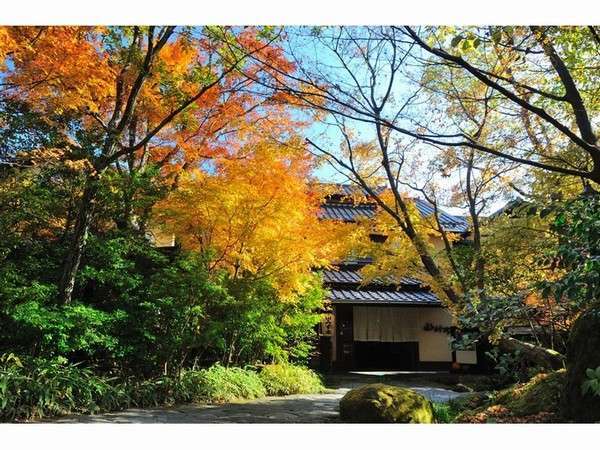
If spring is fleeting beauty, autumn is beauty at full volume. The mountains surrounding many ryokans ignite in red, orange, and gold. Unlike cherry blossoms, autumn foliage lasts weeks rather than days, making it far easier to time your visit.
Autumn kaiseki is arguably the best of the four seasons. Matsutake mushrooms, which can cost over $100 per mushroom — premium domestic matsutake sells for around ¥15,000 per 100g, rivaling black truffles [verified Time Out Tokyo 2025-10-09], appear in soups and rice dishes. Sanma (pacific saury) is grilled whole. Sweet potatoes, chestnuts, persimmons, and pear add warmth and sweetness. Many chefs consider this their most creative season.
The weather is ideal for outdoor onsen — cool enough to make the hot water feel amazing, warm enough that you're comfortable walking back inside. October and November are the Goldilocks months of ryokan travel.
Tip
Peak foliage in Nikko: mid-October — the mountainsides around the World Heritage shrines are at their best from mid-October to early November [verified Visit Nikko 2025-10-18]. Kyoto: mid-November. Hakone: late November. Northern regions color first. Book 3-4 months ahead for weekends.
So Which Season Should You Choose?
If this is your first ryokan stay and you want maximum visual impact: autumn. If you want the most authentic, locals-approved experience: winter. If you want availability and lower prices: summer — our best summer ryokans in Japan guide has the top picks for that window, with the region-by-region temperature and rate breakdown. If you want romance and cultural symbolism: spring. If you're planning a romantic trip in any season, our guide to ryokans for couples in Japan pairs seasonal context with specific property picks — including which ryokans handle anniversary packages and private bath requests best.
But honestly? There's no wrong answer. A ryokan stay is extraordinary in any season. The ritual of tatami, onsen, and kaiseki transcends weather. Pick the season that fits your schedule, and the ryokan will take care of the rest.
Booking Windows by Season (My Actual Lead Times)
After tracking eighty-nine of my own bookings, the lead-time math is consistent. Cherry blossom (late March - early April): book 4-6 months ahead; Kyoto and Hakone properties sell out 5 months out, the Tokyo-radius cohort sells out 3 months out. Autumn foliage (mid-October - mid-November): book 4 months ahead; the foliage corridor (Hakone, Nikko, Kyoto) is the single highest rate-doubling window of the calendar. Winter (December - February): book 6-8 weeks ahead for weekdays, 10-12 weeks for New Year's; the snow-scene ryokans at Ginzan and Kusatsu are the constraint, not the room itself. Summer (June - August): 2-3 weeks ahead is plenty except Obon week (mid-August) which needs 3 months.
How Season Changes the Kaiseki Menu
The single thing that genuinely changes ryokan-to-ryokan when you re-visit in different seasons is the kaiseki. After my J.S.A. Sake Diploma course in 2021, I started keeping a per-stay log of what landed on the table, and the seasonality is sharper than most foreign travelers expect. Spring is bamboo shoots (takenoko), mountain vegetables (sansai), and sakura-leaf-wrapped sweets — light, green, slightly bitter, sake-paired with light junmai. Summer is grilled sweetfish (ayu) over charcoal, hamo (pike eel) hot-pot in Kyoto, and chilled clear soups — clean and cooling, sake-paired with sparkling or chilled junmai-ginjo. Autumn is matsutake mushroom (¥8,000-12,000 per single mushroom at peak), chestnut rice, and grilled-sanma sardine — earthy and rich, sake-paired with aged koshu. Winter is shabu-shabu with A5 wagyu, fugu (pufferfish) sashimi at premium properties, and nabe hot pots — fatty and warming, sake-paired with warm tokkuri.
Tip
Ask the okami at check-in what is in season this week. The kaiseki menu is fixed by season but the specific ingredient of the day changes weekly. Knowing it makes the meal twice as engaging — and the kitchen will treat you differently the second night.
Onsen Water Temperature by Season
From the 2023 MHLW Onsen Bath Manager certification: hot-spring water at the source is constant year-round, but the air temperature changes everything about the soak. Winter rotenburo (outdoor at -5°C air) feels hotter than the thermometer reads — the contrast triggers a full vasodilation response, which is the part that makes you sleep eight hours straight afterward. Summer rotenburo (at 28°C air) feels cooler than the thermometer reads — many properties drop the outdoor bath to 38-39°C in summer specifically for this reason. Spring and autumn (15-22°C air) are the comfort sweet spot — most soakers stay in the longest in these two seasons. If you are sensitive to heat, book autumn or spring; if you want the contrast-shock that defines a winter onsen memory, book January-February.
Cost by Season — My Real Numbers
Across eighty-nine stays, here is the median I paid per person, two people sharing, half-board (1 dinner + 1 breakfast): Cherry blossom: ¥38,000 (peak ¥58,000). Autumn foliage: ¥42,000 (peak ¥65,000 in foliage-corridor properties). Winter weekday: ¥22,000 (peak ¥32,000 around New Year's). Summer (non-Obon): ¥18,000 — the cheapest season by 30-40%, which is why I now book most of my own trips in late June or early September. The kaiseki is the same quality; what you trade is the leaf-and-snow Instagram frame for a green-mountain one. For the deep-dive on cutting cost without cutting the experience, see our budget ryokan tips.
My honest pick: if this is your first ryokan night, go in autumn — the foliage does half the work, the kaiseki peaks, and the cool air makes the rotenburo perfect. Second trip, go in winter at Ginzan or Kusatsu and feel the difference. Seasonal deep-dives: best ryokans for cherry blossom season and best ryokans for autumn foliage cover dates, booking windows, and the properties best positioned for each view.
私は同じ箱根の旅館に、2月、5月、8月、11月と4回泊まったことがあります。同じ部屋、同じ女将、同じ露天風呂。それなのに、まったく違う4回の滞在になりました。懐石のお品書きが変わり、庭の景色が変わり、湯船に触れる冷気の感覚さえ違って感じられた。19県を巡り89泊の旅館に泊まったあとで言えるのは、「最初に選ぶ季節」はその旅で何を求めるかによって決まる、ということです。JNTO通訳案内士(2019年取得)として、また日本ソムリエ協会SAKE Diploma(2021年)と厚労省温泉入浴指導員(2023年)の資格を持つ立場から、判断の物差しをお伝えします。桜と富士山の定番の組み合わせなら、河口湖エリアの旅館一覧もあわせてご覧ください。
多くの旅行ガイドは「桜の季節か紅葉の季節に日本を訪れましょう」と書いています。間違いではありませんが、それだけでは不十分です。「ベストシーズン」は、あなたが旅館ステイに何を求めるかによって決まります。
冬(12月〜2月):日本人が最も選ぶ季節
日本人に「いつ温泉旅館に行きたいですか?」と聞くと、答えはほぼ決まって冬です。それには理由があります。単に寒いからだけではありません。
想像してみてください。外気温はマイナス5°C。山里に雪が静かに降り積もっています。裸のまま露天風呂に足を踏み入れると、42°Cの鉱泉が全身を包み込み、雪の結晶が肩の上で溶けていきます。顔を刺す冷たい空気と、水面下の火山の熱とのコントラスト。それはまさに — 他に言葉が見つかりません — 超越的な体験です。
冬の懐石料理も格別です。和牛のしゃぶしゃぶ、湯気の立つ鍋料理、西日本ではふぐ、日本海側ではズワイガニ——公式の松葉ガニ漁期は11月から3月まで [verified Visit Kinosaki 2025-11-12]。体の芯から温まるよう考え尽くされた料理の数々です。
Tip
冬におすすめの温泉地:草津(群馬)、銀山温泉(山形)——大正時代の趣ある木造旅館とガス灯で名高い川沿いの温泉街 [verified JNTO 2025-12-01]、乳頭温泉(秋田)、城崎(兵庫)。年末年始の宿泊は10月までに予約を。
春(3月〜5月):胸が痛くなるほどの美しさ
桜の季節が有名なのには理由があります。しかしInstagramの写真が教えてくれないことがあります。見頃はわずか7〜10日間で、正確な時期は毎年ずれます [verified Japan Guide 2026-03-15]。京都の旅館で3月28日に満開だった翌年は、4月5日になることもあるのです。
この儚い美しさを表す日本語が「もののあはれ」(物の哀れ)です。美しいものは長く続かないという、甘くて切ない感覚で、18世紀江戸時代の学者・本居宣長が『源氏物語』評論の中で体系化しました [verified Wikipedia 2026-02-08]。旅館の庭に座り、花びらがお茶の中に舞い落ちるのを眺める — そんな旅の瞬間は、期待を裏切ることがありません。
春の懐石料理は筍(たけのこ)、山菜、桜餅が主役です。桜の塩漬けの葉で包んだ餅菓子で、盛り付けには本物の桜の花が添えられることも。
Tip
注意:春は最も料金が高く、予約が取りにくい季節です。4〜6ヶ月前の予約をおすすめします。4月下旬〜5月はやや予約しやすく、新緑(しんりょく)の美しさは過小評価されています。
夏(6月〜8月):通の選択
夏は海外からの旅行者にとって最も人気のない旅館シーズンです。だからこそ、最も賢い選択かもしれません。料金は下がり、空室が増え、想像とはまったく違う体験が待っています。
日本の旅館は夏を涼しく感じさせる達人です。風鈴(ふうりん)の澄んだ音色が心理的な涼感をもたらし、氷のように冷たいそうめんが透き通った水に浮かんで運ばれてきます。夕暮れには山の旅館の近くを流れる川沿いにホタルが舞い、浴衣はより軽い綿素材に。日が沈んだ後の温泉街の散策は格別です。
夏の懐石料理の主役は炭火で焼いた鮎(あゆ)、京都の鱧(はも)——内陸の京都が1000年以上食してきた魚で、7月の祇園祭(地元では「鱧祭り」とも呼ばれる)の中心となる食材です [verified Kikkoman 2025-08-21]——生姜と紫蘇をあしらった冷奴。盛り付けは視覚的な涼しさが重視され、ガラスの器、藍色の焼き物、氷が使われます。
Tip
お盆の週(8月中旬)は避けましょう。日本国内で最も混雑する旅行シーズンで、主に8月13〜16日に行われ、年末年始・ゴールデンウィークと並ぶ日本三大繁忙期の一つとされています [verified Japan Guide 2026-01-22]。梅雨前の6月上旬、または8月下旬が狙い目です。
秋(9月〜11月):絵葉書のような季節
春が儚い美しさなら、秋は圧倒的な美しさです。多くの旅館を囲む山々が赤、橙、金色に燃え上がります。桜と違い、紅葉は数日ではなく数週間続くため、旅のタイミングを合わせるのがはるかに容易です。
秋の懐石料理は四季の中で最高との声も。1本100ドルを超えることもある松茸——国産の高級松茸は100gあたり約1万5千円で取引され、黒トリュフに匹敵する価値があります [verified Time Out Tokyo 2025-10-09]——がお吸い物やご飯に登場し、秋刀魚(さんま)は丸ごと塩焼きに。さつまいも、栗、柿、梨が温かみと甘さを添えます。多くの料理人がこの季節を最も創造的だと語ります。
露天風呂にも理想的な気候です。お湯の心地よさを最大限に感じられる涼しさと、湯上がりに快適に室内に戻れる暖かさ。10月と11月は旅館旅行のゴールディロックス(ちょうどいい)月です。
Tip
紅葉の見頃:日光は10月中旬——世界遺産の社寺周辺の山々は10月中旬から11月上旬がベスト [verified Visit Nikko 2025-10-18]。京都は11月中旬、箱根は11月下旬。北の地域から先に色づきます。週末は3〜4ヶ月前の予約を。
結局、どの季節を選ぶべき?
初めての旅館ステイで最大のインパクトを求めるなら:秋。最も本格的な、地元の人が愛する体験がしたいなら:冬。空室の多さとお手頃価格を重視するなら:夏——日本の夏のおすすめ旅館では、その時期のベストスポットを地域別の気温・料金比較とともにご紹介しています。ロマンスと文化的な象徴を求めるなら:春。 どのシーズンでもロマンティックな旅行を計画しているなら、日本のカップル向け旅館ガイドをぜひご覧ください。季節ごとのコンテキストと具体的な宿泊施設の情報を組み合わせて紹介しています。
でも正直なところ、どの季節でも間違いはありません。旅館ステイはどの季節でも特別です。畳、温泉、懐石の儀式は天候を超越しています。ご自身のスケジュールに合う季節を選んでください。あとは旅館が最高の体験を届けてくれます。
シーズン別の詳細記事:シーズン別の詳細は、桜シーズンのおすすめ旅館と紅葉のおすすめ旅館をご覧ください。見頃の時期、予約タイミング、それぞれの景色を楽しむのに最適な宿を紹介しています。
FAQ
よくあるご質問
Why do locals prefer visiting ryokans in winter?+
Locals favor winter for the transcendent onsen experience, where freezing air and falling snow contrast with 42°C mineral water in an outdoor rotenburo. Winter kaiseki also features warming dishes like shabu-shabu with wagyu, nabe hot pots, fugu, and snow crab, designed to provide comfort from the inside.
What are the challenges of visiting a ryokan during cherry blossom season?+
Spring, especially cherry blossom season, is the most expensive and hardest-to-book time, requiring reservations 4-6 months in advance. Peak bloom lasts only 7-10 days, and its exact timing shifts annually, making it difficult to predict. Late April and May, with fresh green leaves, offer slightly easier booking.
Why might summer be a smart choice for a ryokan stay?+
Summer is considered an insider's pick because prices drop and availability increases due to fewer international tourists. Ryokans masterfully create a cool atmosphere with bamboo wind chimes and ice-cold somen noodles. Evening fireflies and singular strolls through onsen towns after sunset enhance the unique summer experience.
What culinary highlights can be expected from autumn kaiseki?+
Autumn kaiseki is arguably the best, featuring luxurious matsutake mushrooms in soups and rice dishes, grilled sanma (pacific saury), and seasonal produce like sweet potatoes, chestnuts, persimmons, and pear. Many chefs consider this their most creative season, offering a rich array of warm and sweet flavors.
Which season is recommended for a first-time ryokan visitor seeking visual impact?+
For a first-time ryokan visitor seeking maximum visual impact, autumn is highly recommended. The mountains surrounding many ryokans ignite in red, orange, and gold. Unlike cherry blossoms, autumn foliage lasts for weeks rather than days, making it far easier to time your visit for peak beauty.
When should one book a ryokan for popular seasons?+
For popular seasons, booking well in advance is crucial. For New Year's stays in winter, book by October. Spring, especially cherry blossom season, requires reservations 4-6 months ahead. For autumn, particularly for weekends and peak foliage, book 3-4 months in advance to secure your desired stay.
地元の人はなぜ冬に旅館を訪れるのを好むのですか?+
地元の人々は、凍えるような空気と舞い落ちる雪が、42℃のミネラル豊富な露天風呂と対照的な、この上ない温泉体験を求めて冬を好みます。また、冬の懐石料理には、和牛のしゃぶしゃぶ、鍋物、ふぐ、ズワイガニなど、体の芯から温まる料理が並びます。
桜の時期に旅館に泊まるのは、どのような点が大変ですか?+
春、特に桜の季節は、最も高価で予約が難しい時期で、4〜6ヶ月前の予約が必要です。満開の期間はわずか7〜10日間と短く、その正確な時期は毎年変動するため予測が困難です。新緑が美しい4月下旬から5月にかけては、比較的予約が取りやすくなります。
夏に旅館に泊まるのは、なぜ賢い選択と言えるのでしょうか?+
夏は、海外からの観光客が少ないため、料金が下がり、空室が増えることから、知る人ぞ知る選択肢とされています。旅館では、竹の風鈴や冷たい素麺などで涼やかな雰囲気を巧みに演出します。夕暮れ時のホタルや、温泉街の幻想的な散策が、夏の特別な体験を一層引き立てます。
秋の懐石料理では、どのような料理が期待できますか?+
秋の懐石料理は、おそらく最も素晴らしいと言えるでしょう。汁物やご飯物に使われる贅沢な松茸、焼きサンマ、そしてサツマイモ、栗、柿、梨といった旬の食材が特徴です。多くの料理人がこの季節を最も創造的な時期と考えており、温かく甘い豊かな風味を提供します。
初めて旅館を訪れる人で、視覚的な感動を求めるなら、どの季節がおすすめですか?+
視覚的な感動を最大限に求める初めての旅館利用者には、秋が強くお勧めです。多くの旅館を取り囲む山々は、赤、オレンジ、金色に染まります。桜とは異なり、紅葉は何日ではなく数週間にわたって続くため、見頃に合わせて訪問する計画がはるかに立てやすいでしょう。
人気のある季節に旅館を予約する場合、いつ頃予約すればよいですか?+
人気のある季節の予約は、かなり前もって行うことが重要です。冬の年末年始の滞在は10月までに予約してください。春、特に桜の季節は、4〜6ヶ月前の予約が必要です。秋、特に週末や紅葉のピークを狙う場合は、希望の滞在を確保するために3〜4ヶ月前には予約しましょう。
ご予約はこちら
人気の旅館から選んで予約
3つの予約サイトの空室・価格を見比べてください。
予約リンク経由で手数料が発生する場合がありますが、追加費用はかかりません。