約9分で読めます最終更新:2026年6月
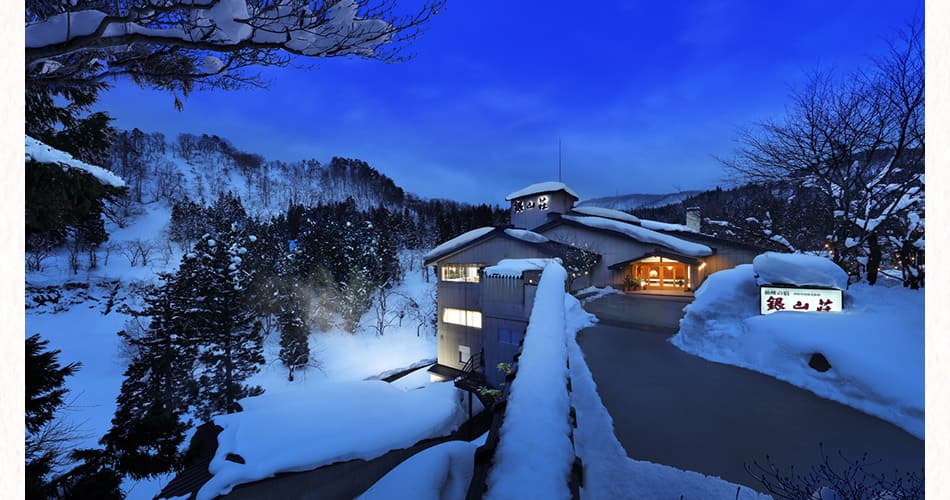
I almost didn't book my first Lunar New Year trip to Japan, because I assumed the country would be shut. I am Taiwanese by marriage; at home, the island closes for a week — shutters down, families in, restaurants dark. I pictured the same in Japan and nearly rebooked for March. I was completely wrong, and that mistake would have cost me the best onsen week of my life: deep snow on the eaves of a Ginzan ryokan, a private rotenburo steaming into a black sky, and a snow-crab dinner so good my father-in-law went quiet halfway through, which for him is a standing ovation.
Here is the thing almost no Taiwanese, Hong Kong or Southeast-Asian traveler is told: Lunar New Year is one of the smartest weeks of the entire year to be in a Japanese onsen town. This guide explains why, which towns to choose, how snow-crab season lines up perfectly with the holiday, what to actually expect on the ground, and how far ahead to book. The dates to plan around: Lunar New Year is 17 February 2026 (Year of the Horse) and 6 February 2027.
Why Lunar New Year Is a Quietly Perfect Time for a Japan Onsen Trip
Japan abandoned the lunar calendar in 1873 and moved its New Year to 1 January. The practical consequence for you is enormous: during Lunar New Year, Japan is having an ordinary February. Trains run on full timetables, restaurants and shops are open, museums and attractions operate normally. This is the exact opposite of Japan's own New Year period (roughly 29 December to 3 January), when a surprising amount of the country — including many restaurants and even some ryokan kitchens — closes for the holiday. If you want traditional Japan fully open and fully staffed, the lunar holiday is paradoxically a better window than the Gregorian one.
And it lands in the heart of deep winter, which is when an onsen is at its most magical. The contrast that makes a hot spring unforgettable — your shoulders under steaming water while snow falls on your hair — only exists in January and February. The outdoor rotenburo bath, the snow-laden pines, the early dark that makes the lantern light glow: this is the postcard, and Lunar New Year sits right in the middle of it.
Tip
Key dates: Lunar New Year's Day is 17 February 2026 and 6 February 2027. Because this is a peak inbound-travel week for Taiwan, Hong Kong, mainland China, Korea and Southeast Asia, flights and the most sought-after ryokan sell out 2–3 months ahead. For a mid-February 2026 stay, aim to book flights and your ryokan by late November 2025 [verified 2026-06-28].
The Best Onsen Towns in Deep Winter
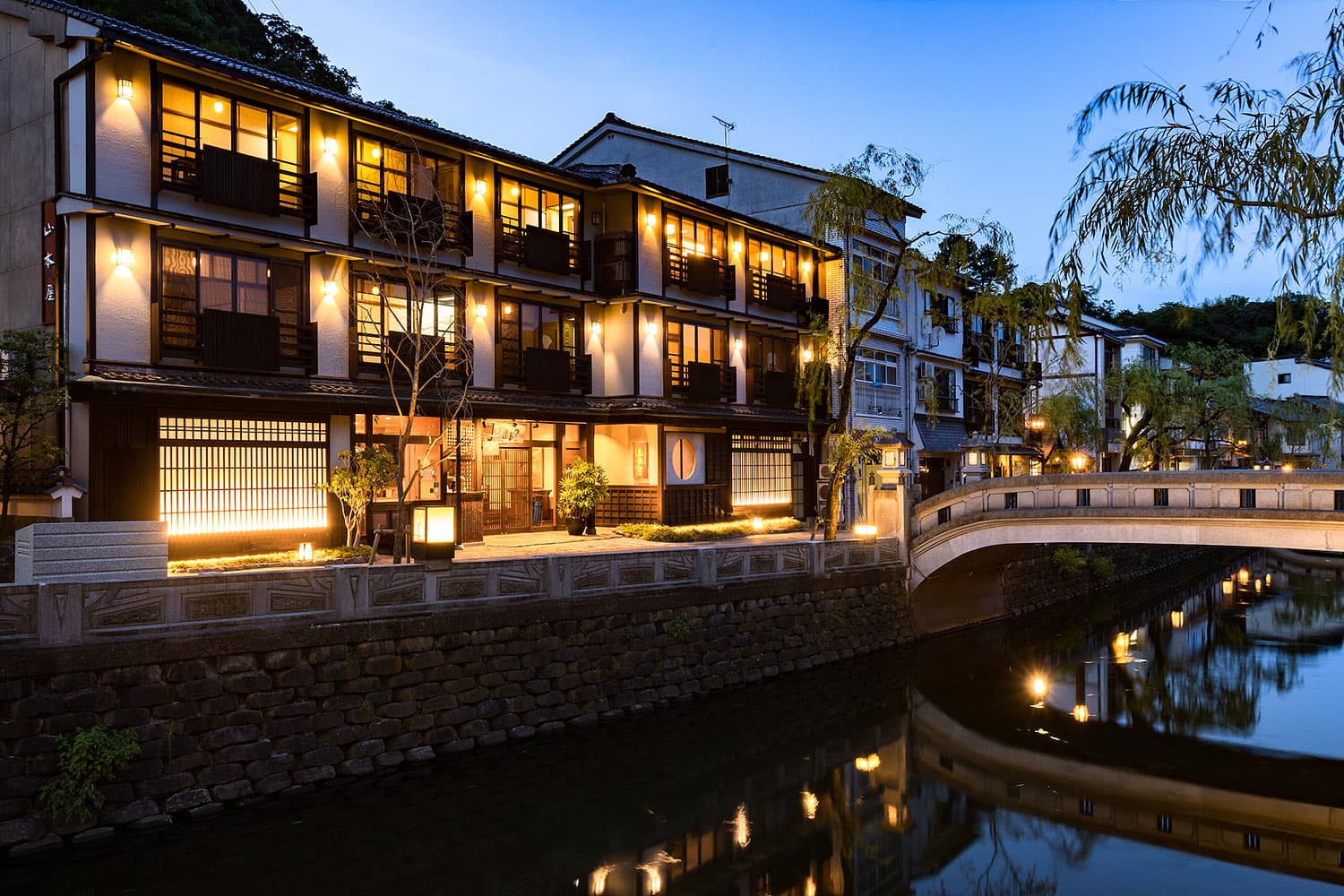
Not every onsen town is at its best under snow, but the ones that are become genuinely extraordinary. Ginzan Onsen in Yamagata is the picture everyone has seen — three- and four-storey Taisho-era wooden inns lining a small river, gas lamps glowing, snow piled on every roof; it is at its most cinematic in February. Kinosaki in Hyogo pairs seven historic public bathhouses you stroll between in yukata and geta with the finest snow-crab kaiseki on the Sea of Japan coast. Kusatsu in Gunma centres on the yubatake, a steaming field of hot-spring water in the middle of town that throws clouds of vapour into the freezing air. For serious snow-country soaking, Nyuto in Akita and Zao in Yamagata deliver remote, milky, deeply atmospheric baths.
| Onsen Town | Region | Why It Shines in Deep Winter | Lunar New Year Booking Note |
|---|---|---|---|
| Ginzan | Yamagata (Tohoku) | Taisho-era wooden inns under heavy snow, gas-lamp light on the river — the most photogenic onsen scene in Japan | Tiny town, very few rooms; books 3+ months out for February |
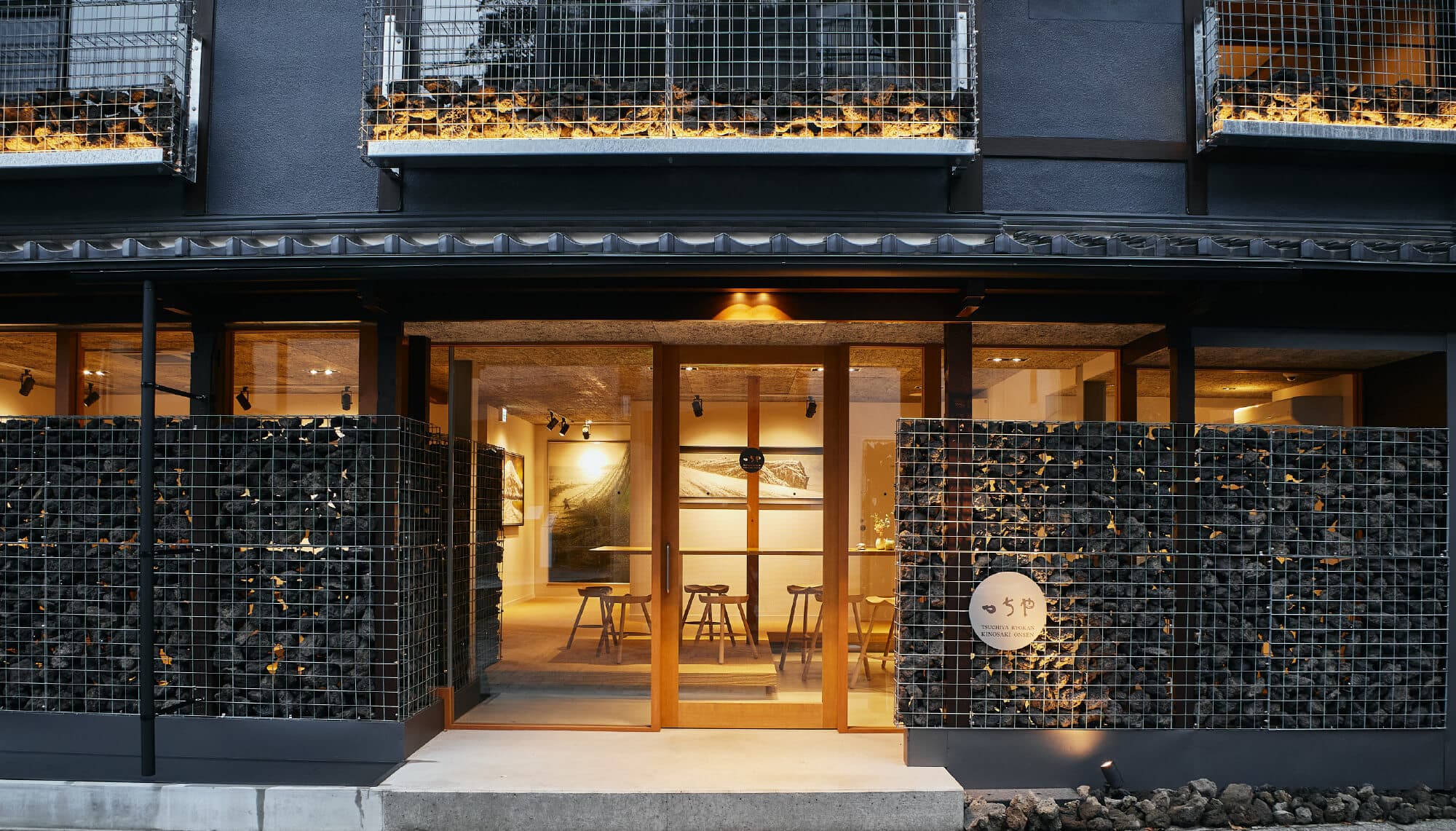
| Kinosaki | Hyogo (Kansai) | Seven public bathhouses to stroll between in yukata; peak Matsuba snow-crab kaiseki | Crab ryokan fill fastest; reserve by November |
| Kusatsu | Gunma (Kanto) | The steaming yubatake field; powerful, high-volume sulphur waters against the cold | Good access from Tokyo; book 6–8 weeks ahead |
| Nyuto | Akita (Tohoku) | Remote milky-white rotenburo deep in snow country — the classic snow-bath fantasy | Limited rooms, hard to reach in snow; book early and plan transport |
| Zao | Yamagata (Tohoku) | Sulphur baths plus the famous 'snow monster' frost-covered trees on the slopes above | Combine with skiing; weekend dates around the holiday go first |
Snow Crab: The Lunar New Year Bonus Nobody Mentions
Here is the happy accident of the calendar. The Sea of Japan snow-crab season runs from early November to late March, and the catch is at its richest and sweetest in January and February — exactly when Lunar New Year falls. On the San'in coast, especially around Kinosaki, this is the headline event of the winter: a full crab kaiseki where a single prized Matsuba crab, tagged with the port it came from, is served as sashimi, grilled over charcoal, simmered in a hot pot, and finished as rice porridge in the broth. If you are going to splurge on one dinner of the trip, a Lunar New Year crab kaiseki is the one. To understand how that dinner fits into a ryokan's meal plan, see our guide to ryokan meal plans.
Tip
Crab ryokan are the first to sell out for the lunar holiday. The very top Kinosaki and San'in-coast inns release their winter crab plans in autumn and are frequently full by December for February dates. If snow crab is your goal, treat the booking as the first thing you lock in, before flights.
What to Actually Expect Traveling During Lunar New Year
Two realities to plan around. First, Japanese domestic travelers are not on holiday — they are at work — so you will not see the crushing domestic crowds of Japan's own New Year or Golden Week. What you will see is heavy international demand: travelers from Taiwan, Hong Kong, mainland China, Korea and Southeast Asia all move at once, which concentrates pressure on flights, popular ryokan, and the most famous towns rather than on Japan as a whole. The fix is simply to book early and, if you can, favour a slightly less obvious town. Second, it is genuinely cold — single digits Celsius by day in the onsen regions, below freezing at night, with real snow in Tohoku. Pack proper layers, and check transport, because heavy snow can delay trains and close mountain roads in the north.
ご予約はこちら
人気の旅館から選んで予約
3つの予約サイトの空室・価格を見比べてください。
予約リンク経由で手数料が発生する場合がありますが、追加費用はかかりません。
Planning a Lunar New Year Ryokan Stay
Lunar New Year is, above all, a family holiday, and many travelers come three generations deep. If that is your group, prioritise ryokan with in-room or private onsen so older relatives can bathe in privacy and warmth without the public bath, and confirm large tatami rooms or connecting rooms early, because the family-sized configurations are exactly what sells out first. Lock the ryokan before the flights. Build one splurge crab or kaiseki dinner into the itinerary. And if this is your first ryokan stay, read our first-time ryokan guide and browse the best onsen towns in Japan to choose your base.
Find Your Lunar New Year Onsen Ryokan
From snow-crab inns on the Sea of Japan to Taisho-era wooden ryokan deep in Tohoku's snow country, our directory lets you filter by region, private onsen, and price to build the winter trip your family will still talk about next year.
FAQ
よくあるご質問
Is Japan open during Lunar New Year?+
Yes, completely. Japan switched to the Gregorian calendar in 1873 and does not observe Lunar New Year as a holiday. During the lunar holiday, Japanese shops, restaurants, trains, and attractions all operate on normal schedules. This is actually the opposite of Japan's own New Year (around 29 December to 3 January), when many businesses — and some ryokan kitchens — close. The lunar holiday is one of the better times to find traditional Japan fully open.
When is Lunar New Year in 2026 and 2027?+
Lunar New Year's Day falls on 17 February 2026 (the Year of the Horse) and 6 February 2027. Most travelers build a stay around the few days on either side. Because these are peak outbound-travel dates for much of East and Southeast Asia, popular ryokan and flights sell out 2–3 months in advance.
Is Lunar New Year a good time to visit a Japan onsen?+
It is one of the best. The holiday lands in the deepest part of winter, when an onsen is at its most beautiful — snow on the rooftops, steam rising from outdoor rotenburo baths — and it coincides with the peak of Sea of Japan snow-crab season. You also avoid the heavy domestic Japanese crowds of New Year and Golden Week, since Japan is not on holiday.
How far ahead should I book a ryokan for Lunar New Year?+
Book 2–3 months ahead, and earlier for the most famous inns. Snow-crab ryokan around Kinosaki and the tiny wooden inns of Ginzan Onsen are frequently full by December for February stays. A good rule is to lock the ryokan first — even before flights — if a specific property or a crab dinner is central to your trip.
Which onsen towns are best in deep winter?+
Ginzan Onsen (Yamagata) for its snow-covered Taisho-era wooden inns, Kinosaki (Hyogo) for snow-crab kaiseki and bathhouse-hopping, Kusatsu (Gunma) for the steaming yubatake and easy Tokyo access, and Nyuto (Akita) and Zao (Yamagata) for remote, atmospheric snow-country baths. All are at their most striking in January and February, which is exactly when Lunar New Year falls.