19分鐘閱讀更新於 2026年6月
I have stayed at the same Hakone ryokan in February, May, August, and November — same room, same okami, same outdoor onsen. Four completely different stays. The kaiseki menu changed. The garden view changed. Even the temperature of the bath water felt different against the cold air. After eighty-nine ryokan nights across nineteen prefectures, the season I pick first depends on what the trip is actually for. Here is how I make that call. For the cherry-blossom-and-Fuji classic, see our Kawaguchiko ryokan picks.
Most travel guides will tell you to visit Japan during cherry blossom season or autumn foliage. They're not wrong — but they're missing the full picture. The "best" season depends entirely on what you want from your stay.
Winter (December - February): The One Locals Choose
Ask any Japanese person when they most want to visit an onsen ryokan, and the answer is almost always winter. There's a reason for this, and it's not just the cold.
Picture this: it's -5°C outside. Snow is falling silently on a mountain village. You step naked into an outdoor rotenburo, and 42°C mineral water wraps around your body while snowflakes melt on your shoulders. The contrast between the freezing air on your face and the volcanic heat below the surface is — and there's no other word for it — transcendent.
Winter kaiseki is equally special. Think: shabu-shabu with wagyu, steaming nabe hot pots, fugu (blowfish) in western Japan, and snow crab on the Sea of Japan coast — the official Matsuba (snow) crab season runs November through March [verified Visit Kinosaki 2025-11-12]. The food is designed to warm you from the inside.
Tip
Best winter ryokan regions: Kusatsu (Gunma), Ginzan Onsen (Yamagata) — the Taisho-era riverside town famous for snow-covered wooden inns and gas lamps [verified JNTO 2025-12-01], Nyuto Onsen (Akita), Kinosaki (Hyogo). Book by October for New Year's stays.
Spring (March - May): Beauty That Hurts
Cherry blossom season is famous for a reason. But here's what the Instagram photos don't tell you: peak bloom lasts only 7-10 days, and the exact timing shifts every year [verified Japan Guide 2026-03-15]. A ryokan in Kyoto might have full bloom on March 28 one year and April 5 the next.
The Japanese word for this fleeting beauty is "mono no aware" (物の哀れ) — a bittersweet awareness that beautiful things don't last, formalized by 18th-century Edo-period scholar Motoori Norinaga in his criticism of The Tale of Genji [verified Wikipedia 2026-02-08]. Sitting in a ryokan garden watching petals fall into your tea is one of those rare travel moments that actually lives up to the hype.
Spring kaiseki features bamboo shoots (takenoko), mountain vegetables (sansai), and sakura mochi — rice cakes wrapped in pickled cherry leaves. The plating often includes actual cherry blossoms.
Tip
Warning: Spring is the most expensive and hardest-to-book season. Reserve 4-6 months ahead. Late April and May are slightly easier and still beautiful — fresh green leaves (shinryoku) are underrated.
Summer (June - August): The Insider's Pick
Summer is the least popular season for ryokan travel among international tourists — which is exactly why it might be the smartest choice. Prices drop. Availability opens up. And the experience is nothing like what you'd expect.
Japanese ryokans are masterful at making summer feel cool. Bamboo wind chimes (furin) create a psychological cooling effect with their tinkling sound. Ice-cold somen noodles arrive floating in crystal-clear water. Evening fireflies dance along rivers near mountain ryokans. The yukata you wear is lighter cotton, and evening strolls through onsen towns are singular after the sun goes down.
Summer kaiseki stars sweetfish (ayu) grilled over charcoal, hamo (pike eel) in Kyoto — a fish landlocked Kyoto has eaten for over 1,000 years and the centerpiece of the city's July Gion Festival, locally known as the Hamo Festival [verified Kikkoman 2025-08-21], and chilled tofu dressed with ginger and shiso. Presentation is all about visual coolness — glass plates, blue ceramics, and ice.
Tip
Avoid Obon week (mid-August) — it's Japan's busiest domestic travel period, observed mainly August 13-16 and grouped with New Year and Golden Week as one of the country's three major holiday seasons [verified Japan Guide 2026-01-22]. Early June before rainy season, or late August, are the sweet spots.
Autumn (September - November): The Postcard Season
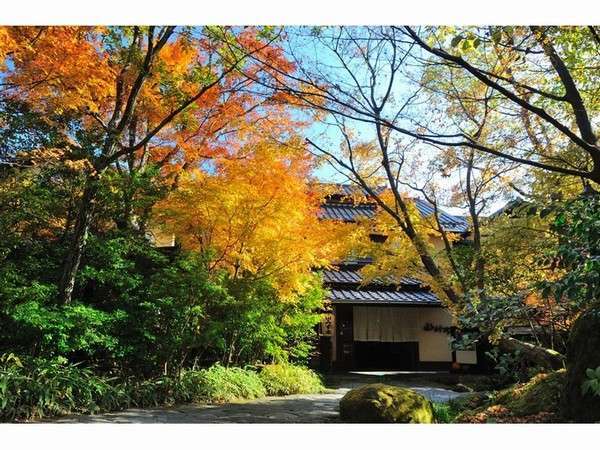
If spring is fleeting beauty, autumn is beauty at full volume. The mountains surrounding many ryokans ignite in red, orange, and gold. Unlike cherry blossoms, autumn foliage lasts weeks rather than days, making it far easier to time your visit.
Autumn kaiseki is arguably the best of the four seasons. Matsutake mushrooms, which can cost over $100 per mushroom — premium domestic matsutake sells for around ¥15,000 per 100g, rivaling black truffles [verified Time Out Tokyo 2025-10-09], appear in soups and rice dishes. Sanma (pacific saury) is grilled whole. Sweet potatoes, chestnuts, persimmons, and pear add warmth and sweetness. Many chefs consider this their most creative season.
The weather is ideal for outdoor onsen — cool enough to make the hot water feel amazing, warm enough that you're comfortable walking back inside. October and November are the Goldilocks months of ryokan travel.
Tip
Peak foliage in Nikko: mid-October — the mountainsides around the World Heritage shrines are at their best from mid-October to early November [verified Visit Nikko 2025-10-18]. Kyoto: mid-November. Hakone: late November. Northern regions color first. Book 3-4 months ahead for weekends.
So Which Season Should You Choose?
If this is your first ryokan stay and you want maximum visual impact: autumn. If you want the most authentic, locals-approved experience: winter. If you want availability and lower prices: summer — our best summer ryokans in Japan guide has the top picks for that window, with the region-by-region temperature and rate breakdown. If you want romance and cultural symbolism: spring. If you're planning a romantic trip in any season, our guide to ryokans for couples in Japan pairs seasonal context with specific property picks — including which ryokans handle anniversary packages and private bath requests best.
But honestly? There's no wrong answer. A ryokan stay is extraordinary in any season. The ritual of tatami, onsen, and kaiseki transcends weather. Pick the season that fits your schedule, and the ryokan will take care of the rest.
Booking Windows by Season (My Actual Lead Times)
After tracking eighty-nine of my own bookings, the lead-time math is consistent. Cherry blossom (late March - early April): book 4-6 months ahead; Kyoto and Hakone properties sell out 5 months out, the Tokyo-radius cohort sells out 3 months out. Autumn foliage (mid-October - mid-November): book 4 months ahead; the foliage corridor (Hakone, Nikko, Kyoto) is the single highest rate-doubling window of the calendar. Winter (December - February): book 6-8 weeks ahead for weekdays, 10-12 weeks for New Year's; the snow-scene ryokans at Ginzan and Kusatsu are the constraint, not the room itself. Summer (June - August): 2-3 weeks ahead is plenty except Obon week (mid-August) which needs 3 months.
How Season Changes the Kaiseki Menu
The single thing that genuinely changes ryokan-to-ryokan when you re-visit in different seasons is the kaiseki. After my J.S.A. Sake Diploma course in 2021, I started keeping a per-stay log of what landed on the table, and the seasonality is sharper than most foreign travelers expect. Spring is bamboo shoots (takenoko), mountain vegetables (sansai), and sakura-leaf-wrapped sweets — light, green, slightly bitter, sake-paired with light junmai. Summer is grilled sweetfish (ayu) over charcoal, hamo (pike eel) hot-pot in Kyoto, and chilled clear soups — clean and cooling, sake-paired with sparkling or chilled junmai-ginjo. Autumn is matsutake mushroom (¥8,000-12,000 per single mushroom at peak), chestnut rice, and grilled-sanma sardine — earthy and rich, sake-paired with aged koshu. Winter is shabu-shabu with A5 wagyu, fugu (pufferfish) sashimi at premium properties, and nabe hot pots — fatty and warming, sake-paired with warm tokkuri.
Tip
Ask the okami at check-in what is in season this week. The kaiseki menu is fixed by season but the specific ingredient of the day changes weekly. Knowing it makes the meal twice as engaging — and the kitchen will treat you differently the second night.
Onsen Water Temperature by Season
From the 2023 MHLW Onsen Bath Manager certification: hot-spring water at the source is constant year-round, but the air temperature changes everything about the soak. Winter rotenburo (outdoor at -5°C air) feels hotter than the thermometer reads — the contrast triggers a full vasodilation response, which is the part that makes you sleep eight hours straight afterward. Summer rotenburo (at 28°C air) feels cooler than the thermometer reads — many properties drop the outdoor bath to 38-39°C in summer specifically for this reason. Spring and autumn (15-22°C air) are the comfort sweet spot — most soakers stay in the longest in these two seasons. If you are sensitive to heat, book autumn or spring; if you want the contrast-shock that defines a winter onsen memory, book January-February.
Cost by Season — My Real Numbers
Across eighty-nine stays, here is the median I paid per person, two people sharing, half-board (1 dinner + 1 breakfast): Cherry blossom: ¥38,000 (peak ¥58,000). Autumn foliage: ¥42,000 (peak ¥65,000 in foliage-corridor properties). Winter weekday: ¥22,000 (peak ¥32,000 around New Year's). Summer (non-Obon): ¥18,000 — the cheapest season by 30-40%, which is why I now book most of my own trips in late June or early September. The kaiseki is the same quality; what you trade is the leaf-and-snow Instagram frame for a green-mountain one. For the deep-dive on cutting cost without cutting the experience, see our budget ryokan tips.
My honest pick: if this is your first ryokan night, go in autumn — the foliage does half the work, the kaiseki peaks, and the cool air makes the rotenburo perfect. Second trip, go in winter at Ginzan or Kusatsu and feel the difference. Seasonal deep-dives: best ryokans for cherry blossom season and best ryokans for autumn foliage cover dates, booking windows, and the properties best positioned for each view.
我曾在2月、5月、8月、11月四度入住同一家箱根旅館——同樣的房間、同樣的女將、同樣的露天溫泉。結果卻是四次完全不同的住宿體驗。懷石料理的菜單變了,庭園的景色變了,連溫泉水接觸肌膚時的溫度感受都不一樣。在19個縣共住過89晚旅館之後,我可以說,「最先挑哪個季節」完全取決於這趟旅程的目的。身為JNTO國家級口譯導遊(2019年)、日本侍酒師協會SAKE Diploma(2021年)持有者、厚生勞動省溫泉入浴指導員(2023年)認證者,以下分享我做判斷時的標準。若想體驗賞櫻與富士山的經典組合,可參考我們的河口湖旅館一覽。
大多數旅行指南會告訴你在櫻花季或紅葉季造訪日本。這沒有錯,但遠遠不夠。「最佳」季節完全取決於你想從旅館之旅中獲得什麼。
冬季(12月-2月):日本人最鍾愛的選擇
問任何一個日本人最想在什麼時候去溫泉旅館,答案幾乎都是冬天。這其中有深刻的原因,不僅僅是因為天冷。
試著想像這樣的畫面:室外零下5°C,雪花無聲地飄落在山間村莊。你赤身走入露天溫泉,42°C的礦泉水包裹全身,雪花在你肩頭融化。冰冷空氣拂面與水面下火山般熱力之間的反差——找不到別的詞來形容——只能說是超越塵世的體驗。
冬季的懷石料理同樣精彩。涮涮鍋配和牛、熱氣騰騰的火鍋、西日本的河豚、日本海沿岸的松葉蟹——官方認定的松葉蟹(雪蟹)季節為 11 月至 3 月 [verified Visit Kinosaki 2025-11-12]。每一道菜都是為了從內到外溫暖你的身心。
Tip
冬季最佳溫泉地:草津(群馬)、銀山溫泉(山形)——以白雪覆蓋的木造旅宿與煤氣燈聞名的大正風河畔小鎮 [verified JNTO 2025-12-01]、乳頭溫泉(秋田)、城崎(兵庫)。新年假期需在10月前預訂。
春季(3月-5月):令人心痛的美
櫻花季之所以聞名是有原因的。但Instagram上的照片不會告訴你:盛花期只有7到10天,而且每年的時間都在變化 [verified Japan Guide 2026-03-15]。京都一家旅館可能今年3月28日滿開,明年卻要等到4月5日。
日語中用「物の哀れ」(mono no aware)來形容這種轉瞬即逝的美——一種苦澀而甜蜜的感悟,明白美好的事物終將消逝,由 18 世紀江戶時代學者本居宣長在《源氏物語》評論中加以體系化 [verified Wikipedia 2026-02-08]。坐在旅館的庭園中,看花瓣飄落入茶杯,這是那些真正不負期望的稀有旅行時刻之一。
春季懷石的主角是竹筍(takenoko)、山野菜(sansai)和櫻餅——用醃漬櫻葉包裹的米糕。擺盤中常常點綴著真正的櫻花。
Tip
注意:春季是價格最高、最難訂到房間的季節。建議提前4-6個月預訂。4月下旬和5月相對容易一些,且同樣美麗——新綠(shinryoku)的魅力被嚴重低估了。
夏季(6月-8月):行家之選
夏季是國際旅客中最冷門的旅館季節——這恰恰是它可能最明智的原因。價格下降,房源充裕,而且體驗遠超你的想像。
日本旅館是營造夏日清涼感的大師。風鈴(furin)清脆的聲音帶來心理上的涼意;冰涼的素麵漂浮在清澈的水中端上桌來;傍晚時分,螢火蟲在山間旅館附近的溪流邊翩翩起舞。浴衣換成了更輕薄的棉質,日落後在溫泉街漫步別有一番情趣。
夏季懷石的明星食材是炭烤香魚(ayu)、京都的鱧魚(hamo)——這條內陸京都已食用超過 1,000 年的魚,正是京都七月祇園祭、當地稱為「鱧祭」的主角 [verified Kikkoman 2025-08-21],以及配薑絲和紫蘇的冷豆腐。擺盤講究視覺上的清涼——玻璃器皿、藍色陶瓷和冰塊。
Tip
避開盂蘭盆節(8月中旬)——這是日本國內旅行最繁忙的時段,主要觀察期為 8 月 13–16 日,與新年、黃金週並列為日本三大連假之一 [verified Japan Guide 2026-01-22]。梅雨季前的6月初或8月下旬是最佳選擇。
秋季(9月-11月):明信片般的季節
如果說春天是稍縱即逝的美,那麼秋天就是鋪天蓋地的美。環繞許多旅館的山巒燃燒成紅色、橙色和金色。與櫻花不同,紅葉持續數週而非數日,讓你更容易把握最佳時機。
秋季懷石堪稱四季之冠。單支價格可能超過 100 美元的松茸出現在湯品和炊飯中——頂級國產松茸每 100 克約售 15,000 日圓,可與黑松露匹敵 [verified Time Out Tokyo 2025-10-09]。秋刀魚(sanma)整條鹽烤。地瓜、栗子、柿子和梨帶來溫暖與甜蜜。許多廚師認為這是他們最具創意的季節。
這也是露天溫泉的理想天氣——涼爽到讓熱水倍感舒適,又溫暖到走回室內不會覺得冷。10月和11月是旅館旅行的黃金月份。
Tip
紅葉高峰期:日光10月中旬——世界遺產神社周邊的山坡景觀,在 10 月中旬至 11 月初最為精彩 [verified Visit Nikko 2025-10-18]、京都11月中旬、箱根11月下旬。北部地區最先變色。週末需提前3-4個月預訂。
那麼,該選哪個季節?
如果是第一次入住旅館,想要最大視覺衝擊:秋季。想要最正宗的、日本人推崇的體驗:冬季。想要房源充足和更低價格:夏季——我們的日本夏季旅館推薦整理了該時段的精選旅館,並附逐地區氣溫與價格分析。想要浪漫與文化象徵:春季。 無論什麼季節,如果您在計劃浪漫旅行,請參閱我們的日本情侶旅館推薦指南——將季節背景與具體旅館精選完美結合。
但說實話,沒有錯誤的答案。任何季節的旅館之旅都是非凡的。榻榻米、溫泉、懷石的儀式感超越了天氣。選擇適合你行程的季節,旅館會負責讓一切變得完美。
FAQ
常見問題
Why do locals prefer visiting ryokans in winter?+
Locals favor winter for the transcendent onsen experience, where freezing air and falling snow contrast with 42°C mineral water in an outdoor rotenburo. Winter kaiseki also features warming dishes like shabu-shabu with wagyu, nabe hot pots, fugu, and snow crab, designed to provide comfort from the inside.
What are the challenges of visiting a ryokan during cherry blossom season?+
Spring, especially cherry blossom season, is the most expensive and hardest-to-book time, requiring reservations 4-6 months in advance. Peak bloom lasts only 7-10 days, and its exact timing shifts annually, making it difficult to predict. Late April and May, with fresh green leaves, offer slightly easier booking.
Why might summer be a smart choice for a ryokan stay?+
Summer is considered an insider's pick because prices drop and availability increases due to fewer international tourists. Ryokans masterfully create a cool atmosphere with bamboo wind chimes and ice-cold somen noodles. Evening fireflies and singular strolls through onsen towns after sunset enhance the unique summer experience.
What culinary highlights can be expected from autumn kaiseki?+
Autumn kaiseki is arguably the best, featuring luxurious matsutake mushrooms in soups and rice dishes, grilled sanma (pacific saury), and seasonal produce like sweet potatoes, chestnuts, persimmons, and pear. Many chefs consider this their most creative season, offering a rich array of warm and sweet flavors.
Which season is recommended for a first-time ryokan visitor seeking visual impact?+
For a first-time ryokan visitor seeking maximum visual impact, autumn is highly recommended. The mountains surrounding many ryokans ignite in red, orange, and gold. Unlike cherry blossoms, autumn foliage lasts for weeks rather than days, making it far easier to time your visit for peak beauty.
When should one book a ryokan for popular seasons?+
For popular seasons, booking well in advance is crucial. For New Year's stays in winter, book by October. Spring, especially cherry blossom season, requires reservations 4-6 months ahead. For autumn, particularly for weekends and peak foliage, book 3-4 months in advance to secure your desired stay.
為什麼當地人偏愛在冬天造訪日式旅館?+
當地人偏愛冬季,因為能享受超凡的溫泉體驗。在寒冷的空氣和飄雪中,浸泡在42°C的露天風呂礦物溫泉裡,形成強烈對比。冬季懷石料理也提供溫暖身心的菜餚,例如和牛涮涮鍋、鍋物、河豚和松葉蟹,從內而外帶來舒適感。
在櫻花季造訪日式旅館會遇到哪些挑戰?+
春季,尤其是櫻花季,是價格最高且最難預訂的時段,需要提前4-6個月預約。櫻花盛開期僅持續7-10天,且每年確切時間會變動,難以預測。四月底和五月,新綠的季節,預訂會稍微容易一些。
為什麼夏天會是入住日式旅館的聰明選擇?+
夏季被認為是內行人的選擇,因為國際遊客減少,導致價格下降且空房率增加。日式旅館巧妙地利用竹製風鈴和冰涼素麵營造涼爽氛圍。傍晚的螢火蟲和日落後在溫泉小鎮的夢幻漫步,都增添了獨特的夏季體驗。
秋季懷石料理有哪些值得期待的特色美食?+
秋季懷石料理可說是最佳選擇,特色包括湯品和米飯中的奢華松茸、烤秋刀魚,以及地瓜、栗子、柿子和梨子等季節性農產品。許多廚師認為這是他們最具創意的季節,提供豐富多樣的溫暖和甜美風味。
第一次造訪日式旅館,哪個季節最推薦以獲得最佳視覺體驗?+
對於第一次造訪日式旅館並追求最大視覺衝擊的旅客,強烈推薦秋季。許多日式旅館周圍的山脈會被染成紅色、橙色和金色。與櫻花不同,秋季紅葉能持續數週而非數天,讓您更容易安排行程,欣賞到最美的景色。
熱門季節的日式旅館應該什麼時候預訂?+
對於熱門季節,務必提前預訂。冬季新年期間的住宿,請在十月前預訂。春季,尤其是櫻花季,需要提前4-6個月預約。秋季,特別是週末和紅葉盛開期,則需提前3-4個月預訂,以確保能住到心儀的旅館。
準備好預訂了嗎?
從這些精選旅館中預訂
比較三個預訂平台的即時可用性和價格。
透過預訂連結可能產生佣金,但不會增加您的費用。