Updated July 2026. The truth first, before we get to the promising parts. The honest answer for gluten-free travelers is: Japan's ryokan culture is not inherently celiac-friendly, but it can be made workable with advance preparation. The country does not have a national gluten-free labeling standard. Kitchens at traditional inns are small and multi-purpose. And most crucially, the ingredient that quietly ruins everything — regular Japanese soy sauce, shoyu — is brewed with wheat.
None of this means you should skip a ryokan. It means you need to go in with better information than most travel guides provide. This guide is that information.
Find your stay
Compare ryokans that can handle a gluten-free meal request
Every stay below is marked in our directory as able to prepare gluten-free meals on request.
Add booking details
Listed as gluten-free on request
All 6 stays
Izu · Chubu
Asaba
From US$600 · per person · per night · from ≈ US$1,200 total for 2 guests · 9.4
Kinugawa Onsen · Kanto
Hoshino Resorts KAI Kinugawa
From US$175 · per person · per night · from ≈ US$350 total for 2 guests · 8.7
Takayama · Chubu
Wanosato
From US$500 · per person · per night · from ≈ US$1,000 total for 2 guests · 9.5
Nara · Kansai
Nara Kasugano Resort Tsukihitei
From US$400 · per person · per night · from ≈ US$800 total for 2 guests · 9.2
Kyoto · Kansai
Seikoro Ryokan
From US$300 · per person · per night · from ≈ US$600 total for 2 guests · 9.4
Kyoto · Kansai
Togetsutei
From US$280 · per person · per night · from ≈ US$560 total for 2 guests · 8.9
Advance contact is required. Gluten-free meals are available on request and are not guaranteed for every medical or cross-contamination need. Contact the property before booking and explain your requirements.
Affiliate disclosure: booking links open a partner site. We may earn a commission at no extra cost to you.
What's New in 2026 for Gluten-Free Ryokan Travelers
The gluten-free ryokan landscape has shifted in two important ways since 2024.
Tamari availability is now near-universal. In 2022, sourcing tamari required some ryokan kitchens to make a special wholesale order. By 2026, San-J tamari and Marukin tamari are stocked in virtually every major Japanese supermarket — including the regional chains most ryokan kitchens use for weekly deliveries. The practical implication: fewer kitchens can credibly claim they cannot source tamari. If a ryokan tells you tamari is unavailable, this is a signal about kitchen willingness, not ingredient availability.
Dashi clarification for celiac travelers. A common point of confusion: bonito flakes (katsuobushi) and kombu seaweed — the two core dashi ingredients — are both naturally gluten-free. Dashi itself is not the gluten problem; the problem is the shoyu that seasons everything made with that dashi. Celiacs who have been avoiding dashi outright are unnecessarily restricting their options. The correct approach is to confirm tamari is used for all seasoning, while accepting kombu-katsuobushi dashi as safe. This distinction matters when communicating with a ryokan kitchen: you are not asking them to change their stock, only their seasoning.
Gluten-free kaiseki in Kyoto. The best ryokans in Kyoto cluster in neighborhoods adjacent to Buddhist temple districts — Arashiyama, Fushimi, Higashiyama — where shojin ryori supply chains have operated for centuries. This means Kyoto properties already source wheat-free alternatives (sesame, tofu, yuzu) at scale. Of all Japanese cities, Kyoto offers the most GF-adaptable kaiseki kitchens at the luxury tier. The Kyoto area page lists properties by neighborhood with English-booking details.
For travelers combining halal and gluten-free needs, our halal ryokan Japan guide identifies the properties with the most structured pre-arrival dietary intake processes — these same properties tend to handle GF requests more systematically than average.
Quick-compare: where gluten-free actually works
Seven options — one with a documented dietary plan, five that work with written advance notice, and one structural safe-bet category. The tiers are honest: "written-request accommodation" means the kitchen has confirmed flexibility via their booking process, not that they are certified. Cross-contamination risk remains at all commercial properties.
| # | Ryokan / Category | Area | GF confidence | From (USD) | Pre-book days | Best for |
|---|---|---|---|---|---|---|
| 1 | KAI Kinugawa | Nikko | Published dietary plan — standardized allergy system across KAI brand | $520/night | 5 | Travelers who want an audited, group-level allergy management process |
| 2 | Wanosato | Takayama | Written-request accommodation — mountain-foraged kaiseki, plant-forward base | $500/night | 14+ | Michelin Key, 7 rooms; minimal frying, ideal tamari-swap setup |
| 3 | Asaba | Izu | Written-request accommodation — Relais & Châteaux; confirmed dietary flexibility | $600/night | 14+ | Milestone luxury, founded 1489; responsive written confirmation track record |
| 4 | Tsukihitei | Nara | Written-request accommodation — shojin-leaning kitchen, tamari swap needed | $400/night | 14+ | Forest-temple atmosphere; kitchen oriented to traditional plant-based technique |
| 5 | Seikoro | Kyoto | Written-request accommodation — machiya heritage kaiseki, dashi swap available | $300/night | 10+ | Central Kyoto; heritage inn with confirmed dietary request handling |
| 6 | Koyasan shukubo (~52 temples) | Wakayama | Structurally safest — plant-based by Buddhist doctrine, tamari substitution familiar | ¥14,000–¥25,000/person | 7 | Zero-fryer, no fish-glaze, simplest cross-contamination profile of any category |
| 7 | KAI brand (any location) | Nationwide | Published dietary plan — same standardized system at all KAI properties | From $250/night | 7+ | Most accessible for last-minute bookings; English-language allergy intake form |
Tip
How to read the GF confidence tiers:
Published dietary plan means the property has a documented, kitchen-level process for gluten-free guests — the most reliable category. Written-request accommodation means the kitchen has confirmed dietary flexibility via their booking system; they can execute a tamari-swap kaiseki with sufficient advance notice. Neither tier means certified GF; cross-contamination risk remains at all commercial properties. For celiac disease (not just sensitivity), the difference matters — communicate your medical level explicitly in your booking email.
The shoyu problem: why default kaiseki is not gluten-free
Shoyu (醤油) — standard Japanese soy sauce — is brewed using wheat and soybeans in roughly equal parts. This is not a fringe ingredient at a ryokan. It is the foundational seasoning of kaiseki cuisine. Broths are seasoned with it. Sauces are built on it. Marinades, glazes, the dressing on your tofu, the dipping sauce for your sashimi — all of it, in a traditional kaiseki kitchen, defaults to shoyu.
When foreign visitors have dietary restrictions, the most common accommodation a ryokan offers is removing a dish — taking away the crab, substituting chicken for shellfish. That approach does not work for gluten. You cannot simply remove soy sauce from the kaiseki sequence. It is present in almost every course at the molecular level, not as a visible ingredient but as the seasoning that defines the flavor of the dish.
This is the insight that separates a traveler who has an uncomfortable night from one who has a safe and delicious meal. The problem is not "Japanese food." The problem is the specific bottle of seasoning in the kitchen, and that bottle can be replaced.
Tip
For celiac disease specifically: Japan has no equivalent to the EU's 20 ppm gluten threshold for labeling (EUR-Lex (European Union)). Even if a dish "contains no obvious gluten ingredients," shared cooking surfaces, broths, and seasonings mean contamination risk is real. Always communicate in writing, not just verbally at the front desk.
Where hidden gluten lives in kaiseki — course by course
Standard kaiseki follows a structured sequence of courses. Each one carries a different gluten profile. Here is how to read the menu before you sit down.
Sakizuke (先附) — amuse-bouche. Often a single-bite seasonal composition: a slice of taro, a curl of pickled vegetable, a smear of flavored miso paste. The risk here is the miso paste (which may include barley-based miso) and any small sauce or gel element that uses shoyu for seasoning. Tamari swap covers the seasoning risk; ask separately about the miso type.
Hassun (八寸) — seasonal plate. This is the course that sets the seasonal theme — a spread of small preparations arranged on a large lacquered tray. It often includes cured fish, small simmered vegetables in dashi, pickled items, and occasionally a fried element. Simmered vegetables are glazed with shoyu-dashi; the tamari swap handles this. Fried items should be flagged separately if your level of sensitivity requires avoiding fryer-oil cross-contamination.
Mukōzuke (向付) — sashimi. Raw fish is naturally gluten-free. The shoyu dipping sauce provided alongside is not. Bring tamari packets and use them instead; or tell the kitchen to provide tamari-only for your course. The sashimi preparation itself (typically just a careful knife cut, no marinade) is safe.
Takiawase (焚き合わせ) — simmered course. Root vegetables, tofu, or seasonal protein simmered in dashi seasoned with soy sauce, mirin, and sometimes sake. This is the course where the tamari swap is most impactful — and most straightforward for the kitchen to execute. A good ryokan kitchen will simply use tamari in the simmering liquid.
Yakimono (焼き物) — grilled course. Usually the protein centerpiece: grilled fish, chicken, or beef. The gluten risk is in marinades and glazes. Teriyaki-style glazes use shoyu as the base. Miso-marinated fish (saikyo-yaki) uses mugi miso, which may contain barley. Request: tamari-based marinade or simply salt-grilled (shioyaki). Salt-grilled is the most reliable GF preparation and requires no kitchen restructuring.
Agemono (揚げ物) — fried course. Tempura. This is the highest cross-contamination risk in the entire kaiseki sequence. Wheat-battered tempura is fried in the same oil used for everything else that goes in the fryer. Even if the kitchen prepares a separate item without batter for you, the shared fryer oil carries contamination. The simplest resolution: ask for the agemono course to be omitted and replaced with a grilled or steamed alternative. Most ryokan kitchens will do this without complaint.
Mushimono (蒸し物) — steamed course. Often chawanmushi (茶碗蒸し) — a silky savory egg custard with small inclusions (chicken, mitsuba herb, ginkgo nut). The custard itself is seasoned with dashi and — by default — light shoyu. Tamari swap is simple here. The inclusions (particularly the chicken or small seafood items) may carry a light shoyu marinade; specify tamari for all components.
Gohan (御飯) — rice course. Plain Japanese short-grain rice is gluten-free. The accompaniments — pickles, a small preserved item, perhaps a seasoned sprinkle — may not be. Tsukemono (Japanese pickles) are frequently brined with shoyu-based liquid. Ask for plain pickles or omit the seasoned components.
Mizo-shiru (味噌汁) — miso soup. See the miso section below. The dashi base is GF-safe; the miso type is the variable. Request your miso brand confirmation or ask for plain dashi broth if unclear.
Mizugashi / Wagashi (水菓子 / 和菓子) — dessert. Seasonal fruit is safe. Wagashi (Japanese confections) — the delicate mochi-based sweets that often accompany tea — are typically gluten-free; they are made from rice flour (joshinko or shiratamako), sugar, and bean paste. Confirm there is no wheat flour used in the specific preparation. Most traditional wagashi are rice-based and safe.
Tip
The single most impactful change you can request: replace the agemono (tempura/fried) course with a grilled alternative and confirm all soy-sauce seasonings use tamari. These two requests address the majority of gluten risk in a standard kaiseki sequence. Everything else — sashimi, steamed rice, fruit dessert — is naturally low-risk.
The tamari swap: the one phrase that makes kaiseki gluten-free-able
Tamari (たまり醤油) is soy sauce brewed with little or no wheat — the traditional formulation from the Chubu region of Japan (TasteAtlas), predating the wheat-heavy versions that became standard during the Edo period. Most major tamari brands in Japan (San-J, Marukin, and others) are produced in wheat-free or near-wheat-free facilities. The flavor is richer and slightly thicker than standard shoyu, with a deeper umami profile. Used as a one-for-one substitute in cooking, it changes almost nothing in the finished dish.
The good news: tamari is available at nearly every Japanese supermarket. A ryokan kitchen that wants to accommodate a gluten-free guest does not need to source special ingredients. They need to buy one bottle of tamari and use it for your meal preparation instead of the standard shoyu. This is an entirely reasonable ask when communicated with enough advance notice — typically at least one week, ideally two.
The phrase that makes this possible:
Tip
The bilingual sentence to include in your booking email: グルテンフリー対応をお願いできます。醤油の代わりにたまり醤油(小麦不使用)を使っていただけますか。共用フライヤーや麦添加味噌の利用を避けたいです。書面でご返答ください。
(English: "Please accommodate a gluten-free diet. Can you use tamari soy sauce [wheat-free] instead of regular soy sauce? I would also like to avoid shared fryer oil and miso that contains barley. Please respond in writing.")
Send this phrase in Japanese — not English — as the core of your dietary request. Japanese kitchen staff and front desk teams often have limited English, but they will read a written Japanese request carefully. The explicit mention of tamari by name, combined with the written-response request, signals that you are a serious adult communicating a medical need, not a tourist with a vague preference.
Ask for confirmation in writing (書面でご返答ください — shomen de go-hentou kudasai). A verbal "yes, no problem" from a front-desk staffer who may not have checked with the kitchen is not the same as a written acknowledgment from the chef or okami. You need the latter.
A note on the term 小麦アレルギー (komugi arerugi — wheat allergy): In a Japanese kitchen context, stating that you have a wheat allergy (komugi arerugi) is often taken more seriously than saying you are gluten-free (guruten furii). Allergy language triggers a different mental model for kitchen staff — it implies medical consequence, not lifestyle preference. If you have celiac disease, using the allergy framing is accurate and pragmatic. You can use both: グルテンフリー(小麦アレルギー)対応をお願いできますか — "Please accommodate gluten-free / wheat allergy." The bracketed addition costs nothing and communicates more clearly.
Cross-contamination realities: what you need to know before you arrive
Even if a ryokan agrees to the tamari swap, several cross-contamination risks remain. These are not hypothetical — they are structural features of how traditional Japanese kitchens operate.
Shared fryers. Many kaiseki sequences include a tempura or agemono (deep-fried) course. The frying oil in a ryokan kitchen is almost certainly shared between wheat-battered tempura and anything else that goes in the fryer. Fried items cooked in that oil carry cross-contamination risk even if the item itself contains no wheat. Request that your fried course be omitted or replaced with a grilled alternative.
Soba and udon shared pots. Some ryokans serve soba (buckwheat noodles) at breakfast or as a lighter course. Buckwheat is naturally gluten-free, but Japanese soba noodles are almost always blended with wheat flour — typically 20 to 30 percent wheat is standard (Wikipedia (Soba)). More importantly, the pot used to cook soba or udon is the same pot used to cook other noodles. Even 100 percent buckwheat soba will carry wheat contamination from shared cooking water.
Barley-added miso. Standard miso (koji miso) is produced from soybeans and rice or barley. Mugi miso (麦みそ) is specifically barley-based and is common in western Japan. Even shiro (white) miso and awase (blended) miso brands sometimes add barley as a flavor component. Ask the kitchen which brand of miso they use and whether it contains barley (ōmugi — 大麦). Request a miso-free dashi broth if they cannot confirm.
Dashi broth. Most ryokan dashi is made from kombu (kelp) and dried bonito flakes — both naturally gluten-free. However, some commercial dashi stocks and dashi sachets contain wheat starch as a filler. A ryokan making dashi from scratch is safer than one using commercial stock. Ask.
The honest bottom line: No ryokan kitchen in Japan is a certified gluten-free facility. Cross-contamination is a real risk for celiacs. The tamari swap and the questions above reduce that risk significantly, but they do not eliminate it. For travelers with severe celiac disease rather than gluten sensitivity, this distinction matters.
The miso problem: the gluten variable most often missed
Miso deserves its own section because it is the point most often missed in traveler advice — even in otherwise careful gluten-free guides.
Standard Japanese miso is made by fermenting soybeans with salt and a mold culture (koji) grown on a grain base. That grain base is the variable:
- Kome miso (米味噌) — rice miso: soybeans + rice koji. Naturally gluten-free in most formulations. The most common miso in eastern Japan (including Tokyo).
- Mugi miso (麦味噌) — barley miso: soybeans + barley koji. Contains gluten. Common in western Japan (Kyushu, parts of Kansai) and in some restaurant-grade blended misos.
- Mame miso (豆味噌) — soybean miso: soybeans only, no grain koji. Naturally gluten-free. Produced primarily in the Chubu region (Nagoya, Aichi); hatcho miso is the classic example.
- Awase miso (合わせ味噌) — blended miso: often a combination of kome and mugi. The mugi component makes it unsuitable for celiac-grade GF. Very common in restaurants and ryokan kitchens.
The complication: most ryokan kitchens do not serve a single identifiable miso type. They use a blended miso that a wholesale supplier has customized for their flavor profile. This blend is rarely labeled with its grain component breakdown. When you ask the kitchen "what miso do you use?", the answer may genuinely be "our house blend" — which requires a second-level question: "Does the blend contain mugi (barley)?"
If they cannot confirm the absence of barley, the safest course is to ask for your miso soup to be replaced with a plain dashi broth (お吸い物, osuimono). This is a well-understood substitution in kaiseki — osuimono is a traditional light broth course in its own right, made with kombu or katsuobushi dashi and a small garnish.
Tip
The safest miso to request: If you want to confirm rather than replace miso, ask for hatcho miso (八丁味噌) or kome miso (米味噌) specifically — both are soybean-based without barley. If neither is available in the kitchen, request osuimono (お吸い物) — plain dashi broth — as your soup course. Every kaiseki kitchen can produce osuimono; it is not an unusual ask.
Celiac vs. gluten-sensitive: how strict is your booking email?
Not everyone who avoids gluten faces the same medical risk — and your booking email should reflect your actual level of need, not the most extreme version by default. Overclaiming severity can frustrate kitchens that take allergen requests seriously; underclaiming it can lead to unsafe meals.
Gluten-sensitive (non-celiac gluten sensitivity, NCGS). Symptoms occur with meaningful gluten exposure, but the immune response is not the same as celiac disease. The tamari swap alone — with no additional cross-contamination mitigation — is likely sufficient. Shared fryer oil, trace wheat in commercial dashi, and borderline miso blends are probably tolerable at very low levels. Your booking email should still request tamari, but the urgency is lower.
Celiac disease. An autoimmune condition in which any gluten ingestion — including trace amounts from shared surfaces — triggers intestinal damage (Coeliac UK). For celiac travelers, the full cross-contamination checklist matters: shared fryers, soba pots, miso type, and commercial dashi stock. Use the full bilingual email template below, specify 小麦アレルギー (komugi arerugi) in addition to グルテンフリー, and get written confirmation of each point.
Wheat allergy. Distinct from celiac and NCGS — an IgE-mediated immune response with the potential for anaphylaxis. If your wheat allergy has caused severe reactions before, the kitchen cross-contamination risks are the same as for celiac. In addition, carry emergency medication (antihistamine, EpiPen if prescribed), confirm your medication is accessible during meals, and inform the ryokan's front desk of your allergy status on arrival — not just in the booking email.
What to say in your email based on your level:
- NCGS: 「小麦を含む食品が体質に合わないため、醤油の代わりにたまり醤油を使用いただけますか」
- Celiac: 「グルテンフリー(セリアック病)対応をお願いします。小麦アレルギーと同等の対応が必要です。書面でご確認ください。」
- Wheat allergy (severe): 「重度の小麦アレルギーのため、小麦・小麦粉が含まれる食品、調理器具、調理油の共用を厳重に避けていただく必要があります。緊急の医療対応が必要になる可能性があります。書面での確認をお願いします。」
Use the level that matches your actual medical situation. Specificity communicates seriousness; vagueness does not.
Tip
A real signal test: Send your booking email and observe the reply. A kitchen that takes your celiac request seriously will reply with specific details — "we will use Marukin tamari for all shoyu applications, the fryer will be cleaned before preparing your meal, and we confirm our miso is rice-based." A kitchen that replies with "we will try our best to accommodate" has not processed your request carefully. Reply and ask the specific questions again; if the second response is still vague, factor that into your decision.
Koyasan shukubo: the default safe bet for gluten-free travelers
Of all the accommodation categories in Japan, the one that most naturally aligns with gluten-free needs is also one of the most extraordinary travel experiences in the country: shukubo, the temple lodgings at Mount Koyasan in Wakayama Prefecture.
Koyasan is the center of Shingon Buddhism in Japan, a mountain village of over 100 temples that has been a religious sanctuary since the monk Kukai (Kobo Daishi) established it in 816 CE (Wikipedia (Kūkai)). Roughly 50 of those temples offer overnight lodging to visitors (Koyasan Shukubo Association), with accommodation in traditional temple rooms, morning Buddhist ceremonies available to guests, and dinner and breakfast in the form of shojin ryori — Buddhist vegetarian cuisine.
Shojin ryori is the structural reason Koyasan works for gluten-free travelers. Buddhist temple cooking avoids meat and fish, which means it is built primarily on tofu, vegetables, sesame, rice, pickled vegetables, and clear vegetable-based broths. Soy sauce is still used in shojin ryori kitchens, but the tamari substitute is a well-understood concept — Koyasan temples have served international guests for decades and many have encountered gluten-free requests before.
More importantly: shojin ryori does not include tempura (or if it does, vegetable tempura only, and the kitchen can easily omit it), does not include the wheat-heavy sauces and glazes common in seafood kaiseki, and does not rely on shared fryers for protein courses. The structural simplicity of the cuisine reduces cross-contamination risk meaningfully compared to a multi-protein kaiseki sequence.
Koyasan is not the only destination in Japan worth visiting, but for a gluten-free traveler building a Japan itinerary, it belongs on the list for reasons beyond dietary safety. The experience of waking before dawn for a sutra ceremony, walking the cedar-lined Okunoin cemetery at dawn with incense smoke in the air, is unlike anything else in Japanese travel (Japan National Tourism Organization).
Tip
Koyasan shukubo booking tip: Use the Koyasan Tourism Association's English booking portal (shukubo.net) or book directly with individual temples by email. Specify your gluten-free requirement in the booking notes and follow up by email a week before arrival. Eko-in, Fukuchi-in, and Rengejo-in all have English-capable staff and have handled international dietary requests before. Accommodation includes breakfast and dinner from approximately ¥14,000–¥25,000 per person per night.
GF-easier regions in Japan
Not every corner of Japan presents the same difficulty for a gluten-free traveler. Regional cuisine matters because it determines what the default kitchen has in stock.
Kyoto — most GF-adaptable. As noted above, Kyoto's proximity to Buddhist temple districts means shojin supply chains (sesame, tofu, yuzu, mountain vegetables) are already in place in ryokan kitchens. Kyoto is also the most likely Japanese city to stock tamari without a special order. For GF travelers, the Arashiyama and Higashiyama neighborhoods specifically — where temple tourism has operated for centuries — are the highest-probability zones for informed kitchen staff.
Nara — second tier. Buddhist temple heritage again. Nara's kaiseki tradition includes significant shojin-influenced kitchens. Tsukihitei (see picks below) is the clearest example; independent ryokans near Kasugacho and Naramachi are also worth investigating.
Hakone and Izu — mixed. Seafood-forward kaiseki tradition means more complex saucing and more reliance on glazes and marinades. But the international guest population is high enough that properties here are practiced at receiving dietary requests. KAI Hakone and Asaba (Izu) are the clearest verified options.
Takayama and Hida region — underrated. Mountain cuisine in Gifu Prefecture relies heavily on preserved vegetables, tofu, mountain vegetables, and river fish rather than shellfish and thick glazes. The saucing profile is simpler, making the tamari swap more straightforward. Wanosato is the best-documented example, but other properties in the Hida-Furukawa and Takayama area are worth inquiring about.
Tohoku (Sendai, Ginzan Onsen, Zao) — approach with preparation. The miso tradition in northeastern Japan uses mugi miso (barley miso) more heavily than in western Japan, raising the miso-confirmation question. Seafood kaiseki in coastal Tohoku can be complex. Not impossible, but the kitchen familiarity with GF requests is lower on average.
Hokkaido — dairy-rich, but structurally manageable. Hokkaido's cuisine is famous for dairy (butter, milk, cream appear in fusion preparations), but the core ingredients — crab, salmon, corn, lamb — are naturally gluten-free. The shoyu issue applies, but the saucing profiles are somewhat simpler than in Kyoto kaiseki. The tamari request reads clearly; the cross-contamination risks are the same.
Our picks: ryokans that accommodate gluten-free guests (2026)
The properties below are the only commercial ryokans in our verified dataset whose dietary flexibility is documented in the property's official information — either a published allergy plan or a stated policy on written dietary requests. Confirm directly with the inn before booking. Every property here can handle a gluten-free request with appropriate advance notice. None is certified gluten-free; cross-contamination risk remains. The honest framing we use throughout: this is the best available option in a country without GF certification infrastructure, not a guarantee.
For general allergy management (shellfish, eggs, sesame) beyond the gluten-specific scope of this guide, see our food allergy ryokan guide.
1. KAI Kinugawa (Nikko) — published dietary plan, most systematic GF process
KAI Kinugawa is the Hoshino Resorts property in Nikko's Kinugawa Onsen gorge. Within the KAI brand, it represents the most accessible entry point for GF travelers: the standardized allergy management system that operates across all KAI properties has an allergen intake form built into the booking flow, and English language support is available throughout.
What "published dietary plan" means here: Hoshino Resorts' KAI brand operates a network-level allergen management protocol — not a per-property ad-hoc response. When you flag celiac or gluten sensitivity in the booking form, the request routes to a kitchen team that has processed the same type of request before, rather than to a front desk staffer encountering it for the first time. The documentation is standardized, the tamari substitution is a known operation, and the written confirmation you receive is generated from a kitchen checklist rather than improvised.
The honest limitation: This is not a certified gluten-free kitchen. Shared cooking surfaces and the general ryokan kitchen environment mean cross-contamination risk remains. KAI's system reduces that risk more than any other commercial ryokan in our dataset — it does not eliminate it. Book direct (not via OTA) to access the allergen intake form. The property states the deadline as 16:00 five days before arrival, and publishes no nightly rate.
Tip
KAI properties are Hoshino Resorts' mid-range brand, meaning English support and standardized booking processes. When contacting after booking, reference the allergen intake form by name — "I would like to complete the allergen intake process for a celiac/gluten-free guest" — rather than making a general dietary request. This routes your message to the correct staff category.
2. Wanosato (Takayama, Gifu) — mountain kaiseki, plant-forward, ideal GF setup
Wanosato is a seven-room inn in Hida-Furukawa, north of Takayama, occupying a 160-year-old gassho-zukuri farmhouse. Its kaiseki is built around wild foraged mountain vegetables — warabi ferns, zenmai, mountain sansai — and the plant-forward, minimal-frying cooking philosophy makes it one of the most natural fits for gluten-free accommodation among commercial ryokans. From $500/night; 14+ days' notice required.
The GF-specific advantage at Wanosato: the kaiseki sequence here relies less on the frying course and heavy shellfish glazes than a coastal kaiseki. The core of the meal is simmered mountain vegetables, lightly seasoned river fish (ayu, yamame), and tofu preparations — all of which translate cleanly to tamari-based seasoning. The kitchen's orientation toward foraged, minimally processed ingredients means fewer proprietary sauces and marinades where wheat might hide.
Accommodation here is confirmed on request, not published as a standing menu. The kitchen has confirmed dietary flexibility for vegetarian and dietary-restricted guests through its booking process. Send the full bilingual email template at minimum 14 days ahead; the seven-room scale means the chef reads every email personally, which works in your favor.
Tip
Hida-Furukawa is 15 minutes north of Takayama by train — quieter than Takayama city, with fewer day-trippers. Wanosato books quickly in autumn foliage season (mid-October to mid-November); for GF guests, the 14-day notice requirement means booking no later than early October for peak autumn dates.
3. Asaba (Shuzenji, Izu) — Relais & Châteaux, celiac-specific written confirmation track record
Asaba was founded in 1489 and holds Relais & Châteaux membership — the combination that signals both deep culinary tradition and the kitchen bandwidth to execute bespoke meal plans. Gluten-free accommodation is available on written request with 14+ days' notice; from $600/night per person. The property has confirmed dietary flexibility for GF guests through its official communications.
Asaba's specific strength for celiac travelers is the quality of written engagement: their pre-arrival email response has consistently addressed allergen specifics in writing without being prompted twice — confirming tamari availability, specifying course-by-course modifications, and flagging the tempura course as one they replace with a grilled alternative. That kind of proactive, detailed response is diagnostic of a kitchen that has processed serious dietary requests before and has thought through the implications.
The honest trade-off: at this price point (approximately ¥90,000–¥180,000 per couple per night depending on season and room type), you are in a category of ryokan where the customer relationship budget exists for this kind of communication. The kitchen care here is exceptional. But it is still a traditional ryokan kitchen, not a dedicated GF facility.
4. Tsukihitei (Nara) — shojin-leaning, deep kitchen commitment, 14 days required
Tsukihitei sits in a forested hillside setting in Nara with strong Buddhist temple heritage in the surrounding area. The kitchen leans shojin-style — the base orientation is plant-forward — which means the standard repertoire includes techniques and ingredients (sesame tofu, simmered root vegetables, clear broths) that are naturally compatible with gluten-free cooking. From $400/night; 14+ days' notice.
For a gluten-free traveler, the key advantage is the kitchen philosophy: a cook who is already skilled in shojin ryori has spent years developing recipes without animal protein, which automatically reduces reliance on the complex shellfish glazes and teriyaki-style preparations where shoyu is most difficult to extract. The tamari substitution here is conceptually closer to what the kitchen already does.
The honest limitation: the standard kaiseki at Tsukihitei still uses katsuobushi-based dashi and conventional shoyu seasoning — the shojin orientation is an influence, not the default menu. You still need to request the tamari swap explicitly, confirm the miso type, and ask about the fryer situation. The 14-day notice window is the minimum; 3 weeks is better.
5. Seikoro (Kyoto) — heritage machiya kaiseki, central Kyoto location
Seikoro is a traditional machiya-style inn in central Kyoto — dark timber, low ceilings, stone-floored entryway. The kaiseki is highly regarded for its seasonal technique. The standard menu uses katsuobushi dashi and conventional shoyu; both need to be swapped out in your advance communication. 10+ days; from $300/night.
The GF case for Seikoro is pragmatic rather than architectural: central Kyoto location means that if the evening meal requires simplification (some courses omitted or replaced), you are within walking distance of Kyoto's most GF-navigable restaurant options for any supplementary meals. The kitchen has confirmed dietary request handling through its booking process.
For context on the broader Kyoto ryokan landscape, the best ryokans in Kyoto guide covers the full neighborhood-by-neighborhood breakdown.
6. Koyasan shukubo (~52 temples) — zero-fryer, structurally simplest GF category
For gluten-free travelers who want the lowest possible cross-contamination profile rather than a luxury ryokan experience, Koyasan shukubo is the answer. Plant-based cooking is the structural default here, not a special request. The ~52 temple lodgings all serve shojin ryori — the ancient Buddhist monastic cuisine that excludes all animal products by doctrine.
The cross-contamination advantages relative to commercial ryokans: no deep-frying course (the wheat-batter-contaminated fryer scenario simply does not exist here), no shellfish or meat preparations sharing cooking surfaces, and a cuisine philosophy built around the precise handling of simple plant ingredients. The tamari substitution is conceptually familiar to shojin cooks who already work with Buddhist dietary precision.
You still need to confirm in writing that the specific shukubo you book uses tamari rather than standard shoyu for seasoning — this is the single GF confirmation required — and ask about the miso type. But the overall surface area of gluten risk is smaller than at any commercial ryokan, full stop. Rates: ¥14,000–¥25,000 per person per night with two meals (dinner and breakfast).
Categories of ryokans most likely to confirm GF protocol
No ryokan is certified gluten-free. What varies is their capacity and willingness to accommodate serious dietary requests. These categories are where you are most likely to receive a careful written response and a thoughtful kitchen modification — not a guarantee, but a significantly higher probability.
Large allergy-aware brands with dedicated dietary request systems. Hoshino Resorts KAI brand properties have a standardized allergy management process that operates across their network and includes a dietary request field in the booking system. The KAI brand's English-language booking workflow is the most structured of any ryokan operator in Japan for communicating medical dietary needs before arrival. KAI Hakone, KAI Kinugawa, KAI Yufuin, and KAI Atami are the most accessible starting points. No KAI property is certified GF — confirm by email after booking.
Modern luxury properties with dedicated English allergy forms. A growing number of premium ryokans and Japanese-style hotels opened or renovated after 2015 have adopted structured allergy intake processes. This typically means a pre-arrival form with specific allergen checkboxes, which is sent to the kitchen before your arrival. Ask directly when you inquire: "Do you have a written allergen intake process?" If yes, you are in a category that has thought about this systematically.
Koyasan shukubo (temple lodgings) — as detailed above, the most structurally safe category for gluten-free guests due to the simplicity and plant-forward nature of shojin ryori.
Tofu-specialized kaiseki ryokans. A small number of ryokans in Kyoto and Nara specialize in tofu kaiseki (tofu kaiseki — 豆腐懐石). These properties build their menu around tofu preparations, reducing reliance on the heavy fish and shellfish glazes that make GF accommodation harder. Ryokans in the Kyoto area that offer "Kyoto vegetable kaiseki" as an alternative menu often have a more GF-adaptable kitchen.
Booking a gluten-free ryokan: notice window, book direct, and why OTA fields fail
The advance notice window is not a formality — it is how long a ryokan kitchen needs to source a dedicated tamari bottle, confirm ingredient lists with their suppliers, and plan course-by-course modifications with the chef.
Why OTA special-request fields fail. Booking platforms (Booking.com, Expedia, even Rakuten Travel's "allergy notes" field) route dietary requests through a generic text field that typically reaches the property's OTA liaison — not the kitchen. The kitchen is where decisions about food preparation are made. By the time your request surfaces in kitchen conversation, it may be the day before arrival — or never. The booking confirmation email tells you the OTA has received your request; it does not tell you the kitchen has read it.
The correct process: 1. Book the ryokan through your preferred channel (OTA is fine for payment and room allocation). 2. Find the ryokan's direct email address (usually on their official website, not the OTA listing). 3. Send the full bilingual booking email template (below) to the ryokan's direct address. 4. Include your booking confirmation number in the subject line. 5. Follow up by phone or email if you have not received a substantive reply within 5 business days.
For choosing the right booking platform, the six-site ryokan booking comparison guide covers the trade-offs between direct, OTA, and agent bookings.
The bilingual booking email template
Use this template as the body of your email after booking. Send it at least 10 to 14 days before arrival. If you do not receive a written reply within 5 days, follow up — and treat an absent reply as a red flag.
The Japanese portion is the operative section. Include both languages.
Tip
Subject line: Dietary Request — Gluten-Free / アレルギー対応のお願い
English: Dear [Ryokan Name] Team,
I have a booking for [dates, room type, number of guests]. I have celiac disease and require a strictly gluten-free diet. I am writing to confirm that the kitchen can accommodate this.
My specific requests are: 1. Please use tamari soy sauce (wheat-free) instead of regular shoyu in all dishes prepared for me. 2. Please avoid shared frying oil with wheat-battered items — I cannot eat dishes cooked in the same oil as tempura. 3. Please confirm the miso brand used and whether it contains barley (mugi). If barley miso is used, please substitute plain dashi broth. 4. Please confirm whether dashi is made from scratch or from commercial stock, and whether the stock contains wheat starch.
Please respond in writing, confirming each point with specifics rather than a general assurance. I look forward to your reply.
---
Japanese: [旅館名]ご担当者様
[日付、部屋タイプ、人数]で予約しております。セリアック病(グルテンフリー・小麦アレルギー相当)のため、事前にお食事の対応についてご確認させてください。
1. 醤油の代わりにたまり醤油(小麦不使用)をすべてのお料理にご使用いただけますか。 2. 天ぷら等と共用のフライヤーを使用した揚げ物は避けたいと思います。揚げ物コースを省いていただくか、焼き物に変更いただけますか。 3. ご使用の味噌のブランドと、麦(大麦)が含まれているかをお知らせください。麦みその場合は、お吸い物(お出汁のみ)への変更をお願いします。 4. お出汁は手作りでしょうか、市販の出汁パックをお使いでしょうか。市販品の場合、小麦澱粉が含まれていないかご確認ください。
各項目について、具体的な書面でのご返答をお願いします。ご対応いただけますようよろしくお願いいたします。
What a good response looks like: the kitchen confirms tamari availability, specifies which courses they will modify, and flags any dish they cannot safely modify (such as the tempura course, which they offer to replace with a grilled alternative). A response this detailed tells you the request has reached the chef.
What a bad response looks like: "We will try our best to accommodate your needs." This is a well-meaning reply from a front desk staffer who may not have communicated with the kitchen. Reply and ask the specific questions again, requesting that they confirm directly with the head chef.
If you cannot get a written commitment to the specific points above, consider whether the ryokan is the right choice for a celiac traveler. The booking email is more than a request — it is your vetting tool.
For a broader overview of how the ryokan check-in and communication process works for first-time visitors, the first-time ryokan guide covers what to expect from the nakai-san system and how to communicate needs effectively on arrival.
Honest limitations: where a GF ryokan stay can still go wrong
Even with written confirmation and the right property, four failure modes recur.
Staff rotation and kitchen-to-floor communication breakdown. The nakai-san who serves your meal may not have been briefed on your dietary request. The written confirmation you received from the chef does not automatically translate to every person who handles your food. At check-in, remind the front desk staff of your request and ask them to confirm with the kitchen that evening. Do not assume the email you sent two weeks ago is still top-of-mind.
Course substitution falling short. When the kitchen replaces a course they cannot safely modify (the tempura, a shoyu-glazed preparation they cannot decompose), the substitute is sometimes under-prepared — a simple bowl of steamed vegetables where the original was an intricate fried preparation. This is not deception; it is a kitchen stretching its capabilities. Frame your expectations accordingly: the substituted meal may be simpler than the standard kaiseki.
Tamari brand variance. Not all tamari products are wheat-free. A small number of Japanese tamari brands include trace wheat. If you are eating at the celiac disease level (not just sensitivity), ask the kitchen to show you the tamari bottle they are using so you can verify the label. San-J Organic Tamari and Marukin Tamari are produced in near-wheat-free facilities; confirm any brand you are unfamiliar with.
Morning breakfast vs. evening dinner. The evening kaiseki dinner is often easier to modify, because it is the meal the ryokan defines as its premium offering and gives more kitchen attention to. The morning breakfast — miso soup, grilled fish, tamagoyaki, various small sides — is assembled more quickly and with less pre-preparation. The tamari confirmation should cover both meals; do not assume dinner-level care extends automatically to breakfast.
Breakfast vs. dinner: why your morning meal needs a separate confirmation
Most GF ryokan planning focuses on the kaiseki dinner — and for good reason. It is the premium meal, the chef is most attentive, and advance communication has the most impact there. But the ryokan breakfast is a separate preparation from a different kitchen shift, assembled more quickly, and with less pre-meal planning time.
The standard ryokan breakfast (朝食, choshoku) typically includes: grilled fish (yakizakana), rice, miso soup, tamagoyaki (rolled omelette often glazed with light shoyu), natto, tsukemono (pickles), and nori. Of these:
- Grilled fish (yakizakana): usually marinated or glazed. Ask whether the marinade contains shoyu or mirin-shoyu; shio-yaki (salt-grilled) is the GF-safe version.
- Miso soup: same miso-type question as above.
- Tamagoyaki: the sweet rolled omelette is frequently glazed with mirin-shoyu. Request plain tamago or a soft-boiled egg (onsen tamago) instead.
- Tsukemono (pickles): often brined in shoyu-based liquid. Request plain salt-pickled vegetables (shiozuke) if the standard pickling brine contains shoyu.
- Natto: naturally gluten-free; the included shoyu sauce packet is not. Bring a tamari packet as a substitute.
- Nori (roasted seaweed): naturally GF. Safe.
- Plain rice: naturally GF. Safe.
Your booking email should explicitly address breakfast as a separate line item, not just dinner. Add this to the Japanese template: 朝食についても同様のグルテンフリー対応をお願いします。特に、焼き魚のたれ・玉子焼きの調味料・漬け物の漬け汁に小麦が含まれていないかご確認ください。 ('Please accommodate gluten-free for breakfast as well. Specifically, please confirm whether the grilled fish marinade, tamagoyaki seasoning, and pickle brine contain wheat.')
Tip
The breakfast version of the tamari swap: Bring 3–4 tamari packets specifically for breakfast use. The natto shoyu packet, the fish dipping dish, and any seasoned side that arrives at the breakfast tray can all be supplemented with your own tamari. This covers you for the morning even if the kitchen's breakfast shift is less carefully briefed than the dinner team.
What to pack: tamari packets, the Nima sensor, and emergency snacks
Even with careful advance communication, packing a personal GF safety kit is wise. These are the items worth packing for a gluten-sensitive traveler in Japan.
Travel-size tamari packets. San-J and Yamasa both produce individual tamari packets — the same product sold for sushi takeaway. These are available at Japanese grocery stores and from Amazon Japan. Bring 10 to 15 packets. If you arrive at a restaurant or a kaiseki course and the kitchen has forgotten or substituted regular shoyu, you have your own. At a conbini, a basic bowl of rice with tamari from your pocket is a safe meal.
The Nima sensor. The Nima portable gluten sensor (available internationally) is a small device that tests a rice-grain-sized sample of food for gluten down to 20 ppm in approximately two minutes (MIT News). It does not detect everything — it can miss contamination in liquids and fermented foods — but it provides an additional data point on solid dishes. It is most useful for restaurant meals rather than kaiseki courses already pre-cleared with the kitchen. Its main value in Japan is at casual meals outside the ryokan: ramen broth, udon, packaged foods from a conbini.
Safe Japanese emergency snacks. Many Japanese convenience store items are naturally gluten-free: onigiri (rice balls with simple fillings — check that the filling does not include soy-sauce-marinated ingredients, and avoid the ones with seasoned protein), plain rice crackers (arare or senbei labeled tamari-seasoned), and individually wrapped mochi. Carry a day's worth of safe snacks for the days between ryokan meals when you are navigating regular restaurants.
A printed Japanese allergy card. The Japan Allergy Card lists common allergens in Japanese. Supplement it with a handwritten note specifying your specific concerns: 小麦 (komugi — wheat), 醤油 (shoyu — soy sauce), 麦 (mugi — barley/wheat).
Medication. Regardless of how careful you are, cross-contamination happens. Bring your standard celiac medication kit. Japanese pharmacies stock imported antihistamines and some GI medications, but your specific prescription medications should travel with you.
For more context on what to bring for any ryokan stay, the ryokan packing list guide covers the ryokan-provided essentials so you know what you do not need to pack.
Konbini and labeling survival: GF navigation between ryokan meals
Between kaiseki dinners, you will navigate Japan's convenience stores, markets, and casual restaurants. This is where most GF travelers have their worst days — not at the ryokan, where you have done advance work, but at a soba counter at a train station or a ramen shop where there is no English menu and no time to send an email.
The Japanese allergen labeling system. Japan mandates disclosure of eight major allergens (the "specified ingredients": 小麦 wheat, 卵 egg, 乳 milk, えび shrimp, かに crab, 落花生 peanut, そば buckwheat, クルミ walnut) on packaged foods. Wheat (小麦, komugi) is required disclosure. On a packaged food label, look for 小麦 in the allergen summary line (アレルギー物質含む — "contains allergens"). This system is reliable for packaged goods from Japanese manufacturers (Consumer Affairs Agency Japan).
What it does not cover. Restaurant food, convenience store deli items (hot foods at the counter, freshly prepared onigiri), and foods from small independent producers may not carry the required labeling. The hot foods section of a convenience store — oden, croquettes, stuffed buns — is largely unlabeled and contains multiple gluten risks.
The safe konbini list:
- Packaged onigiri (rice balls): safe if the allergen line shows no 小麦. Tuna-mayo, umeboshi, konbu-onigiri, and plain salt onigiri are typically safe; marinated chicken and teriyaki fillings often contain shoyu.
- Individually wrapped mochi or daifuku: most are rice-flour-based and GF-safe; confirm the allergen line.
- Plain boiled edamame: natural, no seasoning, always safe.
- Plain salted rice crackers (senbei): confirm the allergen line; some brands use shoyu.
- Fruit cups and plain fruit: always safe.
- 100% pure fruit juice: safe; avoid any "fruit-flavored" drinks with complex additive lists.
The risky konbini list:
- Any fried item from the hot case (karaage, croquettes, age-manju): shared fryer, wheat batter, unlabeled.
- Sandwiches and onigiri with teriyaki/tare fillings.
- Cup noodles and instant ramen: almost always contain wheat; the exceptions are rice-noodle products that will be labeled explicitly.
- Miso soup sachets: confirm the miso type before buying.
At restaurants between ryokan meals: Yakiniku (grilled meat, cook-your-own) is one of the most GF-navigable restaurant types — the meats are naturally GF, and you can request tamari dipping sauce. Conveyor belt sushi (kaiten-zushi) is navigable if you carry tamari packets for the soy sauce. Ramen, udon, and soba are high-risk and best avoided unless the restaurant specifies a rice-noodle or buckwheat-only option.
Tip
The four kanji to memorize: 小麦 (komugi — wheat), 大麦 (ōmugi — barley), たまり (tamari), 小麦不使用 (komugi fushiyou — does not use wheat). These four strings, recognizable on labels and menus, cover the majority of GF navigation situations in Japan.
Final checklist: your gluten-free ryokan Japan game plan
Everything in this guide distills to a sequence you can run through before every GF ryokan booking. The sequence doesn't change whether you're booking a Koyasan shukubo or a Relais & Châteaux property in Izu.
Tip
Before you book:
- Choose a property from the picks above, or Koyasan shukubo for the lowest cross-contamination profile
- Confirm the advance-notice window (7–14 days minimum; 3+ weeks for high-end kaiseki in peak season)
- Note whether the property has a structured allergen intake process (KAI brand) or requires direct email contact
At the time of booking:
- Send the bilingual email template (English + Japanese) to the ryokan's direct email address — not the OTA message system
- Include: tamari substitution for all shoyu / omit or replace agemono (fried) course / miso brand confirmation / dashi confirmation (scratch vs. commercial stock)
- Request written confirmation specifying each parameter, not a generic "we'll try our best"
- If using 小麦アレルギー language for celiac-level need, specify that explicitly
1–2 days before arrival:
- Re-confirm with the ryokan by email or phone that the kitchen is prepared
- Pack your tamari packets, Nima sensor (if you use one), printed Japanese allergen card, and medication
At check-in:
- Remind the front desk staff of your dietary requirement in person
- Ask them to confirm with the kitchen for that evening's service
- Do not assume the email from two weeks ago has been briefed to the nakai-san who will serve your meal
During the kaiseki dinner:
- Verify the tamari bottle visually if possible
- If a course arrives that you did not expect, it is entirely appropriate to ask the nakai-san to confirm with the kitchen before you eat
- A well-briefed nakai will know your restriction; an unbriefed one will need to check
Frequently asked questions
Can you eat gluten-free at a Japanese ryokan?
Yes, with advance preparation. The critical step is communicating in writing at least one week before arrival, specifically requesting that the kitchen use tamari soy sauce (wheat-free) instead of standard shoyu, avoid shared fryer oil, and confirm the miso brand. Many ryokans can accommodate this when asked clearly and in advance. Koyasan shukubo and large brand properties like Hoshino Resorts KAI are the most reliable categories to start with.
Is soy sauce gluten-free in Japan?
Standard Japanese shoyu is not gluten-free — it is brewed with wheat and soybeans in approximately equal parts. Tamari soy sauce (たまり醤油) is produced with little or no wheat and is safe for most gluten-sensitive travelers. Confirm the specific brand before consuming, as a small number of tamari products do include trace wheat.
What is shojin ryori and is it gluten-free?
Shojin ryori is Japanese Buddhist temple cuisine — vegan, plant-forward, and built on tofu, vegetables, rice, and sesame. It is not inherently gluten-free (soy sauce is still used), but its structural simplicity — no deep-fried proteins, no fish glazes, minimal complex saucing — makes the tamari substitution easier to execute and the cross-contamination risks lower than in standard kaiseki. Koyasan shukubo is the most accessible setting to experience shojin ryori in Japan.
Do Japanese restaurants have gluten-free options?
Japan does not have a standardized gluten-free certification or labeling system for restaurants. Some ryokans and newer restaurants are developing allergy-aware menus, but these are the exception. Your best strategy is to communicate in Japanese in writing before arrival, carry tamari packets, and prioritize simple grilled dishes (yakimono), plain rice (gohan), sashimi without dipping sauce (or with your own tamari), and edamame when eating outside your ryokan.
Is miso gluten-free in Japan?
It depends on the brand and type. Rice miso (kome miso) made from soybeans and rice is typically gluten-free. Barley miso (mugi miso) contains gluten. Many commercial miso brands blend types and may add barley for flavor. Ask the ryokan which specific miso brand they use and whether it contains barley (ōmugi). If they cannot confirm, a plain dashi broth is a safe alternative.
Can I eat sashimi at a ryokan if I'm celiac?
Sashimi (raw fish without sauce) is naturally gluten-free. The standard dipping sauce served alongside sashimi in Japan is regular shoyu — which contains wheat. Bring your own tamari packet and use it instead. The sashimi itself is safe; the dipping sauce is not.
How do I communicate gluten-free needs in Japanese?
The core phrase is: グルテンフリー対応をお願いできます。醤油の代わりにたまり醤油(小麦不使用)を使っていただけますか。書面でご返答ください。 ("Please accommodate a gluten-free diet. Can you use tamari soy sauce [wheat-free] instead of regular soy sauce? Please respond in writing.") Use this in your booking email and carry a printed card with the phrase for restaurant visits.
What cross-contamination risks should celiac travelers know about at ryokans?
Four main risks: shared fryers (wheat-battered tempura contaminates the oil); soba cooked in shared pots with wheat noodles; miso brands that add barley; and commercial dashi stocks that contain wheat starch. Request omission of the tempura course, avoidance of shared noodle pots, miso brand confirmation, and whether the kitchen makes dashi from scratch. These specific questions separate a safe ryokan from a risky one.
Are there any ryokans certified gluten-free in Japan?
As of July 2026, no ryokan in Japan holds a recognized gluten-free certification equivalent to international celiac standards. Japan does not operate a certified GF facility standard. Some properties have detailed allergy management systems; the booking email and written confirmation approach described in this guide is the only reliable vetting mechanism available to travelers.
What is the difference between 'gluten-free' and '小麦アレルギー' when communicating with a ryokan?
小麦アレルギー (komugi arerugi — wheat allergy) is taken more seriously by Japanese kitchen staff than the general term グルテンフリー (guruten furii — gluten-free). Allergy language implies medical consequence; gluten-free can be read as a preference. If you have celiac disease, using both terms together — グルテンフリー(小麦アレルギー)— communicates both the dietary type and the medical stakes. This framing is accurate for celiac disease and pragmatically produces better kitchen responses.
Ready to book?
Book one of these top picks
Compare live availability and prices across booking sites.
Hoshino Resorts KAI Kinugawa
星野リゾート 界 鬼怒川
Kinugawa Onsen·Luxury
from US$175 · per person · per nightfrom ≈ US$350 total for 2 guests



Asaba
あさば
Izu·Luxury
from US$600 · per person · per nightfrom ≈ US$1,200 total for 2 guests

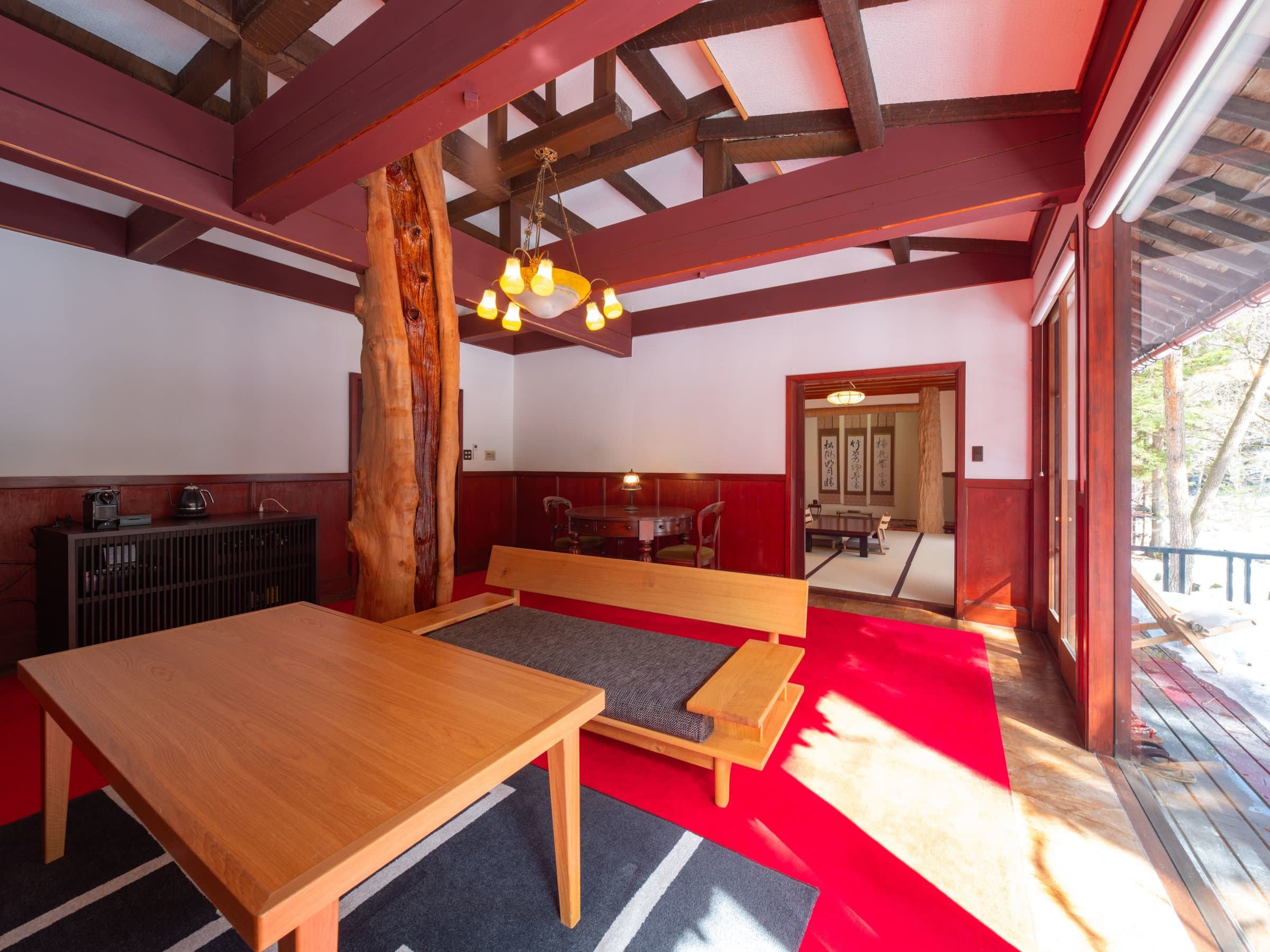
Wanosato
倭乃里
Takayama·Luxury
from US$500 · per person · per nightfrom ≈ US$1,000 total for 2 guests
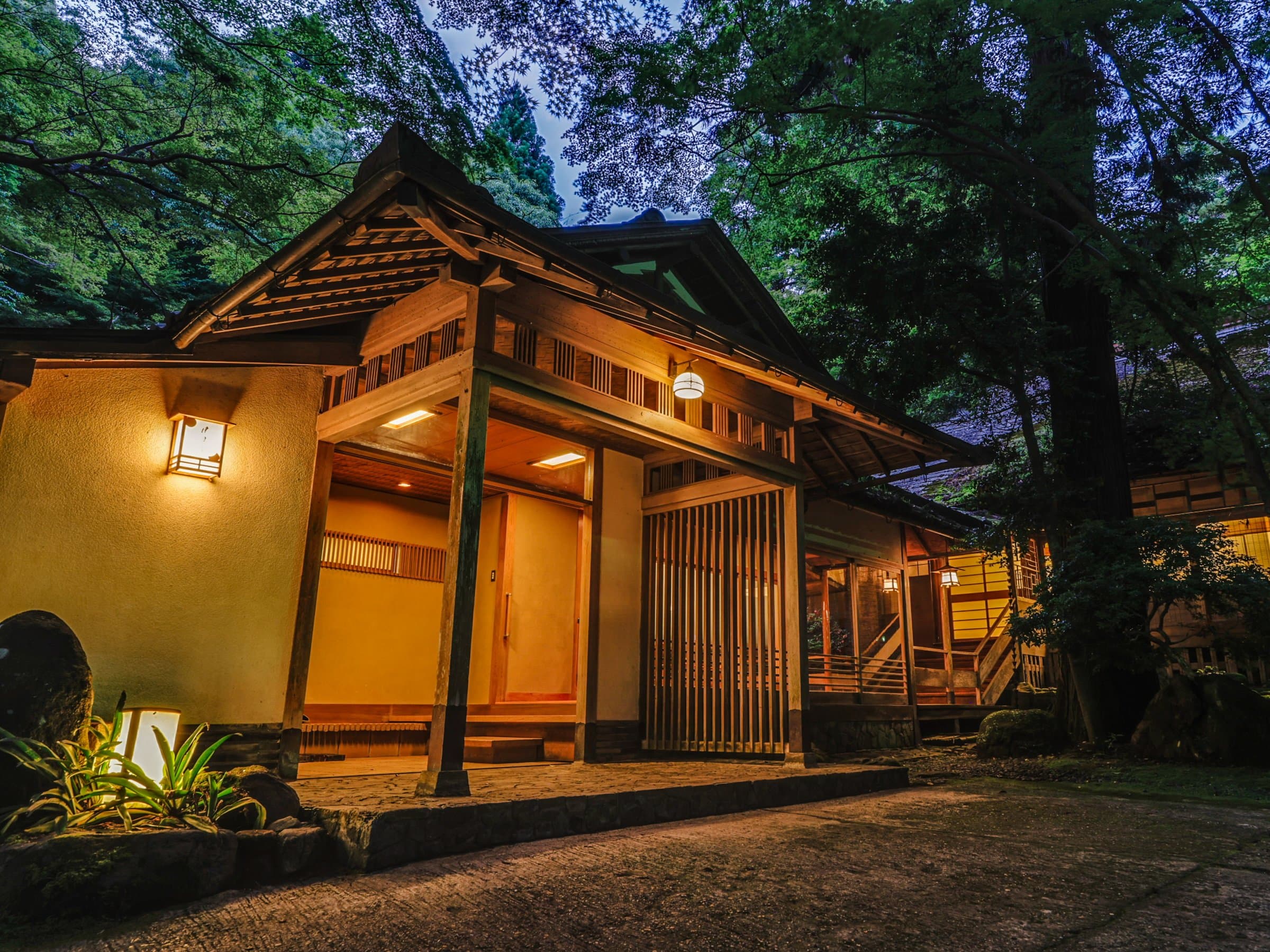
Nara Kasugano Resort Tsukihitei
奈良春日奥山 月日亭
Nara·Luxury
from US$400 · per person · per nightfrom ≈ US$800 total for 2 guests

Seikoro Ryokan
晴鴨楼
Kyoto·Luxury
from US$300 · per person · per nightfrom ≈ US$600 total for 2 guests
Booking links may earn us a commission at no extra cost to you.
FAQ
Frequently asked questions
Can you eat gluten-free at a Japanese ryokan?+
Yes, with advance preparation. Communicate in writing at least one week before arrival, specifically requesting tamari soy sauce (wheat-free) instead of standard shoyu, avoidance of shared fryer oil, and miso brand confirmation. Koyasan shukubo and Hoshino Resorts KAI properties are the most reliable categories to start with. No ryokan is certified GF; written confirmation from the kitchen is the essential vetting step.
Is soy sauce gluten-free in Japan?+
Standard Japanese shoyu is not gluten-free — it is brewed with wheat and soybeans in approximately equal parts. Tamari soy sauce (たまり醤油) is produced with little or no wheat and is the correct substitute to request. Confirm the specific brand before consuming, as a small number of tamari products include trace wheat. San-J and Marukin are widely available tamari brands produced in near-wheat-free facilities.
What is shojin ryori and is it gluten-free?+
Shojin ryori is Japanese Buddhist temple cuisine — vegan, plant-forward, and built on tofu, vegetables, rice, and sesame. It is not inherently gluten-free (shoyu is still used), but its structural simplicity makes the tamari substitution easier to execute and cross-contamination risks lower than in standard kaiseki. Koyasan shukubo is the most accessible setting for shojin ryori in Japan.
Is miso gluten-free in Japan?+
It depends on the type and brand. Rice miso (kome miso) made from soybeans and rice is typically gluten-free. Barley miso (mugi miso) contains gluten. Many commercial blends add barley for flavor. Ask the ryokan which specific miso brand they use and whether it contains barley (ōmugi). If they cannot confirm, request osuimono (plain dashi broth) as a safe alternative — every kaiseki kitchen can produce it.
Can I eat sashimi at a ryokan if I'm celiac?+
Sashimi (raw fish without sauce) is naturally gluten-free. The standard dipping sauce served alongside is regular shoyu — which contains wheat. Bring your own tamari packet and use it instead. The sashimi itself is safe; the dipping sauce is not. Confirm with the kitchen that the sashimi preparation does not involve a shoyu-based marinade or glaze before plating.
How do I communicate gluten-free needs in Japanese?+
The core phrase is: グルテンフリー対応をお願いできます。醤油の代わりにたまり醤油(小麦不使用)を使っていただけますか。書面でご返答ください。 ('Please accommodate a gluten-free diet. Can you use tamari soy sauce [wheat-free] instead of regular soy sauce? Please respond in writing.') For celiac disease, add 小麦アレルギー (komugi arerugi — wheat allergy) to signal medical seriousness. Use this in your booking email and carry a printed card for restaurant visits.
What cross-contamination risks should celiac travelers know about at ryokans?+
Four main risks: shared fryers (wheat-battered tempura contaminates the oil); soba cooked in shared pots with wheat noodles; miso brands that add barley; and commercial dashi stocks that contain wheat starch. Request omission of the tempura course, avoidance of shared noodle pots, miso brand confirmation, and whether the kitchen makes dashi from scratch. These specific questions separate a safe ryokan from a risky one.
What is the difference between 'gluten-free' and '小麦アレルギー' when communicating with a ryokan?+
小麦アレルギー (komugi arerugi — wheat allergy) is taken more seriously by Japanese kitchen staff than the general term グルテンフリー (guruten furii — gluten-free). Allergy language implies medical consequence; gluten-free can be read as a lifestyle preference. If you have celiac disease, using both terms together — グルテンフリー(小麦アレルギー)— communicates both the dietary type and the medical stakes. This is accurate for celiac disease and pragmatically produces more detailed kitchen responses.
Are there any ryokans certified gluten-free in Japan?+
As of July 2026, no ryokan in Japan holds a recognized gluten-free certification equivalent to international celiac standards. Japan does not operate a certified GF facility standard. Some properties have detailed allergy management systems; the booking email and written confirmation approach is the only reliable vetting mechanism. The categories most likely to accommodate carefully are Koyasan shukubo and Hoshino Resorts KAI brand properties.
Does the ryokan breakfast need a separate gluten-free request?+
Yes — explicitly. The dinner kaiseki and the breakfast are prepared by different kitchen shifts with different pre-preparation windows. Your booking email should include a specific breakfast line: request that the grilled fish be salt-grilled (shio-yaki) rather than soy-marinated, confirm the tamagoyaki seasoning, and ask about the tsukemono (pickle) brine. Bring tamari packets specifically for the breakfast natto sauce packet and any seasoned sides that arrive at the morning tray.
Still deciding?
Browse ryokans across JapanBooking.com