2026年7月更新。在讲有希望的部分之前,我们想先把实话说在前面。对无麸质旅行者最诚实的回答是:日本的旅馆文化天生并不适合乳糜泻人士,但只要提前准备,就完全可以变得可行。日本没有全国性的无麸质标识标准。传统旅馆的厨房小而多用途。最关键的是,那个悄悄毁掉一切的食材——普通日本酱油,即shoyu——是用小麦酿造的。
这些都不意味着你应该放弃旅馆。它意味着你需要带着比大多数旅行指南更好的信息前往。这份指南就是那份信息。
2026年无麸质旅馆旅行的新变化
自2024年以来,日本的无麸质旅馆环境在两个重要方面发生了变化。
溜酱油如今几乎随处可得。 在2022年,一些旅馆厨房还需要专门向批发商订购溜酱油。到2026年,San-J溜酱油和Marukin溜酱油已在几乎所有日本大型超市上架——包括大多数旅馆厨房每周进货所依赖的地区连锁店。实际含义是:越来越少的厨房还能以「买不到溜酱油」为由推脱。如果一家旅馆告诉你无法取得溜酱油,这反映的是厨房的意愿问题,而非食材供应问题。
面向乳糜泻旅行者的高汤(dashi)澄清。 最常见的困惑点:柴鱼片(katsuobushi)和昆布——高汤的两种核心原料——本身都天然不含麸质。高汤本身不是麸质问题所在;问题在于为所有以高汤为基底的菜肴调味的酱油。一直完全回避高汤的乳糜泻人士其实在不必要地限制自己的选择。正确的做法是确认所有调味都使用溜酱油,同时接受昆布柴鱼高汤为安全食材。这一区别在与旅馆厨房沟通时很重要:你不是要求他们更换高汤,只是更换调味料。
京都的无麸质怀石料理。 京都最佳旅馆集中在毗邻佛教寺院区的街区——岚山、伏见、东山——那里的精进料理供应链已运转数百年。这意味着京都的旅馆早已规模化地采购无小麦替代食材(芝麻、豆腐、柚子)。在所有日本城市中,京都在高端档位提供最容易改造为无麸质的怀石厨房。京都地区页面按街区列出可用英语预订的旅馆。
同时有清真与无麸质需求的旅行者,可参考我们的日本清真旅馆指南——其中列出了拥有最结构化的抵达前饮食申报流程的旅馆,这些旅馆处理无麸质请求通常也比平均水平更有条理。
速览对比:无麸质在哪里真正可行
七个选项——一家拥有成文的饮食管理方案,五家可通过书面提前申请安排,外加一个结构性最稳妥的类别。分级标准是坦诚的:「书面申请可安排」意味着厨房已通过其预订流程确认具备灵活性,而不是获得了认证。所有商业旅馆都仍存在交叉污染风险。
| # | 旅馆 / 类别 | 地区 | 无麸质可信度 | 起价(USD) | 提前预约天数 | 最适合 |
|---|---|---|---|---|---|---|
| 1 | KAI Kinugawa(界 鬼怒川) | 日光 | 成文饮食管理方案——「界」品牌全线标准化过敏管理体系 | $520/晚 | 5 | 希望获得经审核的集团级过敏管理流程的旅行者 |
| 2 | Wanosato(倭乃里) | 高山 | 书面申请可安排——山间采集食材怀石,以植物为主基底 | $500/晚 | 14+ | 米其林之钥,仅7间客房;极少油炸,是溜酱油替换的理想环境 |
| 3 | Asaba | 伊豆 | 书面申请可安排——Relais & Châteaux成员;已确认饮食安排灵活性 | $600/晚 | 14+ | 殿堂级奢华,创立于1489年;书面确认回复记录良好 |
| 4 | Tsukihitei(月日亭) | 奈良 | 书面申请可安排——偏精进料理风格的厨房,需申请溜酱油替换 | $400/晚 | 14+ | 森林寺院氛围;厨房擅长传统植物性烹饪技法 |
| 5 | Seikoro(晴鸭楼) | 京都 | 书面申请可安排——町家老宅怀石,可更换高汤 | $300/晚 | 10+ | 京都市中心;有饮食需求处理记录的老铺旅馆 |
| 6 | 高野山宿坊(约52座寺院) | 和歌山 | 结构上最安全——依佛教教义以植物性饮食为本,对溜酱油替换习以为常 | ¥14,000–¥25,000/人 | 7 | 零油炸锅、无鱼类酱汁,是所有类别中交叉污染面最小的 |
| 7 | 「界」品牌(任意分店) | 全国 | 成文饮食管理方案——所有「界」物业执行同一套标准化系统 | $250/晚起 | 7+ | 临时预订最友好;提供英文过敏申报表 |
Tip
如何理解无麸质可信度分级:
成文饮食管理方案表示该物业针对无麸质住客有成文的、落实到厨房层面的流程——这是最可靠的类别。书面申请可安排表示厨房已通过其预订系统确认饮食安排的灵活性;只要有足够的提前通知,他们能够执行溜酱油替换版怀石料理。两个级别都不等于经认证的无麸质;所有商业物业都仍存在交叉污染风险。对乳糜泻(而非单纯敏感)人士来说,这一差别很重要——请在预订邮件中明确说明你的医疗等级。
酱油问题:为什么默认的怀石料理不是无麸质的
Shoyu(醤油)——标准日本酱油——以约等比例的小麦和大豆酿造。这在旅馆里绝不是边缘食材,而是怀石料理的基础调味。汤底用它调味,酱汁以它为底,腌料、亮汁、豆腐上的调味汁、刺身的蘸酱——在传统怀石厨房里,这一切默认都用shoyu。
当外国访客有饮食限制时,旅馆最常见的应对是撤掉某道菜——拿走螃蟹,用鸡肉替换贝类。这种方法对麸质行不通。你没法简单地从怀石流程中「去掉酱油」。它以分子层面的方式存在于几乎每一道菜中——不是作为看得见的食材,而是定义整道菜风味的调味本身。
这就是让一位旅行者度过难受一晚、还是享受一顿安全美味晚餐的分水岭洞见。问题不在「日本料理」,问题在于厨房里那一瓶特定的调味料——而那瓶调味料是可以被替换的。
Tip
特别针对乳糜泻:日本没有等同于欧盟20 ppm麸质标识阈值的标准 (EUR-Lex (European Union))。即使一道菜「不含明显的麸质食材」,共用的烹饪台面、汤底和调味料也意味着污染风险真实存在。务必以书面形式沟通,而不是只在前台口头交代。
隐藏麸质藏在怀石料理的哪里——逐道菜拆解
标准怀石料理遵循结构化的上菜顺序,每一道的麸质风险各不相同。以下教你在入座前读懂菜单。
先附(Sakizuke)——开胃小品。 通常是一口大小的时令拼配:一片芋头、一卷渍物、一抹调味味噌酱。这里的风险在于味噌酱(可能含大麦味噌)以及任何用shoyu调味的小份酱汁或凝冻。溜酱油替换可覆盖调味风险;味噌类型需另行询问。
八寸(Hassun)——时令拼盘。 这是奠定季节主题的一道——多种小份料理陈列在大漆盘上,常包括腌渍鱼、高汤煮的小份蔬菜、渍物,偶尔还有炸物。煮蔬菜以shoyu高汤挂味,溜酱油替换能解决;如果你的敏感程度需要避开炸锅油污染,炸物需单独说明。
向付(Mukōzuke)——刺身。 生鱼天然无麸质,随附的shoyu蘸酱则不是。自备溜酱油小包代替使用,或请厨房为你的这道菜只提供溜酱油。刺身本身的处理(通常只是细致的刀工,不含腌制)是安全的。
焚合(Takiawase)——炖煮菜。 根茎蔬菜、豆腐或时令蛋白质在以酱油、味醂、有时还有清酒调味的高汤中炖煮。这是溜酱油替换效果最大、也最容易让厨房执行的一道——一家用心的旅馆厨房只需在炖煮汤汁中直接改用溜酱油。
烧物(Yakimono)——烧烤菜。 通常是主蛋白:烤鱼、鸡肉或牛肉。麸质风险藏在腌料和亮汁里:照烧风味的亮汁以shoyu为底;味噌腌鱼(西京烧)用的味噌可能含大麦。请要求:改用溜酱油腌制,或干脆盐烤(shioyaki)。盐烤是最可靠的无麸质做法,且不需要厨房做任何流程改动。
扬物(Agemono)——炸物。 天妇罗。这是整个怀石流程中交叉污染风险最高的一道。裹小麦面衣的天妇罗与其他所有下锅食材共用同一锅油。即使厨房为你单独准备不裹面衣的食材,共用的炸油依然携带污染。最简单的解决方式:请求撤掉扬物这道菜,替换为烧烤或蒸制的替代品。大多数旅馆厨房会毫无怨言地照办。
蒸物(Mushimono)——蒸菜。 常见茶碗蒸(茶碗蒸し)——柔滑的咸味蛋羹,内含小配料(鸡肉、鸭儿芹、银杏果)。蛋羹本身以高汤和——默认情况下——淡口shoyu调味,溜酱油替换很简单。配料(尤其鸡肉或小份海鲜)可能带有淡shoyu腌味;请指明所有成分都改用溜酱油。
御饭(Gohan)——米饭。 日本短粒白米饭不含麸质,但配菜——渍物、小份腌渍品、可能还有调味撒料——未必安全。渍物(日式腌菜)经常以shoyu基底的卤水腌制。请要求原味渍物或省略调味配菜。
味噌汁(味噌汤)。 见下文味噌章节。高汤基底是无麸质安全的;变量在味噌类型。请厨房确认味噌品牌,若不明确则改为清汤高汤。
水果子 / 和果子(甜点)。 时令水果是安全的。和果子(日式点心)——常与茶一起端上的精致麻糬类甜品——通常不含麸质:它们由米粉(上新粉或白玉粉)、糖和豆沙制成。请确认该款点心不含小麦粉。大多数传统和果子以米为基底,是安全的。
Tip
你能提出的最有效的两项请求:把扬物(天妇罗/油炸)课替换为烧烤替代品,以及确认所有酱油类调味都改用溜酱油。这两项请求覆盖了标准怀石流程中的绝大部分麸质风险。其余的——刺身、白米饭、水果甜点——本身风险就很低。
溜酱油替换法:让怀石料理「无麸质化」的那一句话
溜酱油(たまり醤油,tamari)是含极少或不含小麦酿造的酱油——源自日本中部(Chubu)地区的传统配方 (TasteAtlas),比江户时期成为主流的高小麦配方历史更悠久。日本大多数主要溜酱油品牌(San-J、Marukin等)都在无小麦或接近无小麦的设施中生产。它的风味比标准shoyu更浓郁、略稠,鲜味更深。作为一比一的烹饪替代品,它对成菜几乎不产生任何改变。
好消息是:几乎每一家日本超市都有溜酱油。想要接待无麸质住客的旅馆厨房不需要采购任何特殊食材,只需要买一瓶溜酱油,在为你备餐时用它代替标准shoyu。只要提前足够长时间沟通——通常至少一周,最好两周——这是一个完全合理的请求。
让这一切成为可能的那句话:
Tip
写进预订邮件的双语关键句:グルテンフリー対応をお願いできます。醤油の代わりにたまり醤油(小麦不使用)を使っていただけますか。共用フライヤーや麦添加味噌の利用を避けたいです。書面でご返答ください。
(中文含义:「请提供无麸质餐食。能否以溜酱油(不含小麦)代替普通酱油?我也希望避免共用炸锅油和含大麦的味噌。请以书面形式回复。」)
把这段话用日语——而不是英语——作为你饮食请求的核心发送。日本的厨房和前台人员英语往往有限,但他们会认真阅读一份书面的日语请求。明确点名「溜酱油」,再加上要求书面回复,传达出的信号是:你是一位在沟通医疗需求的严肃成年人,而不是带着模糊偏好的游客。
务必要求书面确认(書面でご返答ください——shomen de go-hentou kudasai)。一句来自前台员工、可能根本没跟厨房核实过的口头「没问题」,与来自主厨或女将的书面确认完全是两回事。你需要的是后者。
关于「小麦アレルギー」(komugi arerugi——小麦过敏)一词的说明: 在日本厨房的语境中,声明自己有小麦过敏(komugi arerugi)往往比说自己吃无麸质(guruten furii)更受重视。过敏语言会在厨房人员心中触发另一种认知模型——它意味着医疗后果,而非生活方式偏好。如果你患有乳糜泻,用过敏框架来表述既准确又务实。你可以两者并用:グルテンフリー(小麦アレルギー)対応をお願いできますか——「请提供无麸质/小麦过敏对应餐食」。括号里的补充不费任何成本,却能沟通得更清楚。
交叉污染的现实:抵达前你需要知道的事
即使旅馆同意了溜酱油替换,仍有若干交叉污染风险存在。这些不是假设——它们是传统日本厨房运作方式的结构性特征。
共用炸锅。 许多怀石流程包含天妇罗或扬物(油炸)课。旅馆厨房里的炸油几乎必然是裹小麦面衣的天妇罗与其他所有下锅食材共用的。用那锅油炸出的任何食物都带有交叉污染风险,即便食材本身不含小麦。请要求撤掉你的炸物课,或替换为烧烤替代品。
荞麦面与乌冬面共锅。 一些旅馆在早餐或作为轻食课提供荞麦面(soba)。荞麦本身天然无麸质,但日本荞麦面几乎总是混入小麦粉——通常掺入20至30%是行业标准 (Wikipedia (Soba))。更重要的是,煮荞麦面或乌冬面的锅就是煮其他面条的同一口锅。即使是100%纯荞麦面,也会从共用的煮面水中带上小麦污染。
添加大麦的味噌。 标准味噌(koji味噌)由大豆与米或大麦制成。麦味噌(麦みそ)专以大麦为基底,在西日本很常见。即使是白味噌(shiro)和混合味噌(awase)品牌,有时也会添加大麦作为风味成分。请询问厨房使用哪个品牌的味噌,以及是否含大麦(ōmugi——大麦)。如果无法确认,请要求提供不含味噌的清汤高汤。
高汤(dashi)。 大多数旅馆的高汤由昆布和干柴鱼片制成——两者都天然不含麸质。然而,一些市售高汤和高汤包会以小麦淀粉作为填充剂。从零熬制高汤的旅馆比使用市售汤底的更安全。问一句。
坦诚的底线: 日本没有任何一家旅馆厨房是经认证的无麸质设施。对乳糜泻人士来说,交叉污染是真实风险。溜酱油替换和上述提问能显著降低风险,但无法消除。对重度乳糜泻(而非麸质敏感)的旅行者,这一区别至关重要。
味噌问题:最常被漏掉的麸质变量
味噌值得单独一节,因为它是旅行建议中最常被遗漏的一点——即使在其他方面很严谨的无麸质指南里也是如此。
标准日本味噌由大豆加盐,与培养在谷物基底上的曲菌(koji)发酵而成。那个谷物基底就是变量所在:
- 米味噌(Kome miso):大豆+米曲。大多数配方天然不含麸质。东日本(包括东京)最常见的味噌。
- 麦味噌(Mugi miso):大豆+大麦曲。含有麸质。 常见于西日本(九州、关西部分地区)以及一些餐厅级混合味噌。
- 豆味噌(Mame miso):只用大豆,不含谷物曲。天然不含麸质。主产于中部地区(名古屋、爱知);八丁味噌是经典代表。
- 合わせ味噌(混合味噌,Awase miso):常为米味噌与麦味噌的组合。麦味噌成分使其不适合乳糜泻级别的无麸质要求。在餐厅和旅馆厨房极为常见。
复杂之处在于:大多数旅馆厨房用的并非单一可辨识的味噌类型,而是批发商按其风味需求定制的混合味噌。这种混合品很少标注谷物成分构成。当你问厨房「你们用什么味噌?」,得到的回答很可能真的就是「我们家的独门配方」——这时需要追问第二层问题:「配方里含麦(大麦)吗?」
如果他们无法确认不含大麦,最安全的做法是请求把味噌汤换成清汤高汤(お吸い物,osuimono)。这在怀石料理中是众所周知的替换——osuimono本身就是一道传统的清汤课,以昆布或柴鱼高汤加少许配菜制成。
Tip
最安全的味噌选择: 如果你想确认而非替换味噌,请明确指定八丁味噌(八丁味噌)或米味噌(米味噌)——两者都以大豆为基底、不含大麦。如果厨房两者都没有,请要求以osuimono(お吸い物)——清汤高汤——作为你的汤品课。每一家怀石厨房都能做osuimono;这不是一个罕见的请求。
乳糜泻 vs. 麸质敏感:你的预订邮件该有多严格?
并非所有回避麸质的人面临同等的医疗风险——你的预订邮件应反映你真实的需求等级,而不是默认按最极端版本表述。夸大严重程度会让认真对待过敏请求的厨房感到疲惫;轻描淡写则可能导致不安全的餐食。
麸质敏感(非乳糜泻麸质敏感,NCGS)。 在明显的麸质摄入后出现症状,但免疫反应与乳糜泻不同。单靠溜酱油替换——无需额外的交叉污染防控——很可能已经足够。共用炸锅油、市售高汤中的微量小麦、边缘的混合味噌,在极低剂量下大概率可以耐受。你的预订邮件仍应请求溜酱油,但紧迫程度较低。
乳糜泻。 一种自身免疫疾病,任何麸质摄入——包括来自共用台面的微量——都会引发肠道损伤 (Coeliac UK)。对乳糜泻旅行者,完整的交叉污染清单都很重要:共用炸锅、荞麦面共锅、味噌类型、市售高汤。使用下方完整的双语邮件模板,在グルテンフリー之外注明小麦アレルギー(komugi arerugi),并就每一点取得书面确认。
小麦过敏。 与乳糜泻和NCGS都不同——是IgE介导的免疫反应,有引发过敏性休克的可能。如果你的小麦过敏曾引发严重反应,厨房交叉污染风险与乳糜泻相同。此外,请随身携带急救药物(抗组胺药,如有处方则带EpiPen),确认用餐时药物触手可及,并在抵达时向旅馆前台当面告知你的过敏情况——而不只是写在预订邮件里。
根据你的等级,邮件中应该这样写:
- NCGS:「小麦を含む食品が体質に合わないため、醤油の代わりにたまり醤油を使用いただけますか」
- 乳糜泻:「グルテンフリー(セリアック病)対応をお願いします。小麦アレルギーと同等の対応が必要です。書面でご確認ください。」
- 小麦过敏(重度):「重度の小麦アレルギーのため、小麦・小麦粉が含まれる食品、調理器具、調理油の共用を厳重に避けていただく必要があります。緊急の医療対応が必要になる可能性があります。書面での確認をお願いします。」
请使用与你真实医疗状况相符的等级。具体传达严肃;含糊则不然。
Tip
一个真实的信号测试: 发出预订邮件后观察回复。认真对待你乳糜泻请求的厨房会回复具体细节——「我们将在所有酱油应用中使用Marukin溜酱油,备餐前会清洗炸锅,并确认我们的味噌以米为基底。」回复「我们会尽力配合」的厨房,则并没有认真处理你的请求。请再次回复并逐条重问;如果第二次回复依然含糊,把这一点纳入你的决策考量。
高野山宿坊:无麸质旅行者的默认安全牌
在日本所有住宿类别中,最天然契合无麸质需求的那一个,恰好也是这个国家最非凡的旅行体验之一:宿坊(shukubo)——和歌山县高野山(Koyasan)的寺院住宿。
高野山是日本真言宗的中心,一座拥有100多座寺院的山中村落,自僧人空海(弘法大师)于公元816年开山以来一直是宗教圣地 (Wikipedia (Kūkai))。其中约50座寺院向访客提供过夜住宿 (Koyasan Shukubo Association)——住传统寺院客房,可参加清晨的佛教法事,晚餐和早餐则是精进料理(shojin ryori)——佛教素食料理。
精进料理正是高野山适合无麸质旅行者的结构性原因。 佛教寺院烹饪不用肉类和鱼类,这意味着它主要建立在豆腐、蔬菜、芝麻、米饭、渍物和纯植物性清汤之上。精进料理厨房仍会使用酱油,但溜酱油替换对他们是熟悉的概念——高野山的寺院接待国际访客已有数十年,许多寺院此前就处理过无麸质请求。
更重要的是:精进料理不含天妇罗(即使有,也只是蔬菜天妇罗,厨房可以轻松省略),不含海鲜怀石中常见的重小麦酱汁和亮汁,也不依赖共用炸锅处理蛋白质课。这种料理的结构性简洁,使其交叉污染风险显著低于多蛋白质的怀石流程。
高野山并非日本唯一值得一去的目的地,但对正在规划日本行程的无麸质旅行者来说,它值得列入清单的理由远不止饮食安全。黎明前起身参加诵经法事、在晨光中沿着杉木夹道的奥之院墓园漫步、空气中飘着线香的烟——这种体验在日本旅行中独一无二 (Japan National Tourism Organization)。
Tip
高野山宿坊预订贴士:使用高野山观光协会的英文预订平台(shukubo.net),或直接发邮件向各寺院预订。在预订备注中注明无麸质需求,并在抵达前一周再次邮件跟进。Eko-in(惠光院)、Fukuchi-in(福智院)和Rengejo-in(莲华定院)都有能用英语沟通的工作人员,且都处理过国际访客的饮食请求。住宿含早晚两餐,每人每晚约¥14,000–¥25,000。
日本对无麸质更友好的地区
日本并非每个角落对无麸质旅行者的难度都一样。地方料理很重要,因为它决定了当地厨房默认备有什么食材。
京都——最容易改造为无麸质。 如前所述,京都毗邻佛教寺院区,意味着精进料理供应链(芝麻、豆腐、柚子、山菜)在旅馆厨房中早已就位。京都也是最有可能无需特别订购就常备溜酱油的日本城市。对无麸质旅行者来说,岚山和东山这两个街区——寺院观光已运转数百年的地方——是遇到懂行厨房人员概率最高的区域。
奈良——第二梯队。 同样有佛教寺院传统。奈良的怀石传统包含大量受精进料理影响的厨房。Tsukihitei(月日亭,见下文推荐)是最清晰的例子;春日町和奈良町附近的独立旅馆也值得询问。
箱根与伊豆——好坏参半。 以海鲜为主的怀石传统意味着更复杂的酱汁体系、更依赖亮汁和腌料。但这里的国际住客数量足够多,旅馆对接收饮食请求已相当熟练。KAI Hakone(界 箱根)和Asaba(伊豆)是最明确的已核实选项。
高山与飞驒地区——被低估。 岐阜县的山地料理大量依赖腌渍蔬菜、豆腐、山菜和河鱼,而非贝类和浓稠亮汁。酱汁体系更简单,溜酱油替换也就更直接。Wanosato(倭乃里)是记录最完善的例子,但飞驒古川和高山一带的其他旅馆也值得询问。
东北(仙台、银山温泉、藏王)——需有备而来。 日本东北的味噌传统比西日本更多使用麦味噌(大麦味噌),味噌确认问题因此更突出。东北沿海的海鲜怀石可能相当复杂。并非不可行,但当地厨房对无麸质请求的熟悉度平均较低。
北海道——乳制品丰富,但结构上可控。 北海道料理以乳制品闻名(黄油、牛奶、奶油出现在融合菜中),但核心食材——螃蟹、三文鱼、玉米、羊肉——天然不含麸质。酱油问题依然存在,但酱汁体系比京都怀石略简单。溜酱油请求容易被理解;交叉污染风险则相同。
我们的推荐:能接待无麸质住客的旅馆(2026)
以下物业是我们已核实数据集中仅有的、饮食灵活性有据可查的商业旅馆——或通过成文的过敏管理方案,或通过已确认的书面申请安排。这里的每一家都能在足够提前通知的情况下处理无麸质请求。没有一家是经认证的无麸质;交叉污染风险依然存在。本指南全文坚持的坦诚表述是:在一个没有无麸质认证体系的国家,这是现有的最佳选项,而非保证。
关于本指南麸质范围之外的一般过敏管理(贝类、鸡蛋、芝麻),请参阅我们的食物过敏旅馆指南。
1. KAI Kinugawa(界 鬼怒川,日光)——成文饮食方案,最系统化的无麸质流程
KAI Kinugawa(界 鬼怒川)是星野集团位于日光鬼怒川温泉峡谷的物业。在「界」品牌中,它是无麸质旅行者最容易入手的起点:贯穿所有「界」物业的标准化过敏管理系统在预订流程中内置了过敏原申报表,且全程提供英语支持。
这里的「成文饮食管理方案」意味着什么:星野集团「界」品牌运行的是网络级的过敏原管理规程——而非各物业各自临时应对。当你在预订表单中申报乳糜泻或麸质敏感时,请求会被转到一支处理过同类请求的厨房团队,而不是落到一位头一次遇到这种情况的前台员工手里。文档是标准化的,溜酱油替换是已知的常规操作,你收到的书面确认出自厨房清单,而非临场发挥。
坦诚的局限: 这不是经认证的无麸质厨房。共用烹饪台面和旅馆厨房的整体环境意味着交叉污染风险依然存在。「界」的系统比我们数据集中任何其他商业旅馆都更能降低这一风险——但无法消除。请直接预订(不要通过OTA)以使用过敏原申报表。$300/晚起;需提前7天以上。
Tip
「界」是星野集团的中端品牌,意味着有英语支持和标准化的预订流程。预订后联系时,请直接点名过敏原申报表——「I would like to complete the allergen intake process for a celiac/gluten-free guest」(我希望为乳糜泻/无麸质住客完成过敏原申报流程)——而不是提出泛泛的饮食请求。这能把你的信息路由到正确的员工类别。
2. Wanosato(倭乃里,岐阜高山)——山间怀石,以植物为主,理想的无麸质环境
Wanosato(倭乃里)是位于高山以北飞驒古川的一家七室旅馆,坐落在一栋160年历史的合掌造老宅中。其怀石料理以野生采集的山菜为核心——蕨菜、薇菜、各类山间野蔬——这种以植物为主、极少油炸的烹饪哲学,使它成为商业旅馆中最天然契合无麸质安排的选择之一。$500/晚起;需提前14天以上申请。
Wanosato在无麸质方面的特有优势:这里的怀石流程比沿海怀石更少依赖油炸课和厚重的贝类亮汁。整餐的核心是炖煮山菜、轻调味的河鱼(香鱼、山女鳟)和豆腐料理——全部能干净利落地换用溜酱油调味。厨房以采集的、最少加工的食材为导向,意味着更少可能藏有小麦的专有酱汁和腌料。
这里的安排是应申请确认,而非公开的固定菜单。厨房已通过其预订流程确认对素食及饮食受限住客的灵活性。请至少提前14天发送完整的双语邮件模板;七间客房的规模意味着主厨会亲自阅读每一封邮件,这对你有利。
Tip
飞驒古川在高山以北,乘火车15分钟——比高山市区更安静,一日游客更少。Wanosato在红叶季(10月中旬至11月中旬)很快订满;对无麸质住客来说,14天的提前通知要求意味着想订秋季高峰日期,最迟要在10月初完成预订。
3. Asaba(伊豆修善寺)——Relais & Châteaux,针对乳糜泻的书面确认记录
Asaba创立于1489年,是Relais & Châteaux(罗莱夏朵)成员——这一组合既标志着深厚的料理传统,也意味着厨房有余力执行定制餐单。书面申请、提前14天以上可安排无麸质餐食;每人$600/晚起。该物业已通过官方沟通渠道确认对无麸质住客的饮食灵活性。
Asaba对乳糜泻旅行者的特有强项在于书面沟通的质量:他们的抵达前邮件回复一贯无需二次追问就主动落实过敏原细节——确认溜酱油的供应、逐道菜说明调整方案、并主动指出天妇罗课将替换为烧烤替代品。这种主动、详尽的回复本身就是诊断信号:这是一间处理过严肃饮食请求、并想清楚了其中含义的厨房。
坦诚的取舍:在这个价位(视季节和房型,每对夫妇每晚约¥90,000–¥180,000),你已进入有预算维系这种客户沟通的旅馆类别。这里的厨房关怀是顶级的。但它依然是一间传统旅馆厨房,不是专门的无麸质设施。
4. Tsukihitei(月日亭,奈良)——偏精进风格,厨房投入深,需提前14天
Tsukihitei(月日亭)坐落在奈良一处森林山坡上,周边地区有深厚的佛教寺院底蕴。厨房偏精进料理风格——基础取向以植物为主——这意味着其常规菜目包含与无麸质烹饪天然兼容的技法和食材(芝麻豆腐、炖煮根菜、清汤)。$400/晚起;需提前14天以上。
对无麸质旅行者来说,关键优势在于厨房哲学:一位精通精进料理的厨师,早已花多年时间打磨不依赖动物蛋白的菜谱,这自然减少了对复杂贝类亮汁和照烧类做法的依赖——而那些恰恰是最难剔除shoyu的地方。这里的溜酱油替换,在概念上更接近厨房本来就在做的事。
坦诚的局限:Tsukihitei的标准怀石仍使用柴鱼高汤和常规shoyu调味——精进取向是一种影响,而非默认菜单。你仍需明确提出溜酱油替换、确认味噌类型、并询问炸锅情况。14天是最低通知窗口;3周更好。
5. Seikoro(晴鸭楼,京都)——町家老宅怀石,京都市中心
Seikoro(晴鸭楼)是京都市中心一家传统町家风格的旅馆——深色木梁、低矮天花板、石板玄关。其怀石以时令技法著称。标准菜单使用柴鱼高汤和常规shoyu;两者都需要在你的提前沟通中替换掉。需提前10天以上;$300/晚起。
选择Seikoro的无麸质理由是务实而非结构性的:京都市中心的位置意味着,如果晚餐需要简化(部分菜品省略或替换),步行范围内就有京都最容易做无麸质选择的餐厅,可作为补充用餐。厨房已通过其预订流程确认具备饮食请求处理能力。
关于京都旅馆的整体版图,京都最佳旅馆指南按街区做了完整拆解。
6. 高野山宿坊(约52座寺院)——零炸锅,结构上最简洁的无麸质类别
对于追求最低交叉污染风险、而非奢华旅馆体验的无麸质旅行者,高野山宿坊就是答案。植物性饮食在这里是结构性的默认设置,而非特殊请求。约52处寺院住宿全部供应精进料理——依教义排除一切动物性食材的古老佛教僧院料理。
相对于商业旅馆的交叉污染优势:没有油炸课(小麦面衣污染炸锅的场景在这里根本不存在),没有贝类或肉类料理共用烹饪台面,整套料理哲学都围绕对简单植物食材的精细处理构建。溜酱油替换对本就以佛教饮食戒律的精确性工作的精进厨师来说,是熟悉的概念。
你仍需以书面形式确认你预订的那家宿坊使用溜酱油而非标准shoyu调味——这是唯一必需的无麸质确认——并询问味噌类型。但总体而言,这里的麸质风险面比任何商业旅馆都小,没有例外。价格:每人每晚¥14,000–¥25,000,含两餐(晚餐和早餐)。
最有可能确认无麸质规程的旅馆类别
没有任何旅馆是经认证的无麸质。差别在于它们接待严肃饮食请求的能力和意愿。以下类别是你最有可能收到审慎书面回复和用心厨房调整的地方——不是保证,但概率显著更高。
拥有专门饮食请求系统的大型过敏管理品牌。 星野集团「界」品牌物业拥有贯穿其网络运行的标准化过敏管理流程,预订系统中内置饮食请求栏。「界」品牌的英文预订工作流,是日本所有旅馆运营商中在抵达前沟通医疗饮食需求方面最结构化的。KAI Hakone(界 箱根)、KAI Kinugawa(界 鬼怒川)、KAI Yufuin(界 由布院)和KAI Atami(界 热海)是最容易入手的起点。没有任何「界」物业获得无麸质认证——预订后请邮件确认。
配备英文过敏申报表的现代奢华物业。 越来越多在2015年之后开业或翻新的高端旅馆和日式酒店采用了结构化的过敏申报流程——通常是一份含具体过敏原勾选项的抵达前表格,会在你抵达前送达厨房。询价时直接问:「Do you have a written allergen intake process?」(你们有书面的过敏原申报流程吗?)如果答案是有,你面对的就是一个系统性思考过这个问题的类别。
高野山宿坊(寺院住宿)——如前文详述,由于精进料理的简洁性和植物性本质,是无麸质住客在结构上最安全的类别。
豆腐怀石专门旅馆。 京都和奈良有少数旅馆专营豆腐怀石(tofu kaiseki——豆腐懐石)。这些物业围绕豆腐料理构建菜单,减少了对厚重鱼类贝类亮汁的依赖,而那正是无麸质安排的最大障碍。京都地区提供「京野菜怀石」作为替代菜单的旅馆,往往拥有更容易改造为无麸质的厨房。
预订无麸质旅馆:通知窗口、直接预订,以及OTA备注栏为何失灵
提前通知窗口不是走形式——它是旅馆厨房采购专用溜酱油、与供应商核对配料表、并与主厨规划逐道菜调整所需要的时间。
OTA特殊请求栏为何失灵。 预订平台(Booking.com、Expedia,甚至乐天旅行的「过敏备注」栏)把饮食请求汇入一个通用文本框,通常只送达该物业负责对接OTA的人员——而不是厨房。决定食物如何制作的地方是厨房。等你的请求真正进入厨房的对话,可能已是抵达前一天——或者永远不会。预订确认邮件只告诉你OTA收到了请求,不代表厨房读过它。
正确流程: 1. 通过你偏好的渠道预订旅馆(用OTA付款和锁房完全没问题)。 2. 找到旅馆的直接邮箱(通常在其官网上,而非OTA页面)。 3. 将完整的双语预订邮件模板(见下文)发送到旅馆的直接邮箱。 4. 在邮件主题中注明你的预订确认号。 5. 如果5个工作日内没有收到实质性回复,请电话或邮件跟进。
关于如何选择预订平台,六大平台旅馆预订对比指南详解了直订、OTA与代理预订之间的取舍。
双语预订邮件模板
预订完成后,用这个模板作为邮件正文,在抵达前至少10至14天发送。如果5天内没有收到书面回复,请跟进——并把「没有回复」本身视为一个危险信号。
日语部分才是起实际作用的段落。请两种语言都附上。
Tip
邮件主题: Dietary Request — Gluten-Free / アレルギー対応のお願い
英文版: Dear [Ryokan Name] Team,
I have a booking for [dates, room type, number of guests]. I have celiac disease and require a strictly gluten-free diet. I am writing to confirm that the kitchen can accommodate this.
My specific requests are: 1. Please use tamari soy sauce (wheat-free) instead of regular shoyu in all dishes prepared for me. 2. Please avoid shared frying oil with wheat-battered items — I cannot eat dishes cooked in the same oil as tempura. 3. Please confirm the miso brand used and whether it contains barley (mugi). If barley miso is used, please substitute plain dashi broth. 4. Please confirm whether dashi is made from scratch or from commercial stock, and whether the stock contains wheat starch.
Please respond in writing, confirming each point with specifics rather than a general assurance. I look forward to your reply.
---
日文版: [旅館名]ご担当者様
[日付、部屋タイプ、人数]で予約しております。セリアック病(グルテンフリー・小麦アレルギー相当)のため、事前にお食事の対応についてご確認させてください。
1. 醤油の代わりにたまり醤油(小麦不使用)をすべてのお料理にご使用いただけますか。 2. 天ぷら等と共用のフライヤーを使用した揚げ物は避けたいと思います。揚げ物コースを省いていただくか、焼き物に変更いただけますか。 3. ご使用の味噌のブランドと、麦(大麦)が含まれているかをお知らせください。麦みその場合は、お吸い物(お出汁のみ)への変更をお願いします。 4. お出汁は手作りでしょうか、市販の出汁パックをお使いでしょうか。市販品の場合、小麦澱粉が含まれていないかご確認ください。
各項目について、具体的な書面でのご返答をお願いします。ご対応いただけますようよろしくお願いいたします。
好的回复长什么样:厨房确认能提供溜酱油,具体说明将调整哪几道菜,并指出哪道菜无法安全调整(比如天妇罗课,他们主动提出替换为烧烤替代品)。如此详尽的回复告诉你:请求已经送达主厨。
坏的回复长什么样:「我们会尽力满足您的需求。」这是一位或许根本没和厨房沟通过的前台员工出于善意的回复。请再次回复、逐条重问那些具体问题,并要求他们直接与主厨确认。
如果你无法就上述具体各点取得书面承诺,请认真考虑这家旅馆是否适合乳糜泻旅行者。预订邮件不只是一个请求——它是你的筛查工具。
关于旅馆入住和沟通流程对初次访客的整体运作方式,初次住旅馆指南介绍了仲居(nakai-san)服务体系,以及如何在抵达时有效传达需求。
坦诚的局限:无麸质旅馆之旅仍可能在哪里出错
即使有书面确认、选对了旅馆,四种失败模式依然反复出现。
员工轮班与厨房—楼面沟通断层。 为你上菜的仲居可能没有被告知你的饮食请求。你从主厨那里收到的书面确认,并不会自动传达到每一位经手你食物的人。入住时,请向前台再次提醒你的请求,并请他们与厨房确认当晚的服务。不要假设两周前发的那封邮件仍然在所有人脑海里。
替换菜品不及预期。 当厨房替换一道无法安全调整的菜(天妇罗、一道无法拆解的shoyu亮汁料理)时,替代品有时会显得单薄——原本精巧的炸物变成了一碗简单的蒸蔬菜。这不是欺骗,而是一间厨房在能力边缘的努力。请相应调整预期:替换后的餐食可能比标准怀石简单。
溜酱油品牌差异。 并非所有溜酱油产品都不含小麦。少数日本溜酱油品牌含微量小麦。如果你的饮食标准是乳糜泻级别(而非单纯敏感),请厨房出示他们使用的溜酱油瓶子,让你核对标签。San-J有机溜酱油和Marukin溜酱油在接近无小麦的设施中生产;遇到不熟悉的品牌请一律确认。
早餐 vs. 晚餐。 晚间怀石通常更容易调整,因为它是旅馆定义为招牌的一餐,厨房投入的注意力更多。早餐——味噌汤、烤鱼、玉子烧、各式小菜——组装速度更快、预先准备更少。溜酱油确认应覆盖两餐;不要假设晚餐级别的用心会自动延伸到早餐。
早餐 vs. 晚餐:为什么早餐需要单独确认
大多数无麸质旅馆规划都聚焦于怀石晚餐——理由充分:它是招牌一餐,主厨最上心,提前沟通在这里效果最大。但旅馆早餐是由另一个班次的厨房单独制作的,组装更快,餐前规划时间更少。
标准旅馆早餐(朝食,choshoku)通常包括:烤鱼(yakizakana)、米饭、味噌汤、玉子烧(常以淡shoyu挂味的煎蛋卷)、纳豆、渍物和海苔。逐项来看:
- 烤鱼(yakizakana):通常经过腌制或挂汁。请询问腌料是否含shoyu或味醂酱油;shio-yaki(盐烤)是无麸质安全版本。
- 味噌汤:同前文的味噌类型问题。
- 玉子烧:这款微甜的煎蛋卷常以味醂酱油挂味。请要求原味玉子或改为温泉蛋(onsen tamago)。
- 渍物:常以shoyu基底卤水腌制。若标准腌渍卤水含shoyu,请要求纯盐渍蔬菜(shiozuke)。
- 纳豆:本身天然无麸质;随附的shoyu酱包则不是。自备溜酱油小包替代。
- 海苔(烤紫菜):天然无麸质。安全。
- 白米饭:天然无麸质。安全。
你的预订邮件应把早餐作为单独一条明确写出,而不只是晚餐。在日语模板中加上这句:朝食についても同様のグルテンフリー対応をお願いします。特に、焼き魚のたれ・玉子焼きの調味料・漬け物の漬け汁に小麦が含まれていないかご確認ください。(「早餐也请同样按无麸质安排。特别请确认烤鱼酱汁、玉子烧调味料和渍物卤水中是否含有小麦。」)
Tip
早餐版的溜酱油替换法: 专为早餐准备3–4包溜酱油小包。纳豆的酱油包、烤鱼的蘸碟,以及早餐托盘上任何调味小菜,都可以用你自己的溜酱油补足。即使早餐班次的厨房交接不如晚餐团队仔细,这也能保证你早上的安全。
行装清单:溜酱油小包、Nima检测仪与应急零食
即使提前沟通做得再细,随身携带一套个人无麸质安全装备仍是明智之举。以下是在日本旅行值得随身携带的物品。
旅行装溜酱油小包。 San-J和Yamasa都生产独立小包装溜酱油——就是外卖寿司附带的那种。日本超市和日本亚马逊都有售。带上10到15包。如果你在餐厅或某道怀石菜上发现厨房忘了或用了普通shoyu,你手里有自己的。在便利店,一碗白饭配上口袋里的溜酱油就是一顿安全的饭。
Nima检测仪。 Nima便携式麸质检测仪(国际有售)是一台小型设备,取米粒大小的食物样本,约两分钟内可检测低至20 ppm的麸质 (MIT News)。它并非万能——液体和发酵食品中的污染可能漏检——但它为固体菜品提供了额外的数据点。它更适合在餐厅使用,而不是用于已与厨房预先确认过的怀石菜。它在日本的主要价值在旅馆之外的休闲餐:拉面汤底、乌冬面、便利店包装食品。
安全的日本应急零食。 许多日本便利店商品天然不含麸质:饭团(简单馅料的onigiri——注意馅料不要含酱油腌制的食材,避开调味蛋白馅的)、原味米饼(标注溜酱油调味的arare或senbei)、独立包装的麻糬。在两次旅馆餐之间需要自行觅食的日子,请随身携带一天份的安全零食。
一张打印好的日语过敏卡。 日本过敏卡(Japan Allergy Card)以日语列出常见过敏原。再手写补充你的具体关切:小麦(komugi——小麦)、醤油(shoyu——酱油)、麦(mugi——大麦/麦类)。
药物。 无论多小心,交叉污染都可能发生。请带上你的标准乳糜泻药物包。日本药店有进口抗组胺药和部分胃肠药,但你的处方药必须随身携带。
关于任何旅馆之行该带什么的更多背景,旅馆行装清单指南介绍了旅馆提供的各项备品,让你知道哪些东西不必打包。
便利店与标签生存指南:旅馆两餐之间的无麸质导航
在两顿怀石晚餐之间,你要在日本的便利店、市场和大众餐厅之间穿行。这正是大多数无麸质旅行者最狼狈的时刻——不是在你早已做足功课的旅馆,而是在车站的荞麦面柜台,或一家没有英文菜单、也来不及发邮件的拉面店。
日本的过敏原标识制度。 日本强制要求包装食品披露八大过敏原(「特定原材料」:小麦 wheat、卵 egg、乳 milk、えび虾、かに蟹、落花生 花生、そば荞麦、クルミ核桃)。小麦(小麦,komugi)属于强制披露项。在包装食品标签上,请在过敏原汇总行(アレルギー物質含む——「含过敏物质」)中查找「小麦」。这一制度对日本厂商的包装食品是可靠的 (Consumer Affairs Agency Japan)。
它覆盖不到的地方。 餐厅食物、便利店熟食(柜台热食、现做饭团)以及小型独立生产商的食品,可能不带强制标识。便利店的热食区——关东煮、可乐饼、包子——基本没有标签,且含多重麸质风险。
便利店安全清单:
- 包装饭团(onigiri):过敏原行不含「小麦」即安全。金枪鱼蛋黄酱、梅干、昆布饭团和纯盐饭团通常安全;腌制鸡肉和照烧馅常含shoyu。
- 独立包装的麻糬或大福:大多以米粉为基底、无麸质安全;请核对过敏原行。
- 原味水煮毛豆:天然、无调味,永远安全。
- 原味盐味米饼(senbei):核对过敏原行;部分品牌用shoyu。
- 水果杯和鲜果:永远安全。
- 100%纯果汁:安全;避开配料表复杂的「水果风味」饮品。
便利店风险清单:
- 热食柜里的任何炸物(唐扬鸡、可乐饼、炸馒头):共用炸锅、小麦面衣、无标签。
- 照烧/酱汁馅的三明治和饭团。
- 杯面和方便拉面:几乎必含小麦;例外是明确标注的米粉制品。
- 味噌汤速食包:购买前确认味噌类型。
旅馆两餐之间下馆子: 烧肉(自己动手烤的烤肉)是最容易做无麸质选择的餐厅类型之一——肉类天然无麸质,你可以要求溜酱油蘸料。回转寿司(kaiten-zushi)在自带溜酱油小包的前提下可行。拉面、乌冬和荞麦面属于高风险,除非餐厅明确提供米粉面或纯荞麦选项,否则最好回避。
Tip
需要背下来的四组文字: 小麦(komugi——小麦)、大麦(ōmugi——大麦)、たまり(tamari——溜酱油)、小麦不使用(komugi fushiyou——不使用小麦)。这四串字符,只要能在标签和菜单上认出来,就能覆盖日本绝大多数无麸质导航场景。
最终清单:你的日本无麸质旅馆行动方案
本指南的全部内容可以浓缩为一套流程,每次预订无麸质旅馆前过一遍即可。无论你订的是高野山宿坊,还是伊豆的Relais & Châteaux物业,这套流程都不变。
Tip
预订之前:
- 从上文推荐中选择物业,或选交叉污染面最小的高野山宿坊
- 确认提前通知窗口(最少7–14天;旺季高端怀石需3周以上)
- 弄清该物业是有结构化的过敏申报流程(「界」品牌),还是需要直接邮件联系
预订时:
- 将双语邮件模板(英文+日文)发到旅馆的直接邮箱——而不是OTA站内信
- 内容包括:所有shoyu改用溜酱油/省略或替换扬物(油炸)课/确认味噌品牌/确认高汤(自制还是市售汤底)
- 要求就每一项参数给出书面确认,而不是一句笼统的「我们会尽力」
- 如果是乳糜泻级别的需求,使用「小麦アレルギー」措辞并明确说明
抵达前1–2天:
- 通过邮件或电话与旅馆再次确认厨房已做好准备
- 打包溜酱油小包、Nima检测仪(如果你使用)、打印好的日语过敏卡和药物
入住时:
- 当面向前台再次提醒你的饮食要求
- 请他们与厨房确认当晚的服务
- 不要假设两周前的那封邮件已经传达给为你上菜的仲居
怀石晚餐期间:
- 尽可能亲眼核对溜酱油瓶子
- 如果上了一道你没有预期的菜,请仲居先与厨房确认再动筷,这完全得体
- 得到充分交接的仲居会清楚你的限制;没被交接的则需要去核实
常见问题
在日本旅馆能吃无麸质吗?
可以,前提是提前准备。关键步骤是在抵达前至少一周以书面形式沟通,明确要求厨房用溜酱油(不含小麦)代替标准shoyu、避免共用炸锅油、并确认味噌品牌。只要提前说清楚,许多旅馆都能安排。高野山宿坊和星野集团「界」等大型品牌物业是最可靠的入手类别。
日本的酱油是无麸质的吗?
标准日本shoyu不是无麸质的——它以约等比例的小麦和大豆酿造。溜酱油(たまり醤油)以极少或不含小麦生产,对大多数麸质敏感旅行者是安全的。食用前请确认具体品牌,因为少数溜酱油产品确实含微量小麦。
什么是精进料理?它是无麸质的吗?
精进料理是日本佛教寺院料理——纯素、以植物为主,建立在豆腐、蔬菜、米饭和芝麻之上。它并非天生无麸质(仍会使用酱油),但其结构性的简洁——没有油炸蛋白质、没有鱼类亮汁、极少复杂酱汁——使溜酱油替换更容易执行,交叉污染风险也低于标准怀石。高野山宿坊是在日本体验精进料理最便利的场所。
日本餐厅有无麸质选项吗?
日本没有针对餐厅的标准化无麸质认证或标识制度。部分旅馆和新派餐厅正在开发过敏友好菜单,但仍属例外。最佳策略是抵达前以日语书面沟通、随身携带溜酱油小包,在旅馆之外用餐时优先选择简单的烧烤菜(yakimono)、白米饭(gohan)、不蘸酱的刺身(或蘸自己的溜酱油)和毛豆。
日本的味噌是无麸质的吗?
取决于品牌和类型。以大豆和米制成的米味噌(kome miso)通常不含麸质。麦味噌(mugi miso)含麸质。许多市售味噌是混合类型,可能为增添风味加入大麦。请询问旅馆具体使用哪个味噌品牌、是否含大麦(ōmugi)。如无法确认,清汤高汤是安全的替代。
我有乳糜泻,能在旅馆吃刺身吗?
刺身(不带酱汁的生鱼)天然无麸质。日本随刺身附上的标准蘸酱是普通shoyu——含小麦。自备溜酱油小包代替即可。刺身本身安全,蘸酱不安全。
如何用日语沟通无麸质需求?
核心句是:グルテンフリー対応をお願いできます。醤油の代わりにたまり醤油(小麦不使用)を使っていただけますか。書面でご返答ください。(「请提供无麸质餐食。能否以溜酱油(不含小麦)代替普通酱油?请以书面形式回复。」)将它写进预订邮件,并打印随身携带一张卡片供餐厅使用。
乳糜泻旅行者需要了解旅馆的哪些交叉污染风险?
四大风险:共用炸锅(裹小麦面衣的天妇罗污染炸油);与小麦面条共锅煮的荞麦面;添加大麦的味噌品牌;含小麦淀粉的市售高汤。请要求省略天妇罗课、避开共用煮面锅、确认味噌品牌,并询问厨房是否自制高汤。这些具体问题就是区分安全旅馆与风险旅馆的分水岭。
日本有经认证的无麸质旅馆吗?
截至2026年7月,日本没有任何旅馆持有等同于国际乳糜泻标准的公认无麸质认证。日本不运行经认证的无麸质设施标准。部分物业有详尽的过敏管理体系;本指南所述的预订邮件加书面确认流程,是旅行者可用的唯一可靠筛查机制。
与旅馆沟通时,「gluten-free」和「小麦アレルギー」有什么区别?
小麦アレルギー(komugi arerugi——小麦过敏)比泛泛的グルテンフリー(guruten furii——无麸质)更受日本厨房人员重视。过敏语言意味着医疗后果;无麸质可能被理解为个人偏好。如果你患有乳糜泻,两个词并用——グルテンフリー(小麦アレルギー)——能同时传达饮食类型和医疗风险。这种表述对乳糜泻是准确的,实际效果也是厨房回应更周全。
准备好预订了吗?
从这些精选旅馆中预订
一次比较各订房平台的实时空房与房价。




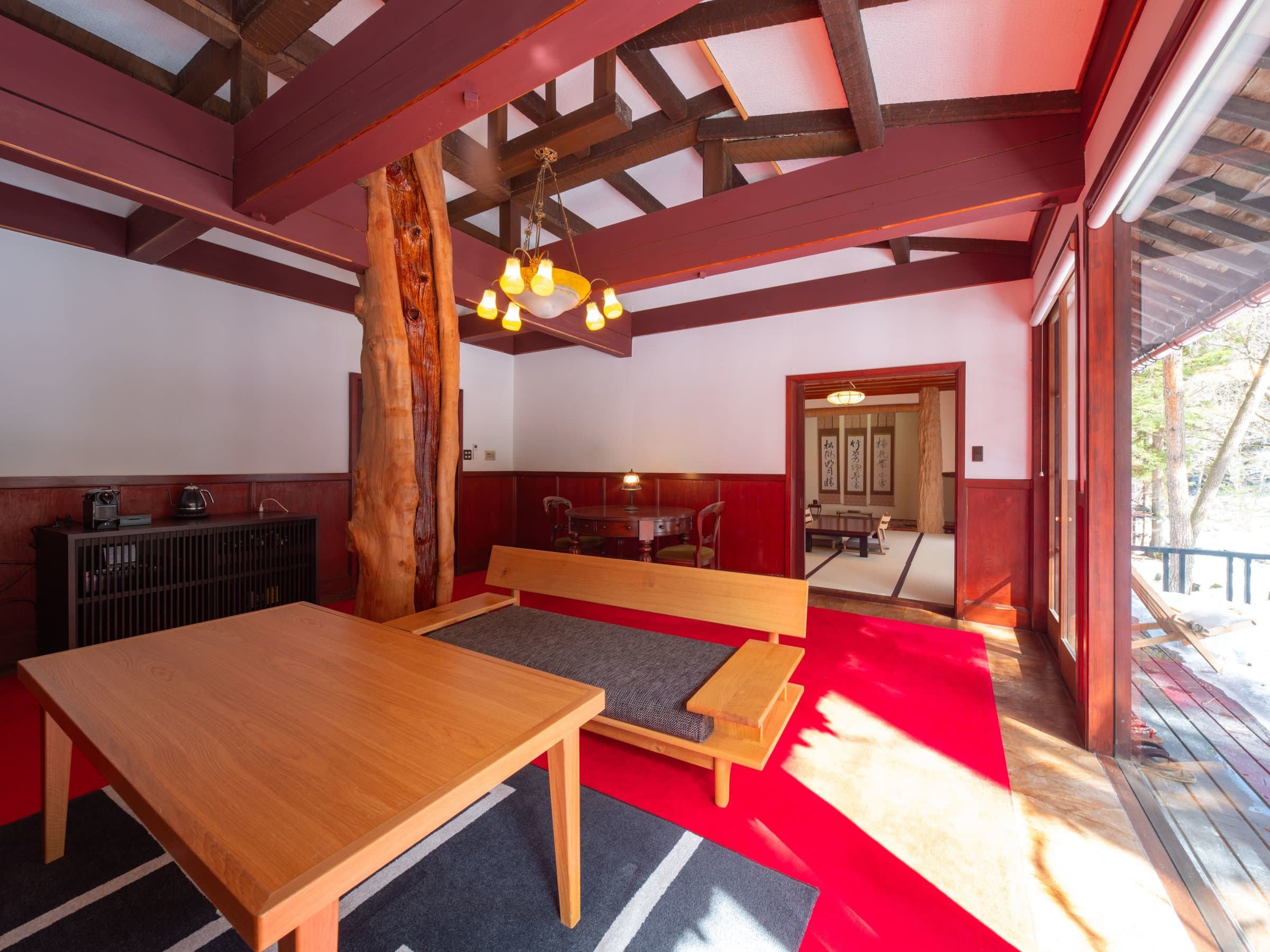
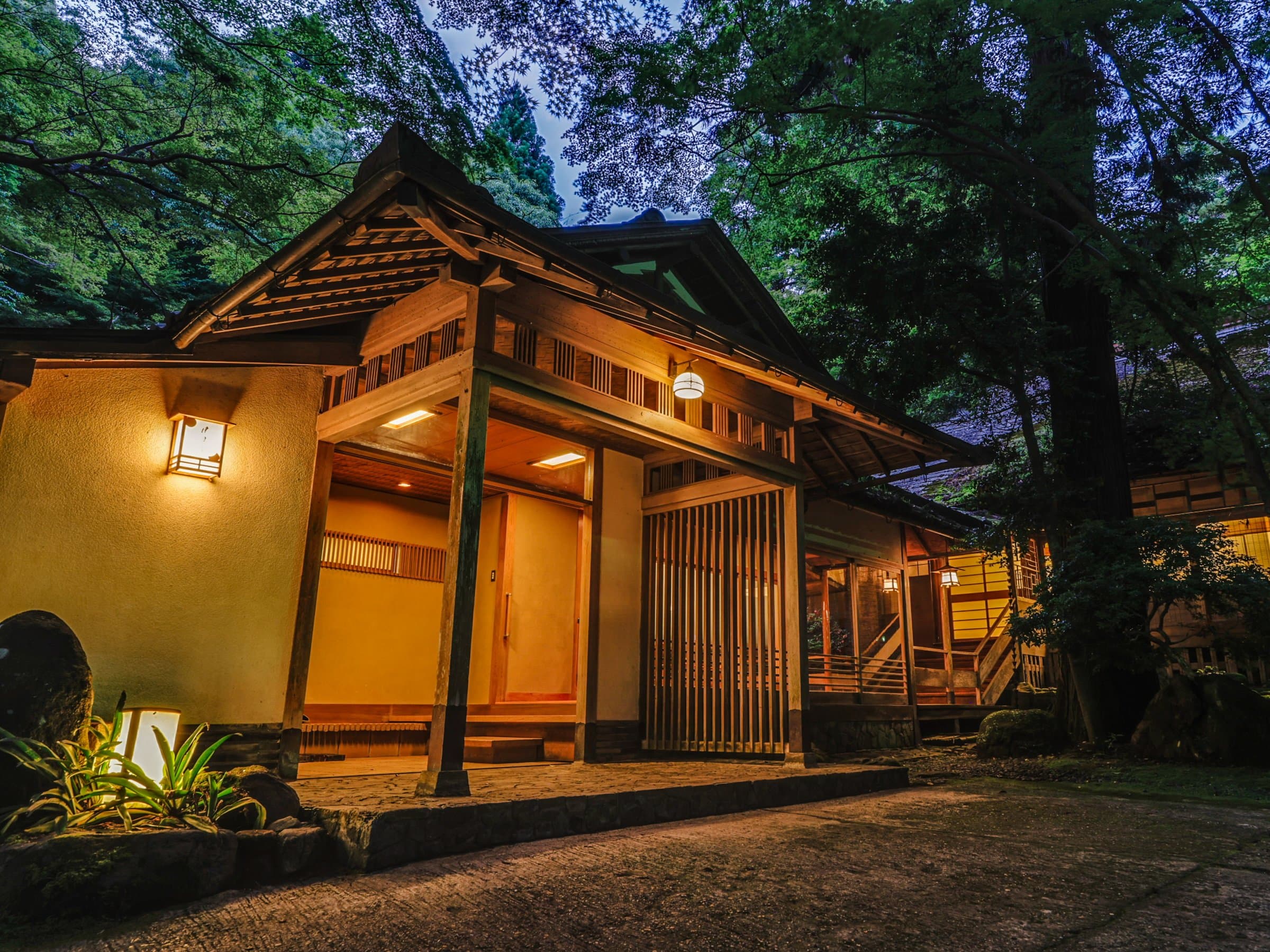
61,600日元起 · 每人每晚2人合计约123,200日元起

通过预订链接可能产生佣金,但不会增加您的费用。
FAQ
常见问题
在日本旅馆能吃无麸质吗?+
可以,前提是提前准备。请在抵达前至少一周以书面形式沟通,明确要求以溜酱油(不含小麦)代替标准shoyu、避免共用炸锅油、并确认味噌品牌。高野山宿坊和星野集团「界」物业是最可靠的入手类别。没有任何旅馆获得无麸质认证;来自厨房的书面确认是不可或缺的筛查步骤。
日本的酱油是无麸质的吗?+
标准日本shoyu不是无麸质的——它以约等比例的小麦和大豆酿造。溜酱油(たまり醤油)以极少或不含小麦生产,是应当提出的正确替代品。食用前请确认具体品牌,因为少数溜酱油产品含微量小麦。San-J和Marukin是广泛有售、在接近无小麦设施中生产的溜酱油品牌。
什么是精进料理?它是无麸质的吗?+
精进料理是日本佛教寺院料理——纯素、以植物为主,建立在豆腐、蔬菜、米饭和芝麻之上。它并非天生无麸质(仍使用shoyu),但其结构性的简洁使溜酱油替换更容易执行,交叉污染风险也低于标准怀石。高野山宿坊是在日本体验精进料理最便利的场所。
日本的味噌是无麸质的吗?+
取决于类型和品牌。以大豆和米制成的米味噌(kome miso)通常不含麸质。麦味噌(mugi miso)含麸质。许多市售混合味噌为增添风味加入大麦。请询问旅馆具体使用哪个味噌品牌、是否含大麦(ōmugi)。如无法确认,请要求以osuimono(清汤高汤)作为安全替代——每一家怀石厨房都做得出来。
我有乳糜泻,能在旅馆吃刺身吗?+
刺身(不带酱汁的生鱼)天然无麸质。随附的标准蘸酱是普通shoyu——含小麦。自备溜酱油小包代替即可。刺身本身安全,蘸酱不安全。上菜前请与厨房确认刺身的处理不涉及shoyu基底的腌制或挂汁。
如何用日语沟通无麸质需求?+
核心句是:グルテンフリー対応をお願いできます。醤油の代わりにたまり醤油(小麦不使用)を使っていただけますか。書面でご返答ください。(「请提供无麸质餐食。能否以溜酱油(不含小麦)代替普通酱油?请以书面形式回复。」)若患有乳糜泻,请加上小麦アレルギー(komugi arerugi——小麦过敏)以传达医疗严肃性。将它写进预订邮件,并打印一张卡片随身携带供餐厅使用。
乳糜泻旅行者需要了解旅馆的哪些交叉污染风险?+
四大风险:共用炸锅(裹小麦面衣的天妇罗污染炸油);与小麦面条共锅煮的荞麦面;添加大麦的味噌品牌;含小麦淀粉的市售高汤。请要求省略天妇罗课、避开共用煮面锅、确认味噌品牌,并询问厨房是否自制高汤。这些具体问题就是区分安全旅馆与风险旅馆的分水岭。
与旅馆沟通时,「gluten-free」和「小麦アレルギー」有什么区别?+
小麦アレルギー(komugi arerugi——小麦过敏)比泛泛的グルテンフリー(guruten furii——无麸质)更受日本厨房人员重视。过敏语言意味着医疗后果;无麸质可能被理解为一种生活方式偏好。如果你患有乳糜泻,两个词并用——グルテンフリー(小麦アレルギー)——能同时传达饮食类型和医疗风险。这种表述对乳糜泻是准确的,实际效果也是厨房回应更详尽。
日本有经认证的无麸质旅馆吗?+
截至2026年7月,日本没有任何旅馆持有等同于国际乳糜泻标准的公认无麸质认证。日本不运行经认证的无麸质设施标准。部分物业有详尽的过敏管理体系;预订邮件加书面确认的流程是唯一可靠的筛查机制。最有可能用心接待的类别是高野山宿坊和星野集团「界」品牌物业。
旅馆早餐需要单独提无麸质要求吗?+
需要——而且要明确提。怀石晚餐和早餐由不同班次的厨房制作,预先准备的时间窗口也不同。预订邮件中应包含专门针对早餐的一条:要求烤鱼改为盐烤(shio-yaki)而非酱油腌制、确认玉子烧的调味料、并询问渍物的卤水。请专为早餐准备几包溜酱油小包,用于纳豆酱包和早餐托盘上的任何调味小菜。
还在犹豫?
浏览日本旅馆Booking.com