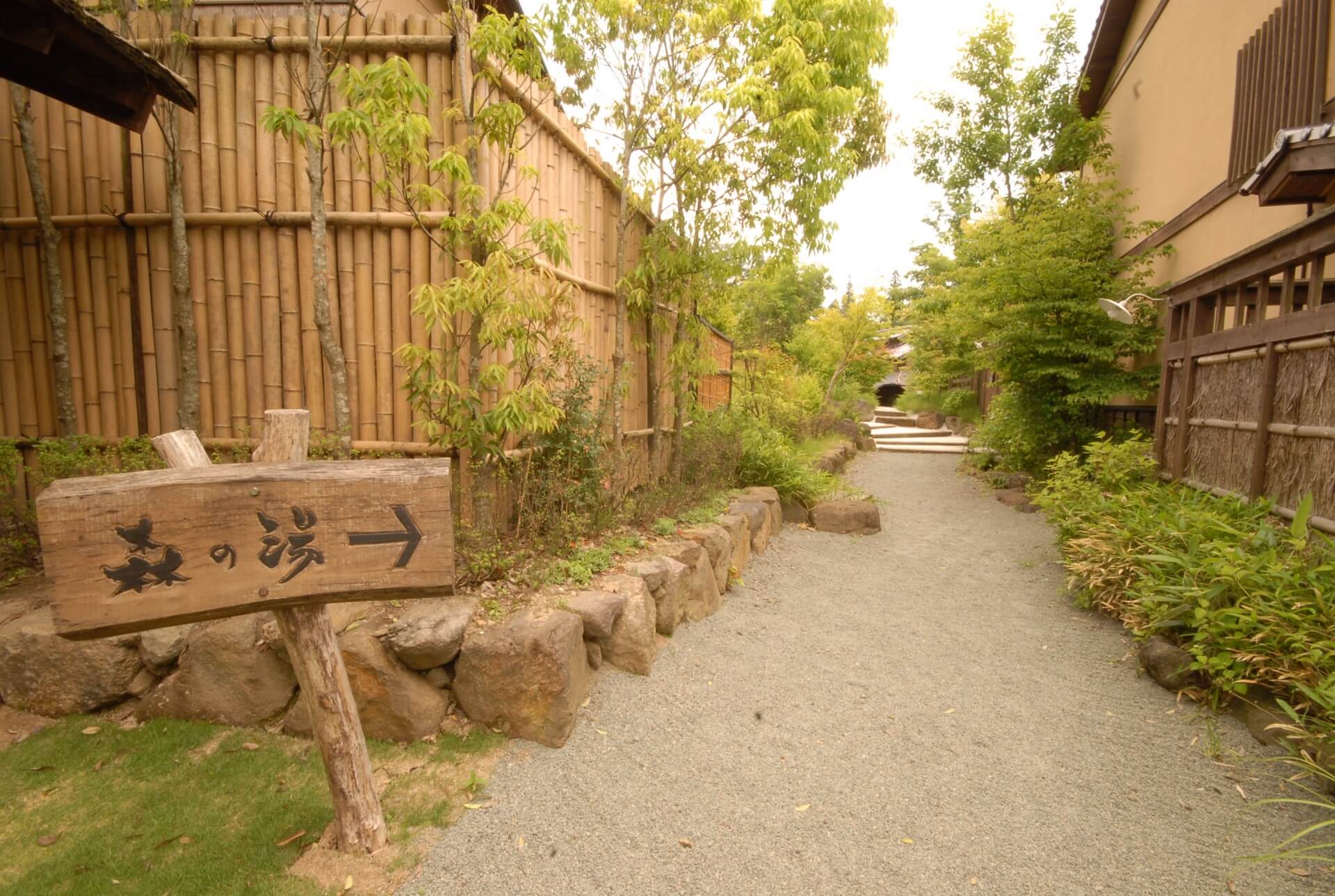
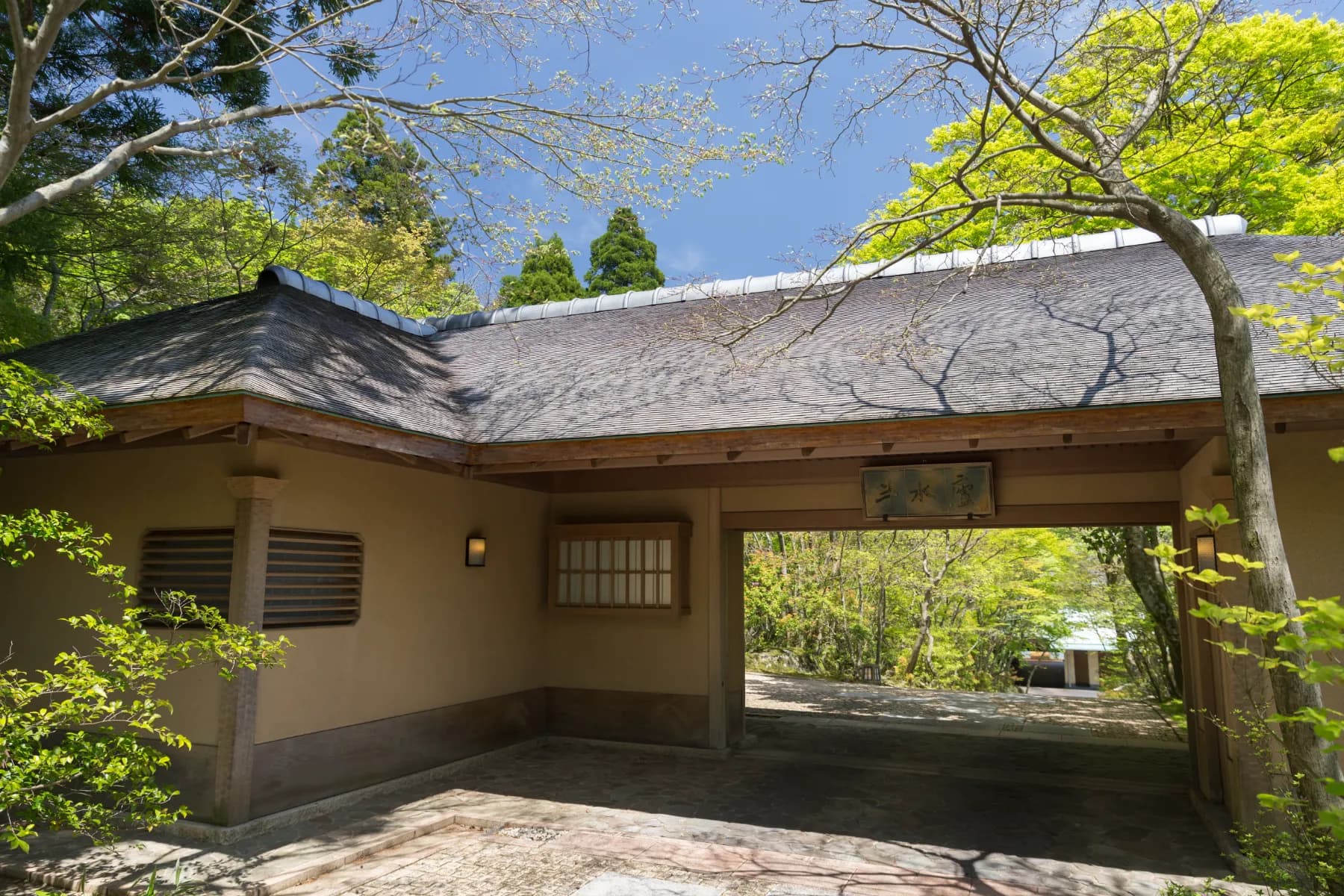
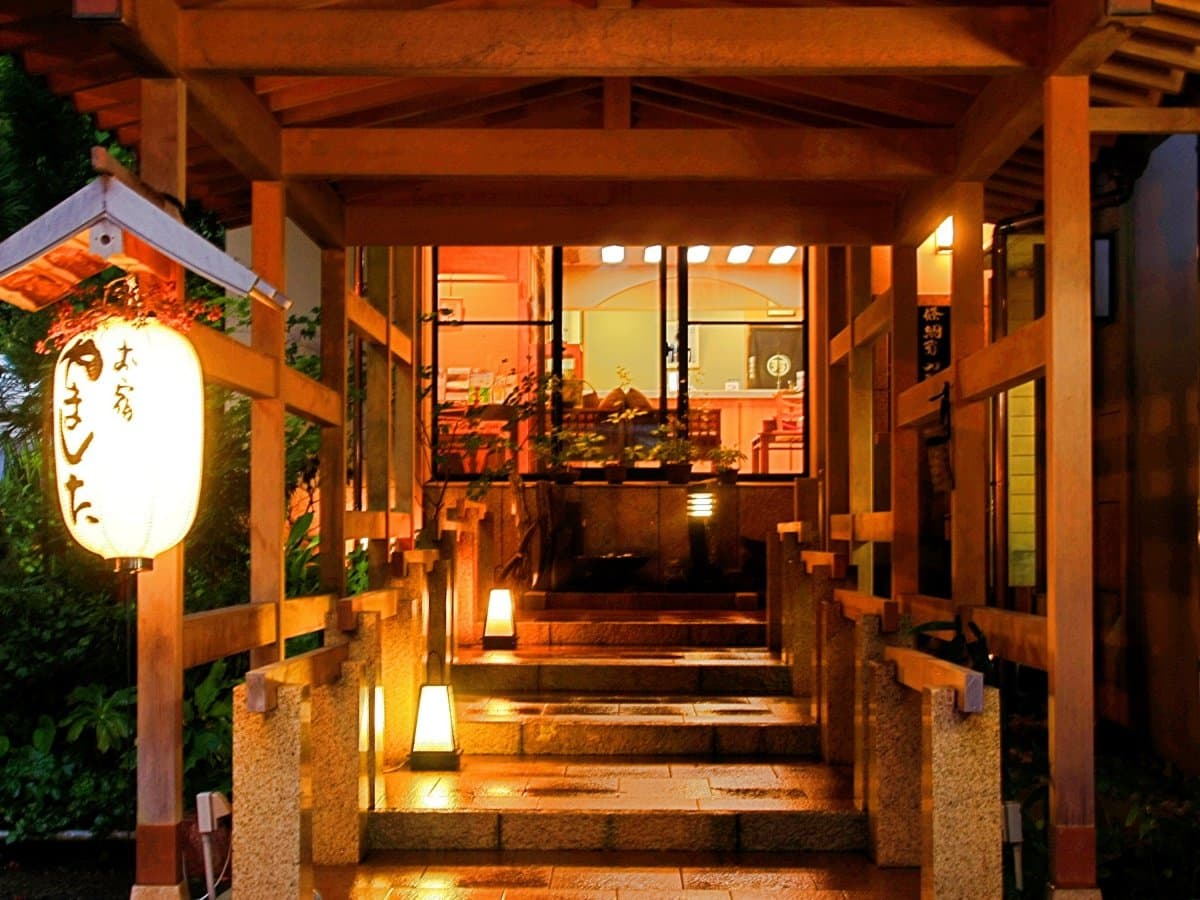
2026年7月更新。有望な話に入る前に、まず正直なところをお伝えします。グルテンフリー旅行者にとっての率直な答えはこうです:日本の旅館文化はもともとセリアックに優しくはないが、事前準備をすれば十分に対応可能になる。日本には国のグルテンフリー表示基準がありません。伝統的な宿の厨房は小規模で多目的です。そして最も重要なのは、すべてを静かに台無しにする食材——通常の日本の醤油——が小麦を使って醸造されていることです。
だからといって旅館を諦める必要はありません。必要なのは、大半の旅行ガイドが提供する以上の正確な情報を持って臨むこと。このガイドがその情報です。
2026年、グルテンフリー旅行者にとって何が変わったか
グルテンフリー旅館の状況は、2024年以降2つの重要な点で変化しました。
たまり醤油の入手性がほぼ全国区に。 2022年には、たまり醤油の調達に特別な業務発注が必要な旅館厨房もありました。2026年現在、San-Jのたまり醤油やマルキンのたまり醤油は、旅館厨房が週次配送で使う地方チェーンを含め、日本のほぼすべての主要スーパーで入手できます。実務的な意味:「たまり醤油は調達できない」という主張が通用する厨房は減りました。もし旅館が入手不可と言うなら、それは食材の問題ではなく厨房の意欲のシグナルです。
セリアック旅行者向けの出汁の整理。 よくある誤解:かつお節と昆布——出汁の2大素材——はどちらも天然にグルテンフリーです。出汁そのものはグルテンの問題ではなく、問題はその出汁で作った料理を味付けする醤油のほうです。出汁を丸ごと避けてきたセリアックの方は、不必要に選択肢を狭めています。正しいアプローチは、すべての味付けにたまり醤油を使うことを確認しつつ、昆布・かつお節出汁は安全として受け入れること。この区別は旅館の厨房とやり取りする際に重要です:在庫の変更ではなく、味付けの変更だけをお願いしているのだと伝わります。
京都のグルテンフリー懐石。 京都のおすすめ旅館は嵐山・伏見・東山といった仏教寺院エリアに隣接する地区に集中しており、精進料理のサプライチェーンが何世紀も稼働してきた土地です。つまり京都の宿はすでに小麦不使用の代替素材(胡麻、豆腐、柚子)を大量に仕入れています。日本の都市の中で、京都はラグジュアリー層で最もGF対応しやすい懐石厨房を擁しています。京都エリアページでは英語予約情報付きでエリア別に宿を掲載しています。
ハラールとグルテンフリーの両方が必要な旅行者へ:ハラール対応旅館ガイドでは、到着前の食事ヒアリングが最も体系化された宿を紹介しています。こうした宿はGFリクエストの扱いも平均より体系的な傾向があります。
早わかり比較:グルテンフリーが実際に成立する宿
7つの選択肢——文書化された食事対応プランを持つ1軒、書面での事前連絡で対応できる5軒、そして構造的に安全な1カテゴリー。区分は正直に付けています:「書面リクエスト対応」とは、認証済みという意味ではなく、予約プロセスを通じて厨房が柔軟対応を確認済みという意味です。交差汚染リスクはすべての商業施設に残ります。
| # | 旅館/カテゴリー | エリア | GF信頼度 | 料金目安(USD) | 事前連絡日数 | こんな人に |
|---|---|---|---|---|---|---|
| 1 | 界 鬼怒川 | 日光 | 公開された食事対応プラン — 界ブランド全体で標準化されたアレルギー管理システム | $520/泊 | 5日前 | 監査されたグループレベルのアレルギー管理プロセスを求める人 |
| 2 | 倭乃里(Wanosato) | 高山 | 書面リクエスト対応 — 山の幸中心の懐石、植物性ベース | $500/泊 | 14日以上 | ミシュランキー、全7室。揚げ物が少なく、たまり醤油切り替えに理想的 |
| 3 | あさば(Asaba) | 伊豆 | 書面リクエスト対応 — ルレ・エ・シャトー加盟。食事柔軟対応を確認済み | $600/泊 | 14日以上 | 1489年創業の名門ラグジュアリー。書面確認の対応実績が豊富 |
| 4 | 月日亭(Tsukihitei) | 奈良 | 書面リクエスト対応 — 精進寄りの厨房。たまり醤油切り替えの依頼が必要 | $400/泊 | 14日以上 | 森と寺院の空気感。伝統的な植物性料理の技法に精通した厨房 |
| 5 | 晴鴨楼(Seikoro) | 京都 | 書面リクエスト対応 — 町家の伝統懐石。出汁の変更にも対応可 | $300/泊 | 10日以上 | 京都中心部。食事リクエスト対応の実績がある老舗宿 |
| 6 | 高野山の宿坊(約52寺) | 和歌山 | 構造的に最も安全 — 仏教の教えに基づく植物性料理。たまり醤油の代替にも慣れている | ¥14,000–¥25,000/人 | 7日 | フライヤーなし・魚介のたれなし。全カテゴリー中で最もシンプルな交差汚染プロファイル |
| 7 | 界ブランド(全国どの施設でも) | 全国 | 公開された食事対応プラン — 全「界」施設で同じ標準化システム | $250/泊〜 | 7日以上 | 直前予約に最も対応しやすい。英語のアレルギー申告フォームあり |
Tip
GF信頼度の区分の読み方:
公開された食事対応プランは、グルテンフリーのゲストに対する厨房レベルの文書化されたプロセスを持つ宿——最も信頼できるカテゴリーです。書面リクエスト対応は、予約システムを通じて厨房が食事の柔軟対応を確認済みという意味で、十分な事前連絡があればたまり醤油に切り替えた懐石を提供できます。どちらの区分もGF認証を意味するものではなく、交差汚染リスクはすべての商業施設に残ります。セリアック病の場合(単なる過敏症ではなく)、この違いは重要です——予約メールで医学的なレベルを明示的に伝えてください。
醤油問題:なぜ標準の懐石はグルテンフリーではないのか
醤油——標準的な日本の醤油——は、小麦と大豆をほぼ同量使って醸造されます。これは旅館では周辺的な食材ではありません。懐石料理の土台となる調味料です。お椀は醤油で味を調え、たれは醤油をベースに作られる。漬け込みだれも、照りも、豆腐にかかるドレッシングも、お造りのつけだれも——伝統的な懐石の厨房では、そのすべてがデフォルトで醤油です。
外国人ゲストに食事制限がある場合、旅館が最もよく提示する対応は「一品を外す」こと——蟹を抜く、甲殻類を鶏に替える、といった方法です。このアプローチはグルテンには通用しません。懐石の流れから醤油だけを取り除くことはできないのです。醤油は目に見える食材としてではなく、料理の味そのものを決める調味料として、ほぼすべてのコースに分子レベルで存在しています。
これこそが、不安な一夜を過ごす旅行者と、安全で美味しい食事を楽しむ旅行者を分ける洞察です。問題は「日本食」ではありません。問題は厨房にある特定の調味料の瓶であり、その瓶は交換できるのです。
Tip
セリアック病について特に:日本にはEUの表示基準である20ppmのグルテン閾値に相当する制度がありません (EUR-Lex (European Union))。ある料理が「明らかなグルテン食材を含まない」としても、共用の調理面・出汁・調味料により汚染リスクは現実に存在します。フロントでの口頭ではなく、必ず書面でやり取りしてください。
懐石のどこにグルテンが潜むか——コース別ガイド
標準的な懐石は決まった流れのコースで構成されます。それぞれのコースでグルテンのリスクプロファイルが異なります。席に着く前にメニューを読み解く方法を紹介します。
先附——アミューズ。 季節の一口料理が多く、里芋の一切れ、酢の物、風味付けした味噌のひと塗りなど。ここでのリスクは味噌ペースト(麦味噌が含まれる可能性)と、醤油で味付けした小さなソースやジュレ。たまり醤油への切り替えで調味のリスクはカバーされます。味噌の種類は別途確認を。
八寸——季節の盛り合わせ。 季節のテーマを打ち出すコースで、大きな漆盆に小さな料理が並びます。〆た魚、出汁で炊いた小さな煮物、漬物、時に揚げ物が含まれます。煮物は醤油出汁で照りをつけるので、たまり醤油の切り替えで対応可。揚げ物は、フライヤー油の交差汚染を避ける必要があるレベルなら別途申告を。
向付——お造り。 生魚は天然にグルテンフリー。添えられる醤油のつけだれはそうではありません。たまり醤油の小袋を持参して代わりに使うか、自分のコースにはたまり醤油のみを出すよう厨房に伝えてください。お造りの仕立てそのもの(通常は丁寧な包丁仕事のみで漬け込みなし)は安全です。
焚き合わせ——煮物。 根菜、豆腐、季節のタンパク質を、醤油・みりん・時に酒で味付けした出汁で炊きます。たまり醤油の切り替えが最も効果を発揮し、かつ厨房にとって最も実行しやすいコースです。良い旅館の厨房なら、煮汁にたまり醤油を使うだけで済みます。
焼き物——焼きのコース。 通常はメインのタンパク質:焼き魚、鶏、牛。グルテンリスクは漬け込みだれと照りにあります。照り焼き系のたれは醤油ベース。西京焼きの味噌漬けには大麦を含む可能性のある麦味噌が使われることも。依頼内容:たまり醤油ベースの漬け込み、またはシンプルに塩焼き。塩焼きは最も確実なGF調理法で、厨房の作り替えも不要です。
揚げ物——天ぷら。 懐石の流れ全体で最大の交差汚染リスクです。小麦の衣をつけた天ぷらは、フライヤーに入るすべてのものと同じ油で揚げられます。あなた用に衣なしの一品を別に作ってくれても、共用のフライヤー油が汚染を運びます。最もシンプルな解決策:揚げ物のコースを省き、焼き物か蒸し物に替えてもらうこと。ほとんどの旅館の厨房は嫌がらずに応じてくれます。
蒸し物——蒸しのコース。 多くは茶碗蒸し——鶏、三つ葉、銀杏などの具が入った、なめらかな卵の蒸し料理です。卵地は出汁と——デフォルトでは——薄口醤油で味付けされます。ここでのたまり醤油切り替えは簡単。具材(特に鶏や小さな魚介)には薄い醤油の下味がついていることがあるので、すべての要素にたまり醤油を指定してください。
御飯——ご飯のコース。 白い日本の短粒米はグルテンフリー。付け合わせ——漬物、佃煮、ふりかけ的なもの——はそうとは限りません。漬物は醤油ベースの漬け汁に漬けられていることが多い。塩だけの漬物を頼むか、味付けされた付け合わせは外してもらいましょう。
味噌汁。 下の味噌のセクションを参照。出汁のベースはGF的に安全で、変数は味噌の種類です。味噌の銘柄確認を依頼するか、不明ならお出汁だけの汁物を頼んでください。
水菓子/和菓子——デザート。 季節の果物は安全。和菓子——お茶に添えられる繊細な餅ベースの菓子——は通常グルテンフリーで、米粉(上新粉や白玉粉)、砂糖、餡から作られます。その品に小麦粉が使われていないかは確認を。伝統的な和菓子の大半は米ベースで安全です。
Tip
リクエストできる中で最もインパクトの大きい変更はこれです:揚げ物(天ぷら)のコースを焼き物に差し替えること、そしてすべての醤油系調味料にたまり醤油を使うことを確認すること。この2つの依頼で、標準的な懐石の流れにおけるグルテンリスクの大半に対処できます。それ以外——お造り、白ご飯、果物のデザート——はもともと低リスクです。
たまり醤油スワップ:懐石をグルテンフリー化するたったひとつのフレーズ
たまり醤油は、小麦をほとんど、あるいはまったく使わずに醸造される醤油——日本の中部地方に伝わる伝統的な製法で (TasteAtlas)、江戸時代に標準となった小麦主体の醤油よりも古い形です。日本の主要なたまり醤油ブランド(San-J、マルキンなど)の多くは、小麦不使用またはほぼ不使用の設備で製造されています。味は標準の醤油よりコクがあってやや濃厚、旨味も深い。調理で1対1の代替として使えば、仕上がりはほとんど変わりません。
朗報:たまり醤油は日本のほぼすべてのスーパーで入手できます。グルテンフリーのゲストに対応したい旅館の厨房は、特別な食材を調達する必要はありません。たまり醤油を1本買い、あなたの食事の調理に標準の醤油の代わりに使うだけです。十分な事前連絡——通常は1週間以上、理想は2週間——を添えて伝えれば、まったく無理のない依頼です。
これを可能にするフレーズは:
Tip
予約メールに含めるべきバイリンガルの一文:グルテンフリー対応をお願いできます。醤油の代わりにたまり醤油(小麦不使用)を使っていただけますか。共用フライヤーや麦添加味噌の利用を避けたいです。書面でご返答ください。
(英語訳: "Please accommodate a gluten-free diet. Can you use tamari soy sauce [wheat-free] instead of regular soy sauce? I would also like to avoid shared fryer oil and miso that contains barley. Please respond in writing.")
このフレーズは英語ではなく日本語で、食事リクエストの中心として送ってください。旅館の厨房スタッフやフロントは英語が限られることが多いですが、日本語の書面リクエストは丁寧に読んでくれます。「たまり醤油」と名指しで明記し、書面での回答を求めることで、漠然とした好みを言う観光客ではなく、医学的な必要を伝える真剣な大人だというシグナルになります。
確認は必ず書面で求めてください(書面でご返答ください)。厨房に確認していないかもしれないフロントスタッフの口頭の「はい、大丈夫ですよ」は、料理長や女将からの書面での確認とは別物です。必要なのは後者です。
「小麦アレルギー」という言葉について: 日本の厨房の文脈では、「グルテンフリー」と言うより「小麦アレルギー」と伝えるほうが真剣に受け止められることが多いです。アレルギーという言葉は厨房スタッフに別のメンタルモデルを起動させます——ライフスタイルの好みではなく、医学的な影響を意味するからです。セリアック病であれば、アレルギーという枠組みで伝えることは正確かつ実利的です。両方使ってもかまいません:グルテンフリー(小麦アレルギー)対応をお願いできますか。括弧の追記にコストはなく、より明確に伝わります。
交差汚染の現実:到着前に知っておくべきこと
旅館がたまり醤油への切り替えに同意しても、いくつかの交差汚染リスクは残ります。これは仮定の話ではなく、伝統的な日本の厨房の運用に組み込まれた構造的な特徴です。
共用フライヤー。 多くの懐石には天ぷらや揚げ物のコースが含まれます。旅館の厨房の揚げ油は、小麦の衣をつけた天ぷらとフライヤーに入るその他すべてのもので、まず間違いなく共用されています。その油で揚げた品は、品自体に小麦が入っていなくても交差汚染のリスクを帯びます。揚げ物のコースは省くか、焼き物への差し替えを依頼してください。
そば・うどんの共用釜。 朝食や軽めのコースでそばを出す旅館があります。そばの実(蕎麦粉)は天然にグルテンフリーですが、日本のそばはほぼ必ず小麦粉が配合されています——通常20〜30%が標準です (Wikipedia (Soba))。さらに重要なのは、そばやうどんを茹でる釜が他の麺類と共用であること。十割そばでさえ、共用の茹で湯から小麦の汚染を受けます。
大麦入り味噌。 標準的な味噌は大豆と米または大麦から造られます。麦みそは特に大麦ベースで、西日本で一般的です。白味噌や合わせ味噌でも、風味付けとして大麦を加えるブランドがあります。厨房にどの銘柄の味噌を使っているか、大麦が含まれているかを尋ねてください。確認できない場合は味噌なしの出汁の汁物をリクエストしましょう。
出汁。 旅館の出汁の多くは昆布とかつお節から取られ、どちらも天然にグルテンフリーです。ただし市販の出汁の素や出汁パックには、増量剤として小麦デンプンを含むものがあります。出汁を一から引く旅館のほうが、市販品を使う旅館より安全です。確認を。
正直な結論: 日本にグルテンフリー認証済みの旅館厨房は存在しません。セリアックにとって交差汚染は現実的なリスクです。たまり醤油の切り替えと上記の質問でリスクは大幅に減らせますが、ゼロにはなりません。グルテン過敏症ではなく重度のセリアック病の旅行者にとって、この違いは重要です。
味噌問題:最も見落とされるグルテンの変数
味噌には独立したセクションが必要です。丁寧なグルテンフリーガイドですら、旅行者向けのアドバイスで最も見落とされているポイントだからです。
標準的な日本の味噌は、大豆を塩と、穀物を培地にした麹(こうじ)で発酵させて造られます。この培地の穀物こそが変数です:
- 米味噌:大豆+米麹。大半の製品で天然にグルテンフリー。東日本(東京を含む)で最も一般的な味噌。
- 麦味噌:大豆+麦麹。グルテンを含む。 西日本(九州、関西の一部)や、業務用の合わせ味噌の一部で一般的。
- 豆味噌:大豆のみ、穀物麹なし。天然にグルテンフリー。主に中部地方(名古屋・愛知)で生産され、八丁味噌が代表例。
- 合わせ味噌:米味噌と麦味噌のブレンドが多い。麦の成分があるため、セリアックレベルのGFには不適。レストランや旅館の厨房で非常に一般的。
厄介なのは、多くの旅館の厨房が単一の判別可能な味噌を使っていないことです。卸業者が宿の味に合わせて調合したブレンド味噌を使っており、そのブレンドの穀物構成が表示されることはほとんどありません。「どの味噌を使っていますか?」と聞くと、答えは本当に「うちの合わせ味噌です」かもしれない——そこで二段目の質問が必要になります:「そのブレンドに麦(大麦)は入っていますか?」
大麦不使用を確認できない場合、最も安全なのは味噌汁をお吸い物(出汁のみの汁物)に替えてもらうことです。これは懐石ではよく理解された代替で、お吸い物は昆布やかつお節の出汁に小さな吸い口を添えた、それ自体が伝統的な椀物のコースです。
Tip
リクエストするなら最も安全な味噌: 味噌を差し替えではなく確認で乗り切りたい場合は、八丁味噌か米味噌を名指しでリクエストしてください——どちらも大麦を含まない大豆ベースです。どちらも厨房になければ、汁物としてお吸い物(出汁のみ)をリクエストしましょう。お吸い物はどの懐石厨房でも作れる、決して珍しくない依頼です。
セリアックとグルテン過敏症:予約メールはどこまで厳密に書くべきか
グルテンを避ける人全員が同じ医学的リスクを抱えているわけではありません——予約メールは、デフォルトで最も極端なバージョンではなく、あなたの実際の必要レベルを反映すべきです。深刻さを誇張すると、アレルゲン対応を真剣に行う厨房を疲弊させかねません。逆に控えめに伝えすぎると、安全でない食事につながります。
グルテン過敏症(非セリアック・グルテン過敏症、NCGS)。 一定量のグルテン摂取で症状が出ますが、免疫反応はセリアック病と同じではありません。追加の交差汚染対策なしでも、たまり醤油の切り替えだけで十分な可能性が高いです。共用フライヤーの油、市販出汁の微量小麦、境界線上の合わせ味噌は、ごく低レベルであればおそらく許容範囲です。予約メールではたまり醤油をリクエストすべきですが、緊急度は下がります。
セリアック病。 共用の調理面からの微量を含む、あらゆるグルテン摂取が腸の損傷を引き起こす自己免疫疾患です (Coeliac UK)。セリアックの旅行者には、交差汚染チェックリストの全項目が重要です:共用フライヤー、そば釜、味噌の種類、市販出汁。下記の完全版バイリンガルメールテンプレートを使い、グルテンフリーに加えて小麦アレルギーと明記し、各ポイントの書面確認を取ってください。
小麦アレルギー。 セリアックともNCGSとも異なり、アナフィラキシーの可能性があるIgE介在性の免疫反応です。過去に重度の反応を起こしたことがあるなら、厨房の交差汚染リスクへの対応はセリアックと同じです。加えて、緊急用の薬(抗ヒスタミン薬、処方があればエピペン)を携行し、食事中に薬へアクセスできることを確認し、予約メールだけでなく到着時にもフロントにアレルギーの状態を伝えてください。
レベル別のメール文面:
- NCGS: 「小麦を含む食品が体質に合わないため、醤油の代わりにたまり醤油を使用いただけますか」
- セリアック病: 「グルテンフリー(セリアック病)対応をお願いします。小麦アレルギーと同等の対応が必要です。書面でご確認ください。」
- 重度の小麦アレルギー: 「重度の小麦アレルギーのため、小麦・小麦粉が含まれる食品、調理器具、調理油の共用を厳重に避けていただく必要があります。緊急の医療対応が必要になる可能性があります。書面での確認をお願いします。」
実際の医学的状況に合ったレベルを使ってください。具体性は真剣さを伝えます。曖昧さは伝えません。
Tip
実効性のあるシグナルテスト: 予約メールを送り、返信を観察してください。セリアックのリクエストを真剣に受け止める厨房は、具体的な詳細で返信します——「醤油はすべてマルキンのたまり醤油を使用します、フライヤーはお客様のお食事の調理前に清掃します、当館の味噌は米味噌であることを確認しました」のように。「できる限り対応いたします」だけの返信は、リクエストが丁寧に処理されていません。返信して具体的な質問をもう一度尋ね、2回目の回答もまだ曖昧なら、それを判断材料に加えてください。
高野山の宿坊:グルテンフリー旅行者のデフォルトの安全牌
日本のあらゆる宿泊カテゴリーの中で、グルテンフリーのニーズに最も自然に合致するのは、同時に日本で最も特別な旅の体験のひとつでもあります:和歌山県・高野山の宿坊です。
高野山は日本の真言密教の中心地で、816年に空海(弘法大師)が開いて以来、宗教的聖域であり続けてきた100以上の寺院が集まる山上の町です (Wikipedia (Kūkai))。そのうち約50の寺院が宿泊を受け入れており (Koyasan Shukubo Association)、伝統的な寺院の部屋に泊まり、朝のお勤めに参加でき、夕食と朝食は精進料理——仏教の菜食料理——です。
精進料理こそ、高野山がグルテンフリー旅行者に機能する構造的な理由です。 仏教寺院の料理は肉と魚を避けるため、豆腐、野菜、胡麻、米、漬物、澄んだ野菜出汁を主体に組み立てられます。精進料理の厨房でも醤油は使われますが、たまり醤油への代替はよく理解された概念です——高野山の寺院は何十年も海外からのゲストを受け入れており、グルテンフリーのリクエストを経験済みの寺も多いのです。
さらに重要な点:精進料理には天ぷらがない(あっても野菜天のみで、厨房は簡単に省けます)、魚介懐石に多い小麦の重いたれや照りがない、タンパク質のコースで共用フライヤーに頼らない。料理の構造的なシンプルさが、多品目のタンパク質を扱う懐石に比べて交差汚染リスクを大きく下げます。
高野山は日本で訪れる価値のある唯一の目的地ではありませんが、グルテンフリーの旅行者が日本の旅程を組むなら、食の安全以外の理由でもリストに入れるべき場所です。夜明け前に起きてお勤めに参加し、線香の煙が漂う杉並木の奥之院を朝焼けの中歩く体験は、日本の旅の中でも他に類がありません (Japan National Tourism Organization)。
Tip
高野山宿坊の予約のコツ:高野山宿坊協会の英語予約ポータル(shukubo.net)を使うか、各寺院にメールで直接予約を。予約時の備考欄にグルテンフリーの要件を明記し、到着1週間前にメールでフォローアップしてください。恵光院(Eko-in)、福智院(Fukuchi-in)、蓮華定院(Rengejo-in)はいずれも英語対応スタッフがおり、海外からの食事リクエストの対応経験があります。宿泊は朝夕2食付きで1泊1名およそ¥14,000–¥25,000です。
日本でGF対応しやすい地域
日本のどこでも、グルテンフリー旅行者にとって難易度が同じというわけではありません。地方の食文化が重要なのは、それがデフォルトの厨房の在庫を決めるからです。
京都——最もGF対応しやすい。 前述の通り、京都は仏教寺院エリアに近く、精進のサプライチェーン(胡麻、豆腐、柚子、山菜)がすでに旅館の厨房に整っています。京都は特注なしでたまり醤油を常備している可能性が最も高い日本の都市でもあります。GF旅行者にとっては、寺院観光が何世紀も続いてきた嵐山と東山のエリアが、事情に通じた厨房スタッフに出会える確率が最も高いゾーンです。
奈良——第二グループ。 ここも仏教寺院の伝統の土地。奈良の懐石には精進の影響を強く受けた厨房が少なくありません。月日亭(下記のおすすめ参照)が最も分かりやすい例で、春日町やならまち周辺の独立系旅館も検討の価値があります。
箱根・伊豆——まちまち。 魚介中心の懐石の伝統は、たれや照りへの依存度が高く、ソースが複雑になりがちです。しかし海外ゲストの比率が高いため、食事リクエストの受け入れに慣れた宿が多いのも事実。界 箱根とあさば(伊豆)が最も確実に検証済みの選択肢です。
高山・飛騨地方——過小評価されている。 岐阜県の山の料理は、甲殻類や濃厚な照りではなく、保存野菜、豆腐、山菜、川魚を主体とします。味付けの構成がシンプルなので、たまり醤油への切り替えがより素直に機能します。倭乃里が最もよく文書化された例ですが、飛騨古川や高山エリアの他の宿にも問い合わせる価値があります。
東北(仙台・銀山温泉・蔵王)——準備して臨む。 東北の味噌の伝統は西日本以上に麦味噌を多用するため、味噌確認の質問がより重要になります。沿岸部の魚介懐石は複雑になりがち。不可能ではありませんが、GFリクエストへの厨房の慣れは平均的に低めです。
北海道——乳製品は多いが構造的には対応可能。 北海道の食は乳製品(バター、牛乳、クリームがフュージョン料理に登場)で有名ですが、中核の食材——蟹、鮭、とうもろこし、ラム——は天然にグルテンフリーです。醤油の問題は同じく存在しますが、味付けの構成は京都の懐石よりいくぶんシンプル。たまり醤油のリクエストは明確に伝わり、交差汚染リスクは他と同様です。
編集部のおすすめ:グルテンフリー対応の旅館(2026年)
以下の宿は、当サイトの検証済みデータセットの中で、食事の柔軟対応が文書化されている唯一の商業旅館です——公開されたアレルギー対応プランなど、各宿の公式情報を通じて。ご予約前に必ず各宿へ直接ご確認ください。ここに載っているすべての宿は、適切な事前連絡があればグルテンフリーのリクエストに対応できます。ただしいずれもGF認証済みではなく、交差汚染リスクは残ります。このガイド全体で使っている正直な言い方をすれば:これはGF認証インフラのない国における最善の選択肢であって、保証ではありません。
このガイドの範囲外となる一般的なアレルギー対応(甲殻類、卵、胡麻など)については、食物アレルギー対応旅館ガイドをご覧ください。
1. 界 鬼怒川(日光)——公開された食事対応プラン、最も体系的なGFプロセス
界 鬼怒川は、日光・鬼怒川温泉の渓谷にある星野リゾートの宿です。界ブランドの中でもGF旅行者にとって最もアクセスしやすい入口で、全「界」施設で運用される標準化されたアレルギー管理システムは予約フローにアレルゲン申告フォームが組み込まれており、英語サポートも一貫して利用できます。
ここでの「公開された食事対応プラン」の意味:星野リゾートの界ブランドは、施設ごとの場当たり対応ではなく、ネットワークレベルのアレルゲン管理プロトコルを運用しています。予約フォームでセリアックやグルテン過敏症を申告すると、リクエストは初めてその依頼を受けるフロントスタッフではなく、同種のリクエストを処理した経験のある厨房チームにルーティングされます。文書は標準化され、たまり醤油への代替は既知のオペレーションであり、受け取る書面確認は即興ではなく厨房のチェックリストから生成されます。
正直な限界: これはGF認証済みの厨房ではありません。共用の調理面と旅館厨房という環境そのものにより、交差汚染リスクは残ります。界のシステムは当サイトのデータセット内のどの商業旅館よりもそのリスクを減らしますが、ゼロにはしません。アレルゲン申告フォームを利用するには(OTA経由ではなく)直接予約を。$300/泊〜、7日以上前の連絡が必要です。
Tip
界は星野リゾートのミドルレンジブランドで、英語サポートと標準化された予約プロセスが備わっています。予約後に連絡する際は、一般的な食事リクエストではなく、アレルゲン申告フォームを名指しで参照してください——「セリアック/グルテンフリーのゲストとしてアレルゲン申告プロセスを完了したい」と。これでメッセージが正しい担当部署にルーティングされます。
2. 倭乃里(高山・岐阜)——山の懐石、植物性中心、理想的なGF環境
倭乃里(Wanosato)は高山の北、飛騨古川にある全7室の宿で、築160年の合掌造りの農家屋敷を使っています。懐石は山で採れる天然の山菜——わらび、ぜんまい、山の幸——を軸に組み立てられ、植物性中心で揚げ物を最小限に抑える料理哲学は、商業旅館の中でグルテンフリー対応に最も自然に適合する一軒です。$500/泊〜、14日以上前の連絡が必須。
倭乃里のGF面での強み:ここの懐石は、沿岸の懐石に比べて揚げ物のコースや濃厚な魚介の照りへの依存が少ないこと。食事の中心は山菜の煮物、軽く味付けした川魚(鮎、山女魚)、豆腐料理——いずれもたまり醤油ベースの味付けにきれいに置き換わります。採集した最小限の加工の食材を志向する厨房なので、小麦が潜みうる既製のソースや漬けだれも少なめです。
ここでの対応はリクエストベースの確認であり、常設メニューとして公開されているわけではありません。厨房は予約プロセスを通じてベジタリアンや食事制限のあるゲストへの柔軟対応を確認しています。完全版のバイリンガルメールテンプレートを最低14日前に送ってください。全7室の規模ゆえ、料理長がすべてのメールを自ら読む——これがあなたに有利に働きます。
Tip
飛騨古川は高山から電車で15分北——高山市街より静かで、日帰り客も少なめです。倭乃里は紅葉シーズン(10月中旬〜11月中旬)にすぐ満室になります。GFゲストは14日前連絡の要件があるため、紅葉のピーク日程なら遅くとも10月上旬までに予約を。
3. あさば(修善寺・伊豆)——ルレ・エ・シャトー、セリアック対応の書面確認実績
あさば(Asaba)は1489年創業で、ルレ・エ・シャトーに加盟——深い料理の伝統と、オーダーメイドの献立を実行できる厨房の余力の両方を示す組み合わせです。グルテンフリー対応は14日以上前の書面リクエストで可能。1名$600/泊〜。公式のやり取りを通じてGFゲストへの食事柔軟対応を確認済みです。
セリアック旅行者にとってのあさばの特筆すべき強みは、書面での対応の質です。到着前のメール返信は、二度促されることなくアレルゲンの詳細に一貫して書面で踏み込んできます——たまり醤油の在庫確認、コースごとの変更内容の明示、そして天ぷらのコースは焼き物に差し替えると自らフラグを立てる。この種の先回りした詳細な返信は、真剣な食事リクエストを処理した経験があり、その含意を考え抜いた厨房であることの診断材料です。
正直なトレードオフ:この価格帯(季節と部屋タイプにより1泊2名でおよそ¥90,000–¥180,000)では、この種のコミュニケーションに割ける顧客対応の予算が存在するカテゴリーの旅館だということです。ここの厨房の心配りは格別です。しかしそれでも伝統的な旅館の厨房であり、GF専用施設ではありません。
4. 月日亭(奈良)——精進寄り、厨房の深いコミットメント、14日前必須
月日亭(Tsukihitei)は奈良の森に包まれた山腹に建ち、周辺一帯には仏教寺院の伝統が色濃く残ります。厨房は精進スタイルに寄っており——基本の方向性が植物性中心——標準のレパートリーに、グルテンフリー調理と自然に相性の良い技法と食材(胡麻豆腐、根菜の煮物、澄まし汁)が含まれています。$400/泊〜、14日以上前の連絡が必要。
グルテンフリー旅行者にとっての鍵は厨房の哲学です。精進料理にすでに熟達した料理人は、動物性タンパク質なしのレシピを何年もかけて磨いてきており、醤油を抜き取るのが最も難しい複雑な魚介の照りや照り焼き系の調理への依存が自然と少ない。ここでのたまり醤油への代替は、厨房がすでにやっていることに概念的に近いのです。
正直な限界:月日亭の標準の懐石は、かつお節ベースの出汁と通常の醤油による味付けを今も使っています——精進の方向性は影響であって、デフォルトのメニューではありません。たまり醤油への切り替えを明示的に依頼し、味噌の種類を確認し、フライヤーの状況を尋ねる必要は依然あります。14日前は最低ラインで、3週間前ならなお良いです。
5. 晴鴨楼(京都)——町家の伝統懐石、京都中心部の立地
晴鴨楼(Seikoro)は京都中心部にある伝統的な町家スタイルの宿——濃い色の木材、低い天井、石畳の玄関。懐石は季節の技で高い評価を得ています。標準メニューはかつお節出汁と通常の醤油を使うため、どちらも事前連絡で切り替えてもらう必要があります。10日以上前、$300/泊〜。
晴鴨楼をGF面で推す理由は建築的ではなく実利的です。京都中心部という立地は、夕食の簡素化が必要になった場合(一部のコースが省略・差し替えになった場合)でも、補完の食事のために京都で最もGFナビゲートしやすいレストランの選択肢まで徒歩圏内だということ。厨房は予約プロセスを通じて食事リクエストの対応を確認済みです。
京都の旅館全体の状況については、京都のおすすめ旅館ガイドがエリア別の完全な内訳をカバーしています。
6. 高野山の宿坊(約52寺)——フライヤーゼロ、構造的に最もシンプルなGFカテゴリー
ラグジュアリーな旅館体験よりも、可能な限り低い交差汚染プロファイルを求めるグルテンフリー旅行者にとって、答えは高野山の宿坊です。ここでは植物性の料理が特別リクエストではなく構造的なデフォルトです。約52の宿坊はすべて精進料理——教義によりあらゆる動物性食品を排する、古来の仏教の僧院料理——を提供します。
商業旅館に対する交差汚染面のアドバンテージ:揚げ物のコースがない(小麦の衣で汚染されたフライヤーというシナリオがそもそも存在しない)、甲殻類や肉の調理が調理面を共有しない、そしてシンプルな植物性食材を精密に扱うことを軸にした料理哲学。たまり醤油への代替は、仏教の食の厳密さと日々向き合う精進の料理人にとって概念的に馴染みのあるものです。
それでも、予約した宿坊が味付けに標準の醤油ではなくたまり醤油を使ってくれるかは書面で確認が必要です——これがGF上必要な唯一の確認事項——加えて味噌の種類も尋ねてください。とはいえ、グルテンリスクの総面積はどの商業旅館よりも小さい。これは断言できます。料金:2食付き(夕食・朝食)で1泊1名¥14,000–¥25,000。
GF対応を確認してくれる可能性が高い旅館のカテゴリー
GF認証済みの旅館は存在しません。変わるのは、真剣な食事リクエストに応える能力と意欲です。以下のカテゴリーは、丁寧な書面回答と思慮深い厨房の変更対応を受けられる可能性が最も高い——保証ではありませんが、確率は大きく上がります。
専用の食事リクエストシステムを持つ、アレルギー対応に習熟した大手ブランド。 星野リゾートの界ブランドは、ネットワーク全体で運用される標準化されたアレルギー管理プロセスを持ち、予約システムに食事リクエスト欄が組み込まれています。界の英語予約ワークフローは、到着前に医学的な食事ニーズを伝える手段として、日本の旅館運営会社の中で最も構造化されています。界 箱根、界 鬼怒川、界 由布院、界 熱海が最もアクセスしやすい出発点です。GF認証済みの界施設は存在しません——予約後にメールで確認を。
英語のアレルギー申告フォームを備えたモダンラグジュアリー宿。 2015年以降に開業・改装したプレミアム旅館や和風ホテルの多くが、構造化されたアレルギー申告プロセスを導入しています。典型的には、具体的なアレルゲンのチェックボックスがある事前フォームで、到着前に厨房へ送られます。問い合わせ時に直接尋ねてください:「書面でのアレルゲン申告プロセスはありますか?」——「はい」なら、この問題を体系的に考えてきたカテゴリーの宿です。
高野山の宿坊 —— 前述の通り、精進料理のシンプルさと植物性中心の性質により、グルテンフリーのゲストにとって構造的に最も安全なカテゴリーです。
豆腐懐石専門の旅館。 京都と奈良には、豆腐懐石を専門とする旅館が少数あります。こうした宿は豆腐料理を軸にメニューを組み立てるため、GF対応を難しくする濃厚な魚介の照りへの依存が減ります。代替メニューとして「京野菜懐石」を提供する京都エリアの旅館は、GF対応しやすい厨房を持っていることが多いです。
グルテンフリー対応旅館の予約:連絡期限、直接予約、そしてOTAの備考欄が機能しない理由
事前連絡の期限は形式ではありません——旅館の厨房が専用のたまり醤油を調達し、仕入れ先と原材料リストを確認し、料理長とコースごとの変更を計画するのに必要な時間です。
OTAの特別リクエスト欄が機能しない理由。 予約プラットフォーム(Booking.com、Expedia、楽天トラベルの「アレルギー備考」欄でさえ)は、食事リクエストを汎用のテキスト欄経由でルーティングし、それは通常、宿のOTA窓口担当に届きます——厨房ではなく。食事の調理に関する意思決定が行われるのは厨房です。あなたのリクエストが厨房の会話に上がる頃には、到着前日かもしれないし、永遠に上がらないかもしれない。予約確認メールが伝えるのはOTAがリクエストを受け取ったことであって、厨房がそれを読んだことではありません。
正しいプロセス: 1. 旅館を好みのチャネルで予約する(支払いと部屋の確保はOTAで問題なし)。 2. 旅館の直接のメールアドレスを見つける(通常、OTAの掲載ページではなく公式サイトに載っています)。 3. 完全版のバイリンガル予約メールテンプレート(下記)を旅館の直接のアドレスに送る。 4. 件名に予約確認番号を含める。 5. 5営業日以内に実質的な返信がなければ、電話かメールでフォローアップする。
予約プラットフォームの選び方については、旅館予約6サイト比較ガイドが直接予約・OTA・代理店予約のトレードオフをカバーしています。
バイリンガル予約メールテンプレート
予約後、このテンプレートをメール本文として使ってください。到着の10〜14日前までに送信を。5日以内に書面の返信がなければフォローアップし——返信がないこと自体を危険信号として扱ってください。
実効性を持つのは日本語のパートです。両方の言語を含めて送ってください。
Tip
Subject line: Dietary Request — Gluten-Free / アレルギー対応のお願い
English: Dear [Ryokan Name] Team,
I have a booking for [dates, room type, number of guests]. I have celiac disease and require a strictly gluten-free diet. I am writing to confirm that the kitchen can accommodate this.
My specific requests are: 1. Please use tamari soy sauce (wheat-free) instead of regular shoyu in all dishes prepared for me. 2. Please avoid shared frying oil with wheat-battered items — I cannot eat dishes cooked in the same oil as tempura. 3. Please confirm the miso brand used and whether it contains barley (mugi). If barley miso is used, please substitute plain dashi broth. 4. Please confirm whether dashi is made from scratch or from commercial stock, and whether the stock contains wheat starch.
Please respond in writing, confirming each point with specifics rather than a general assurance. I look forward to your reply.
---
Japanese: [旅館名]ご担当者様
[日付、部屋タイプ、人数]で予約しております。セリアック病(グルテンフリー・小麦アレルギー相当)のため、事前にお食事の対応についてご確認させてください。
1. 醤油の代わりにたまり醤油(小麦不使用)をすべてのお料理にご使用いただけますか。 2. 天ぷら等と共用のフライヤーを使用した揚げ物は避けたいと思います。揚げ物コースを省いていただくか、焼き物に変更いただけますか。 3. ご使用の味噌のブランドと、麦(大麦)が含まれているかをお知らせください。麦みその場合は、お吸い物(お出汁のみ)への変更をお願いします。 4. お出汁は手作りでしょうか、市販の出汁パックをお使いでしょうか。市販品の場合、小麦澱粉が含まれていないかご確認ください。
各項目について、具体的な書面でのご返答をお願いします。ご対応いただけますようよろしくお願いいたします。
良い返信の例:厨房がたまり醤油の在庫を確認し、どのコースを変更するかを明示し、安全に変更できない品(天ぷらのコースなど。焼き物への差し替えを申し出てくれる)にフラグを立てる。ここまで詳細な返信なら、リクエストが料理長に届いたと分かります。
悪い返信の例:「できる限り対応させていただきます」。これは厨房と連絡を取っていないかもしれないフロントスタッフからの、善意ではあるが不十分な返信です。返信して具体的な質問をもう一度尋ね、料理長に直接確認してもらうよう依頼してください。
上記の具体的なポイントへの書面のコミットメントが得られない場合は、その旅館がセリアック旅行者にとって正しい選択なのか再考を。予約メールは単なるリクエスト以上のもの——あなたの審査ツールです。
初めての方向けに、旅館のチェックインとコミュニケーションの流れ全般については、はじめての旅館ガイドが仲居さんの仕組みと到着時のニーズの伝え方をカバーしています。
正直な限界:GF旅館滞在でそれでも起こりうる失敗
書面確認と正しい宿選びをしても、繰り返し起こる失敗パターンが4つあります。
スタッフの交代と厨房→配膳係の伝達切れ。 食事を運ぶ仲居さんが、あなたの食事リクエストの説明を受けていないことがあります。料理長から受け取った書面確認が、あなたの食事に触れるすべての人に自動で伝わるわけではありません。チェックイン時にフロントにリクエストを再度伝え、その晩の厨房に確認してもらってください。2週間前に送ったメールがまだ皆の頭にあるとは思わないこと。
コース差し替えの物足りなさ。 安全に変更できないコース(天ぷらや、分解できない醤油の照りの料理)を差し替える場合、代替品が簡素になりがちです——手の込んだ揚げ物の代わりに、シンプルな温野菜の鉢が出てくる、というように。これは欺瞞ではなく、厨房が能力の限界まで手を伸ばしている結果です。期待値をそれに合わせて調整してください:差し替え後の食事は標準の懐石よりシンプルになる可能性があります。
たまり醤油の銘柄ばらつき。 すべてのたまり醤油が小麦不使用というわけではありません。ごく一部の日本のたまり醤油ブランドは微量の小麦を含みます。セリアック病レベル(過敏症ではなく)で食事をするなら、使用するたまり醤油の瓶を見せてもらい、ラベルを自分で確認してください。San-J オーガニックたまりとマルキンのたまり醤油はほぼ小麦不使用の設備で製造されています。知らないブランドは確認を。
朝食と夕食の違い。 夜の懐石のほうが変更しやすいことが多いです。旅館がプレミアムな提供物と位置づけ、厨房の注意を多く注ぐ食事だからです。朝食——味噌汁、焼き魚、玉子焼き、各種小鉢——はより短時間で、下準備も少なく組み立てられます。たまり醤油の確認は両方の食事をカバーすべきです。夕食レベルの心配りが朝食に自動で及ぶとは考えないでください。
朝食と夕食:なぜ朝食には別の確認が必要か
GF旅館プランニングの大半は懐石の夕食に焦点を当てます——それには理由があります。夕食こそプレミアムな食事で、料理長が最も注意を払い、事前連絡が最も効果を発揮する場だからです。しかし旅館の朝食は、別の厨房シフトによる別の調理で、より短時間で組み立てられ、食前の計画時間も少ない。
標準的な旅館の朝食(朝食)には通常こんな品が並びます:焼き魚、ご飯、味噌汁、玉子焼き(薄い醤油の照りが付くことが多い巻き卵)、納豆、漬物、海苔。それぞれについて:
- 焼き魚:漬け込みや照り付けが普通。漬けだれに醤油やみりん醤油が入るか尋ね、GF的に安全なのは塩焼きです。
- 味噌汁:前述と同じ、味噌の種類の質問を。
- 玉子焼き:甘い巻き卵はみりん醤油の照りが付くことが多い。味付けなしの卵か温泉卵への差し替えをリクエストしてください。
- 漬物:醤油ベースの漬け汁に漬かっていることが多い。標準の漬け汁に醤油が入っている場合は、塩漬けの野菜をリクエストしましょう。
- 納豆:それ自体は天然にグルテンフリー。添付の醤油タレの小袋はそうではありません。たまり醤油の小袋を持参して代用を。
- 海苔:天然にGF。安全です。
- 白ご飯:天然にGF。安全です。
予約メールでは、夕食だけでなく朝食を明示的に別項目として扱ってください。日本語テンプレートにこれを追加します:朝食についても同様のグルテンフリー対応をお願いします。特に、焼き魚のたれ・玉子焼きの調味料・漬け物の漬け汁に小麦が含まれていないかご確認ください。
Tip
朝食版のたまり醤油スワップ: 朝食用に、たまり醤油の小袋を3〜4袋持参してください。納豆の醤油タレ、焼き魚のつけ皿、朝のお膳に載る味付きの小鉢——すべて自分のたまり醤油で補えます。朝食シフトの説明が夕食チームほど行き届いていなくても、これで朝はカバーできます。
持ち物:たまり醤油の小袋、Nimaセンサー、非常用スナック
丁寧な事前連絡をしても、個人用のGF安全キットを持参するのは賢明です。持参したいアイテムを挙げます。
トラベルサイズのたまり醤油の小袋。 San-Jとヤマサはどちらも個包装のたまり醤油——寿司のテイクアウト用に売られているのと同じ製品——を製造しています。日本の食料品店やAmazon Japanで入手可能。10〜15袋持っていきましょう。レストランや懐石のコースで、厨房が忘れていたり通常の醤油に置き換えられていたりしても、自分の分がある。コンビニでも、ポケットのたまり醤油をかけたご飯一杯が安全な一食になります。
Nimaセンサー。 Nimaポータブルグルテンセンサー(国際的に入手可能)は、米粒サイズの食品サンプルを約2分で20ppmまでのグルテン検査ができる小型デバイスです (MIT News)。万能ではなく——液体や発酵食品の汚染は見逃すことがあります——が、固形の料理については追加のデータポイントを提供します。日本での主な価値は旅館の外のカジュアルな食事です:ラーメンのスープ、うどん、コンビニの包装食品。
安全な日本の非常用スナック。 日本のコンビニ商品の多くは天然にグルテンフリーです:おにぎり(シンプルな具のもの——具に醤油漬けの食材が入っていないか確認し、味付きタンパク質のものは避ける)、シンプルな米菓(塩味のあられや煎餅。たまり味と表示されたもの)、個包装の餅。旅館の食事の合間、普通のレストランを渡り歩く日のために、1日分の安全なスナックを携行しましょう。
印刷した日本語のアレルギーカード。 Japan Allergy Cardは主要なアレルゲンを日本語で列挙しています。手書きのメモで具体的な懸念を補足してください:小麦、醤油、麦(大麦)。
薬。 どれだけ注意しても、交差汚染は起こります。いつものセリアック用の薬のセットを持参してください。日本の薬局には輸入品の抗ヒスタミン薬や一部の胃腸薬がありますが、あなた専用の処方薬は必ず自分で携行を。
旅館滞在全般の持ち物については、旅館の持ち物リストガイドが宿に備え付けられているものをカバーしているので、持っていく必要のないものが分かります。
コンビニと食品表示のサバイバル:旅館の食事の合間のGFナビゲーション
懐石の夕食と夕食の間、あなたは日本のコンビニ、市場、カジュアルなレストランを渡り歩くことになります。GF旅行者が最悪の一日を過ごすのはここです——事前準備をした旅館ではなく、駅の立ち食いそばや、英語メニューもメールを送る時間もないラーメン店で。
日本のアレルゲン表示制度。 日本は包装食品について8つの特定原材料(小麦、卵、乳、えび、かに、落花生、そば、クルミ)の表示を義務付けています。小麦(こむぎ)は表示必須です。包装食品のラベルでは、アレルゲンのまとめ行(アレルギー物質含む)に「小麦」の文字を探してください。日本のメーカーの包装商品については、この制度は信頼できます (Consumer Affairs Agency Japan)。
制度がカバーしないもの。 レストランの料理、コンビニのデリ商品(レジ横のホットスナック、店内調理のおにぎり)、小規模な独立生産者の食品には、義務表示がない場合があります。コンビニのホットスナックコーナー——おでん、コロッケ、中華まん——はほぼ無表示で、複数のグルテンリスクを含みます。
安全なコンビニリスト:
- 包装済みのおにぎり:アレルゲン行に小麦の表示がなければ安全。ツナマヨ、梅干し、昆布おにぎり、塩むすびは概ね安全。鶏の漬け込み系や照り焼き系の具は醤油を含むことが多い。
- 個包装の餅や大福:大半は米粉ベースでGF的に安全。アレルゲン行を確認。
- 塩茹で枝豆:素材そのまま、味付けなし、常に安全。
- 塩味の煎餅:アレルゲン行を確認。醤油を使うブランドもある。
- フルーツカップと果物そのもの:常に安全。
- 果汁100%ジュース:安全。複雑な添加物リストのある「果実風味」飲料は避ける。
リスクの高いコンビニリスト:
- ホットケースの揚げ物全般(唐揚げ、コロッケ、揚げまんじゅう):共用フライヤー、小麦の衣、無表示。
- 照り焼き・タレ系の具のサンドイッチやおにぎり。
- カップ麺とインスタントラーメン:ほぼ必ず小麦を含む。例外は明示的に表示されたライスヌードル製品のみ。
- 味噌汁の即席パック:味噌の種類を確認してから購入を。
旅館の食事の合間のレストランでは: 焼肉(自分で焼くスタイル)は最もGFナビゲートしやすいレストランタイプのひとつです——肉は天然にGFで、たまり醤油のつけだれをリクエストできます。回転寿司も、醤油用にたまり醤油の小袋を携行すればナビゲート可能。ラーメン、うどん、そばは高リスクで、ライスヌードルか十割そばのオプションを明示する店以外は避けるのが賢明です。
Tip
暗記すべき4つの表記: 小麦(こむぎ)、大麦(おおむぎ)、たまり、小麦不使用。ラベルやメニューで見分けられるこの4つの文字列で、日本のGFナビゲーション場面の大半をカバーできます。
最終チェックリスト:グルテンフリー旅館旅行のゲームプラン
このガイドの内容はすべて、GF旅館を予約するたびに実行できるひとつのシーケンスに集約されます。高野山の宿坊でも、伊豆のルレ・エ・シャトー加盟宿でも、手順は変わりません。
Tip
予約前:
- 上記のおすすめから宿を選ぶ。交差汚染プロファイルを最小にしたいなら高野山の宿坊を
- 事前連絡の期限を確認(最低7〜14日。繁忙期のハイエンド懐石なら3週間以上)
- 構造化されたアレルゲン申告プロセスがある宿(界ブランド)か、直接メール連絡が必要な宿かをメモする
予約時:
- バイリンガルメールテンプレート(英語+日本語)を、OTAのメッセージシステムではなく旅館の直接のメールアドレスに送る
- 含める内容:すべての醤油をたまり醤油に代替/揚げ物コースの省略または差し替え/味噌の銘柄確認/出汁の確認(手作りか市販か)
- 「できる限り対応します」という一般論ではなく、各項目を明記した書面確認を求める
- セリアックレベルの必要性で小麦アレルギーという表現を使う場合は、その旨を明示する
到着1〜2日前:
- 厨房の準備が整っているか、メールか電話で旅館に再確認
- たまり醤油の小袋、Nimaセンサー(使うなら)、印刷した日本語アレルゲンカード、薬をパッキング
チェックイン時:
- フロントスタッフに食事の要件を対面で再度伝える
- その晩のサービスについて厨房に確認してもらうよう依頼する
- 2週間前のメールの内容が、食事を運ぶ仲居さんに共有済みだとは思わないこと
懐石の夕食中:
- 可能ならたまり醤油の瓶を目視で確認する
- 想定外のコースが出てきたら、食べる前に仲居さんに厨房への確認を頼んでまったく問題ない
- 説明が行き届いた仲居さんはあなたの制限を把握している。そうでなければ確認が必要になる
よくある質問
日本の旅館でグルテンフリーの食事はできますか?
はい、事前準備をすれば可能です。決定的なステップは、到着の1週間以上前に書面で連絡し、標準の醤油の代わりにたまり醤油(小麦不使用)の使用、共用フライヤー油の回避、味噌の銘柄確認を具体的にリクエストすることです。明確に、前もって依頼すれば、多くの旅館が対応できます。高野山の宿坊と星野リゾートの界のような大手ブランドの宿が、最初に検討すべき最も信頼できるカテゴリーです。
日本の醤油はグルテンフリーですか?
標準的な日本の醤油はグルテンフリーではありません——小麦と大豆をほぼ同量で醸造しています。たまり醤油は小麦をほとんど、あるいはまったく使わずに造られており、グルテンに敏感な旅行者の多くにとって安全です。ごく一部のたまり醤油製品には微量の小麦が含まれるため、口にする前に銘柄を確認してください。
精進料理とは何ですか?グルテンフリーですか?
精進料理は日本の仏教寺院の料理——ヴィーガンで植物性中心、豆腐・野菜・米・胡麻を土台とします。本質的にグルテンフリーというわけではありません(醤油は使われます)が、その構造的なシンプルさ——揚げたタンパク質がない、魚介の照りがない、複雑なソースが最小限——により、たまり醤油への代替が実行しやすく、交差汚染リスクも標準の懐石より低くなります。日本で精進料理を体験する最もアクセスしやすい場は高野山の宿坊です。
日本のレストランにはグルテンフリーの選択肢がありますか?
日本にはレストラン向けの標準化されたグルテンフリー認証・表示制度がありません。アレルギー対応メニューを開発中の旅館や新しいレストランもありますが、例外的な存在です。最善の戦略は、到着前に日本語の書面で連絡すること、たまり醤油の小袋を携行すること、そして旅館の外で食べるときは、シンプルな焼き物、白ご飯、つけだれなしのお造り(または自分のたまり醤油で)、枝豆を優先することです。
日本の味噌はグルテンフリーですか?
銘柄と種類によります。大豆と米から造られる米味噌は通常グルテンフリー。麦味噌はグルテンを含みます。市販の味噌には複数の種類をブレンドし、風味付けに大麦を加えるものが多くあります。旅館にどの銘柄の味噌を使っているか、大麦が含まれるかを尋ねてください。確認できない場合は、出汁のみの汁物が安全な代替です。
セリアックでも旅館でお造りは食べられますか?
お造り(たれなしの生魚)は天然にグルテンフリーです。日本でお造りに添えられる標準のつけだれは通常の醤油——小麦を含みます。自分のたまり醤油の小袋を持参して代わりに使ってください。お造りそのものは安全で、つけだれが安全でないのです。
グルテンフリーの必要を日本語でどう伝えればいいですか?
中心となるフレーズは:グルテンフリー対応をお願いできます。醤油の代わりにたまり醤油(小麦不使用)を使っていただけますか。書面でご返答ください。 このフレーズを予約メールに使い、レストラン訪問用に印刷したカードを携行してください。
セリアック旅行者が旅館で知っておくべき交差汚染リスクは?
主なリスクは4つ:共用フライヤー(小麦の衣の天ぷらが油を汚染する)、小麦入りの麺と共用の釜で茹でられるそば、大麦を加える味噌の銘柄、小麦デンプンを含む市販出汁。天ぷらコースの省略、共用の麺釜の回避、味噌の銘柄確認、出汁を一から引いているかの確認をリクエストしてください。この具体的な質問群が、安全な旅館とリスクのある旅館を分けます。
日本にグルテンフリー認証を受けた旅館はありますか?
2026年7月時点で、国際的なセリアック基準に相当するグルテンフリー認証を持つ旅館は日本に存在しません。日本はGF認証施設の制度自体を運用していません。詳細なアレルギー管理システムを持つ宿はありますが、このガイドで説明した予約メールと書面確認のアプローチが、旅行者に使える唯一の信頼できる審査手段です。
旅館とのやり取りで「グルテンフリー」と「小麦アレルギー」はどう違いますか?
日本の厨房スタッフには、一般的な「グルテンフリー」より「小麦アレルギー」のほうが真剣に受け止められます。アレルギーという言葉は医学的な影響を意味し、グルテンフリーは好みと受け取られることがあるからです。セリアック病であれば、両方の言葉を併用してください——グルテンフリー(小麦アレルギー)——食事の種類と医学的な深刻さの両方が伝わります。この表現はセリアック病について正確であり、実利的にも厨房からより良い回答を引き出せます。
ご予約はこちら
人気の旅館から選んで予約
予約サイトごとの空室・料金を見比べてください。




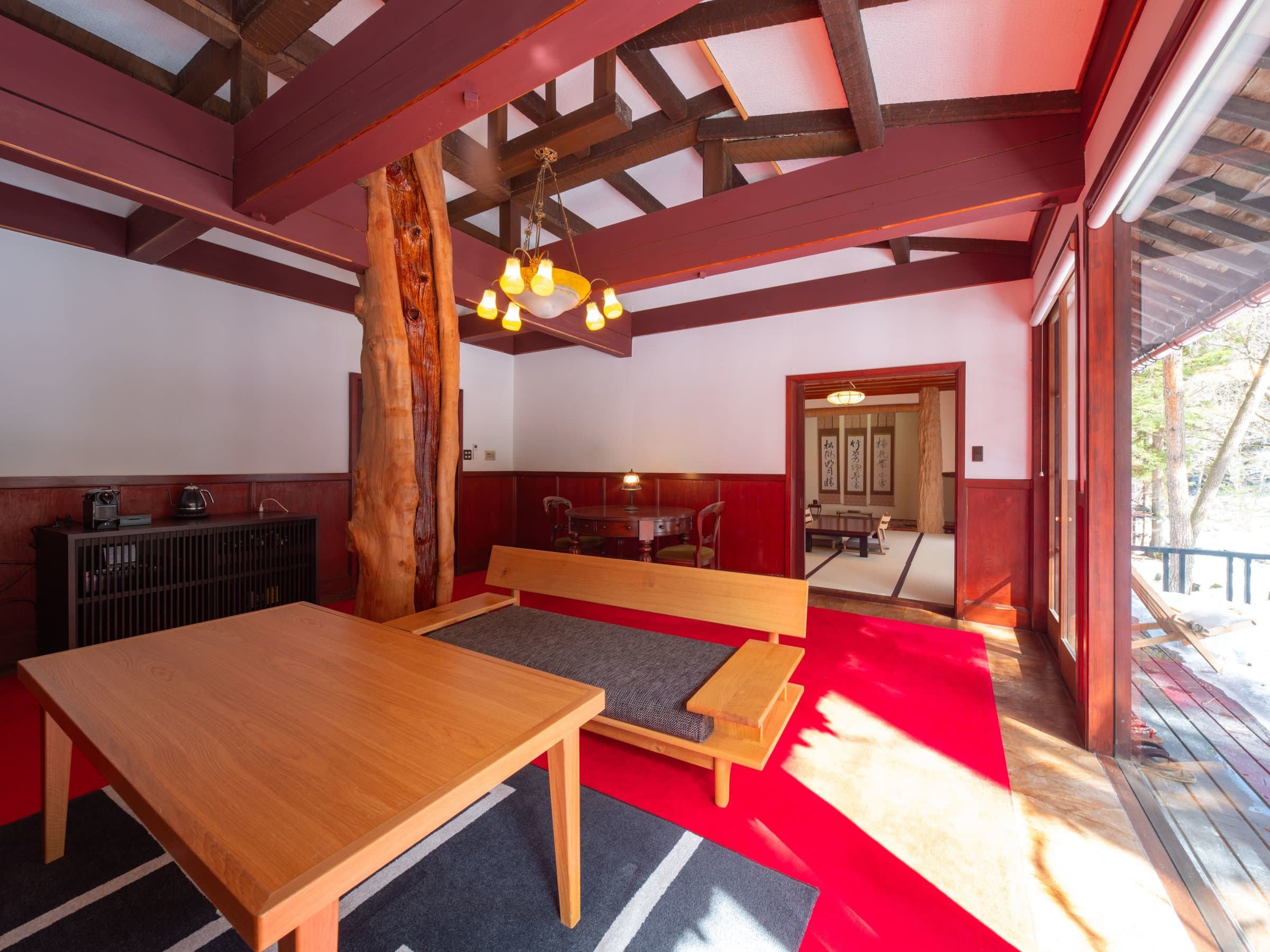
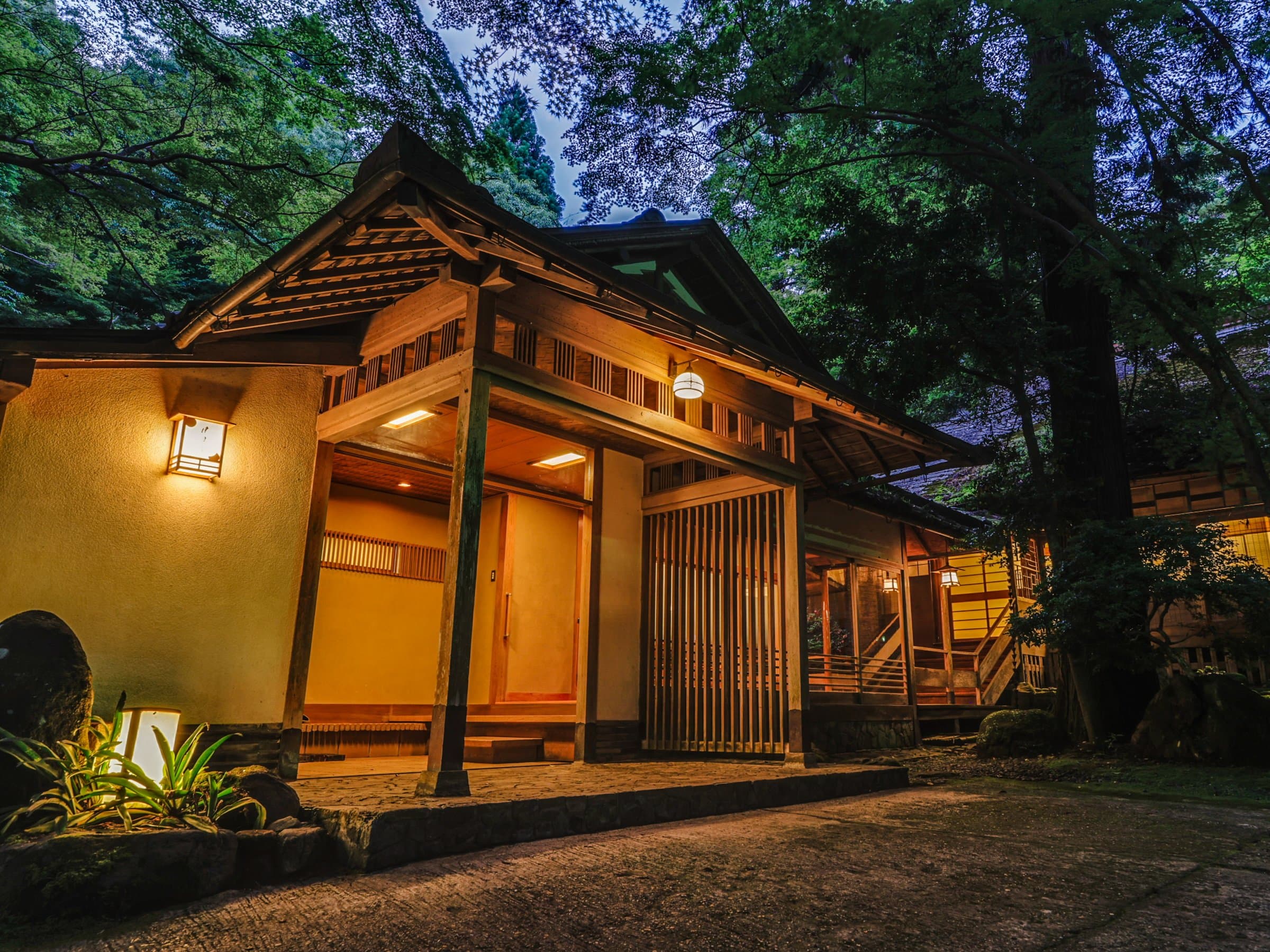
¥61,600〜 · 1名・1泊あたり2名で計 約¥123,200〜

予約リンク経由で手数料が発生する場合がありますが、追加費用はかかりません。
FAQ
よくあるご質問
日本の旅館でグルテンフリーの食事はできますか?+
はい、事前準備をすれば可能です。到着の1週間以上前に書面で連絡し、標準の醤油の代わりにたまり醤油(小麦不使用)の使用、共用フライヤー油の回避、味噌の銘柄確認を具体的にリクエストしてください。高野山の宿坊と星野リゾートの界の施設が、最初に検討すべき最も信頼できるカテゴリーです。GF認証済みの旅館は存在せず、厨房からの書面確認が必須の審査ステップです。
日本の醤油はグルテンフリーですか?+
標準的な日本の醤油はグルテンフリーではありません——小麦と大豆をほぼ同量で醸造しています。たまり醤油は小麦をほとんど、あるいはまったく使わずに造られており、リクエストすべき正しい代替品です。ごく一部のたまり醤油製品には微量の小麦が含まれるため、口にする前に銘柄を確認してください。San-Jとマルキンは、ほぼ小麦不使用の設備で製造されている入手しやすいたまり醤油ブランドです。
精進料理とは何ですか?グルテンフリーですか?+
精進料理は日本の仏教寺院の料理——ヴィーガンで植物性中心、豆腐・野菜・米・胡麻を土台とします。本質的にグルテンフリーというわけではありません(醤油は使われます)が、その構造的なシンプルさにより、たまり醤油への代替が実行しやすく、交差汚染リスクも標準の懐石より低くなります。日本で精進料理を体験する最もアクセスしやすい場は高野山の宿坊です。
日本の味噌はグルテンフリーですか?+
種類と銘柄によります。大豆と米から造られる米味噌は通常グルテンフリー。麦味噌はグルテンを含みます。市販のブレンド味噌には風味付けに大麦を加えるものが多くあります。旅館にどの銘柄の味噌を使っているか、大麦が含まれるかを尋ねてください。確認できない場合は、安全な代替としてお吸い物(出汁のみの汁物)をリクエストを——どの懐石厨房でも作れます。
セリアックでも旅館でお造りは食べられますか?+
お造り(たれなしの生魚)は天然にグルテンフリーです。添えられる標準のつけだれは通常の醤油——小麦を含みます。自分のたまり醤油の小袋を持参して代わりに使ってください。お造りそのものは安全で、つけだれが安全でないのです。盛り付けの前に醤油ベースの漬け込みや照り付けがないか、厨房に確認しましょう。
グルテンフリーの必要を日本語でどう伝えればいいですか?+
中心となるフレーズは:グルテンフリー対応をお願いできます。醤油の代わりにたまり醤油(小麦不使用)を使っていただけますか。書面でご返答ください。 セリアック病の場合は「小麦アレルギー」を加えて医学的な深刻さを伝えてください。このフレーズを予約メールに使い、レストラン訪問用に印刷したカードを携行しましょう。
セリアック旅行者が旅館で知っておくべき交差汚染リスクは?+
主なリスクは4つ:共用フライヤー(小麦の衣の天ぷらが油を汚染する)、小麦入りの麺と共用の釜で茹でられるそば、大麦を加える味噌の銘柄、小麦デンプンを含む市販出汁。天ぷらコースの省略、共用の麺釜の回避、味噌の銘柄確認、出汁を一から引いているかの確認をリクエストしてください。この具体的な質問群が、安全な旅館とリスクのある旅館を分けます。
旅館とのやり取りで「グルテンフリー」と「小麦アレルギー」はどう違いますか?+
日本の厨房スタッフには、一般的な「グルテンフリー」より「小麦アレルギー」のほうが真剣に受け止められます。アレルギーという言葉は医学的な影響を意味し、グルテンフリーはライフスタイルの好みと受け取られることがあるからです。セリアック病であれば、両方の言葉を併用してください——グルテンフリー(小麦アレルギー)——食事の種類と医学的な深刻さの両方が伝わります。この表現はセリアック病について正確であり、実利的にも厨房からより詳細な回答を引き出せます。
日本にグルテンフリー認証を受けた旅館はありますか?+
2026年7月時点で、国際的なセリアック基準に相当するグルテンフリー認証を持つ旅館は日本に存在しません。日本はGF認証施設の制度自体を運用していません。詳細なアレルギー管理システムを持つ宿はありますが、予約メールと書面確認のアプローチが唯一の信頼できる審査手段です。丁寧に対応してくれる可能性が最も高いカテゴリーは、高野山の宿坊と星野リゾートの界ブランドです。
旅館の朝食にも別途グルテンフリーのリクエストが必要ですか?+
はい——明示的に必要です。夕食の懐石と朝食は、下準備の時間も異なる別々の厨房シフトで調理されます。予約メールには朝食専用の項目を入れてください:焼き魚は醤油漬けではなく塩焼きに、玉子焼きの調味料の確認、漬物の漬け汁の確認をリクエストします。納豆の醤油タレの小袋や朝のお膳の味付きの小鉢用に、たまり醤油の小袋を持参しましょう。
まだ決めていない方へ
日本全国の旅館を見るBooking.com