2026년 7월 업데이트. 희망적인 이야기에 앞서 먼저 진실부터 말씀드리고 싶습니다. 글루텐프리 여행자에게 드릴 수 있는 솔직한 답은 이렇습니다: 일본의 료칸 문화는 본질적으로 셀리악 친화적이지 않지만, 사전 준비를 하면 충분히 가능해집니다. 일본에는 국가 차원의 글루텐프리 표시 기준이 없습니다. 전통 료칸의 주방은 작고 다용도입니다. 그리고 가장 결정적으로, 모든 것을 조용히 망치는 재료 — 일반 일본 간장, 즉 쇼유 — 는 밀로 양조됩니다.
그렇다고 료칸을 포기해야 한다는 뜻은 아닙니다. 대부분의 여행 가이드보다 더 나은 정보를 가지고 가야 한다는 뜻입니다. 이 가이드가 바로 그 정보입니다.
2026년 글루텐프리 료칸 여행자를 위한 새로운 소식
글루텐프리 료칸 환경은 2024년 이후 두 가지 중요한 방향으로 변화했습니다.
타마리 간장은 이제 거의 어디서나 구할 수 있습니다. 2022년에는 타마리를 구하려면 일부 료칸 주방이 특별 도매 주문을 해야 했습니다. 2026년 현재 San-J 타마리와 Marukin 타마리는 사실상 모든 주요 일본 슈퍼마켓 — 료칸 주방이 주간 배송에 이용하는 지역 체인 포함 — 에 상시 진열되어 있습니다. 실질적 의미: 타마리를 구할 수 없다고 주장할 수 있는 주방은 이제 거의 없습니다. 료칸이 타마리를 구할 수 없다고 말한다면, 그것은 재료 가용성이 아니라 주방의 의지에 대한 신호입니다.
셀리악 여행자를 위한 다시 명확화. 가장 흔한 혼동 지점: 가쓰오부시(가다랑어포)와 다시마 — 다시의 두 핵심 재료 — 는 둘 다 천연 글루텐프리입니다. 다시 자체는 글루텐 문제가 아닙니다. 문제는 그 다시로 만든 모든 요리에 간을 하는 쇼유입니다. 다시를 통째로 피해 온 셀리악 여행자는 불필요하게 선택지를 좁혀 온 셈입니다. 올바른 접근은 모든 간에 타마리를 사용하는지 확인하되, 다시마-가쓰오부시 다시는 안전한 것으로 받아들이는 것입니다. 이 구분은 료칸 주방과 소통할 때 중요합니다: 육수를 바꿔 달라는 것이 아니라 간만 바꿔 달라고 요청하는 것이니까요.
교토의 글루텐프리 카이세키. 교토 최고의 료칸들은 불교 사찰 지구에 인접한 지역 — 아라시야마, 후시미, 히가시야마 — 에 모여 있으며, 이곳에서는 쇼진 료리(사찰 정진요리) 공급망이 수 세기 동안 운영되어 왔습니다. 즉 교토의 숙소들은 이미 밀 무첨가 대체 식재료(참깨, 두부, 유자)를 대량으로 조달하고 있습니다. 일본 도시 중 럭셔리 등급에서 글루텐프리에 가장 잘 적응하는 카이세키 주방을 갖춘 곳은 교토입니다. 교토 지역 페이지에서 지역별 숙소와 영어 예약 정보를 확인할 수 있습니다.
할랄과 글루텐프리를 함께 챙겨야 하는 여행자라면, 일본 할랄 료칸 가이드에서 가장 체계적인 사전 식이 확인 절차를 갖춘 숙소들을 소개합니다 — 이런 숙소들은 글루텐프리 요청도 평균보다 체계적으로 처리하는 경향이 있습니다.
한눈에 비교: 글루텐프리가 실제로 통하는 곳
일곱 가지 선택지 — 문서화된 식이 대응 플랜이 있는 곳 1곳, 서면 사전 요청으로 가능한 곳 5곳, 그리고 구조적으로 안전한 카테고리 1곳. 등급 구분은 솔직합니다: "서면 요청 대응"은 주방이 예약 절차를 통해 유연성을 확인해 주었다는 뜻이지, 인증을 받았다는 뜻이 아닙니다. 교차 오염 리스크는 모든 상업 숙소에 남아 있습니다.
| # | 료칸 / 카테고리 | 지역 | GF 신뢰도 | 최저가 (USD) | 사전 예약 일수 | 추천 대상 |
|---|---|---|---|---|---|---|
| 1 | KAI 기누가와 | 닛코 | 문서화된 식이 대응 플랜 — KAI 브랜드 전체에 표준화된 알레르기 시스템 | $520/박 | 5 | 검증된 그룹 차원의 알레르기 관리 프로세스를 원하는 여행자 |
| 2 | 와노사토(Wanosato) | 다카야마 | 서면 요청 대응 — 산채 중심 카이세키, 식물성 기반 | $500/박 | 14+ | 미쉐린 키, 객실 7개; 튀김이 적어 타마리 교체에 이상적인 환경 |
| 3 | 아사바(Asaba) | 이즈 | 서면 요청 대응 — 를레 & 샤토(Relais & Châteaux); 식이 유연성 확인됨 | $600/박 | 14+ | 1489년 창업의 명문 럭셔리; 서면 확인 응대 실적 우수 |
| 4 | 쓰키히테이(Tsukihitei) | 나라 | 서면 요청 대응 — 쇼진 료리 성향의 주방, 타마리 교체 요청 필요 | $400/박 | 14+ | 숲속 사찰 분위기; 전통 식물성 조리 기법에 특화된 주방 |
| 5 | 세이코로(Seikoro) | 교토 | 서면 요청 대응 — 마치야 헤리티지 카이세키, 다시 교체 가능 | $300/박 | 10+ | 교토 중심부; 식이 요청 대응이 확인된 유서 깊은 료칸 |
| 6 | 고야산 슈쿠보 (약 52개 사찰) | 와카야마 | 구조적으로 가장 안전 — 불교 교리에 따른 식물성 식단, 타마리 대체에 익숙 | ¥14,000–¥25,000/인 | 7 | 튀김기 없음, 생선 글레이즈 없음, 모든 카테고리 중 가장 단순한 교차 오염 프로필 |
| 7 | KAI 브랜드 (전 지점) | 전국 | 문서화된 식이 대응 플랜 — 모든 KAI 지점에 동일한 표준 시스템 | $250/박부터 | 7+ | 막판 예약에 가장 접근성 높음; 영어 알레르기 접수 양식 제공 |
Tip
GF 신뢰도 등급 읽는 법:
문서화된 식이 대응 플랜은 해당 숙소가 글루텐프리 게스트를 위한 문서화된 주방 차원의 프로세스를 갖추고 있다는 뜻으로, 가장 신뢰할 수 있는 카테고리입니다. 서면 요청 대응은 주방이 예약 시스템을 통해 식이 유연성을 확인해 주었다는 뜻입니다. 충분한 사전 통지가 있으면 타마리 교체 카이세키를 준비할 수 있습니다. 어느 등급도 인증된 GF를 의미하지 않으며, 교차 오염 리스크는 모든 상업 숙소에 남아 있습니다. (단순 민감성이 아닌) 셀리악병이라면 이 차이가 중요합니다 — 예약 이메일에서 자신의 의학적 수준을 명확히 전달하세요.
쇼유 문제: 기본 카이세키가 글루텐프리가 아닌 이유
쇼유(醤油) — 표준 일본 간장 — 는 밀과 대두를 거의 같은 비율로 양조합니다. 이것은 료칸에서 부차적인 재료가 아닙니다. 카이세키 요리의 근간이 되는 조미료입니다. 국물의 간도, 소스의 베이스도, 절임액도, 두부에 뿌리는 드레싱도, 사시미 곁들임 간장도 — 전통 카이세키 주방에서는 모두 기본적으로 쇼유를 씁니다.
외국인 방문객에게 식이 제한이 있을 때 료칸이 가장 흔히 하는 대응은 요리 하나를 빼는 것입니다 — 게를 빼거나 조개류 대신 닭고기로 바꾸는 식이죠. 그 접근은 글루텐에는 통하지 않습니다. 카이세키 시퀀스에서 간장만 쏙 빼낼 수는 없습니다. 눈에 보이는 재료가 아니라 요리의 맛을 규정하는 간으로서, 거의 모든 코스에 분자 수준으로 스며들어 있기 때문입니다.
바로 이 통찰이 불편한 밤을 보내는 여행자와 안전하고 맛있는 식사를 하는 여행자를 가릅니다. 문제는 '일본 음식'이 아닙니다. 문제는 주방에 있는 특정 조미료 병이며, 그 병은 교체할 수 있습니다.
Tip
특히 셀리악병의 경우: 일본에는 EU의 표시 기준인 20ppm 글루텐 한계치에 상당하는 제도가 없습니다 (EUR-Lex (European Union)). 요리에 "눈에 띄는 글루텐 재료가 없다"고 해도, 공용 조리대·국물·조미료 때문에 오염 리스크는 실재합니다. 프런트에서 구두로만 전하지 말고 반드시 서면으로 소통하세요.
카이세키 속 숨은 글루텐의 위치 — 코스별 안내
표준 카이세키는 정해진 순서의 코스를 따릅니다. 코스마다 글루텐 프로필이 다릅니다. 자리에 앉기 전에 메뉴를 읽는 법을 소개합니다.
사키즈케(先附) — 아뮤즈부슈. 계절감을 담은 한 입 요리인 경우가 많습니다: 토란 한 조각, 절인 채소, 풍미를 낸 미소 페이스트 등. 여기서의 리스크는 미소 페이스트(보리 기반 미소가 포함될 수 있음)와 쇼유로 간한 소소한 소스·젤 요소입니다. 타마리 교체로 간의 리스크는 해결되지만, 미소 종류는 별도로 물어보세요.
핫슨(八寸) — 계절 접시. 계절의 테마를 여는 코스로, 큰 옻칠 쟁반에 작은 요리들을 담아냅니다. 절인 생선, 다시에 조린 작은 채소, 절임류, 때로는 튀김 요소가 포함됩니다. 조림 채소는 쇼유-다시로 윤을 내는데, 타마리 교체로 해결됩니다. 튀김기 기름의 교차 오염을 피해야 할 정도의 민감도라면 튀김 요소는 별도로 지적해 두세요.
무코즈케(向付) — 사시미. 생선회 자체는 천연 글루텐프리입니다. 곁들여 나오는 쇼유 디핑 소스는 아닙니다. 타마리 소포장을 지참해 대신 사용하거나, 자신의 코스에는 타마리만 내 달라고 주방에 요청하세요. 사시미의 준비 과정 자체(보통 절임 없이 정교한 칼질만)는 안전합니다.
다키아와세(焚き合わせ) — 조림 코스. 뿌리채소, 두부, 계절 단백질을 간장·미림·때로는 사케로 간한 다시에 조립니다. 타마리 교체의 효과가 가장 크고 — 주방이 실행하기도 가장 쉬운 코스입니다. 좋은 료칸 주방이라면 조림 국물에 타마리를 쓰기만 하면 됩니다.
야키모노(焼き物) — 구이 코스. 보통 단백질의 메인: 구운 생선, 닭, 소고기. 글루텐 리스크는 절임장과 글레이즈에 있습니다. 데리야키식 글레이즈는 쇼유가 베이스입니다. 미소에 재운 생선(사이쿄야키)은 보리가 들어갈 수 있는 무기 미소를 씁니다. 요청 방법: 타마리 기반 절임장, 또는 간단하게 소금구이(시오야키). 소금구이는 가장 신뢰할 수 있는 GF 조리법이며 주방의 재구성이 필요 없습니다.
아게모노(揚げ物) — 튀김 코스. 덴푸라입니다. 카이세키 시퀀스 전체에서 교차 오염 리스크가 가장 높은 코스입니다. 밀가루 튀김옷을 입힌 덴푸라는 튀김기에 들어가는 다른 모든 것과 같은 기름에서 튀겨집니다. 주방이 튀김옷 없는 별도 요리를 준비해 준다 해도, 공용 튀김 기름이 오염을 옮깁니다. 가장 간단한 해결책: 아게모노 코스를 빼고 구이나 찜 요리로 대체해 달라고 요청하세요. 대부분의 료칸 주방은 흔쾌히 응해 줍니다.
무시모노(蒸し物) — 찜 코스. 흔히 자완무시(茶碗蒸し) — 닭고기, 미쓰바, 은행 등 작은 건더기가 들어간 부드러운 계란찜입니다. 계란찜 자체는 다시와 — 기본적으로 — 연한 쇼유로 간합니다. 여기서는 타마리 교체가 간단합니다. 건더기(특히 닭고기나 작은 해산물)에 연한 쇼유 밑간이 되어 있을 수 있으니, 모든 구성 요소에 타마리를 지정하세요.
고항(御飯) — 밥 코스. 일본 단립종 흰쌀밥은 글루텐프리입니다. 곁들임 — 절임류, 소량의 저장식품, 양념 후리카케 — 은 아닐 수 있습니다. 츠케모노(일본식 절임)는 쇼유 기반 절임액에 담그는 경우가 많습니다. 플레인 절임을 요청하거나 양념된 구성 요소는 빼 달라고 하세요.
미소시루(味噌汁) — 미소국. 아래 미소 섹션을 참고하세요. 다시 베이스는 GF 안전하지만, 미소 종류가 변수입니다. 미소 브랜드 확인을 요청하고, 불확실하면 맑은 다시 국물을 요청하세요.
미즈가시 / 와가시(水菓子 / 和菓子) — 디저트. 계절 과일은 안전합니다. 와가시(일본 전통 과자) — 차와 함께 나오는 섬세한 모찌 기반 화과자 — 는 보통 글루텐프리입니다. 쌀가루(조신코 또는 시라타마코), 설탕, 팥소로 만들기 때문입니다. 해당 요리에 밀가루가 사용되지 않는지만 확인하세요. 전통 와가시 대부분은 쌀 기반이며 안전합니다.
Tip
요청할 수 있는 가장 효과 큰 변경 한 가지: 아게모노(덴푸라/튀김) 코스를 구이 대체 요리로 바꾸고, 모든 간장 조미를 타마리로 확인하는 것입니다. 이 두 가지 요청이 표준 카이세키 시퀀스의 글루텐 리스크 대부분을 해결합니다. 나머지 — 사시미, 흰쌀밥, 과일 디저트 — 는 원래 리스크가 낮습니다.
타마리 교체: 카이세키를 글루텐프리로 만들 수 있게 하는 단 하나의 문구
타마리(たまり醤油)는 밀을 거의 또는 전혀 쓰지 않고 양조하는 간장으로 — 일본 주부(Chubu) 지방의 전통 제법이며 (TasteAtlas), 에도 시대에 표준이 된 밀 위주의 간장보다 오래되었습니다. 일본의 주요 타마리 브랜드(San-J, Marukin 등)는 대부분 밀 무첨가 또는 그에 준하는 시설에서 생산됩니다. 맛은 일반 쇼유보다 진하고 살짝 걸쭉하며, 감칠맛이 더 깊습니다. 요리에서 1:1로 대체해도 완성된 요리에는 거의 차이가 없습니다.
희소식: 타마리는 일본의 거의 모든 슈퍼마켓에서 살 수 있습니다. 글루텐프리 게스트를 받아들이고자 하는 료칸 주방은 특별한 재료를 조달할 필요가 없습니다. 타마리 한 병을 사서 표준 쇼유 대신 당신의 식사 준비에 쓰면 됩니다. 충분한 사전 통지 — 보통 최소 1주, 이상적으로는 2주 — 와 함께 전달한다면 전적으로 합리적인 부탁입니다.
이것을 가능하게 하는 문구:
Tip
예약 이메일에 넣을 이중 언어 문장: グルテンフリー対応をお願いできます。醤油の代わりにたまり醤油(小麦不使用)を使っていただけますか。共用フライヤーや麦添加味噌の利用を避けたいです。書面でご返答ください。
(뜻: "글루텐프리 대응을 부탁드립니다. 일반 간장 대신 타마리 간장(밀 무사용)을 사용해 주실 수 있나요? 공용 튀김기와 보리 첨가 미소도 피하고 싶습니다. 서면으로 답변해 주세요.")
이 문구는 영어가 아니라 일본어로, 식이 요청의 핵심으로 보내세요. 일본 주방 직원과 프런트 팀은 영어가 서툰 경우가 많지만, 일본어로 쓰인 서면 요청은 꼼꼼하게 읽습니다. 타마리를 이름으로 명시하고 서면 답변까지 요청하는 것은, 당신이 막연한 취향을 말하는 관광객이 아니라 의학적 필요를 전달하는 진지한 어른임을 알리는 신호입니다.
서면 확인을 요청하세요(書面でご返答ください — 쇼멘 데 고헨토 구다사이). 주방과 확인하지 않았을 수도 있는 프런트 직원의 구두 "네, 문제없습니다"는 셰프나 오카미의 서면 확인과 같지 않습니다. 필요한 것은 후자입니다.
小麦アレルギー(코무기 아레루기 — 밀 알레르기)라는 용어에 대한 메모: 일본 주방의 맥락에서는 글루텐프리(구루텐 후리)라고 말하는 것보다 밀 알레르기(코무기 아레루기)가 있다고 말하는 편이 더 진지하게 받아들여지는 경우가 많습니다. 알레르기라는 표현은 주방 직원에게 다른 사고 모델을 작동시킵니다 — 라이프스타일 취향이 아니라 의학적 결과를 함의하기 때문입니다. 셀리악병이 있다면 알레르기 프레임을 쓰는 것이 정확하고도 실용적입니다. 둘 다 쓸 수도 있습니다: グルテンフリー(小麦アレルギー)対応をお願いできますか — "글루텐프리 / 밀 알레르기 대응을 부탁드립니다." 괄호 안 추가는 비용이 들지 않으면서 더 명확하게 전달됩니다.
교차 오염의 현실: 도착 전에 알아야 할 것
료칸이 타마리 교체에 동의하더라도 몇 가지 교차 오염 리스크는 남습니다. 이것은 가상의 문제가 아니라 전통 일본 주방의 운영 방식에 내재한 구조적 특성입니다.
공용 튀김기. 많은 카이세키 시퀀스에 덴푸라 또는 아게모노(튀김) 코스가 포함됩니다. 료칸 주방의 튀김 기름은 밀가루 옷을 입힌 덴푸라와 튀김기에 들어가는 다른 모든 것 사이에서 거의 확실히 공유됩니다. 그 기름에서 조리된 튀김은 재료 자체에 밀이 없어도 교차 오염 리스크를 지닙니다. 튀김 코스는 빼거나 구이 대체 요리로 바꿔 달라고 요청하세요.
소바·우동 공용 솥. 일부 료칸은 아침 식사나 가벼운 코스로 소바(메밀면)를 냅니다. 메밀 자체는 글루텐프리이지만, 일본 소바면은 거의 항상 밀가루를 혼합합니다 — 보통 20~30%의 밀이 표준입니다 (Wikipedia (Soba)). 더 중요한 것은, 소바나 우동을 삶는 솥이 다른 면을 삶는 솥과 같다는 점입니다. 100% 메밀 소바라도 공용 삶는 물을 통해 밀 오염이 옮습니다.
보리 첨가 미소. 표준 미소(코지 미소)는 대두와 쌀 또는 보리로 만듭니다. 무기 미소(麦みそ)는 보리 기반이며 서일본에서 흔합니다. 시로(백) 미소와 아와세(블렌드) 미소 브랜드도 풍미를 위해 보리를 첨가하는 경우가 있습니다. 주방에 어떤 브랜드의 미소를 쓰는지, 보리(오무기 — 大麦)가 포함되어 있는지 물어보세요. 확인이 안 된다면 미소 없는 다시 국물을 요청하세요.
다시 국물. 대부분의 료칸 다시는 다시마와 가쓰오부시로 만듭니다 — 둘 다 천연 글루텐프리입니다. 그러나 일부 시판 다시 스톡과 다시 팩에는 증량제로 밀 전분이 들어갑니다. 다시를 직접 우리는 료칸이 시판 스톡을 쓰는 곳보다 안전합니다. 물어보세요.
솔직한 결론: 일본에 인증된 글루텐프리 시설인 료칸 주방은 없습니다. 셀리악에게 교차 오염은 실재하는 리스크입니다. 타마리 교체와 위의 질문들이 그 리스크를 크게 줄여 주지만, 완전히 없애지는 못합니다. 글루텐 민감성이 아니라 중증 셀리악병이 있는 여행자에게는 이 차이가 중요합니다.
미소 문제: 가장 자주 놓치는 글루텐 변수
미소는 별도의 섹션이 필요합니다. 다른 꼼꼼한 글루텐프리 가이드에서조차 여행자 조언에서 가장 자주 빠지는 지점이기 때문입니다.
표준 일본 미소는 대두를 소금과 곡물 베이스 위에 배양한 누룩균(코지)으로 발효시켜 만듭니다. 그 곡물 베이스가 변수입니다:
- 코메 미소(米味噌) — 쌀 미소: 대두 + 쌀 코지. 대부분의 제법에서 천연 글루텐프리. 도쿄를 포함한 동일본에서 가장 흔한 미소.
- 무기 미소(麦味噌) — 보리 미소: 대두 + 보리 코지. 글루텐 함유. 서일본(규슈, 간사이 일부)과 일부 업소용 블렌드 미소에서 흔함.
- 마메 미소(豆味噌) — 콩 미소: 대두만 사용, 곡물 코지 없음. 천연 글루텐프리. 주로 주부 지방(나고야, 아이치)에서 생산되며, 핫초 미소가 대표적.
- 아와세 미소(合わせ味噌) — 블렌드 미소: 코메와 무기의 조합인 경우가 많음. 무기 성분 때문에 셀리악 수준의 GF에는 부적합. 식당과 료칸 주방에서 매우 흔함.
복잡한 부분: 대부분의 료칸 주방은 단일한 식별 가능한 미소를 쓰지 않습니다. 도매 공급업체가 그 집의 맛에 맞춰 커스터마이즈한 블렌드 미소를 씁니다. 이런 블렌드에는 곡물 구성이 표기되는 일이 거의 없습니다. 주방에 "어떤 미소를 쓰나요?"라고 물으면 진심으로 "저희 하우스 블렌드입니다"라는 답이 나올 수 있고 — 그러면 두 번째 질문이 필요합니다: "블렌드에 무기(보리)가 들어가나요?"
보리가 없다는 확인을 받을 수 없다면, 가장 안전한 방법은 미소국을 맑은 다시 국물(お吸い物, 오스이모노)로 바꿔 달라고 요청하는 것입니다. 이것은 카이세키에서 잘 알려진 대체입니다 — 오스이모노는 다시마나 가쓰오부시 다시에 작은 고명을 곁들인, 그 자체로 전통적인 맑은 국물 코스입니다.
Tip
요청하기에 가장 안전한 미소: 미소를 교체하기보다 확인하고 싶다면, 핫초 미소(八丁味噌)나 코메 미소(米味噌)를 콕 집어 요청하세요 — 둘 다 보리 없는 대두 기반입니다. 주방에 둘 다 없다면 국 코스로 오스이모노(お吸い物) — 맑은 다시 국물 — 를 요청하세요. 모든 카이세키 주방이 오스이모노를 만들 수 있으며, 특이한 요청이 아닙니다.
셀리악 vs 글루텐 민감성: 예약 이메일은 얼마나 엄격해야 할까?
글루텐을 피하는 사람이 모두 같은 의학적 리스크를 지는 것은 아닙니다 — 예약 이메일은 기본값으로 가장 극단적인 버전이 아니라 자신의 실제 필요 수준을 반영해야 합니다. 심각성을 과장하면 알레르겐 요청을 진지하게 다루는 주방을 지치게 할 수 있고, 축소하면 안전하지 않은 식사로 이어질 수 있습니다.
글루텐 민감성(비셀리악 글루텐 민감성, NCGS). 유의미한 글루텐 노출 시 증상이 나타나지만 면역 반응은 셀리악병과 다릅니다. 추가적인 교차 오염 대책 없이 타마리 교체만으로도 충분할 가능성이 높습니다. 공용 튀김 기름, 시판 다시의 미량 밀, 경계선상의 블렌드 미소는 극소량 수준에서 아마 견딜 수 있을 것입니다. 예약 이메일에서 타마리는 여전히 요청하되, 긴급도는 낮습니다.
셀리악병. 공용 조리면에서 옮은 미량을 포함해 어떤 글루텐 섭취든 장 손상을 유발하는 자가면역 질환입니다 (Coeliac UK). 셀리악 여행자에게는 교차 오염 체크리스트 전체가 중요합니다: 공용 튀김기, 소바 솥, 미소 종류, 시판 다시 스톡. 아래의 전체 이중 언어 이메일 템플릿을 사용하고, グルテンフリー에 더해 小麦アレルギー(코무기 아레루기)를 명시하며, 각 항목에 대한 서면 확인을 받으세요.
밀 알레르기. 셀리악·NCGS와 구별되는, 아나필락시스 가능성이 있는 IgE 매개 면역 반응입니다. 과거에 중증 반응을 겪었다면 주방 교차 오염 리스크는 셀리악과 동일합니다. 추가로 응급 약물(항히스타민제, 처방받았다면 에피펜)을 휴대하고, 식사 중에 약을 바로 꺼낼 수 있는지 확인하며, 예약 이메일만이 아니라 도착 시에도 료칸 프런트에 알레르기 상태를 알리세요.
수준별로 이메일에 쓸 문구:
- NCGS: 「小麦を含む食品が体質に合わないため、醤油の代わりにたまり醤油を使用いただけますか」
- 셀리악: 「グルテンフリー(セリアック病)対応をお願いします。小麦アレルギーと同等の対応が必要です。書面でご確認ください。」
- 밀 알레르기 (중증): 「重度の小麦アレルギーのため、小麦・小麦粉が含まれる食品、調理器具、調理油の共用を厳重に避けていただく必要があります。緊急の医療対応が必要になる可能性があります。書面での確認をお願いします。」
자신의 실제 의학적 상황에 맞는 수준을 사용하세요. 구체성이 진지함을 전달합니다. 모호함은 그렇지 못합니다.
Tip
실전 시그널 테스트: 예약 이메일을 보내고 답장을 관찰하세요. 셀리악 요청을 진지하게 받아들이는 주방은 구체적으로 답합니다 — "모든 간장 조미에 Marukin 타마리를 사용하고, 식사 준비 전에 튀김기를 세척하며, 저희 미소는 쌀 기반임을 확인해 드립니다." "최선을 다해 대응하겠습니다"라고만 답하는 주방은 요청을 꼼꼼히 처리하지 않은 것입니다. 답장으로 구체적인 질문을 다시 하세요. 두 번째 답변도 여전히 모호하다면 그 점을 결정에 반영하세요.
고야산 슈쿠보: 글루텐프리 여행자를 위한 기본 안전 선택
일본의 모든 숙박 카테고리 중 글루텐프리 필요와 가장 자연스럽게 맞아떨어지는 곳은, 동시에 일본에서 가장 특별한 여행 경험 중 하나이기도 합니다: 와카야마현 고야산의 사찰 숙박, 슈쿠보입니다.
고야산은 일본 진언종 불교의 중심지로, 승려 구카이(고보 다이시)가 816년에 개창한 이래 종교적 성지로 이어져 온 100개 이상의 사찰이 있는 산촌입니다 (Wikipedia (Kūkai)). 그중 약 50개 사찰이 방문객에게 숙박을 제공하며 (Koyasan Shukubo Association), 전통 사찰 객실에 묵고, 아침 불교 의식에 참여할 수 있으며, 저녁과 아침 식사로 쇼진 료리 — 불교 채식 요리 — 가 나옵니다.
쇼진 료리야말로 고야산이 글루텐프리 여행자에게 통하는 구조적 이유입니다. 불교 사찰 요리는 고기와 생선을 피하므로 주로 두부, 채소, 참깨, 쌀, 절임 채소, 맑은 채소 국물 위에 세워져 있습니다. 쇼진 료리 주방에서도 간장은 쓰이지만, 타마리 대체는 잘 이해되는 개념입니다 — 고야산 사찰들은 수십 년간 해외 게스트를 받아 왔고, 다수가 글루텐프리 요청을 이미 경험했습니다.
더 중요한 점: 쇼진 료리에는 덴푸라가 없고(있더라도 채소 덴푸라뿐이며 주방이 쉽게 뺄 수 있습니다), 해산물 카이세키에서 흔한 밀 위주의 소스와 글레이즈가 없으며, 단백질 코스에 공용 튀김기를 쓰지 않습니다. 요리의 구조적 단순함 덕분에 여러 단백질이 오가는 카이세키 시퀀스보다 교차 오염 리스크가 의미 있게 줄어듭니다.
고야산이 일본에서 갈 만한 유일한 곳은 아니지만, 글루텐프리 여행자가 일본 일정을 짤 때 식이 안전 이상의 이유로도 목록에 올라야 하는 곳입니다. 동트기 전 일어나 독경 의식에 참여하고, 새벽 향 연기 속에서 삼나무가 늘어선 오쿠노인 묘역을 걷는 경험은 일본 여행의 그 무엇과도 다릅니다 (Japan National Tourism Organization).
Tip
고야산 슈쿠보 예약 팁: 고야산 관광협회의 영어 예약 포털(shukubo.net)을 이용하거나 개별 사찰에 이메일로 직접 예약하세요. 예약 메모란에 글루텐프리 요건을 명시하고 도착 1주일 전에 이메일로 다시 확인하세요. 에코인(Eko-in), 후쿠치인(Fukuchi-in), 렌게조인(Rengejo-in)은 모두 영어 가능 스태프가 있고 해외 게스트의 식이 요청을 처리해 본 경험이 있습니다. 숙박에는 아침·저녁 식사가 포함되며 1박 1인당 약 ¥14,000–¥25,000입니다.
일본에서 글루텐프리가 비교적 수월한 지역
일본의 모든 지역이 글루텐프리 여행자에게 같은 난이도인 것은 아닙니다. 지역 요리가 중요한 이유는, 그것이 기본 주방에 무엇이 상비되어 있는지를 결정하기 때문입니다.
교토 — GF 적응력 최고. 위에서 언급했듯 교토는 불교 사찰 지구와 가까워 쇼진 식재료 공급망(참깨, 두부, 유자, 산나물)이 이미 료칸 주방에 자리 잡고 있습니다. 특별 주문 없이 타마리를 상비하고 있을 가능성이 가장 높은 일본 도시이기도 합니다. GF 여행자라면 특히 사찰 관광이 수 세기 동안 이어져 온 아라시야마와 히가시야마 지역이 주방 스태프의 이해도가 가장 높은 지역입니다.
나라 — 2순위. 역시 불교 사찰의 유산이 있는 곳입니다. 나라의 카이세키 전통에는 쇼진의 영향을 받은 주방이 상당수 포함됩니다. 쓰키히테이(아래 추천 참조)가 가장 뚜렷한 예이며, 가스가초와 나라마치 인근의 독립 료칸들도 알아볼 가치가 있습니다.
하코네·이즈 — 혼재. 해산물 위주의 카이세키 전통이라 소스가 복잡하고 글레이즈·절임장 의존도가 높습니다. 다만 해외 게스트 비중이 높아 이곳 숙소들은 식이 요청 응대에 익숙합니다. KAI 하코네와 아사바(이즈)가 가장 확실하게 검증된 선택지입니다.
다카야마·히다 지역 — 저평가된 곳. 기후현의 산악 요리는 조개류와 진한 글레이즈보다 저장 채소, 두부, 산나물, 민물고기에 크게 의존합니다. 소스 프로필이 단순해 타마리 교체가 더 수월합니다. 와노사토가 가장 잘 문서화된 예이지만, 히다후루카와와 다카야마 지역의 다른 숙소들도 문의해 볼 만합니다.
도호쿠(센다이, 긴잔 온천, 자오) — 준비하고 접근할 것. 일본 동북부의 미소 전통은 서일본보다 무기 미소(보리 미소)를 더 많이 사용해 미소 확인 질문이 중요해집니다. 해안 도호쿠의 해산물 카이세키는 복잡할 수 있습니다. 불가능하지는 않지만, 주방의 GF 요청 경험치가 평균적으로 낮습니다.
홋카이도 — 유제품이 풍부하지만 구조적으로는 관리 가능. 홋카이도 요리는 유제품(퓨전 요리에 버터·우유·크림 등장)으로 유명하지만, 핵심 재료 — 게, 연어, 옥수수, 양고기 — 는 천연 글루텐프리입니다. 쇼유 문제는 동일하게 적용되지만, 소스 프로필은 교토 카이세키보다 다소 단순합니다. 타마리 요청은 명확하게 전달되며, 교차 오염 리스크는 같습니다.
추천 리스트: 글루텐프리 게스트를 받아 주는 료칸 (2026)
아래 숙소들은 저희 검증 데이터셋에서 식이 유연성이 문서로 확인된 유일한 상업 료칸들입니다 — 공개된 알레르기 대응 플랜을 통해서든, 확인된 서면 요청 대응을 통해서든 말이죠. 여기 소개된 모든 숙소는 적절한 사전 통지가 있으면 글루텐프리 요청을 처리할 수 있습니다. 어느 곳도 글루텐프리 인증을 받지 않았으며, 교차 오염 리스크는 남아 있습니다. 이 가이드 전체에서 견지하는 솔직한 프레임: 이것은 GF 인증 인프라가 없는 나라에서 구할 수 있는 최선의 선택지이지, 보증이 아닙니다.
이 가이드의 글루텐 범위를 넘어서는 일반 알레르기 관리(조개류, 계란, 참깨)에 대해서는 식품 알레르기 료칸 가이드를 참고하세요.
1. KAI 기누가와 (닛코) — 문서화된 식이 대응 플랜, 가장 체계적인 GF 프로세스
KAI 기누가와는 닛코 기누가와 온천 협곡에 있는 호시노 리조트 지점입니다. KAI 브랜드 내에서 GF 여행자에게 가장 접근성 높은 입문점입니다: 모든 KAI 지점에서 운영되는 표준화된 알레르기 관리 시스템에는 예약 플로우에 내장된 알레르겐 접수 양식이 있고, 전 과정에 영어 지원이 제공됩니다.
여기서 "문서화된 식이 대응 플랜"의 의미: 호시노 리조트 KAI 브랜드는 지점별 임기응변이 아니라 네트워크 차원의 알레르겐 관리 프로토콜을 운영합니다. 예약 양식에서 셀리악이나 글루텐 민감성을 표시하면, 그 요청은 처음 접해 보는 프런트 직원이 아니라 같은 유형의 요청을 처리해 본 주방 팀으로 전달됩니다. 문서화가 표준화되어 있고, 타마리 대체는 익숙한 작업이며, 받게 되는 서면 확인도 즉흥이 아니라 주방 체크리스트에서 생성됩니다.
솔직한 한계: 인증된 글루텐프리 주방은 아닙니다. 공용 조리면과 일반적인 료칸 주방 환경 탓에 교차 오염 리스크는 남습니다. KAI의 시스템은 저희 데이터셋의 어떤 상업 료칸보다 그 리스크를 크게 줄여 주지만, 완전히 없애지는 못합니다. 알레르겐 접수 양식을 이용하려면 OTA가 아닌 직접 예약을 하세요. $300/박부터; 7일 이상 전 통지.
Tip
KAI 지점들은 호시노 리조트의 미드레인지 브랜드로, 영어 지원과 표준화된 예약 프로세스를 갖추고 있습니다. 예약 후 연락할 때는 일반적인 식이 요청 대신 알레르겐 접수 양식을 이름으로 지칭하세요 — "셀리악/글루텐프리 게스트를 위한 알레르겐 접수 절차를 진행하고 싶습니다" — 라고요. 그러면 메시지가 올바른 담당 부서로 전달됩니다.
2. 와노사토 (다카야마, 기후) — 산악 카이세키, 식물성 중심, 이상적인 GF 환경
와노사토(Wanosato)는 다카야마 북쪽 히다후루카와에 있는 객실 7개의 료칸으로, 160년 된 갓쇼즈쿠리 농가 건물을 사용합니다. 카이세키는 야생 산채 — 고사리(와라비), 젠마이, 산의 산사이 — 를 중심으로 짜여 있으며, 식물성 중심에 튀김을 최소화하는 조리 철학 덕분에 상업 료칸 중 글루텐프리 대응에 가장 자연스럽게 맞는 곳 중 하나입니다. $500/박부터; 14일 이상 전 통지 필수.
와노사토의 GF 특화 강점: 이곳의 카이세키 시퀀스는 해안 카이세키보다 튀김 코스와 진한 조개류 글레이즈 의존도가 낮습니다. 식사의 핵심은 산채 조림, 가볍게 간한 민물고기(아유, 야마메), 두부 요리 — 모두 타마리 기반 조미로 깔끔하게 옮겨 갈 수 있는 것들입니다. 채집한 최소 가공 재료를 지향하는 주방이라 밀이 숨어들 만한 자체 소스와 절임장이 적습니다.
이곳의 대응은 상시 메뉴로 공개된 것이 아니라 요청 시 확인되는 방식입니다. 주방은 예약 절차를 통해 채식·식이 제한 게스트에 대한 유연성을 확인해 주었습니다. 최소 14일 전에 전체 이중 언어 이메일 템플릿을 보내세요. 객실 7개 규모라 셰프가 모든 이메일을 직접 읽는다는 점이 유리하게 작용합니다.
Tip
히다후루카와는 다카야마에서 기차로 15분 북쪽에 있습니다 — 다카야마 시내보다 조용하고 당일치기 관광객이 적습니다. 와노사토는 단풍철(10월 중순~11월 중순)에 빠르게 마감됩니다. GF 게스트라면 14일 전 통지 요건 때문에 단풍 성수기 날짜는 늦어도 10월 초까지 예약해야 합니다.
3. 아사바 (슈젠지, 이즈) — 를레 & 샤토, 셀리악 대응 서면 확인 실적
아사바(Asaba)는 1489년에 창업했고 를레 & 샤토(Relais & Châteaux) 멤버십을 보유하고 있습니다 — 깊은 요리 전통과 맞춤 식단을 실행할 주방 여력을 동시에 보여 주는 조합입니다. 글루텐프리 대응은 14일 이상 전 서면 요청으로 가능하며, 1인당 $600/박부터입니다. 이 숙소는 공식 커뮤니케이션을 통해 GF 게스트에 대한 식이 유연성을 확인해 주었습니다.
셀리악 여행자에게 아사바의 구체적 강점은 서면 응대의 질입니다: 도착 전 이메일 답변이 두 번 묻지 않아도 알레르겐 세부 사항을 서면으로 일관되게 다뤄 왔습니다 — 타마리 보유 확인, 코스별 변경 사항 명시, 덴푸라 코스는 구이 대체 요리로 바꾼다는 안내까지. 이런 선제적이고 상세한 답변은 진지한 식이 요청을 처리해 본 경험이 있고 그 함의를 숙고해 온 주방의 지표입니다.
솔직한 트레이드오프: 이 가격대(시즌과 객실 유형에 따라 커플 1박 약 ¥90,000–¥180,000)의 료칸은 이런 수준의 커뮤니케이션에 쓸 고객 관계 예산이 존재하는 카테고리입니다. 이곳 주방의 세심함은 탁월합니다. 그러나 여전히 전통 료칸 주방이지, 전용 GF 시설은 아닙니다.
4. 쓰키히테이 (나라) — 쇼진 성향, 깊이 있는 주방의 헌신, 14일 전 필수
쓰키히테이(Tsukihitei)는 나라의 숲이 우거진 언덕에 자리하며, 주변 지역에 강한 불교 사찰 유산이 있습니다. 주방은 쇼진 스타일 성향 — 기본 지향이 식물성 중심 — 이라 표준 레퍼토리에 글루텐프리 조리와 자연스럽게 호환되는 기법과 재료(참깨두부, 뿌리채소 조림, 맑은 국물)가 포함됩니다. $400/박부터; 14일 이상 전 통지.
글루텐프리 여행자에게 핵심 이점은 주방 철학입니다: 쇼진 료리에 이미 능숙한 요리사는 동물성 단백질 없이 레시피를 개발하는 데 수년을 보냈고, 그 결과 쇼유를 빼내기 가장 어려운 복잡한 조개류 글레이즈와 데리야키식 조리에 대한 의존도가 자동으로 낮아집니다. 여기서의 타마리 대체는 주방이 이미 하고 있는 것과 개념적으로 더 가깝습니다.
솔직한 한계: 쓰키히테이의 표준 카이세키는 여전히 가쓰오부시 기반 다시와 일반 쇼유 조미를 사용합니다 — 쇼진 지향은 영향이지 기본 메뉴가 아닙니다. 타마리 교체를 명시적으로 요청하고, 미소 종류를 확인하고, 튀김기 상황을 물어봐야 합니다. 14일 통지 기간은 최소치이며, 3주가 더 좋습니다.
5. 세이코로 (교토) — 헤리티지 마치야 카이세키, 교토 중심부 입지
세이코로(Seikoro)는 교토 중심부의 전통 마치야 스타일 료칸입니다 — 어두운 목재, 낮은 천장, 돌바닥 현관. 카이세키는 계절감 있는 기법으로 높은 평가를 받습니다. 표준 메뉴는 가쓰오부시 다시와 일반 쇼유를 사용하며, 둘 다 사전 커뮤니케이션에서 교체를 요청해야 합니다. 10일 이상 전; $300/박부터.
세이코로의 GF 논거는 건축적이기보다 실용적입니다: 교토 중심부라는 입지 덕분에 저녁 식사가 간소화되더라도(일부 코스 생략 또는 대체) 보충 식사를 위해 교토에서 글루텐프리로 다니기 가장 좋은 레스토랑들이 걸어서 닿는 거리에 있습니다. 주방은 예약 절차를 통해 식이 요청 대응을 확인해 주었습니다.
교토 료칸 전반의 맥락은 교토 최고의 료칸 가이드에서 지역별 상세 분석으로 다룹니다.
6. 고야산 슈쿠보 (약 52개 사찰) — 튀김기 제로, 구조적으로 가장 단순한 GF 카테고리
럭셔리 료칸 경험보다 가능한 한 낮은 교차 오염 프로필을 원하는 글루텐프리 여행자에게 답은 고야산 슈쿠보입니다. 이곳에서는 식물성 식단이 특별 요청이 아니라 구조적 기본값입니다. 약 52개 사찰 숙방 모두가 쇼진 료리 — 교리에 따라 모든 동물성 식품을 배제하는 오래된 불교 수도원 요리 — 를 냅니다.
상업 료칸 대비 교차 오염 측면의 이점: 튀김 코스가 없고(밀가루 튀김옷으로 오염된 튀김기 시나리오 자체가 존재하지 않음), 조개류·육류 조리가 조리면을 공유하지 않으며, 단순한 식물성 재료를 정밀하게 다루는 것을 중심으로 한 요리 철학이 있습니다. 불교적 식이 정밀함으로 이미 일하는 쇼진 요리사들에게 타마리 대체는 개념적으로 익숙합니다.
예약한 특정 슈쿠보가 조미에 표준 쇼유가 아닌 타마리를 쓰는지 서면으로 확인하는 것 — 이것이 필요한 유일한 GF 확인입니다 — 과 미소 종류 문의는 여전히 필요합니다. 그러나 글루텐 리스크의 전체 표면적은 그 어떤 상업 료칸보다 작습니다. 단언할 수 있습니다. 요금: 2식(저녁·아침) 포함 1박 1인당 ¥14,000–¥25,000.
GF 프로토콜을 확인해 줄 가능성이 가장 높은 료칸 카테고리
글루텐프리 인증을 받은 료칸은 없습니다. 달라지는 것은 진지한 식이 요청을 수용할 역량과 의지입니다. 아래 카테고리들은 꼼꼼한 서면 답변과 사려 깊은 주방 조정을 받을 가능성이 가장 높은 곳들입니다 — 보증은 아니지만 확률이 상당히 높습니다.
전담 식이 요청 시스템을 갖춘 대형 알레르기 대응 브랜드. 호시노 리조트 KAI 브랜드 지점들은 네트워크 전체에서 운영되는 표준화된 알레르기 관리 프로세스와 예약 시스템 내 식이 요청 항목을 갖추고 있습니다. KAI 브랜드의 영어 예약 워크플로는 도착 전 의학적 식이 필요를 전달하는 데 있어 일본 료칸 운영사 중 가장 체계적입니다. KAI 하코네, KAI 기누가와, KAI 유후인, KAI 아타미가 가장 접근성 높은 출발점입니다. GF 인증을 받은 KAI 지점은 없습니다 — 예약 후 이메일로 확인하세요.
전용 영어 알레르기 양식을 갖춘 모던 럭셔리 숙소. 2015년 이후 개업하거나 리노베이션한 프리미엄 료칸과 일본식 호텔 중 체계화된 알레르기 접수 절차를 도입한 곳이 늘고 있습니다. 보통 구체적인 알레르겐 체크박스가 있는 도착 전 양식이며, 도착 전에 주방으로 전달됩니다. 문의할 때 직접 물어보세요: "서면 알레르겐 접수 절차가 있나요?" 있다면 이 문제를 체계적으로 고민해 본 카테고리에 속한 곳입니다.
고야산 슈쿠보(사찰 숙방) — 위에서 자세히 다뤘듯, 쇼진 료리의 단순함과 식물성 지향 덕분에 글루텐프리 게스트에게 구조적으로 가장 안전한 카테고리입니다.
두부 특화 카이세키 료칸. 교토와 나라의 소수 료칸은 두부 카이세키(도후 카이세키 — 豆腐懐石)를 전문으로 합니다. 이런 숙소들은 두부 요리를 중심으로 메뉴를 짜기 때문에 GF 대응을 어렵게 만드는 진한 생선·조개류 글레이즈 의존도가 낮습니다. 교토 지역에서 "교토 채소 카이세키"를 대체 메뉴로 제공하는 료칸들은 대체로 GF 적응력이 더 높은 주방을 갖고 있습니다.
글루텐프리 료칸 예약하기: 통지 기간, 직접 예약, 그리고 OTA 요청란이 실패하는 이유
사전 통지 기간은 형식이 아닙니다 — 료칸 주방이 전용 타마리 병을 조달하고, 공급업체와 성분표를 확인하고, 셰프와 코스별 변경을 계획하는 데 필요한 시간입니다.
OTA 특별 요청란이 실패하는 이유. 예약 플랫폼(Booking.com, Expedia, 심지어 라쿠텐 트래블의 "알레르기 메모" 항목까지)은 식이 요청을 일반 텍스트란을 통해 전달하며, 이는 보통 숙소의 OTA 담당자에게 가지 주방에는 가지 않습니다. 음식 준비에 대한 결정이 내려지는 곳은 주방입니다. 당신의 요청이 주방의 대화에 등장할 즈음이면 도착 전날일 수도 있고 — 영영 오지 않을 수도 있습니다. 예약 확인 이메일은 OTA가 요청을 접수했다는 뜻이지, 주방이 읽었다는 뜻이 아닙니다.
올바른 절차: 1. 원하는 채널로 료칸을 예약합니다(결제와 객실 배정은 OTA로 해도 무방합니다). 2. 료칸의 직접 이메일 주소를 찾습니다(보통 OTA 리스팅이 아닌 공식 웹사이트에 있습니다). 3. 전체 이중 언어 예약 이메일 템플릿(아래)을 료칸의 직접 주소로 보냅니다. 4. 제목에 예약 확인 번호를 포함합니다. 5. 영업일 기준 5일 안에 실질적인 답변이 없으면 전화나 이메일로 후속 연락을 합니다.
알맞은 예약 플랫폼 선택은 6개 사이트 료칸 예약 비교 가이드에서 직접 예약·OTA·에이전트 예약의 장단점을 다룹니다.
이중 언어 예약 이메일 템플릿
예약 후 이메일 본문으로 이 템플릿을 사용하세요. 도착 최소 10~14일 전에 보내세요. 5일 안에 서면 답변이 없으면 후속 연락을 하고 — 답변 부재는 위험 신호로 간주하세요.
일본어 부분이 실질적으로 작동하는 부분입니다. 두 언어를 모두 포함하세요.
Tip
제목: Dietary Request — Gluten-Free / アレルギー対応のお願い
영어: Dear [Ryokan Name] Team,
I have a booking for [dates, room type, number of guests]. I have celiac disease and require a strictly gluten-free diet. I am writing to confirm that the kitchen can accommodate this.
My specific requests are: 1. Please use tamari soy sauce (wheat-free) instead of regular shoyu in all dishes prepared for me. 2. Please avoid shared frying oil with wheat-battered items — I cannot eat dishes cooked in the same oil as tempura. 3. Please confirm the miso brand used and whether it contains barley (mugi). If barley miso is used, please substitute plain dashi broth. 4. Please confirm whether dashi is made from scratch or from commercial stock, and whether the stock contains wheat starch.
Please respond in writing, confirming each point with specifics rather than a general assurance. I look forward to your reply.
---
일본어: [旅館名]ご担当者様
[日付、部屋タイプ、人数]で予約しております。セリアック病(グルテンフリー・小麦アレルギー相当)のため、事前にお食事の対応についてご確認させてください。
1. 醤油の代わりにたまり醤油(小麦不使用)をすべてのお料理にご使用いただけますか。 2. 天ぷら等と共用のフライヤーを使用した揚げ物は避けたいと思います。揚げ物コースを省いていただくか、焼き物に変更いただけますか。 3. ご使用の味噌のブランドと、麦(大麦)が含まれているかをお知らせください。麦みその場合は、お吸い物(お出汁のみ)への変更をお願いします。 4. お出汁は手作りでしょうか、市販の出汁パックをお使いでしょうか。市販品の場合、小麦澱粉が含まれていないかご確認ください。
各項目について、具体的な書面でのご返答をお願いします。ご対応いただけますようよろしくお願いいたします。
좋은 답변의 모습: 주방이 타마리 보유를 확인하고, 어떤 코스를 변경할지 명시하며, 안전하게 변경할 수 없는 요리(예: 덴푸라 코스 — 구이 대체를 제안)를 미리 알려 줍니다. 이 정도로 상세한 답변이라면 요청이 셰프에게 도달했다는 뜻입니다.
나쁜 답변의 모습: "고객님의 요구에 최선을 다해 대응하겠습니다." 이것은 주방과 소통하지 않았을 수 있는 프런트 직원의 선의의 답변입니다. 답장으로 구체적인 질문을 다시 하고, 헤드 셰프에게 직접 확인해 달라고 요청하세요.
위의 구체적 항목들에 대한 서면 약속을 받지 못한다면, 셀리악 여행자에게 그 료칸이 맞는 선택인지 다시 생각해 보세요. 예약 이메일은 단순한 요청 이상입니다 — 당신의 검증 도구입니다.
첫 방문자를 위한 료칸 체크인과 커뮤니케이션 과정 전반은 첫 료칸 가이드에서 나카이상 시스템과 도착 시 요구 사항을 효과적으로 전달하는 법을 다룹니다.
솔직한 한계: GF 료칸 숙박이 그래도 어긋날 수 있는 지점
서면 확인을 받고 알맞은 숙소를 골랐더라도 네 가지 실패 패턴이 반복적으로 나타납니다.
스태프 교대와 주방-홀 간 소통 단절. 식사를 서빙하는 나카이상이 당신의 식이 요청을 전달받지 못했을 수 있습니다. 셰프에게서 받은 서면 확인이 당신의 음식을 다루는 모든 사람에게 자동으로 전해지는 것은 아닙니다. 체크인 시 프런트 직원에게 요청을 다시 상기시키고, 그날 저녁 주방에 확인해 달라고 부탁하세요. 2주 전에 보낸 이메일이 여전히 최우선으로 기억되고 있으리라 가정하지 마세요.
미흡한 코스 대체. 안전하게 변경할 수 없는 코스(덴푸라, 분해할 수 없는 쇼유 글레이즈 요리)를 대체할 때, 대체 요리가 부실한 경우가 있습니다 — 원래는 정교한 튀김 요리였던 자리에 단순한 찐 채소 한 그릇이 나오는 식이죠. 이것은 기만이 아니라 주방이 역량을 최대한 늘려 쓰고 있는 것입니다. 기대치를 그에 맞게 설정하세요: 대체된 식사는 표준 카이세키보다 단순할 수 있습니다.
타마리 브랜드 편차. 모든 타마리 제품이 밀 무첨가인 것은 아닙니다. 소수의 일본 타마리 브랜드에는 미량의 밀이 들어갑니다. (단순 민감성이 아니라) 셀리악병 수준이라면, 사용 중인 타마리 병을 보여 달라고 요청해 라벨을 직접 확인하세요. San-J Organic Tamari와 Marukin Tamari는 밀 무첨가에 준하는 시설에서 생산됩니다. 낯선 브랜드는 반드시 확인하세요.
아침 식사 vs 저녁 식사. 저녁 카이세키는 료칸이 프리미엄으로 규정하고 주방의 주의를 더 기울이는 식사라 변경이 대체로 더 수월합니다. 아침 식사 — 미소국, 생선구이, 다마고야키, 각종 반찬 — 는 더 빠르게, 사전 준비가 적은 상태로 차려집니다. 타마리 확인은 두 끼 모두를 커버해야 합니다. 저녁 수준의 세심함이 아침까지 자동으로 이어진다고 가정하지 마세요.
아침 vs 저녁: 아침 식사에 별도 확인이 필요한 이유
GF 료칸 계획의 대부분은 카이세키 저녁에 집중됩니다 — 당연한 이유가 있죠. 프리미엄 식사이고, 셰프가 가장 신경 쓰며, 사전 커뮤니케이션의 효과가 가장 큰 자리니까요. 하지만 료칸 아침 식사는 다른 주방 교대조가, 더 빠르게, 식전 계획 시간이 적은 상태로 준비하는 별도의 조리입니다.
표준 료칸 아침 식사(朝食, 조쇼쿠)에는 보통 이런 것들이 포함됩니다: 생선구이(야키자카나), 밥, 미소국, 다마고야키(연한 쇼유로 윤을 내는 경우가 많은 계란말이), 낫토, 츠케모노(절임), 김. 이 중:
- 생선구이(야키자카나): 보통 절이거나 글레이즈 처리됩니다. 절임장에 쇼유나 미림-쇼유가 들어가는지 물어보세요. 시오야키(소금구이)가 GF 안전 버전입니다.
- 미소국: 위와 동일한 미소 종류 질문.
- 다마고야키: 달콤한 계란말이는 미림-쇼유로 윤을 내는 경우가 많습니다. 플레인 계란이나 온천 달걀(온센 다마고)로 바꿔 달라고 하세요.
- 츠케모노(절임): 쇼유 기반 절임액에 담근 경우가 많습니다. 표준 절임액에 쇼유가 들어간다면 소금 절임 채소(시오즈케)를 요청하세요.
- 낫토: 천연 글루텐프리이지만, 동봉된 쇼유 소스 팩은 아닙니다. 타마리 소포장을 대체용으로 지참하세요.
- 김(구운 김): 천연 GF. 안전.
- 흰쌀밥: 천연 GF. 안전.
예약 이메일에서 아침 식사도 저녁과 별개의 항목으로 명시해야 합니다. 일본어 템플릿에 다음을 추가하세요: 朝食についても同様のグルテンフリー対応をお願いします。特に、焼き魚のたれ・玉子焼きの調味料・漬け物の漬け汁に小麦が含まれていないかご確認ください。 ('아침 식사도 같은 글루텐프리 대응을 부탁드립니다. 특히 생선구이 소스, 다마고야키 조미료, 절임액에 밀이 들어가는지 확인해 주세요.')
Tip
아침 식사판 타마리 교체: 아침용으로 타마리 소포장 3~4개를 챙기세요. 낫토의 쇼유 팩, 생선 곁들임 종지, 아침상에 올라오는 양념된 반찬 모두 자신의 타마리로 보완할 수 있습니다. 아침 교대조가 저녁 팀보다 덜 꼼꼼하게 전달받았더라도 이걸로 아침이 커버됩니다.
챙길 것: 타마리 소포장, Nima 센서, 그리고 비상 간식
사전 커뮤니케이션을 아무리 꼼꼼히 해도, 개인 GF 안전 키트를 챙기는 것이 현명합니다. 챙겨 둘 만한 물건들은 다음과 같습니다.
여행용 타마리 소포장. San-J와 Yamasa 모두 개별 포장 타마리를 생산합니다 — 스시 테이크아웃용으로 팔리는 것과 같은 제품입니다. 일본 마트와 Amazon Japan에서 살 수 있습니다. 10~15개를 챙기세요. 식당이나 카이세키 코스에서 주방이 깜빡했거나 일반 쇼유를 냈다면, 자기 것이 있는 셈입니다. 편의점에서도 주머니 속 타마리와 흰밥 한 그릇이면 안전한 한 끼가 됩니다.
Nima 센서. Nima 휴대용 글루텐 센서(국제 배송 가능)는 쌀알 크기의 음식 샘플에서 약 2분 만에 20ppm까지 글루텐을 검출하는 작은 기기입니다 (MIT News). 모든 것을 잡아내지는 못합니다 — 액체와 발효 식품의 오염은 놓칠 수 있습니다 — 하지만 고형 요리에 대한 추가 데이터 포인트를 제공합니다. 일본에서의 주된 가치는 료칸 밖의 캐주얼한 식사입니다: 라멘 국물, 우동, 편의점 포장 식품.
안전한 일본 비상 간식. 일본 편의점 상품 중 상당수는 천연 글루텐프리입니다: 오니기리(속이 단순한 주먹밥 — 속에 간장에 절인 재료가 없는지 확인하고, 양념된 단백질이 든 것은 피하세요), 플레인 쌀과자(타마리 조미로 표기된 아라레나 센베이), 개별 포장 모찌 등. 료칸 식사 사이, 일반 식당을 다녀야 하는 날들을 위해 하루치 안전 간식을 휴대하세요.
인쇄한 일본어 알레르기 카드. Japan Allergy Card에는 흔한 알레르겐이 일본어로 정리되어 있습니다. 자신의 구체적 우려 사항을 손으로 적어 보완하세요: 小麦(코무기 — 밀), 醤油(쇼유 — 간장), 麦(무기 — 보리/밀).
약. 아무리 조심해도 교차 오염은 일어납니다. 평소의 셀리악 상비약 키트를 가져가세요. 일본 약국에는 수입 항히스타민제와 일부 위장약이 있지만, 자신의 처방약은 반드시 직접 챙겨 가야 합니다.
료칸 숙박에 무엇을 챙길지에 대한 전반적인 맥락은 료칸 짐 싸기 가이드에서 료칸이 제공하는 기본 품목들을 다루므로, 무엇을 안 챙겨도 되는지 알 수 있습니다.
편의점과 라벨 생존법: 료칸 식사 사이의 GF 내비게이션
카이세키 저녁 사이사이, 당신은 일본의 편의점, 시장, 캐주얼 식당을 다니게 됩니다. GF 여행자가 최악의 하루를 겪는 곳이 바로 여기입니다 — 사전 준비를 해 둔 료칸이 아니라, 영어 메뉴도 이메일 보낼 시간도 없는 기차역 소바 코너나 라멘집에서 말이죠.
일본의 알레르겐 표시 제도. 일본은 포장 식품에 8대 알레르겐("특정 원재료": 小麦 밀, 卵 계란, 乳 우유, えび 새우, かに 게, 落花生 땅콩, そば 메밀, クルミ 호두)의 표시를 의무화합니다. 밀(小麦, 코무기)은 의무 표시 대상입니다. 포장 식품 라벨에서 알레르겐 요약줄(アレルギー物質含む — "알레르겐 함유")의 小麦를 확인하세요. 이 제도는 일본 제조사의 포장 상품에 대해서는 신뢰할 수 있습니다 (Consumer Affairs Agency Japan).
커버하지 않는 것. 식당 음식, 편의점 델리 품목(카운터의 핫푸드, 즉석 조리 오니기리), 소규모 독립 생산자의 식품에는 의무 표시가 없을 수 있습니다. 편의점 핫푸드 코너 — 오뎅, 크로켓, 찐빵류 — 는 대부분 무표시이며 다수의 글루텐 리스크를 안고 있습니다.
안전한 편의점 리스트:
- 포장 오니기리(주먹밥): 알레르겐 줄에 小麦가 없으면 안전. 참치마요, 우메보시, 다시마 오니기리, 플레인 소금 오니기리는 보통 안전하지만, 간장에 절인 치킨과 데리야키 속은 쇼유가 들어가는 경우가 많습니다.
- 개별 포장 모찌·다이후쿠: 대부분 쌀가루 기반으로 GF 안전. 알레르겐 줄 확인.
- 플레인 삶은 에다마메: 천연, 무조미, 항상 안전.
- 플레인 소금 쌀과자(센베이): 알레르겐 줄 확인. 일부 브랜드는 쇼유 사용.
- 과일컵과 생과일: 항상 안전.
- 100% 과일 주스: 안전. 첨가물 목록이 복잡한 "과일맛" 음료는 피할 것.
위험한 편의점 리스트:
- 핫케이스의 모든 튀김류(가라아게, 크로켓, 아게만주): 공용 튀김기, 밀가루 튀김옷, 무표시.
- 데리야키/타레 속이 든 샌드위치와 오니기리.
- 컵라면과 인스턴트 라멘: 거의 항상 밀 함유. 예외는 쌀국수 제품으로, 명시적으로 표기되어 있습니다.
- 미소국 스틱: 구매 전 미소 종류 확인.
료칸 식사 사이의 외식: 야키니쿠(직접 구워 먹는 고기구이)는 GF로 다니기 가장 좋은 식당 유형 중 하나입니다 — 고기 자체는 천연 GF이고 타마리 디핑 소스를 요청할 수 있습니다. 회전초밥(가이텐즈시)은 간장용 타마리 소포장을 챙기면 다닐 만합니다. 라멘, 우동, 소바는 고위험이므로 식당이 쌀국수나 100% 메밀 옵션을 명시하지 않는 한 피하는 것이 최선입니다.
Tip
외워 둘 네 가지 한자: 小麦(코무기 — 밀), 大麦(오무기 — 보리), たまり(타마리), 小麦不使用(코무기 후시요 — 밀 무사용). 라벨과 메뉴에서 알아볼 수 있는 이 네 가지 문자열이 일본에서의 GF 내비게이션 상황 대부분을 커버합니다.
최종 체크리스트: 글루텐프리 료칸 일본 게임 플랜
이 가이드의 모든 내용은 GF 료칸 예약 전에 매번 돌릴 수 있는 하나의 시퀀스로 압축됩니다. 고야산 슈쿠보를 예약하든 이즈의 를레 & 샤토 숙소를 예약하든 이 시퀀스는 변하지 않습니다.
Tip
예약 전:
- 위 추천 리스트의 숙소, 또는 교차 오염 프로필이 가장 낮은 고야산 슈쿠보 중에서 선택
- 사전 통지 기간 확인(최소 7~14일; 성수기 하이엔드 카이세키는 3주 이상)
- 숙소에 체계화된 알레르겐 접수 절차(KAI 브랜드)가 있는지, 직접 이메일 연락이 필요한지 확인
예약 시점:
- 이중 언어 이메일 템플릿(영어 + 일본어)을 OTA 메시지 시스템이 아닌 료칸의 직접 이메일 주소로 발송
- 포함 사항: 모든 쇼유의 타마리 대체 / 아게모노(튀김) 코스 생략 또는 대체 / 미소 브랜드 확인 / 다시 확인(직접 우림 vs 시판 스톡)
- 막연한 "최선을 다하겠습니다"가 아니라 각 항목을 명시한 서면 확인 요청
- 셀리악 수준의 필요로 小麦アレルギー 표현을 쓴다면 그 점을 명시적으로 밝힐 것
도착 1~2일 전:
- 주방이 준비되었는지 이메일이나 전화로 료칸에 재확인
- 타마리 소포장, Nima 센서(사용한다면), 인쇄한 일본어 알레르겐 카드, 약 챙기기
체크인 시:
- 프런트 직원에게 식이 요건을 직접 다시 상기
- 그날 저녁 서비스에 대해 주방에 확인해 달라고 요청
- 2주 전 이메일이 식사를 서빙할 나카이상에게까지 전달되었으리라 가정하지 말 것
카이세키 저녁 식사 중:
- 가능하면 타마리 병을 눈으로 확인
- 예상하지 못한 코스가 나오면, 먹기 전에 나카이상에게 주방 확인을 요청하는 것은 전적으로 적절한 행동
- 잘 전달받은 나카이는 당신의 제한을 알고 있고, 전달받지 못한 나카이는 확인이 필요할 것
자주 묻는 질문
일본 료칸에서 글루텐프리로 식사할 수 있나요?
네, 사전 준비를 하면 가능합니다. 결정적인 단계는 도착 최소 1주 전에 서면으로 소통하면서, 주방이 표준 쇼유 대신 타마리 간장(밀 무첨가)을 사용하고, 공용 튀김 기름을 피하고, 미소 브랜드를 확인해 달라고 구체적으로 요청하는 것입니다. 명확하게 미리 요청하면 많은 료칸이 대응해 줍니다. 고야산 슈쿠보와 호시노 리조트 KAI 같은 대형 브랜드 숙소가 가장 믿을 만한 출발 카테고리입니다.
일본의 간장은 글루텐프리인가요?
표준 일본 쇼유는 글루텐프리가 아닙니다 — 밀과 대두를 거의 같은 비율로 양조합니다. 타마리 간장(たまり醤油)은 밀을 거의 또는 전혀 쓰지 않고 생산되며 대부분의 글루텐 민감 여행자에게 안전합니다. 소수의 타마리 제품에는 미량의 밀이 들어가므로, 섭취 전 특정 브랜드를 확인하세요.
쇼진 료리란 무엇이고 글루텐프리인가요?
쇼진 료리는 일본 불교 사찰 요리로 — 비건이며 식물성 중심에, 두부·채소·쌀·참깨 위에 세워져 있습니다. 본질적으로 글루텐프리인 것은 아니지만(간장은 여전히 사용됨), 구조적 단순함 — 튀긴 단백질 없음, 생선 글레이즈 없음, 복잡한 소스 최소화 — 덕분에 타마리 대체를 실행하기 쉽고 교차 오염 리스크도 표준 카이세키보다 낮습니다. 일본에서 쇼진 료리를 경험하기 가장 좋은 곳은 고야산 슈쿠보입니다.
일본 식당에는 글루텐프리 옵션이 있나요?
일본에는 식당을 위한 표준화된 글루텐프리 인증이나 표시 제도가 없습니다. 일부 료칸과 신생 식당이 알레르기 대응 메뉴를 개발하고 있지만 예외적인 경우입니다. 최선의 전략은 도착 전 일본어 서면으로 소통하고, 타마리 소포장을 휴대하며, 료칸 밖에서 식사할 때는 단순한 구이 요리(야키모노), 흰밥(고항), 디핑 소스 없는(또는 자신의 타마리를 곁들인) 사시미, 에다마메를 우선하는 것입니다.
일본의 미소는 글루텐프리인가요?
브랜드와 종류에 따라 다릅니다. 대두와 쌀로 만든 쌀 미소(코메 미소)는 보통 글루텐프리입니다. 보리 미소(무기 미소)는 글루텐을 함유합니다. 많은 시판 미소 브랜드가 여러 종류를 블렌드하며 풍미를 위해 보리를 첨가하기도 합니다. 료칸에 어떤 미소 브랜드를 쓰는지, 보리(오무기)가 들어가는지 물어보세요. 확인이 안 되면 맑은 다시 국물이 안전한 대안입니다.
셀리악인데 료칸에서 사시미를 먹을 수 있나요?
사시미(소스 없는 생선회)는 천연 글루텐프리입니다. 일본에서 곁들여 나오는 표준 디핑 소스는 밀이 들어간 일반 쇼유입니다. 자신의 타마리 소포장을 가져가 대신 쓰세요. 사시미 자체는 안전하지만, 디핑 소스는 아닙니다.
일본어로 글루텐프리 필요를 어떻게 전달하나요?
핵심 문구는 다음과 같습니다: グルテンフリー対応をお願いできます。醤油の代わりにたまり醤油(小麦不使用)を使っていただけますか。書面でご返答ください。 ("글루텐프리 대응을 부탁드립니다. 일반 간장 대신 타마리 간장[밀 무사용]을 사용해 주실 수 있나요? 서면으로 답변해 주세요.") 예약 이메일에 사용하고, 식당 방문용으로 문구를 인쇄한 카드를 휴대하세요.
셀리악 여행자가 료칸에서 알아야 할 교차 오염 리스크는 무엇인가요?
주요 리스크는 네 가지입니다: 공용 튀김기(밀가루 튀김옷 덴푸라가 기름을 오염시킴); 밀 함유 면과 공용 솥에서 삶는 소바; 보리를 첨가하는 미소 브랜드; 밀 전분이 들어간 시판 다시 스톡. 덴푸라 코스 생략, 공용 면 솥 회피, 미소 브랜드 확인, 다시를 직접 우리는지 여부를 요청·확인하세요. 이 구체적인 질문들이 안전한 료칸과 위험한 료칸을 가릅니다.
일본에 글루텐프리 인증 료칸이 있나요?
2026년 7월 현재, 국제 셀리악 기준에 상당하는 공인 글루텐프리 인증을 보유한 료칸은 일본에 없습니다. 일본은 인증 GF 시설 제도를 운영하지 않습니다. 일부 숙소는 상세한 알레르기 관리 시스템을 갖추고 있으며, 이 가이드에서 설명한 예약 이메일과 서면 확인 접근법이 여행자가 이용할 수 있는 유일하게 신뢰할 만한 검증 수단입니다.
료칸과 소통할 때 '글루텐프리'와 '小麦アレルギー'의 차이는 무엇인가요?
小麦アレルギー(코무기 아레루기 — 밀 알레르기)는 일반 용어인 グルテンフリー(구루텐 후리 — 글루텐프리)보다 일본 주방 직원에게 더 진지하게 받아들여집니다. 알레르기 표현은 의학적 결과를 함의하지만 글루텐프리는 취향으로 읽힐 수 있습니다. 셀리악병이 있다면 두 용어를 함께 쓰세요 — グルテンフリー(小麦アレルギー) — 식이 유형과 의학적 심각성을 모두 전달합니다. 이 프레임은 셀리악병에 대해 정확하며, 실용적으로도 더 나은 주방 응대를 이끌어 냅니다.
예약 준비되셨나요?
에디터 추천 료칸, 바로 예약하세요
예약 사이트별 실시간 빈방·요금을 한 번에 비교하세요.
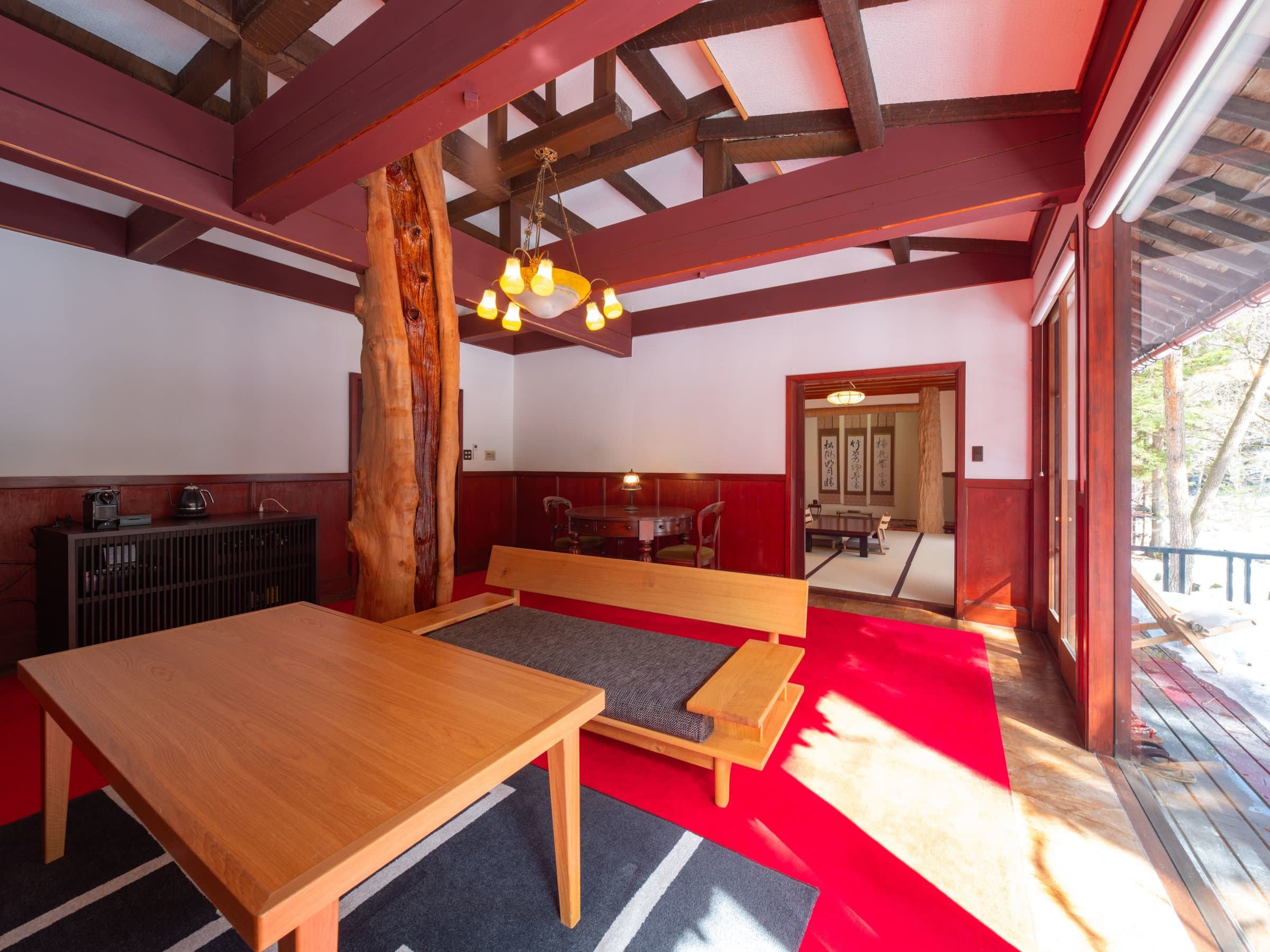
Hoshino Resorts KAI Kinugawa
星野リゾート 界 鬼怒川
Kinugawa Onsen·럭셔리
≈¥26,950부터≈ ₩233,000 · 1인·1박 기준2인 합계 약 ¥53,900부터




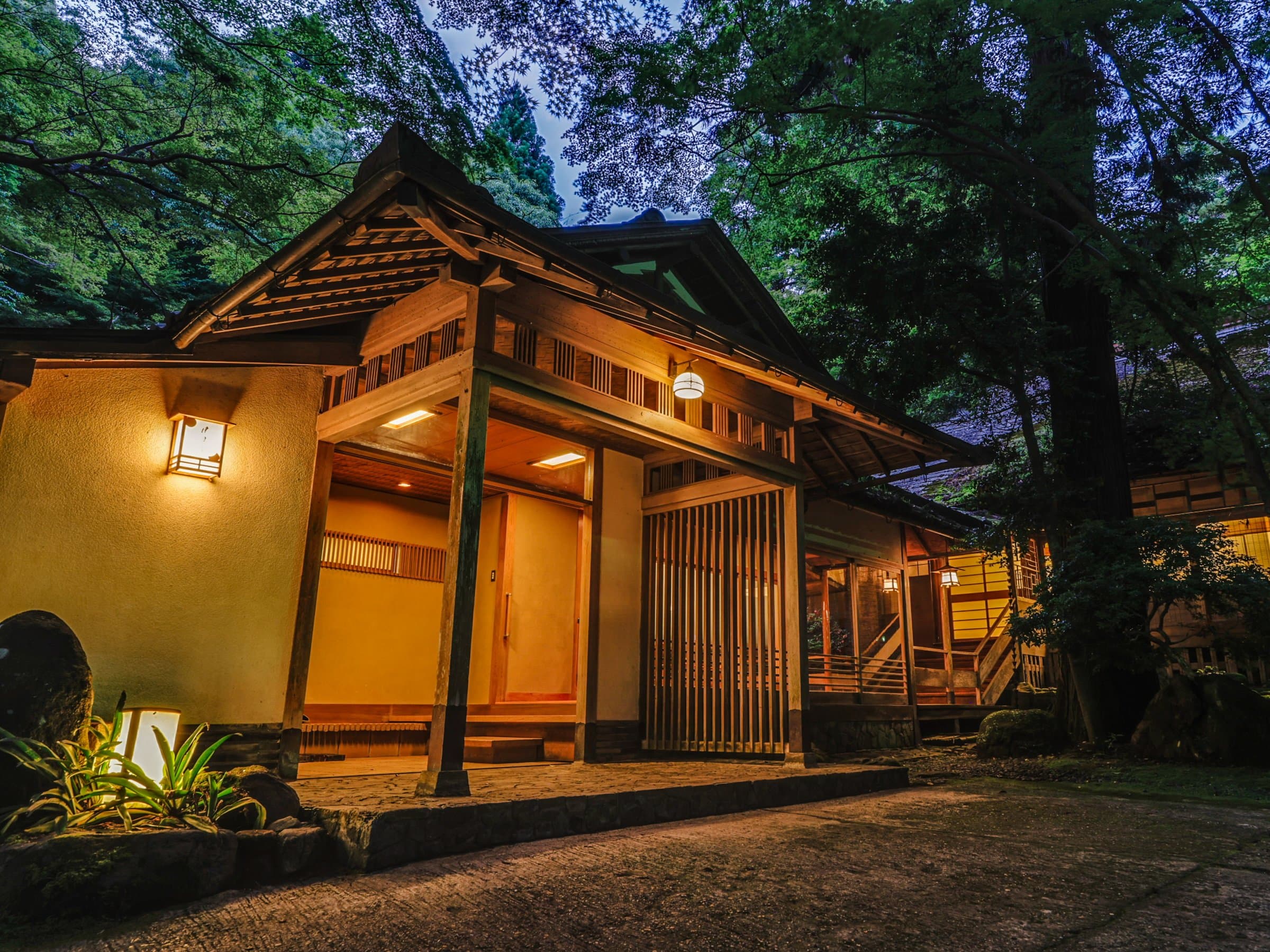
≈¥61,600부터≈ ₩532,000 · 1인·1박 기준2인 합계 약 ¥123,200부터

예약 링크를 통해 수수료가 발생할 수 있으나 추가 비용은 없습니다.
FAQ
자주 묻는 질문
일본 료칸에서 글루텐프리로 식사할 수 있나요?+
네, 사전 준비를 하면 가능합니다. 도착 최소 1주 전에 서면으로 소통하면서 표준 쇼유 대신 타마리 간장(밀 무첨가) 사용, 공용 튀김 기름 회피, 미소 브랜드 확인을 구체적으로 요청하세요. 고야산 슈쿠보와 호시노 리조트 KAI 지점이 가장 믿을 만한 출발 카테고리입니다. GF 인증을 받은 료칸은 없으며, 주방의 서면 확인이 필수적인 검증 단계입니다.
일본의 간장은 글루텐프리인가요?+
표준 일본 쇼유는 글루텐프리가 아닙니다 — 밀과 대두를 거의 같은 비율로 양조합니다. 타마리 간장(たまり醤油)은 밀을 거의 또는 전혀 쓰지 않고 생산되며 요청해야 할 올바른 대체재입니다. 소수의 타마리 제품에는 미량의 밀이 들어가므로 섭취 전 브랜드를 확인하세요. San-J와 Marukin은 밀 무첨가에 준하는 시설에서 생산되는, 널리 구할 수 있는 타마리 브랜드입니다.
쇼진 료리란 무엇이고 글루텐프리인가요?+
쇼진 료리는 일본 불교 사찰 요리로 — 비건이며 식물성 중심에, 두부·채소·쌀·참깨 위에 세워져 있습니다. 본질적으로 글루텐프리는 아니지만(쇼유는 여전히 사용됨), 구조적 단순함 덕분에 타마리 대체가 쉽고 교차 오염 리스크가 표준 카이세키보다 낮습니다. 일본에서 쇼진 료리를 경험하기 가장 좋은 곳은 고야산 슈쿠보입니다.
일본의 미소는 글루텐프리인가요?+
종류와 브랜드에 따라 다릅니다. 대두와 쌀로 만든 쌀 미소(코메 미소)는 보통 글루텐프리입니다. 보리 미소(무기 미소)는 글루텐을 함유합니다. 많은 시판 블렌드가 풍미를 위해 보리를 첨가합니다. 료칸에 어떤 미소 브랜드를 쓰는지, 보리(오무기)가 들어가는지 물어보세요. 확인이 안 되면 안전한 대안으로 오스이모노(맑은 다시 국물)를 요청하세요 — 모든 카이세키 주방이 만들 수 있습니다.
셀리악인데 료칸에서 사시미를 먹을 수 있나요?+
사시미(소스 없는 생선회)는 천연 글루텐프리입니다. 곁들여 나오는 표준 디핑 소스는 밀이 들어간 일반 쇼유입니다. 자신의 타마리 소포장을 가져가 대신 쓰세요. 사시미 자체는 안전하지만 디핑 소스는 아닙니다. 플레이팅 전에 사시미 준비 과정에 쇼유 기반 절임이나 글레이즈가 없는지 주방에 확인하세요.
일본어로 글루텐프리 필요를 어떻게 전달하나요?+
핵심 문구는 다음과 같습니다: グルテンフリー対応をお願いできます。醤油の代わりにたまり醤油(小麦不使用)を使っていただけますか。書面でご返答ください。 ('글루텐프리 대응을 부탁드립니다. 일반 간장 대신 타마리 간장[밀 무사용]을 사용해 주실 수 있나요? 서면으로 답변해 주세요.') 셀리악병이라면 의학적 심각성을 알리기 위해 小麦アレルギー(코무기 아레루기 — 밀 알레르기)를 추가하세요. 예약 이메일에 사용하고 식당 방문용으로 인쇄한 카드를 휴대하세요.
셀리악 여행자가 료칸에서 알아야 할 교차 오염 리스크는 무엇인가요?+
주요 리스크는 네 가지입니다: 공용 튀김기(밀가루 튀김옷 덴푸라가 기름을 오염시킴); 밀 함유 면과 공용 솥에서 삶는 소바; 보리를 첨가하는 미소 브랜드; 밀 전분이 들어간 시판 다시 스톡. 덴푸라 코스 생략, 공용 면 솥 회피, 미소 브랜드 확인, 다시를 직접 우리는지 여부를 요청·확인하세요. 이 구체적인 질문들이 안전한 료칸과 위험한 료칸을 가릅니다.
료칸과 소통할 때 '글루텐프리'와 '小麦アレルギー'의 차이는 무엇인가요?+
小麦アレルギー(코무기 아레루기 — 밀 알레르기)는 일반 용어인 グルテンフリー(구루텐 후리 — 글루텐프리)보다 일본 주방 직원에게 더 진지하게 받아들여집니다. 알레르기 표현은 의학적 결과를 함의하지만 글루텐프리는 라이프스타일 취향으로 읽힐 수 있습니다. 셀리악병이 있다면 두 용어를 함께 쓰세요 — グルテンフリー(小麦アレルギー) — 식이 유형과 의학적 심각성을 모두 전달합니다. 이는 셀리악병에 대해 정확하며 실용적으로도 더 상세한 주방 응대를 이끌어 냅니다.
일본에 글루텐프리 인증 료칸이 있나요?+
2026년 7월 현재, 국제 셀리악 기준에 상당하는 공인 글루텐프리 인증을 보유한 료칸은 일본에 없습니다. 일본은 인증 GF 시설 제도를 운영하지 않습니다. 일부 숙소는 상세한 알레르기 관리 시스템을 갖추고 있으며, 예약 이메일과 서면 확인 접근법이 유일하게 신뢰할 만한 검증 수단입니다. 가장 세심하게 대응해 줄 가능성이 높은 카테고리는 고야산 슈쿠보와 호시노 리조트 KAI 브랜드 지점입니다.
료칸 아침 식사에도 별도의 글루텐프리 요청이 필요한가요?+
네 — 명시적으로 필요합니다. 저녁 카이세키와 아침 식사는 사전 준비 시간이 다른 별개의 주방 교대조가 준비합니다. 예약 이메일에 아침 식사 항목을 별도로 넣으세요: 생선구이는 간장 절임이 아닌 소금구이(시오야키)로 요청하고, 다마고야키의 조미를 확인하고, 츠케모노(절임)의 절임액에 대해 물어보세요. 아침의 낫토 쇼유 팩과 양념된 반찬을 위해 아침용 타마리 소포장을 지참하세요.
아직 고민 중이신가요?
일본 전역의 료칸 보기Booking.com