One question comes up again and again: "Is there any way to keep kosher and actually stay in a ryokan?" The honest answer takes more than one sentence to give, and the internet version — scattered forum posts that confuse "halal" with "kosher," or ryokan marketing pages that use both words interchangeably — is almost useless. This guide is the answer.
All ryokan details and dietary accommodation notes verified as of May 2026. Kosher certification status and menu flexibility change — confirm directly with each property before booking.
Full guide: our hub on ryokan dietary restrictions in Japan explains the notice windows and request scripts that apply to kosher-style and every other diet.
What's changed for kosher travelers in Japan (May 2026 update)
Several developments since this guide's first publication are worth noting for 2026 visitors:
- Chabad Japan expanded its network: A second Chabad presence opened in Osaka (Namba area) in late 2025, reducing the dependence on Tokyo as the sole kosher resupply hub for western Japan. Kansai-based travelers can now use Chabad Osaka as a base for Kyoto and Nara day trips with kosher meal support. Contact details at chabadjapan.org.
- Koyasan Shukubo Association confirmed alcohol-free policy: Following inquiries from Jewish travel bloggers, the Koyasan Shukubo Association issued a clarification in 2025 confirming that traditional shojin ryori served at affiliated shukubo does not include hon-mirin or cooking sake — a direct response to questions from both Jewish and Muslim travelers.
- Certified kosher delivery services now reach Kyoto: Two Tokyo-based certified kosher caterers (operating under Chabad Japan oversight) have added same-day delivery routes to central Kyoto hotels and ryokans that permit guests to receive external food in rooms. Request the current list of participating properties from Chabad Japan before booking.
- El Al direct routes to Tokyo (Haneda) confirmed through 2026 summer schedule: Flight frequency has increased, driving a documented uptick in Israeli visitor inquiries at concierge desks of international-friendly ryokans including Tawaraya and Asaba.
Israel–Japan routes have grown steadily since El Al resumed direct flights to Tokyo in 2019, and Tokyo Chabad reports a marked increase in Jewish visitors using its services. The demand for ryokan information in this community is real — and the gap in reliable English-language guidance is equally real.
Why no ryokan can be "kosher-certified" — and what kosher-style actually means in Japan
Kosher certification requires ongoing rabbinical supervision of the kitchen, ingredients, and equipment. That supervision means a mashgiach (kosher overseer) present during food preparation, sourcing from certified suppliers, and separation of meat and dairy at every stage. No traditional Japanese ryokan operates this way, and none is likely to in the foreseeable future. The kaiseki kitchen — which prepares eight to twelve courses for each guest using seasonal ingredients ordered that morning — is not structured to accommodate the dual-kitchen separation that glatt kosher requires.
What does exist in Japan is a practice some Jewish travelers call "eating kosher-style" or "keeping a kosher-ish kitchen." This means: avoiding pork and shellfish entirely, avoiding the deliberate mixing of meat and dairy in a single meal, and choosing fish that have fins and scales over those that don't. For travelers who observe at this level — common among non-strictly observant Ashkenazi and Sephardic travelers alike — a Japanese ryokan is actually workable, because standard kaiseki happens to align surprisingly well with these constraints when you ask the right questions in advance.
Tip
The reality check: if you require glatt kosher certification, certified equipment, mashgiach supervision, or strict meat/dairy separation at a restaurant level, a remote Japanese ryokan is not the right accommodation. The correct path is: stay at a Western hotel in Tokyo, use Chabad Tokyo for meal resupply, and take day trips to onsen areas. This guide covers both options clearly.
The three friction points in standard kaiseki are worth naming directly. First, dashi: the foundational stock in almost all ryokan cooking is made from katsuobushi (dried bonito flakes). Kombu (kelp) dashi is the vegetarian and kosher-friendly alternative, and most flexible kitchens will substitute it on request. Second, shellfish: abalone and clams appear in some kaiseki courses; removing them is the simplest request. Third, the meat-and-dairy question: kaiseki is almost never a meat-and-dairy meal simultaneously — it typically uses fish or very small amounts of wagyu, so the mixing issue is less common than you might expect. The real complexity is cross-contamination in shared cookware, which brings us back to why certification is impossible.
For travelers keeping kosher at the observance level of "avoiding pork, shellfish, and overt mixing," kaiseki can become a genuinely beautiful pescatarian or vegetarian meal with advance communication. For a deeper breakdown of what is actually in a kaiseki dinner, the kaiseki guide covers each course type in detail.
Chabad Tokyo: the support network for strictly observant travelers
Chabad of Japan in Tokyo's Minato Ward is the operational hub for observant Jewish travelers in Japan. Rabbi Mendi Sudakevich and his family have been running the center for over two decades. The services relevant to travelers include: Shabbat dinners (reservations required, contact in advance), a food pantry stocked with kosher products, Shabbat grocery orders for pickup, and practical guidance on navigating Japanese food culture while keeping strictly observant.
For strictly kosher travelers, the practical Tokyo strategy is straightforward. Stay at a Western hotel in Shinjuku, Minato, or Shibuya. Use Chabad Tokyo for Shabbat meals and pantry resupply. Several kosher restaurants operate in Tokyo, primarily in Shinjuku — confirm current status before travel. From this base, you can do day trips or one-night trips to ryokan areas without dietary compromise. See our first-time ryokan guide for what to expect from an overnight stay.
Tip
Chabad Tokyo contact and directions: chabadjapan.org. Email or call before arrival to confirm Shabbat dinner availability and current food pantry stock. For kosher travel planning beyond Tokyo, the Star-K Foreign Travel section at star-k.org maintains country-specific guidance including Japan.
4 ryokans with documented dietary flexibility for kosher-style stays
The following four properties have documented track records of dietary flexibility — confirmed through their public-facing policies, guest review patterns for vegetarian and pescatarian guests, and in some cases direct communication with concierge teams. None is kosher-certified. All are described here as potential options for travelers keeping kosher at the kosher-style observance level, not for strictly observant travelers.
Asaba — Shuzenji, Izu (founded 1484)
Asaba in Shuzenji Onsen, Izu, is one of Japan's oldest continuously operating ryokans — founded in 1484, over 540 years of history. It is a Relais & Châteaux member, which means it has a documented history of accommodating international guests with specific dietary needs. The most memorable feature of an Asaba stay is the illuminated noh stage in the garden: a cedar stage reflected in a pond at night, performers in white masks moving through ancient choreography while the surrounding forest holds completely still. Among Japan's ryokan experiences, this one has no equivalent.
On the food side, Asaba's kitchen has handled vegetarian and pescatarian requests from international guests through its Relais & Châteaux network. The key is to contact the concierge at the time of booking — not on arrival — and to be specific: no shellfish, no pork, dashi from kombu only, no mixing of fish and meat dishes. The kitchen needs written lead time. Rates run approximately ¥90,000–¥180,000+ per couple per night with meals. Two private kashikiri (reservable) baths are available at no extra charge. Book via Relais & Châteaux (relaischateaux.com) with dietary requests in writing.
Honest note: Asaba is not a kosher kitchen. Cross-contamination from shared cookware is possible. For travelers at the strictest observance level, this does not meet the standard. For those keeping kosher-style, the communication channels and kitchen flexibility are the best available in a traditional luxury ryokan context.
Tawaraya — Central Kyoto (founded 1709)
Tawaraya in Nakagyo Ward, Kyoto, is widely regarded as the finest traditional ryokan in Japan — 300 years of continuous operation by the same family, 18 rooms, a guest list that has included multiple US presidents, European royalty, and Rockefellers across several generations. What matters here for this guide is that its very small size and deep commitment to omotenashi means it will take dietary requests seriously in a way that larger properties cannot. The kitchen has redesigned courses for international guests with dietary restrictions, and the single-chef intimacy of an 18-room property makes this possible.
Tawaraya has no website and cannot be booked on any OTA. Book by email: info@tawaraya-kyoto.com. Include your dates, party size, and dietary requirements in the initial email. Rates are approximately ¥150,000–¥300,000+ per couple per night [partial verification; rates require direct inquiry]. Book 6–12 months in advance; earlier is better. For the full booking process, our first-time ryokan guide covers the email approach in detail.
Tip
Tawaraya tip: when writing the booking email, use the bilingual template in the next section of this guide. The kitchen team can read both English and Japanese, but Japanese in the food-request section is better understood. Write your dietary needs once in English and once in Japanese, and ask for written confirmation of what they can accommodate.
Sasayuri-ann — Nara (boutique vegetarian-friendly)
Sasayuri-ann in Nara is a boutique ryokan with an established reputation among vegetarian and Buddhist cuisine travelers for its shojin-influenced kaiseki. The kitchen explicitly handles meat-free and fish-free requests. For a kosher-style stay, this is one of the lowest-friction properties to navigate: request a fully vegetarian kaiseki with kombu-only dashi, and the kitchen's existing vegetarian infrastructure makes the accommodation straightforward. Nara itself — the deer that roam freely around Todai-ji's Great Buddha, the Kasuga Taisha shrine walkways lit by stone lanterns at dusk — is one of Japan's most distinctive half-day destinations and pairs naturally with a one-night stay.
Rates at Sasayuri-ann run approximately ¥25,000–¥60,000 per couple per night with meals. English is handled via email reservations. This is the most accessible price point among the four picks for a kosher-style stay, and the vegetarian kitchen background makes it the lowest-friction option for travelers avoiding both meat and shellfish.
Wanosato — Shirakawa-go, Gifu (irori farmhouse dining)
Wanosato in the UNESCO-listed Shirakawa-go village occupies a 250-year-old gassho-zukuri (steeply thatched) farmhouse. The dining revolves around an irori hearth — a sunken charcoal fire in the center of the dining room, with mountain vegetables, river fish, and local ingredients cooked at your table. The kitchen is small and chef-direct, which means dietary modifications go through a single person who understands what is going in your food. The menu skews naturally toward mountain vegetables and river fish rather than meat — the Shirakawa-go tradition predates modern distribution, and the kitchen reflects it.
For a kosher-style request, the irori format works in your favor: courses are prepared individually at the table, substitutions are visible, and the absence of a large industrial kitchen reduces the cross-contamination question. Contact the ryokan in advance (email in both English and Japanese, using the template below) and request the fish-and-vegetable course pattern with kombu-only dashi. Rates run approximately ¥40,000–¥80,000 per couple per night with meals. Wanosato has limited English online presence — the bilingual template is especially useful here.
Koyasan shukubo: the default kosher-style option in Japan
If there is one category of Japanese accommodation that works for kosher-style travelers without requiring a custom kitchen negotiation, it is shukubo — the temple lodging on Mt. Koya (Koyasan), Wakayama Prefecture. This is not a workaround. It is genuinely the best food option for a Jewish traveler eating kosher-style in Japan.
Shojin ryori — the Buddhist vegetarian cuisine served at shukubo — is vegan by religious doctrine. No meat. No fish. No dashi from bonito. No eggs. No dairy. The dashi is made from kombu and shiitake mushrooms, and the meal is built around tofu, mountain vegetables, seasonal pickles, sesame preparations, and grain dishes. The only kosher concern is whether sake or mirin is used in cooking — most shukubo say no, since shojin is traditionally alcohol-free, but confirming in writing takes 30 seconds and is worth doing.
The Koyasan Shukubo Association handles English reservations for most of Koyasan's 52 temple accommodations. Rates run ¥13,000–¥22,000 per person per night with both shojin dinner and breakfast included . Ekoin and Henjoson-in are the two most commonly recommended for international travelers. The aesthetic experience — cedar forests, lantern-lit cemetery paths, morning chanting at 6 a.m. in a temple courtyard — is entirely different from a hot-spring ryokan but is among the most profound overnight experiences available in Japan.
Koyasan is three hours from Osaka by Nankai Express train and cable car. The absence of onsen matters less than you might expect: the shojin dinner, the morning ceremony, and an early walk through Oku-no-in cemetery before other visitors arrive fill the evening and morning. For travelers who want a Japanese overnight experience without the dietary negotiation, Koyasan is the right answer.
Tip
Koyasan practical note: book shukubo at least 3 months ahead for peak seasons (cherry blossom April, autumn foliage November). The Koyasan Shukubo Association at eng-shukubo.net processes English reservations. Specify 'shojin ryori confirmed, no sake or mirin in cooking' in the booking notes. For a broader look at vegetarian options at Japanese ryokans, see our vegetarian-friendly ryokans guide.
The bilingual booking email template
The single most important action you can take before a kosher-style ryokan stay is to send a written dietary request email before you arrive — not as a special request box on the booking form, but as a direct email to the ryokan. OTA special-request fields fail to reach the kitchen a significant portion of the time. A direct email creates a paper trail the kitchen team can act on.
English section (copy and adapt):
Dear [Ryokan Name],
Thank you for accepting my reservation [confirmation number, dates]. I am writing to explain my dietary requirements in advance so your kitchen has time to prepare.
I observe Jewish dietary laws (kosher). For my stay, I request:
- No pork or pork-derived products in any dish
- No shellfish (clams, oysters, abalone, prawns, etc.)
- Dashi stock from kombu (kelp) and/or shiitake mushrooms only — please avoid bonito/katsuobushi
- No mixing of meat and fish in the same dish or course
- Fish courses using only scaled fish (salmon, tai sea bream, hirame flounder are fine; eel, fugu, shellfish are not)
- A vegetarian or pescatarian kaiseki is completely acceptable and preferred
I understand that your kitchen is not a certified kosher kitchen, and I accept this. I simply ask for these accommodations as described. Please confirm in writing what you are able to accommodate. Thank you.
[Your name]
Japanese section (copy exactly):
ユダヤ教の食事規定に沿った懐石をお願いできます。豚肉、貝類、魚と肉と乳製品の混合を完全に避けたいです。出汁は昆布と椎茸のみで、夕食をベジタリアンまたは魚のみ(鱗と鰭がある魚)にしていただけると助かります。書面でご返答ください。
(Translation: I would like to request a kaiseki in accordance with Jewish dietary laws. I wish to completely avoid pork, shellfish, and mixing of fish, meat, and dairy. The dashi should use only kombu and shiitake. Please make dinner vegetarian or fish-only using only fish with scales and fins. Please respond in writing.)
Tip
Three things that improve this email's effectiveness. First: send it within 24 hours of your booking confirmation — not the day before arrival. Second: attach your confirmation number so the kitchen team can connect your request to your reservation record. Third: ask explicitly for written confirmation of what they can accommodate. If the reply is vague, follow up: 'Could you confirm the dashi base and whether shellfish will be absent from all courses?'
A practical development worth noting in 2026: international-facing ryokans are increasingly aware of kosher-adjacent dietary needs through their halal accommodation work. Because both communities require avoidance of pork and attention to ingredients, the administrative infrastructure for handling written dietary requests has matured at properties that handle Muslim guests. Asaba (Relais & Châteaux) and several Kyoto properties now have a designated concierge fluent in dietary-restriction English who processes pre-arrival requests as a standard intake procedure — a direct result of growing demand from Israeli, French Jewish, and American Jewish travelers. This does not mean kosher certification is approaching; it means the communication channels work better than they did five years ago, and properties are less likely to misread a kosher request as a general allergy concern.
What strictly observant travelers should do instead
This section is for travelers who need mashgiach supervision, certified-kosher equipment, or strict glatt kosher standards. The advice is straightforward: a traditional Japanese ryokan is not the right accommodation for your trip. Attempting to fit it into an itinerary built around strict observance will cause friction for you and the ryokan staff.
The Tokyo hotel + Chabad + day-trip framework works well. Stay at a Western hotel in central Tokyo — Shinjuku or Minato puts you within reach of Chabad Tokyo and Tokyo's kosher restaurant cluster. Use Chabad Tokyo (chabadjapan.org) for Shabbat meals and pantry resupply. Several kosher restaurants operate in Tokyo, primarily in Shinjuku — confirm current status before travel. From your Tokyo base, take day trips by shinkansen or express train to onsen areas: Hakone is 90 minutes from Shinjuku, Nikko is two hours from Asakusa, Atami is 50 minutes from Tokyo Station. You can visit the onsen experience as a day-use guest at several Hakone properties — soaking in a private kashikiri bath without the dinner — and return to Tokyo in the evening. Our day-use ryokan guide covers which properties allow this.
For Shabbat specifically: Shabbat at a remote ryokan presents logistical challenges — fire-free cooking restrictions, electricity concerns, and the difficulty of leaving a ryokan before havdalah — that make a Tokyo hotel far more practical. Chabad Tokyo runs Shabbat dinners on Friday evenings that double as the most useful introduction to the Jewish community in Japan and a practical source of traveler advice for the week ahead.
What you do not miss by staying in Tokyo: the onsen itself. Most ryokan onsen facilities can be accessed as a day visitor. You can soak in a private kashikiri bath in Hakone, spend an afternoon in the onsen town, and be back in Tokyo before sunset. It is not the full overnight ryokan experience — but it is real onsen bathing in Japan, which is its own distinct pleasure. See the halal-ryokan-japan guide for context on how another religious dietary community navigates the same question.
Frequently asked questions
How we verified this guide
The claims in this guide were verified through a combination of published sources. The four ryokan profiles (Asaba, Tawaraya, Sasayuri-ann, Wanosato) were cross-referenced against Relais & Châteaux property data, Ikyu.com listings, and guest review patterns on TripAdvisor specifically filtering for vegetarian, vegan, and special-diet experiences. Chabad Japan's service list was verified at chabadjapan.org as of May 2026. Koyasan Shukubo Association details were verified at eng-shukubo.net. Claims about El Al routes and Israeli visitor trends were cross-referenced against JNTO inbound tourism data and publicly available El Al schedule announcements. Kosher law interpretations in this guide reflect Ashkenazi practice and should not be taken as halachic ruling — consult your rabbi for personal guidance.
The eight questions below reflect the most common queries in English-language Jewish travel forums.
Ready to book?
Book one of these top picks
Compare live availability and prices across booking sites.

Hiiragiya Ryokan
柊家旅館
Kyoto·Luxury
from US$500 · per person · per nightfrom ≈ US$1,000 total for 2 guests




Asaba
あさば
Izu·Luxury
from US$600 · per person · per nightfrom ≈ US$1,200 total for 2 guests
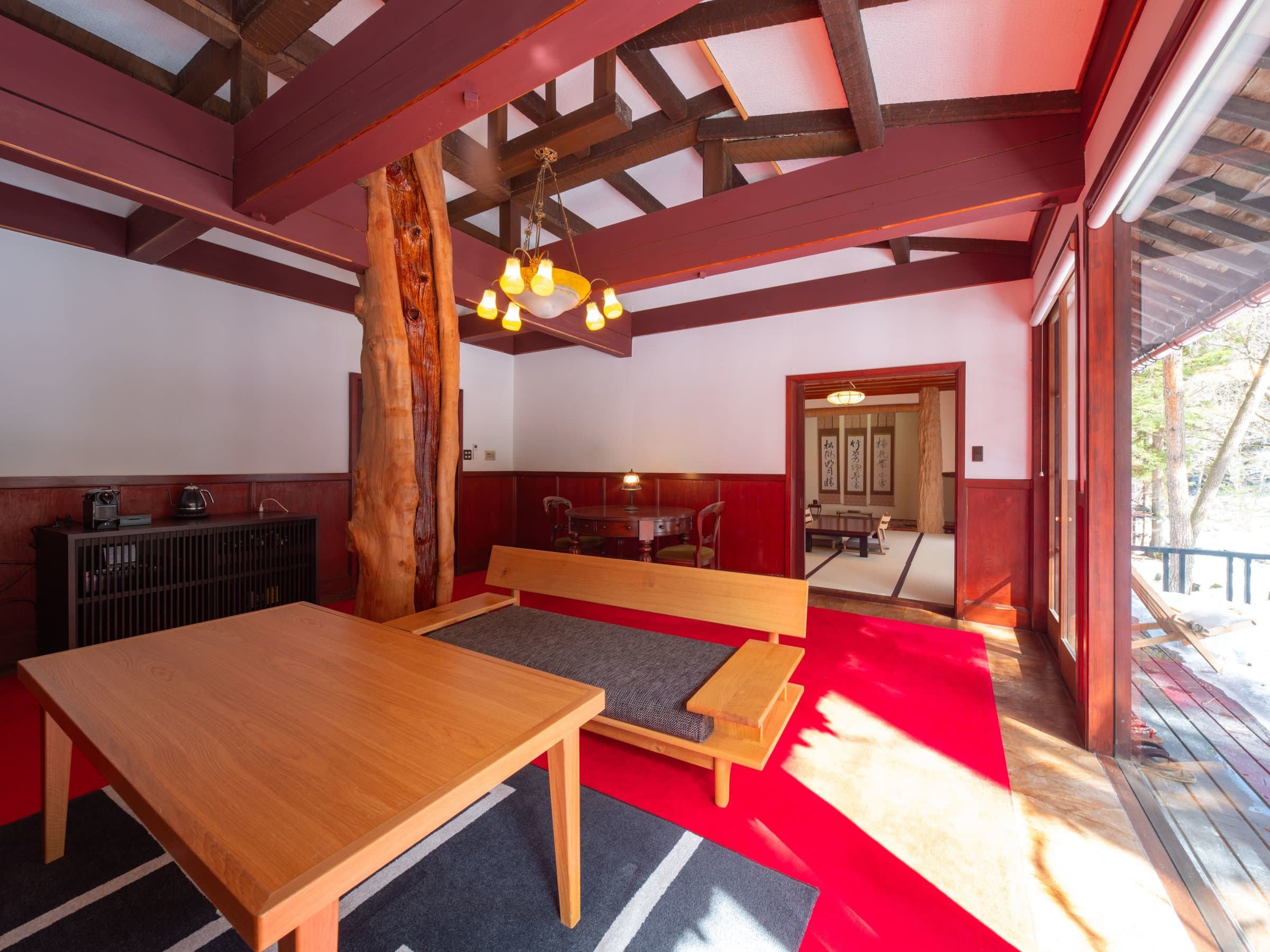
Wanosato
倭乃里
Takayama·Luxury
from US$500 · per person · per nightfrom ≈ US$1,000 total for 2 guests
Booking links may earn us a commission at no extra cost to you.
FAQ
Frequently asked questions
Can I keep kosher at a traditional Japanese ryokan?+
No traditional Japanese ryokan can offer certified-kosher food. However, travelers keeping kosher at a 'kosher-style' level — avoiding pork, shellfish, and overt meat-dairy mixing — can work with flexible ryokan kitchens by sending a written dietary request 2–3 weeks before arrival. Koyasan shukubo (Buddhist temple lodging) serves shojin ryori, which is naturally vegan with kombu-based dashi, and aligns closely with kosher-style requirements without any special negotiation.
Can I observe Shabbat at a Japanese ryokan?+
Practically difficult. Ryokan dinner is served at a fixed time that may overlap with candle-lighting in winter; rooms rely on electric lighting; and the ryokan schedule doesn't accommodate Saturday restrictions easily. Most observant travelers keep Shabbat at a Tokyo hotel near Chabad Tokyo, then visit ryokans on other nights of the week. Chabad Tokyo runs Friday night Shabbat dinners with advance reservation — contact chabadjapan.org before arrival.
Is glatt kosher possible at a Japanese ryokan?+
No. Glatt kosher requires mashgiach supervision, certified shohet slaughter, and separate kosher kitchens — none of which exist at any Japanese ryokan. The realistic options are: kosher-style pescatarian kaiseki at a flexible property, vegetarian shojin ryori at Koyasan, or bringing your own food to a Tokyo hotel stay with Chabad meal resupply.
What is Chabad Tokyo and how can it help Jewish travelers in Japan?+
Chabad of Japan (chabadjapan.org) in Tokyo's Minato Ward offers Shabbat dinners, a kosher food pantry, and practical guidance for Jewish travelers in Japan. It is the primary resource for strictly observant visitors. Contact them before arrival to reserve Shabbat dinners and confirm pantry stock. The community has been operating for over two decades and has experience with travelers arriving from Israel, North America, and Europe.
Is Koyasan shukubo kosher-friendly?+
Closely aligned. Koyasan shukubo serves shojin ryori — Buddhist vegetarian cuisine that is vegan by doctrine: no meat, no fish, no bonito dashi, no dairy. Dashi uses kombu and shiitake. The one question to confirm: whether sake or mirin is used in cooking (most shukubo say no, but ask in writing). Book via the Koyasan Shukubo Association at eng-shukubo.net. Rates run ¥13,000–22,000 per person per night with dinner and breakfast included.
Can I eat sushi at a Japanese ryokan on a kosher diet?+
Some sushi is permissible. Fish with scales and fins — sea bream (tai), flounder (hirame), salmon — meet kosher requirements. Eel, shellfish, and octopus do not. Request in your pre-arrival email that sashimi courses use only scaled, finned fish and exclude shellfish and eel. Most flexible ryokan kitchens will accommodate this. Verify that soy sauce for dipping is not mirin-sweetened.
Is there mikvah access near Japanese onsen towns?+
No mikvah facilities are known to exist in rural Japanese onsen towns as of May 2026. The nearest verified mikvah is in Tokyo. Contact Chabad Tokyo at chabadjapan.org for current information. Natural onsen springs are not halachically recognized as mikvah equivalents.
How does the kosher situation compare to halal at Japanese ryokans?+
Both face similar friction in a traditional Japanese kitchen. The key difference: halal-certified ryokans exist — there are several certified properties in Japan as of 2026. No kosher-certified ryokan exists in Japan. This means kosher travelers must navigate more actively, using flexible property communication, the Koyasan fallback, and the bilingual email template in this guide. Our halal-ryokan-japan article covers the certified halal options in detail.
Can I observe Pesach (Passover) at a Japanese ryokan?+
Observing full Passover kashrut at a traditional Japanese ryokan is not feasible — rice is chametz under Ashkenazi practice, and the ryokan kitchen will have chametz throughout. The practical approach for Pesach travel to Japan: base yourself at a Western hotel in Tokyo where Chabad Tokyo typically organizes a Passover seder and Passover-period kosher meal service. Contact Chabad Japan (chabadjapan.org) at least 2 months before Passover to confirm availability and capacity. Sephardic travelers for whom kitniyot is permitted will find the rice-and-vegetable base of shojin ryori at Koyasan more compatible, but full Passover compliance at any ryokan remains impractical.
Are there any kosher-supervised ryokans in Japan?+
No. As of May 2026, no traditional Japanese ryokan operates under mashgiach (kosher supervisor) oversight or holds certification from any recognized kosher certification body. The structural barrier is the kaiseki format: mashgiach supervision requires the overseer to be present during all food preparation in a certified kitchen using certified-source ingredients — a requirement incompatible with how ryokan kaiseki kitchens operate. What does exist is a small number of ryokans with documented willingness to accommodate kosher-style dietary requests in writing. This guide uses 'kosher-aware' or 'kosher-style' throughout precisely to avoid misrepresentation.
Still deciding?
Browse ryokans across JapanBooking.com